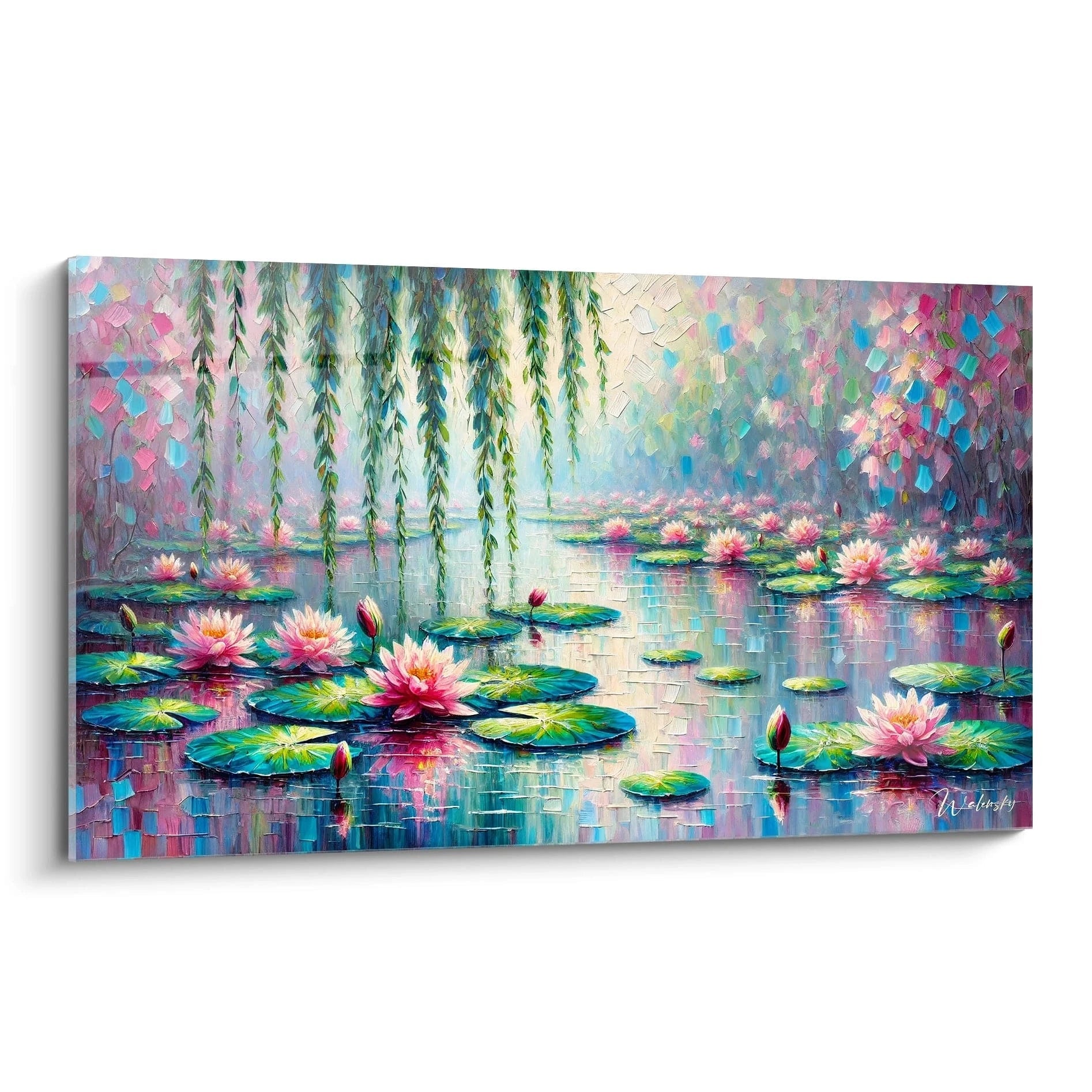
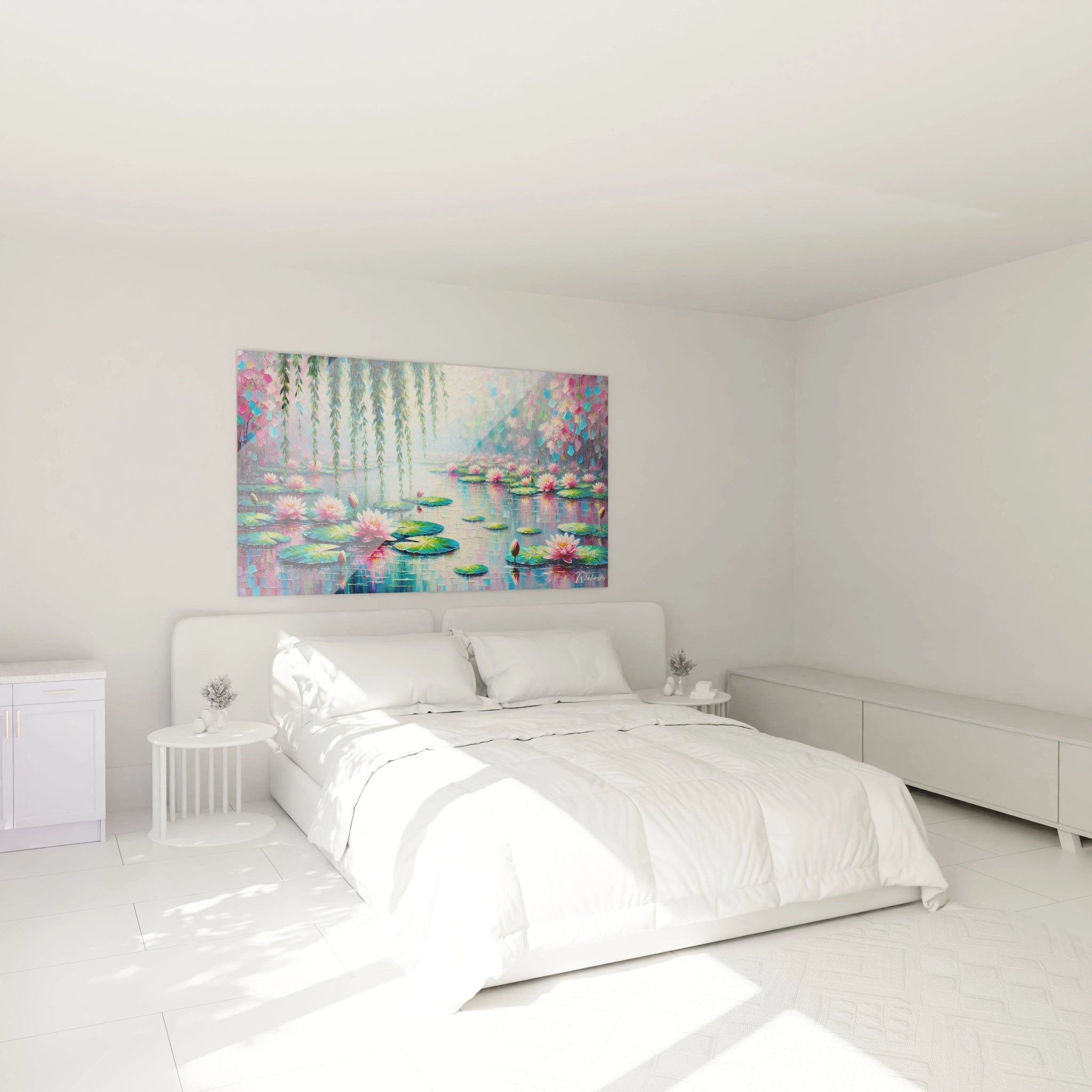
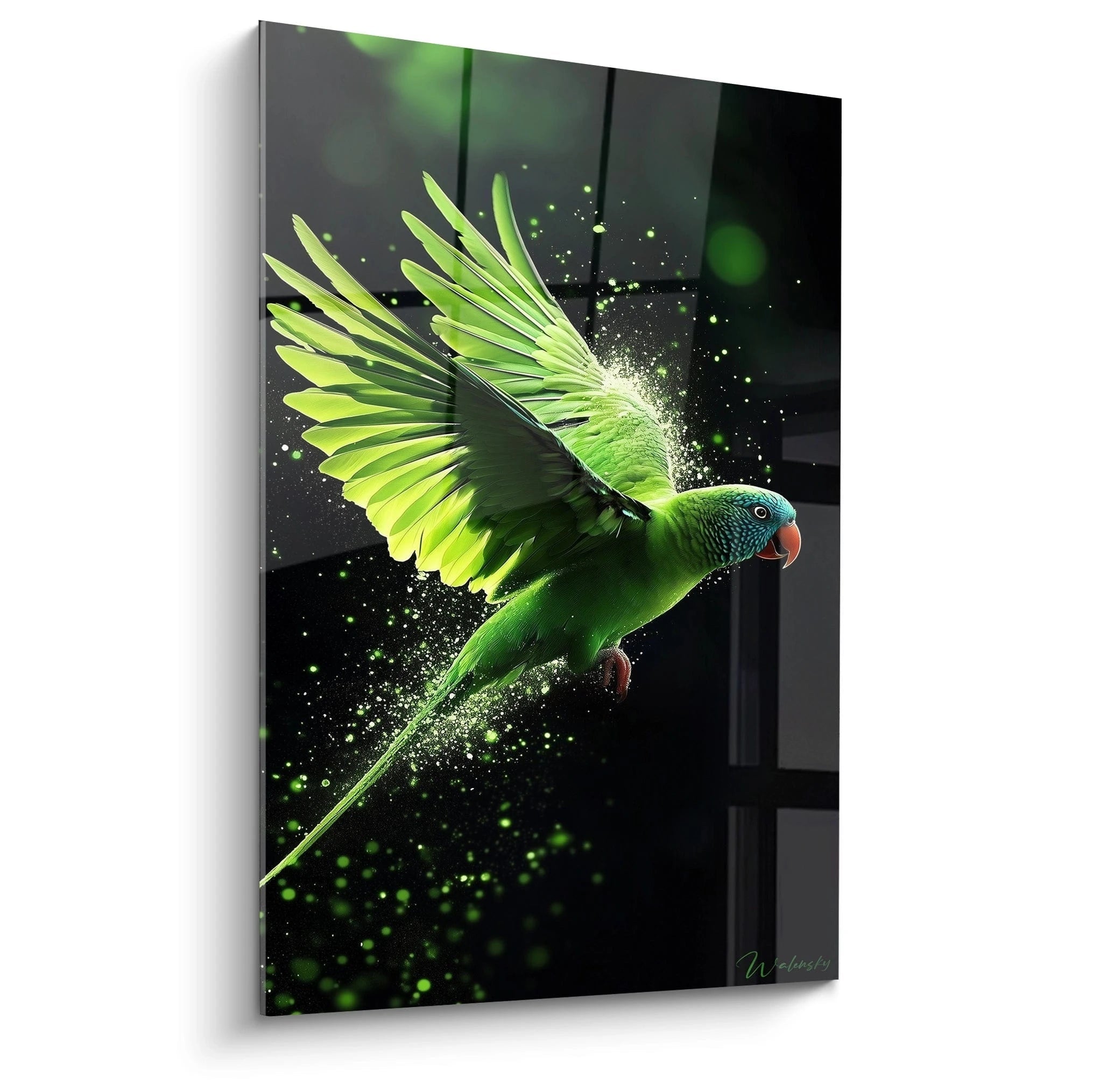
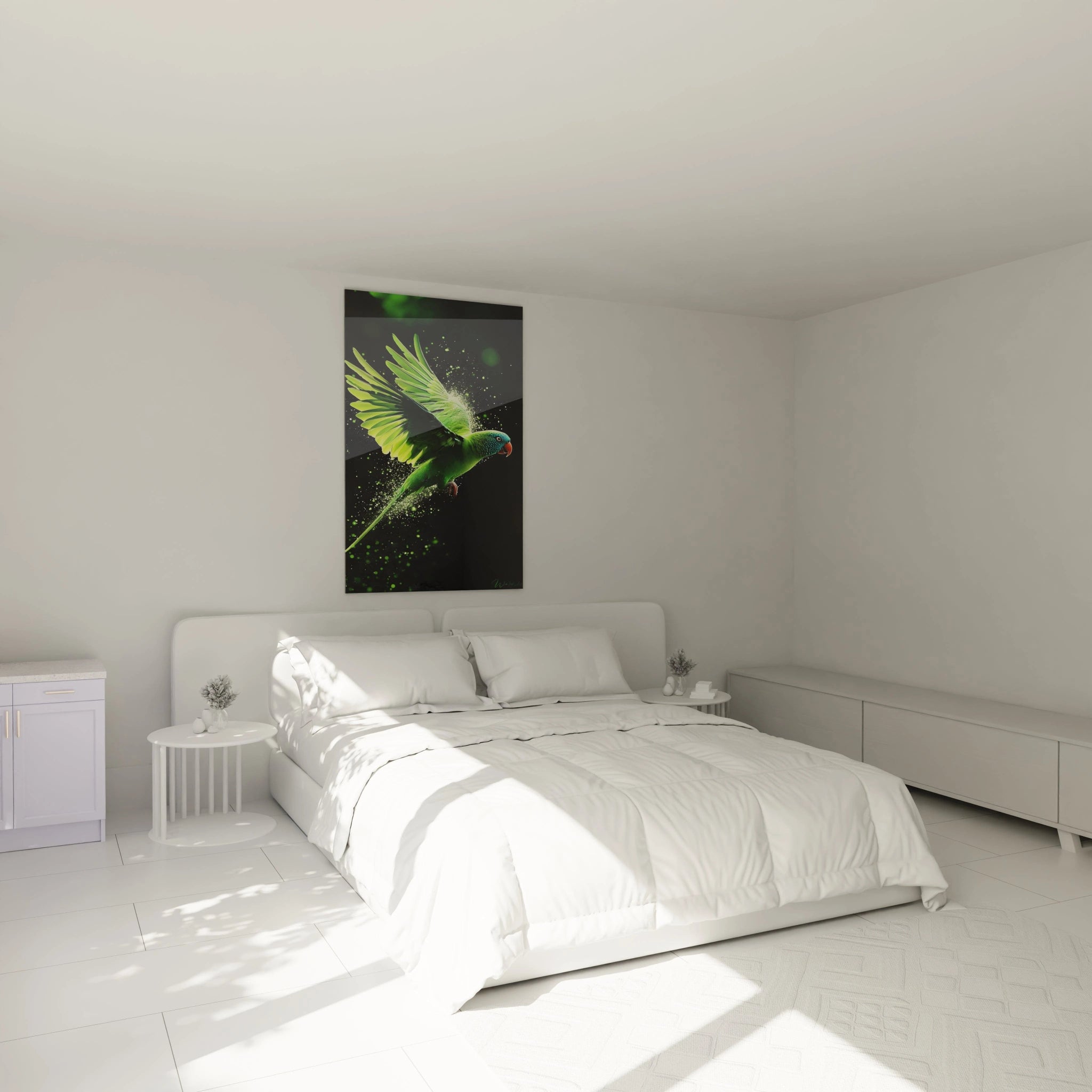
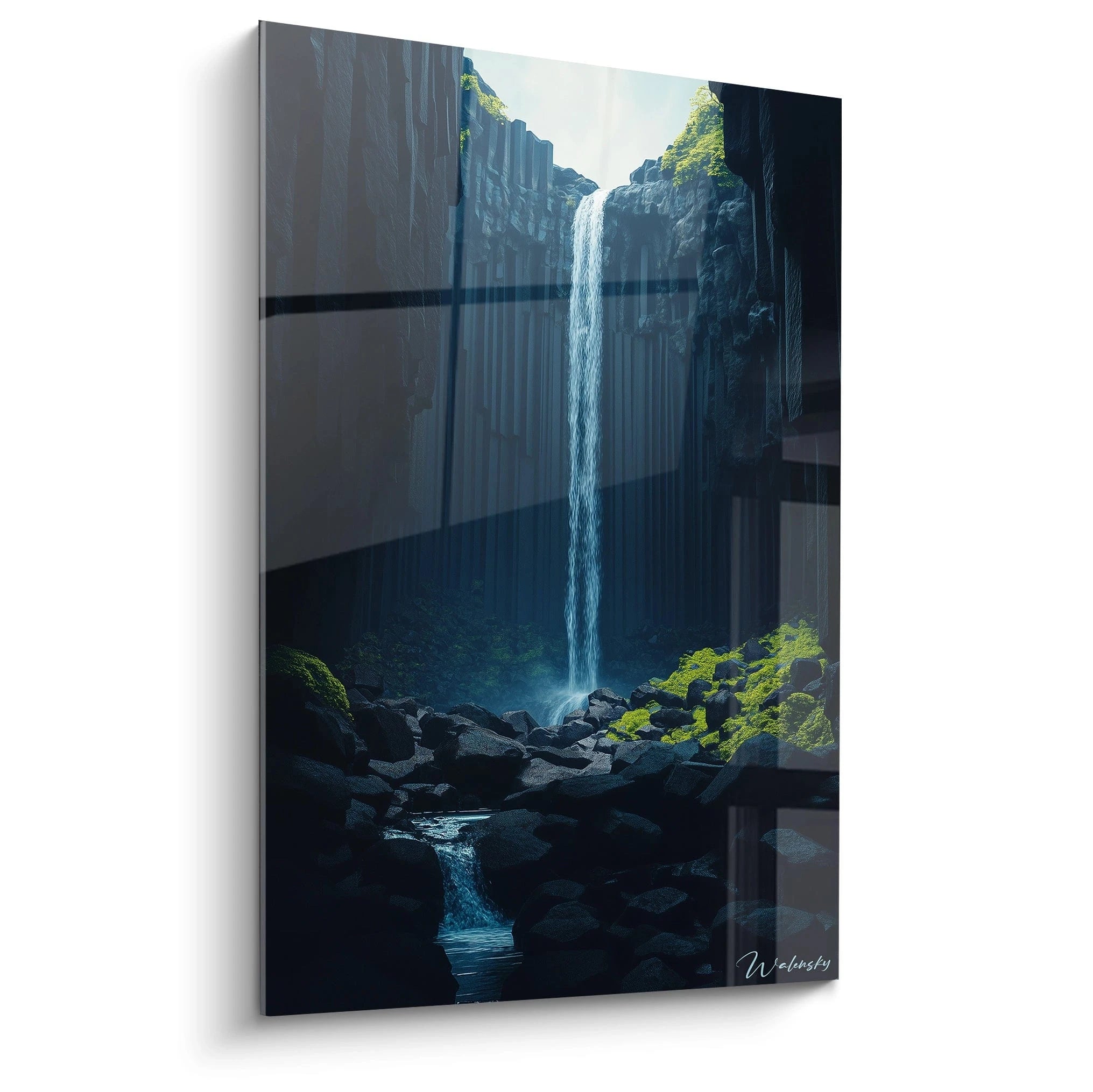
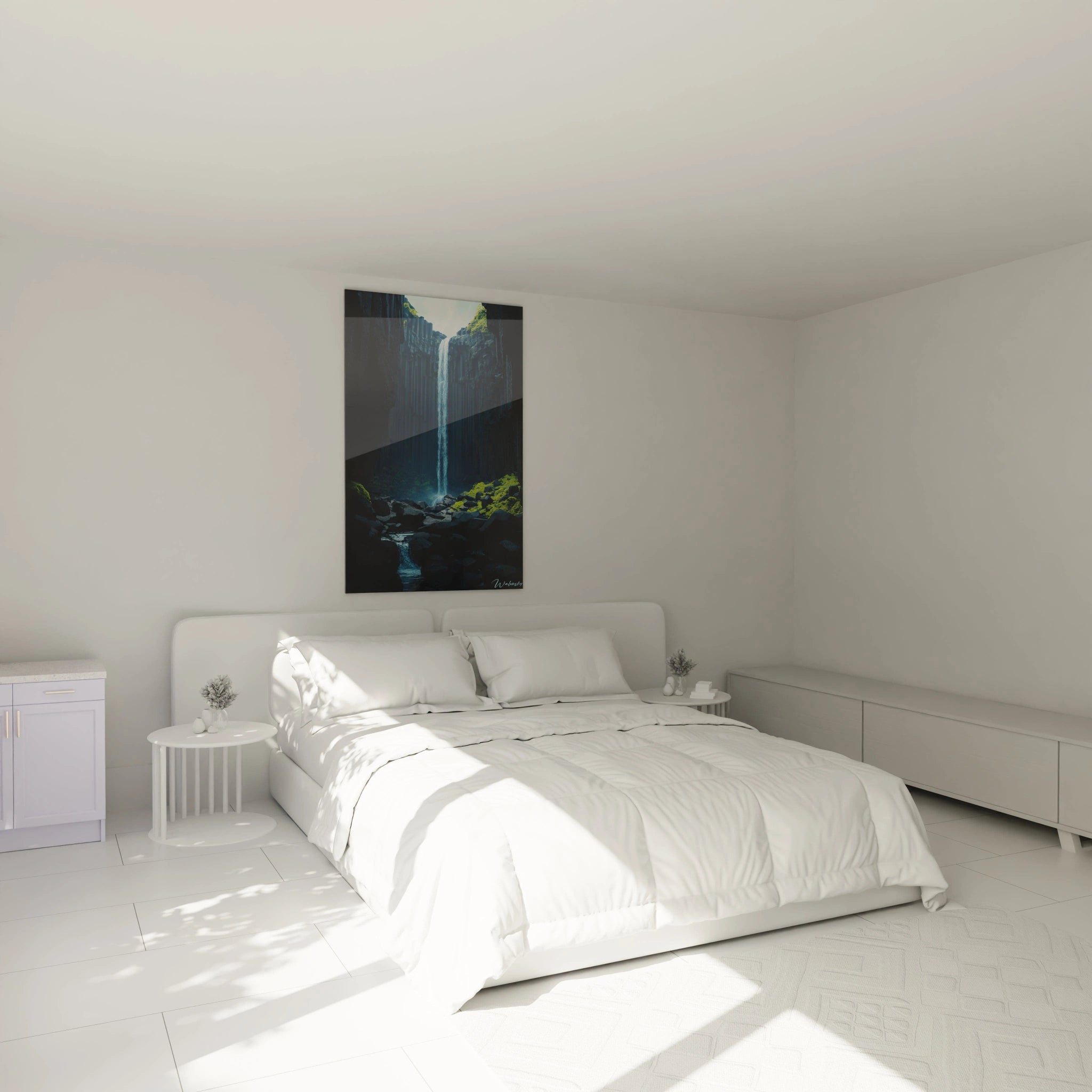
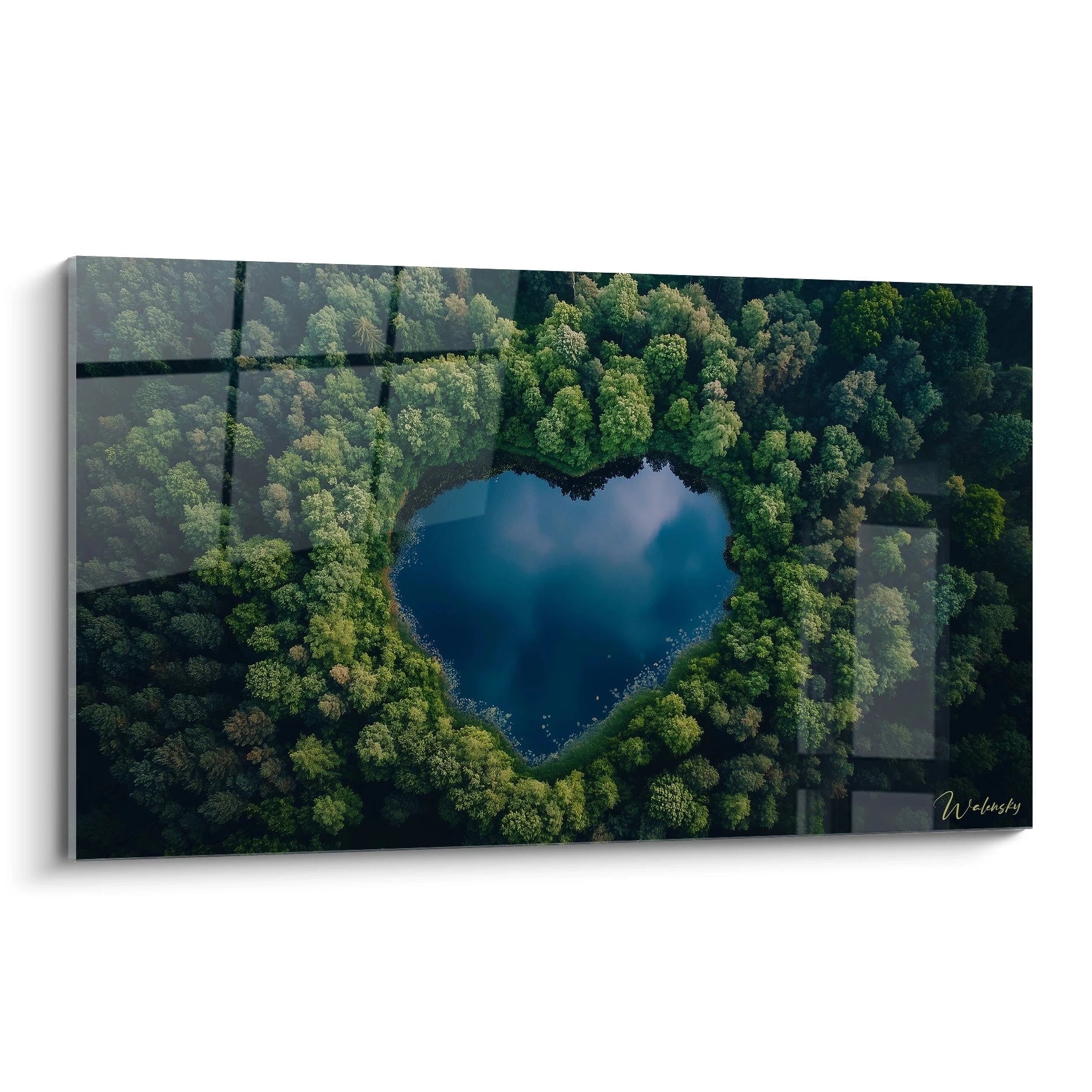
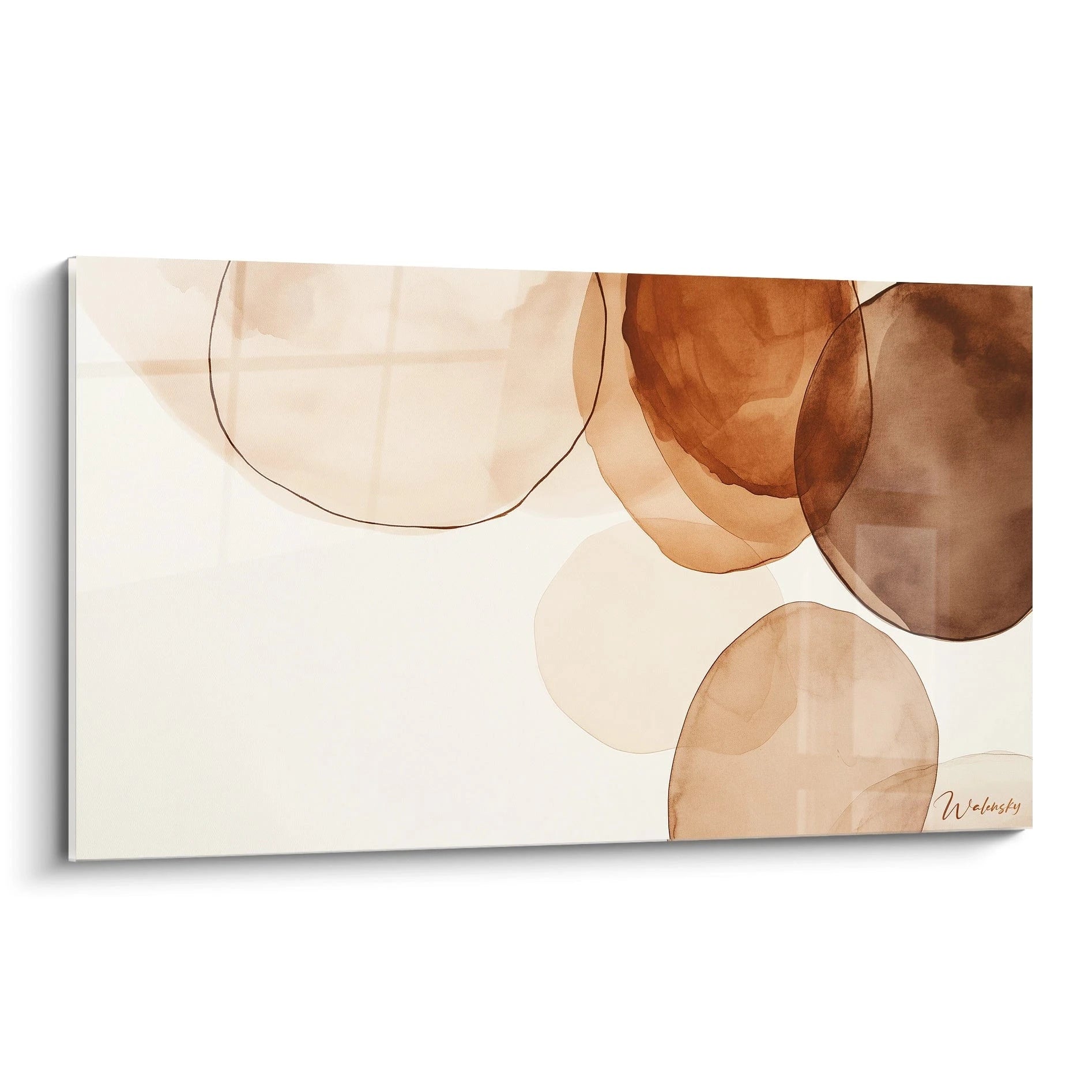
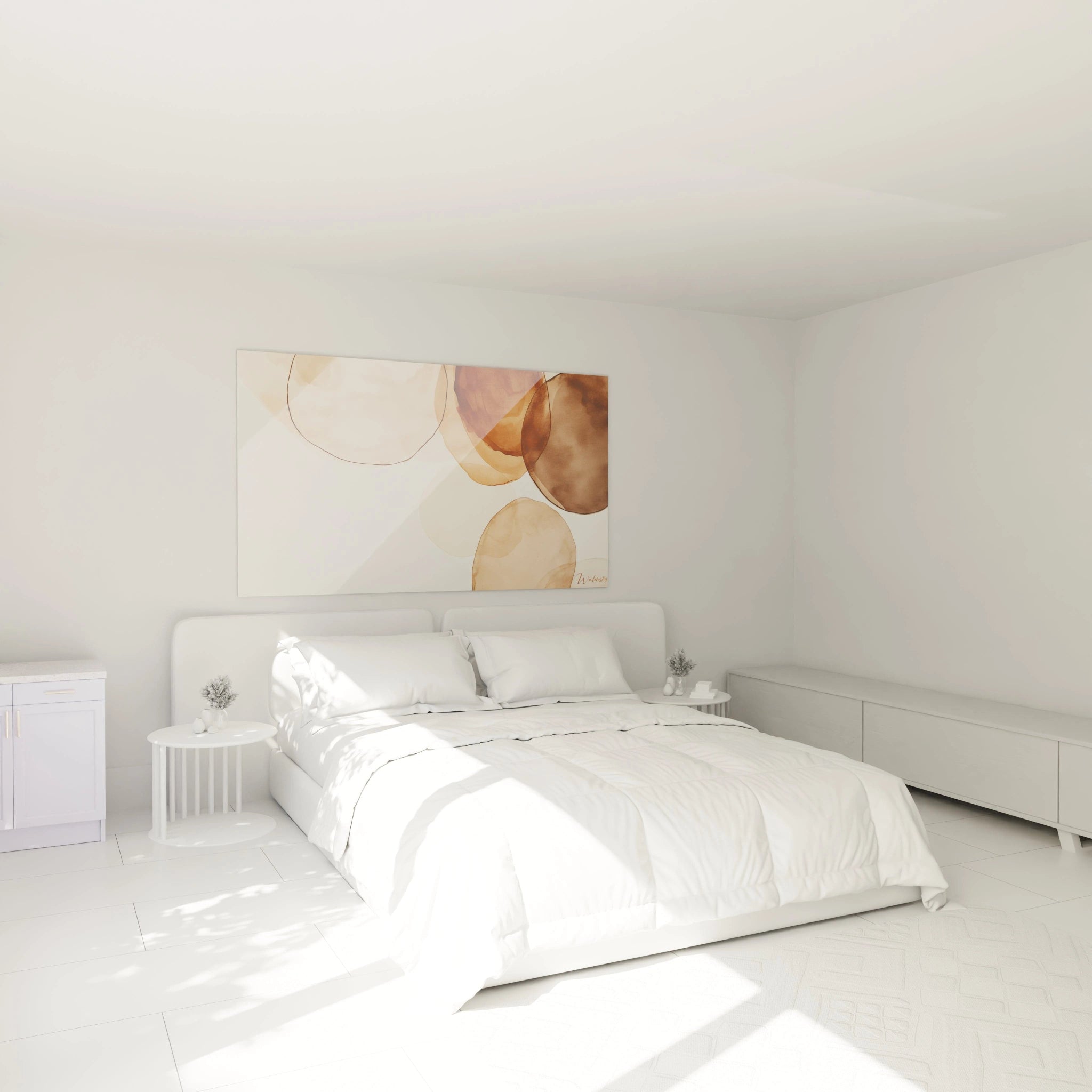
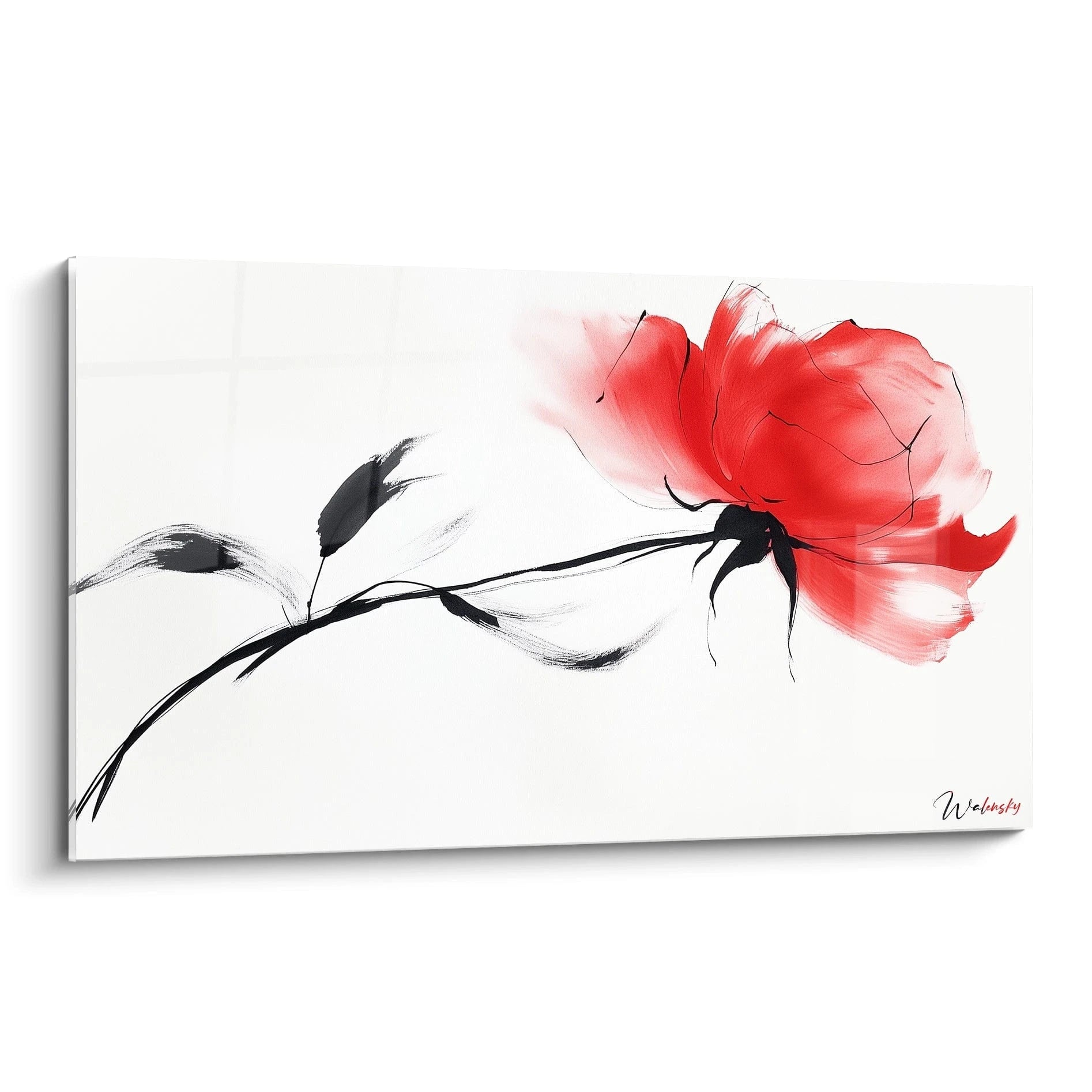
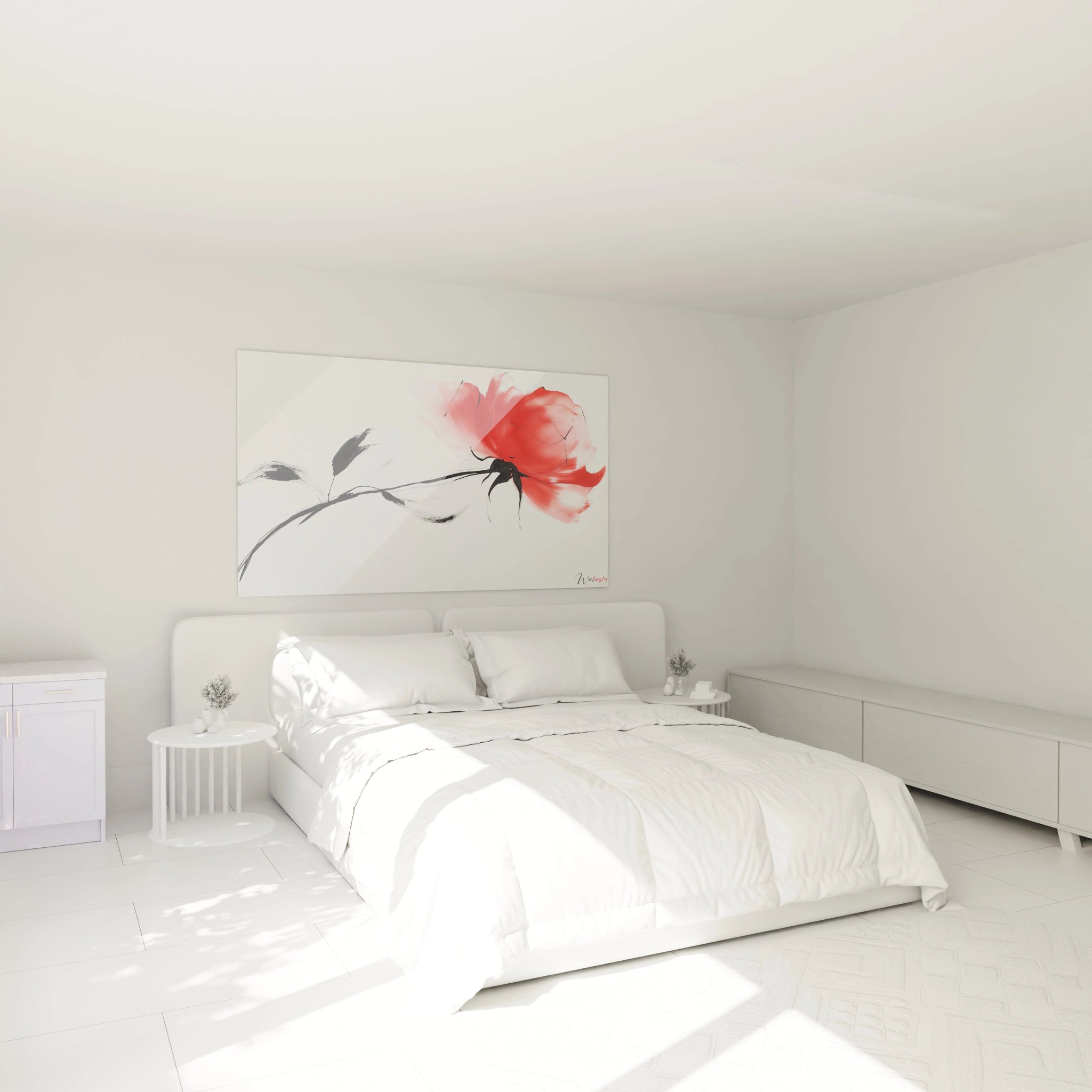
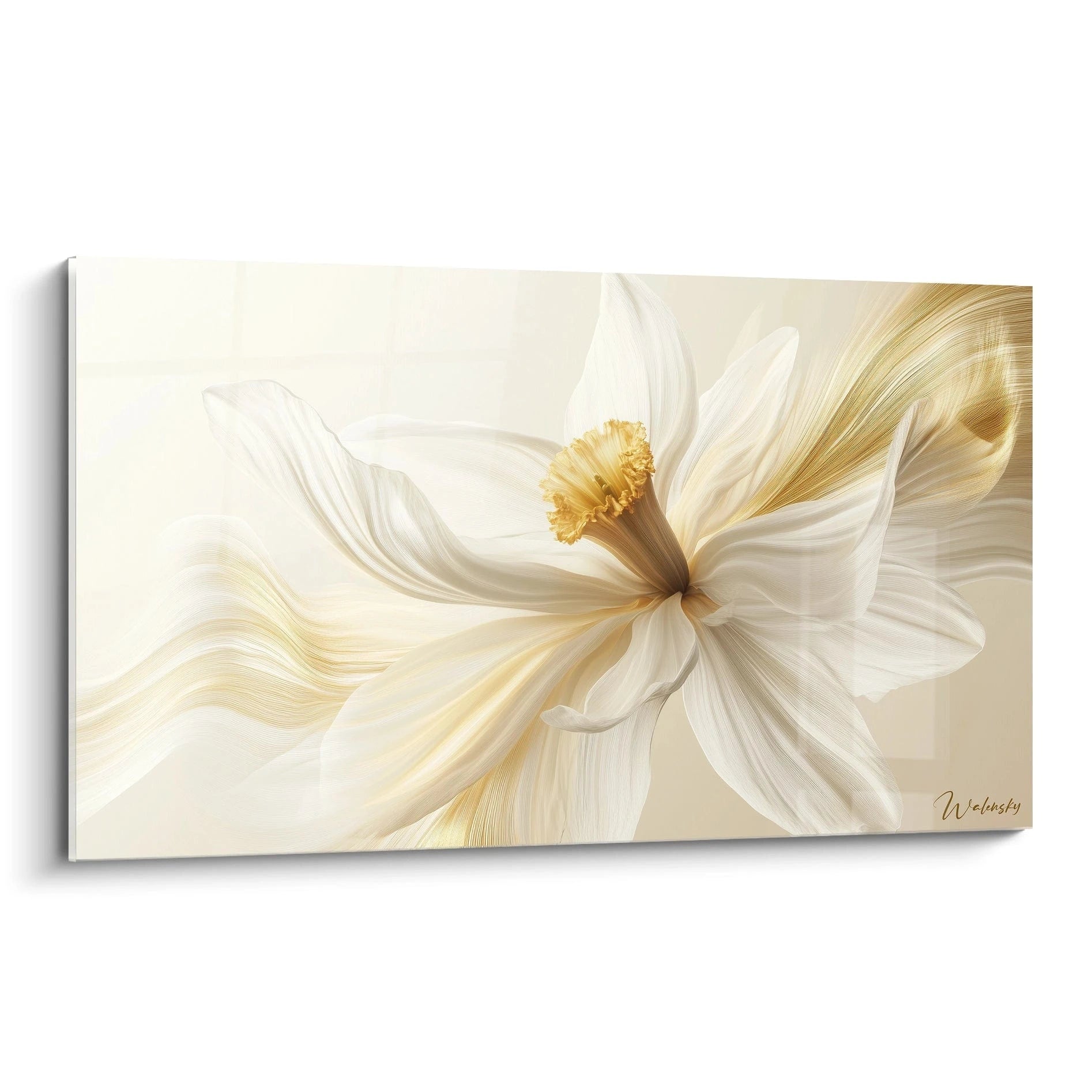
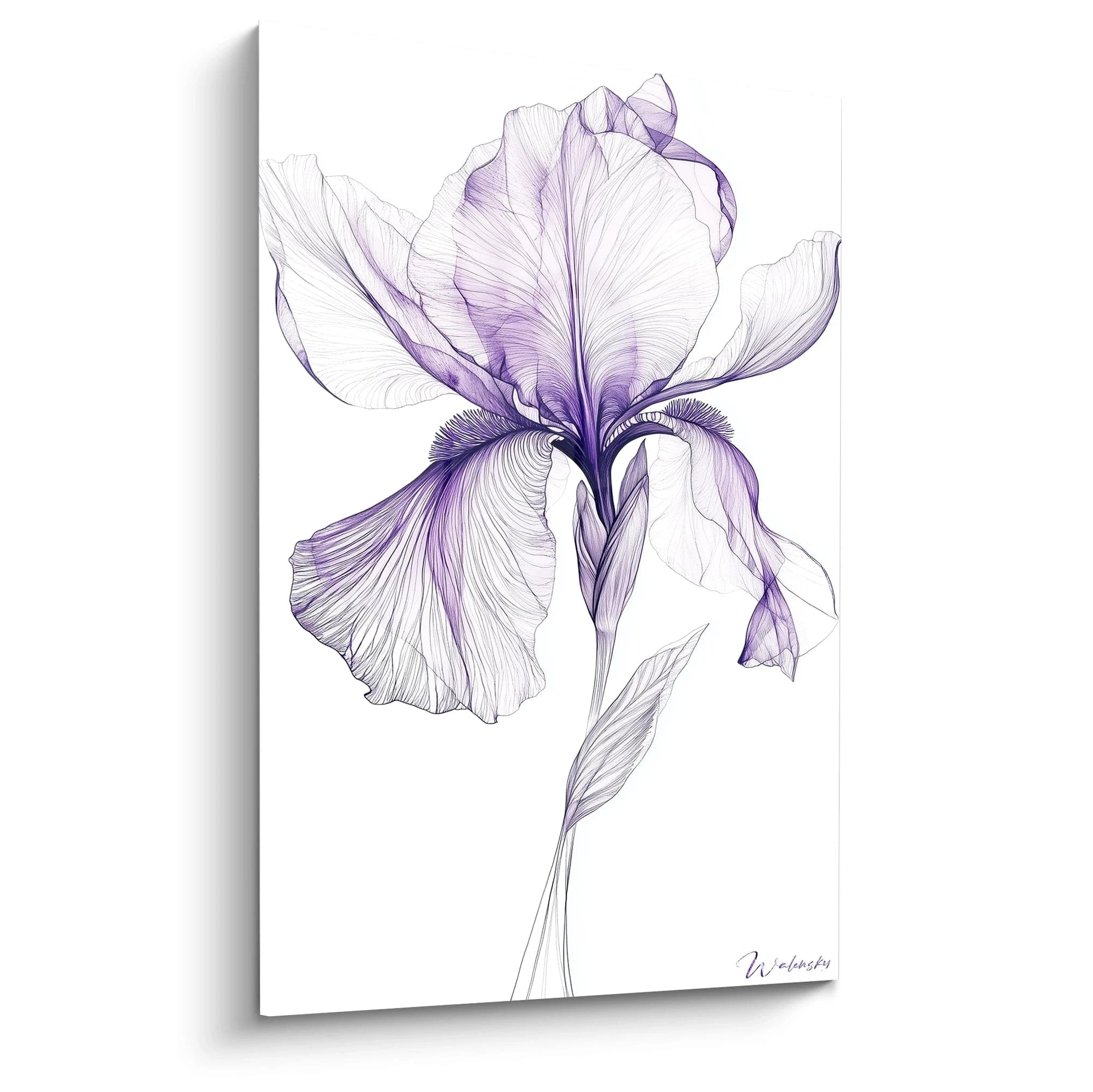
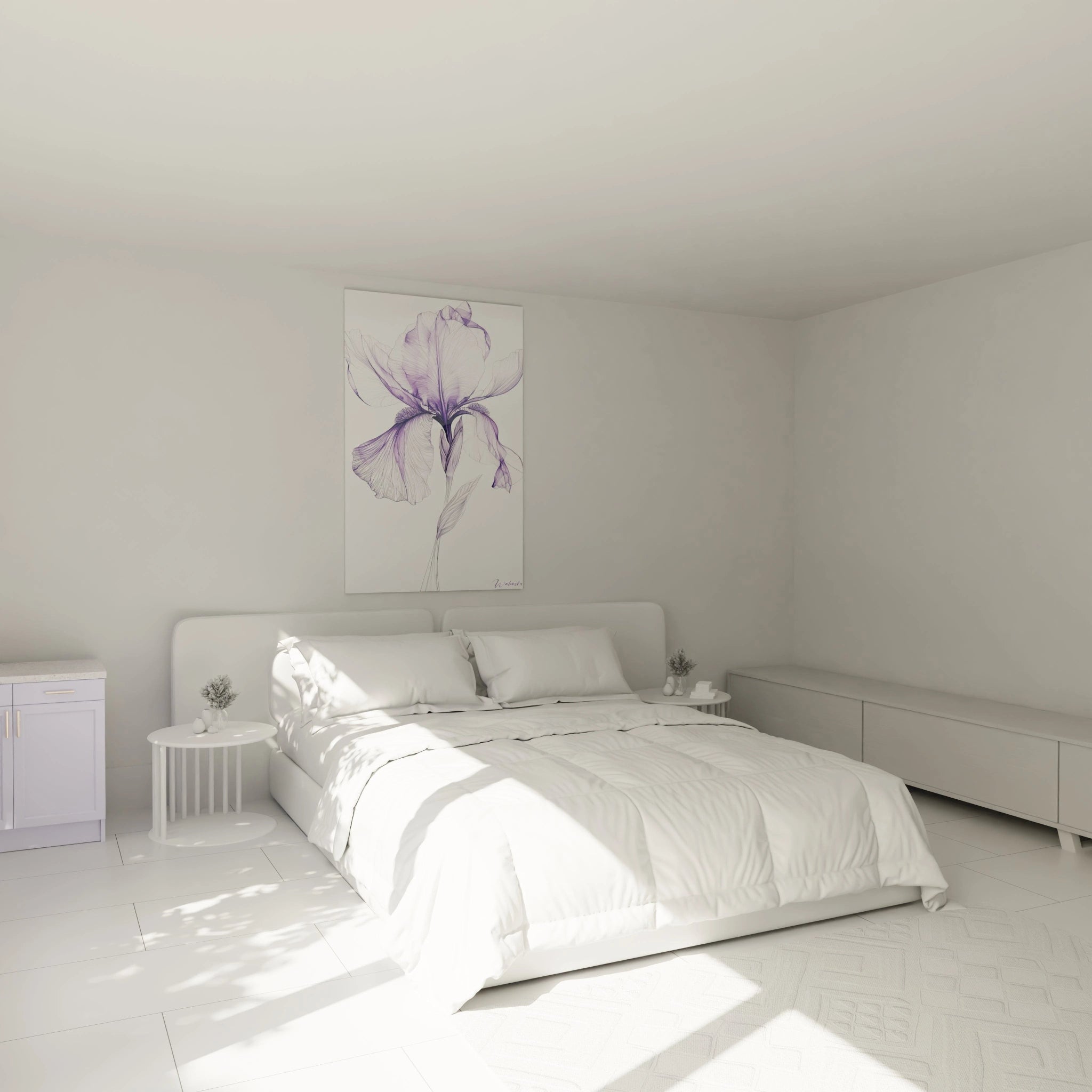
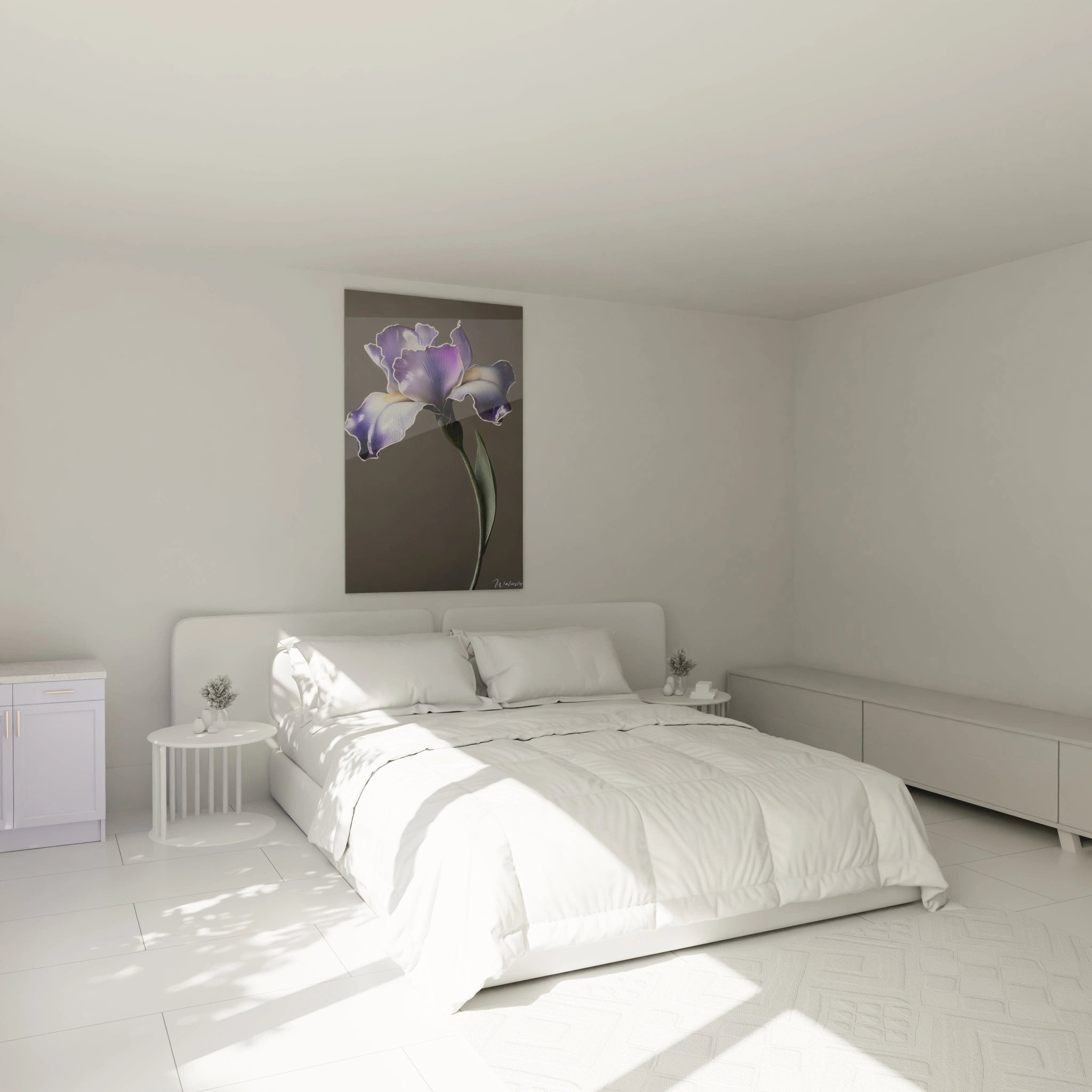
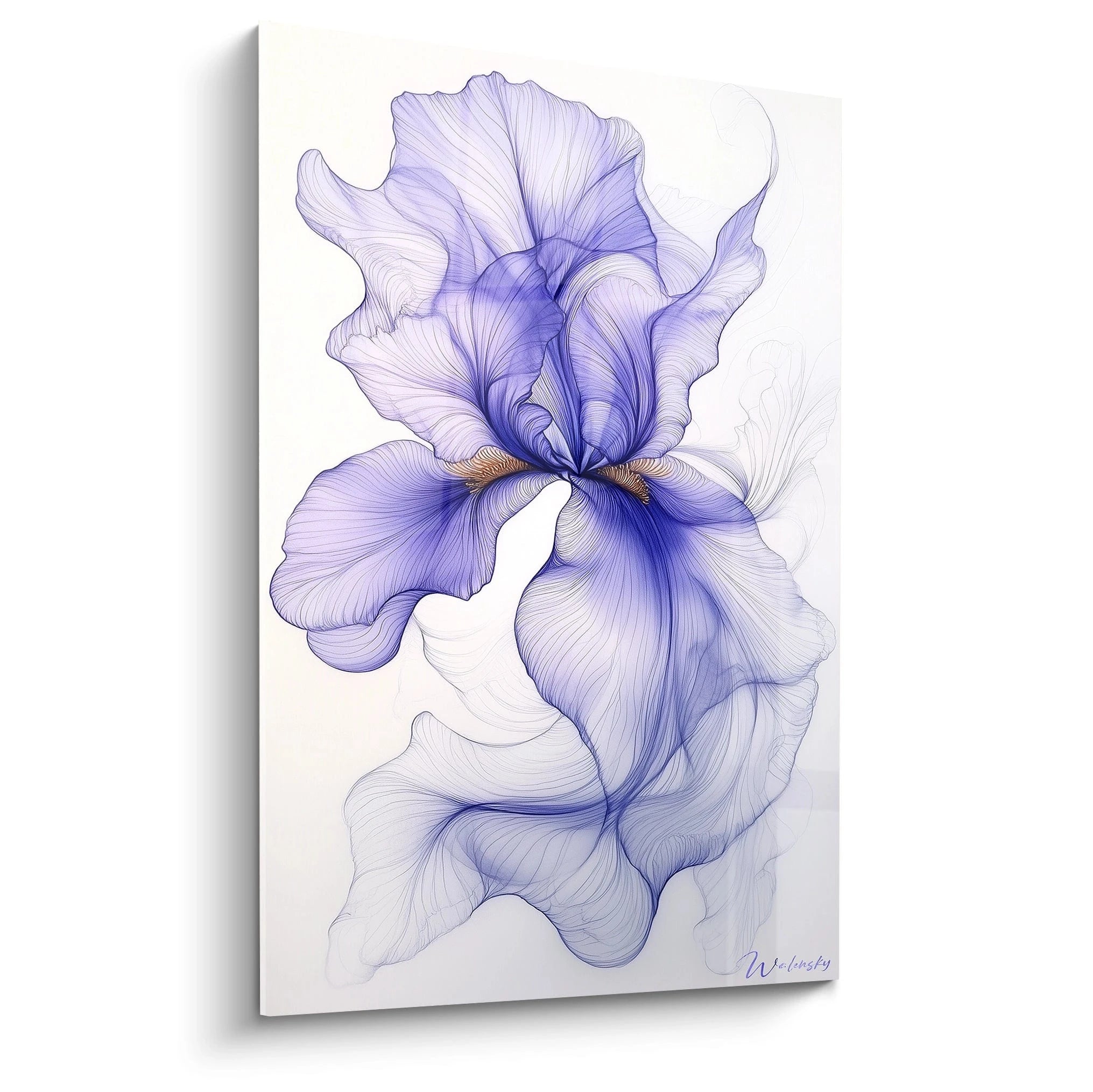
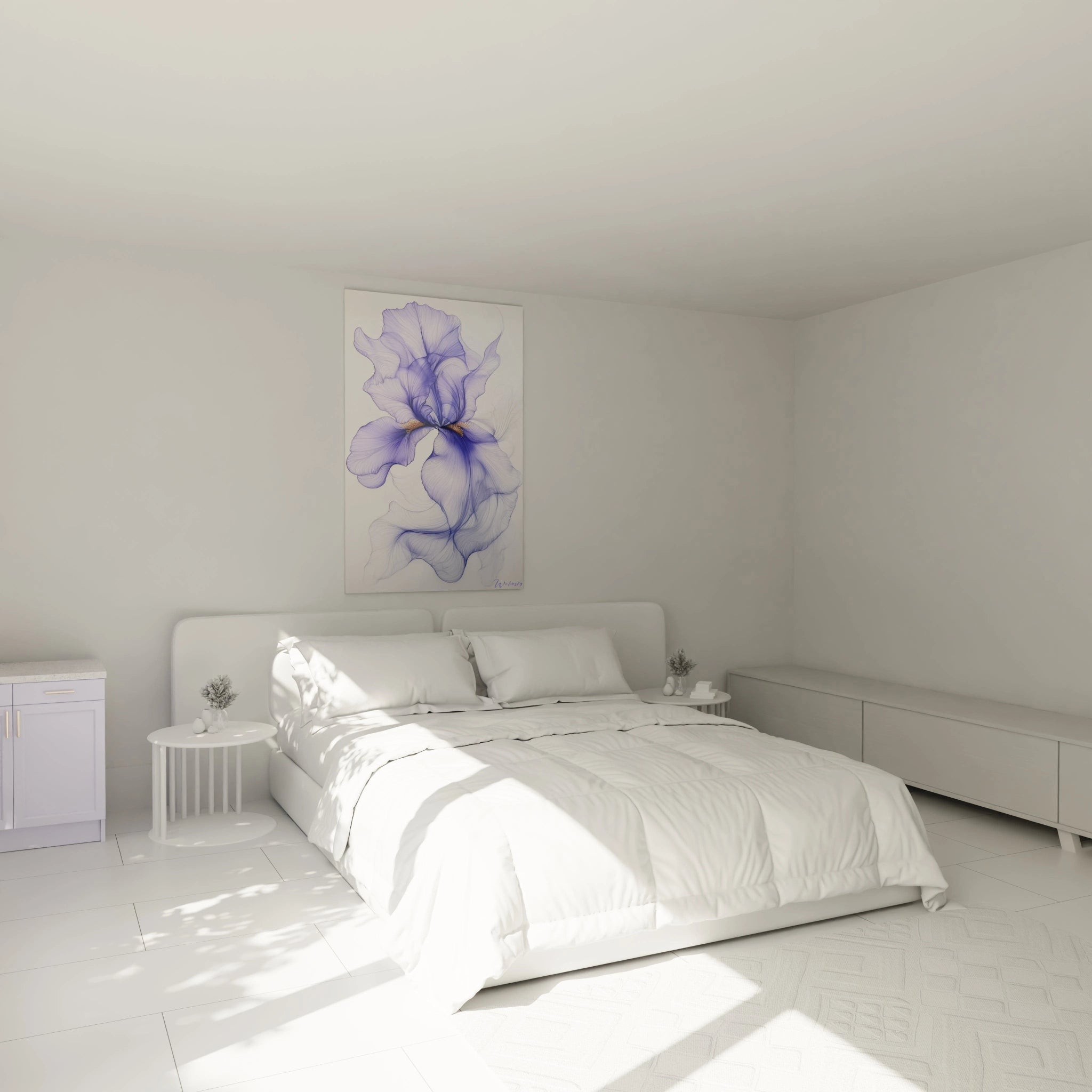
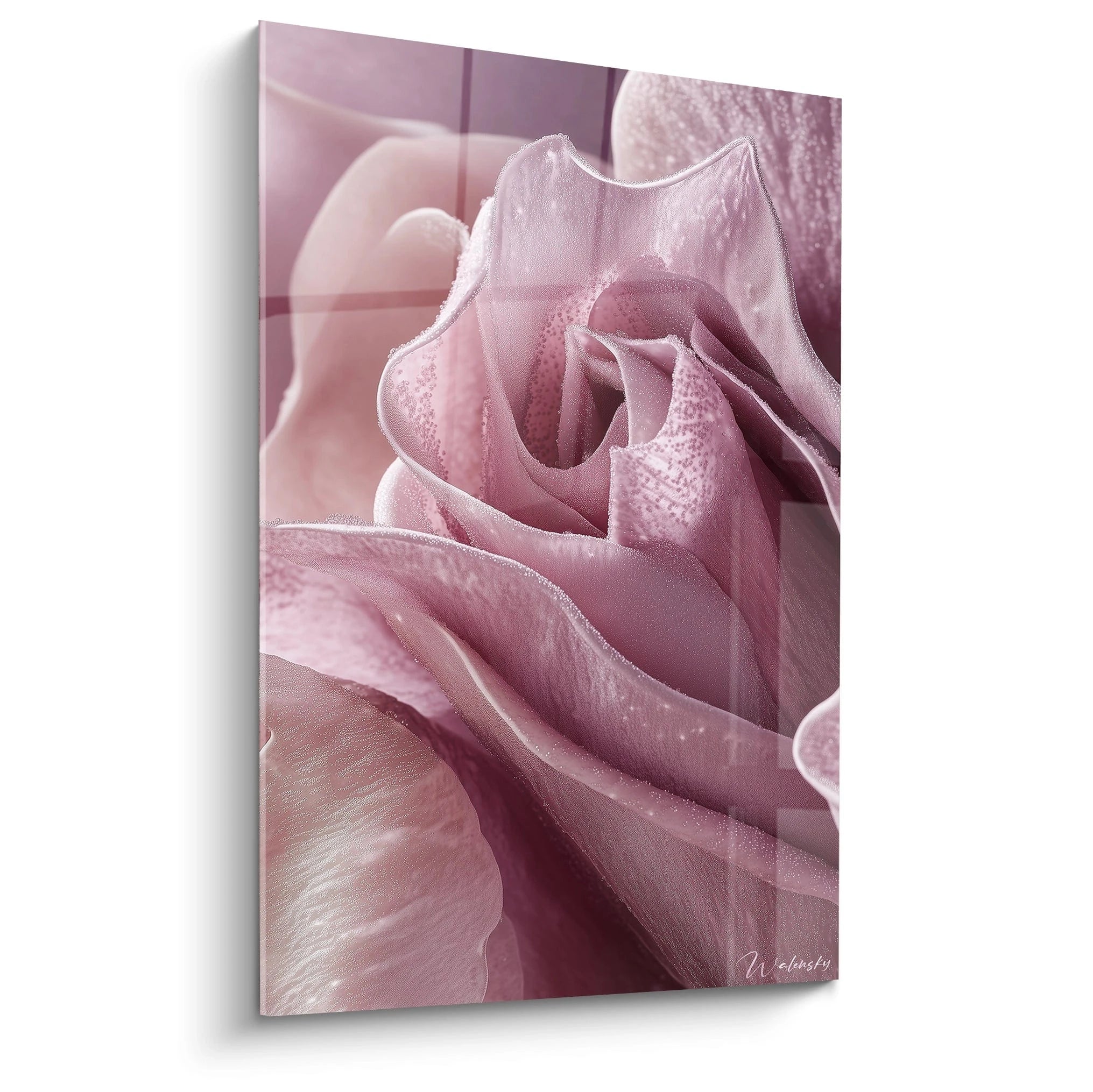
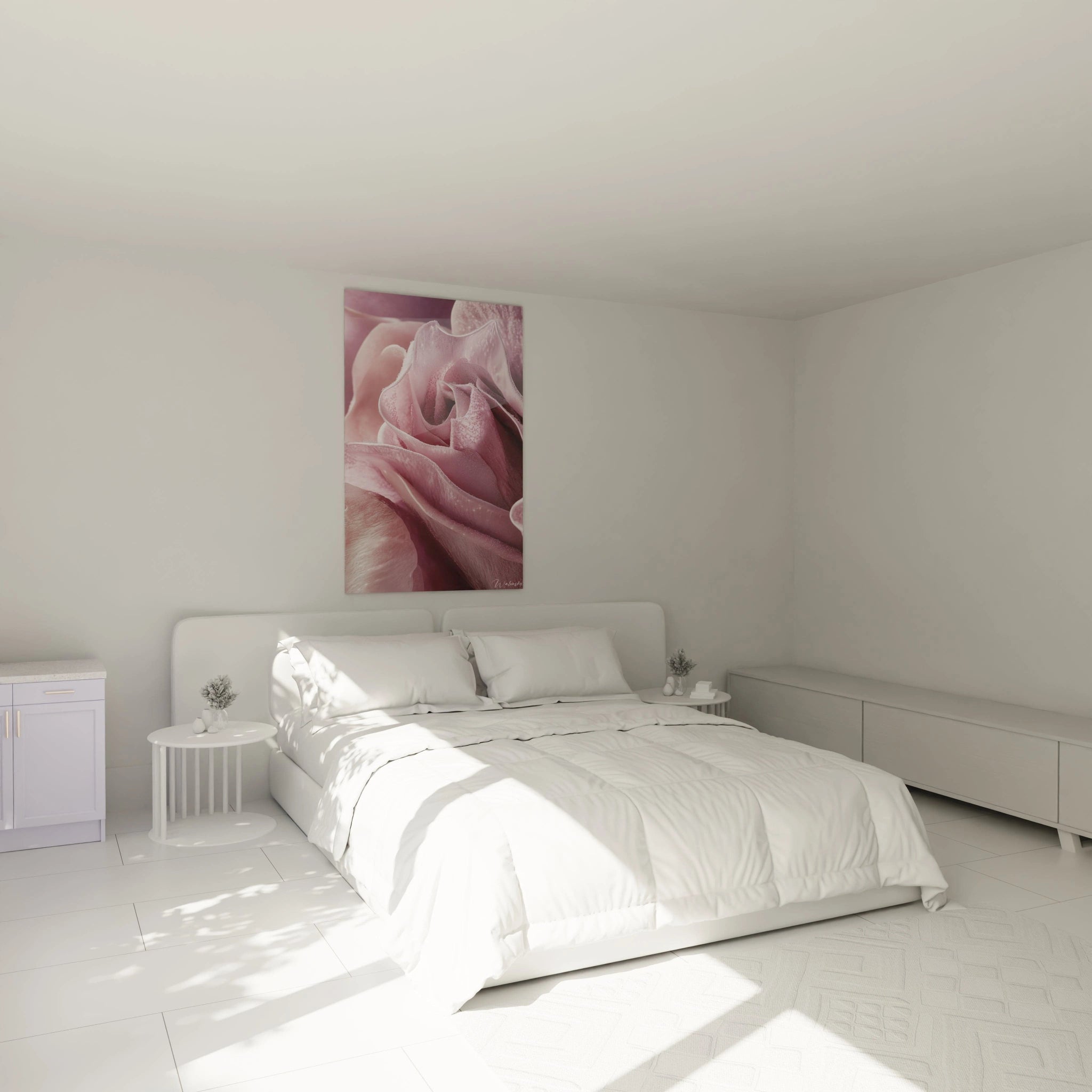
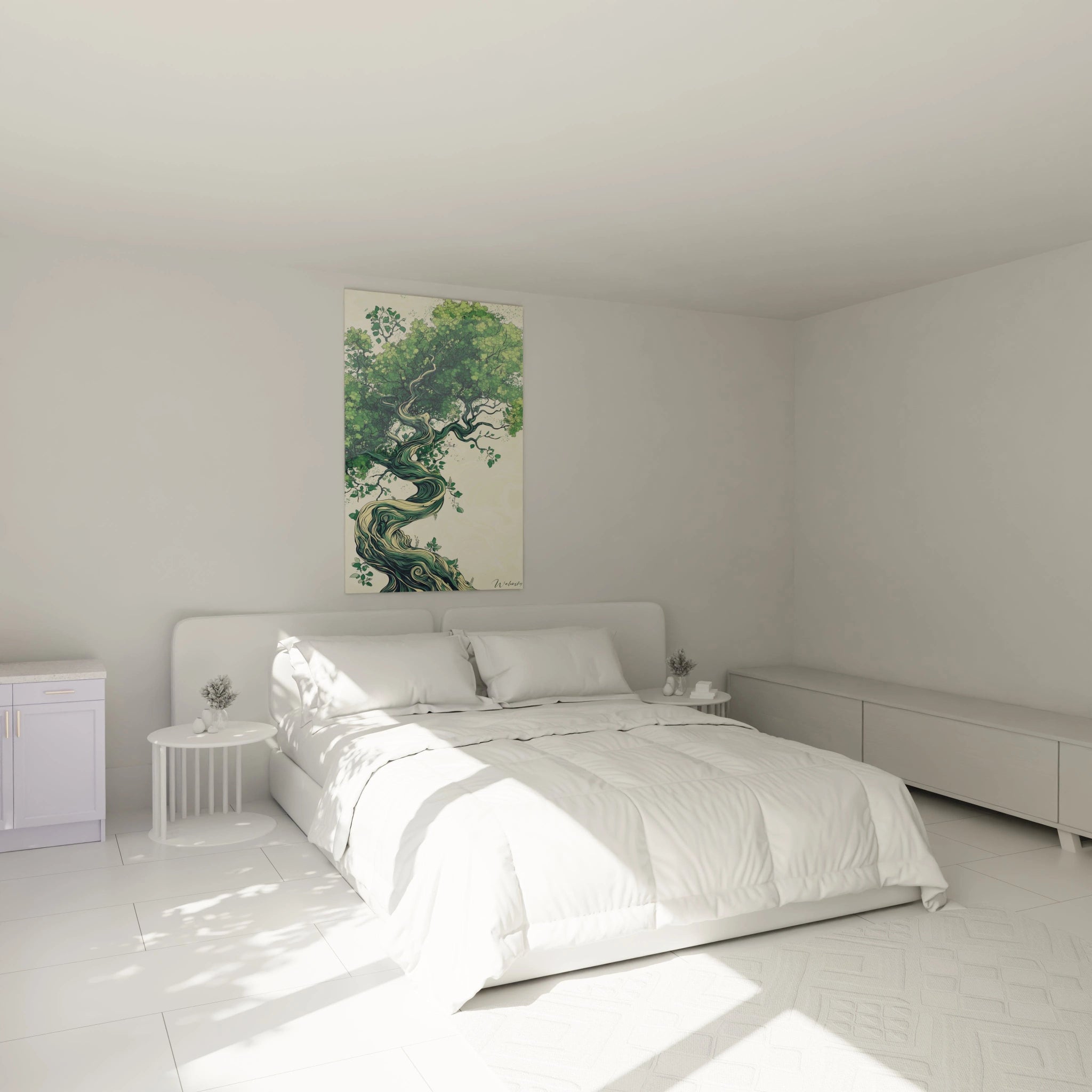
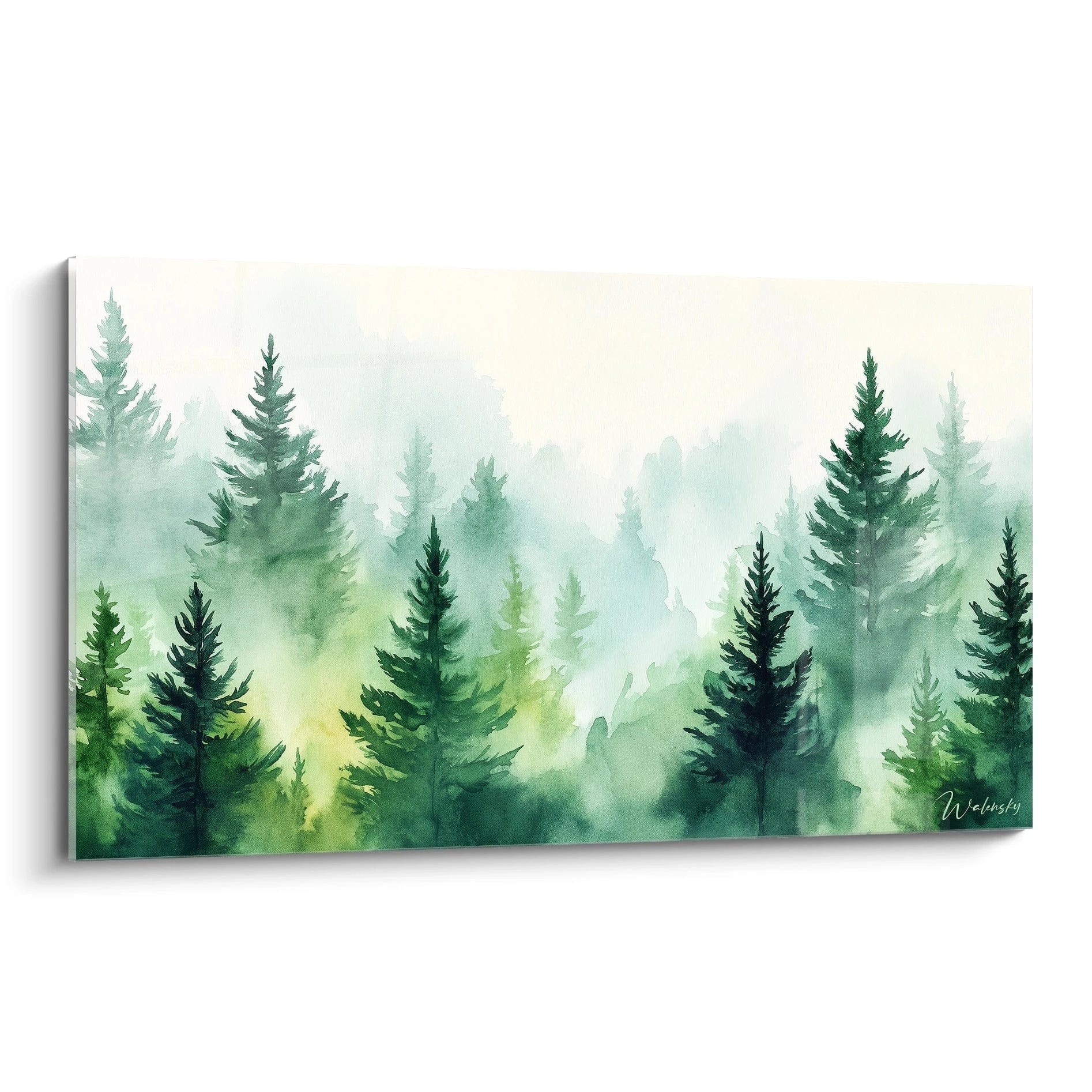
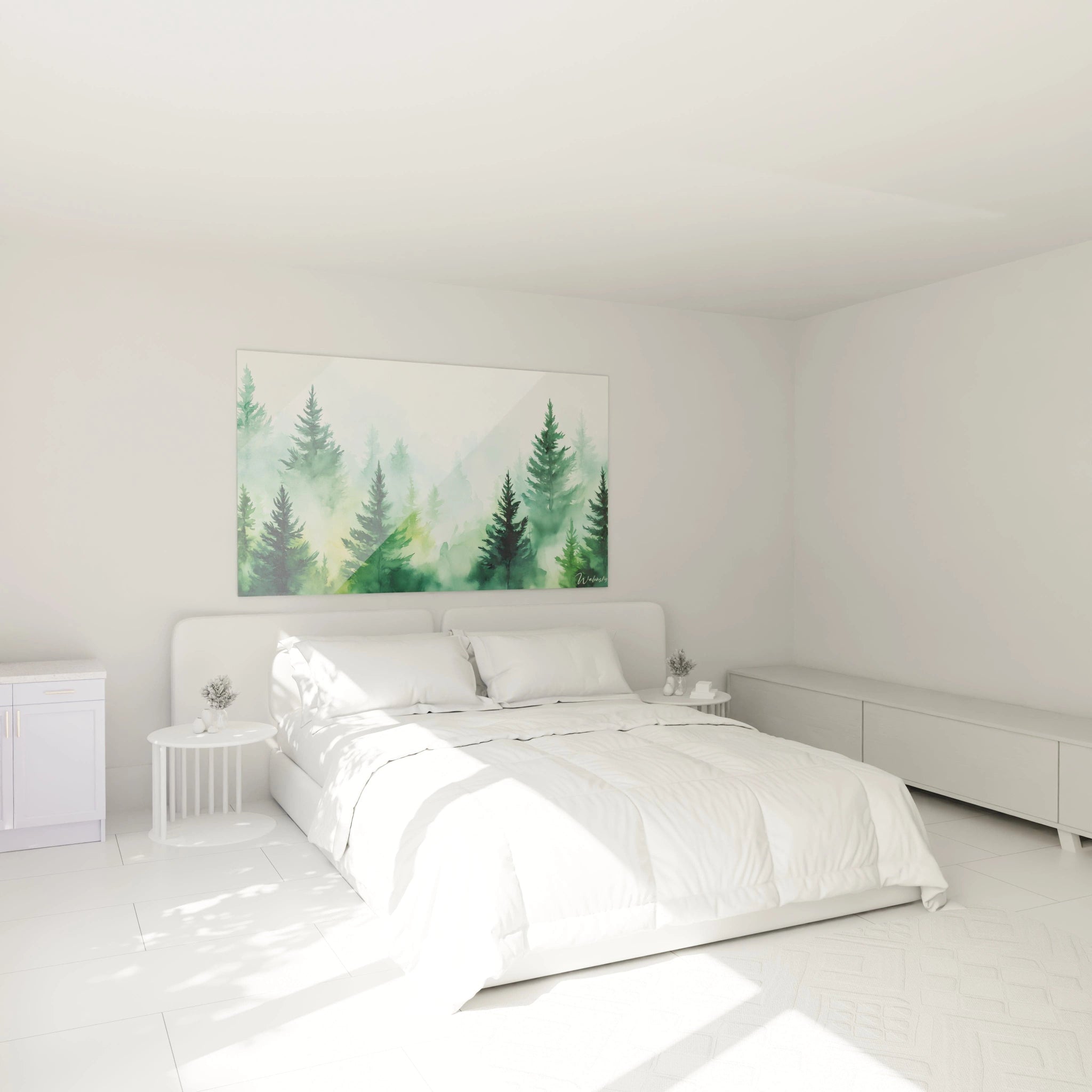
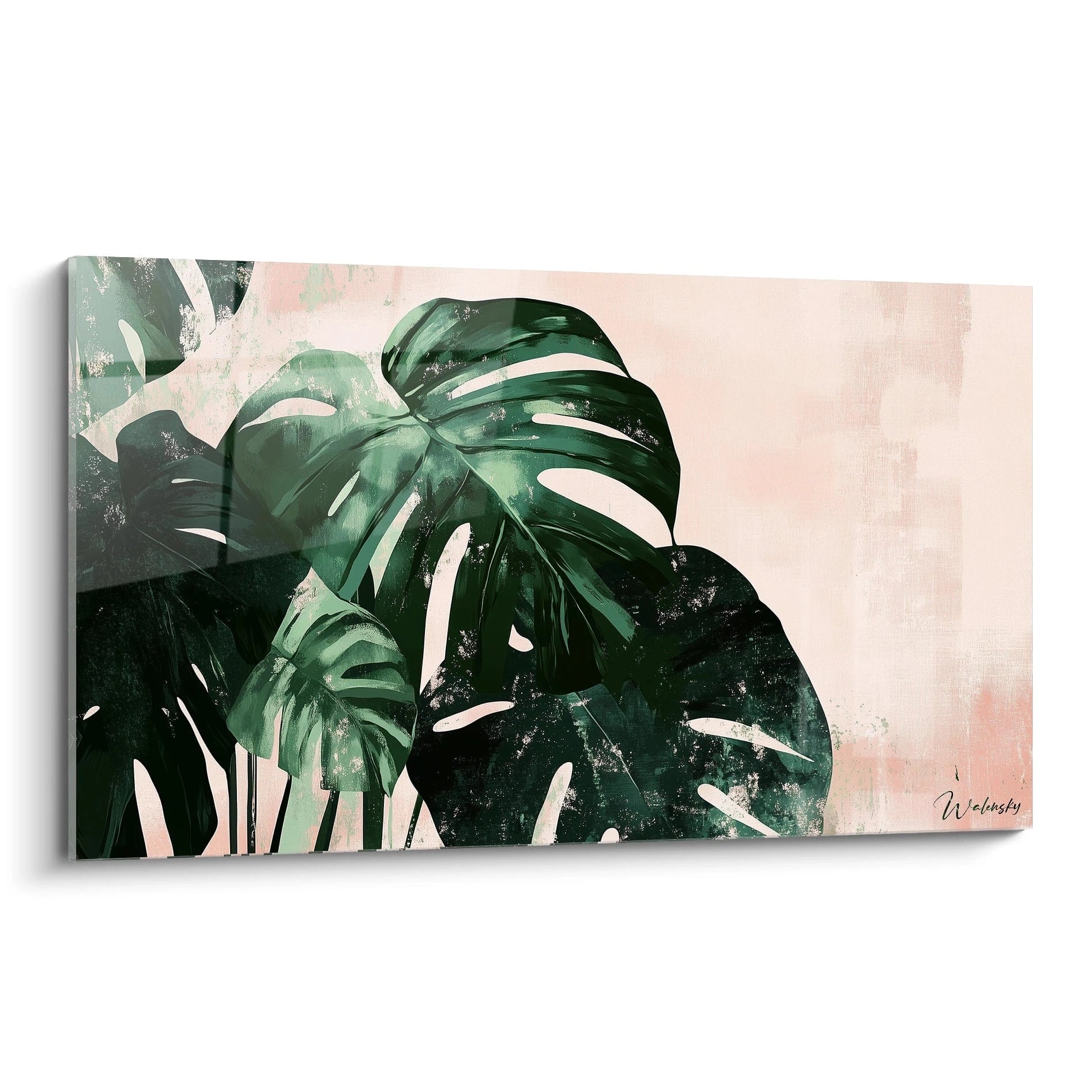
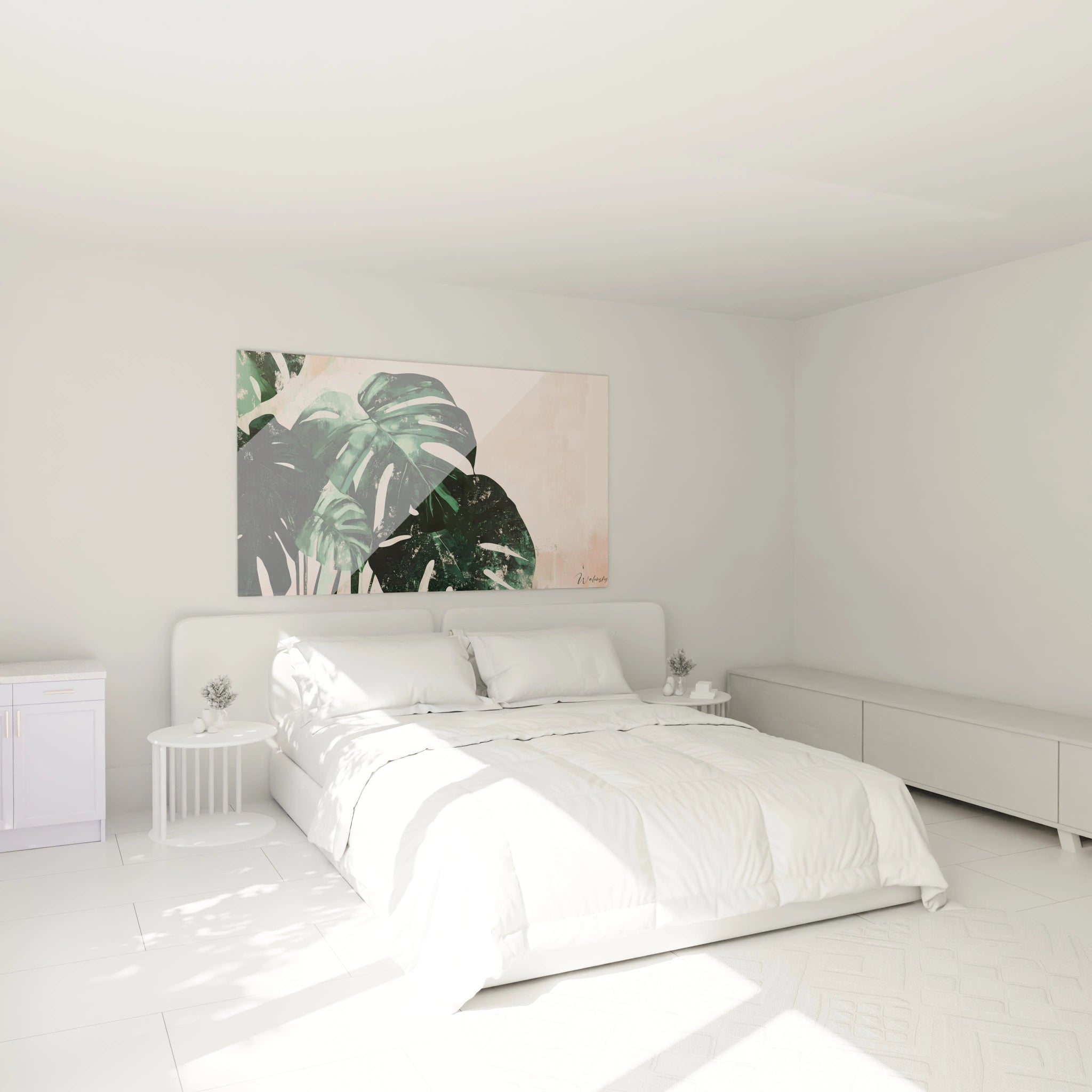
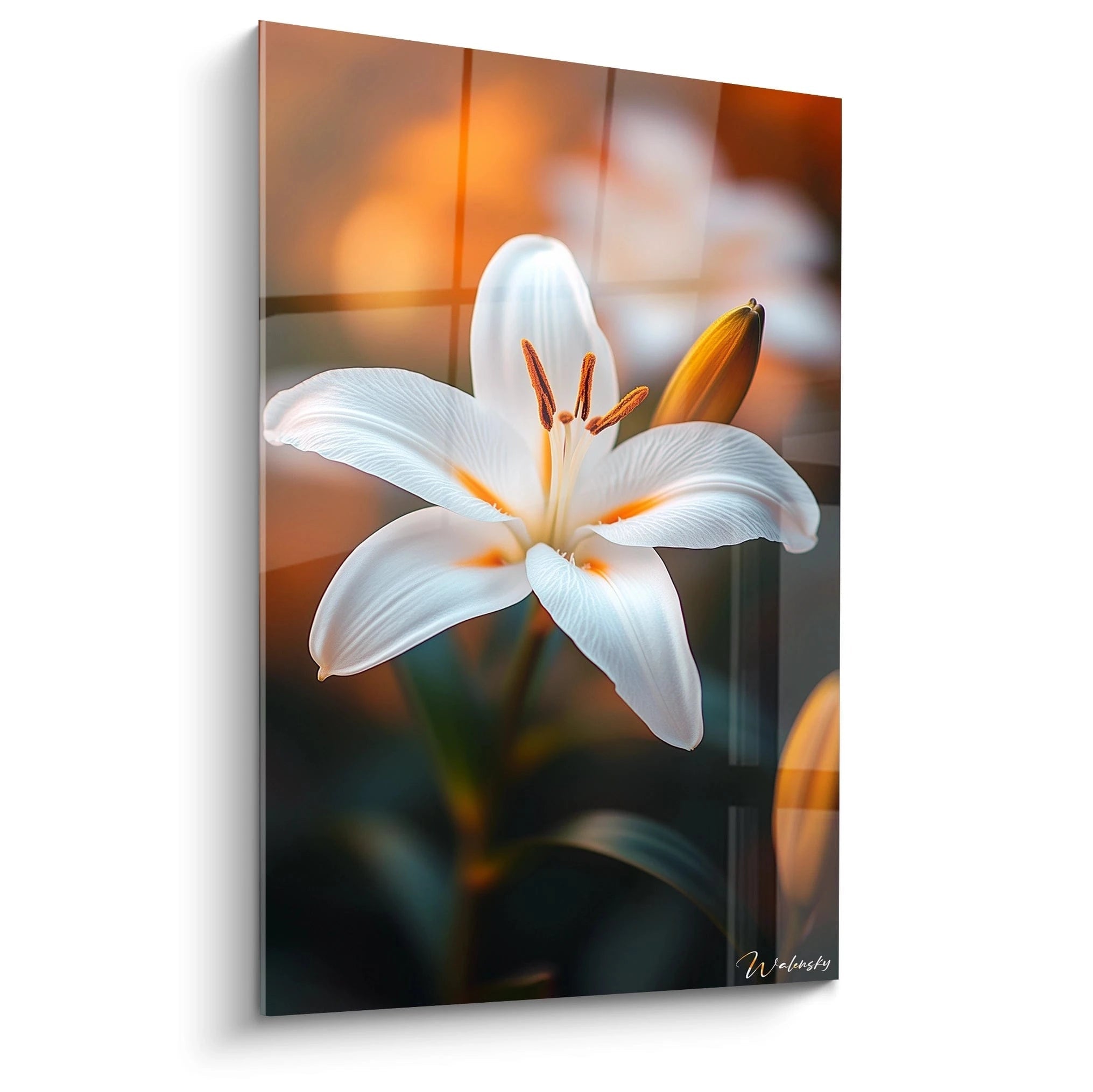
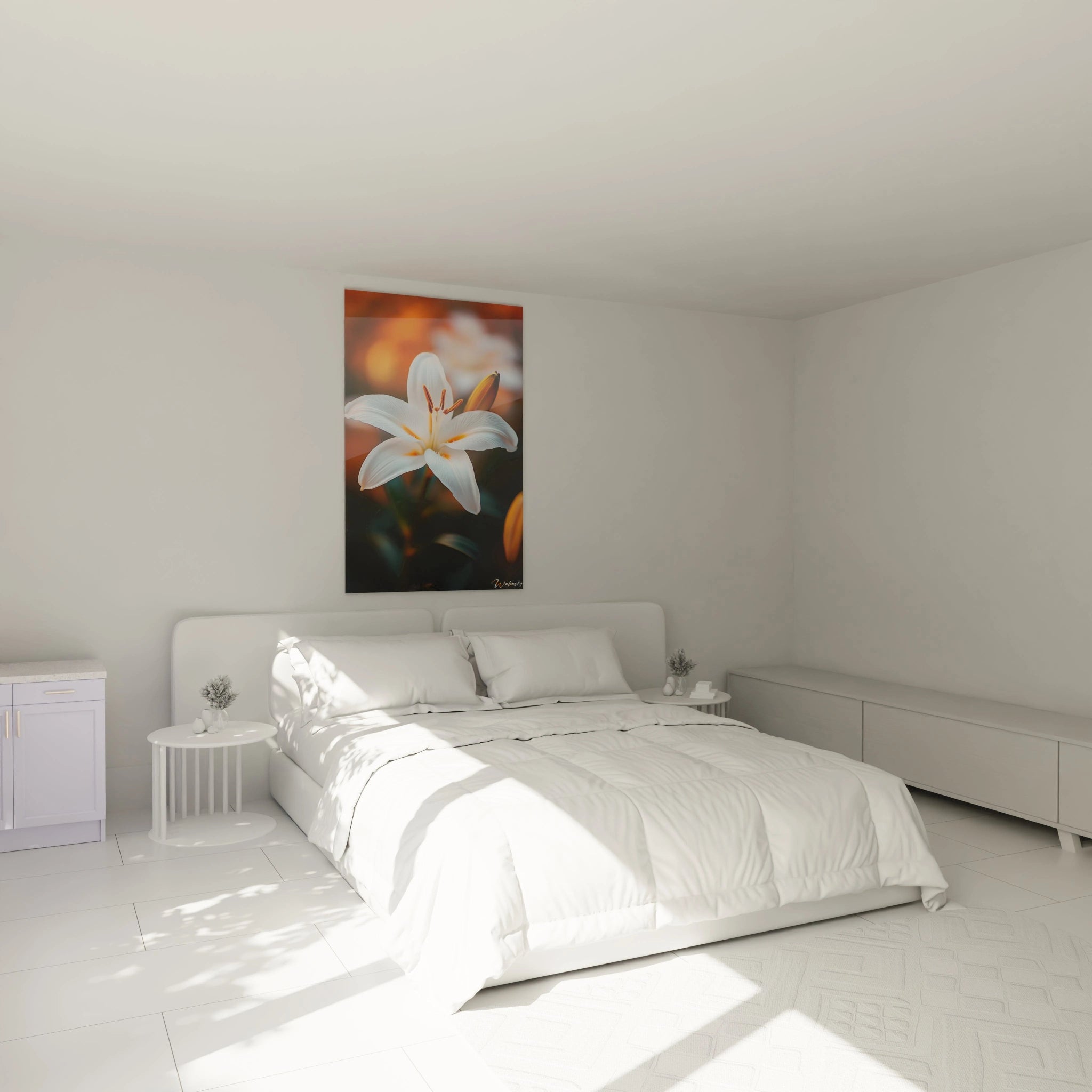
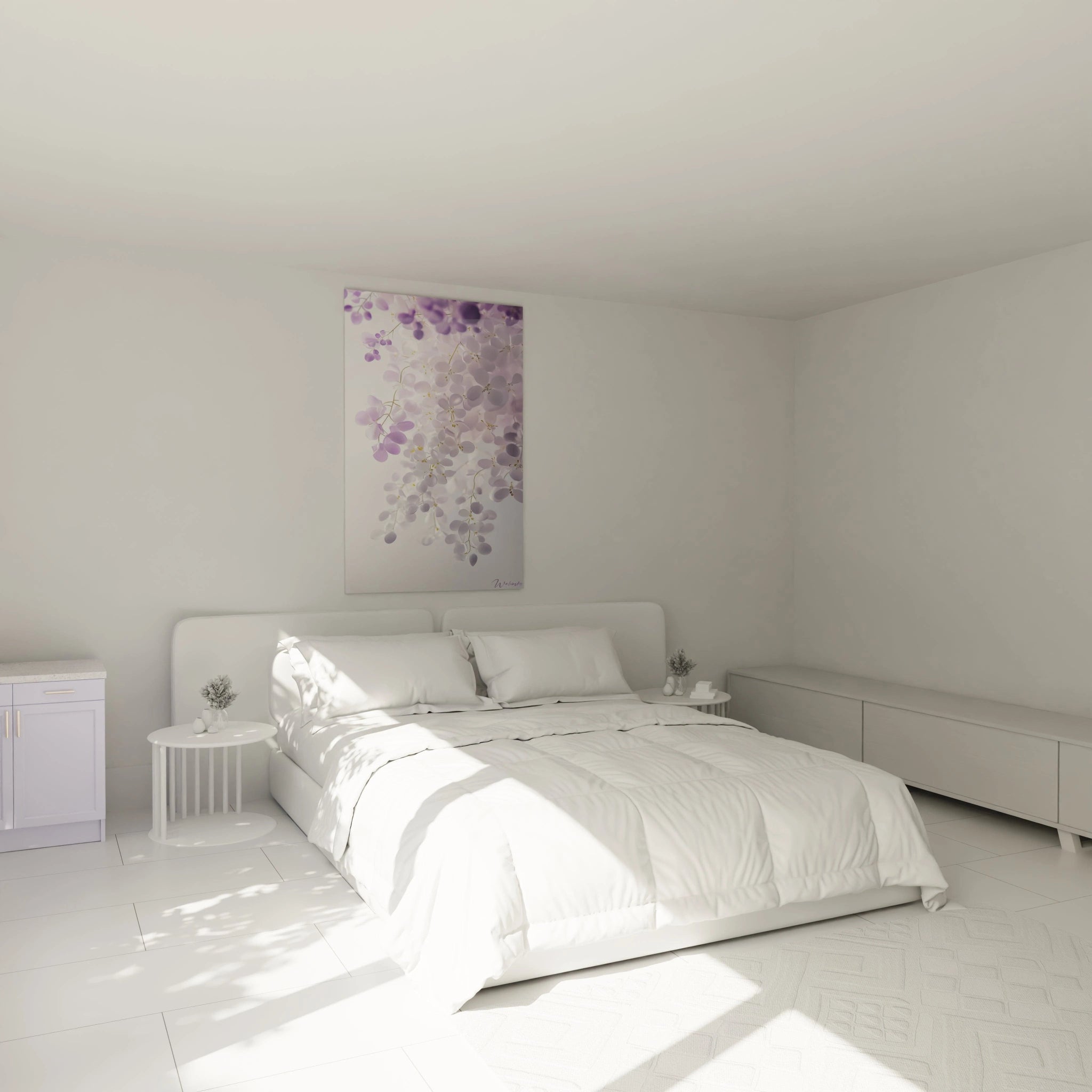
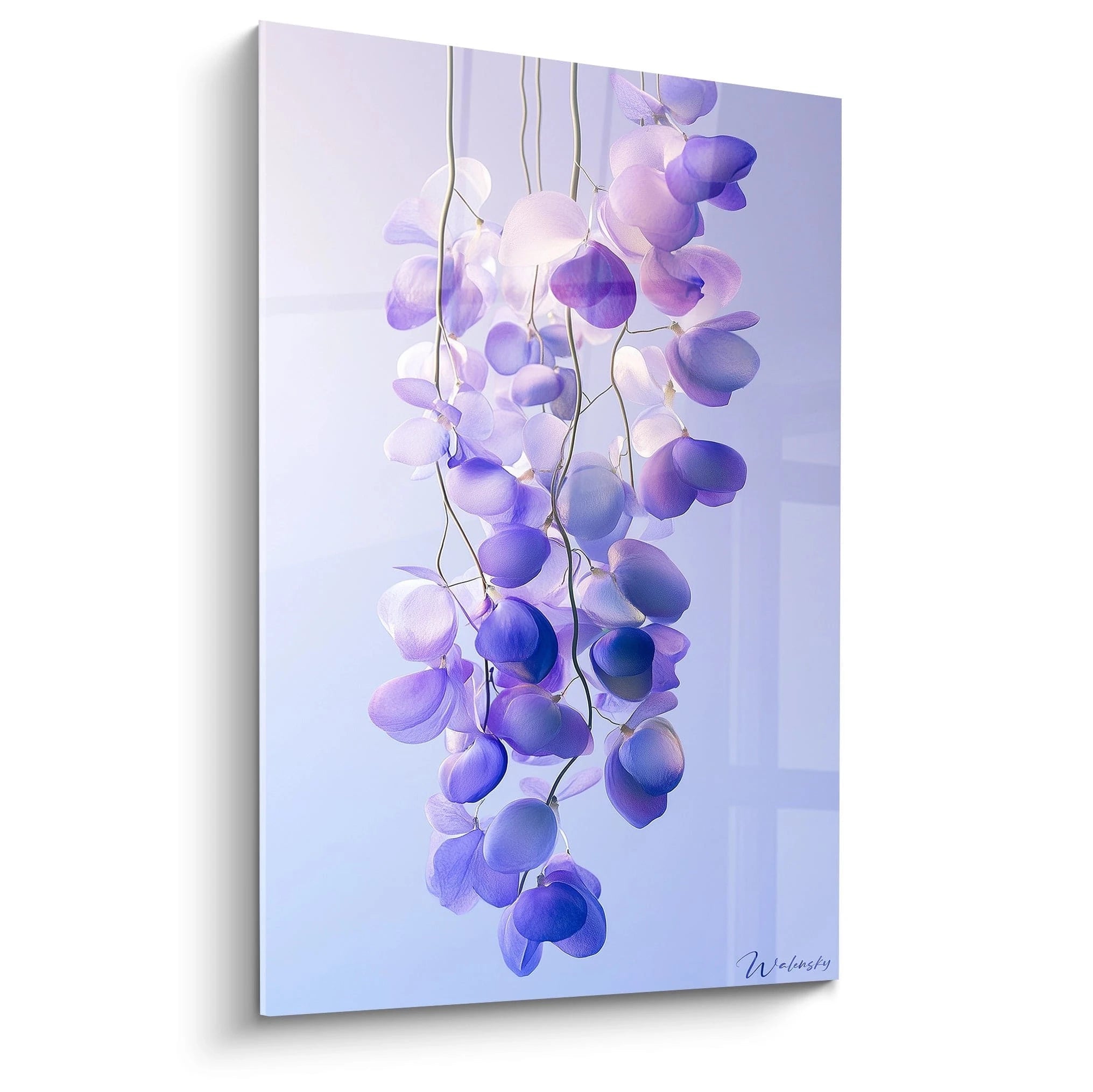
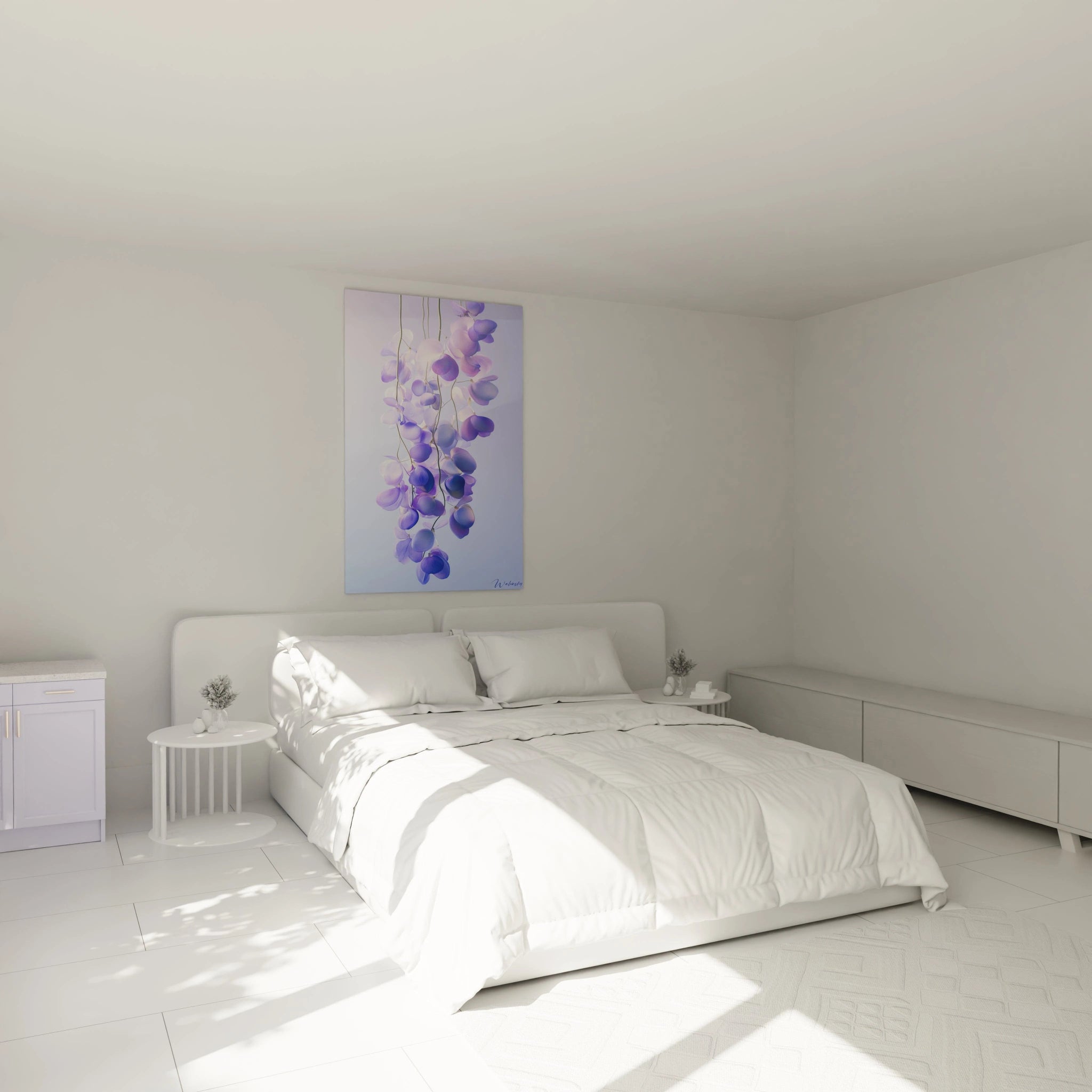
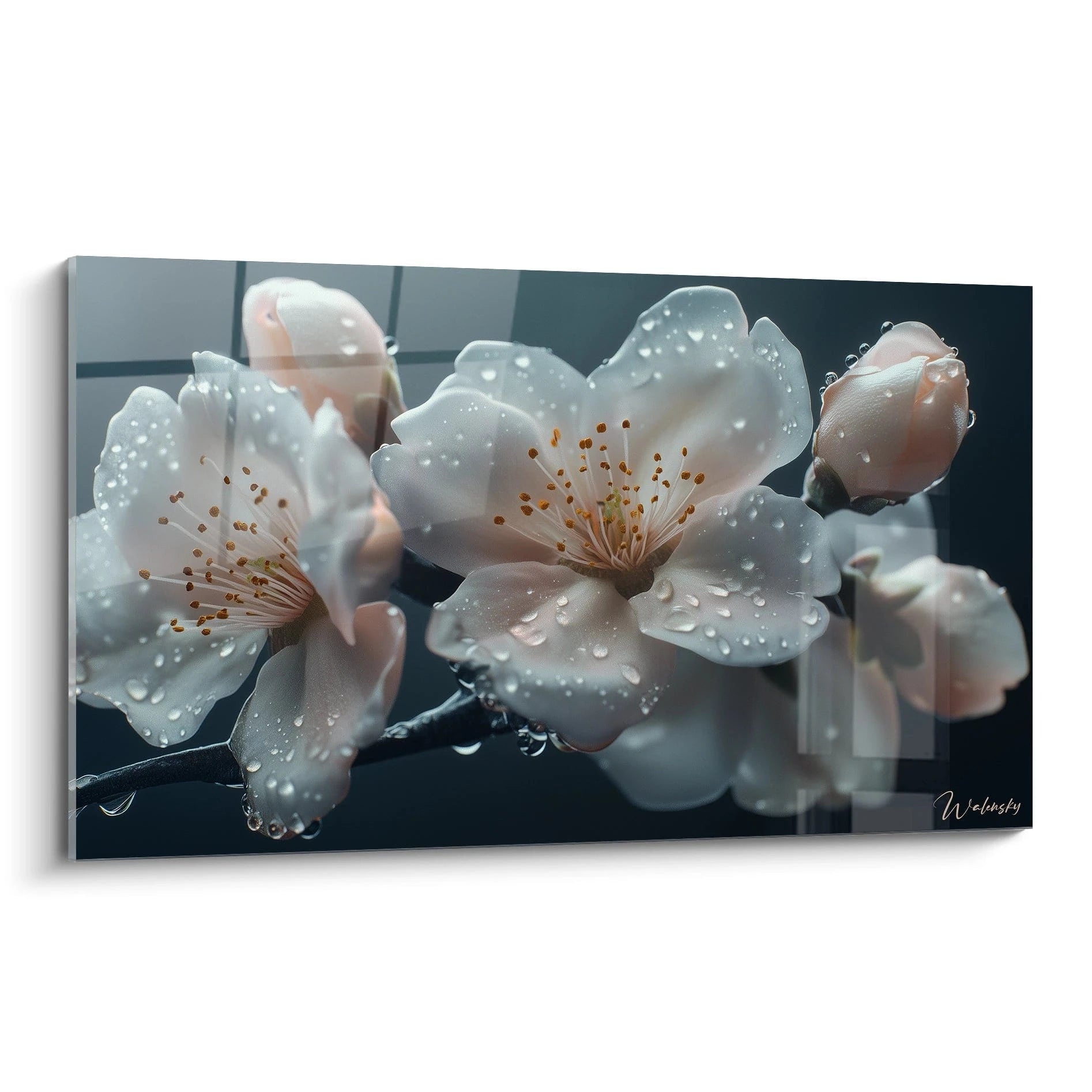
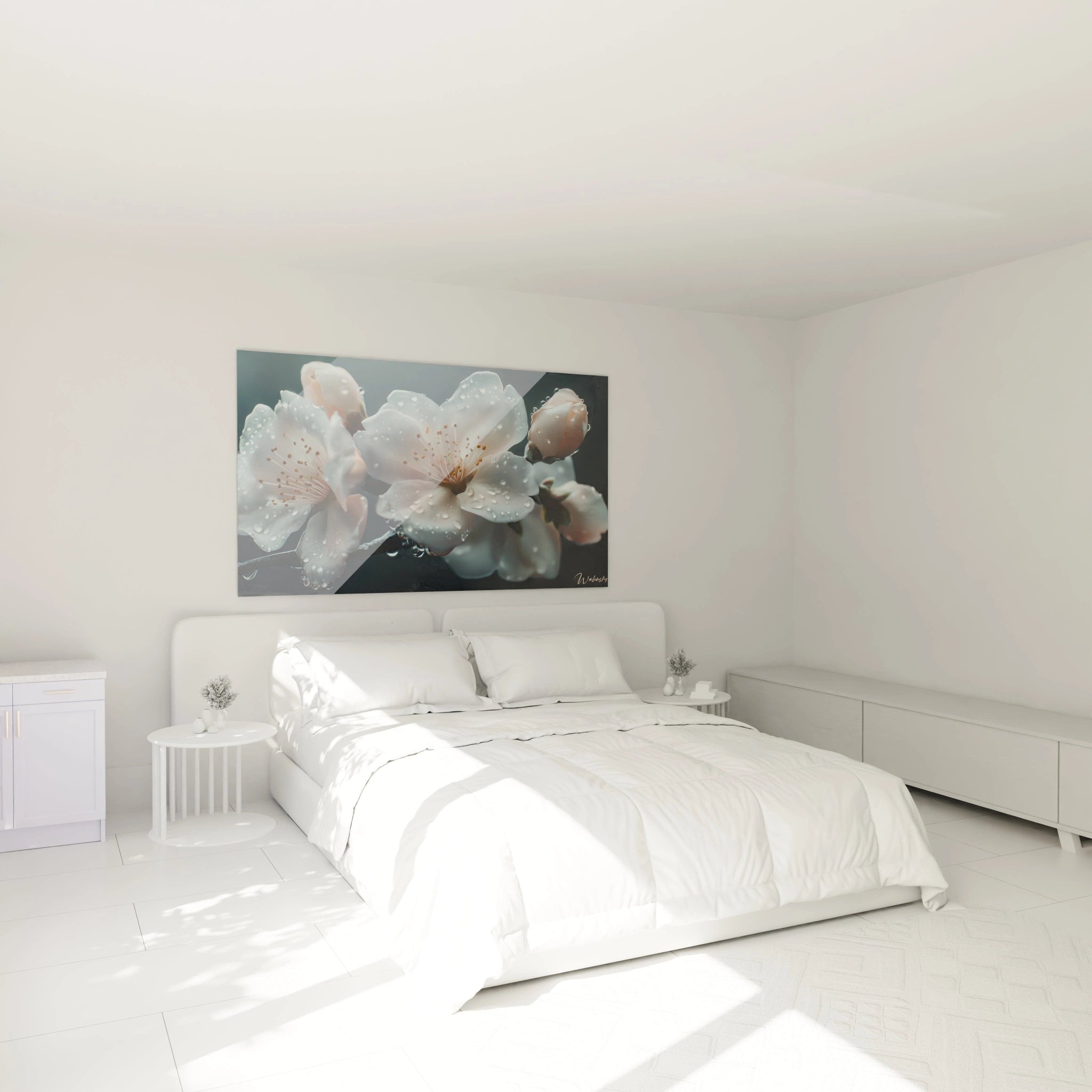
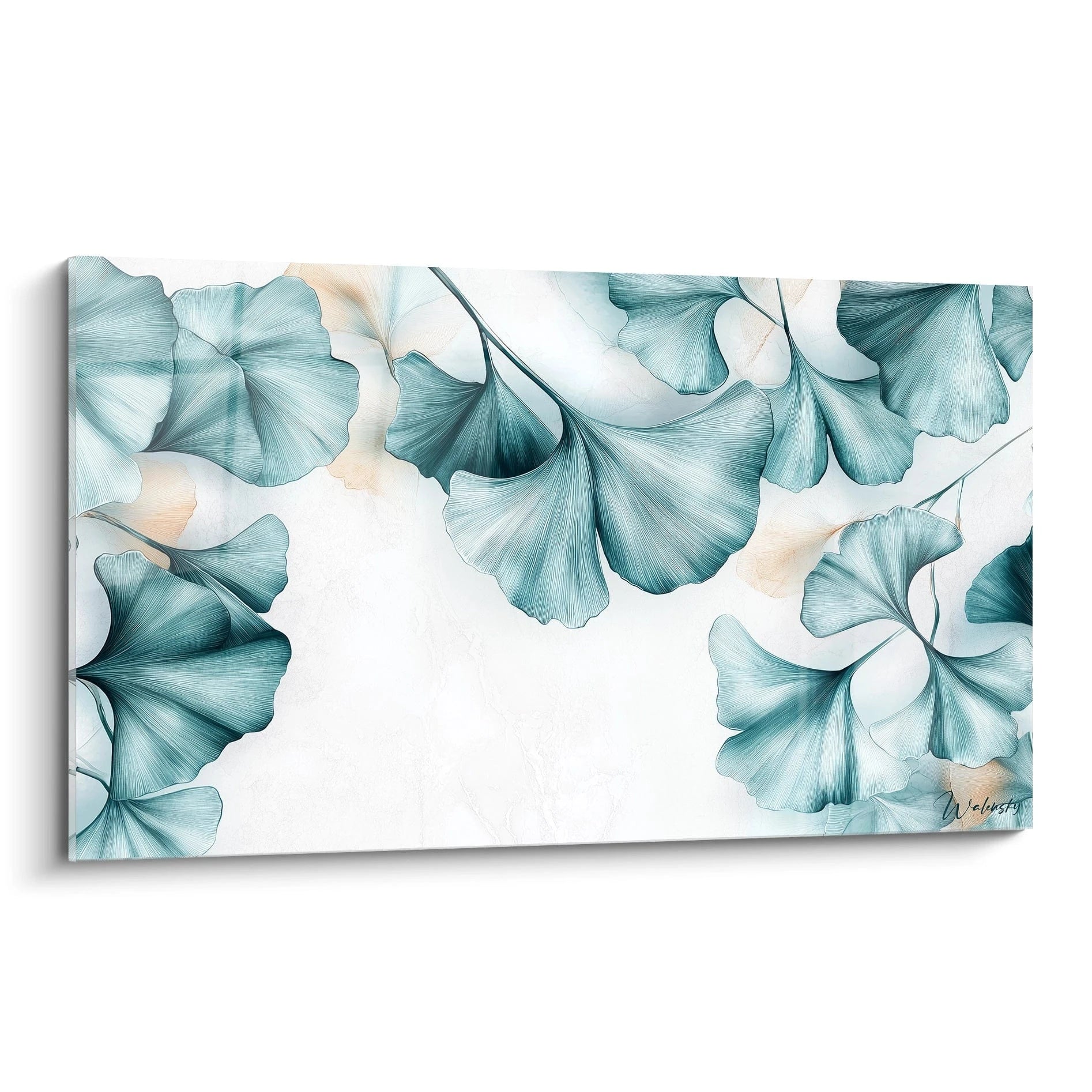
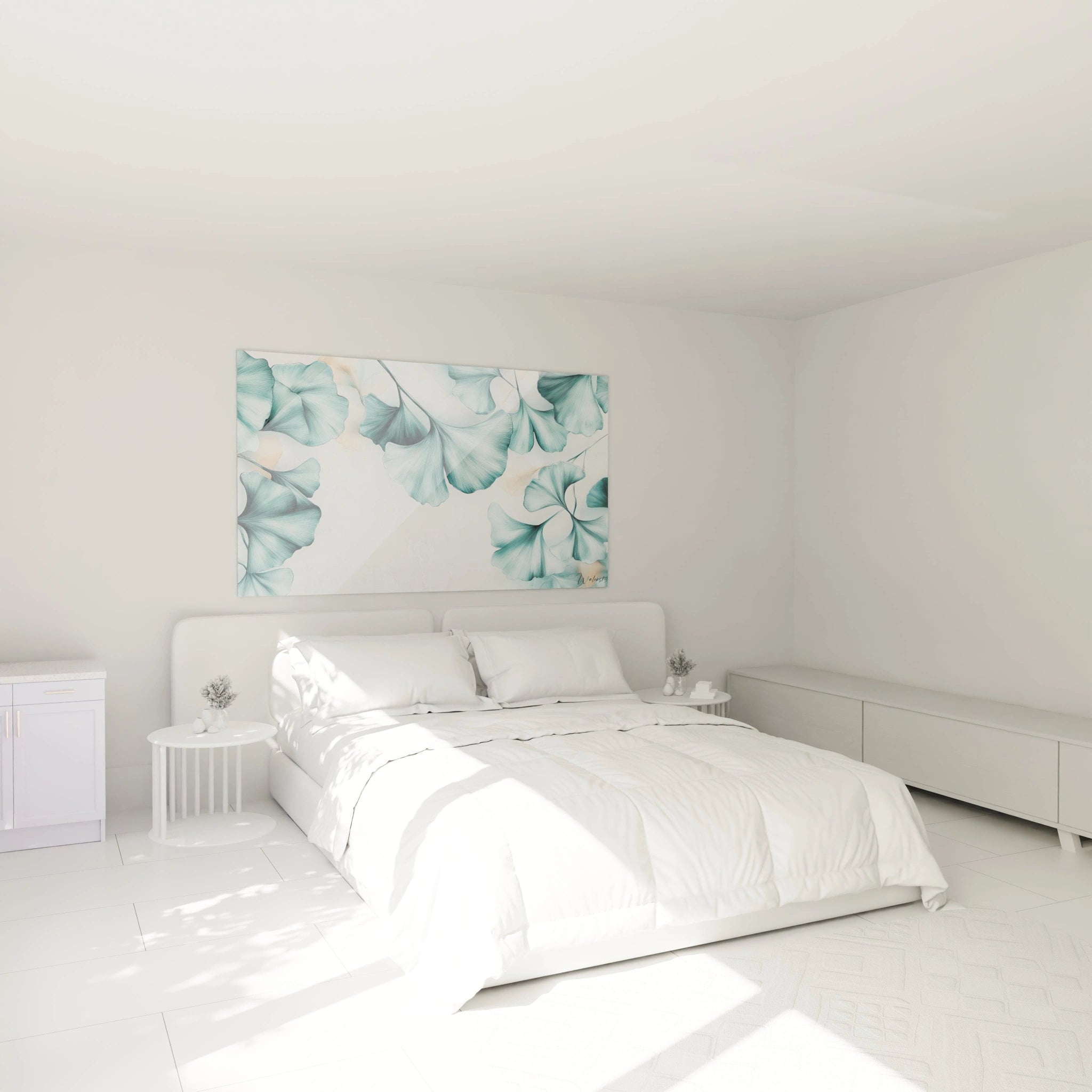
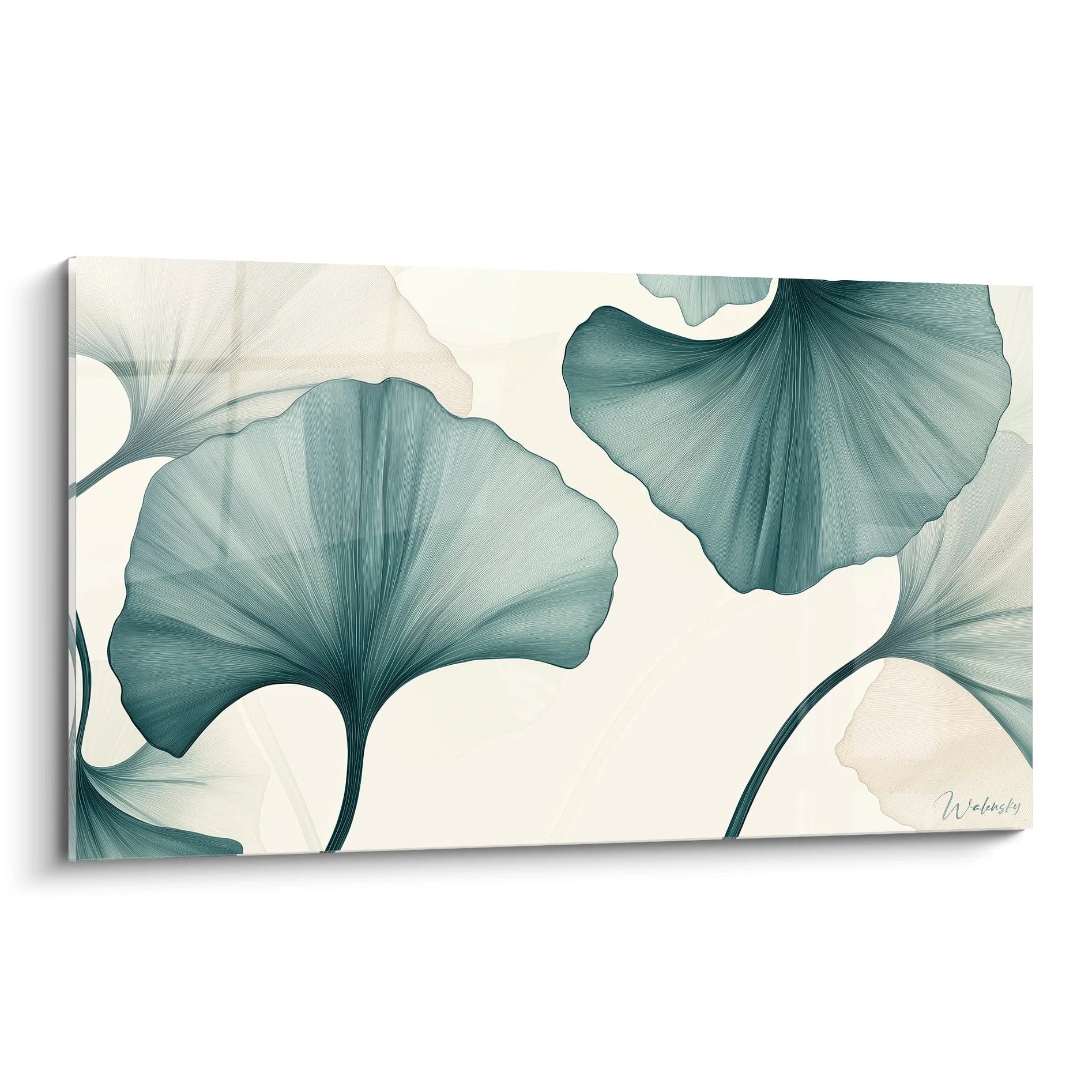
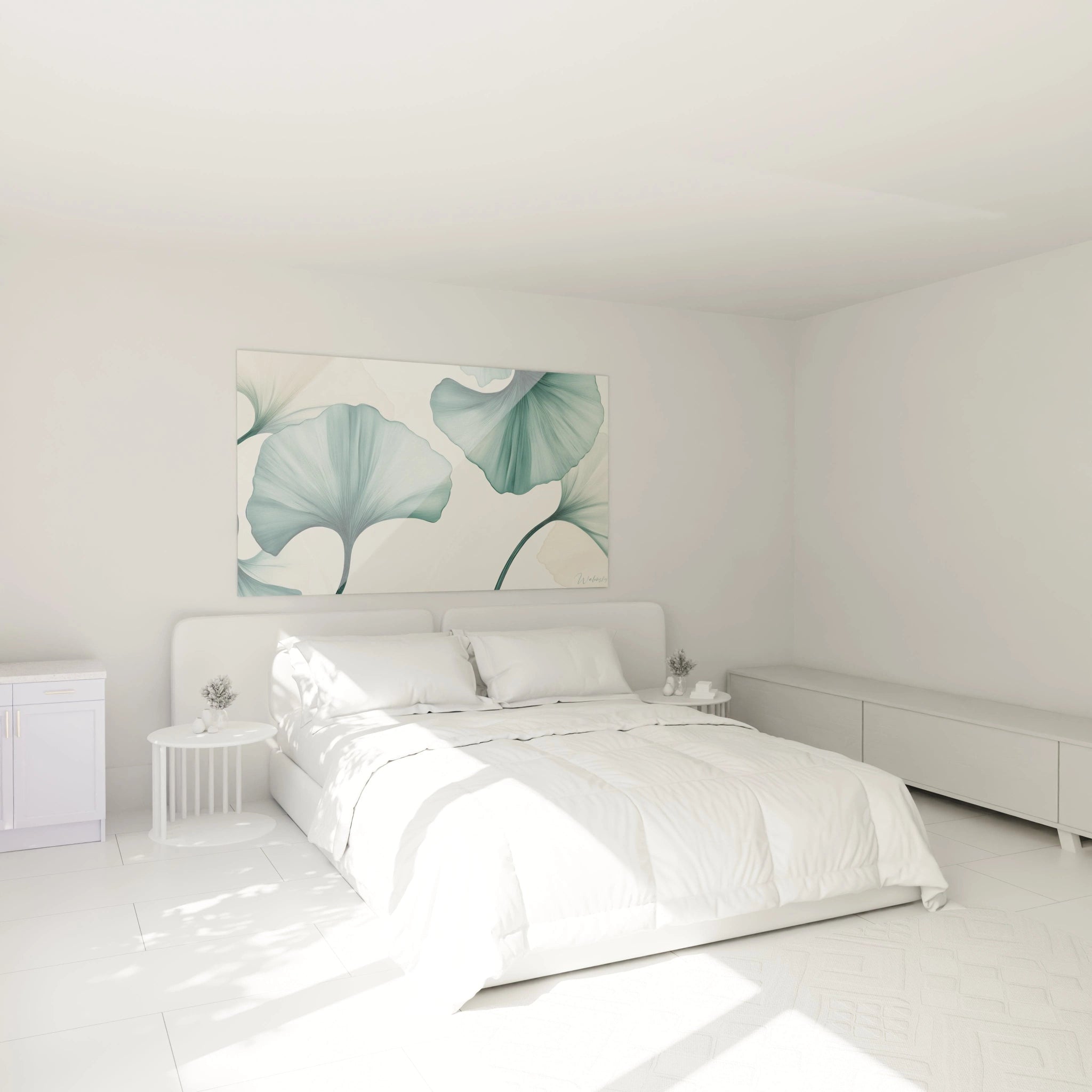
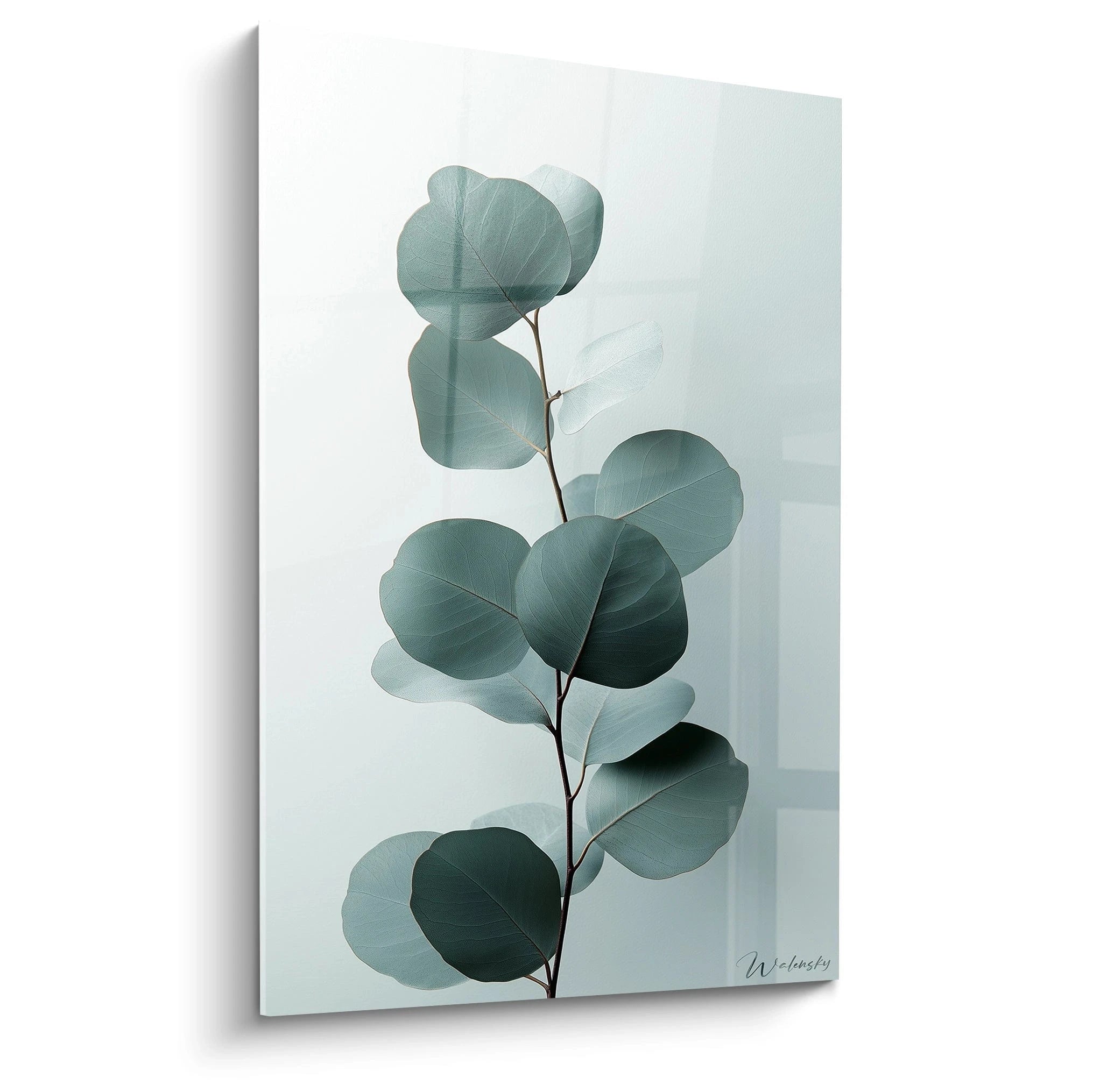
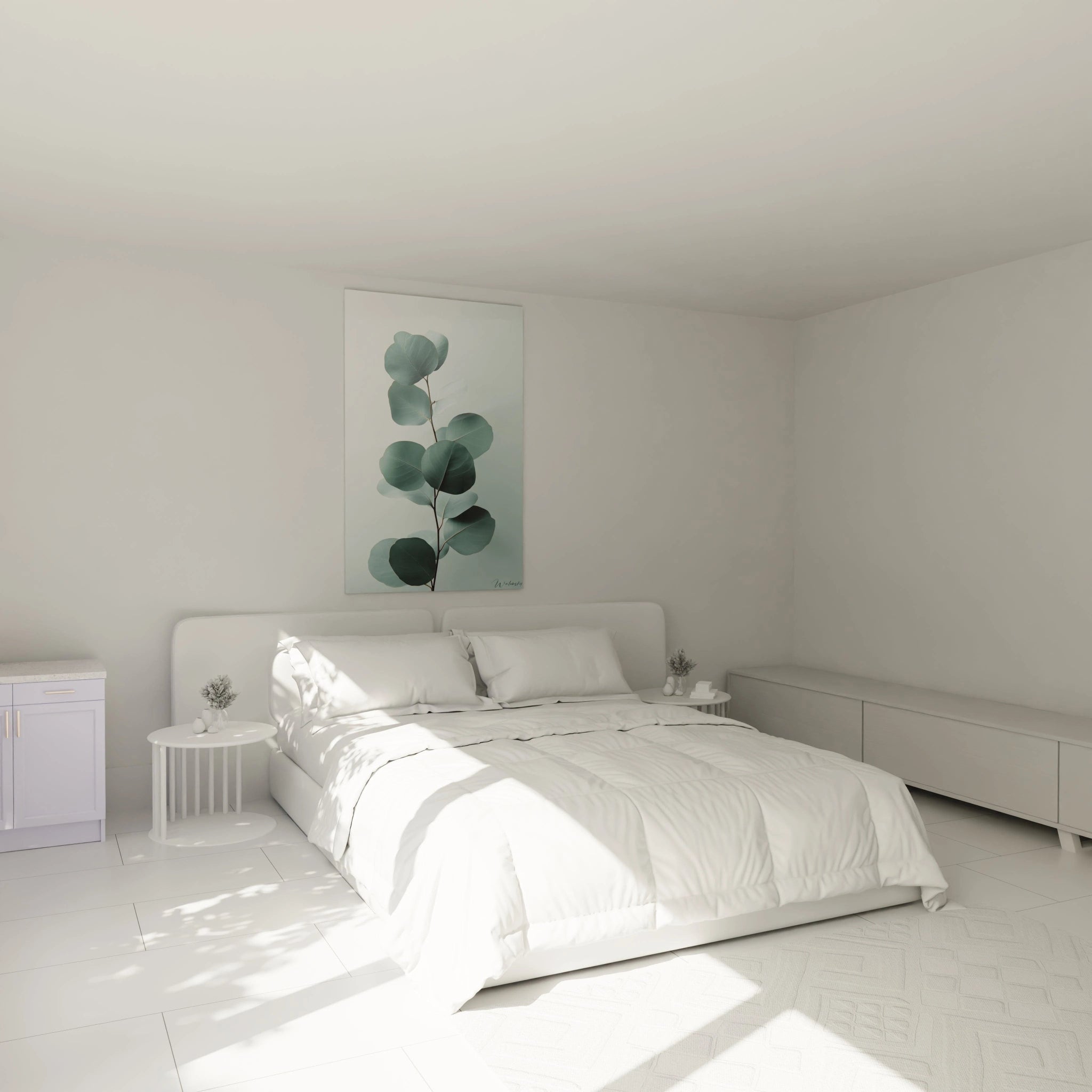
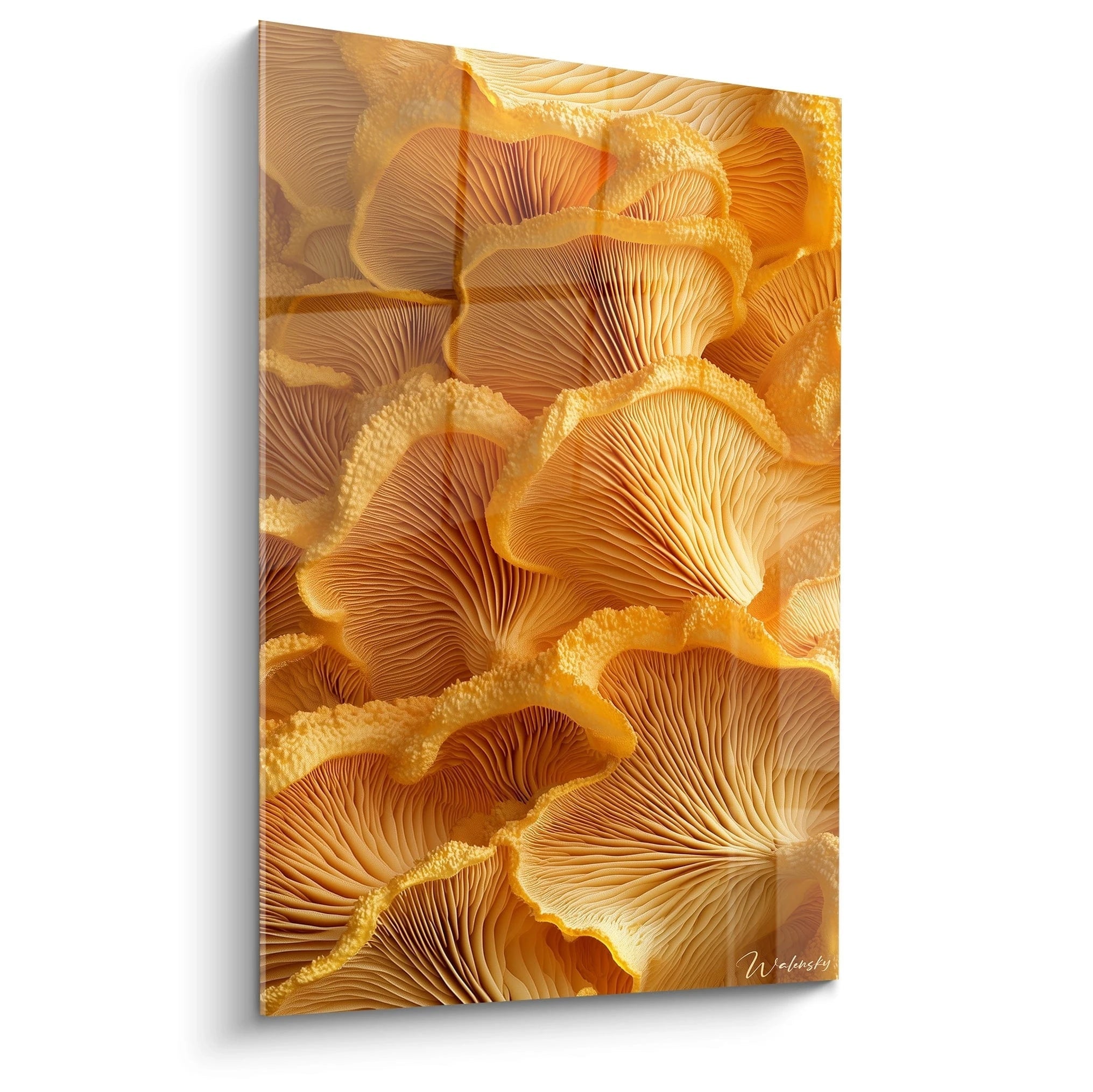
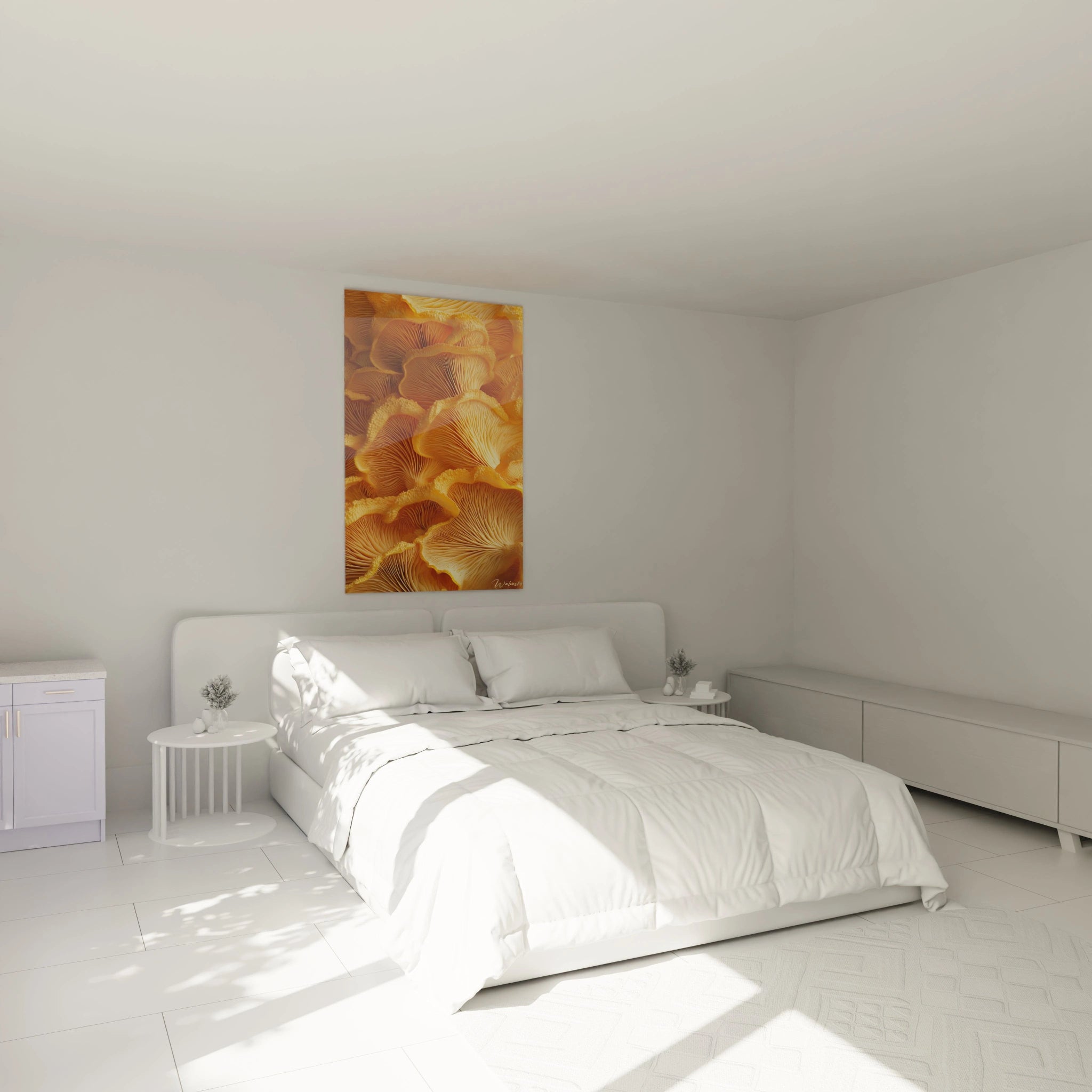
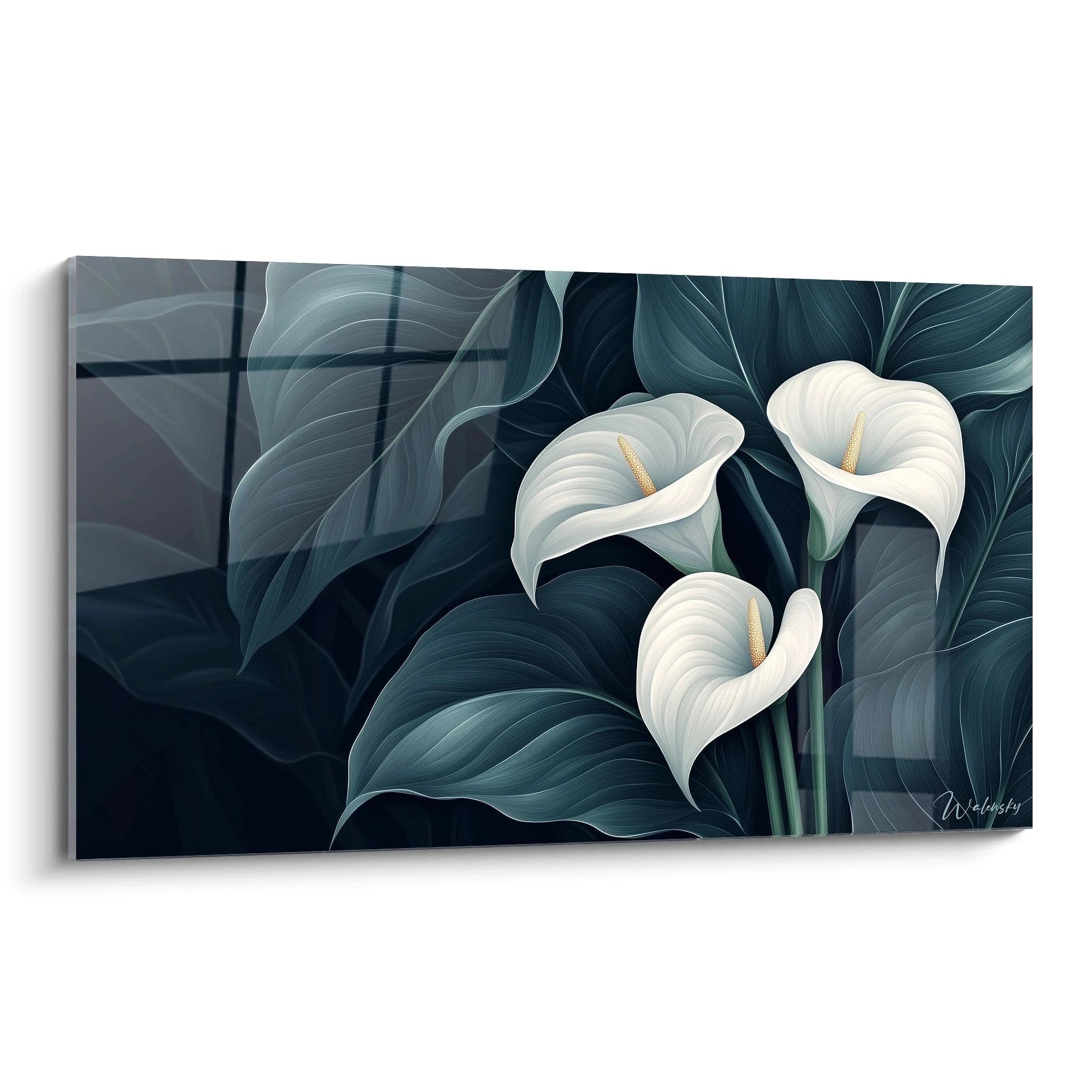
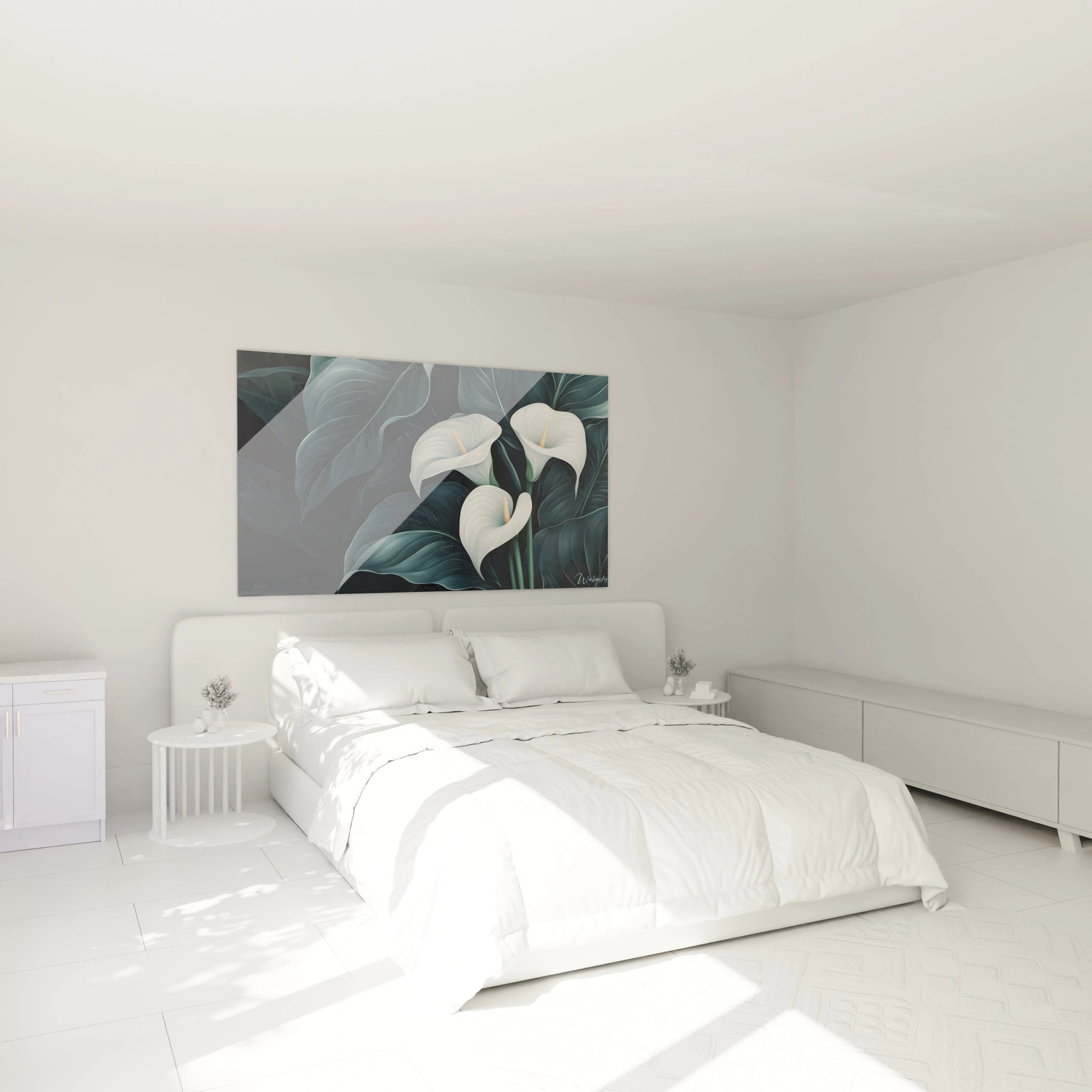
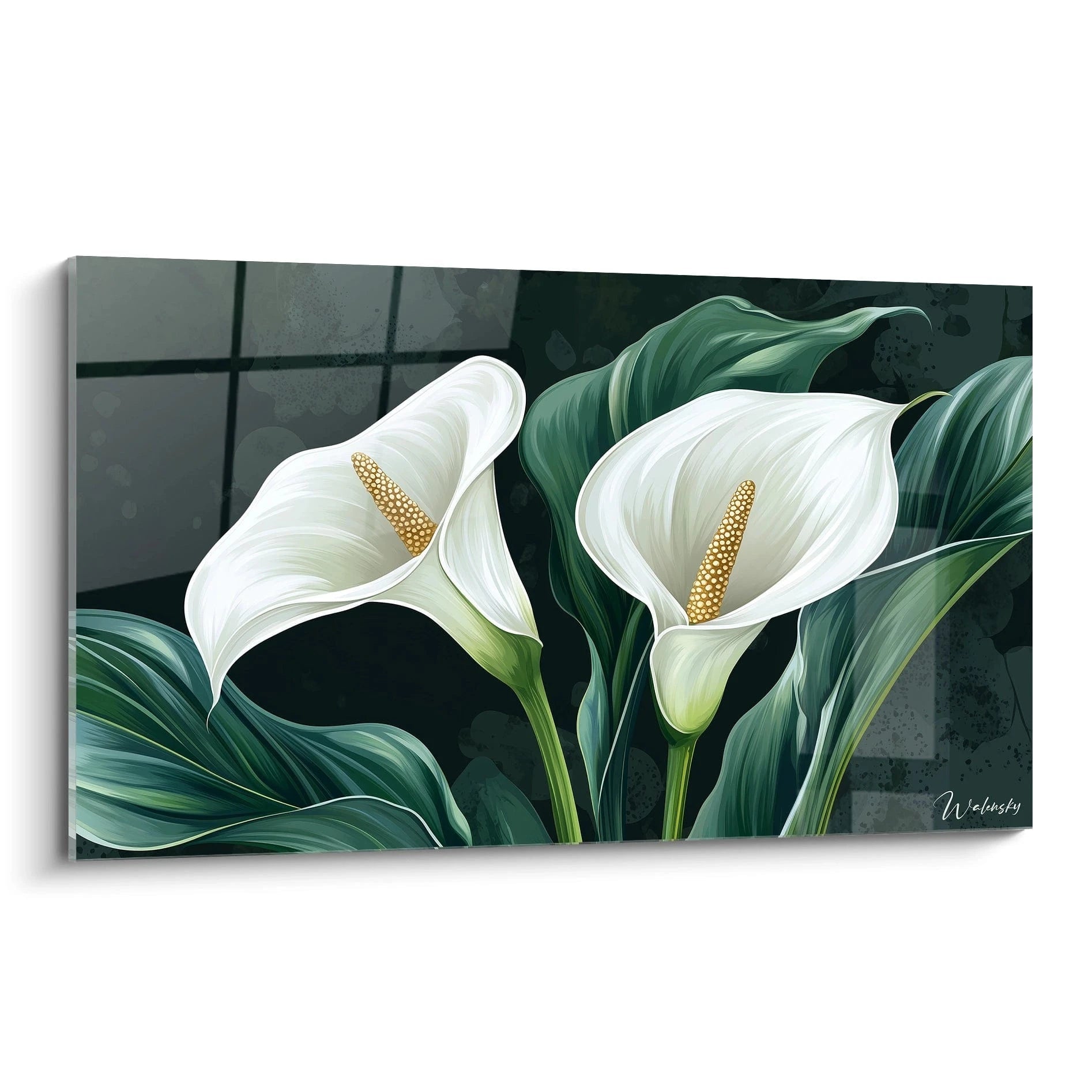
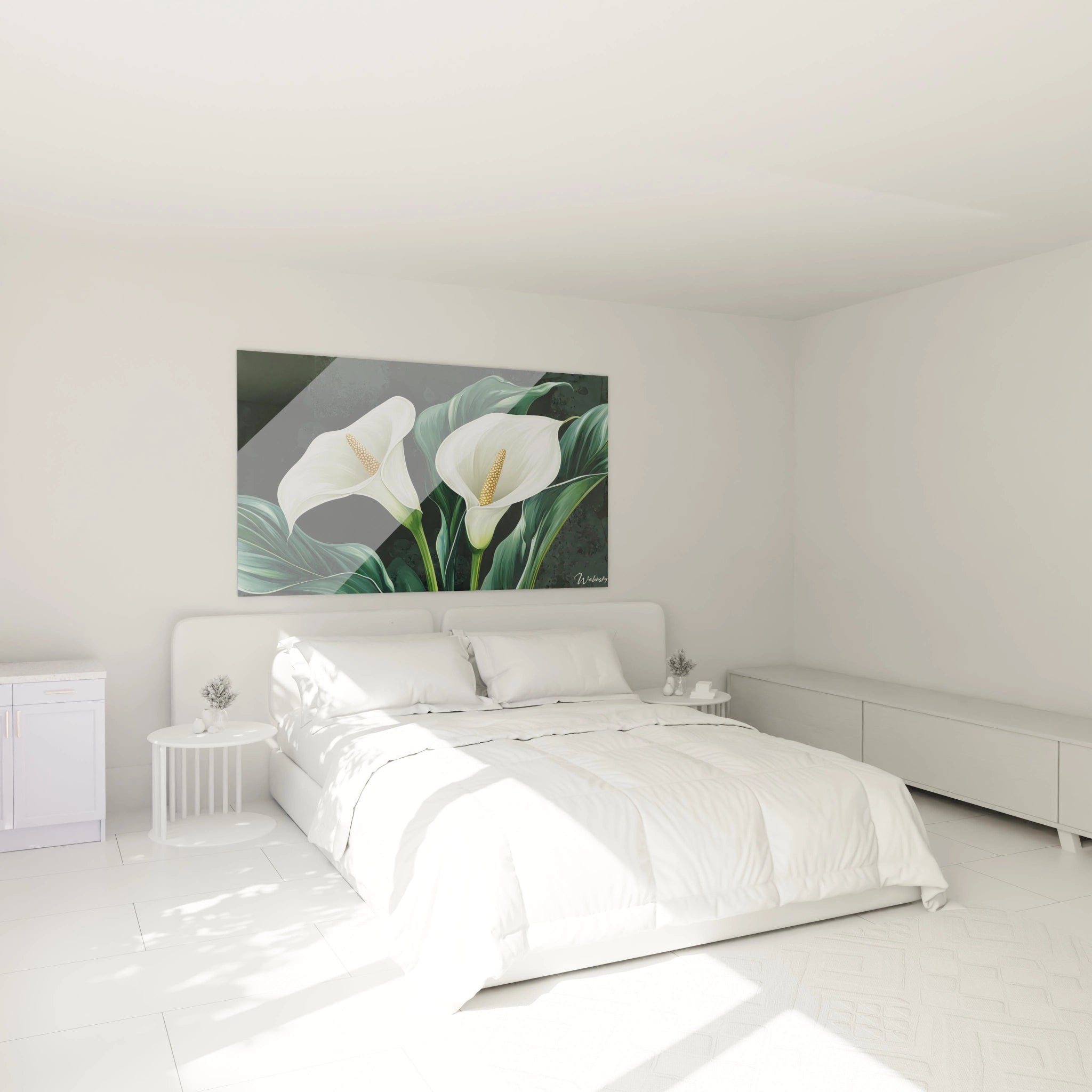
- Presentation Medical Office Painting
- Therapeutic Environment and Paintings
- Sanitary Standards and Medical Paintings
- Psychological Impact of Paintings in Medical Settings
Choosing a painting for medical office represents far more than a simple decorative decision. It is a strategic element that contributes to the patient's overall experience, the practitioner's professional identity, and the therapeutic atmosphere of the healthcare space.
In an environment often associated with stress and anxiety, an appropriate painting can radically transform the perception of the place. It becomes a passive therapeutic tool that accompanies the patient's journey from the waiting room through the consultation.
Paintings for healthcare professionals meet specific criteria related to the sanitary, psychological, and functional constraints inherent to the medical field. Unlike paintings intended for residential spaces or conventional offices, they must integrate into a healthcare ecosystem while respecting particular hygiene standards.
Medical offices present unique challenges regarding wall decoration: often limited surfaces, the need to create positive distraction during care, compatibility with disinfection protocols, and consistency with the medical specialty practiced.
Whether you are a general practitioner, dentist, physiotherapist, psychologist, or specialist, your choice of painting will constitute an element of non-verbal communication with your patients. It can reinforce your professional credibility while humanizing your work environment.
Discover in the following sections how to select paintings perfectly suited to medical offices, compliant with sanitary standards and capable of positively contributing to the care experience.
Optimized Therapeutic Environment Through Medical Office Painting
Integrating a painting for medical office represents far more than simple decoration – it is a genuine passive therapeutic tool that transforms the healthcare environment. In a context where medical anxiety affects up to 60% of patients, these visual elements become strategic allies for practitioners.
How does the medical painting influence the perception of waiting time?
The waiting room constitutes the first point of contact between the patient and the medical environment. A carefully selected painting can significantly reduce the perception of waiting time, a phenomenon confirmed by several studies in environmental psychology. A patient absorbed by an engaging artwork will perceive a 20-minute wait as lasting only 12-15 minutes.
Paintings for medical offices stand out through their ability to create "mini mental escapes" during potentially stressful moments. Unlike video screens that may generate excessive stimulation, the painting offers soothing, non-intrusive contemplation that respects the intimacy of the medical moment.
Specific adaptation to medical specialties
Each medical discipline benefits from a differentiated visual approach:
Large panoramic formats (120×80 cm minimum) are particularly effective in medical offices as they create a "window effect" that visually enlarges the space, counterbalancing the constraining impression often associated with examination rooms.
Integration into the care pathway
A painting for medical office actively participates in the therapeutic pathway by becoming:
- A distraction tool during uncomfortable procedures (55% of practitioners report improved patient cooperation)
- A visual reference point that facilitates physician-patient communication ("Look at the painting while I examine this area")
- A spatial marker that aids orientation in offices with multiple rooms
Evolving medical paintings, which can be modified seasonally or according to prevention campaigns, maintain constant visual interest for regular patients while subtly communicating current health priorities.
Specific technical considerations for the medical environment
The medical environment imposes unique constraints for paintings:
Positioning must account for healthcare staff movement and mobile medical equipment. The optimal hanging height is generally 145-160 cm from the floor to the center of the painting, slightly higher than in residential spaces, to account for the patient's frequent seated position.
The painting for medical office must withstand intensive cleaning protocols. Complex textured surfaces should be avoided as they could trap dust and pathogens. Specific waterproofing allows disinfection by spraying without artwork deterioration.
Medical lighting, often powerful and directional, requires paintings with integrated anti-glare treatment, particularly in examination areas where reflections could interfere with clinical observation.
In conclusion, a judiciously selected painting for medical office transcends its decorative function to become a genuine therapeutic partner, significantly contributing to the overall care experience while reinforcing the practitioner's professional identity.
Essential Sanitary Standards for Medical Office Painting
Integrating a painting for medical office requires rigorous compliance with specific sanitary standards for healthcare environments. These imperatives, often overlooked, fundamentally distinguish artworks suitable for the medical sector from conventional paintings.
What are the specific sanitary requirements for paintings in medical settings?
In the medical context, decorative surfaces constitute potential vectors of cross-contamination. A painting for medical office must therefore meet strict criteria:
- Antibacterial certification: surfaces treated to limit microbial proliferation (minimum 95% reduction of colonies after 24 hours)
- Resistance to medical-grade disinfectants (including 70% hydroalcoholic solutions, quaternary ammonium, and chlorine derivatives)
- Complete absence of interstices or complex reliefs that could trap particles and biofilm
- Peripheral sealing preventing any infiltration between frame and wall (critical zone often neglected)
Unlike domestic paintings, artworks intended for medical offices undergo intensive cleaning protocols imposing exceptional durability. The recommended disinfection frequency is weekly in waiting areas and daily in examination spaces.
Compatibility with professional hygiene protocols
Modern medical offices apply regular disinfection protocols that directly impact decorative elements:
Decontamination by aerosolization (hydrogen peroxide nebulization or UV-C) used in certain offices requires paintings resistant to these aggressive treatments. Standard paintings degrade rapidly under these conditions, compromising both aesthetics and sanitary safety.
The painting for medical office must integrate a specific hanging system allowing rapid removal during deep cleaning procedures. Reinforced magnetic mounting systems offer the best compromise between stability and wall surface accessibility.
The framing itself becomes a critical element: rounded corners reduce dust accumulation and facilitate cleaning compared to traditional sharp-edged frames.
Risk assessment specific to medical specialty
Each specialty presents distinct sanitary constraints influencing painting selection:
- Dermatology: frequent exposure to biological agents requiring paintings integrating antimicrobial silver ions
- ENT/Pulmonology: increased aerosolization risk demanding completely smooth and impermeable surfaces
- Pediatrics: frequent manual contact by young patients with surfaces requiring resistance to intensive cleaning
- Aesthetic medicine: ultra-aseptic environment requiring artworks compatible with germicidal UV
Innovative materials adapted to medical constraints
New materials specifically developed for medical paintings offer an optimal solution to sanitary constraints:
Pre-treated composite aluminum prints currently represent the best compromise between aesthetic and sanitary requirements. Their non-porous surface prevents microbial adhesion while guaranteeing exceptional resistance to powerful disinfectants.
Paintings with TiO2 photocatalytic coating activate, through light action, decomposition of organic compounds on their surface, offering passive self-disinfection particularly suited to high-traffic areas.
Integration of antimicrobial agents directly into the painting's protective layer ensures continuous protection between cleaning cycles, significantly reducing residual bacterial load (up to 99.9% reduction of common pathogens including MRSA and C. difficile).
In conclusion, the painting for medical office represents a strategic sanitary investment combining aesthetic imperatives and infection safety. Its impact on patients' perception of professionalism is considerable, transforming simple decoration into a visible marker of commitment to high hygiene and care standards.
Psychological Impact of Medical Office Painting on Patients
The influence of a painting for medical office on patients' psychological state constitutes a fascinating field of study at the intersection of environmental psychology and medicine. These strategically selected artworks far exceed their decorative function to become genuine passive therapeutic tools.
How do medical paintings reduce clinical anxiety?
The medical environment frequently generates anxiogenic responses in patients. Studies in neuroaesthetics demonstrate that a judiciously chosen painting for medical office can:
- Lower average blood pressure by 5-7 mmHg in the waiting room
- Reduce by 23% the need for mild sedation during anxiety-provoking procedures
- Significantly decrease salivary cortisol secretion (biological stress marker)
- Improve patient-caregiver communication by creating an environment perceived as less institutional
Artworks representing open landscapes with a clear horizon line produce the most marked anxiolytic effects. This phenomenon is explained by the activation of neural circuits related to the perception of spatial safety, counterbalancing the sense of confinement often felt in medical spaces.
Unlike video screens whose distractive effect depletes rapidly, the soothing effect of the painting for medical office persists during repeat visits, creating a positive emotional anchor associated with the place of care.
Targeted adaptation to patient psychological profiles
The diversity of patients requires a nuanced approach in selecting medical paintings:
For highly anxious patients (15-20% of standard patient population), paintings dominated by blue-green with aquatic elements significantly reduce sympathetic nervous system activation, measurable by decreased skin conductance.
For elderly patients, particularly sensitive to the medical environment, paintings evoking familiar natural landscapes reinforce the sense of identity continuity in a potentially destabilizing context.
For patients suffering from chronic pain, studies show that exposure to certain paintings during care can increase the pain perception threshold. Visuals generating deep "attentional absorption" divert cognitive resources normally allocated to processing pain signals.
Selection criteria based on clinical neuroscience
Research in neurosciences provides determining insights for optimizing the psychological impact of a painting for medical office:
Compositions presenting moderate visual complexity (neither too simple nor too chaotic) generate the highest level of positive cognitive engagement, creating optimal distraction without perceptual overload.
Paintings integrating natural fractal elements (patterns repeating at different scales) induce measurable brain alpha response by EEG, associated with an alert relaxation state particularly beneficial in the medical context.
Painting scale directly influences its immersive capacity: a minimum ratio of 1:3 between painting size and typical observation distance maximizes the effect of "presence" and psychological escape.
Strategic integration into the overall care experience
The painting for medical office becomes a central element of a holistic care approach:
Positioned in the patient's visual axis during uncomfortable procedures, it serves as an attentional anchor point, facilitating cognitive distraction techniques recommended by non-pharmacological anxiety management protocols.
Associated with other sensory elements (such as coherent soundscapes), the painting creates a coherent multisensory experience that significantly reinforces its positive psychological impact.
Regularly mentioned by the practitioner as a conversational support, the painting facilitates the establishment of the therapeutic relationship, particularly with reluctant patients or children.
FAQ on Medical Office Paintings
What size of medical office painting should be prioritized for optimal psychological impact?
For optimal psychological impact, prioritize large-format paintings (minimum 100x70 cm) that significantly occupy the patient's visual field. The immersive effect is directly proportional to the surface occupied by the artwork in the visual field, with maximum effectiveness achieved for paintings occupying at least 30° of the viewing angle from the patient's typical position.
How to maintain a medical office painting without compromising its sanitary properties?
Appropriate maintenance involves weekly use of a compatible medical disinfectant (70% hydroalcoholic solution or diluted quaternary ammonium) applied by light spraying then wiped with non-abrasive microfiber. Absolutely avoid acidic cleaners or pure ammonia-based products that compromise the protective coating's properties.
Should paintings be regularly changed in a medical office?
A seasonal rotation (3-4 times yearly) of medical office paintings is recommended to maintain their positive psychological impact on regular patients. Visual habituation progressively decreases the therapeutic effect after 3-4 months of regular exposure. Alternatively, an interchangeable painting system on the same support allows economical and practical updating.