


Realism Painting
Our realistic paintings reveal social truth in our committed collection. Each work testifies to the human condition without artifice or idealization, giving artistic dignity to popular subjects. Sincere technique, contemporary subjects, social commitment: these creations revolutionize art through their authenticity. Aesthetics meets ethics in a democratic vision that elevates everyday life to the rank of artistic sublime and historical testimony.
 Man Portrait Artwork Commanding Character - realism edition233,90 €
 Maritime Painting Desperate Escape - realism edition233,90 €
 Three Women Daily Labor Painting - realism edition233,90 €
 Painter with Inner Vision Painting - Realism Edition233,90 €
 Woman with Sacred Bowl Painting - Realism Edition233,90 €
 Church Mysticism Riverside Painting - realism edition233,90 €
 White lace portrait painting - realism edition233,90 €
 Portrait wall art bourgeoisie romantic - realism edition233,90 €
 Artist with Inspired Pen - realism edition213,90 €
 Writer with silver beard portrait - realism edition213,90 €
Explore further
In Realism Painting


In the same family
Also explore the theme Artistic Movements
-
 View all793
artworks
View all793
artworks
-
 Acrylic (style)10
artworks
Acrylic (style)10
artworks
-
 Art Deco164
artworks
Art Deco164
artworks
-
 Islamic Art9
artworks
Islamic Art9
artworks
-
 Art Nouveau39
artworks
Art Nouveau39
artworks
-
 Comic Strip16
artworks
Comic Strip16
artworks
-
 Baroque22
artworks
Baroque22
artworks
-
 Bauhaus31
artworks
Bauhaus31
artworks
-
 Billiards19
artworks
Billiards19
artworks
-
 Classicism16
artworks
Classicism16
artworks
-
 Collage14
artworks
Collage14
artworks
-
 Constructivism31
artworks
Constructivism31
artworks
-
 Cubism91
artworks
Cubism91
artworks
-
 Dadaism33
artworks
Dadaism33
artworks
-
 Drawing20
artworks
Drawing20
artworks
-
 Expressionist95
artworks
Expressionist95
artworks
-
 Abstract Fauvism10
artworks
Abstract Fauvism10
artworks
-
 Abstract Futurism25
artworks
Abstract Futurism25
artworks
-
 Gothic29
artworks
Gothic29
artworks
-
 Hyperrealism28
artworks
Hyperrealism28
artworks
-
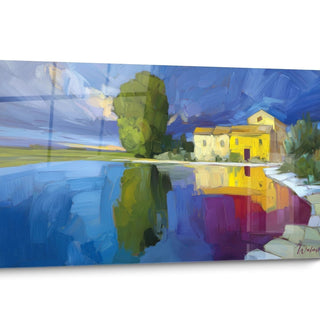 Impressionism23
artworks
Impressionism23
artworks
-
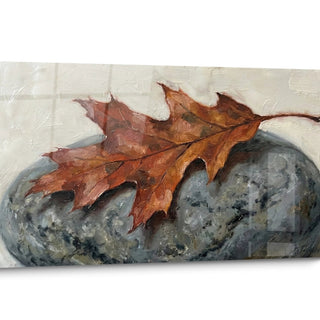 Japandi13
artworks
Japandi13
artworks
-
 Light painting3
artworks
Light painting3
artworks
-
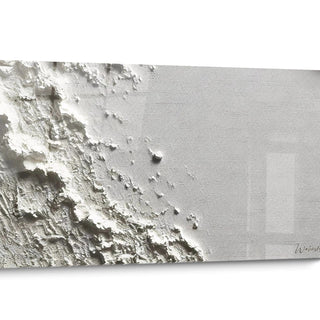 Minimalist35
artworks
Minimalist35
artworks
-
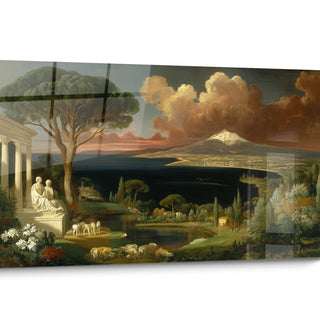 Neo-classical15
artworks
Neo-classical15
artworks
-
 Op Art20
artworks
Op Art20
artworks
-
 Abstract Contemporary Painting48
artworks
Abstract Contemporary Painting48
artworks
-
 Pointillism59
artworks
Pointillism59
artworks
-
 Abstract Pop Art11
artworks
Abstract Pop Art11
artworks
-
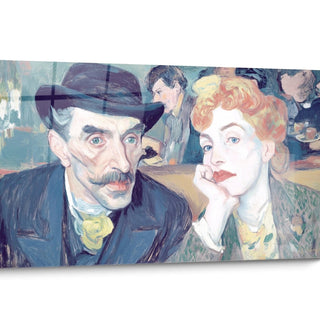 Post-Impressionism15
artworks
Post-Impressionism15
artworks
-
 Pre-Raphaelitism11
artworks
Pre-Raphaelitism11
artworks
-
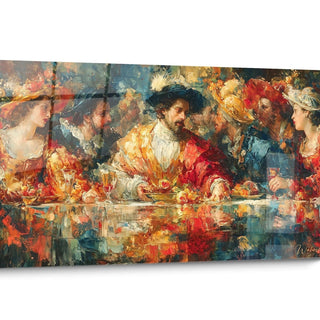 Renaissance13
artworks
Renaissance13
artworks
-
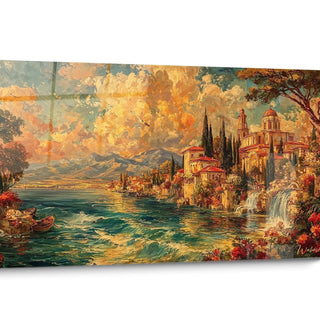 Italian Renaissance12
artworks
Italian Renaissance12
artworks
-
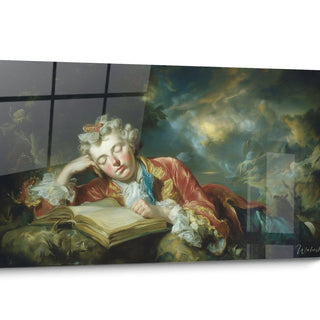 Rococo5
artworks
Rococo5
artworks
-
 Romantic12
artworks
Romantic12
artworks
-
 Romanticism17
artworks
Romanticism17
artworks
-
 Abstract Surrealism34
artworks
Abstract Surrealism34
artworks
-
 Symbolist26
artworks
Symbolist26
artworks
-
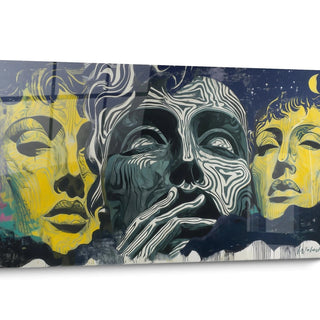 Vanity21
artworks
Vanity21
artworks
All about Realism Painting
- Overview Realism Wall Art
- Realism Wall Art - Masters of the Artistic Movement
- Realism Wall Art - Modern Decorative Integration
- Realism Wall Art - Authentication and Artistic Value
A realism wall art piece embodies the essence of a revolutionary artistic movement from the 19th century that transformed the aesthetic codes of its era. These large-format works capture the raw truth of everyday life with exceptional technical precision, offering collectors today an authentic window into social and documentary art. Unlike the idealized representations of academic art, pictorial realism privileges the sincerity of direct observation, creating compositions of striking narrative intensity. These large-scale murals instantly transform the atmosphere of a space by bringing the intellectual depth and social engagement characteristic of the historic realist movement.
The Masters of Realism: Pictorial Authenticity and Artistic Heritage
Acquiring a realism wall art piece is part of a committed art collecting approach, directly inheriting the innovations of Courbet, Millet, and Daumier. These pioneers of the realist movement established the foundations of a revolutionary aesthetic that privileges direct observation over romantic idealization. An authentic realism artwork distinguishes itself through its ability to document the contemporary era with remarkable technical sincerity, creating a permanent dialogue between the work and its observer.
How to identify the authenticity of a realist work?
Expertise of a realism wall art piece requires an in-depth analysis of the pictorial technique employed. Realist masters developed a methodical approach to painting, privileging meticulous study of natural lighting effects and faithful restitution of material textures. This technical precision manifests particularly in the treatment of skin tones, the representation of fabrics, and the capturing of atmospheres specific to different times of day.
The composition of an authentic realism artwork also reveals specific aesthetic choices: bold framings, unexpected perspectives, and theatrical staging of everyday subjects. These formal characteristics clearly distinguish realist works from contemporary academic productions, creating an immediately recognizable visual signature.
The stylistic evolution of the realist movement
Chronological analysis of a realism wall art piece allows identification of different phases in the movement's evolution. The foundational period (1850-1870) is characterized by rigorous documentary approach, while the maturation phase (1870-1890) progressively integrates technical innovations anticipating nascent impressionism.
Transitional works reveal particularly interesting chromatic experiments, notably in the treatment of colored shadows and the progressive adoption of plein-air technique. This technical evolution confers remarkable stylistic diversity on realist paintings, with each period offering distinctive aesthetic characteristics.
Provenance and historical traceability
The authenticity of a realism wall art piece is also established through study of its historical provenance. Works from the realist movement generally benefit from precise documentation, as artists of this period often kept detailed journals of their production. This documentary traceability constitutes a major asset for collectors seeking to acquire authenticated pieces.
Historic exhibitions of the realist movement, particularly the Salons des Refusés and independent manifestations, left detailed archives allowing the trajectory of many works to be traced. This historical dimension adds considerable heritage value to each documented realism wall art piece.
• Certification by in-depth technical expertise
• Comparative analysis with referenced works
• Verification of historical stylistic coherence
• Documentation of ownership chain
• Authentication of materials and techniques employed
Contemporary Decorative Integration of Realism Wall Art
Integrating a realism wall art piece into a modern environment requires a thorough understanding of its aesthetic specifics and visual impact. These large-format works instantly create a dramatic focal point, transforming interior architecture through their monumental presence and intense emotional charge. The particularity of pictorial realism lies in its ability to generate constructive visual tension between the historical authenticity of the work and the modernity of its exhibition context.
What atmosphere does a realism artwork create in a contemporary space?
A realism wall art piece generates a sophisticated intellectual atmosphere, particularly suited to reception spaces and executive offices. These works naturally impose a contemplative dimension on the environment, creating zones of reflection conducive to in-depth cultural exchanges. Their documentary and social character stimulates artistic conversations, making each exhibition space a place of enriching aesthetic debate.
The psychological impact of a realism wall art piece manifests through its ability to anchor the space in precise historical temporality. This temporal dimension creates unique conceptual depth, transforming simple decoration into genuine immersive cultural experience.
Decorative associations specific to realism
Accompanying a realism wall art piece requires aesthetic choices coherent with the spirit of the movement. Raw and authentic materials—natural stone, patinated wood, oxidized metal—create conceptual harmony with realist aesthetics. This material approach reinforces the visual impact of the work while respecting its artistic integrity.
Indirect lighting and warm light sources particularly enhance the chromatic subtleties of realist works. These specialized lighting devices reveal the technical richness of impasto and the fineness of glazes characteristic of realist painting.
Optimization of exhibition space
Optimal presentation of a realism wall art piece requires sufficient visual distance to appreciate the composition as a whole. These large-format works require open spaces allowing complete reading of their narrative complexity. Spatial arrangement should prioritize creation of comfortable contemplation zones, fostering immersion in the artist's pictorial universe.
The display height of a realism wall art piece adapts to the specificity of each work, with certain compositions requiring slightly elevated placement to optimize narrative perspective. This technical adaptation maximizes the emotional impact of the work while respecting the artist's original compositional intentions.
Decorative evolution and adaptability
A realism wall art piece presents the remarkable advantage of adapting to decorative evolutions without losing aesthetic relevance. These timeless works resist passing trends, constituting durable and evolving decorative investments. Their capacity to adapt to spatial reconfigurations makes them stable central elements in changing architectural environments.
• Creation of distinctive intellectual atmosphere
• Adaptation to contemporary decorative evolutions
• Resistance to temporary fashion effects
• Enhancement of existing architectural spaces
• Generation of enriching cultural conversations
Authentication and Artistic Valorization of Realism Wall Art
Expert evaluation of a realism wall art piece mobilizes specialized skills in analyzing 19th-century pictorial processes. These works require a multi-criteria authentication approach, combining stylistic examination, technical analysis of materials, and verification of historical coherence. The technical complexity of realist works, characterized by superposition of transparent glazes and the use of period-specific pigments, necessitates particularly rigorous expertise protocols.
Scientific authentication methods
Authentication of a realism wall art piece relies on comparative analysis of pictorial techniques employed by realist movement masters. Radiographic examination reveals the pentimenti and compositional modifications characteristic of the realist creative process. This non-destructive investigative technique allows identification of image-construction methods specific to each artist.
Chromatographic analysis of pigments constitutes a determining authentication criterion. Realist artists used particular color formulations, notably natural earths and metallic oxides, creating an identifiable chemical signature. This scientific approach complements traditional stylistic expertise with incontestable objective data.
What is the impact of conservation condition on the value of a realism wall art piece?
The conservation condition of a realism wall art piece directly influences its market valorization and appreciation potential. Works presenting their original technical integrity retain their optimal visual impact and historical authenticity. Previous restorations, when respecting period techniques, can even enhance the work by revealing initially masked details.
Conservation evaluation particularly examines support stability, pictorial layer cohesion, and protective varnish integrity. These technical criteria determine future intervention needs and significantly influence artwork estimation.
Valorization criteria specific to realism
Valorization of a realism wall art piece incorporates aesthetic parameters specific to the movement: thematic originality, technical innovation, and the work's social engagement. Compositions addressing subjects innovative for the era or presenting remarkable pictorial innovations benefit from significant added value.
The historical dimension of the work, particularly its participation in landmark exhibitions of the realist movement, constitutes a major valorization factor. These provenance elements reinforce the heritage importance of each authenticated piece.
Appreciation potential and market trends
The contemporary realism wall art market benefits from renewed interest in socially engaged art. This trend particularly values works documenting 19th-century social transformations, creating appreciation opportunities for discerning collectors.
The evolution of contemporary aesthetic preferences favors the rediscovery of lesser-known realist artists, generating favorable market dynamics for collectors anticipating these revalorization movements.
• Rigorous scientific expertise protocols
• Analysis of specialized market trends
• Evaluation of appreciation potential
• Certification of historical authenticity
• Optimization of preventive conservation


