


Collection · 45
artworks
Turquoise Wall Art
by
Let yourself be inspired by the serenity of turquoise paintings, where each creation evokes endless horizons and crystalline waters. Turquoise, the color of freshness and escape, brings a soothing and contemporary atmosphere to your decor. Our turquoise artworks combine modernity and subtlety to transform your space into a haven of visual and emotional peace.
 Heart of the Breeze Canvas - Abstract Boat Edition233,90 €
 Sparkling Shores Canvas - Epoxy Style Edition233,90 €
 Dawn Over the Lighthouse - Sea Landscape Edition233,90 €
 Azure Flight Canvas - Parrot Animals Edition233,90 €
 River Painting No.3 - Landscape Edition233,90 €
 Dragon Wall Art No. 2 - Kids Edition233,90 €
 Beyond the Clouds Wall Art - Mount Fuji Asia Edition233,90 €
 Aquatic Ballet Wall Art - Jellyfish Animals Edition233,90 €
 Azure Mist Wall Art - Abstract Seascape Edition233,90 €
 Ethereal Mist Painting - Abstract Boat Edition233,90 €
 Infinite Calm Painting - Sea Landscape Edition233,90 €
 Pastel Waves Wall Art - Epoxy Style Edition233,90 €
 Dew Sparkle Wall Art - Epoxy Style Edition233,90 €
 Enchanted Foam Painting - Epoxy Style Edition233,90 €
 Wall Art Between Sky and Sea - Dolphin Animals Edition233,90 €
 Garnet Essence Artwork - Epoxy Style Edition233,90 €
 Enchanted Flows Wall Art - Epoxy Style Edition233,90 €
 Quiet Strength Wall Art - Gorilla Animals Edition233,90 €
 Giant Painting of the Depths - Whale Animals Edition233,90 €
 Frozen Horizon Wall Art - Epoxy Style Edition233,90 €
 Painting Inspired by Michelangelo's David N°2 – Tribute to a Celebrated Artist233,90 €
 The Flaming Turtle Artwork - Sea Turtle Animals Edition233,90 €
 Wall Art Life in Blue - Retro Edition233,90 €
 The Marine Ballet - Whale Animals Edition233,90 €
Explore further
In Turquoise Wall Art
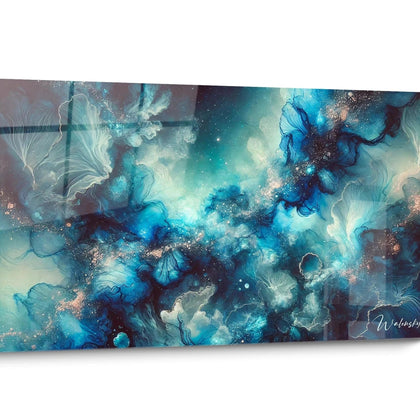
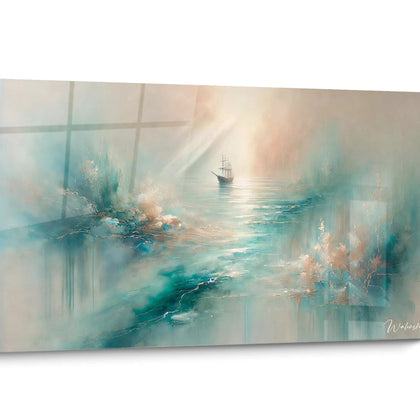
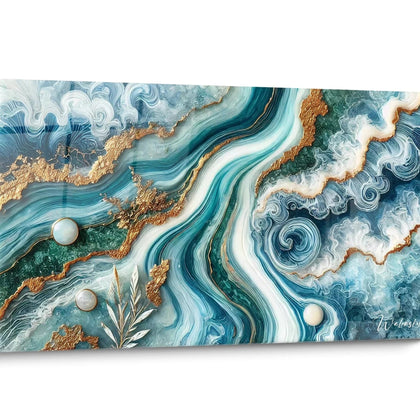
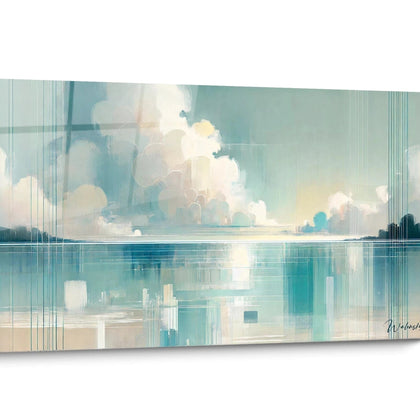
All about Turquoise Wall Art
- Turquoise wall art
- Turquoise painting
- Turquoise wall decoration
Why choose a turquoise wall art to illuminate your interior?
Why choose a turquoise wall art to illuminate your interior?The world of interior decoration is shaped by colors and their ability to transform a room. Among them, turquoise wall art stands out for its brilliance and refreshing effect. A true source of light, it diffuses blue pigments that visually enlarge the space and create a dynamic yet soothing atmosphere. Whether it's a turquoise painting, a turquoise artistic canvas or even a turquoise illustration, this color combines modernity and timeless elegance. Equally suited to contemporary and classic interiors, it stands out as an essential decorative element.
Soothing and refreshing effect of the turquoise color
The turquoise wall art is far more than a simple decorative object: it influences the atmosphere of an interior by establishing a soothing ambiance. Its connection with nature and vast expanses of water make it an ideal hue for relaxation spaces. A turquoise frame hung in a living room or bedroom invites relaxation, evoking the shimmering reflections of a lagoon or the softness of a summer sky. As turquoise wall painting, it refreshes a room by bringing a revitalizing and airy note. Unlike overly bright hues that tire the eye or dark colors that weigh down the space, turquoise strikes a subtle balance between softness and dynamism.
Symbolism and psychology of colors in decoration
In color harmony, turquoise is often perceived as a hue linked to communication, serenity and emotional balance. It combines the tranquility of blue and the energy of green, making it a color particularly appreciated in wall art. A turquoise abstract painting or a turquoise illustration placed in an office or creative space fosters inspiration and mental clarity. In interior decoration, it is also associated with escape and freedom, reinforcing the feeling of an open and welcoming space. This strong symbolism makes it an ideal choice for all rooms in the house, whether a living room, bedroom or even bathroom.
Influence of turquoise on space perception and luminosity
Turquoise possesses a unique property: it captures and reflects light, giving the sensation of a larger space. A contemporary turquoise painting placed on a white wall creates a depth effect that visually enlarges a room. This hue is ideal for small spaces as it prevents any feeling of clutter. Combined with natural materials like light wood or linen, it strengthens an airy and luminous effect. A turquoise canvas installed facing a window accentuates this impression of openness and fluidity, making the space more welcoming.
Comparison with other popular hues: navy blue and emerald green
While turquoise wall art appeals through its brilliance, it clearly differentiates itself from other popular hues in decoration. Navy blue, although sophisticated, creates a more muted and sometimes austere atmosphere. It absorbs more light, which can weigh down the space. Conversely, emerald green brings a natural and deep touch, but its intensity can sometimes dominate a room. Turquoise, on the other hand, finds a perfect balance between these two hues: luminous without being too dazzling, it brings a vibrant touch without overwhelming the rest of the decoration. A turquoise wall painting thus brightens a room while maintaining a certain elegance and subtlety.
Adaptability of turquoise to modern and classic styles
One of the major strengths of turquoise design wall art is its ability to integrate into a multitude of decorative styles. In a minimalist style, it serves as a focal point without cluttering the space, pairing beautifully with neutral tones and refined materials. It also finds its place in more classic interiors, where it brings a touch of modernity and freshness. Combined with gilt accents, velvet or marble, it imparts timeless elegance. A turquoise abstract painting can thus enhance traditional décor by adding a hint of dynamism and sophistication.
The turquoise wall art thus stands out as both an aesthetic and functional decorative choice, capable of illuminating and transforming any interior by infusing it with an energy that is both gentle and vibrant.
How to coordinate a turquoise wall art with your furniture?
How to coordinate a turquoise wall art with your furniture?Turquoise wall art is a centerpiece that can transform an interior by infusing it with a touch of freshness and elegance. Whether it's a turquoise painting, a turquoise canvas or a turquoise illustration, this decorative element immediately captures attention and energizes the space. However, to avoid any false note, it is essential to pair it intelligently with your furniture and other interior decoration elements. Discover how to harmonize colors, choose suitable materials and integrate this wall art into different decorative styles for a result that is both aesthetic and balanced.
Ideal color associations for harmonious results
The choice of colors plays a key role in showcasing a turquoise wall art . For a soft and soothing ambiance, opt for natural hues like beige, ivory or off-white. These colors allow you to highlight the wall art without cluttering the space.
If you seek sophisticated contrast, pair your modern turquoise painting with deep tones like anthracite gray, black or midnight blue. This play of opposites imparts timeless elegance to your interior. For a warmer effect, favor earthy shades like terracotta, ochre or mustard, which will add depth and a cozy aspect to your decoration.
In a Mediterranean or seaside spirit, combine the turquoise painting with white and touches of sky blue. This association evokes seascapes and establishes a luminous and refreshing atmosphere.
Materials that enhance turquoise wall art
The choice of materials is essential to enhance your turquoise wall decoration and give it unique character. Certain materials allow you to exalt the beauty and luminosity of your turquoise abstract painting:
• Light wood: With its natural and soft nuances, it creates a warm and timeless effect. A table or shelves in light oak help enhance the brilliance of the turquoise artwork's blue pigments.
• Black or golden metal: Ideal for industrial or contemporary decoration, it accentuates the modern side of the turquoise design wall art. Opt for lighting fixtures or a metal frame to visually structure your space.
• Glass and reflective surfaces: A glass coffee table or mirror strategically placed around your turquoise wall painting allows you to play with light and emphasize the depth effect.
Integration into Scandinavian, bohemian or industrial palettes
Turquoise wall art adapts to different decorative styles depending on the associations you create:
• Scandinavian style: Pair your turquoise canvas with white walls, a linen sofa and light wood furniture. The minimalism and simplicity of this style allow the turquoise color to stand out while maintaining a soothing ambiance.
• Bohemian style: Focus on natural materials like rattan, jute or wool and add cushions and rugs with ethnic patterns. The contemporary turquoise painting brings a vibrant and dynamic touch to this warm and relaxed universe.
• Industrial style: Here, contrast is key. Pair your turquoise illustration with concrete surfaces, steel furniture and aged leather. This mix of raw textures reinforces the modern and sophisticated character of your interior.
The importance of contrast with walls and textiles
The color harmony between your turquoise wall art and your furniture relies greatly on well-balanced contrasts. If your wall is already painted in a strong tone, favor a sober frame or a location where natural light can accentuate the reflections of your turquoise painting.
Textiles also play a key role:
• Opt for natural linen curtains, which will bring a light and airy touch without visually overwhelming your turquoise artistic canvas.
• Add mustard or terracotta velvet cushions to balance the freshness of turquoise with warm touches.
• A Berber rug with subtle patterns can complete the set by bringing an enveloping texture and subtle contrast.
Mistakes to avoid in choosing complementary hues
Integrating turquoise wall art into decoration requires some reflection to avoid design mistakes. Here are some common errors to avoid:
• Too much blue or green: If your interior is already dominated by these hues, the turquoise design wall art risks blending into the décor without really standing out. Introduce contrasts with warmer colors.
• Overly saturated colors: Overly vibrant hues like scarlet red or hot pink can create visual dissonance and harm color harmony. Prefer more muted and natural tones.
• Poor placement: A turquoise abstract painting should not be lost among too many decorative elements. Let it breathe on a clean wall so it fully captures attention.
• Inadequate lighting: If the light is too dim or poorly directed, the brilliance of your turquoise canvas will be diminished. Use LED spotlights or wall sconces to enhance its blue pigments.
Successful integration of turquoise wall art relies on a subtle balance between colors, materials and the arrangement of elements. Whether your interior is refined, warm or industrial, this artistic frame can become a central piece and structure your decoration with elegance. By playing with shades, textures and artistic expression, you'll create a space that is both aesthetic and harmonious, where every detail contributes to a coherent and refined decorative trend.
Where to place a turquoise wall art for maximum effect?
A turquoise wall art is far more than a simple decorative element. It captures attention, illuminates a space and infuses a unique artistic touch. Its hue oscillating between deep blue and water green adapts equally well to modern interiors and more classic atmospheres. But how do you optimize its placement so it fully expresses its potential? Whether in a living room, bedroom or even a hallway, every location must be chosen carefully to showcase the turquoise artwork and structure the space. Here are the best placements and tips to make the most of it.Ideas for the living room: above the sofa or sideboard
In a living room, hanging a turquoise wall art above the sofa creates a striking focal point. This position immediately draws the eye and offers harmonious visual structure. For optimal impact, ensure the width of the turquoise frame is proportional to the sofa's width. An XXL model works perfectly for a bold effect, while a composition of several turquoise illustrations brings dynamic artistic touch.
Another strategic location is above a sideboard. Here, the turquoise canvas dialogues with decorative objects arranged below: ceramic vases, minimalist sculptures or design lighting. This arrangement reinforces color harmony and allows you to balance the space by adding a vibrant touch. One tip is to choose a turquoise abstract painting that plays with textures and reliefs to enrich the visual depth of the room.
Creating a focal point in a bedroom or office
In a bedroom, the ideal location for a turquoise painting is just above the bed. This arrangement structures the space and establishes a soothing ambiance. A contemporary turquoise painting with golden or white touches brings a sophisticated note, while a model with organic forms promotes a sense of fluidity and softness.
In an office, a turquoise design wall art placed facing the entrance or just above the work surface energizes the space and stimulates creativity. Paired with light wood furniture and natural elements like green plants, it balances the tones and creates an atmosphere conducive to concentration. An interesting alternative is to opt for a turquoise artistic canvas in a triptych for an elegant and modern wall composition.
Enhancing a hallway or entryway with artistic touch
A hallway is often a neglected space in terms of decoration, yet it is an ideal location to showcase a turquoise wall painting. Placed at eye level on a clear wall, it creates an impression of depth and breaks the monotony of an often dull passage. To accentuate this effect, favor a model with blue nuances that harmonizes with the ambient light.
In an entryway, a turquoise artwork installed above a console immediately gives character to the space. For an even more welcoming result, accompany it with soft lighting, such as a brass lamp or wall sconces. This play of light highlights the details and textures of the acrylic on canvas, intensifying the visual effect.
The role of lighting in enhancing turquoise wall art
A turquoise wall art reaches its full potential when well-lit. Natural light, particularly from a large bay window, reveals the subtleties of the blue pigments and brings the artistic expression of the artwork to life. If the wall does not benefit from good natural lighting, compensate with directional LED spotlights that highlight the details of the turquoise canvas.
Artificial lighting also plays a key role. Warm light softens the intensity of the turquoise abstract painting, while cold light accentuates its brilliance and contrasts. For a spectacular effect, consider subtle backlighting that creates a luminous halo around the artwork and establishes a modern and sophisticated atmosphere.
Adapting the artwork size to the space for perfect harmony
The size of a contemporary turquoise painting influences its decorative impact. A large turquoise artistic canvas on a blank wall structures the room and immediately attracts attention. This choice is perfect for a spacious living room or dining room with generous volumes.
Conversely, for a small space, a wall composition made up of several turquoise illustrations works wonderfully. In a hallway, favor a vertical format that accentuates the height effect. Finally, a discrete turquoise drawing can be placed on a shelf, framed and leaned against the wall for a subtle and refined artistic touch.
Conclusion
A turquoise wall art is more than just beautifying a wall: it structures a space, captures light and dialogues with surrounding decorative elements. Its strategic positioning transforms an interior and reinforces its unique character. Whether in a living room, bedroom or even a hallway, the important thing is to harmonize the turquoise wall decoration with the general atmosphere while playing with light and proportions for an effect that is both aesthetic and captivating.


