


Dog Paintings
Discover our Dog Paintings collection, a series of captivating wall art pieces celebrating the majesty and loyalty of our four-legged companions. Each artwork captures the essence of these extraordinary animals, expressing both their gentleness and unique character. Whether you're an animal lover or simply seeking an original decorative piece, this collection of dog-themed paintings will bring warmth and vitality to your interior. Explore our collection and transform your walls into genuine tributes to canine friendship.
 Majestic Irish Wolfhound Painting on Celtic Stained Glass Background - Golden and Green Harmony - Irish Wolfhound Edition273,90 €
 Dog Silhouettes Mosaic Wall Art in Black - Canine Procession - Scottish Terrier Edition242,90 €
 Fawn Dog Artwork in Noble Posture on Mossy Trunk - Majestic Portrait - Rhodesian Ridgeback Edition273,90 €
 White Greyhound with Golden Halo on Dark Blue Background Painting - Sacred Grace - Whippet Greyhound Edition273,90 €
 Hunting Dog Profile Wall Art in Modern Interior - Geometric Elegance - German Pointer Edition228,90 €
 English Bulldog Reclining Wall Art with Warm Tones in Retro Living Room - Peaceful Rest - English Bulldog Edition273,90 €
 Dachshund Painting No. 1 - Animals Edition273,90 €
 Dalmatian Painting No.5 - Animals Edition273,90 €
 Two Akita Inu Painting Pink and Grey Noses Joined - Tender Reunion - Akita Inu Edition228,90 €
 Puppy and Adult Rottweiler Noses - First Contact - Rottweiler Edition273,90 €
 Collie Canvas with Golden Reflections on Cloudy Grey Background - Canine Majesty - Collie Edition228,90 €
 Collie Painting with Blue Eyes on Gold and Silver Background - Enchanting Gaze - Collie Edition228,90 €
 Golden and White Tones Collie Painting - Expressive Portrait with Paint Technique - Collie Edition228,90 €
 Golden Tones Collie Painting with Baroque Ornaments - Royal Majesty - Collie Edition228,90 €
 White Mudi running within a herd of silhouettes - Herding instinct - Mudi Edition242,90 €
 Mudi Painting in Turquoise and Orange Motion - Wild Momentum - Mudi Edition273,90 €
 Golden Tones Mudi Holding Bread in a Rustic Kitchen Canvas - Warmth of Home - Mudi Edition273,90 €
 Leaping Mudi in Blue and Green Waves Wall Art - Aquatic Energy - Mudi Edition273,90 €
 Mudi Jumping in Turquoise Blue Waves - Aquatic Dynamism - Mudi Edition273,90 €
 Black Mudi Working with White Sheep in Misty Pasture - Watchful Shepherd - Mudi Edition273,90 €
 Mudi with Amber Eyes Among Brilliant Sunflowers Impressionist Style - Rural Brilliance - Mudi Edition273,90 €
 Mudi in Motion with Blue and Orange Splashes - Wild Momentum - Mudi Edition273,90 €
 Mudi Puppy Running Dynamically on Ochre and Red Background - Canine Energy - Mudi Edition273,90 €
 Black Curly Mudi Painting with Puppy in Lit Sheepfold - Maternal Instinct - Mudi Edition273,90 €
Explore further
In Dog Paintings
-
 Chihuahua Dog Wall Art25
artworks
Chihuahua Dog Wall Art25
artworks
-
 Beagle Dog Wall Art27
artworks
Beagle Dog Wall Art27
artworks
-
 Cavalier King Charles Dog Canvas28
artworks
Cavalier King Charles Dog Canvas28
artworks
-
 Border Collie Dog Canvas21
artworks
Border Collie Dog Canvas21
artworks
-
 German Shepherd Wall Art35
artworks
German Shepherd Wall Art35
artworks
-
 French Bulldog Wall Art32
artworks
French Bulldog Wall Art32
artworks
-
 Golden Retriever Dog Painting31
artworks
Golden Retriever Dog Painting31
artworks
-
 Australian Shepherd Wall Art35
artworks
Australian Shepherd Wall Art35
artworks
-
 English Cocker Spaniel Dog Canvas32
artworks
English Cocker Spaniel Dog Canvas32
artworks
-
 Poodle Canvas53
artworks
Poodle Canvas53
artworks
-
 Pomeranian Spitz Dog Canvas Art33
artworks
Pomeranian Spitz Dog Canvas Art33
artworks
-
 Siberian Husky Dog Wall Art36
artworks
Siberian Husky Dog Wall Art36
artworks
-
 Staffordshire Bull Terrier Dog Wall Art33
artworks
Staffordshire Bull Terrier Dog Wall Art33
artworks
-
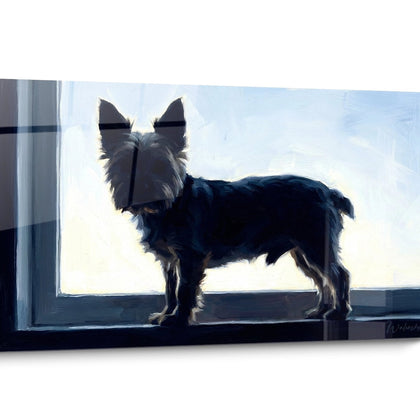 Yorkshire Terrier Dog Wall Art31
artworks
Yorkshire Terrier Dog Wall Art31
artworks
-
 Dachshund Wall Art24
artworks
Dachshund Wall Art24
artworks
-
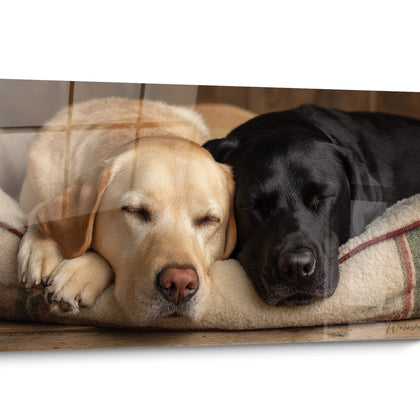 Labrador Retriever Wall Art25
artworks
Labrador Retriever Wall Art25
artworks
-
 Chow Chow Dog Wall Art25
artworks
Chow Chow Dog Wall Art25
artworks
-
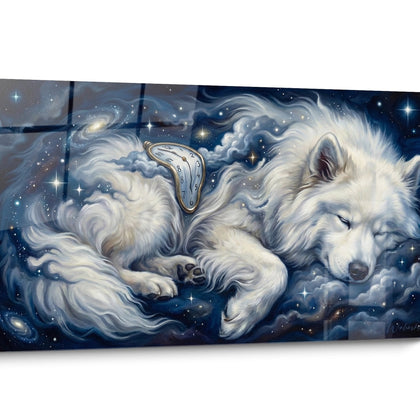 Samoyed Dog Wall Art37
artworks
Samoyed Dog Wall Art37
artworks
-
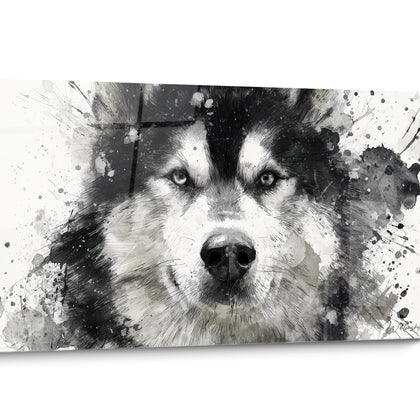 Alaskan Malamute Dog Wall Art30
artworks
Alaskan Malamute Dog Wall Art30
artworks
-
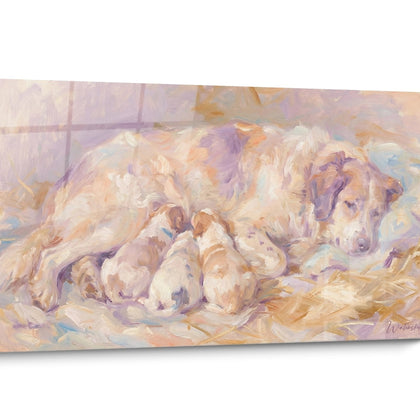 Newfoundland Dog Canvas31
artworks
Newfoundland Dog Canvas31
artworks
-
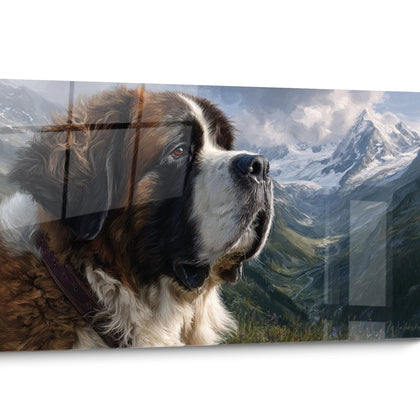 Saint Bernard Dog Painting25
artworks
Saint Bernard Dog Painting25
artworks
-
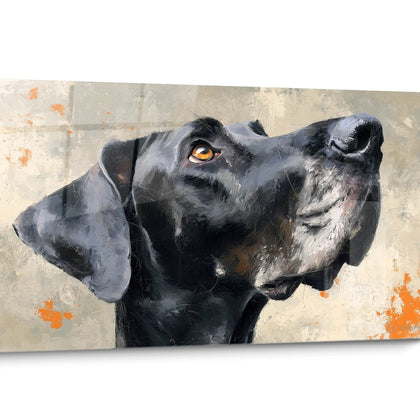 Great Dane Wall Art17
artworks
Great Dane Wall Art17
artworks
-
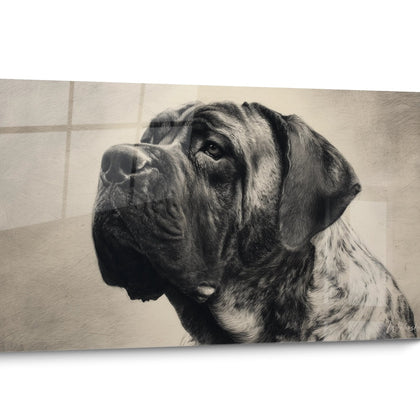 English Mastiff Dog Wall Art17
artworks
English Mastiff Dog Wall Art17
artworks
-
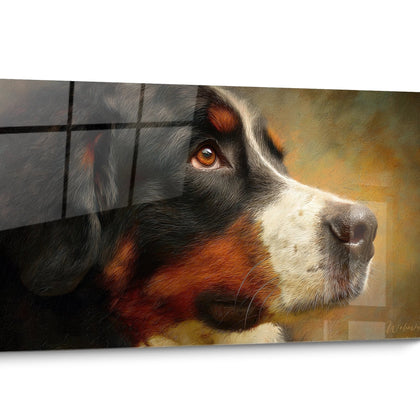 Bernese Mountain Dog Wall Art26
artworks
Bernese Mountain Dog Wall Art26
artworks
-
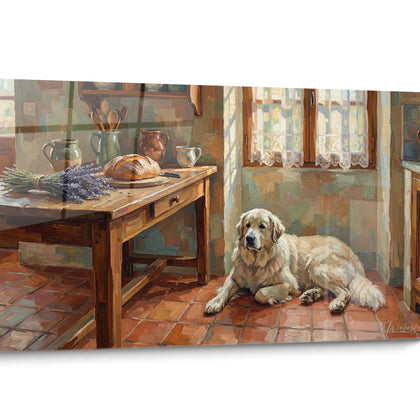 Pyrenean Mountain Dog Wall Art36
artworks
Pyrenean Mountain Dog Wall Art36
artworks
-
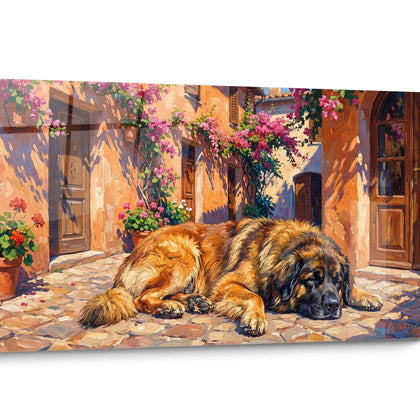 Leonberg Dog Canvas31
artworks
Leonberg Dog Canvas31
artworks
-
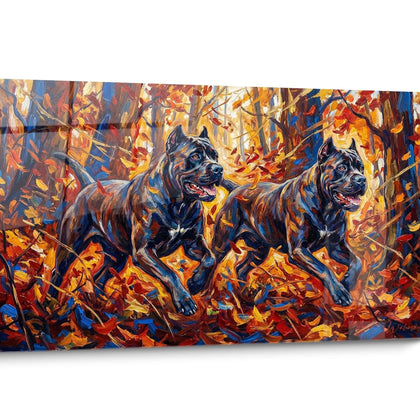 Cane Corso Dog Wall Art21
artworks
Cane Corso Dog Wall Art21
artworks
-
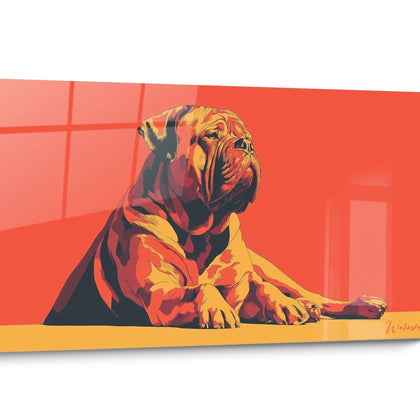 Bordeaux Mastiff Wall Art27
artworks
Bordeaux Mastiff Wall Art27
artworks
-
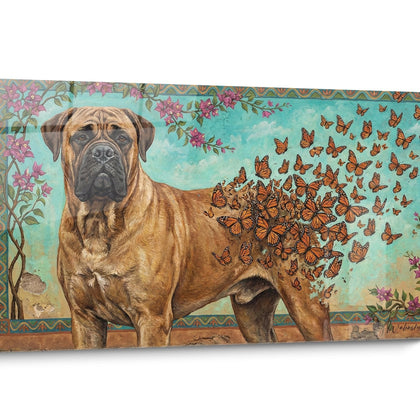 Bullmastiff Dog Canvas41
artworks
Bullmastiff Dog Canvas41
artworks
-
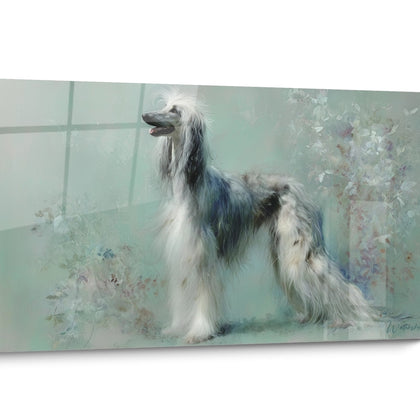 Afghan Hound Dog Canvas38
artworks
Afghan Hound Dog Canvas38
artworks
-
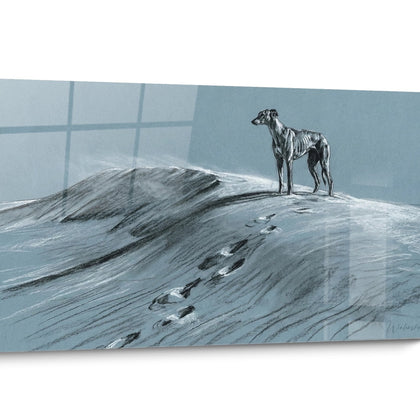 Greyhound Dog Wall Art37
artworks
Greyhound Dog Wall Art37
artworks
-
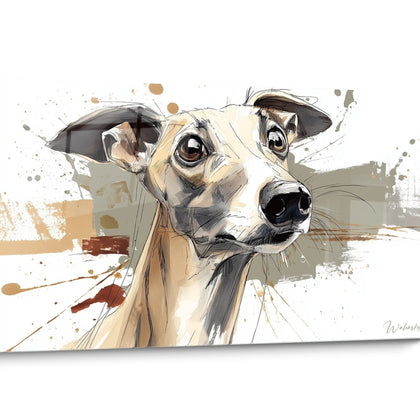 Whippet Greyhound Wall Art31
artworks
Whippet Greyhound Wall Art31
artworks
-
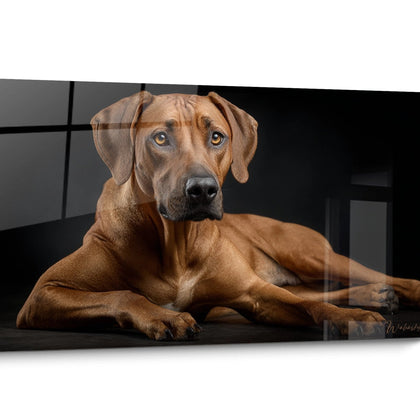 Rhodesian Ridgeback Dog Wall Art23
artworks
Rhodesian Ridgeback Dog Wall Art23
artworks
-
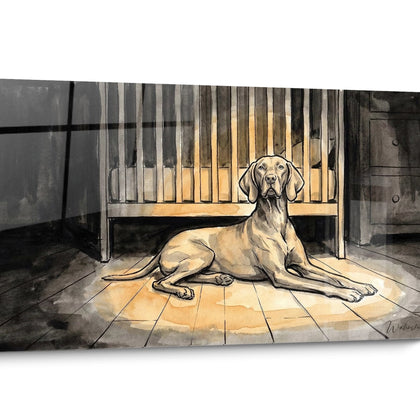 Vizsla Dog Canvas Art36
artworks
Vizsla Dog Canvas Art36
artworks
-
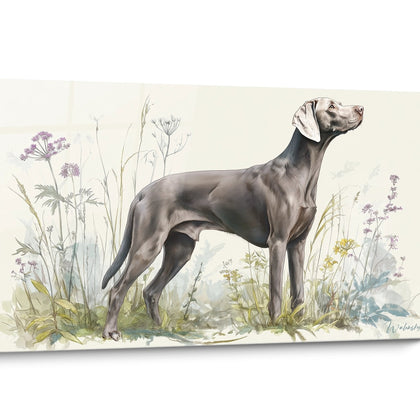 Weimaraner Dog Canvas27
artworks
Weimaraner Dog Canvas27
artworks
-
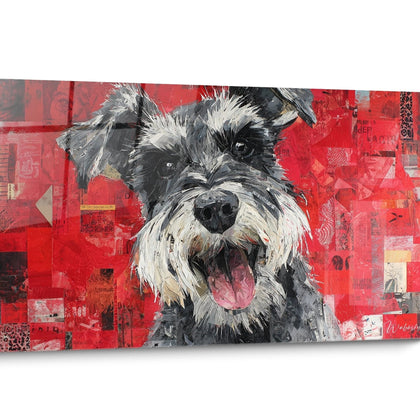 Schnauzer Dog Canvas Art35
artworks
Schnauzer Dog Canvas Art35
artworks
-
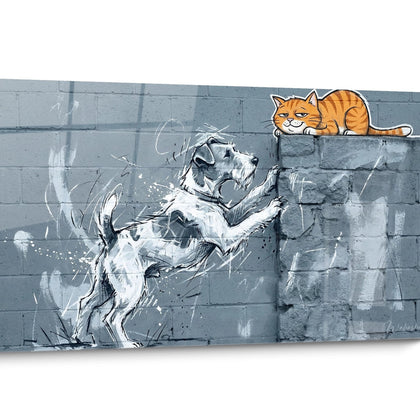 Fox Terrier Dog Wall Art36
artworks
Fox Terrier Dog Wall Art36
artworks
-
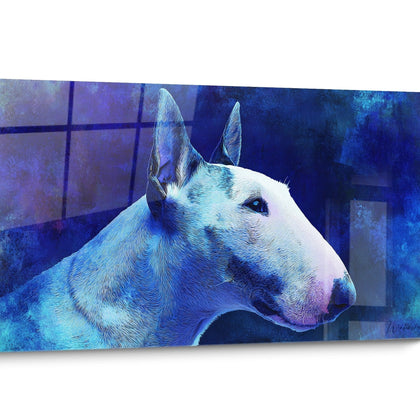 Bull Terrier Dog Wall Art22
artworks
Bull Terrier Dog Wall Art22
artworks
-
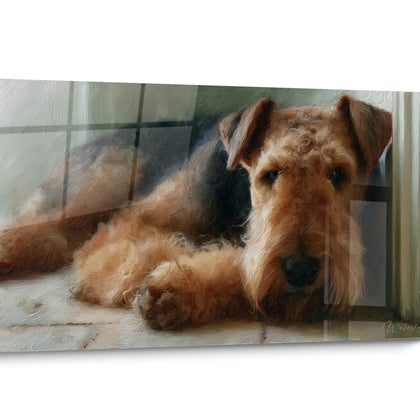 Airedale Terrier Dog Wall Art22
artworks
Airedale Terrier Dog Wall Art22
artworks
-
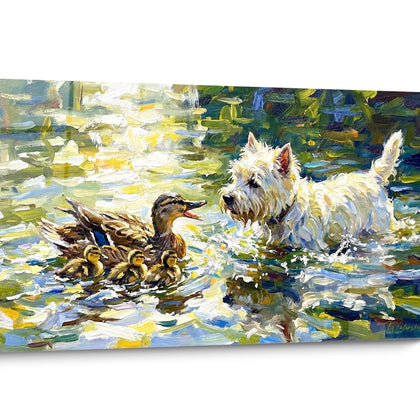 West Highland White Terrier Dog Canvas29
artworks
West Highland White Terrier Dog Canvas29
artworks
-
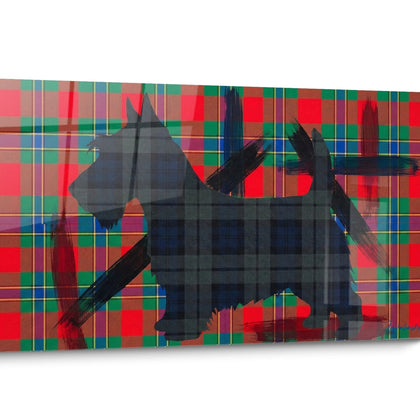 Scottish Terrier Dog Wall Art30
artworks
Scottish Terrier Dog Wall Art30
artworks
-
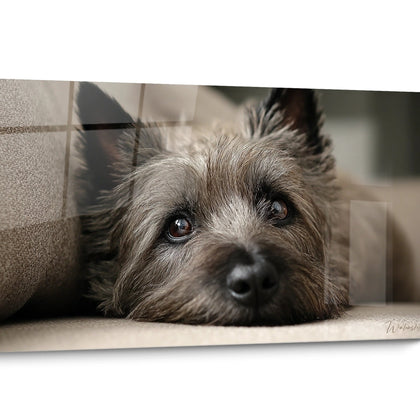 Cairn Terrier Dog Wall Art36
artworks
Cairn Terrier Dog Wall Art36
artworks
-
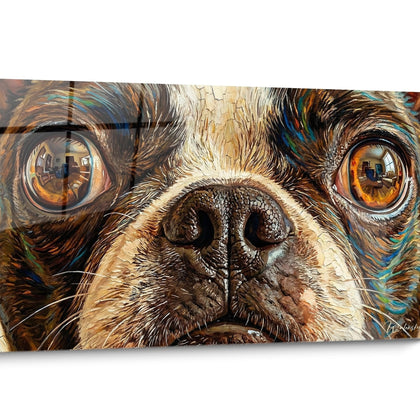 Boston Terrier Dog Wall Art30
artworks
Boston Terrier Dog Wall Art30
artworks
-
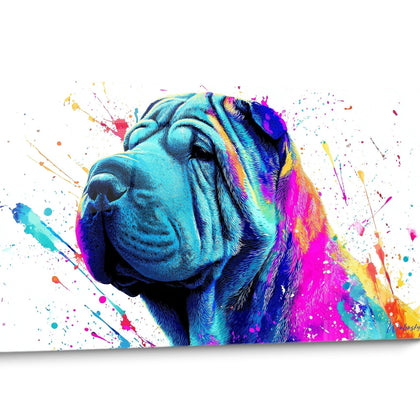 Shar Pei Dog Wall Art34
artworks
Shar Pei Dog Wall Art34
artworks
-
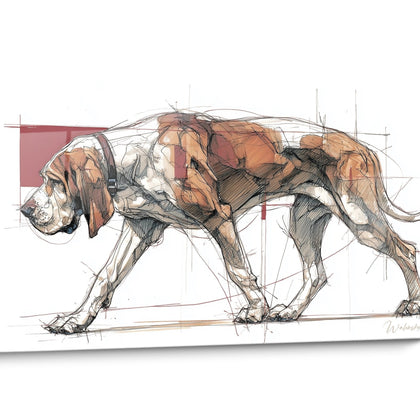 Bloodhound Dog Canvas28
artworks
Bloodhound Dog Canvas28
artworks
-
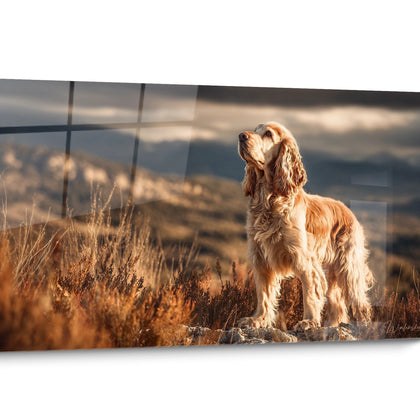 American Cocker Spaniel Wall Art36
artworks
American Cocker Spaniel Wall Art36
artworks
-
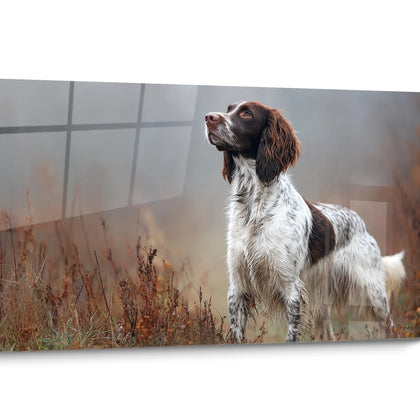 English Springer Spaniel Dog Painting32
artworks
English Springer Spaniel Dog Painting32
artworks
-
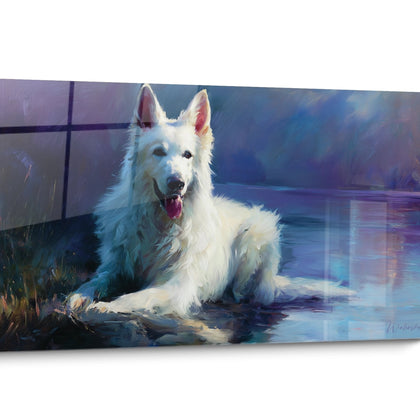 White Swiss Shepherd Dog Wall Art29
artworks
White Swiss Shepherd Dog Wall Art29
artworks
-
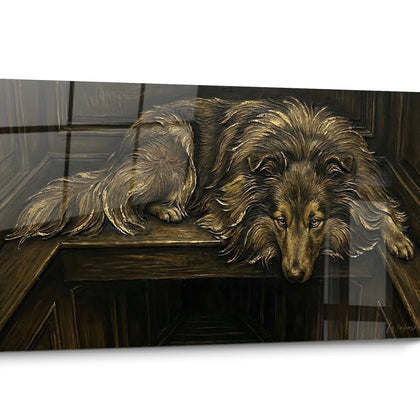 Shetland Sheepdog Wall Art32
artworks
Shetland Sheepdog Wall Art32
artworks
-
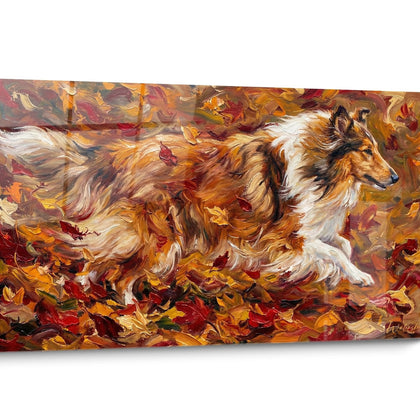 Collie Wall Art33
artworks
Collie Wall Art33
artworks


In the same family
Also explore the theme Animals
-
 View all10974
artworks
View all10974
artworks
-
 Bee54
artworks
Bee54
artworks
-
 Eagle18
artworks
Eagle18
artworks
-
 Alpaga111
artworks
Alpaga111
artworks
-
 Donkey15
artworks
Donkey15
artworks
-
 Savannah Wildlife94
artworks
Savannah Wildlife94
artworks
-
 Antelope5
artworks
Antelope5
artworks
-
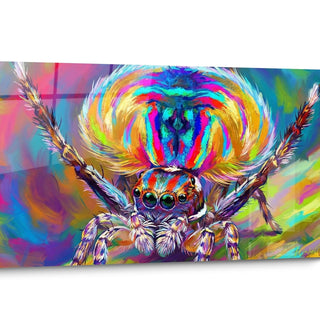 Spider8
artworks
Spider8
artworks
-
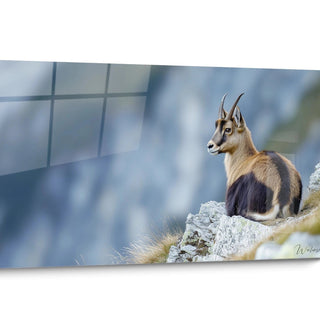 Other Animals24
artworks
Other Animals24
artworks
-
 Ostrich75
artworks
Ostrich75
artworks
-
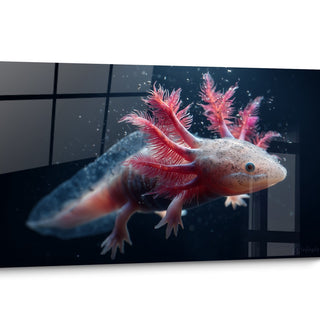 Axolotl47
artworks
Axolotl47
artworks
-
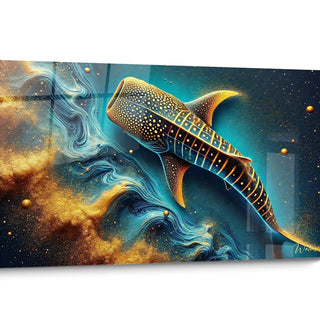 Whale89
artworks
Whale89
artworks
-
 Barracuda61
artworks
Barracuda61
artworks
-
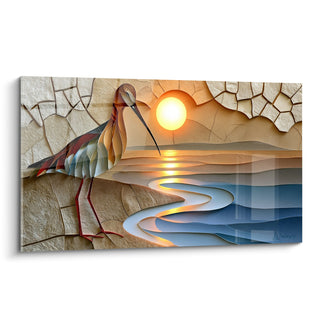 Bécasse32
artworks
Bécasse32
artworks
-
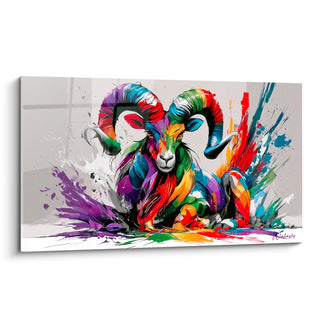 Ram315
artworks
Ram315
artworks
-
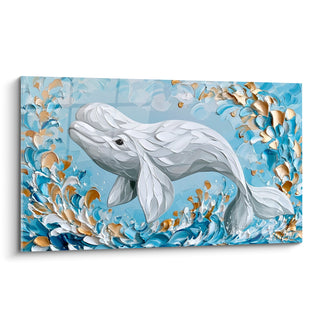 Beluga169
artworks
Beluga169
artworks
-
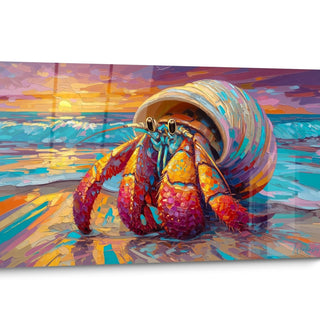 Hermit-Crab12
artworks
Hermit-Crab12
artworks
-
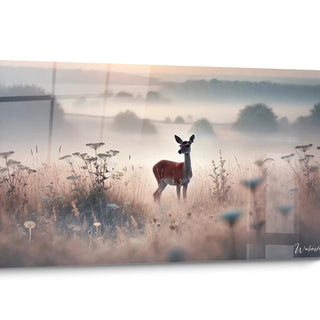 Doe10
artworks
Doe10
artworks
-
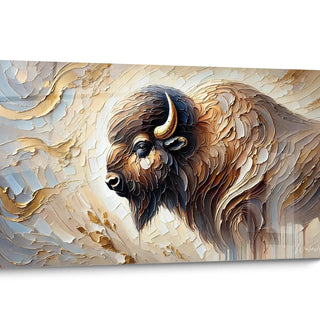 Bison8
artworks
Bison8
artworks
-
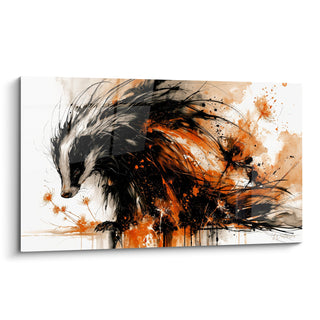 Blaireau59
artworks
Blaireau59
artworks
-
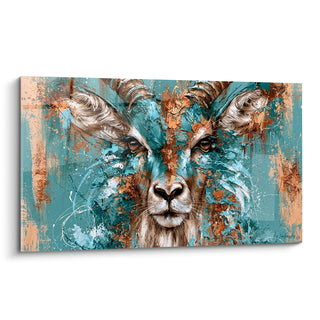 Bouquetin32
artworks
Bouquetin32
artworks
-
 Buffalo91
artworks
Buffalo91
artworks
-
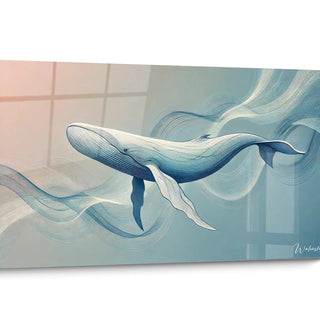 Sperm Whale8
artworks
Sperm Whale8
artworks
-
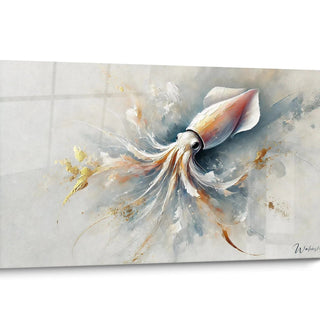 Giant Squid6
artworks
Giant Squid6
artworks
-
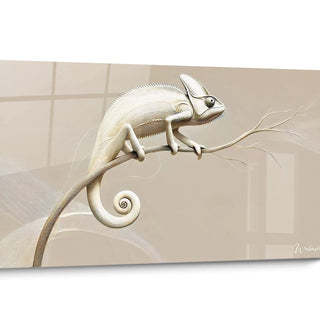 Chameleon20
artworks
Chameleon20
artworks
-
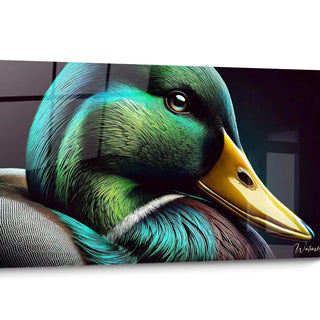 Duck352
artworks
Duck352
artworks
-
 Capybara3
artworks
Capybara3
artworks
-
 Caracal15
artworks
Caracal15
artworks
-
 Caribou4
artworks
Caribou4
artworks
-
 Koi Carp130
artworks
Koi Carp130
artworks
-
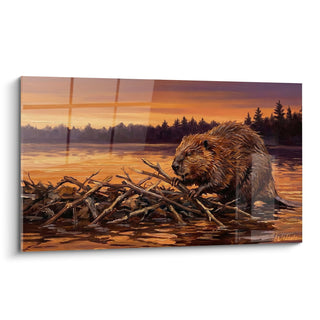 Beaver9
artworks
Beaver9
artworks
-
 Deer26
artworks
Deer26
artworks
-
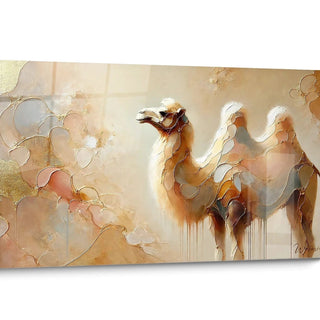 Camel3
artworks
Camel3
artworks
-
 Cat1218
artworks
Cat1218
artworks
-
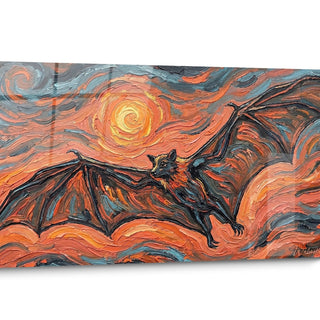 Bat10
artworks
Bat10
artworks
-
 Horse73
artworks
Horse73
artworks
-
 Mountain Goat3
artworks
Mountain Goat3
artworks
-
 Chimpanzee12
artworks
Chimpanzee12
artworks
-
 Owl19
artworks
Owl19
artworks
-
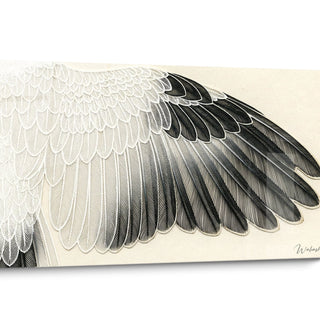 Stork16
artworks
Stork16
artworks
-
 Ladybug7
artworks
Ladybug7
artworks
-
 Pig8
artworks
Pig8
artworks
-
 Guinea Pig13
artworks
Guinea Pig13
artworks
-
 Hummingbird23
artworks
Hummingbird23
artworks
-
 Colombe90
artworks
Colombe90
artworks
-
 Rooster9
artworks
Rooster9
artworks
-
 Seashell6
artworks
Seashell6
artworks
-
 Raven9
artworks
Raven9
artworks
-
 Crab5
artworks
Crab5
artworks
-
 Toad8
artworks
Toad8
artworks
-
 Shrimp5
artworks
Shrimp5
artworks
-
 Crocodile4
artworks
Crocodile4
artworks
-
 Swan189
artworks
Swan189
artworks
-
 Dolphin11
artworks
Dolphin11
artworks
-
 Dromedary4
artworks
Dromedary4
artworks
-
 Squirrel15
artworks
Squirrel15
artworks
-
 Elan13
artworks
Elan13
artworks
-
 Elephant80
artworks
Elephant80
artworks
-
 Snail11
artworks
Snail11
artworks
-
 Swordfish4
artworks
Swordfish4
artworks
-
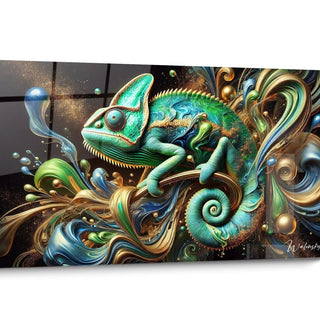 Wild Essence25
artworks
Wild Essence25
artworks
-
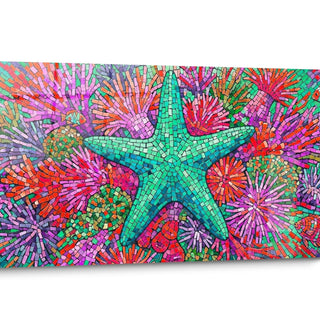 Starfish19
artworks
Starfish19
artworks
-
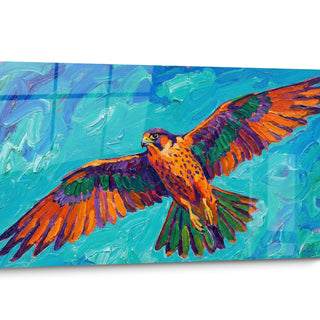 Falcon16
artworks
Falcon16
artworks
-
 Fennec256
artworks
Fennec256
artworks
-
 Pink Flamingo30
artworks
Pink Flamingo30
artworks
-
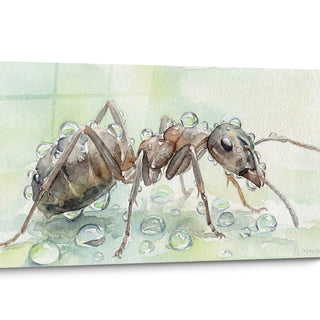 Ant19
artworks
Ant19
artworks
-
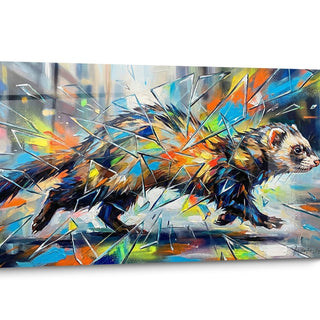 Ferret17
artworks
Ferret17
artworks
-
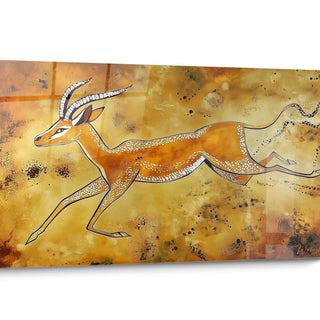 Gazelle4
artworks
Gazelle4
artworks
-
 Giraffe183
artworks
Giraffe183
artworks
-
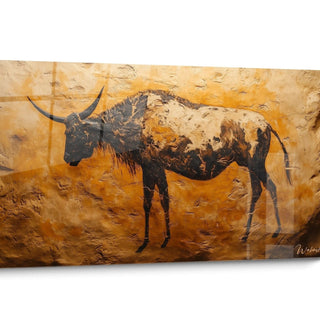 Wildebeest3
artworks
Wildebeest3
artworks
-
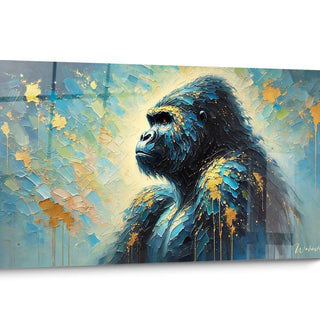 Gorilla15
artworks
Gorilla15
artworks
-
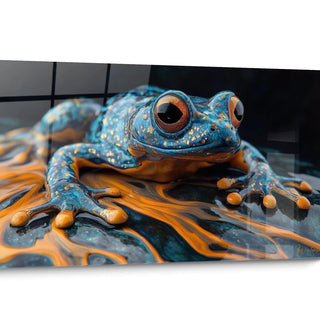 Frog65
artworks
Frog65
artworks
-
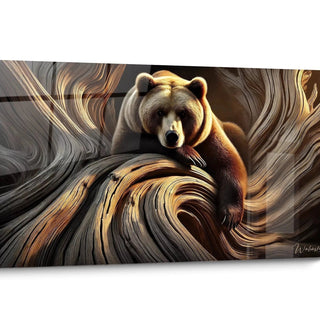 Grizzly3
artworks
Grizzly3
artworks
-
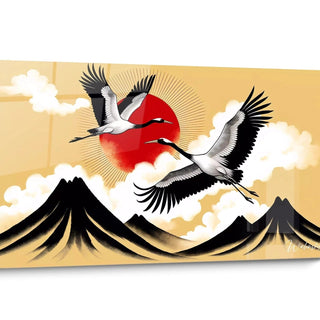 Crane10
artworks
Crane10
artworks
-
 Cheetah147
artworks
Cheetah147
artworks
-
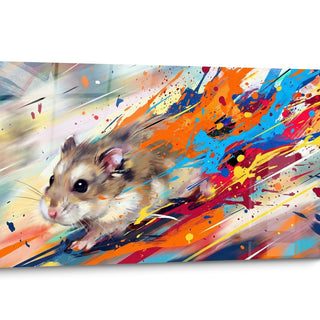 Hamster17
artworks
Hamster17
artworks
-
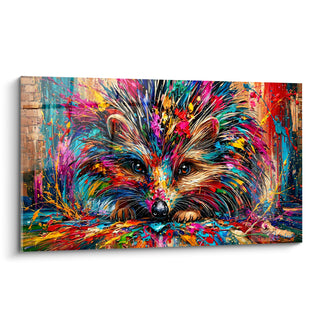 Hedgehog64
artworks
Hedgehog64
artworks
-
 Heron37
artworks
Heron37
artworks
-
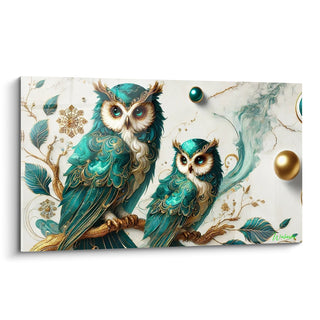 Owl42
artworks
Owl42
artworks
-
 Seahorse34
artworks
Seahorse34
artworks
-
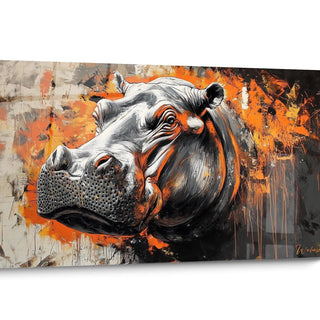 Hippopotamus4
artworks
Hippopotamus4
artworks
-
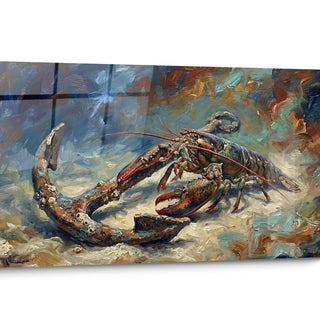 Lobster8
artworks
Lobster8
artworks
-
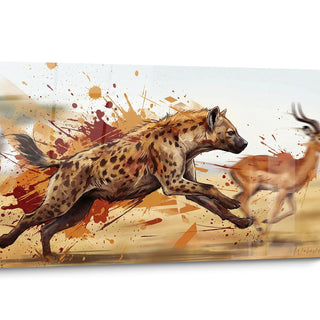 Hyena14
artworks
Hyena14
artworks
-
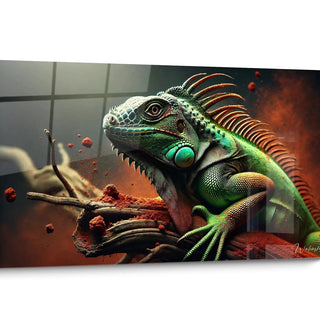 Iguana6
artworks
Iguana6
artworks
-
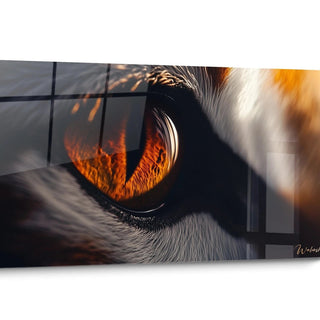 Animal Eye6
artworks
Animal Eye6
artworks
-
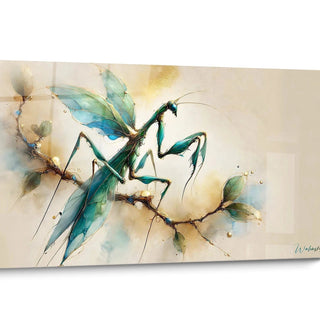 Insect5
artworks
Insect5
artworks
-
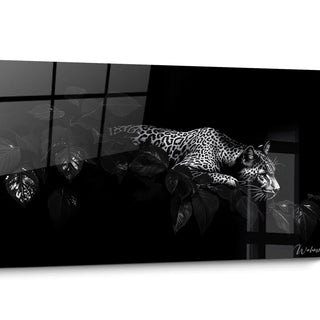 Jaguar6
artworks
Jaguar6
artworks
-
 Kangaroo100
artworks
Kangaroo100
artworks
-
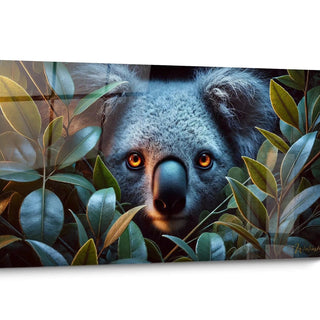 Koala18
artworks
Koala18
artworks
-
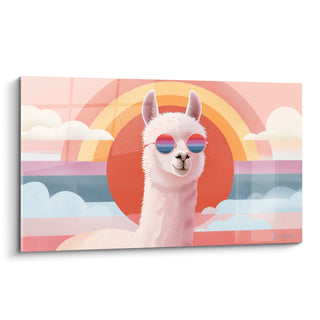 Llama107
artworks
Llama107
artworks
-
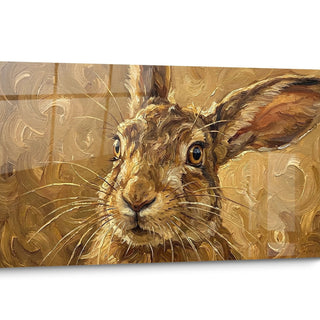 Rabbit15
artworks
Rabbit15
artworks
-
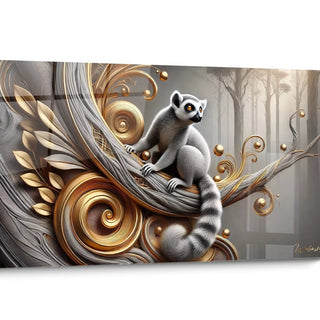 Lemur3
artworks
Lemur3
artworks
-
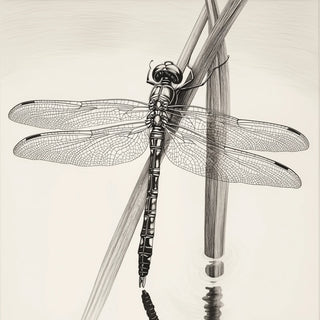 Dragonfly4
artworks
Dragonfly4
artworks
-
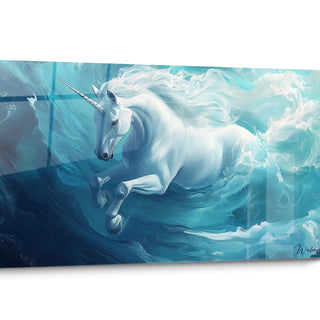 Unicorn62
artworks
Unicorn62
artworks
-
 Lion193
artworks
Lion193
artworks
-
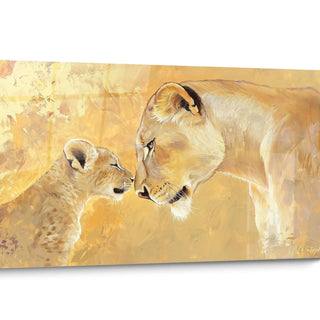 Lion Cub4
artworks
Lion Cub4
artworks
-
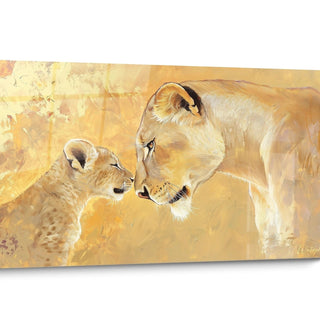 Lioness6
artworks
Lioness6
artworks
-
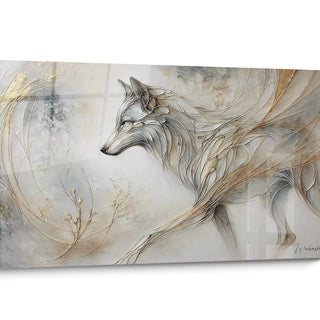 Wolf13
artworks
Wolf13
artworks
-
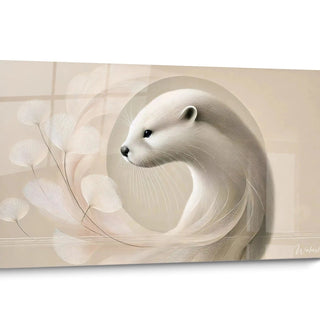 Otter6
artworks
Otter6
artworks
-
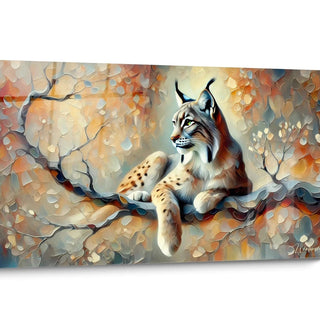 Lynx7
artworks
Lynx7
artworks
-
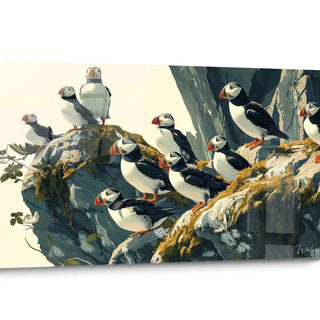 Puffin2
artworks
Puffin2
artworks
-
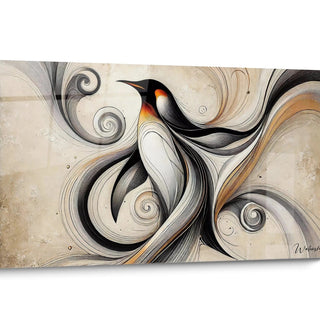 Penguin10
artworks
Penguin10
artworks
-
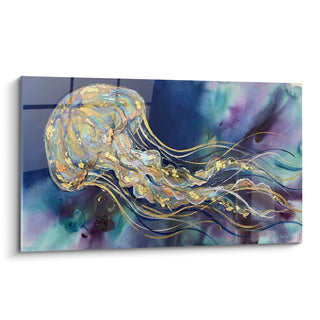 Jellyfish17
artworks
Jellyfish17
artworks
-
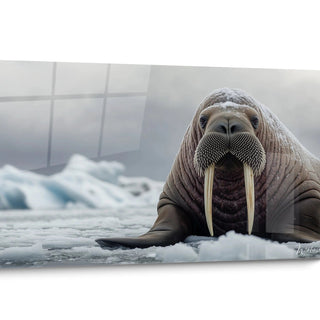 Morse3
artworks
Morse3
artworks
-
 Seagull4
artworks
Seagull4
artworks
-
 Mold14
artworks
Mold14
artworks
-
 Sheep6
artworks
Sheep6
artworks
-
 Narwhal66
artworks
Narwhal66
artworks
-
 Ocelot3
artworks
Ocelot3
artworks
-
 Birds15
artworks
Birds15
artworks
-
 Orangutan10
artworks
Orangutan10
artworks
-
 Orca28
artworks
Orca28
artworks
-
 Brown Bear334
artworks
Brown Bear334
artworks
-
 Polar Bear289
artworks
Polar Bear289
artworks
-
 Sea Urchin9
artworks
Sea Urchin9
artworks
-
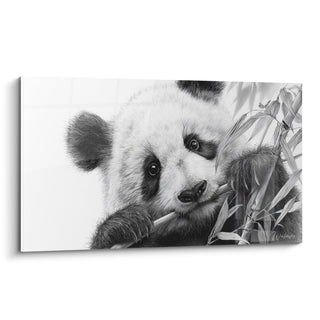 Giant Panda69
artworks
Giant Panda69
artworks
-
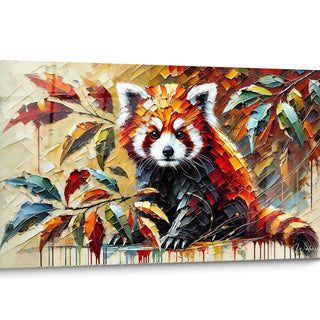 Red Panda11
artworks
Red Panda11
artworks
-
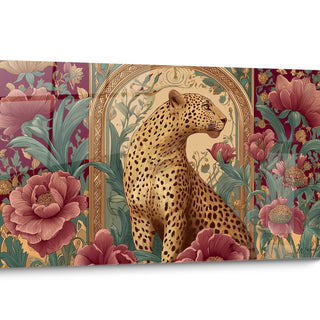 Panther19
artworks
Panther19
artworks
-
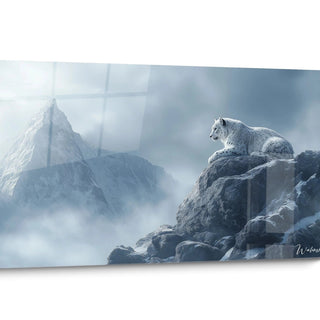 Snow Leopard8
artworks
Snow Leopard8
artworks
-
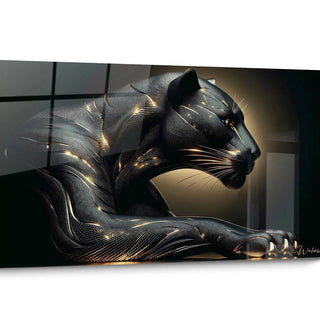 Black Panther10
artworks
Black Panther10
artworks
-
 Peacock128
artworks
Peacock128
artworks
-
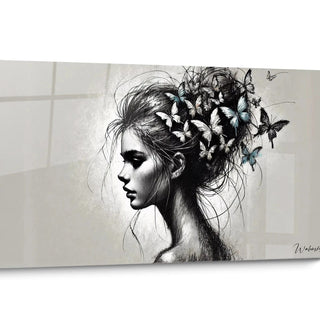 Butterfly14
artworks
Butterfly14
artworks
-
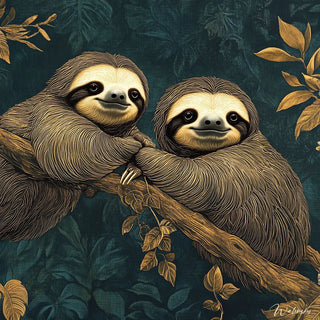 Lazy Sloth3
artworks
Lazy Sloth3
artworks
-
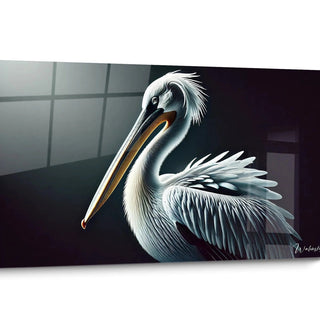 Pelican3
artworks
Pelican3
artworks
-
 Parrot211
artworks
Parrot211
artworks
-
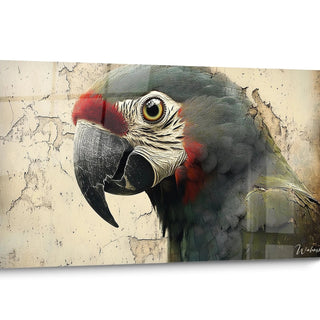 Parakeet5
artworks
Parakeet5
artworks
-
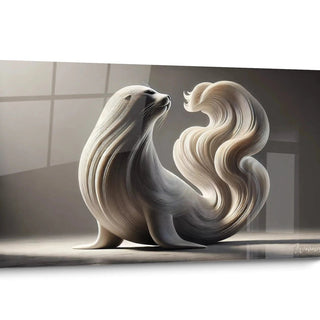 Seal5
artworks
Seal5
artworks
-
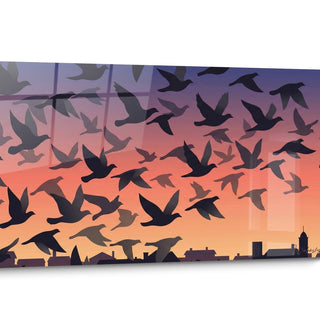 Pigeon10
artworks
Pigeon10
artworks
-
 Penguin274
artworks
Penguin274
artworks
-
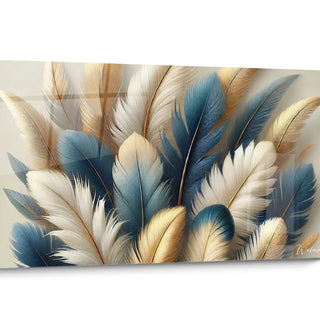 Feather60
artworks
Feather60
artworks
-
 Fish18
artworks
Fish18
artworks
-
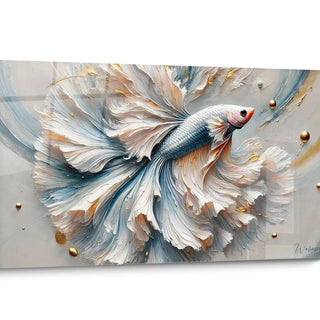 Betta Fish12
artworks
Betta Fish12
artworks
-
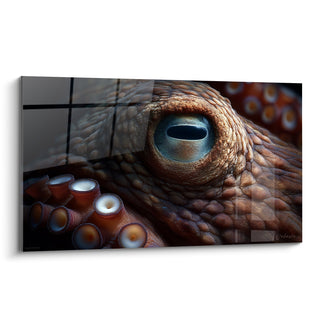 Octopus59
artworks
Octopus59
artworks
-
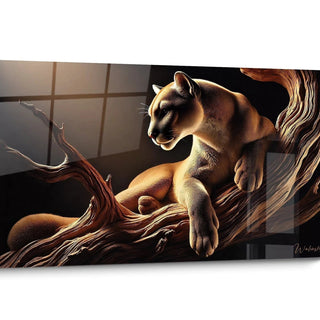 Puma3
artworks
Puma3
artworks
-
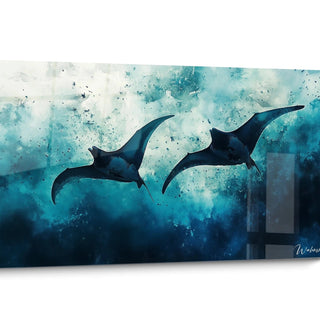 Manta Ray67
artworks
Manta Ray67
artworks
-
 Raccoon2
artworks
Raccoon2
artworks
-
 Fox141
artworks
Fox141
artworks
-
 Shark126
artworks
Shark126
artworks
-
 Rhinoceros21
artworks
Rhinoceros21
artworks
-
 Salamander14
artworks
Salamander14
artworks
-
 Wild Boar15
artworks
Wild Boar15
artworks
-
 Scarab73
artworks
Scarab73
artworks
-
 Scorpion9
artworks
Scorpion9
artworks
-
 Serpent102
artworks
Serpent102
artworks
-
 Monkey14
artworks
Monkey14
artworks
-
 Meerkat1
artwork
Meerkat1
artwork
-
 Tapir52
artworks
Tapir52
artworks
-
 Armadillo3
artworks
Armadillo3
artworks
-
 Bull281
artworks
Bull281
artworks
-
 Tiger316
artworks
Tiger316
artworks
-
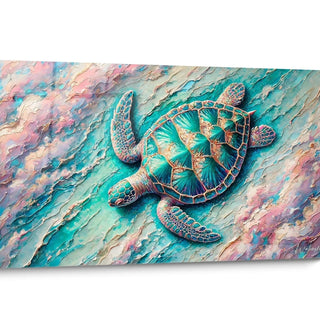 Sea Turtle18
artworks
Sea Turtle18
artworks
-
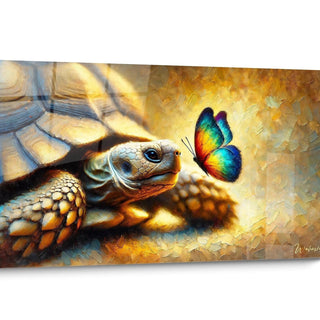 Terrestrial Turtle14
artworks
Terrestrial Turtle14
artworks
-
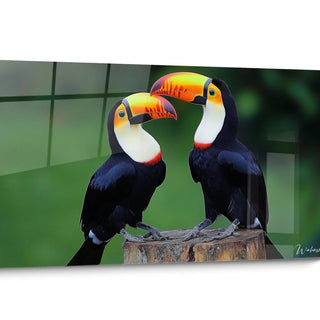 Toucan7
artworks
Toucan7
artworks
-
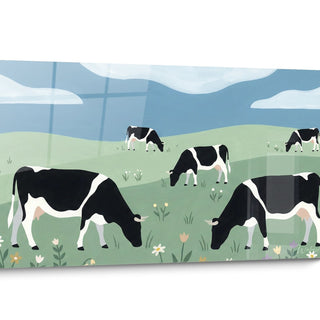 Cow9
artworks
Cow9
artworks
-
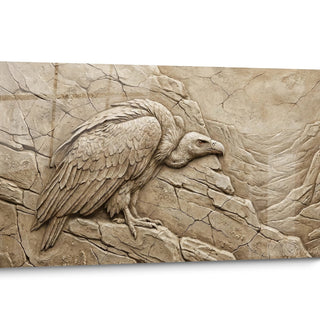 Vulture5
artworks
Vulture5
artworks
-
 Zebra49
artworks
Zebra49
artworks


All about Dog Paintings
- Dog Wall Art Presentation
- Dog Wall Art Home Decor
- Dog Wall Art Popular Breeds
- Dog Wall Art Contemporary Art
Discover our exceptional collection of dog wall art to enhance your interior with the elegance and loyalty of our four-legged friends. These artworks highlight the unique characteristics of each canine breed, perfectly capturing their expressions and distinctive personalities. Whether you're looking for large-format pieces for your living room or wall compositions for your bedroom, our dog wall art will bring a touch of authenticity and emotion to your décor. Explore our carefully curated selection to find the artwork that will best immortalize your favorite companion or the breed you admire.
Incorporating Dog Wall Art into Your Home Décor
Dog wall art represents far more than simple wall decoration for canine lovers. These canine artworks radically transform the atmosphere of a room by infusing it with warmth and personality. Each dog wall art piece tells a unique story and creates an instant emotional connection with visitors and household members.
How does dog wall art influence the ambiance of your living space?
A strategically placed dog wall art piece in your living room can become the focal point that anchors your entire interior décor. Unlike more generic animal wall art, canine representations bring a dimension of loyalty and companionship that resonates deeply with our psychology. Interior design studies confirm that images of dogs create an immediate sense of comfort and security, transforming even the most modern spaces into welcoming havens.
Color therapy experts also emphasize that dog wall art, often composed of warm tones such as browns, ambers, and ochres, helps balance interiors dominated by cool colors. This subtle chromatic harmony directly influences our daily well-being without us even realizing it.
Strategic positioning of dog wall art according to room types
Dog wall art doesn't adapt the same way to all rooms in your home. Optimal placement varies considerably:
- In the entryway: Large-format dog wall art creates an immediate impression of welcome, symbolically reflecting the welcoming nature of your canine companions
- In the living room: Wall compositions depicting multiple breeds can serve as conversation starters during your gatherings
- In the bedroom: Dog wall art with soft tones and calm postures promote relaxation and sleep
- In the office: Breeds known for their intelligence such as Border Collies stimulate productivity
The size of dog wall art also plays a crucial role in its visual impact. For spacious areas like a living room with high ceilings, favor large formats exceeding 100 cm in width. These large dog wall art pieces create a majestic presence that harmonizes with generous volumes. Conversely, in transitional spaces such as hallways, opt for series of small dog wall art pieces forming a thematic gallery.
Pairing dog wall art with other decorative elements
Harmoniously integrating dog wall art with your existing furniture requires particular attention to surrounding textures. Representations of long-haired breeds such as German Shepherds or Golden Retrievers create striking contrast with furniture featuring clean lines and smooth surfaces. Conversely, short-haired breeds such as Boxers or Dalmatians pair perfectly with textured textiles like velvet or wool.
Contemporary dog wall art integrates particularly well in minimalist spaces where it brings life and movement without overwhelming the visual space. For Scandinavian interiors, favor representations of huskies or samoyeds whose grayish and white tones naturally complement this aesthetic.
What emotions do different styles of dog wall art evoke?
Hyperrealistic dog wall art often provokes immediate and intense attachment in viewers, accurately recalling the physical characteristics of beloved animals. This faithful representation triggers particularly strong emotional responses in current or former dog owners.
Expressionist dog wall art, with its dynamic brushstrokes and vibrant colors, captures the energy and movement so characteristic of our canine friends. These works emphasize the essence of canine behavior rather than anatomical accuracy, evoking memories of play and joyful interactions.
Minimalist or geometric representations of dogs, on the other hand, bring a touch of modern sophistication while maintaining instant recognition of the canine silhouette. These more abstract dog wall art pieces particularly appeal to contemporary art enthusiasts who wish to express their love of dogs in a subtle and elegant manner.
Incorporating dog wall art into your décor is not simply an aesthetic choice, but constitutes a genuine emotional statement that transforms your space by reflecting your connection with these faithful companions. Whether you opt for majestic large-scale representations or more intimate compositions, these artworks enrich your daily environment with a timeless benevolent presence.
Dog Wall Art of Popular Breeds and Their Symbolism
Dog wall art dedicated to popular breeds transcends its mere decorative value to become genuine cultural and emotional symbols. Each canine representation carries within it a universe of meanings deeply rooted in our collective history and personal associations. Dog wall art depicting specific breeds immediately communicates universally recognized values and character traits.
Why do certain breeds dominate the world of dog wall art?
Dog wall art featuring Labradors and Retrievers occupies a prominent place in contemporary family interiors. This preference is explained by the profound symbolism of loyalty and family harmony evoked by these breeds. In a shared living space, this dog wall art instantly creates an atmosphere of trust and emotional stability, particularly appreciated in households with children.
German Shepherds and Malinois, on the other hand, dominate dog wall art intended for professional spaces and home offices. Their visual presence evokes protection, intelligence, and concentration—qualities sought in demanding work environments. A dog wall art piece depicting these imposing breeds becomes a subliminal reminder of vigilance and determination for ambitious professionals.
Dog wall art featuring smaller breeds such as French Bulldogs or Pugs is experiencing growing popularity in modest-sized urban apartments. Their visual presence adds a touch of playfulness and humor without overwhelming small spaces visually. These compact-format dog wall art pieces integrate perfectly into gallery wall-style compositions, creating varied points of interest even in narrow hallways.
Emotional impact of dog wall art according to depicted breeds
Dog wall art of Nordic breeds such as the Siberian Husky or Alaskan Malamute radically transforms the perceived thermal quality of a room. Their representations, often accompanied by snowy backgrounds or winter landscapes, create a refreshing sensation particularly sought after in south-facing interiors or warm regions. These dog wall art pieces in blue and silver tones effectively counterbalance overly warm atmospheres.
At the opposite end of the spectrum, dog wall art depicting Mediterranean breeds such as the Italian Pointer or Podenco brings immediate visual warmth. Their ochre, terracotta, and amber tones instantly warm north-facing spaces. This dog wall art pairs perfectly with Mediterranean or Tuscan-inspired interiors, reinforcing the warm ambiance of these decorative styles.
Dog wall art representing greyhounds and whippets introduces a dimension of unequaled aristocratic elegance. Their slender and graceful silhouettes immediately evoke refinement and sophistication. These representations naturally find their place in minimalist interiors where their clean lines echo carefully selected contemporary furniture.
Dog wall art and interior architecture: stylistic correspondences
- English Bulldogs integrate perfectly into industrial or loft-style interiors, their sturdiness echoing raw materials
- Royal Poodles elegantly complement French or neoclassical style décor, their sophisticated appearance harmonizing with delicate ornaments
- Australian Shepherds bring dynamism and movement to bohemian or nature-inspired spaces
- Akitas and Shibas enrich Japanese or minimalist-inspired interiors with their innate dignity
The size of dog wall art must adapt not only to available space but also to the depicted breed. Imposing breeds such as the Great Dane or Saint Bernard require substantial formats to fully express their majesty. Conversely, depicting a Chihuahua on an oversized dog wall art piece can create an intentional humorous mismatch, becoming an unexpected conversation piece.
Evolution of trends in dog wall art of breeds
Contemporary dog wall art demonstrates significant evolution in the representation of mixed breeds and adopted dogs. This trend reflects societal changes in our relationship with adoption and ethical issues related to breeding. A dog wall art piece highlighting an animal of uncertain pedigree carries within it a message of compassion and acceptance particularly relevant today.
Dog wall art of ancient or rare breeds such as the Mexican Xoloitzcuintli or Canaan Dog is experiencing significant renewed interest in cultivated interiors. These representations testify to deep knowledge of the canine world and confer on the space an enriching cultural dimension. This dog wall art becomes genuine conversation starters, allowing owners to share their passion for canine history and ethnology.
The choice of dog wall art depicting a specific breed thus constitutes a deeply personal decision that transcends simple aesthetic considerations. These works establish silent yet eloquent dialogue between the inhabited space, its occupants, and visitors, subtly communicating values, aspirations, and particular sensitivity to the canine world.
Dog Wall Art in Contemporary Art: Trends and Innovations
Dog wall art has undergone remarkable transformation in the contemporary art landscape, breaking free from traditional representations to explore new creative horizons. Canine iconography, long confined to classical portraits or hunting scenes, today asserts itself as a vector of artistic expression in its own right. Contemporary dog wall art transcends simple animal representation to become social commentary, psychological exploration, or fascinating technical innovation.
Contemporary art movements reinterpreting dog wall art
Neo-expressionism has radically transformed the approach to dog wall art by privileging emotional intensity over anatomical faithfulness. Artists such as Lucian Freud or Jenny Saville have created dog wall art where the very texture of paint becomes a metaphor for fur and flesh, conveying the almost tangible physical presence of the animal. These monumental works, often created in imposing formats, create visceral confrontation between viewer and canine subject.
The pop art movement continues to profoundly influence contemporary dog wall art by transforming it into cultural icons. Following Warhol, current artists such as Jeff Koons or Takashi Murakami reinterpret canine representations as symbols of popular and consumer culture. These dog wall art pieces with brilliant colors and bold compositions become spectacular decorative works that transcend traditional boundaries between elite art and accessible culture.
Conceptual minimalism brings a radically new perspective to dog wall art by reducing canine representation to its most essential elements. Clean lines, geometric silhouettes, and monochromatic compositions characterize these works that invite reflection on the very essence of the human-dog relationship. This dog wall art of elegant sobriety integrates perfectly into contemporary interiors with pronounced architectural lines.
Technical innovations revolutionizing modern dog wall art
- Augmented reality dog wall art fuses physical art and digital technology, allowing viewers to observe the animal in motion via a mobile application
- Creations using recycled materials transform abandoned objects and waste into ecologically responsible canine portraits
- Printing techniques on aluminum confer unparalleled luminosity and perfect resistance to humid environments on dog wall art
- Thermosensitive works change appearance according to ambient temperature, symbolizing the legendary adaptability of man's best friend
Dog wall art created with mixed techniques is experiencing considerable expansion in contemporary galleries. These hybrid creations combine photography, traditional painting, collage, and digital elements to create layered works inviting multiple readings. This technical complexity echoes the multidimensional relationship we maintain with canines, blending biological, cultural, and emotional aspects.
How does dog wall art reflect the evolution of our relationship with animals?
Anthropomorphic dog wall art constitutes a major trend testifying to the evolution of our perception of companion animals. These representations, where dogs adopt human postures, expressions, or clothing, reflect the growing place of animals as full family members. These works oscillate between tender humor and social commentary on sometimes excessive humanization of our four-legged companions.
Dog wall art documenting the therapeutic human-animal relationship bears witness to new recognition of the psychological benefits of this coexistence. Artists such as William Wegman or Sophie Gamand explore the emotional and healing dimensions of canine presence in their works. This dog wall art with intimate compositions and soft lighting celebrates the emotional support dogs provide in our anxiety-inducing society.
Representations of shelter dogs or those bearing stigma of mistreatment constitute an engaged current in contemporary dog wall art. These works raise public awareness about animal welfare issues while transforming individual stories into symbols of resilience. Acquiring such dog wall art often supports animal protection associations financially, adding an ethical dimension to the decorative undertaking.
Integration of dog wall art in contemporary exhibition spaces
Immersive installations incorporating monumental dog wall art radically transform the viewer's experience by immersing them in a canine sensory universe. These artistic environments, combining visual projections, sound elements, and sometimes olfactory ones, invite empathetic understanding of how animals perceive the world. These environmental dog wall art pieces constitute memorable experiences that transcend simple visual contemplation.
Thematic exhibitions dedicated exclusively to dog wall art are experiencing growing success with diverse audiences. Prestigious institutions such as the Museum of Modern Art in New York or the Tate Modern in London have recently devoted entire sections to exploring canine representation in contemporary art. This institutional recognition confirms the status of dog wall art as legitimate and significant artistic genre.
Collecting contemporary dog wall art now represents a potentially lucrative artistic investment. Artists specializing in canine representation such as George Rodrigue with his famous "Blue Dog" have seen the value of their works increase considerably in recent decades. This financial appreciation testifies to the art market's growing interest in this specific theme.
FAQ on Contemporary Dog Wall Art
How do I authenticate a dog wall art piece by a contemporary artist?
Authenticating a dog wall art piece by a recognized artist requires several steps: verification of the certificate of authenticity, signature analysis, examination of the artist's characteristic technique, and consultation of illustrated catalogues. For high-value works, consulting an expert specializing in contemporary dog wall art is strongly recommended.
Do digital dog wall art pieces have the same value as traditional works?
The market for digital dog wall art, particularly in NFT form, is experiencing rapid evolution. Though traditionally less valued than physical paintings, certain digital works depicting dogs have recently reached prices comparable to classical mediums. Uniqueness, verifiable authenticity, and artist reputation primarily determine the value of these digital dog wall art pieces.
How do I preserve dog wall art displayed in a domestic environment with animals?
Optimal preservation of dog wall art in a household with living animals requires specific precautions: framing under anti-reflective glass to protect from scratches and fur, installation at sufficient height, use of UV-free lighting to prevent fading, and maintenance of stable humidity levels. Regular cleaning with products adapted to the specific medium of the dog wall art will considerably extend its lifespan.
Are there dog wall art pieces specifically designed to stimulate canines?
Recent research in canine cognition has inspired the creation of dog wall art specifically designed to be appreciated by dogs themselves. These works exploit canine dichromatic vision by using primarily blues and yellows, and privilege marked contrasts and representations of silhouettes in motion. These innovative dog wall art pieces constitute a form of environmental enrichment for the animal while satisfying the aesthetic requirements of owners.


