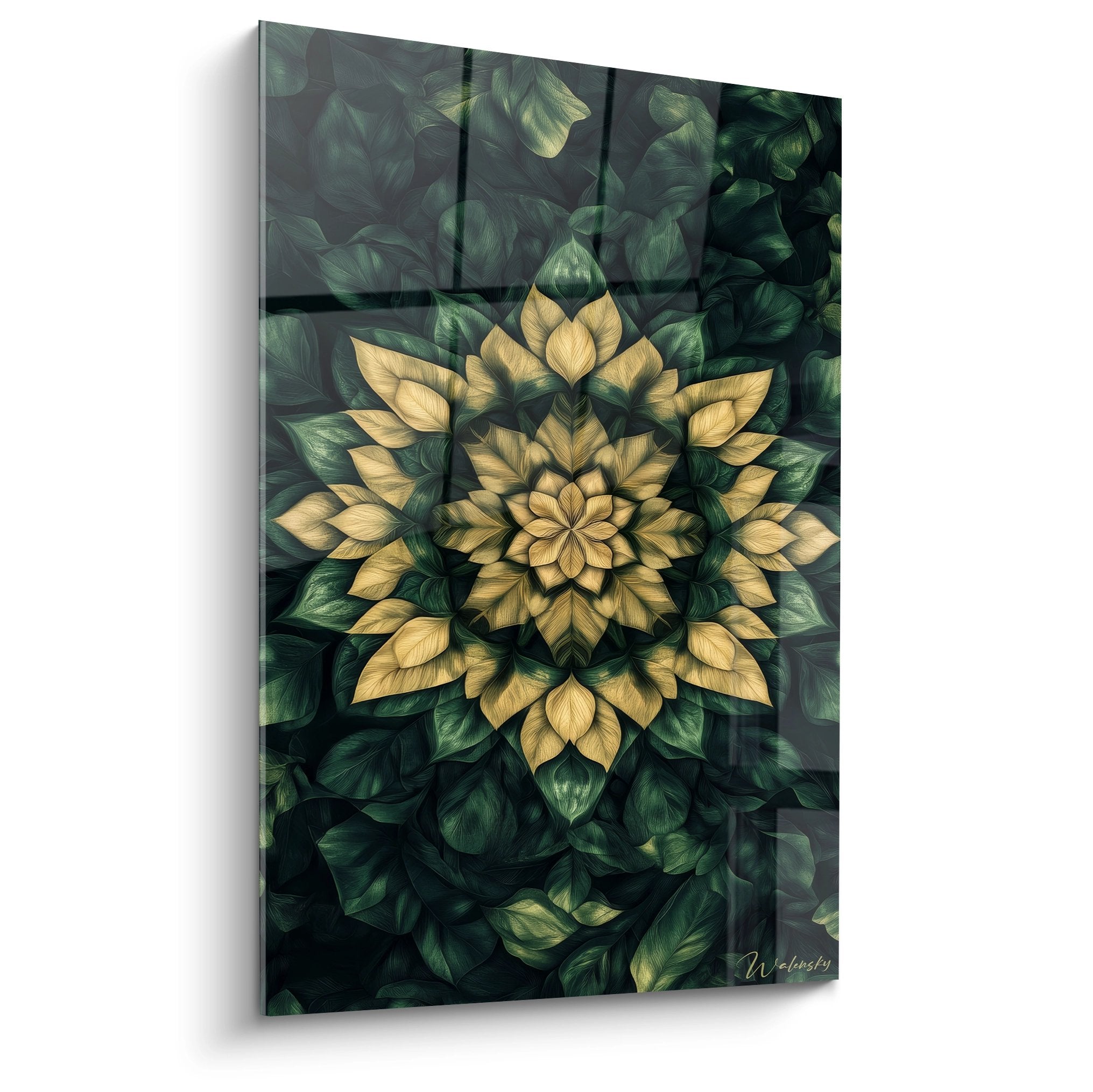
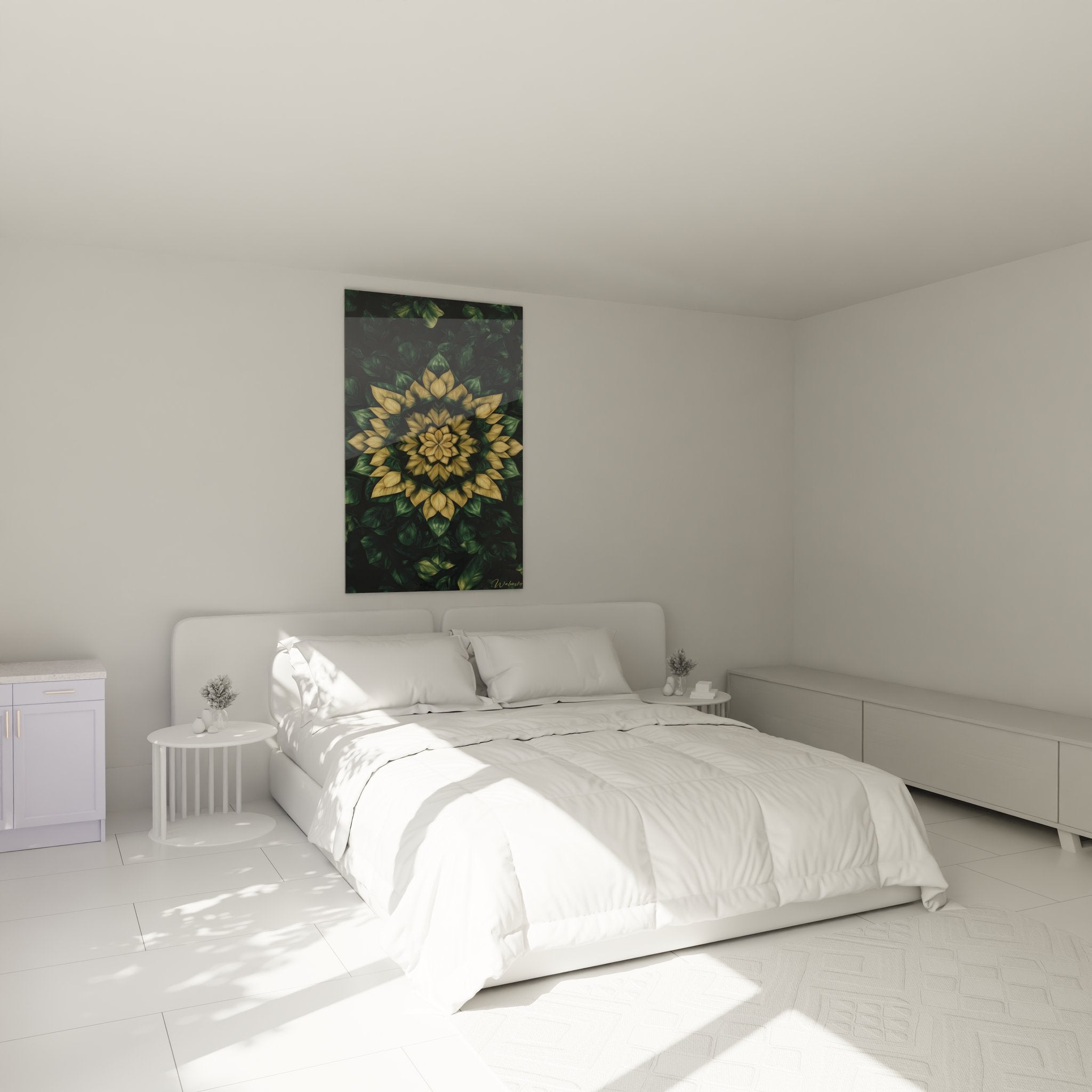
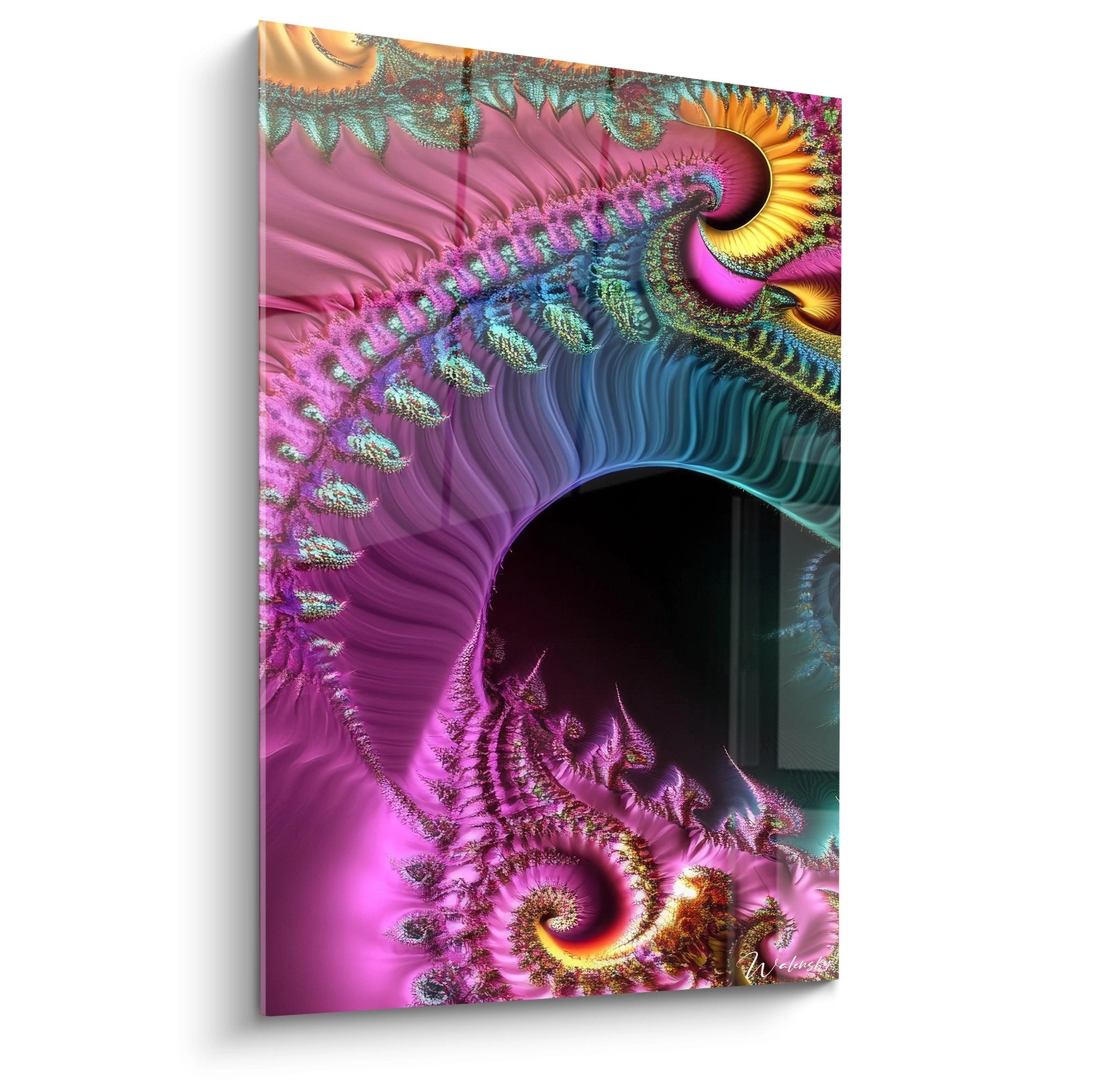
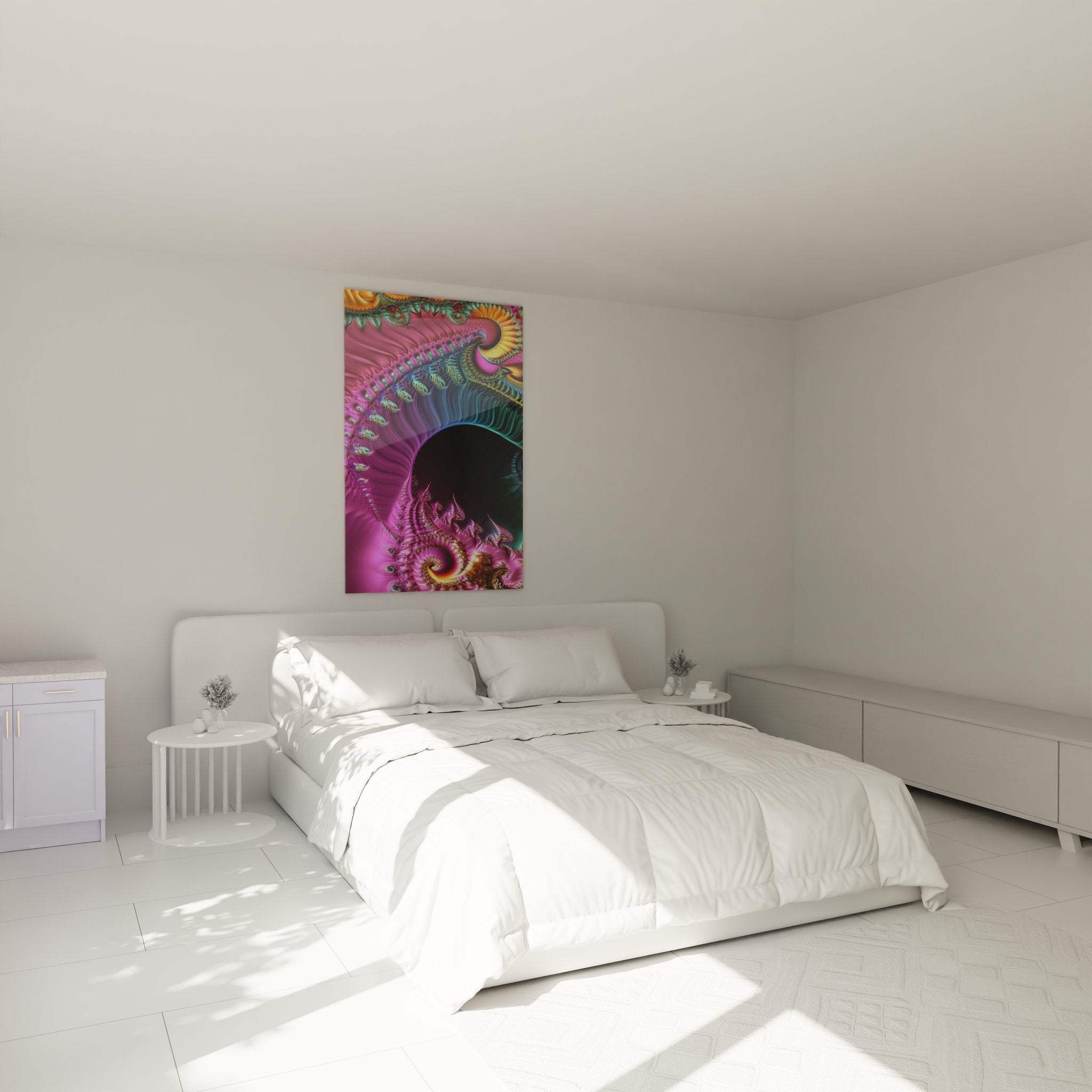
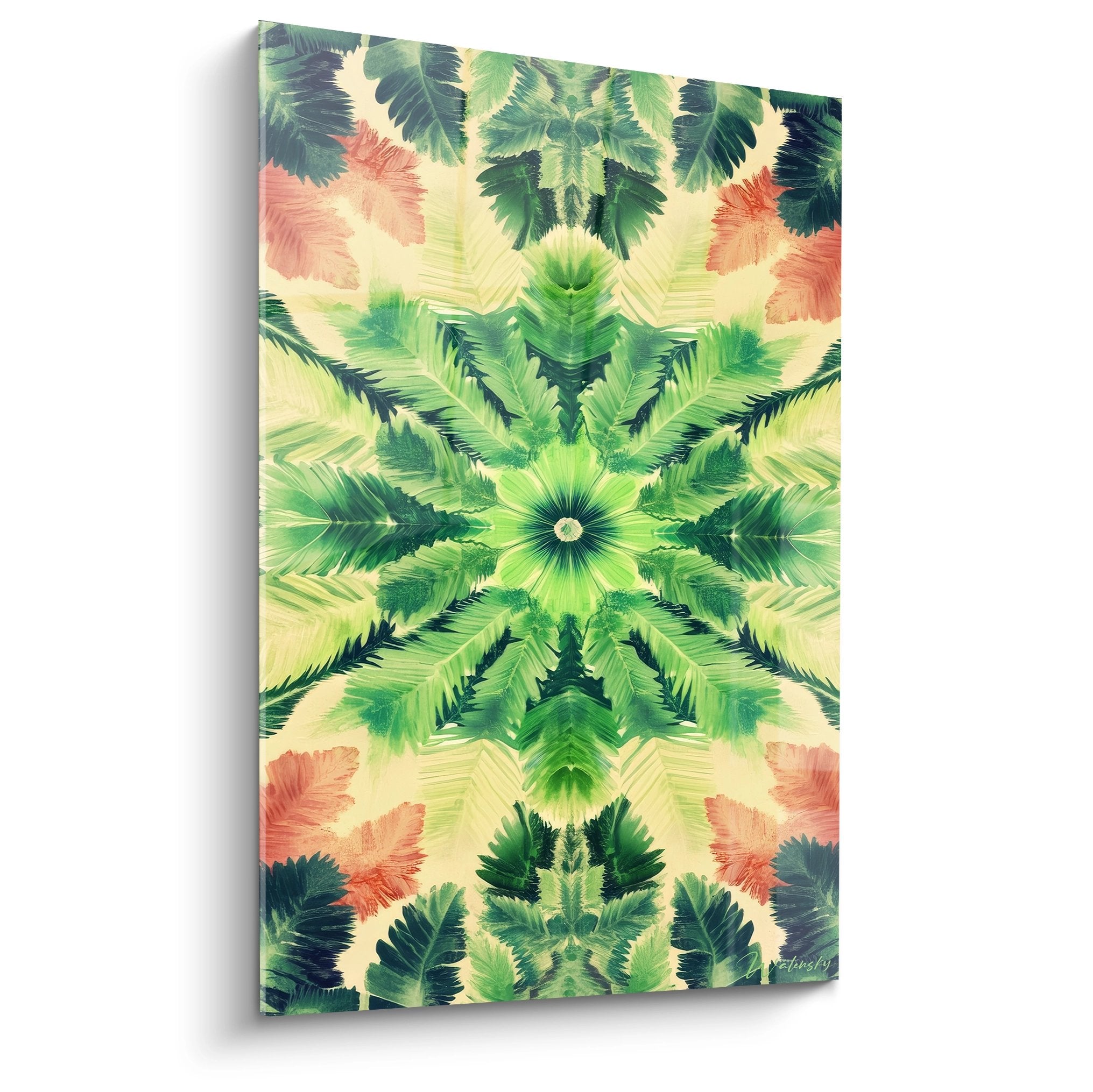
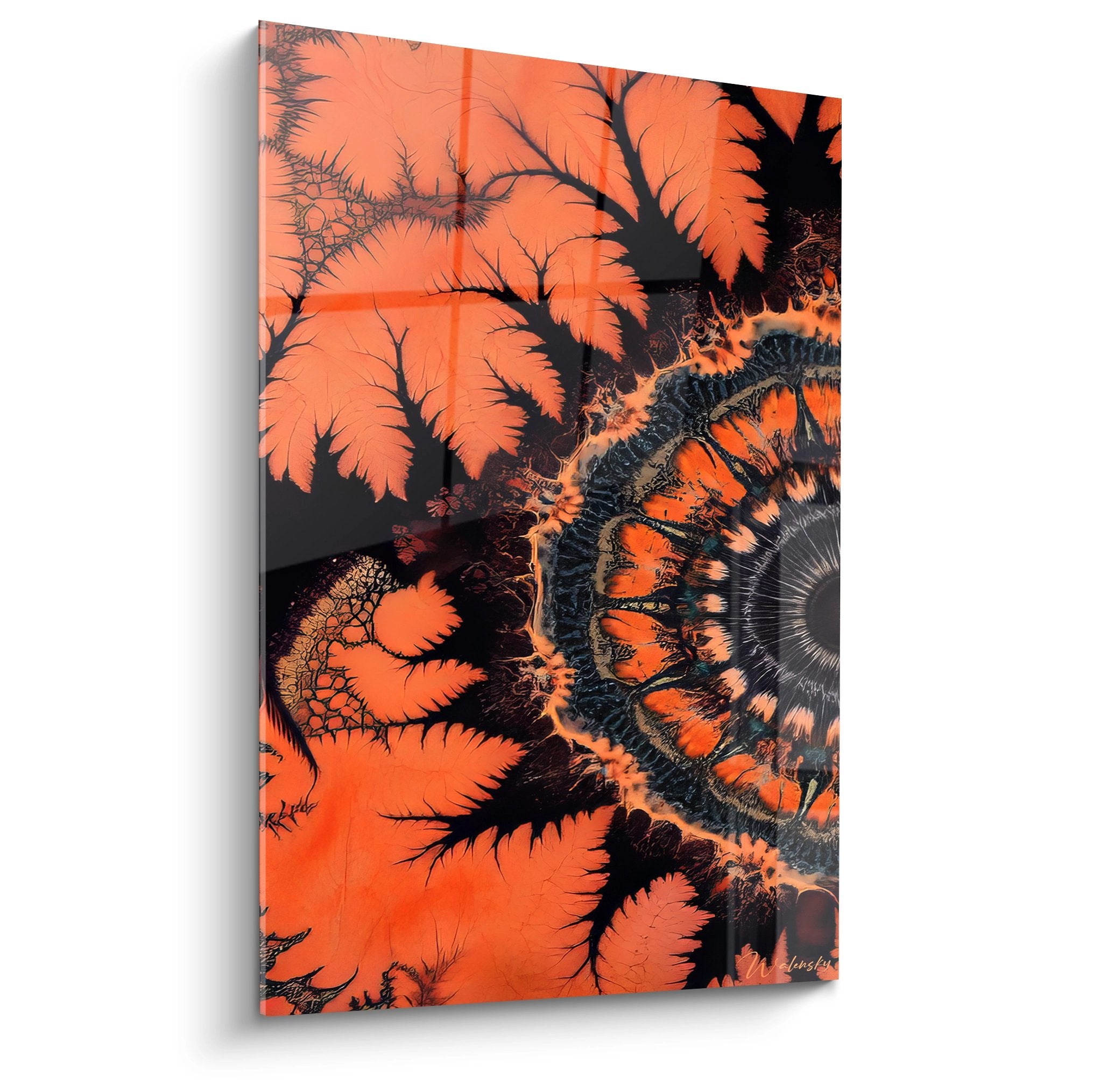
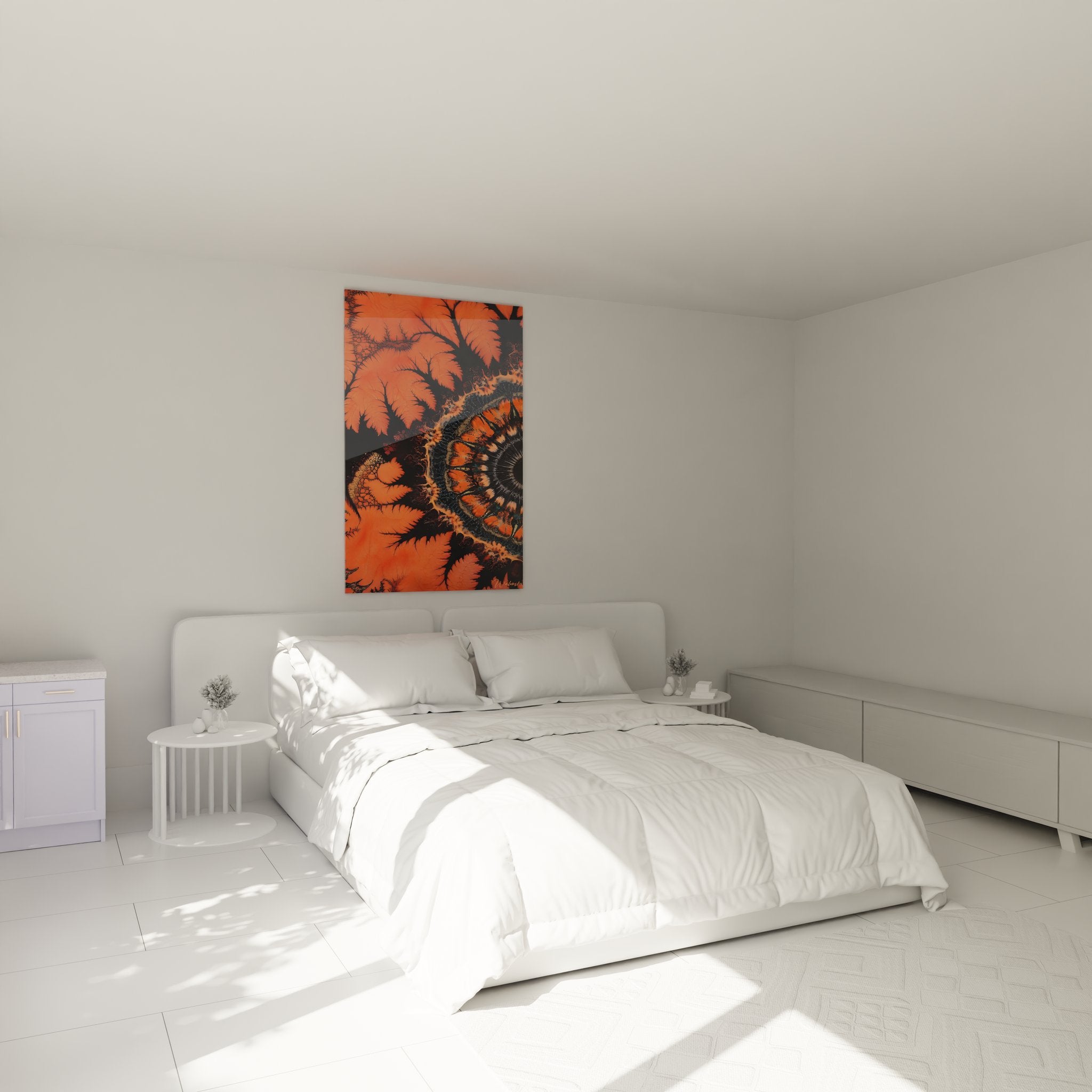
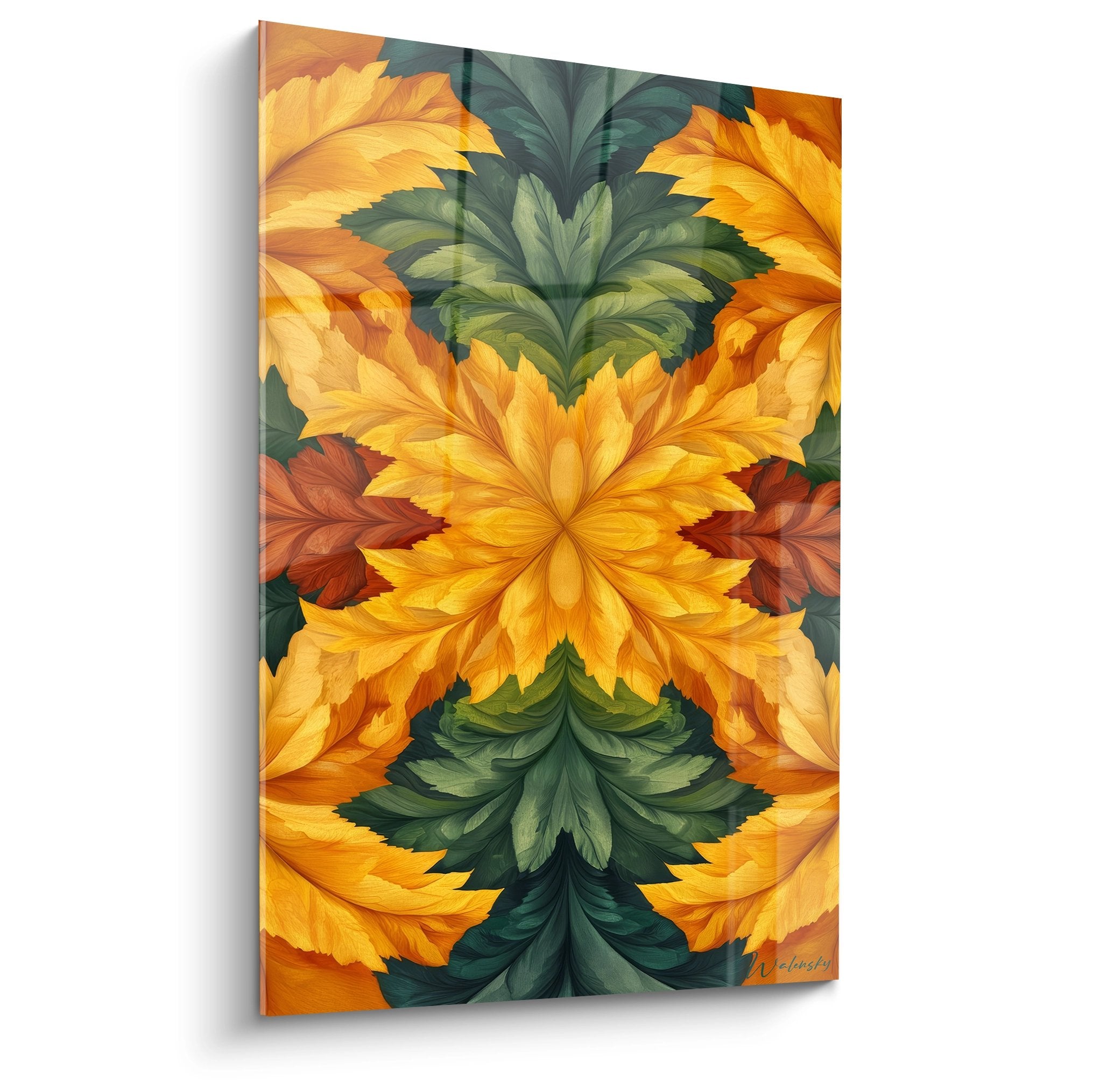
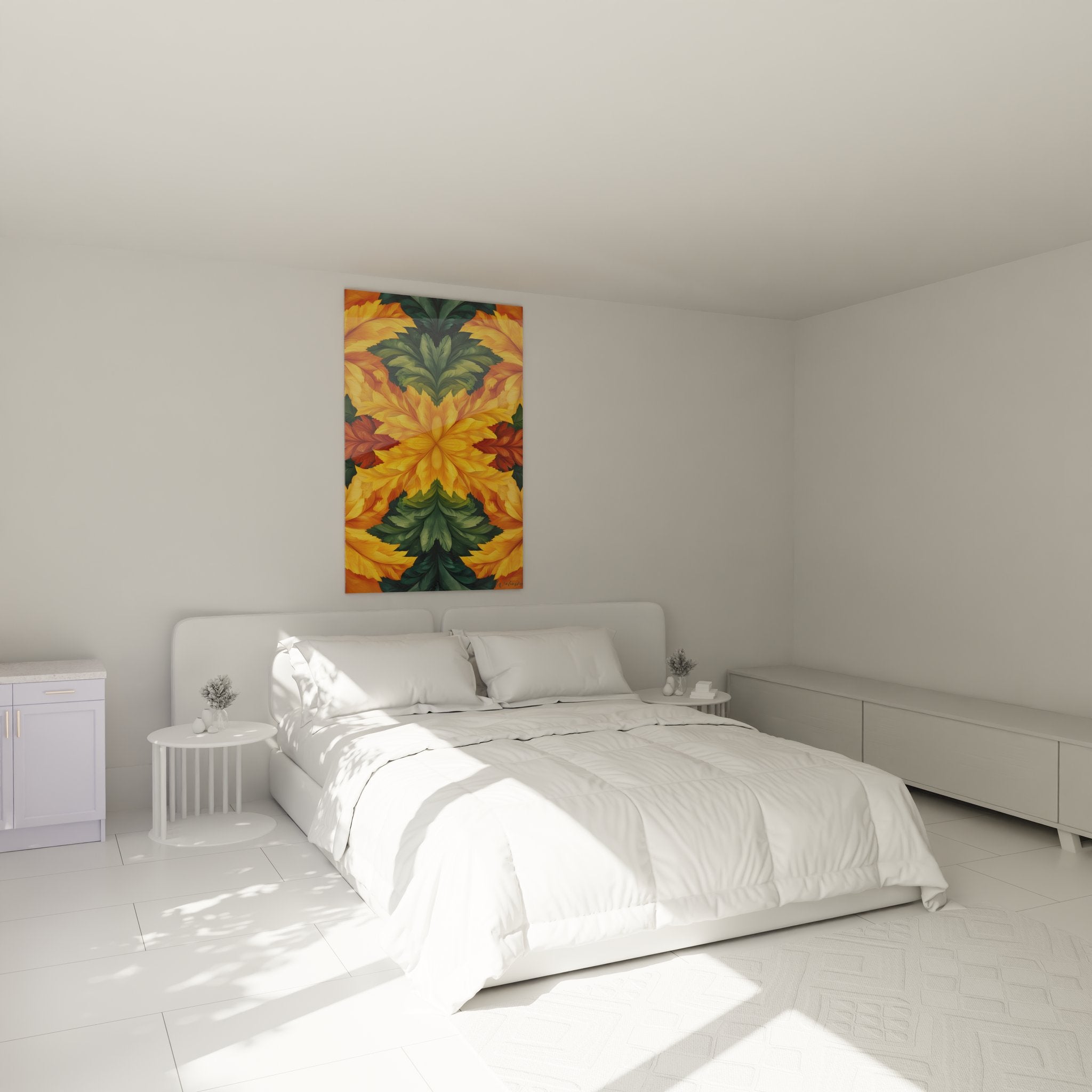
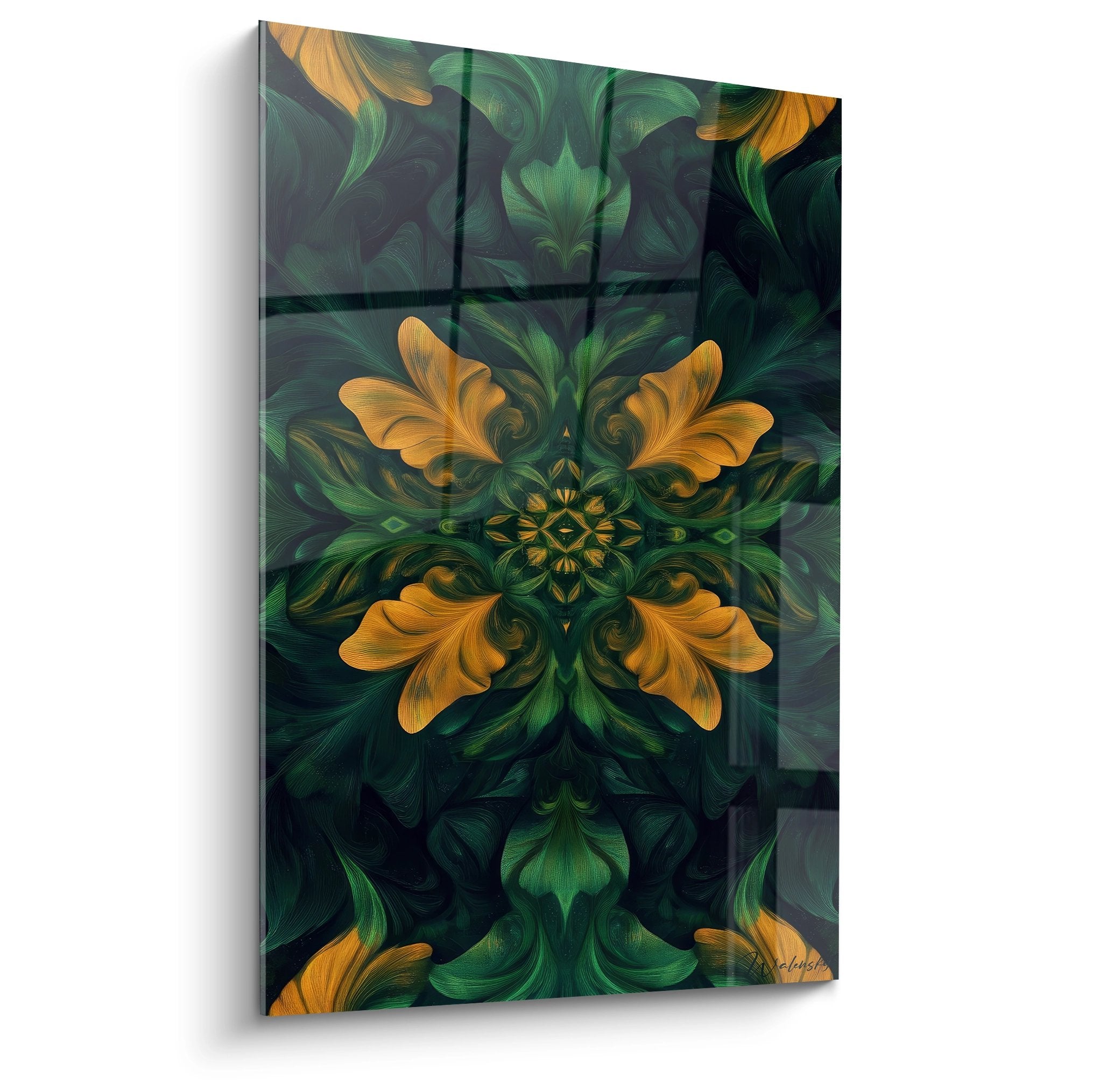
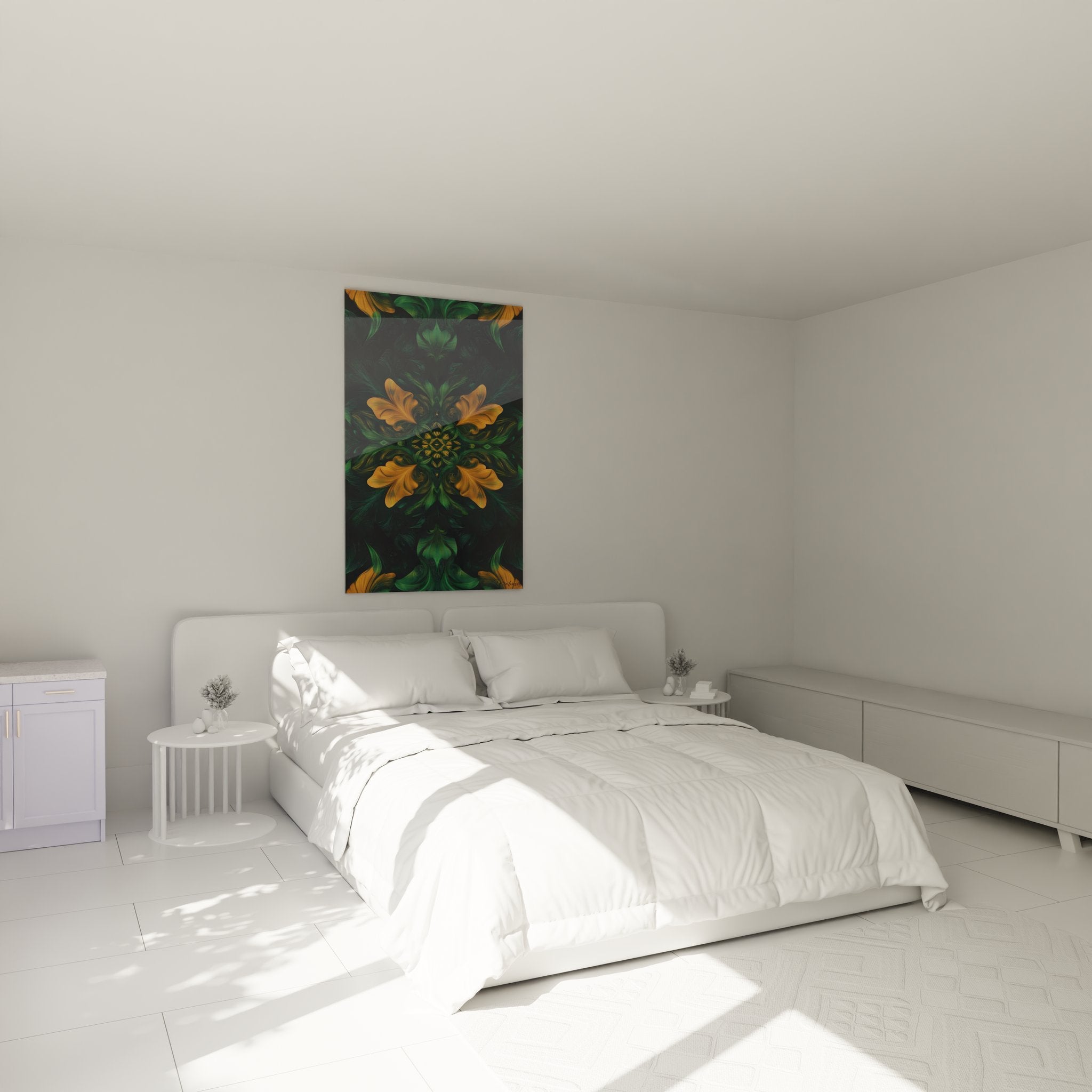
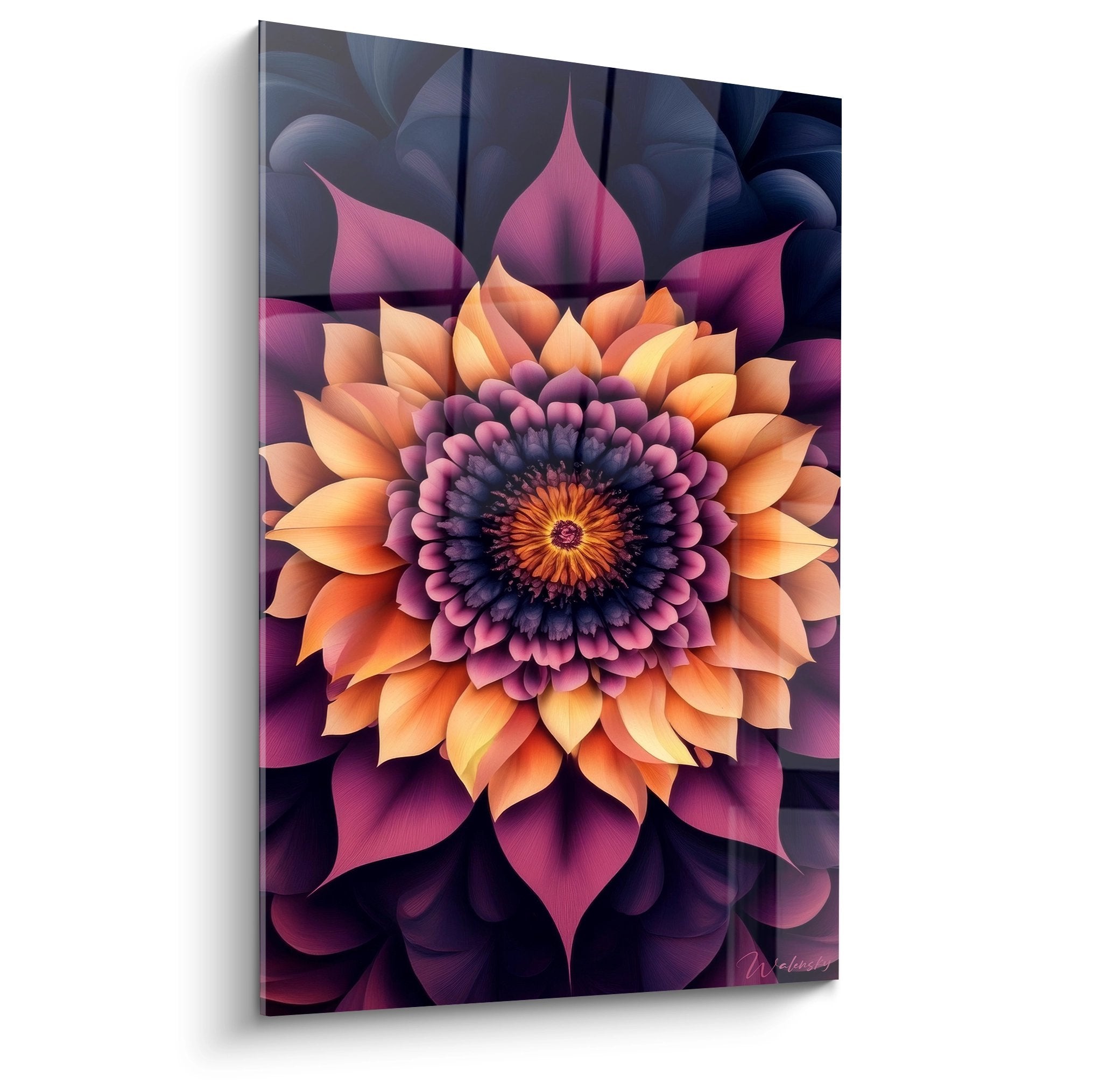
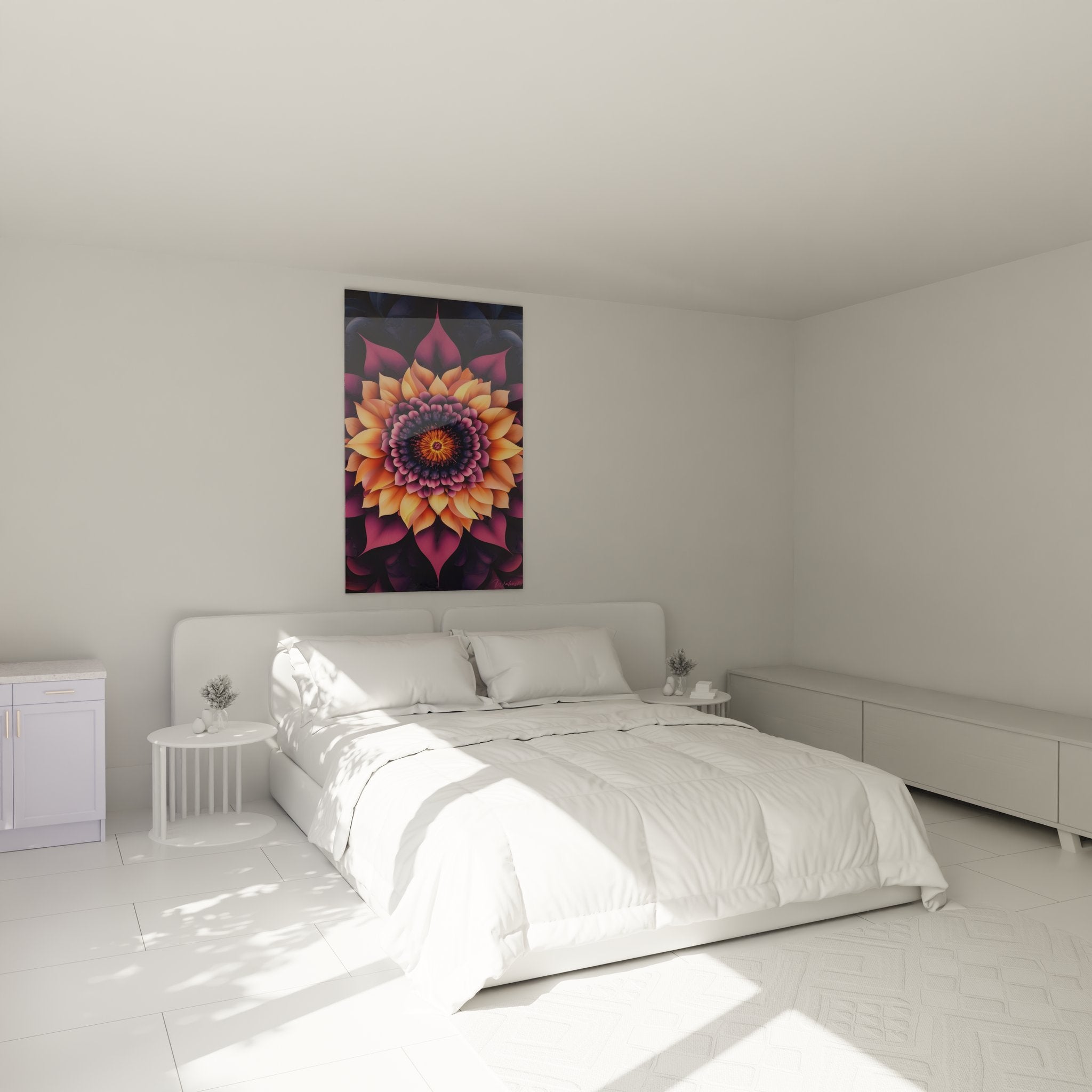
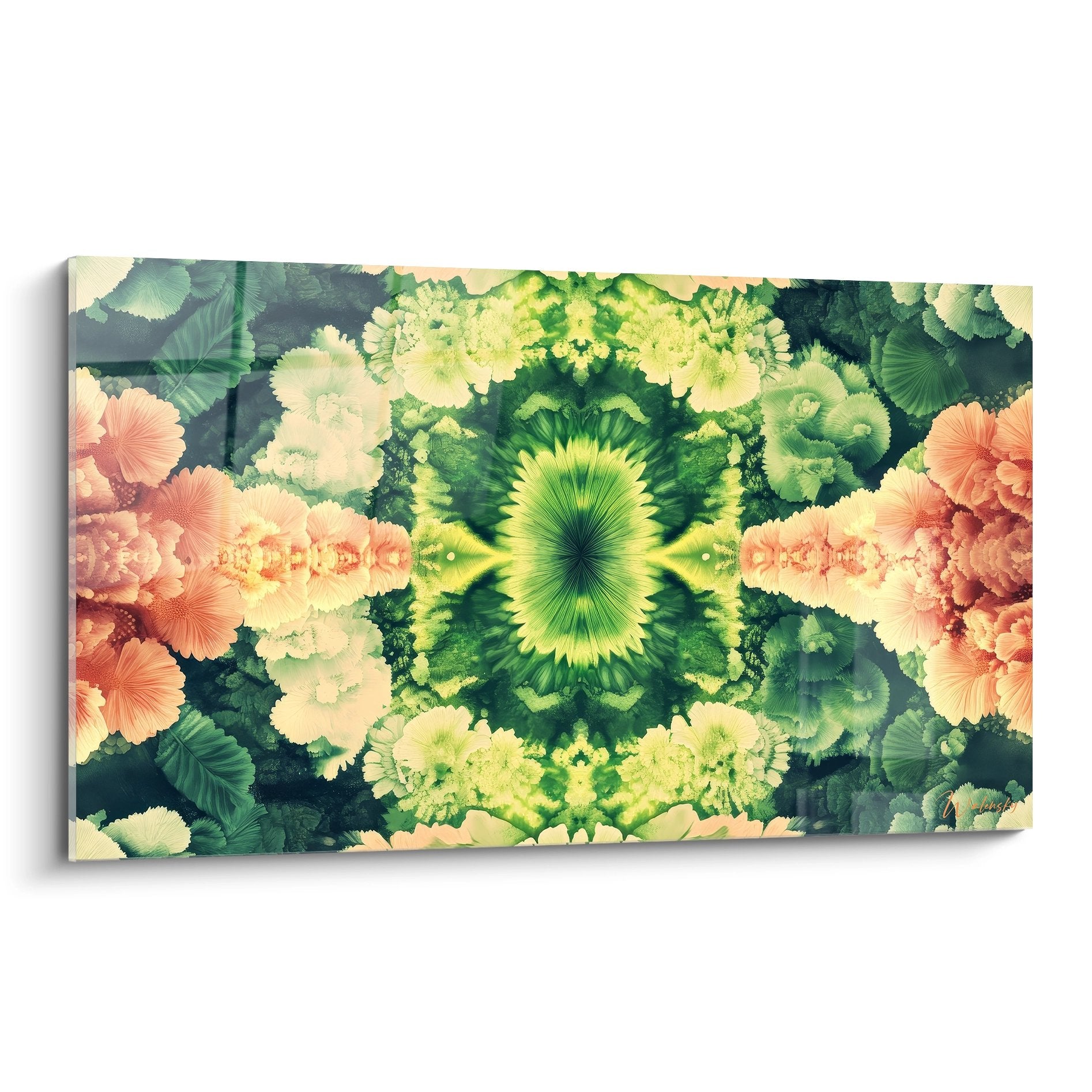
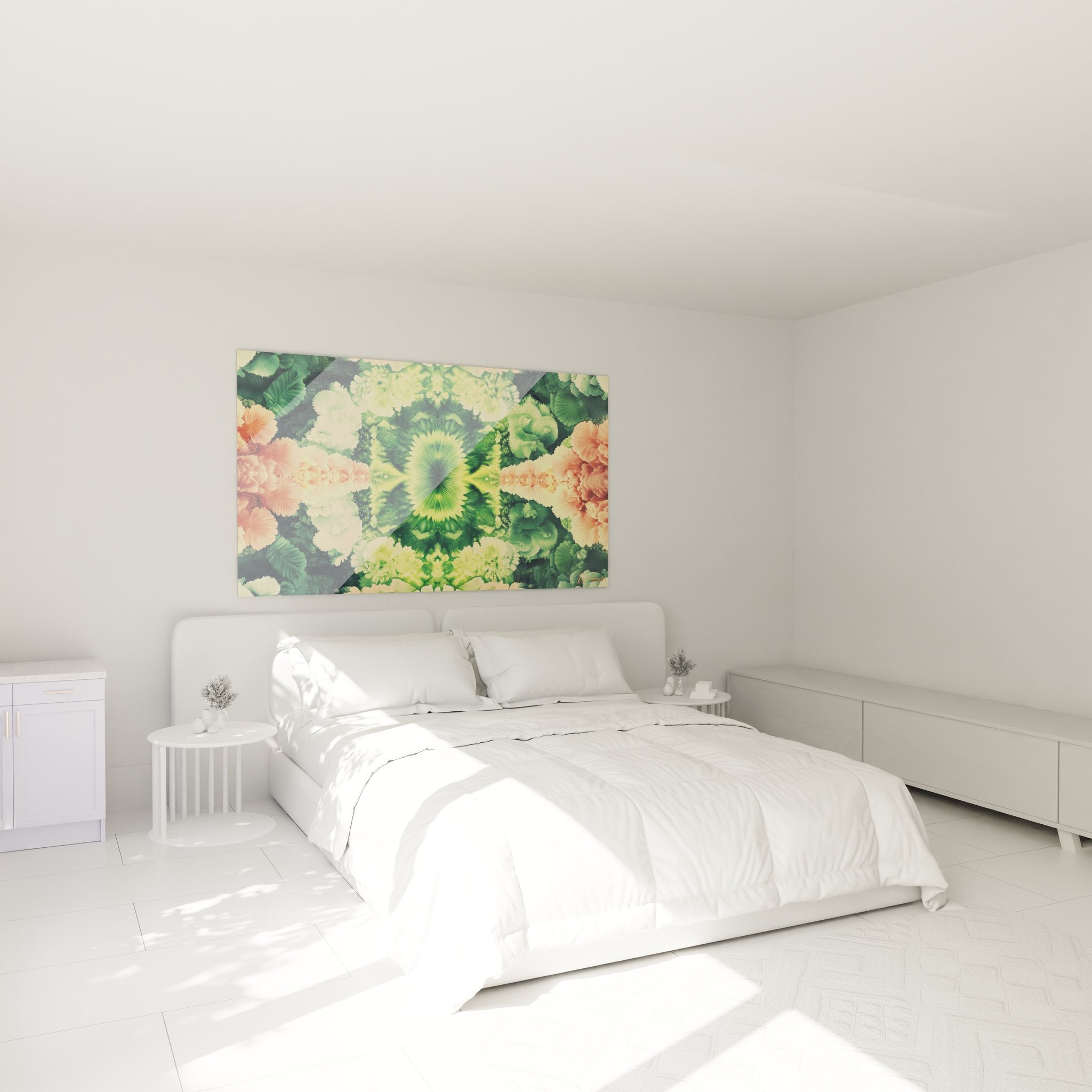
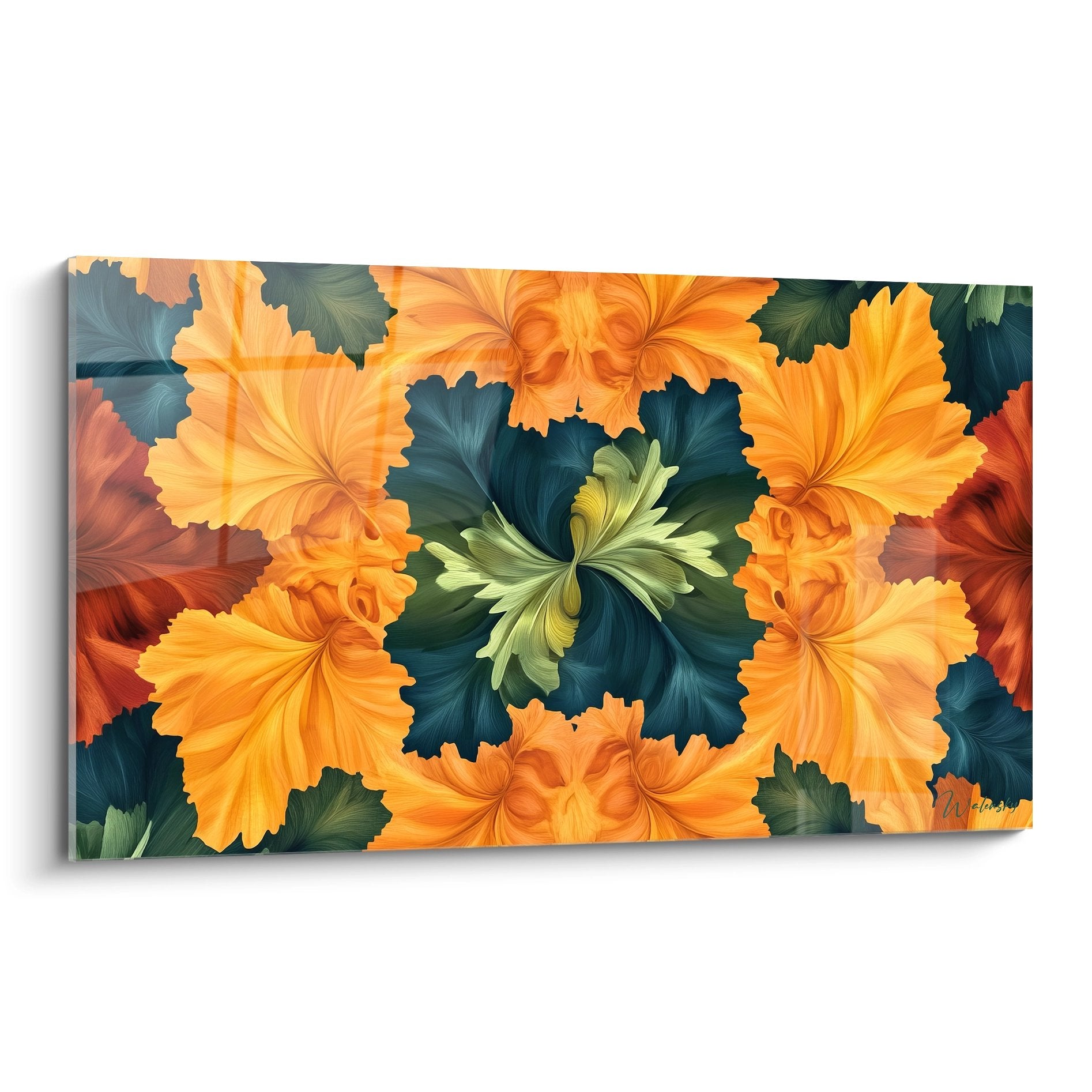
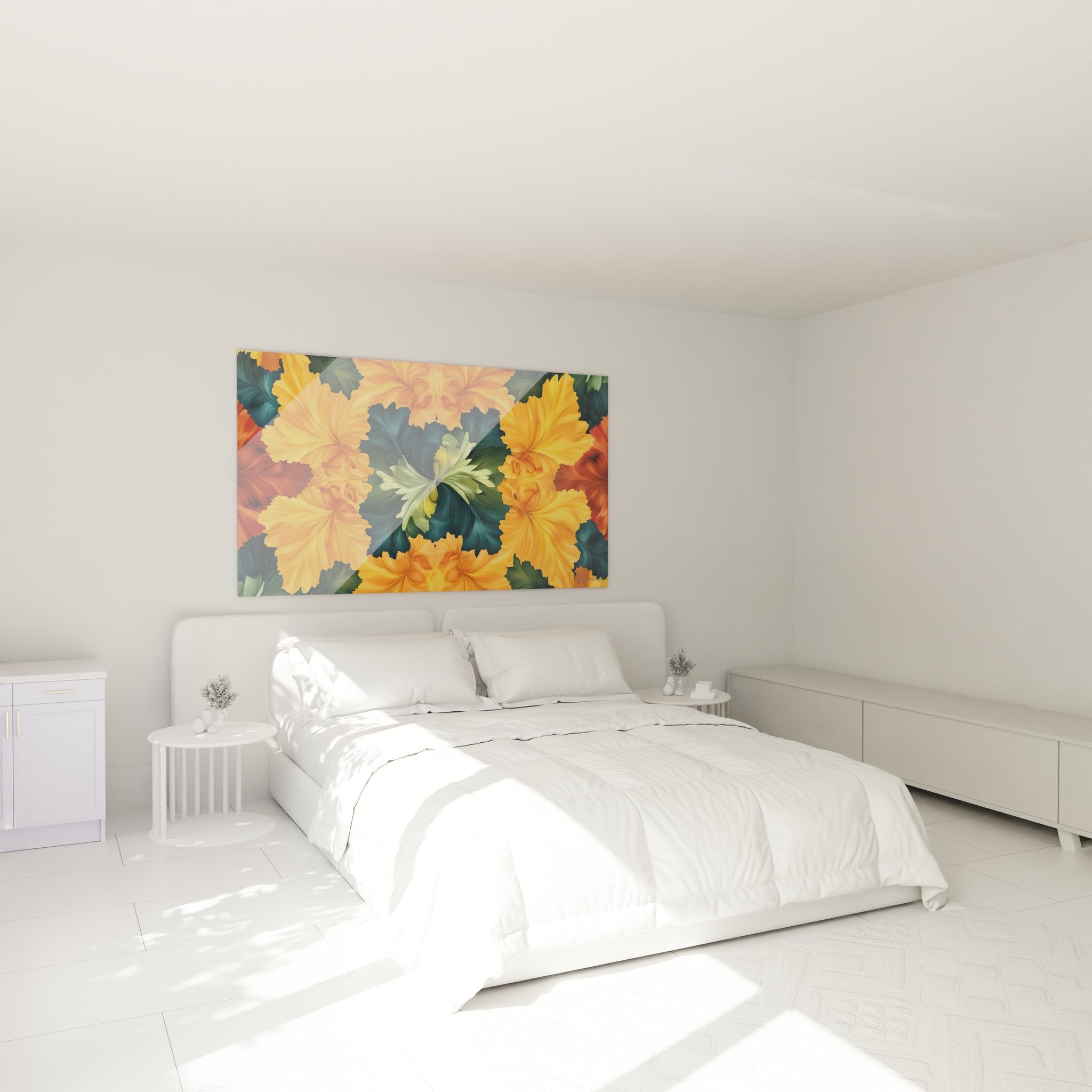
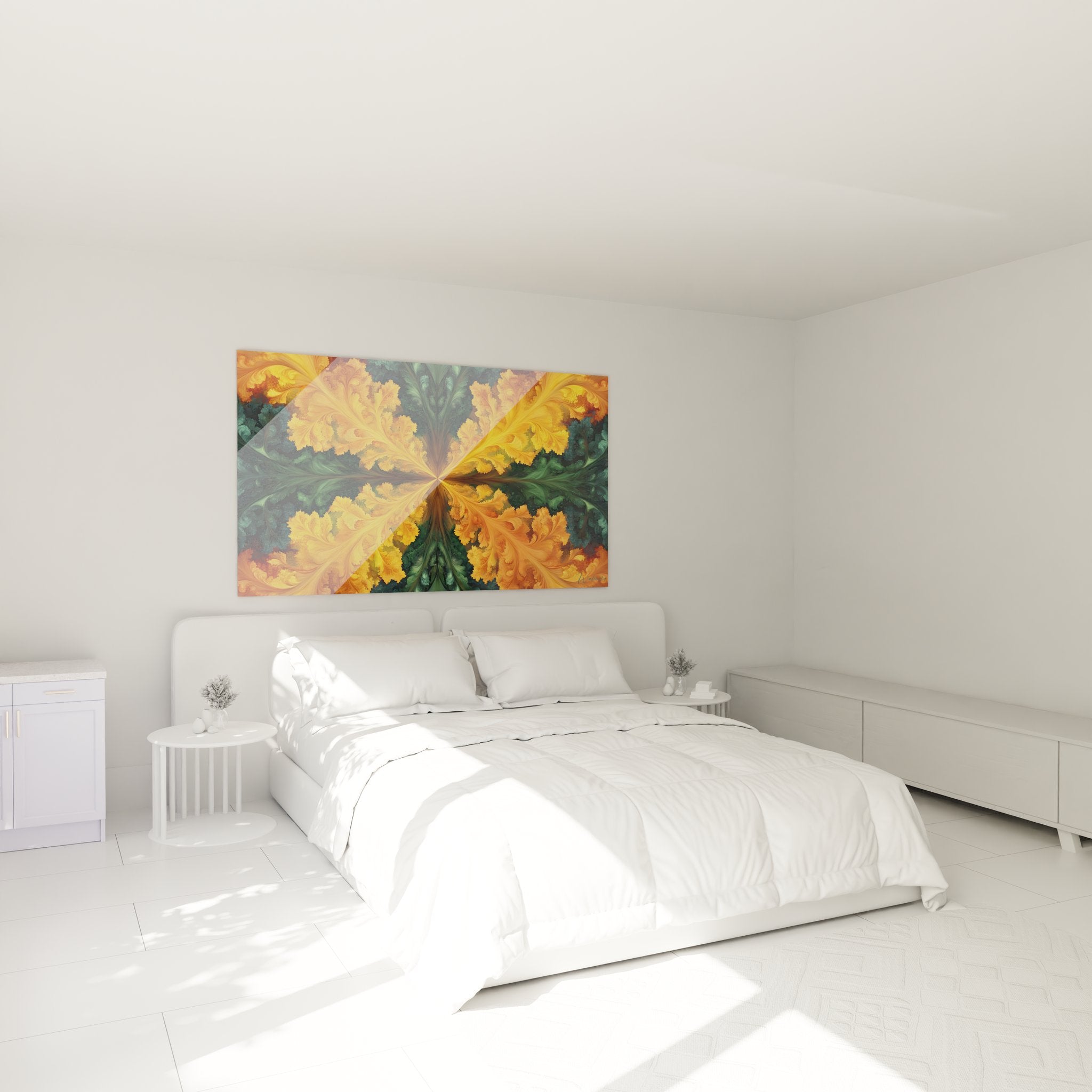
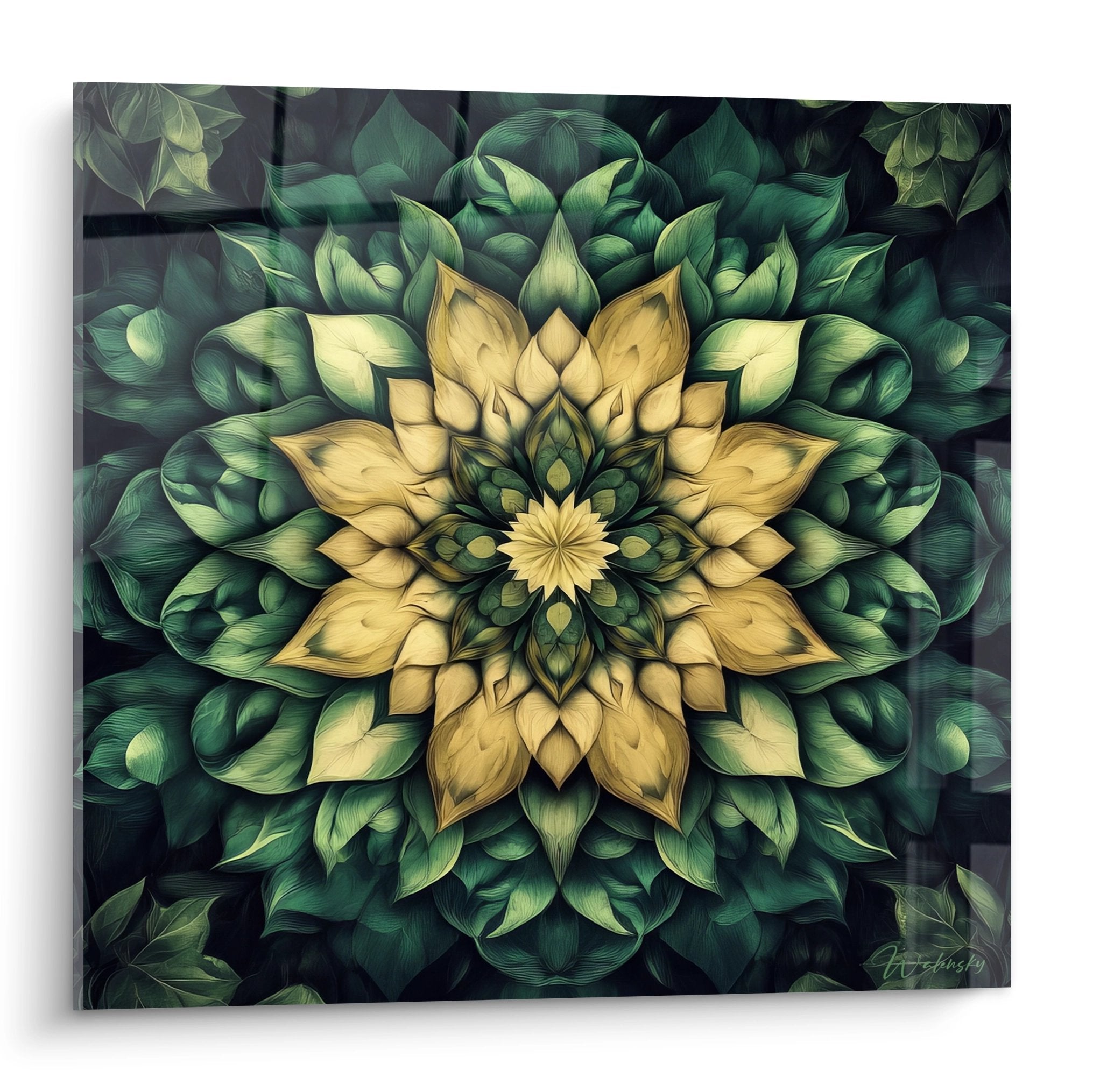
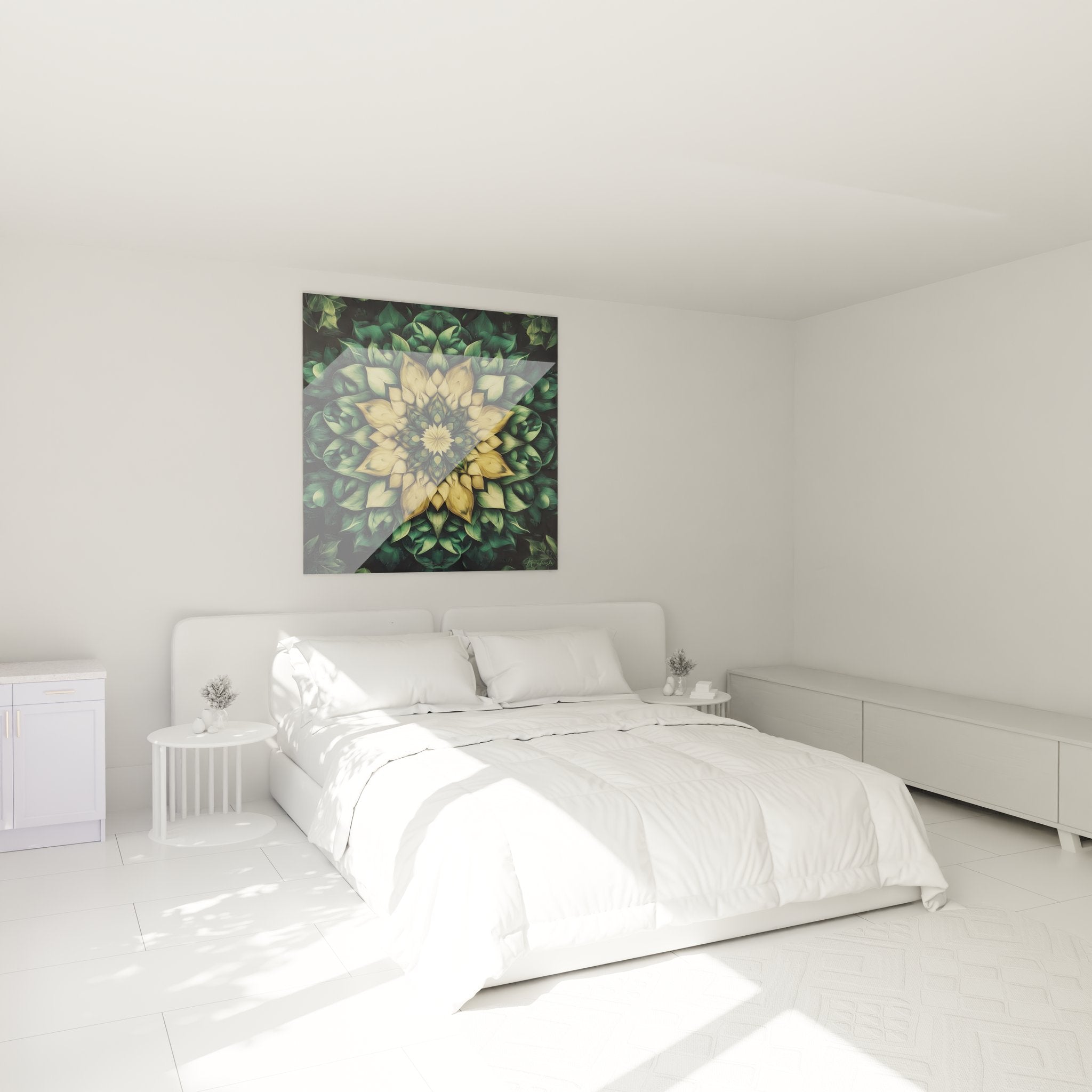
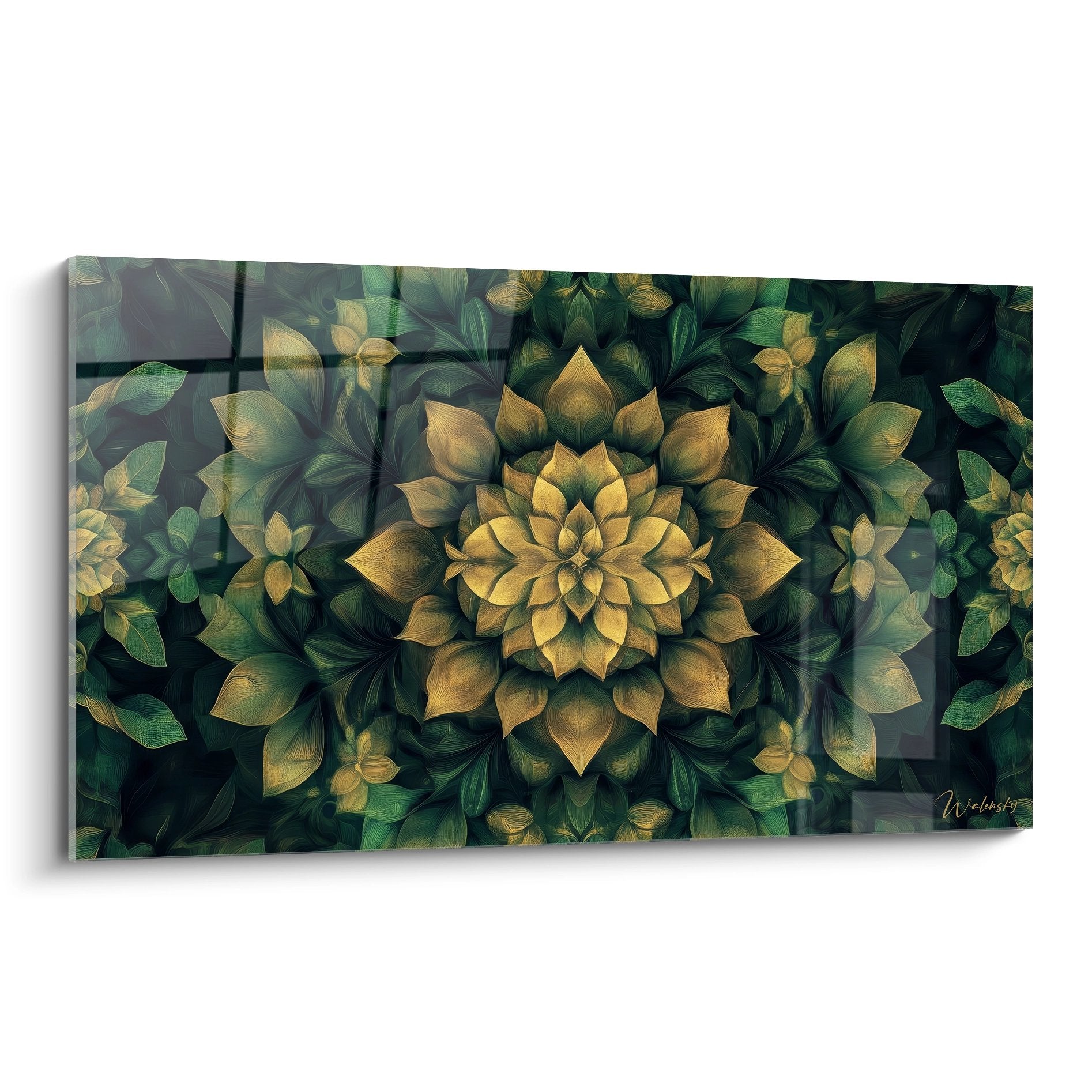
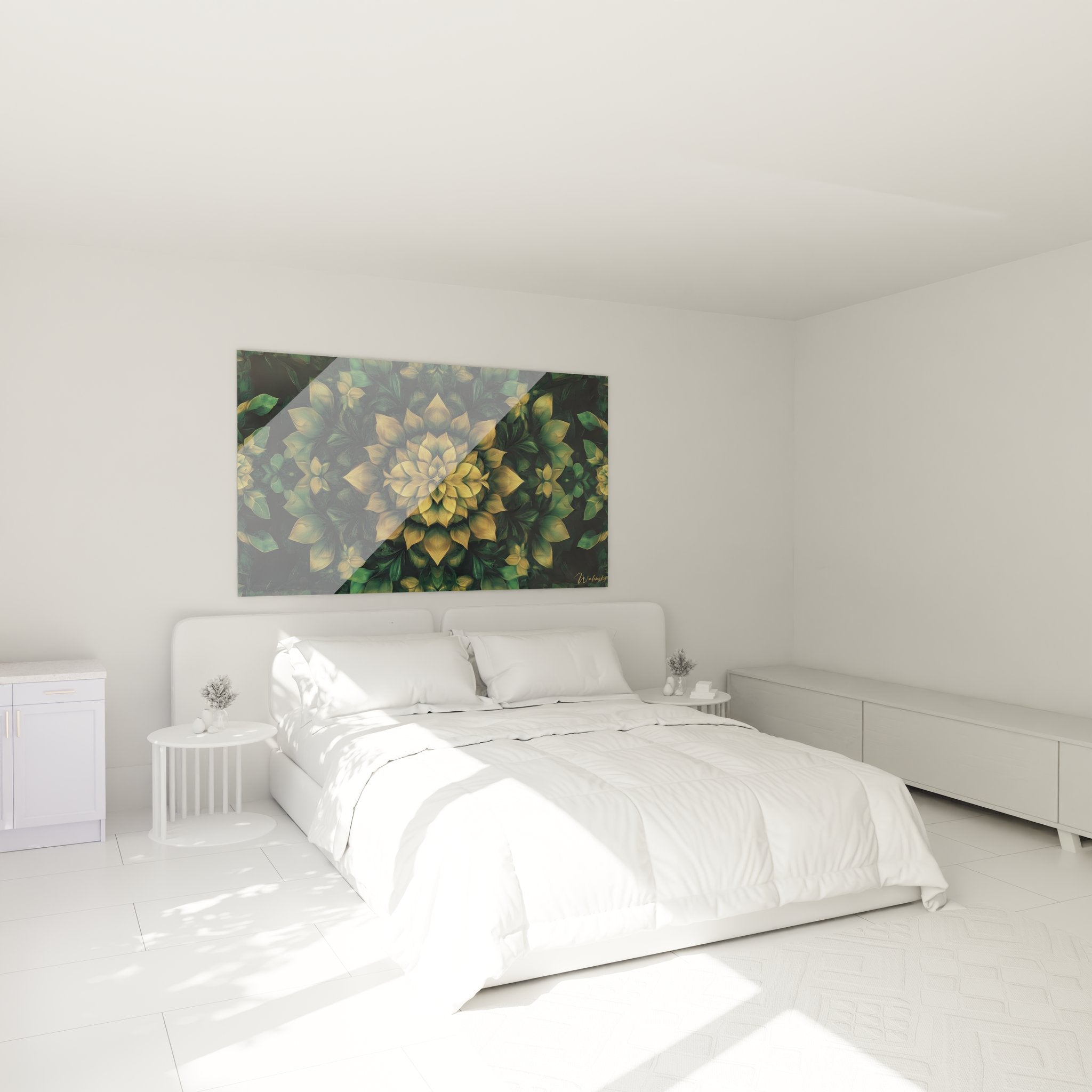
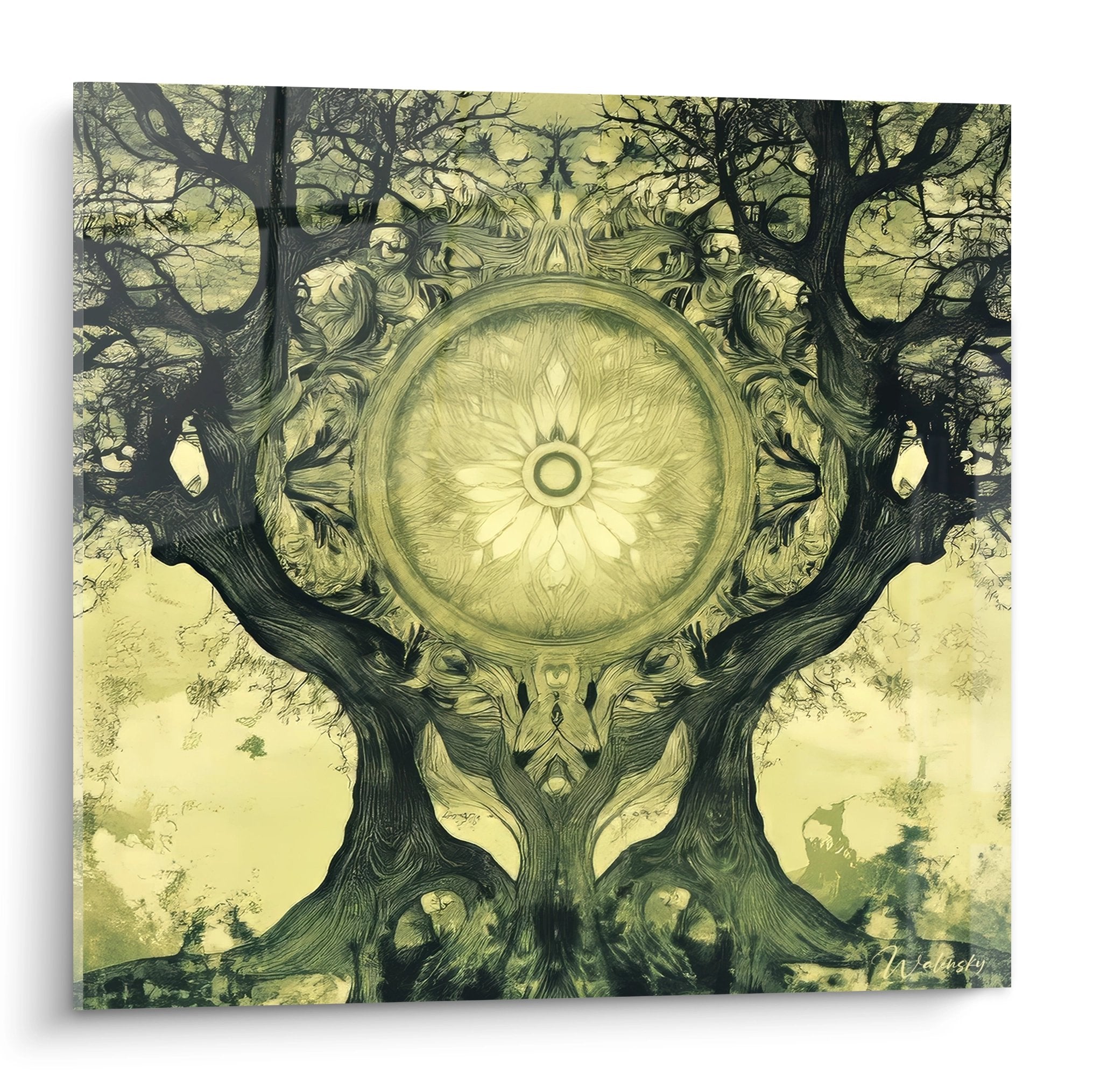
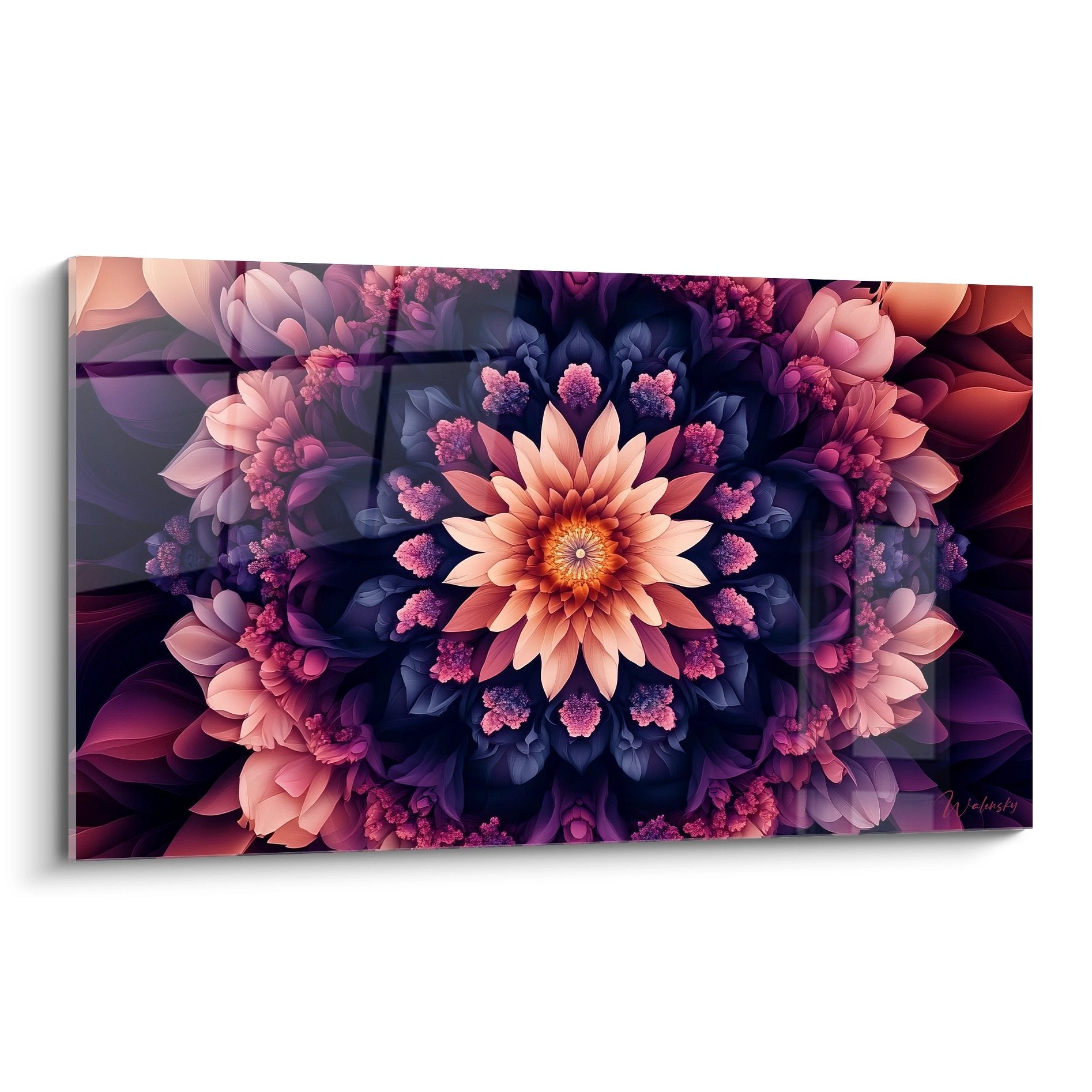
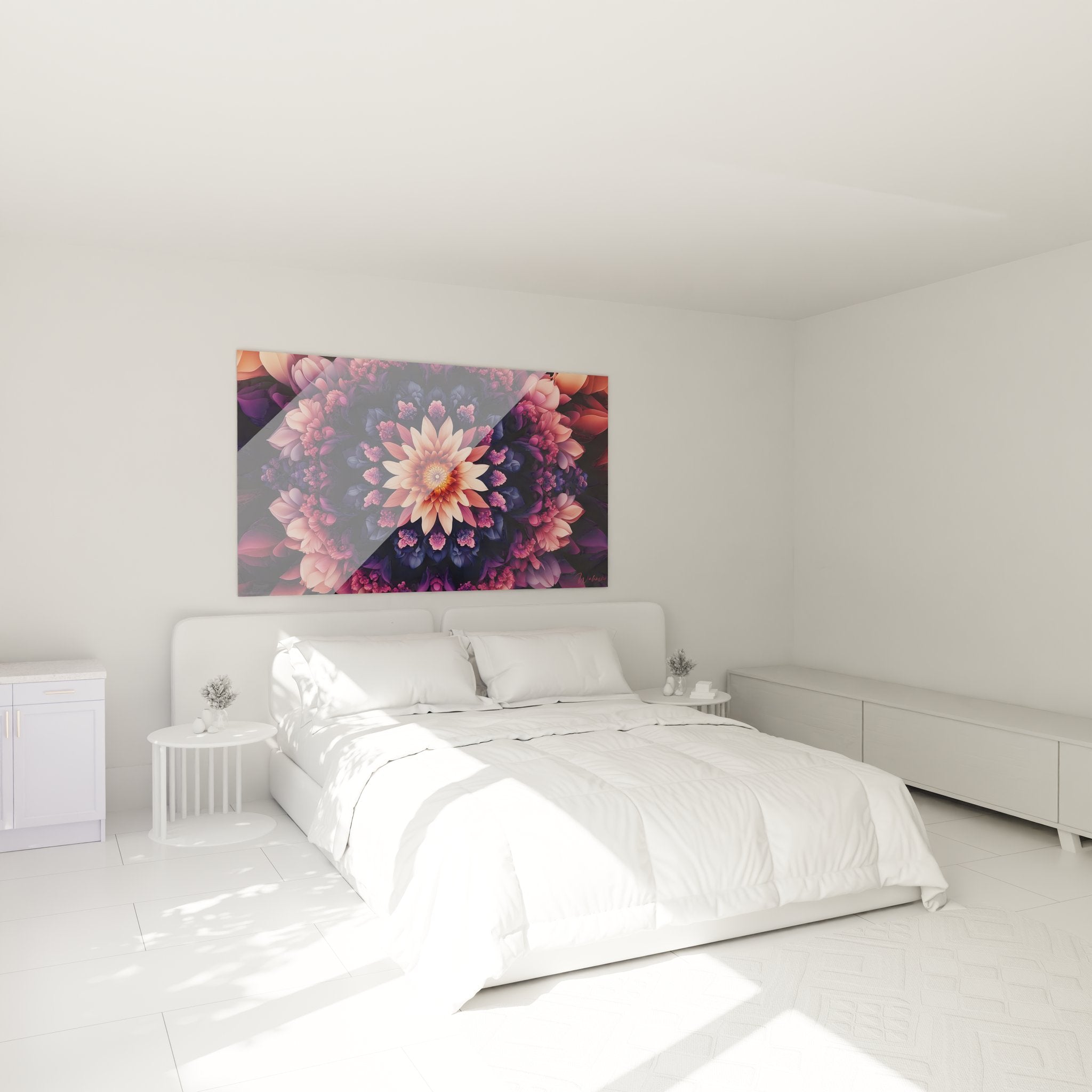
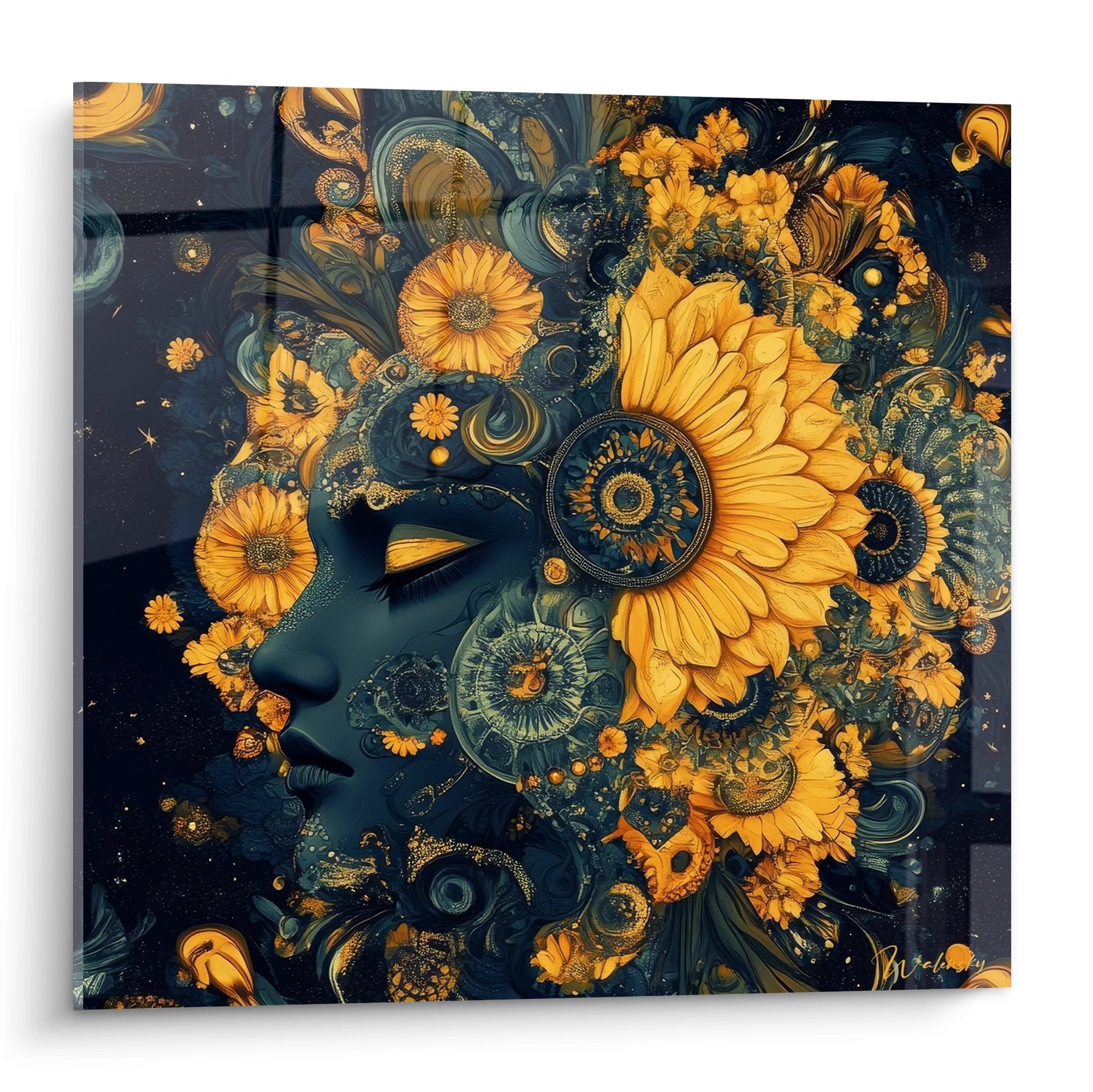
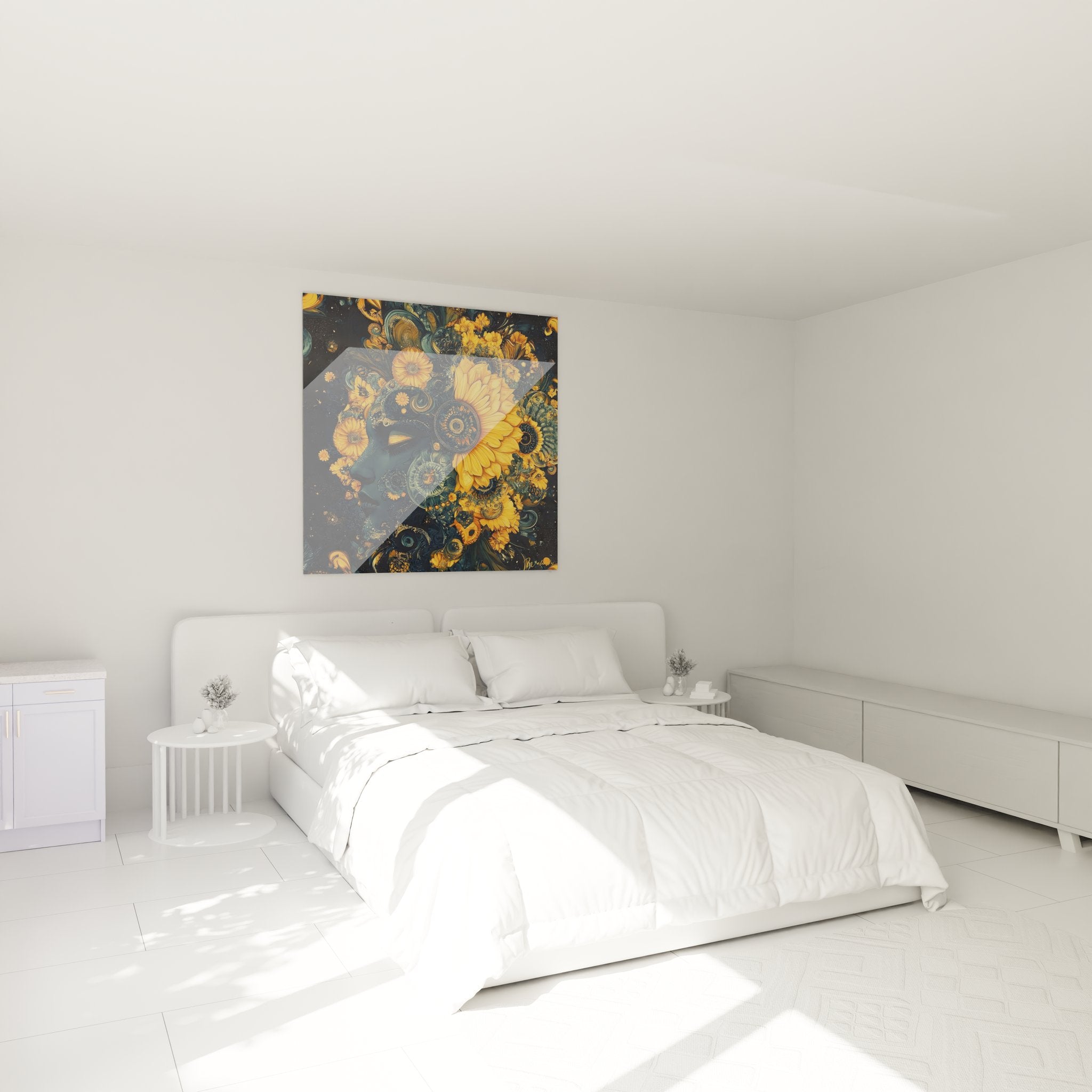
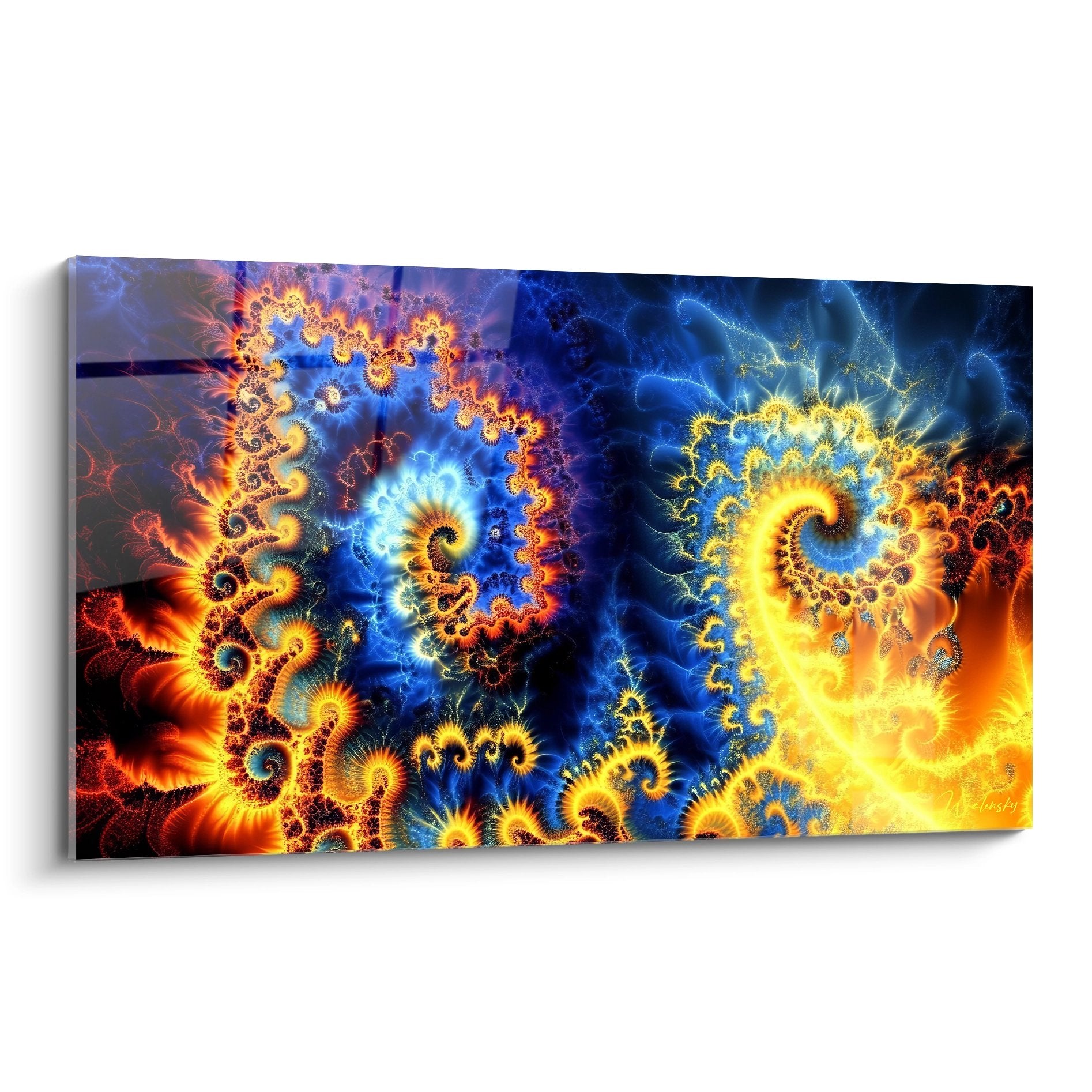
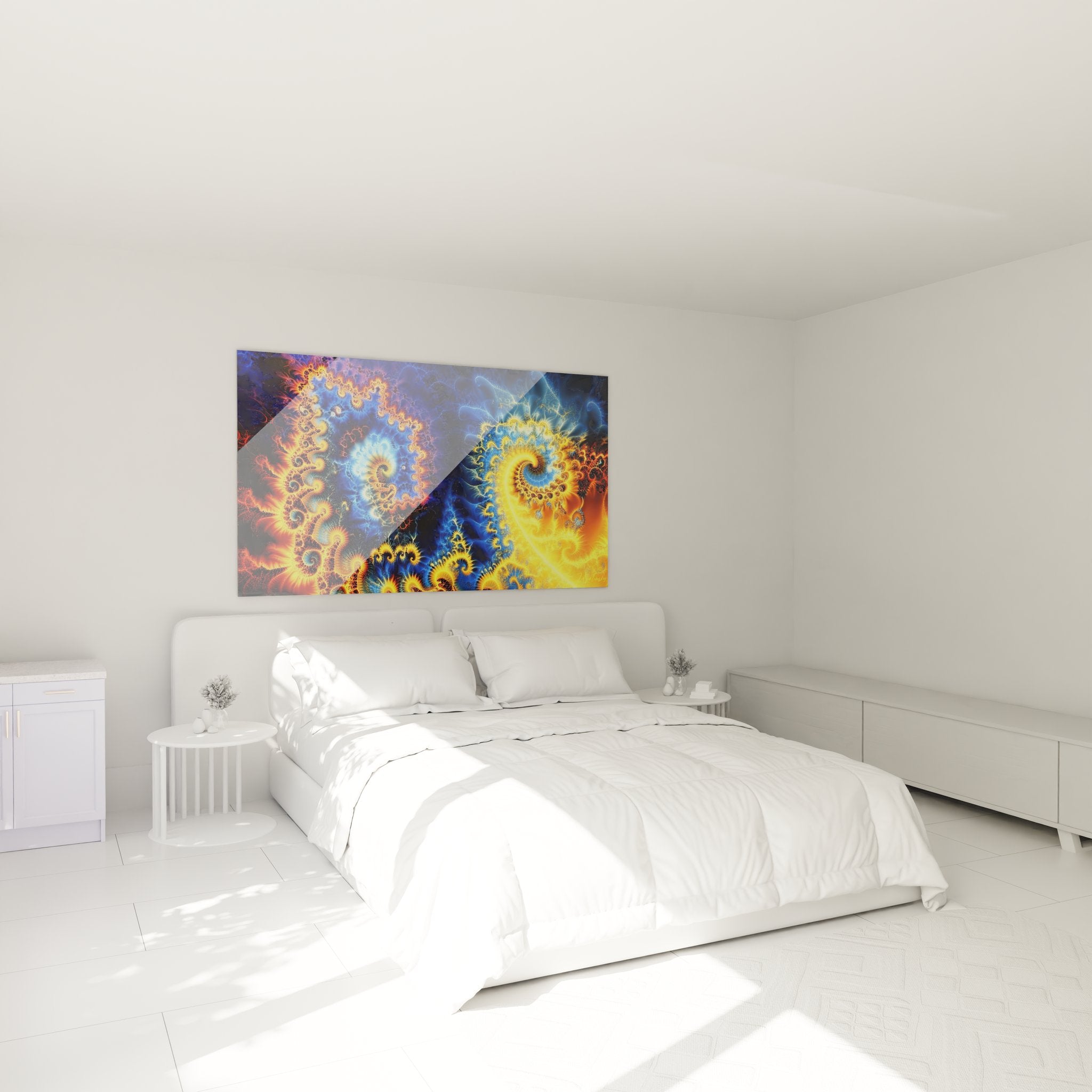
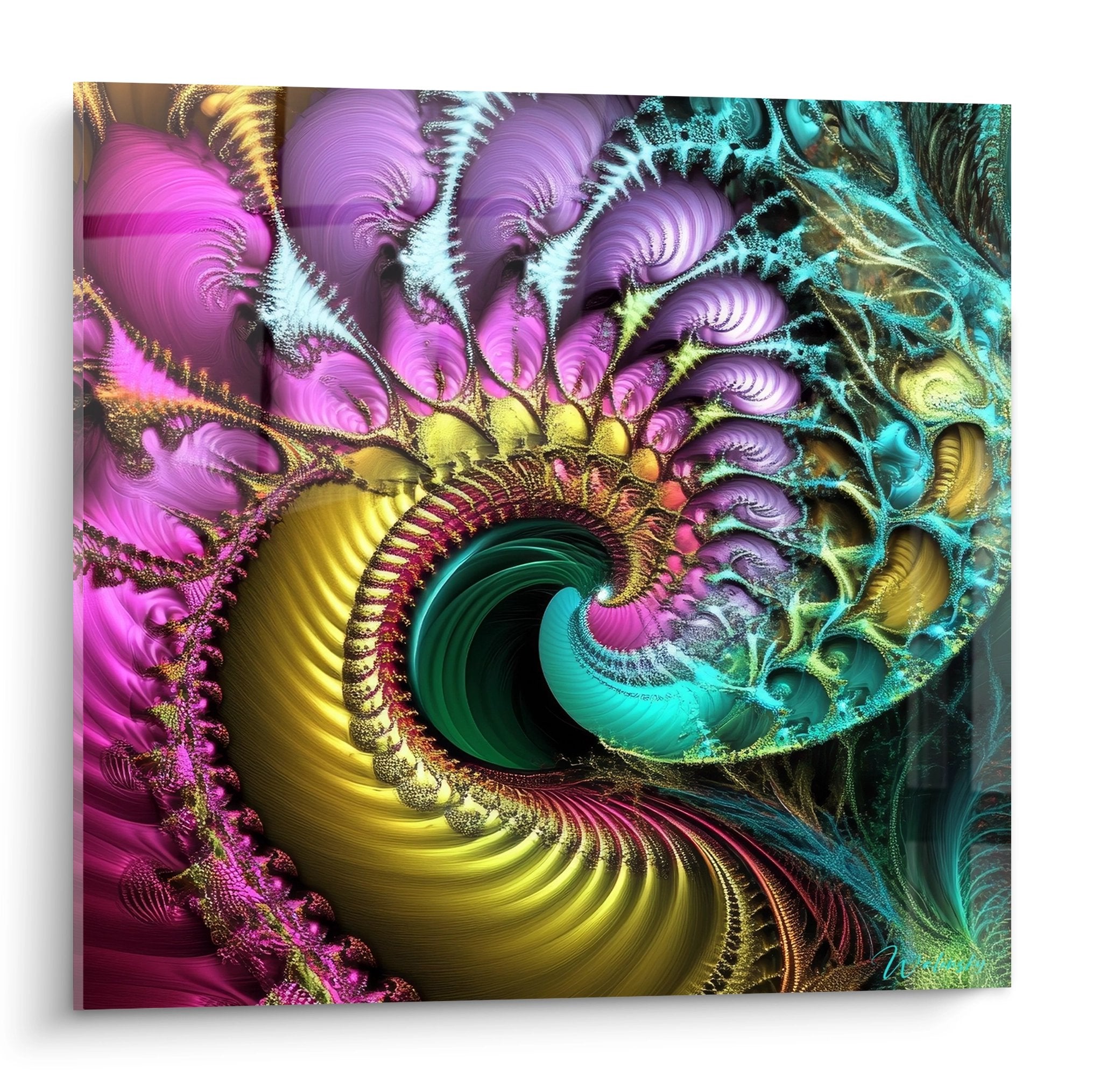
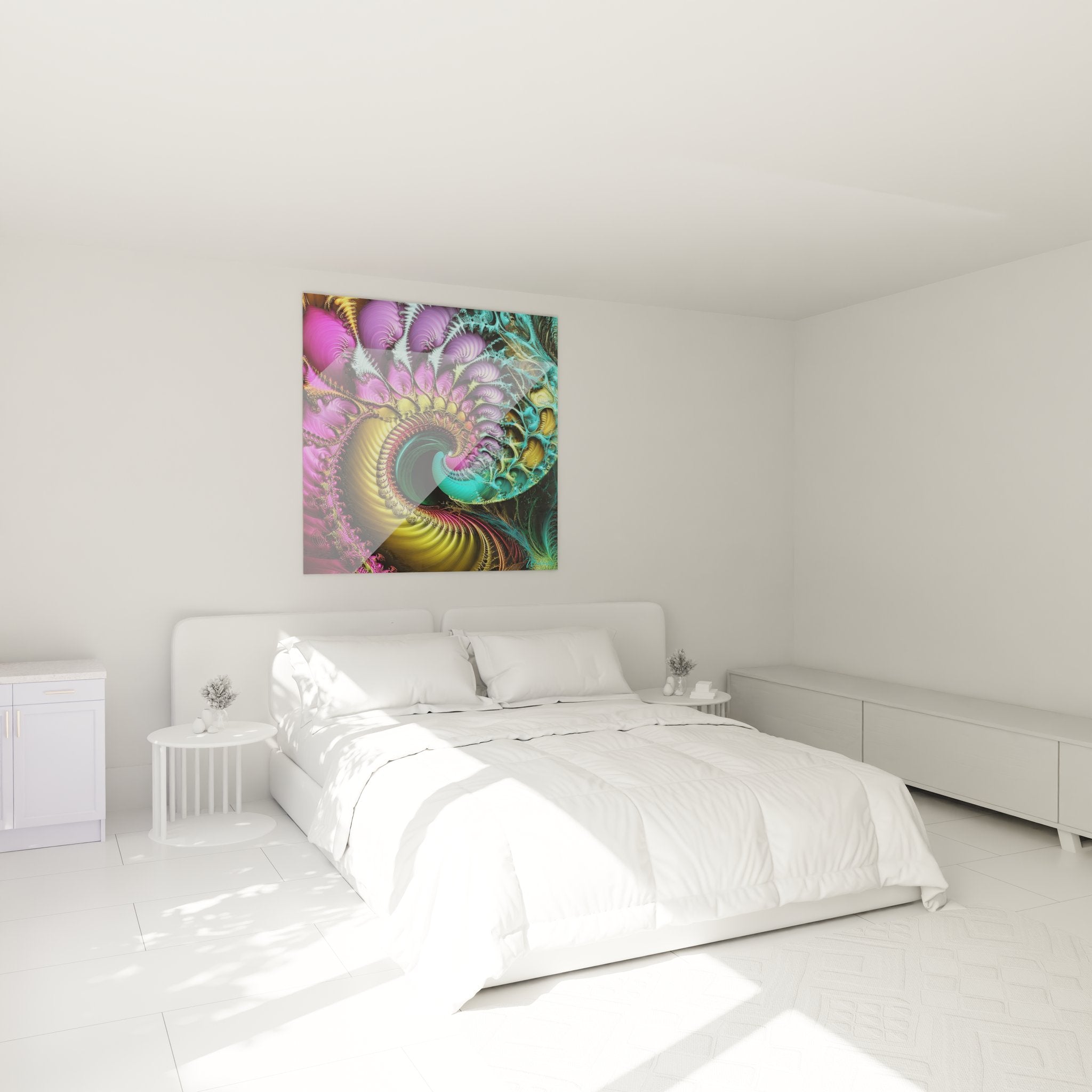
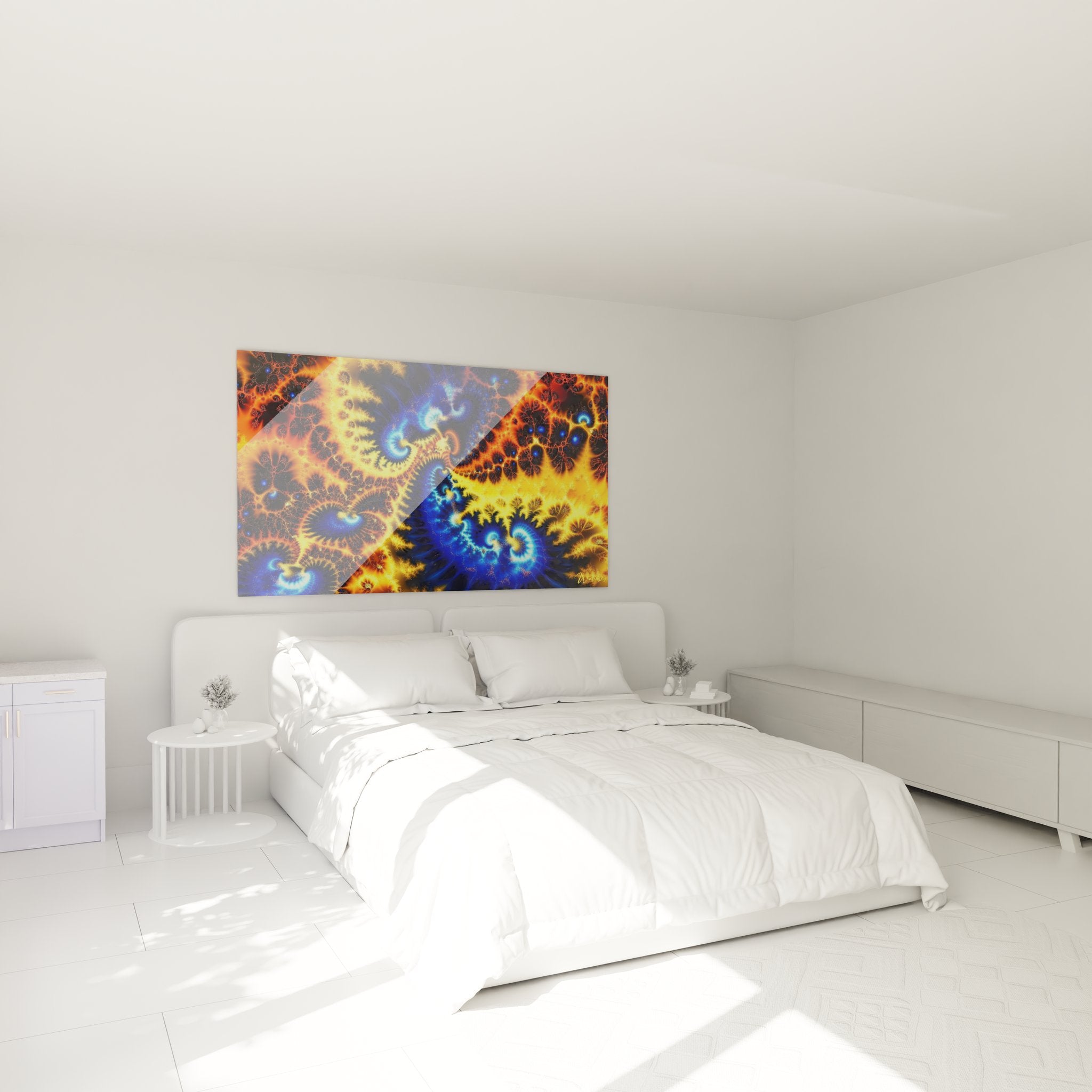
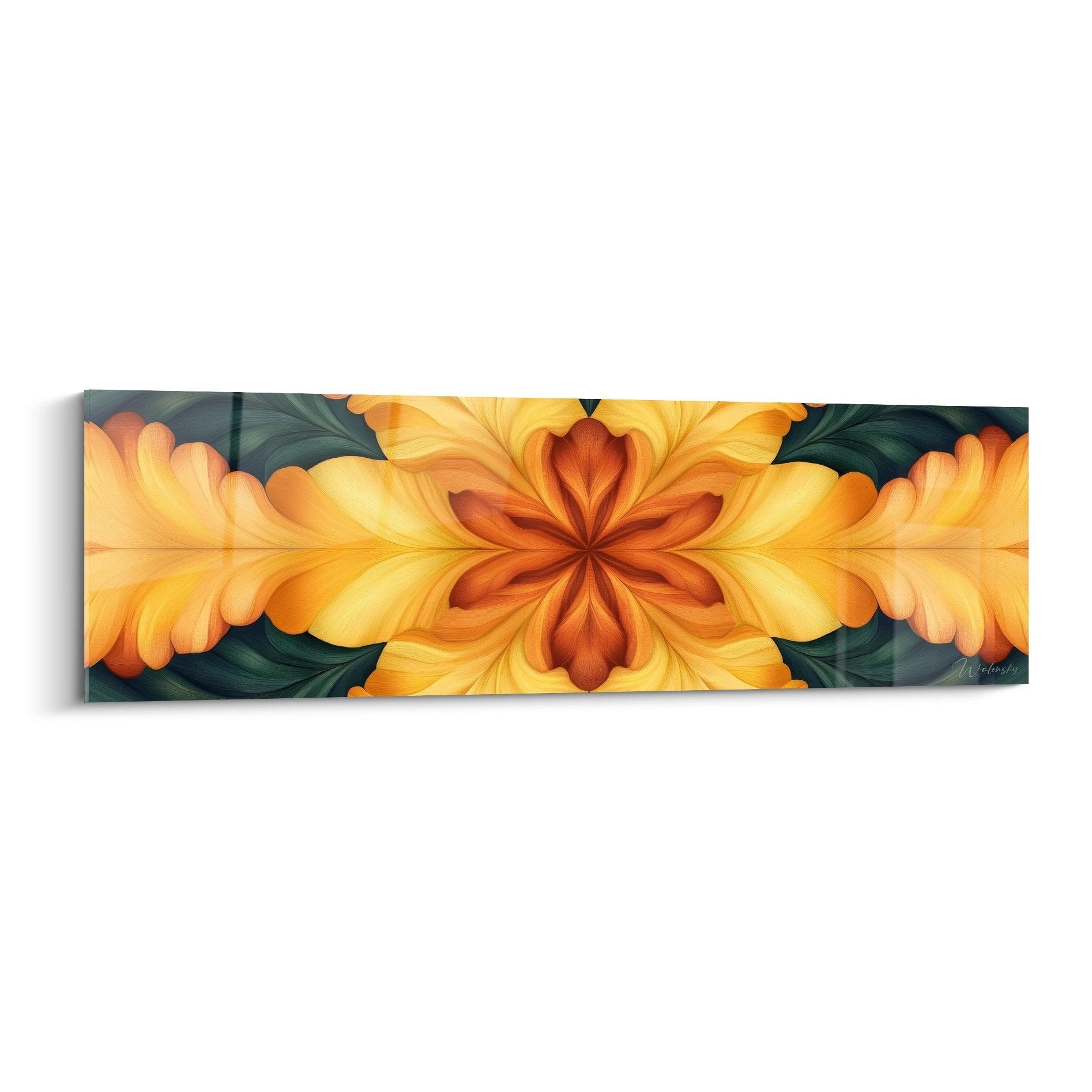
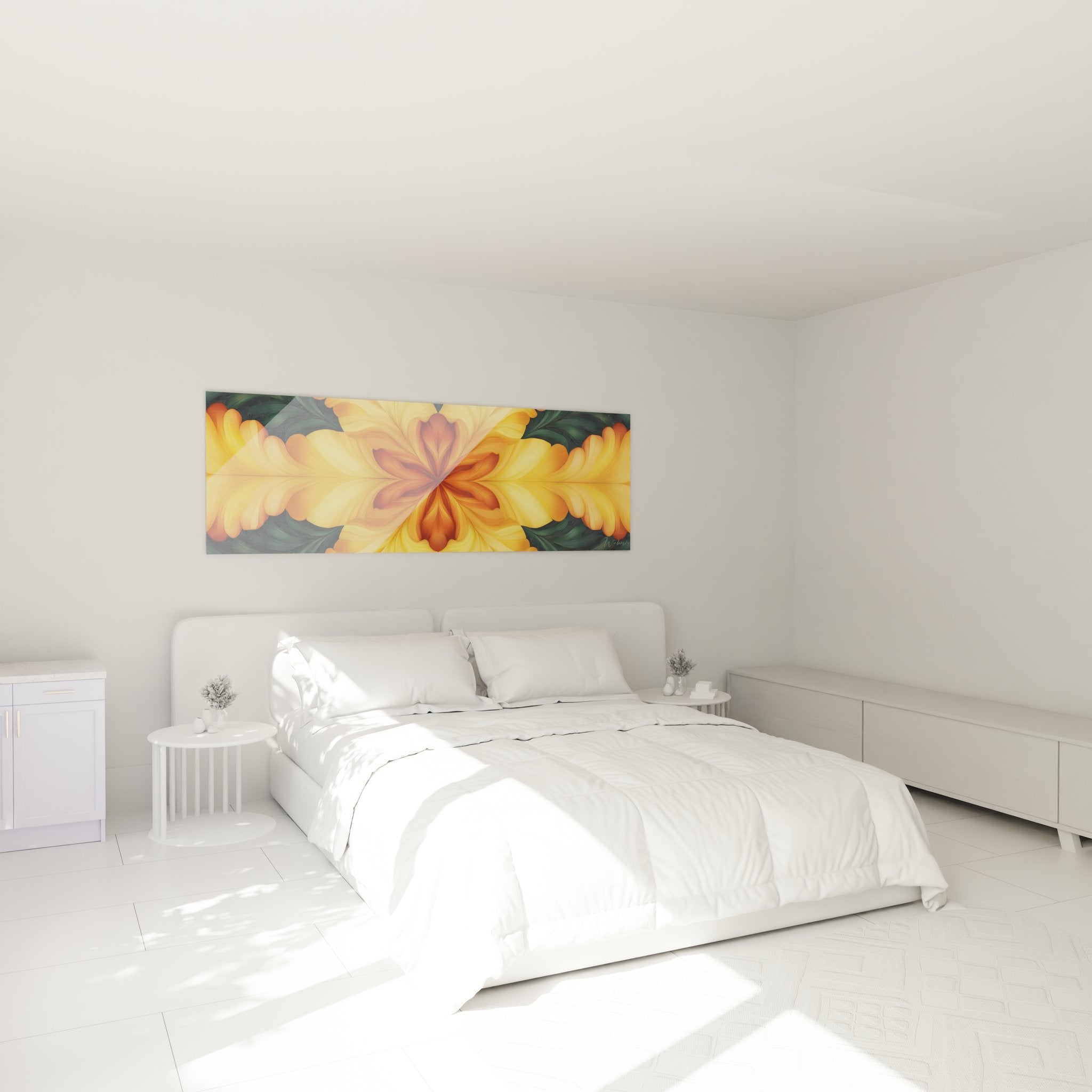
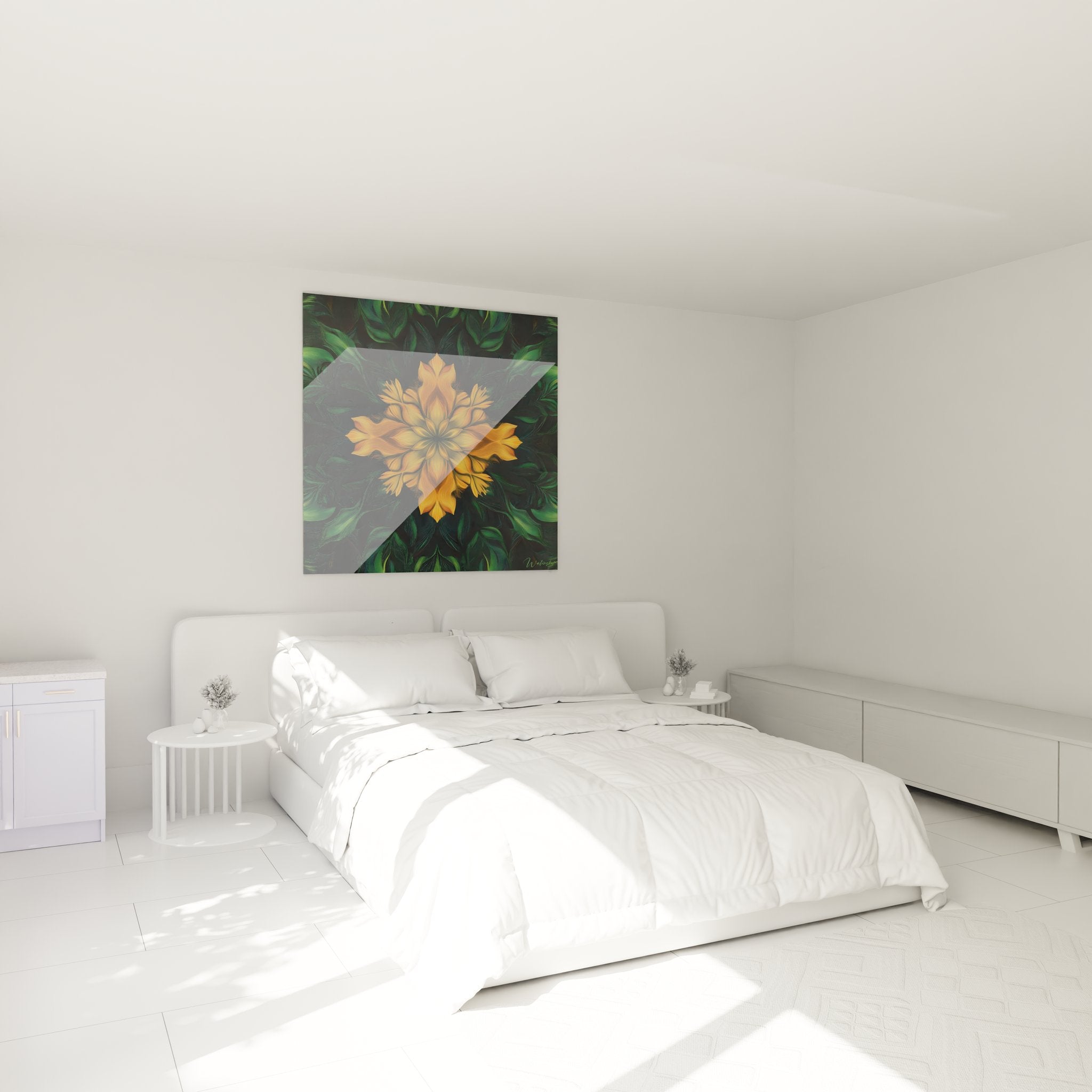
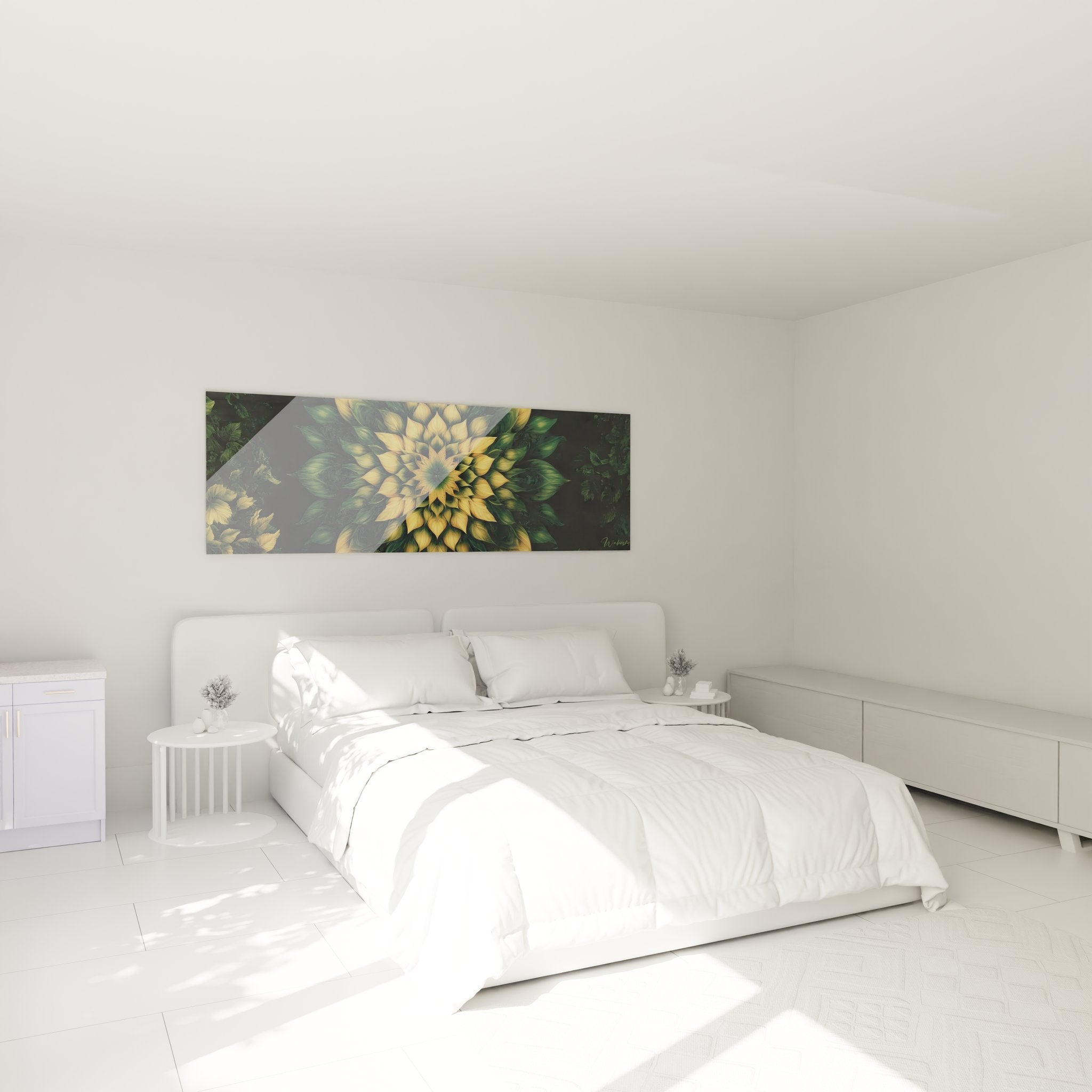
The fractal art prints represent a unique fusion between contemporary art and mathematical precision, offering wall compositions where every detail reproduces the overall structure infinitely. These large-format creations radically transform spatial perception through their self-similar patterns that invite the eye to journey into unlimited visual depths. Unlike conventional wall décor, fractal art creates a permanent dialogue between apparent chaos and perfect geometric order, generating intellectual fascination as much as aesthetic appeal. Each observation reveals new layers of complexity, making these decorative mathematical structures a visual investment that never ceases to surprise.
Fractal Wall Art: When Infinite Patterns Transform Your Spatial Perception
Acquiring fractal art prints transcends simple decorative purchase to become a revolutionary perceptual experience. The self-similar geometric structures generate a three-dimensional depth illusion that literally pushes walls back, creating an impression of exponentially enlarged space. This unique property of fractal patterns exploits cognitive mechanisms of pattern recognition, inducing hypnotic contemplation where the gaze constantly plunges toward new levels of detail. In large format, this infinite visual dimension reaches its full potential, transforming a static wall into a living mathematical portal.
How do self-similar structures modify the perceived geometry of a room?
Fractal representations exploit a fascinating neurological phenomenon: our brain constantly seeks to decode the apparent complexity of recursive patterns. Facing fractal wall art, the eye performs ceaseless micro-movements, traversing magnitude scales from macro-structures to micro-details. This visual exercise generates a sensation of perpetual movement despite the physical immobility of the support. Minimalist contemporary spaces particularly benefit from this controlled visual density, where a single work can replace several scattered decorative elements while maintaining refined aesthetic coherence.
Why do infinite geometric patterns surpass classical compositions in visual engagement?
The answer lies in the mathematical concept of intermediate fractal dimension. Unlike traditional Euclidean forms that quickly exhaust their visual exploration potential, fractal decorative structures maintain constant interest through recursive complexity. Each zone of the visual contains the entirety of compositional information, creating intelligent redundancy that instinctively appeals to our search for coherence. This fundamental mathematical property translates to lasting aesthetic satisfaction, free from the visual habituation phenomenon affecting conventional patterns.
The impact of generative algorithms on perceptual authenticity
Modern wall fractal creations exploit sophisticated algorithms like the Mandelbrot set or iterated function systems, generating compositions impossible to reproduce through traditional artistic techniques. This computational origin confers absolute mathematical precision to color transitions and geometric proportions, creating perfect visual harmony that the human eye unconsciously perceives as exceptionally balanced. In large format, these algorithmic calculations reveal their full sophistication, each pixel contributing to the overall illusion of endless depth.
Installing an imposing format drastically amplifies the immersion effect. Generous dimensions allow observation at different distances: from afar, the overall structure impresses through its monumental coherence; up close, infinitesimal details captivate attention, revealing unexpected microscopic universes. This perceptual duality transforms daily experience, offering renewed contemplation according to mood and moment.
Which spaces benefit most from the fractal depth illusion?
Spatially constrained environments undergo spectacular transformation. A narrow hallway equipped with fractal wall decoration suddenly acquires cathedral-like proportions. Cramped offices acquire a mathematical window toward infinity. Medical waiting rooms exploit the meditative effect of repetitive patterns to ease anxiety. Coworking spaces adopt these visuals to stimulate creativity through their dialogue between order and chaos. Even automotive showrooms use fractal art to evoke technological precision and continuous innovation.
Stylistic versatility constitutes a major asset. Despite their mathematical origin, these compositions harmonize as well with refined Scandinavian design as with raw industrial aesthetics. Varied color palettes allow precise coordination with existing dominants, while monochromatic versions offer timeless sophistication. This adaptability guarantees lasting decorative investment, resistant to ephemeral trend evolution thanks to their foundation in universal mathematical principles.
- Immediate perceptual transformation of apparent volumes without structural work
- Renewed visual engagement daily through progressive detail discovery
- Universal compatibility with variable natural and directional artificial lighting
- Maximum information density concentrated on a single wall surface
- Gentle cognitive stimulation favoring creative concentration and meditative relaxation
Fractal Wall Art: The Sophisticated Paradox Between Intense Stimulation and Contemplative Serenity
The fractal art prints brilliantly solve the apparently impossible equation of modern decoration: how to maximize visual impact while preserving a soothing atmosphere? The answer lies in the very nature of self-similar structures, where extreme complexity organizes according to such coherent mathematical rules that they paradoxically generate a sensation of profound order. This duality makes infinite geometric patterns the perfect tool for spaces requiring simultaneously bold character and contemplative functionality, notably psychotherapy offices, wellness centers, or high-end residential spaces.
How do recursive patterns balance visual energy and cognitive rest?
Neurocognitive science reveals a fascinating mechanism: facing fractal wall geometry, our brain rapidly alternates between two processing modes. The analytical mode attempts to decode structural logic, stimulating focused attention zones. Simultaneously, the diffuse mode recognizes similarities between scales, activating pattern recognition circuits that generate a soothing sense of familiarity. This neurological oscillation creates a unique mental state, comparable to certain meditative practices, where vigilance and relaxation coexist harmoniously.
Imposing dimensions amplify this paradoxical effect. A generous format enables complete peripheral vision, enveloping the observer in the fractal field rather than confining them to passive frontal observation. This peripheral immersion triggers neurological responses associated with complex natural environments like forests or coral formations, explaining why mathematical wall art provides a sensation of organic connection despite its algorithmic origin.
Why does fractal complexity never generate visual overload?
Unlike cluttered compositions where disparate elements compete for attention, fractal structures maintain perfect informational hierarchy. Each detail level logically derives from the level above, creating fluid cognitive continuity. The gaze can wander freely without encountering rupture or visual inconsistency. This fundamental mathematical property explains why even the most elaborate fractal patterns maintain immediate readability, a crucial quality for professional spaces where mental clarity and creativity must coexist.
Perceptual adjustment according to ambient lighting and observation angle
Fractal creations reveal a remarkable property: their appearance metamorphoses radically according to lighting conditions. Morning raking light sculpts perceptual reliefs, accentuating certain recursive structures. Midday zenith light reveals the architectural entirety of the pattern. Evening dimmed ambiances bring forth the most subtle substructures, offering contemplative intimacy. This variability transforms a single fractal visual into an evolving gallery, justifying the investment through its daily renewal without intervention.
Observation angle also modulates perception. Vertical formats exploit this phenomenon by creating distinct zones of engagement: the lower third captivates during standing passage, the middle third dialogues with seated position, the upper third intrigues and draws the gaze upward. This perceptual stratification enriches spatial experience, transforming each room movement into fractal perspective discovery.
Which psychological profiles specifically seek fractal balance?
Buyers of fractal art prints often share a particular cognitive profile: appreciation for controlled complexity, fascination with the art-science intersection, need for intellectually stimulating environments without sensory aggression. Creative professionals find constant inspiration. Analytical minds appreciate underlying mathematical rigor. Meditative types exploit the hypnotic effect of infinite patterns. This rare psychological versatility makes fractal structures a universally enriching decorative choice, transcending conventional aesthetic preferences.
- Simultaneous activation of neurological circuits for stimulation and soothing
- Natural perceptual variability according to light and position without physical modification
- Complete absence of inert visual zones guaranteeing constant interest
- Unconscious resonance with biologically familiar fractal natural structures
- Optimal balance between affirmed presence and functional neutrality
Integration into demanding environments reveals the full sophistication of this balance. Conference rooms maintain professional authority while avoiding corporate coldness. Residential spaces acquire distinctive character without imposing visual fatigue. Reception halls create immediate memorability while preserving welcoming atmosphere. This chameleon capacity, founded on immutable mathematical principles rather than passing stylistic trends, guarantees decade-long aesthetic relevance.
Fractal Wall Prints: The Timeless Aesthetic Investment Through Mathematical Universality
Acquiring fractal art prints represents a strategically enduring decorative choice, anchored in geometric principles transcending ephemeral trends. Unlike seasonal stylistic fashions, mathematical wall art rests on universal structures discovered equally in spiral galaxies, plant veining, coastlines, and neural networks. This natural omnipresence guarantees instinctive aesthetic resonance, independent of cultural decorative evolution. For discerning buyers, this timeless dimension transforms purchase into a visual investment whose perceptual value appreciates rather than depreciates.
How does fractal sacred geometry transcend stylistic epochs?
Fractal patterns intuitively connect with visual archetypes deeply anchored in collective human psyche. Logarithmic spirals, arborescent ramifications, radial symmetries appear spontaneously in iconography from all civilizations since human dawn. A modern fractal geometry visual thus simultaneously dialogues with ancient Buddhist mandalas, medieval Gothic rosettes, and contemporary algorithmic aesthetics. This multitemporal resonance confers immediate cultural legitimacy, positioning these creations not as passing trends but as visual expression of eternal mathematical constants.
Imposing formats amplify this timeless dimension. A monumental fractal work acquires architectural installation status rather than simple decorative element, integrating structurally to space like a fireplace or bay window. This perceived permanence justifies substantial investment, transforming the bearing wall into a heritage element whose added value becomes quantifiable during eventual resale.
Why does algorithmic origin guarantee composition singularity?
Unlike industrially standardized reproductions, each fractal creation results from unique algorithmic parameters. Even infinitesimal variations in generating equations produce radically different visual results, guaranteeing absolute exclusivity. This mathematical singularity transforms acquisition into ownership of a specific numerical formula, conceptually close to traditional unique artwork despite computational production process. For collectors sensitive to authenticity, this algorithmic traceability offers modern provenance form, where artwork identity inscribes itself in mathematical DNA rather than handwritten signature.
What perceptual evolution accompanies prolonged familiarity with fractal structures?
A fascinating phenomenon develops after several months of daily exposure: the trained eye begins perceiving fractal structures in ordinary environment, developing new geometric acuity. Tree ramifications, façade fissures, cloud formations suddenly reveal their self-similar nature. This involuntary perceptual education enriches daily experience far beyond the equipped wall, transforming the entire world into a permanent fractal gallery. The mathematical wall patterns thus become gateway toward expanded aesthetic consciousness, immaterial added value impossible to quantify yet profoundly enriching.
This cognitive transformation explains why large fractal composition owners rarely desire change despite years passing. The work evolves with the observer, progressively revealing complexity layers accessible only after sufficient visual education. Each rediscovery strengthens attachment, creating emotional bond comparable to that developed with familiar natural landscapes that never weary despite repeated contemplation.
How do generous dimensions optimize perceptual return on investment?
The relationship between covered surface and generated visual impact strongly favors imposing formats. A fractal wall decoration of large dimensions creates spatial presence disproportionate to physical footprint through depth illusion. Where multiple dispersed elements would be necessary to balance a large wall, a single monumental fractal composition suffices, simplifying arrangement while multiplying effect. This spatial efficiency translates to cognitive economy: fewer elements to coordinate, maintain, question during future redesigns.
- Anchoring in universal mathematical principles transcending ephemeral trends
- Algorithmic singularity guaranteeing exclusivity comparable to unique works
- Perceptual evolution enriching daily experience over years
- Maximum spatial efficiency amplifying impact by minimal occupied surface
- Stylistic versatility enabling traversal of multiple decorative redesigns
Comparative financial analysis reveals economic pertinence. Cost per square meter of visual impact proves competitive against accumulation of conventional decorative elements necessary for equivalent effect. Absence of aesthetic obsolescence eliminates periodic replacement cycles. Minimal maintenance required by modern supports reduces recurring costs. This economic durability complements aesthetic permanence, positioning fractal art prints as rationally optimized decorative investment.
Do fractal wall prints suit high-traffic commercial spaces?
Absolutely, their ability to capture attention without generating visual fatigue makes them privileged choices for high-end boutiques, galleries, hotel halls. Complexity maintains interest even during repeated prolonged exposures.
Which fractal color palette optimizes long-term decorative versatility?
Monochromatic black-white-gray compositions offer maximum adaptability, harmonizing with any future color evolution. Monochromatic versions in warm neutrals (beiges, earth tones) or cool tones (deep blues, slate gray) balance character and flexibility.
How do self-similar structures interact with contemporary glazed architecture?
Glazed façades particularly benefit from fractal patterns that dialogue with variable reflections and transparencies. Traversing natural light reveals unsuspected depths, creating daily spectacle synchronized with sun course.
Do vertical fractal formats modify ceiling height perception?
Vertical compositions exploiting ascending spirals or upward-directed ramifications create supplementary elevation illusion, particularly effective in standard ceiling rooms to generate cathedral volume sensation without structural work.