


Skateboard Wall Art
Explore the rebellious world of skateboard wall art, celebrating urban culture and street art. Each creation captures the essence of freestyle skateboarding, from technical tricks to artistic expression on asphalt. These bold works evoke freedom, creativity, and underground spirit. Perfect for modern and unconventional interiors, they infuse attitude and authenticity, transforming your space into a visual manifesto of skate culture, urban innovation, and passion for alternative riding at the heart of the city.
 Skateboard Painting - Skater Helmet Blue and Turquoise in Turn - Thick Paint Wave - Skateboard Edition273,90 €
 Skater painting in black and white among foam waves - Bright distant horizon - Skateboard Edition273,90 €
 Green and Beige Skateboard Painting with Geometric Blocks - Diagonal Shadow Effect - Skateboard Edition273,90 €
 Hooded Skater with Golden and Teal - Anonymous Street Figure - Skateboard Edition273,90 €
 Skateboard Painting Red and Black Urban Silhouette - Jump in the City - Skateboard Edition273,90 €
 Skater Painting Black and Beige Leaning Forward - Street in Background - Skateboard Edition273,90 €
 Skater Painting Yellow and Blue on Sunny Sidewalk - Passerby in the Distance - Skateboard Edition273,90 €
 Painting Skater girl red shirt and purple pants - Striped hat and mirrored glasses - Skateboard Edition273,90 €
 Skater Painting in Pink Suit on Skateboard - Nostalgic Glide - Skateboard Edition273,90 €
 Skater Painting Blue and Pink Splashed Leg - Contrasting Round Wheels - Skateboard Edition273,90 €
 Skater painting shirtless white and beige gray swirl - Tattooed arms extended - Skateboard Edition242,90 €
 Skater Painting Grey and White Exploding with Smoke - Light Trails - Skateboard Edition242,90 €
 Skateboard Painting with Ochre and Anthracite Stripes - Graphic Whirlwind - Skateboard Edition242,90 €
 Skateboard Painting - Skater with Cap, Beige and Pink Ramp - Tattooed Forearm - Skateboard Edition273,90 €
 Painting Young Skater Blue and White in Balance - Momentum on Asphalt - Skateboard Edition273,90 €
 Skater Painting Blue and Ochre Shows on the Wrist - Bicolor Smoke Cloud - Skateboard Edition273,90 €
 Skater painting wearing a helmet, red and orange among exploded flowers - Golden solar whirlwind - Skateboard Edition273,90 €
 Skater Painting in a Multicolored Paint Explosion - Colorful Flight - Skateboard Edition273,90 €
 Skater Painting Black and Red on Journalism Collage - Black Splashes Fan - Skateboard Edition273,90 €
 Skateboarder Helmet Painting Blue and Brown on Ramp - Splashed Wave Pictorial - Skateboard Edition273,90 €
 Skateboarder Cap Red on Blue Striped Track - Curved Bombing Track - Skateboard Edition273,90 €
 Skateboard Painting in Turquoise and Purple Swirling Wave - Blue Visor Cap Edition273,90 €
 Skateboard Painting Turquoise and Red on Cracked Wall - Multicolored Spiral in the Background - Skateboard Edition273,90 €
 Skater Painting Turquoise and Yellow Patchwork Facade with Spatula Texture - Skateboard Edition273,90 €


In the same family
Also explore the theme Sports & Leisure
-
 View all2470
artworks
View all2470
artworks
-
 Athletics27
artworks
Athletics27
artworks
-
 Rowing18
artworks
Rowing18
artworks
-
 Foosball12
artworks
Foosball12
artworks
-
 Baseball29
artworks
Baseball29
artworks
-
 Basketball23
artworks
Basketball23
artworks
-
 Billiards19
artworks
Billiards19
artworks
-
 Bowling16
artworks
Bowling16
artworks
-
 Boxing36
artworks
Boxing36
artworks
-
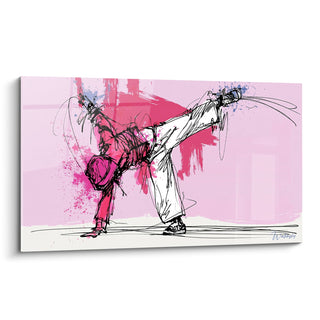 Breakdance101
artworks
Breakdance101
artworks
-
 Campervan and Van Life43
artworks
Campervan and Van Life43
artworks
-
 Hunt28
artworks
Hunt28
artworks
-
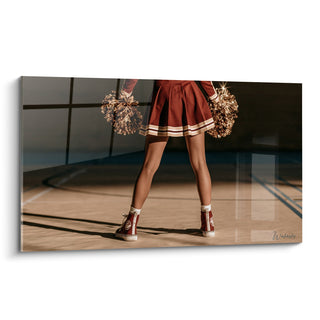 Cheerleading85
artworks
Cheerleading85
artworks
-
 Circus25
artworks
Circus25
artworks
-
 Jump Rope23
artworks
Jump Rope23
artworks
-
 Running28
artworks
Running28
artworks
-
 Cricket87
artworks
Cricket87
artworks
-
 Crossfit34
artworks
Crossfit34
artworks
-
 Cycling16
artworks
Cycling16
artworks
-
 Dance26
artworks
Dance26
artworks
-
 Acrobatic Dance18
artworks
Acrobatic Dance18
artworks
-
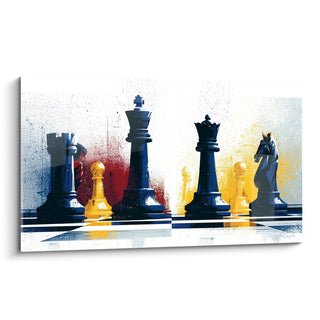 Chess97
artworks
Chess97
artworks
-
 Equestrian39
artworks
Equestrian39
artworks
-
 Climbing18
artworks
Climbing18
artworks
-
 Fencing36
artworks
Fencing36
artworks
-
 Football27
artworks
Football27
artworks
-
 Formula 115
artworks
Formula 115
artworks
-
 Golf37
artworks
Golf37
artworks
-
 Gymnastics22
artworks
Gymnastics22
artworks
-
 Jetski23
artworks
Jetski23
artworks
-
 Karate34
artworks
Karate34
artworks
-
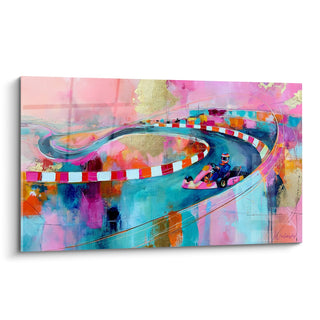 Karting20
artworks
Karting20
artworks
-
 Kayak27
artworks
Kayak27
artworks
-
 Kite surf127
artworks
Kite surf127
artworks
-
 MMA17
artworks
MMA17
artworks
-
 Motorcycle2
artworks
Motorcycle2
artworks
-
 Motocross78
artworks
Motocross78
artworks
-
 Bodybuilding21
artworks
Bodybuilding21
artworks
-
 Swimming22
artworks
Swimming22
artworks
-
 Paddle10
artworks
Paddle10
artworks
-
 Parachute5
artworks
Parachute5
artworks
-
 Paralympic20
artworks
Paralympic20
artworks
-
 Paragliding10
artworks
Paragliding10
artworks
-
 Ice Skating62
artworks
Ice Skating62
artworks
-
 River Fishing6
artworks
River Fishing6
artworks
-
 Ping Pong15
artworks
Ping Pong15
artworks
-
 Poker27
artworks
Poker27
artworks
-
 Underwater Diving44
artworks
Underwater Diving44
artworks
-
 Polo17
artworks
Polo17
artworks
-
 Quad110
artworks
Quad110
artworks
-
 Whitewater Rafting28
artworks
Whitewater Rafting28
artworks
-
 Hiking85
artworks
Hiking85
artworks
-
 Rugby104
artworks
Rugby104
artworks
-
 Skiing32
artworks
Skiing32
artworks
-
 Water Skiing15
artworks
Water Skiing15
artworks
-
 Snowboard220
artworks
Snowboard220
artworks
-
 Surf40
artworks
Surf40
artworks
-
 Tennis26
artworks
Tennis26
artworks
-
 Shot13
artworks
Shot13
artworks
-
 Archery18
artworks
Archery18
artworks
-
 Mountain Bike50
artworks
Mountain Bike50
artworks
-
 Wingsuit4
artworks
Wingsuit4
artworks
-
 Yoga31
artworks
Yoga31
artworks


All about Skateboard Wall Art
- Presentation Skateboard Wall Art
- Street Culture and Urban Identity
- Dynamics and Energy of Tricks
- Heritage and Stylistic Evolution
Discover our exclusive collection of large-format skateboard wall art, designed for gliding enthusiasts and authentic street culture aficionados. Each mural captures the rebellious essence of skateboarding through striking visuals that instantly transform your space into a genuine counter-culture sanctuary. Our wall creations celebrate the underground DNA of skate, from vintage 70s graphics through contemporary aesthetics inspired by modern skateparks. Whether you want to recreate the vibe of a Californian bowl or pay tribute to the legends who revolutionized this discipline, our skateboard wall decorations offer unparalleled authenticity. Explore visual representations that capture aerial trick movements, worn concrete ramps, and the raw energy of nighttime sessions. Each large-format visual becomes an open window into the skateboarding universe, transforming teen bedrooms, creative spaces, or specialty shops into genuine temples of the ride. Our range appeals equally to confirmed riders and sports decoration enthusiasts seeking to inject an urban attitude into their interior.
Skateboard Wall Art: Street Culture Authenticity as Decorative Signature
Why does skateboarding embody a unique cultural identity in wall decoration?
A skateboard wall art piece far exceeds simple sports representation to become a visual manifesto of counter-culture. Unlike conventional sports, skateboarding has conveyed since its origins a philosophy of creative rebellion, urban space appropriation, and rejection of established norms. This profound cultural dimension explains why skate mural representations particularly resonate in contemporary spaces seeking to express an affirmed and non-conformist personality.
Skateboard iconography draws from an extraordinarily rich visual repertoire: from skulls and flames of oldschool graphics to minimalist geometric compositions inspired by current streetwear brands. Each graphic element tells a story of belonging to a global community united by shared values of freedom, creativity, and perseverance in the face of failure. Raw hues—deep black, brilliant white, blood red, aggressive yellow—immediately evoke the aesthetic of graffitied ramps and reclaimed urban spots.
The transformative impact of skate visuals in everyday living spaces
Installing a skateboard mural representation in a teenager's bedroom instantly creates a personal sanctuary where identity develops around glide culture. The visual acts as a catalyst for daily inspiration, reminding of the determination values embodied by professional riders who spent thousands of hours perfecting their tricks. This constant visual presence nourishes motivation and reinforces belonging to the global skate tribe.
In commercial spaces like skateshops or urban coffee shops, skateboard wall representations function as signals of cultural authenticity. They immediately communicate to insiders that this space understands and respects community codes. The generous dimensions of our wall creations allow for impressive focal points that visually dominate space without requiring additional decorative accumulation.
Specific cultural references that resonate with the skate community
The most powerful iconographies in skate decoration draw from the heritage of legendary brands that shaped skateboarding's visual identity. Emblematic logos, provocative mascots, and rebellious slogans constitute a visual language immediately recognizable to insiders. These references create cultural complicity between the decorated space and its occupants, transforming the location into claimed territory.
Beyond brands, certain mythic spots possess their own iconography: the perfect curves of Venice Beach Skatepark, the brutal architecture of Philadelphia's FDR Park, or abandoned California pools become temples of bowl riding. Reproducing these places in large-format wall compositions allows capturing their essence and turning them into mental portals to these skateboarding sanctuaries.
How do skate visual elements create a distinctive atmosphere?
The visual texture of skateboard—worn wood, abrasive grip tape, marked wheels—possesses rough materiality that radically contrasts with smooth, refined finishes dominating contemporary decoration. This intentional roughness brings a tactile dimension even in two-dimensional representation, evoking the authentic wear of equipment forged through thousands of sessions.
Dynamic compositions favor oblique angles, vertiginous perspectives, and off-center framing that visually reproduce the sensation of controlled imbalance inherent in skateboarding practice. These compositional choices generate productive visual tension that energizes space rather than pacifying it, creating an atmosphere conducive to creativity and action.
The evolution of skateboard visual codes across decades
Each skateboarding era developed its distinct visual language. The 70s favored psychedelic graphics and surf-inspired illustrations reflecting California roots. The 80s saw explosion of hardcore punk visuals with aggressive, provocative illustrations. The 90s introduced more refined aesthetics influenced by Japanese minimalism and first collaborations with the contemporary art world.
Today, skate imagery embraces unprecedented stylistic diversity, from neo-vintage to futuristic digital compositions. This richness allows choosing a skateboard wall mural perfectly aligned with your personal aesthetic sensitivity while remaining anchored in cultural authenticity. Available generous formats amplify the impact of these historical references, transforming graphic details that would go unnoticed at small scale into major visual statement elements.
Key points for integrating skate identity into your decoration:
- Prioritize representations including wear and authenticity elements rather than overly clean or commercial visuals
- Combine your wall visual with cult objects from skate culture (vintage boards, session photographs, mythic magazines) to create a cohesive ensemble
- Consider lighting as an extension of urban atmosphere: directional sources evoking skatepark lamps rather than diffuse lighting
- Let the visual breathe by avoiding peripheral decorative overload—skate aesthetics celebrate raw, uncluttered space
Capturing Movement and Kinetic Energy in Skate Wall Representations
Why does trick dynamics define skateboard visual essence?
The fundamental specificity of skateboard wall art lies in its ability to freeze the suspended instant of an aerial trick—that miraculous moment when rider and board temporarily defy gravity. This movement capture transforms static representation into a visual narrative charged with tension and anticipation. Unlike terrestrial sports, skateboarding generates compositions where the human body adopts impossible postures, creating graphically striking silhouettes.
Emblematic tricks—kickflip, ollie, grind, aerial—each possess distinctive visual signatures. A freeze-frame kickflip reveals the board's complex rotation beneath the feet, creating dramatic diagonal lines. A rail grind produces tense horizontal compositions evoking precarious balance. Aerials generate ascending vertical compositions that visually challenge frame limits. This gestural diversity offers an inexhaustible repertoire for creating striking wall visuals.
How do camera angles amplify visual impact of sessions?
The most memorable skate representations exploit radical perspectives inherited from action photography. Dramatic low-angle shots from bowl bottoms create compositions where the rider appears monumentalized against the sky, visually amplifying the actual trick height. These low-angle framings viscerally communicate the sensation of boundary-pushing inherent in skateboarding.
Conversely, vertical high-angle shots from ramp tops reveal skateparks' complex concrete geometry, transforming infrastructure into abstract composition of curves and angles. These aerial views also capture speed through motion blur and trajectory lines, visually translating vertiginous descent acceleration. Large formats exponentially amplify these perspective effects, creating immersive experiences that mentally project the viewer into action's heart.
The importance of movement sequences in skate visual narration
Some wall compositions adopt sequential approach, decomposing complex tricks into consecutive phases. This narrative technique, inherited from chronophotography, allows simultaneously visualizing the complete process—approach, impetus, aerial execution, landing. These sequences communicate not only movement's technical complexity but also temporal progression and energy accumulation.
This sequential approach particularly resonates in learning-dedicated spaces—teenagers' bedrooms in technical improvement phases, training areas, or skateshop educational zones. Movement's visual decomposition becomes metaphor for persistence and iterative process inherent to skateboarding mastery, where each trick requires hundreds of attempts before clean landing.
What role does urban environment play in dynamic composition?
Skateboarding continually reinvents urban architecture, transforming stairs, ramps, and walls into playgrounds. The most authentic wall representations integrate this contextual dimension, showing creative interaction between rider and built environment. Raw concrete textures, accumulated tag coverage, cracks and imperfections telling a spot's history—all these environmental details enrich visual narration.
Mythic urban spots possess their own visual personality: harsh nighttime session lighting under streetlamps, lengthened shadows of summer late afternoons, patina accumulated on most-ridden surfaces. Capturing these specific atmospheres in large-format wall visuals preserves memory of these temporary places—many legendary spots being regularly destroyed by urban development.
How do graphic elements reinforce movement perception?
Speed lines, kinetic motion trails, and repetition effects constitute visual tools amplifying movement sensation in static representations. These graphic elements, inherited from manga and comics aesthetic, translate invisible motion energy into concrete visual marks. In generous formats, these graphic effects acquire physical presence that literally energizes surrounding space.
Color palette also plays crucial role in communicating speed and intensity. Brutal black-white contrasts evoke immediacy and radicality. Saturated hues—electric oranges, acid greens, neon blues—capture raw energy and adrenaline excitement of sessions. These intentional chromatic choices fundamentally differentiate skate visuals from conventional sports representations with more tempered palettes.
Dynamism elements to seek in skateboard wall mural:
- Moments of maximum aerial suspension where all wheels simultaneously leave ground
- Non-conventional camera angles defying standard horizontal perspectives
- Inclusion of authentic urban environment elements rather than sterilized scenery
- Presence of textural details—raised dust, grip-tape marks, visible muscle tension—attesting to real physical effort
Legacy of Legends and Stylistic Evolution of Skateboard Murals
How do historical icons influence contemporary skate imagery?
Skateboard history is marked by revolutionary figures whose influence transcends sports practice to lastingly mark visual culture. Tony Hawk popularized vertical aerial tricks, creating an aesthetics of physical boundary-pushing. Rodney Mullen invented the majority of modern street tricks, establishing gestural vocabulary still structuring skate imagery today. These pioneers generated recognizable visual signatures continuing to inspire contemporary wall creations.
Wall representations celebrating this heritage function as visual archives transmitting foundational values to new generations. A skateboard wall mural capturing 70s Z-Boys aesthetics communicates the original rebellious spirit and creative urban space appropriation. These historical references enrich the decorated space's cultural depth, connecting it to a lineage and tradition rather than ephemeral trend.
What stylistic evolution distinguishes different skateboarding visual eras?
70s skate imagery favored hand-drawn illustrations, often inspired by psychedelic art and underground comics. Board graphics from this period—stylized palm trees, exuberant bubble lettering, chatoyant rainbows—defined an optimistic, playful aesthetic reflecting skateboarding's California surf-oriented origins.
The 80s marked radical shift with hardcore punk explosion and thrash metal. Visuals became aggressive, provocative, deliberately shocking—grimacing skulls, monstrous creatures, gore imagery. This aesthetic translated skateboarding's transformation into rebellious street sport, actively rejecting commercial appropriation. Iconic brands from this era developed transgressive visual identities remaining influential forty years later.
The 90s introduced new graphic sophistication, influenced by Japanese minimalist design and emerging digital design technologies. Compositions became more refined, palettes more restricted and sophisticated. This evolution reflected skateboarding's increasing professionalization and progressive mainstream culture acceptance.
Why do certain skate visuals transcend their original era?
The most enduring skateboard wall representations capture archetypes rather than passing trends. The image of the solitary rider confronting massive urban obstacle—whether monumental stairset or vertiginous gap—constitutes a universal motif resonating across all generations. This heroic imagery facing physical adversity transcends skateboarding's specific context to touch fundamental human themes of courage and perseverance.
Compositions integrating wear and time's patina possess superior visual longevity. A board marked by thousands of practice hours, a spot covered with stickers accumulated over years, surfaces polished by repeated truck passage—these authenticity and lived-experience markers preserve emotional relevance independent of cyclical stylistic trends.
How do artistic collaborations enrich skateboarding's visual universe?
Since the 2000s, skateboarding maintains proliferous collaborations with the contemporary art world. Recognized artists—Shepard Fairey, KAWS, Futura—created limited graphic series for emblematic brands, elevating skate imagery to collectible artwork status. These bridges between street culture and legitimate art institutions considerably enriched available visual sophistication in skateboard wall decoration.
These collaborations also introduced new techniques and stylistic influences—artisanal screen printing, experimental typography compositions, art history references. A wall visual inspired by these hybrid creations simultaneously brings skateboarding's raw energy and contemporary art's conceptual reflection, creating conversational pieces stimulating thought beyond immediate aesthetic impact.
What impact have technological evolutions on skate visual representations?
Action cameras and drones emergence revolutionized skateboarding visual capture, enabling previously impossible perspectives. Immersive ground-level angles, ultra-close fluid tracking, cinematic aerial views—these technological innovations generated new visual language directly influencing contemporary wall creations.
Digital photography and post-production software also enable chromatic and compositional manipulations amplifying dramatic impact. Extreme contrasts, pushed saturation, multilayered compositions create hyper-real visuals capturing skateboarding's emotional intensity rather than simple documentary reality. These stylistic approaches particularly suit generous wall formats benefiting from increased visual complexity.
Criteria for selecting skate visual with lasting cultural resonance:
- Prefer compositions telling stories or capturing significant moments rather than generic static poses
- Seek subtle references to historical heritage—mythic spots, emblematic tricks, specific era aesthetics
- Value visuals showing authentic interaction between rider and real urban environment
- Prioritize creations balancing immediate visual impact with discoverable depth at prolonged observation
Frequently Asked Questions about Skateboard Wall Art
Does skateboard wall art suit only active practitioners of this discipline?
Absolutely not. While riders naturally appreciate these visuals for personal resonance, skate wall representations appeal broadly beyond the practicing community. The raw urban aesthetic, dynamic visual energy, and rebellious creativity values they convey resonate with anyone seeking strong-personality decoration rejecting standard decorative conformism.
How to harmoniously integrate large-format skate visual in interiors not entirely dedicated to this theme?
Skateboard wall representations function excellently as contrasting statement pieces in otherwise refined interiors. Their raw energy creates captivating focal point energizing space without requiring thematic accumulation. Combine the visual with industrial elements—raw metal, exposed concrete, untreated wood—to create urban aesthetic coherence. Let the composition breathe by avoiding peripheral decorative overload, allowing the visual to visually dominate its immediate environment.
Do large-format skateboard visuals create too aggressive atmosphere for spaces like bedrooms?
Skate imagery's stylistic diversity allows adapting visual intensity to space function. While some visuals indeed prioritize raw energy and dramatic contrasts, others explore more contemplative aesthetics—minimalist black-and-white compositions, pre-trick concentration moments, or empty skatepark architectural views at dusk. These more tempered approaches preserve skate cultural authenticity while creating atmospheres conducive to relaxation and reflection.
What added value do skateboard representations bring compared to other sports wall decor?
Unlike conventional sports, skateboarding possesses cultural and artistic dimensions transcending simple athletic performance. A skate visual simultaneously communicates multiple significance levels—physical prowess, individual creative expression, global counter-culture belonging, poetic urban space appropriation. This semantic depth considerably enriches decorative experience, transforming the visual into reflection support and personal identification rather than superficial sports celebration.
Further reading
Our articles on this topic
- Night Skateboard Painting: the perfect ally for urban industrial style
- Skateboard painting: the gift idea that will delight a young skater
- Sunset skateboard painting: the golden hour mood for a teen's bedroom
- Which snowboard painting to choose to decorate a mountain chalet
- Snowboard Paintings for Teen Bedrooms: Which Style to Choose Based on Personality
- Kayak painting: which style to choose to elevate a modern living room
L'art qui suscite l'envie
Maison belge d'art mural grand format
14 jourspour changer d'avis*
Protection Walenskyincluse
Fabriquéen Italie
FormatXXL
Kit de fixationtoujours fourni
* Hors tableaux personnalisés et tailles personnalisées


