


Colorful Abstract Painting
Our Painting Abstract Colorful collection celebrates modern expressionism through vibrant and energetic works. Each creation offers an explosion of bright hues and dynamic compositions that instantly transform your space. These colorfully abstract paintings capture the pure emotion of contemporary art, where flowing lines and organic forms meet in a visual symphony. Perfect for adding character and brightness to your decor, our colorful abstract artworks suit modern as well as classic interiors.
 Big Bang Artistic Dazzling Wall Art - Limited Edition🥇273,90 €
 Abstract colored painting - Chromatic Fusion - scraped abstract style edition273,90 €
 Abstract colored movement painting - Fluid Energy - scraped abstract style edition273,90 €
 Abstract colored reflections painting - Aquatic symphony - scraped abstract style edition273,90 €
 Abstract colored reflections painting - Aquatic symphony - scraped abstract style edition242,90 €
 Colorful abstract painting - Vibrant horizon - scraped abstract style edition228,90 €
 Colorful tree explosion painting - Chromatic symphony - abstract spiral edition273,90 €
 Abstract Colorful Flames Painting - Fire Explosion - Abstract Painting Style Edition242,90 €
 Abstract colorful painting - Creative tempest - abstract painting style edition273,90 €
 Abstract movement painting - Color explosion - abstract painting style edition273,90 €
 Abstract Color Explosion Painting - Creative Chaos - abstract painting style edition273,90 €
 Dynamic Abstract Painting - Luminous Convergence - abstract painting style edition273,90 €
 Expressionist Abstract Painting - Colorful Symphony - abstract painting style edition273,90 €
 Abstract composition - Explosion of Colors - abstract painting style edition273,90 €
 Colorful abstract composition - Chromatic explosion - abstract painting style edition273,90 €
 Colorful Branches Canvas - Botanical Brilliance - Multicolor Abstract Edition273,90 €
 Stylized colorful tree painting - Mosaic of life - multicolor abstract edition273,90 €
 Interlocked Chains Painting - Vibrant Colored Bonds - Abstract Colorful Edition273,90 €
 Creative Chaos Wall Art - multicolor abstract edition242,90 €
 Big Bang Artistic Canvas - multicolor abstract edition242,90 €
 Golden Ballet Wall Art - Abstract Dancer Edition273,90 €
 Ballet of Bubbles Wall Art - Multicolor Abstract Edition273,90 €
 City in Colours Painting - Multicolour Abstract Edition273,90 €
 Fire Tree Artwork - Abstract Colorful Edition273,90 €
Explore further
In Colorful Abstract Painting
-
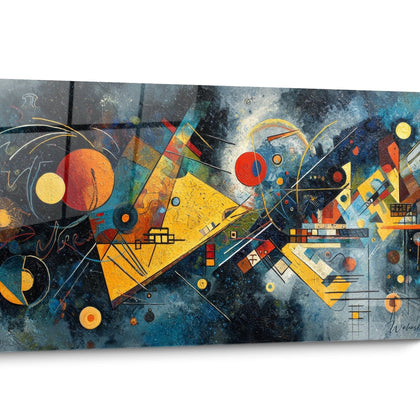 Abstract Wall Art4182
artworks
Abstract Wall Art4182
artworks
-
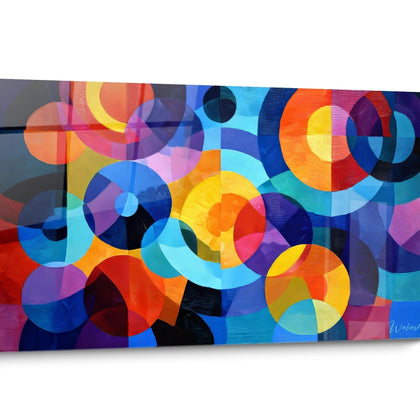 Abstract Geometric Wall Art24
artworks
Abstract Geometric Wall Art24
artworks
-
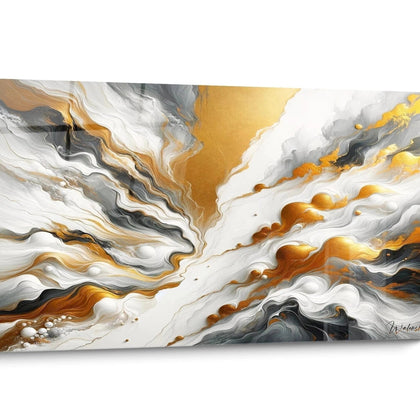 Fluid Abstract Wall Art19
artworks
Fluid Abstract Wall Art19
artworks
-
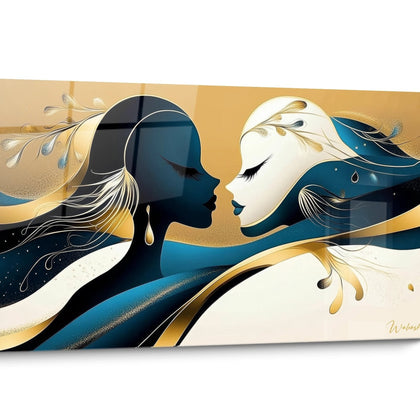 Golden Abstract Wall Art24
artworks
Golden Abstract Wall Art24
artworks
-
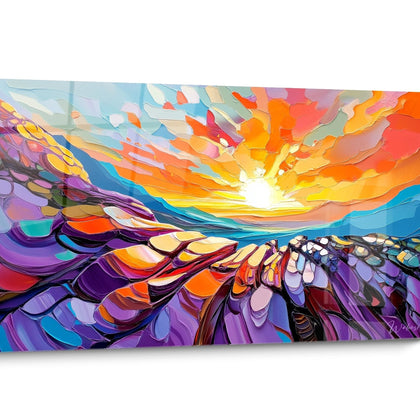 Abstract Expressionist Painting17
artworks
Abstract Expressionist Painting17
artworks
-
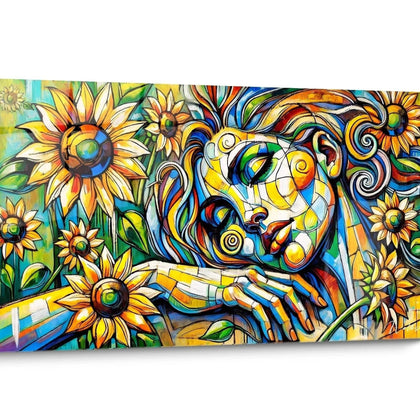 Abstract Face Wall Art15
artworks
Abstract Face Wall Art15
artworks
-
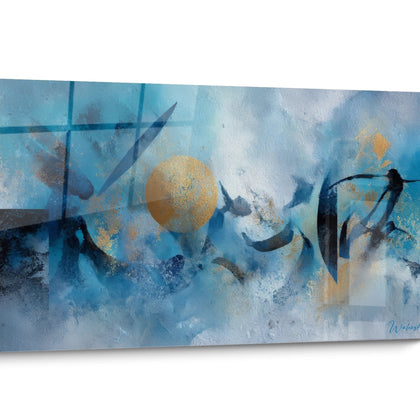 Abstract Calligraphy Wall Art17
artworks
Abstract Calligraphy Wall Art17
artworks
-
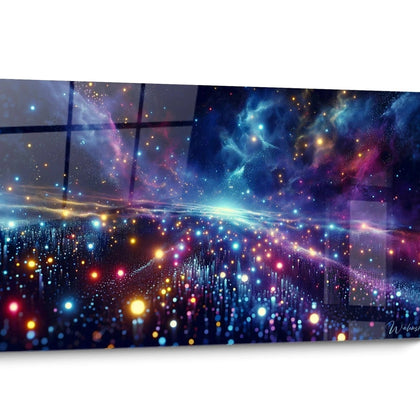 Blue Abstract Wall Art24
artworks
Blue Abstract Wall Art24
artworks
-
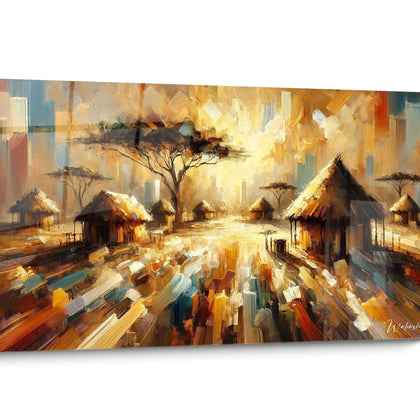 Abstract Orange Canvas23
artworks
Abstract Orange Canvas23
artworks
-
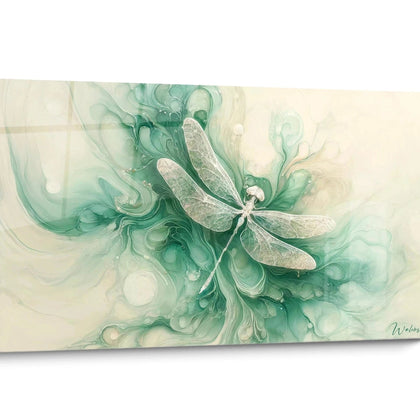 Abstract Spiral Wall Art7
artworks
Abstract Spiral Wall Art7
artworks
-
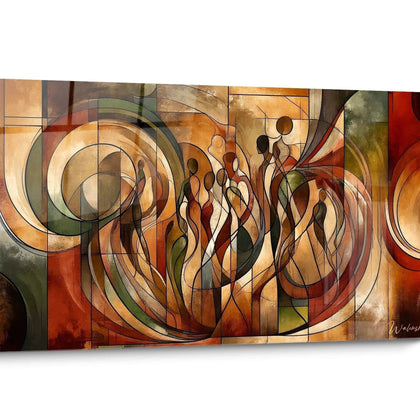 Abstract Dancer Wall Art9
artworks
Abstract Dancer Wall Art9
artworks
-
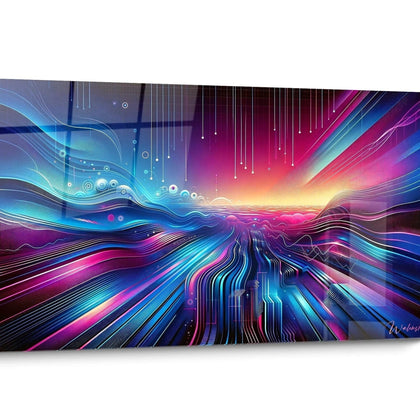 Futuristic Abstract Wall Art12
artworks
Futuristic Abstract Wall Art12
artworks
-
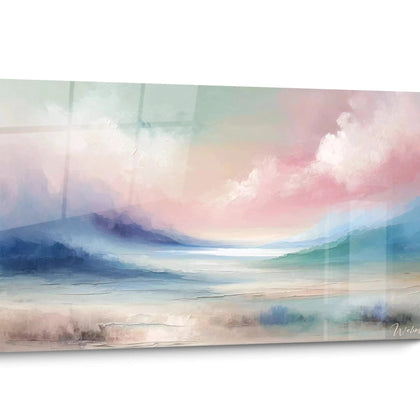 Abstract Landscape Painting7
artworks
Abstract Landscape Painting7
artworks
-
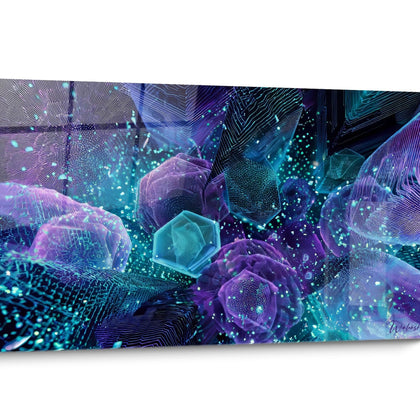 Abstract Cosmos Wall Art10
artworks
Abstract Cosmos Wall Art10
artworks
-
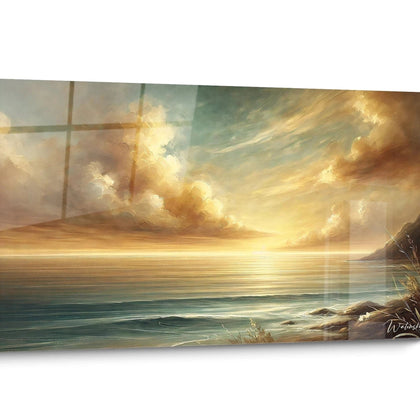 Abstract Ocean Canvas9
artworks
Abstract Ocean Canvas9
artworks
-
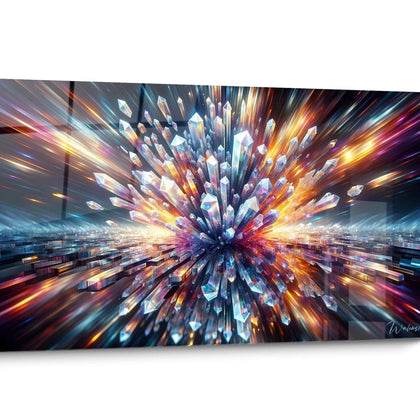 Abstract Crystal Wall Art7
artworks
Abstract Crystal Wall Art7
artworks
-
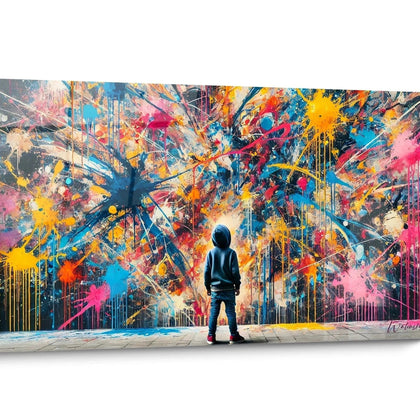 Abstract Painting Wall Art8
artworks
Abstract Painting Wall Art8
artworks
-
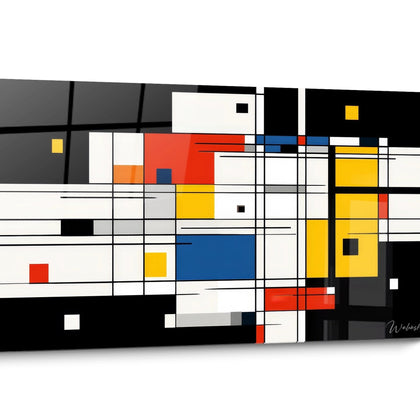 Abstract Mondrian Painting6
artworks
Abstract Mondrian Painting6
artworks
-
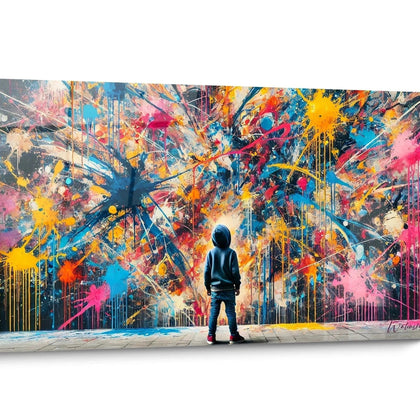 Abstract Pop Art Canvas5
artworks
Abstract Pop Art Canvas5
artworks
-
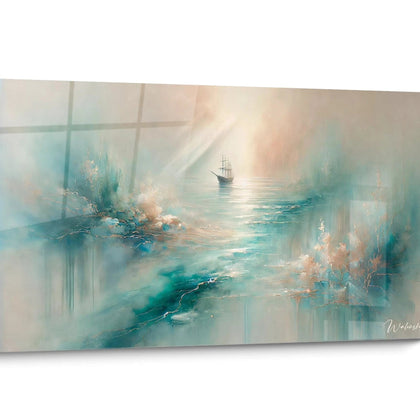 Abstract Boat Painting5
artworks
Abstract Boat Painting5
artworks
All about Colorful Abstract Painting
- Colorful Abstract Painting Presentation
- Chromatic Dynamics
- Visual Architecture
- Decorative Intensity
A colorful abstract painting instantly transforms the atmosphere of a space through its exceptional chromatic power. These large-format creations captivate the eye with their dynamic compositions where vibrant hues intertwine to create energizing ambiances. Perfectly suited to contemporary environments seeking a marked artistic presence, this type of wall art establishes itself as the central element of your interior decoration.
Chromatic energy as emotional motor of space
Acquiring a colorful abstract painting responds to a precise search for visual intensity in contemporary professional and residential spaces. Monumental formats generate a presence capable of visually structuring imposing volumes such as reception halls, coworking spaces, or urban lofts. The multiplication of vibrant hues creates multiple focal points that animate movement and rhythmize spatial perception.
How do chromatic contrasts influence volumetric perception?
Polychromatic compositions exploit warm-cold oppositions to generate depth effects varying according to viewing angle. An abstract painting with orange and turquoise dominants modifies the perceived temperature of a north-facing room, while magenta-yellow associations amplify natural luminosity of south-facing spaces. This ability to modulate thermal ambiance without technical intervention constitutes a major decision asset for buyers sensitive to visual comfort.
The impact of XXL formats on minimalist environments
In refined architectures privileging neutral surfaces, introducing a multicolor abstract work of large dimension creates striking contrast. Scandinavian spaces with white walls find their expressive counterpoint in these chromatic explosions that break monotony without overloading. This decorative strategy allows concentrating all aesthetic boldness on a single monumental element rather than dispersing color accents.
Which professional environments favor this aesthetic?
Creative, technological, and consulting sectors massively integrate these creations into their premises to convey innovation and dynamism. Architecture firms, communication agencies, and startups use the large-format colorful abstract painting as visual signature of their corporate culture. This symbolic dimension transforms the acquisition into strategic investment for brand image, particularly during client meetings in reception spaces.
Spatial structuring through polychromatic abstract composition
The internal geometry of a colorful abstract painting functions as a system of invisible directional lines that organize visual reading of surrounding space. Dynamic diagonals and variable saturation zones create eye trajectories that extend the work beyond its physical boundaries. This perceptual extension proves particularly relevant in open spaces requiring visual delimitations without material partitioning.
Orchestrating chromatic densities in large spaces
Monumental formats allow deploying complex gradations impossible to perceive at reduced dimensions. A subtle gradient from violet to cyan across two meters width offers a wealth of nuances the eye can progressively explore during repeated passages. This chromatic depth justifies investment in generous dimensions for collectors seeking renewable contemplative experience.
How to associate multiple dominant tonalities in the same volume?
The purchasing strategy for XXL colorful abstract paintings for multi-zone spaces requires reflection on chromatic dialogues. A composition with red-orange dominance in the dining space can respond to a blue-green creation in the adjacent living room, creating harmonious visual circulation. This curatorial approach transforms the home into coherent chromatic journey where each acquisition participates in global narrative. For more contemplative ambiances, abstract compositions inspired by maritime universe offer soothing complementary palettes.
Which balance to seek between saturation and visual breathing?
Successful integration of an intense polychromatic work requires surrounding neutral zones to avoid sensory overload. Discerning buyers favor streamlined furniture and solid textiles to let the abstract painting fully assert its presence. This decorative discipline amplifies the work's impact while preserving daily usage comfort of living or working spaces.
Decorative investment and real estate valorization through vibrant art
Acquiring a large-format colorful abstract painting constitutes a strategic decision for property owners concerned with real estate differentiation. Properties photographed with impactful wall artworks generate significantly superior engagement rates on seasonal rental platforms and sale listings. This quantifiable added value transforms artistic purchase into patrimony optimization for discerning investors.
Why do brilliant palettes seduce young buyers?
Millennials and subsequent generations champion photographable interiors reflecting their affirmed personality. A vibrant color wall painting becomes ideal backdrop for content shared on social networks, reinforcing perceived attractiveness of living space. This instagrammable dimension now influences acquisition choices equally with traditional technical criteria.
Evolution of chromatic trends in premium decoration
Unlike ephemeral fashions, polychromatic abstract compositions traverse decades through their expressive timelessness. Bold associations of fuchsia, emerald, and amber retain their modernity independent of decorative cycles, unlike datable figurative prints. This aesthetic permanence secures investment for buyers refusing rapid obsolescence.
Which criteria differentiate impactful artworks from simple decoration?
The quality of a large-format colorful abstract painting measures in its capacity to radically transform ambiance without requiring complementary elements. Authentic creations possess visual autonomy eliminating the need for decorative accumulation. Buyers seeking this immediate visual saturation effect privilege formats exceeding 120 centimeters to guarantee the monumental presence expected in contemporary volumes.
Does a colorful abstract painting suit high-traffic spaces?
Absolutely. Commercial and hotel environments use these creations to durably mark visitors' visual memory. Chromatic intensity compensates brevity of exposure times by creating instant memorable impression, particularly effective in halls, waiting areas, and passageways where impact must be immediate.
How to integrate a very colorful painting into already decorated interior?
The strategy consists in using the work as new focal point by progressively desaturating peripheral elements. Gradually replacing printed textiles with solids, simplifying accessories, and privileging transparent containers allows preparing space to welcome this new chromatic centrality without visual chaos.
What durability to expect from a large-format colorful abstract painting?
Contemporary creations benefit from stabilized pigments offering exceptional resistance to fading, even in luminous spaces. This technical permanence preserves initial investment over several decades, unlike low-end printing solutions subject to rapid alteration. Verification of colorimetric guarantees constitutes an essential purchase criterion for demanding buyers.
Further reading
Our articles on this topic
- Harmonize Your Decor: How to Choose the Color of Your Abstract Painting?
- How a Colorful Abstract Artwork Can Transform a Professional Design Office?
- Chromatic harmonies in an abstract painting: creating emotion through color
- What Modern Abstract Art to Choose for a Modern and Colorful Coworking Space?
- Materials and Textures That Enhance a Modern Red Abstract Painting
- Are colorful abstract paintings better suited for fine dining restaurants or bistros?


