


Ulysses Wall Art
Embark on an epic journey with our Ulysses Wall Art collection, an artistic embodiment of literature's most famous odyssey. Each piece captures the perilous adventures, legendary wisdom, and initiatory voyage of the hero of Ithaca. Our artists have masterfully represented the key moments of this Homeric epic, from enchanting sirens to the fearsome Cyclops, culminating in the long-awaited return to his homeland. These artworks bring narrative dimension and cultural depth to your interior, while testifying to your appreciation for the foundational stories of our civilization.
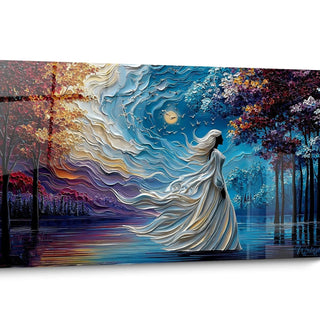
 Ulysses Painting No. 1 - Myths and Legends Edition273,90 €
In the same family
Also explore the theme Myth and Legends
-
 View all332
artworks
View all332
artworks
-
 Apollo2
artworks
Apollo2
artworks
-
 Other Myths and Legends14
artworks
Other Myths and Legends14
artworks
-
 Banshee2
artworks
Banshee2
artworks
-
 Bigfoot2
artworks
Bigfoot2
artworks
-
 Chupacabra2
artworks
Chupacabra2
artworks
-
 White Lady2
artworks
White Lady2
artworks
-
 Dragon142
artworks
Dragon142
artworks
-
 Icarus1
artwork
Icarus1
artwork
-
 Kraken3
artworks
Kraken3
artworks
-
 Lilith1
artwork
Lilith1
artwork
-
 Mokele-Mbembe3
artworks
Mokele-Mbembe3
artworks
-
 Narcissus5
artworks
Narcissus5
artworks
-
 Pegasus27
artworks
Pegasus27
artworks
-
 Shiva62
artworks
Shiva62
artworks
-
 Wendigo1
artwork
Wendigo1
artwork
-
 Yeti2
artworks
Yeti2
artworks
-
 Zeus1
artwork
Zeus1
artwork


All about Ulysses Wall Art
- Ulysses Painting Presentation
- Ulysses Painting and Odyssean Decoration
- Ulysses Painting Mythological Ambiance
- Ulysses Painting Heroic Symbolism
The Ulysses Painting represents a masterpiece of wall decoration that instantly transports your interior into the epic universe of Greek mythology. Centered on the legendary hero of Homer's Odyssey, this type of artistic work distinguishes itself through its ability to tell a thousand-year-old story while bringing cultural and aesthetic dimension to your living space.
Unlike conventional artistic representations, an Ulysses Painting captures the very essence of journey, adventure and perseverance - values embodied by this mythical hero who crossed seas and trials for ten years to reclaim his kingdom of Ithaca. These large-format paintings constitute a true focal point that inevitably attracts the eye and sparks conversation.
Whether you are passionate about Greek mythology, an admirer of narrative art or simply seeking wall decoration with meaning, discover how mythological paintings inspired by Ulysses can radically transform your interior's atmosphere and create a unique immersive visual experience.
Explore in the following tabs the different facets of these exceptional works: their integration into Mediterranean-inspired decoration, their ability to create a captivating mythological ambiance, as well as the richness of heroic symbolism they convey.
Ulysses Painting: Creating Authentic Odyssean Decoration
The Ulysses Painting represents much more than simple wall decoration – it is an invitation to travel through the epic tales of ancient Greece. These large-format artistic representations capture emblematic moments from the Odyssey, instantly transforming your interior's atmosphere.
How to integrate an Ulysses Painting into Mediterranean-inspired decoration?
Integrating an Ulysses Painting into Mediterranean-inspired décor creates a particularly successful visual and thematic harmony. The deep blue tones evoking the Aegean Sea, coupled with warm hues reminiscent of Greek lands, establish a characteristic color palette for these works. To maximize visual impact, prioritize a clear wall that will allow the work to breathe and become the focal point of the room.
The maritime scenes of Ulysses facing sirens or storms pair perfectly with decorative elements such as ancient amphoras, terracotta objects or textiles with geometric patterns inspired by Greek art. The contrast between the epic representation of the painting and more understated decorative objects creates a sophisticated visual balance that avoids thematic overload.
The Odyssean episodes that create the strongest visual impact
Among the numerous episodes of Ulysses' adventures, some lend themselves particularly well to high-impact mural artistic interpretation. The confrontation with the cyclops Polyphemus, represented in large format, brings incomparable dramatic dimension that immediately captivates visitors' attention. The episode of the sirens, with its contrasts between enchanting beauty and mortal danger, creates fascinating visual tension.
The encounter with the sorceress Circe or the passage between Charybdis and Scylla allow for complex visual compositions particularly suited to large formats. These detail-rich scenes invite prolonged visual exploration, transforming the painting into a true graphic narrative that progressively reveals itself to the attentive observer.
What dimensions should you choose to maximize the narrative impact of the Ulysses Painting?
The dimensions of the Ulysses Painting play a crucial role in its ability to convey the epic grandeur of the Homeric tale. To fully capture the immensity of maritime voyages or the intensity of mythological confrontations, panoramic formats exceeding 120 cm in width offer sufficient surface to deploy the narrative richness of Odyssean episodes.
Large formats allow artists to develop detailed compositions where each element of the epic finds its place: ships with billowing sails, threatening mythological creatures and majestic Mediterranean landscapes. These generous dimensions transform the visual experience into a true immersion in the mythological universe, creating a particularly powerful effect of presence.
For spaces with generous walls such as living rooms or spacious entrances, a triptych representing different stages of Ulysses' journey constitutes a particularly elegant solution that deploys the narrative throughout the space, inviting the gaze to traverse the entire work as a sequential visual narrative.
The balance between historical accuracy and artistic interpretation
The major challenge of contemporary Ulysses Paintings lies in the subtle balance between fidelity to Homeric sources and freedom of artistic interpretation. The representations that meet with the most success are those that manage to respect the essence of the myth while proposing a personal and modern vision of the Greek hero's adventures.
Creations that subtly integrate elements of ancient iconography – such as certain Greek ceramic motifs or proportions inspired by temple friezes – while employing contemporary pictorial techniques create a fascinating dialogue between past and present. This approach grants the Ulysses Painting a timeless dimension particularly sought after by cultivated art lovers.
Artistic interpretations that focus on the psychological dimension of Ulysses' trials, rather than their mere literal representation, offer additional depth that particularly resonates with contemporary sensibilities. These works transform the mythological narrative into visual exploration of universal themes of perseverance, ingenuity and nostalgia for home.
Ulysses Painting: Creating an Authentic Odyssean Atmosphere
The Ulysses Painting distinguishes itself in the universe of wall decoration through its unique ability to create an atmosphere steeped in Greek mythology. Beyond simple decorative aspect, these large-format works establish a narrative presence radically transforming a room's ambiance.
The psychological impact of Odyssean representations
Representations of Ulysses in his odyssey exercise a profound psychological effect on the observer. Unlike landscape paintings or still lifes, an Ulysses Painting triggers emotional resonance linked to the universal archetypes it stages. The image of the hero facing unleashed storms evokes resilience in the face of personal challenges, while his ingenious strategies against mythological creatures inspire adaptive intelligence.
This unique psychological dimension explains why spaces adorned with these representations often become places of reflection and introspection. Many homeowners report that their Ulysses Painting regularly serves as support for deep conversations with their guests, transforming the visit experience into enriching cultural exchange.
How do pictorial techniques influence the ambiance created?
The atmospheric impact of an Ulysses Painting varies considerably depending on the pictorial techniques employed. Interpretations using dramatic contrasts between shadow and light, in the chiaroscuro tradition, intensify the narrative tension of the scenes represented. These works create a particularly striking theatrical ambiance in contemporary living spaces with neutral tones.
Conversely, representations adopting a Mediterranean palette with intense blues and warm ochres establish an evocative atmosphere literally transporting the observer toward Greek shores. This chromatic approach transforms the sensory experience of the space, creating the illusion of an opening toward Odyssean landscapes.
Contemporary interpretations using mixed techniques or more abstract approaches generate an atmosphere of meditation on the myth's universal themes rather than direct immersion in its narrative. These works integrate particularly well into minimalist interiors where they bring conceptual depth without visually overloading the space.
What specific lighting enhances an Ulysses Painting?
Lighting an Ulysses Painting requires particular attention to reveal the entire narrative and chromatic richness of the work. Unlike conventional paintings, Odyssean representations often contain multiple planes and secondary scenes that deserve to be illuminated.
Variable intensity lighting systems allow you to adapt the ambiance depending on the time of day, intensifying the dramatic presence of the painting during evenings or creating a more subtle atmosphere during daytime. Adjustable color temperature lighting solutions offer the possibility to modulate the perception of the marine and Mediterranean tones so characteristic of these works.
For Ulysses Paintings in particularly imposing formats, segmented lighting using multiple sources directed toward different zones of the work allows guiding the gaze through the visual narrative. This lighting technique transforms the contemplative experience into a true narrative journey through the represented episodes.
The interaction between the Ulysses Painting and the space's acoustics
An often-neglected but fascinating aspect concerns the influence of a large Ulysses Painting on a room's acoustic properties. Works of imposing format, particularly those using techniques creating textured reliefs, subtly modify sound reverberation in the space where they are installed.
This acoustic interaction reinforces narrative immersion, creating an environment where not only the visual aspect but also the sound experience is transformed. Some homeowners report how their living space gained acoustic warmth after installing their Ulysses Painting, contributing to creating a more intimate and enveloping atmosphere conducive to storytelling and conversation.
To maximize this dimension, strategic placements include walls facing gathering spaces such as living rooms or dining rooms, where the work actively participates in the overall sensory experience. This acoustic consideration, though subtle, contributes significantly to the transformative effect these representations exercise on an interior's general ambiance.
Ulysses Painting: Exploring Heroic Symbolism in Your Interior
The Ulysses Painting distinguishes itself in the universe of wall decoration through its exceptional symbolic richness. By integrating these heroic representations into your living space, you welcome much more than a simple image – you embrace a complex network of meanings that resonate with universal human experience.
Why does Ulysses' symbolism remain relevant in our contemporary interiors?
The figure of Ulysses embodies values and qualities deeply anchored in our collective psyche that transcend eras. In our modern interiors often characterized by functionality and minimalism, an Ulysses Painting brings narrative depth and symbolic richness counterbalancing contemporary uniformity. The Homeric hero represents the rare balance between physical strength and strategic intelligence – duality particularly resonant in our society valuing both personal development and intellectual achievement.
Ulysses' trials, visualized in these mural works, offer daily reminder of resilience against adversity. For professional spaces such as executive offices or conference rooms, these representations subtly establish an inspiring atmosphere evoking perseverance and ingenuity in facing challenges. This symbolism operates as a discrete but powerful psychological anchor in our daily environment.
Specific Odyssean symbols and their decorative significance
Several recurring symbolic elements in Ulysses Paintings merit particular attention for their visual impact and psychological resonance. Ulysses' ship, often depicted confronting tumultuous waters, symbolizes existential journey and determination facing obstacles. Positioned in a transitional space such as a hallway or spacious entrance, this motif creates a visual metaphor for passage and personal progression.
Ulysses' bow, instrument of his final triumph over the suitors, represents strategic patience and personal mastery. Works centering this symbol pair particularly well with spaces dedicated to concentration or creation, such as home offices or studios, where they remind of the importance of perseverance and precision.
The motif of the island of Ithaca, ultimate objective of the Odyssean journey, evokes the universal concept of return to origins and fulfillment of personal destiny. These representations, often characterized by distant perspectives and suggestive horizons, create remarkable spatial depth that visually enlarges the rooms where they are installed.
How to strategically position an Ulysses Painting according to its symbolism?
The placement of an Ulysses Painting in your interior can considerably strengthen its symbolic resonance. Scenes depicting confrontation with mythological creatures such as the cyclops Polyphemus create a dramatic focal point ideal for reception spaces such as living rooms or dining rooms, where they naturally catalyze conversation and exchange.
Representations of Ulysses' maritime trials, with their extended horizons and oceanic perspectives, amplify the sensation of space. Strategically placed facing a room's entrance, they create a spatial extension illusion particularly effective in interiors with modest dimensions, transforming physical constraint into visual opening.
Scenes illustrating Ulysses' reunion with Penelope carry particular emotional charge ideal for intimate spaces such as master bedrooms. These works establish an atmosphere of recovered completeness and harmony perfectly suited to places of rest and personal connection.
The contemporary evolution of Odyssean symbolism in mural art
Contemporary artists reinterpret Odyssean symbols with modern sensibility that renews their visual and emotional impact. Current representations tend to transcend literal illustration to explore the psychological dimensions of the myth. This approach transforms the Ulysses Painting into true support for introspective reflection that evolves with the observer over time.
Recent creations often incorporate more abstract or conceptual symbolic elements that invite personal reading of the Odyssean episodes. This interpretive openness grants paintings remarkable emotional longevity, allowing the work to evolve in the owner's perception according to their own life experiences.
Mixed techniques and the incorporation of textual elements – fragments from the Odyssey or contemporary reflections – enrich the symbolic dimension of works. These hybrid approaches transform the Ulysses Painting into true object of visual meditation that transcends simple decorative function to become a companion for daily reflection.
FAQ about Ulysses Paintings
What is the difference between an Ulysses Painting and other mythological representations?
An Ulysses Painting distinguishes itself through its exceptional narrative dimension that deploys a sequence of adventures rather than a single frozen moment. Unlike representations of other mythological figures often captured in a unique iconic instant, works dedicated to Ulysses generally present narrative complexity that invites prolonged visual exploration. This sequential richness makes them particularly suited to large formats and main living spaces.
How to maintain a large-format Ulysses Painting?
Maintaining a large-format Ulysses Painting requires certain specific precautions to preserve its chromatic vibrancy and structural integrity. Regular dusting with a soft-bristled feather duster is recommended, avoiding any contact with liquid products. For paintings particularly exposed to direct light, installation of UV-protective glazing will preserve the intensity of Mediterranean blues and golds characteristic of these works. Biannual repositioning is advised to ensure balanced light exposure.
What are current trends in artistic representations of Ulysses?
Contemporary trends in Ulysses Paintings show evolution toward more conceptual and psychological interpretations of the myth. Recent creations often favor suggestion over illustration, with refined compositions centering attention on the hero's inner state rather than the spectacular nature of his adventures. The use of mixed techniques incorporating textured elements evoking Mediterranean materials such as stone, sand or aged wood brings enriched sensory dimension to the classic visual experience.
L'art qui suscite l'envie
Maison belge d'art mural grand format
14 jourspour changer d'avis*
Protection Walenskyincluse
Fabriquéen Italie
FormatXXL
Kit de fixationtoujours fourni
* Hors tableaux personnalisés et tailles personnalisées


