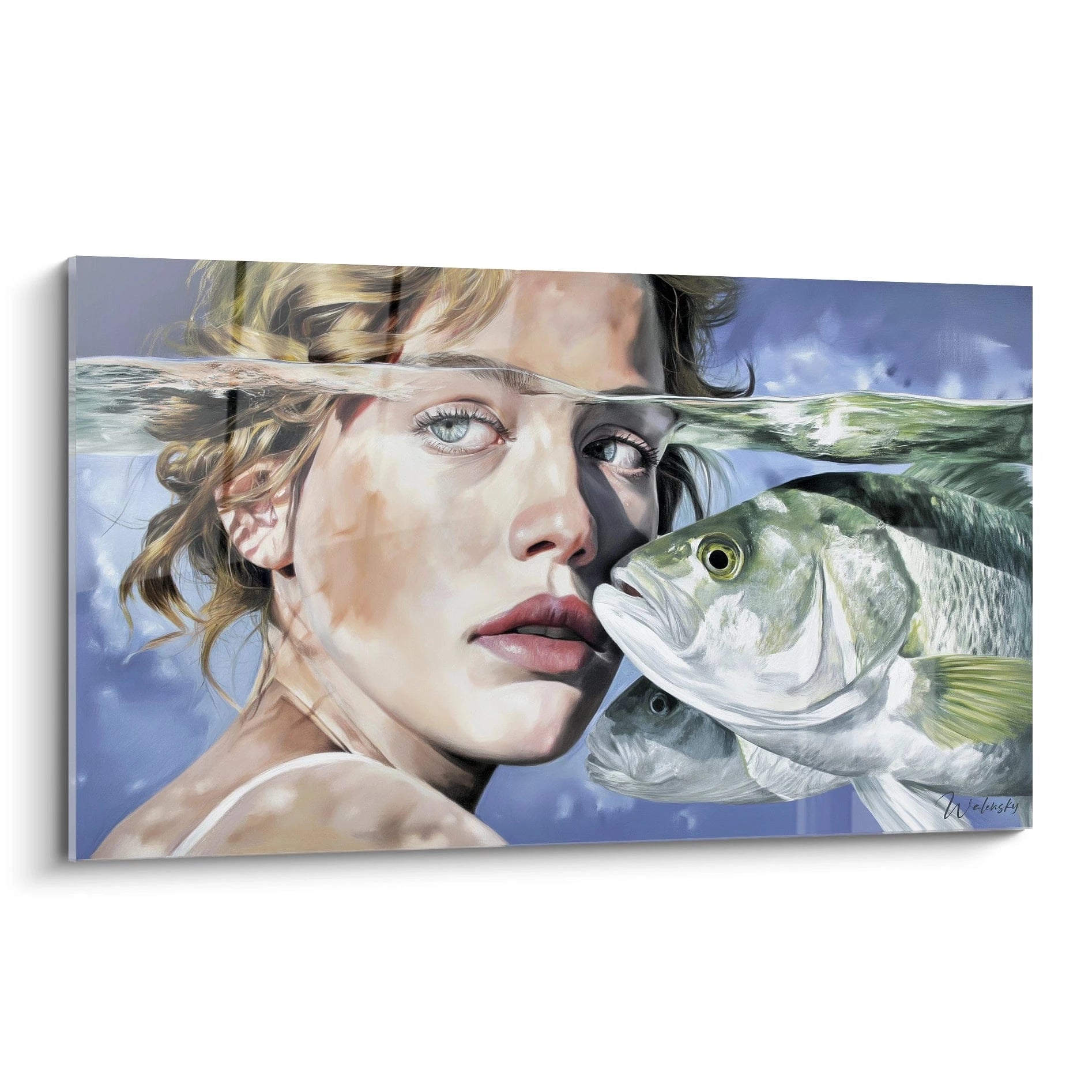
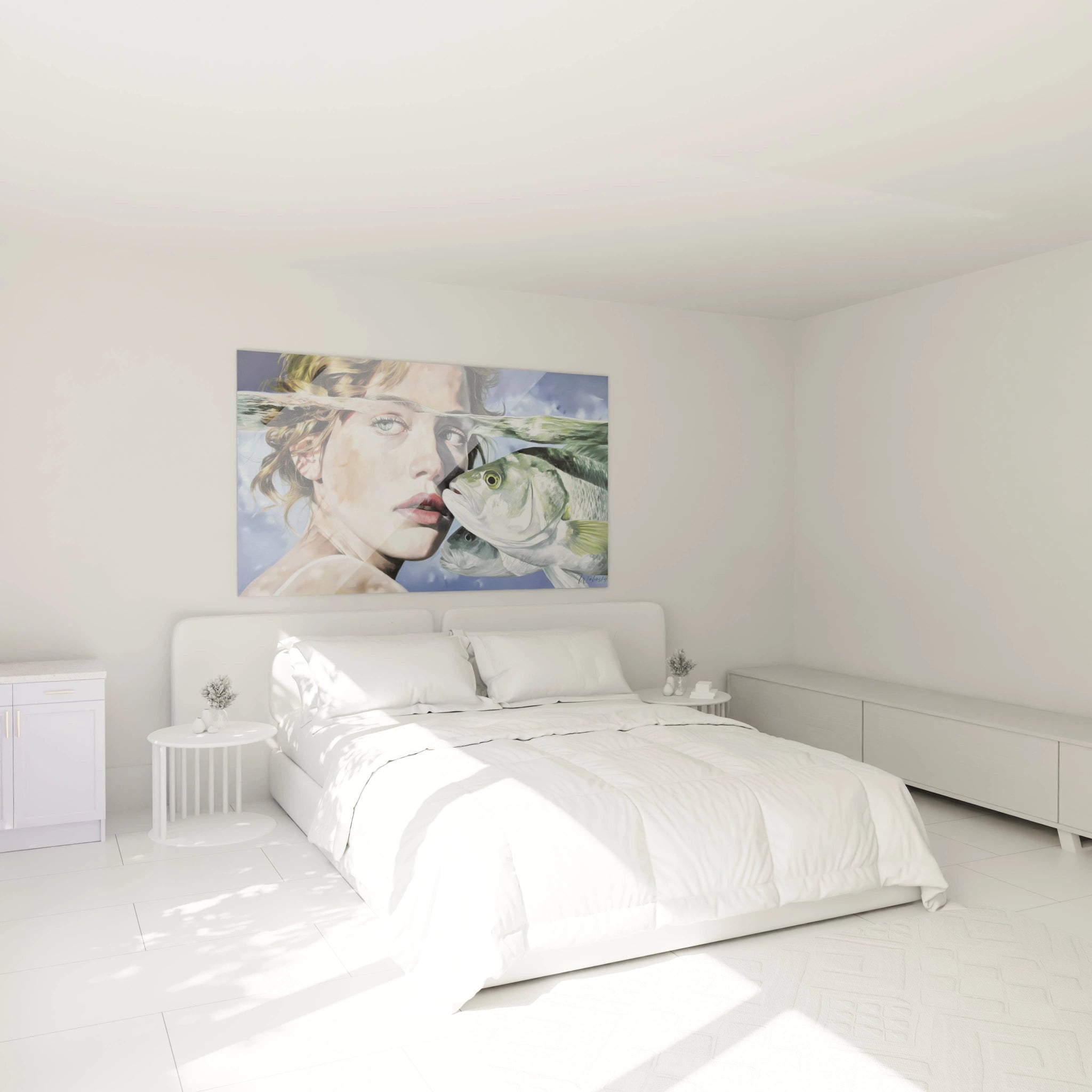
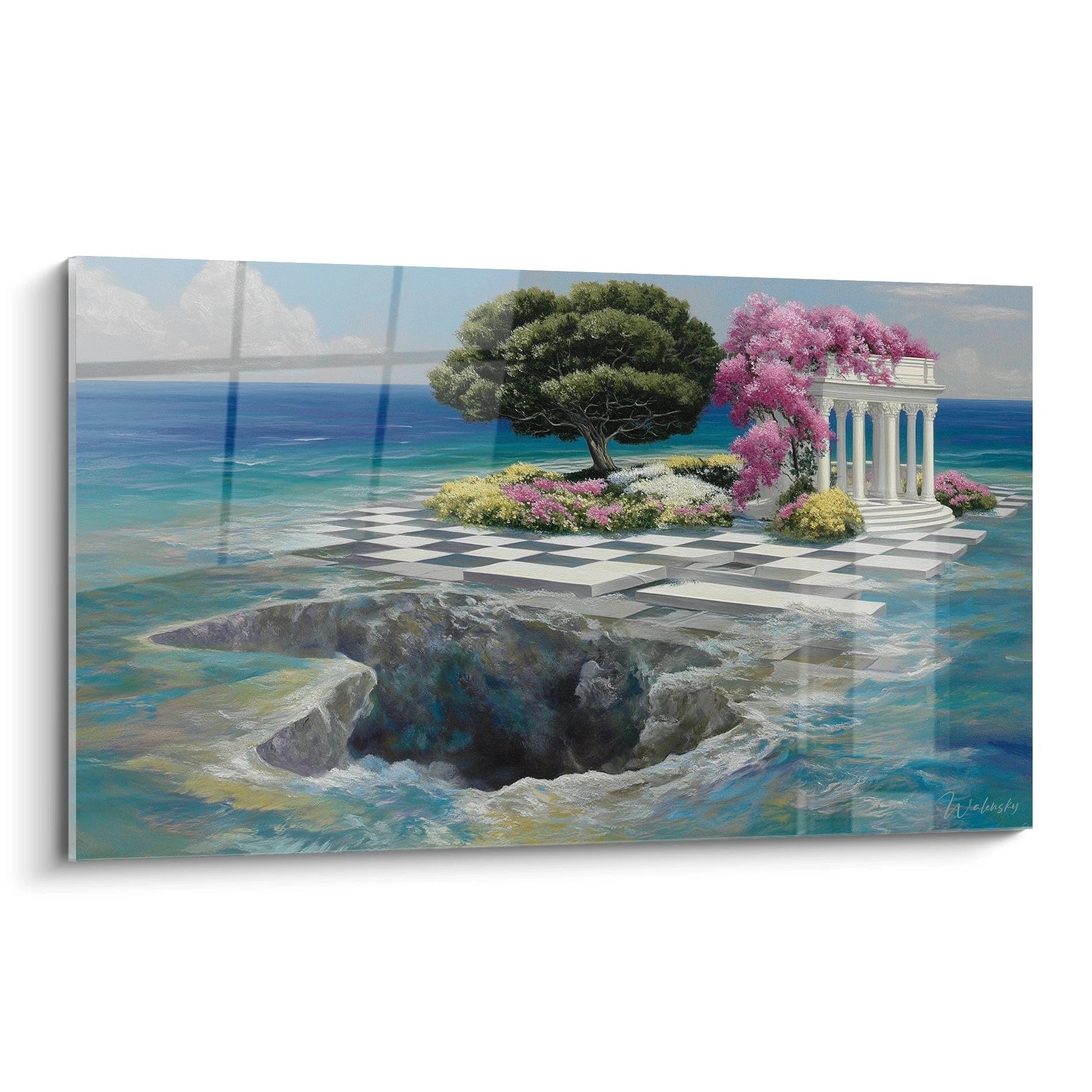
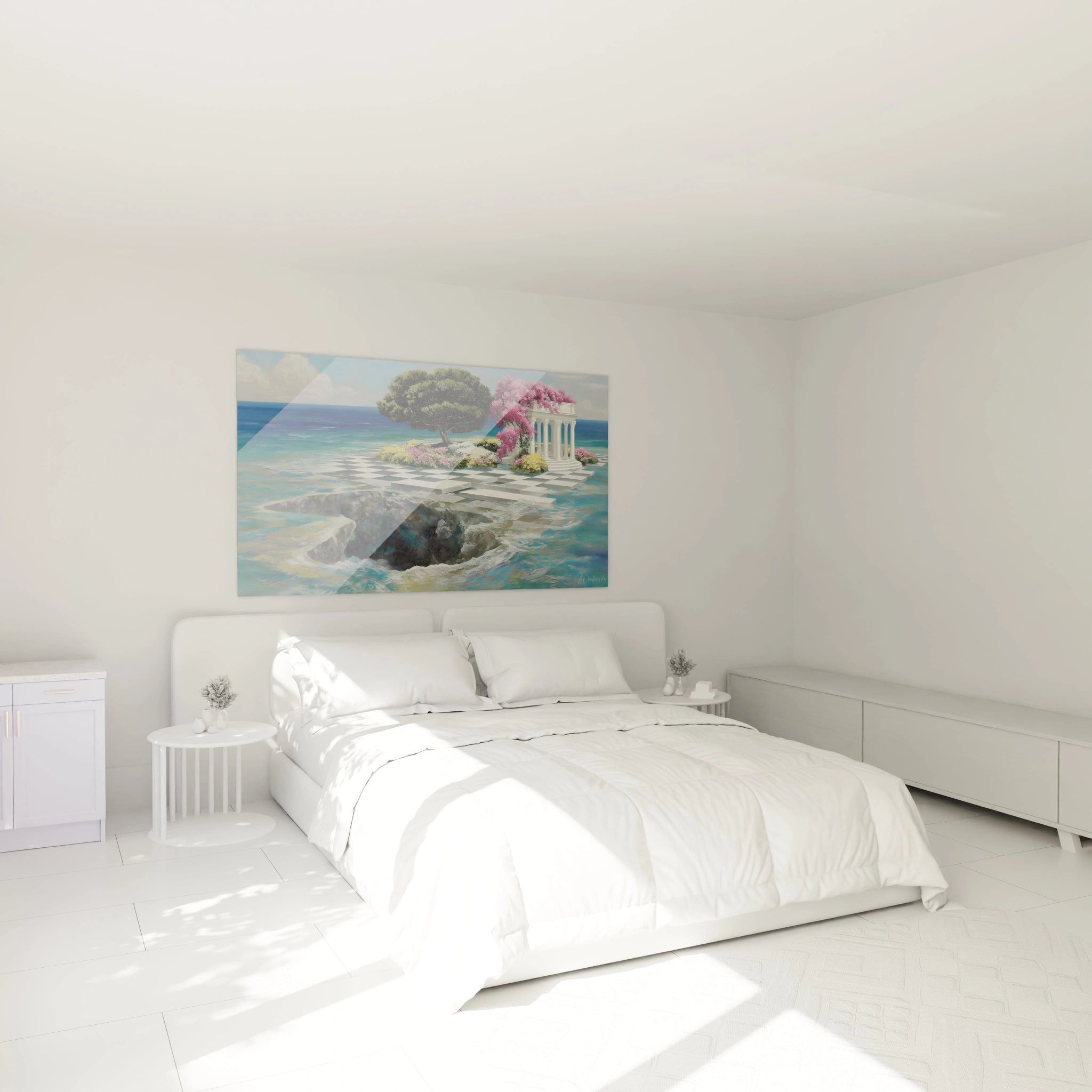
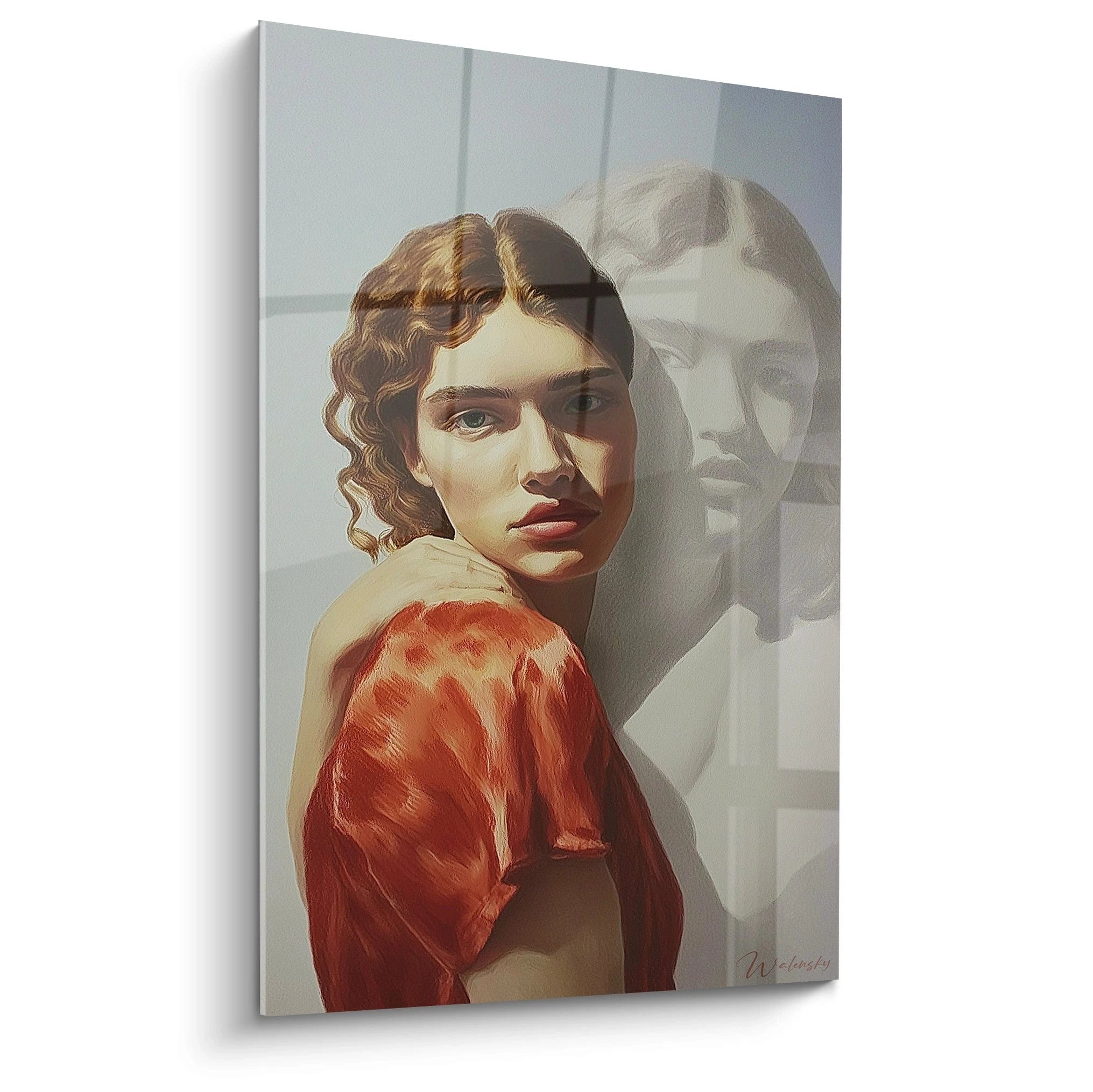
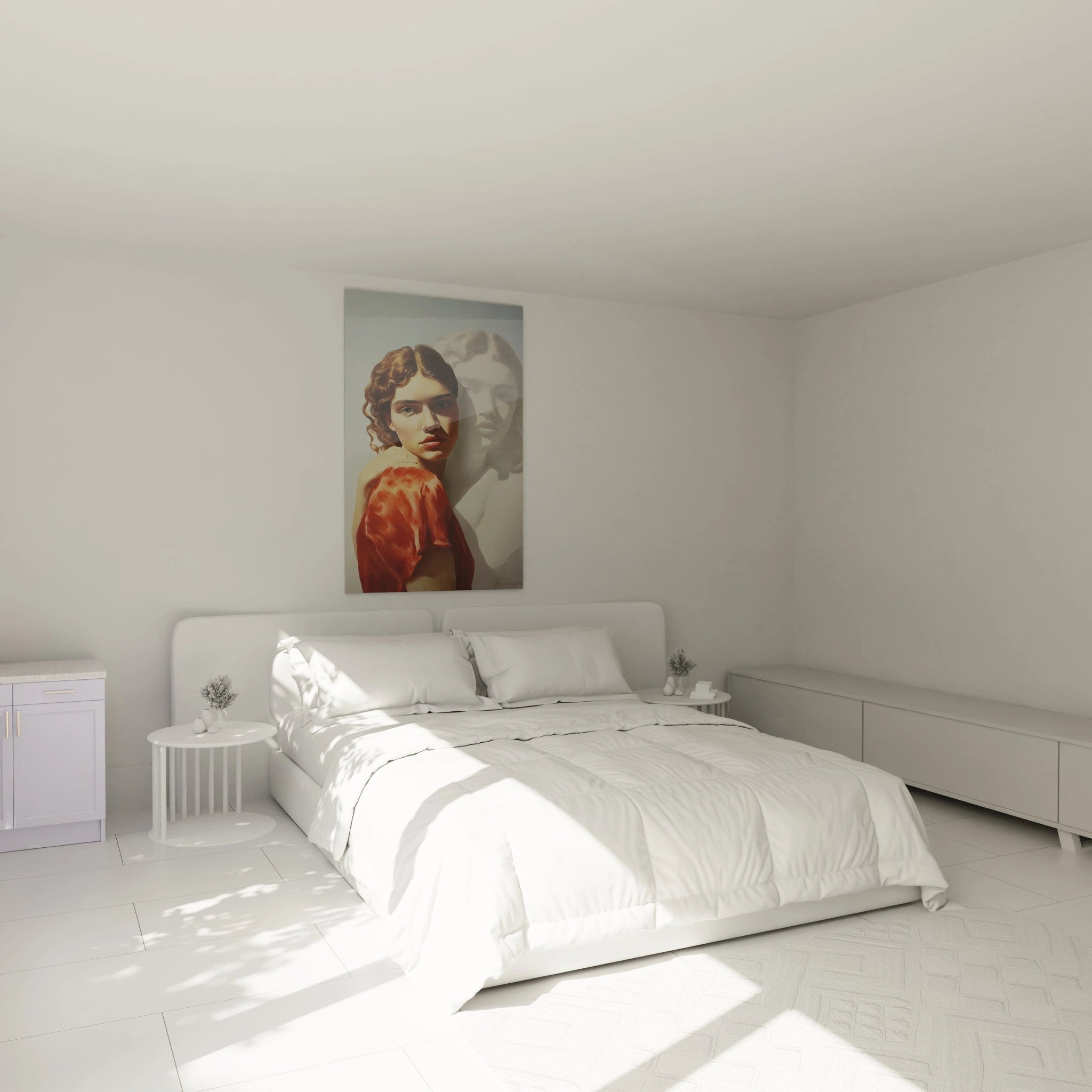
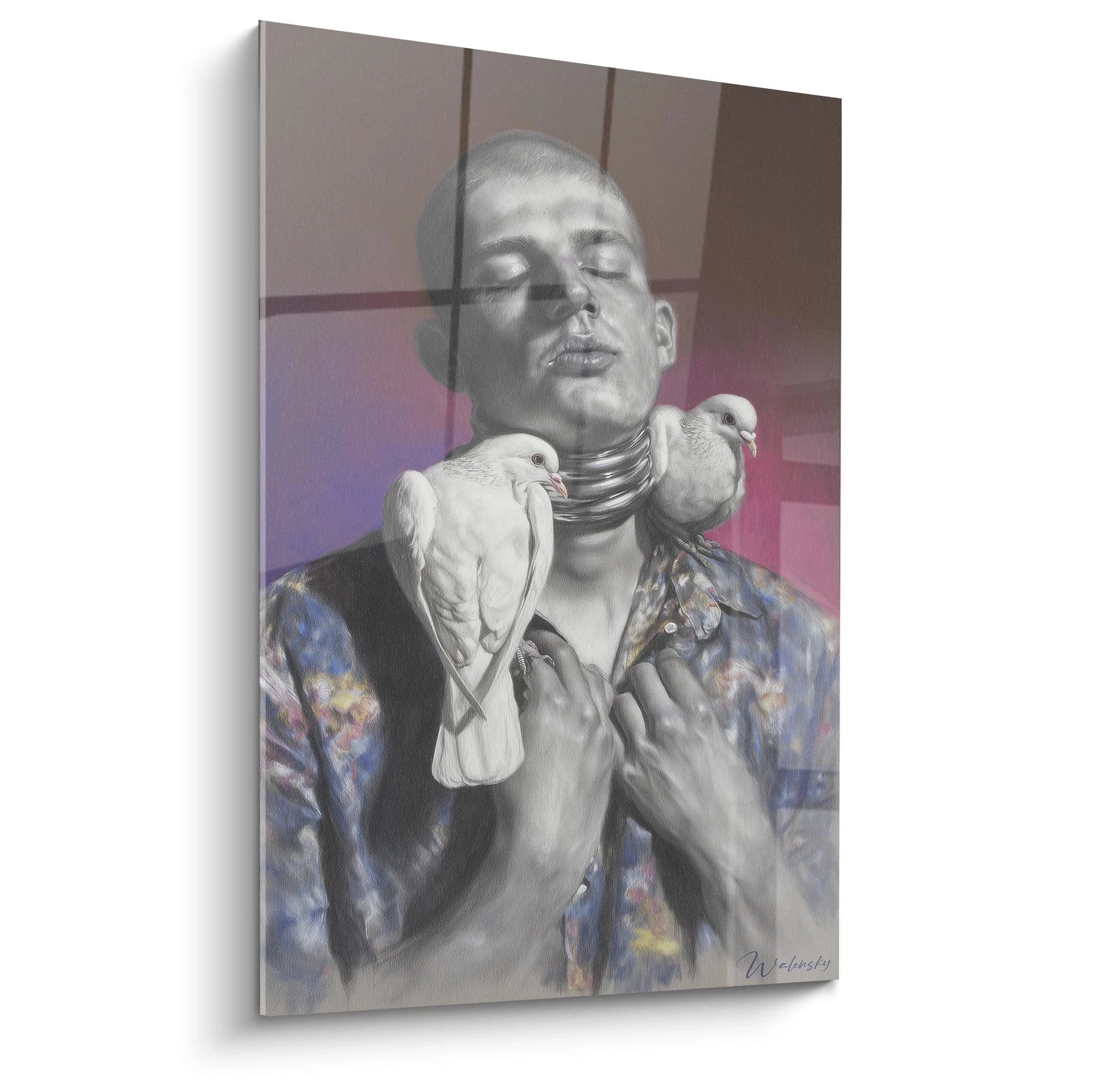
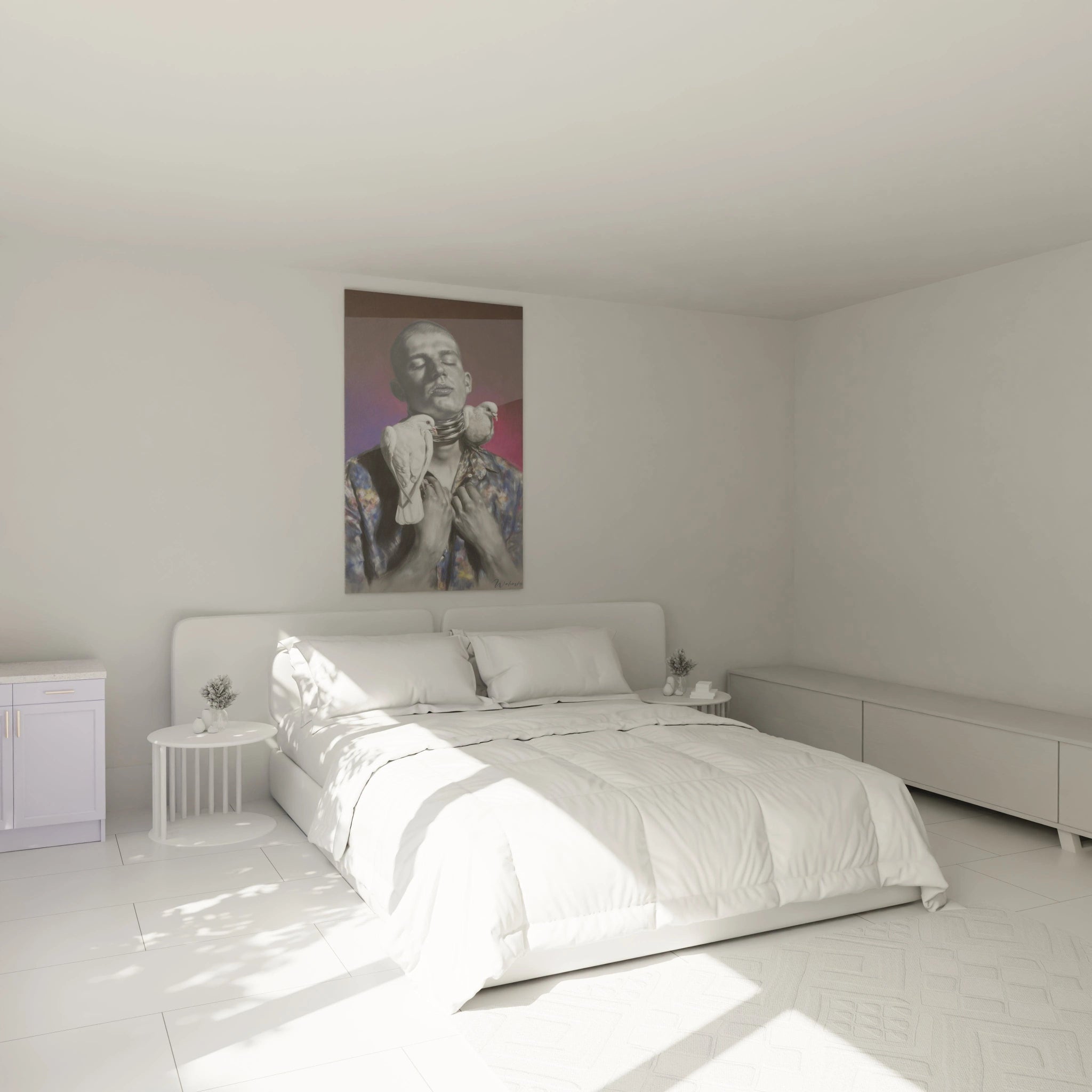
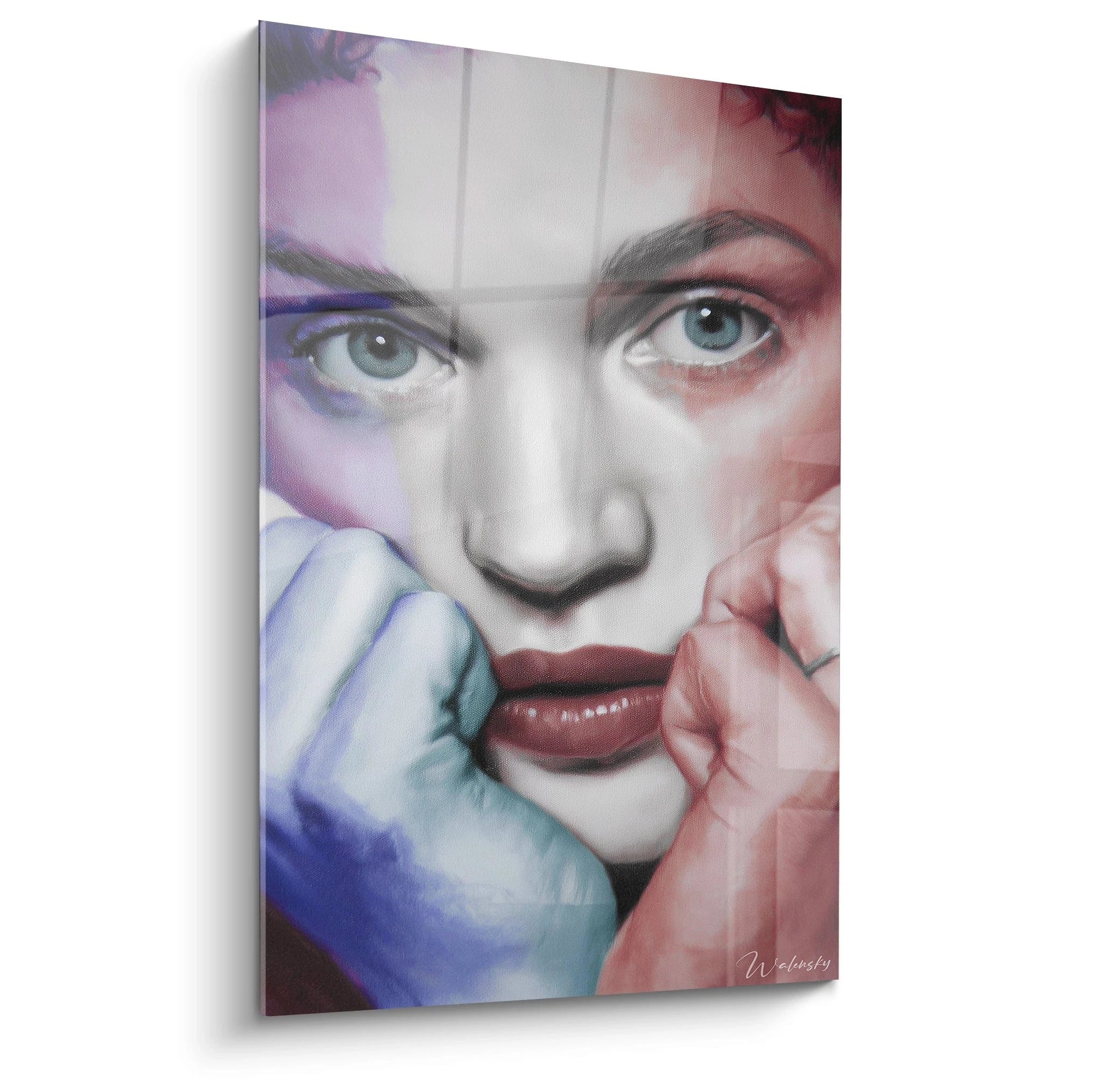
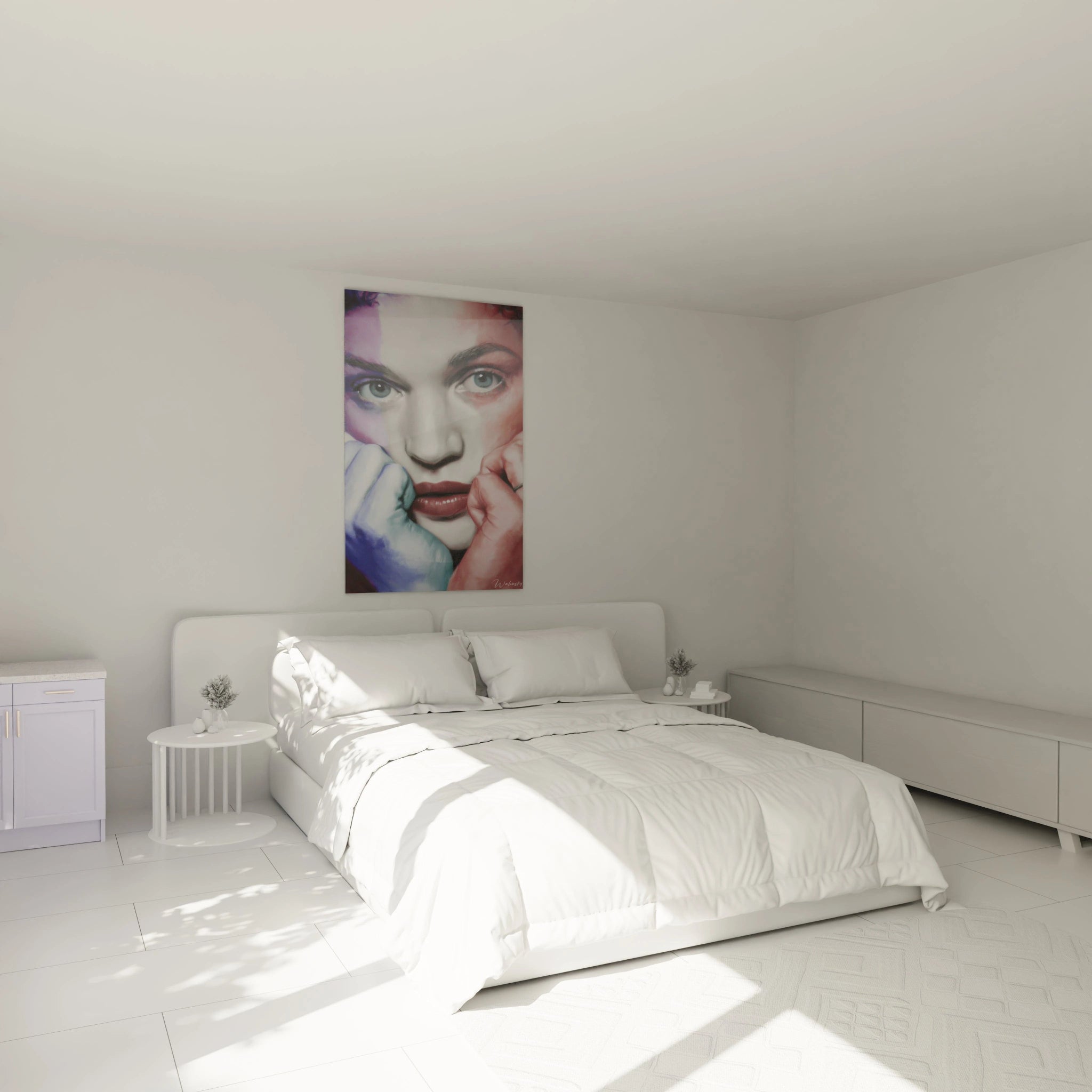
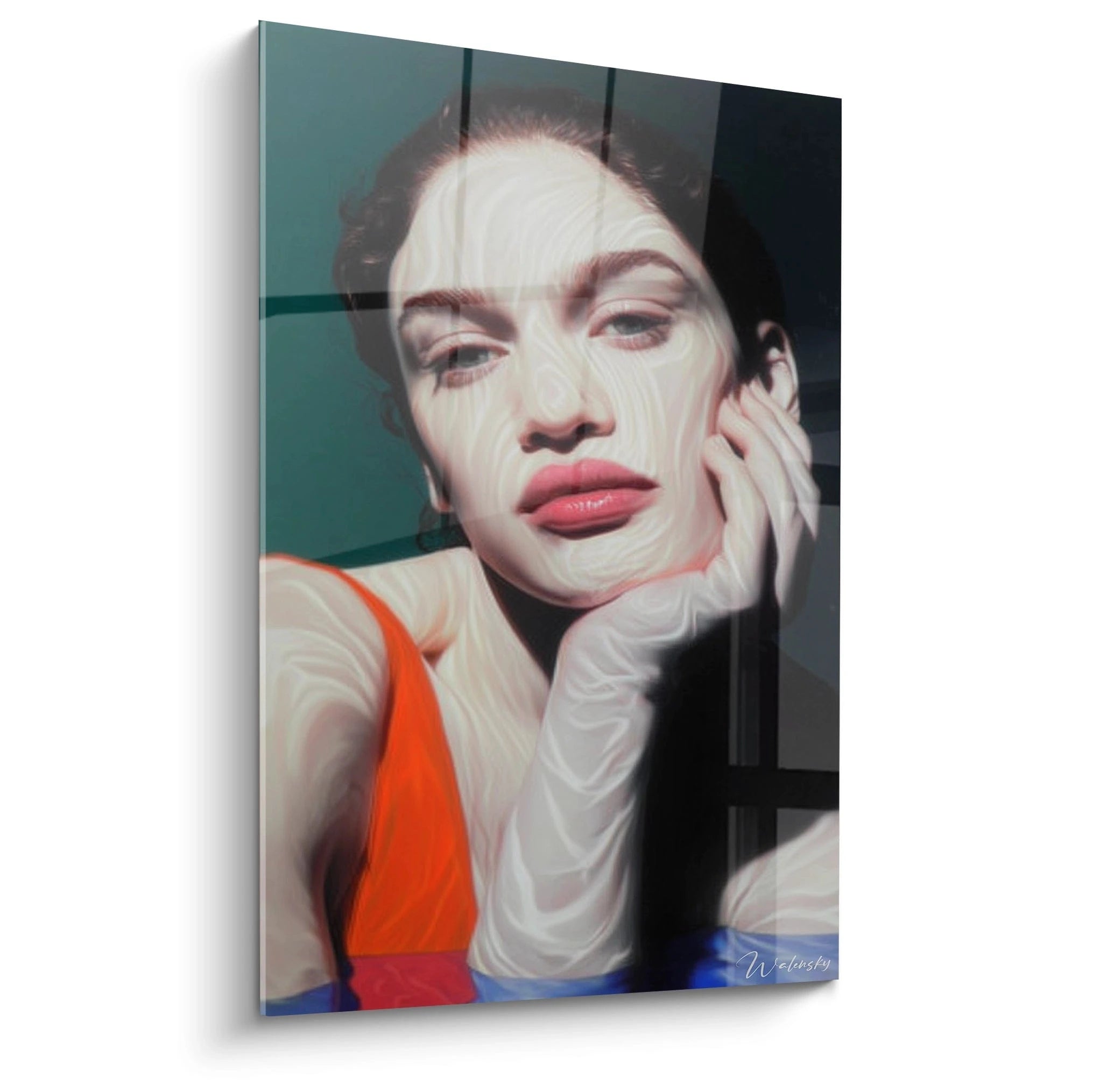
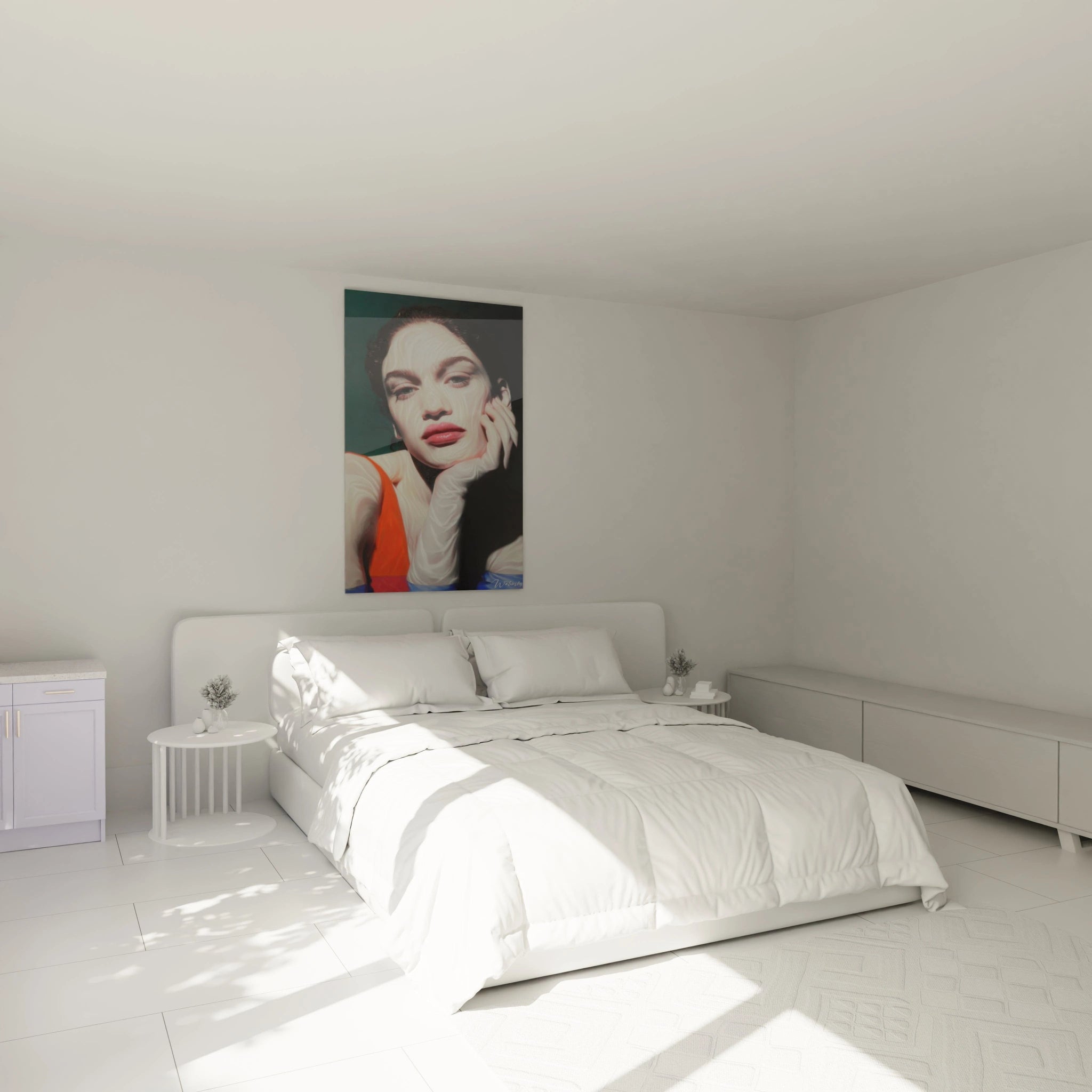
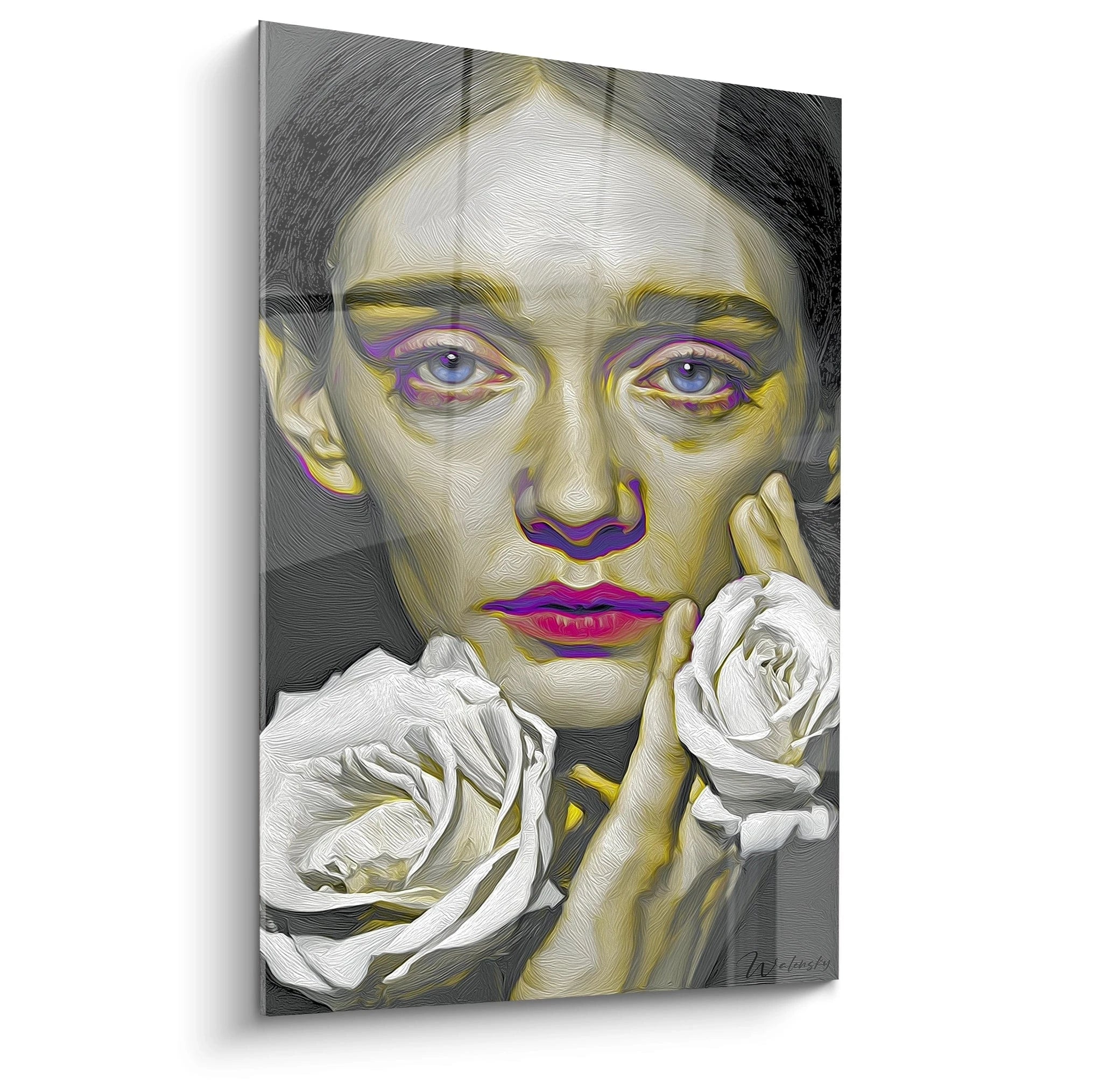
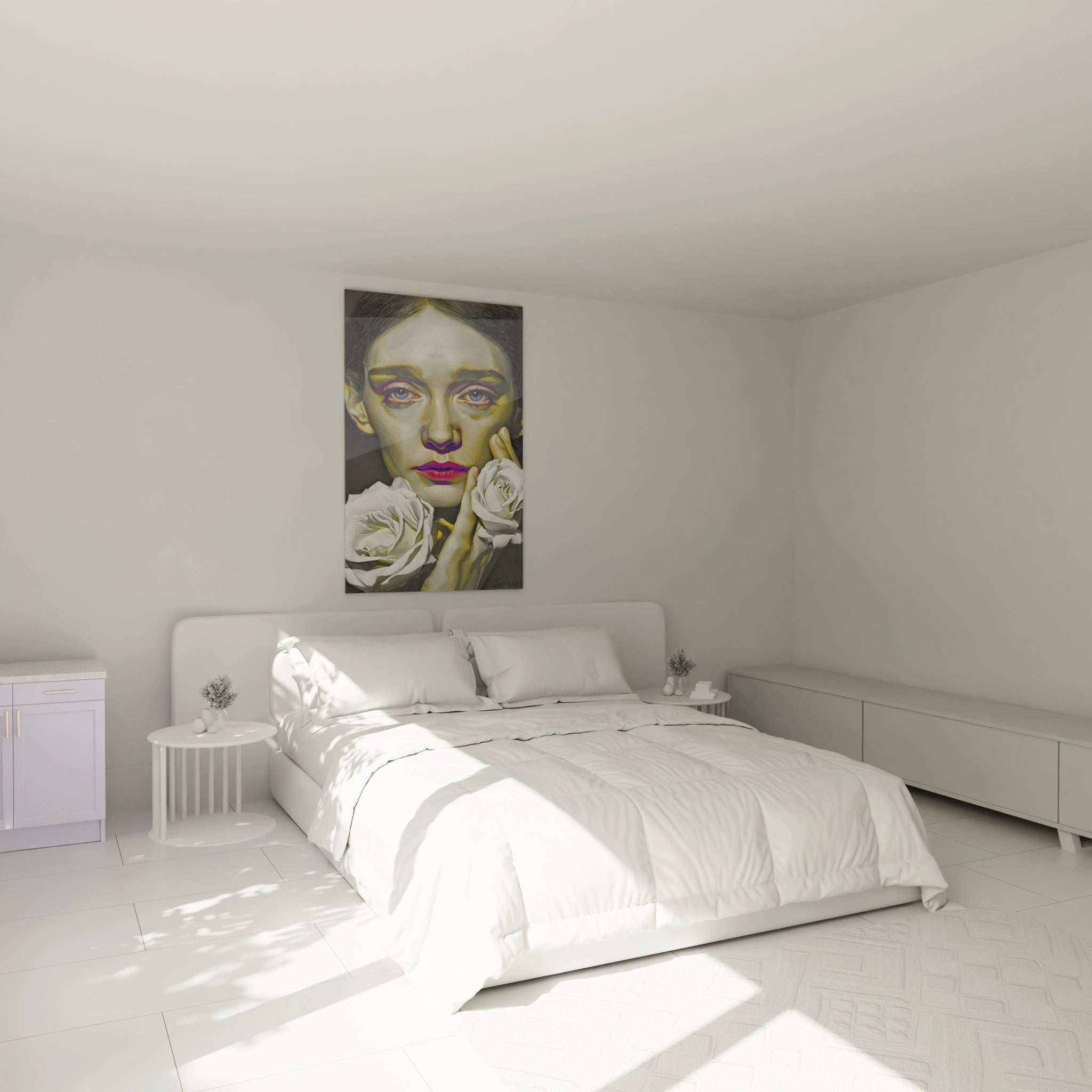
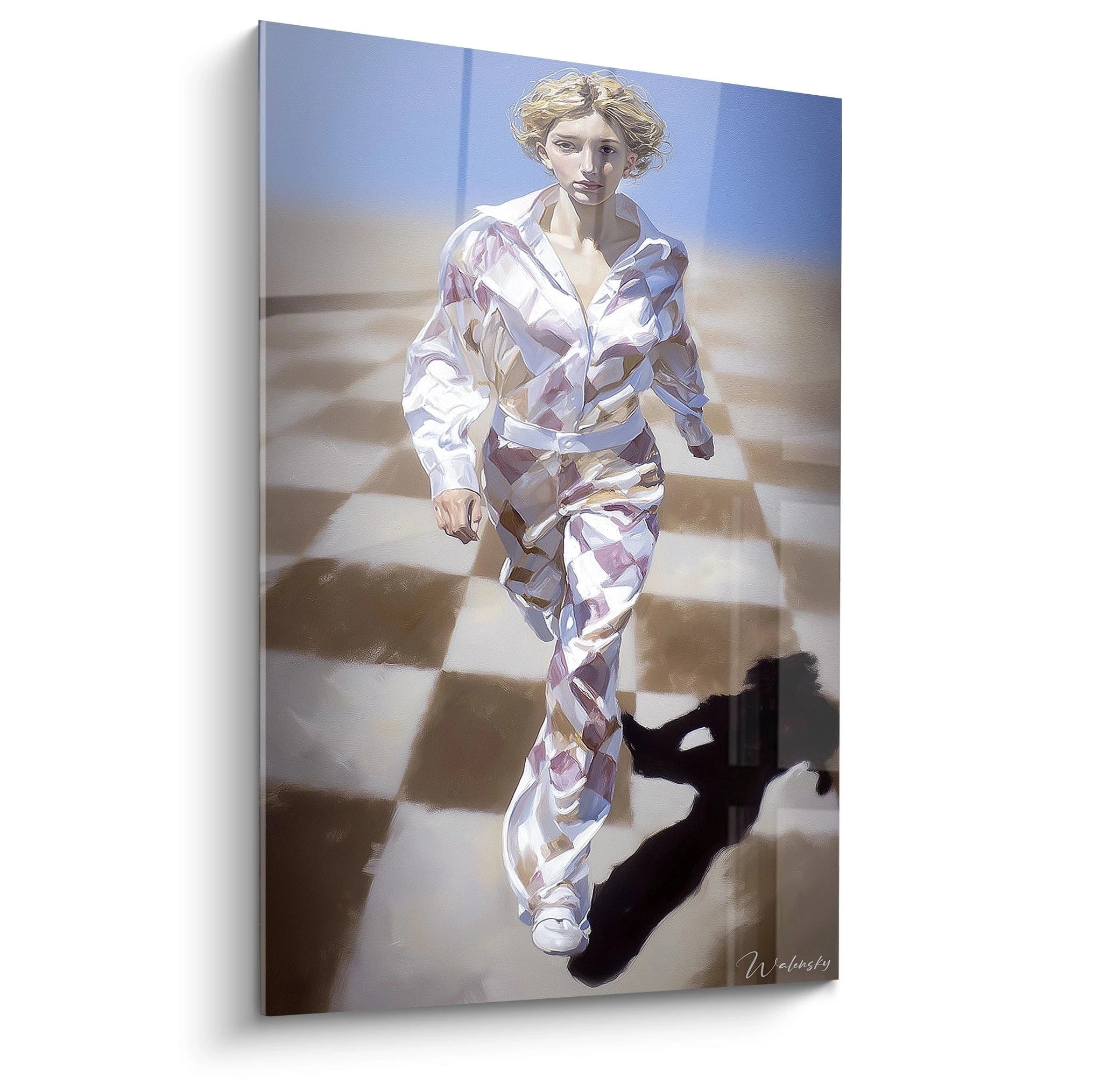
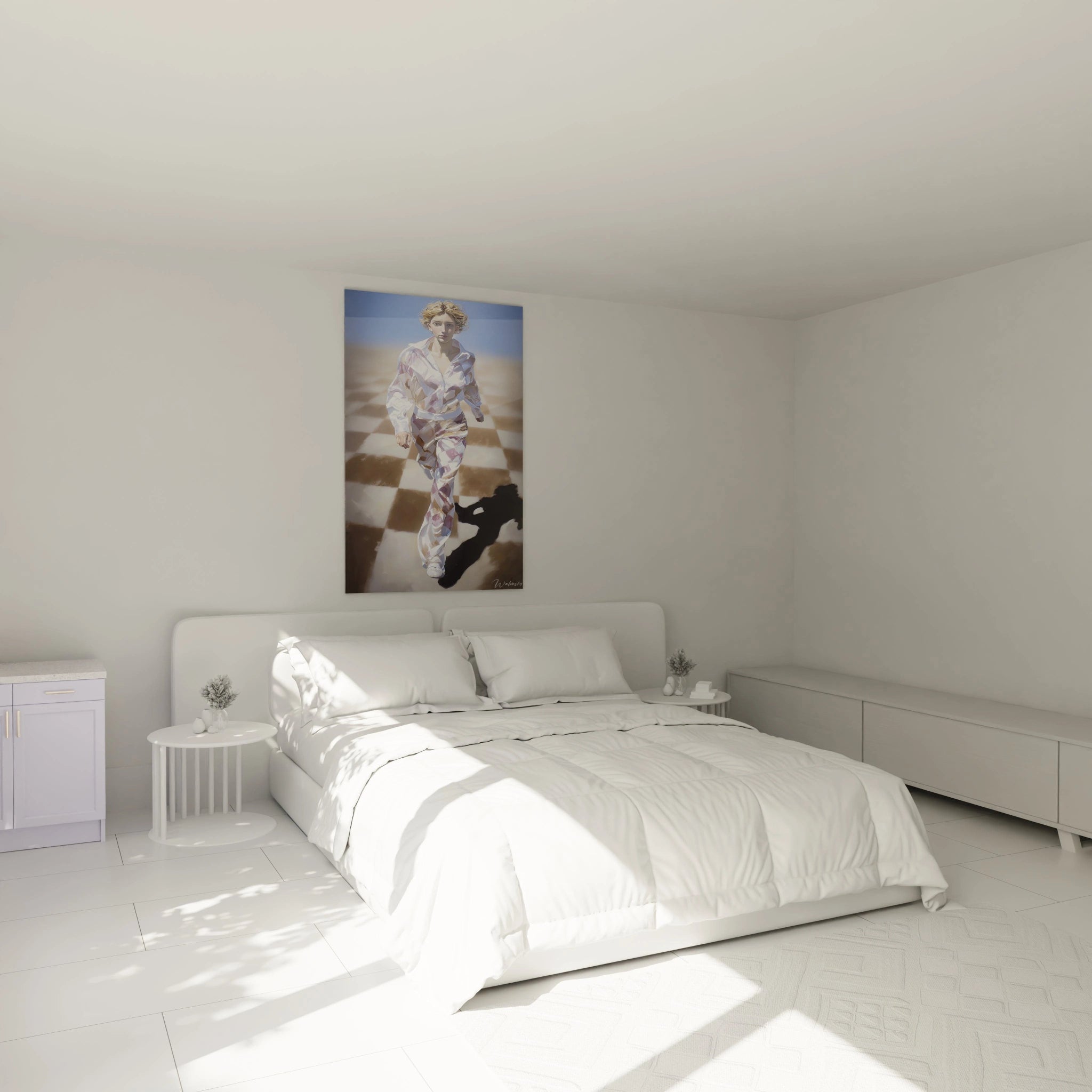
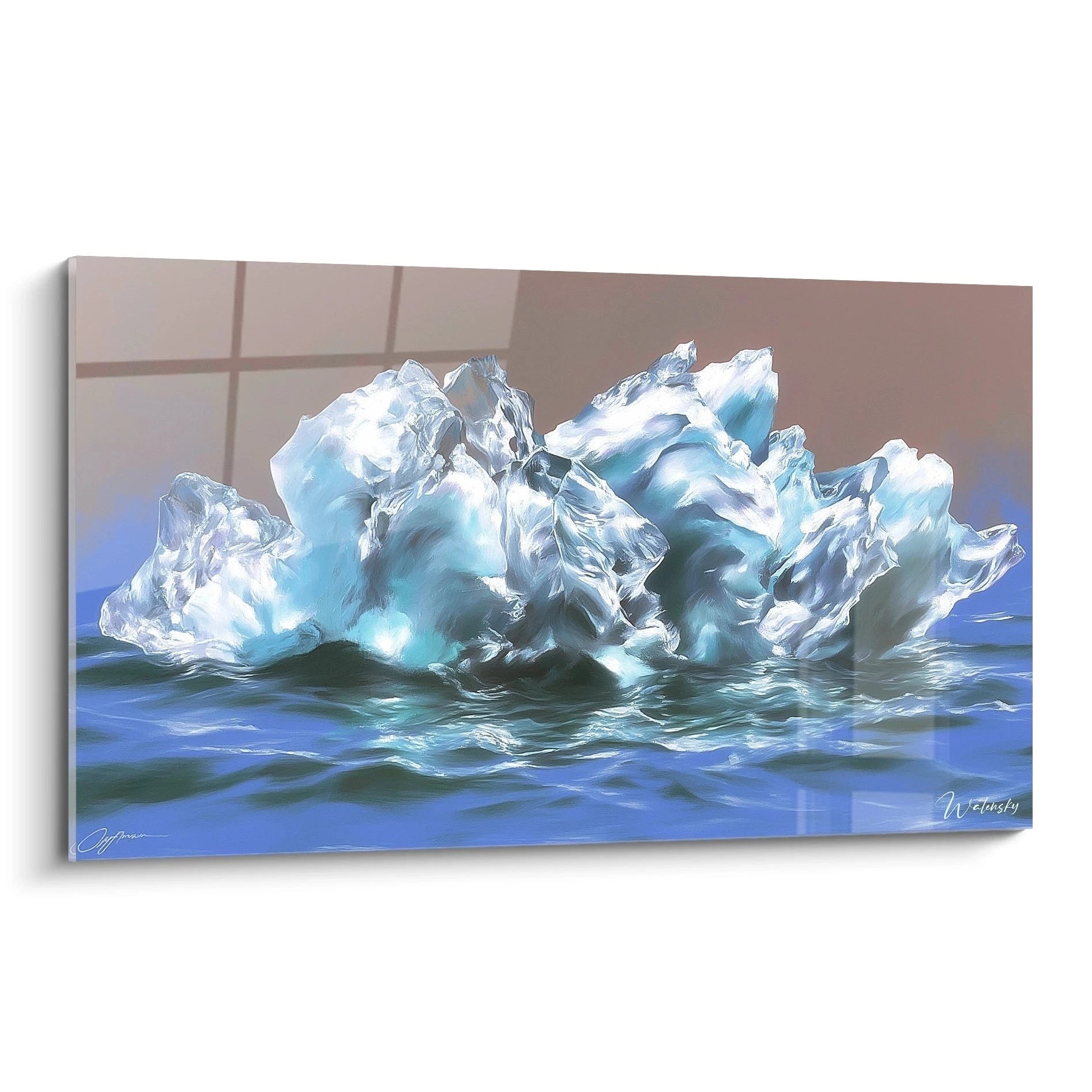
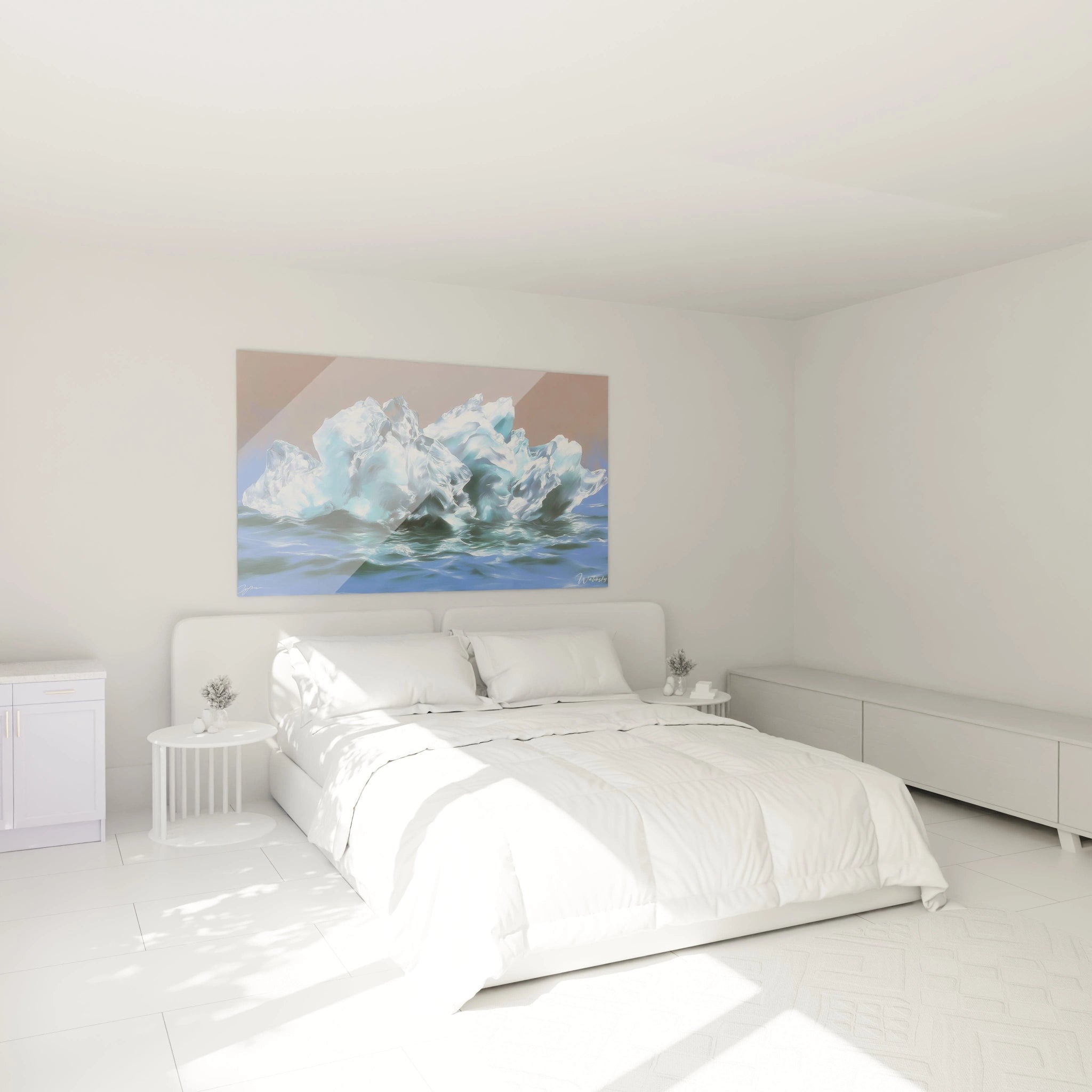
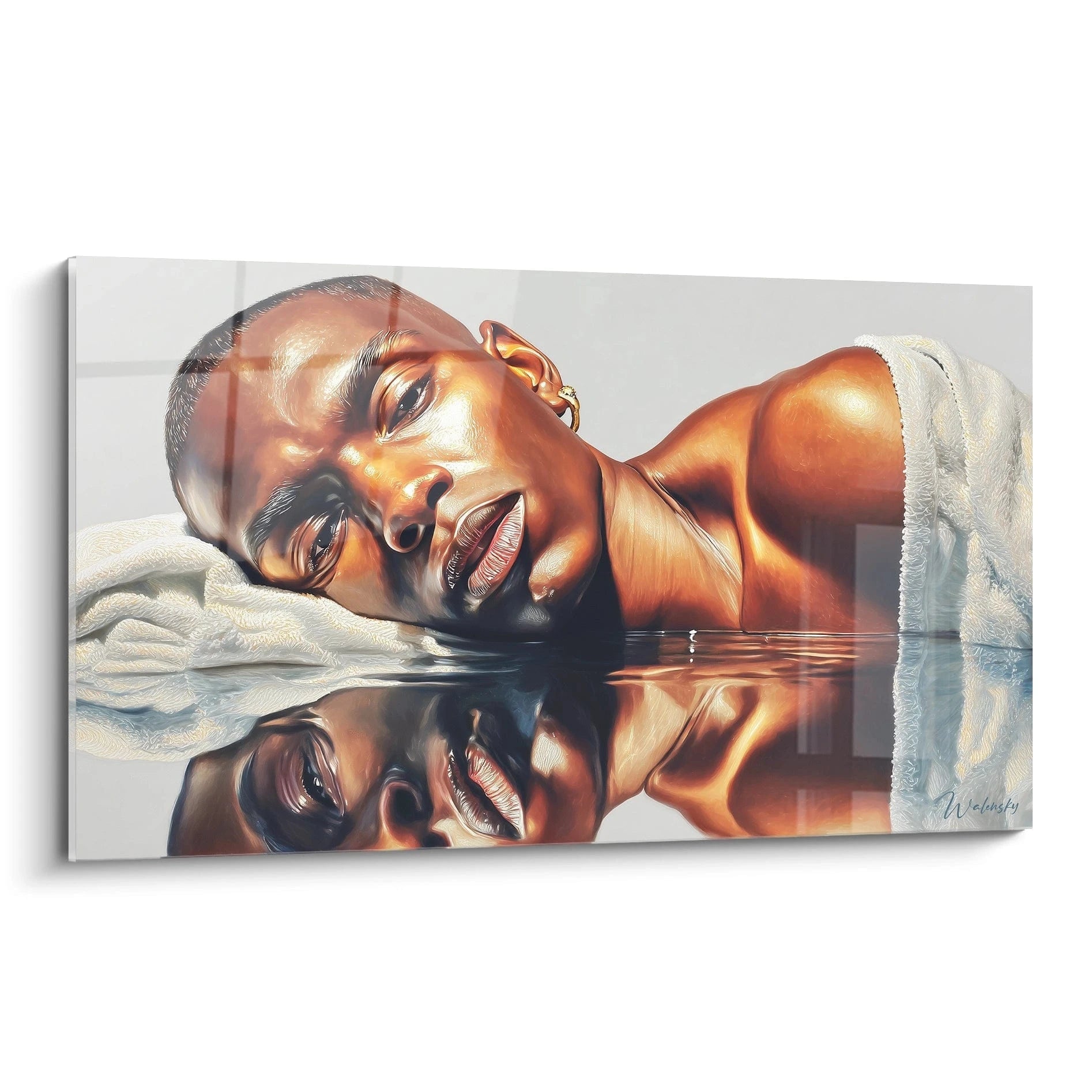
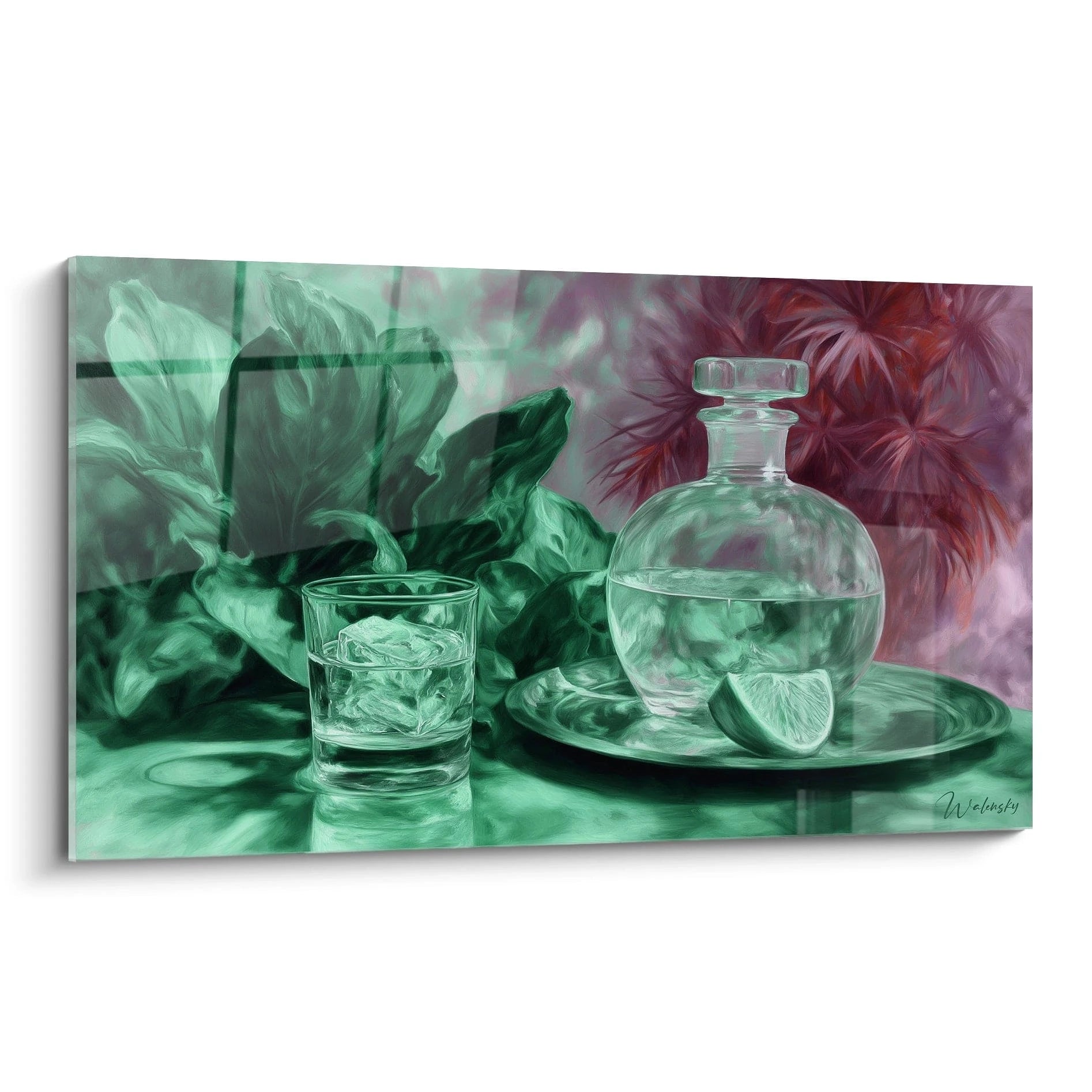
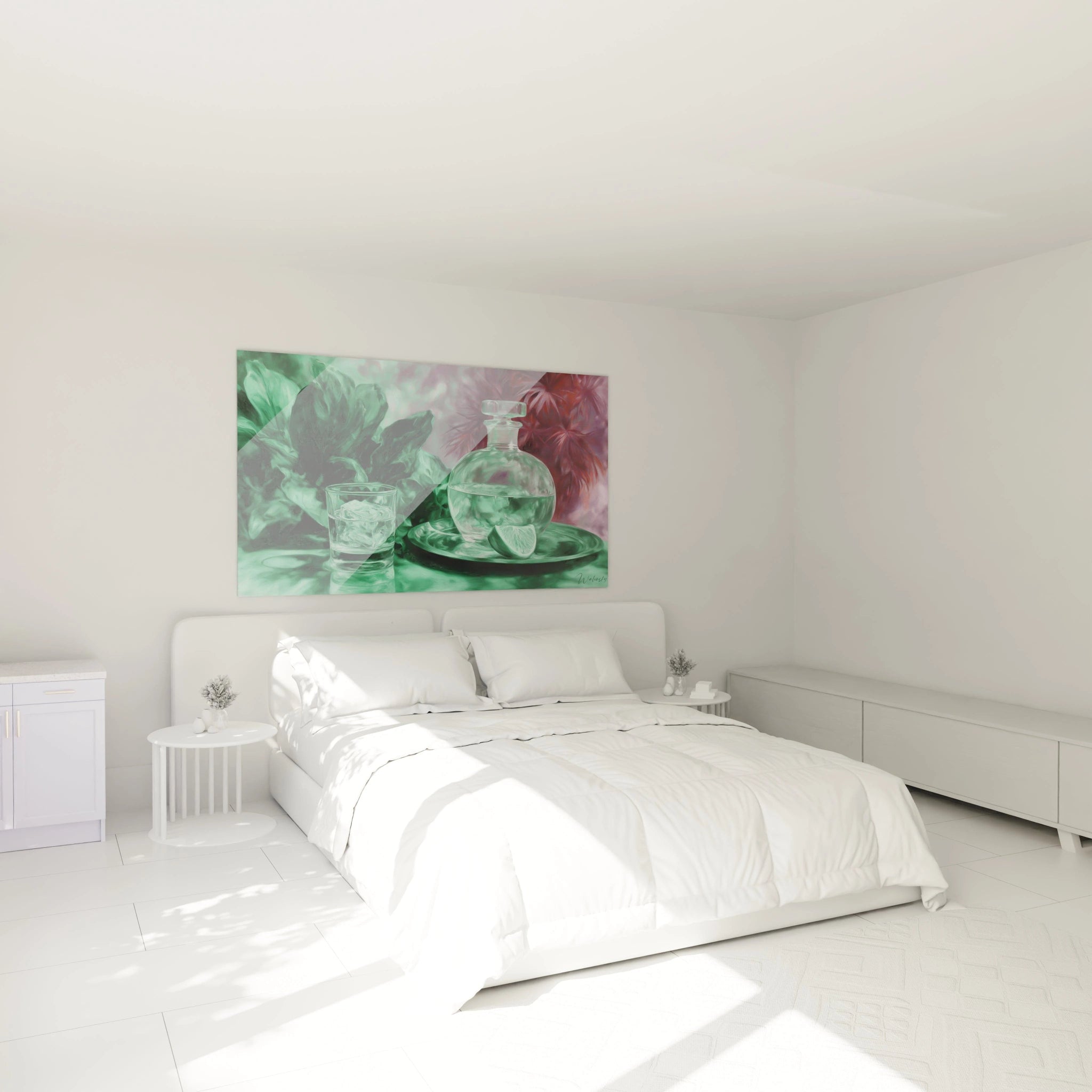
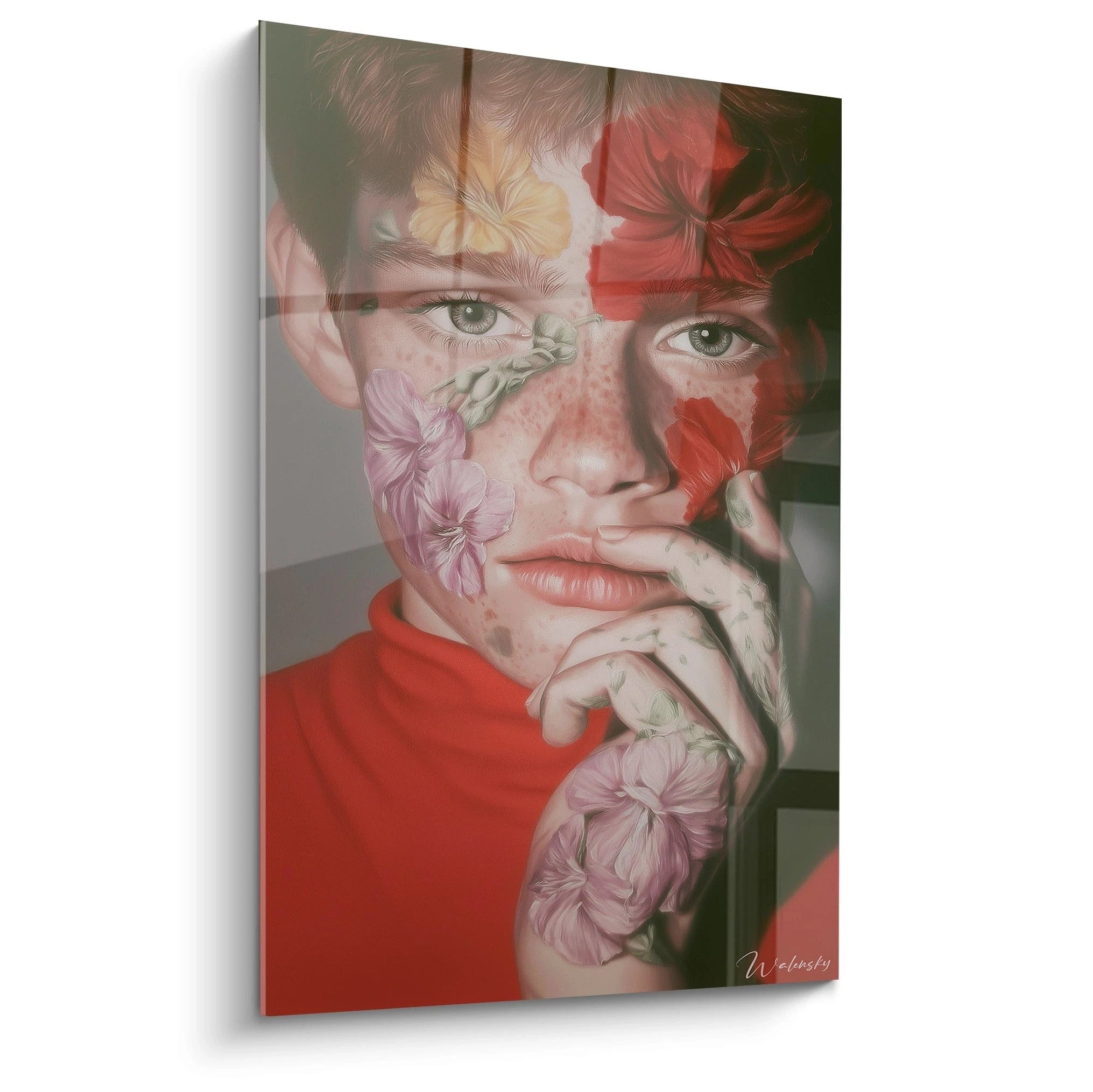
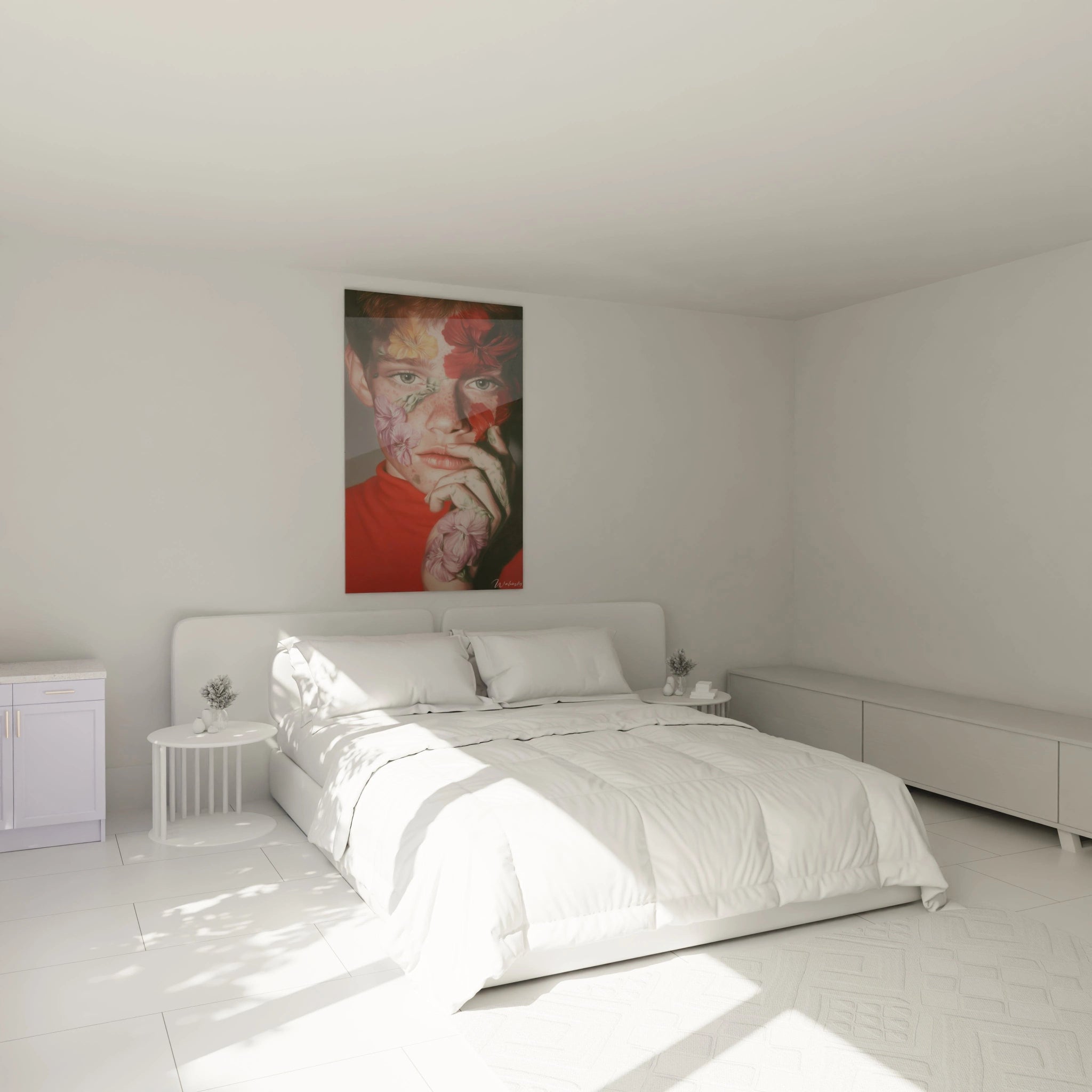
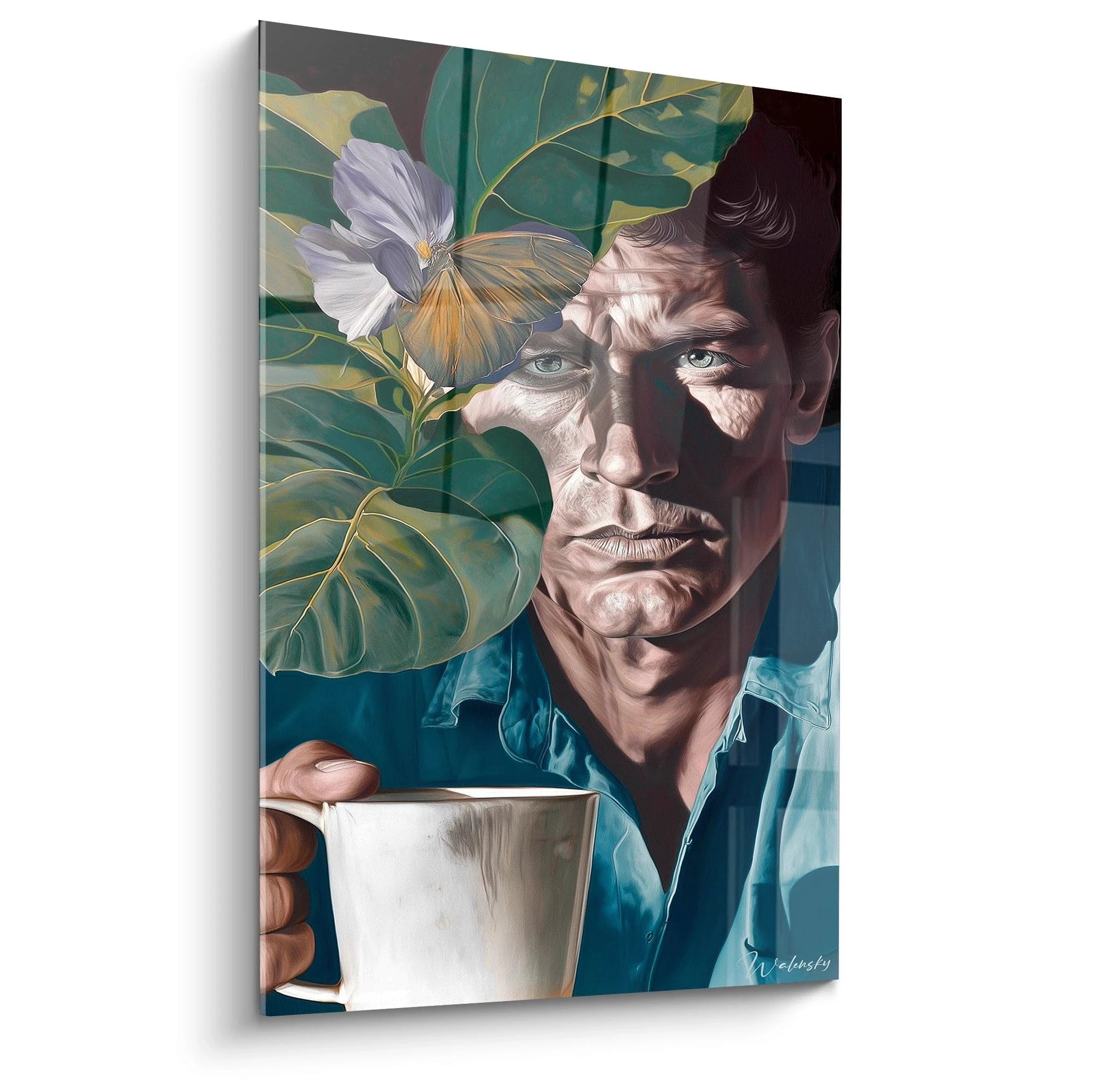
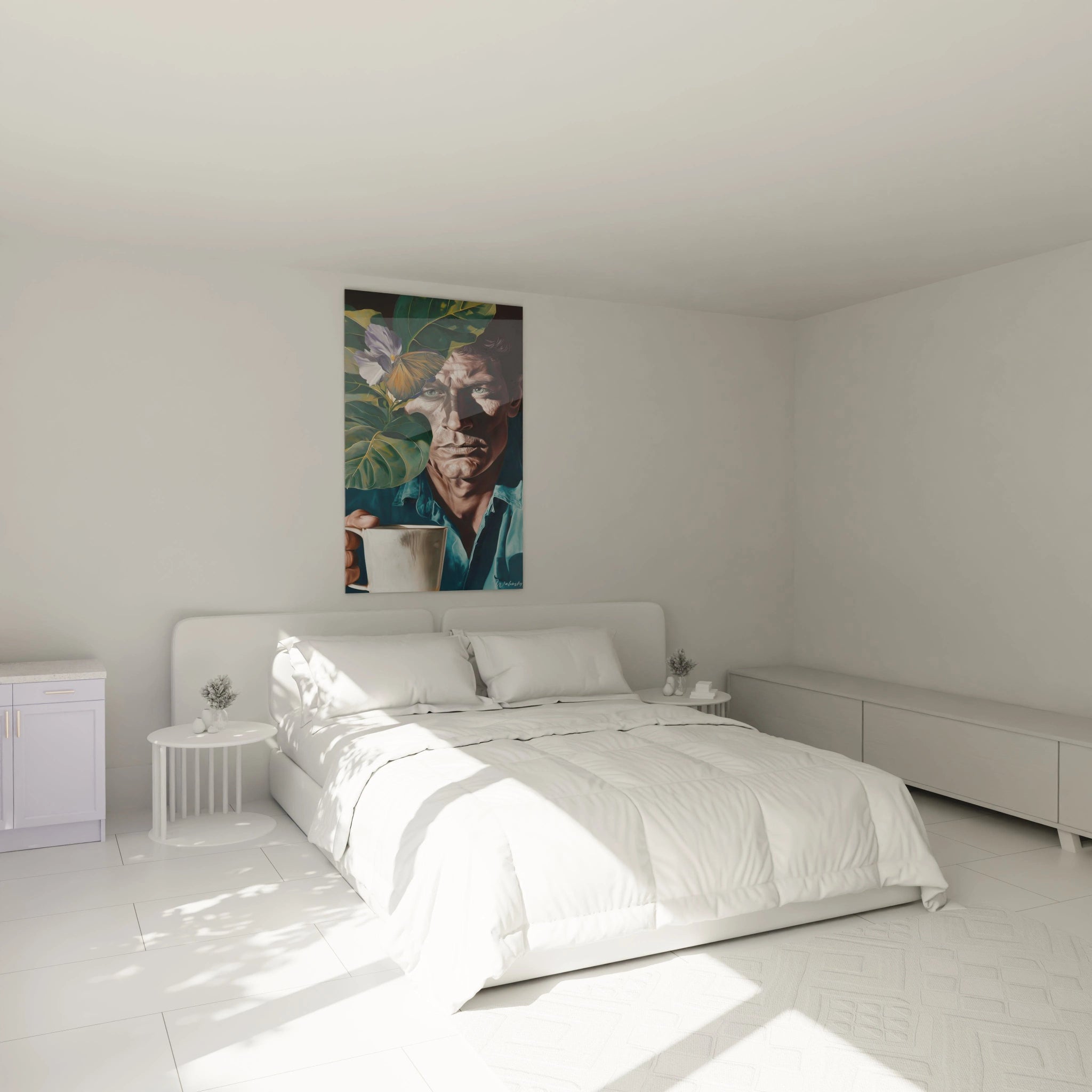
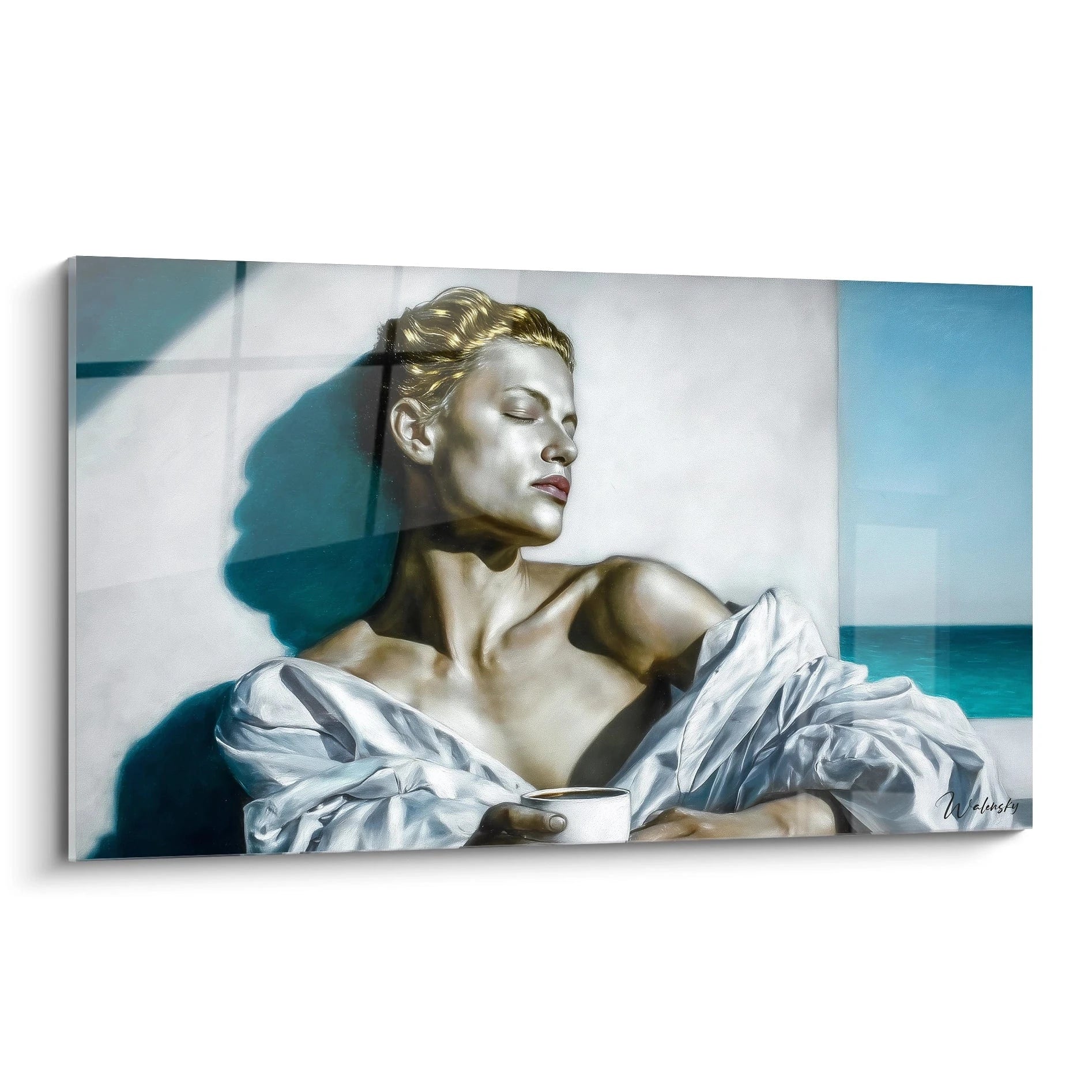
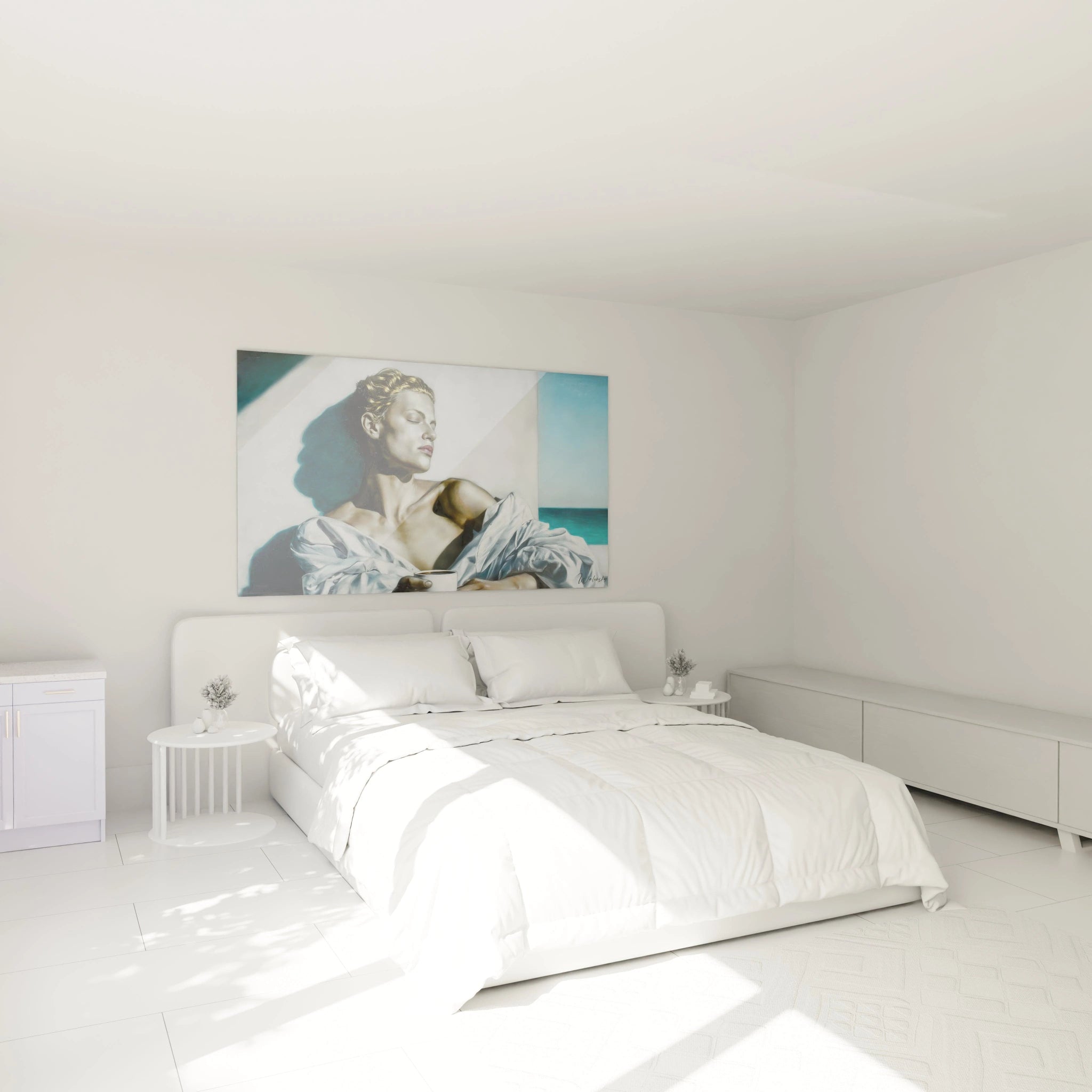
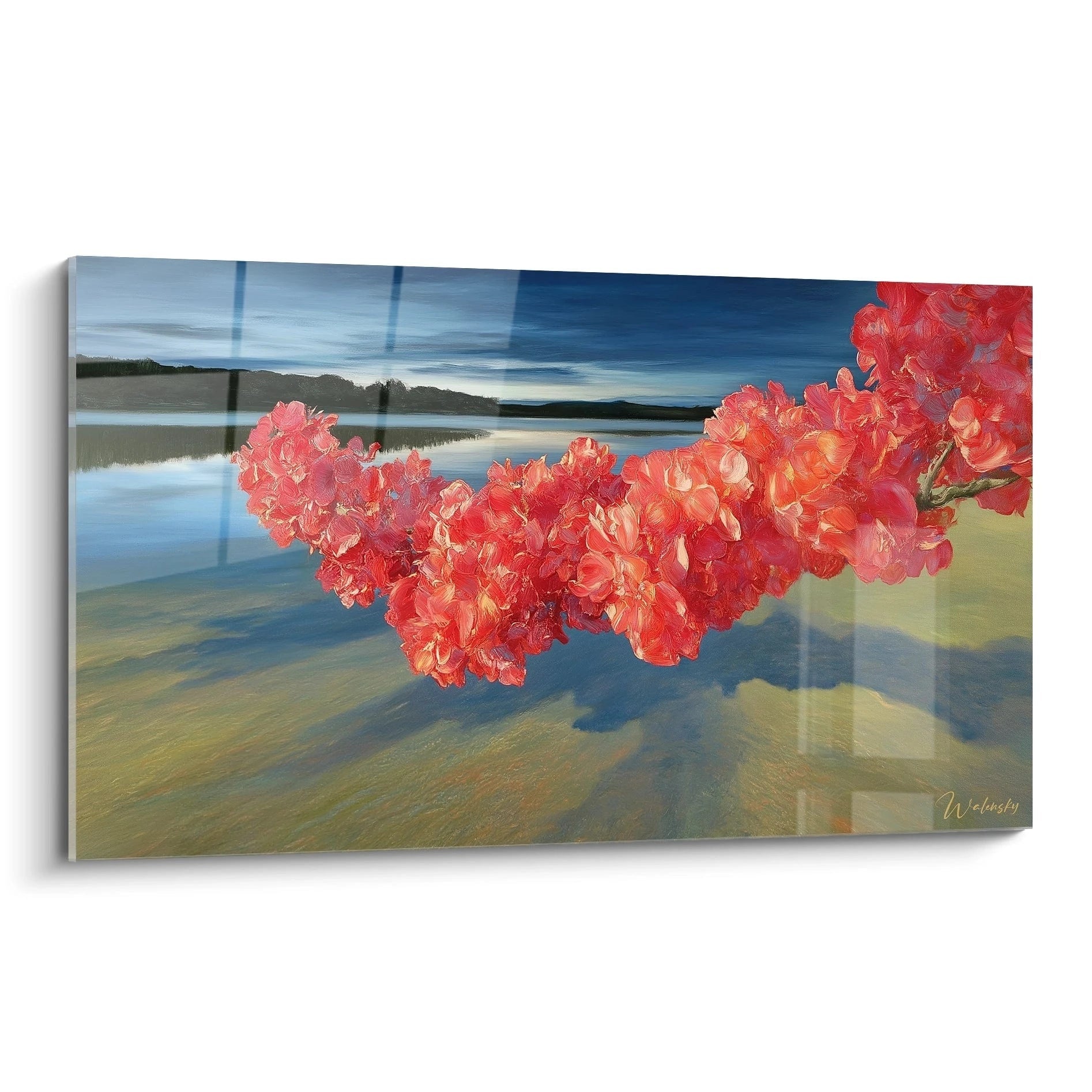
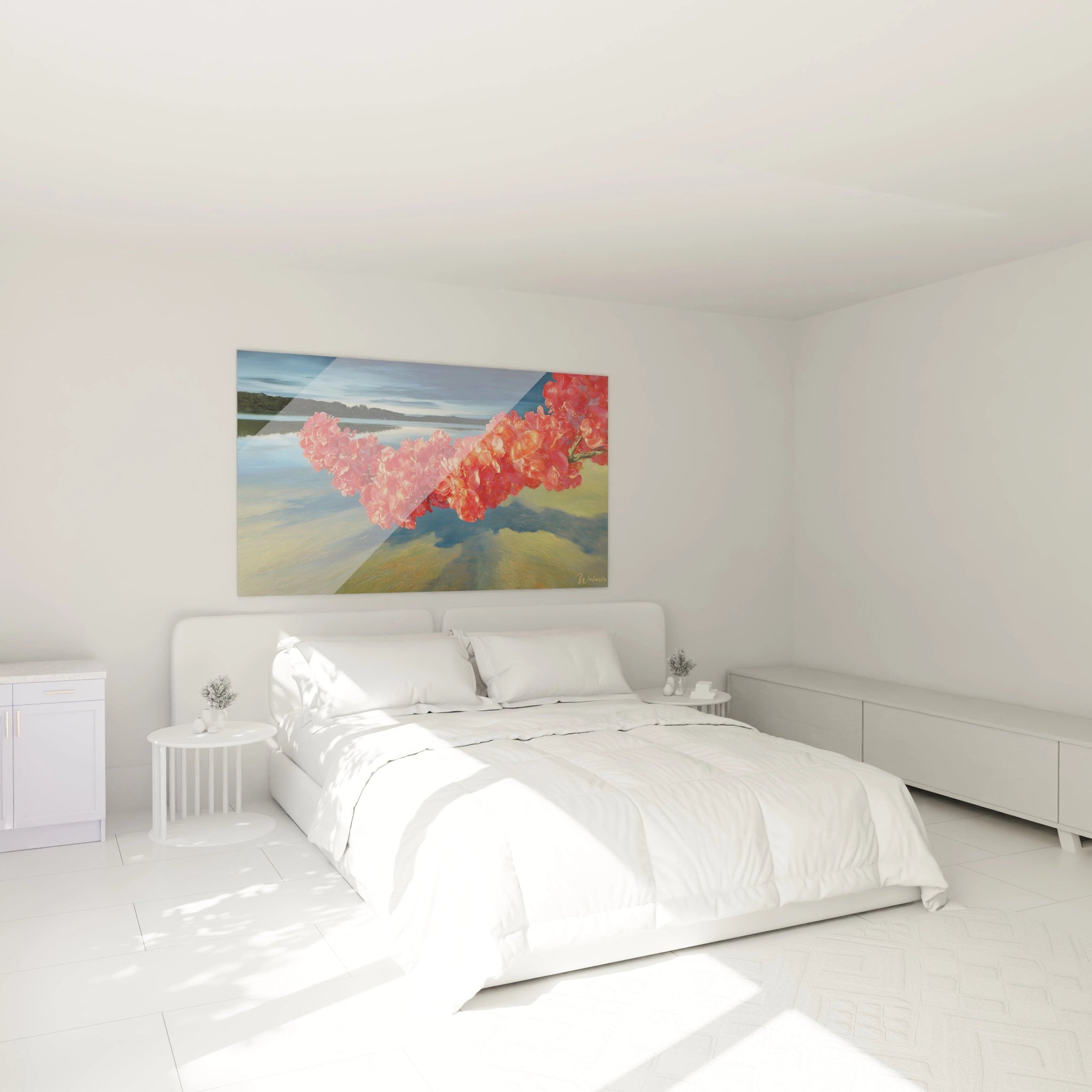
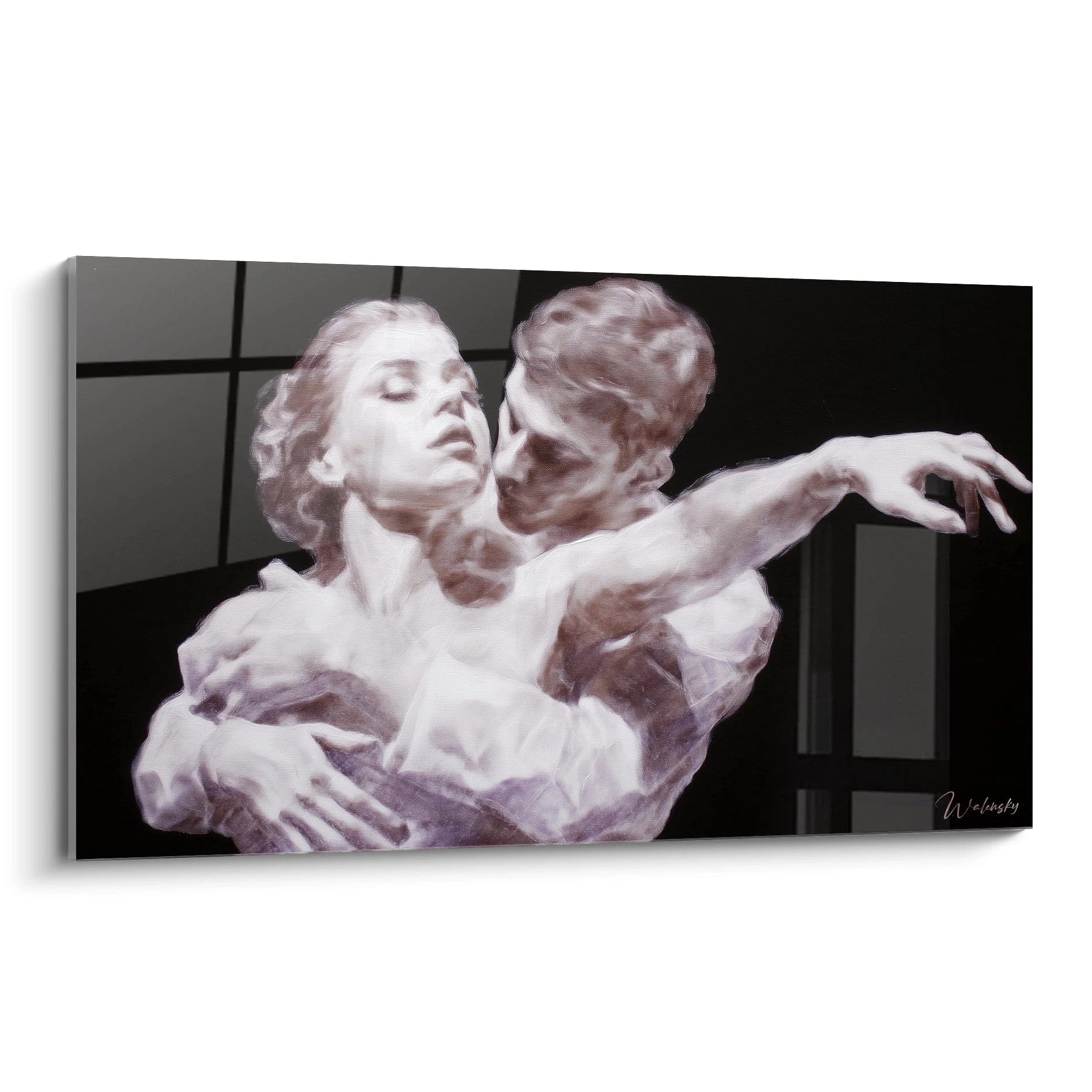
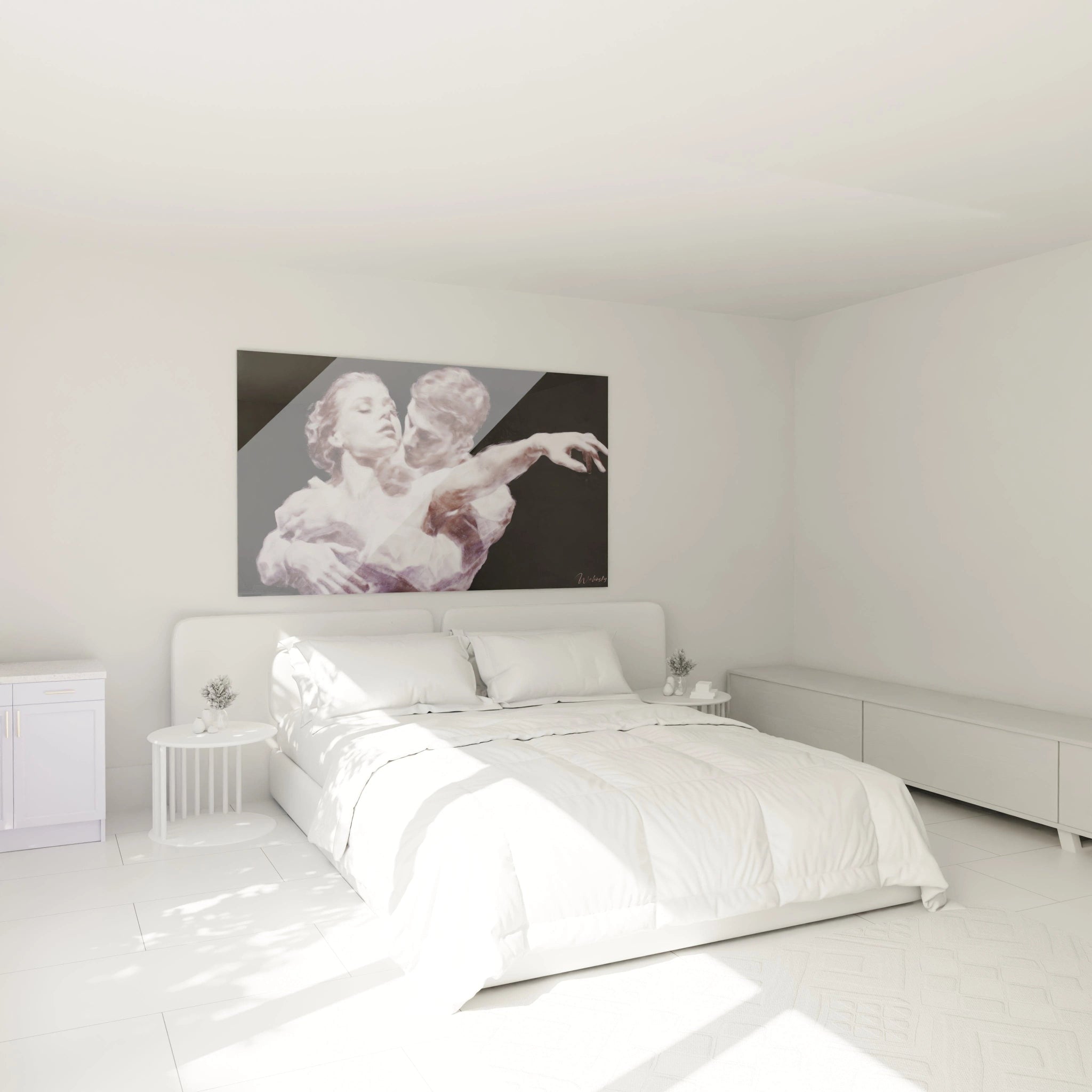
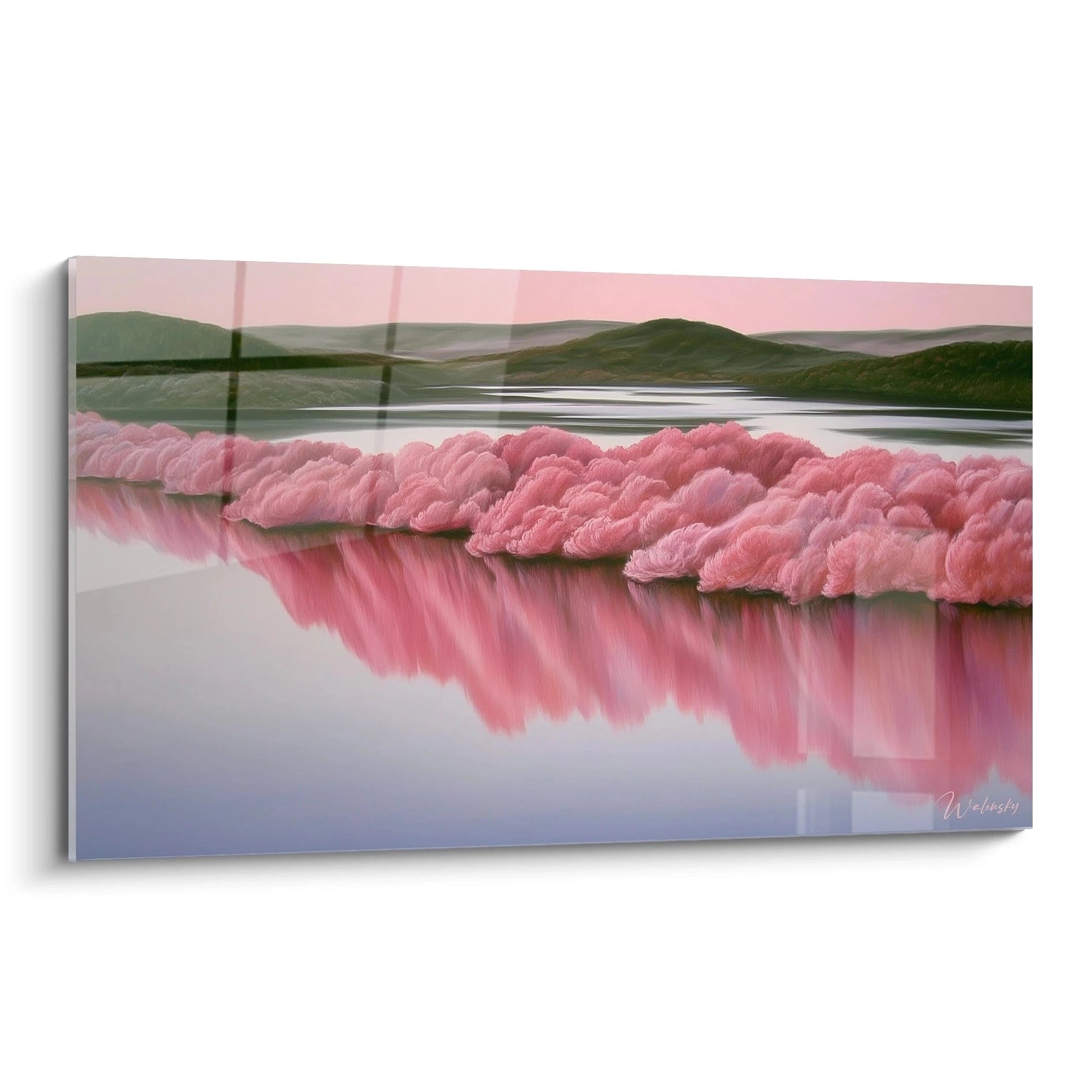
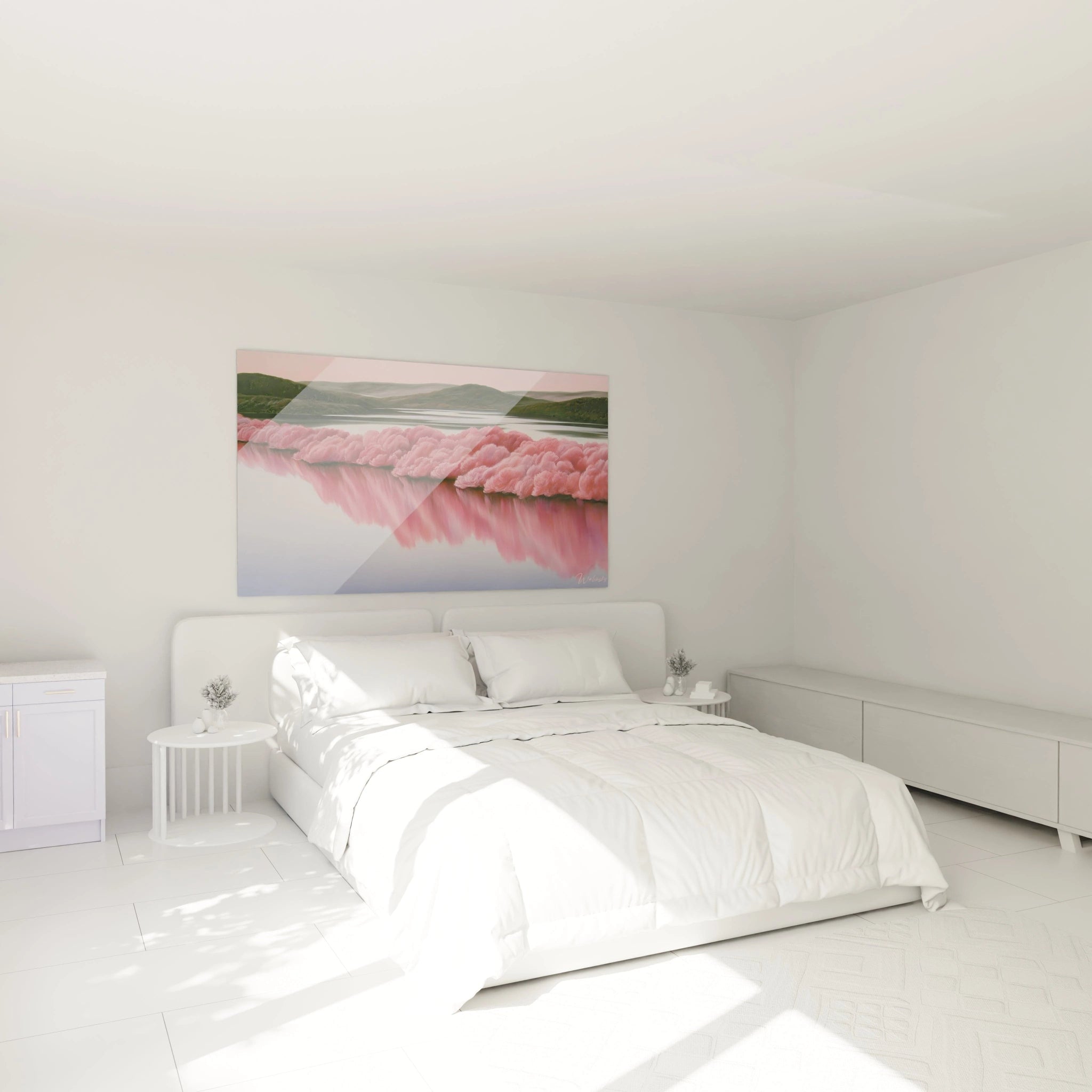
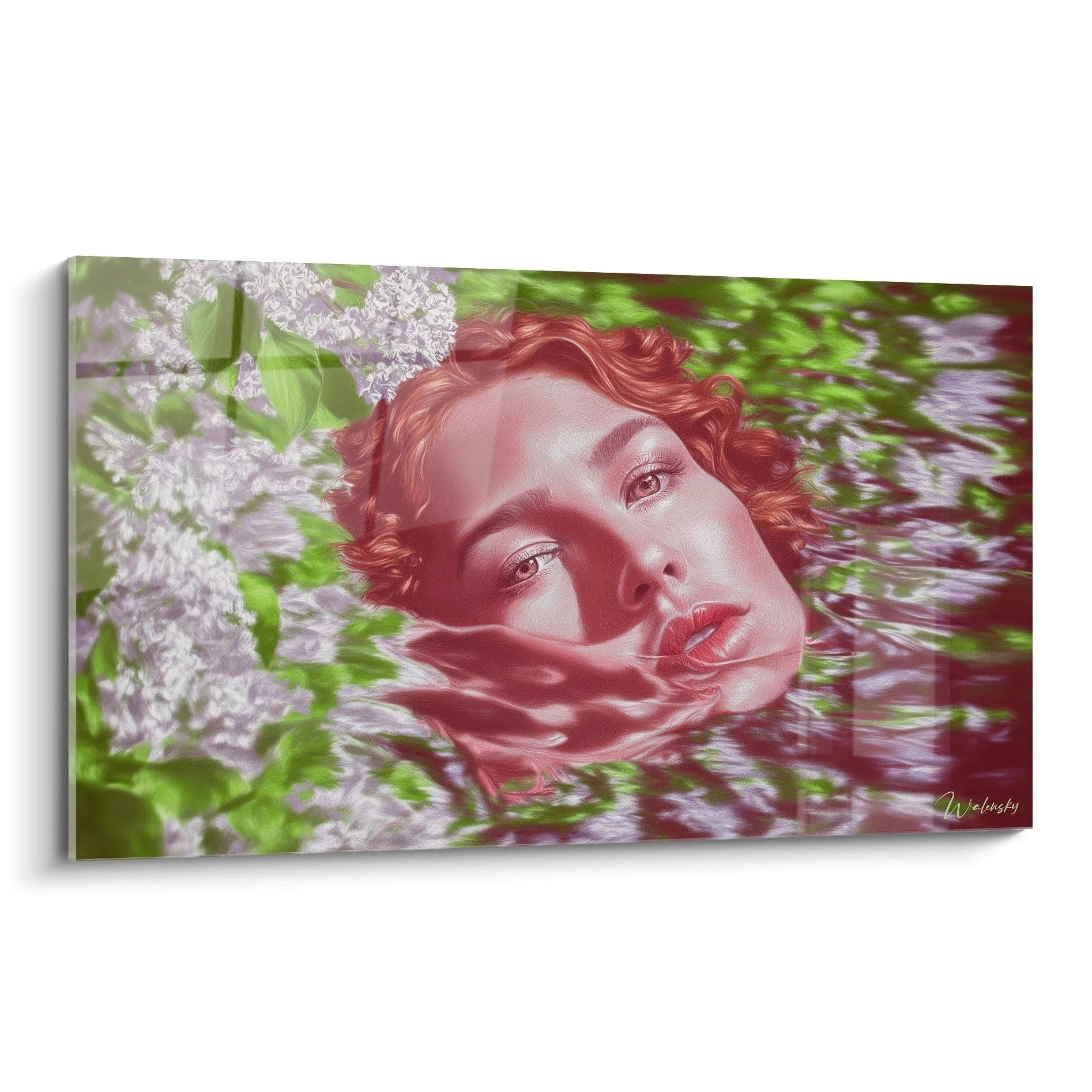
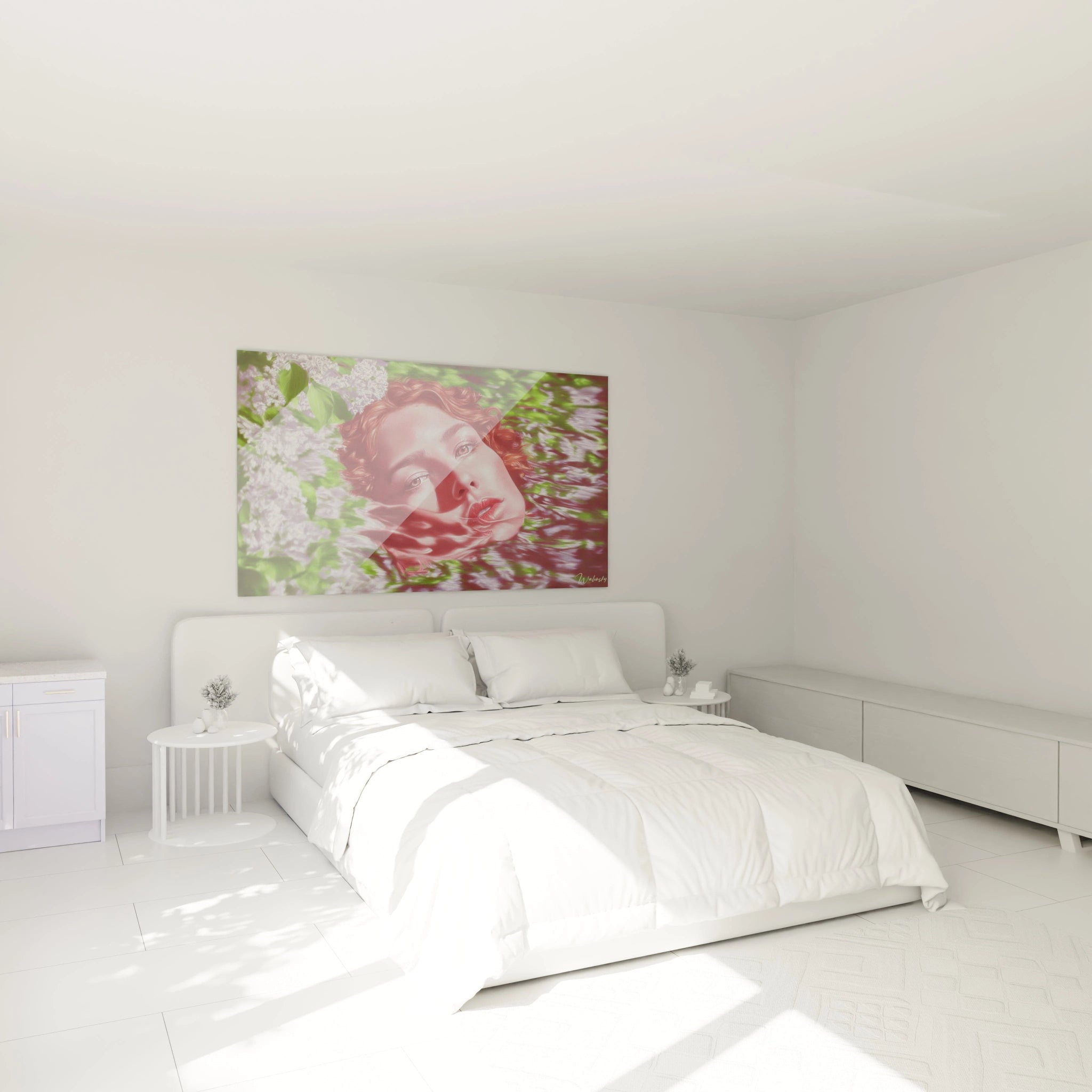
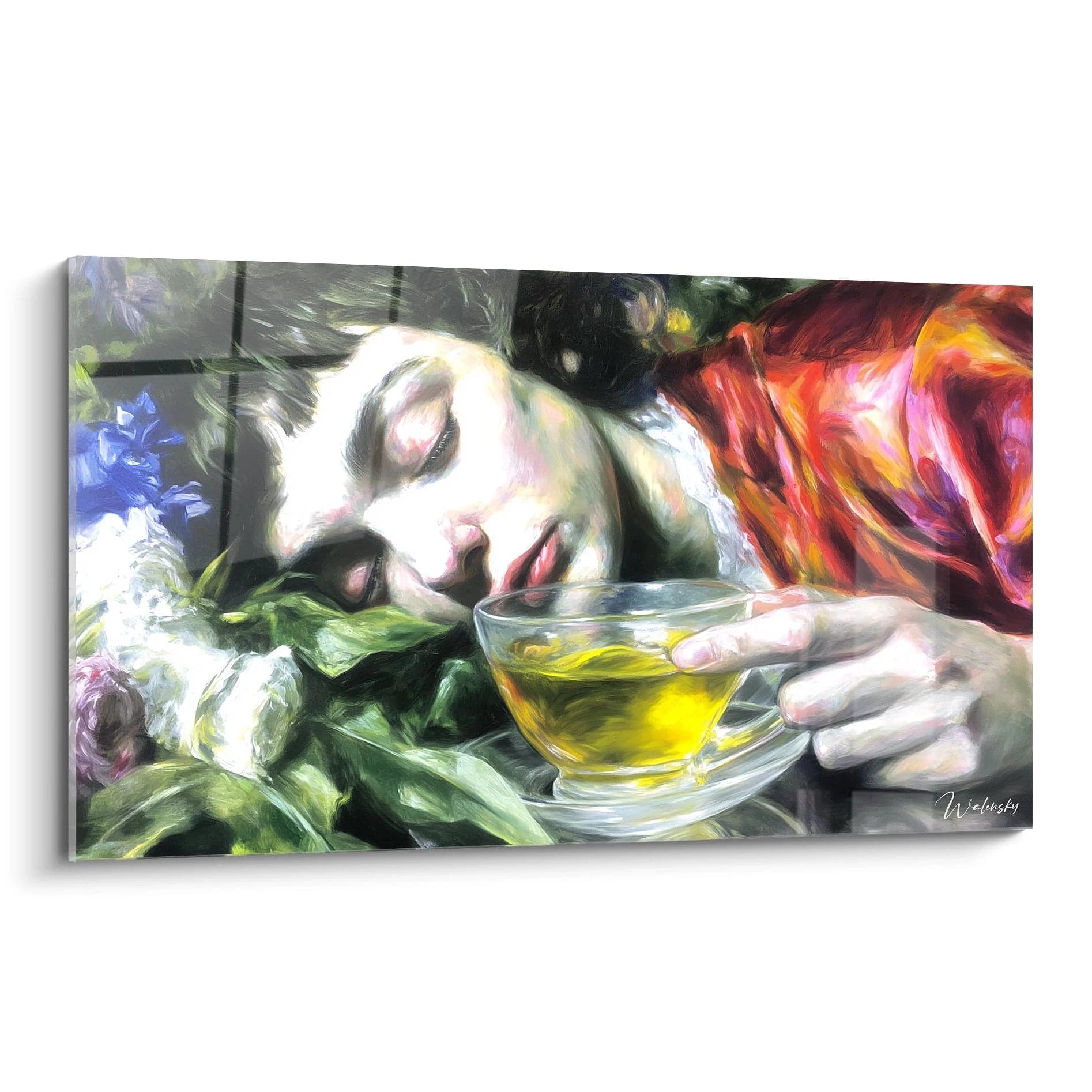
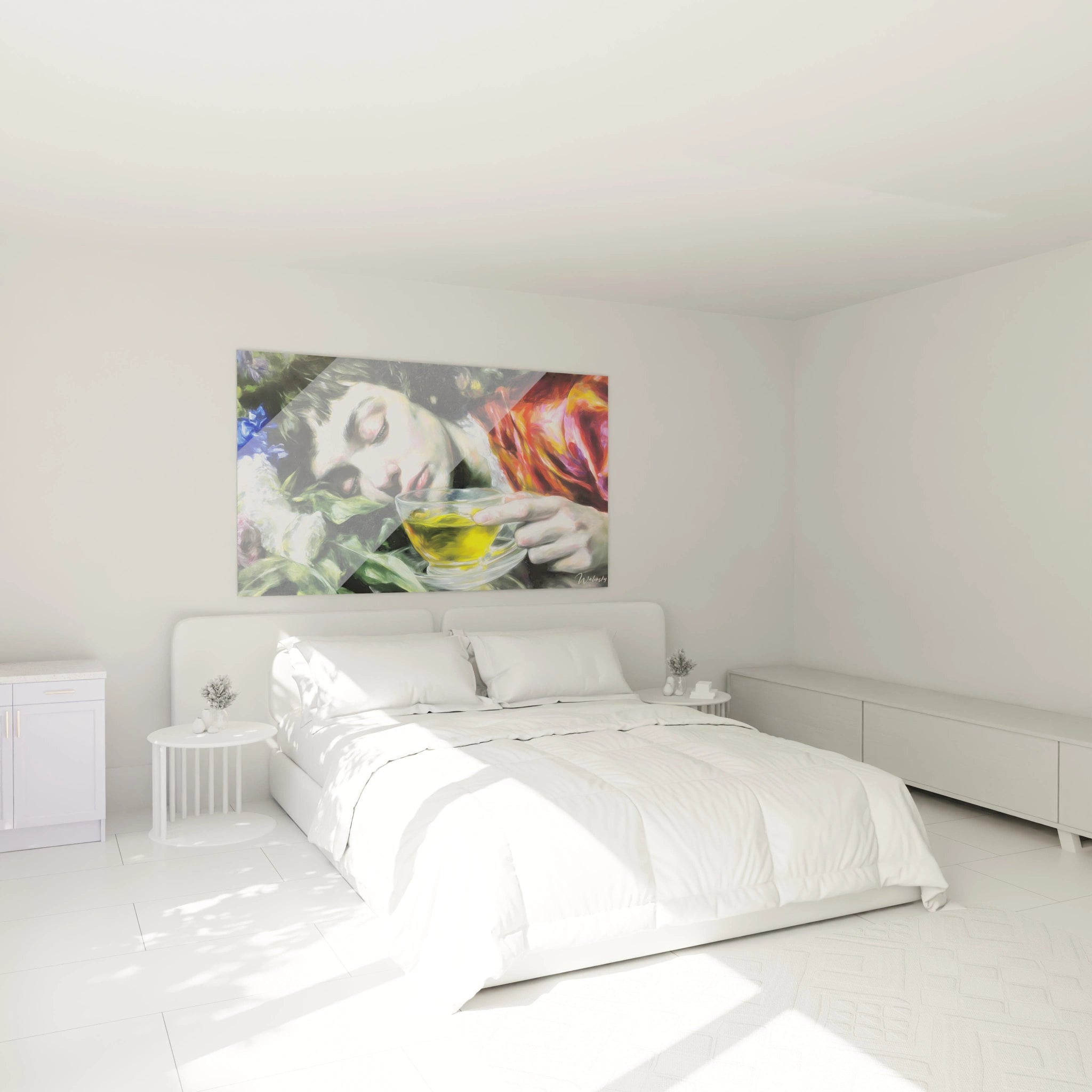
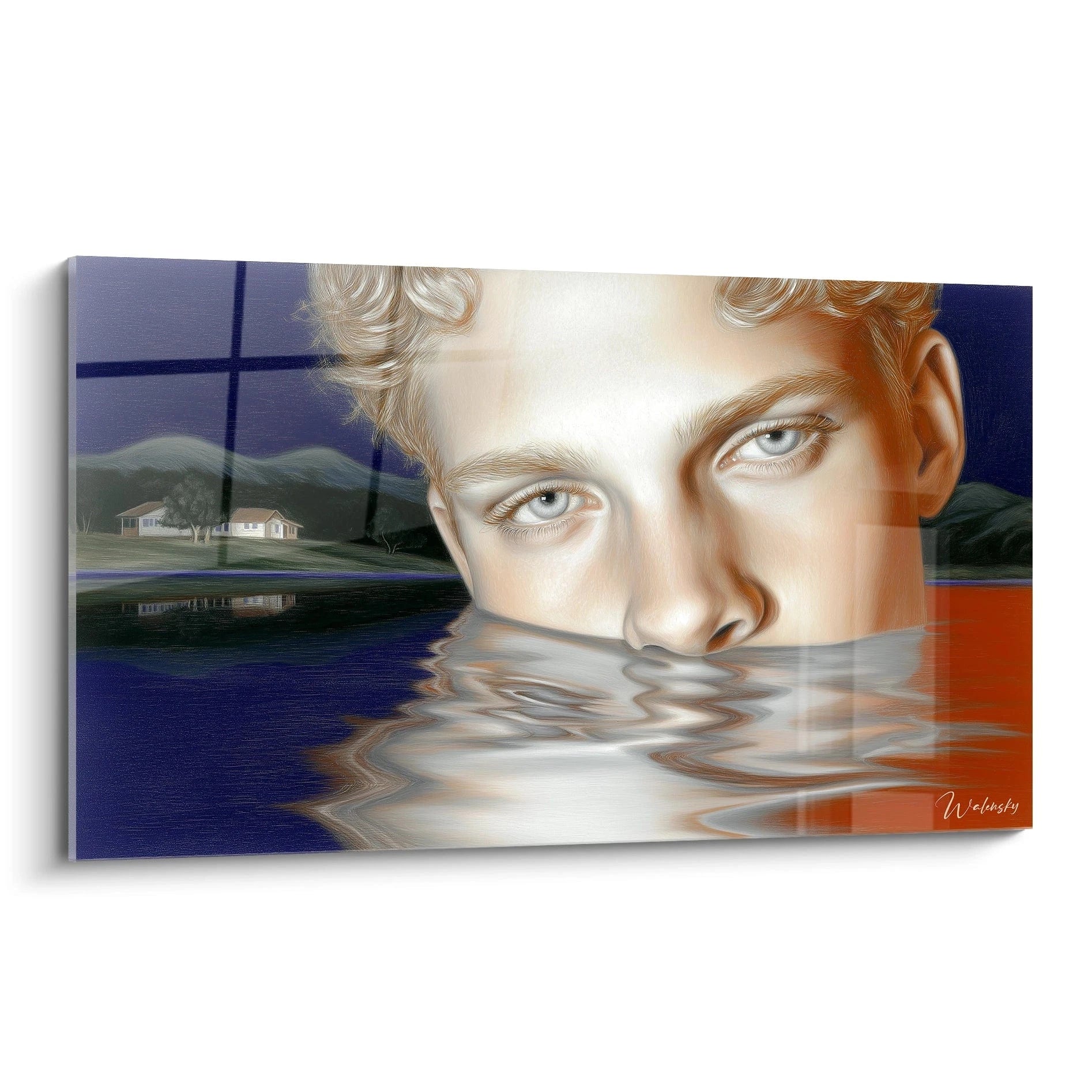
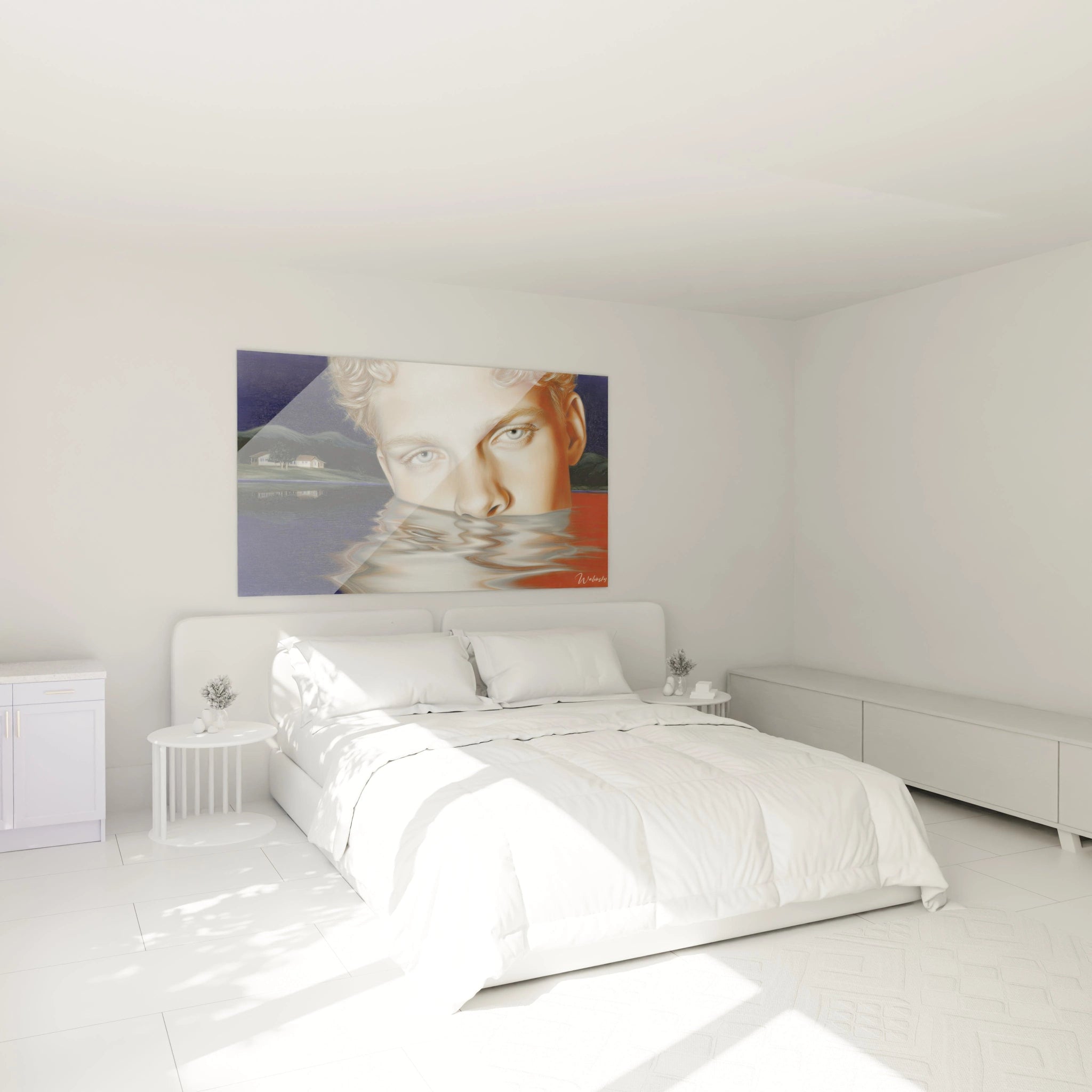
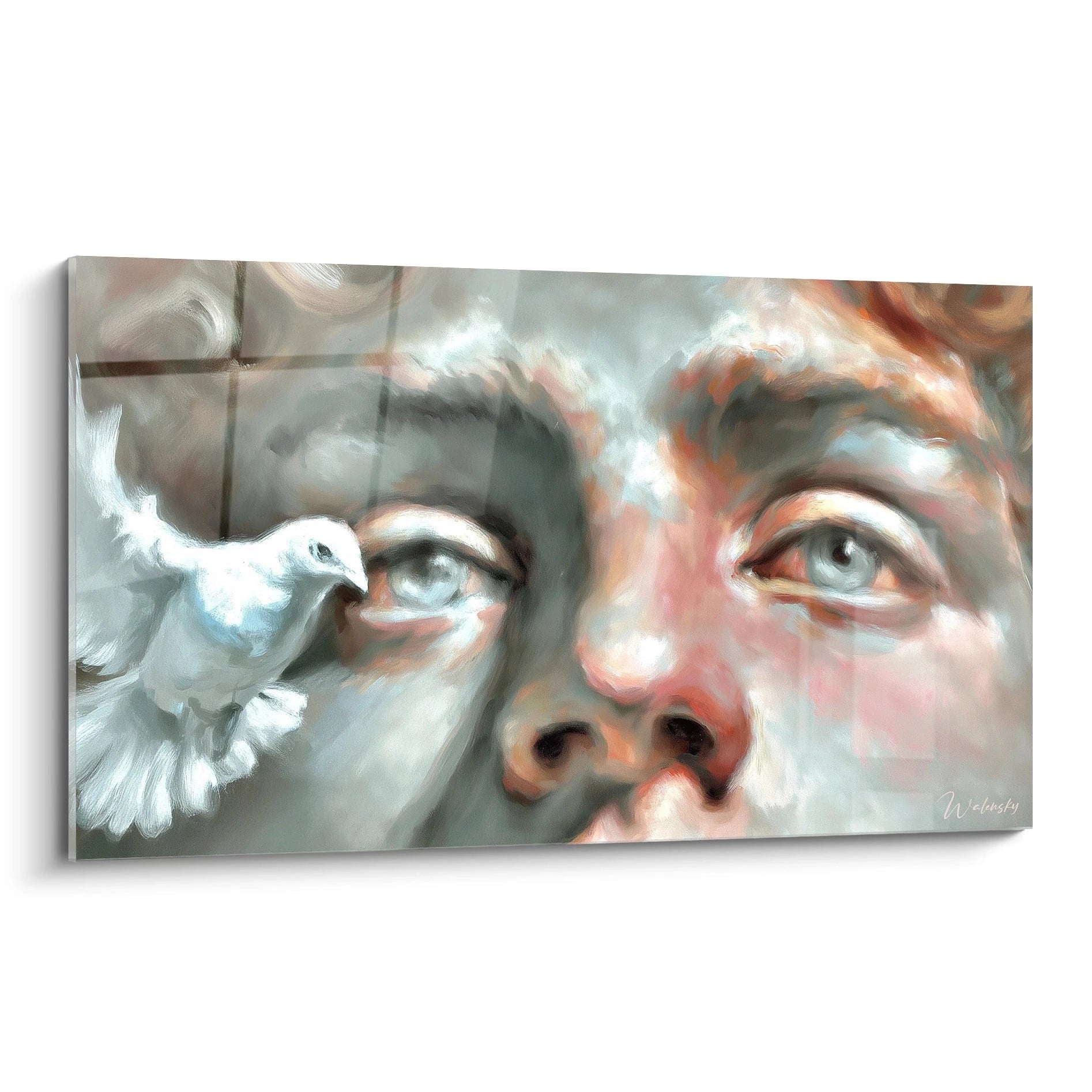
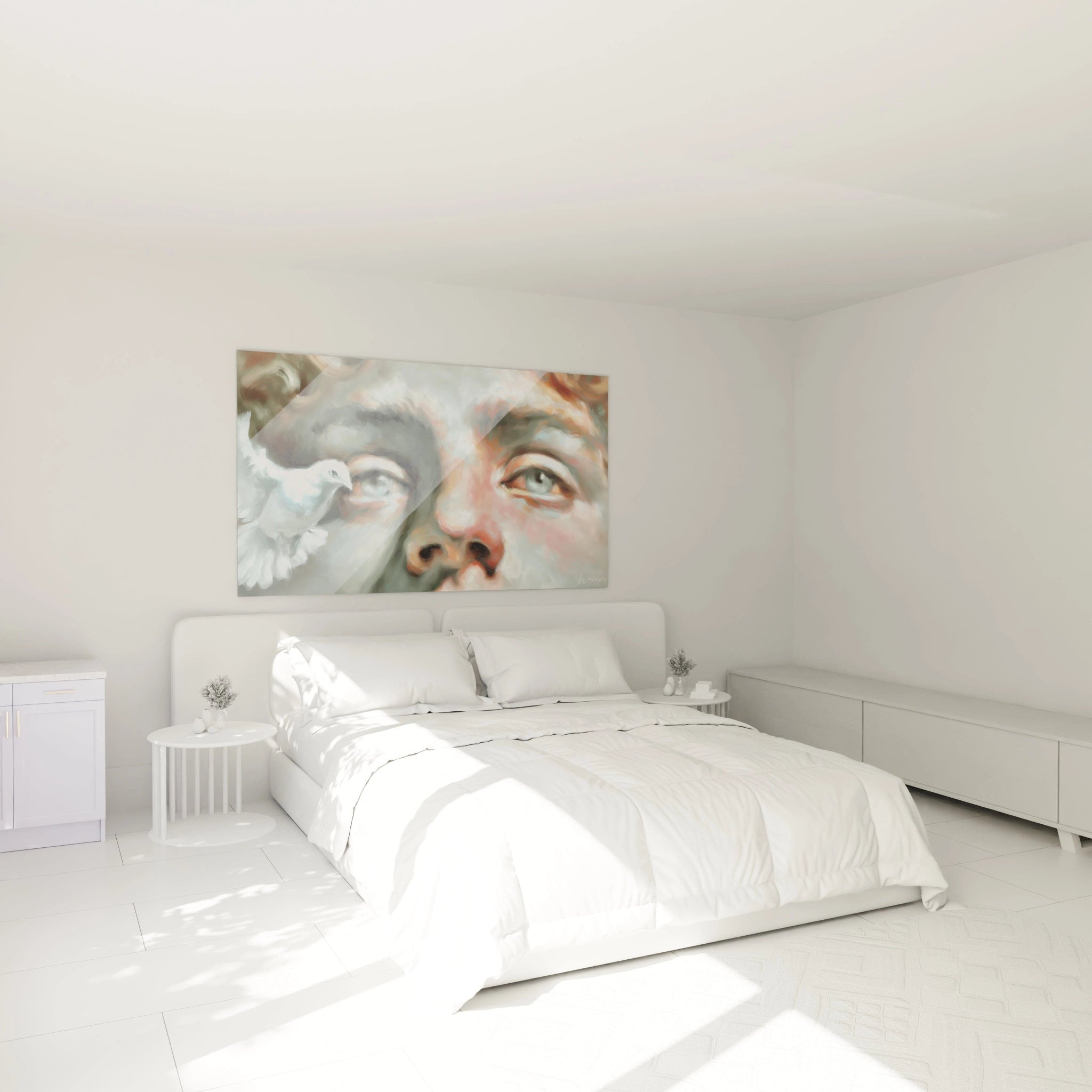
The hyperrealism canvas represents the artistic pinnacle of visual precision, where the boundary between reality and representation completely dissolves. These extraordinary wall artworks captivate through their ability to reproduce reality with stunning photographic fidelity, transforming each space into a contemporary art gallery. Pictorial hyperrealism revolutionizes interior decoration by proposing artistic creations of incomparable visual intensity, where each microscopic detail contributes to creating an immersive aesthetic experience.
Mastery of Visual Illusions in Hyperrealist Wall Art
The hyperrealism canvas excels in the art of visual deception, using revolutionary pictorial techniques to create striking optical effects. These hyperrealistic wall artworks exploit mechanisms of human perception, generating three-dimensional illusions that seem literally to emerge from their support.
How do hyperrealist artists manipulate visual perception?
Creators of hyperrealist wall art employ sophisticated optical rendering strategies, playing with cast shadows, light reflections and hyper-detailed textures. Each pictorial element is calculated to maximize visual impact, creating artistic representations that defy perceptual logic. Contemporary hyperrealist artists master techniques of microscopic chromatic gradation, allowing reproduction of metallic surfaces, water droplets, or facial expressions with quasi-photographic precision.
Advanced hyperrealist rendering techniques
Hyperrealist wall art requires deep understanding of natural optical phenomena. Artists meticulously study light diffraction, caustics and chromatic aberrations to reproduce them artificially. This scientific approach to artistic creation fundamentally distinguishes hyperrealist works from other pictorial movements.
- Microscopic analysis of organic and inorganic textures
- Faithful reproduction of refraction and reflection phenomena
- Simulation of complex atmospheric effects
- Mastery of sharpness gradients and depth of field
Impact of new technologies on pictorial hyperrealism
Technological innovations revolutionize hyperrealist creation methods. High-resolution imaging, photogrammetry and 3D rendering software enable artists to achieve unprecedented levels of detail. These digital tools enrich the traditional creative process, offering new possibilities for hyperrealist artistic expression.
Contemporary hyperrealist wall artworks sometimes integrate anamorphic illusion elements, creating visual effects that vary according to viewing angle. This interactive dimension transforms contemplative experience, making each hyperrealism canvas unique according to the viewer's perspective.
Perception Psychology in Hyperrealist Decorative Art
The hyperrealism canvas generates intense psychological reactions through its extraordinary level of detail. These decorative wall artistic creations exploit cognitive mechanisms of visual recognition, creating profound emotional experiences that transcend simple decorative observation.
Why do hyperrealist details fascinate the human eye so much?
Fascination with hyperrealist wall art roots itself in our perceptual neurology. The human brain instinctively searches for details to validate the reality of what it perceives. Hyperrealist works intensely stimulate these mechanisms, creating cognitive tension between what we know to be a representation and what our senses perceive as real.
Neuroscience reveals that observing hyperrealist art simultaneously activates brain regions associated with recognition of real objects and aesthetic appreciation. This dual activation generates unique cognitive satisfaction, explaining the magnetic appeal of hyperrealist representations.
Therapeutic effects of hyperrealist decorative art
Regular exposure to hyperrealist wall artworks develops visual acuity and stimulates observation capacities. These artistic creations function as visual exercises, training the eye to detect subtle nuances and microscopic details often ignored in daily environment.
- Improvement of prolonged visual concentration
- Development of sensitivity to environmental details
- Stimulation of creativity through meticulous observation
- Stress reduction through contemplative visual meditation
Social impact of monumental hyperrealist artworks
Large-scale hyperrealist wall creations transform collective spaces into artistic meeting places. These works generate spontaneous social interactions, spectators sharing their discoveries of details and personal interpretations. Pictorial hyperrealism thus fosters the creation of temporary artistic communities around shared aesthetic experience.
The social dimension of hyperrealism art also expresses itself in its ability to transcend cultural barriers. Universal precision of details allows immediate appreciation, independent of the viewer's cultural background, creating a truly international visual language.
Technological Evolution of Contemporary Hyperrealist Art
The contemporary hyperrealism canvas integrates the latest technological innovations to push the limits of visual representation. These advances revolutionize traditional techniques, opening new creative horizons for 21st century hyperrealist artists.
How is digital technology transforming pictorial hyperrealism?
Hyperrealist wall art today benefits from rapid advances in artificial intelligence and high-resolution digital imaging. Contemporary artists exploit these tools to analyze and reproduce complex textures with unequaled precision, surpassing even natural human perceptual capabilities.
Optical simulation software now allows precise prediction of complex light effects, multiple reflections and subtle chromatic interactions. This scientific approach to artistic creation elevates pictorial hyperrealism to technical heights never before achieved.
New generations of technophile hyperrealist artists
Contemporary hyperrealism art creators perfectly master digital tools while preserving traditional pictorial techniques. This technological hybridization generates wall artworks of extraordinary visual complexity, blending ancestral expertise and cutting-edge digital innovations.
- Use of 3D printers to create micrometric reliefs
- Integration of photoluminescent reactive pigments
- Employment of high-resolution scanners to capture invisible details
- Application of intelligent varnishes modulating reflectance
What is the influence of virtual reality on hyperrealist wall art?
Virtual reality inspires hyperrealist artists by providing visual references impossible to obtain naturally. These technologies allow exploration of inaccessible environments, analysis of rare optical phenomena and creation of artistic compositions defying traditional physical laws.
Contemporary hyperrealist art sometimes integrates augmented reality elements, creating evolving wall artworks that transform according to viewer interactions. This interactive dimension revolutionizes traditional aesthetic experience, proposing truly living artistic creations.
Evolution perspectives of technological hyperrealism
Research in nanomaterials opens new creative possibilities for hyperrealist wall art. Nanostructured pigments generate changing chromatic effects according to viewing angle, multiplying possible visual interpretations of the same artwork.
FAQ - Frequently Asked Questions about Hyperrealism Canvases
How long does it take to create a professional hyperrealism canvas?
Creating a quality hyperrealism canvas typically requires between 200 and 800 hours of work, depending on the complexity of details and dimensions of the artwork.
Do hyperrealism canvases retain their visual impact over time?
Thanks to modern conservation techniques and high-quality pigments, a well-maintained hyperrealism canvas retains its brilliance and visual precision for several decades.
What is the difference between a hyperrealism canvas and a photographic reproduction?
The hyperrealism canvas often exceeds photographic precision by selecting and amplifying certain details to create a reality more intense than nature, impossible to capture through mere photography.
How to identify an authentic museum-quality hyperrealism canvas?
A true hyperrealism canvas is recognized by the consistency of its microscopic details, the absence of visible pixels even at very close range, and its ability to maintain the illusion from all viewing angles.