


Lazy Sloth Wall Art
Discover our zen collection lazy sloth wall art, a tribute to these tropical mammals masters of serenity. Each artwork captures the relaxing philosophy and natural charm of these contemplative creatures. These artistic creations convey the sloth's art of living: deliberate slowness, harmony with nature and absolute serenity, perfect for creating a soothing and peaceful atmosphere in your living space.
 Sloth Wall Art Suspended Wisdom - sloth edition273,90 €
 Lazy Sloth Master of Time - Sloth Edition242,90 €
 Lazy Sloth Hymn to Slowness - Sloth Edition228,90 €

In the same family
Also explore the theme Animals
-
 View all10974
artworks
View all10974
artworks
-
 Bee54
artworks
Bee54
artworks
-
 Eagle18
artworks
Eagle18
artworks
-
 Alpaca111
artworks
Alpaca111
artworks
-
 Donkey15
artworks
Donkey15
artworks
-
 Savannah Wildlife94
artworks
Savannah Wildlife94
artworks
-
 Antelope5
artworks
Antelope5
artworks
-
 Spider8
artworks
Spider8
artworks
-
 Other Animals24
artworks
Other Animals24
artworks
-
 Ostrich75
artworks
Ostrich75
artworks
-
 Axolotl47
artworks
Axolotl47
artworks
-
 Whale89
artworks
Whale89
artworks
-
 Barracuda61
artworks
Barracuda61
artworks
-
 Snipe32
artworks
Snipe32
artworks
-
 Ram315
artworks
Ram315
artworks
-
 Beluga169
artworks
Beluga169
artworks
-
 Hermit-Crab12
artworks
Hermit-Crab12
artworks
-
 Doe10
artworks
Doe10
artworks
-
 Bison8
artworks
Bison8
artworks
-
 Badger59
artworks
Badger59
artworks
-
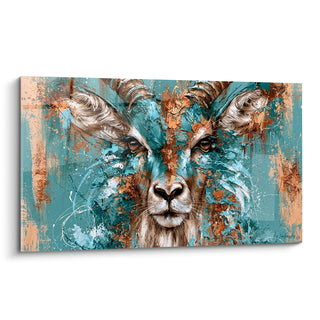 Chamois32
artworks
Chamois32
artworks
-
 Buffalo91
artworks
Buffalo91
artworks
-
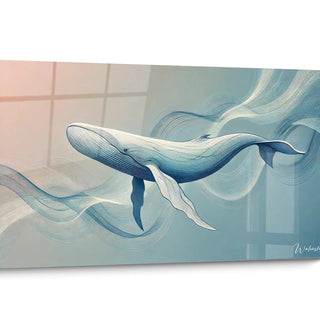 Sperm Whale8
artworks
Sperm Whale8
artworks
-
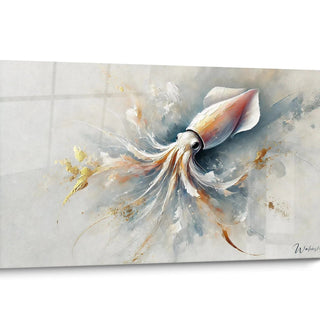 Giant Squid6
artworks
Giant Squid6
artworks
-
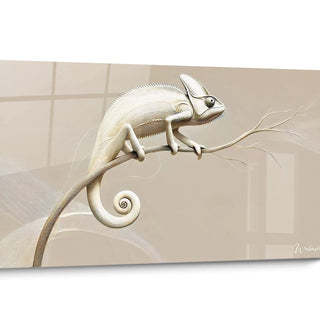 Chameleon20
artworks
Chameleon20
artworks
-
 Duck352
artworks
Duck352
artworks
-
 Capybara3
artworks
Capybara3
artworks
-
 Caracal15
artworks
Caracal15
artworks
-
 Caribou4
artworks
Caribou4
artworks
-
 Koi Carp130
artworks
Koi Carp130
artworks
-
 Beaver9
artworks
Beaver9
artworks
-
 Deer26
artworks
Deer26
artworks
-
 Camel3
artworks
Camel3
artworks
-
 Cat1218
artworks
Cat1218
artworks
-
 Bat10
artworks
Bat10
artworks
-
 Horse73
artworks
Horse73
artworks
-
 Mountain Goat3
artworks
Mountain Goat3
artworks
-
 Dog3055
artworks
Dog3055
artworks
-
 Chimpanzee12
artworks
Chimpanzee12
artworks
-
 Owl19
artworks
Owl19
artworks
-
 Stork16
artworks
Stork16
artworks
-
 Ladybug7
artworks
Ladybug7
artworks
-
 Pig8
artworks
Pig8
artworks
-
 Guinea Pig13
artworks
Guinea Pig13
artworks
-
 Hummingbird23
artworks
Hummingbird23
artworks
-
 Dove90
artworks
Dove90
artworks
-
 Rooster9
artworks
Rooster9
artworks
-
 Seashell6
artworks
Seashell6
artworks
-
 Raven9
artworks
Raven9
artworks
-
 Crab5
artworks
Crab5
artworks
-
 Toad8
artworks
Toad8
artworks
-
 Shrimp5
artworks
Shrimp5
artworks
-
 Crocodile4
artworks
Crocodile4
artworks
-
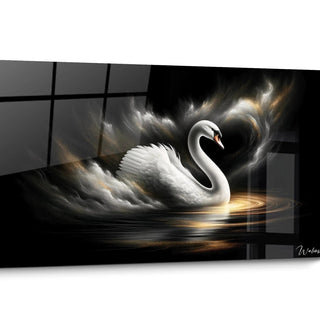 Swan189
artworks
Swan189
artworks
-
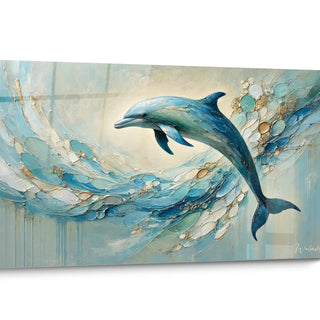 Dolphin11
artworks
Dolphin11
artworks
-
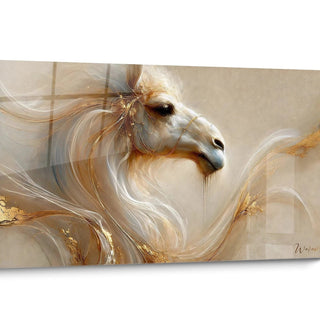 Dromedary4
artworks
Dromedary4
artworks
-
 Squirrel15
artworks
Squirrel15
artworks
-
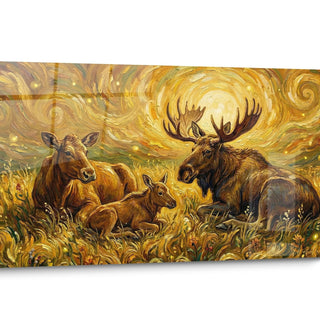 Elan13
artworks
Elan13
artworks
-
 Elephant80
artworks
Elephant80
artworks
-
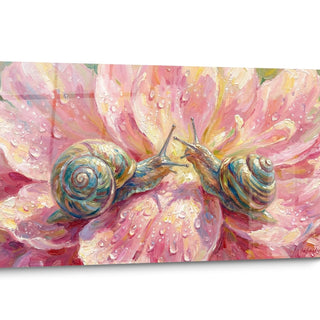 Snail11
artworks
Snail11
artworks
-
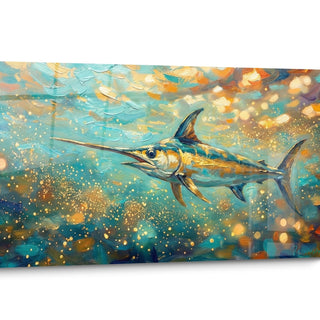 Swordfish4
artworks
Swordfish4
artworks
-
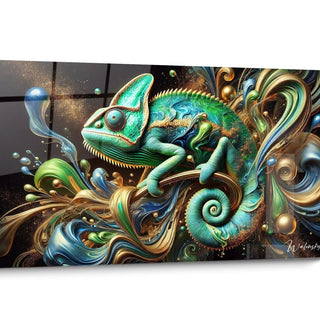 Wild Essence25
artworks
Wild Essence25
artworks
-
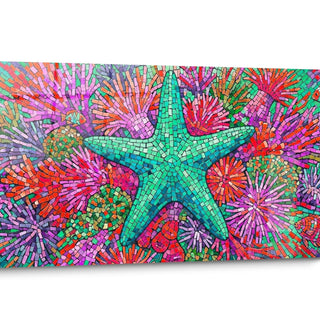 Starfish19
artworks
Starfish19
artworks
-
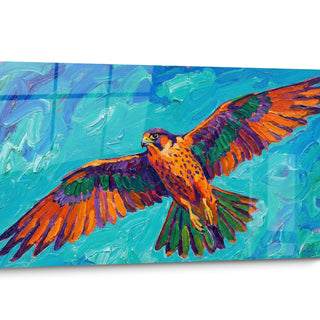 Falcon16
artworks
Falcon16
artworks
-
 Fennec256
artworks
Fennec256
artworks
-
 Pink Flamingo30
artworks
Pink Flamingo30
artworks
-
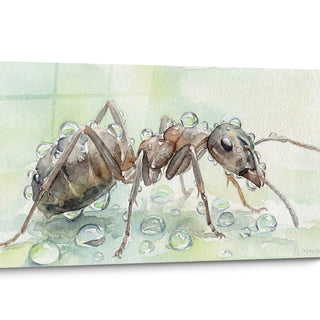 Ant19
artworks
Ant19
artworks
-
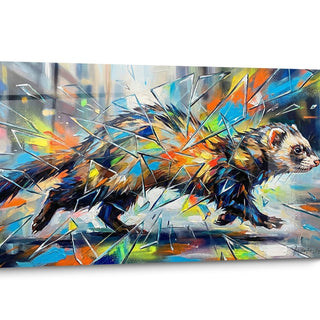 Ferret17
artworks
Ferret17
artworks
-
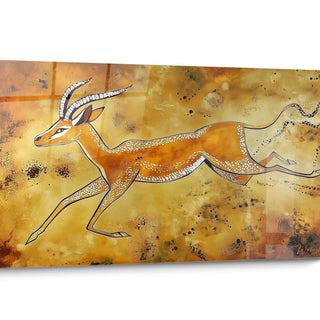 Gazelle4
artworks
Gazelle4
artworks
-
 Giraffe183
artworks
Giraffe183
artworks
-
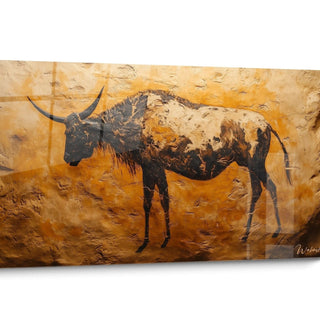 Wildebeest3
artworks
Wildebeest3
artworks
-
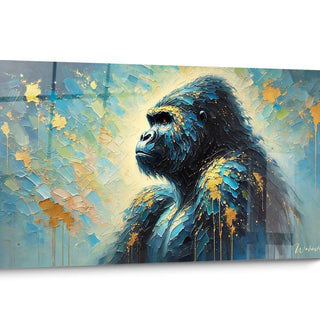 Gorilla15
artworks
Gorilla15
artworks
-
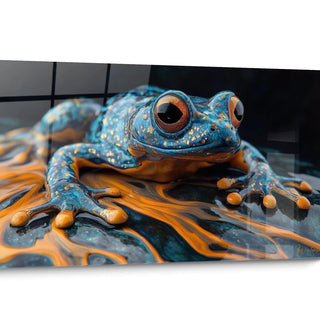 Frog65
artworks
Frog65
artworks
-
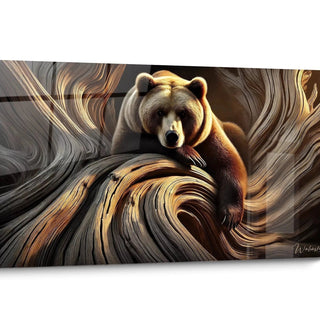 Grizzly3
artworks
Grizzly3
artworks
-
 Crane10
artworks
Crane10
artworks
-
 Cheetah147
artworks
Cheetah147
artworks
-
 Hamster17
artworks
Hamster17
artworks
-
 Hedgehog64
artworks
Hedgehog64
artworks
-
 Heron37
artworks
Heron37
artworks
-
 Owl42
artworks
Owl42
artworks
-
 Seahorse34
artworks
Seahorse34
artworks
-
 Hippopotamus4
artworks
Hippopotamus4
artworks
-
 Lobster8
artworks
Lobster8
artworks
-
 Hyena14
artworks
Hyena14
artworks
-
 Iguana6
artworks
Iguana6
artworks
-
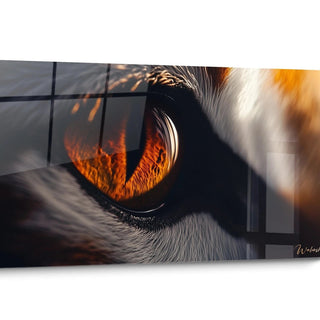 Animal Eye6
artworks
Animal Eye6
artworks
-
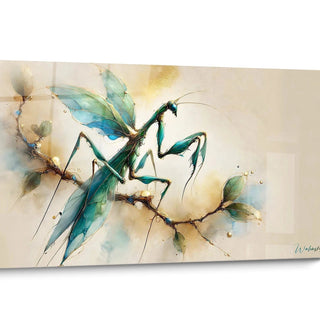 Insect5
artworks
Insect5
artworks
-
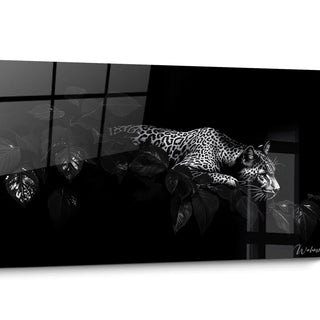 Jaguar6
artworks
Jaguar6
artworks
-
 Kangaroo100
artworks
Kangaroo100
artworks
-
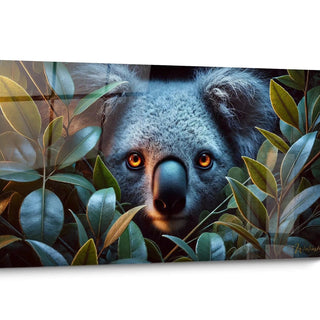 Koala18
artworks
Koala18
artworks
-
 Llama107
artworks
Llama107
artworks
-
 Rabbit15
artworks
Rabbit15
artworks
-
 Lemur3
artworks
Lemur3
artworks
-
 Dragonfly4
artworks
Dragonfly4
artworks
-
 Unicorn62
artworks
Unicorn62
artworks
-
 Lion193
artworks
Lion193
artworks
-
 Lion Cub4
artworks
Lion Cub4
artworks
-
 Lioness6
artworks
Lioness6
artworks
-
 Wolf13
artworks
Wolf13
artworks
-
 Otter6
artworks
Otter6
artworks
-
 Lynx7
artworks
Lynx7
artworks
-
 Puffin2
artworks
Puffin2
artworks
-
 Penguin10
artworks
Penguin10
artworks
-
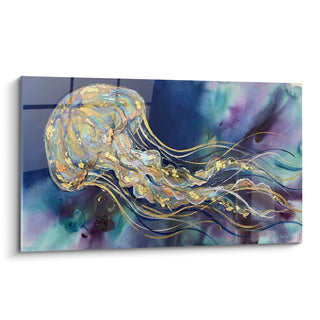 Jellyfish17
artworks
Jellyfish17
artworks
-
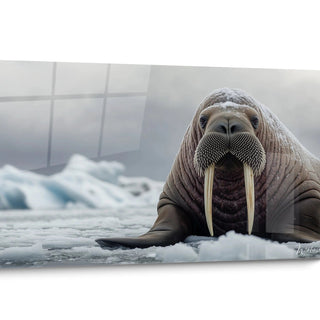 Morse3
artworks
Morse3
artworks
-
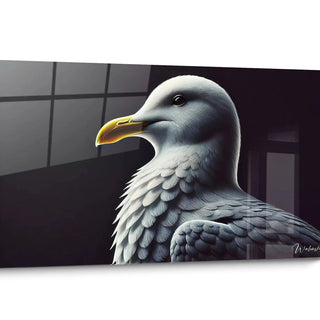 Seagull4
artworks
Seagull4
artworks
-
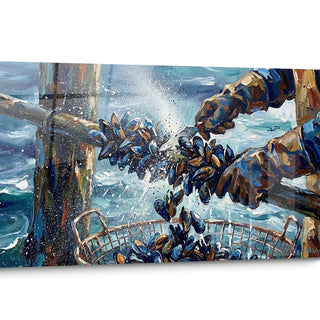 Mold14
artworks
Mold14
artworks
-
 Sheep6
artworks
Sheep6
artworks
-
 Narwhal66
artworks
Narwhal66
artworks
-
 Ocelot3
artworks
Ocelot3
artworks
-
 Birds15
artworks
Birds15
artworks
-
 Orangutan10
artworks
Orangutan10
artworks
-
 Orca28
artworks
Orca28
artworks
-
 Brown Bear334
artworks
Brown Bear334
artworks
-
 Polar Bear289
artworks
Polar Bear289
artworks
-
 Sea Urchin9
artworks
Sea Urchin9
artworks
-
 Giant Panda69
artworks
Giant Panda69
artworks
-
 Red Panda11
artworks
Red Panda11
artworks
-
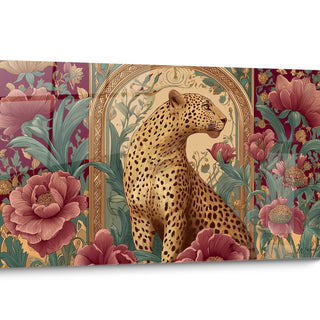 Panther19
artworks
Panther19
artworks
-
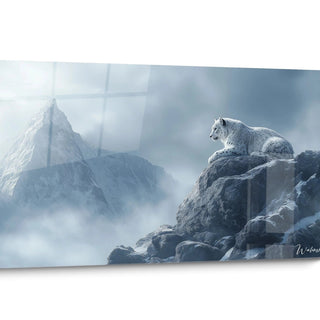 Snow Leopard8
artworks
Snow Leopard8
artworks
-
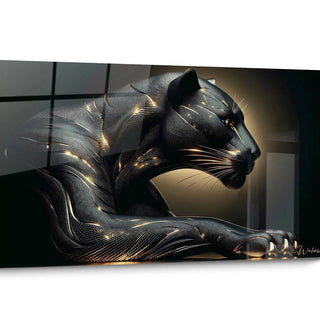 Black Panther10
artworks
Black Panther10
artworks
-
 Peacock128
artworks
Peacock128
artworks
-
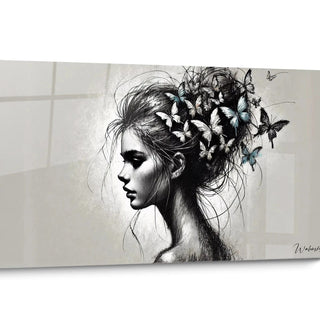 Butterfly14
artworks
Butterfly14
artworks
-
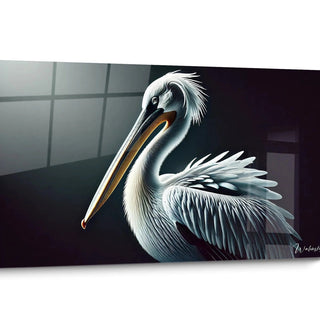 Pelican3
artworks
Pelican3
artworks
-
 Parrot211
artworks
Parrot211
artworks
-
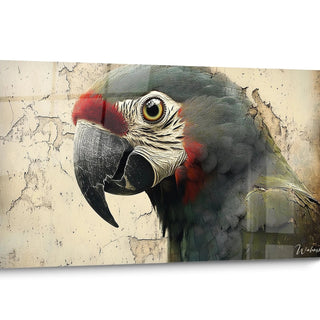 Parakeet5
artworks
Parakeet5
artworks
-
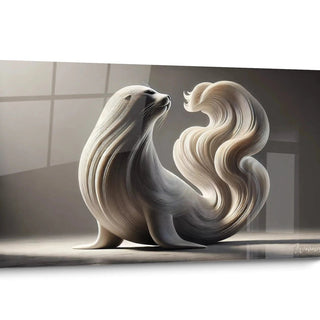 Seal5
artworks
Seal5
artworks
-
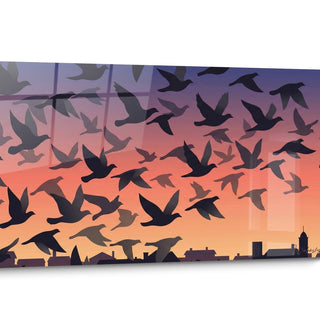 Pigeon10
artworks
Pigeon10
artworks
-
 Penguin274
artworks
Penguin274
artworks
-
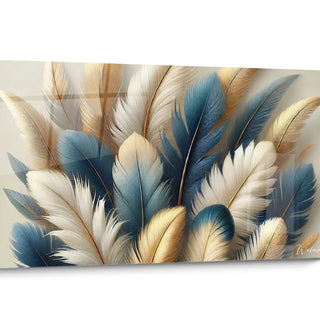 Feather60
artworks
Feather60
artworks
-
 Fish18
artworks
Fish18
artworks
-
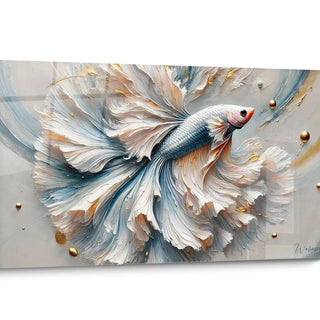 Betta Fish12
artworks
Betta Fish12
artworks
-
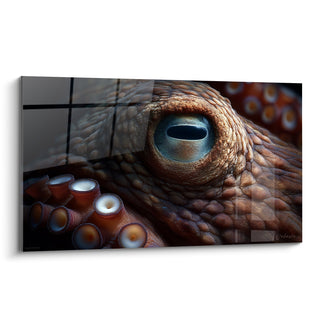 Octopus59
artworks
Octopus59
artworks
-
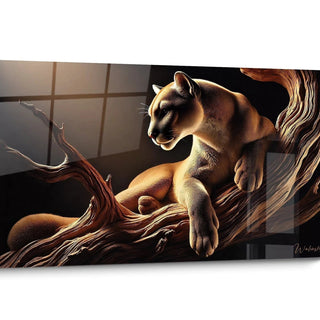 Puma3
artworks
Puma3
artworks
-
 Manta Ray67
artworks
Manta Ray67
artworks
-
 Raccoon2
artworks
Raccoon2
artworks
-
 Fox141
artworks
Fox141
artworks
-
 Shark126
artworks
Shark126
artworks
-
 Rhinoceros21
artworks
Rhinoceros21
artworks
-
 Salamander14
artworks
Salamander14
artworks
-
 Wild Boar15
artworks
Wild Boar15
artworks
-
 Scarab73
artworks
Scarab73
artworks
-
 Scorpion9
artworks
Scorpion9
artworks
-
 Serpent102
artworks
Serpent102
artworks
-
 Monkey14
artworks
Monkey14
artworks
-
 Meerkat1
artwork
Meerkat1
artwork
-
 Tapir52
artworks
Tapir52
artworks
-
 Armadillo3
artworks
Armadillo3
artworks
-
 Bull281
artworks
Bull281
artworks
-
 Tiger316
artworks
Tiger316
artworks
-
 Sea Turtle18
artworks
Sea Turtle18
artworks
-
 Terrestrial Turtle14
artworks
Terrestrial Turtle14
artworks
-
 Toucan7
artworks
Toucan7
artworks
-
 Cow9
artworks
Cow9
artworks
-
 Vulture5
artworks
Vulture5
artworks
-
 Zebra49
artworks
Zebra49
artworks


All about Lazy Sloth Wall Art
- Presentation Lazy Painting
- Lazy painting wellbeing anti-stress
- Lazy painting slow-living decor
- Lazy painting symbolic therapeutic art
Discover our exclusive collection of lazy paintings in large format, designed to transform your interior into a true haven of peace. These unique artistic representations capture the very essence of serenity through tropical animal art, offering more than just wall decor.
Lazy Painting: Your Wellbeing Ally Against Daily Stress
The lazy painting now represents one of the most effective decorative solutions for creating a soothing environment in our overloaded interiors. These wall artworks exploit the unique psychological properties of this iconic animal to generate an immediate feeling of relaxation and letting go.
How does a lazy painting influence your psychological state?
Neuroscience demonstrates that observing representations of sloths directly activates the brain areas associated with relaxation. Unlike felines or birds which evoke action and movement, the suspended sloth stimulates our inner calm receptors. This physiological reaction translates into a measurable decrease in cortisol, the stress hormone, within 15 minutes of visual exposure.
The therapeutic effect of a lazy painting lies in its ability to interrupt the incessant flow of our daily concerns. The gaze naturally rests on this suspended creature, creating a visual anchor that facilitates the transition to a spontaneous meditative state.
Optimal positioning to maximize anti-stress benefits
The location of your sloth representation determines its therapeutic effectiveness. Transition spaces - hallways leading to bedrooms, office entrances, passageways between kitchen and living room - particularly benefit from this soothing presence. The brain then automatically associates these circulation areas with slowing down and decompression.
For professional environments, installing a lazy painting within peripheral vision, slightly offset from the main screen, allows for regenerative micro-visual breaks without interrupting concentration. This technique, developed by occupational therapists, significantly reduces eye and mental fatigue.
- Reduction of visual stress through soothing fixation
- Activation of wellbeing neurotransmitters (serotonin, dopamine)
- Facilitation of deep breathing through unconscious mental association
- Improvement of sleep quality through nocturnal exposure
Specific therapeutic visual characteristics of sloths
The sloth’s unique suspended posture generates a different visual fascination than any other animal. This anti-gravity position subconsciously evokes a state of mental levitation, freeing the observer from their own psychological weights. Natural earthy colors - ochres, moss greens, warm browns - harmonize perfectly with palettes designed to reduce anxiety.
The naturally smiling facial expressions of sloths, even at rest, transmit a contagious serenity. This unique morphological characteristic positively influences the observer's mood through unconscious emotional mimicry, a phenomenon widely documented in behavioral psychology.
Integration into stress management routines
A lazy painting quickly becomes a key element of daily decompression rituals. Integrated into a return home sequence - a few minutes of contemplative observation before switching to domestic activities - it facilitates the transition between external tensions and inner peace.
Therapists recommend combining simple breathing exercises with contemplation of these representations. The synchronization between heart rate and the apparent stillness of the suspended animal creates an optimal physiological coherence state for nervous system recovery.
Lazy Painting: The Essential Slow-Living Decorative Art
The slow-living movement finds its most authentic decorative expression in the lazy painting . This lifestyle philosophy, focused on voluntary deceleration and the search for balance, is perfectly embodied through representations of animals masters of beneficial slowness.
Minimalist aesthetics and maximum impact
Unlike traditional decorative accumulations, a single large-format lazy painting is enough to transform the atmosphere of an entire room. This "less is more" approach perfectly aligns with the principles of slow design, where each element present must justify its place by its ability to generate lasting well-being.
The clean lines characteristic of sloths - long, flowing limbs, naturally rounded postures - blend harmoniously into clean contemporary interiors. This formal simplicity avoids visual clutter while maintaining constant aesthetic interest.
- Voluntary reduction of aggressive visual stimuli
- Optimization of space through unique and strong decorative presence
- Chromatic harmonization with natural materials (wood, linen, stone)
- Facilitation of cleaning and maintenance through simple composition
How does the sloth embody the values of slow-living?
The sloth represents the perfect antithesis of our society of performance and constant acceleration. Its decorative presence daily reminds us of the benefits of chosen slowness, active contemplation, and assumed disconnection from contemporary frenetic rhythms.
This animal symbolism radically opposes traditional representations of power or speed - lions, galloping horses, birds in flight - to prioritize an aesthetic of temporal suspension. Every glance at this artwork reactivates intentions of slowing down and conscious presence.
Integration into conscious living spaces
Slow-living interiors prioritize contemplation and replenishment zones. A lazy painting naturally finds its place in these spaces dedicated to introspection: reading corners with comfortable armchairs, meditative alcoves, cocooning bedrooms.
The combination with raw materials - natural stones, driftwood, plant fibers - amplifies the visual impact while reinforcing the connection with natural rhythms. This decorative synergy creates a visually coherent ecosystem conducive to deep relaxation.
Seasonal evolution and decorative adaptability
The representation of sloths naturally adapts to seasonal variations through its chromatic neutrality and timeless symbolism. Unlike rigid thematic decorations, it accompanies changes in ambiance without ever creating aesthetic dissonance.
The addition of living plant elements - hanging plants, vertical gardens - enriches the staging without compromising the visual balance. This decorative flexibility perfectly corresponds to the evolving needs of slow interiors, where adaptation takes precedence over accumulation.
Impact on daily living habits
The daily presence of a lazy painting gradually influences domestic behaviors towards more conscious slowness. Activities usually rushed - meal preparation, transition moments, bedtime routines - regain a contemplative dimension through visual association.
This behavioral shift occurs naturally, without conscious effort, through progressive visual impregnation. The brain spontaneously integrates the "lessons of slowness" transmitted by this constant decorative presence.
Lazy Painting: Art Therapy and Transformative Animal Symbolism
Art therapy recognizes the lazy painting as an exceptional therapeutic support, combining the benefits of symbolic zootherapy with the healing properties of artistic expression. This holistic approach exploits the deep archetypes associated with this unique animal.
What is symbolic zootherapy applied to sloths?
Symbolic zootherapy uses animal representations as vectors of psychological transformation. The sloth occupies a unique position in this therapeutic pantheon due to its ability to simultaneously embody the wisdom of slowness, the acceptance of natural rhythm, and the mastery of precarious balance.
This multiplicity of symbolism allows for personalized therapeutic approaches according to individual needs. People experiencing burnout find in it a salutary disconnection model, while those who are anxious discover an example of serenity in uncertainty.
- Development of patience through symbolic identification
- Acceptance of personal rhythms against social pressure
- Learning balance in instability
- Reconnection with natural cycles of rest and activity
Specific therapeutic applications in clinical practice
Psychotherapists are increasingly integrating sloth representations into their consultation rooms. This presence facilitates the expression of emotions related to overwork, guilt about rest, and difficulties in accepting personal limits.
The technique of "dialogue with the suspended animal" allows patients to explore their resistance to slowing down without direct confrontation. This projective approach often reveals unconscious blockages related to familial or professional injunctions of constant performance.
Archetypal symbolism of the sloth in different cultures
Contrary to Western prejudices associating the sloth with negative idleness, Amazonian cultures consider it a symbol of contemplative wisdom and spiritual connection with terrestrial rhythms. This perspective considerably enriches contemporary therapeutic applications.
The suspended animal universally evokes the ability to "let go" without losing control, a powerful metaphor for people facing anxiety disorders or difficulties in trusting. This duality - abandonment and mastery - offers a particularly fertile psychological model.
Integration into meditation and mindfulness protocols
Contemporary meditative practices frequently adopt sloth representations as focus supports. The animal's apparent immobility, contrasting with the perpetual activity of the forest environment, perfectly illustrates the principle of "inner calm in external agitation".
This imagery facilitates the learning of meditation for beginners often discouraged by the injunction of total immobility. The sloth demonstrates that extreme slowness remains compatible with a fully flourishing life.
Therapeutic evolution and healing process
Therapeutic support reveals that progressive identification with the sloth follows a predictable path. Initially perceived as an inaccessible model of serenity, it gradually becomes an accessible inner guide, and finally an integrated aspect of the appeased personality.
This transformation is particularly observed in hyperactive or perfectionist personalities, for whom learning slowness constitutes a major challenge of personal development. The lazy painting accompanies this process through its constant and benevolent presence.
FAQ - Frequently Asked Questions about Lazy Paintings
Are Lazy Paintings Suitable for All Interior Styles?
Depictions of sloths remarkably complement contemporary, Scandinavian, bohemian, and natural styles. Their neutral color palette and universal symbolism of serenity transcend fleeting decorative trends.
What Size Should You Choose for a Lazy Painting in a Living Room?
For optimal visual impact in a living room, prioritize large formats (minimum 80x60 cm) that allow you to appreciate the expressive details of the animal and create a true calming focal point in the main living space.
Are Lazy Paintings Recommended for Children's Bedrooms?
Absolutely, depictions of sloths promote sleep and create a reassuring atmosphere. Their naturally smiling expression and relaxed posture convey a sense of security particularly beneficial for infant sleep.
How to Maintain a Lazy Painting to Preserve Its Colors?
Avoid direct exposure to UV rays and gently dust with a dry microfiber cloth. The color stability of sloth depictions, generally made with resistant pigments, guarantees exceptional durability without special treatment.
L'art qui suscite l'envie
Maison belge d'art mural grand format
14 jourspour changer d'avis*
Protection Walenskyincluse
Fabriquéen Italie
FormatXXL
Kit de fixationtoujours fourni
* Hors tableaux personnalisés et tailles personnalisées


