


Brittany Wall Art
Let yourself be transported by the beauty of the wild of Brittany with our collection of inspiring paintings. Our works capture the essence of the majestic Breton coasts , between steep cliffs, emblematic lighthouses and endless horizons. Each creation evokes the strength of the Atlantic Ocean and the authentic character of this land of legends. These paintings bring a unique maritime atmosphere to your decoration, blending serenity and natural power to transform your living space.
 Breton Lighthouse in the Storm - Light of Hope - Brittany Edition242,90 €
 Breton Lighthouse Painting - Storm and Golden Light - Brittany Edition242,90 €
 Wild Breton Coast Painting - Flowering Moors and Ocean - Brittany Edition242,90 €
 Rocky Breton Coast Painting - Cliffs and Turquoise Ocean - Brittany Edition273,90 €
 Breton Coast Storm Painting - Lighthouse and Raging Waves - Brittany Edition273,90 €
 Breton Lighthouse at Sunset Painting - Orange Light - Brittany Edition273,90 €
 Heather Moorlands and Gorse Painting - Wild Breton Coast - Brittany Edition273,90 €
 Breton Woman Art Nouveau Painting - Golden Traditional Headdress - Brittany Edition273,90 €
 Breton Accordionist Painting - Colourful Melodies - Brittany Edition273,90 €
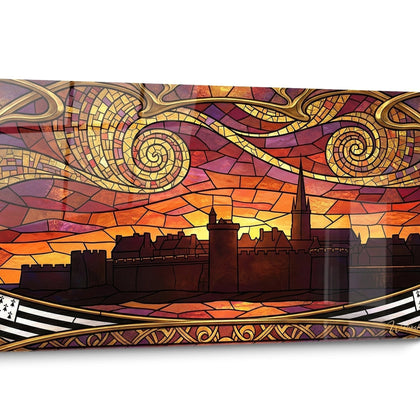
 Breton Castle Storm Painting - Spray Fortress - Brittany Edition273,90 €
 Breton Musicians Painting - Bagpipe and Biniou Players - Brittany Edition273,90 €
 Medieval Architecture Painting - Half-Timbered Cobbled Street - Brittany Edition273,90 €
 Brest Maritime Festival Painting - Vintage Brest Port - Brittany Edition273,90 €
 Nighttime Village by the Water Painting - Breton Lights - Brittany Edition273,90 €
 Medieval Castle and Gardens Painting - Watercolor Brittany - Brittany Edition273,90 €
 Breton Coast Lighthouse Painting - Golden Sunset Light - Brittany Edition273,90 €
 Breton House Painting with Blue Shutters - Authentic Charm - Brittany Edition273,90 €
 Breton Coast Painting - Cliffs and Ocean Lighthouse - Brittany Edition273,90 €
 Breton Lighthouse Storm Painting - Light in the Turmoil - Brittany Edition273,90 €
 Breton Fishing Port Painting - Maritime Harmony - Brittany Edition273,90 €
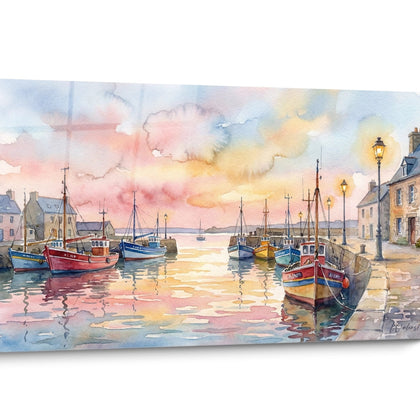
 Breton Fishing Port Painting - Watercolor at Sunset - Brittany Edition273,90 €
 Three Breton Generations Painting - Heritage in Headdresses - Brittany Edition273,90 €
 Traditional Breton Couple Painting - Historical Portrait - Brittany Edition273,90 €
 Breton Harbour Painting - Maritime Watercolour at Mont Saint-Michel - Brittany Edition273,90 €




In the same family
Also explore the theme Around the World
-
 View all3980
artworks
View all3980
artworks
-
 Alsace32
artworks
Alsace32
artworks
-
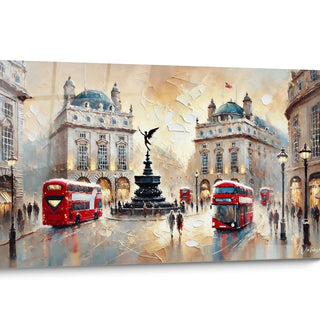 England6
artworks
England6
artworks
-
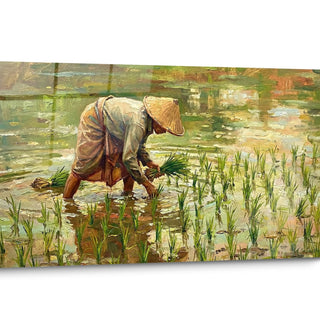 Bali38
artworks
Bali38
artworks
-
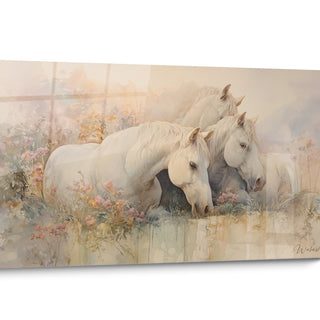 Camargue34
artworks
Camargue34
artworks
-
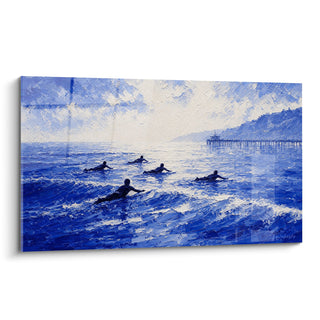 Capbreton20
artworks
Capbreton20
artworks
-
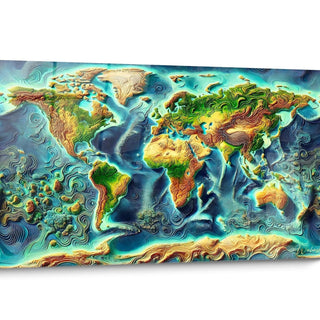 World Map6
artworks
World Map6
artworks
-
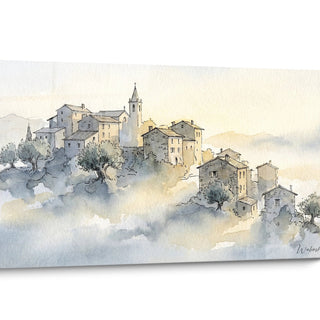 Corsica26
artworks
Corsica26
artworks
-
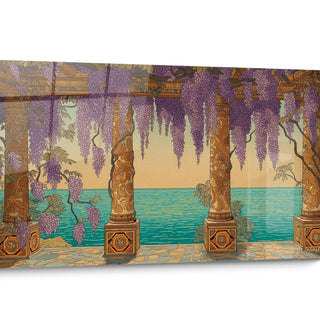 Côte d'Azur19
artworks
Côte d'Azur19
artworks
-
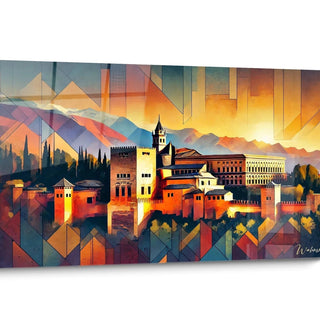 Spain66
artworks
Spain66
artworks
-
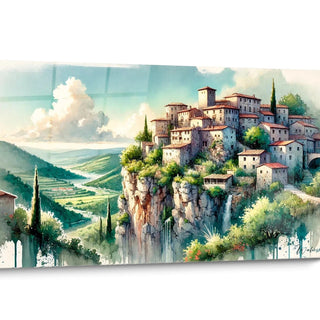 France2933
artworks
France2933
artworks
-
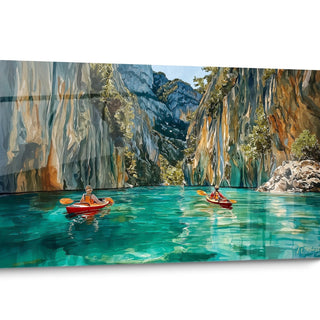 Verdon Gorges14
artworks
Verdon Gorges14
artworks
-
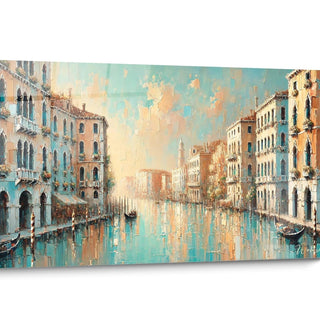 Italy8
artworks
Italy8
artworks
-
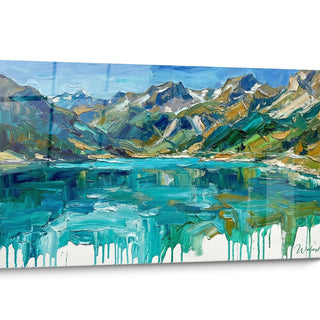 Savoy18
artworks
Savoy18
artworks
-
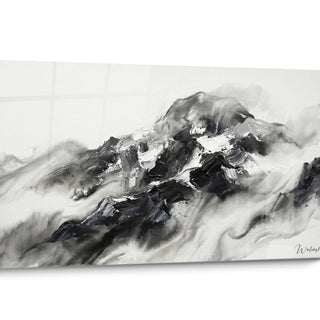 Mont Blanc15
artworks
Mont Blanc15
artworks
-
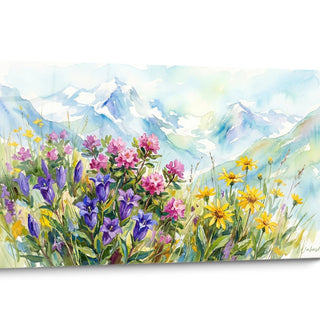 The Alps21
artworks
The Alps21
artworks
-
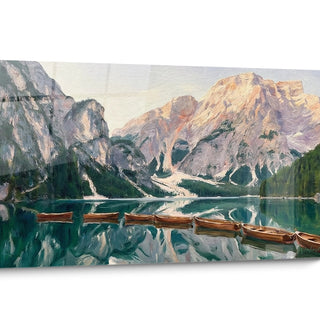 The Dolomites24
artworks
The Dolomites24
artworks
-
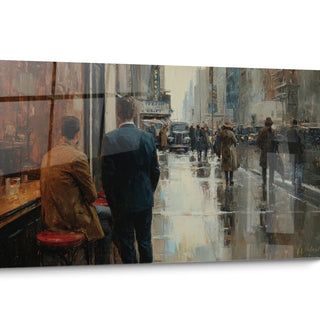 New York125
artworks
New York125
artworks
-
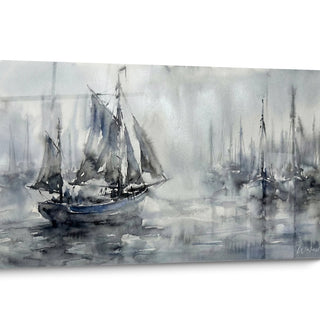 Normandy32
artworks
Normandy32
artworks
-
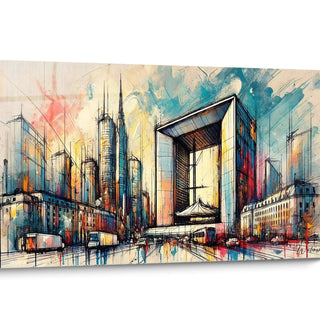 Paris32
artworks
Paris32
artworks
-
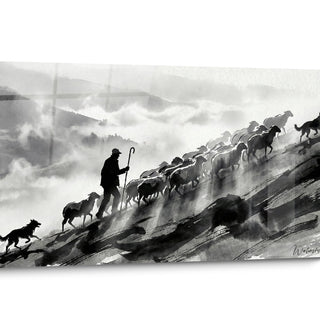 Basque Country5
artworks
Basque Country5
artworks
-
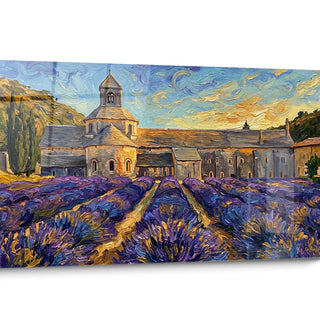 Provence24
artworks
Provence24
artworks
-
 Pyrenees20
artworks
Pyrenees20
artworks
-
 Saint-Tropez34
artworks
Saint-Tropez34
artworks
-
 Vosges21
artworks
Vosges21
artworks
All about Brittany Wall Art
- Overview Brittany Wall Art
- Brittany Wall Art: Lighthouses and Maritime Resilience
- Brittany Wall Art: Megaliths and Celtic Mystery
- Brittany Wall Art: Wild Coastlines and Atlantic Lights
A Brittany wall art piece instantly transforms your interior into an invitation to journey to this land of character. Whether you're Breton at heart or by origin, these large-format representations capture the very essence of Finistère, Côtes-d'Armor or Morbihan. Between legendary lighthouses battered by waves, megalithic alignments steeped in mystery and pink granite cliffs sculpted over centuries, each artwork tells a unique story. Discover how to choose the statement piece that will resonate with your attachment to this exceptional region.
Brittany Wall Art: Legendary Lighthouses, Guardians of Your Interior
A Brittany wall art piece featuring a lighthouse embodies far more than simple wall decoration. These sentinels of stone and light, planted at the edge of the European continent, symbolize human determination in the face of unleashed elements. Ar-Men, the Mare, Kéréon or the Créac'h: each structure possesses its own legend, forged in winter storms and Atlantic mists. Integrating the image of these monuments into your living space means inviting into your home the quiet strength that defines the Breton soul.
Why do Breton lighthouses fascinate so much?
Brittany boasts more than fifty lighthouses, some of which rank among the most exposed in the world. The Mare lighthouse, immortalized by Jean Guichard's photograph showing keeper Philippe facing a monstrous wave, has become a universal symbol of courage. A large-format wall art piece depicting this instant suspends time in your living room. Visitors cannot help but contemplate this confrontation between man and ocean, spontaneously engaging in conversation about your connections to the region.
The lighthouses of northern Finistère, such as the Île Vierge lighthouse—the highest in Europe at 82 meters—offer instantly recognizable silhouettes. Their architecture in local granite, crafted by Breton stonemasons, testifies to regional expertise. Hanging a representation of these giants on a large wall surface creates a striking focal point, particularly in contemporary spaces where their verticality dialogues with modern volumes.
Which Breton lighthouse should you choose for your wall decoration?
Each lighthouse tells a different story. The Petit Minou, guarding the entrance to the Brest roadstead, evokes the gentleness of summer afternoons. Its image works perfectly in bedrooms or offices, bringing a serenity conducive to concentration. Conversely, representations of Ar-Men—nicknamed "the hell of hells" by the keepers who took turns there—exude dramatic intensity ideal for reception rooms where you wish to assert strong character.
The lighthouses of the southern coast, such as those at Penmarc'h or Pointe du Raz, bathe in different light. Atlantic sunsets paint blazing skies that contemporary artists capture brilliantly. These warm hues naturally harmonize with interiors in ochre or terracotta tones, creating visual coherence effortlessly.
How does a Breton lighthouse painting anchor your regional identity?
For Bretons living far from their native land, a Brittany wall art piece representing their familiar lighthouse maintains a tangible connection to their roots. Many grew up catching sight of the rotating light from their childhood bedroom window. Encountering this familiar silhouette in their Parisian apartment or Lyon home soothes the particular nostalgia that only expatriate Bretons truly understand.
Collectors often favor representations capturing extreme weather conditions: raging seas, spray lashing the lantern, trailing sky after the storm. These images remind us that Brittany is not merely a summer destination but a living land, shaped by the elements year-round. They testify to an authenticity that sunny postcards cannot convey.
- Offshore lighthouses (Ar-Men, the Mare, Kéréon) for dramatic and powerful atmosphere
- Coastal lighthouses (Petit Minou, Saint-Mathieu) for a more serene mood
- Northern Finistère lighthouses for their impressive height and majestic architecture
- Lighthouses at twilight for warm and romantic hues
Integrate a lighthouse's verticality into your arrangement
The slender silhouette of Breton lighthouses lends itself particularly well to large portrait-format wall art pieces. In an entryway with cathedral ceilings or along a staircase, a vertical representation naturally guides the eye upward. This arrangement amplifies the sensation of ceiling height while creating a visual journey guiding visitors through your home.
More modest spaces benefit from panoramic views including the lighthouse in its environment: granite boulders, sparse moorland, maritime horizon. These horizontal compositions visually widen the room while preserving the iconic Breton element as an anchor point. The eye travels from rocky foreground to the horizon line, offering depth that white walls alone cannot create.
Breton Wall Decoration: The Call of Megaliths and Celtic Mystery
A Brittany wall art piece featuring the Carnac alignments or mysterious dolmens transports your interior to an era when humans erected monuments defying time itself. These standing stones, over six thousand years old, constitute Europe's densest megalithic heritage. Their imposing presence on your walls instantly conjures this unique atmosphere, blending ancestral spirituality with the raw beauty of Morbihan landscapes.
The Carnac alignments: sacred geometry for your decoration
Nearly three thousand menhirs compose the Carnac alignments, stretching over four kilometers across the moorland. This hypnotic repetition of granite verticals produces a striking visual effect, particularly in large format. Photographers and artists capture these perspectives where rows of stones seem to converge toward infinity, creating depth that transcends your wall's physical boundaries.
Dawn and dusk particularly magnify these sites. The menhirs' elongated shadows draw geometric patterns on the ground, while glancing light reveals granite textures polished by millennia. These fleeting instants, captured on large-format material, bring contemplative dimension to your space. The golden tones of sunrise or the violet hues of evening create an atmosphere conducive to meditation.
What symbolism do Breton megaliths bring to your interior?
The dolmens and tumuli of Morbihan—such as Gavrinis cairn with its enigmatic carvings—evoke passage between worlds. These Neolithic funerary chambers, oriented along precise astronomical axes, testify to sophisticated knowledge of the universe. Integrating their image in an office or library establishes symbolic connection with this ancient wisdom, reminding that the quest for knowledge transcends the ages.
The Table of Merchants at Locmariaquer, with its immense cover stone weighing over forty tons, illustrates our ancestors' ingenuity. How did these Neolithic men move and assemble such blocks without modern technology? This enigma fascinates visitors before your wall decoration, opening passionate discussions about history and unsuspected human capabilities.
How do you pair megalithic representations with your furnishings?
The mineral tones of menhirs—silvery gray, pinkish beige granite, green of centuries-old lichens—naturally accord with raw materials prized in contemporary decoration. A Carnac wall art piece dialogues harmoniously with polished concrete flooring, solid oak furniture or patinated metal elements. This material coherence reinforces overall authenticity without creating visual discord.
Minimalist interiors find in these images a textural richness compensating for furniture sobriety. The complexity of granite surfaces, shadow play between stones, sparse moorland vegetation: so many details capturing attention without cluttering space. A single large format suffices to anchor an entire room in the Breton universe, avoiding accumulation of folksy trinkets.
- Alignments at sunrise for warm tones and meditative atmosphere
- Aerial views of sites to appreciate configuration scale
- Neolithic carving details for ancient art enthusiasts
- Isolated menhirs in mist for mysterious ambiance
Morbihan mist: a distinctive graphic element
Misty mornings in the Morbihan Gulf envelop megaliths in mystery that reinforces their sacred character. Representations capturing this particular atmosphere possess a dreamlike quality impossible to reproduce elsewhere. Stone silhouettes progressively emerge from fog, creating successive planes that add composition depth.
This characteristic mist softens contrasts and unifies tones, producing images with subtle palettes integrating easily into neutral-colored interiors. Off-whites, pearl grays and water greens typical of Breton mists don't compete with existing decoration but enrich it by bringing poetic escape.
Why does Brittany concentrate so many megalithic sites?
The exceptional density of Neolithic monuments in Brittany—over three thousand documented sites—makes this region unique in Europe. Geologists partially attribute this phenomenon to abundant exposed granite, ideal material for these monumental constructions. But this technical explanation doesn't exhaust the mystery: why did these populations establish themselves precisely here to erect their stone temples?
Some researchers invoke particular magnetic properties of Breton subsoil, others the geographical position at the world's edge as then understood. Whatever the reason, this concentration makes Brittany the world's repository of megalithic architecture. Possessing a representation of these sites means holding a fragment of this universal heritage, accessible daily from your living room.
Brittany Large-Format Wall Art: Capturing Wild Coastline Intensity
Brittany wall art representing Finistère's jagged coastlines or the pink granite cliffs of Côtes-d'Armor captures raw beauty found nowhere else. These littorals shaped by Atlantic storms for millennia offer natural compositions of exceptional graphic power. Lovers of wall decoration inspired by world landscapes immediately recognize the unique character of these Breton shores, impossible to confuse with other destinations.
The pink granite coast: a chromatic palette unique worldwide
Between Perros-Guirec and Trébeurden, the pink granite coast displays its rocky chaos in extraordinary hues. This geological phenomenon, resulting from feldspar presence in the rock, occurs in only three places on Earth: here in Brittany, Corsica and China. Large-format representations of Ploumanac'h or Renote Island reveal nuances ranging from pale pink to reddish orange depending on time of day and season.
This coast's particular light transforms rocks into living sculptures. At sunset, granite literally blazes, offering chromatic spectacles that artists struggle to capture as they seem unreal. A wall art piece capturing this precise instant brings surprising visual warmth for a region renowned for gray skies, contradicting clichés about Breton weather.
Equinox storms: when Brittany reveals its power
The great tides of September and March unleash spectacular forces on Breton coasts. Waves several meters high crashing on Pointe du Raz or the Crozon peninsula produce images of incomparable dramatic intensity. These representations suit assertive personalities wishing to express their taste for natural elements in all their power.
Amateur and seasoned professional photographers alike pursue these instants when the Atlantic Ocean manifests its supremacy. Spray columns rising ten meters high, rocks disappearing beneath rolling waves, heavy sky announcing the next gust: so many dramatic compositions electrifying an overly subdued interior. These images remind us that Breton nature isn't merely a postcard backdrop but a living, indomitable force.
How do you choose between north and south coast for your Brittany wall art?
Brittany's two maritime facades offer radically different atmospheres. The north, exposed to the Channel and Atlantic, provides more turbulent landscapes: abrupt cliffs, jagged rocks, spare vegetation beaten by winds. These representations suit spaces where you wish to create dynamic, stimulating atmosphere.
The southern coast, sheltered by the peninsula, reveals sheltered coves and gentler waters. Morbihan Gulf, with its countless islands and changing reflections, inspires more soothing compositions. Picturesque fishing ports like Doëlan or Le Bono add human and heritage dimension absent from northern Finistère's wild coasts.
- Pointe du Raz and Cap Sizun for dramatic intensity of vertiginous cliffs
- Pink granite coast for unique hues and erosion-sculpted forms
- Crozon peninsula for landscape diversity across concentrated territory
- Morbihan Gulf for softer atmospheres and nacrous reflections
Breton islands: preserved territories in large format
Ouessant, Belle-Île, Bréhat, Groix: each Breton island possesses its own character. These isolated lands, accessible only by boat, preserve authenticity the mainland has sometimes lost. Representations of their escarpments or tiny ports evoke elsewhere geographically close but distant in imagination.
Ouessant Island, Atlantic sentinel, endures among Europe's harshest weather conditions. Its lunar landscapes, where only stone walls resist winds, produce images of striking austerity. Conversely, Bréhat Island and its Mediterranean gardens offer unexpected mildness at these latitudes, with mimosas flowering by February.
Breton light: an element impossible to reproduce elsewhere
Painters of the Pont-Aven school understood: Breton light possesses unique quality. Ambient humidity filters sunlight, creating milky atmospheres where colors seem simultaneously softened and intensified. This climatic particularity produces images with subtle palettes, distant from Mediterranean contrasts but equally remarkable richness.
Trailing skies, typical of the region, rapidly alternate dark clouds and bright clearings. These changeable conditions offer artists opportunities to capture fleeting instants where a sunbeam suddenly illuminates a portion of coast while the rest remains shadowed. These dramatic compositions, impossible to plan, constitute pieces most sought by informed collectors.
How do you maintain a large-format Brittany wall art piece?
Prints on rigid supports like acrylic glass or brushed aluminum simply require regular dusting with a dry microfiber cloth. Avoid aggressive chemicals that might tarnish colors or damage protective surface. Minimal maintenance suffices to preserve your Breton wall decoration's luster for decades.
Where should you place Brittany wall art in a vacation home?
In a seaside secondary residence, prioritize the main living area where family and friends gather. A large format representing a local landscape creates continuity between interior and external environment. Owners of Breton homes particularly appreciate representations of their town or sites visible from their windows.
Does Brittany wall art suit modern interiors?
Contemporary architecture's clean lines particularly enhance Breton compositions. The contrast between modern furniture's geometric rigor and rocks' or waves' organic forms creates stimulating visual tension. Supports like brushed aluminum Dibond or acrylic glass reinforce contemporary aesthetics while sublimating image details.
What size should you choose for impactful Brittany wall art?
To create genuine visual effect, opt for generous dimensions suited to your wall surface. Formats exceeding 100 cm permit full appreciation of Breton landscape details: granite textures, sky nuances, wave spray. A simple rule: choose width representing about two-thirds of the furniture below.
Further reading
Our articles on this topic
- Breton Seascape Paintings: How to Choose the Right Painting for Each Room
- Authentic Breton wall decor for a country house
- Modern Breton Painting: How to Choose the Perfect Piece
- Breton Painting with Figures: The Right Choice for an Entrance with Character
- The Art of Capturing the Atmosphere of Breton Coastal Landscapes
- Vintage Brittany Poster: A Guide to Choosing and Decorating with Authenticity
L'art qui suscite l'envie
Maison belge d'art mural grand format
14 jourspour changer d'avis*
Protection Walenskyincluse
Fabriquéen Italie
FormatXXL
Kit de fixationtoujours fourni
* Hors tableaux personnalisés et tailles personnalisées


