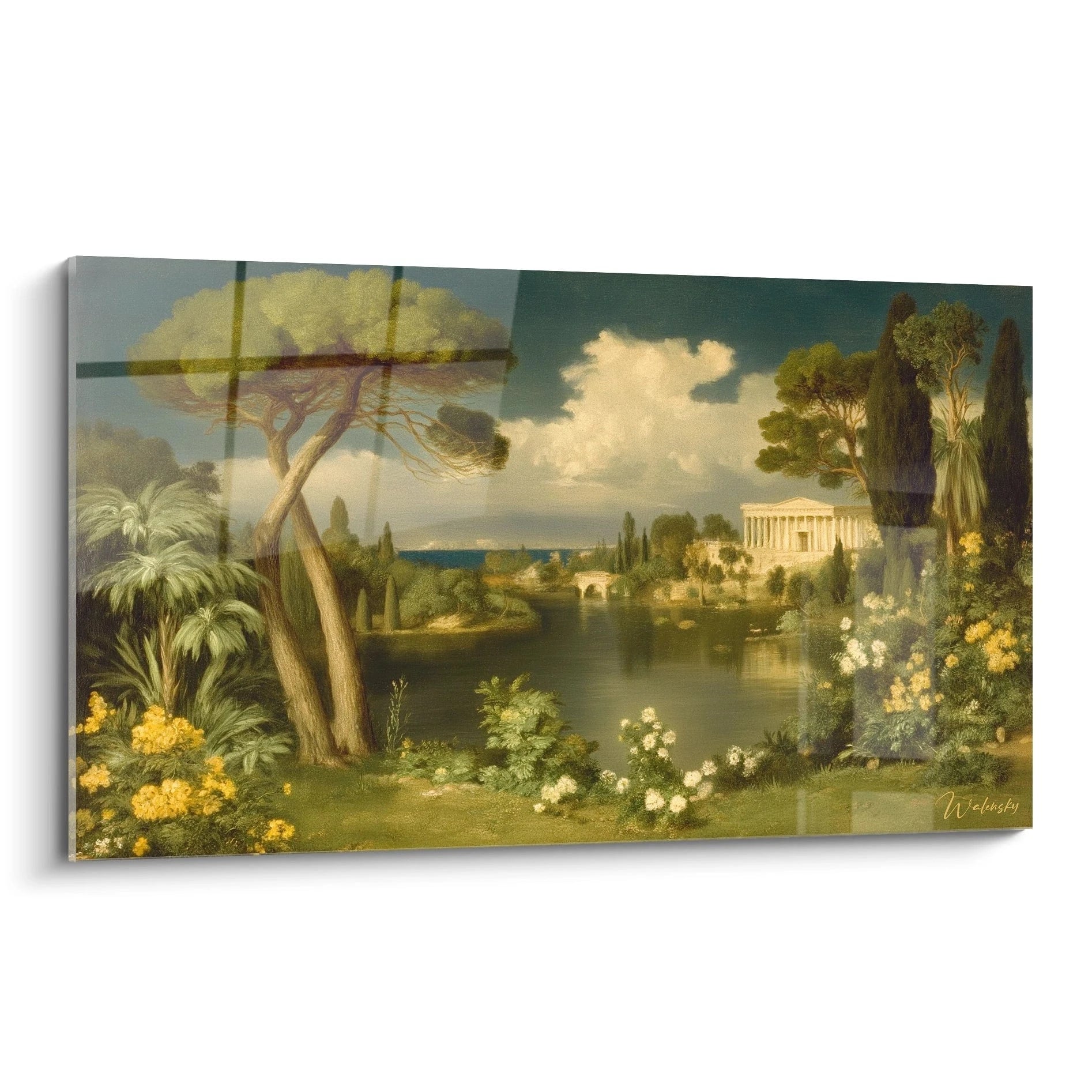
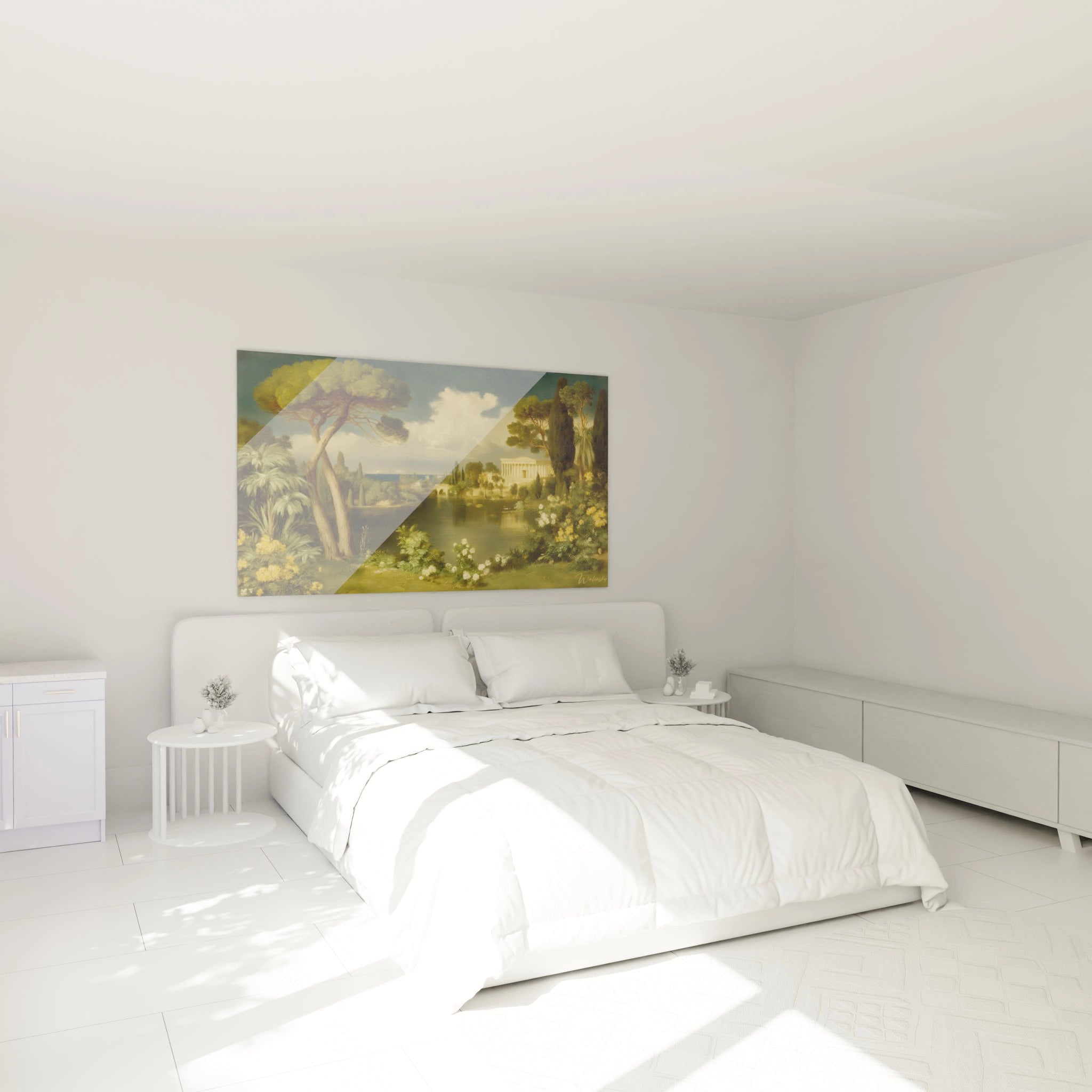
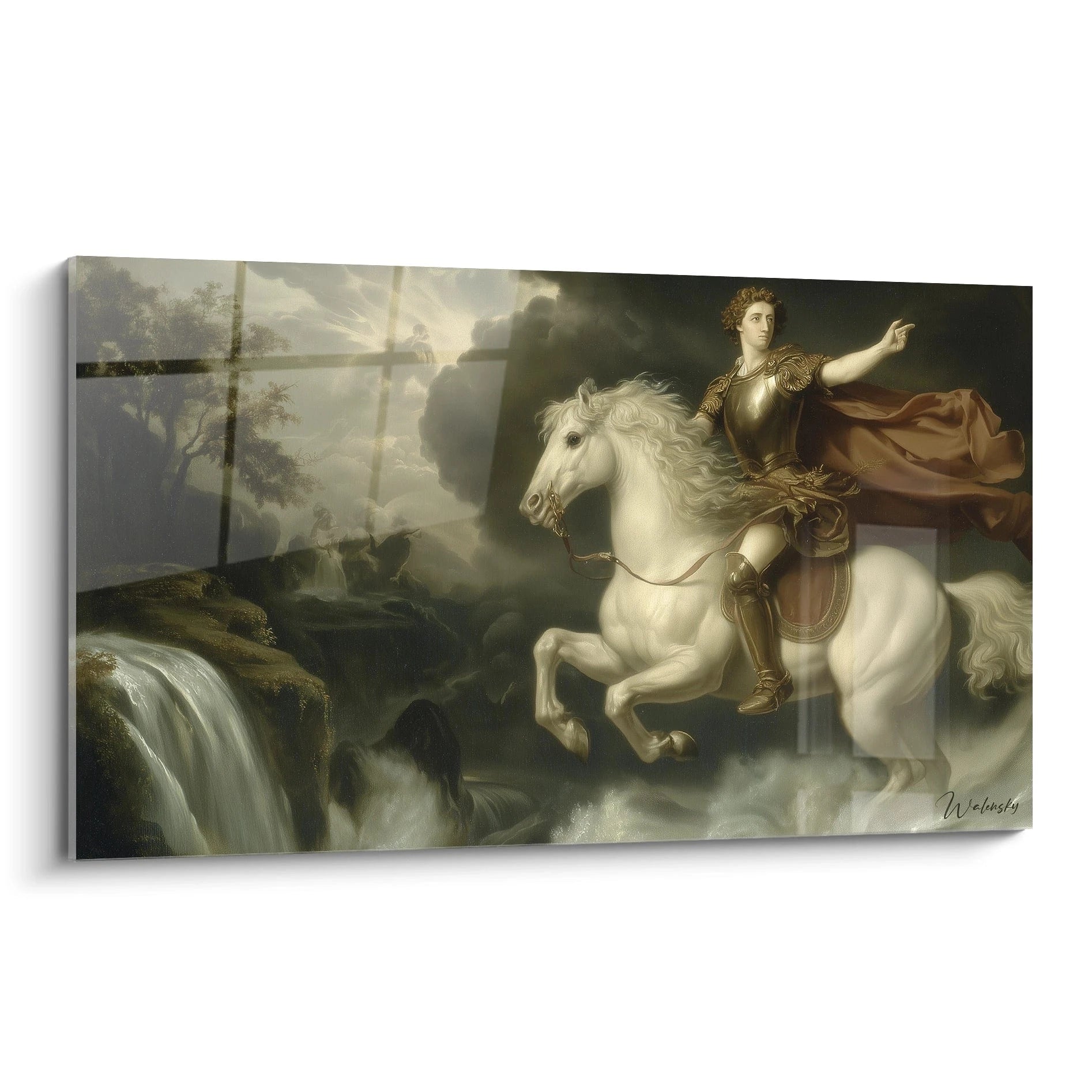
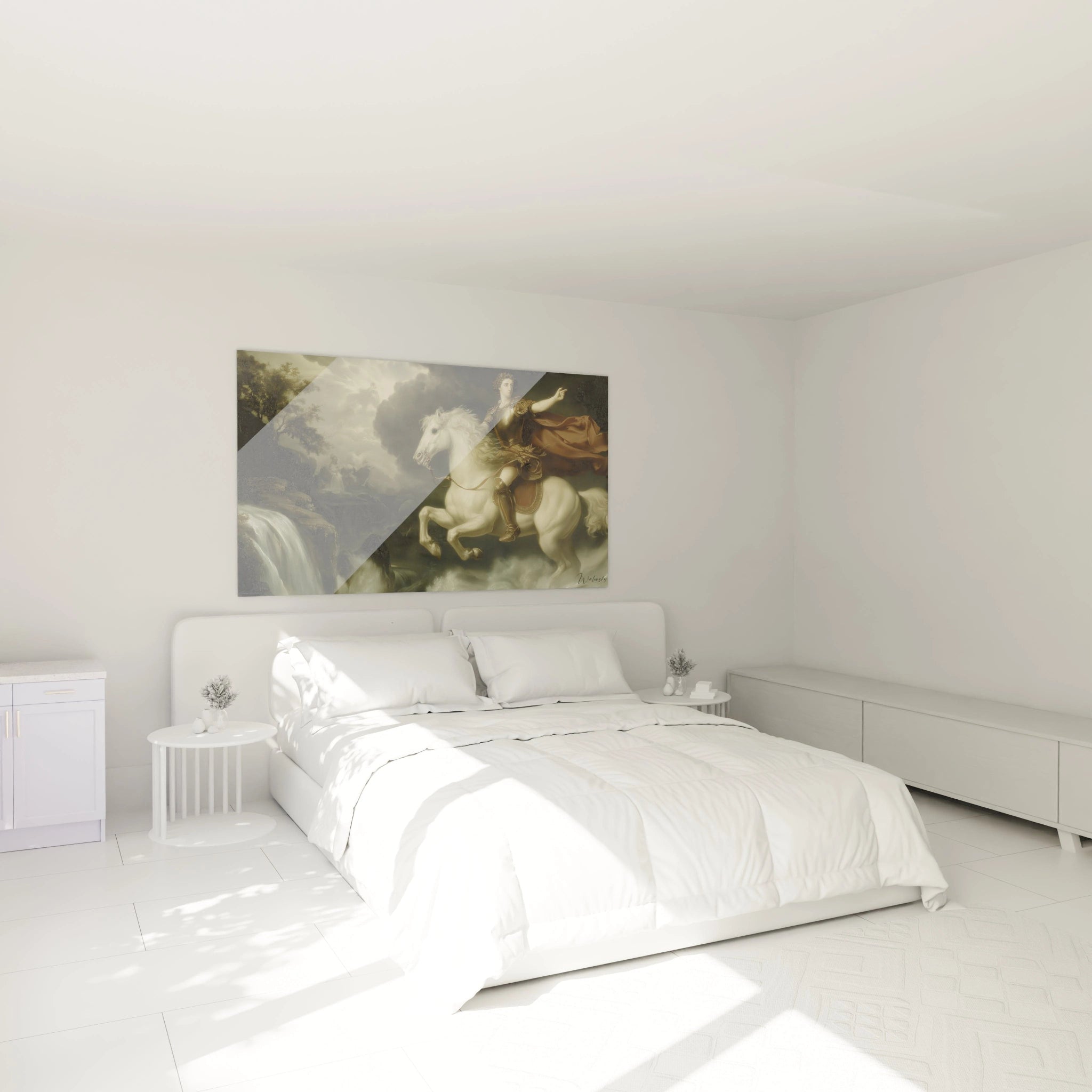
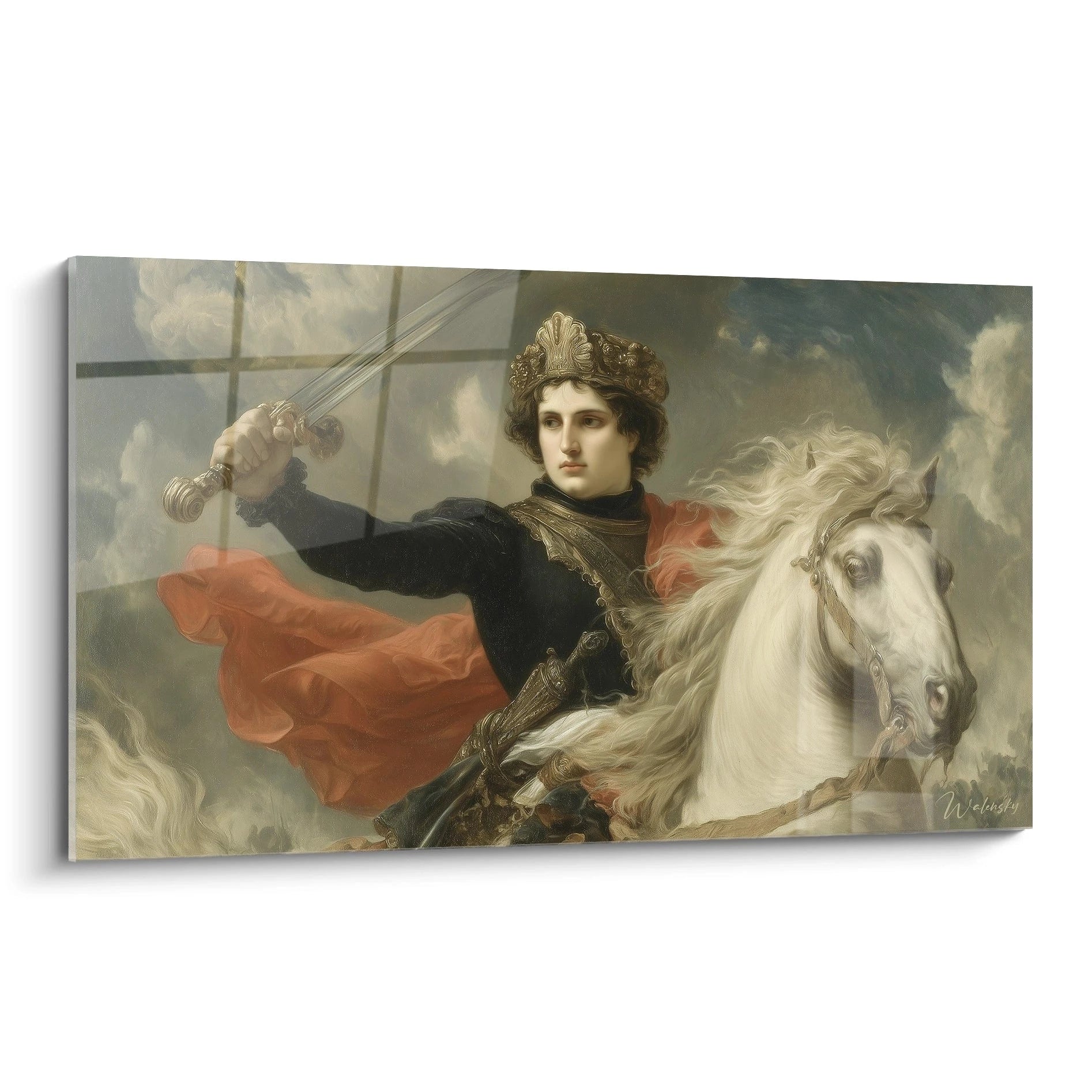
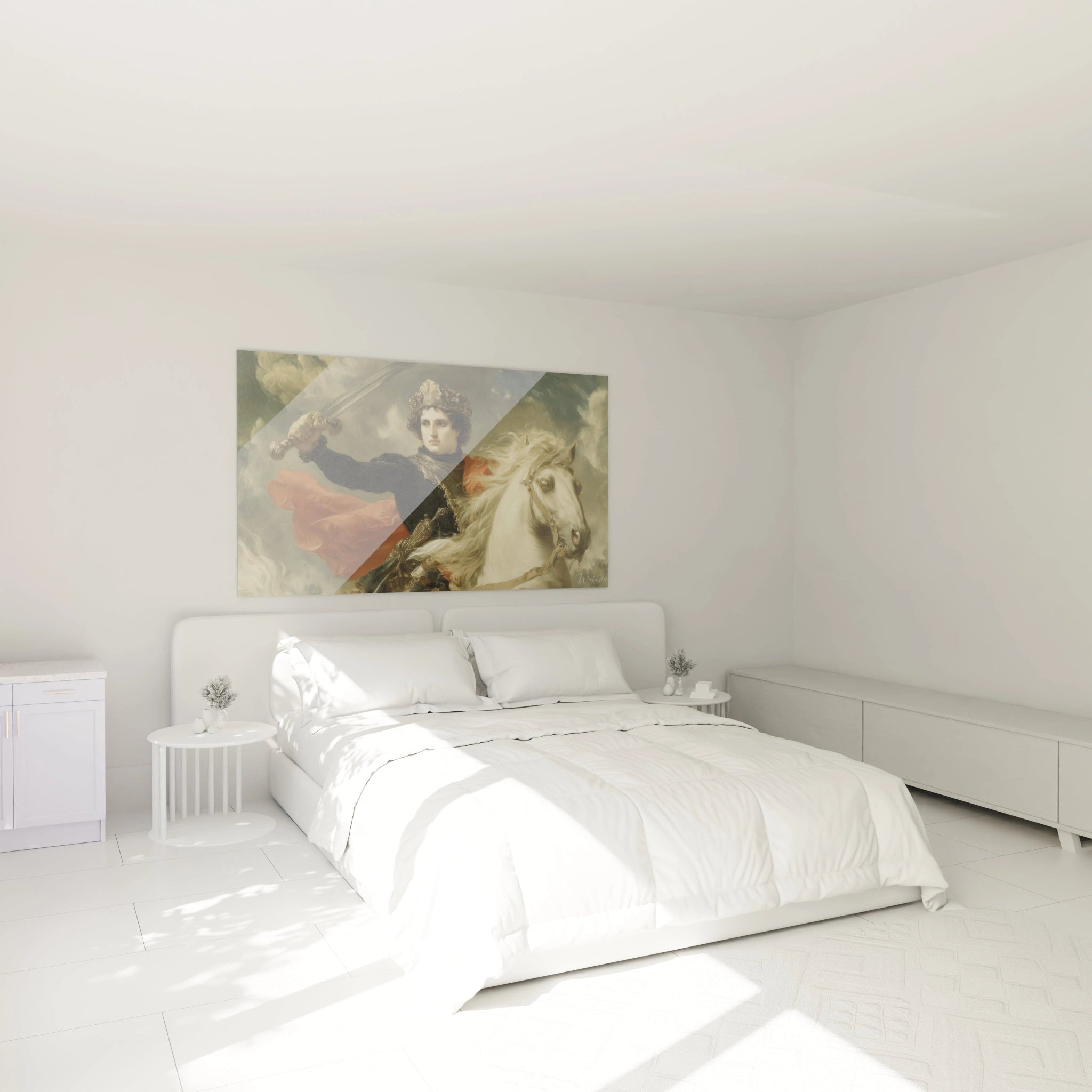
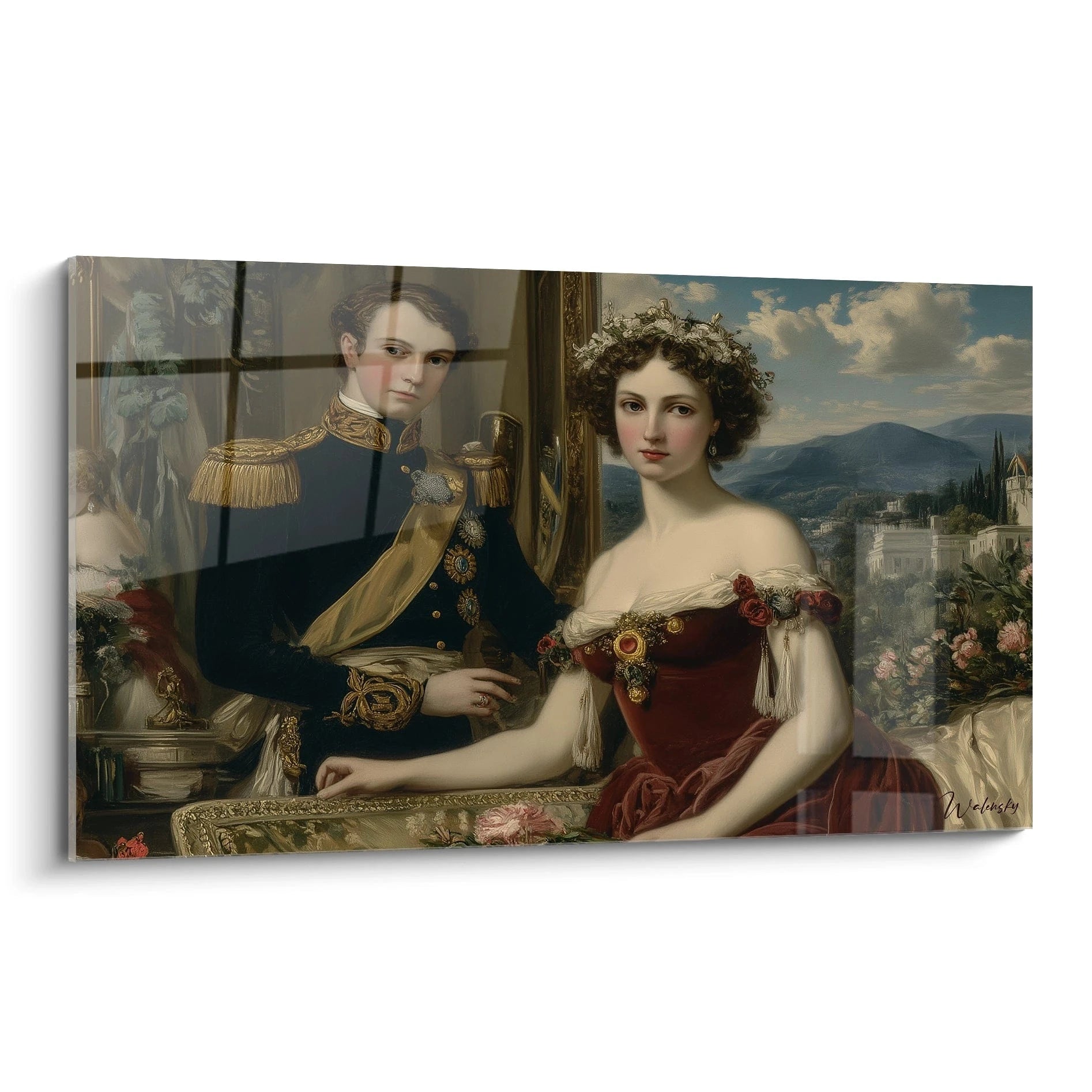
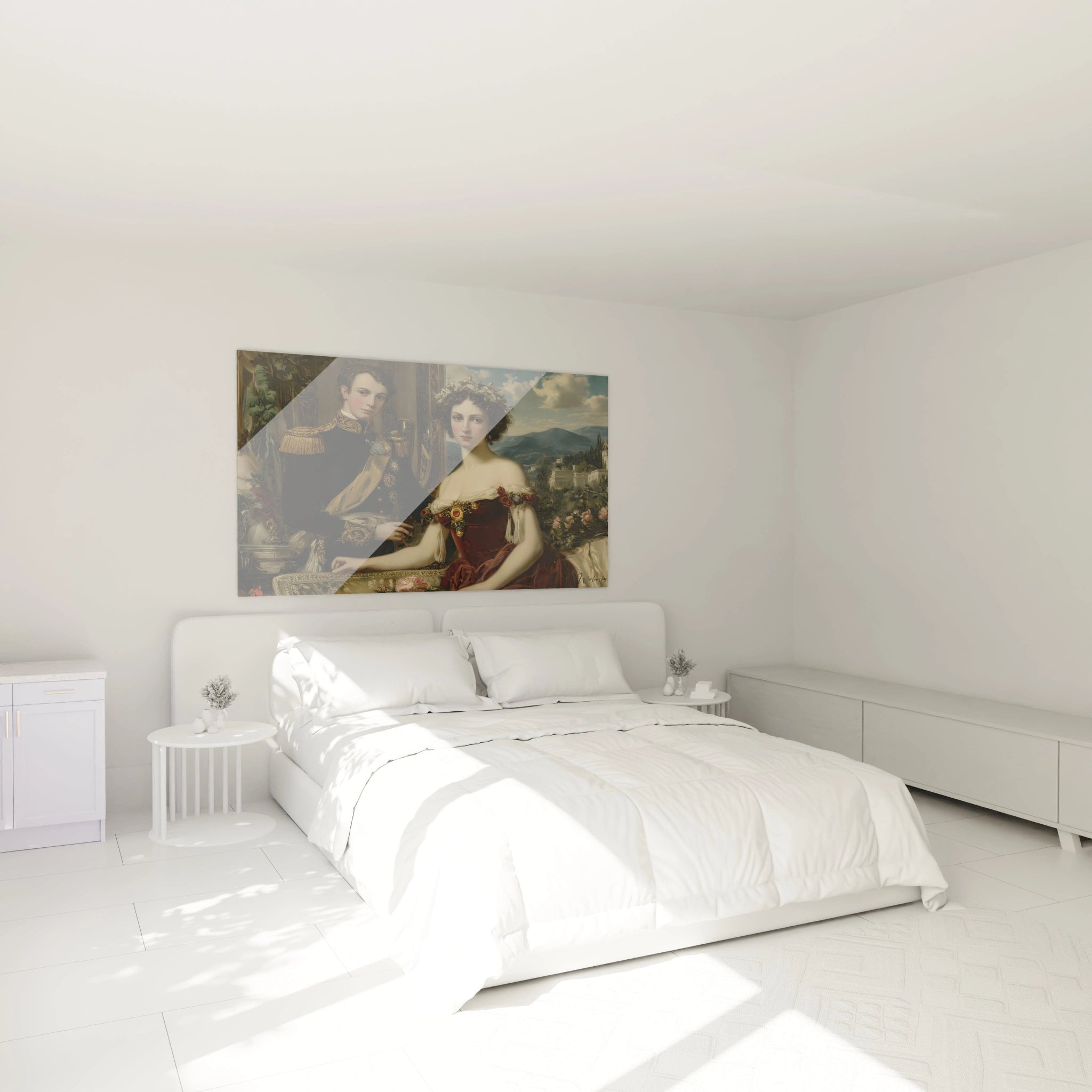
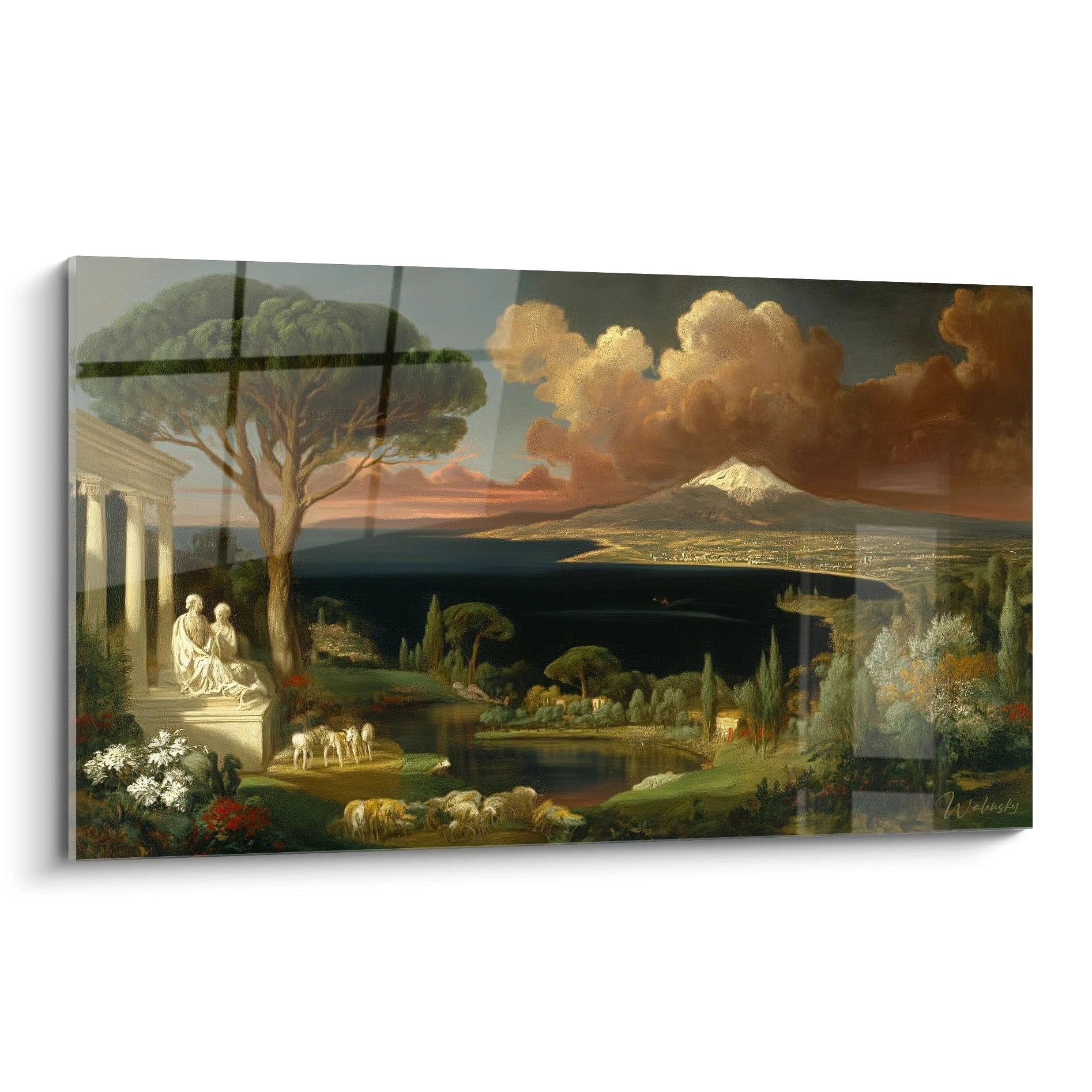
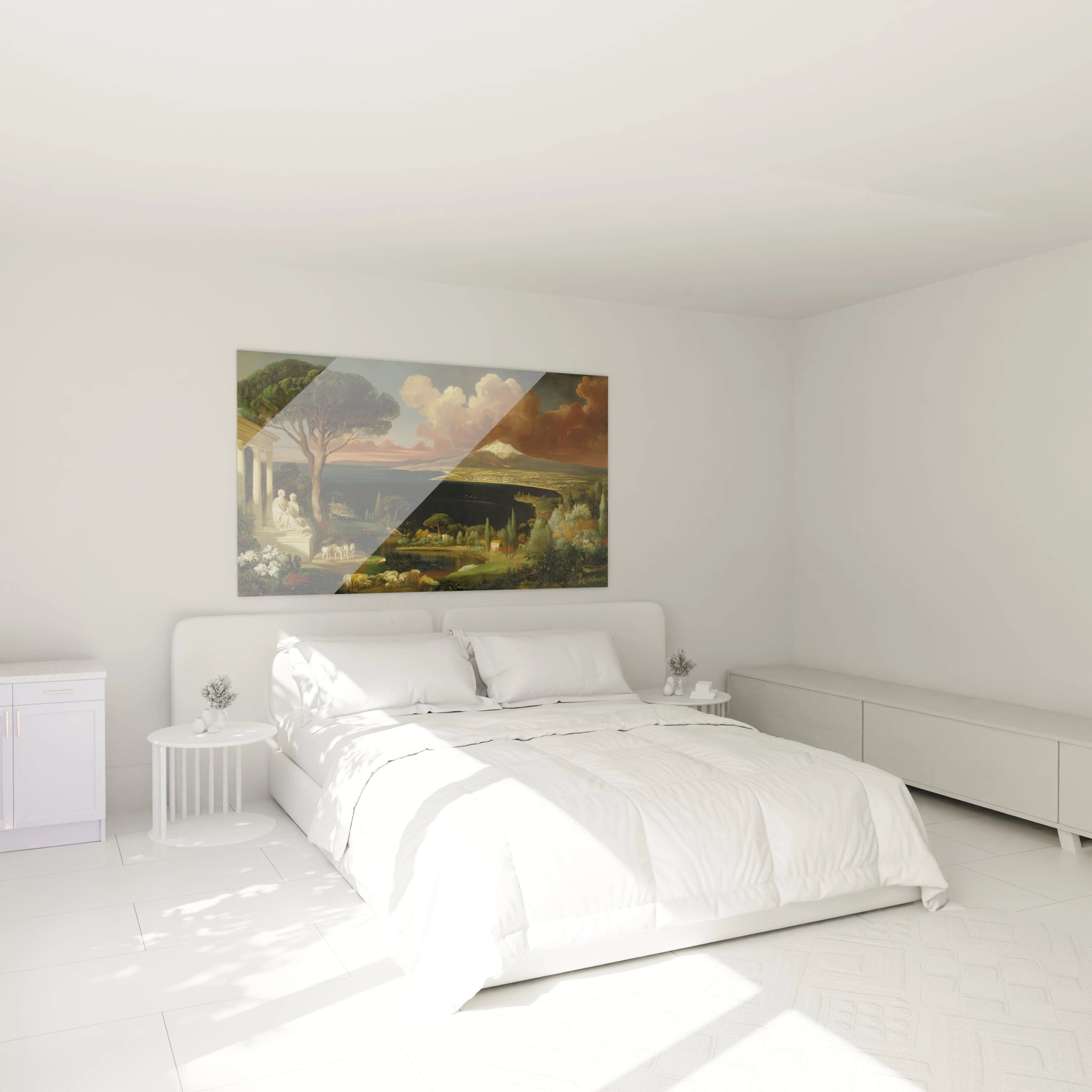
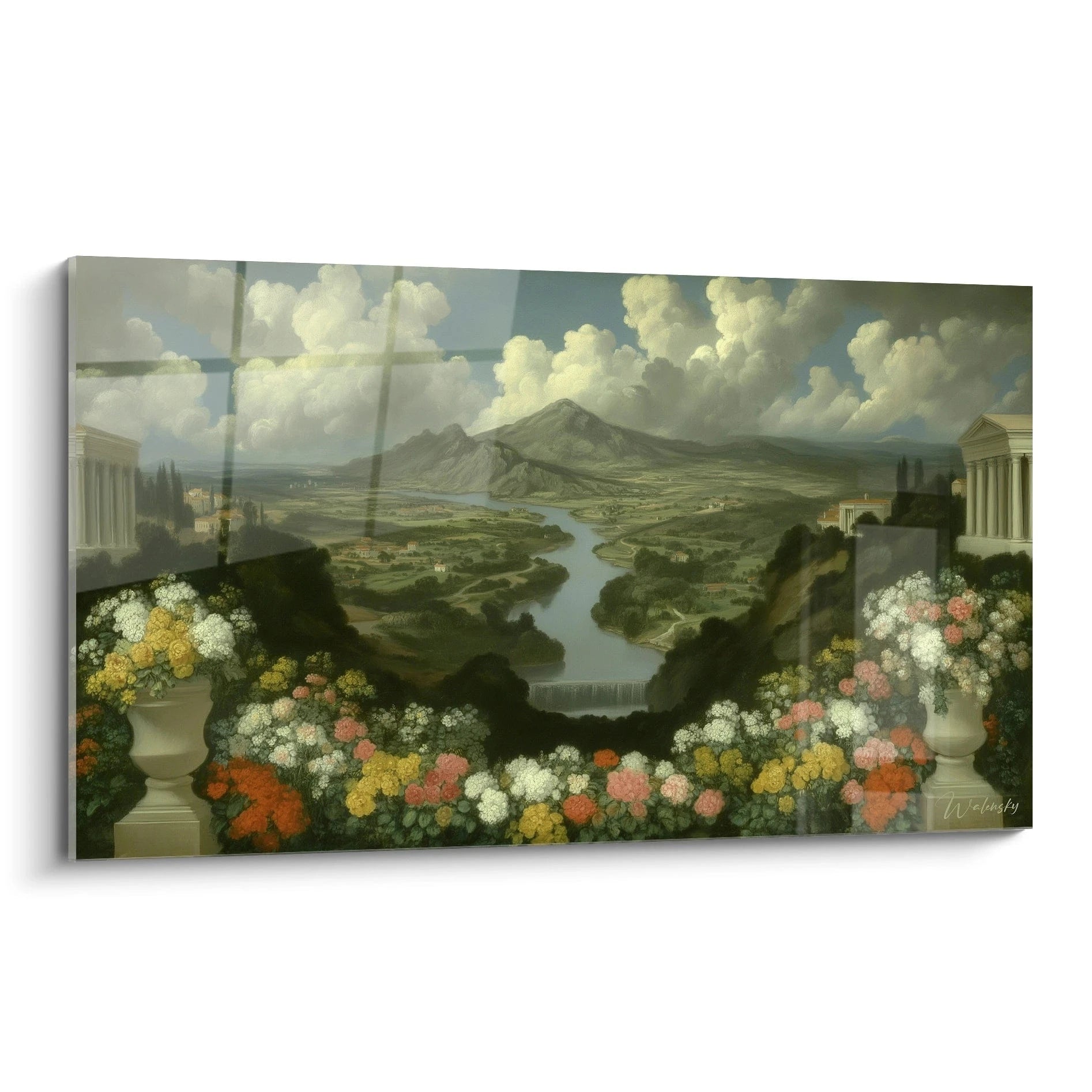
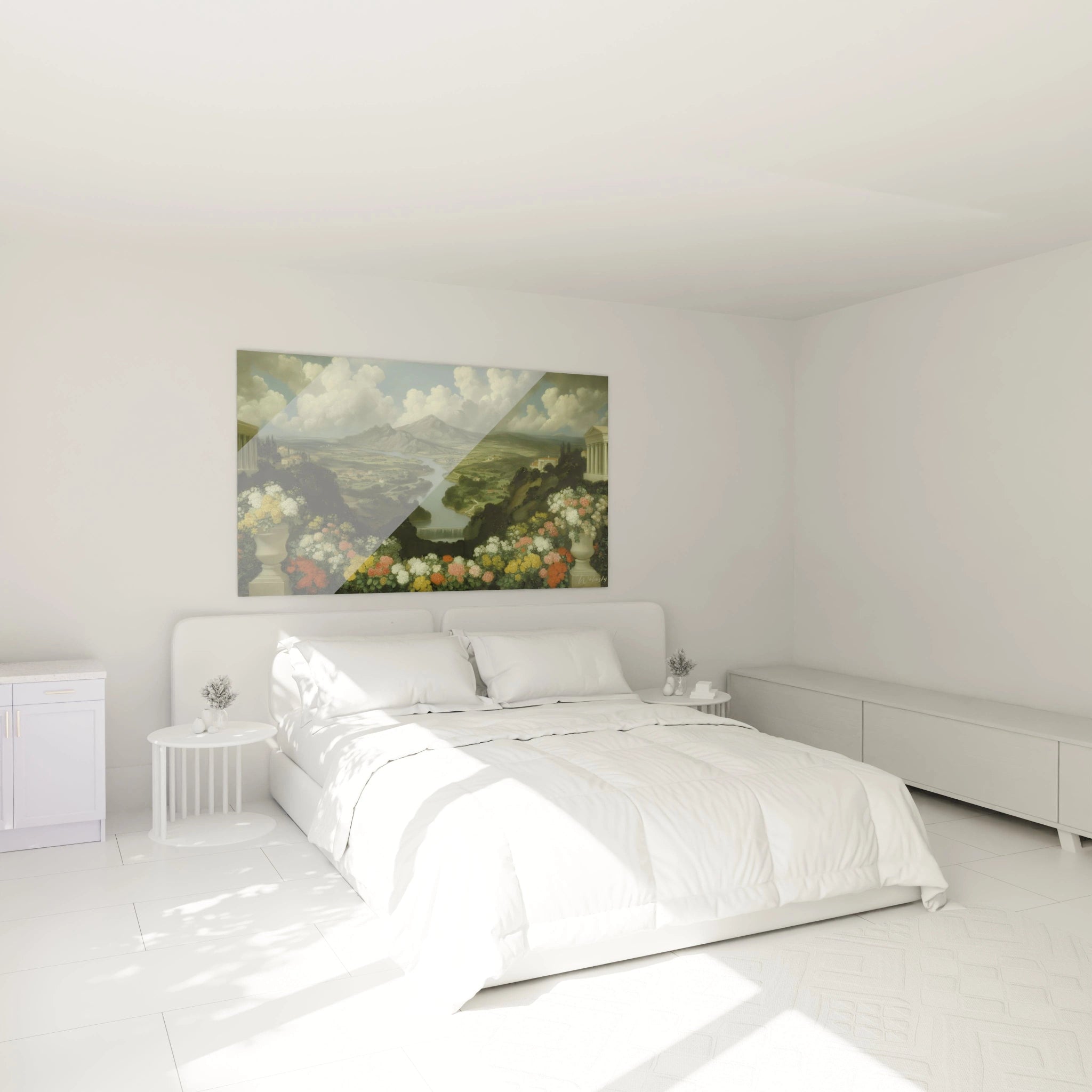
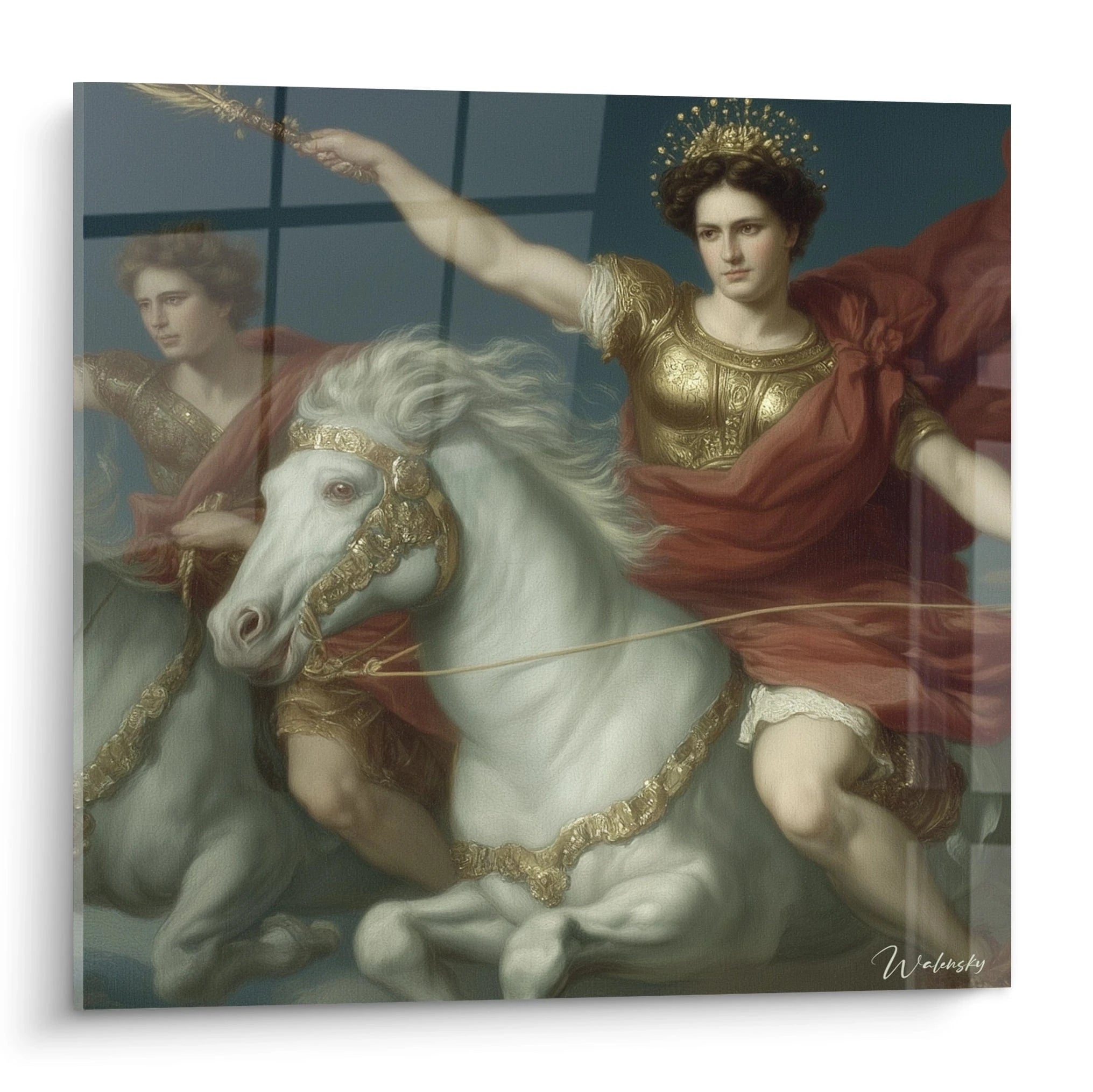
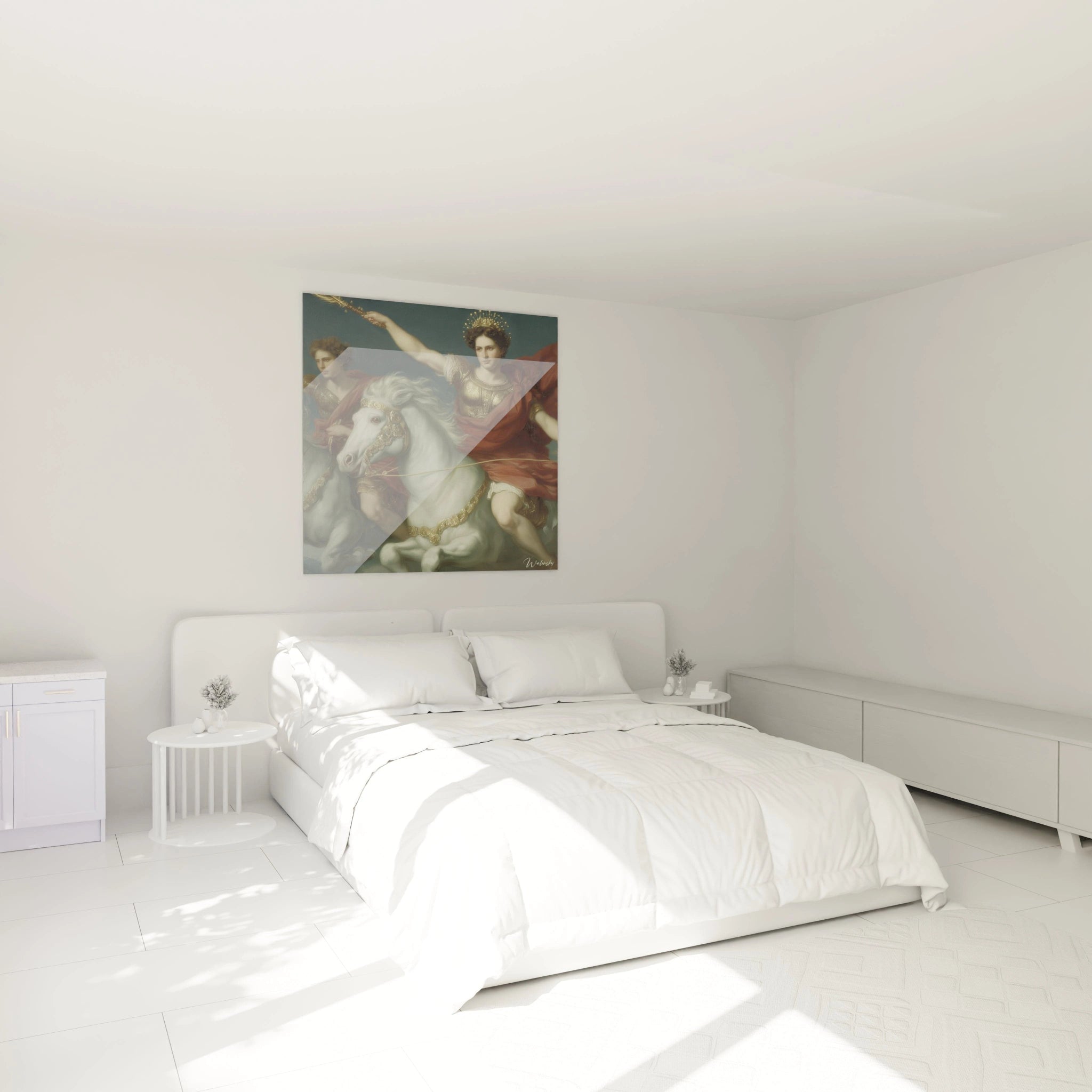
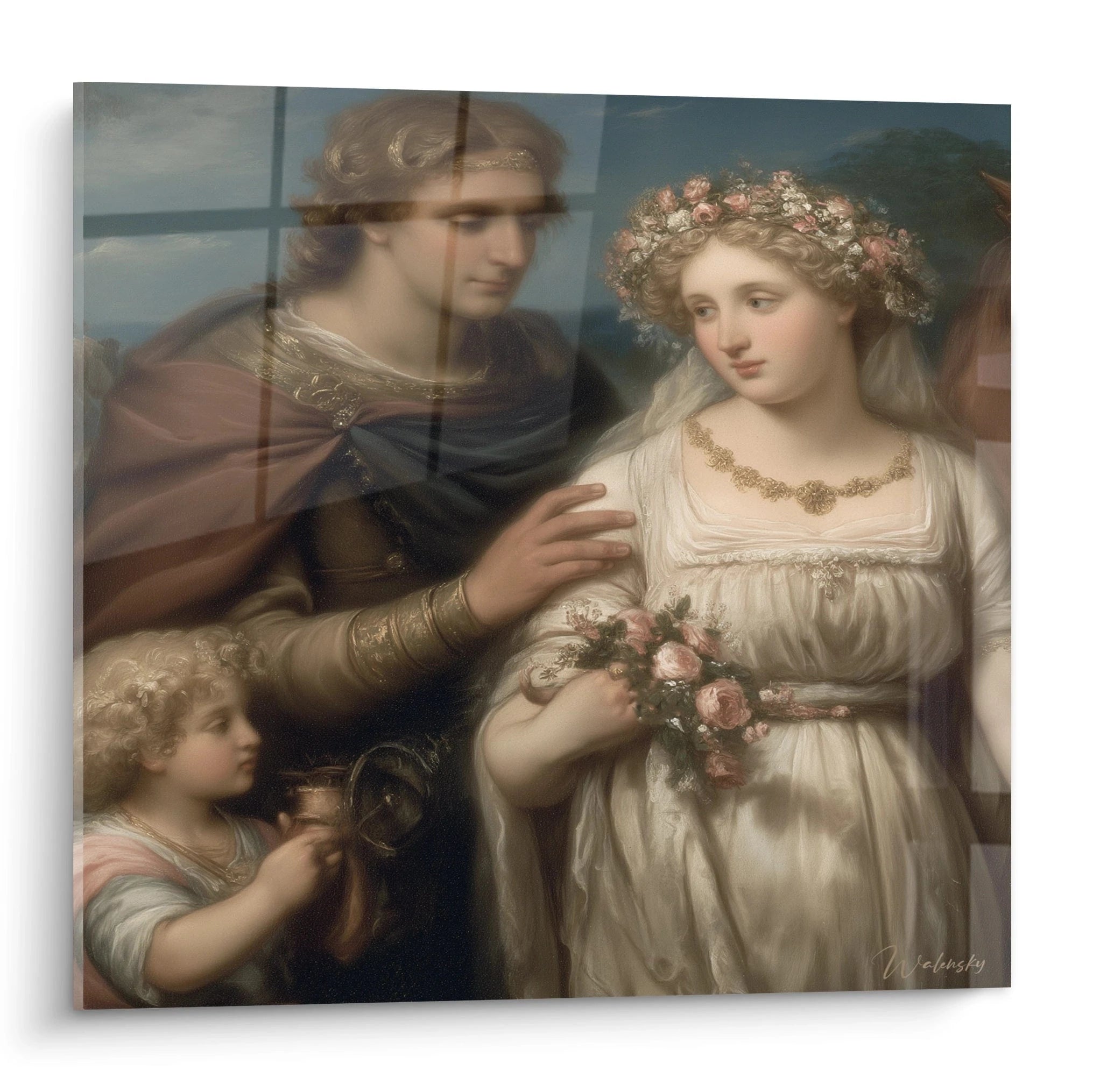
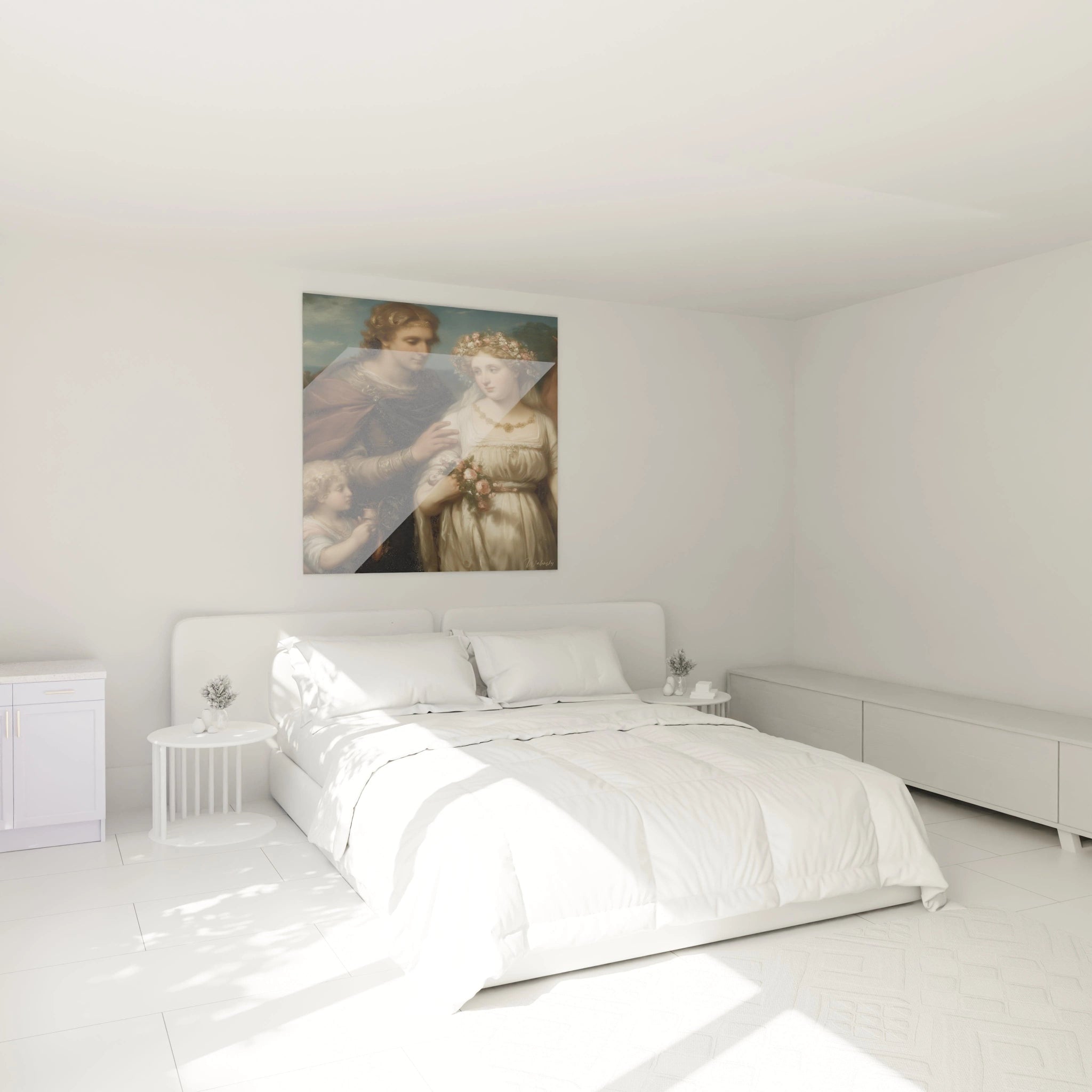
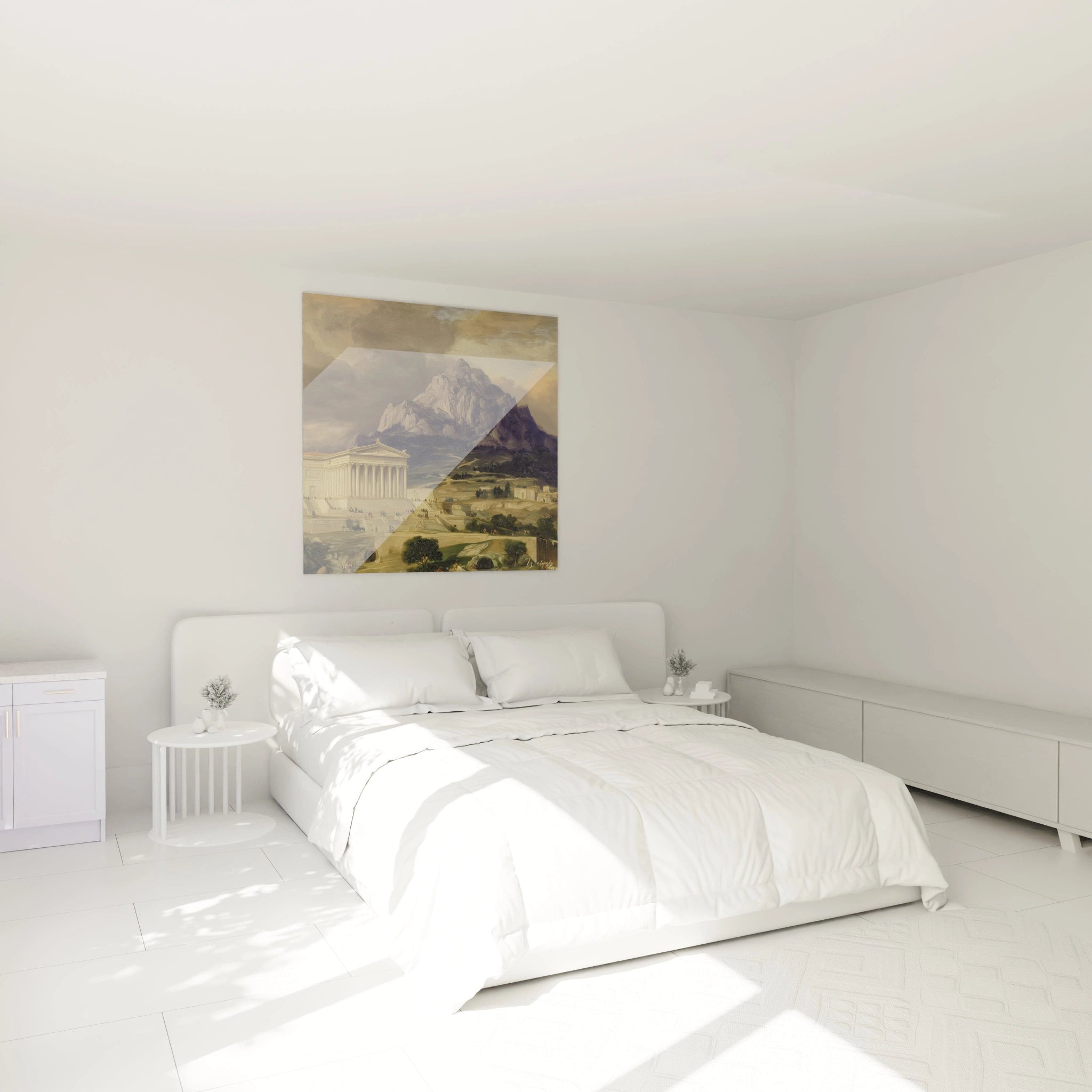
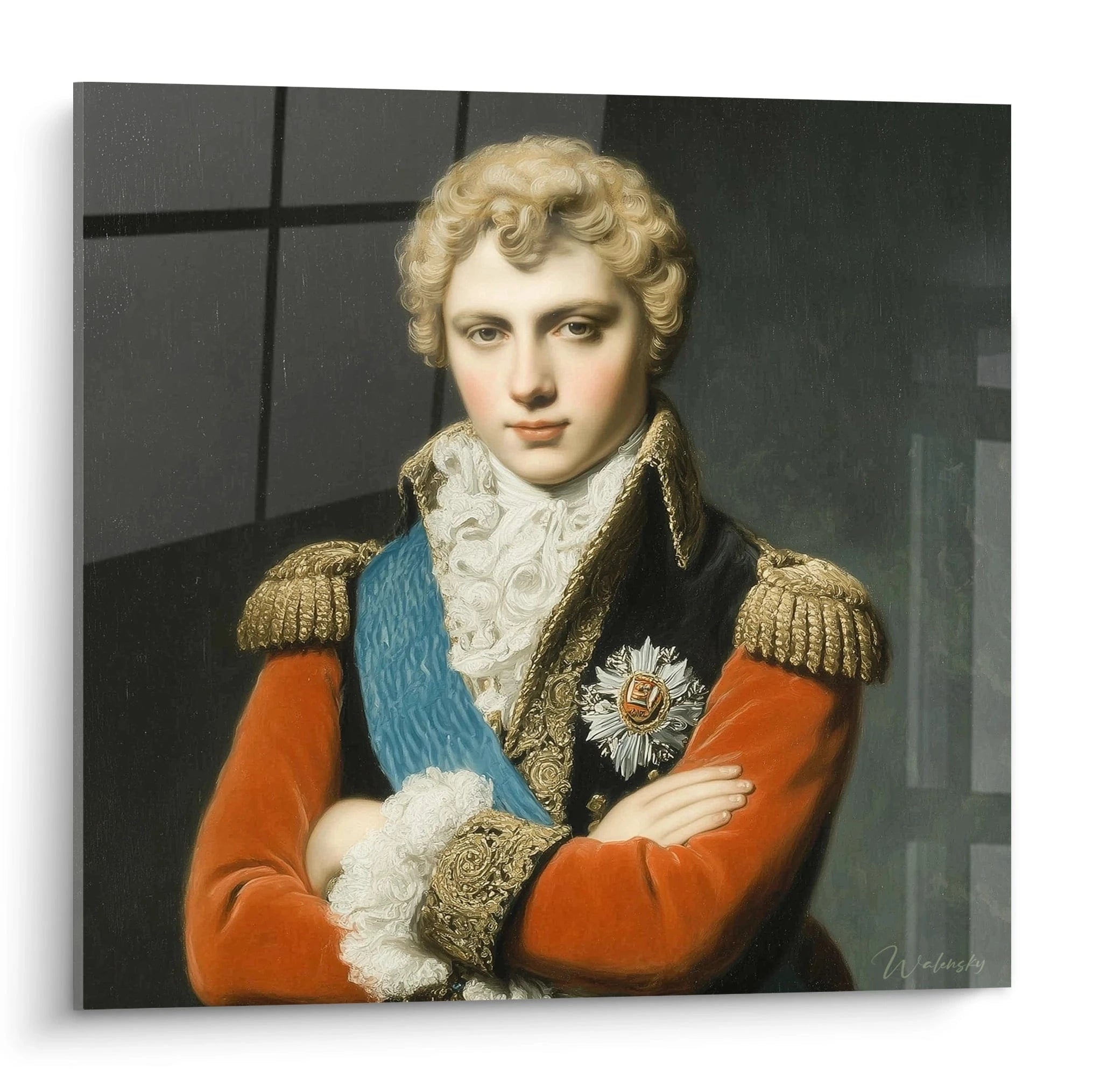
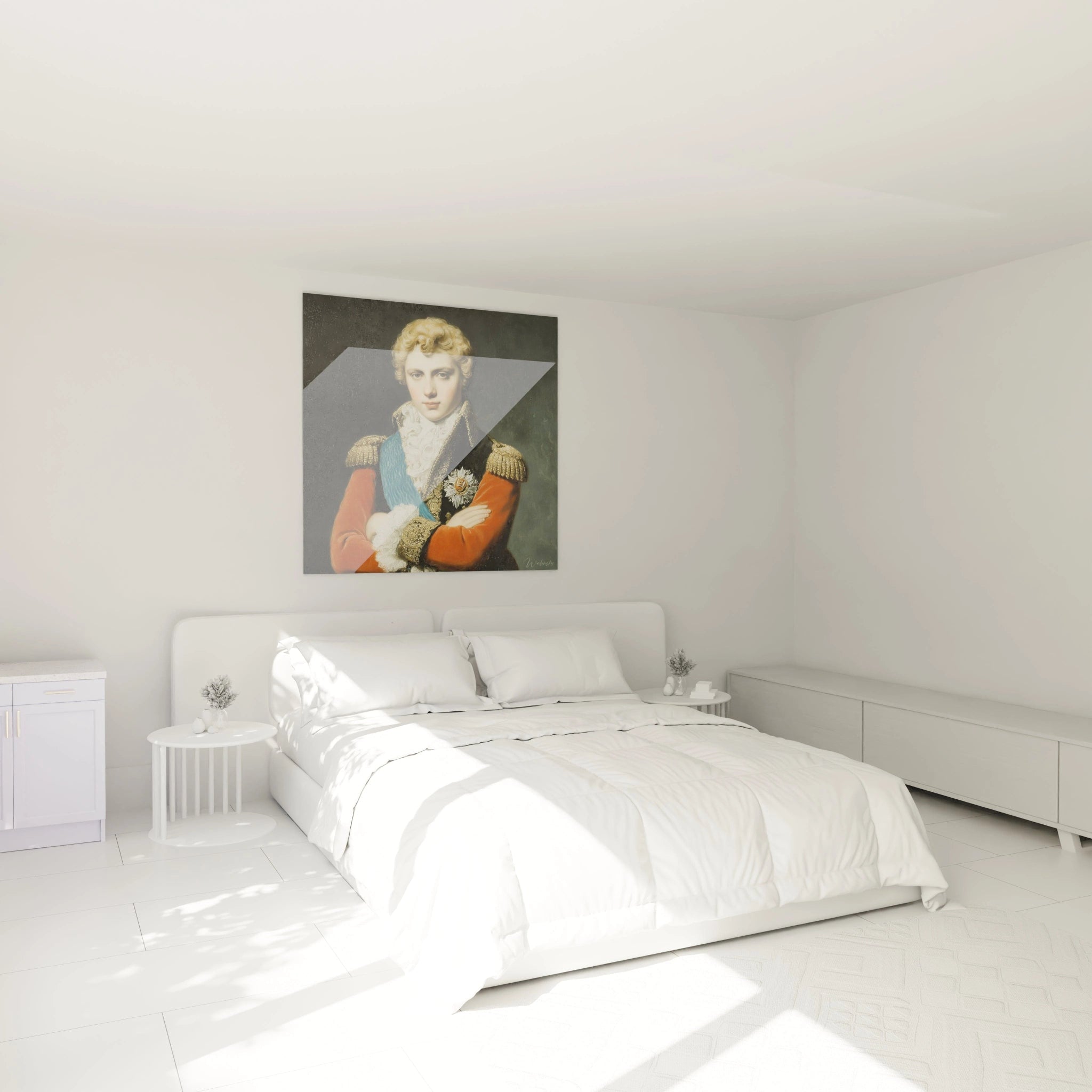
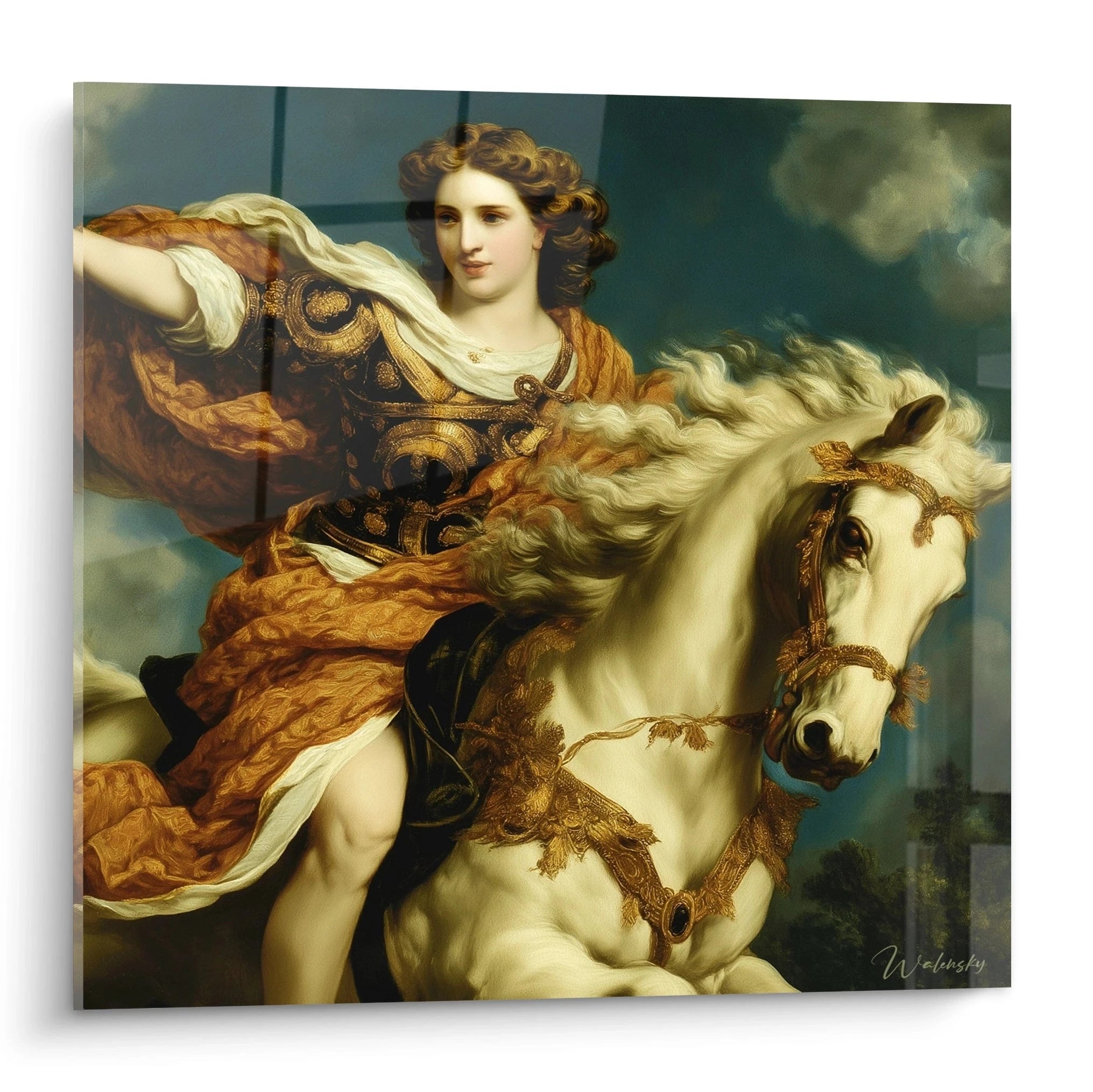
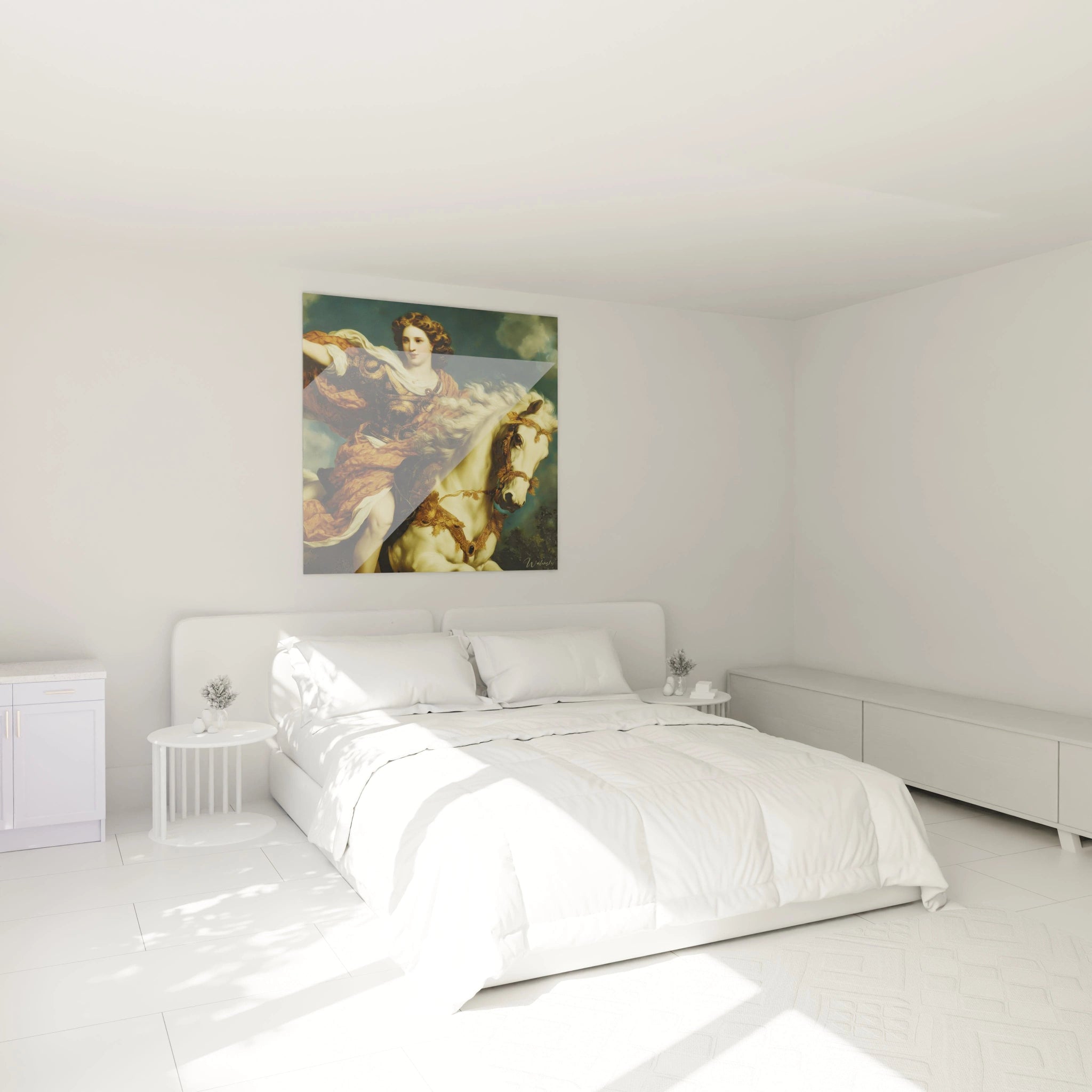
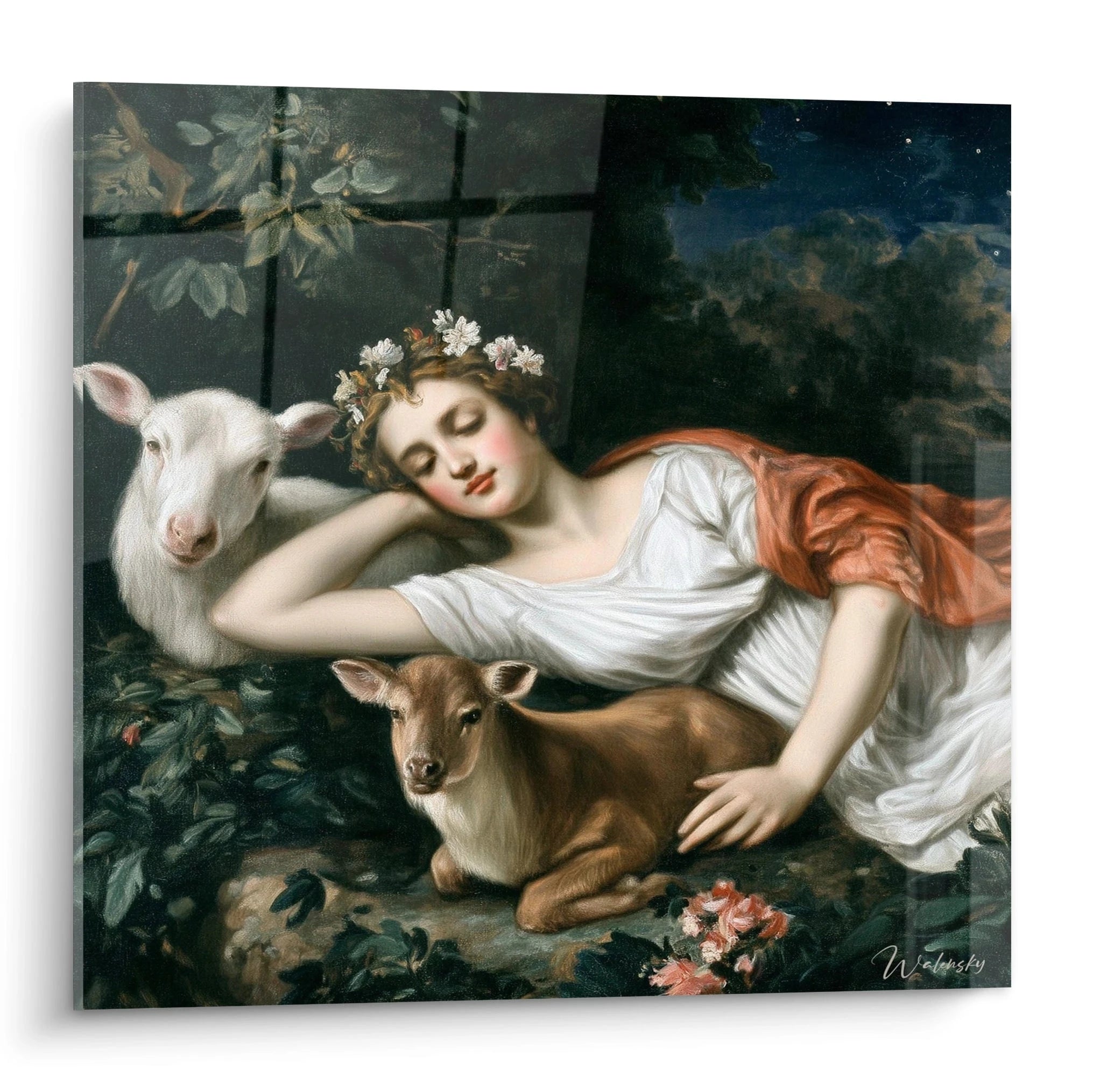
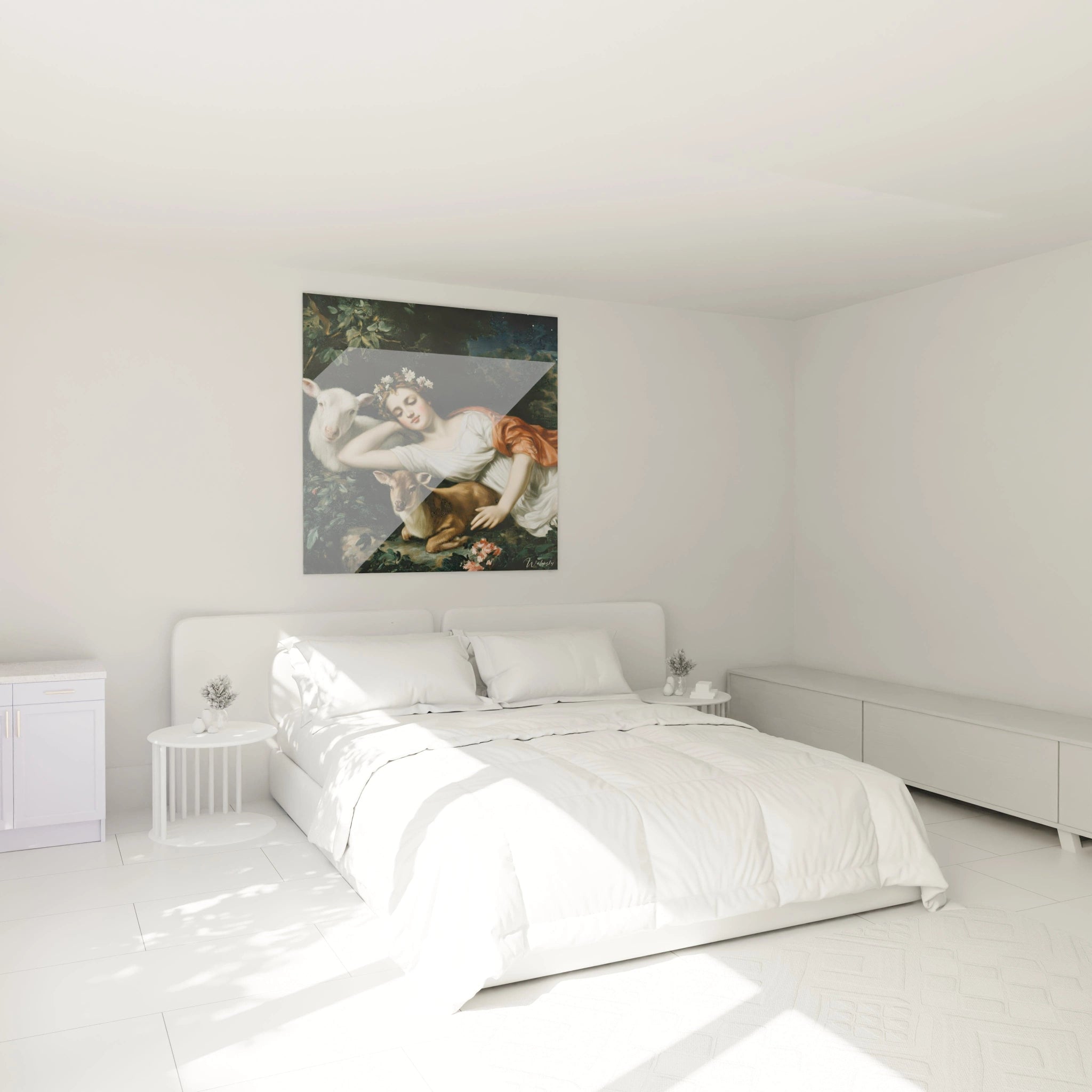
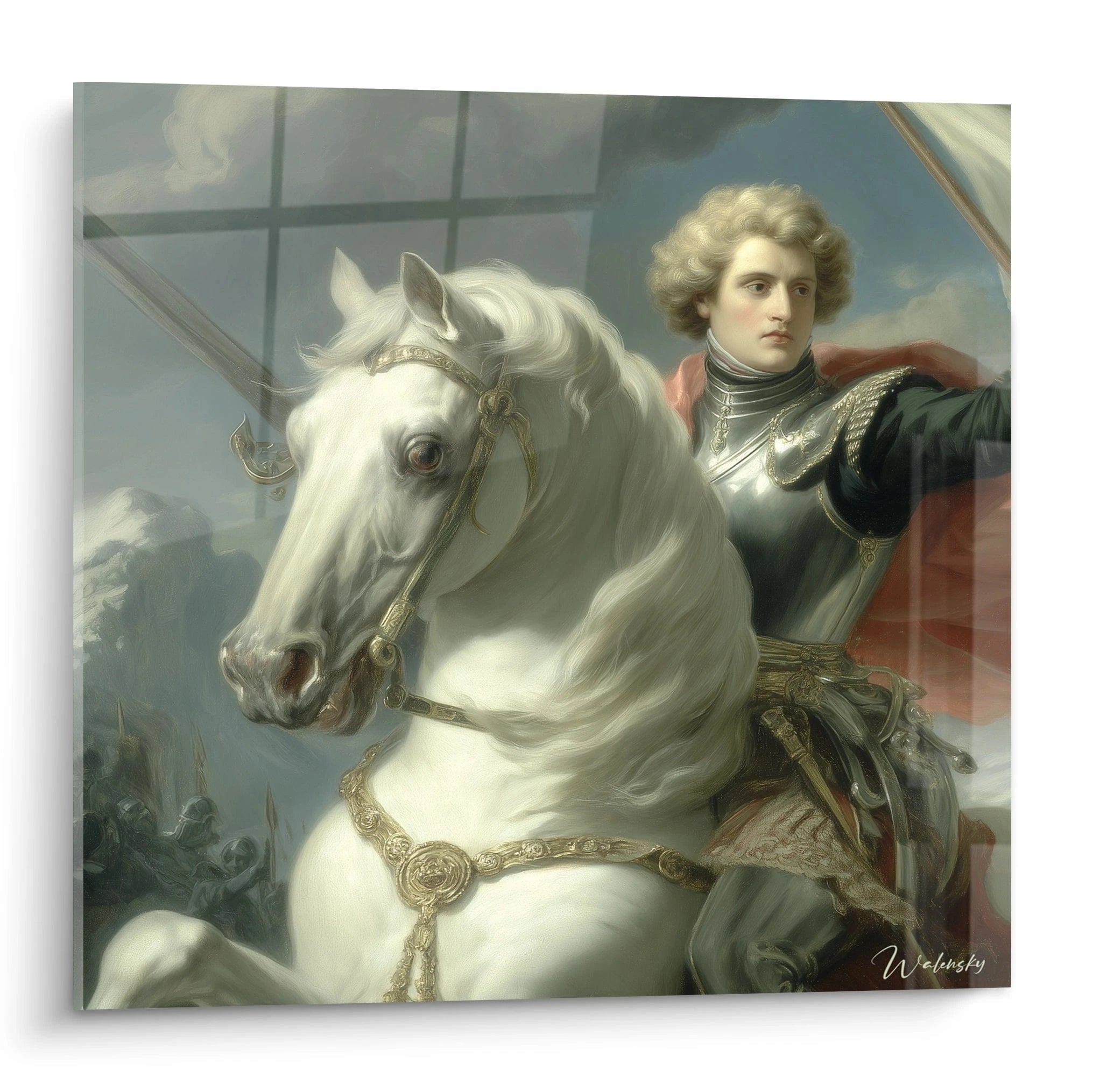
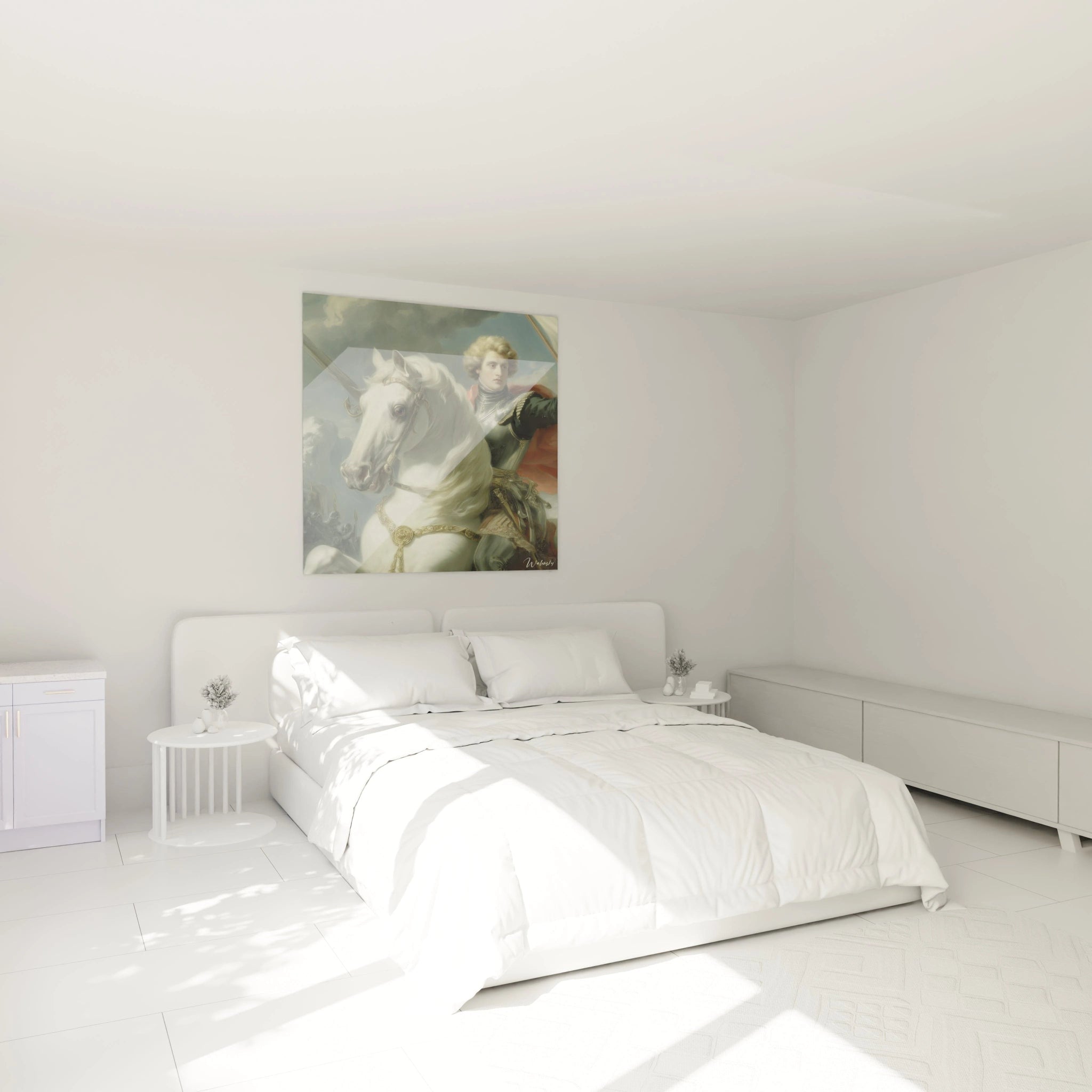
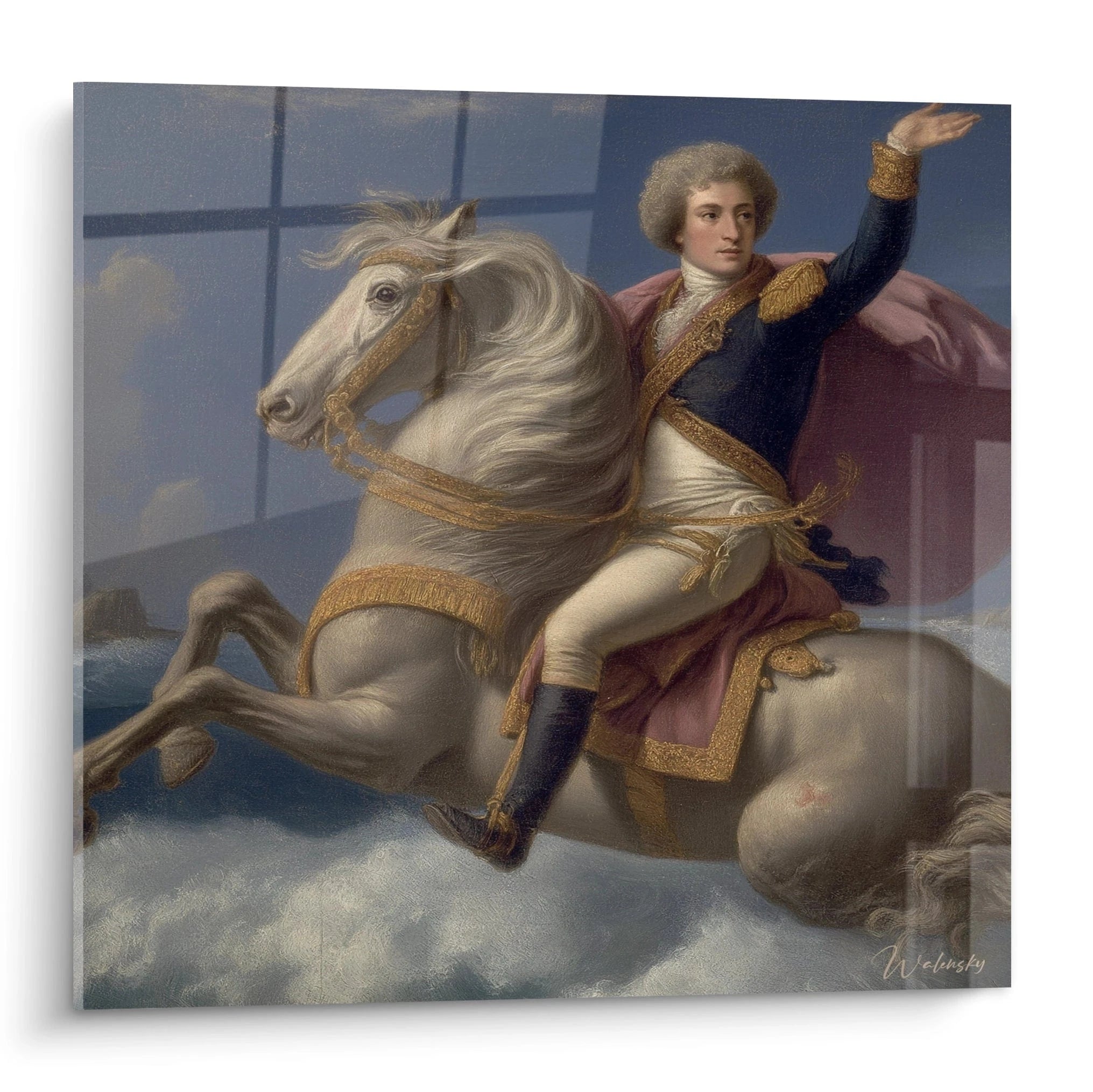
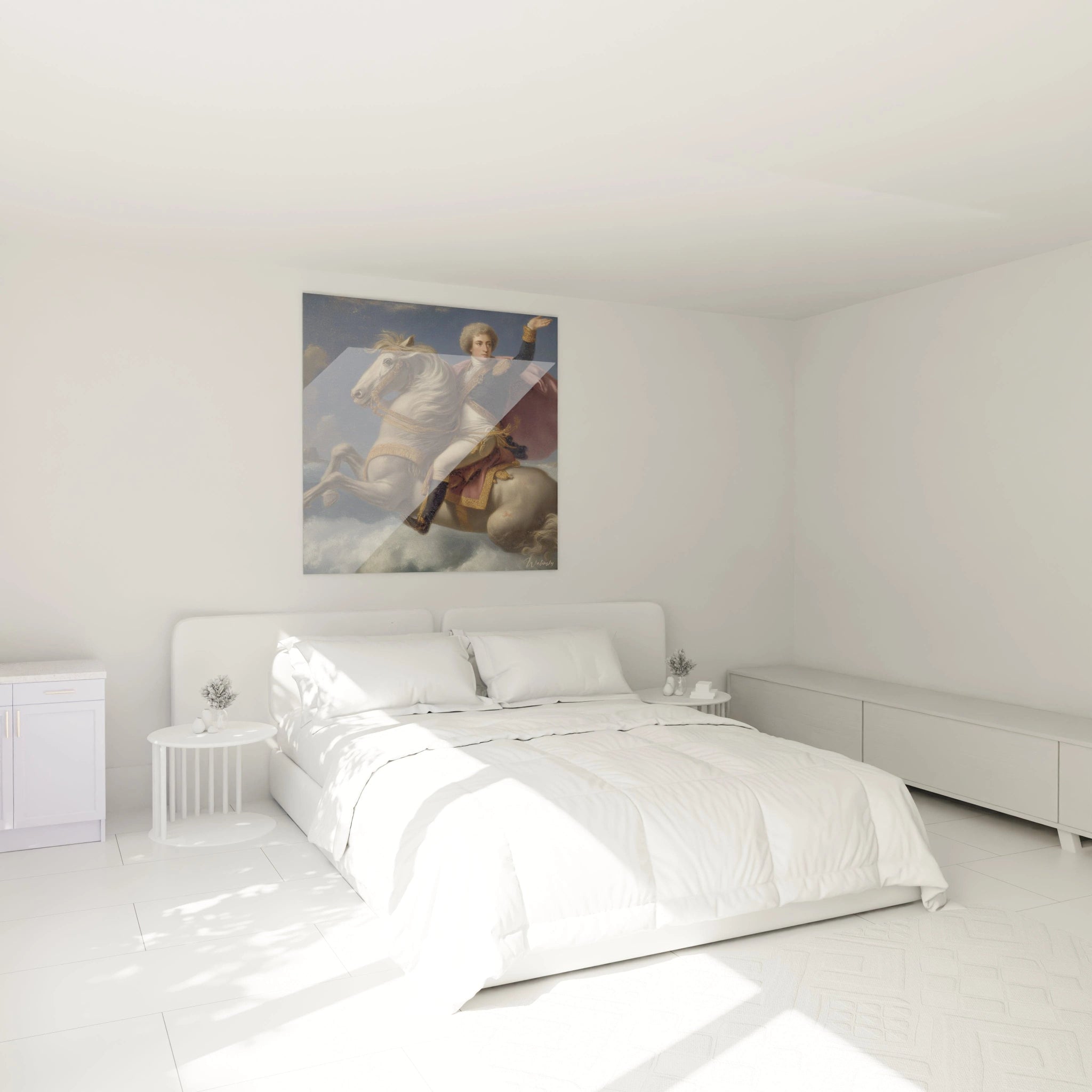
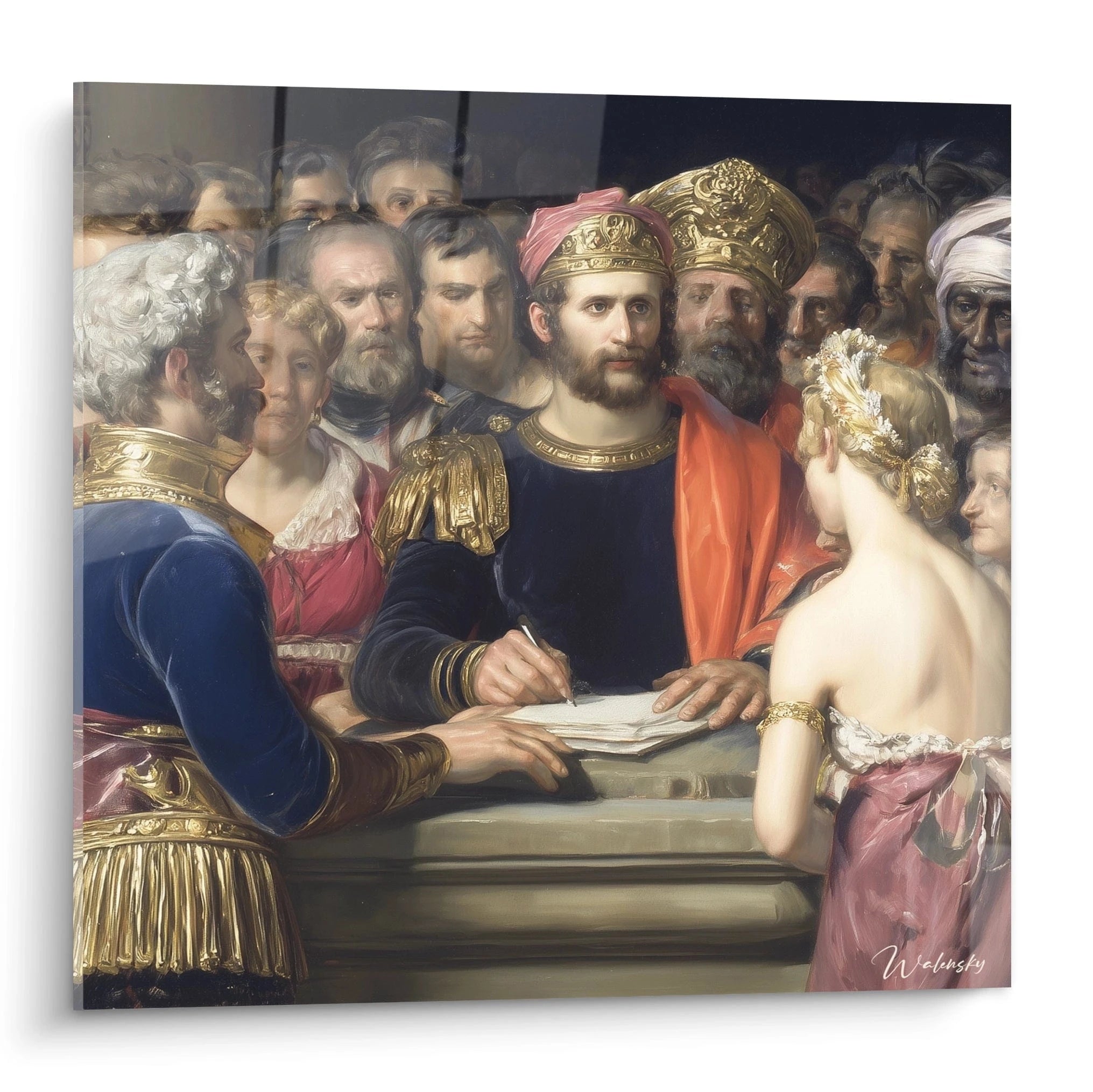
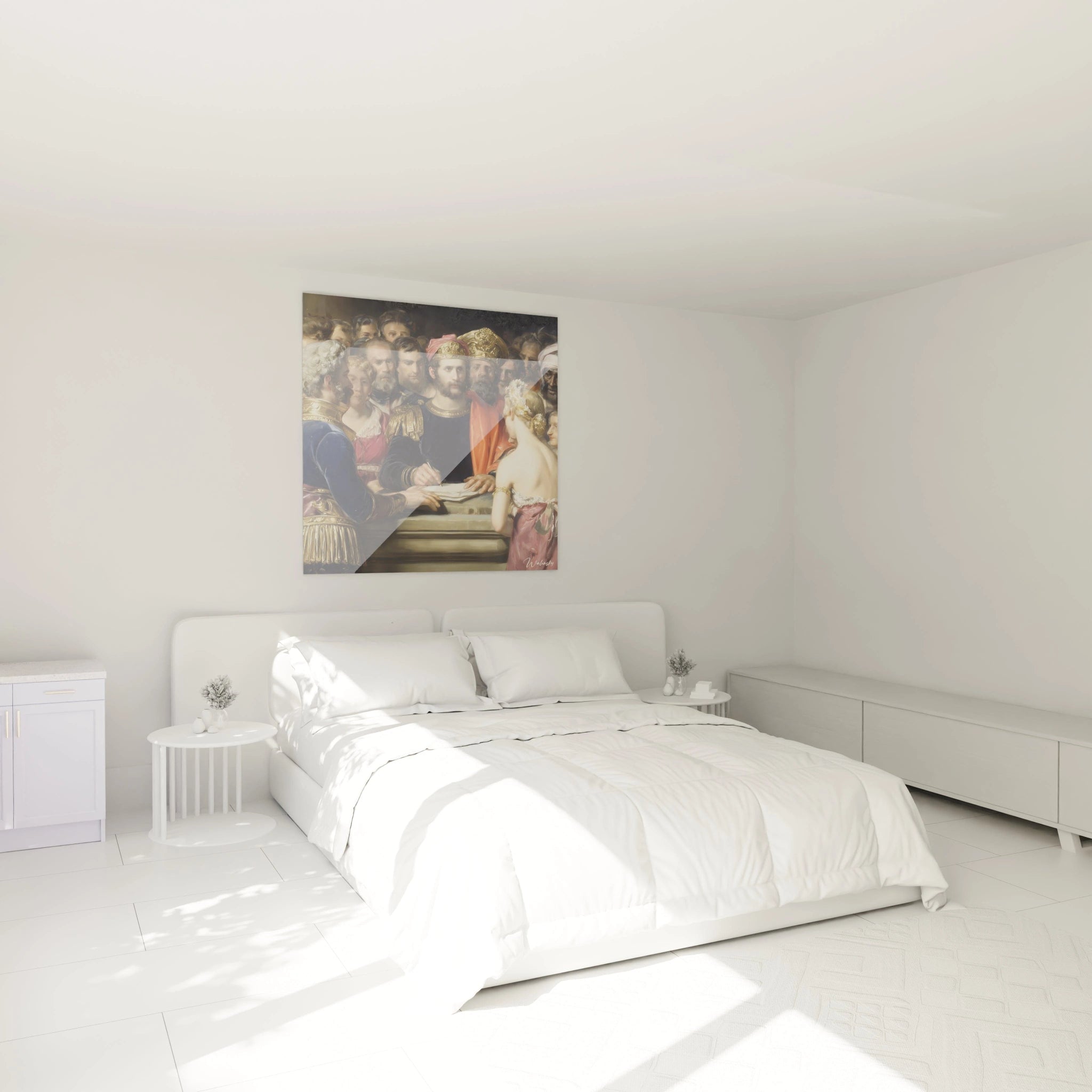
The neo-classical painting embodies the artistic excellence of an era when art reclaims its antique grandeur. These masterful works, heirs to masters like David and Ingres, transform your interior into a genuine art gallery. Our large-format reproductions capture every detail of these timeless masterpieces, offering an accessible alternative to collectors passionate about historical art.
Neo-classical Art: When Architecture Meets Monumental Painting
A neo-classical painting transcends mere wall decoration to become the soul of a refined architectural space. This exceptional artistic period, born from the rediscovery of Pompeii and Herculaneum, revolutionized European art between 1760 and 1840. Masters such as Jacques-Louis David, Jean-Auguste-Dominique Ingres and Antonio Canova created works of unequaled technical perfection, combining compositional rigor and thematic nobility.
Neo-classical aesthetics draws its references from Greco-Roman Antiquity, privileging the purity of lines and perfect balance of proportions. These historical paintings are characterized by their controlled chromatic palette, dominated by golden ochres, marbled whites and Pompeian reds. The sfumato technique, inherited from Italian Renaissance, confers on figures a striking sculptural presence.
What are the preferred themes in neo-classical art?
Heroic subjects dominate this period: grandiose mythological scenes, edifying historical episodes, patriotic allegories and formal portraits. These pictorial representations convey the moral values of the revolutionary and imperial era, exalting sacrifice, courage and civic virtue.
Integrating a neo-classical painting into a contemporary environment requires a subtle understanding of its spatial requirements. These monumental works naturally dialogue with classical architecture: moldings, cornices, marquetry parquets and Empire or Directoire period furniture. A salon with generous proportions, a library with sculpted woodwork or a formal dining room constitute ideal settings for these masterpieces.
Natural light reveals the full chromatic richness of these learned compositions. Skylight, filtered through silk curtains, recreates the muffled atmosphere of artists' studios. This soft luminosity emphasizes the subtle modeling, silky drapery and pearlescent flesh tones that characterize neo-classical painting. Discover our collection of paintings of artistic movements to enrich your personal gallery.
How to enhance a neo-classical painting in a modern interior?
The art of placing a neo-classical work lies in creating a harmonious dialogue between past and present. These history paintings flourish particularly in spaces dedicated to reflection: executive office, reception room or cabinet of curiosities. Their presence immediately confers a cultural and intellectual dimension to the environment.
- Favor walls in neutral tones that enhance historical colors
- Maintain generous visual clearance around the work
- Accompany with furniture with clean lines respecting the classical spirit
- Create indirect lighting that highlights the pictorial reliefs
The neo-classical collection appeals to lovers of learned art and decorators seeking historical authenticity. These faithful reproductions allow you to appropriate European artistic heritage without museum constraints. Every detail, from marten hair brush to colored glazes, restores the technical excellence of the old masters.
The Neo-classical Painting: Jewel of Exceptional Libraries
A private library deserves a neo-classical painting worthy of its intellectual ambitions. These sanctuaries of knowledge, heirs to Renaissance cabinets of curiosities, find in Davidian art their natural aesthetic complement. The alliance between classical literature and history painting creates an atmosphere conducive to study and erudite meditation.
The neo-classical era coincides with the golden age of European bibliophiles. Enlightened collectors, such as Baron Vivant Denon or Count Caylus, naturally associated precious manuscripts and pictorial works in their private apartments. This centuries-old tradition endures in contemporary dwellings where intellectual refinement takes precedence over decorative ostentation.
Why is neo-classical art perfectly suited to reading spaces?
The compositional serenity of these works promotes intellectual concentration. Unlike more expressive artistic movements, neo-classicism privileges visual harmony and psychological balance. These qualities make them ideal companions for long hours of study or contemplative reading.
The learned themes of the neo-classical repertoire resonate with the literary universe: allegories of Wisdom, representations of Athena, scenes from Plato's Academy or portraits of ancient philosophers. These erudite subjects establish an enriching cultural dialogue between painting and the classical literature present on the shelves.
Lighting a library requires particular attention when it houses a neo-classical painting. Artificial light, necessary for reading, must preserve the colorimetric integrity of the work. Warm incandescent lamps, strategically positioned, create an intimate atmosphere recalling the monastic scriptoriums where illuminated manuscripts were created.
- Choose locations protected from direct sun rays
- Alternate spotlighting for reading and ambient lighting
- Favor warm tones (2700K-3000K) preserving historical pigments
- Install dimmers to modulate light intensity according to the time of day
How to create harmony between library furniture and neo-classical work?
Neo-classical style library furniture naturally complements these historical paintings. Solid mahogany bookcases, minister desks with sculpted panels and Voltaire armchairs recreate the atmosphere of 18th-century literary salons. This stylistic coherence transforms the space into a genuine cabinet of letters.
Antique bindings, with their gold-leaf spines, subtly dialogue with metallic highlights present in certain neo-classical compositions. This chromatic correspondence unifies the entire decorative ensemble while respecting the visual hierarchy between the principal work and its bibliophilic environment.
The pedagogical dimension of neo-classical art enriches the reading experience. These didactic works, often accompanied by explanatory labels in private collections, stimulate historical and artistic curiosity. They transform each reading session into a cultural journey through the centuries, establishing bridges between classical literature and European pictorial heritage.
Collecting Neo-classical Art: Cultural and Aesthetic Investment
Acquiring a neo-classical painting is part of a thoughtful patrimonial collecting approach. These works, witnesses to a pivotal era in European history, constitute lasting cultural investments for enlightened art lovers. The growing rarity of originals mechanically enhances the value of museum-quality reproductions accessible to private collectors.
The neo-classical art market has experienced constant revaluation over the past two decades. International museum institutions, from the Louvre to the Metropolitan Museum, regularly organize monographic exhibitions devoted to masters of this school. This institutional recognition stimulates collector interest in a movement long overshadowed by modern art.
What criteria determine the value of a neo-classical painting?
Attribution constitutes the determining factor in valuation. Works by Jacques-Louis David, first painter of the Empire, reach astronomical figures at international auctions. His direct pupils, notably Antoine-Jean Gros and François Gérard, also benefit from growing recognition in the art market.
Historical provenance adds considerable cultural added value. Paintings that belonged to imperial collections, European aristocratic families or academic institutions possess precious documentary pedigree. This genealogical information, recorded in annotated catalogs, authenticates and enhances works with international experts.
Conservation status directly influences specialist estimates. Neo-classical painting, executed according to rigorous traditional techniques, generally withstands the centuries well when it benefits from a stable environment. Early restorations, documented and respectful, do not significantly alter the market value of authentic works.
- Favor works with complete historical documentation
- Verify the state of the support and pictorial layer
- Consult the annotated catalogs of the masters concerned
- Call upon expertise of art historians specialized in the field
How to start a neo-classical art collection?
Thematic collecting offers a coherent approach for newcomers. Focus on a particular aspect: Empire period portraits, mythological scenes, historical landscapes or preparatory studies. This specialization progressively develops your expertise while creating aesthetic unity in your personal gallery.
High-fidelity reproductions constitute a democratic alternative for discovering this demanding art. These limited editions, created according to traditional artisanal processes, preserve the spirit of originals while remaining accessible to moderate budgets. They allow you to live daily with these masterpieces before more ambitious acquisitions.
Where to find authentic neo-classical paintings?
Galleries specializing in old art remain the most reliable sources for finding exceptional pieces. These professionals know the market intimately and can guide collectors toward pertinent acquisitions according to their tastes and budget.
What are current trends in the neo-classical market?
The market currently favors works of medium format, adapted to contemporary interiors. Intimate scenes and quality portraits generate particular enthusiasm among international collectors, sometimes exceeding initial estimates at public sales.
How to preserve a neo-classical painting in a private collection?
Preventive conservation constitutes the absolute priority. Maintain stable temperature between 18-22°C with humidity of 45-55%. Avoid sudden variations and protect the work from direct UV radiation which irreversibly alters historical pigments.
Can a neo-classical painting be insured in a personal collection?
Fine art insurance specifically covers risks related to private collections. These specialized policies account for the artistic, historical and market value of each piece according to professional appraisals regularly updated.