


The Originals
The Originals – The collection that breaks the rules.Enter a world where every artwork is a unique creation. Unexpected materials, unprecedented combinations, never-before-seen concepts: here, nothing is ordinary. Whether you're an art enthusiast, a collector of rare objects, or searching for a piece that will transform your interior, The Originals are made for you.Each artwork is designed to surprise, captivate, and leave a unique mark on your space. Marble fish, fused textures, plays of light and illusion... Let yourself be carried away by the authenticity of an extraordinary collection. Assert your difference with The Originals.
 Sparkling Shores Canvas - Epoxy Style Edition273,90 €
 Expressive Abstract Canvas - Pink and Blue Emotion - Drawing Edition273,90 €
 Multicolor Abstract Wall Art - Neural Fragments - Collage Edition273,90 €
 Female Faces Painting - Golden Duality - Black Gold Edition273,90 €
 Shimmering Waves Wall Art - Epoxy Style Edition273,90 €
 Tableau Visage peint blanc et terracotta aux paupières closes - Lignes graphiques entrelacées - Edition Statue273,90 €
 Tableau Statue romaine drapée bleu et orange dissoute en éclaboussures - Empereur au bâton - Edition Statue273,90 €
 Tableau Buste gris et beige aux formes géométriques - Pensée fragmentée - Edition Statue273,90 €
 Tableau Visage voilé beige et bleu ardoise géométrique - Regard masqué - Edition Statue273,90 €
 Tableau Visage noir et doré aux lèvres rouges - Structure filaire dorée - Edition Statue273,90 €
 Tableau Buste africain noir et doré - Dualité intérieure - Edition Statue273,90 €
 Tableau Visage cubiste terracotta et bleu ardoise - Introspection fragmentée - Edition Statue273,90 €
 Tableau Buste doré aux mèches turquoise et pourpre - Coquillages nichés dans la chevelure - Edition Statue273,90 €
 Tableau Statue monumentale vert et rose au crépuscule - Veille millénaire - Edition Statue273,90 €
 Tableau Statue argentée à robe déployée sur fond ambré - Danseuse métallique envolée - Edition Statue273,90 €
 Tableau Buste lisse gris et blanc paupières closes - Sérénité minérale - Edition Statue273,90 €
 Tableau Buste antique aux éclats rose et turquoise - Fracture pop - Edition Statue273,90 €
 Tableau Lion sculpté gris et blanc majestueux - Gardien de pierre - Edition Statue273,90 €
 Tableau Visage sculpté brun et gris dans souche - Ciel nuageux et herbes hautes - Edition Statue273,90 €
 Tableau Visage rocheux noir et blanc émergeant de la falaise - Ciel nuageux en fond - Edition Statue273,90 €
 Tableau Silhouette torsadée beige et orange sculpturale - Torsion incarnée - Edition Statue273,90 €
 Tableau Buste antique orangé aux volutes violettes - Souffle antique - Edition Statue273,90 €
 Tableau Buste sculpté drapé orange et violet - Flamme intérieure - Edition Statue273,90 €
 Tableau Visage fragmenté gris et ocre géométrique - Fragments d'introspection - Edition Statue273,90 €

Other families
Explore our other worlds
-
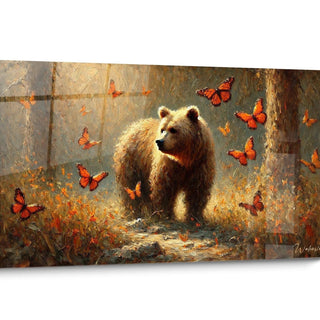 Best Sellers190
artworks
Best Sellers190
artworks
-
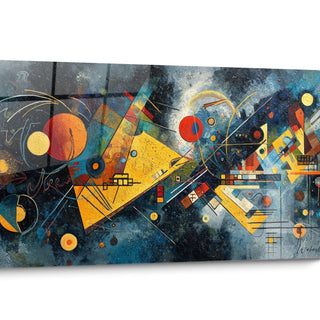 Abstract4182
artworks
Abstract4182
artworks
-
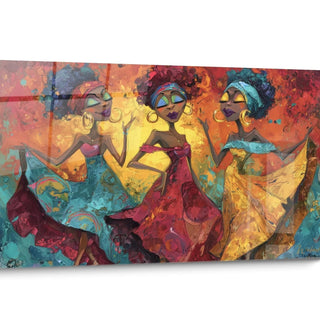 Africa608
artworks
Africa608
artworks
-
 Love154
artworks
Love154
artworks
-
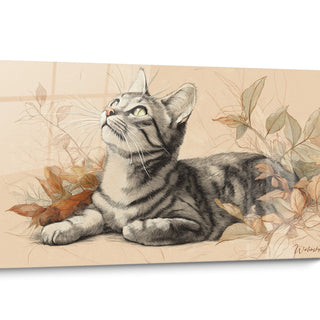 Animals10974
artworks
Animals10974
artworks
-
 Famous Artists ( inspirations )265
artworks
Famous Artists ( inspirations )265
artworks
-
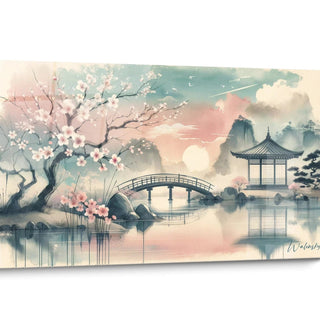 Asia378
artworks
Asia378
artworks
-
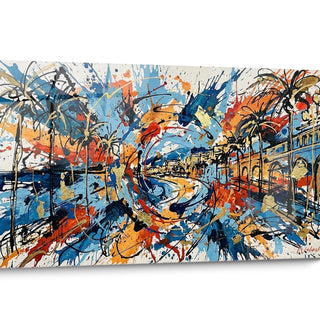 Around the World1065
artworks
Around the World1065
artworks
-
 Kitchen1805
artworks
Kitchen1805
artworks
-
 Culture222
artworks
Culture222
artworks
-
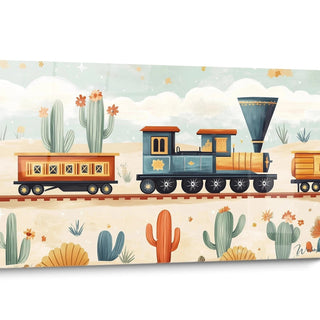 Children54
artworks
Children54
artworks
-
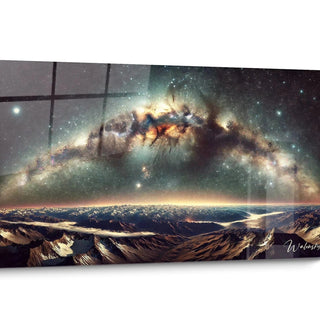 Space514
artworks
Space514
artworks
-
 Celebrations & Seasons670
artworks
Celebrations & Seasons670
artworks
-
 Finance38
artworks
Finance38
artworks
-
 History123
artworks
History123
artworks
-
 Professions235
artworks
Professions235
artworks
-
 Fashion696
artworks
Fashion696
artworks
-
 Artistic Movements793
artworks
Artistic Movements793
artworks
-
 Music653
artworks
Music653
artworks
-
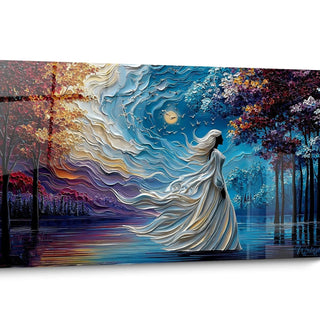 Myth and Legends332
artworks
Myth and Legends332
artworks
-
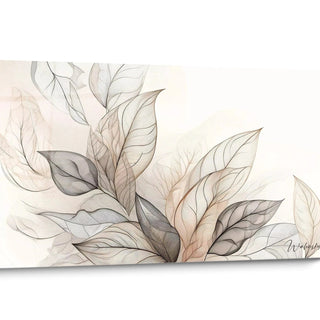 Nature5000
artworks
Nature5000
artworks
-
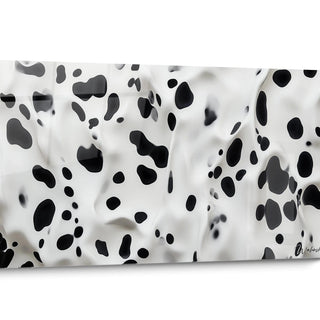 Black and white445
artworks
Black and white445
artworks
-
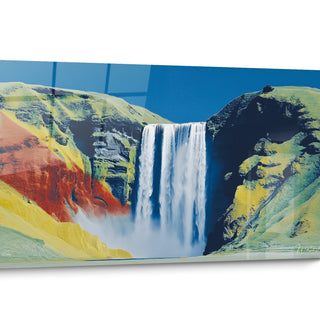 Landscapes1531
artworks
Landscapes1531
artworks
-
 Retro298
artworks
Retro298
artworks
-
 Science and Mathematics122
artworks
Science and Mathematics122
artworks
-
 Sports & Leisure2470
artworks
Sports & Leisure2470
artworks
-
 Street Art167
artworks
Street Art167
artworks
-
 Primordial Lands150
artworks
Primordial Lands150
artworks
-
 Transport15
artworks
Transport15
artworks
-
 Zen2161
artworks
Zen2161
artworks
-
 Browse all our wall art25001
artworks
Browse all our wall art25001
artworks
-
 Places150
artworks
Places150
artworks
-
 Professionnels101
artworks
Professionnels101
artworks


All about The Originals
- Original Painting Presentation
- Emotional and Social Impact of an Original Painting
- Heritage Investment and Original Paintings
- Expert Conservation of Original Paintings
Discover the fascinating world of original paintings, these unique creations that radically transform a space and constitute genuine artistic and financial heritage. An original painting distinguishes itself fundamentally from reproductions through its authenticity, singularity, and the direct emotion it transmits from artist to viewer.
Far more than a simple decorative element, an original painting represents an emotional and financial investment that appreciates over time. Its presence in your interior transcends simply beautifying the space - it creates a unique atmosphere, sparks rich conversations, and establishes a direct connection with the artist's creative universe.
Original paintings in large formats, in particular, possess this remarkable capacity to completely transform a room's ambiance. Their conservation requires special attention and specific knowledge to preserve their integrity and value over the years.
Explore our different sections to discover how to select, invest in, and preserve an original painting that will accompany you for decades to come.
The Transformative Emotional and Social Impact of an Original Painting
An original painting far transcends simple decorative function by creating a profound emotional connection between the buyer, living space, and the artist's creative universe. This unique triangular relationship constitutes the very essence of the invaluable worth of an authentic work.
What psychological influence does an original painting exert on your daily space?
Acquiring an original painting marks the beginning of an intimate relationship with a unique creation, imbued with the artist's creative intent and emotion. Unlike standardized reproductions, an original painting possesses a tangible soul that resonates differently depending on light, viewing angle, and even your own emotional state. This authentic connection gradually transforms your perception of the space and subtly influences your daily mood.
Studies in environmental psychology demonstrate that an original painting significantly stimulates brain zones linked to emotion and memory far more than reproductions, thus creating powerful emotional anchoring in the inhabited space. This neurological stimulation explains why the gaze is irresistibly drawn to the original work, even after years of cohabitation.
The exclusive social dimension of an original painting
An original painting of large dimensions acts as an exceptional social catalyst in your living or professional space. It naturally becomes the focal point of conversations, generating rich and personal exchanges impossible with standardized works. This unique capacity to create moments of intellectual and emotional sharing constitutes a rarely discussed yet fundamental benefit of acquiring an original painting.
The original work tells an authentic story through its materiality - its reliefs, deliberate imperfections, layers of matter that capture and diffuse light uniquely. These tactile and visual characteristics exclusive to original creations instinctively engage visitors in a complete sensory experience, transforming your space into a place of shared artistic experience.
- Unique textures and reliefs impossible to reproduce mechanically
- Subtle pigment variations visible only on the original work
- Unique interaction between natural light and authentic pictorial matter
- Evolving patina that personalizes the work over time
The privileged relationship with the living artist
Acquiring an original painting by a contemporary artist often initiates a privileged relationship with the creator himself. This direct connection to the artist's creative universe considerably enriches the ownership experience and deepens understanding of the work. Collectors frequently establish lasting bonds with artists, receiving exclusive information about their creative approach, upcoming exhibitions, or the evolution of their work.
This unique relationship can materialize through invitations to exhibition previews, private studio visits, or personal exchanges around new creations. An original painting thus becomes not only an artistic acquisition but also a gateway to access an exclusive cultural network.
How does an original painting modify a room's acoustics and ambiance?
A rarely discussed but scientifically proven aspect concerns the influence of a large-scale original painting on a space's acoustics. Original works, particularly those with pronounced textures, contribute to modulating a room's sound reverberation, creating a more balanced acoustic environment. This distinctive physical property adds to its visual impact to transform the overall sensory experience of the space.
Beyond the acoustic aspect, the emotional aura of an original painting subtly modifies spatial perception. Large formats in particular create an effect of added depth and dimension, radically transforming spaces that might appear ordinary. This unique capacity to reconfigure spatial perception explains why interior architects systematically favor original works for exceptional projects.
The evolution of your relationship with an original painting
Unlike manufactured decorative elements that eventually fade from our visual consciousness, an original painting continues to evolve in our perception over the years. This dynamic relationship constitutes one of the exclusive privileges of owning authentic works. Experienced collectors regularly testify to their perpetual rediscovery of new nuances, details, and emotions, even after decades of cohabitation with the work.
This evolving relationship is notably explained by the richness of expressive layers contained in an original painting. The artist consciously and unconsciously imprints a multitude of emotional and technical dimensions that our perception continues to discover progressively, thus creating an inexhaustible source of intellectual and sensory stimulation.
Acquiring an original painting therefore represents far more than a simple decorative purchase - it marks the beginning of a unique emotional, social, and sensory journey that will profoundly enrich your daily life and constitute a significant legacy for future generations.
Heritage Investment: The Unique Appreciation of Original Paintings
Acquiring an original painting represents far more than a simple aesthetic endeavor – it is a genuine heritage investment whose appreciation mechanisms differ fundamentally from other asset classes. This financial dimension exclusive to authentic works merits thorough analysis for discerning collectors.
Why does an original painting constitute an exceptional heritage asset?
An original painting distinguishes itself from conventional investments by its dual nature: it simultaneously generates daily emotional returns and substantial financial appreciation potential. This exceedingly rare characteristic in the patrimony investment universe explains the growing appeal of original works among sophisticated wealth managers seeking authentic portfolio diversification.
Financial analyses demonstrate that original paintings present extremely low correlation with traditional financial markets, thus offering remarkable protection against global economic fluctuations. This resilience was particularly demonstrated during recent financial crises, when the original art market maintained impressive stability compared to equity assets.
- Exceptional resilience against global economic fluctuations
- Inflation protection superior to conventional financial instruments
- Optimized heritage transmission through specific tax regimes for artworks
- Average historical appreciation of 5-12% annually for judiciously selected original works
The distinctive financial trajectory of original paintings
The appreciation of an original painting follows a fundamentally different evolution curve from other investments. Unlike industrial assets that depreciate over time or financial instruments subject to economic cycles, an authentic original painting generally benefits from progressive appreciation as its rarity intensifies and its imprint on art history solidifies.
This unique dynamic explains why original paintings rank among the rare investments capable of traversing multiple generations while continuously increasing their intrinsic value. Data collected over several decades reveal that a judiciously selected original painting can multiply its value by 3 to 10 over a 15-20 year period, thus representing an exceptional vehicle for heritage transmission.
Strategic documentation: the foundation of an original painting's value
One of the crucial yet often overlooked aspects of acquiring an original painting concerns associated documentation, the true foundation of its heritage value. An original painting accompanied by an exhaustive documentary file will see its financial value significantly amplified compared to a similar work insufficiently documented.
This ideal documentary file includes the certificate of authenticity signed by the artist or his rights holders, complete ownership history (provenance), any publications in which the work appears, and exhibitions it has participated in. This documentation constitutes not only a guarantee of authenticity but also a historical narrative that considerably enriches the heritage dimension of the work.
How to evaluate the appreciation potential of an original painting?
Evaluating the financial potential of an original painting requires a multidimensional approach specific to the art market. Unlike standardized assets, the prospective value of an original work rests on a complex set of qualitative factors that must be analyzed methodically before acquisition.
Experts in artistic investment identify several determining parameters for estimating the appreciation trajectory of an original painting: consistency of the work within the artist's career, evolution of its market value over the past ten years, institutional presence (museums, public collections), and strength of its historical documentation. These indicators enable establishing reasoned projections of the work's financial evolution.
- Analysis of the artist's trajectory and institutional recognition
- Evaluation of the work's singularity within the artist's overall production
- Examination of comparable transactions on the secondary market
- Study of documentary file quality and completeness
The distinctive tax dimension of original paintings
A considerable yet lesser-known heritage advantage of original paintings resides in their specific tax treatment. In many jurisdictions, original artworks benefit from a privileged tax framework that considerably strengthens their attractiveness as instruments for transmission and heritage diversification.
This tax optimization manifests notably in capital gains exemption after a certain holding period, potential exclusion from certain heritage tax bases, and usufruct donation mechanisms particularly advantageous. These provisions significantly contribute to the exceptional overall returns of original paintings in a sophisticated heritage strategy.
Specialized insurance: protection of artistic investment
Insuring an original painting requires a fundamentally different approach from conventional property. Standard insurance policies generally prove inadequate for the unique nature of original works, whose value can fluctuate significantly and whose identical replacement is, by definition, impossible.
Specialized insurance solutions for original paintings offer essential specific guarantees: coverage at agreed value (avoiding evaluation disputes in case of loss), value fluctuation guarantee, worldwide protection (particularly important during transport), and restoration coverage by certified experts. These specialized protections constitute a fundamental element of heritage preservation strategy.
Strategic acquisition of an original painting therefore represents a sophisticated heritage endeavor that far transcends simple aesthetic dimension. It reflects a transgenerational vision of building and transmitting diversified heritage, combining immediate emotional returns with long-term financial appreciation.
Expert Conservation of Large-Format Original Paintings
Optimal preservation of a large-format original painting represents a specific technical challenge that directly influences its aesthetic longevity and heritage appreciation. Unlike reproductions or manufactured works, an original painting requires a personalized conservation strategy to maintain the integrity of its unique materials.
What environmental factors specifically affect original paintings?
An original painting distinguishes itself fundamentally through the unique nature of its pictorial materials - authentic pigments, specific binders, and natural supports - which react distinctively to environmental conditions. This exclusive sensitivity demands deep understanding of the physicochemical interactions specific to large-format original works.
Research in preventive conservation demonstrates that large-format original paintings create their own microenvironment due to their significant pictorial mass. They generate specific hygrometric and thermal gradients that require perfectly calibrated environmental regulation to avoid invisible short-term stresses but potentially devastating on a longer timeline.
- Precise humidity control between 45-55% with variations limited to ±3% per 24 hours
- Stable temperature maintained between 18-21°C with maximum daily fluctuations of 2°C
- Specific UV ray filtration and light exposure limitation to 150-200 lux maximum
- Protection against atmospheric pollutants particularly harmful to original pigments
The seasonal rotation strategy for original paintings
A sophisticated and rarely discussed approach to conserving original paintings concerns strategic seasonal rotation. This methodology, inspired by museum practices, consists of periodically changing the location of original works to balance their exposure to different environmental conditions inherent to any inhabited space.
This programmed rotation notably allows limiting cumulative exposure to solar rays, balancing seasonal thermal stresses, and preventing asymmetric structural deformations. For large-format original paintings, particularly sensitive to physical stresses due to their mass, this preventive approach proves especially beneficial for their long-term preservation.
Hanging systems specific to monumental original paintings
Hanging a large-format original painting requires a radically different technical approach from standard works. The considerable weight combined with high heritage value demands hanging solutions specifically designed to perfectly balance load distribution while minimizing stress points on the work.
Professional hanging systems for monumental original paintings incorporate mechanisms for compensating wall deformations, absorbing environmental micro-vibrations, and sophisticated anti-theft security. These devices, invisible to the viewer, contribute significantly to the work's structural preservation while guaranteeing its physical safety.
- High-capacity wall rail systems with optimized load distribution
- Anti-seismic hanging devices for particularly precious works
- Automatic spacing mechanisms to prevent wall thermal variations
- Integrated security solutions with discrete connected alerts
How to protect an original painting during major relocations?
Transporting a large-format original painting constitutes one of the most critical moments in its conservation cycle. Unlike reproducible works, even minor deterioration of an original piece can irremediably affect its artistic integrity and heritage value. This specific vulnerability requires a highly specialized logistics protocol.
Conservation experts systematically recommend engaging specialized art transport companies for any significant movement of a precious original painting. These providers use adaptive packaging technologies that absorb shocks and vibrations specific to road, air, or maritime transport, while maintaining stable hygrometric conditions.
Evolving technical documentation: the work's heritage passport
A fundamental yet frequently overlooked aspect of conserving original paintings concerns evolving technical documentation. Unlike manufactured objects, each original painting develops over time unique characteristics - slight natural chromatic modifications, craquelé evolution, specific patina - that constitute its authentic material history.
Meticulous constitution of a technical documentary file, including high-definition photography, detailed surface condition mapping, and documentation of preventive interventions, represents an essential element of conservation practice. This "health record" of the work considerably enhances the original painting during eventual future transactions while facilitating its optimal preservation.
FAQ on Original Paintings
How to authenticate with certainty an original painting before acquisition?
Reliable authentication of an original painting requires a multidisciplinary approach combining documentary analysis (certificate of authenticity, ownership history) and technical expertise (examination under different light spectra, analysis of pictorial materials). For significant acquisitions, it is recommended to engage an independent expert specialized in the relevant artistic field and to require a written authenticity guarantee.
Can an original painting be displayed in a high-humidity room?
Displaying an original painting in high-humidity environments (luxury bathrooms, private spas, indoor pools) represents significant conservation risk. If this situation is unavoidable, specific technical solutions exist: museum-grade glazing with integrated humidity regulation, directed ventilation systems, or frequent rotations to limit cumulative exposure. Consultation with a professional conservator is strongly recommended in these particular situations. To deepen your exploration, we invite you to all our painting collections which offers complementary perspective on this artistic universe.
What value difference exists between a signed and unsigned original painting?
The presence of an authentic signature on an original painting significantly impacts its market value, with the difference reaching 20-40% for comparable works. This premium is explained by the legal and artistic security that the signature provides, particularly for established artists. For collectors, a signed original painting offers additional reassurance during eventual future resales and considerably facilitates expertise and authentication processes.


