


Bauhaus Wall Art
The Bauhaus expresses its modernist philosophy through our innovative collection. Each artwork embodies the functional aesthetics championed by this revolutionary school, blending geometric simplicity with creative boldness. Pure forms, primary colors, balanced compositions: these works transform your space according to total design principles. The legacy of Gropius and his disciples continues to inspire contemporary art through its avant-garde vision.
 Geometric Harmony Structural Wall Art - Bauhaus Edition273,90 €
 Geometric Architecture Wall Art Interlaced Volumes - Bauhaus Edition273,90 €
 Geometric Rhythm Abstract Wall Art - Bauhaus edition273,90 €
 Geometric Composition Wall Art Overlapping Circles - Bauhaus Edition273,90 €
 Geometric Composition Shapes Play Artwork - Bauhaus Edition273,90 €
 Geometric Puzzle Living Artwork - Bauhaus Edition273,90 €
 Geometric Fusion Modular Wall Art - Bauhaus Edition273,90 €
 Geometric Mosaic Composition Wall Art Modern - Bauhaus Edition273,90 €
 Geometric Composition Wall Art Pure Modernity - Bauhaus edition273,90 €
 Geometric Artwork Perpetual Motion - Bauhaus Edition273,90 €
 Geometric Balance Dynamic Painting - Bauhaus Edition273,90 €
 Geometric Architecture Painting Exploded Perspective - Bauhaus Edition273,90 €
 Geometric Wall Art Visual Power – Bauhaus Edition273,90 €
 Geometry Wall Art Spatial Tension - Bauhaus Edition273,90 €
 Geometric Forms Wall Art Modular Harmony - Bauhaus Edition273,90 €
 Geometric Circular Harmony Wall Art - Bauhaus Edition273,90 €
 Geometric Composition Wall Art Constructive Rhythm - Bauhaus Edition273,90 €
 Geometric Shapes Wall Art Modular Dialogue - Bauhaus Edition273,90 €
 Geometric Sun Industrial Wall Art - Bauhaus Edition273,90 €
 Geometric wall art Interlaced shapes - Bauhaus edition273,90 €
 Geometric Poetic Mechanism Wall Art - Bauhaus Edition273,90 €
 Geometric Symphony Red Wall Art - Bauhaus edition273,90 €
 Geometric Concentric Energy Wall Art - Bauhaus Edition273,90 €
 Geometric Circular Revolution Wall Art - Bauhaus Edition273,90 €
Explore further
In Bauhaus Wall Art


In the same family
Also explore the theme Artistic Movements
-
 View all793
artworks
View all793
artworks
-
 Acrylic (style)10
artworks
Acrylic (style)10
artworks
-
 Art Deco164
artworks
Art Deco164
artworks
-
 Islamic Art9
artworks
Islamic Art9
artworks
-
 Art Nouveau39
artworks
Art Nouveau39
artworks
-
 Comic Strip16
artworks
Comic Strip16
artworks
-
 Baroque22
artworks
Baroque22
artworks
-
 Billiards19
artworks
Billiards19
artworks
-
 Classicism16
artworks
Classicism16
artworks
-
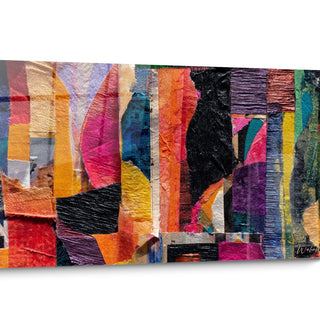 Collage14
artworks
Collage14
artworks
-
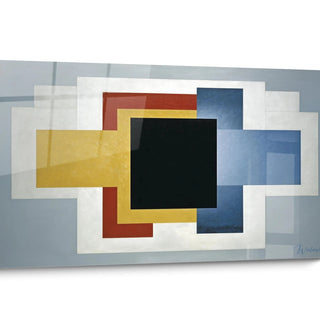 Constructivism31
artworks
Constructivism31
artworks
-
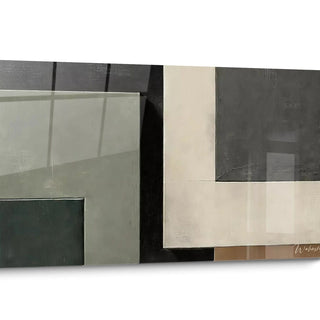 Cubism91
artworks
Cubism91
artworks
-
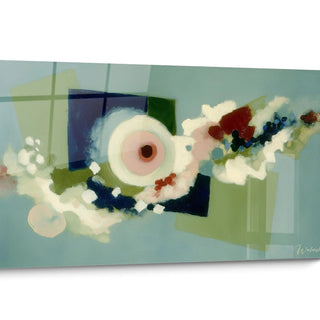 Dadaism33
artworks
Dadaism33
artworks
-
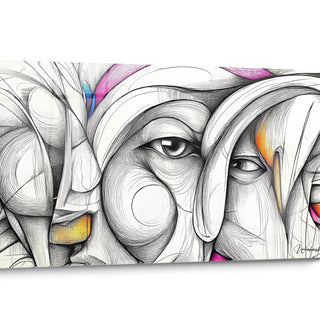 Drawing20
artworks
Drawing20
artworks
-
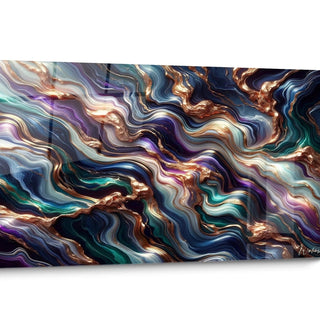 Expressionist95
artworks
Expressionist95
artworks
-
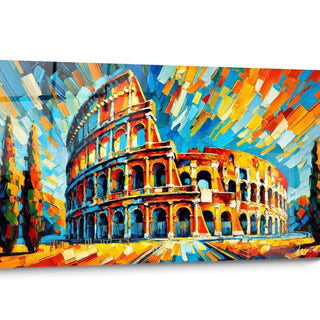 Abstract Fauvism10
artworks
Abstract Fauvism10
artworks
-
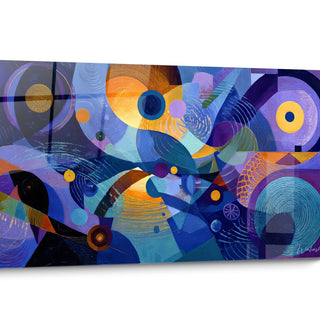 Abstract Futurism25
artworks
Abstract Futurism25
artworks
-
 Gothic29
artworks
Gothic29
artworks
-
 Hyperrealism28
artworks
Hyperrealism28
artworks
-
 Impressionism23
artworks
Impressionism23
artworks
-
 Japandi13
artworks
Japandi13
artworks
-
 Light painting3
artworks
Light painting3
artworks
-
 Minimalist35
artworks
Minimalist35
artworks
-
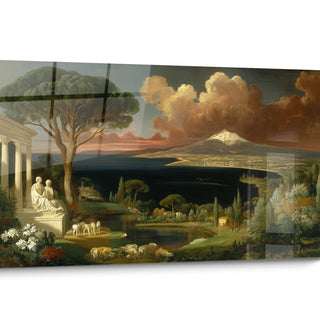 Neo-classical15
artworks
Neo-classical15
artworks
-
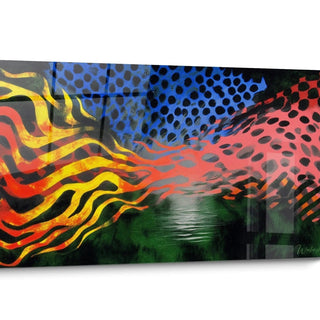 Op Art20
artworks
Op Art20
artworks
-
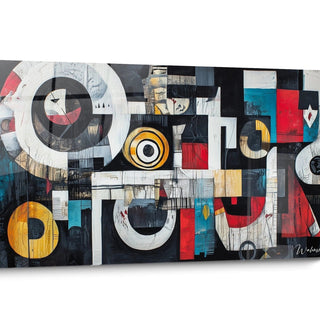 Abstract Contemporary Painting48
artworks
Abstract Contemporary Painting48
artworks
-
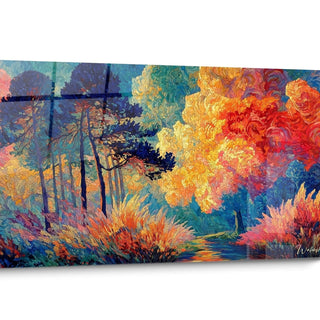 Pointillism59
artworks
Pointillism59
artworks
-
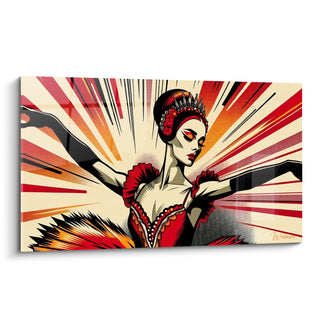 Abstract Pop Art18
artworks
Abstract Pop Art18
artworks
-
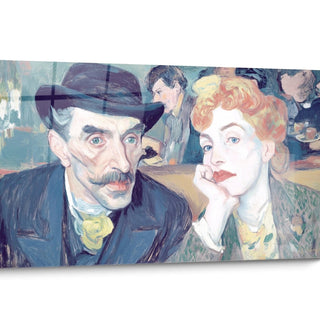 Post-Impressionism15
artworks
Post-Impressionism15
artworks
-
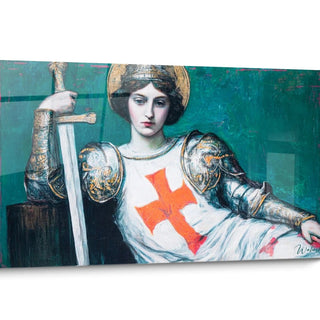 Pre-Raphaelitism11
artworks
Pre-Raphaelitism11
artworks
-
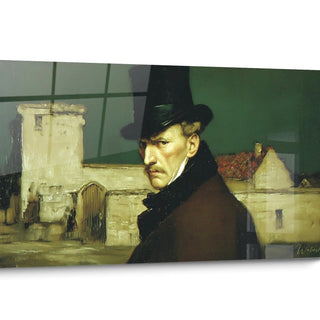 Realism10
artworks
Realism10
artworks
-
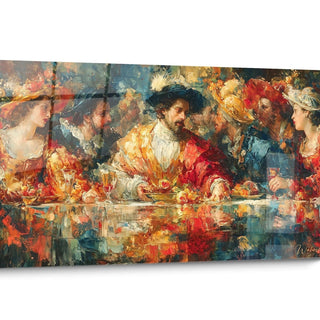 Renaissance13
artworks
Renaissance13
artworks
-
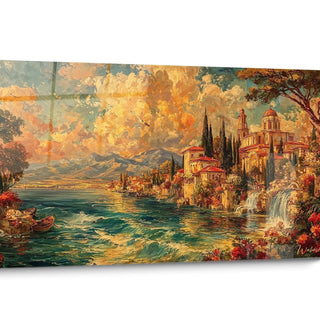 Italian Renaissance12
artworks
Italian Renaissance12
artworks
-
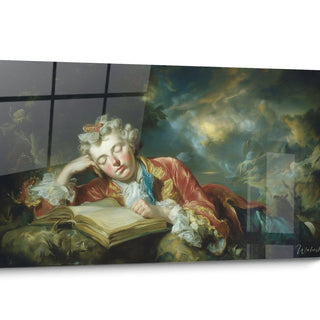 Rococo5
artworks
Rococo5
artworks
-
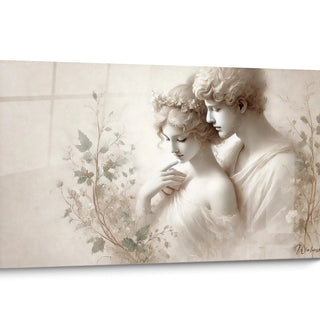 Romantic12
artworks
Romantic12
artworks
-
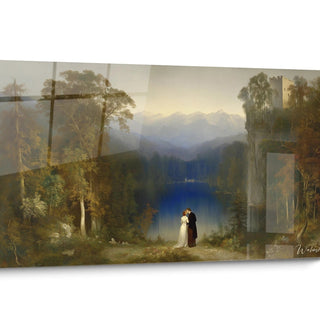 Romanticism17
artworks
Romanticism17
artworks
-
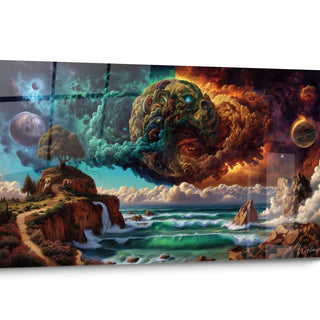 Abstract Surrealism34
artworks
Abstract Surrealism34
artworks
-
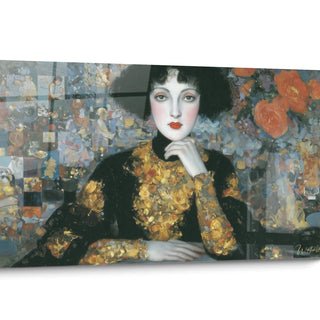 Symbolist26
artworks
Symbolist26
artworks
-
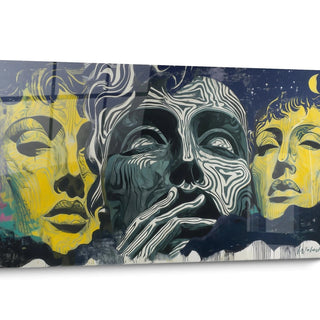 Vanity21
artworks
Vanity21
artworks
All about Bauhaus Wall Art
- Overview Bauhaus Wall Art
- Bauhaus Wall Art - Modernist Functional Geometry
- Bauhaus Wall Art - Interior Architecture Integration
- Bauhaus Wall Art - Contemporary Design Influence
The Bauhaus wall art embodies the artistic revolution of the twentieth century where art meets industry. These revolutionary wall creations transform your space into a living manifesto of the most influential German school of modern design. Discover how these geometric works redefine contemporary aesthetics through their bold functionalist principles.
The Geometric Essence of Bauhaus Wall Art in Contemporary Space
The Bauhaus wall art revolutionizes wall decoration through revolutionary functional geometry. These modernist wall works transcend mere ornamentation to become structuring elements of interior architecture. The Bauhaus geometric approach transforms each shape into a powerful visual statement, where circles, triangles and rectangles interact according to precise mathematical rules inherited from the Weimar school.
How does Bauhaus geometry revolutionize modern wall art?
Bauhaus masters like Kandinsky and Klee developed a unique visual syntax based on the interaction between pure forms and primary colors. Contemporary Bauhaus wall art perpetuates this tradition by offering compositions where each geometric element serves a precise visual function. This functionalist approach results in wall works that structure space rather than simply decorate it.
The Mathematical Principles of Bauhaus Compositions
Bauhaus wall art obeys rigorous mathematical proportions inspired by the golden ratio and Fibonacci series. These large-format Bauhaus wall artworks exploit these harmonic ratios to create perfect visual balance in modern spaces. Geometry thus becomes a universal language capable of communicating architectural harmony.
- Proportions based on the golden rectangle for natural harmony
- Use of modular grids derived from modern architecture
- Rhythmic repetition of geometric elements creating visual melody
- Scale interplay between macro and micro-geometric elements
The Psychological Impact of Bauhaus Geometric Forms
Research in form psychology conducted at the Bauhaus school reveals that certain geometric configurations directly influence spatial perception. An authentic Bauhaus wall art exploits these discoveries to create intellectually stimulating visual environments. Pure forms generate a sense of order and mental clarity, particularly sought after in creative work spaces and contemporary minimalist interiors.
The typology of Bauhaus forms distinguishes three main categories: tension elements (diagonal lines), stability elements (horizontal and vertical) and dynamic elements (curves and spirals). This classification allows contemporary creators to compose balanced wall works responding to the specific emotional needs of each environment.
Which contemporary materials enhance Bauhaus geometric aesthetics?
Modern printing techniques today allow faithful reproduction of the chromatic contrasts and geometric precision characteristic of the movement. High-definition supports reveal the minuteness of geometric lines and the purity of color fields that form the visual signature of Bauhaus wall art. This technical fidelity guarantees an authentic aesthetic experience respecting the legacy of the German school.
Architectural Integration of Bauhaus Wall Art in Modern Living
Integrating Bauhaus wall art into contemporary architecture requires a thorough understanding of the German school's principles. These functionalist wall works naturally dialogue with modern architectural codes: refined lines, geometric volumes and open spaces. Bauhaus wall art transcends decoration to become an architectural element in its own right.
Bauhaus Wall Art as a Space-Structuring Element
In Bauhaus philosophy, wall art does not merely ornament walls but actively participates in spatial definition. A large-format Bauhaus wall art can create virtual perspective, modify volume perception or establish distinct functional zones within an open space. This transformative capacity makes these works valuable architectural tools for interior design professionals.
The principles of artistic movement Bauhaus prioritize harmony between form and function. This approach translates concretely into wall compositions that respond to spatial constraints while expressing revolutionary aesthetics. The work thus becomes an integral part of the global architectural system.
How to optimize lighting for a functionalist Bauhaus wall artwork?
Lighting Bauhaus works requires a specific technical approach respecting the school's philosophy. Shadows and light interplay must reveal geometry without creating visual distortions. Indirect lighting enhances chromatic contrasts while directional lighting can accent certain strategic geometric elements of the Bauhaus wall art.
- Neutral color temperature (4000K) preserving chromatic fidelity
- Multiple lighting avoiding shadow zones on geometric surfaces
- Intensity variation according to time of day
- Strategic positioning avoiding reflections on smooth surfaces
Synergy Between Modern Furniture and Bauhaus Wall Art
Contemporary furniture finds in Bauhaus wall art a natural aesthetic partner. The refined lines of Scandinavian or Italian design harmonize perfectly with German functionalist geometry. This synergy creates coherent ambiances where each element dialogues with others according to the total art principles advocated by the Bauhaus school.
Bauhaus spatial organization prioritizes clear perspectives and fluid circulation. A correctly positioned Bauhaus wall art can guide the gaze and structure visual journeys throughout the home. This architectural function far exceeds the simple traditional decorative role of wall art.
What is the optimal size of Bauhaus wall art for an industrial loft?
Loft-type spaces, direct heirs to the industrial aesthetics dear to the Bauhaus, demand wall works in generous dimensions. A large-format Bauhaus wall art naturally dialogues with imposing volumes and ceiling heights characteristic of these environments. The proportion between the work and architecture becomes a key element of aesthetic success.
Bauhaus proportionality rules recommend a 1/3 ratio between the artwork's width and that of the bearing wall. This rule ensures optimal visual balance without overwhelming the space or appearing disproportionate. Applying these mathematical principles ensures harmonious integration respecting the German school's legacy.
The Contemporary Legacy of Bauhaus Wall Art in Current Design
The influence of Bauhaus wall art on contemporary design far exceeds the artistic framework to irrigate all current creative disciplines. This longevity is explained by the modernity of concepts developed by the German school: functionalism, interdisciplinarity and the pursuit of harmony between art and industry. Current creators draw from this legacy to develop innovative visual languages.
Digital Renaissance of Bauhaus Aesthetics
Contemporary digital tools offer new territories of expression for Bauhaus aesthetics. Vector creation software enables exploration of unprecedented geometric complexities while maintaining the formal purity characteristic of the movement. Contemporary Bauhaus wall art can thus integrate parametric variations impossible to achieve manually during the school's historical period.
This digital renaissance reveals new expressive potentialities: geometric animations, shape morphing, procedural pattern generation. These technical innovations serve the very essence of Bauhaus by reconciling art and technology according to unprecedented twenty-first-century modalities.
How does Bauhaus wall art influence current urban wall art?
Contemporary urban art massively borrows from the Bauhaus visual vocabulary: pure geometry, primary colors and modular compositions. This filiation manifests in creations of recognized street artists who revisit the German legacy through monumental wall interventions. Bauhaus wall art thus becomes a transgenerational aesthetic reference.
- Geometric simplification of complex natural forms
- Strategic use of color as a structuring element
- Modularity allowing adaptation to different urban supports
- Long-distance readability respecting Bauhaus visual communication principles
The Evolution of Bauhaus Chromatic Codes
While the historical school favored pure primary colors, contemporary interpretations explore extended palettes while preserving the functionalist spirit. Modern Bauhaus wall art can integrate sophisticated nuances from current colorimetric research. This evolution enriches the visual vocabulary without betraying the fundamental movement principles.
Contemporary printing technologies reveal chromatic subtleties impossible to achieve with historical techniques. This technical precision allows current creators to explore colorist refinements while preserving the readability and visual impact characteristic of Bauhaus aesthetics.
Why does Bauhaus wall art appeal to contemporary collectors?
The patrimonial value of Bauhaus wall art resides in its dual historical and forward-looking dimension. These works testify to a major aesthetic revolution while maintaining undeniable modernity. This paradoxical temporality explains collector enthusiasm for art simultaneously rooted in history and resolutely oriented toward the future.
The universality of Bauhaus geometric language transcends cultural and temporal boundaries. Bauhaus wall art communicates effectively in all cultural contexts thanks to the universality of its visual codes. This characteristic makes it an enduring artistic investment for contemporary art enthusiasts.
What are the current trends in Bauhaus style interpretation?
Contemporary creators develop three main approaches in their dialogue with Bauhaus legacy: faithful reinterpretation scrupulously respecting historical codes, hybridization blending Bauhaus aesthetics with contemporary influences, and deconstruction questioning the very foundations of the movement. Each approach generates wall works with distinct personalities.
This interpretation diversity considerably enriches contemporary Bauhaus wall art offerings. Enthusiasts can thus choose between historical fidelity and creative innovation according to their aesthetic preferences and specific decorative projects.
FAQ - Frequently Asked Questions About Bauhaus Wall Art
Does Bauhaus wall art suit all interior styles?
Bauhaus wall art naturally harmonizes with modern, contemporary and industrial interiors. Its geometric aesthetics can also create striking contrast in more traditional environments, provided proportions and appropriate lighting are respected.
How to authenticate quality contemporary Bauhaus wall art?
Authentic Bauhaus wall art respects mathematical proportions, uses pure colors without parasitic gradients and presents precise geometry. Print quality and chromatic fidelity are determining criteria for evaluating the value of a contemporary work inspired by the movement.
What is the lifespan of a modern Bauhaus wall art?
Contemporary printing techniques and supports guarantee excellent longevity for current Bauhaus wall artworks. With appropriate maintenance and positioning away from direct light, these works preserve their chromatic intensity for several decades.
Further reading
Our articles on this topic
- Modern Bauhaus painting: the visual codes to adopt for a minimalist living room
- How to Recognize a Bauhaus-Style Painting for Your Decor
- Influence of the Bauhaus on Geometric Spatial Design
- Why did Bauhaus painters reject spatial representation in favor of geometric abstraction?
- Bauhaus geometric painting for professional office: the buying guide
L'art qui suscite l'envie
Maison belge d'art mural grand format
14 jourspour changer d'avis*
Protection Walenskyincluse
Fabriquéen Italie
FormatXXL
Kit de fixationtoujours fourni
* Hors tableaux personnalisés et tailles personnalisées


