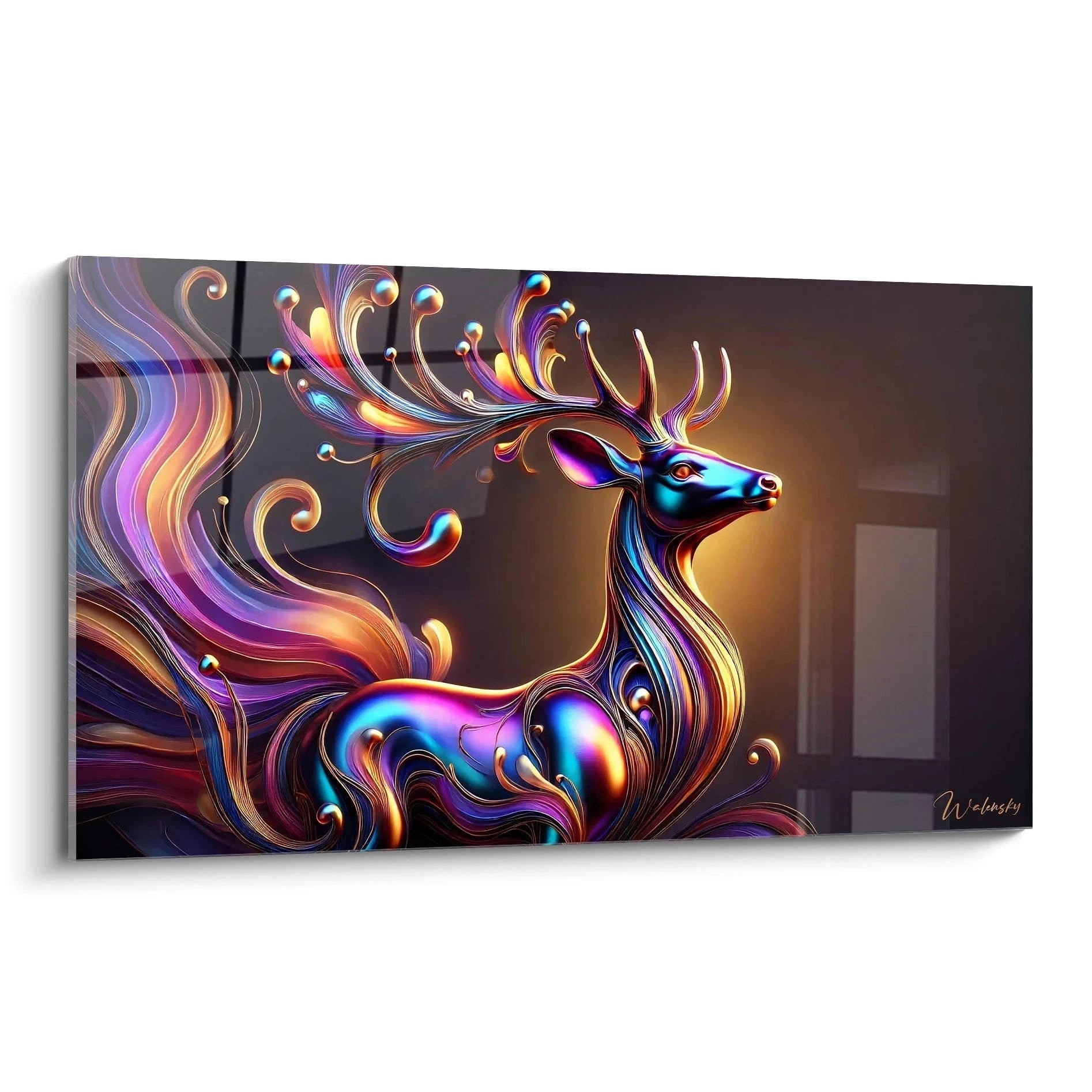
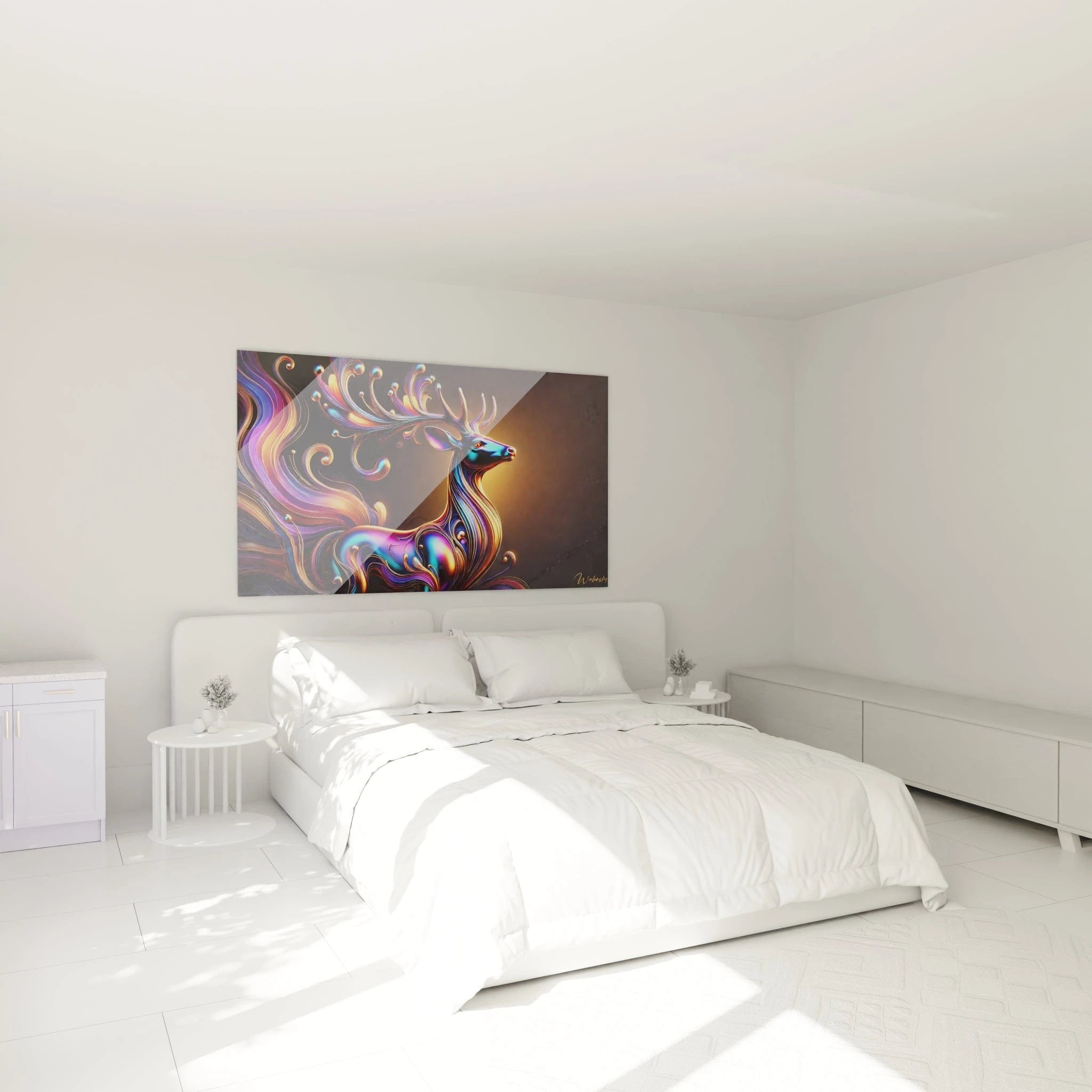
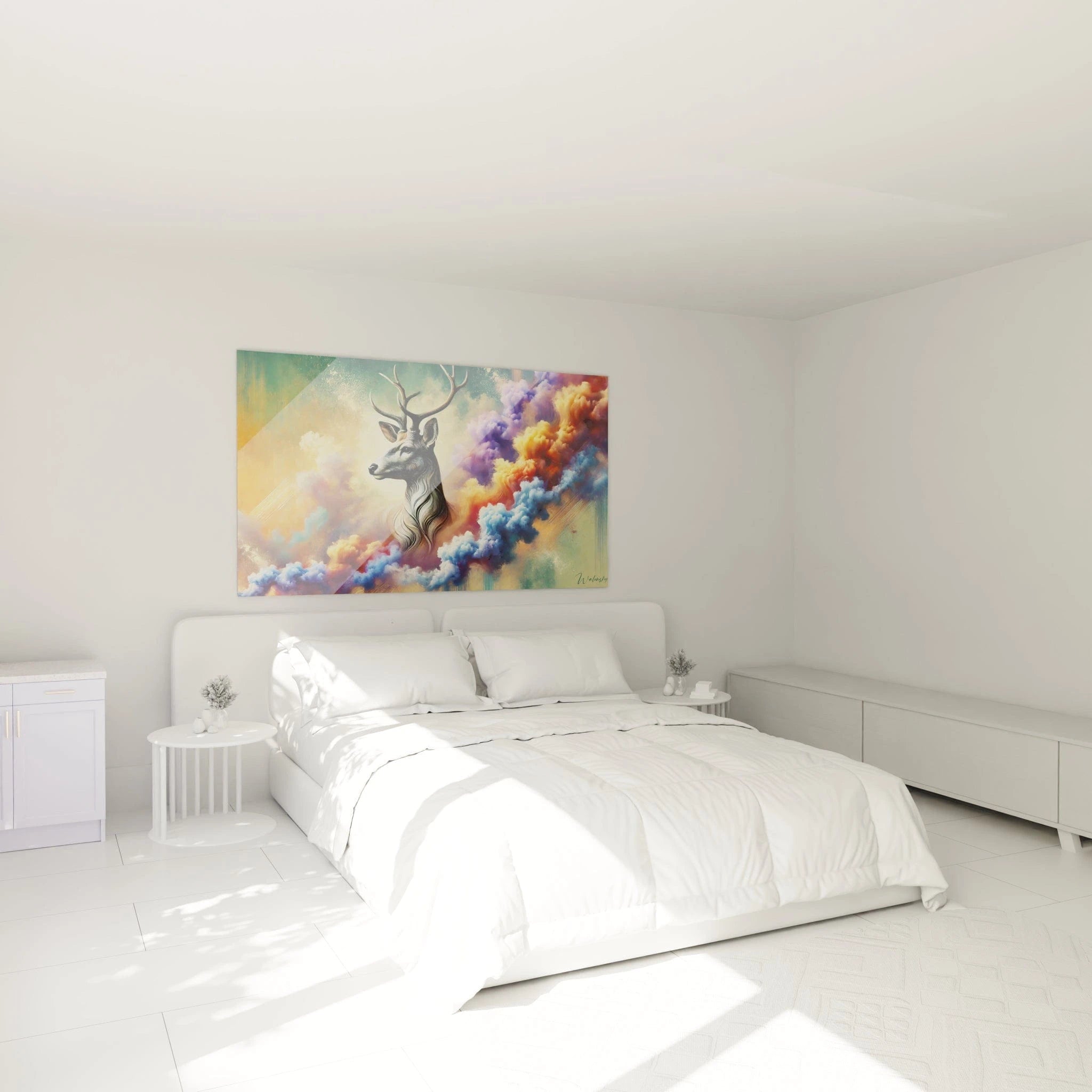
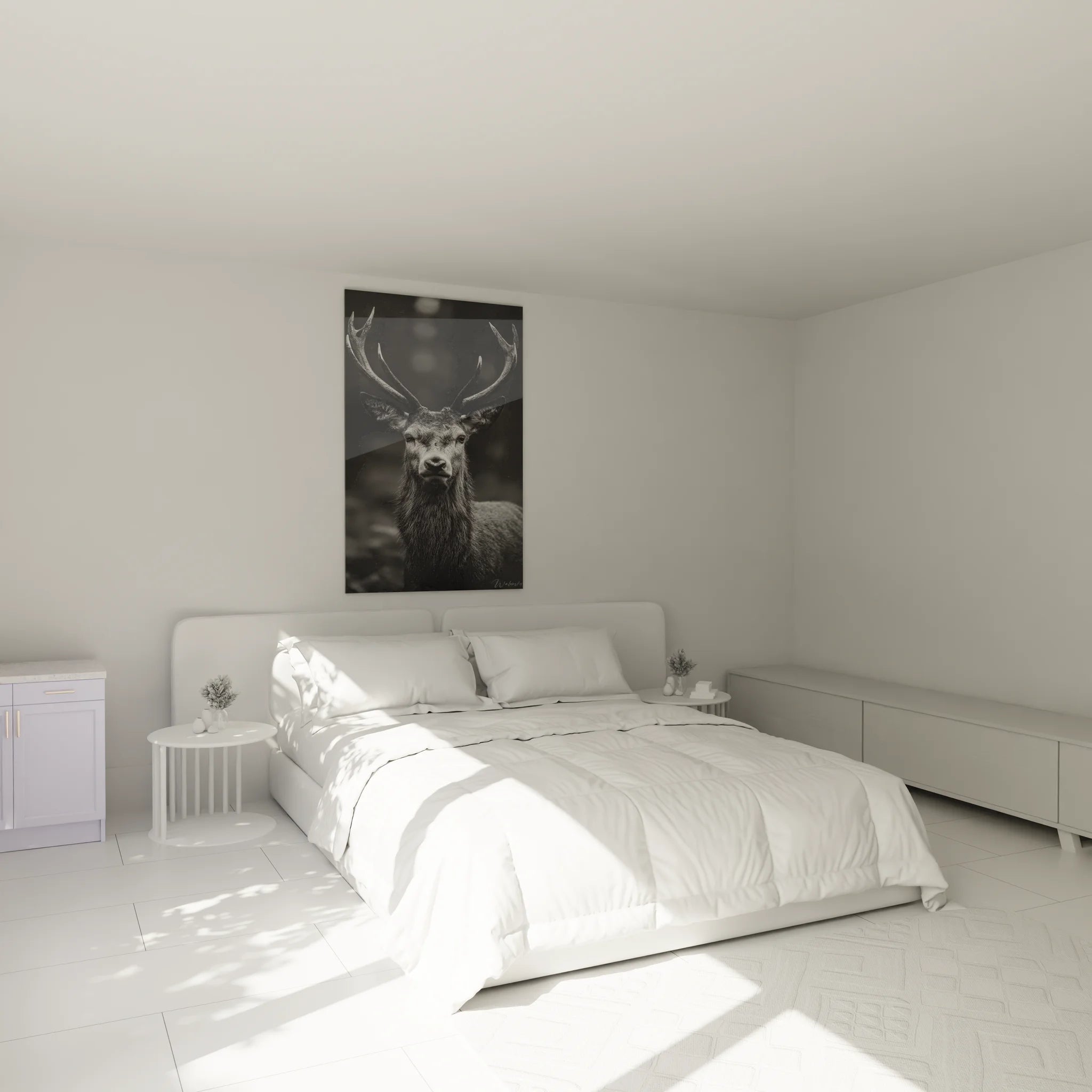
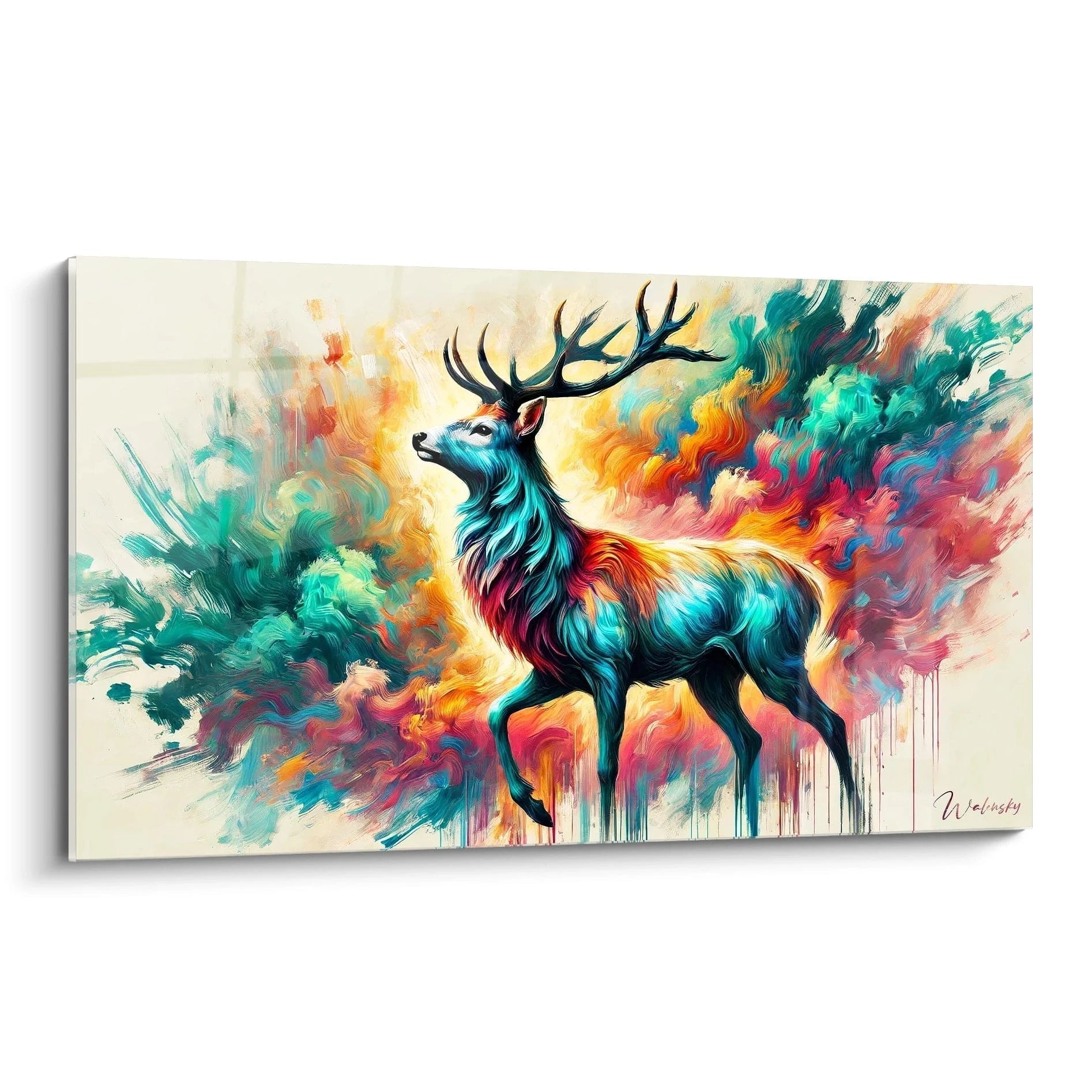
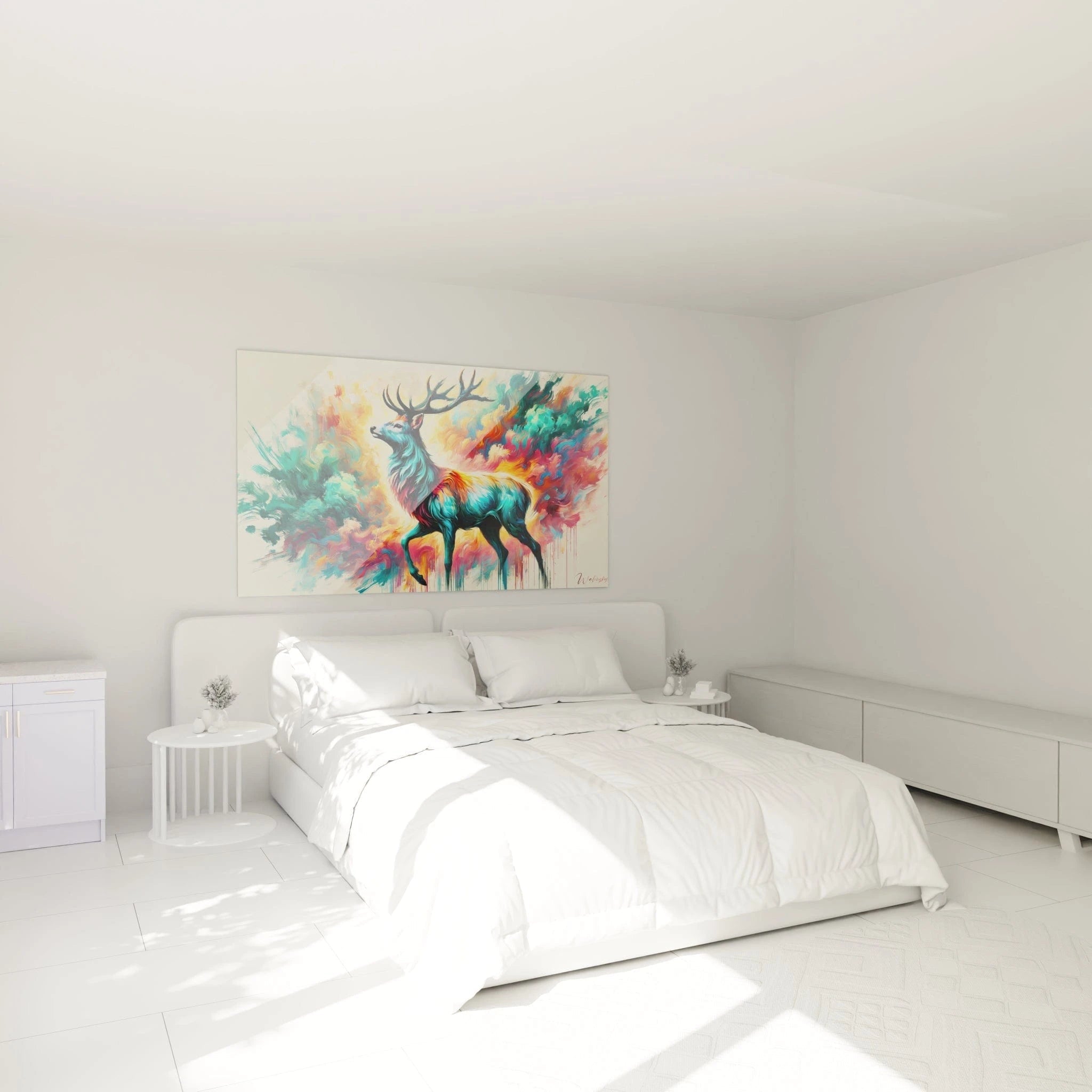
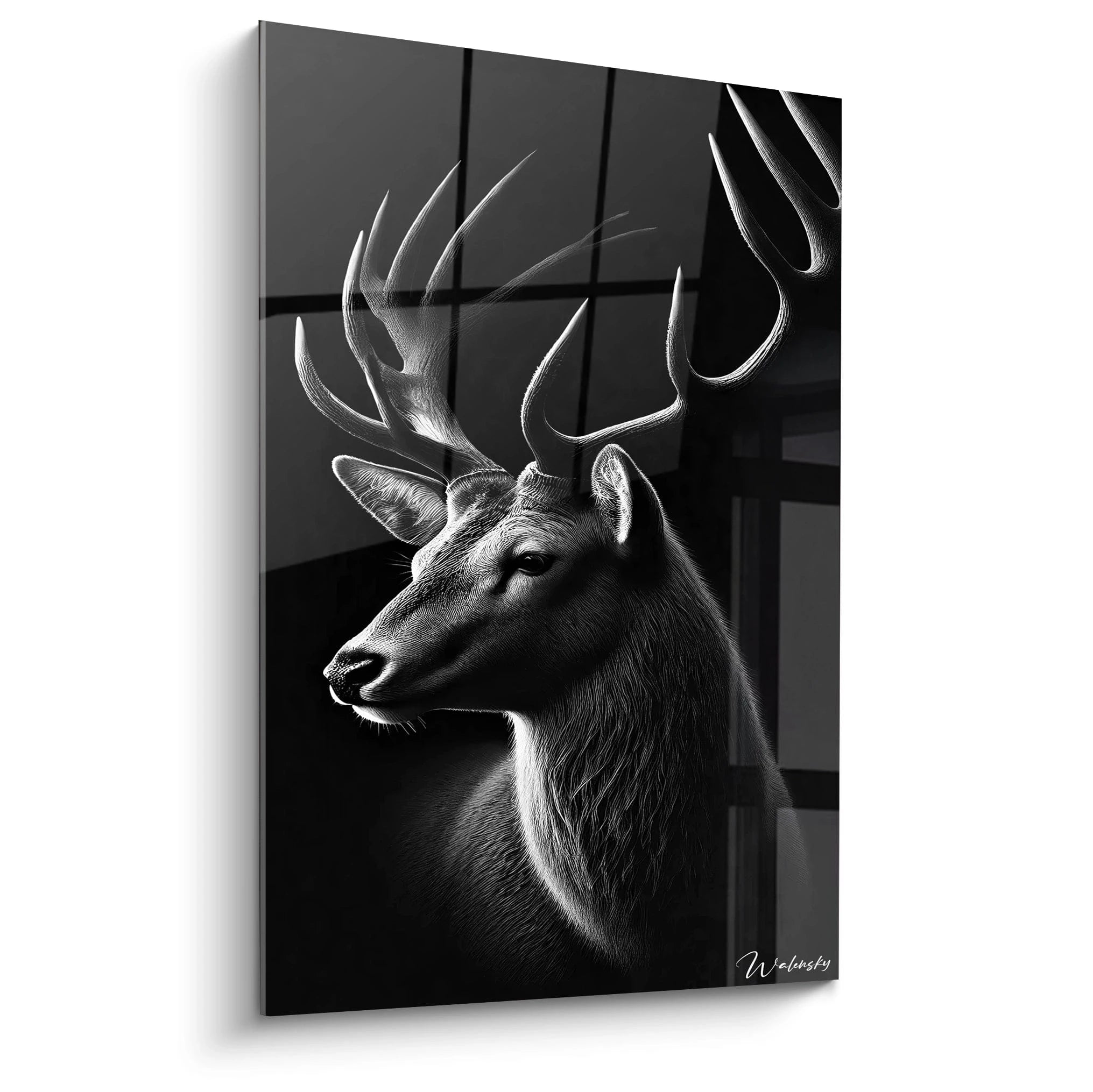
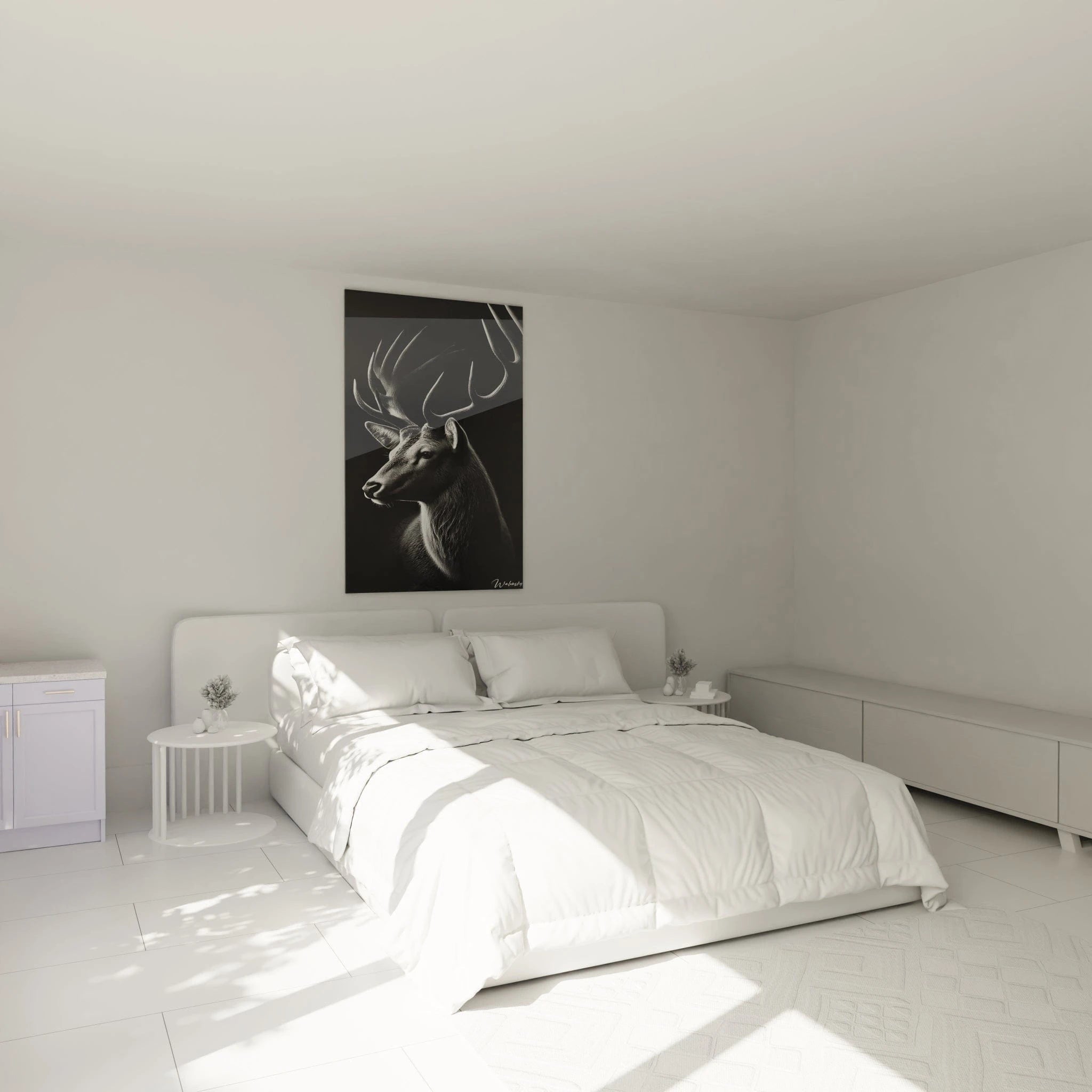
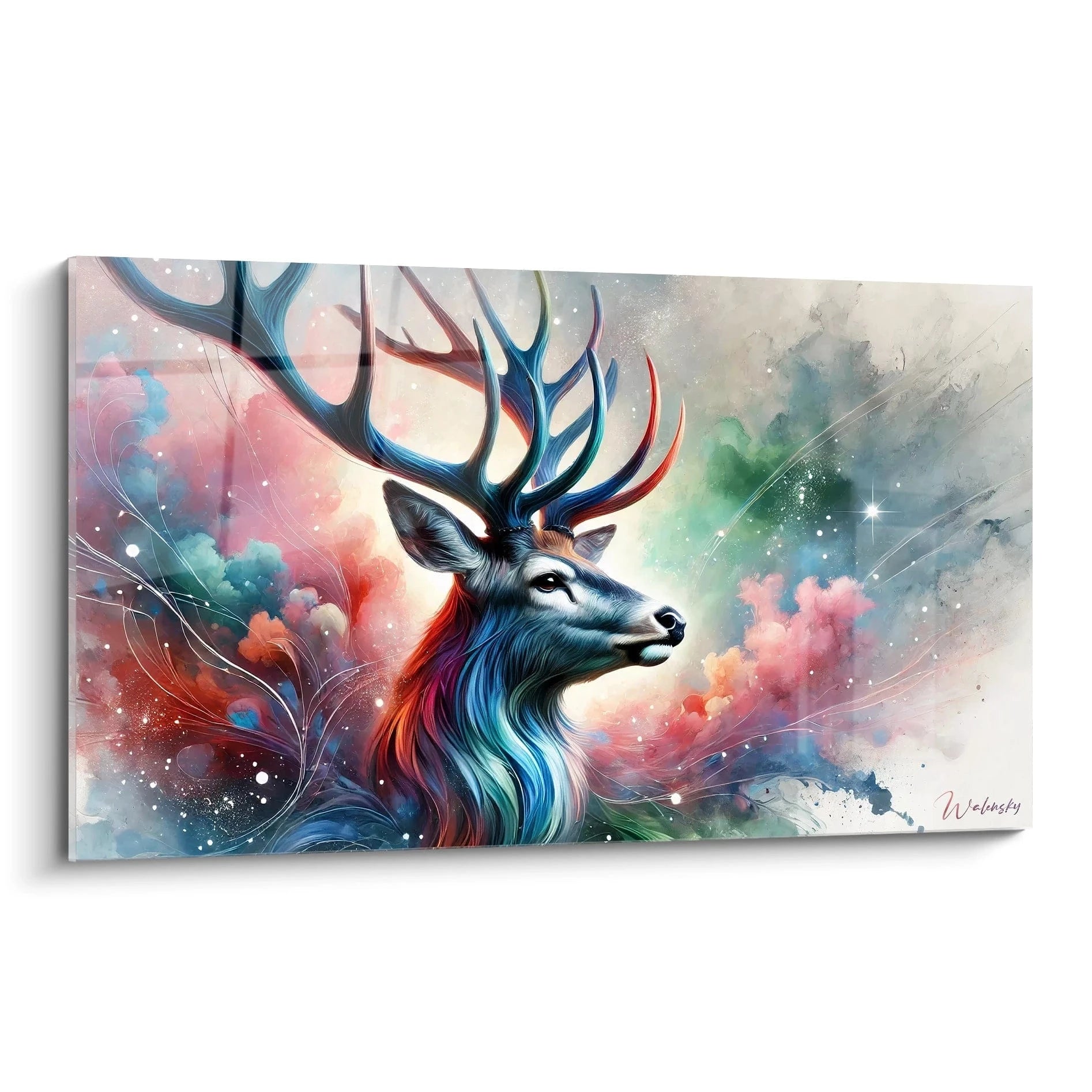
- Deer Paintings Presentation
- Deer Paintings Forest Atmosphere
- Deer Paintings Noble Symbolism
- Deer Paintings Contemporary Design
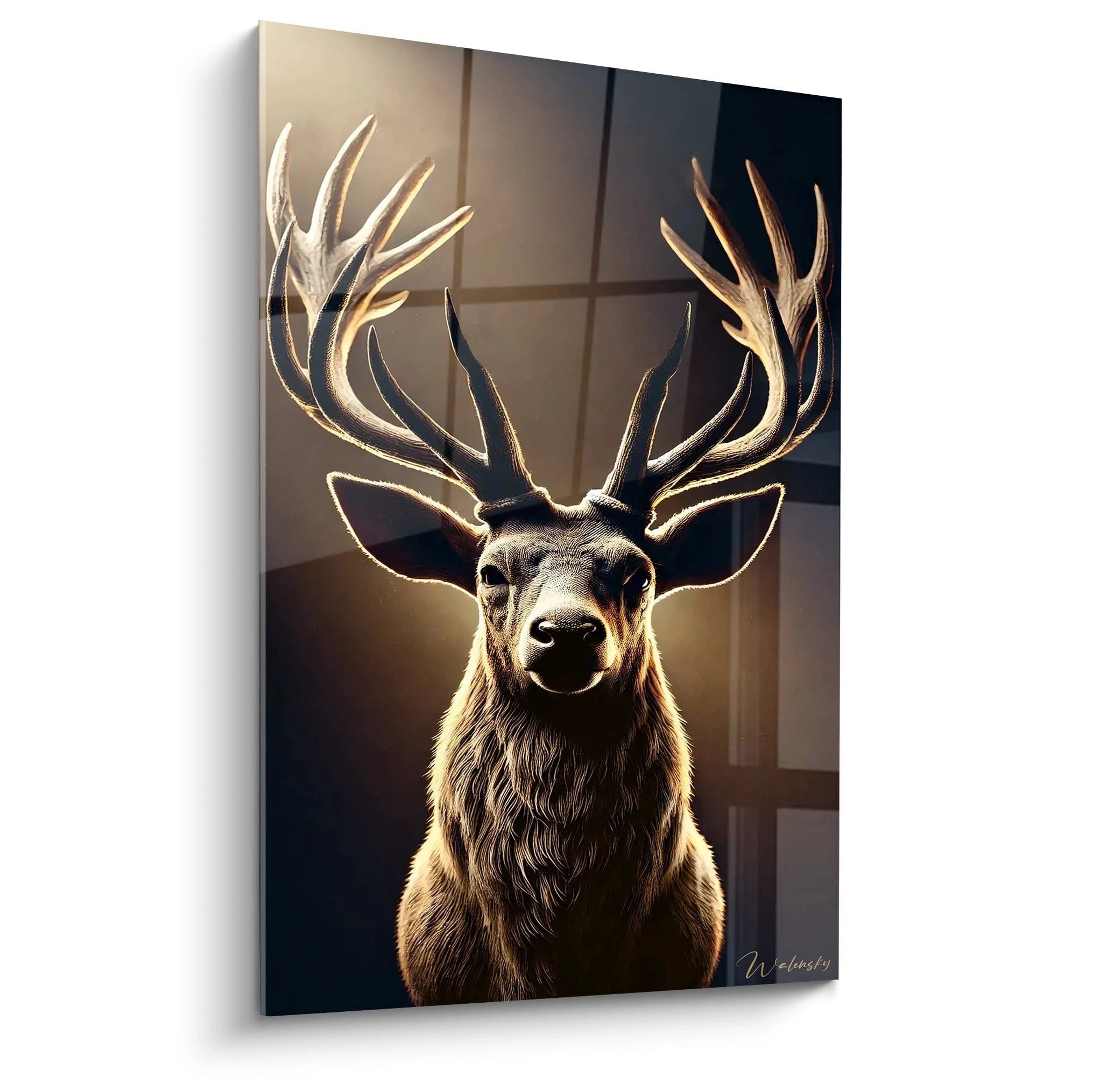
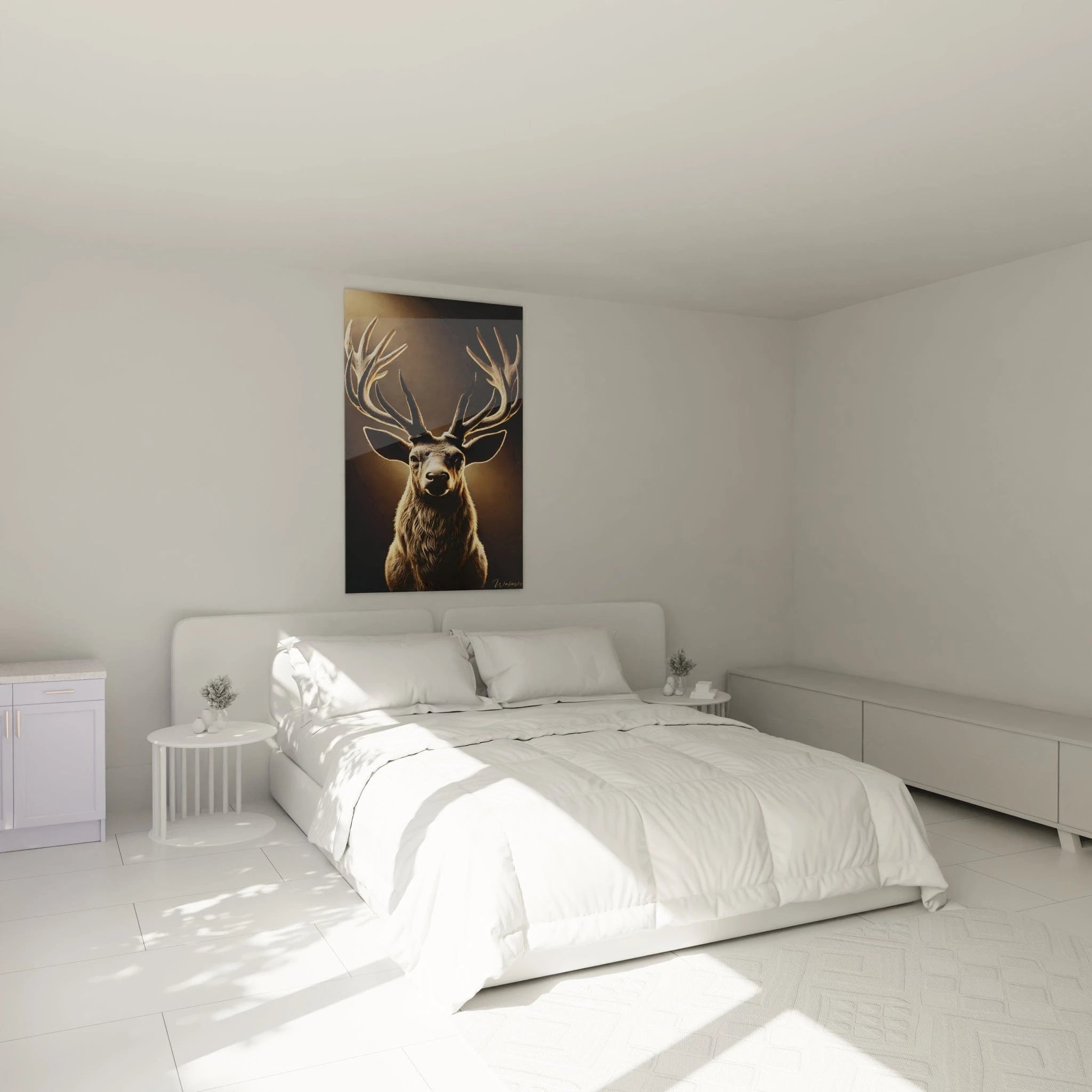
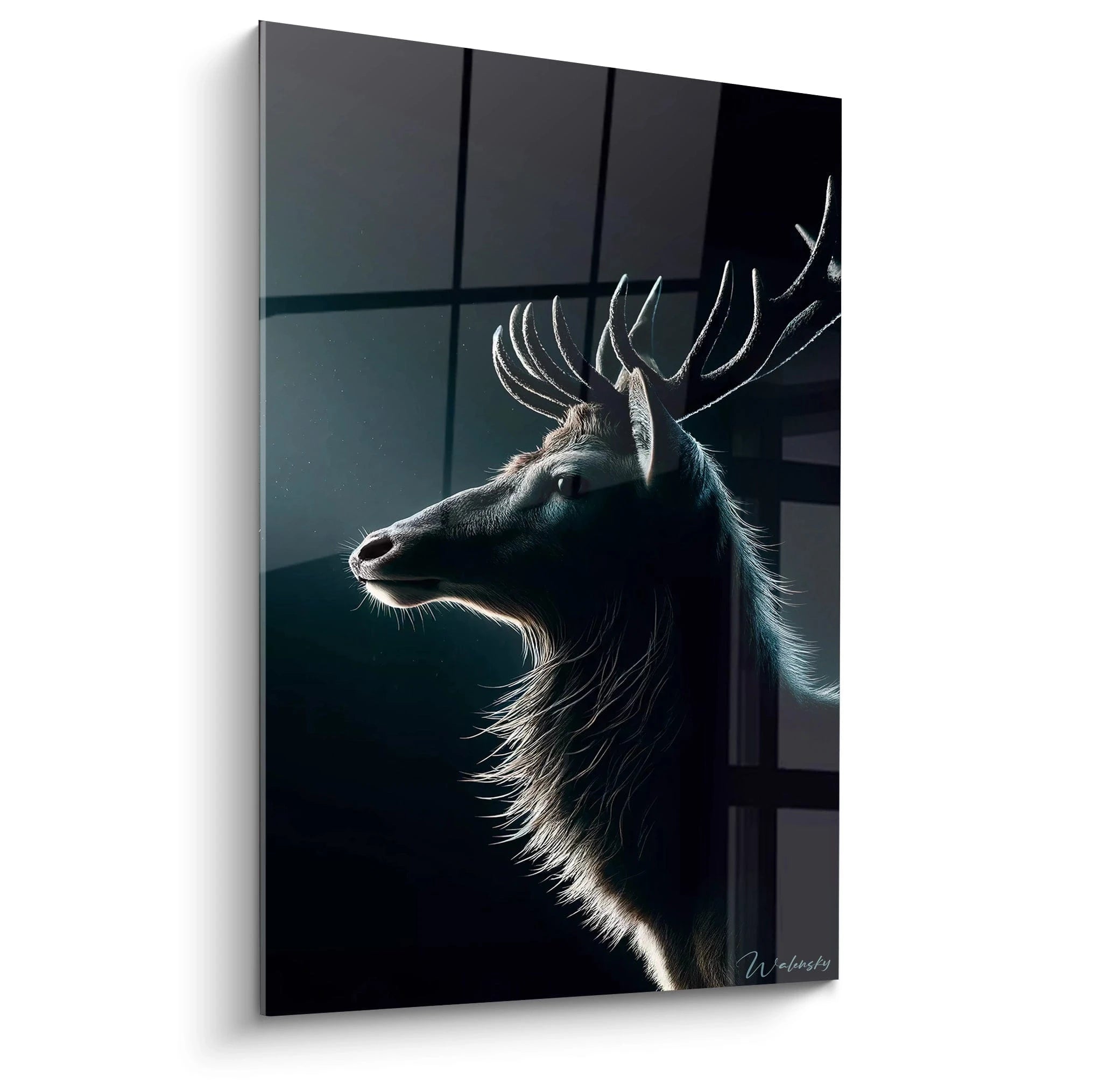
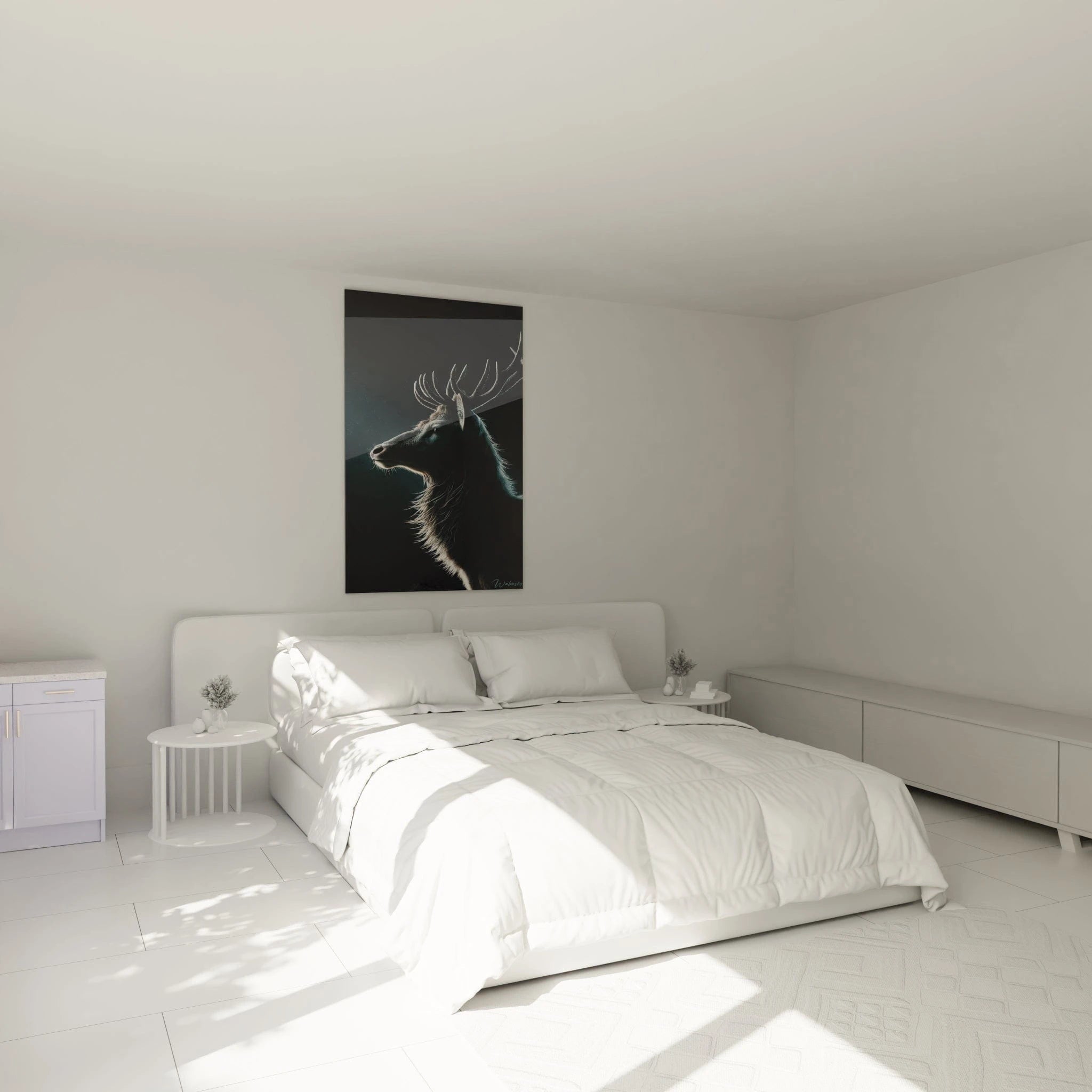
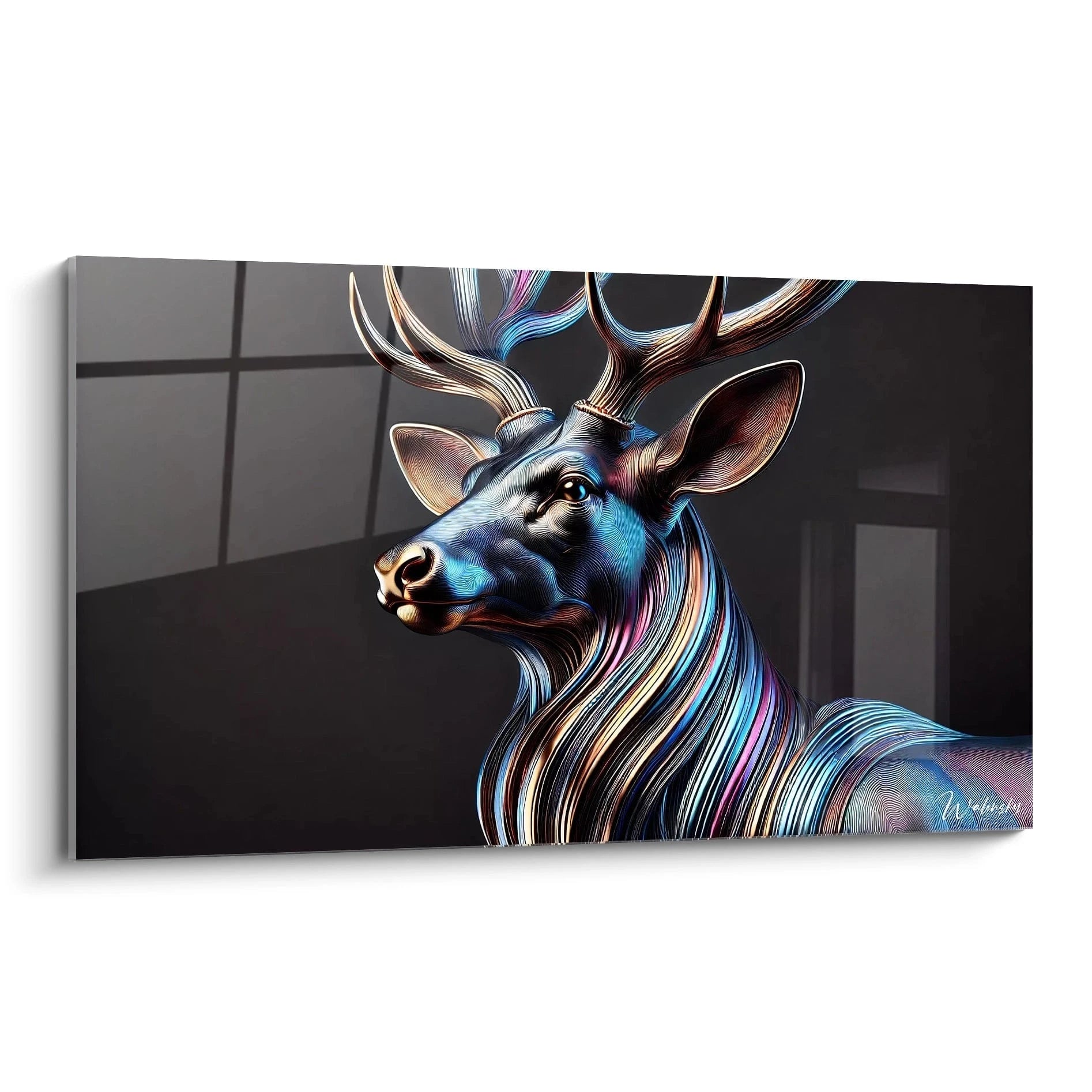
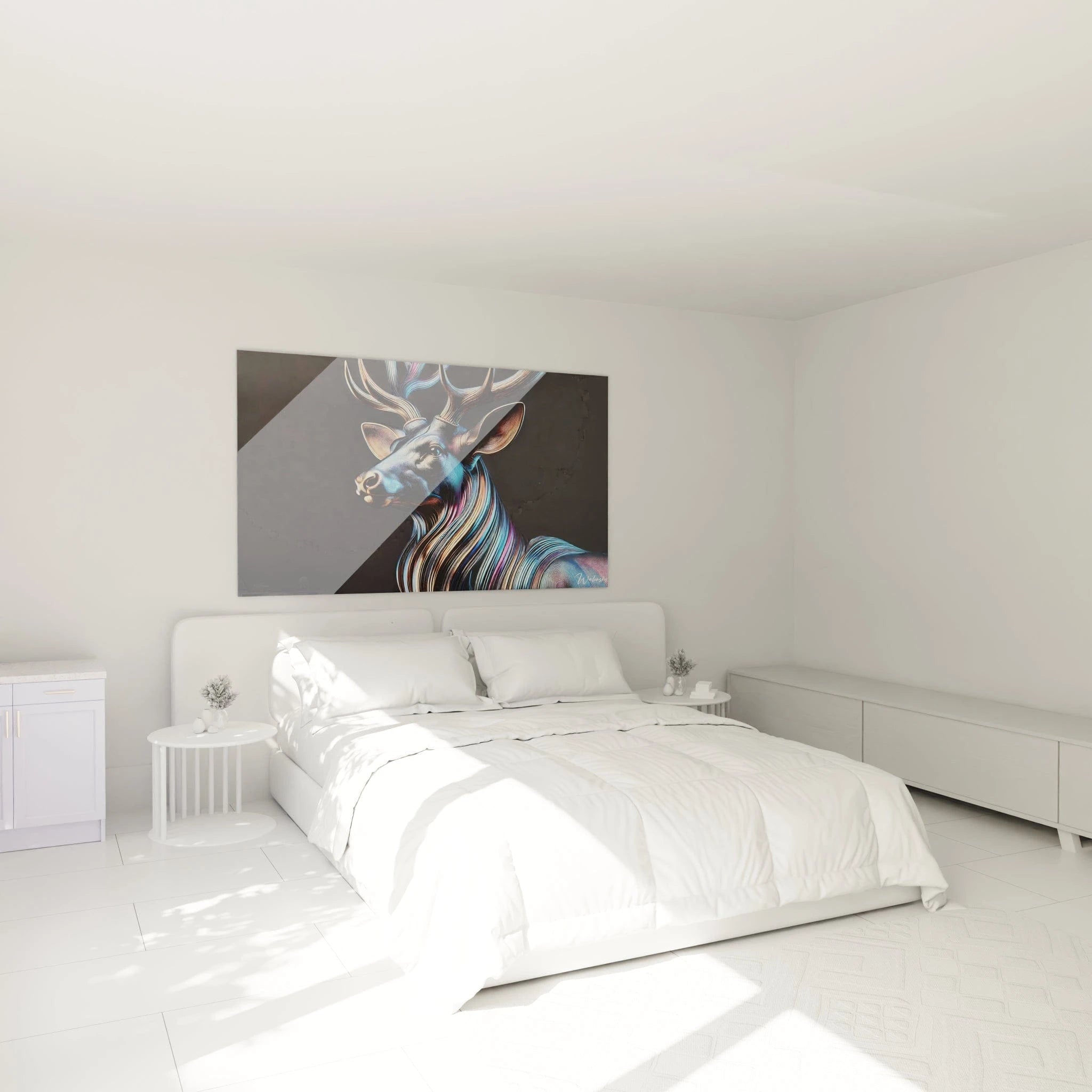
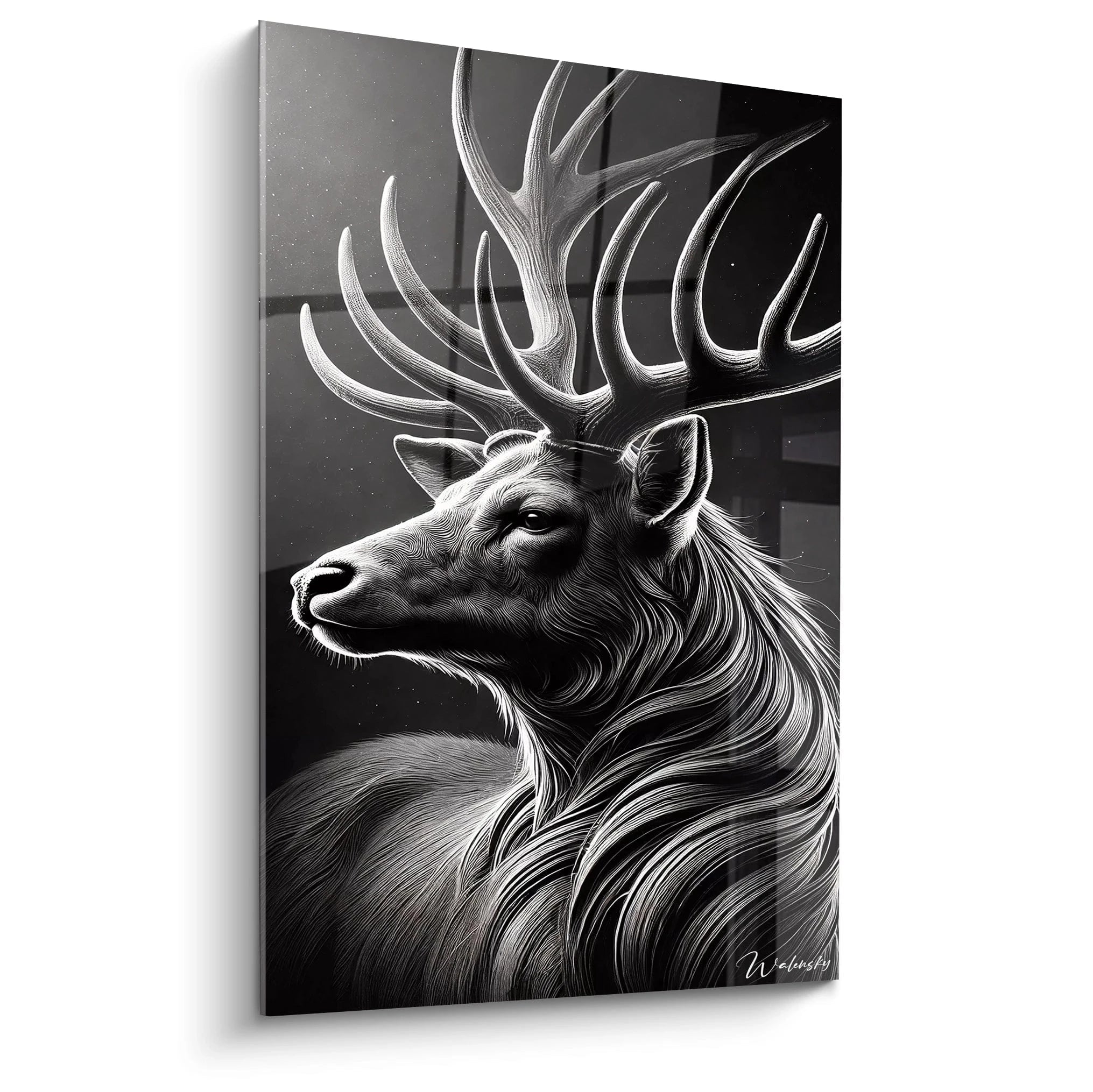
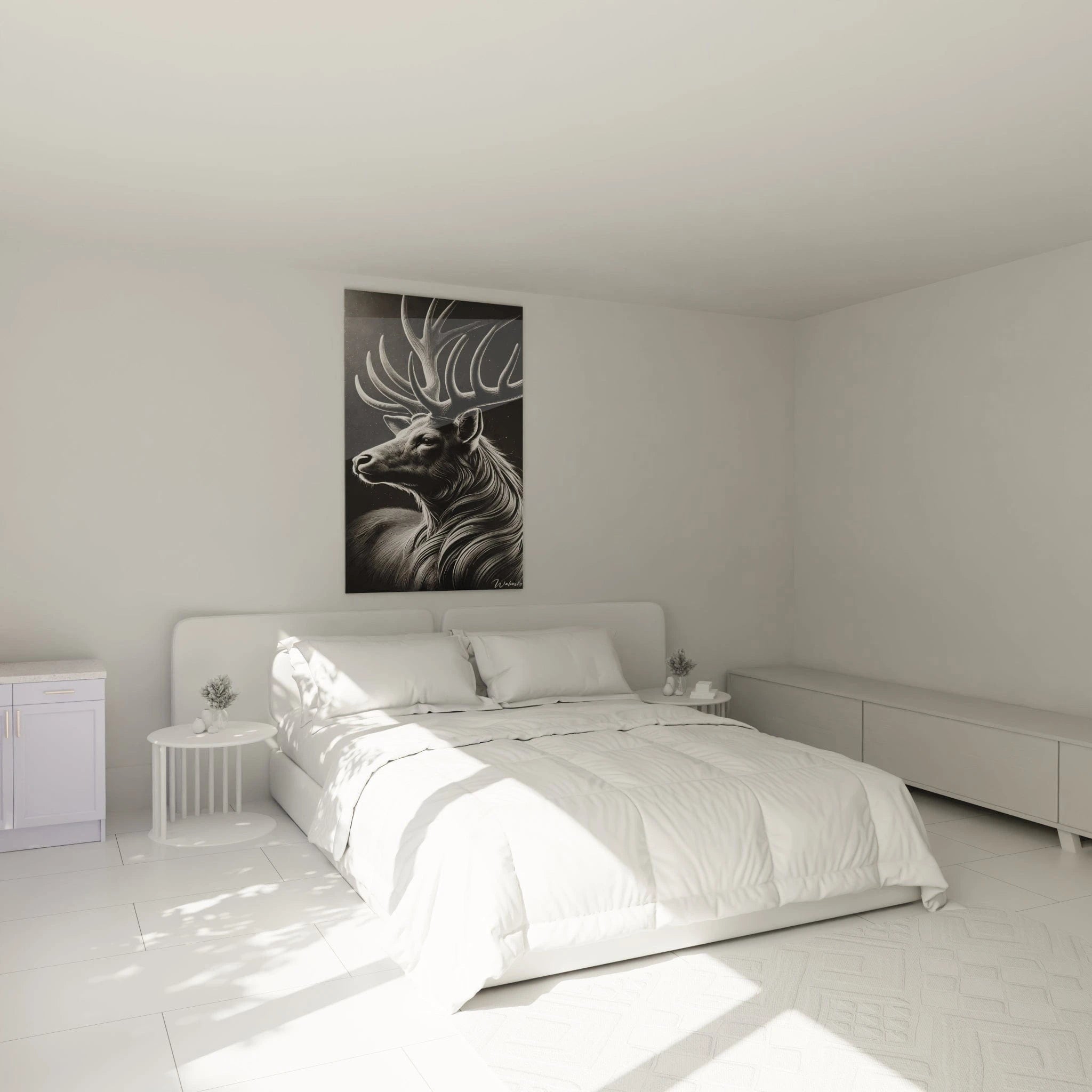
Transform your interior with our majestic deer paintings, true works of art that evoke the nobility and serenity of wild nature. These striking representations of the forest king bring a touch that is both elegant and authentic to your décor. Our large-format deer paintings capture the very essence of this emblematic animal, between power and grace, to create an impressive focal point in your living space. Discover how to incorporate these animal paintings into your interior and let yourself be seduced by their charismatic presence that will radically transform the atmosphere of your rooms.
Deer Paintings: Creating an Authentic Forest Immersion at Home
Deer paintings are far more than simple wall décor – they are true portals to the mysterious depths of forests. In your quest for a powerful natural atmosphere, these majestic representations of the forest king instantly transform the ambiance of your living space. A quality deer painting captures the very essence of this noble animal, transporting the observer to the heart of a wild and preserved universe.
How do deer paintings modify the spatial perception of a room?
Large-format deer paintings possess this unique ability to completely recalibrate the perception of a space. Unlike floral or abstract representations, an imposing deer painting profoundly modifies spatial dynamics by creating an exceptional depth effect. The majestic animal, often depicted in its natural habitat, literally opens a window to another world, transforming a flat wall into an additional dimension.
In contemporary spaces with clean lines, the introduction of a deer painting creates a striking contrast between architectural minimalism and the organic richness of animal representation. This juxtaposition amplifies the sense of space and paradoxically anchors the location in a deep connection with nature. Panoramic-format deer paintings are particularly effective for visually enlarging narrow rooms.
The seasonal impact of deer paintings on your décor
A fascinating and often overlooked aspect of deer paintings lies in their ability to evolve visually throughout the seasons. Unlike other wall decorations that maintain a static appearance, deer paintings subtly interact with seasonal light, transforming their visual presence. In autumn and winter, when natural light becomes softer and more golden, deer paintings with warm and amber tones take on a particularly cosy dimension.
Representations of deer in snowy landscapes create perfect resonance with winter atmosphere, while scenes of deer in spring glades bring freshness and renewal as days grow longer. This seasonal adaptability makes deer paintings an exceptionally versatile decorative investment, naturally evolving with your interior throughout the year.
Deer paintings and interior acoustics: an underappreciated synergy
Beyond their visual impact, large-format deer paintings significantly contribute to improving a room's acoustics. In modern spaces with hard and reflective surfaces, installing an imposing deer painting allows you to reduce sound reverberation and partially absorb acoustic waves. This practical function, often unknown, perfectly complements their aesthetic role.
Deer paintings depicting dense forest scenes, with undergrowth and foliage, are particularly effective at creating a softer acoustic sensation, unconsciously recalling the muffled atmosphere of deep forests. This additional sensory dimension contributes to the overall forest immersion that these artworks provide in your interior.
Which colour associations should you prioritise around a deer painting?
Successful integration of a deer painting in your décor relies greatly on the colour associations you develop around the artwork. Deer paintings typically display a rich natural palette of browns, moss greens, ochres and touches of white or black. To maximise their impact, prioritise complementary tones in your furniture and decorative accessories.
Earthy shades such as terracotta, olive green or bronze harmonise perfectly with deer paintings and amplify their connection to nature. For elegant contrast, deep blues and stone greys create a sophisticated setting that highlights the majestic presence of the deer. Avoid colours that are too artificial or fluorescent as they would break the authenticity of the forest atmosphere you seek.
Deer paintings and the biophilia phenomenon in contemporary homes
The growing appeal for deer paintings is part of the broader biophilia movement – this deep trend that drives humans to seek connection with nature in their daily environment. Neuroscience has demonstrated that regular observation of natural elements, even represented in art, significantly reduces stress and improves general wellbeing.
Deer paintings, through their powerful evocation of wildlife, trigger positive responses in our brain similar to those we would experience during an actual forest encounter. This biophilic stimulation makes deer paintings far more than simple decorative elements – they become subtle therapeutic tools, daily improving our psychological balance in our increasingly urbanised interiors.
Deer Paintings: Embodying Noble Symbolism in Your Interior
Deer paintings carry with them a millennial symbolic richness that few other animal representations can match. Since time immemorial, the deer embodies nobility, regeneration and spiritual connection with wild realms. Incorporating an imposing deer painting into your living space means consciously inviting these powerful symbolic resonances to subtly influence the atmosphere and energy of your home.
The psychology of spaces dominated by a deer painting
Rooms centred around a majestic deer painting develop a unique psychological dynamic. Unlike spaces adorned with abstract or geometric art, interiors dominated by an imposing deer painting induce in occupants and visitors a particular mental state – a subtle blend of calm alertness and active contemplation. This psychological reaction is partly explained by our evolutionary relationship with these majestic forest creatures.
Environmental psychology studies reveal that deer paintings, particularly those representing the animal in a vigilant or observant posture, activate our own attention system. This gentle cognitive stimulation improves our ability to concentrate while maintaining a state of relaxation – a rare and precious balance in our contemporary interiors often overloaded with discordant stimulation.
Deer paintings and life transitions: why choose this symbolism at certain key moments?
There is a fascinating correlation between periods of personal transformation and attraction to deer paintings. The deer, with its cycle of losing and regenerating antlers, has always represented renewal and rebirth. This is why deer paintings are particularly sought after during pivotal life moments – moving house, professional promotions, new beginnings or personal reconstruction.
A large-format deer painting, strategically installed in a living space, acts as a constant visual reminder of our own capacity to renew ourselves and traverse transformation cycles. This deep symbolic resonance explains why so many people feel an instant and inexplicable connection with these representations, particularly during periods when they seek to manifest change and personal evolution.
The hierarchical impact of deer paintings in spatial organisation
The presence of a deer painting significantly influences the visual hierarchy and spatial organisation of an interior. As a dominant animal in its natural ecosystem, the representation of the deer, especially if it displays impressive antlers, naturally establishes a dominant focal point in the room. This visual dominance unconsciously structures the entire space around it, creating an orbital organisation where other decorative and functional elements seem to gravitate around this central presence.
To fully exploit this dynamic, the optimal positioning of a deer painting must account for the architectural force lines of the room. In spaces with high ceilings, a vertical deer painting accentuates elevation and reinforces the majesty of the space. In more horizontal configurations, a panoramic-format deer painting creates a visual horizon that widens spatial perception while maintaining the symbolic power of the animal.
Deer paintings as mediators between modernity and tradition
A remarkable quality of deer paintings lies in their unique ability to transcend stylistic divisions between contemporary furniture and more traditional elements. In eclectic interiors where different influences coexist, the deer painting acts as a unifying element, a visual bridge between eras and styles. This stylistic versatility is particularly valuable when decorating transitional spaces such as entrances, landings or large multifunctional living areas.
Deer paintings, through their timeless subject matter but treated with varied artistic techniques, can simultaneously dialogue with an ultra-contemporary design sofa and an inherited antique chest of drawers. This aesthetic flexibility makes them valuable elements for creating visual coherence in interiors that progressively evolve or that seek to reconcile different decorative sensibilities within the same home.
How do deer paintings influence the luminous ambiance of a room?
Deer paintings exert a subtle but measurable influence on the perception and diffusion of light in a space. Their typically natural tones – combining brown, moss green and golden touches – interact uniquely with different light sources. In natural morning light, deer paintings with warm tones seem to illuminate from within, while in the evening, under well-conceived artificial lighting, they develop a mysterious depth that transforms the general atmosphere.
To maximise this effect, installing dedicated lighting – such as a directional spotlight with warm colour temperature (2700-3000K) – will reveal all the nuances and details of the deer painting even when natural light diminishes. This lighting enhancement creates a captivating visual focal point that remains present even in the evening, maintaining the powerful symbolic influence of the representation at all times.
Deer Paintings: Integration into Contemporary Interior Design
Wall art representing the deer has experienced a remarkable renaissance in contemporary interior design. Far from traditional trophies or rustic representations, modern deer paintings establish themselves as sophisticated decorative elements that transcend trends with consistent relevance. Their majestic presence brings a powerful natural dimension while integrating perfectly into the most current aesthetics, from Scandinavian minimalist interiors to raw industrial spaces.
Deer paintings facing changing decorative trends – why do they resist time?
Unlike many decorative elements that undergo rapid trend fluctuations, deer paintings demonstrate remarkable aesthetic longevity. This permanence is explained by their connection to visual archetypes deeply rooted in our collective unconscious. The deer, a timeless figure present in art since prehistoric cave paintings, transcends passing fashions to establish itself as a constant visual reference.
Contemporary deer paintings reinterpret this millennial iconography through current graphic and chromatic treatments, creating a bridge between symbolic heritage and modern expression. This dual temporality gives them exceptional stylistic resilience, allowing them to traverse decorative cycles without ever appearing dated or obsolete, unlike purely trendy motifs that often experience rapid visual obsolescence.
Frame choice for your deer painting: impact on overall perception
The framing of a deer painting represents far more than simple finishing – it constitutes a crucial decorative decision that will profoundly influence the integration and perception of the artwork in your interior. For deer paintings with bold compositions or intense colours, a minimalist frame in matte black metal or untreated light wood will favour visual concentration on the subject while harmonising with contemporary interiors.
Conversely, a deer painting with softer tones or vintage aesthetics will benefit from more substantial framing – an aged oak or dark walnut frame will enrich the artwork with a more imposing presence and establish visual dialogue with your furniture pieces. Complete absence of framing, with printing on rigid support with clean edges, creates a resolutely modern aesthetic that amplifies the direct impact of the deer painting in minimalist interiors.
XXL deer paintings as architectural solutions: masking wall imperfections
Beyond their primary aesthetic function, very large-format deer paintings offer remarkable practical solutions for resolving certain architectural challenges. In older interiors presenting wall irregularities, stabilised cracks or repair zones, a monumental deer painting constitutes an intelligent decorative strategy for concealing these imperfections while bringing major artistic presence.
Panoramic deer paintings, extending beyond 120 cm in width, also allow you to visually rebalance spaces with difficult proportions – corridors that are too narrow, disproportionate walls or transitional zones lacking identity. Their visual power instantly recalibrates spatial perception, transforming an architectural constraint into a striking decorative opportunity.
How to integrate a deer painting into an interior with limited space?
Contrary to popular belief, deer paintings can integrate elegantly even in restricted spaces, provided you apply some specific arrangement principles. In a studio or small apartment, prioritise a vertical deer painting that exploits height rather than width, creating a sense of elevation that visually compensates for the confined space.
The strategic installation of a deer painting facing a natural light source or a mirror amplifies its presence while avoiding a visually cluttered effect. For particularly confined spaces, diptych or triptych compositions allow you to fracture the visual impact while maintaining thematic coherence, offering more flexibility in arrangement according to location configuration.
FAQ: Everything you need to know about deer paintings
What is the best height to hang a deer painting in a living room?
For optimal impact, the centre of your deer painting should be at eye level when seated, approximately 140-150 cm from the floor. This height allows comfortable contemplation while ensuring that animal details are perfectly visible from the main seating areas.
Can deer paintings suit all interior decoration styles?
Thanks to their multiple stylistic interpretations, from realism to contemporary graphic design, deer paintings adapt remarkably well to most decorative styles. Their presence is particularly successful in contemporary, Scandinavian, industrial and even bohemian interiors.
How to effectively maintain a deer painting to preserve its quality?
To maintain the brilliance and durability of your deer painting, avoid direct exposure to sunlight which could alter colours over time. Regular dusting with a soft feather duster or dry microfibre cloth is generally sufficient for daily maintenance. For more resistant surfaces, light wiping with a very slightly moistened cloth can be considered, ensuring never to use harsh chemical products.
Can you integrate multiple deer paintings in the same interior without creating redundancy?
Absolutely, provided you vary the artistic approaches, formats and represented scenes. A successful combination could associate a close-up deer portrait in a main room with a larger forest scene including a distant deer in another area. The important thing is to maintain chromatic coherence while diversifying artistic perspectives.