


Panoramic format wall art
Immerse yourself in the grandeur of the panoramic format that pushes the boundaries of artistic expression. This collection reveals spectacular dimensions that transform your walls into true windows on art. Each work deploys an extended vision that captivates the eye and creates exceptional immersive atmospheres. Panoramic art offers a unique visual experience, allowing artists to express their creativity on canvases with extraordinary proportions for breathtaking results.
 Blue Floating Hope Canvas - Abstract Multicolor Edition242,90 €
 White and Blue Bear Painting Along Still Water - Crossing on Liquid Mirror - Polar Bear Edition242,90 €
 Pink and Purple Flower with Flowing Gold Edges - Iridescent Marbled Waves - Azalea Edition242,90 €
 Urban Silhouette Anthracite and Gold Artwork - Night Watch - Abstract Architecture Edition242,90 €
 Abstract Waves Painting Red Terracotta and Beige - Mineral Fluidity - Feng Shui Earth Center Edition242,90 €
 Majestic Waterfall Painting with Turquoise Reflections and White Splashes - Aquatic Serenity - North Water Feng shui Edition242,90 €
 Abstract landscape wall art pink gold and teal with golden clouds - Heavenly Harmony - Feng shui South-East Wood Edition242,90 €
 White and Green Lotus with Foliage on Turquoise Background - Aquatic Serenity - Water Lily Edition242,90 €
 Wall Art with Golden Veins and Bordeaux Tones on Grey Background - Mineral Luxury - Abstract Marble Edition242,90 €
 Majestic Lion Painting with Gold Tones and Ornamental Foliage - King of Beasts - Lion Edition242,90 €
 Dog Silhouettes Mosaic Wall Art in Black - Canine Procession - Scottish Terrier Edition242,90 €
 Bengal Kitten Sleeping - Pink Softness - Bengal Cat Edition242,90 €
 Pyrenean Mountains Painting - Morning Mist - Pyrenees Edition242,90 €
 Rocky Canyon Painting - Splendor of the Golden Gorges - Verdon Gorges Edition242,90 €
 Cenote Diver Wall Art - Mysterious Exploration - Scuba Diving Edition242,90 €
 Swimmer Diving Painting - Dynamic Immersion - Swimming Edition242,90 €
 African Masks Painting - Ancestral Faces - African Tribal Art Edition242,90 €
 Cosmic Nebula Wall Art - Stellar Explosion - Various space edition242,90 €
 Abstract Geometric Art Painting - Modern African Mosaic - African Culture Edition242,90 €
 Pixelated Mountain Painting - Digital Fusion - Abstract Landscape Edition242,90 €
 Sea Turtle Grace Marine Wall Art - Sea Turtle Edition242,90 €
 Hummingbird Magic of Movement Painting - Hummingbird Edition242,90 €
 Liquid Marble Eternity Blue Canvas - Modern Abstract Edition242,90 €
 Sinuosities Meditation Ochre Painting - modern abstract edition242,90 €
Explore further
In Panoramic format wall art
-
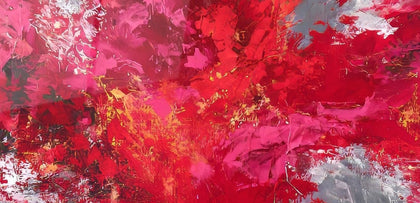 Panoramic Abstract Wall Art24
artworks
Panoramic Abstract Wall Art24
artworks
-
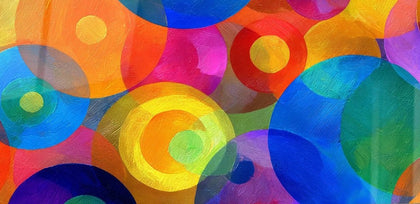 Panoramic Geometric Wall Art16
artworks
Panoramic Geometric Wall Art16
artworks
-
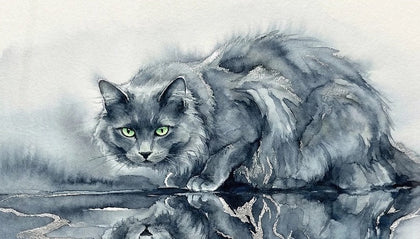 Panoramic Format Cat Wall Art24
artworks
Panoramic Format Cat Wall Art24
artworks
-
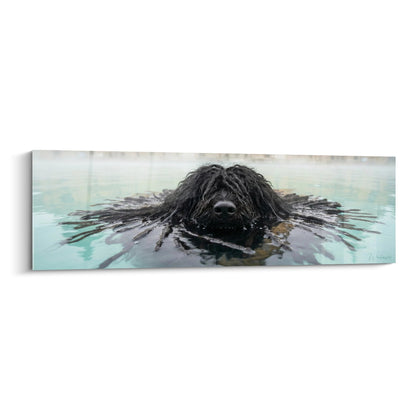 Panoramic Dog Wall Art24
artworks
Panoramic Dog Wall Art24
artworks
-
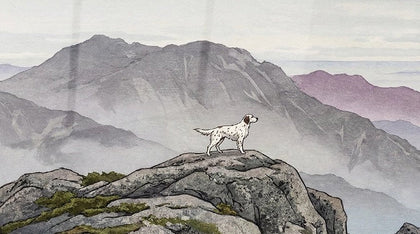 Panoramic Mountain Wall Art12
artworks
Panoramic Mountain Wall Art12
artworks
-
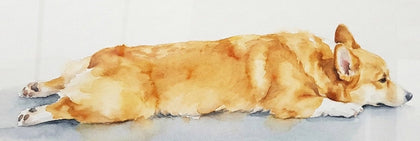 Panoramic Watercolor Wall Art10
artworks
Panoramic Watercolor Wall Art10
artworks
-
 Panoramic Poppy Wall Art11
artworks
Panoramic Poppy Wall Art11
artworks
-
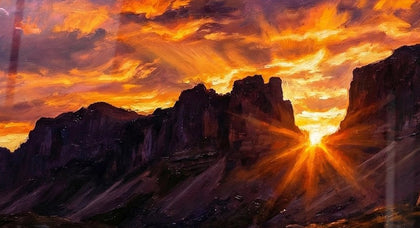 Panoramic Sunset Wall Art Canvas8
artworks
Panoramic Sunset Wall Art Canvas8
artworks
-
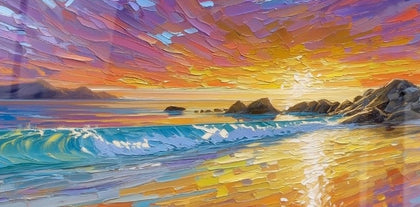 Panoramic Beach Wall Art6
artworks
Panoramic Beach Wall Art6
artworks
-
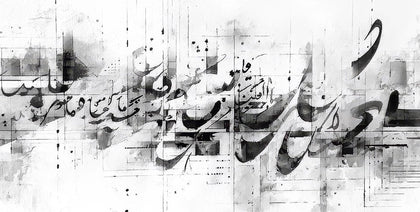 Panoramic Calligraphy Wall Art6
artworks
Panoramic Calligraphy Wall Art6
artworks
-
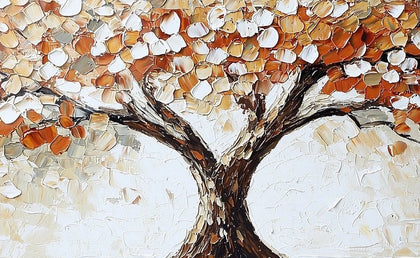 Panoramic Tree of Life Wall Art9
artworks
Panoramic Tree of Life Wall Art9
artworks
-
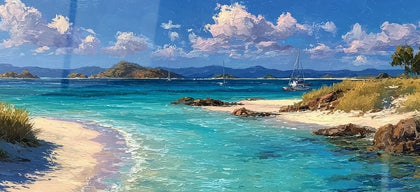 Panoramic Ocean Wall Art10
artworks
Panoramic Ocean Wall Art10
artworks

All about Panoramic format wall art
- Presentation Wall Art Format Panoramic
- Panoramic format wall art and visual optimization
- Panoramic format wall art and interior architecture
- Panoramic format wall art and spatial psychology
The panoramic format wall art revolutionizes modern mural art through its exceptional proportions that radically transform the visual experience of a space. These large-scale artworks, characterized by their extended horizontal format, offer a unique artistic immersion impossible to replicate with traditional square or vertical formats.
The Revolutionary Visual Impact of Panoramic Format Wall Art
The panoramic format wall art fundamentally transforms the visual perception of a space through its exceptional horizontal dimensions. This artistic approach exploits the natural mechanisms of human peripheral vision, creating an immersive experience that far exceeds the impact of conventional formats.
How does the panoramic format revolutionize spatial perception?
The human eye has a naturally horizontal field of vision of 190 degrees, making the panoramic format particularly suited to our visual physiology. A large-scale panoramic wall art exploits this characteristic by creating a visual expansion effect that literally modifies the perception of a room's proportions. Neuroscience confirms that extended horizontal formats stimulate the brain zones responsible for spatial processing more than vertical or square formats.
This neurological particularity explains why panoramic format wall art generates a sense of openness and grandeur even in restricted spaces. The psychological effect produces a sensation of space expansion that far transcends traditional wall decoration.
Specific composition techniques for panoramic format
Creating panoramic format wall art requires specialized compositional techniques that differ radically from classical artistic approaches. Artists must master the extended rule of thirds, adapted to panoramic proportions, where the work divides into multiple horizontal sections rather than three simple zones.
- Management of multiple focal points distributed across extended width
- Creation of visual rhythms specific to great lengths
- Balancing visual masses across significant horizontal distances
- Integration of forced perspectives adapted to the widened format
These unique compositional techniques ensure that each segment of panoramic format wall art maintains visual interest while contributing to the overall harmony of the work. The difficulty lies in creating narrative continuity across such an extended surface without generating dead zones or visual imbalances.
The cinematic effect of panoramic wall art
A professional-quality panoramic format wall art naturally reproduces the cinematic experience by creating an inverted letterbox effect. This unique characteristic transforms the wall into a true artistic screen, offering a visual narrative that unfolds from left to right, mimicking the natural movement of Western reading.
This cinematic approach allows for the integration of complex narrative sequences impossible to develop in conventional formats. Landscape scenes, urban panoramas, or abstract compositions particularly benefit from this approach, creating a temporal dynamic that maintains visual engagement over time.
Acquiring panoramic format wall art thus represents an investment in an evolving artistic experience, where each observation reveals new details and perspectives depending on the viewing angle and distance. This perceptual richness fundamentally distinguishes these works from traditional static formats.
Advanced Architectural Integration of Panoramic Format Wall Art
Integrating a panoramic format wall art into contemporary architecture requires a specialized technical approach that transcends simple decorative hanging. These monumental works become architectural elements in their own right, influencing circulation, lighting, and even the function of the spaces they inhabit.
What are the structural constraints specific to large panoramic formats?
A panoramic format wall art of significant dimensions imposes unique technical constraints related to its particular geometry. Weight distributes across considerable length, requiring reinforced mounting systems specifically designed for extended horizontal loads. Load-bearing walls become preferable, as traditional partitions may present structural limitations against these exceptional dimensions.
- Calculation of anchor point resistance distributed across length
- Management of thermal expansion across large dimensions
- Prevention of deformations linked to distributed weight
- Adaptation to curved or irregular wall specificities
Ventilation also constitutes a critical issue, as the significant surface of panoramic format wall art can create air stagnation zones susceptible to affecting artwork conservation. Architects now integrate discrete micro-ventilation solutions adapted to these specific configurations.
Impact on circulation and spatial ergonomics
Panoramic format wall art fundamentally modifies traffic flow in a space by creating what architects call "visual corridors". These privileged observation zones naturally influence furniture positioning and the movement trajectories of occupants.
This influence on spatial ergonomics proves particularly marked in professional spaces, where panoramic format wall art can serve as a directional reference point and structuring element for workstation organization. Behavioral studies demonstrate that these extended works create natural slowdown zones, promoting contemplation and relaxation.
Specialized lighting solutions for panoramic formats
Lighting a panoramic format wall art represents a major technical challenge due to the need to ensure luminous uniformity across the entire length of the work. Variable-intensity linear LED lighting systems constitute the preferred technical solution, allowing for intensity adaptation based on zones and times of day.
Reflections and glare constitute specific problematic areas for large horizontal formats. Designers develop anti-glare systems adapted to the multiple viewing angles generated by these particular dimensions. The objective consists of maintaining artwork readability from different observation points without creating shadow zones or over-lighting.
Investment in panoramic format wall art naturally accompanies reflection on adapting existing lighting, representing a global approach to space transformation rather than simple decorative addition.
Environmental Psychology and Panoramic Format Wall Art
The psychological impact of panoramic format wall art on space occupants far exceeds traditional aesthetic effects. These large-scale works act as genuine behavioral modifiers, influencing mood, productivity, and even social interactions according to documented psychological mechanisms.
How does a panoramic wall art influence emotional states?
Environmental psychology research reveals that panoramic formats specifically activate neural circuits linked to the sensation of escape and freedom. Well-chosen panoramic format wall art can significantly reduce cortisol levels, the stress hormone, by creating an illusion of spatial openness even in confined environments.
This physiological reaction is explained by the activation of primitive responses linked to survival: our brain instinctively associates clear horizons with safety and exploration opportunities. Panoramic format wall art exploits this neurological predisposition to generate lasting positive emotions.
- Measurable reduction of physiological stress indicators
- Improvement in prolonged concentration capacity
- Stimulation of creativity and innovation mechanisms
- Enhancement of spatial memorization processes
Effect on social dynamics and interactions
Panoramic format wall art transforms the social dynamics of a space by creating "shared contemplation zones" that foster spontaneous exchanges. Unlike traditional works that generate individual observations, the panoramic format allows multiple people to simultaneously observe different sections of the work, creating opportunities for natural interaction.
In professional environments, this characteristic translates into measurable improvement in team cohesion and informal communication. Spaces equipped with panoramic format wall art naturally become gathering and exchange places, positively modifying organizational culture.
What are the specific cognitive benefits of panoramic formats?
The exceptional width of panoramic format wall art actively stimulates parallel visual processing capacities, an essential cognitive function for solving complex problems. This regular stimulation progressively improves intellectual performance of individuals regularly exposed to these extended formats.
Neuroscientists also observe improved mental flexibility in people working in spaces adorned with panoramic wall art. This improvement is explained by the constant training of the eye to traverse great horizontal distances, soliciting neural circuits specific to adaptation and cognitive agility.
Acquiring panoramic format wall art thus represents an investment in long-term well-being and cognitive performance, offering measurable benefits that far exceed immediate aesthetic satisfaction.
Is panoramic format wall art suitable for all types of spaces?
Panoramic formats require a minimum wall surface of 3 meters in width to fully reveal their visual and psychological potential.
What is the psychological adaptation period to panoramic format wall art?
Behavioral studies indicate an adaptation period of 2 to 3 weeks before complete psychological benefits manifest.
Do panoramic format wall art influence men and women differently?
Research reveals subtle differences in spatial perception, but psychological benefits remain comparable between genders. To complement your research, feel free to browse all our wall art to discover compositions with varied themes.
Can the impact of panoramic format wall art on productivity be measured concretely?
Yes, studies in professional environments document improvements of 12 to 18% in creativity and problem-solving indicators.
Further reading
Our articles on this topic
L'art qui suscite l'envie
Maison belge d'art mural grand format
14 jourspour changer d'avis*
Protection Walenskyincluse
Fabriquéen Italie
FormatXXL
Kit de fixationtoujours fourni
* Hors tableaux personnalisés et tailles personnalisées


