


Porcelain Style Wall Art
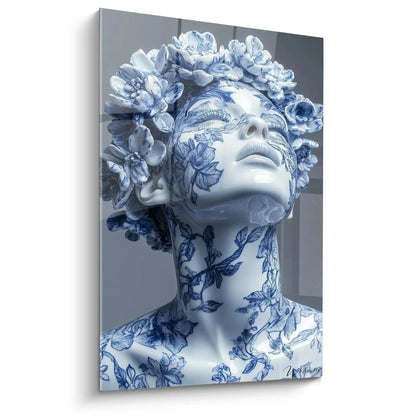
Our collection of porcelain wall art draws inspiration from the refined art of fine ceramics to create works of incomparable elegance. These artistic creations capture the delicacy characteristic of porcelain through meticulous patterns and soft hues, primarily in shades of blue and white. Each wall art piece evokes the artisanal precision and cultural heritage associated with this ancient art form, while interpreting it in a contemporary format. Perfect for interiors seeking a touch of timeless sophistication, this collection marries tradition and modernity with an artistic sensibility that will captivate lovers of exceptional craftsmanship.
 Chinese Face Artwork - Porcelain Style Edition273,90 €
 Silence Enameled Wall Art - Porcelain Style Edition273,90 €
 Fragile Glory Wall Art - Porcelain Style Edition273,90 €
 Ceramic Flower Wall Art - Porcelain Style Edition273,90 €
 Eternal Flower Wall Art - Porcelain Style Edition273,90 €
 Porcelain Scale Wall Art - Porcelain Style Edition273,90 €
 Flawed Beauty Wall Art - Porcelain Style Edition273,90 €
 China Rose Painting - Porcelain Style Edition228,90 €
Explore further
In Porcelain Style Wall Art


In the same family
Also explore the theme 🔥 The Originals 🔥
-
 View all573
artworks
View all573
artworks
-
 Spectral Animals33
artworks
Spectral Animals33
artworks
-
 Colors Gone Wild31
artworks
Colors Gone Wild31
artworks
-
 Cyberpunk111
artworks
Cyberpunk111
artworks
-
 Epoxy (Style)47
artworks
Epoxy (Style)47
artworks
-
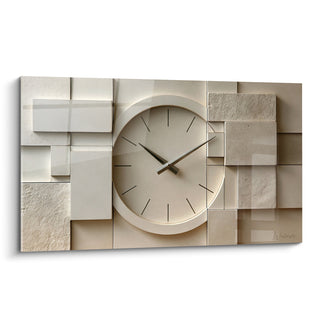 Clock21
artworks
Clock21
artworks
-
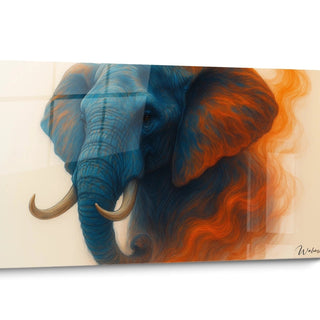 Fluid Mythoscene10
artworks
Fluid Mythoscene10
artworks
-
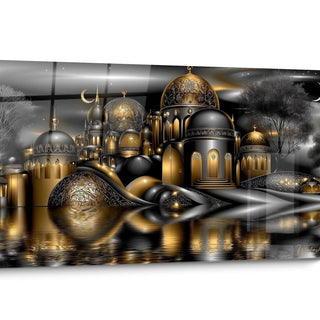 Originals Black Gold14
artworks
Originals Black Gold14
artworks
-
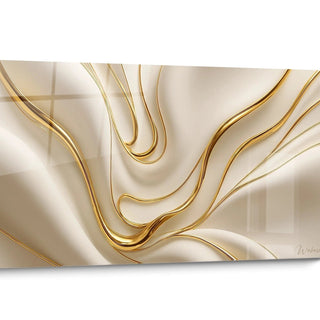 Abstract Relief10
artworks
Abstract Relief10
artworks
-
 Statue169
artworks
Statue169
artworks
-
 Crochet Style25
artworks
Crochet Style25
artworks
-
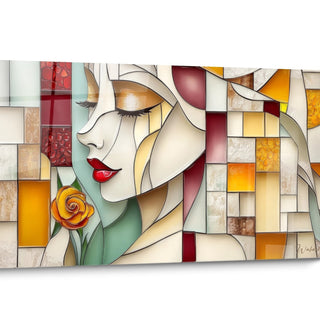 Stained Glass Style31
artworks
Stained Glass Style31
artworks
-
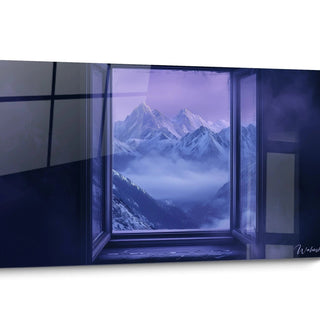 Trompe-l'oeil8
artworks
Trompe-l'oeil8
artworks


All about Porcelain Style Wall Art
- Presentation Porcelain Artwork
- The Art of Porcelain Artwork
- Porcelain Artwork and Decoration
- Choosing Your Porcelain Artwork
Porcelain artwork represents a refined decorative style that captures the elegance and delicacy of traditional porcelain in the form of a wall-mounted work of art. Inspired by porcelain painting techniques, this type of artwork brings a touch of timeless sophistication to any interior. Unlike other decorative styles, porcelain artwork is characterized by its delicate patterns, subtle colors, and unique finish that evokes the brilliance and translucency of genuine porcelain.
Porcelain artworks distinguish themselves by their ability to create an elegant focal point in a space while maintaining a light aesthetic. These wall pieces combine tradition and modernity, drawing inspiration from the iconic patterns of great porcelain manufacturers while reinterpreting them for contemporary decoration. Whether you are a lover of classical art or passionate about refined decoration, discover in the following sections everything you need to know about these original artworks in porcelain style that enhance interiors.
Explore our comprehensive guide to understand the history and unique characteristics of the porcelain style, learn how to integrate these artworks into your interior decoration, and discover the essential criteria for selecting a quality piece that will enhance your space.
The Art and History of Porcelain Style Artworks
What truly defines a porcelain artwork?
Portelain artwork constitutes a particular artistic category that draws directly from the centuries-old traditions of porcelain painting. Unlike simple art reproductions, these wall pieces capture the very essence of porcelain aesthetics - characterized by its fineness, delicacy, and timeless refinement. The surface of these artworks often has a slightly glossy appearance that reminds one of the characteristic luster of genuine porcelain, creating a unique visual effect impossible to reproduce with other artistic techniques.
These artistic creations distinguish themselves through their meticulous patterns and remarkable precision in detail. Artists specialized in this style use specific techniques to reproduce the translucent appearance so particular to porcelain, playing with light to create exceptional visual depth. What makes porcelain artwork truly unique is its ability to combine the visual richness of a work of art with the aesthetic qualities of fine ceramics, without its weight or fragility.
The historical legacy of porcelain style in wall art
The inspiration behind porcelain artworks traces back to the great traditions of ceramic painting that shaped the history of decorative art for centuries. The most notable influences come from prestigious workshops such as those of Sèvres, Meissen, and Limoges, whose meticulous techniques and iconic patterns are reinterpreted in contemporary wall art.
During the 18th and 19th centuries, the art of porcelain reached its pinnacle in Europe, becoming synonymous with luxury and aristocratic refinement. Today's porcelain artworks perpetuate this legacy by adapting historical patterns to modern sensibilities. This fusion between tradition and contemporaneity creates works particularly sought after by collectors and lovers of refined decoration.
The artistic techniques specific to porcelain artwork
Creating an authentic porcelain artwork requires particular skills that differentiate these pieces from other artistic styles. Artists specialized in this field master specific techniques such as the application of translucent glazes to reproduce the characteristic depth of porcelain. This method consists of layering several transparent paint layers to achieve a luminosity effect similar to that of genuine porcelain.
Another technical particularity lies in the use of precise and delicate outlines, often rendered with extraordinary fineness reminiscent of the work of porcelain painters. These lines define the emblematic patterns - delicate flowers, bucolic scenes, refined geometric motifs - while maintaining the visual lightness inherent to porcelain aesthetics.
Artists also employ special pigments that imitate the characteristic colors of traditional porcelain: deep cobalt blues, tender pinks, celadon greens, and slightly iridescent whites. This distinctive color palette strongly contributes to the unique visual identity of porcelain artwork and allows it to be immediately recognized among other styles.
The emblematic motifs that characterize porcelain style
Porcelain artworks are recognized by their characteristic motifs that draw from a rich and varied iconographic repertoire. Among the most representative, we find:
• Delicate floral compositions, often peonies, chrysanthemums or cherry blossoms, rendered with remarkable botanical precision
• Pastoral scenes and idyllic landscapes inspired by historical tableware decorations
• Geometric ornamental motifs, particularly interlacing patterns and complex decorative borders
• Representations of exotic birds and nature, treated with exceptional fineness
• Interpretations of the famous blue and white decorations, directly inspired by Chinese tradition
These motifs are generally arranged in a harmonious and balanced manner, respecting the compositional principles inherent to porcelain art. This specific visual organization contributes to the atmosphere of serenity and elegance that emanates from an authentic porcelain artwork.
The contemporary evolution of porcelain artwork
Although deeply rooted in tradition, porcelain artwork is experiencing a remarkable renewal thanks to contemporary artists who reinterpret this centuries-old style. These modern creators explore new approaches while preserving the essence of the porcelain style, thus creating works that resonate with current sensibilities while honoring artistic heritage.
Recent innovations include the integration of mixed media techniques, exploration of larger formats, and the introduction of modern themes treated with the refined aesthetics of porcelain. Some contemporary artists do not hesitate to create striking contrasts by juxtaposing the delicate aesthetics of porcelain with urban subjects or more abstract compositions.
This dynamic evolution ensures the enduring presence of the porcelain style in the current artistic landscape, attracting a new generation of enthusiasts and collectors. Porcelain artwork, far from being frozen in its historical heritage, continues to reinvent itself while preserving its distinctive identity and timeless elegance.
Integrating Porcelain Artwork into Your Interior Decoration
Integrating a porcelain artwork into an interior represents much more than a simple decorative addition - it is the introduction of an element of refinement that transforms the atmosphere of a room. These wall pieces possess the rare quality of being able to enhance both classical and contemporary environments, thanks to their timeless aesthetics inspired by the art of porcelain.
The ideal environments for showcasing porcelain artwork
Porcelain artwork distinguishes itself by its ability to create elegant focal points in specific spaces. Unlike other artistic styles, these works particularly find their place in:
• Reception rooms where their refined presence instantly elevates the level of elegance
• Transitional spaces such as spacious entrance halls, where they create a memorable first impression
• Formal dining rooms, in harmonious dialogue with the art of the table
• Boudoirs or intimate spaces where their delicacy brings a touch of personal sophistication
• Upscale residential environments that value artistic heritage
What makes these settings particularly suited to porcelain artworks is their ability to accommodate works that require attentive contemplation of fine details and subtle nuances characteristic of this artistic style.
How light specifically interacts with porcelain artwork?
One of the most remarkable particularities of porcelain artwork lies in its unique interaction with light, which differs considerably from other types of wall art. The slightly lustrous surface characteristic of this artistic style creates a play of subtle reflections that animates the work according to variations in lighting.
A porcelain artwork reveals its full splendor when benefiting from indirect natural light, ideally from a north-facing window that provides consistent light without glare. This configuration allows you to fully appreciate the delicate color nuances and visual depth typical of this aesthetic.
For artificial lighting, the most suitable solutions include:
• LED spotlights with neutral color temperature (approximately 4000K) that respect color accuracy
• Wall sconces diffusing soft and enveloping light
• Track lighting systems with adjustable intensity allowing you to modify the ambiance
The ideal lighting angle is approximately 30° from the vertical, thereby minimizing reflections while highlighting the subtle relief and meticulous details of the work.
The ideal color associations with porcelain artwork
Porcelain artwork, with its characteristic palette, establishes specific color relationships with its environment. To create perfect harmony, certain color associations prove particularly effective:
• Sophisticated neutral tones such as pearl gray, greige beige, or taupe that create an elegant setting without competing with the artwork
• Pale and cerulean blues that resonate with the blue decorations often present in porcelain style
• Water greens and celadon that harmoniously complement the delicate hues of these artworks
• Off-whites and cream that amplify the luminosity and delicacy of the work
It is preferable to avoid colors that are too saturated or contrasted in the immediate vicinity of porcelain artwork, as they risk eclipsing the subtlety of the nuances and the fineness of the details that constitute the value of these works.
Integrating porcelain artwork into different decoration styles
Although anchored in classical tradition, porcelain artwork possesses remarkable versatility that allows it to integrate harmoniously into various decorative universes:
In a neoclassical interior, it represents a natural choice, dialoguing perfectly with moldings, noble materials, and furniture of historical inspiration. Its presence reinforces the refined and timeless atmosphere characteristic of this style.
In contemporary decoration, porcelain artwork creates a striking and sophisticated contrast. Placed in an environment with clean lines and modern materials, it brings a touch of history and refinement that enriches the space with welcome cultural depth.
In the context of Asian or Oriental-inspired decoration, particularly refined Japanese or Chinese styles, porcelain artwork establishes natural aesthetic connections, especially when it features motifs inspired by Far Eastern porcelains.
The formats and dimensions specific to porcelain artwork
Porcelain artwork distinguishes itself through dimensional constraints and characteristics that are uniquely its own. Traditionally, these works favor certain formats that showcase their distinctive aesthetic qualities:
• Large formats (80×120 cm and larger) allow for the development of ambitious compositions with exceptional richness of detail, creating a major visual impact in spacious environments
• Intermediate formats (60×80 cm) represent the ideal balance between visual presence and harmonious integration into modern living spaces
• Elongated vertical formats, reminiscent of Asian painting scrolls, are particularly suited to floral patterns and vertical compositions characteristic of certain porcelain traditions
Unlike other artistic styles, porcelain artwork maintains its visual impact and readability even in imposing formats, thanks to the fineness of its details and the precision of its execution. This characteristic makes it a particularly suitable choice for spaces requiring strong but refined artistic presence.
With thorough knowledge of these specific aspects, you will be able to integrate porcelain artwork into your interior in a way that maximizes its aesthetic impact while creating perfect harmony with your existing decoration.
Buying Guide for Selecting the Perfect Porcelain Artwork
Acquiring a porcelain artwork represents a significant investment in a superior quality decorative piece. To make an informed choice and select a work that will retain its aesthetic and artistic value over time, several criteria specific to this particular style deserve rigorous attention.
Quality indicators specific to porcelain artwork
An excellent porcelain artwork is recognized by several distinctive characteristics that differentiate it from lesser-quality creations. When making your selection, carefully examine:
• The precision of details and fineness of execution in the motifs, particularly in floral elements and decorative borders
• The quality of the surface finish which should present a subtle luster evoking genuine porcelain without appearing plastic or artificially shiny
• The visual depth created by the layering of translucent colors, a sign of authentic technical mastery
• The sharpness of outlines and precision of lines that testify to the artist's expertise
• The overall chromatic balance with a harmonious palette typical of porcelain style
These indicators immediately reveal the difference between standardized industrial production and a work created with the meticulous attention that porcelain style merits.
How to evaluate the authenticity of a porcelain style artwork?
The authenticity of a porcelain artwork is not limited to its superficial resemblance to traditional porcelain patterns. To identify a piece truly faithful to the spirit of this artistic style, consider:
The historical coherence of the motifs used, which should be inscribed in the recognized iconographic traditions of porcelain art, whether European influences (Sèvres, Meissen, Limoges) or Asian (Chinese blue and white, Japanese Imari).
The signature of the artist and their recognition in the specific field of porcelain-inspired art. Some creators have specialized in this style and developed distinctive technical mastery.
Certificates of authenticity or documented provenance that establish the history of the work and confirm its creation by an artist recognized for their mastery of porcelain style.
Examining these elements will allow you to acquire an authentic piece that will retain its artistic and heritage value over time.
The unique characteristics to look for in a large-format porcelain artwork
Large-format porcelain artworks present particular technical challenges and require specific attention when selecting. For an outstanding large porcelain artwork, assess:
• The balanced composition that maintains visual harmony despite significant dimensions, avoiding repetition or overcrowding effects
• The qualitative consistency of details across the entire surface, revealing meticulous execution even in peripheral areas
• The structure of the support and its hanging system, which must be particularly robust to ensure the stability and longevity of the work
• The visual impact at different distances: a large-format porcelain artwork should be as impressive from afar as it is rich in details when observed closely
These large formats offer exceptional decorative potential in spacious environments and often constitute masterpieces in an art collection.
Investment in porcelain artwork: value and durability
Acquiring a quality porcelain artwork represents not only a decorative choice but also a potentially lasting investment. To evaluate the long-term value of your acquisition:
Consider the reputation of the artist and their trajectory in the specialized art market. Established creators with a consistent body of porcelain style works tend to maintain or increase in value.
Examine the quality of materials used, particularly pigments and varnishes that should offer proven resistance to fading and aging. Works created with archival-quality materials will retain their initial brilliance for decades.
Evaluate the rarity and originality of the piece within the corpus of porcelain style works. Artworks that offer innovative interpretation while respecting traditional aesthetic codes tend to stand out in the market.
A well-selected porcelain artwork can thus not only beautify your interior for many years but also constitute a significant cultural and artistic legacy.
Contemporary creations versus historically-inspired works
The porcelain artwork market today offers two major stylistic orientations, each with its own merits:
Strictly historically-inspired artworks faithfully reproduce the aesthetic codes of the great periods of porcelain, such as 18th-century France or the Chinese Kangxi period. These works excel in classical or neo-traditional interiors and appeal to enthusiasts of historical authenticity.
Contemporary creations in porcelain style reinterpret this tradition with modern sensibility, sometimes introducing contemporary graphic elements or innovative compositions. These pieces integrate harmoniously into more eclectic or decidedly modern settings, creating a stimulating dialogue between heritage and contemporaneity.
Your choice between these two approaches will depend primarily on your personal sensibility and the decorative context in which the work will be presented.
FAQ on Porcelain Artworks
How to clean and maintain a porcelain artwork without damaging it?
To preserve the integrity of your porcelain artwork, use only a very soft feather duster or a dry microfiber cloth to gently dust the surface. Absolutely avoid any liquid product, even diluted, which could alter the delicate finishes. In case of staining, consult an art restoration specialist rather than intervening yourself.
Can a porcelain artwork be installed in a room with variable humidity like a bathroom?
It is generally inadvisable to install porcelain artwork in environments with high humidity or significant hygrometric variations. Unlike genuine porcelain, artworks inspired by this art are sensitive to humidity changes that can affect the support and pigments. Favor locations with stable atmospheric conditions to preserve the integrity of the work.
What is the difference between an authentic porcelain artwork and industrial reproduction?
An authentic porcelain artwork distinguishes itself through the quality of manual execution of details, the visual depth obtained by layering glazes, and the subtlety of chromatic transitions. Industrial reproductions, though visually similar at first glance, reveal upon careful examination standardized patterns, flatter colors, and an absence of the fineness characteristic of artisanal work. Authenticity is particularly evident in the richness of details and the presence of a signature by a recognized artist.
Further reading
Our articles on this topic
- How to integrate a porcelain-style painting into Haussmann-style decor
- Porcelain-Style Painting for a Chic Boho Entryway: The Unexpected Marriage
- What size porcelain-style painting to choose for an adult bedroom
- Porcelain-style painting in white and blue for a classic living room
- Ming or Qing: how to recognise the right porcelain-style painting at a glance
- Porcelain-style painting with pink peony: the romantic touch for your bedroom
L'art qui suscite l'envie
Maison belge d'art mural grand format
14 jourspour changer d'avis*
Protection Walenskyincluse
Fabriquéen Italie
FormatXXL
Kit de fixationtoujours fourni
* Hors tableaux personnalisés et tailles personnalisées


