


Buddha Wall Art
Explore our collection of Buddha wall art, where each piece captures the essence of inner peace and meditation. These Buddha wall art pieces offer a soothing atmosphere, ideal for creating a zen ambiance in your space. Perfect for cultivating a sense of calm and well-being, they reveal refined details that illuminate any room with sacred serenity.
 Marbled Peace Wall Art - Zen Edition273,90 €
 Painting Blue and Orange Statue with Resting Hands - Swirling Flames on the Shoulder - Buddha Edition273,90 €
 Bronze Statue and Orange with Burning Flames Painting - Fiery Night Silhouette - Buddha Edition273,90 €
 Anthracite Face Wrapped in White Smoke - Veil of Silence - Buddha Edition273,90 €
 Painting Green and Fuchsia Face with Colorful Powder Splashes - Sculpted Pearl Bun - Buddha Edition273,90 €
 Painting Statue white and beige with floral crown - Delicate dried flowers - Buddha Edition273,90 €
 Textured Pink and Beige Statue Artwork - Mineral Serenity - Buddha Edition273,90 €
 Painting Turquoise and Pink Face with Ink Splashes - Coral Orange Background - Buddha Edition273,90 €
 Painting Face with Terracotta Circles and Graphic Lines - Silent Meditation - Buddha Edition273,90 €
 Terracotta and Beige Face Painting with Leafless Tree - Intertwined Roots at the Bottom - Buddha Edition273,90 €
 Purple and Orange Face with Turquoise Loops Painting - Bright Curly Bun - Buddha Edition273,90 €
 Golden Face Mosaic Artwork - Serene Mosaic - Buddha Edition273,90 €
 Painting Face with Joined Hands pink and violet - Colorful Meditation - Buddha Edition273,90 €
 Pink and Beige Face Painting with Flying Birds - Silent Birds Sky - Buddha Edition273,90 €
 Black and Gold Face Painting with Marbled Swirls - Vitreous Translucent Reflection - Buddha Edition273,90 €
 Black and Grey Statue Painting - Misty Light Ray - Buddha Edition273,90 €
 Painting Grey and Black Statue with Ink Runs - Coral Sky Cloudy - Buddha Edition273,90 €
 Golden and Blue Face Painting with Intertwined White Filaments - Sparkling Splashes - Buddha Edition273,90 €
 Painting Face in Orange and Violet Tones - Incandescent Meditation - Buddha Edition273,90 €
 Black Face Painting with Pink and Blue Runs - Chromatic Awakening - Buddha Edition273,90 €
 Painting Red Face and Midnight Blue with Clouds - Incandescent Silence - Buddha Edition273,90 €
 Painting Statue ivory and rose with silky drape - Hands posed in a cross-legged position - Buddha Edition273,90 €
 Painting Red and Yellow Face with Draped Folds - Urban Silhouette Superimposition - Buddha Edition273,90 €
 Anthracite and Orange Face Painting with Striped Drapes - Geometric Flat Background - Buddha Edition273,90 €
Explore further
In Buddha Wall Art
-
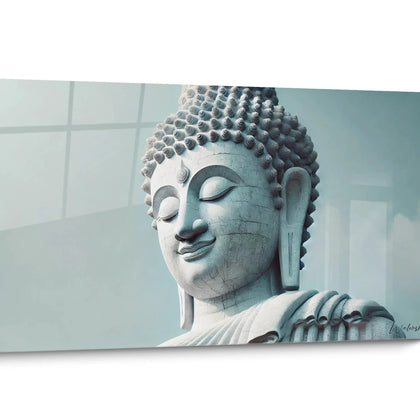 Buddha Zen Wall Art24
artworks
Buddha Zen Wall Art24
artworks
-
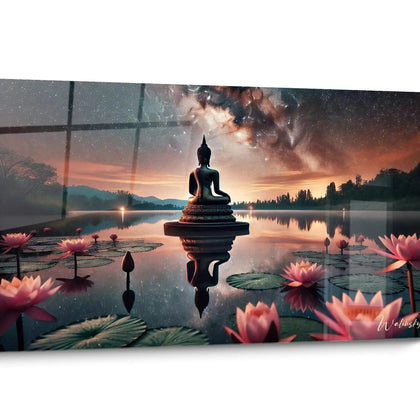 Buddha Yoga Room Wall Art20
artworks
Buddha Yoga Room Wall Art20
artworks
-
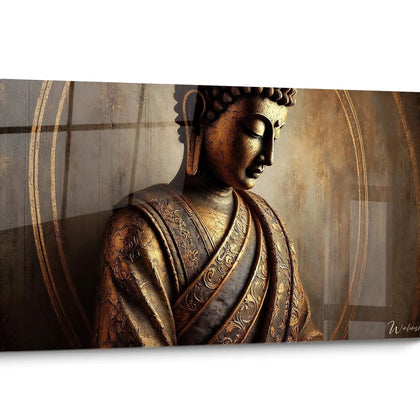 Buddha Wellness Center Wall Art15
artworks
Buddha Wellness Center Wall Art15
artworks
-
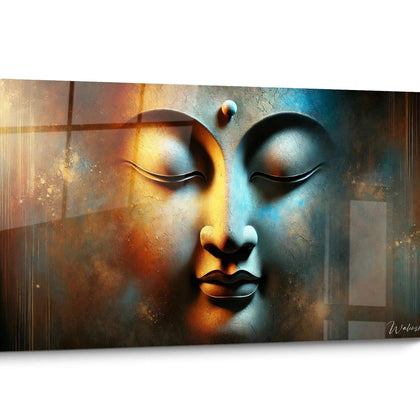 Modern Zen Buddha Wall Art9
artworks
Modern Zen Buddha Wall Art9
artworks
-
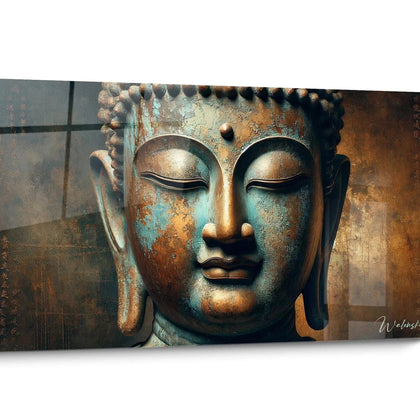 Buddha Wall Art for Medical Office9
artworks
Buddha Wall Art for Medical Office9
artworks
-
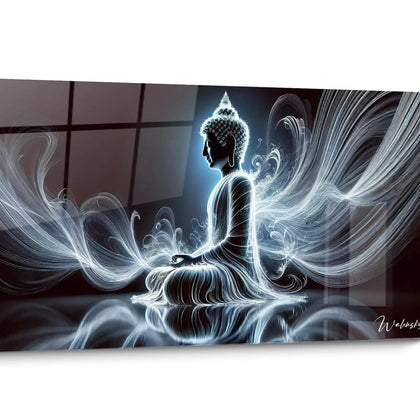 Buddha Wall Art for Medical Office9
artworks
Buddha Wall Art for Medical Office9
artworks
-
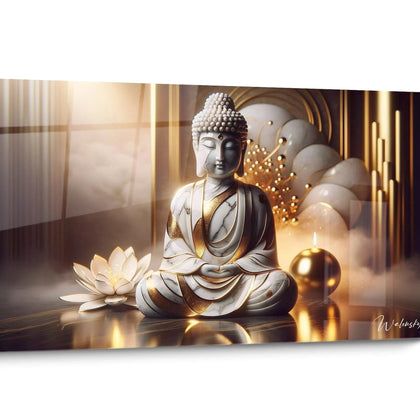 Buddha Wall Art for Psychologist Office9
artworks
Buddha Wall Art for Psychologist Office9
artworks
-
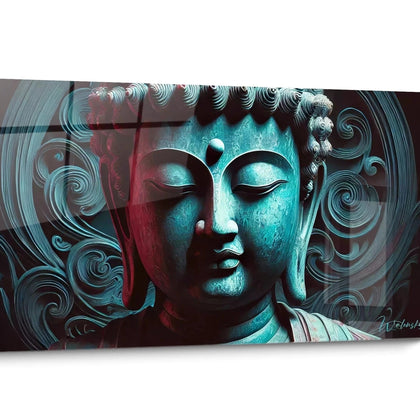 Zen Buddha Portrait Wall Art8
artworks
Zen Buddha Portrait Wall Art8
artworks
-
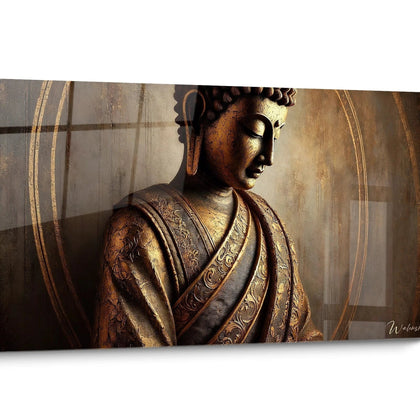 Golden Buddha Zen Wall Art7
artworks
Golden Buddha Zen Wall Art7
artworks
-
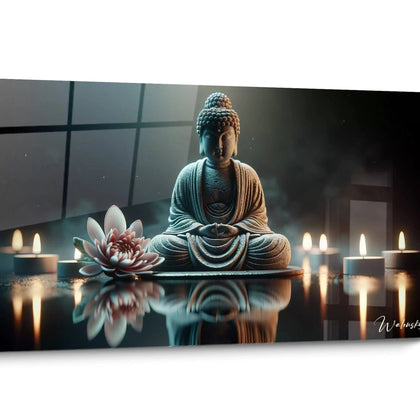 Blue Buddha Zen Wall Art7
artworks
Blue Buddha Zen Wall Art7
artworks
-
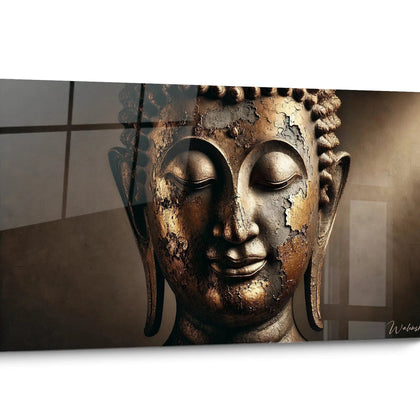 Zen Buddha Bronze Wall Art7
artworks
Zen Buddha Bronze Wall Art7
artworks
-
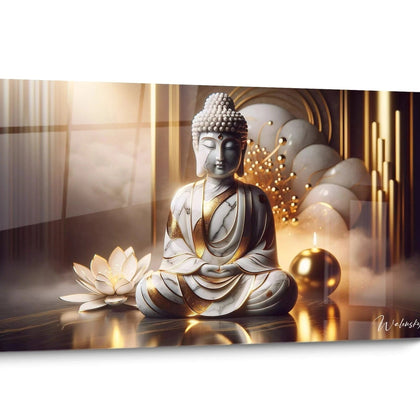 Golden Zen Buddha Wall Art7
artworks
Golden Zen Buddha Wall Art7
artworks
-
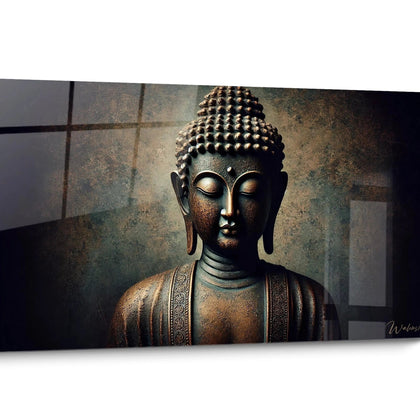 Buddha Wall Art for Apartment6
artworks
Buddha Wall Art for Apartment6
artworks
-
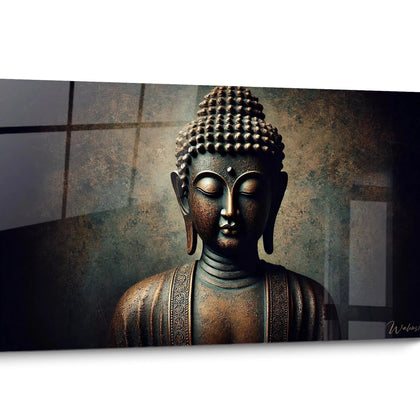 Buddha Hallway Wall Art6
artworks
Buddha Hallway Wall Art6
artworks
-
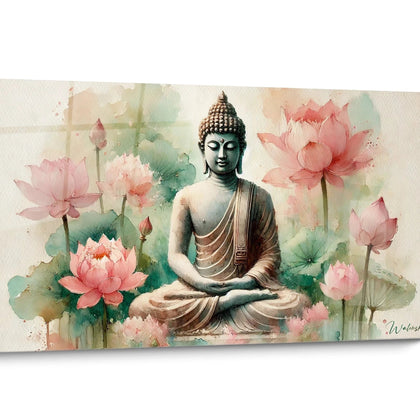 Zen Buddha Lotus Wall Art5
artworks
Zen Buddha Lotus Wall Art5
artworks
-
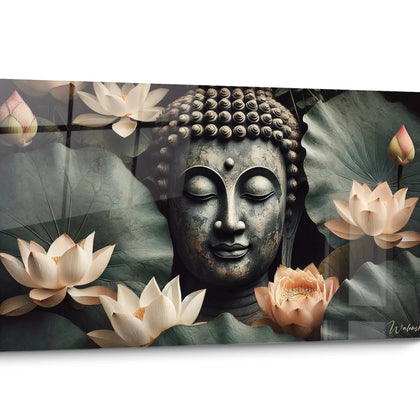 Zen Buddha Lotus Wall Art5
artworks
Zen Buddha Lotus Wall Art5
artworks
-
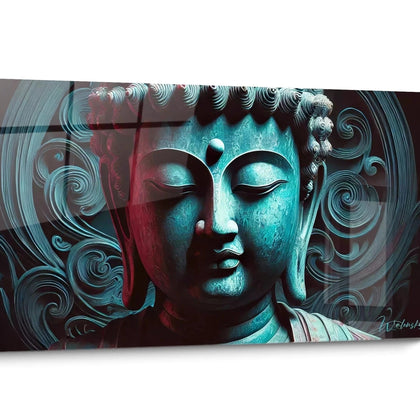 Turquoise Buddha Zen Wall Art4
artworks
Turquoise Buddha Zen Wall Art4
artworks
-
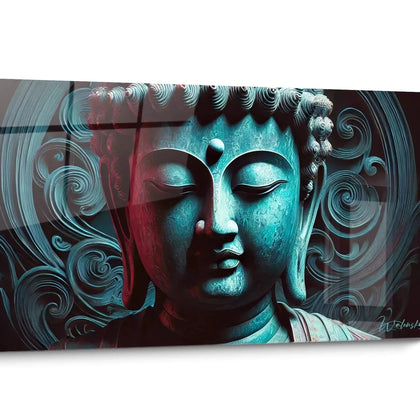 Turquoise Zen Buddha Wall Art4
artworks
Turquoise Zen Buddha Wall Art4
artworks
In the same family
Also explore the theme Zen
-
 View all2161
artworks
View all2161
artworks
-
 Bonsai25
artworks
Bonsai25
artworks
-
 Candle64
artworks
Candle64
artworks
-
 Koi Fish130
artworks
Koi Fish130
artworks
-
 Chakras11
artworks
Chakras11
artworks
-
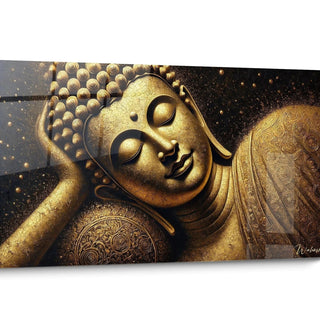 Zen Miscellaneous11
artworks
Zen Miscellaneous11
artworks
-
 Incense7
artworks
Incense7
artworks
-
 Enso13
artworks
Enso13
artworks
-
 Feng Shui904
artworks
Feng Shui904
artworks
-
 Lotus Flower20
artworks
Lotus Flower20
artworks
-
 Ganesh56
artworks
Ganesh56
artworks
-
 Grasses100
artworks
Grasses100
artworks
-
 Ikebana93
artworks
Ikebana93
artworks
-
 Kintsugi5
artworks
Kintsugi5
artworks
-
 Lantern51
artworks
Lantern51
artworks
-
 Mandala18
artworks
Mandala18
artworks
-
 Meditation18
artworks
Meditation18
artworks
-
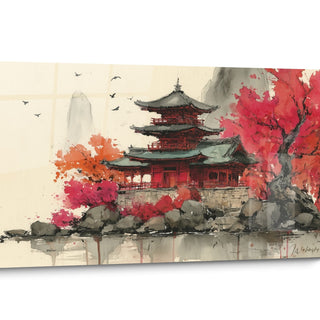 Pagoda79
artworks
Pagoda79
artworks
-
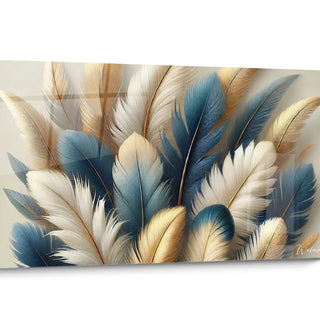 Feather60
artworks
Feather60
artworks
-
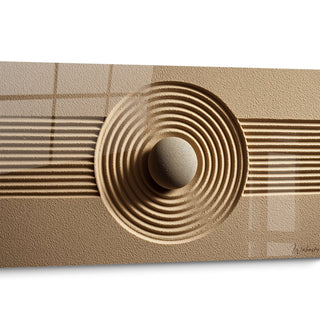 Sand60
artworks
Sand60
artworks
-
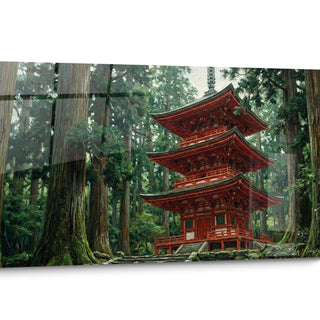 Buddhist Temple17
artworks
Buddhist Temple17
artworks
-
 Terracotta436
artworks
Terracotta436
artworks
-
 Japanese Teapot40
artworks
Japanese Teapot40
artworks
-
 Torii77
artworks
Torii77
artworks
-
 Yin Yang99
artworks
Yin Yang99
artworks


All about Buddha Wall Art
- Presentation Buddha Painting
- Buddha Painting Inner Spirituality
- Buddha Painting Decorative Harmony
- Painting Buddha Meditation Visual
Discover the very essence of serenity with our exceptional collection of Buddha paintings. These artworks transcend simple decoration and become true portals to tranquility and spiritual fulfillment. A Buddha painting not only embellishes your space, but transforms the entire ambiance of your interior, creating a sanctuary of peace where the mind can rejuvenate.
Each Buddha painting represents much more than a simple iconic figure - it is the visual embodiment of millennia-old principles of wisdom, compassion, and spiritual awakening. Our large-format creations capture the essence of Buddhist philosophy through carefully crafted visual compositions that invite contemplation and meditation.
The integration of a zen meditation painting into your personal or professional space goes far beyond the aesthetic aspect. It is a conscious decision to introduce into your daily life a constant reminder of values such as mindfulness, detachment, and inner balance.
Explore our different sections to discover how a Buddha painting can become the focal point of your quest for serenity, how it can transform the energy of your spaces, and how its presence can accompany you daily on your personal journey towards greater harmony and inner peace.
The Buddha Painting as an Anchor of Daily Spirituality
The Buddha painting represents much more than a simple decorative element - it embodies a true spiritual anchor in our often-turbulent modern world. In our contemporary interiors where stress and haste reign, these large-format works offer a powerful visual counterpoint that instantly reconnects us to essential values of calm and fulfillment.
How does a Buddha painting transform the vibrational energy of a room?
Eastern spirituality practitioners agree on the transformative power of Buddha representations. A large-scale painting depicting this iconic spiritual figure acts as a true energy purifier. The positive waves emanating from these works create what feng shui experts call a "vibrational anchor point" - a space where negative energies dissipate to make way for a deep atmosphere of serenity.
This energetic transmutation is not only felt by advanced meditation practitioners, but also by the most skeptical individuals. Many testify to an immediate feeling of appeasement upon entering a room where a majestic Buddha painting stands. The harmonious colors, generally in soothing tones such as deep blues, subtle golds, or meditative purples, contribute to this instant feeling of calm.
The neurophysiological benefits of a Buddha painting in living spaces
Recent research in neuroscience suggests that regular contemplation of images associated with meditation and spirituality activates brain areas related to well-being and stress regulation. A Buddha painting strategically placed in a space where you spend a lot of time creates a daily opportunity for micro-meditations - those short moments where your gaze rests on the artwork and your mind takes a beneficial pause.
Neurologists specializing in the study of meditative states have demonstrated that even these brief moments of conscious attention can, over time, positively modify neurological patterns associated with anxiety. Thus, your Buddha painting literally becomes a "neural tool" that accompanies you in your daily life without requiring formal practice.
What position of the Buddha should you choose for your personal spiritual space?
The choice of the Buddha's position (mudra) depicted on your wall art is not arbitrary. Each posture conveys specific teachings and influences your space differently:
• The Buddha in meditation (Dhyana mudra) with his hands resting on each other particularly promotes concentration and mental clarity - ideal for a workspace or study
• The Buddha with raised hands (Abhaya mudra) symbolizing protection and fearlessness will be perfect for the entrance of a house or in a child's room
• The Buddha touching the earth (Bhumisparsha mudra) evoking enlightenment and victory over inner obstacles will find its place in a space dedicated to personal development
Experts in Buddhist art also recommend choosing a large-format wall art representing the mudra that resonates most with your current personal challenges, thereby creating a constant visual intention aligned with your spiritual journey.
The integration of the Buddha wall art into contemporary spiritual practices
In our Western society seeking meaning, the Buddha wall art harmoniously integrates into new hybrid spirituality practices that characterize our era. Many yoga and meditation practitioners testify to the intensification of their experience when practicing in front of an artistic representation of the Buddha.
This phenomenon is explained by the power of symbols on our unconscious. Psychologist Carl Jung spoke of visual archetypes that transcend cultures and speak directly to our deep being. The Buddha wall art activates these ancestral symbolic networks and facilitates access to beneficial altered states of consciousness.
To maximize this effect, experts in spiritual decoration advise placing your Buddha wall art facing your practice space, at eye level when seated, creating a direct line between your meditative gaze and this representation of awakening.
Buddha wall art: Creating a Symphony of Visual Inner Harmony
The Buddha wall art stands out in the world of interior decoration for its unique ability to transcend the simple aesthetic aspect to become a true catalyst for harmony. Unlike conventional decorative works, these large-format artistic representations do not merely adorn a wall - they fundamentally transform the energetic dynamics of a space.
How does the Buddha wall art influence energy flow according to the principles of Vastu Shastra?
Vastu Shastra, this millenary architectural science originating from India, attributes to representations of the Buddha particular properties of redirection and harmonization of energy flows. Experts in Vastu consider that a large-dimension Buddha wall art, strategically positioned, acts as an "energy transformer" capable of neutralizing negative influences from disharmonious angles or unfavorable spatial configurations.
According to these ancestral principles, the ideal orientation of a Buddha wall art depends on the desired effect:
• A wall art facing east amplifies the energy of wisdom and mental clarity
• A work oriented towards the north strengthens prosperity and abundance
• A representation directed towards the west favors harmonious communication and peaceful relationships
Practitioners of modern Vastu particularly recommend large-format wall art for professional spaces where interpersonal tensions can accumulate, creating a beneficial energetic buffer zone for team cohesion.
The art of creating "meditative anchor points" with your Buddha wall art
Interior designers specializing in zen atmospheres use the Japanese concept of "ma" - this intentional empty space that gives meaning to what surrounds it. A large Buddha painting naturally becomes the gravitational center of a room, creating around it this spatial breath so essential to calming the mind.
To maximize this visual anchoring effect:
• Prioritize a clear wall where the artwork can "breathe"
• Avoid overloading the immediate surroundings of the painting with other competing visual elements
• Create a clear area of 1 to 2 meters in front of the painting, allowing for unobstructed contemplation
• Consider soft, indirect lighting that highlights your painting without creating distracting reflections
This voluntary minimalist approach transforms your Buddha painting into a true attention magnet, naturally inviting slowing down and contemplation as soon as the eye rests upon it.
The therapeutic color palette of contemporary Buddha paintings
Chromotherapy, this discipline exploring the influence of colors on our psychological state, finds in modern Buddha paintings a valuable ally. Contemporary works go beyond traditional representations by integrating color palettes carefully developed for their specific effects on emotional balance.
The most sought-after creations offer:
• Paintings dominated by deep blues associated with spiritual communication and authentic expression
• Works exploring violet and indigo spectra linked to intuition and connection with inner wisdom
• Representations incorporating touches of gold symbolizing enlightenment and transcendence of mental limitations
Holistic decoration specialists also recommend selecting your Buddha painting based on the emotional qualities you want to cultivate in the space - creating a true personalized therapeutic "color bath".
The influence of materials and textures on the energetic resonance of your painting
Beyond the image itself, contemporary Buddha paintings are distinguished by the incorporation of textures and finishes that amplify their vibrational presence in the space. Modern creations now explore advanced printing and finishing techniques that add a tactile dimension to the visual experience.
Artists specializing in spiritual art testify to the importance of noble materials and finishes subtly reflecting light to create what they call a "presence effect" - this impression that the image vibrates and breathes with the natural variations in light throughout the day.
This dynamic quality transforms your Buddha painting into a living work that constantly renews its visual impact, avoiding the perceptual habituation that usually diminishes the effect of static decorative elements over time.
Buddha Painting: Guide to Meditative Contemplation for Daily Awakening
The large-format Buddha painting represents much more than a simple wall decoration - it embodies a true support for meditative practice accessible on a daily basis. In our contemporary life where the time dedicated to formal spiritual practices is rare, these visual works offer a unique opportunity to integrate moments of conscious contemplation without radically changing our routines.
How to transform your Buddha painting into a daily meditative portal?
Contemporary meditation masters recognize the effectiveness of visual supports to facilitate entry into a meditative state, particularly for Westerners accustomed to constant visual stimulation. A carefully selected Buddha painting becomes what practitioners call a "point of entry" or "gateway" to beneficial altered states of consciousness.
To fully unlock this transformative potential:
• Establish a simple connection ritual of 2 to 5 minutes each morning with your wall art.
• Create a personal gesture of intention (joining your hands, slightly inclining your head) before each contemplation.
• Practice the "soft gaze" technique - this relaxed gaze that observes without fixating, allowing the image to penetrate your consciousness effortlessly.
• Finish each session with a moment of integration where you close your eyes and visualize the image internally.
This minimalist but powerful practice transforms your Buddha wall art into a true spiritual technology adapted to our modern world where every minute counts.
The five levels of meditative perception in front of a Buddha wall art
Teachers of Eastern contemplative traditions describe five distinct phases in the in-depth visual exploration of a representation of Buddha. These progressive steps allow to transform a simple observation into a true transformative meditation:
• Level 1 - Aesthetic perception: appreciation of artistic qualities, colors and composition.
• Level 2 - Symbolic recognition: identification of mudras (gestures), postures and symbolic attributes.
• Level 3 - Emotional resonance: opening to the emotional state evoked by the representation.
• Level 4 - Contemplative absorption: dissolution of boundaries between the observer and the image.
• Level 5 - Incarnation of qualities: integration of the represented attributes (compassion, serenity, wisdom).
Advanced practitioners testify that this contemplative progression becomes natural over time, transforming your Buddha wall art into a true silent teacher who progressively reveals deeper layers of meaning.
What body positions are adopted for the optimal contemplation of a Buddha wall art?
The physical position adopted during the contemplation of a Buddha wall art profoundly influences the quality of the meditative experience. Specialists in contemplative art recommend adapting your posture according to your spiritual intention:
• For optimal energy connection, sit at a distance equivalent to about 1.5 times the height of the wall art.
• To deepen concentration, align the center of your forehead with the third eye of the represented Buddha.
• To activate intuitive receptivity, slightly tilt your head downwards (about 15 degrees) during contemplation.
• To facilitate the integration of the represented qualities, place your hands in the same mudra (gesture) as the one depicted on the wall art.
These subtle but powerful body adjustments create what traditions call a "resonant energy circuit" between the observer and the sacred image, considerably amplifying the transformative impact of the practice.
Adapting traditional visualization practices with your Buddha wall art
Tibetan Buddhist traditions have used sophisticated visualization techniques for centuries to transform consciousness. Your large-format Buddha wall art can serve as a modern support for these ancestral practices:
• The "pouring of light" technique: visualize light emanating from the represented Buddha that gradually bathes you.
• The "exchange" practice: imagine that you inhale the qualities of the Buddha and that you exhale what burdens you.
• The "dissolution" exercise: visualize the Buddha transforming into light that merges into you and then radiates outwards.
These methods adapted to our contemporary sensitivity allow to use your Buddha wall art as a true "bridge" between traditional spiritual practices and our modern needs for efficiency and accessibility.
FAQ: Buddha wall art
What orientation is most suitable for a Buddha wall art in a meditation room?
The ideal orientation for a wall art piece depicting Buddha in a dedicated meditation space is east or north. East symbolizes awakening and renewal in many spiritual traditions, while north represents stability and wisdom. Avoid placing your wall art facing a door or window that would create visual distractions during contemplation. The key is to create a clear visual axis between your usual seated position and the wall art.
How to maintain the spiritual energy of a Buddha wall art piece over time?
To maintain and amplify the spiritual energy of your Buddha wall art, adopt a few simple practices: regularly purify the surrounding space with natural incense such as sandalwood or frankincense; periodically perform an energy cleansing using the sound of a Tibetan singing bowl or a bell; symbolically offer natural elements such as fresh flowers or crystals nearby; and above all, maintain a regular practice of contemplation that continuously "activates" the represented qualities.
Can a Buddha wall art piece help resolve specific emotional blocks?
Different representations of Buddha can effectively serve as therapeutic tools for particular emotional challenges. For anxiety, prioritize a wall art piece showing the Buddha in deep meditation (Dhyana mudra). For relationship difficulties, a representation of the Buddha of compassion (Avalokiteshvara) will be beneficial. For difficult transition periods, a wall art piece illustrating the Buddha of medicine (Bhaisajyaguru) will provide support and healing. The key is to establish a daily intentional connection with the image, visualizing the progressive transmutation of your difficulties.
Further reading
Our articles on this topic
- Do Zen Paintings with Buddha Suit Non-Buddhist Homes?
- What Zen Artworks Suit a Personal Meditation Space?
- Do Bodhidharma’s Zen Paintings Express the Intensity of Meditation?
- Why Do Zen Artworks Frequently Depict Monks in Meditation?
- Gold Buddha Painting for a Contemporary Living Room: Balancing Radiance and Serenity
L'art qui suscite l'envie
Maison belge d'art mural grand format
14 jourspour changer d'avis*
Protection Walenskyincluse
Fabriquéen Italie
FormatXXL
Kit de fixationtoujours fourni
* Hors tableaux personnalisés et tailles personnalisées


