


Louis XVI Painting
Our Louis XVI painting collection presents the last king of the Ancien Régime with artistic sensitivity. These artworks evoke French monarchy in its final years amid political upheaval. Wall art that captures a pivotal era of French history with refined elegance.
 Crowned King Regent of Colors Painting - Louis XVI Edition273,90 €
 Louis XVI Painting Eternal Dignity - Louis XVI Edition273,90 €
 Man Painting Expressive Charm - Louis XVI273,90 €
 Portrait Wall Art Swirling Soul - Louis XVI Edition273,90 €
 Notre-Dame Stormy Horses Painting - Louis XVI edition273,90 €
 Portrait Painting Vivid Sketch - Louis XVI Edition273,90 €
 Louis XVI Painting Sovereign Gaze - Louis XVI edition228,90 €
 Thoughtful Grace Portrait Painting Light - Louis XVI Edition228,90 €

In the same family
Also explore the theme History
-
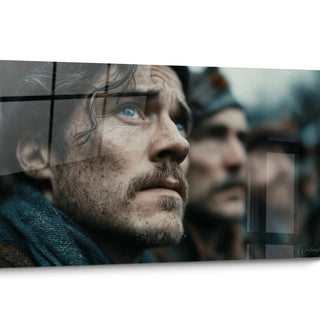 View all123
artworks
View all123
artworks
-
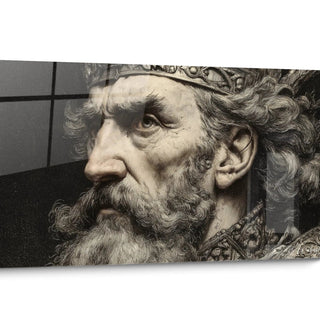 Alexander the Great5
artworks
Alexander the Great5
artworks
-
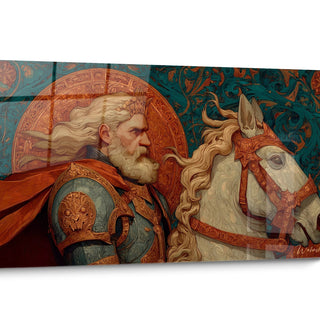 Charlemagne5
artworks
Charlemagne5
artworks
-
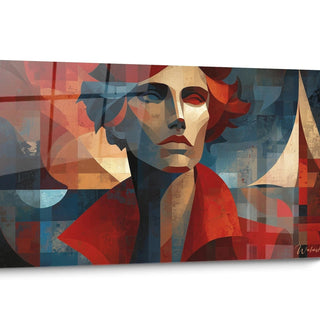 Christopher Columbus13
artworks
Christopher Columbus13
artworks
-
 Egypt426
artworks
Egypt426
artworks
-
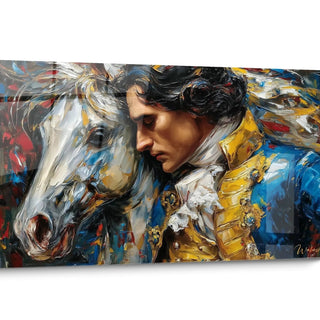 Louis XIV11
artworks
Louis XIV11
artworks
-
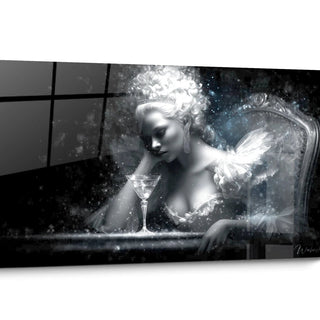 Marie-Antoinette3
artworks
Marie-Antoinette3
artworks
-
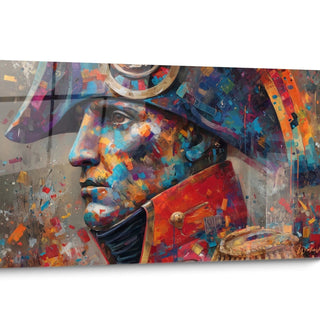 Napoleon8
artworks
Napoleon8
artworks
-
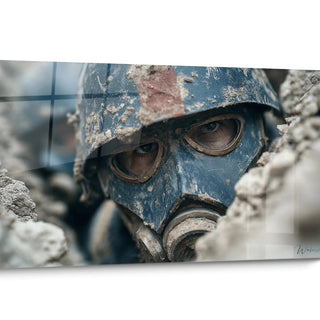 First World War16
artworks
First World War16
artworks
-
 French Revolution17
artworks
French Revolution17
artworks
-
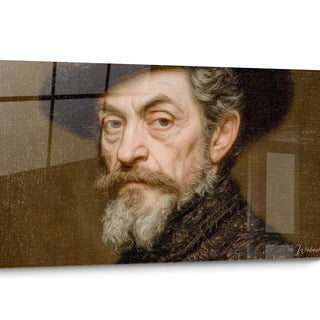 Richelieu5
artworks
Richelieu5
artworks
-
 World War II17
artworks
World War II17
artworks
-
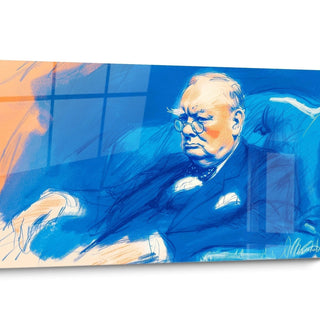 Winston Churchill16
artworks
Winston Churchill16
artworks


All about Louis XVI Painting
- Louis XVI Painting Presentation Louis XVI
- Louis XVI Painting Royal Prestige
- Louis XVI Painting Luxury Decoration
- Louis XVI Painting Historical Collection
Discover French royal art through Louis XVI paintings, true symbols of monarchic grandeur and neoclassical elegance. These exceptional artworks transform your interior into a genuine aristocratic gallery, combining historical prestige and contemporary decorative refinement.
Prestige and Symbolism of Louis XVI Painting in Royal Art
The Louis XVI painting embodies the apex of French monarchic art in the 18th century. These majestic representations of the last king of the Ancien Régime testify to an era when art served royal grandeur and the legitimacy of power. Each royal portrait constitutes a genuine political and artistic manifesto, blending monarchic symbolism and technical excellence.
What is the historical significance of the Louis XVI royal portrait?
Portraits of Louis XVI reveal the complexity of a reign marked by social transformations. The royal iconography of this period privileges the representation of a paternal and benevolent sovereign, contrasting with the martial image of his predecessors. Court artists, notably Antoine-François Callet and Joseph Siffred Duplessis, immortalized a monarch with affable features, symbol of a monarchy in mutation.
Vestimentary symbolism occupies a central place in these French historical paintings. The fleur-de-lis royal mantle, orders of chivalry and regalia convey dynastic continuity while adapting to neoclassical aesthetic codes. This stylistic evolution reflects the influence of the Enlightenment on court art.
How to recognize the authenticity of a Louis XVI representation?
Expertise in historical paintings Louis XVI rests on several precise iconographic criteria. The king's physiognomic features, documented by official portraitists, constitute the first authenticity indicator. The round face, clear eyes and characteristic physiognomy of the sovereign are reproduced with remarkable fidelity in period works.
Decorative elements and royal attributes also reveal the creation period. The neoclassical style, privileging simplicity of lines and nobility of poses, progressively replaces rococo exuberance. French royal portraits of this period adopt a more austere composition, reflecting the new aesthetic canons promoted by the Academy.
The influence of neoclassical style on royal art
Louis XVI's reign coincides with the emergence of the neoclassical movement in France. This artistic revolution radically transforms the aesthetics of Louis XVI paintings, privileging ancient grandeur and decorative sobriety. Royal painters abandon excessive ornamentation in favor of noble simplicity, inspired by Greco-Roman models.
This stylistic transformation manifests in the treatment of pictorial space and royal gesture. Portraits adopt stable pyramidal compositions, evoking ancient statuary. Light, more uniform, sculpts volumes with classical precision, conferring on the works a timeless dimension that transcends ephemeral fashions.
- Rigorous geometric compositions inspired by Antiquity
- Refined chromatic palette privileging noble tones
- Majestic gesture imbued with classical dignity
- Monarchic symbolism adapted to neoclassical codes
Monarchic artworks of this period thus reveal a unique synthesis between French royal tradition and European aesthetic renewal, making the Louis XVI painting a privileged witness to the artistic mutations of the Age of Enlightenment.
Integration of Louis XVI Painting in Contemporary Interior Decoration
The art of enhancing contemporary spaces with a Louis XVI painting requires a sophisticated approach to interior design. These prestigious artworks radically transform the atmosphere of a room, creating a harmonious dialogue between historical grandeur and refined modernity. The visual impact of these royal representations far exceeds their decorative function to become genuine architectural points of interest.
In which spaces should a Louis XVI royal portrait be valued?
Prestige living rooms constitute the ideal setting for displaying a Louis XVI painting. These reception spaces, designed to impress, benefit from the natural nobility of these historical artworks. The strategic location facing the main entrance allows guests to immediately discover the refinement of the residence, immediately establishing an excellent decorative standard.
Libraries and study offices are particularly enriched by royal presence. The intellectual dimension of Louis XVI's reign, marked by the influence of philosophers, perfectly accords with these spaces dedicated to reflection. The proximity of ancient books and French historical paintings creates an atmosphere of particularly sought-after aristocratic erudition.
How to harmonize classical style and modernity?
The successful integration of a Louis XVI painting in a contemporary interior rests on the balance of materials and colors. The golden hues of antique frames dialogue wonderfully with modern metallic surfaces, creating subtle reflections that unify the entire decorative ensemble. This chromatic alchemy simultaneously valorizes historical authenticity and contemporary sophistication.
Museum-quality lighting reveals all the splendor of these exceptional artworks. Directed LED systems with controlled color temperature preserve pigments while magnifying iconographic details. This professional lighting transforms the French royal portrait into a genuine decorative jewel, capturing attention without dazzling.
- Indirect lighting with variable intensity to preserve colors
- Custom framing respecting the period and proportions
- Positioning at eye level to optimize visual impact
- Neutral chromatic environment valorizing royal tones
The art of creating a domestic royal gallery
Building a collection centered around Louis XVI painting allows for developing a coherent decorative journey throughout the home. This domestic museum approach transforms hallways and passages into genuine state galleries, evoking the splendors of Versailles in a contemporary residential setting.
The sequential arrangement of several monarchic artworks creates a captivating visual narrative. Chronological or thematic progression naturally guides the eye, transforming simple domestic circulation into a genuine cultural journey. This refined scenography reveals the exclusive taste of owners while preserving the functionality of spaces.
The generous dimensions of these exceptional reproductions, adapted to contemporary volumes, naturally impose their presence without appearing disproportionate. This controlled monumentality confers on interiors an immediately perceptible aristocratic grandeur, elevating the decorative standard of the entire architectural ensemble.
Heritage Value and Louis XVI Painting Collection
Building a collection of Louis XVI paintings represents a leading patrimonial and cultural investment. These artworks, witnesses to a pivotal period in French history, acquire exceptional documentary dimension that transcends their purely artistic value. The evolution of the historical art market confirms collectors' growing interest in these authentic royal representations.
What is the market evolution of French royal portraits?
The segment of French royal portraits experiences constant appreciation, driven by the growing rarity of period pieces and international enthusiasm for French court art. Auction sales reveal average annual growth of 8 to 12% for authenticated works, placing this sector among the strongest performers in the European art market.
High-quality reproductions also benefit from this favorable dynamic. Contemporary reproduction techniques, combining chromatic fidelity and exceptional durability, appeal to a clientele concerned with preserving heritage while accessing these historical masterpieces. This controlled democratization maintains exclusivity while broadening access to artistic excellence.
How to evaluate the authenticity and quality of a Louis XVI painting?
Expertise in French historical paintings requires deep knowledge of royal iconography and 18th-century pictorial techniques. Specialists meticulously examine execution, pigments used and stylistic coherence with catalogued works. This multidisciplinary analysis guarantees authenticity of acquisitions and secures patrimonial investment.
Documented provenance constitutes a determining criterion in evaluation. Monarchic artworks accompanied by their ownership and exhibition history benefit from significant appreciation. This traceability reassures collectors and facilitates transactions on the international ancient art market.
- Complete and verifiable historical documentation
- Technical expertise of period materials and techniques
- Stylistic coherence with the corpus of known works
- Optimal preservation state maintaining iconographic readability
The future of French royal art collection
Current trends reveal renewed interest in French monarchic art, driven by an international clientele sensitive to French historical prestige. Asian and American collectors are investing massively in these Louis XVI paintings, recognizing their symbolic value and long-term appreciation potential.
This market internationalization stimulates historical research and technical expertise. New analysis technologies enable more precise authentications, further securing transactions and valorizing exceptional pieces. French royal art thus confirms its position as absolute reference on the global historical art market.
Frequently Asked Questions about Louis XVI Paintings
Is a Louis XVI painting suitable for all decorative styles?
These artworks adapt remarkably to contemporary interiors through their timeless elegance and natural prestige, creating harmonious contrasts with modern elements.
How to preserve the quality of a Louis XVI painting over time?
A stable environment with controlled temperature and humidity, combined with appropriate lighting, guarantees the longevity of these prestigious artworks over multiple generations.
What size should be chosen for a Louis XVI painting in a modern living room?
Generous formats, adapted to contemporary volumes, optimize decorative impact while respecting the architectural proportions of current reception spaces.
Do Louis XVI painting reproductions retain heritage value?
High-quality reproductions, created according to traditional techniques, constitute durable decorative heritage while preserving access to these exceptional historical masterpieces.


