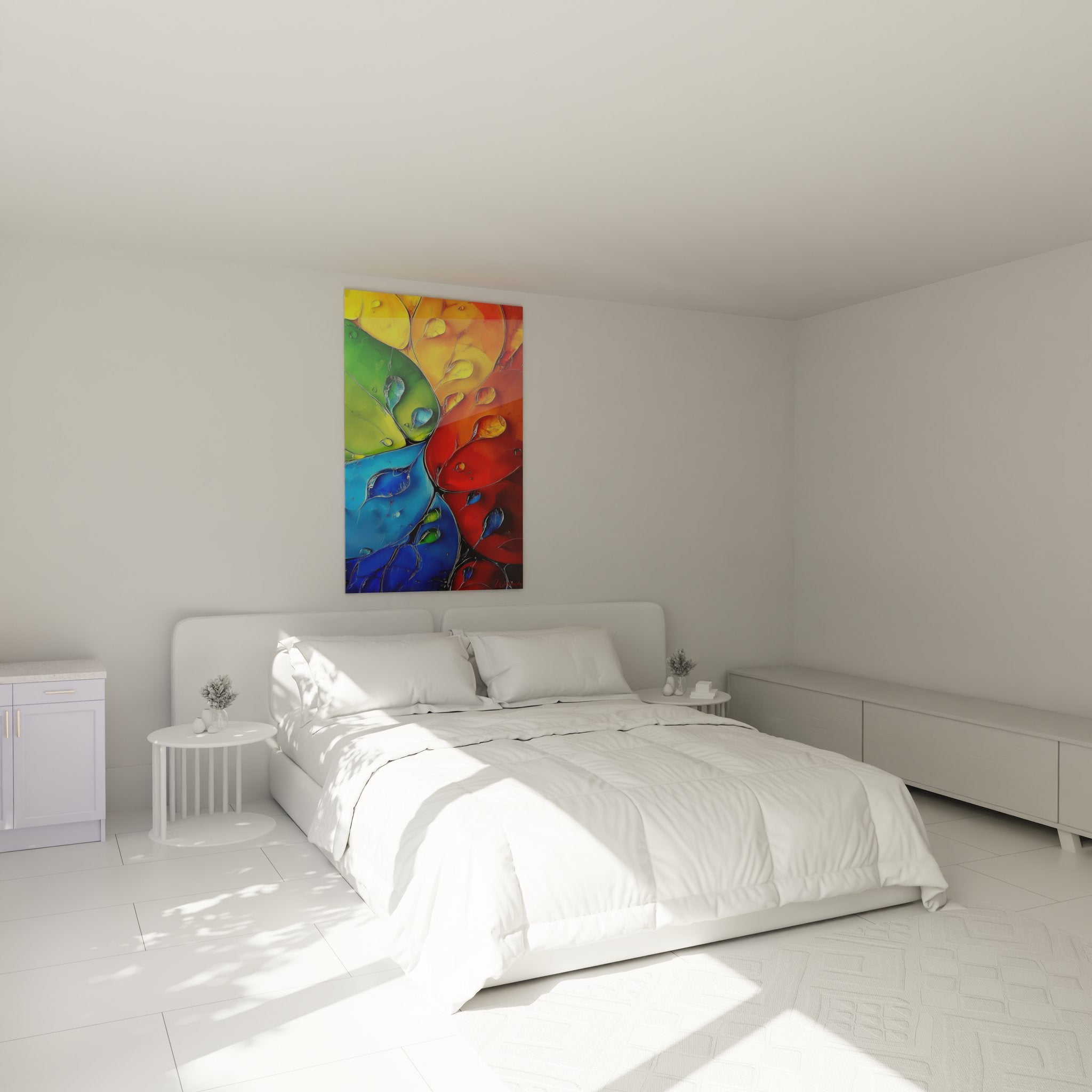
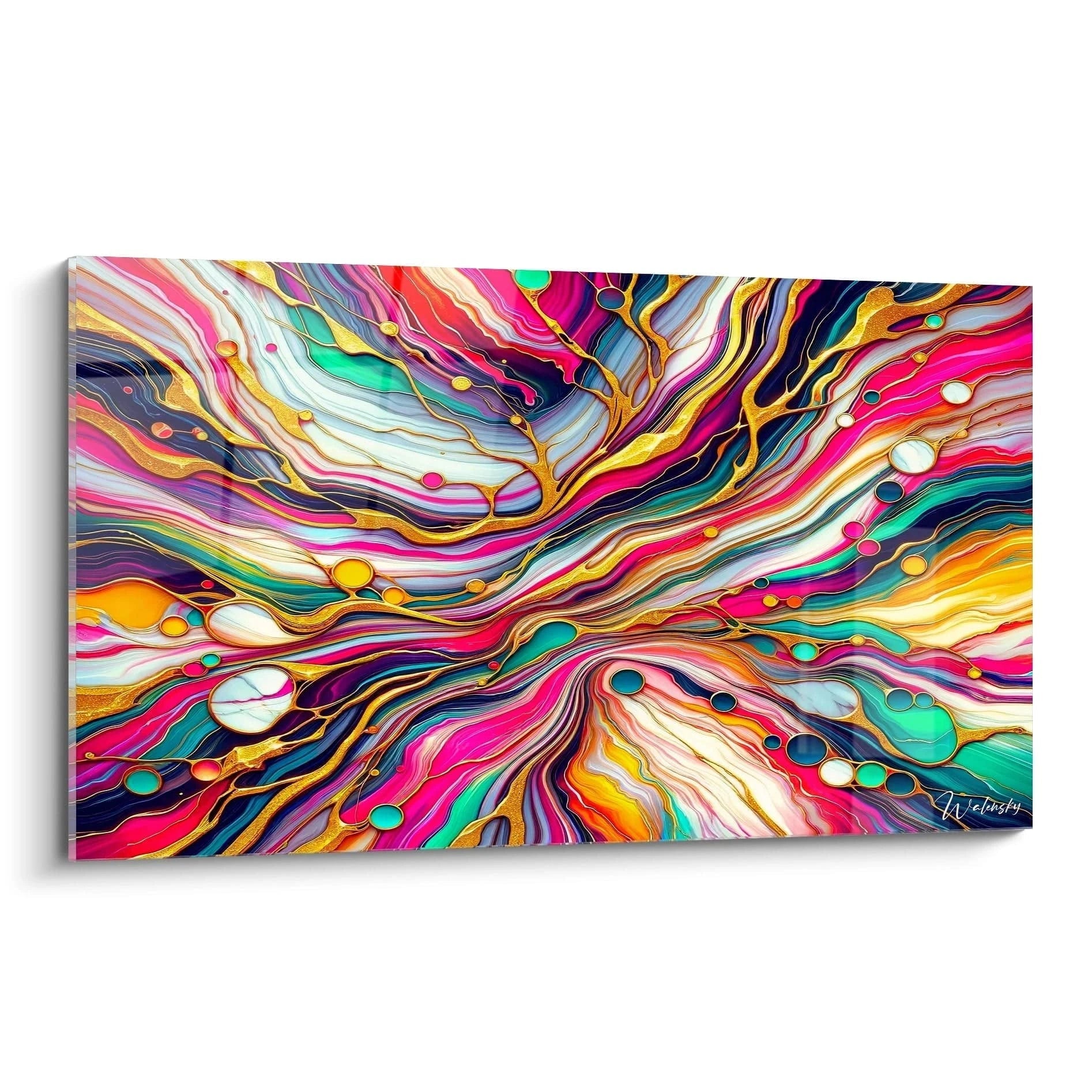
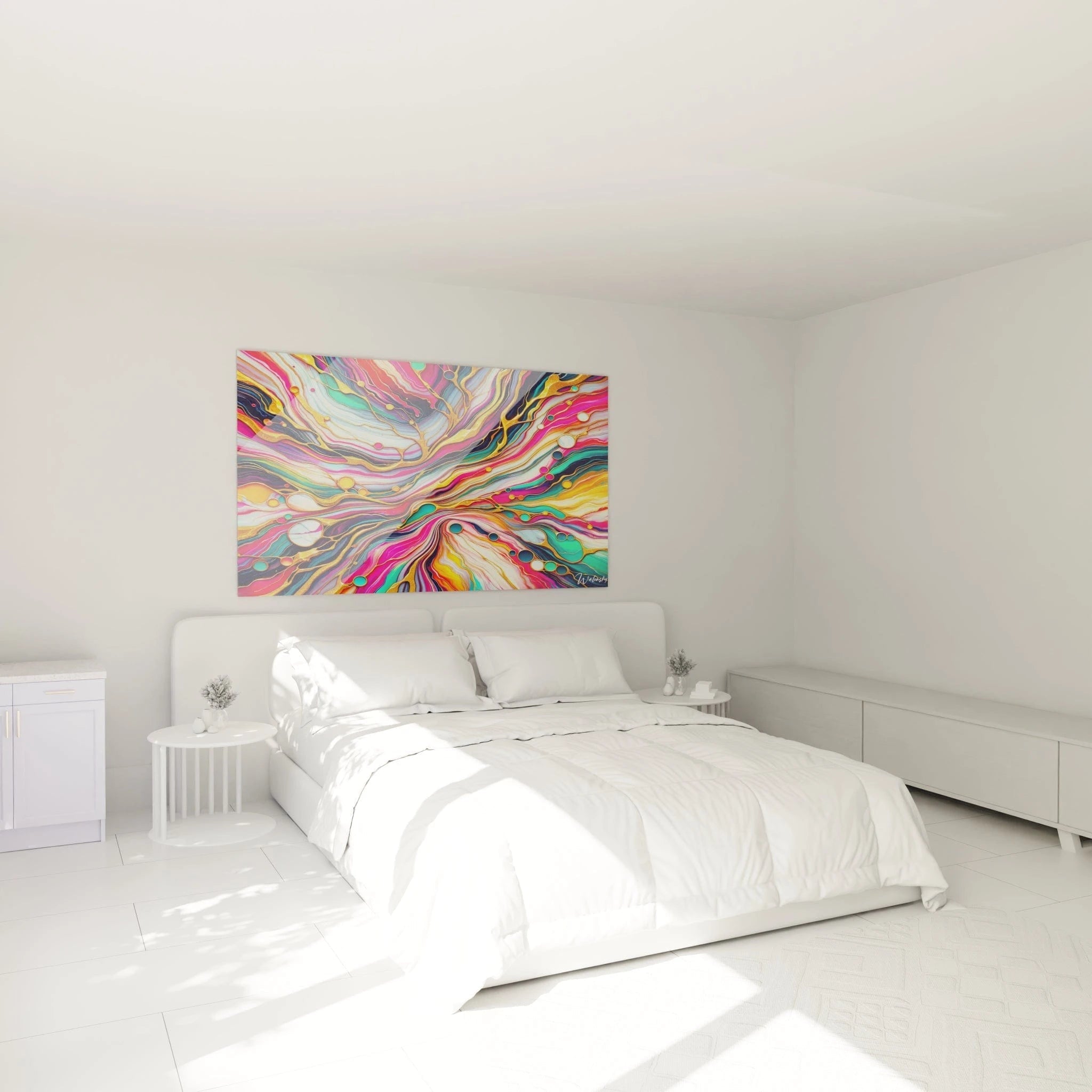
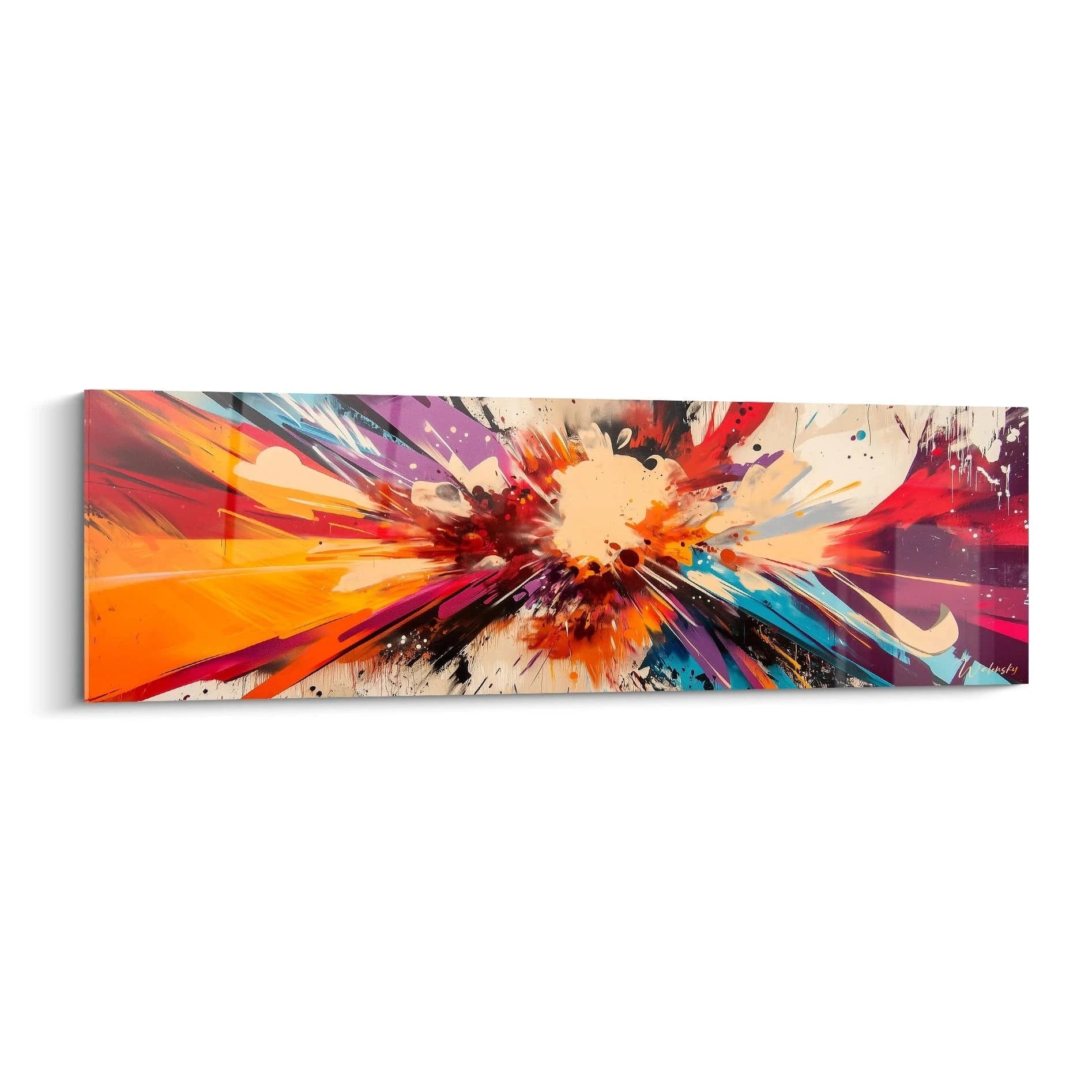
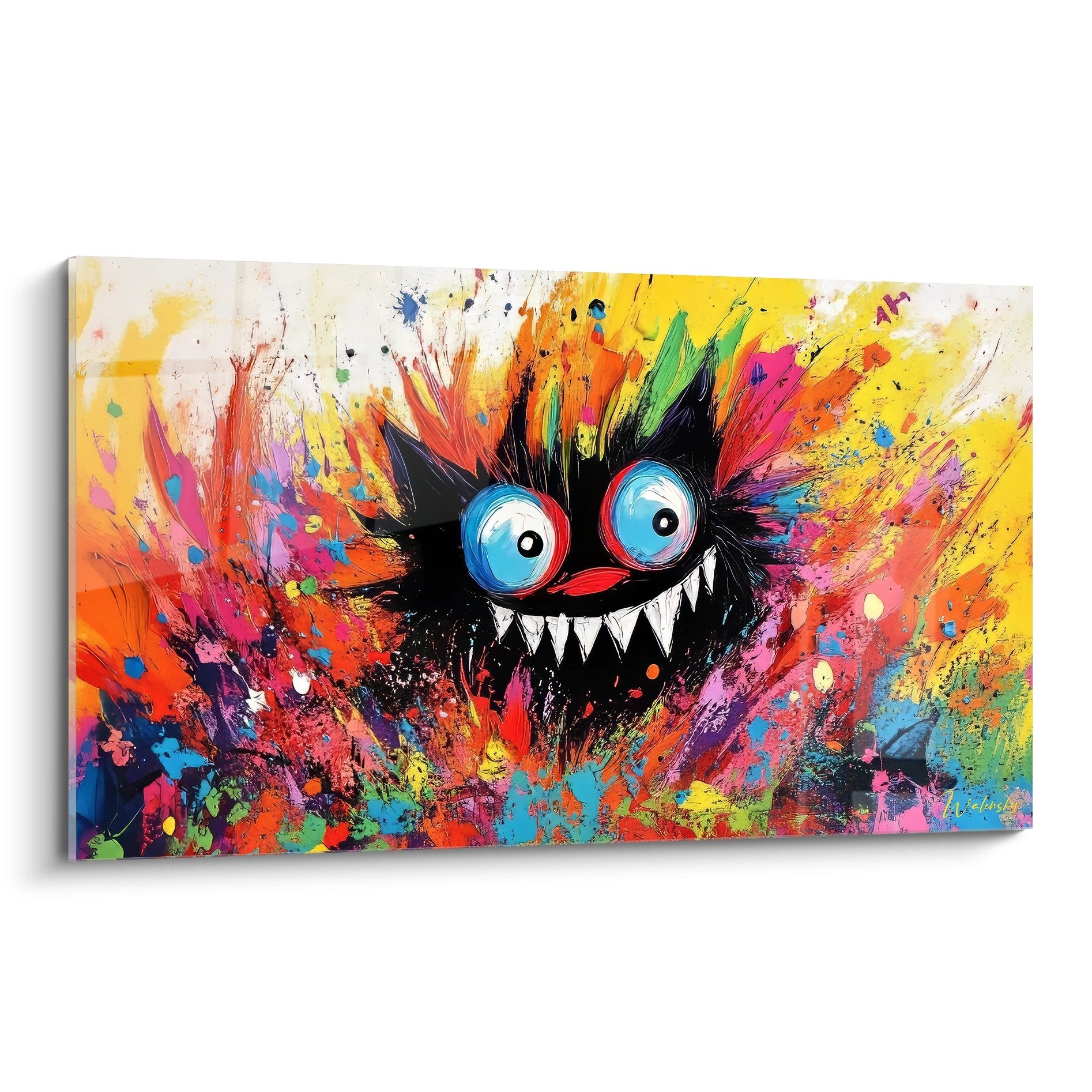
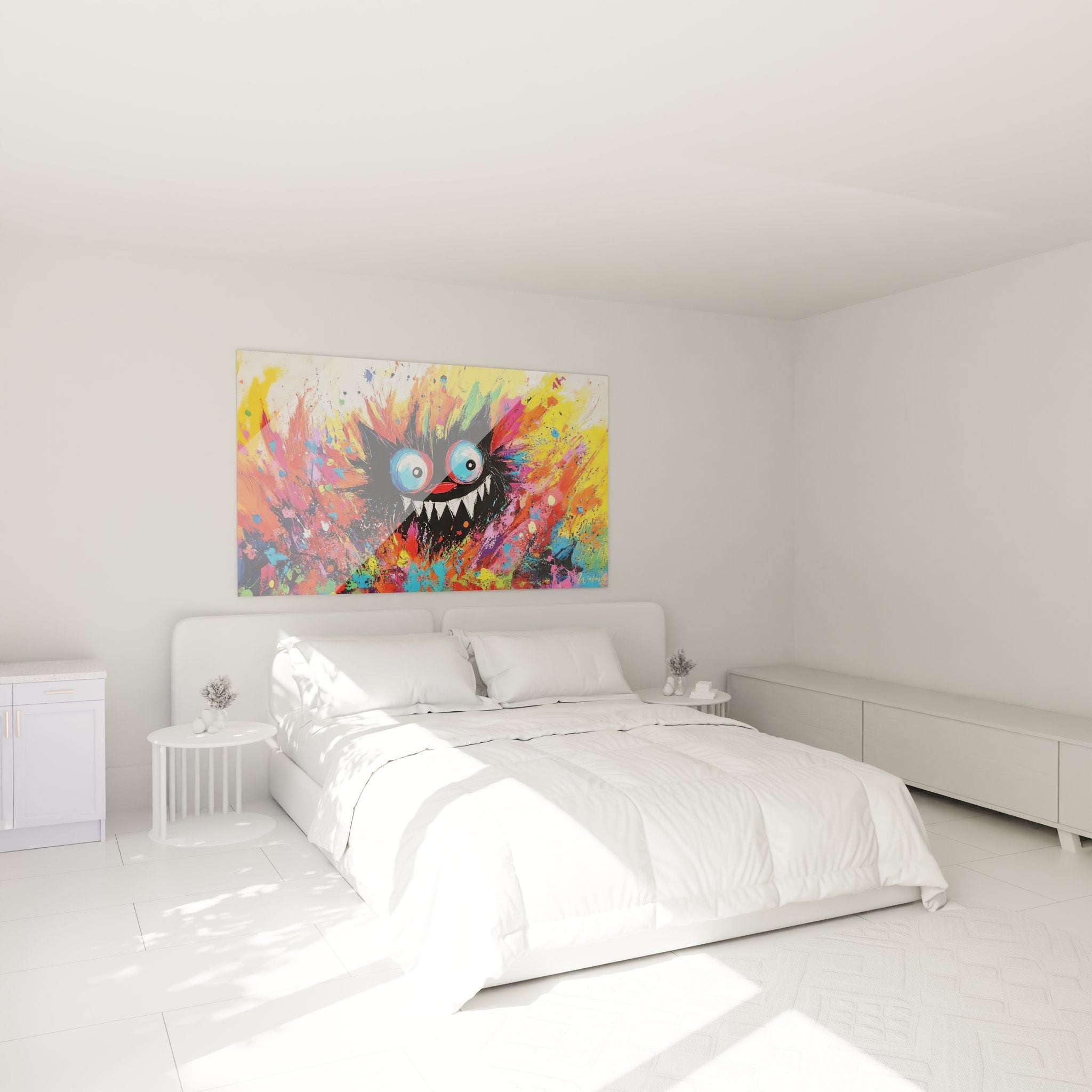
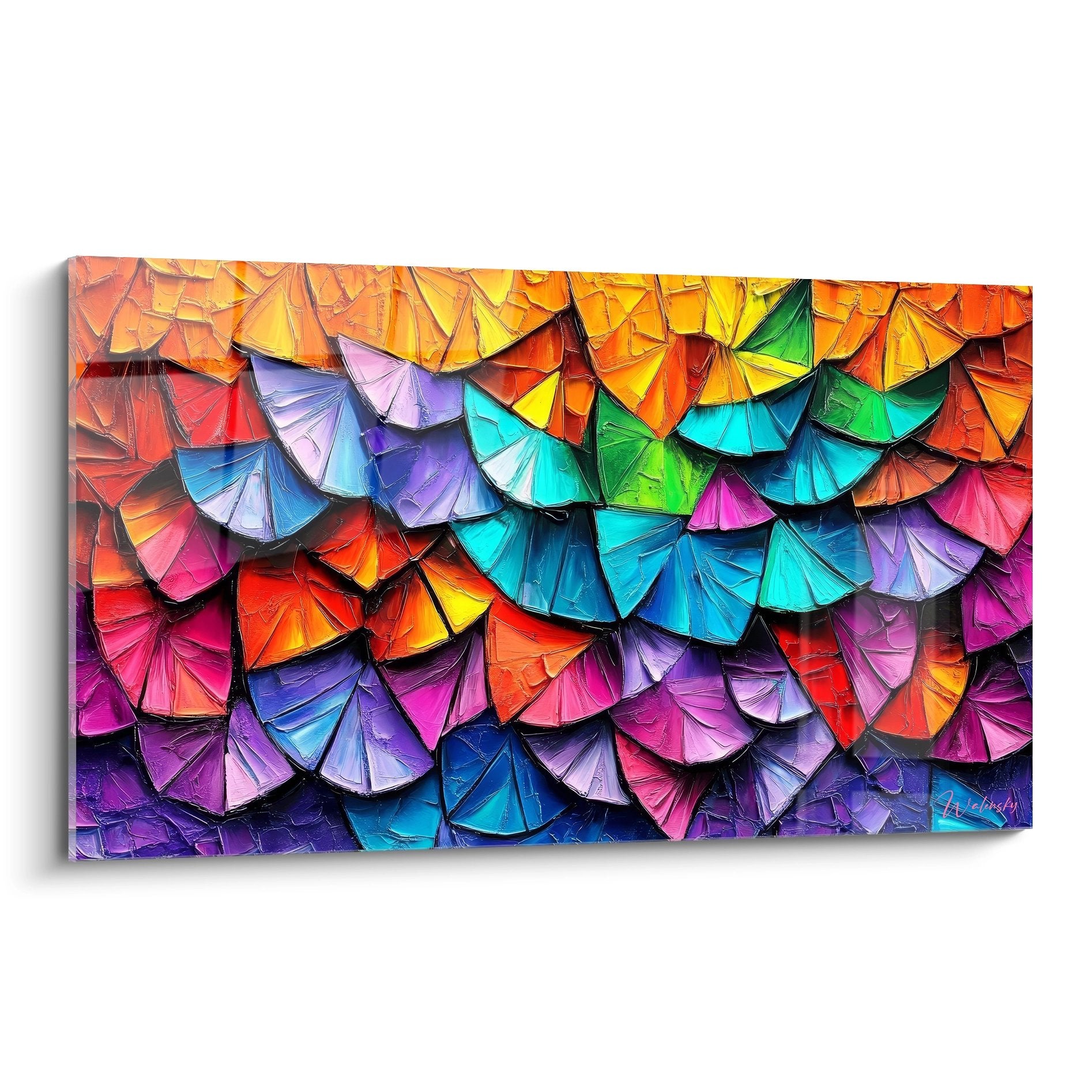
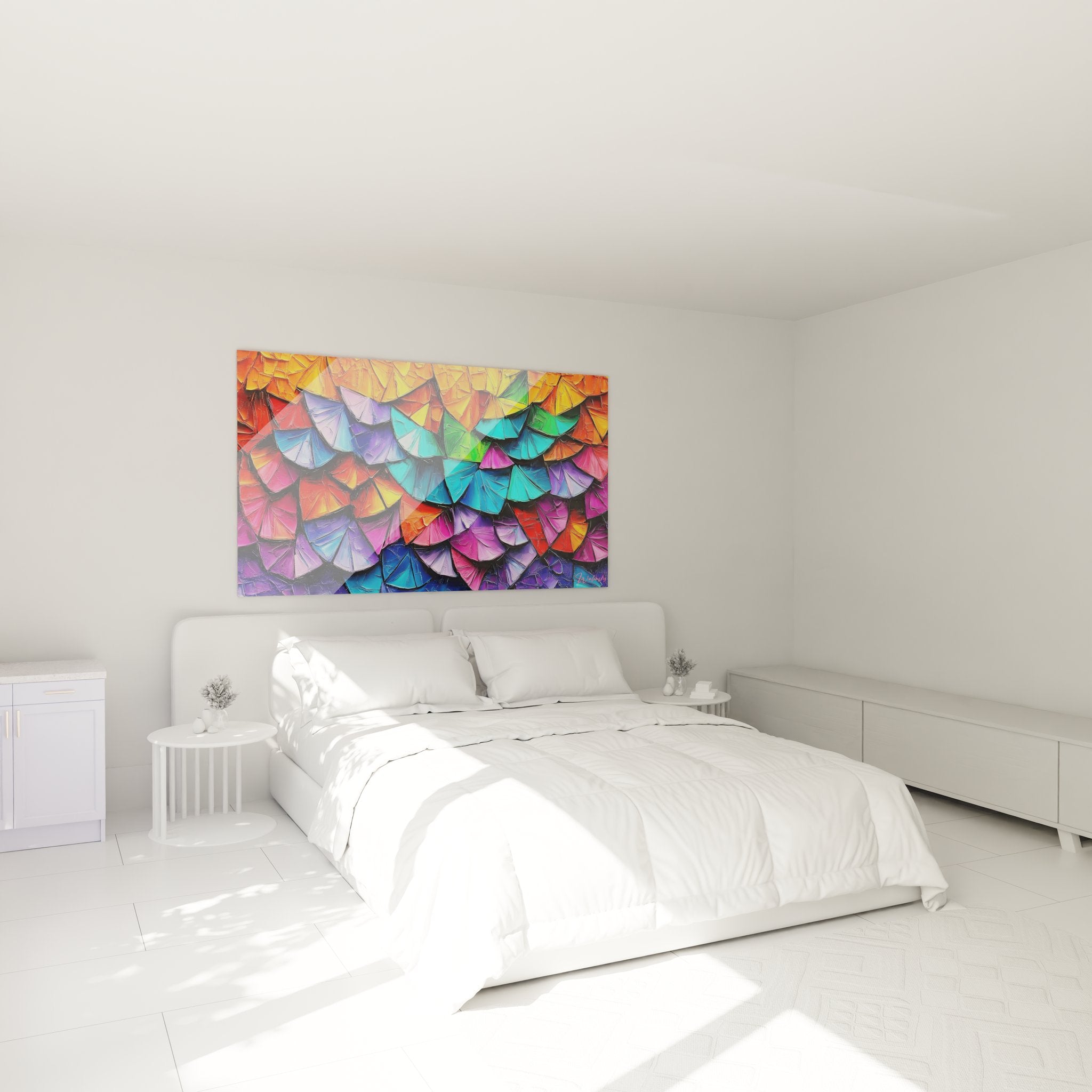
- Overview of Contemporary Multicolour Wall Art
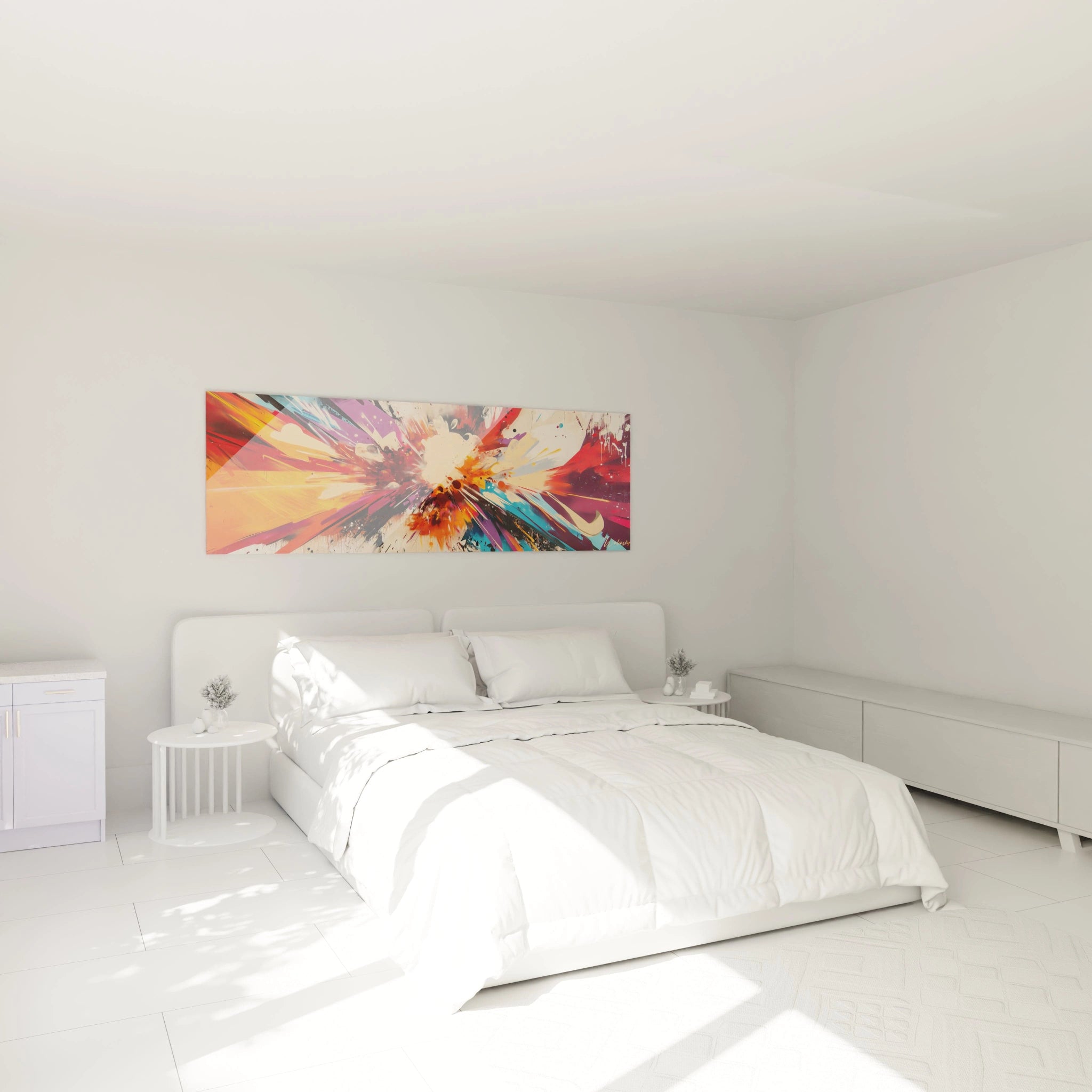
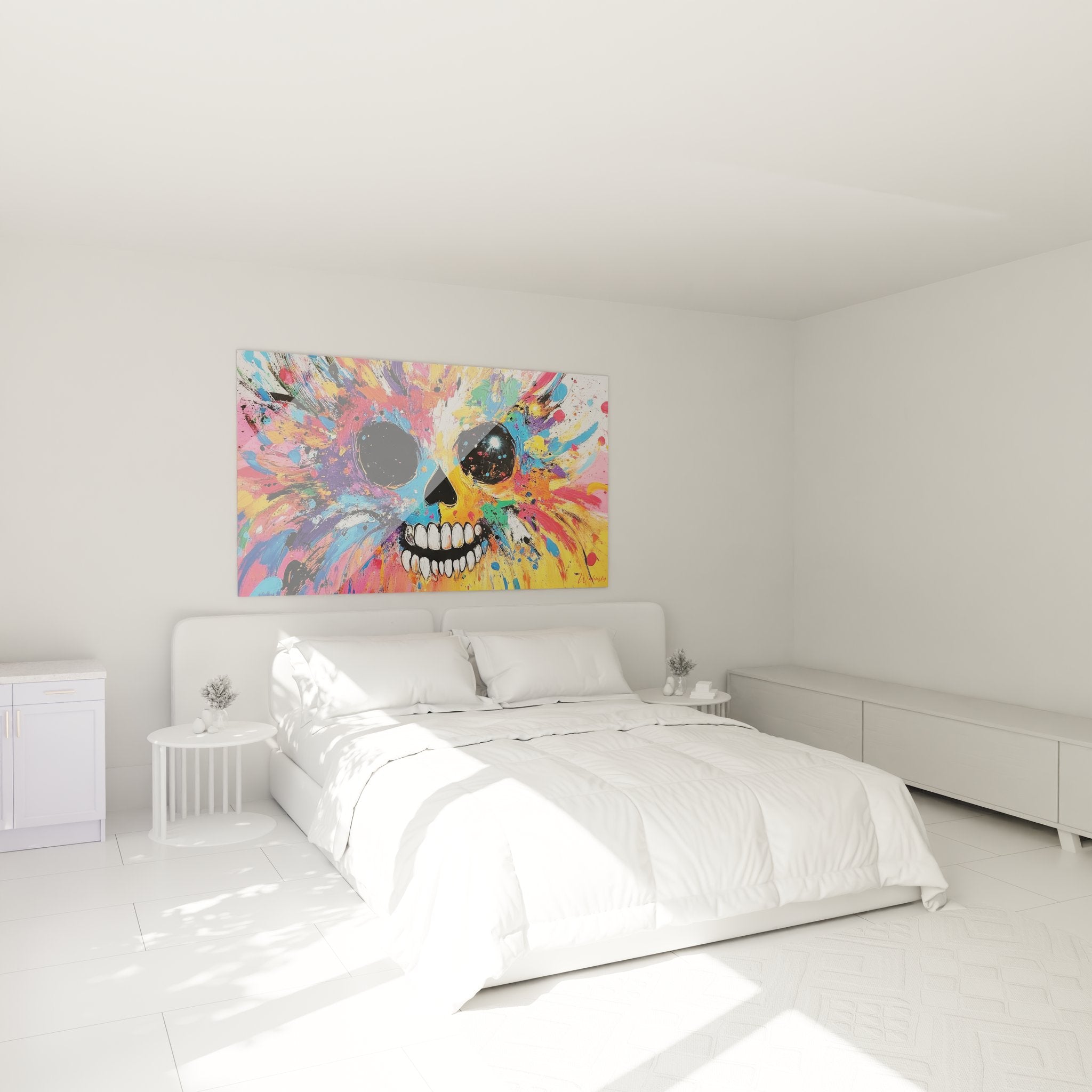
- Contemporary Multicolour Wall Art and Minimalist Spaces
- Lighting for Contemporary Multicolour Wall Art
- Contemporary Multicolour Wall Art and Modern Architecture
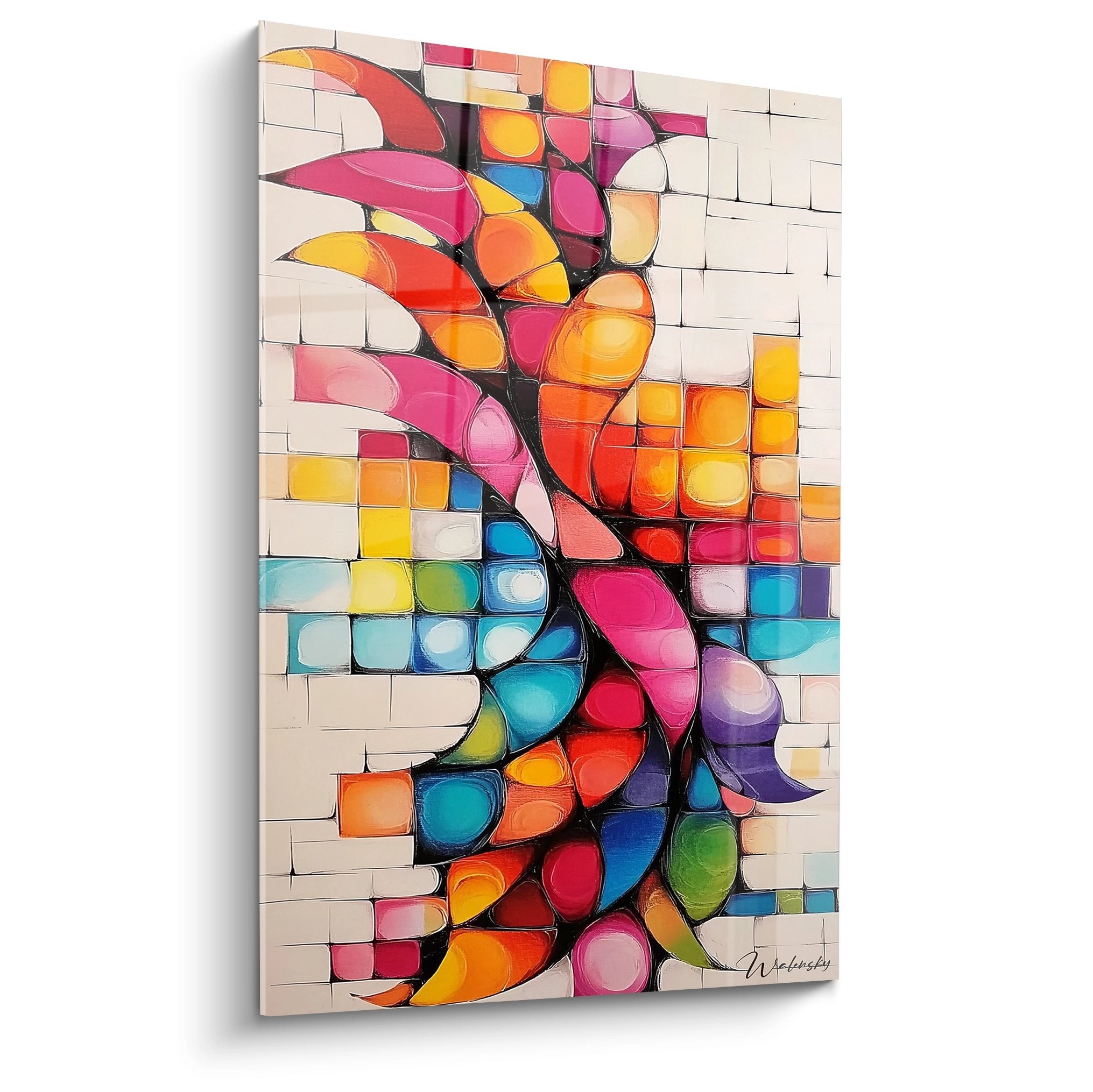
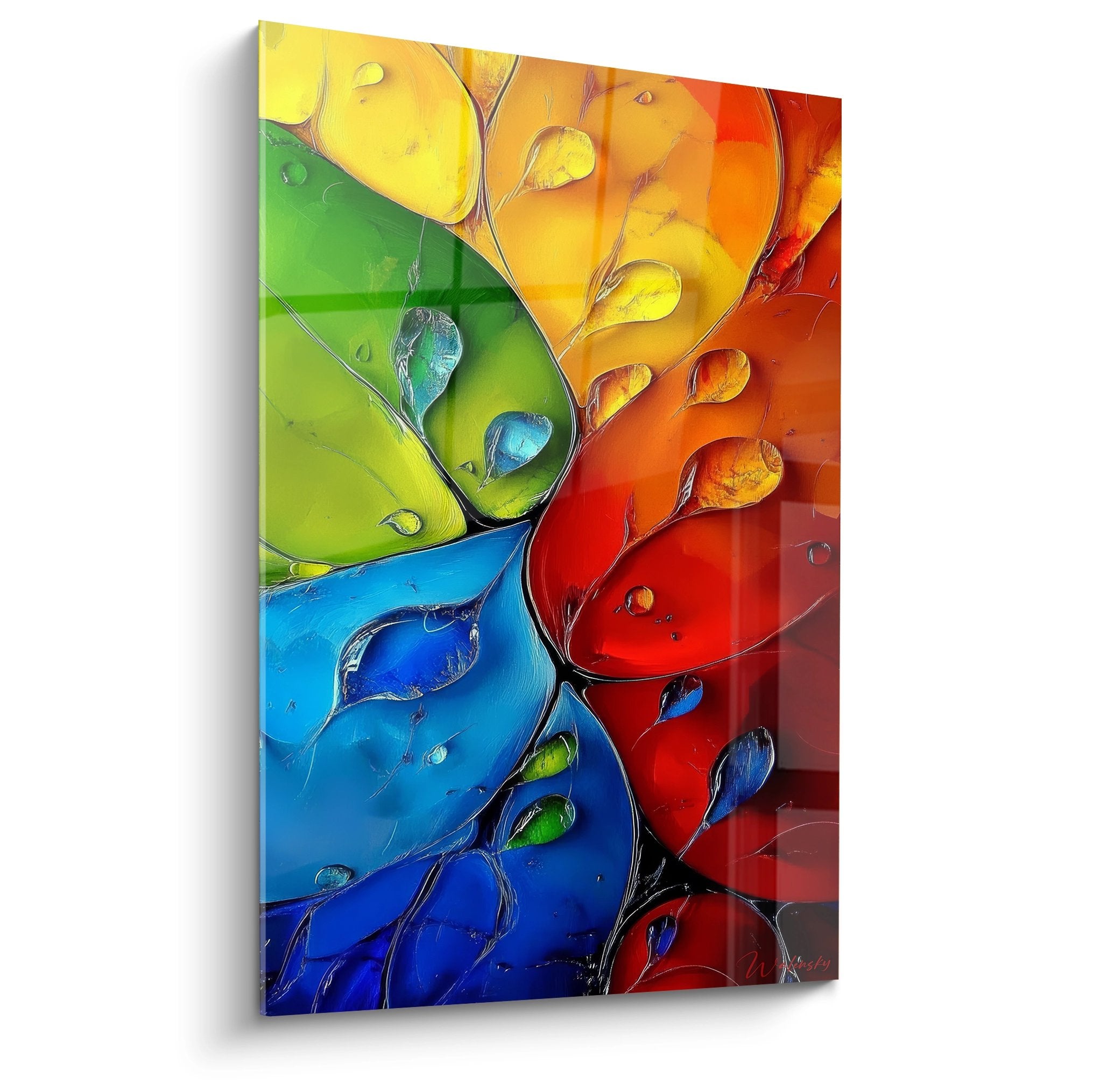
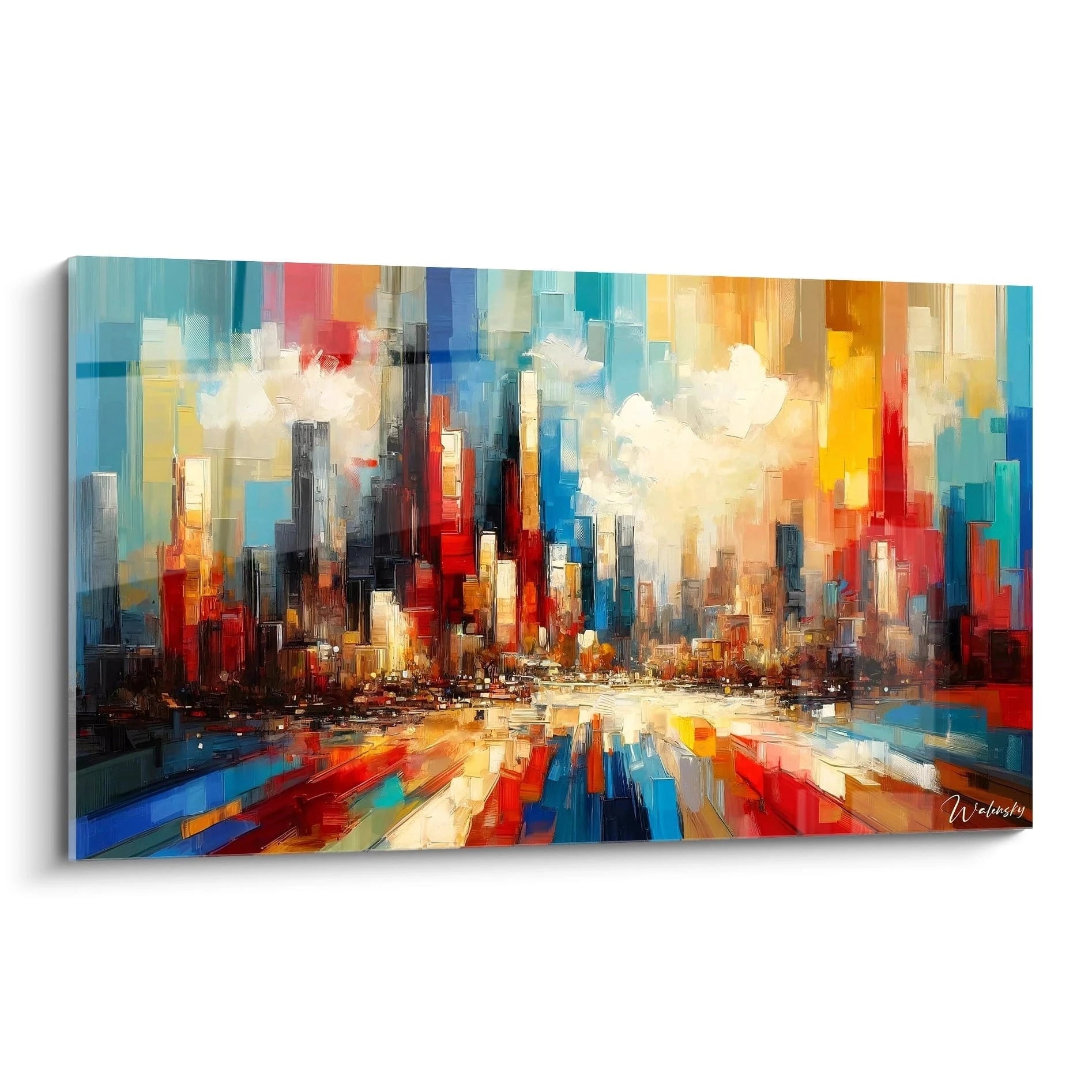
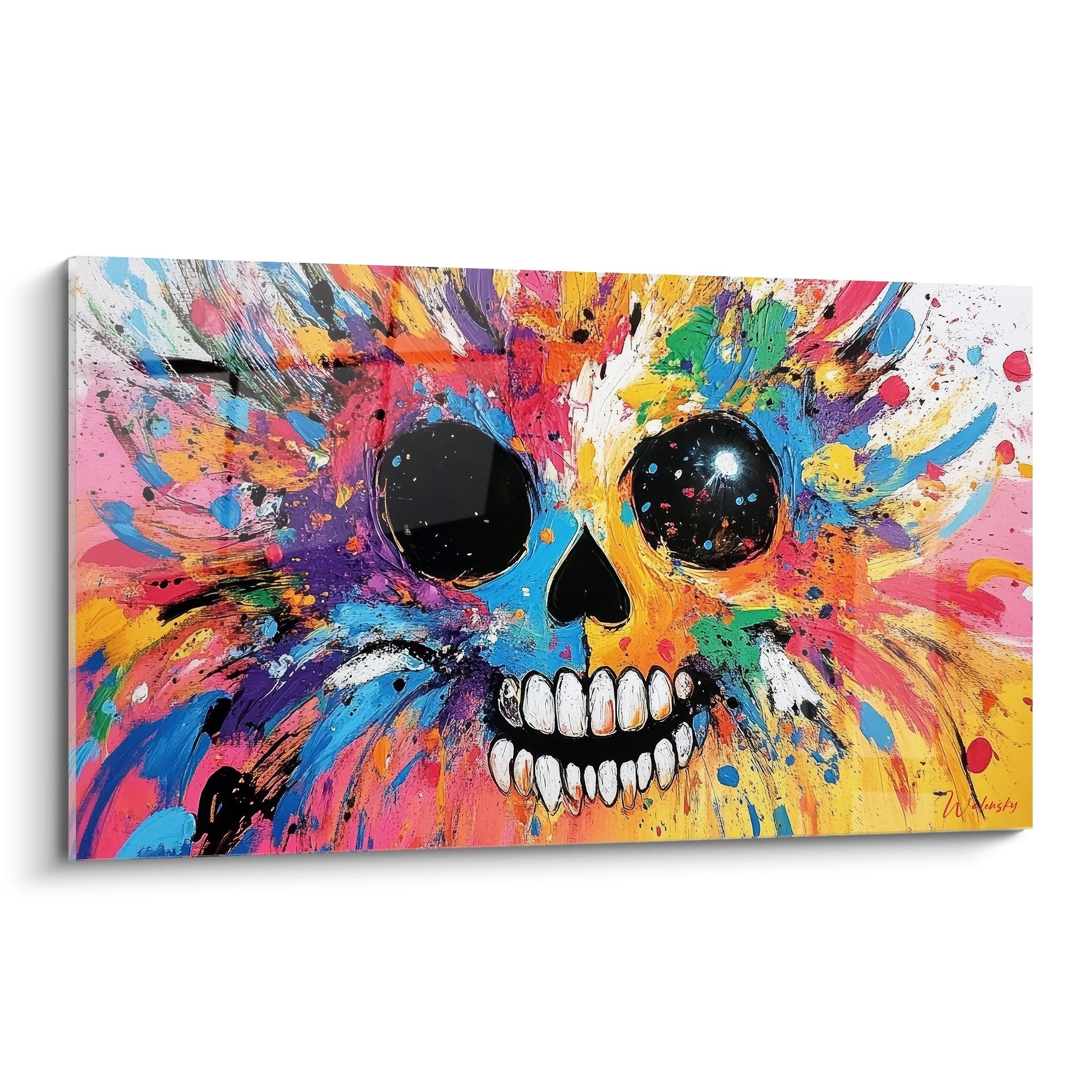
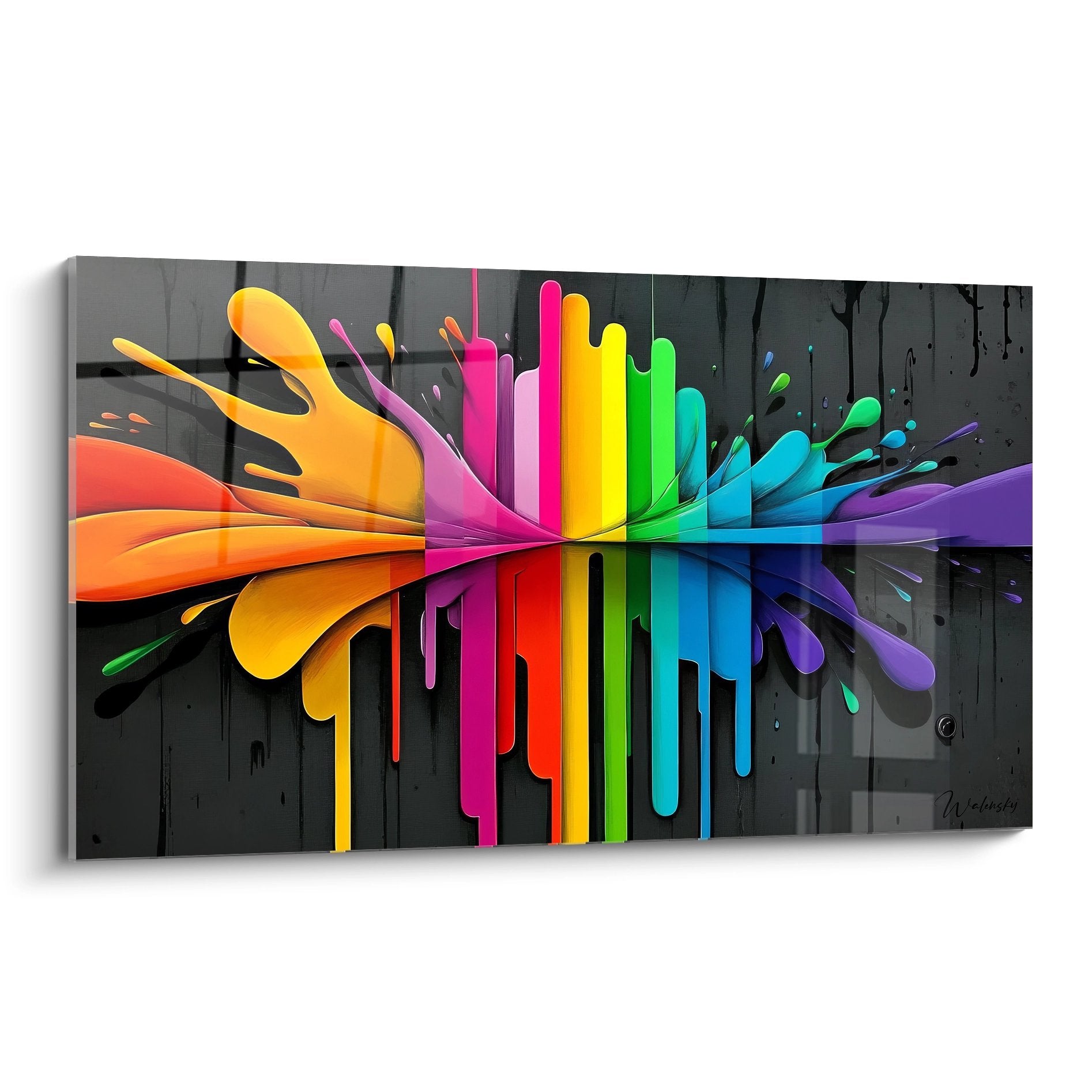
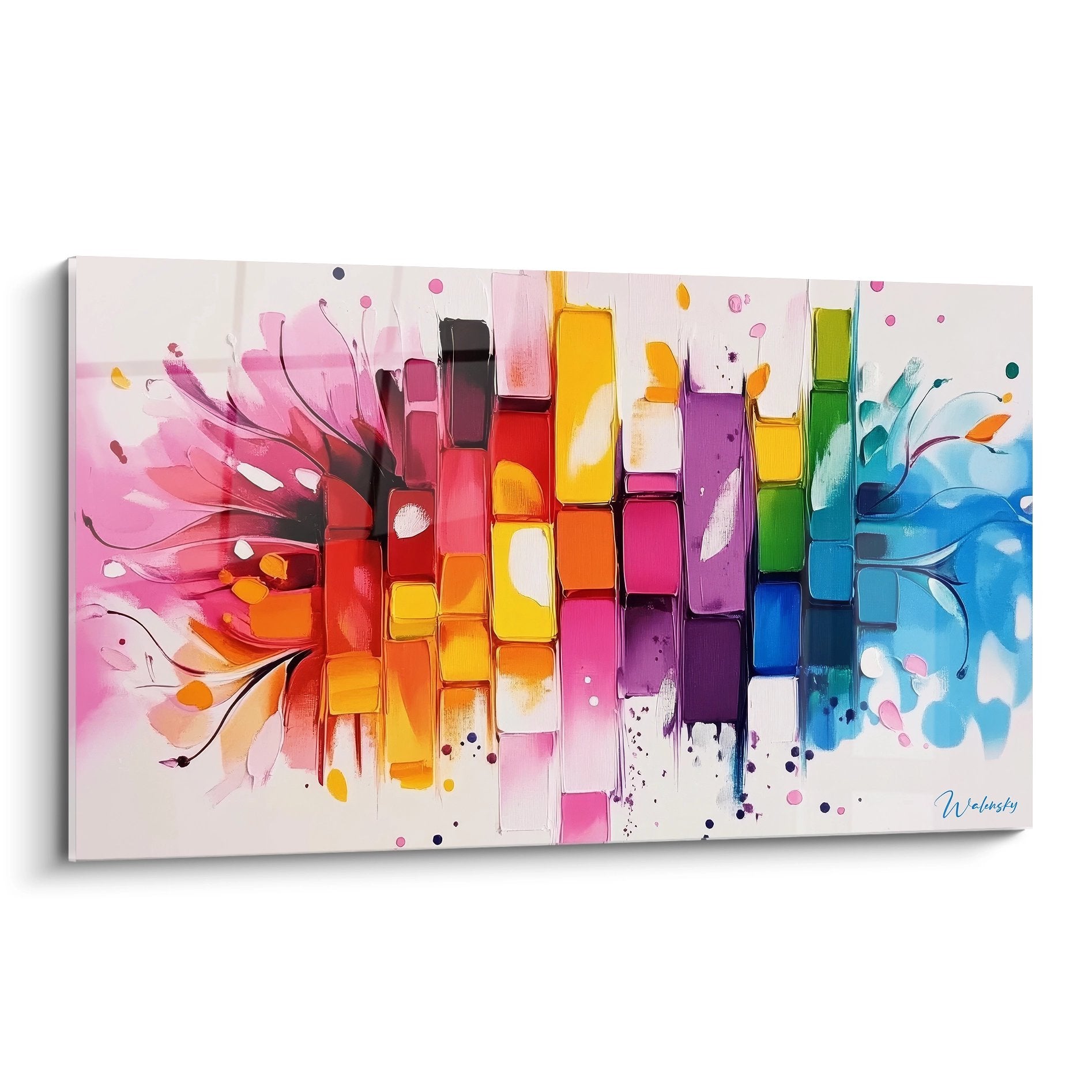
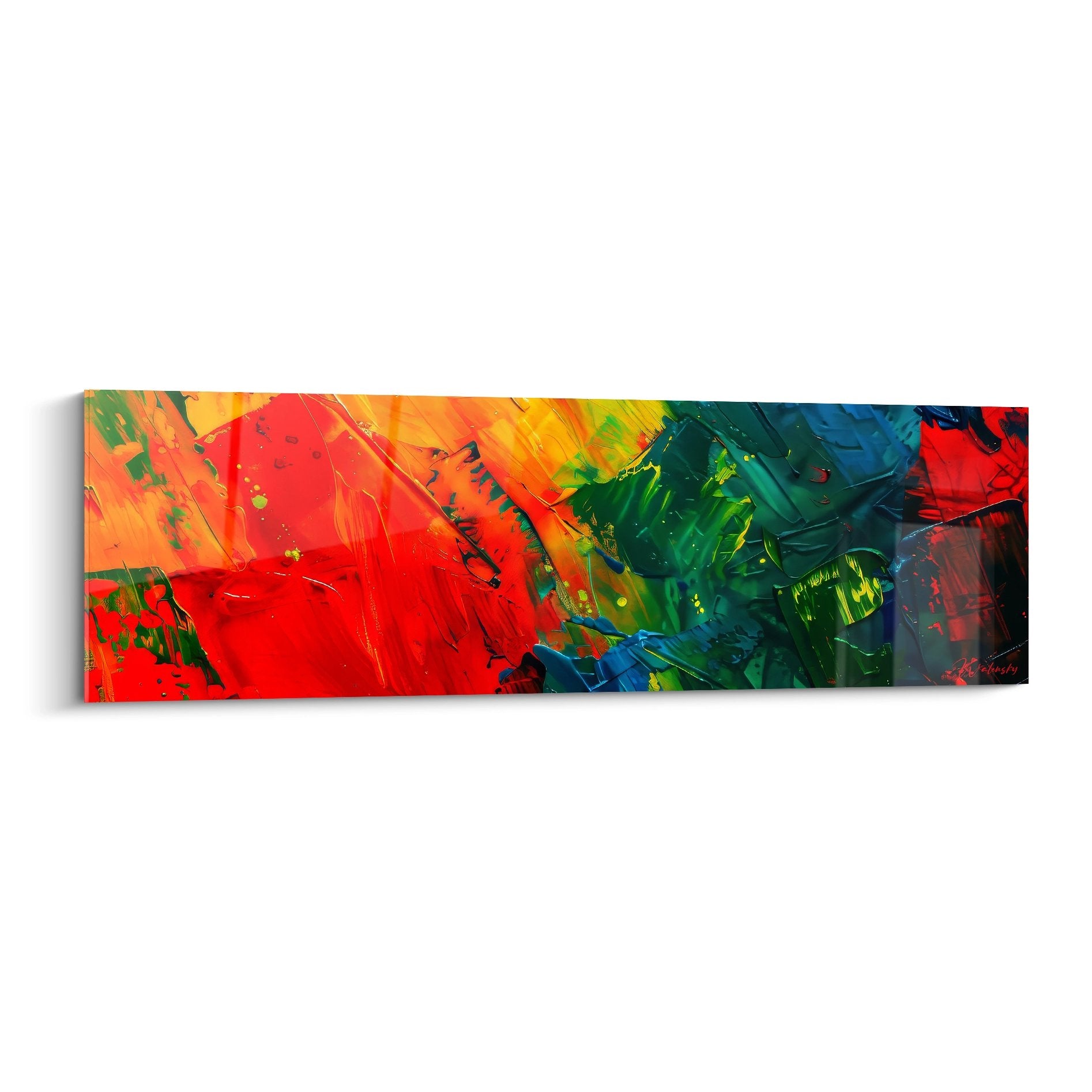
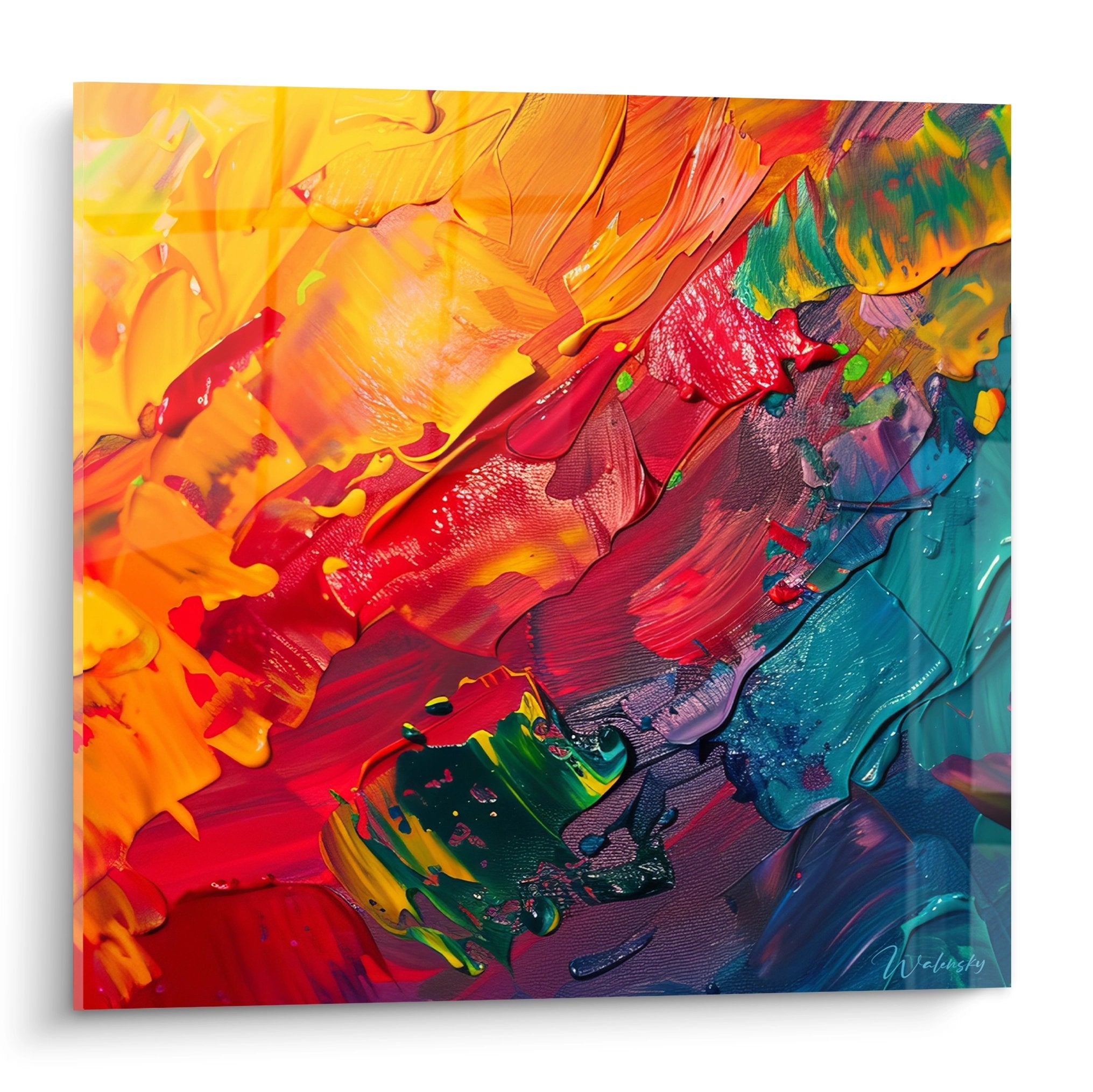
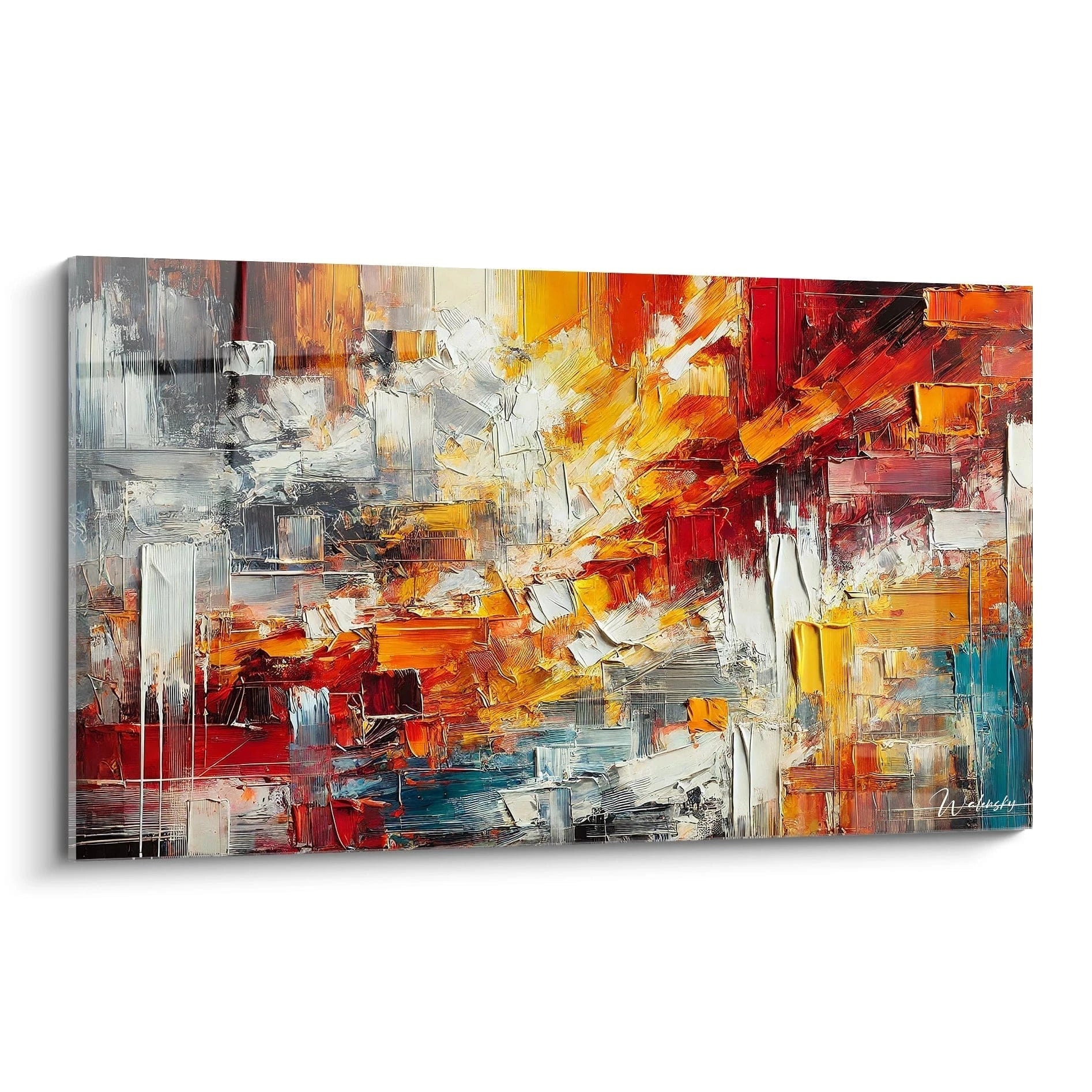
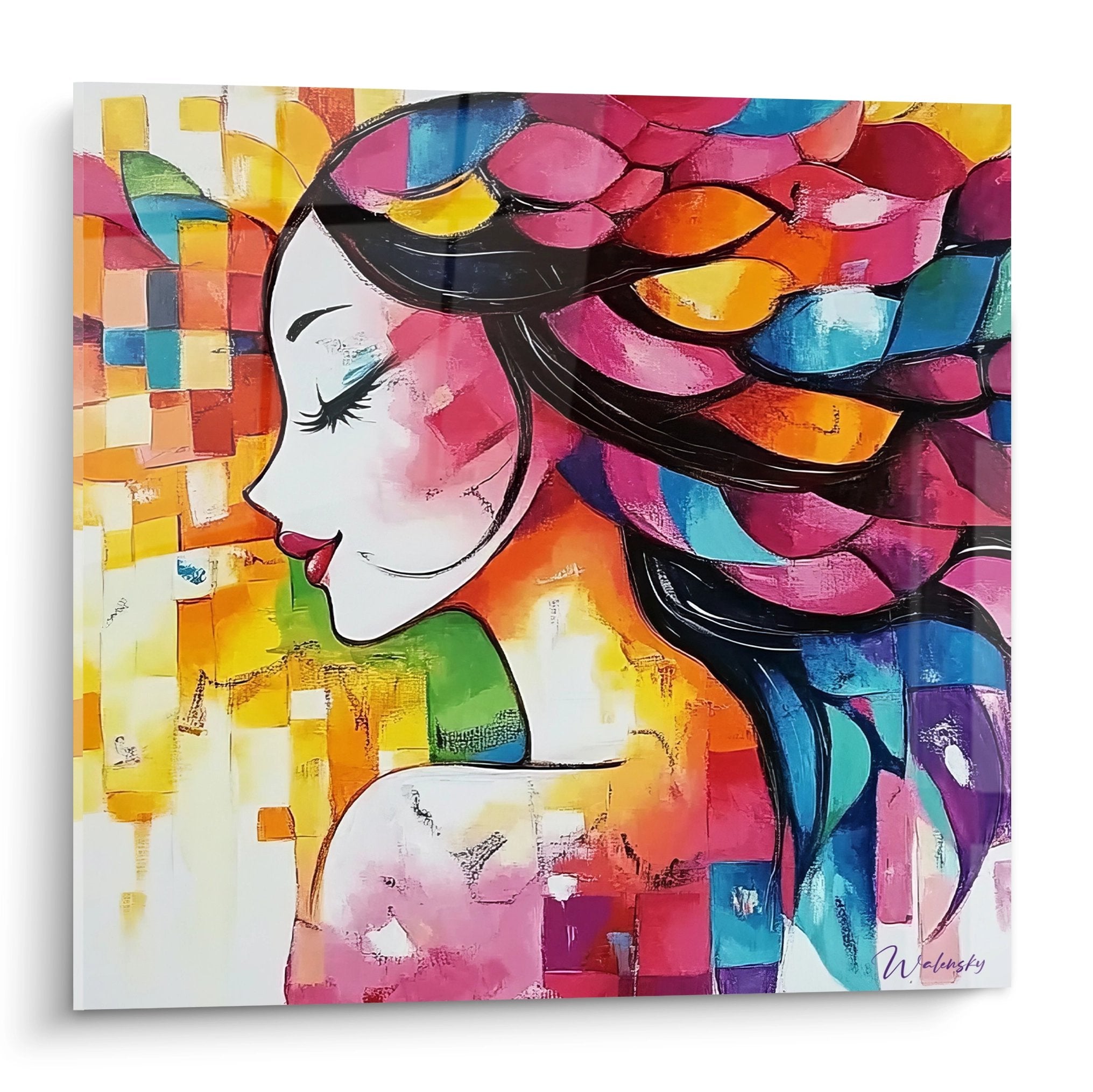
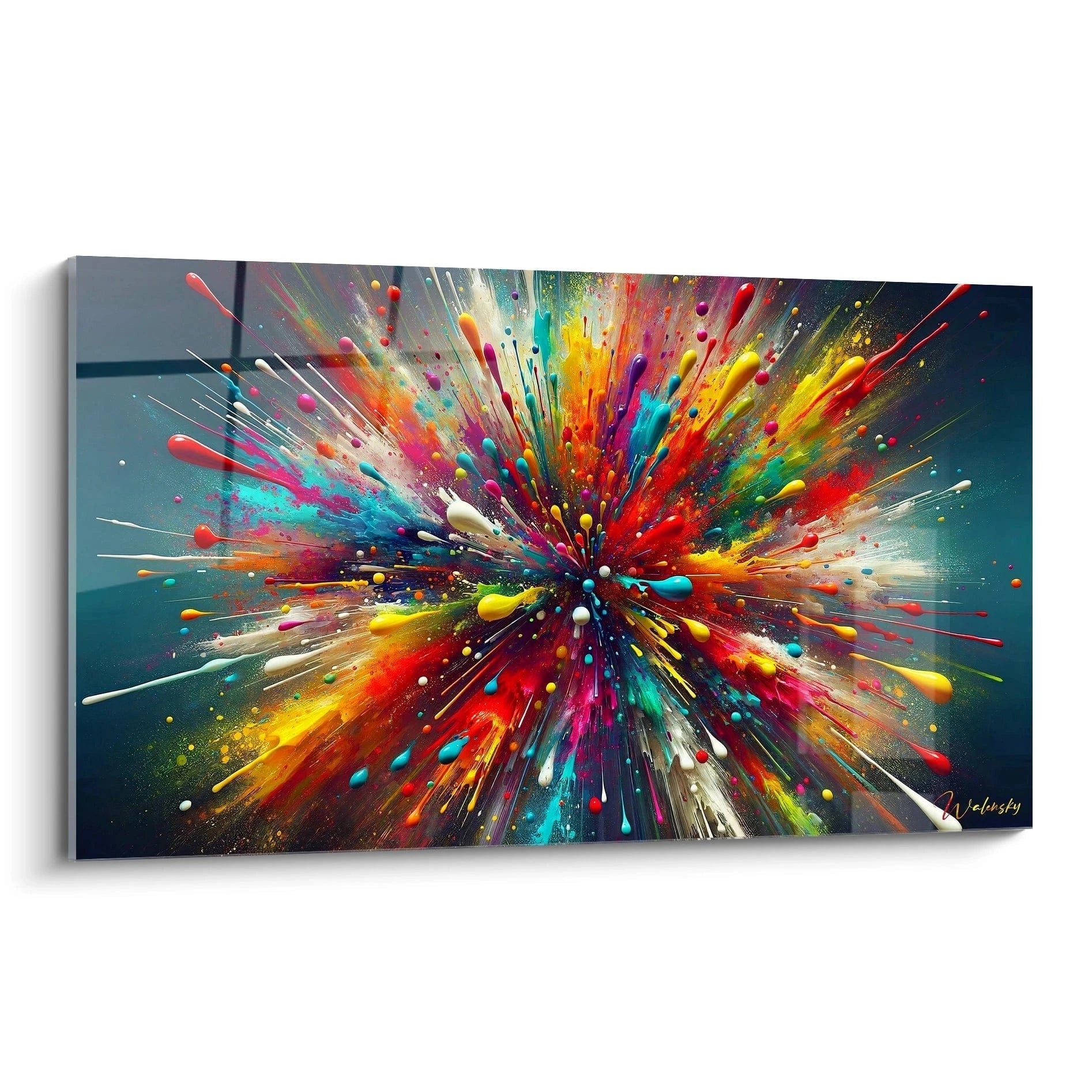
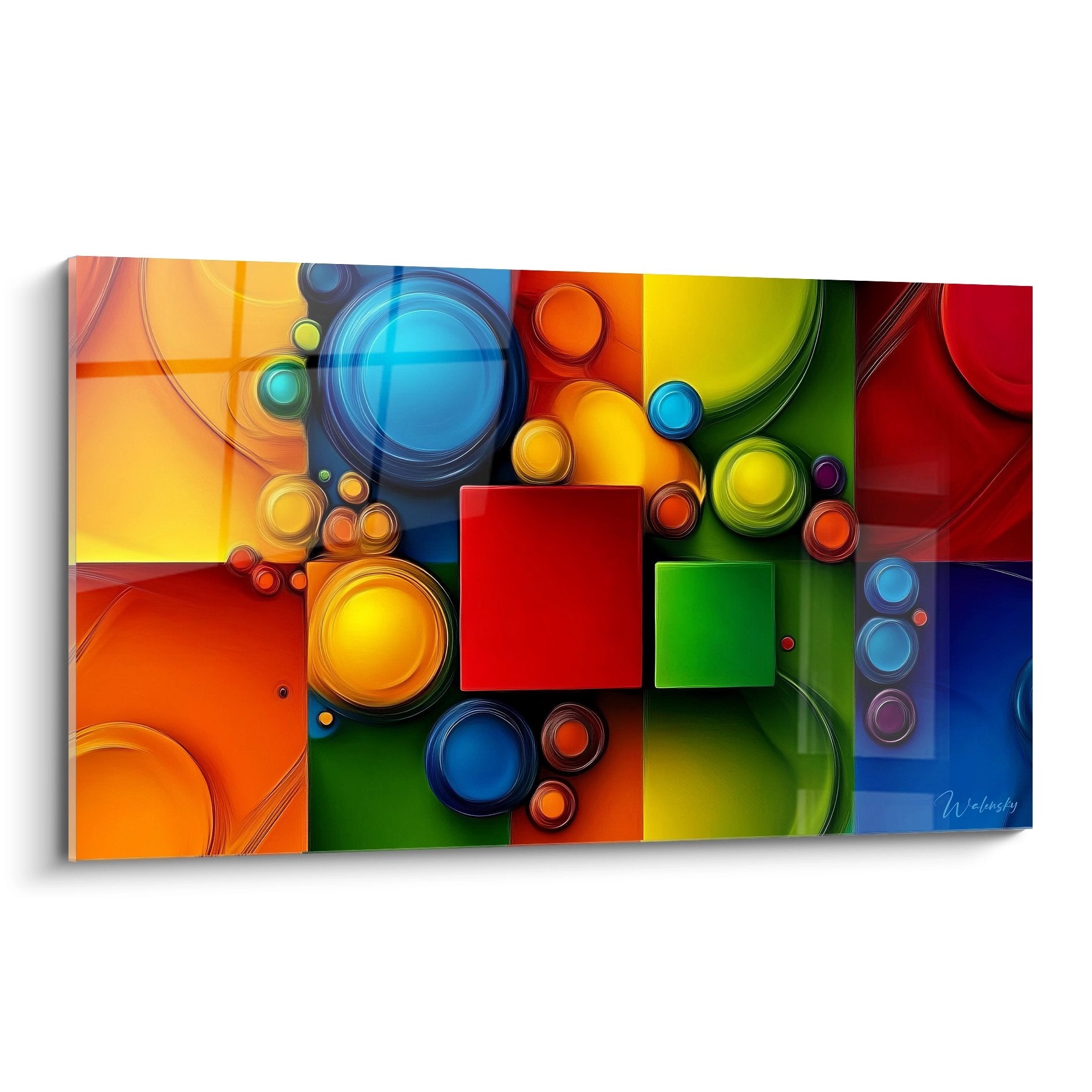
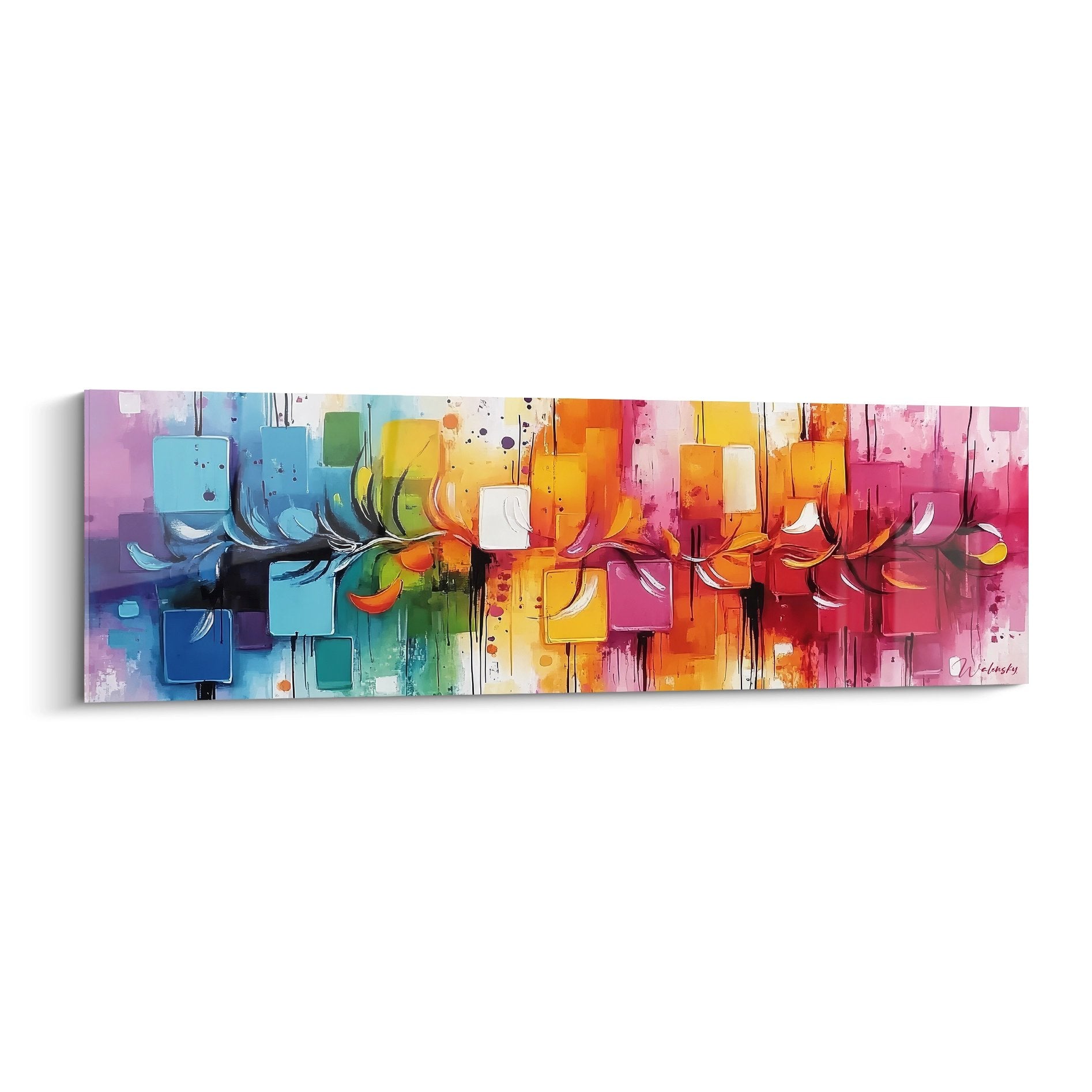
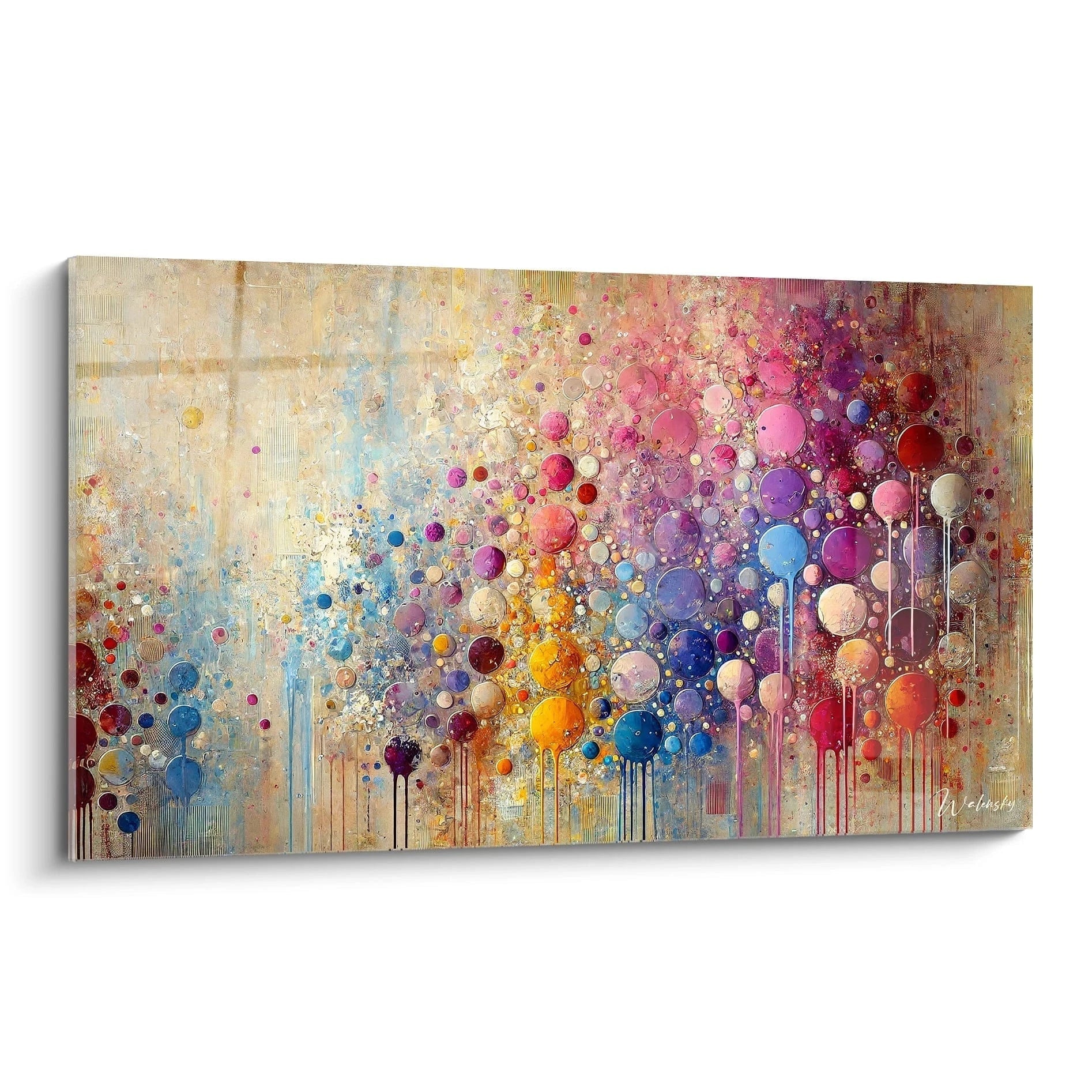
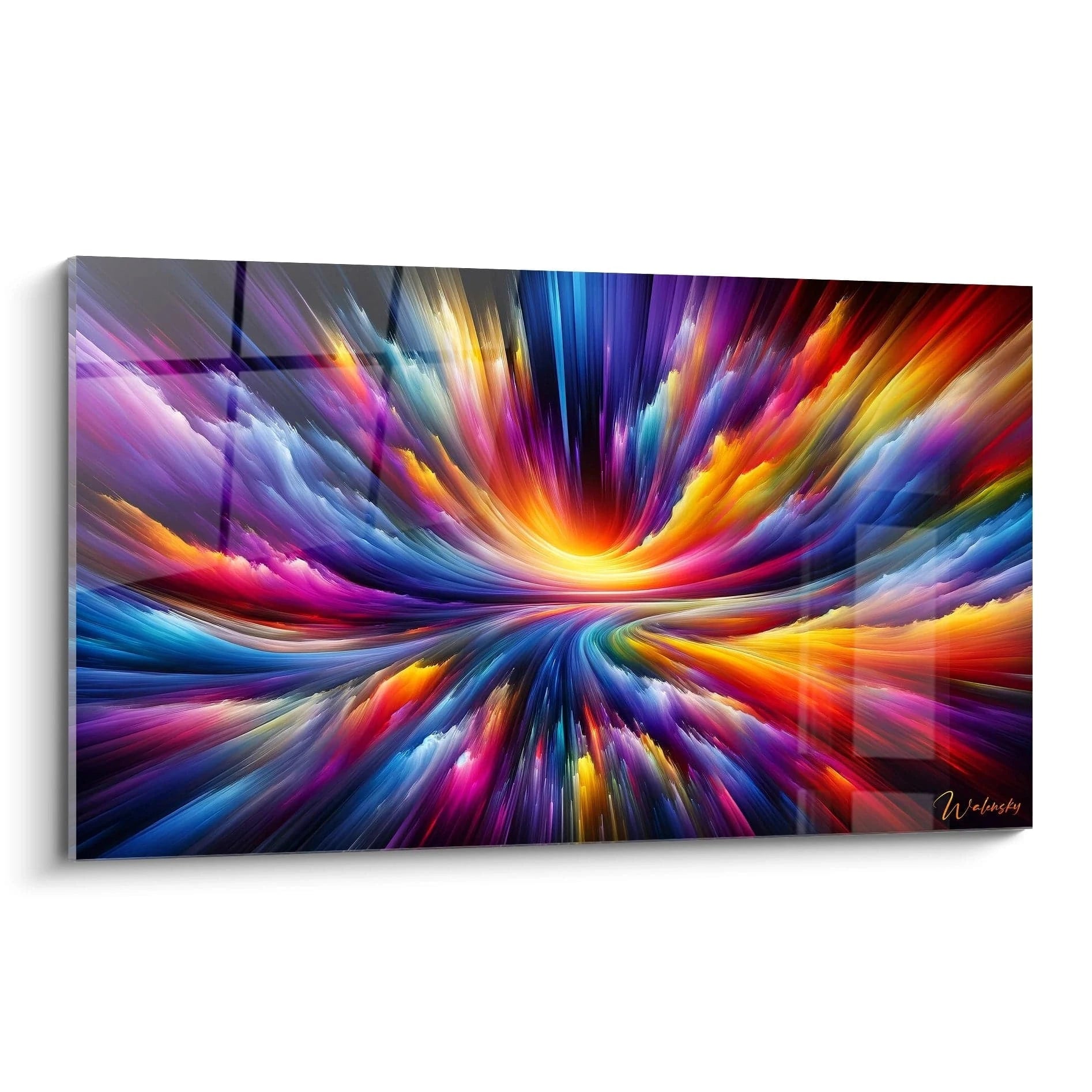
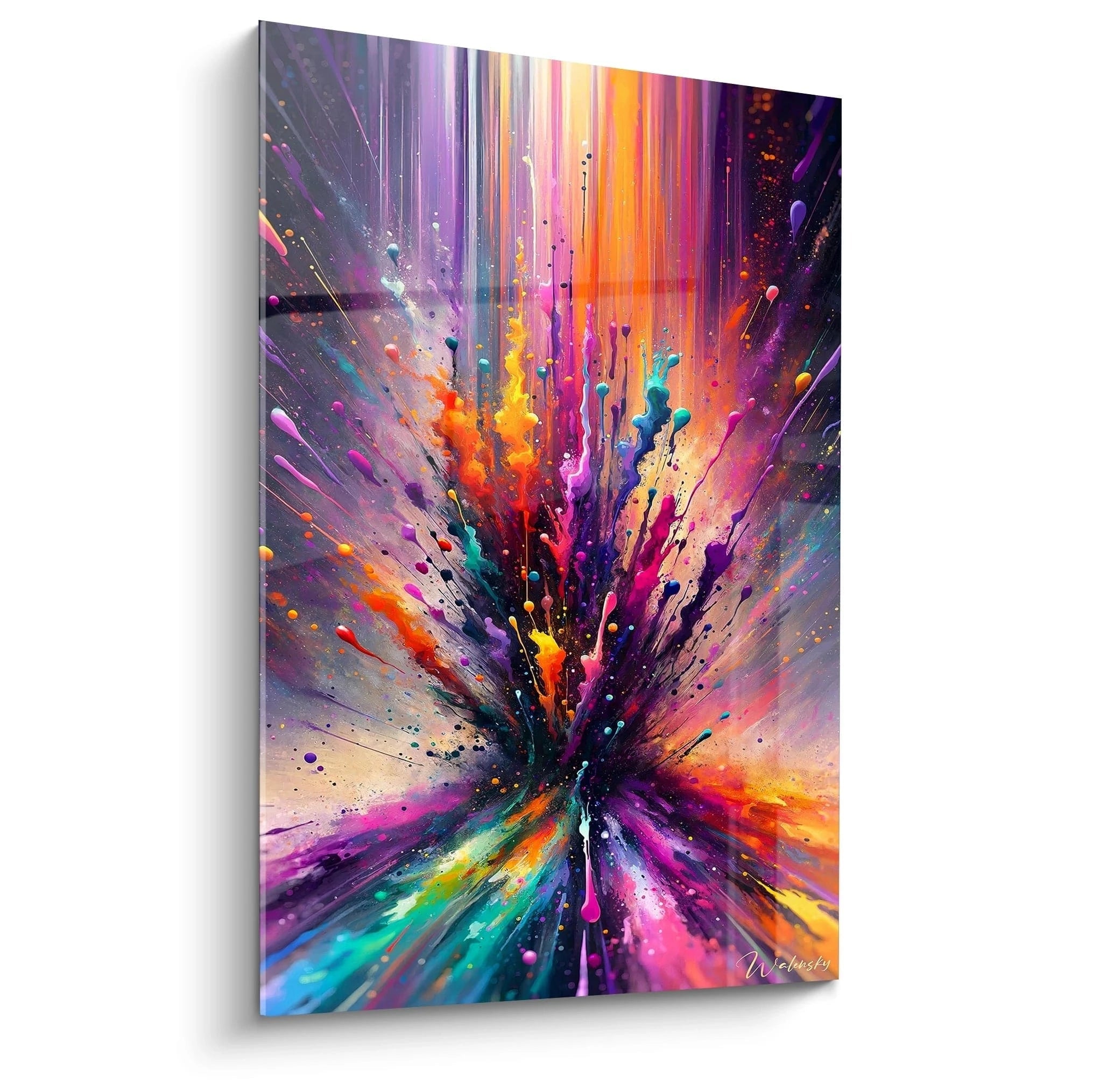
Contemporary multicolour wall art represents a vibrant artistic expression of our time. These bold wall creations stand out through their brilliant chromatic palette and resolutely contemporary artistic approach. Unlike classical works often dominated by sober tones, these artworks explode with vivid colours that dialogue with each other to create dynamic compositions.
Contemporary multicolour wall art is characterized by its ability to radically transform an interior space. These artistic pieces become true focal points that immediately capture attention and stimulate imagination. More than simple decoration, contemporary multicolour wall art infuses energy and character into your living space.
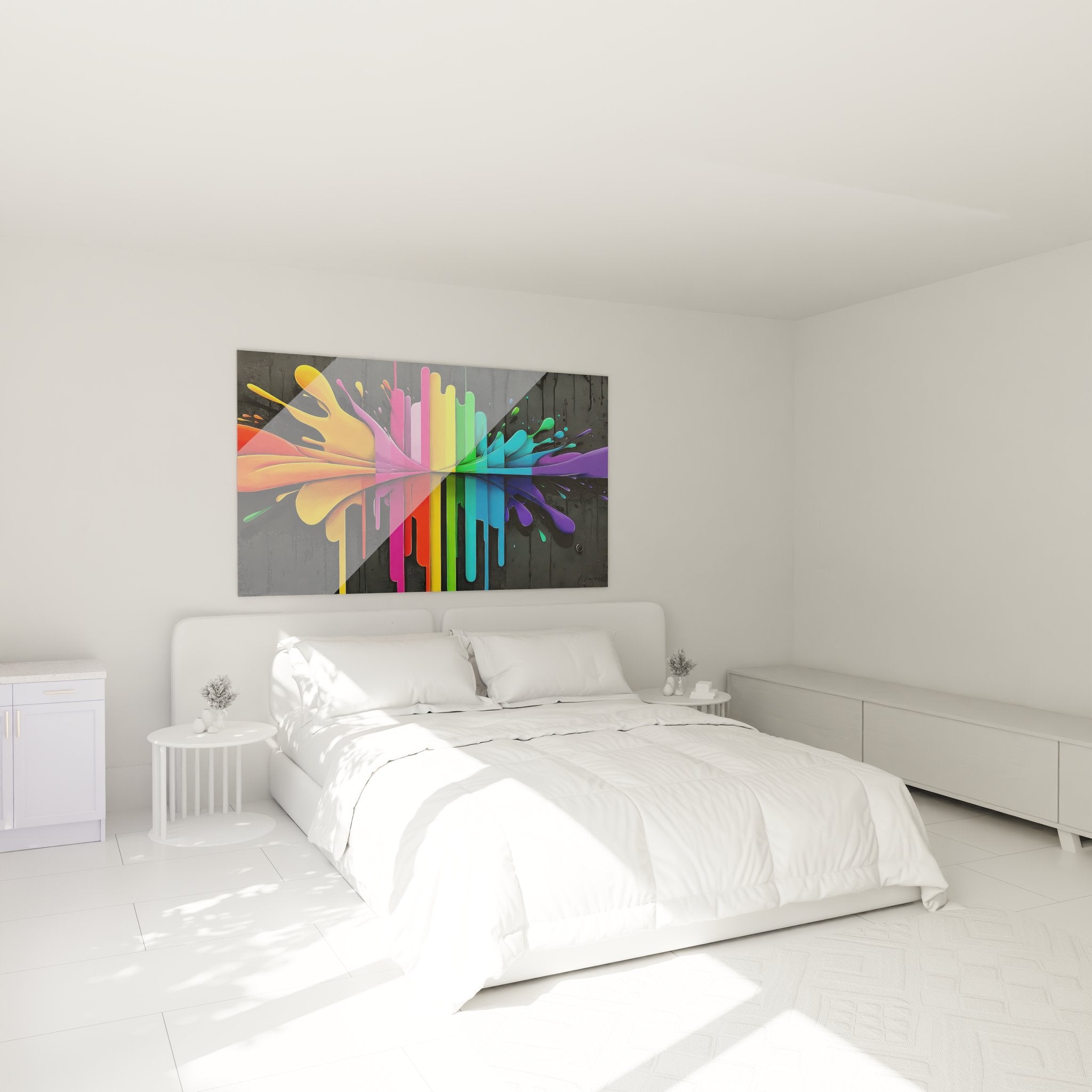
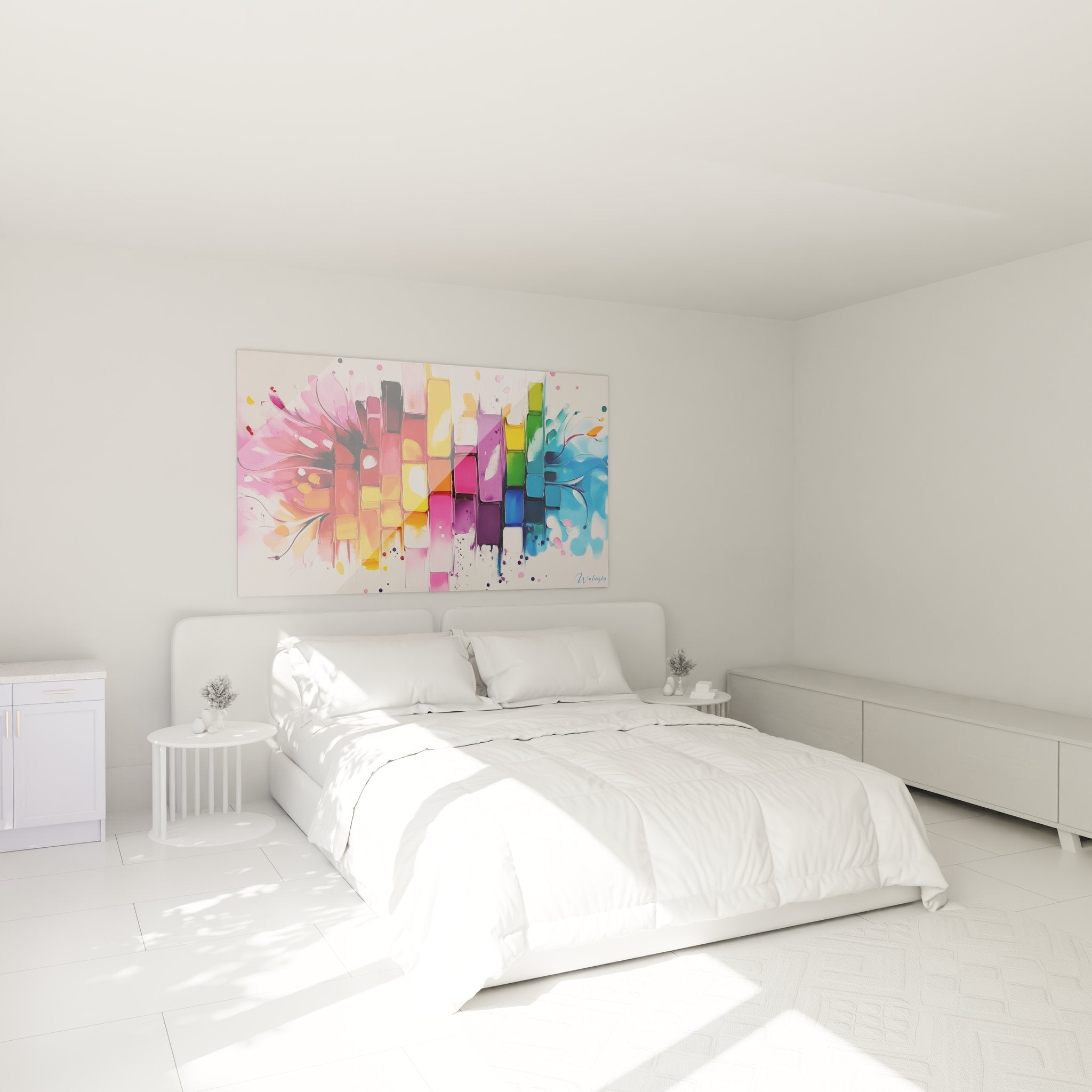
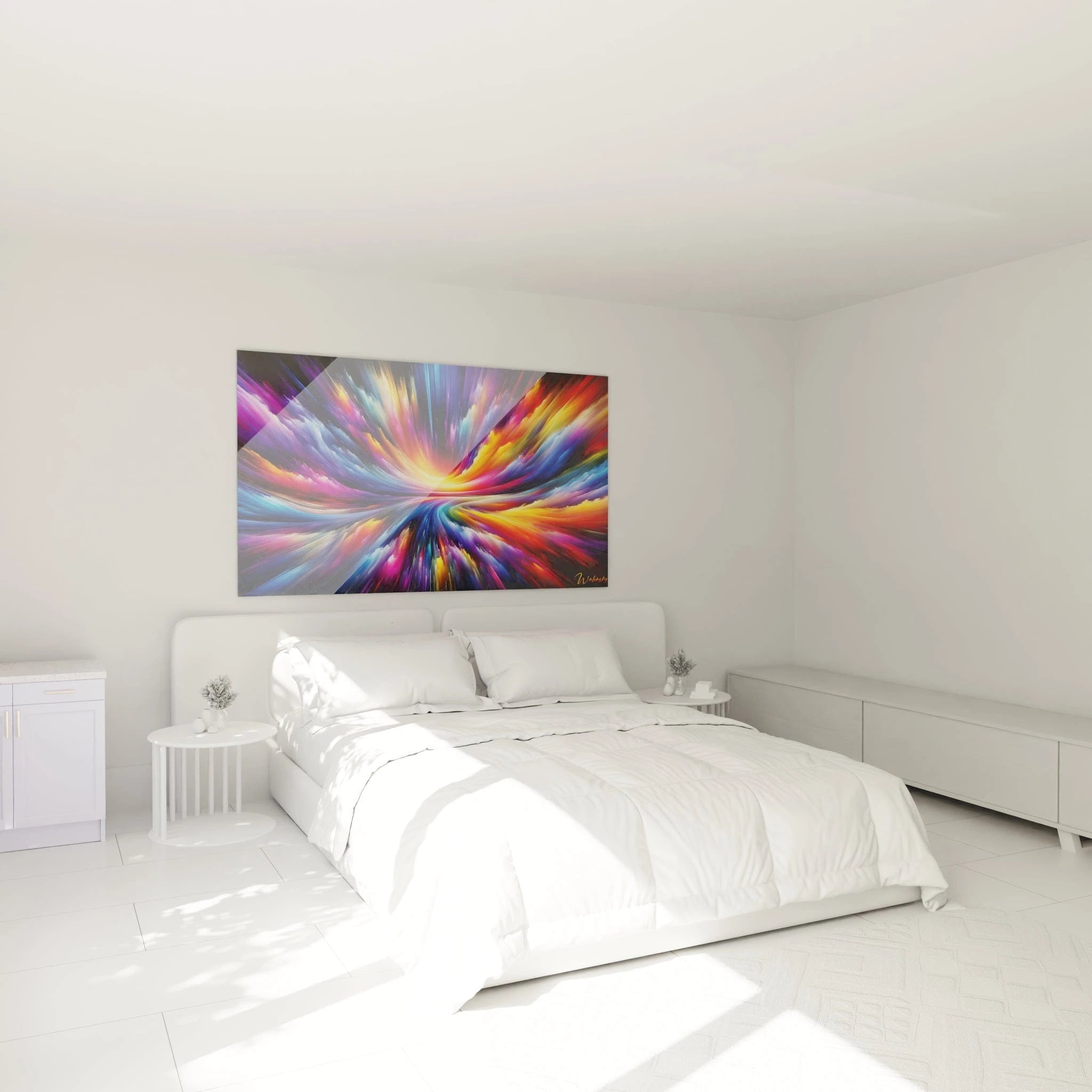
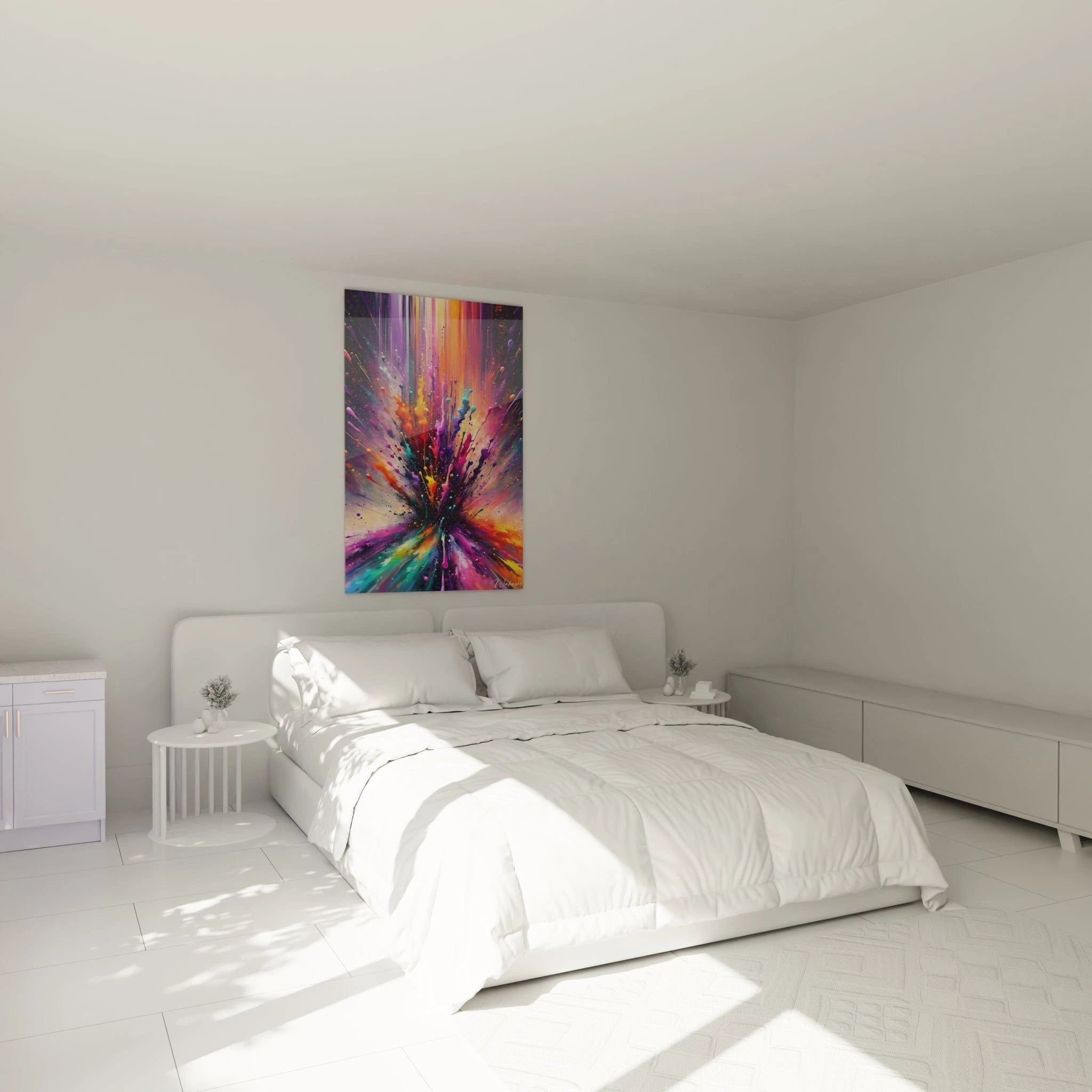
The particularity of these creations lies in their unique decorative versatility. They adapt equally well to minimalist interiors, where they bring an explosive touch of colour, as to already colourful spaces where they harmoniously complement the existing ambiance.
In the following sections, we will explore in depth the psychological impact of these artworks in minimalist spaces, specific lighting techniques to showcase them, as well as their integration into modern architecture. Each aspect reveals why contemporary multicolour wall art has become an essential element in today's interior decoration.
Psychological Impact of Contemporary Multicolour Wall Art in Minimalist Spaces
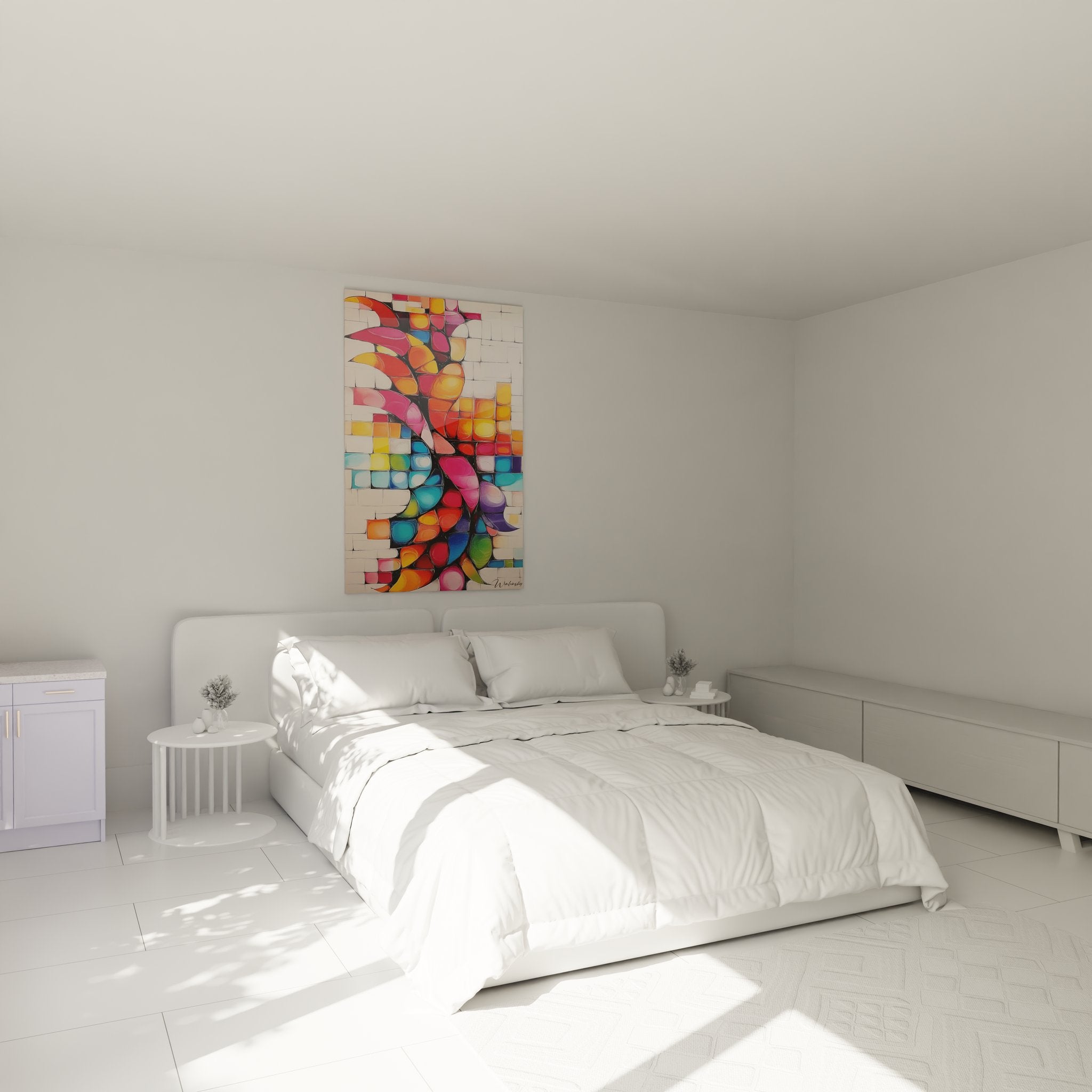
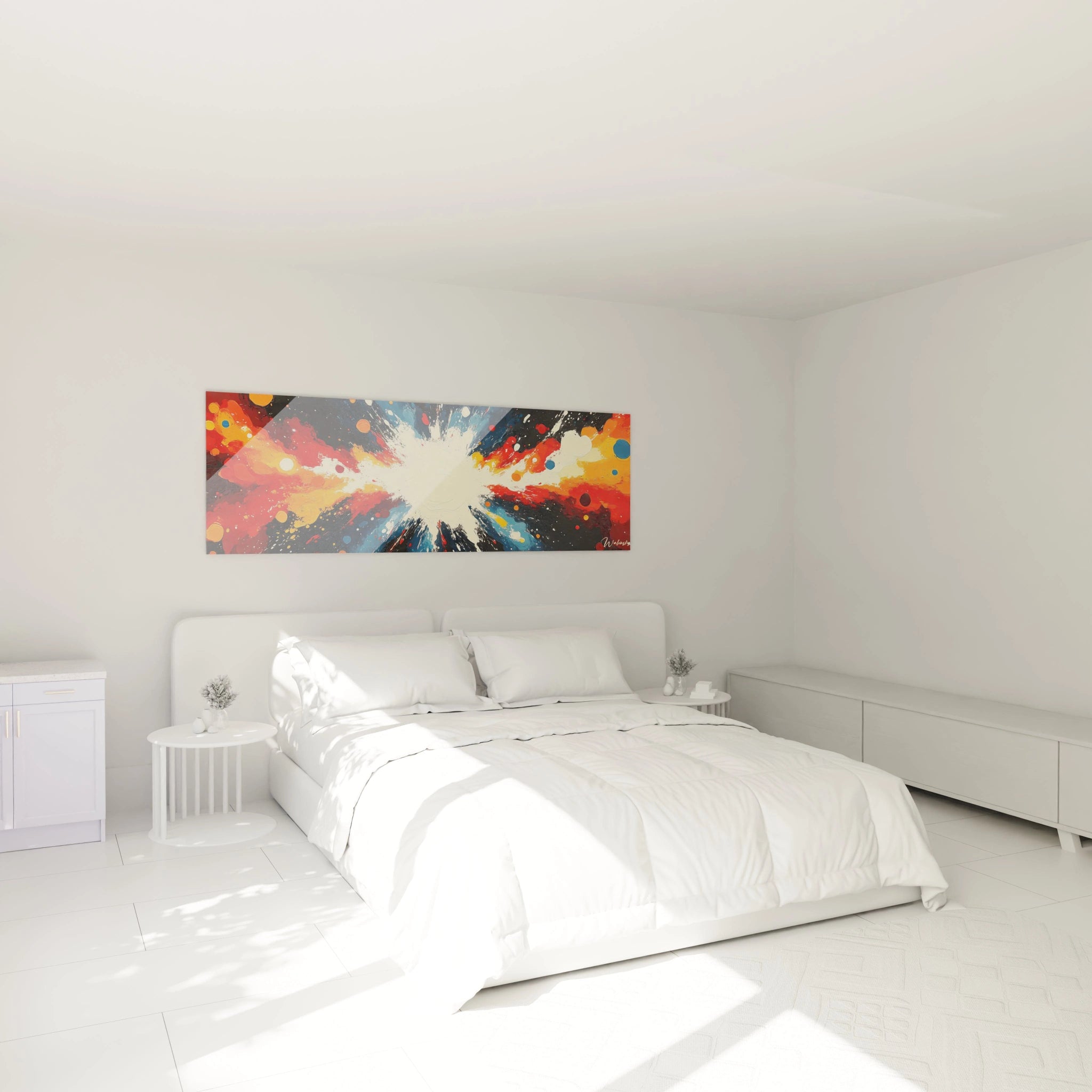
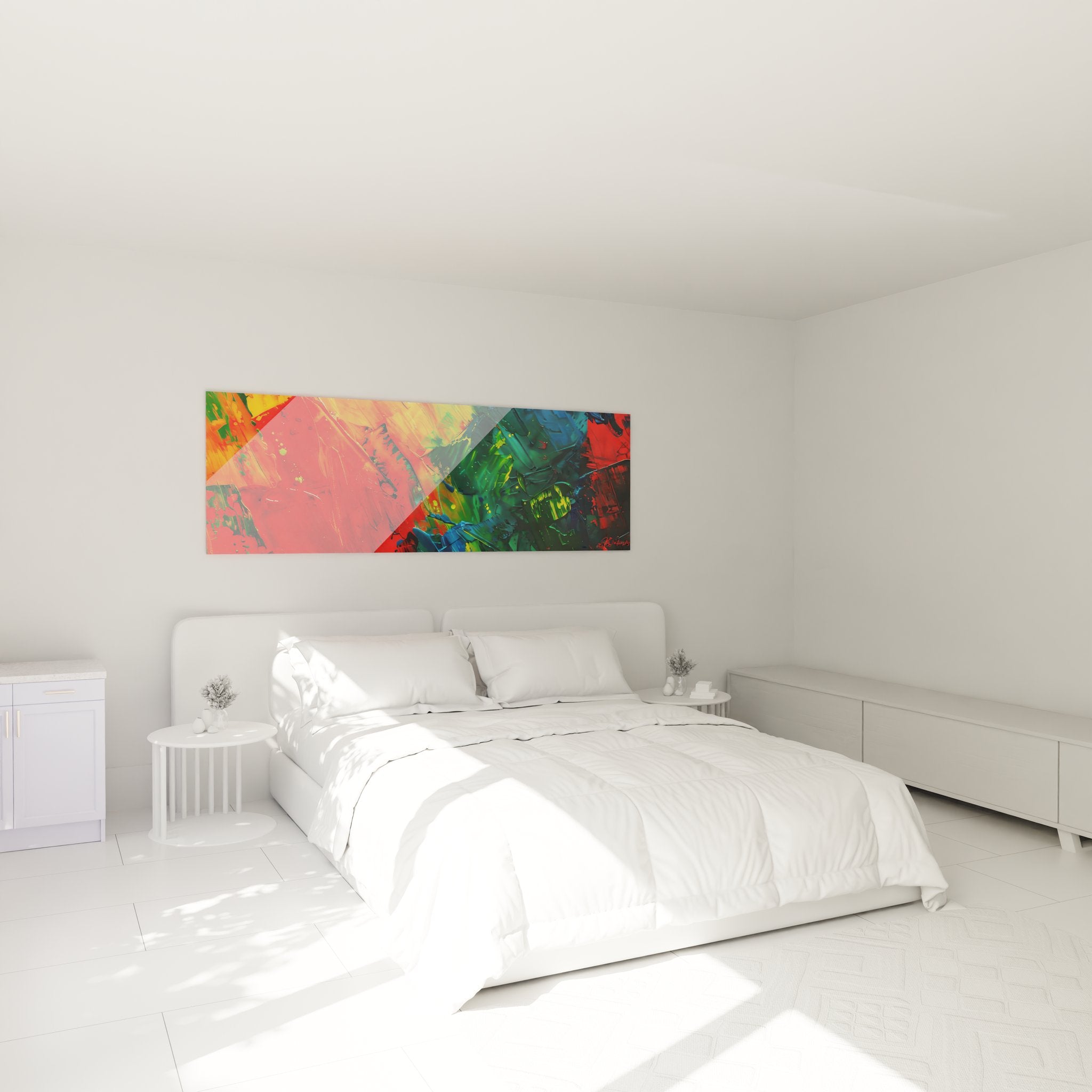
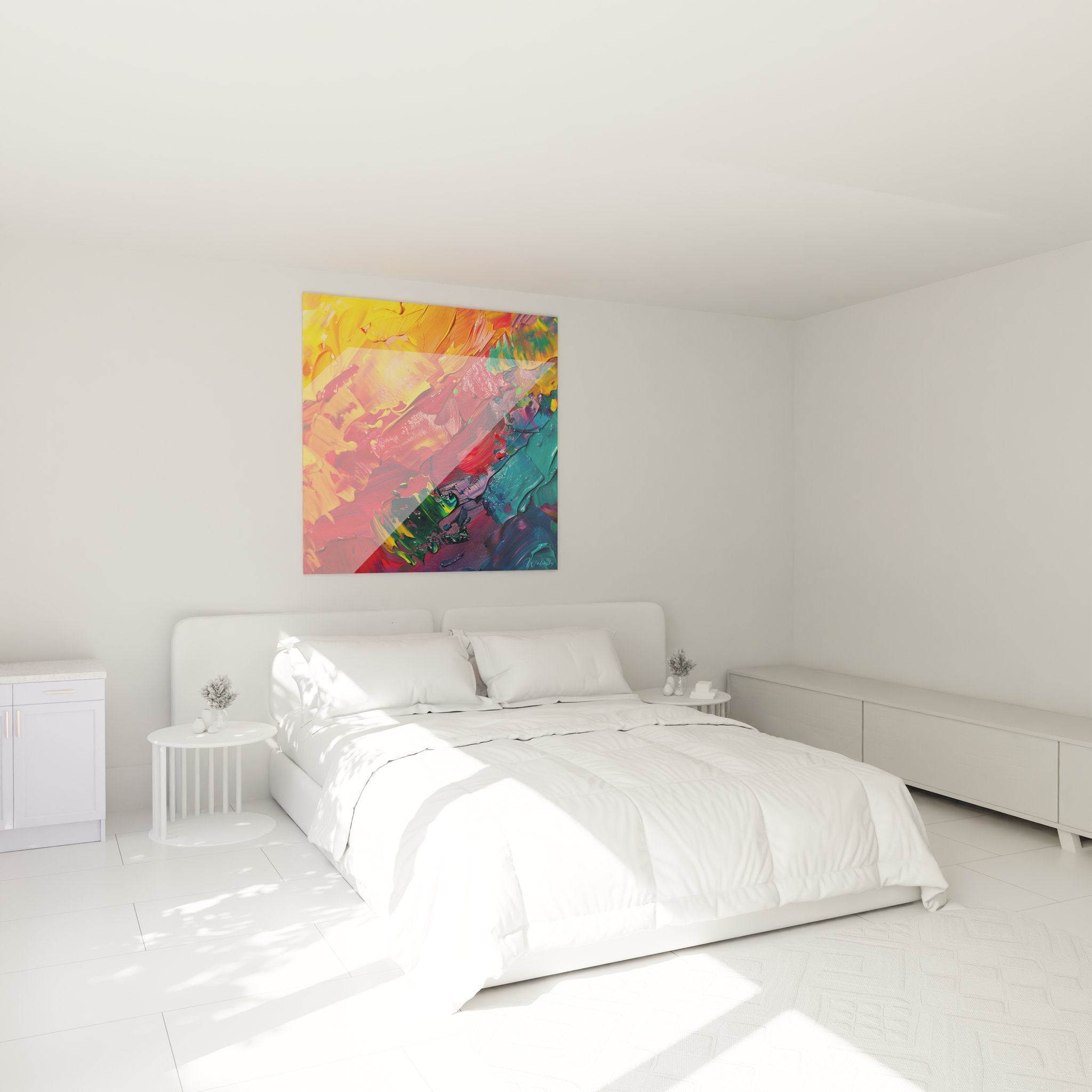
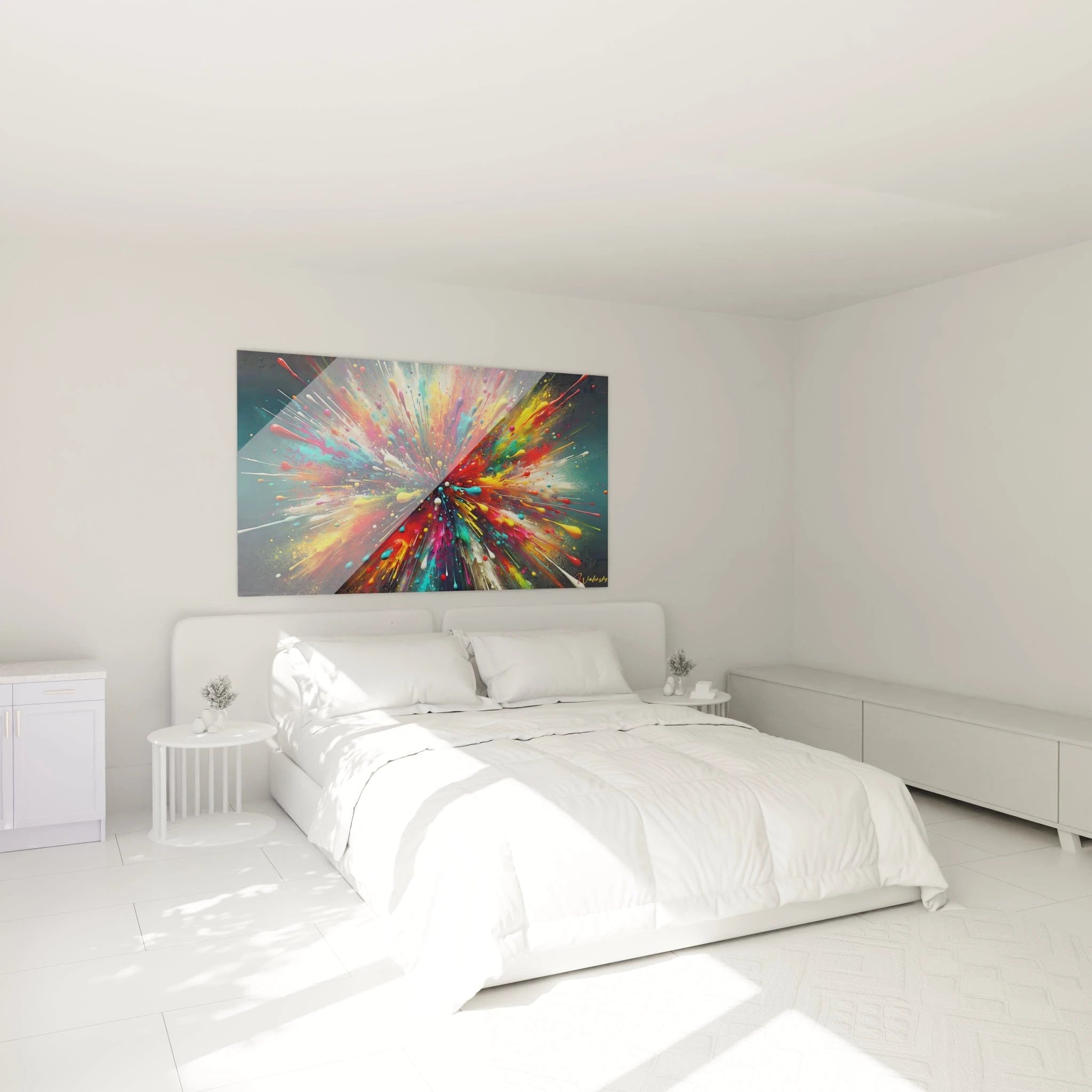
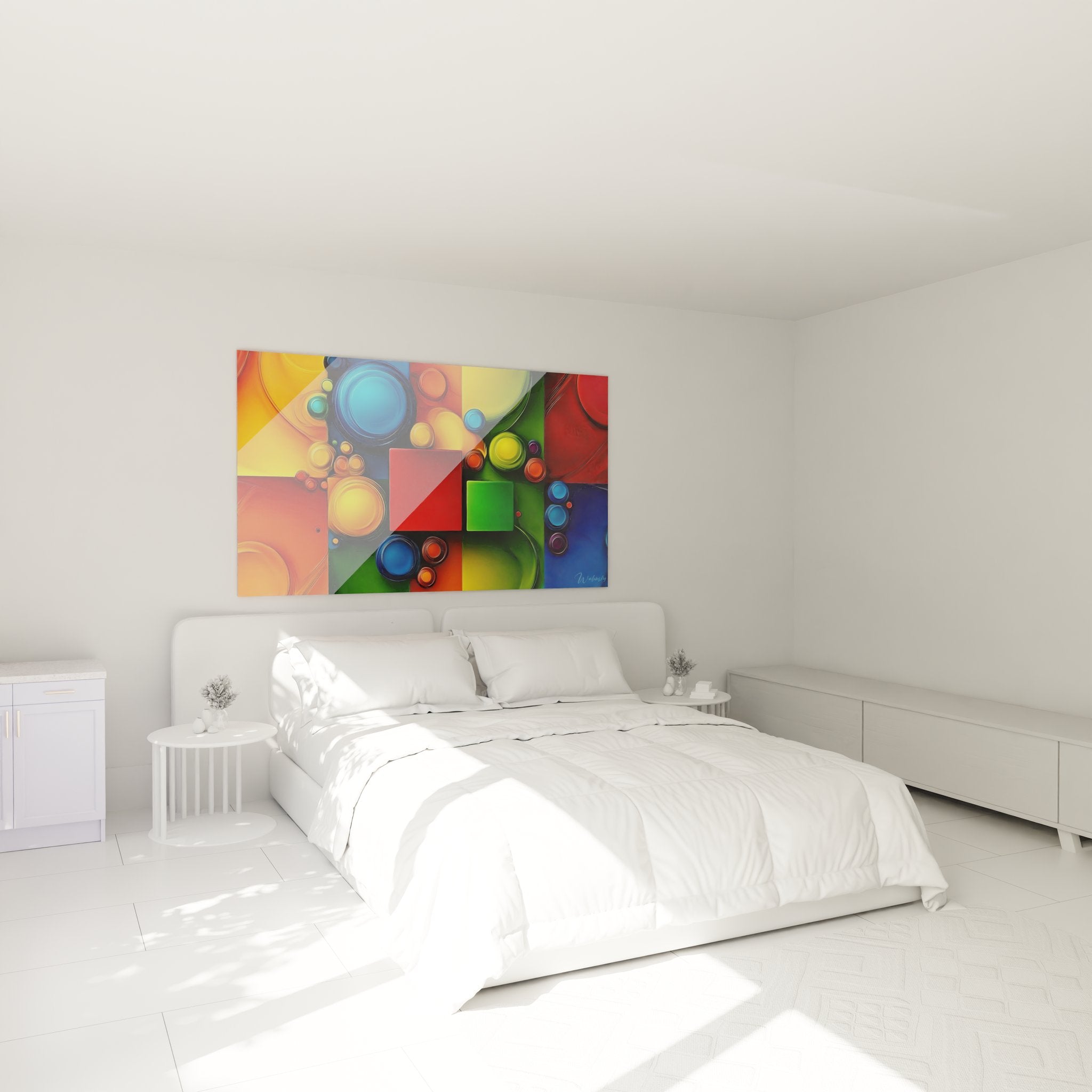
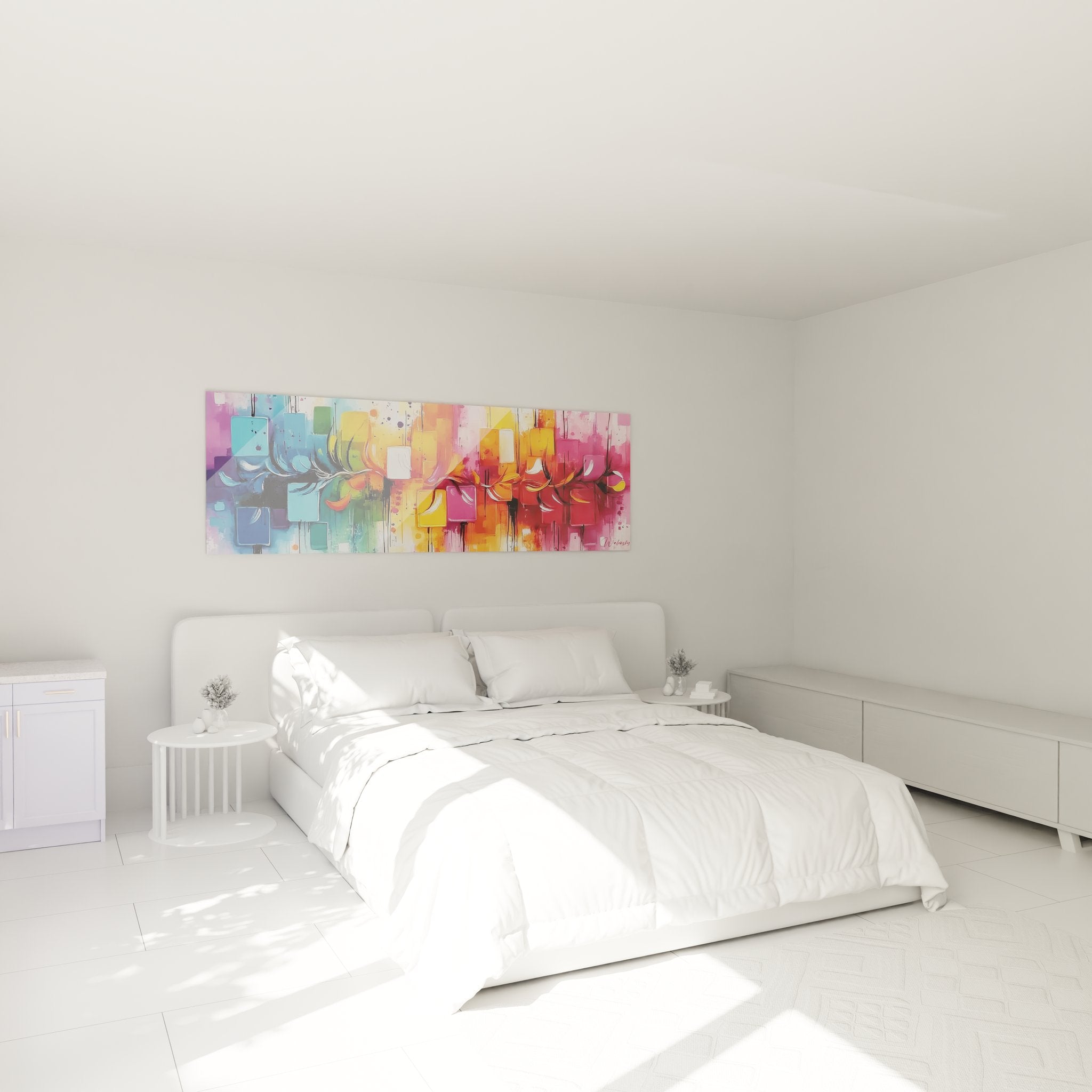
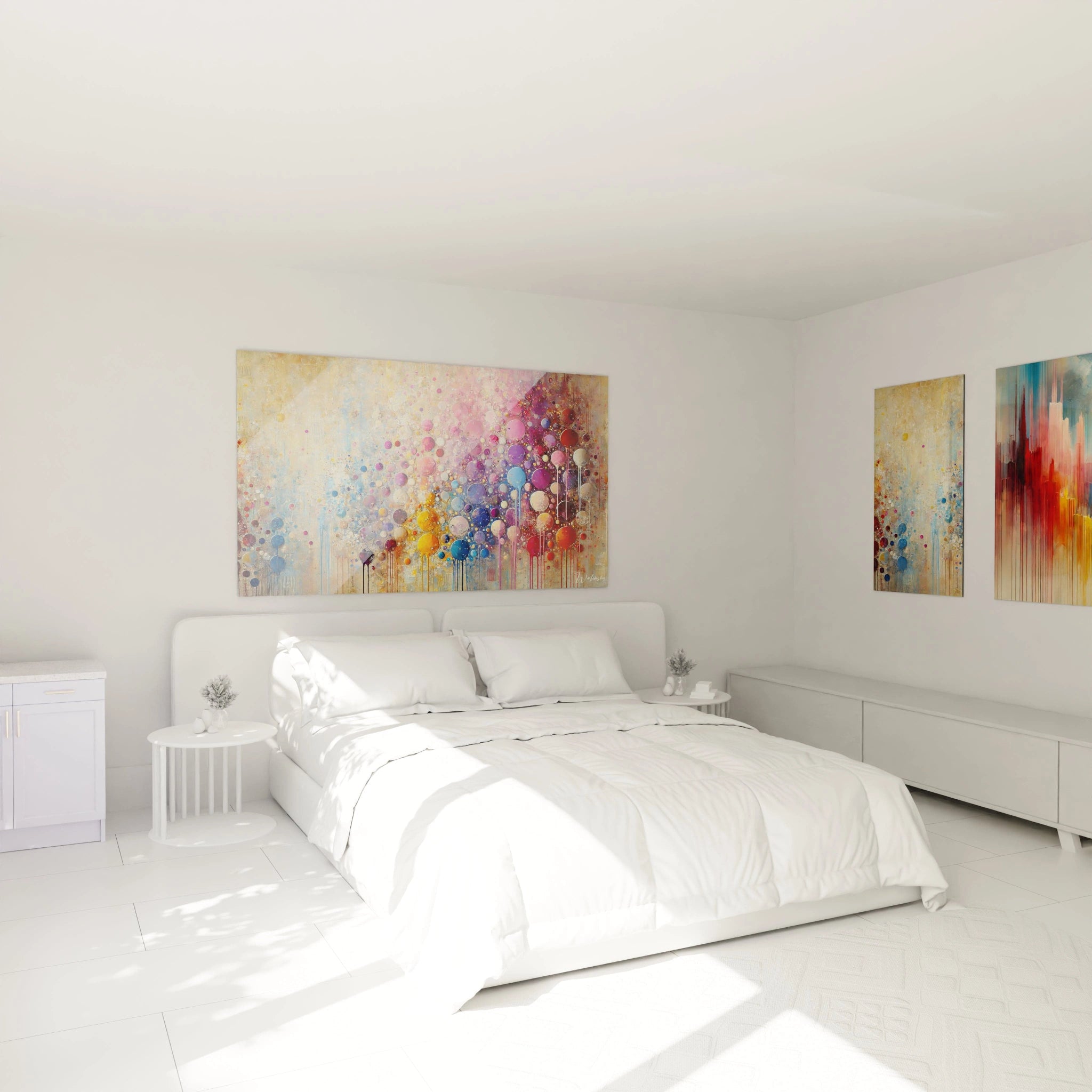
Contemporary multicolour wall art exerts a profound psychological influence when integrated into minimalist spaces. This association, far from being contradictory, creates a fascinating aesthetic balance between architectural simplicity and intense chromatic expression.
How do multicolour wall artworks transform the atmosphere of minimalist interiors?
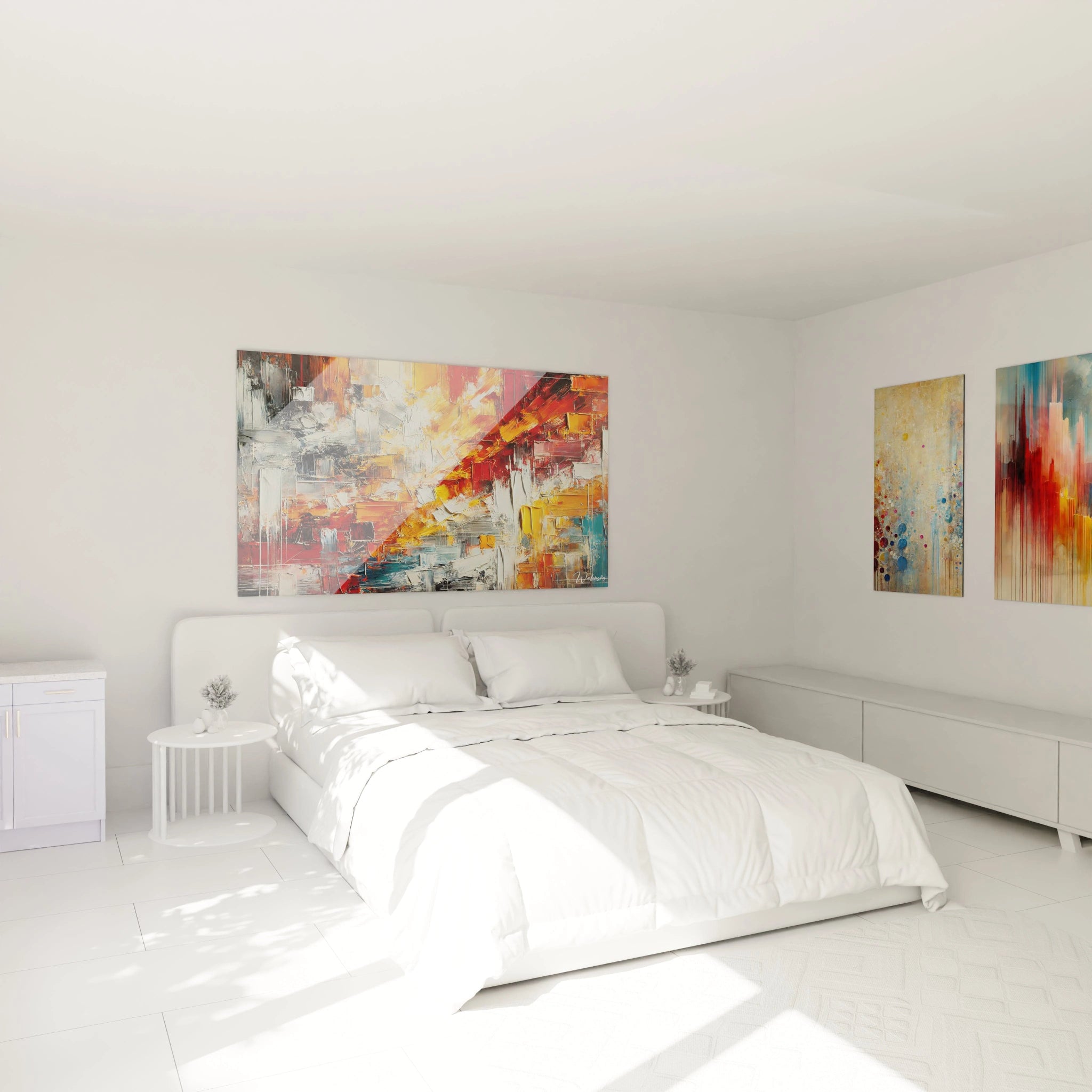
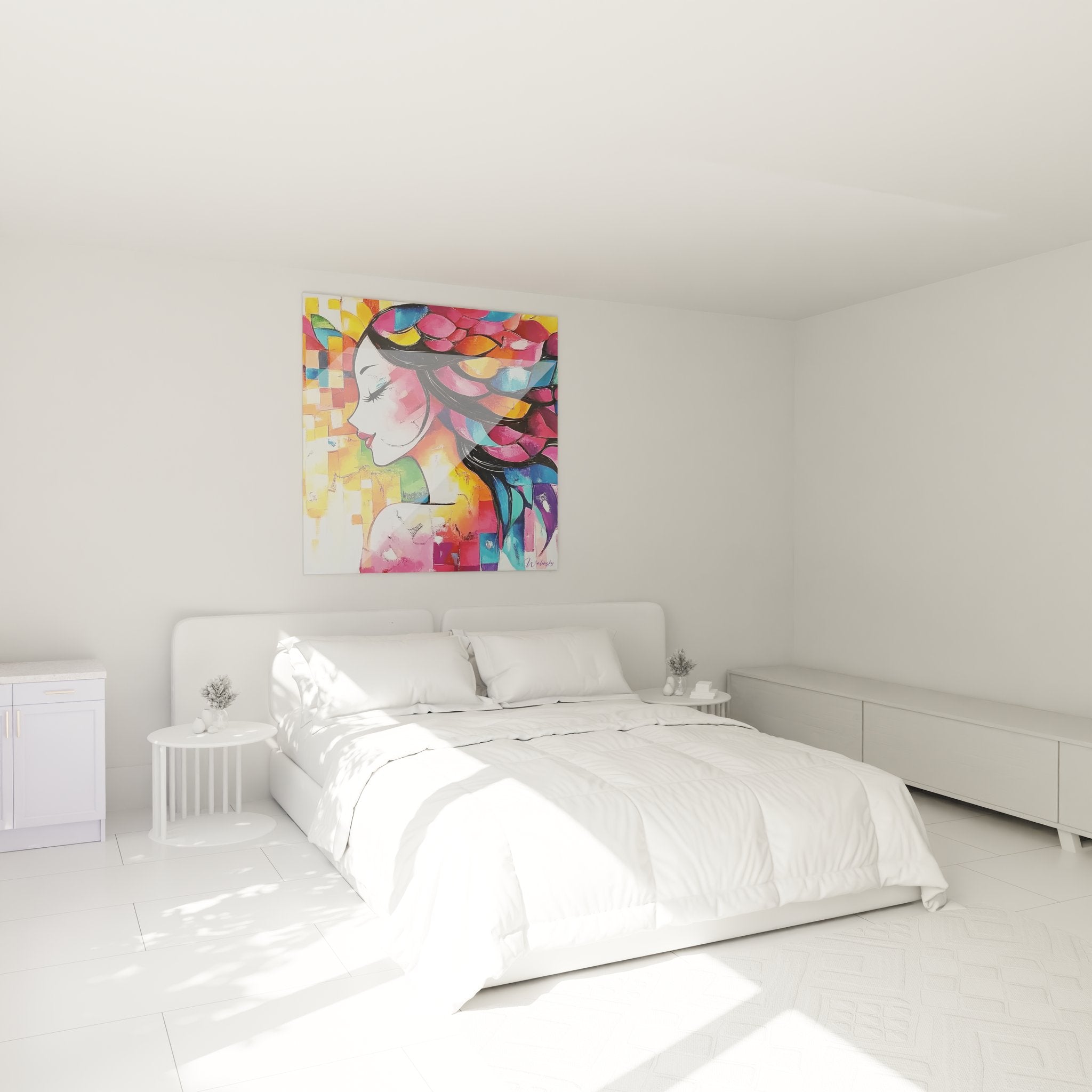
In a minimalist environment characterized by clean lines and monochrome surfaces, the introduction of contemporary multicolour wall art acts as an emotional catalyst. The artwork instantly becomes the focal point of the space, creating what interior designers call a "dynamic visual anchor". The vibrant nuances deliberately contrast with the surrounding neutrality, generating visual tension that energizes the entire room.
The impact on spatial perception is particularly remarkable. A large-format multicolour piece can visually push back the walls of a minimalist room, creating an impression of expanded space. Multicolour abstract compositions, in particular, possess this unique capacity to suggest additional depth, like an open window onto an alternative chromatic universe.
Cognitive Stimulation and Wellbeing in Neutral Spaces
Neuroscience confirms that exposure to multicolour compositions in a daily space positively stimulates brain activity. In a minimalist interior often dominated by whites, greys and blacks, this chromatic stimulation becomes particularly significant. Contemporary multicolour wall art acts as "mood activators" in these spaces.
Colour psychology teaches us that each hue influences our emotions differently - from energizing red to soothing blue. Contemporary multicolour wall art thus offers a complete spectrum of emotional influences, creating a remarkable psychological balance in otherwise monotonous spaces. This chromatic diversity helps avoid the sensory under-stimulation sometimes associated with overly minimalist interiors.
• The complementary colour combinations present in these works contribute to reducing visual stress
• Multicolour abstract compositions promote creativity and open-mindedness
• The presence of vibrant colours significantly increases serotonin production, the wellbeing hormone
Balance Between Architectural Minimalism and Chromatic Maximalism
Successful integration of contemporary multicolour wall art in a minimalist space relies on the principle of "calculated contrast". Contrary to popular belief, minimalism does not reject colour - it concentrates it strategically. The multicolour artwork thus becomes the maximal expression of what interior architects call a "deliberate accent".
Large contemporary multicolour artworks create what specialists call a "visual destination point" - they naturally capture the gaze and invite it to explore their details. This characteristic is particularly valuable in minimalist spaces that might otherwise lack visually engaging elements.
The interaction between the generally textured surface of multicolour artworks and the smooth surfaces typical of minimalist interiors also generates a fascinating tactile contrast. This juxtaposition creates sensory richness that transcends simple visual experience, engaging the observer at a deeper level.
Why are multicolour wall artworks particularly suited to large minimalist spaces?
Vast contemporary minimalist spaces, with their open areas and large wall surfaces, require decorative elements proportioned to their scale. Contemporary multicolour wall art in large format perfectly meets this requirement. Their imposing presence creates essential spatial balance in environments that might otherwise seem empty or impersonal.
In lofts or open-plan apartments, a strategically placed multicolour artwork can also serve as a visual divider, helping to define different functional zones without resorting to physical separations. This "chromatic zoning" function is particularly appreciated in contemporary architecture that prioritizes spatial fluidity.
The typical neutrality of large surfaces in minimalist spaces - white walls, polished concrete floors, simply-lined furniture - constitutes an ideal environment to showcase the chromatic complexity of these works. This symbiotic relationship explains why so many architects and interior designers specifically recommend multicolour wall art for contemporary minimalist projects.
Seasonal Evolution of Multicolour Wall Art Perception
A fascinating and often-overlooked aspect of contemporary multicolour wall art in minimalist spaces is its ability to visually evolve according to seasons. The variation in natural light throughout the year subtly modifies the perception of colours and textures. This "seasonal chromatic metamorphosis" adds a temporal dimension to the artistic experience.
During winter months, when light is rarer and cooler, warm tones present in multicolour compositions take increased importance, bringing visual warmth and comfort. In summer, cooler hues become more prominent, creating a visually refreshing effect. This seasonal adaptability is particularly valuable in minimalist spaces that can sometimes seem austere.
The presence of a multicolour artwork in a refined environment also creates what habitat psychologists call a "visual refuge" - a point of interest where the gaze can rest and the mind can recharge amid surrounding simplicity. This resource function takes particular importance in our contemporary interiors often designed to minimize distractions.
Specific Lighting Techniques for Contemporary Multicolour Wall Art
Illuminating contemporary multicolour wall art is an art form in itself, requiring a specific approach that differs significantly from lighting monochrome or traditional works. The chromatic richness of these creations demands precise lighting solutions to fully reveal their expressive potential.
Why does traditional lighting not suit multicolour artworks?
Unlike monochrome works, contemporary multicolour wall art reacts complexly to light. Each pigment reflects the light spectrum differently, creating what specialists call a "differential chromatic response". Inappropriate lighting can dramatically unbalance the colour composition intended by the artist.
Conventional lighting systems present several fundamental limitations for these works. Traditional incandescent lighting, with its yellow-orange dominance, alters the blues and greens present in multicolour wall art. Halogen systems, despite their popularity, generate excessive heat that can, over time, deteriorate the vibrant pigments characteristic of contemporary art.
Conventional directional spotlights often create "hot spots" that visually fragment multicolour artworks, compromising the compositional unity sought by the artist. This issue is particularly pronounced for pieces using mixed media or reflective materials, frequent in contemporary art.
Lighting Technologies Suited to Multicolour Wall Art
LED systems with adjustable colour temperature (between 2700K and 5000K) represent the ideal solution for showcasing contemporary multicolour wall art. This adaptability allows optimization of lighting based on the dominant palette of the work - warmer temperatures revealing reds and oranges better, while cooler temperatures magnify blues and greens.
Colour Rendering Index (CRI) becomes a determining criterion. For multicolour artworks, a CRI above 95 is highly recommended, allowing faithful reproduction of the entire chromatic spectrum. Specialized lighting systems such as "full-spectrum LEDs" offer exceptional colour restitution particularly suited to these works.
• Variable intensity lighting systems allow precise adjustment of brightness according to ambient conditions
• Adjustable track lighting offers the flexibility needed to adapt the angle of illumination to each artwork
• Integrated UV-filter systems in modern equipment protect vivid pigments against photochemical degradation
Multi-Directional Illumination Strategies
"Three-dimensional" lighting constitutes an innovative approach particularly effective for contemporary multicolour wall art. This technique uses multiple light sources at different heights and angles to create an enveloping luminous environment that reveals the chromatic complexity of the work from every aspect.
The strategic combination of direct and indirect light allows simultaneous showcasing of different chromatic zones of the same artwork. This "zone-by-zone" approach is particularly relevant for large multicolour pieces with complex compositions, where different sections may require distinct lighting treatments.
Asymmetrical lighting, where light intensity intentionally varies across regions of the artwork, can reveal subtle chromatic details otherwise imperceptible. This technique, particularly appreciated by contemporary art galleries, creates a dynamic visual experience that evolves according to viewing angle.
Interaction Between Natural Light and Multicolour Wall Art
The optimal placement of contemporary multicolour wall art must account for exposure to natural light, which varies in intensity and colour temperature throughout the day. This "daily luminous choreography" can radically transform the perception of the work, creating an evolving visual experience.
North-facing rooms offer more constant and diffuse natural light, ideal for appreciating chromatic subtleties without excessive variations. Conversely, east-west exposures generate dramatic changes in illumination that can alternately magnify or diminish certain colour ranges present in the artwork.
The use of filtering films on windows can control ultraviolet radiation while preserving natural light quality. These architectural solutions allow you to benefit from natural light variations without risking deterioration of the vivid pigments characteristic of contemporary multicolour wall art.
How does lighting influence spatial perception of the artwork?
Well-designed lighting can accentuate perceived depth in contemporary multicolour wall art, creating what specialists call "chromatic spatial expansion". This technique is particularly effective for abstract multicolour works that play on the layering of pigmentary layers.
The angle of light incidence considerably influences the perception of textures often present in contemporary art. Grazing light (10-15° to the surface) reveals relief and textures, while more frontal lighting (30-45°) emphasizes colour vibrancy. This duality allows adaptation of the visual experience according to the aspect one wishes to prioritize.
Programmable lighting systems represent the future of showcasing multicolour wall art. These devices allow creation of "lighting scenarios" that automatically evolve to adapt to optimal viewing conditions at different times of day, thus maintaining perfect chromatic balance regardless of ambient conditions.
Association of Contemporary Multicolour Wall Art with Modern Architecture
Integrating contemporary multicolour wall art into modern architecture represents far more than simple decorative juxtaposition. This association creates a spatial and chromatic dialogue that fundamentally transforms the architectural experience, establishing a symbiosis between built structure and artistic expression.
How do multicolour wall artworks respond to fundamental principles of contemporary architecture?
Modern architecture distinguishes itself through its pursuit of balance between form and function, structural simplicity and emotional impact. Contemporary multicolour wall art, with its chromatic expressivity contained within defined formats, perfectly embodies this duality. These works bring emotional and sensory dimension to spaces often characterized by their structural rationality.
The current architectural trend toward "neutral envelopes" - facades and interiors in minimalist colours - creates an ideal environment for multicolour wall art to act as "spatial activators". This design strategy, which architects call "selective neutrality", consists of deliberately creating sober surfaces intended to be animated by targeted artistic elements.
The large rectilinear volumes characteristic of contemporary architecture benefit particularly from the presence of multicolour works that introduce organic visual dynamics. This juxtaposition between architectural geometric rigidity and artistic chromatic fluidity generates stimulating visual tension that considerably enriches spatial experience.
Structural Integration Rather Than Simple Decoration
Forward-thinking architects now consider contemporary multicolour wall art as constitutive elements of space rather than simple decorative additions. This "integrative" approach involves designing specific walls and surfaces specifically to receive these works, taking into account their dimensions, chromatic impact, and lighting needs from the initial design phase.
Focal walls, architectural elements specifically designed to accommodate significant artworks, are particularly well-suited to large-format multicolour pieces. These surfaces, often positioned strategically at the convergence of main viewing lines, maximize the visual impact of complex chromatic compositions.
• Custom architectural niches create a spatial frame that intensifies the impact of multicolour works
• Sliding partitions allow revealing or concealing artworks, creating an evolving spatial experience
• Integrated lighting solutions within the architecture optimize perception of complex chromatic nuances
Chromatic Dialogue Between Architecture and Multicolour Wall Art
The interaction between the palette of the multicolour work and surrounding architectural materials creates what designers call a "chromatic ecosystem". In this relationship, certain colours from the artwork can be subtly incorporated into secondary architectural elements - creating a sense of harmonious unity despite apparent contrast.
Reflective materials frequently used in contemporary architecture - glass, polished metal, polished concrete - interact fascinatingly with multicolour wall art. These surfaces act as chromatic amplifiers, subtly reflecting and diffusing the work's colours into the surrounding space, creating what architects call an "extended chromatic aura".
Chromatic transitions within a multicolour artwork can suggest pathways and movements that influence circulation through architectural space. This "intuitive chromatic navigation" represents a subtle yet effective form of spatial guidance, particularly appreciated in large contemporary public spaces where orientation can prove complex.
What acoustic considerations relate to multicolour wall art in modern architecture?
Beyond their visual impact, contemporary multicolour wall art, particularly those using mixed media and textured relief techniques, contribute positively to the acoustic environment of modern spaces. These works act as "artistic acoustic diffusers", attenuating problematic reverberation often present in contemporary interiors with hard surfaces.
Large textured works on strategic walls can significantly reduce echo in high-ceilinged spaces, creating a more comfortable sound environment without resorting to technical acoustic solutions that would compromise the refined aesthetics sought. This dual functionality - aesthetic and acoustic - represents considerable added value in contemporary space design.
The positioning of multicolour wall art can be optimized to maximize simultaneously their visual impact and acoustic contribution. This "multi-sensory" approach to artistic integration represents the natural evolution of the relationship between art and architecture, transcending simple visual appreciation to create holistically enriched environments.
Temporal Evolution of Association Between Multicolour Wall Art and Architecture
The perception of contemporary multicolour wall art evolves over time within an architectural environment. Prolonged exposure to these works creates what environmental psychologists call "progressive familiarity" that subtly but profoundly transforms the occupant's relationship with the entire space.
Unlike permanent architectural elements, multicolour wall art offers the possibility of periodic spatial metamorphosis. Seasonal rotation of works allows renewal of the architectural experience without structural modifications, creating spatial dynamism particularly appreciated in contemporary residential and professional environments.
The natural patina certain contemporary multicolour artworks develop over time - subtle evolution of pigments, interaction with ambient light - adds a temporal dimension to architectural experience. This "chromatic maturation" creates an enriched emotional bond between inhabitant, artwork, and space, comparable to the attachment occupants develop for architectural elements that age nobly.
FAQ on Contemporary Multicolour Wall Art
How do I choose the ideal size of contemporary multicolour wall art for my space?
To determine optimal dimensions, measure your wall and aim for an artwork whose width represents approximately 2/3 to 3/4 of the wall's width for maximum impact. In contemporary spaces with high ceilings, prioritize large vertical formats that accentuate the impression of height. The work should be proportional to the room - too small, it will seem insignificant; too imposing, it could visually overwhelm the space.
Does contemporary multicolour wall art require particular maintenance?
These works require specific attention to preserve their brilliance. Avoid direct exposure to sunlight which can alter certain vivid pigments. Gentle dusting with soft-bristled duster is recommended every 2-3 months. In humid environments, a dehumidifier can prevent pigment alteration. For textured artworks, consult a contemporary art restoration specialist for thorough cleaning every 3-5 years.
How do I coordinate contemporary multicolour wall art with existing furniture?
For harmonious integration, identify 2-3 dominant colours from the artwork and incorporate them subtly into your space through decorative accessories. With neutral furniture, the multicolour work naturally becomes the focal point. If your furniture is already colourful, seek an artwork whose palette complements existing tones rather than competing with them. Visual balance is essential - if the artwork is visually complex, simplify surrounding decorative elements.