


Puma Wall Art
Discover our Puma Wall Art collection, a unique series of mural artworks that capture the majesty and intensity of this emblematic animal. These paintings are designed to reveal the power and elegance of the puma, creating a dynamic atmosphere in your space. Perfect for a modern and refined interior, each puma wall art piece is created with meticulous artistic techniques, offering vibrant details and exceptional visual depth. Add a puma acrylic wall art to your décor and let this masterpiece transform your space with character and style.
 Rocky Mountain Spirit Wall Art - Puma Animals Edition273,90 €
 Puma Legend Canvas - Puma Animals Edition273,90 €
 Puma Kingdom Canvas - Puma Animals Edition273,90 €
In the same family
Also explore the theme Animals
-
 View all9925
artworks
View all9925
artworks
-
 Bee54
artworks
Bee54
artworks
-
 Eagle18
artworks
Eagle18
artworks
-
 Donkey15
artworks
Donkey15
artworks
-
 Savannah Wildlife94
artworks
Savannah Wildlife94
artworks
-
 Antelope5
artworks
Antelope5
artworks
-
 Spider8
artworks
Spider8
artworks
-
 Other Animals24
artworks
Other Animals24
artworks
-
 Ostrich75
artworks
Ostrich75
artworks
-
 Axolotl47
artworks
Axolotl47
artworks
-
 Whale89
artworks
Whale89
artworks
-
 Ram315
artworks
Ram315
artworks
-
 Beluga169
artworks
Beluga169
artworks
-
 Hermit-Crab12
artworks
Hermit-Crab12
artworks
-
 Doe10
artworks
Doe10
artworks
-
 Bison8
artworks
Bison8
artworks
-
 Buffalo12
artworks
Buffalo12
artworks
-
 Sperm Whale8
artworks
Sperm Whale8
artworks
-
 Giant Squid6
artworks
Giant Squid6
artworks
-
 Chameleon20
artworks
Chameleon20
artworks
-
 Duck340
artworks
Duck340
artworks
-
 Capybara3
artworks
Capybara3
artworks
-
 Caracal15
artworks
Caracal15
artworks
-
 Caribou4
artworks
Caribou4
artworks
-
 Koi Carp130
artworks
Koi Carp130
artworks
-
 Beaver9
artworks
Beaver9
artworks
-
 Deer26
artworks
Deer26
artworks
-
 Camel3
artworks
Camel3
artworks
-
 Cat1218
artworks
Cat1218
artworks
-
 Bat10
artworks
Bat10
artworks
-
 Horse46
artworks
Horse46
artworks
-
 Mountain Goat3
artworks
Mountain Goat3
artworks
-
 Dog3055
artworks
Dog3055
artworks
-
 Chimpanzee12
artworks
Chimpanzee12
artworks
-
 Owl19
artworks
Owl19
artworks
-
 Stork16
artworks
Stork16
artworks
-
 Ladybug7
artworks
Ladybug7
artworks
-
 Pig8
artworks
Pig8
artworks
-
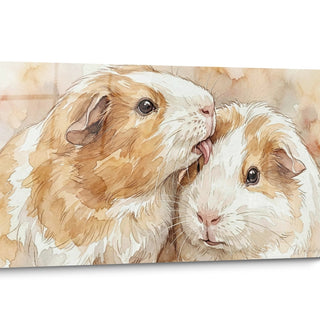 Guinea Pig13
artworks
Guinea Pig13
artworks
-
 Hummingbird23
artworks
Hummingbird23
artworks
-
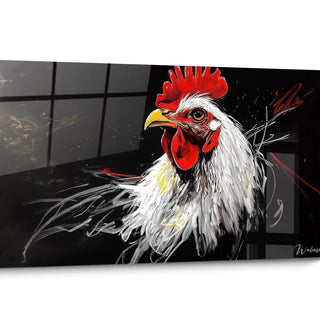 Rooster9
artworks
Rooster9
artworks
-
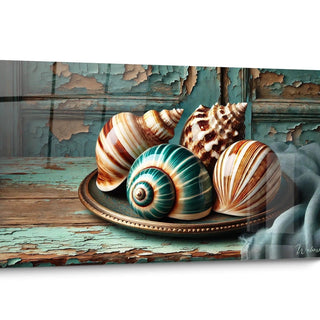 Seashell6
artworks
Seashell6
artworks
-
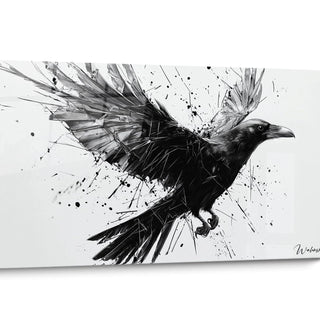 Raven9
artworks
Raven9
artworks
-
 Crab5
artworks
Crab5
artworks
-
 Toad8
artworks
Toad8
artworks
-
 Shrimp5
artworks
Shrimp5
artworks
-
 Crocodile4
artworks
Crocodile4
artworks
-
 Swan189
artworks
Swan189
artworks
-
 Dolphin11
artworks
Dolphin11
artworks
-
 Dromedary4
artworks
Dromedary4
artworks
-
 Squirrel15
artworks
Squirrel15
artworks
-
 Elan13
artworks
Elan13
artworks
-
 Elephant80
artworks
Elephant80
artworks
-
 Snail11
artworks
Snail11
artworks
-
 Swordfish4
artworks
Swordfish4
artworks
-
 Wild Essence25
artworks
Wild Essence25
artworks
-
 Starfish19
artworks
Starfish19
artworks
-
 Falcon16
artworks
Falcon16
artworks
-
 Fennec256
artworks
Fennec256
artworks
-
 Pink Flamingo30
artworks
Pink Flamingo30
artworks
-
 Ant19
artworks
Ant19
artworks
-
 Ferret17
artworks
Ferret17
artworks
-
 Gazelle4
artworks
Gazelle4
artworks
-
 Giraffe183
artworks
Giraffe183
artworks
-
 Wildebeest3
artworks
Wildebeest3
artworks
-
 Gorilla15
artworks
Gorilla15
artworks
-
 Frog65
artworks
Frog65
artworks
-
 Grizzly3
artworks
Grizzly3
artworks
-
 Crane10
artworks
Crane10
artworks
-
 Cheetah7
artworks
Cheetah7
artworks
-
 Hamster17
artworks
Hamster17
artworks
-
 Hedgehog8
artworks
Hedgehog8
artworks
-
 Heron37
artworks
Heron37
artworks
-
 Owl42
artworks
Owl42
artworks
-
 Seahorse34
artworks
Seahorse34
artworks
-
 Hippopotamus4
artworks
Hippopotamus4
artworks
-
 Lobster8
artworks
Lobster8
artworks
-
 Hyena14
artworks
Hyena14
artworks
-
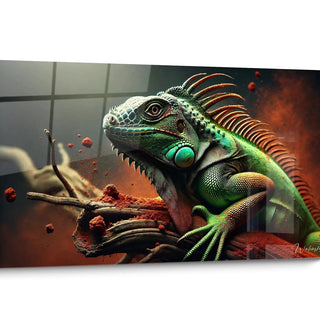 Iguana6
artworks
Iguana6
artworks
-
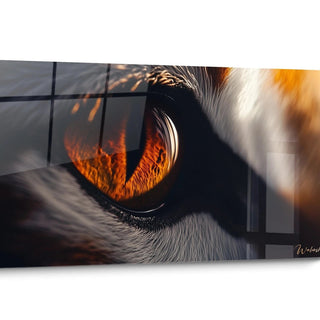 Animal Eye6
artworks
Animal Eye6
artworks
-
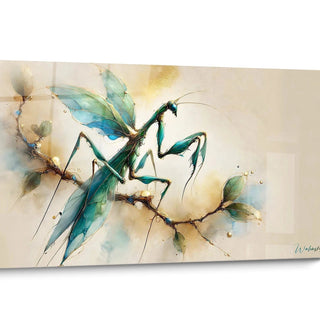 Insect5
artworks
Insect5
artworks
-
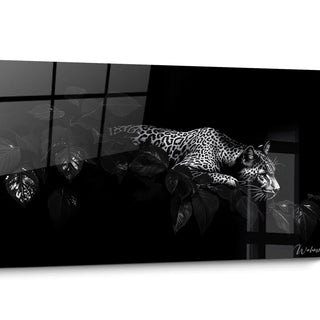 Jaguar6
artworks
Jaguar6
artworks
-
 Kangaroo9
artworks
Kangaroo9
artworks
-
 Koala18
artworks
Koala18
artworks
-
 Llama107
artworks
Llama107
artworks
-
 Rabbit15
artworks
Rabbit15
artworks
-
 Lemur3
artworks
Lemur3
artworks
-
 Dragonfly4
artworks
Dragonfly4
artworks
-
 Unicorn3
artworks
Unicorn3
artworks
-
 Lion170
artworks
Lion170
artworks
-
 Lion Cub4
artworks
Lion Cub4
artworks
-
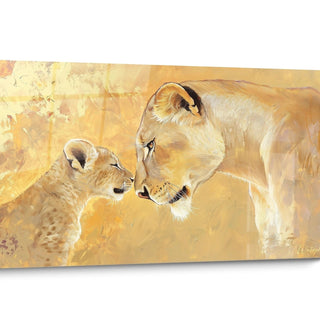 Lioness6
artworks
Lioness6
artworks
-
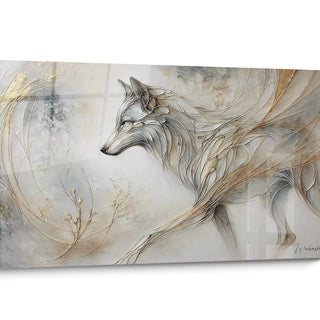 Wolf13
artworks
Wolf13
artworks
-
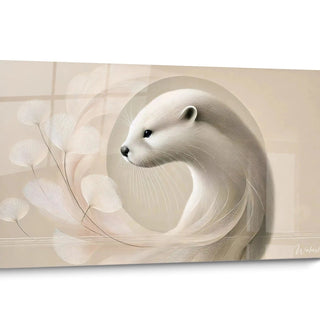 Otter6
artworks
Otter6
artworks
-
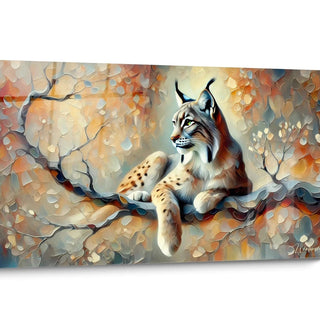 Lynx7
artworks
Lynx7
artworks
-
 Puffin2
artworks
Puffin2
artworks
-
 Penguin10
artworks
Penguin10
artworks
-
 Jellyfish17
artworks
Jellyfish17
artworks
-
 Morse3
artworks
Morse3
artworks
-
 Seagull4
artworks
Seagull4
artworks
-
 Mold14
artworks
Mold14
artworks
-
 Sheep6
artworks
Sheep6
artworks
-
 Narwhal66
artworks
Narwhal66
artworks
-
 Ocelot3
artworks
Ocelot3
artworks
-
 Birds15
artworks
Birds15
artworks
-
 Orangutan10
artworks
Orangutan10
artworks
-
 Orca28
artworks
Orca28
artworks
-
 Brown Bear334
artworks
Brown Bear334
artworks
-
 Polar Bear289
artworks
Polar Bear289
artworks
-
 Sea Urchin9
artworks
Sea Urchin9
artworks
-
 Giant Panda69
artworks
Giant Panda69
artworks
-
 Red Panda11
artworks
Red Panda11
artworks
-
 Panther19
artworks
Panther19
artworks
-
 Snow Leopard8
artworks
Snow Leopard8
artworks
-
 Black Panther10
artworks
Black Panther10
artworks
-
 Peacock25
artworks
Peacock25
artworks
-
 Butterfly14
artworks
Butterfly14
artworks
-
 Lazy Sloth3
artworks
Lazy Sloth3
artworks
-
 Pelican3
artworks
Pelican3
artworks
-
 Parrot211
artworks
Parrot211
artworks
-
 Parakeet5
artworks
Parakeet5
artworks
-
 Seal5
artworks
Seal5
artworks
-
 Pigeon10
artworks
Pigeon10
artworks
-
 Penguin274
artworks
Penguin274
artworks
-
 Feather60
artworks
Feather60
artworks
-
 Fish18
artworks
Fish18
artworks
-
 Betta Fish12
artworks
Betta Fish12
artworks
-
 Octopus59
artworks
Octopus59
artworks
-
 Manta Ray4
artworks
Manta Ray4
artworks
-
 Raccoon2
artworks
Raccoon2
artworks
-
 Fox141
artworks
Fox141
artworks
-
 Shark126
artworks
Shark126
artworks
-
 Rhinoceros21
artworks
Rhinoceros21
artworks
-
 Salamander14
artworks
Salamander14
artworks
-
 Wild Boar15
artworks
Wild Boar15
artworks
-
 Scarab3
artworks
Scarab3
artworks
-
 Scorpion9
artworks
Scorpion9
artworks
-
 Serpent102
artworks
Serpent102
artworks
-
 Monkey14
artworks
Monkey14
artworks
-
 Meerkat1
artwork
Meerkat1
artwork
-
 Tapir52
artworks
Tapir52
artworks
-
 Armadillo3
artworks
Armadillo3
artworks
-
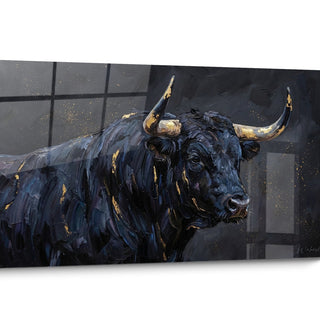 Bull281
artworks
Bull281
artworks
-
 Tiger316
artworks
Tiger316
artworks
-
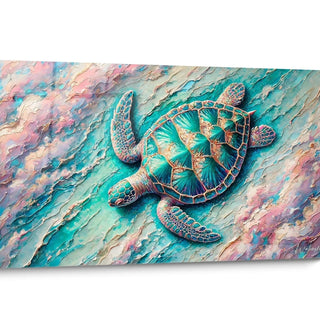 Sea Turtle18
artworks
Sea Turtle18
artworks
-
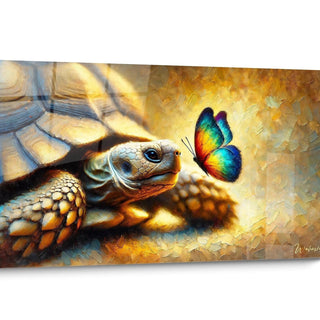 Terrestrial Turtle14
artworks
Terrestrial Turtle14
artworks
-
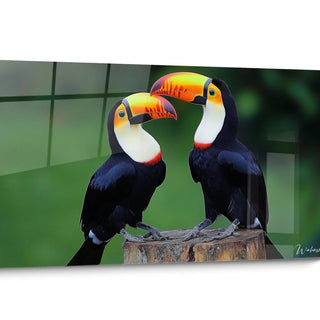 Toucan7
artworks
Toucan7
artworks
-
 Cow9
artworks
Cow9
artworks
-
 Vulture5
artworks
Vulture5
artworks
-
 Zebra49
artworks
Zebra49
artworks


All about Puma Wall Art
- Puma Wall Art Presentation
- Puma wall art decorative impact
- Puma wall art predator symbolism
- Puma wall art wild ambiance
Puma wall art represents a bold decorative choice combining feline elegance with natural power. These mural representations of the majestic American feline captivate through their visual intensity and instantly transform a room's atmosphere. Recognized for its athletic silhouette and piercing gaze, the puma embodies speed, agility and an imposing presence that our wild animal wall art captures with precision.
The appeal of puma wall art reflects a growing trend toward wildlife-inspired mural decoration, but with a more sophisticated touch than conventional animal representations. These works bring a controlled wild dimension, ideal for modern interiors seeking to integrate natural elements without excess.
The fascination with these predatory felines often translates a desire to introduce symbols of strength and independence into one's personal space. The beige and ochre nuances and striking contrasts characteristic of the puma's coat create balanced visual compositions that harmonize remarkably with various interior design styles.
Explore our different perspectives on puma wall art to discover how these works can transform your interior while expressing your personality.
Visual Impact of Puma Wall Art in Contemporary Interiors
Puma wall art distinguishes itself through its unique ability to instantly transform the atmosphere of a contemporary space. Unlike conventional animal representations, these mural works capture the very essence of the American feline, creating a striking focal point that irresistibly draws the eye.
How do puma wall artworks create a dominant presence in a minimalist room?
In an environment with clean lines and neutral surfaces, characteristic of modern minimalist style, the introduction of puma wall art generates striking contrast. The feline silhouette, with its fluid curves and alert posture, deliberately breaks with the strict geometry of the space without disrupting overall harmony. This phenomenon, which decorators call "controlled disruption", prevents visual monotony while preserving the stripped aesthetic desired.
The amber and golden tones characteristic of the puma's coat, when captured with precision in these mural representations, create a point of chromatic warmth that perfectly balances the cool hues often present in minimalist interiors. This specific color dynamic in puma representations cannot be replicated with other felines like tigers or lions, whose visual signatures are fundamentally different.
The unique psychological effect of puma wall art on spatial perception
Environmental psychology research reveals that representations of agile predators like the puma subtly influence our spatial perception. The feline's intense gaze, often highlighted in these artworks, creates what specialists call a "directed attention vector", unconsciously guiding the visitor's eye through the space. This characteristic makes puma wall art remarkable tools for visually balancing asymmetrical rooms or redirecting attention toward certain areas of an interior.
This visual dynamic proves particularly effective in professional reception spaces where the subtle psychological impact of a vigilant predator unconsciously reinforces the authority posture of the space's owner. Large-format puma wall art maximizes this effect by creating an almost tangible presence that modifies the complete atmosphere of a conference room or executive office.
- Amplification of spatial sensation through the feline's suggested movement
- Creation of dynamic visual tension absent from static artworks
- Establishment of natural visual hierarchy in spatial arrangements
Strategic integration of puma wall art into a coherent decorative concept
Successful integration of puma wall art requires strategic consideration of its placement relative to architectural lines of force. Unlike more static animal representations, the puma evokes movement even in frozen poses, creating what interior designers call "projected visual dynamics". This characteristic allows exploiting the artwork as a directing element for the gaze, naturally guiding visual circulation toward key areas of your space.
In contemporary interiors with open spaces, strategically placed puma wall art can serve as a psychological delimiter between different functional zones. The feline's imposing presence, even represented, creates a perceptual boundary that structures the open space without resorting to physical elements. This ability to subtly define habitat territories makes puma wall art particularly prized planning tools in lofts and large living spaces.
The territorial nature of the puma, transposed into its artistic representation, reinforces this spatial demarcation phenomenon in a way few other subjects can match. Spaces thus defined acquire their own identity while maintaining overall coherence with the complete decoration.
What are the specific lighting considerations for puma wall art?
Optimizing the visual impact of puma wall art relies largely on its illumination. Unlike works with uniform tones, representations of this feline feature subtle texture and color variations requiring precise directional lighting. The predator's eyes, primary focal elements of these artworks, reveal their full intensity when illuminated at a 30 to 45 degree angle, creating an enhanced vigilance effect.
Representations of pumas in motion benefit particularly from programmable dynamic lighting that subtly varies light intensity throughout the day. This evolving illumination technique amplifies the impression of life emanating from the work and transforms the artwork into a living element of your decoration, subtly changing appearance with the hours.
Using LED spotlights with variable color temperature (between 2700K and 3200K) allows alternately highlighting the warm tones of the coat or the dramatic contrasts characteristic of hunting puma representations. This lighting adaptability, particularly relevant for these felines with multiple nuances, transforms a simple decorative element into a true evolving artistic installation.
Symbolism and Identity Projection of Puma Wall Art
Integrating puma wall art into a personal or professional space transcends simple aesthetic consideration to anchor deeply in identity symbolism. These mural representations of the powerful American feline function as true psychological extensions of their owners, projecting desired attributes and affirming a specific existential posture.
Why choose puma wall art over other predators for your mural decoration?
The deliberate choice of puma wall art rather than another feline representation reveals distinctive psychological preferences. Unlike the lion symbolizing ostentatious authority or the tiger evoking brute strength, the puma embodies a form of discrete excellence and silent effectiveness. This symbolic nuance particularly attracts personalities favoring subtle influence over explicit domination, notably leaders who prefer leadership by example rather than imposed authority.
Environmental psychology research reveals that individuals selecting puma wall art for their personal spaces frequently present personality traits associated with independence, resilience and a form of strategic individualism. These characteristics precisely correspond to the territorial and autonomous behavior of the represented feline, creating psychological resonance between habitat and inhabitant.
This specific identity projection explains why puma wall art enjoys growing popularity in competitive professional environments, where it serves as subtle markers of psychological positioning for those who choose it. The analogy with the solitary but effective predator becomes particularly relevant in contexts requiring rapid adaptation and individual excellence.
The unique territorial dimension of puma wall art in space arrangement
Strategic installation of puma wall art in a living or working space activates subtle territorial mechanisms derived from our innate perception of predators. Unlike herbivore representations suggesting openness and accessibility, the visual presence of the feline establishes what space anthropologists call a "projected control zone" - an invisible but perceptible psychological delimitation.
This phenomenon proves particularly effective in professional configurations requiring discrete establishment of spatial hierarchies. An executive office decorated with large-format puma wall art unconsciously generates in the visitor an instinctive recognition of penetrating dominated territory, subtly reinforcing the decision-maker's authority without requiring explicit and outdated hierarchical markers.
- Reinforcement of the perceived exclusivity of personalized space
- Establishment of a psychological boundary without physical barrier
- Calibration of optimal interpersonal distance in interactions
In domestic spaces, this same territorial dynamic operates differently, transforming the artwork display area into the symbolic epicenter of the home. Habitat psychologists observe that rooms decorated with predator representations naturally become spaces where important family decisions are exercised more frequently, confirming the symbolic transfer of the feline's attributes to the environment it visually monitors.
Contemporary adaptation of the predator archetype in wall art
Contemporary appeal for puma wall art reflects a modern reinterpretation of natural power symbols. Unlike hunting trophies that affirmed domination over nature, these artistic representations rather establish a relationship of identification and aspiration to the predator's qualities. This evolution reflects a fundamental shift in our relationship with the natural world, moving from appropriation to emulation.
Sociological analyses reveal that acquiring puma wall art often fits into a "symbolic rewilding" approach - a controlled reintroduction of wild natural elements into highly domesticated and technological environments. This phenomenon responds to a growing need for reconnection with powerful natural archetypes in increasingly artificial urban contexts.
The graphic sophistication of contemporary puma wall art, with its hyperrealistic renderings or abstract artistic interpretations, allows integrating this primitive symbolism of the predator into even very modern interiors. This aesthetic adaptability explains their growing popularity among urbanites seeking to incorporate natural references without compromising their contemporary aesthetic.
Measurable behavioral impact of puma wall art on space occupants
Environmental psychology research has documented subtle behavioral modifications induced by predator representations in a inhabited space. Environments decorated with puma wall art statistically generate a measurable increase in cognitive vigilance, translating into sustained attention and increased reactivity of regular occupants.
This specific cognitive stimulation makes puma wall art particularly judicious choices for spaces dedicated to intellectual concentration or decision-making. Study offices, consulting firms and creative spaces benefit from this subtle environmental influence that maintains the mind in an optimal state of vigilant performance, directly inspired by the represented predator's attitude.
Conversely, relaxation spaces can exploit representations of resting pumas in relaxed vigilance postures to induce a similar state in the observer. This behavioral duality, exclusively associated with predators capable of alternating intensity and energy economy, makes puma wall art remarkably versatile tools in modulating a inhabited space's atmospheric quality.
Creating Controlled Wild Ambiance with Puma Wall Art
Integrating puma wall art into an interior responds to a quest for subtle balance between urban sophistication and wild reminiscence. These mural representations of the American feline enable establishing a powerful natural presence while maintaining controlled elegance, thus creating what interior designers call "controlled wilderness" - a domesticated savagery without being diminished.
How do puma wall artworks transform the perceived acoustics of a space?
A rarely mentioned but scientifically documented phenomenon concerns the influence of predator representations on our overall sensory perception of an environment. Neuro-aesthetic studies reveal that prolonged observation of puma wall art subtly modifies our auditory sensitivity, heightening our receptivity to low-intensity sounds. This phenomenon, termed "predator priming", unconsciously reproduces the heightened vigilance state characteristic of hunters.
This perceptual alteration indirectly transforms the acoustic experience of spaces decorated with these artworks. Conversations naturally tend to occur at more moderate volumes, and sensitivity to sound nuances is exacerbated. Interior architects now consciously exploit this property by strategically placing puma wall art in spaces requiring concentration and fine auditory attention.
Musicians and audiophiles frequently report enriched listening experience in environments decorated with representations of this feline, confirming cognitive interaction between predatory visual stimulus and refinement of auditory perception. This induced synesthesia makes puma wall art ideal complements for spaces dedicated to sophisticated musical appreciation.
The specific chromatic balance of puma representations
One distinctive characteristic of puma wall art lies in its naturally balanced color palette, oscillating between golden ochres, neutral browns and measured contrasts. This color range presents the remarkable advantage of functioning as a "chromatic bridge" between different decorative elements, facilitating transition between disparate materials and textures in the same space.
This visual harmonization property proves particularly valuable in contemporary interiors mixing industrial materials and natural elements. The presence of puma wall art establishes a median chromatic reference that absorbs potential dissonance between metal, glass, wood and stone, creating visual coherence effortlessly.
- Neutralization of chromatic conflicts between contrasting decorative elements
- Creation of a visual convergence point in fragmented spaces
- Smooth transition between functional zones with distinct ambiances
Chromotherapy specialists also emphasize the beneficial psychological effects of tone characteristics in puma wall art. The amber and tawny hues dominating these representations moderately stimulate the sympathetic nervous system, inducing a positive alert state without reaching the stress generated by bright reds present in other feline representations like tigers.
Spatial placement strategies to maximize puma wall art impact
The transformative effectiveness of puma wall art depends crucially on its positioning relative to circulation flows in the inhabited space. Unlike contemplative works benefiting from frontal placement, representations of this predator generate maximum impact when initially perceived in peripheral vision, thus reproducing the natural experience of detecting a predator in the environment.
This installation approach, inspired by environmental psychology principles, exploits our ancestral neurology that maintains constant vigilance to potential threatening lateral movements. Strategically placed puma wall art in slight offset from main movement axes creates dynamic visual tension that activates space far more effectively than conventional positioning.
In professional configurations, this peripheral placement strategy can be deliberately exploited to maintain high attention levels among visitors or collaborators. The predator's gradual appearance in the visual field generates subtle but measurable cognitive stimulation that favors engagement and memorization of exchanges occurring in this visually dynamized environment.
What is the influence of puma wall art on an space's temporal perception?
An unexpected but regularly observed consequence of integrating puma wall art into an interior concerns its influence on subjective time perception. Environments decorated with representations of this predator in stalking or hunting situations induce in their occupants what chronopsychologists call "perceived temporal compression" - periods spent in these spaces seem retrospectively shorter than they objectively were.
This phenomenon is explained by the focused attention state triggered by the predator's visual presence, a neurological state associated with accelerated temporal perception. This property makes puma wall art strategic elements for waiting spaces or environments where one seeks to optimize subjective perception of time's passage.
Conversely, in contexts where prolonged immersion and temporal disconnection are desired, such as deep relaxation spaces, the use of artworks representing resting pumas in abandoned yet vigilant postures can help induce a similar state in the observer, facilitating disconnection from conventional temporal rhythms.
Puma Wall Art FAQ
What is the best room to install puma wall art in a modern home?
The ideal location for puma wall art in a contemporary home depends on the desired effect. To maximize its visual and psychological impact, favor strategic transition spaces like the entrance to a main living room or the passage between day and night zones. This position allows fully exploiting the "territorial presence" effect characteristic of these feline representations, creating a distinct impression on visitors upon entering your personal space.
Are puma wall artworks suitable for professional environments?
Puma wall art is particularly suited to professional environments requiring subtle assertion of authority and an atmosphere of constructive vigilance. Executive offices, negotiation rooms and decision-making spaces benefit from the symbolism of the patient and effective predator. The psychological impact of these representations contributes to establishing an attentional dynamic favorable to high-level professional exchanges without resorting to explicit and outdated hierarchical markers.
How to properly maintain large-format puma wall art?
Optimal maintenance of large-format puma wall art requires certain specific precautions to preserve its particular color nuances. Avoid direct exposure to UV rays that could alter the amber tones characteristic of the feline. Monthly dusting with a soft antistatic brush will preserve the artwork's visual texture. For representations featuring highly contrasted areas, periodically alternate the type of lighting to minimize differential pigment wear in dark and light areas.
Can puma wall art coexist with other animal representations?
Integrating puma wall art into a decorative ensemble including other animal representations requires careful consideration of visual and symbolic dynamics. As an apex predator, the puma naturally establishes visual dominance that can eclipse other subjects. For harmonious coexistence, favor either a coherent ecosystem approach (fauna from the same biotope) or deliberate contrast with non-prey species of the feline. Notably avoid juxtaposition with herbivores that would create a possibly disturbing narrative tension in the inhabited space.


