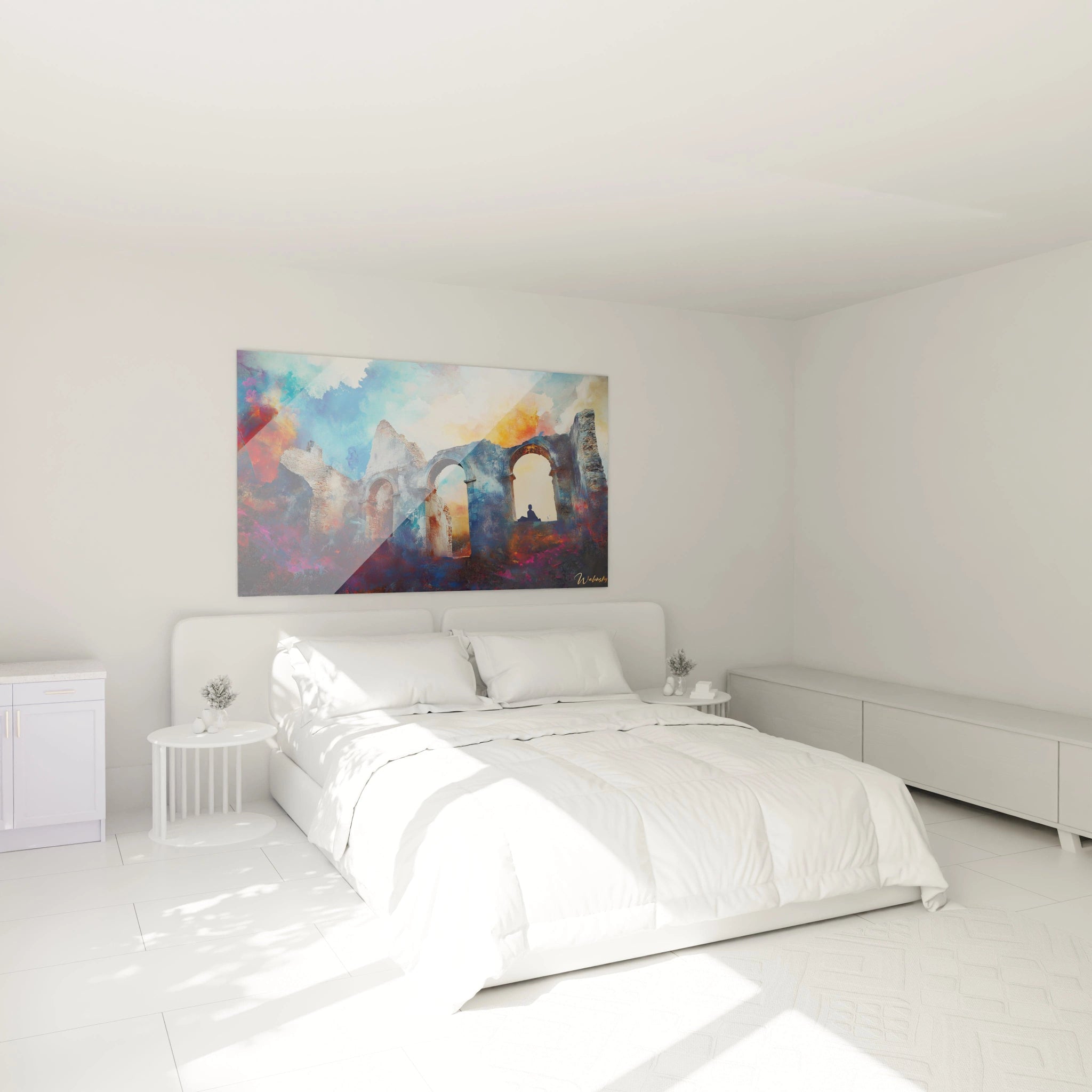
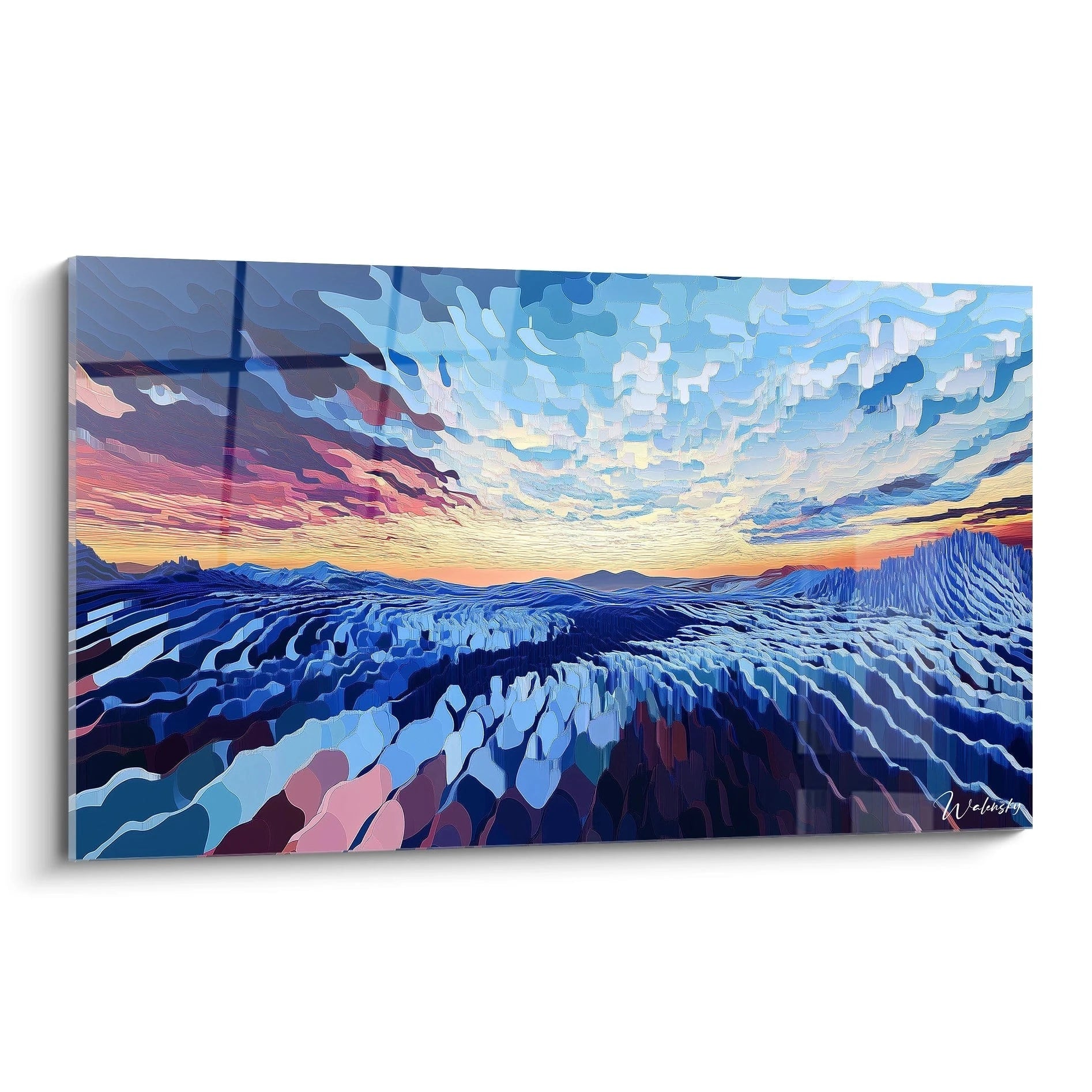
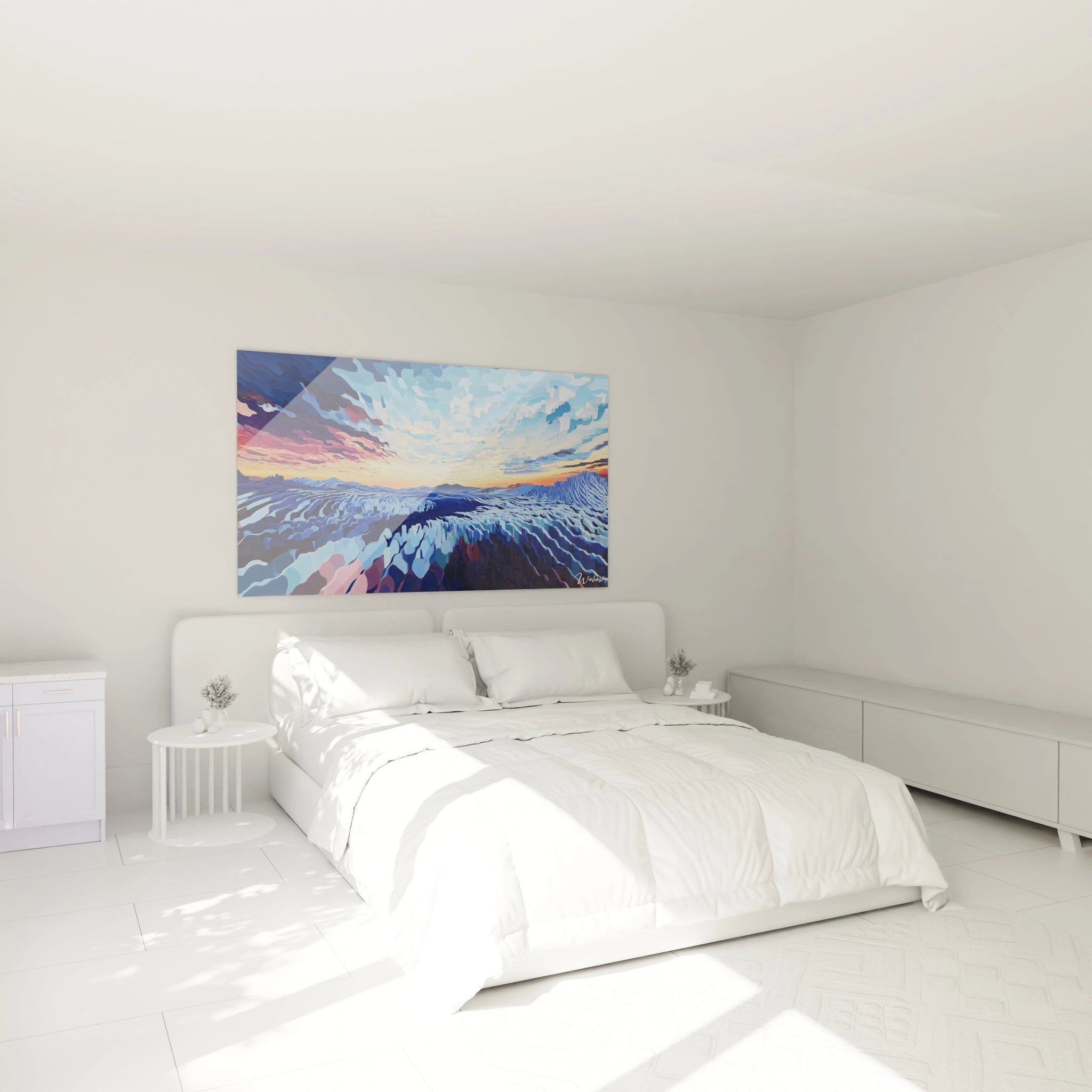
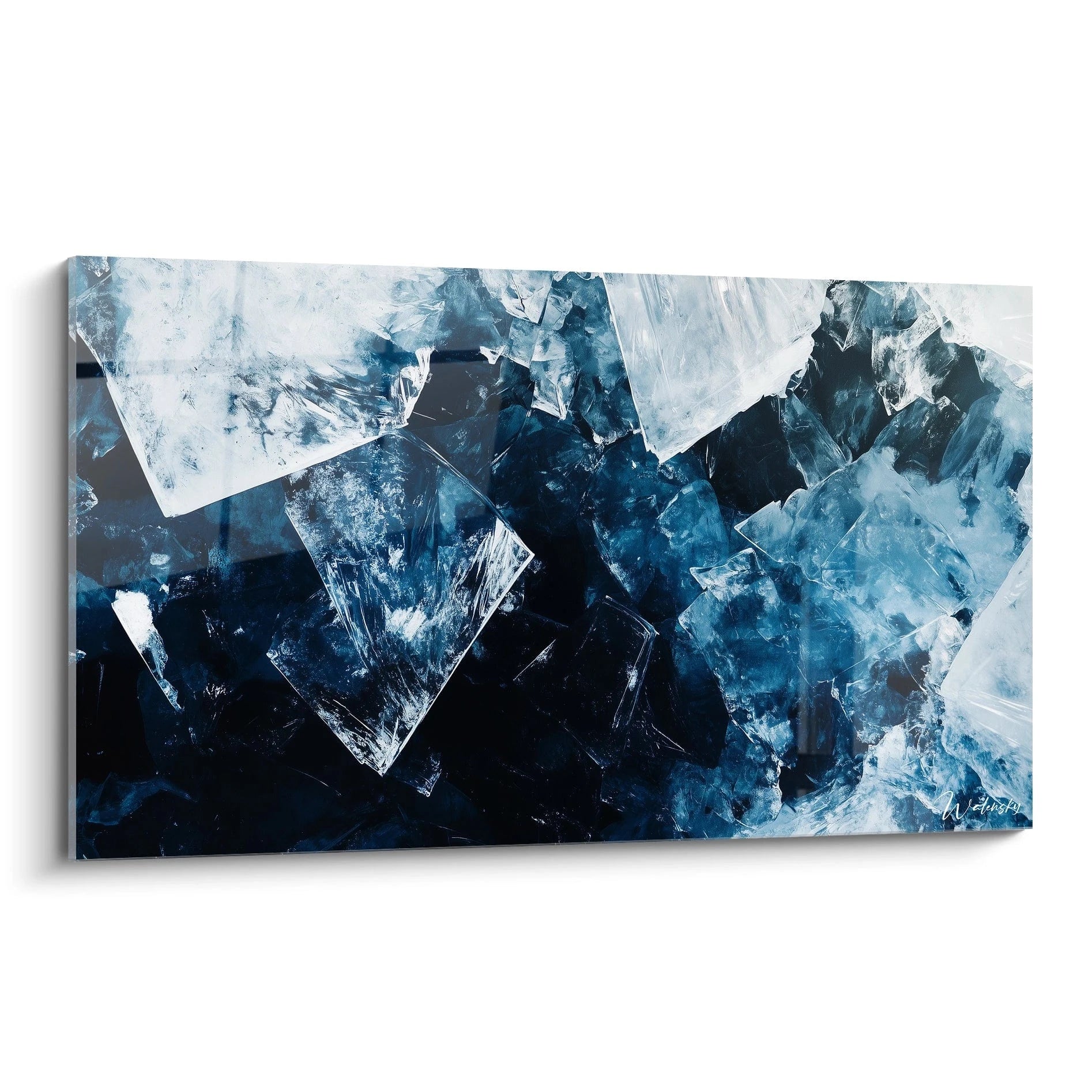
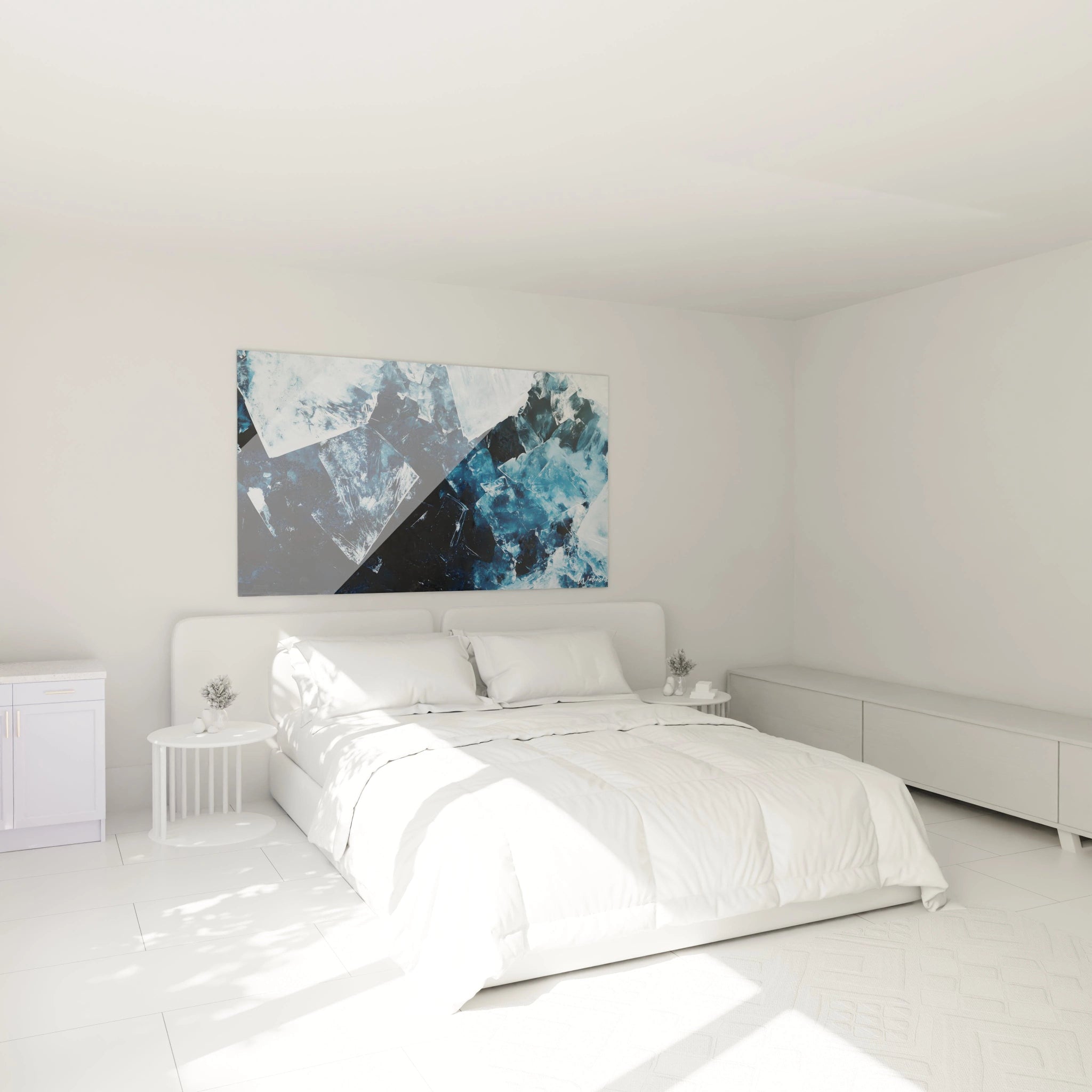
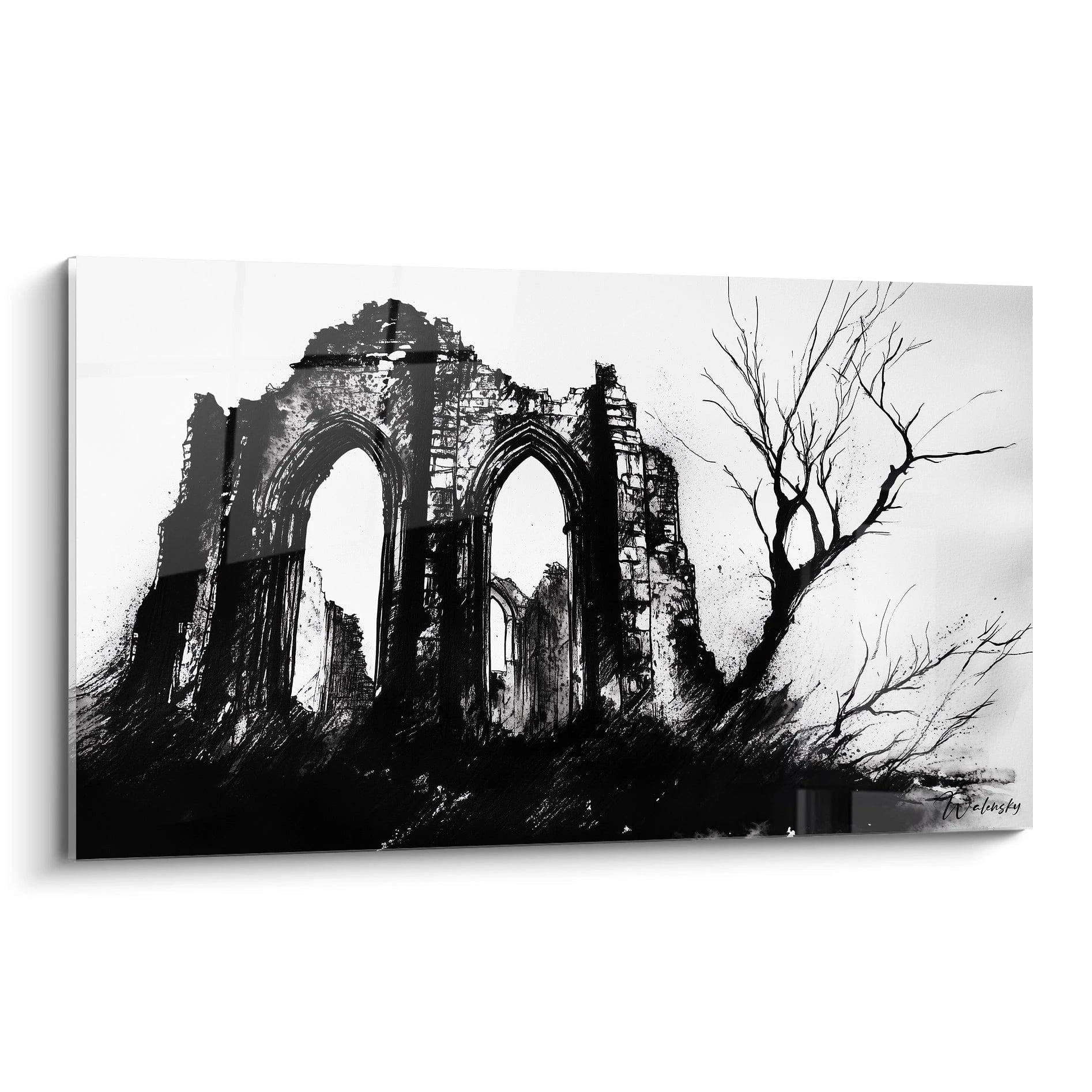
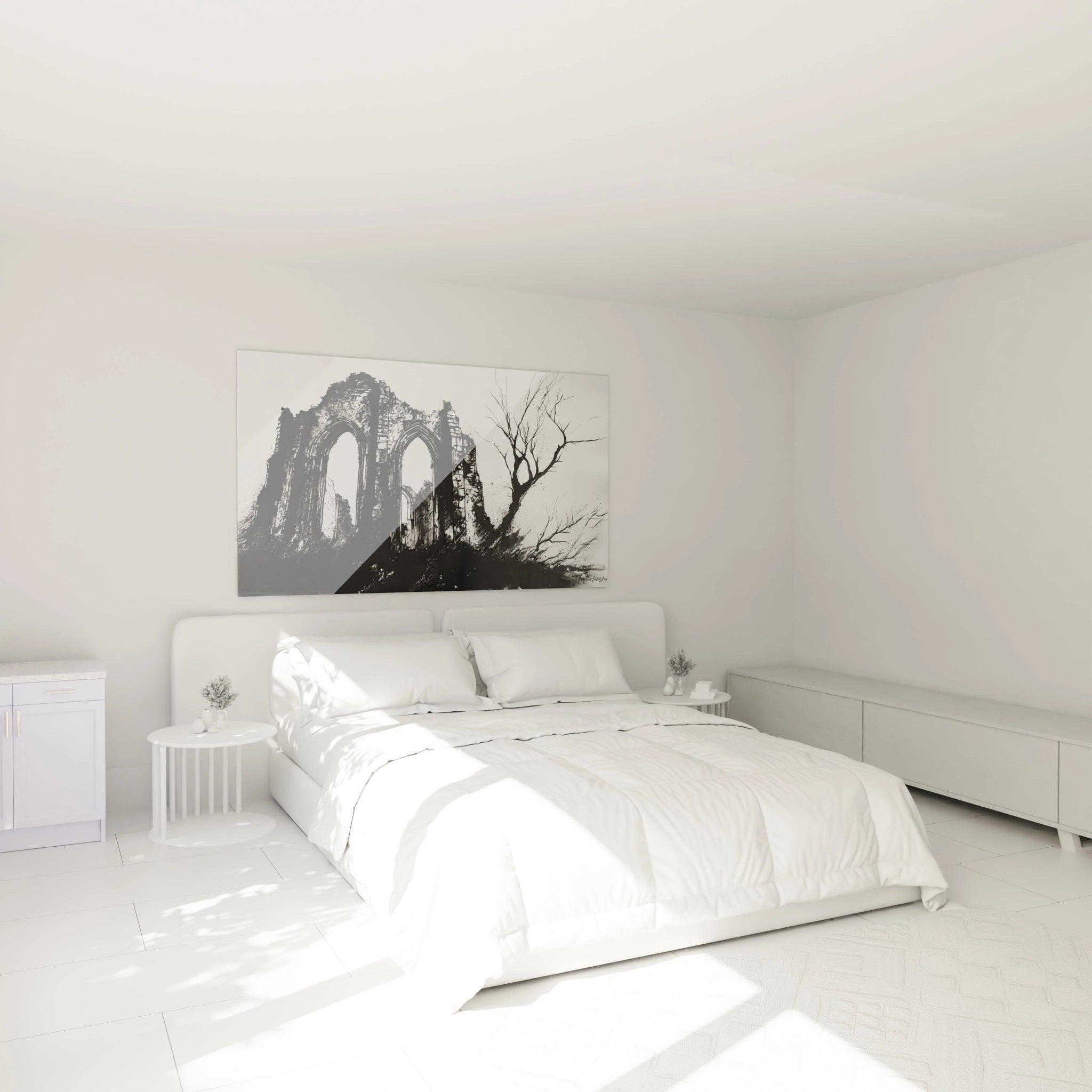
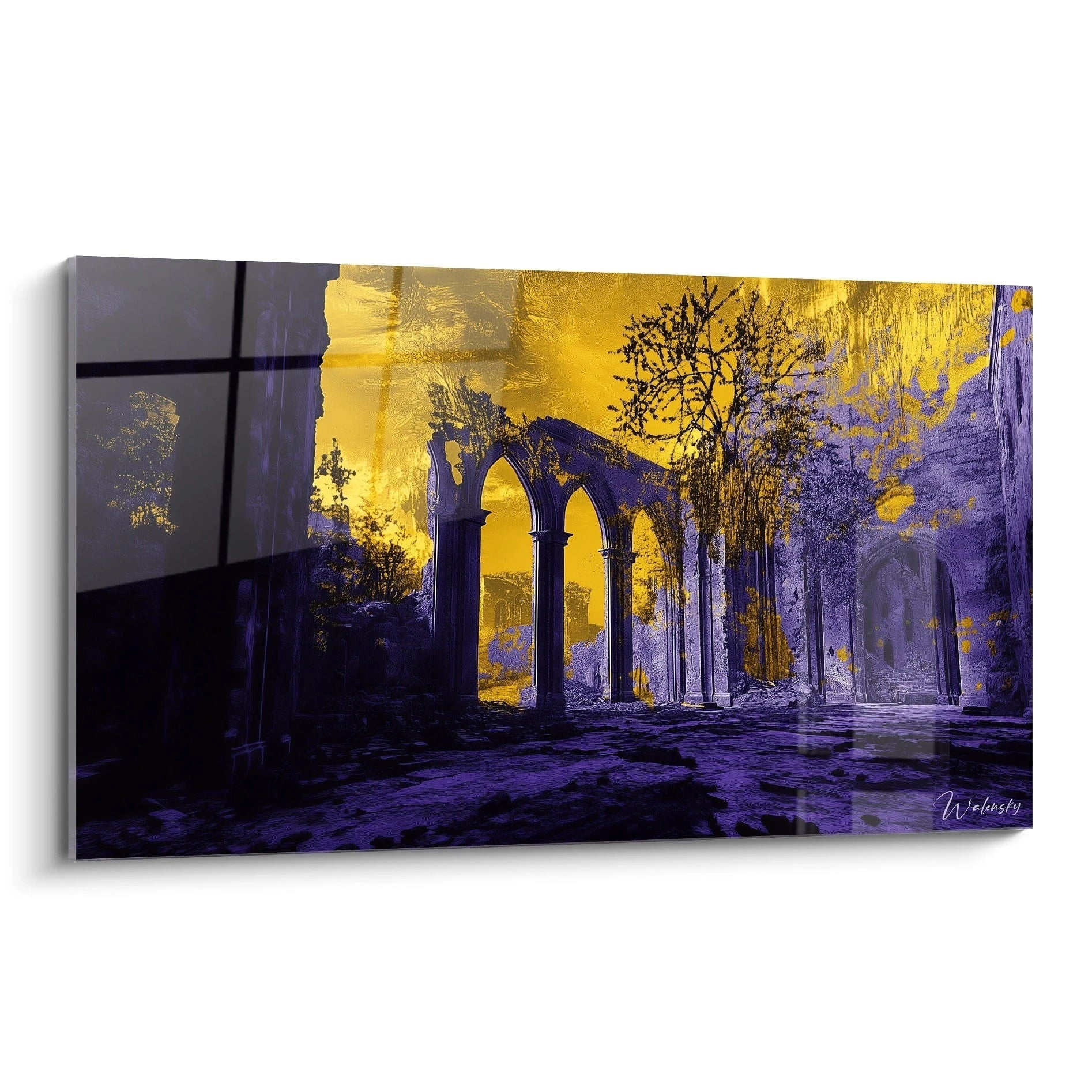
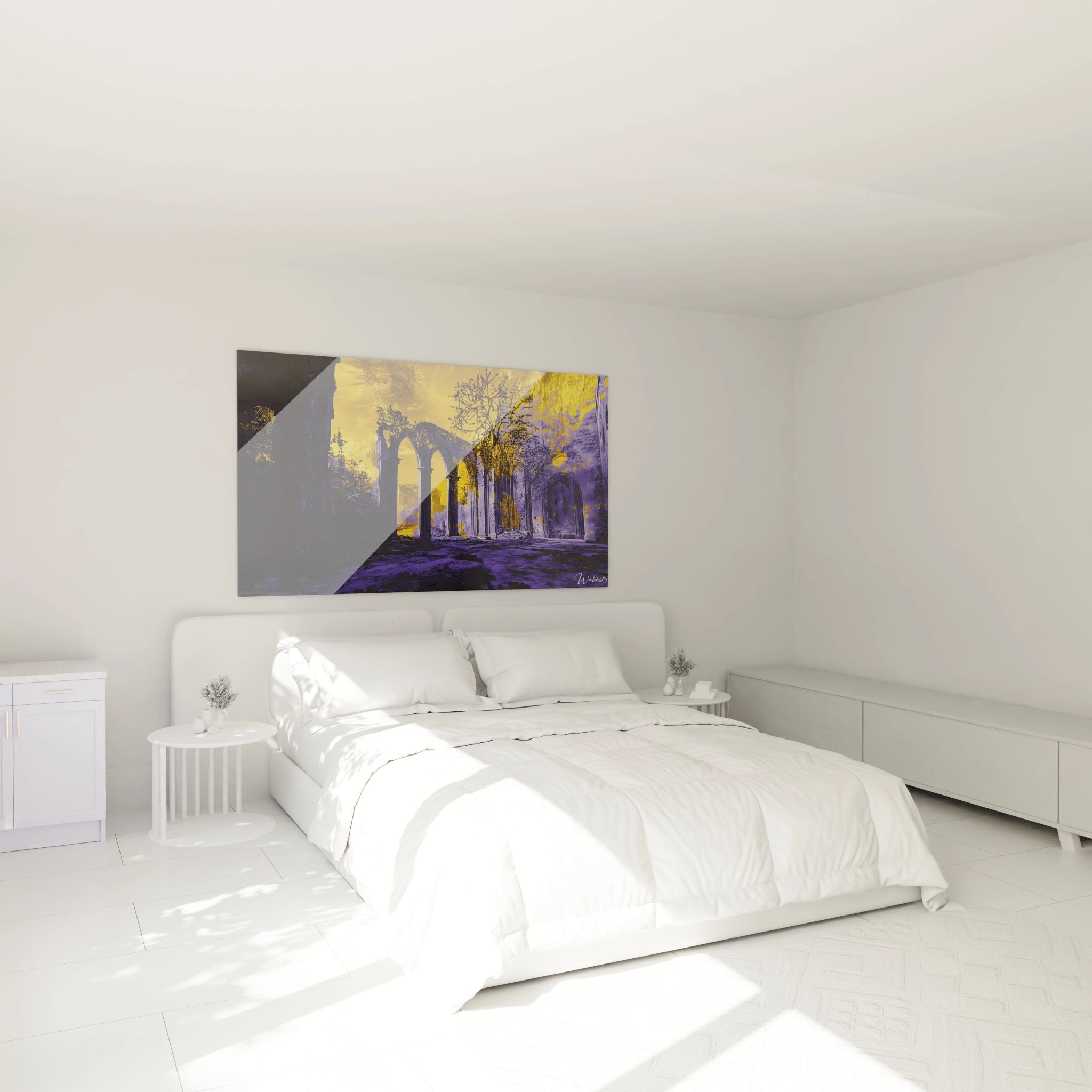
- Caspar David Friedrich Painting Overview
- Caspar David Friedrich Painting and German Romanticism
- Caspar David Friedrich Painting and Mystical Symbolism
- Caspar David Friedrich Painting and Nordic Light
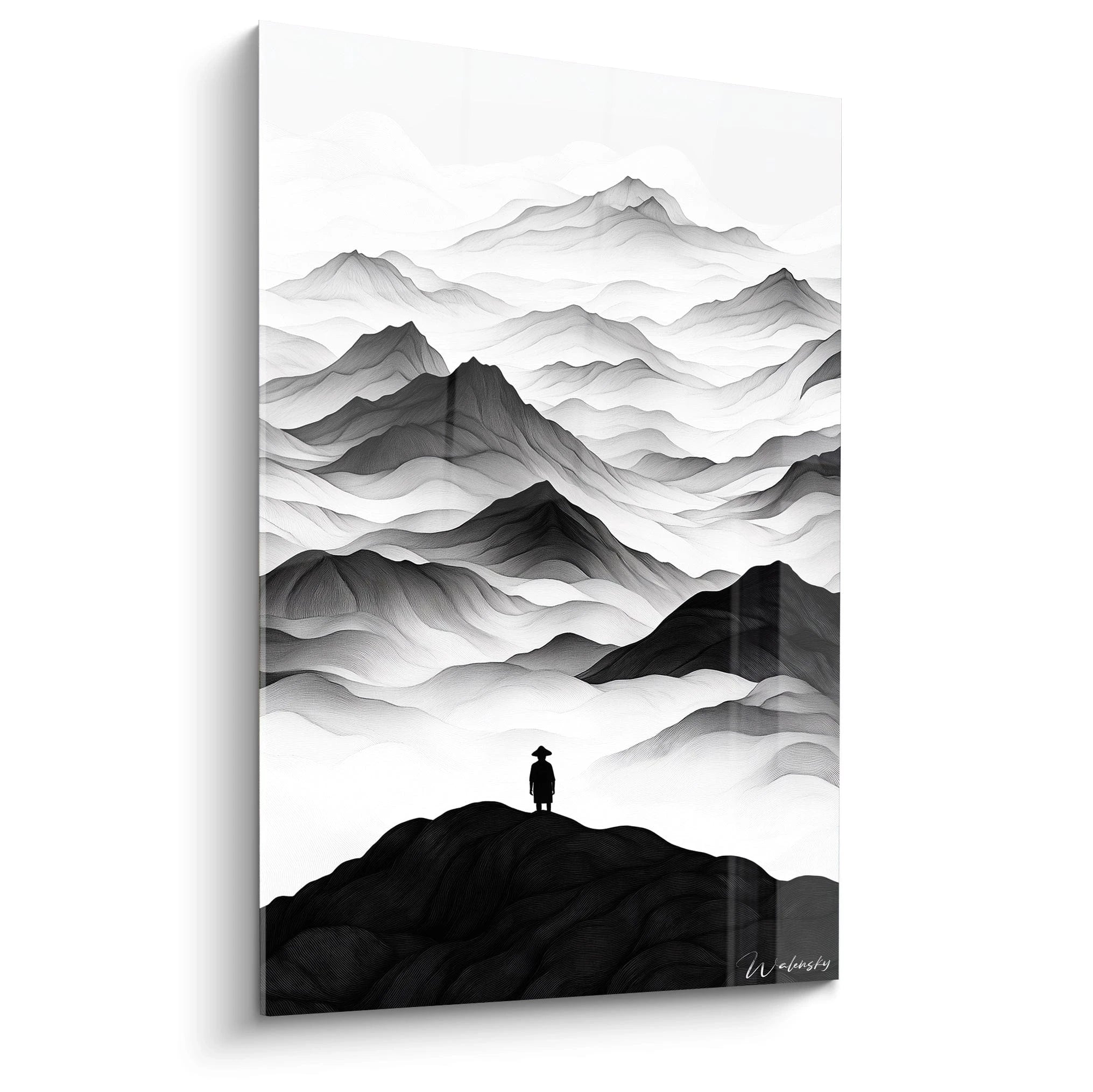
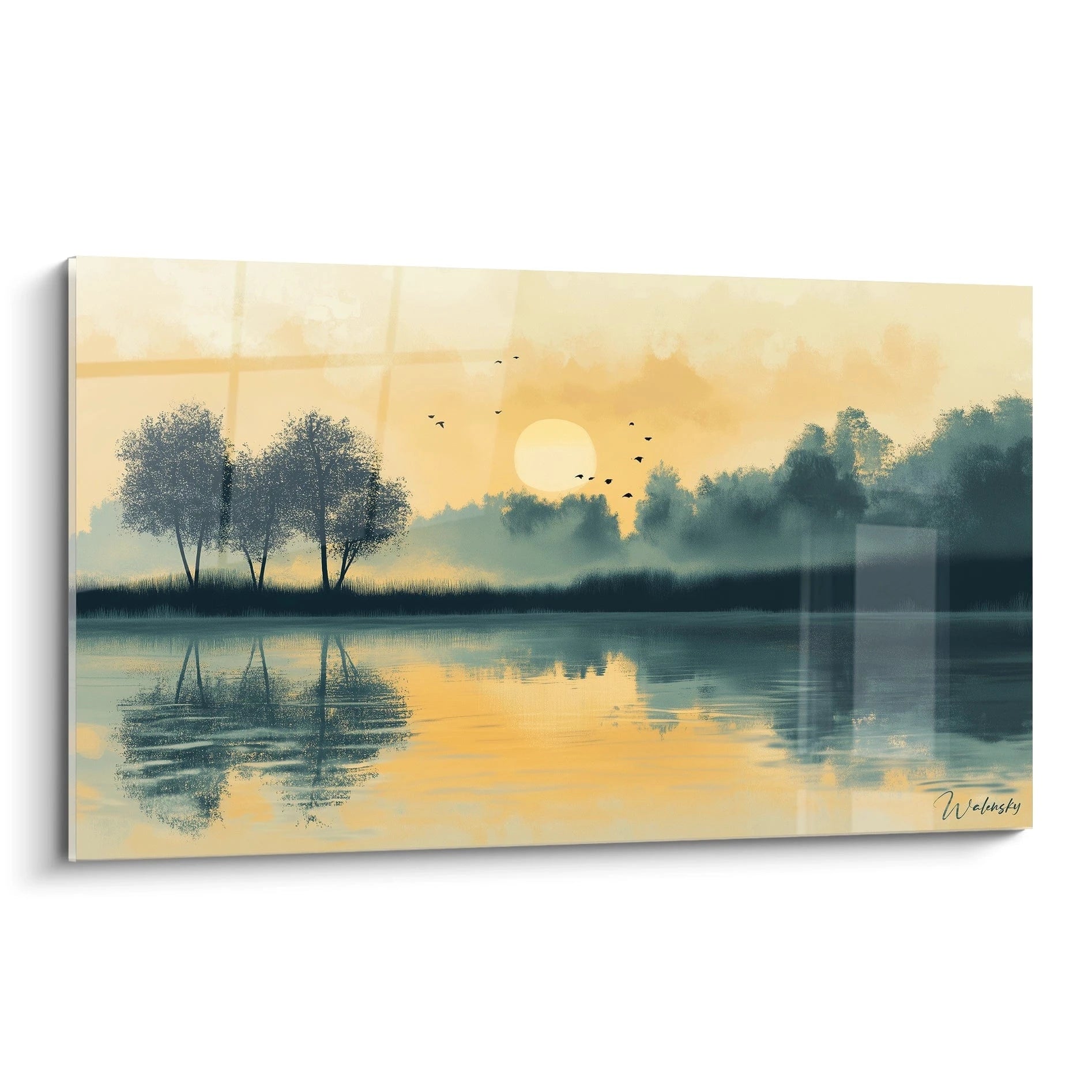
Caspar David Friedrich's paintings represent masterpieces of 19th-century German Romanticism, capturing mystical landscapes that evoke a profound connection with nature. As a master of romantic landscape painting, Friedrich created works characterized by meditative atmospheres, distant horizons, and symbolic light that transcends mere naturalistic representation. His celebrated paintings such as "The Wanderer Above the Sea of Fog" or "The Sea of Ice" explore the relationship between humanity and nature's immensity, creating a visual experience that resonates deeply with contemporary sensibilities seeking to reconnect with natural grandeur.
The Mystical Universe of Caspar David Friedrich's Paintings: Immersion in German Romanticism
Caspar David Friedrich's paintings constitute a unique visual heritage that transcends mere decorative art to become a profound contemplative experience. The German artist, born in 1774 and died in 1840, revolutionized landscape painting by infusing it with an unprecedented spiritual dimension that continues to fascinate collectors and admirers of German Romanticism.
Why do Friedrich's paintings radically transform an exhibition space?
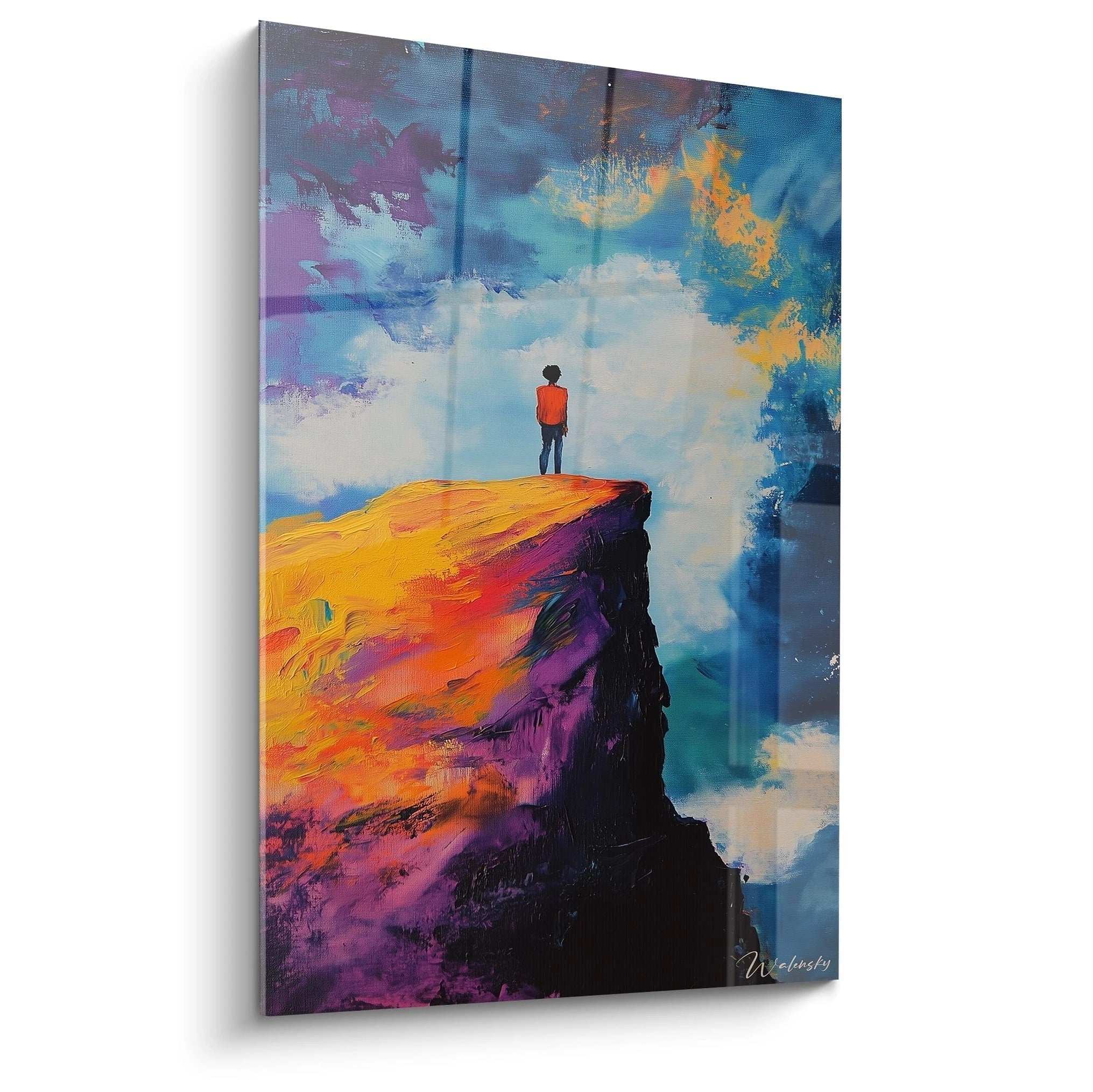
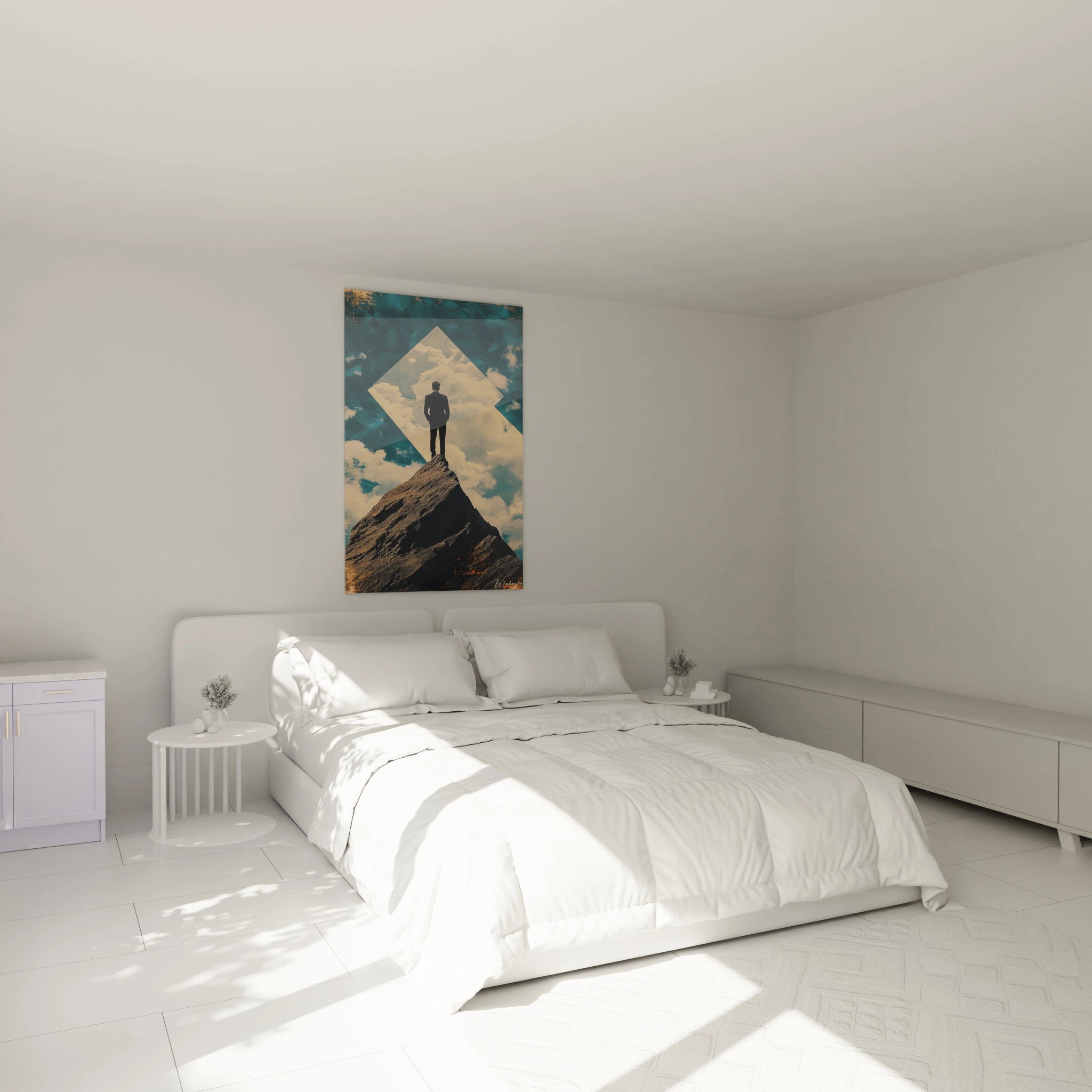
Unlike conventional decorative works, a Caspar David Friedrich painting fundamentally alters the spatial perception of a room. His unique composition technique, with figures often seen from behind contemplating vastness (called "Rückenfigur"), creates visual depth that seemingly extends the room's physical space. This exclusive characteristic transforms the exhibition wall into a portal to infinite mystical landscapes.
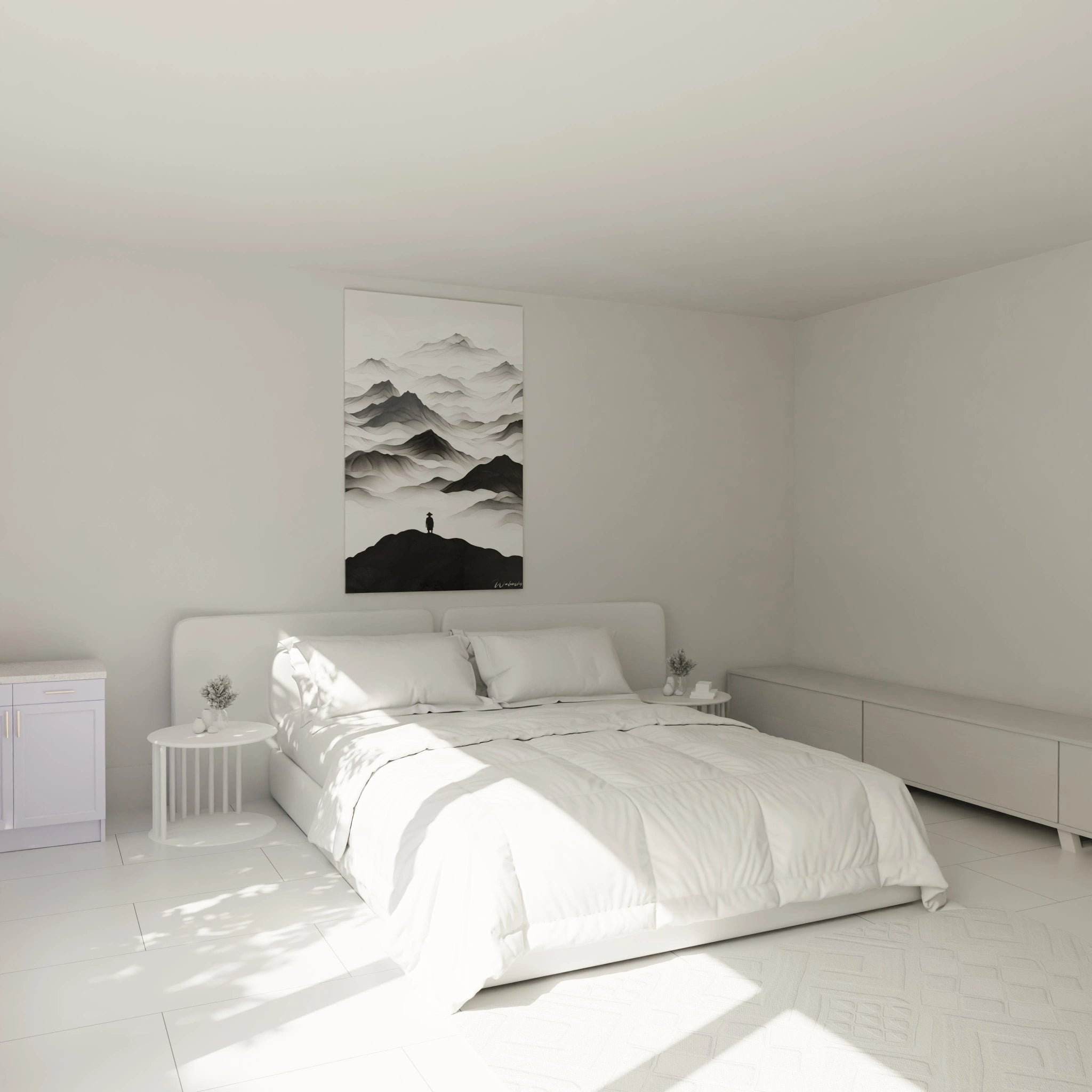
In a private art gallery or contemporary living room, Friedrich's works are not merely decorative elements but meditative windows to another world. Friedrich's specific color palette, with its twilight blues and morning mists, generates unique luminous ambiance that transforms the very perception of the room's ambient lighting.
The metaphysical influence of Friedrich's works on exhibition environments
Collectors of Friedrich paintings report a singular phenomenon: the presence of a work by this romantic master creates what experts call an "induced contemplative space". This phenomenon is characterized by a modification of the room's general atmosphere, naturally promoting reflection and silent contemplation.
The large formats of Friedrich's works, particularly suited to modern exhibition spaces with high walls, impose a vertical visual dynamic that guides the gaze upward, accentuating the spiritual elevation impression characteristic of his work. This distinctive verticality contrasts with the dominant horizontality of contemporary interiors, creating a refreshing visual break.
Specific conservation challenges for Friedrich paintings in residential environments
Friedrich painting owners must consider the particular preservation needs these works require. German Romantic pigments from the 19th century exhibit specific sensitivity to modern hygrometric variations, requiring stricter humidity control than works from different periods.
Experts recommend an optimal viewing distance of 2.5 to 3 meters for large-format Friedrich paintings, a factor to integrate into exhibition room spatial planning. This unique spatial requirement directly influences furniture arrangement and circulation patterns.
The measurable psychological impact of Friedrich paintings in contemporary spaces
Recent research on art's physiological impact reveals that daily exposure to Friedrich's metaphysical landscapes produces significant effects on cortisol levels and heart rate variability in observers. The recurring motifs of solitary contemplation and natural immensity characteristic of his works activate brain regions associated with introspection and mindfulness.
Specialists in German Romantic restoration emphasize that Friedrich paintings require seasonal repositioning to adapt to natural light variations. This "seasonal migration" of works constitutes a unique ritual that strengthens the collector's bond with the piece, creating a dynamic relationship exclusive to Friedrich paintings.
The modified acoustics of a Friedrich painting's presence
A poorly documented but widely reported phenomenon among collectors concerns large Friedrich paintings' influence on room acoustics. Large-format works, with their characteristic textured surfaces, subtly modify sound reverberation, creating what acousticians call an "contemplative absorption effect" that improves listening quality in the room.
Collectors frequently report that their guests spontaneously adopt more measured and thoughtful tones in the presence of Friedrich works, testifying to the profound atmospheric influence these paintings exert on social behavior in exhibition spaces.
The unique temporal dimension of Friedrich's paintings, with their twilight or auroral atmospheres, creates a "suspended moment" that contrasts with the accelerated rhythm of contemporary life, offering precious temporal counterpoint in modern interiors focused on efficiency and productivity.Mystical Symbolism in Caspar David Friedrich's Paintings: A Transformative Experience
Caspar David Friedrich's paintings transcend simple visual representation to become metaphysical portals between the tangible world and spiritual experience. Their unique symbolic dimension radically transforms exhibition environments, making these works exceptional mediators between domestic space and the depths of the romantic soul.
How do Friedrich's paintings induce a unique contemplative experience?
Friedrich's works distinguish themselves through their ability to create what art historians call "contemplative fields" - zones of visual influence that alter spatial perception far beyond the frame's physical boundaries. In a contemporary interior, a Friedrich painting generates a meditative focal point that unconsciously restructures inhabitants' movements and postures.
Chromatic studies show that the specific tones Friedrich employed - particularly his Nordic blues and earthy browns - activate neurological associations linked to introspection and mental calm. This exclusive palette functions as an environmental emotional regulator, transforming the exhibition room's general atmosphere.
Friedrich's distinctive technique of "romantic sfumato," characterized by blurred atmospheric transitions, produces an optical effect that softens the observer's peripheral perception. This unique visual phenomenon encourages contemplative immersion by attenuating surrounding visual distractions.
The unique dialogue between contemporary architecture and romantic symbolism
Minimalist modern interiors paradoxically provide the ideal setting for Friedrich paintings, creating what interior designers call a "resolved aesthetic tension" between contemporary rigor and romantic emotional depth. This juxtaposition generates an exceptionally balanced visual dynamic.
Friedrich painting owners frequently testify to a "gaze migration" phenomenon where the eye naturally gravitates toward the work at specific times of day, particularly at dawn and dusk - precisely the transitional moments Friedrich favored in his compositions.
Optimal cardinal orientation for Friedrich painting display is subject to precise recommendations: works depicting sunrises benefit from west-wall placement, creating temporal counterpoint with natural light, while twilight scenes find optimal expression on east-facing walls.
The unsuspected sonic dimension of Friedrich paintings
Neurologists specializing in synesthesia have documented a fascinating phenomenon they call "romantic retinal adaptation": Friedrich's landscapes, particularly his maritime scenes like "The Sea of Ice," frequently induce imaginary auditory experiences in sensitive observers. This "implicit soundscape" constitutes an additional unique dimension to his works.
Studies on art's environmental impact reveal that spaces adorned with Friedrich paintings present different circulation patterns - visitors instinctively adopt slower, more meditative movement rhythms, creating what space anthropologists call "induced deceleration".
The measurable influence of Friedrich paintings on temporal perception
Environmental psychology research demonstrates that regular exposure to Friedrich paintings modifies subjective time perception. Regular observers report a "perceived duration expansion" during contemplation, creating precious temporal islands in contemporary life's accelerated rhythm.
The symbolism of distant horizons, omnipresent in Friedrich's work, activates brain regions associated with future projection and long-term planning. This distinctive cognitive stimulation makes Friedrich paintings unique catalysts for strategic reflection and visionary thinking in high-end professional environments.
The specific interaction between Friedrich paintings and contemporary intelligent lighting systems warrants particular attention. Experts recommend color temperatures between 2700K and 3000K with a CRI above 95 to preserve the integrity of the chromatic and symbolic experience the artist intended.
The singular community of Friedrich painting owners
An interesting sociological phenomenon has been observed among Friedrich collectors: the emergence of an informal "contemplative community" bringing together owners of his works. These collectors report remarkably similar residential experiences despite the diversity of their interiors and geographical locations.
Friedrich paintings, with their profound spiritual dimension, often transform exhibition spaces into what space anthropologists describe as "domestic power sites" - emotional anchor points that subtly influence relational and personal dynamics within the home.Nordic Light in Caspar David Friedrich's Paintings: A Visual Revolution
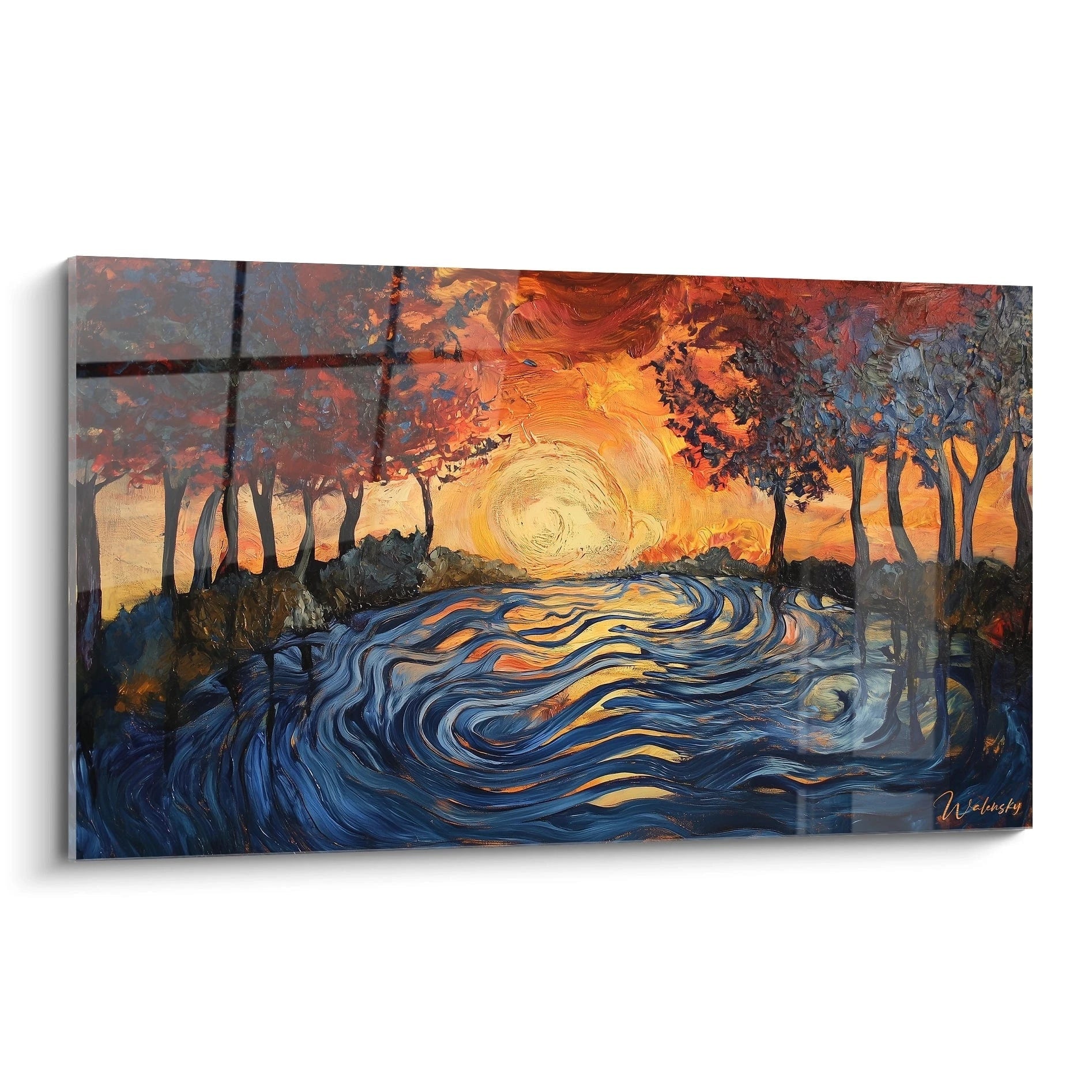
Caspar David Friedrich's paintings distinguish themselves through revolutionary treatment of light, particularly this distinctive Nordic light quality that transforms exhibition environments by creating an inimitable contemplative atmosphere. This unique light mastery makes these works exceptional ambiance modifiers in contemporary interiors.
How does Friedrich's specific luminosity modify spatial experience?
Friedrich's distinctive technique, which specialists call "atmospheric luminescence," is characterized by subtle transitions between shadows and light that create unique atmospheric depth effect. In a modern interior, this particular light quality functions as a "perceptual spatial expander," creating the impression that the room extends beyond its physical limits.
Friedrich paintings present a remarkable characteristic: their visual appearance transforms significantly according to time of day, particularly during natural light transitions at dawn and dusk. This phenomenon, which conservators call "circadian light resonance," creates a visually dynamic work that evolves in harmony with natural rhythms.
Museum lighting experts have identified what they call the "Friedrich effect" - the unique ability of his works to capture and redistribute ambient light in a manner that subtly seems to illuminate the surrounding space, particularly notable under dimmed lighting conditions.
The singular interaction between Friedrich paintings and contemporary architecture
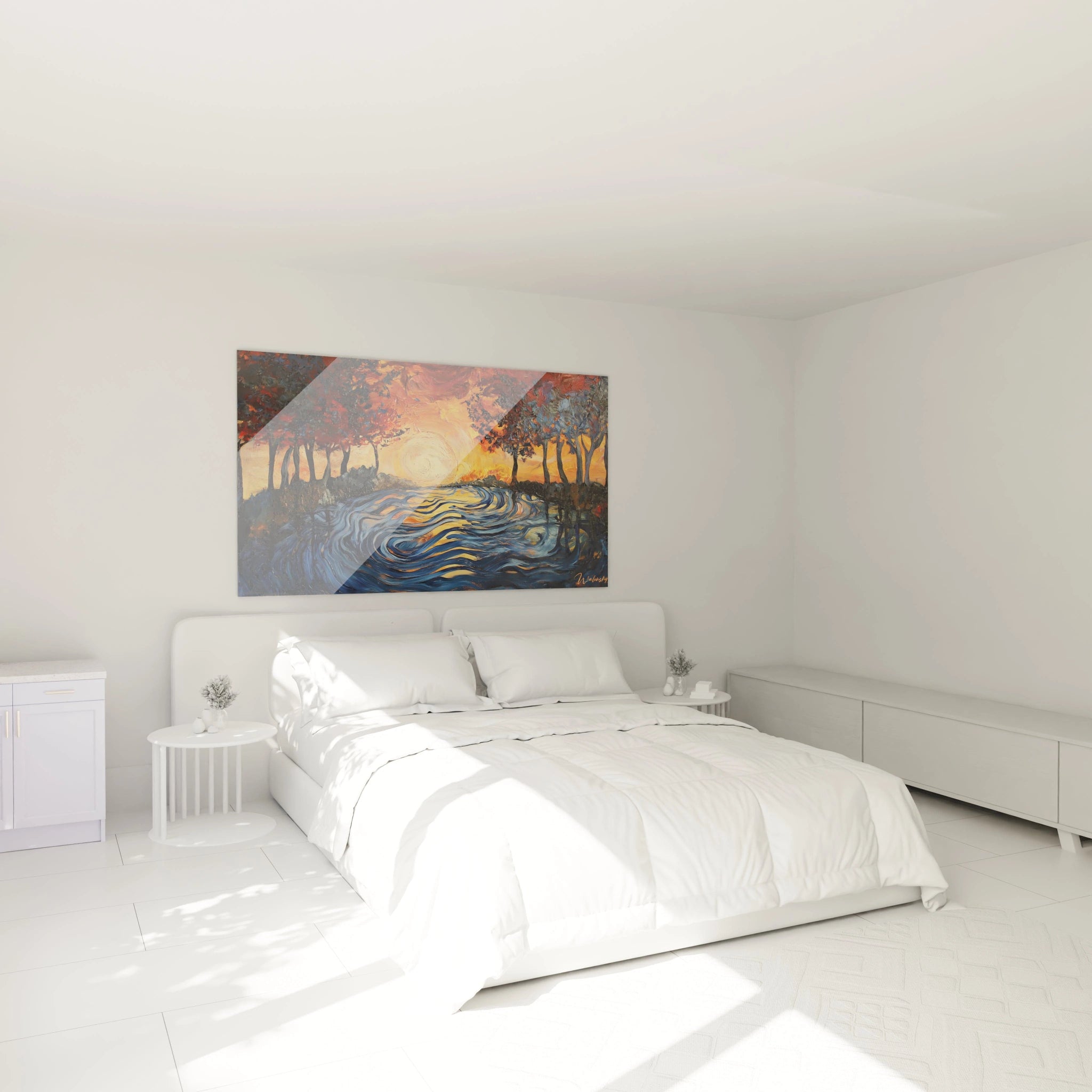
The large glass surfaces of contemporary architecture create a particularly rich dialogue with Friedrich paintings. The alternation between direct natural light and its representation in his works generates what interior architects call a "luminous conversation" that significantly enriches spatial experience.
Optimal orientation of a Friedrich painting relative to natural light sources is subject to precise considerations: placement perpendicular rather than parallel to main windows maximizes the atmospheric depth effect and subtle perception variations throughout the day.
Owners of contemporary residences with high ceilings observe an interesting phenomenon: Friedrich paintings, particularly large-format works, create a "perceptual bridge" between human scale and architectural elevation, harmonizing the relationship between the observer's body and ambitious spatial proportions.
The specific visual adaptation phenomenon in Friedrich paintings
Ophthalmologists specializing in artistic perception have documented a unique phenomenon they call "romantic retinal adaptation": after several minutes of contemplating a Friedrich painting, the viewer's visual sensitivity to subtle luminosity variations increases significantly, temporarily improving chromatic nuance perception in the immediate environment.
This specific visual adaptation transforms the overall exhibition space experience, creating what neurologists call a "perceptual resonance" between the work and its environment. Regular observers report heightened sensitivity to natural atmospheric variations after contemplative sessions with Friedrich works.
The temporal dimension of luminous experience in Friedrich paintings
Friedrich's characteristic representation of transitional moments - dawn, dusk, seasonal transitions - creates what art philosophers call an "extended present," a dilated temporal experience contrasting with contemporary life's characteristic acceleration, offering precious counterpoint in modern interiors.
Experienced collectors recommend periodically repositioning Friedrich paintings to adapt to seasonal light variations, creating a "contemplative calendar" that reinforces the connection between the work, exhibition space, and natural cycles - a practice particularly relevant for his emblematic winter landscapes.
The interaction between Friedrich paintings and contemporary intelligent lighting systems offers fascinating possibilities: some collectors program subtle variations in color temperature and intensity to accompany the atmospheric transitions represented in the work, creating a multi-sensory immersive experience.
FAQ about Caspar David Friedrich Paintings
What is the current market value of an original Caspar David Friedrich painting?
Original Caspar David Friedrich paintings reach substantial sums at international auction sales, often several million euros. High-quality reproductions, faithful to original dimensions and techniques, constitute an accessible alternative for collectors passionate about his romantic work.
How to identify the ideal location for a Caspar David Friedrich painting in a contemporary home?
The ideal location combines three essential factors: sufficient viewing distance (minimum 2.5 meters), measured interaction with natural light avoiding direct exposure, and an environment conducive to silent contemplation. Transitional spaces such as staircase landings often provide a particularly favorable context for the meditative experience these works inspire.
Do Caspar David Friedrich paintings require particular conservation conditions?
Quality reproductions of Friedrich paintings benefit from a stable environment with relative humidity between 45-55% and constant temperature around 20°C. Protection against direct UV rays is essential to preserve the subtle color integrity characteristic of his work, particularly his atmospheric blues and delicate mists.