



Collection · 9
artworks
Paintings Inspired by Jean Baptiste Camille Corot
by
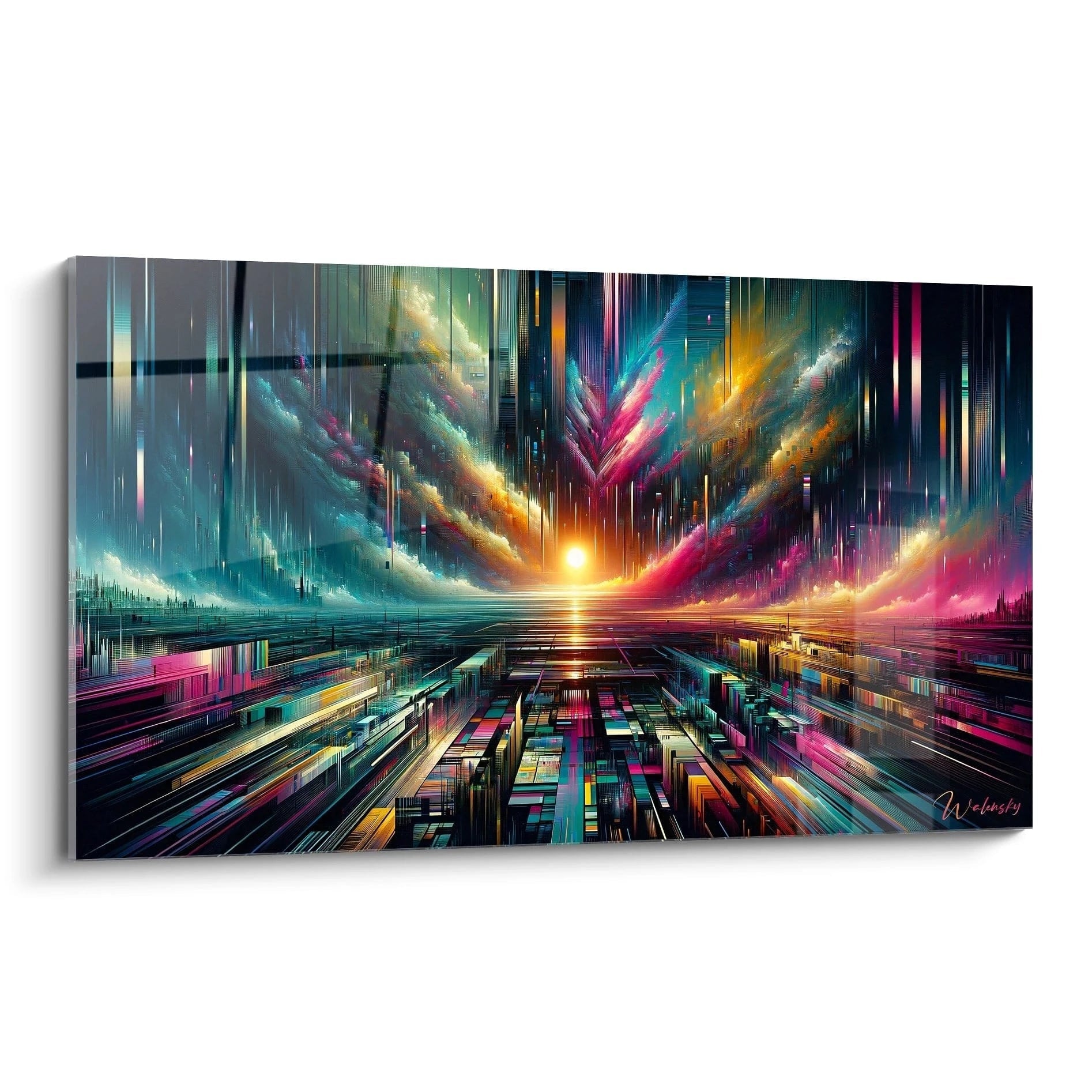
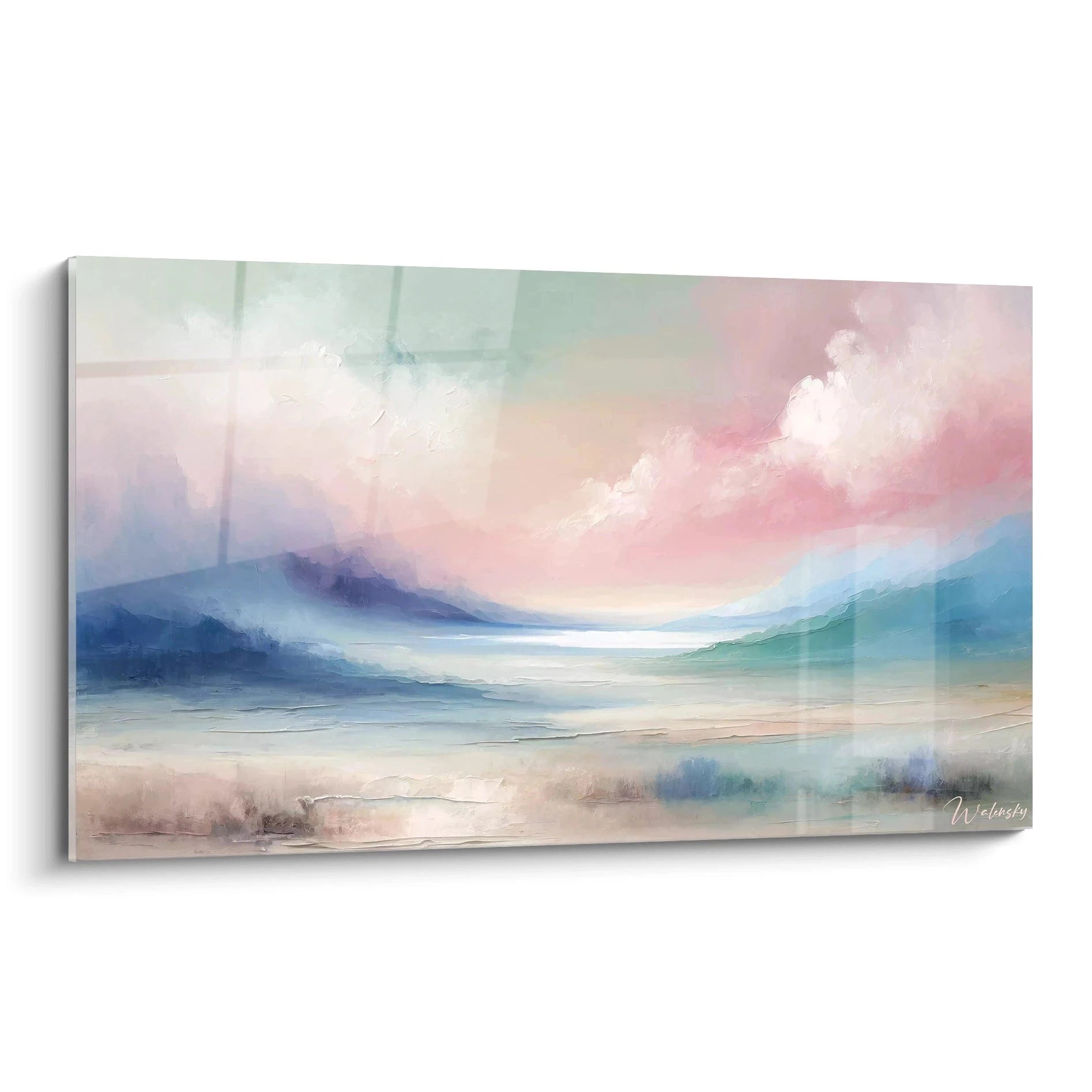
Immerse yourself in the romantic and luminous universe of paintings inspired by Jean Baptiste Camille Corot. These artworks capture the serenity of natural landscapes with unparalleled softness. Each painting offers subtle interplay of light and evocative depth, capturing the soul of nature and the emotion of the moment. Ideal for refined art lovers, these paintings bring a touch of poetry and elegance to any interior space.
 Painting Inspired by Jean-Baptiste-Camille Corot's Souvenir of Mortefontaine N°1 – Tribute to Celebrated Artist273,90 €
 Painting Inspired by Corot's Cottages No. 1 – Tribute to a Celebrated Artist273,90 €
 Painting Inspired by Mantes Bridge by Jean-Baptiste-Camille Corot No. 1 – Tribute to a Celebrated Artist273,90 €
 Painting Inspired by Mount Soracte by Jean-Baptiste-Camille Corot No. 2 – Tribute to Celebrated Artist273,90 €
 Painting Inspired by Mount Soracte by Jean-Baptiste-Camille Corot No.1 – Tribute to Celebrated Artist273,90 €
 Painting Inspired by The Blue Lady by Jean-Baptiste-Camille Corot No.4 – Tribute to Celebrated Artist273,90 €
 Painting Inspired by The Blue Lady by Jean-Baptiste-Camille Corot No. 3 – Tribute to Celebrated Artist273,90 €
 Painting Inspired by The Blue Lady by Jean-Baptiste-Camille Corot No.2 – Tribute to Celebrated Artist273,90 €
 Painting Inspired by The Lady in Blue by Jean-Baptiste-Camille Corot No.1 – Tribute to Renowned Artist273,90 €
In the same family
Also explore the theme Famous Artists ( inspirations )
-
 View all265
artworks
View all265
artworks
-
 Alfred Sisley10
artworks
Alfred Sisley10
artworks
-
 Amedeo Modigliani12
artworks
Amedeo Modigliani12
artworks
-
 Camille Pissarro7
artworks
Camille Pissarro7
artworks
-
 Caspar David Friedrich11
artworks
Caspar David Friedrich11
artworks
-
 Claude Joseph Vernet3
artworks
Claude Joseph Vernet3
artworks
-
 Claude Monet10
artworks
Claude Monet10
artworks
-
 Edgar Degas8
artworks
Edgar Degas8
artworks
-
 Edvard Munch11
artworks
Edvard Munch11
artworks
-
 Edward Hopper8
artworks
Edward Hopper8
artworks
-
 Frida Kahlo6
artworks
Frida Kahlo6
artworks
-
 George Braque5
artworks
George Braque5
artworks
-
 Giuseppe Arcimboldo9
artworks
Giuseppe Arcimboldo9
artworks
-
 Goya8
artworks
Goya8
artworks
-
 Gustav Klimt8
artworks
Gustav Klimt8
artworks
-
 Gustave Courbet8
artworks
Gustave Courbet8
artworks
-
 Henri Matisse4
artworks
Henri Matisse4
artworks
-
 Hieronymus Bosch2
artworks
Hieronymus Bosch2
artworks
-
 Jean François Millet7
artworks
Jean François Millet7
artworks
-
 Jean-Auguste-Dominique Ingres10
artworks
Jean-Auguste-Dominique Ingres10
artworks
-
 JMW Turner6
artworks
JMW Turner6
artworks
-
 Johannes Vermeer10
artworks
Johannes Vermeer10
artworks
-
 Leonardo da Vinci5
artworks
Leonardo da Vinci5
artworks
-
 Michelangelo6
artworks
Michelangelo6
artworks
-
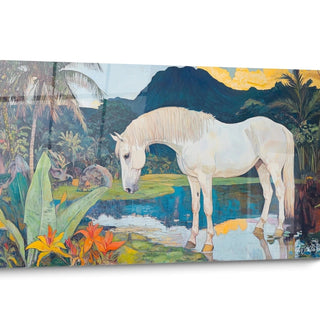 Paul Gauguin6
artworks
Paul Gauguin6
artworks
-
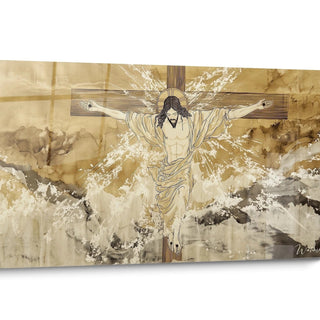 Peter Paul Rubens6
artworks
Peter Paul Rubens6
artworks
-
 Pierre-Auguste Renoir6
artworks
Pierre-Auguste Renoir6
artworks
-
 Piet Mondrian11
artworks
Piet Mondrian11
artworks
-
 Pieter Bruegel the Elder6
artworks
Pieter Bruegel the Elder6
artworks
-
 Rembrandt van Rijn4
artworks
Rembrandt van Rijn4
artworks
-
 Sandro Botticelli9
artworks
Sandro Botticelli9
artworks
-
 Sonia Delaunay6
artworks
Sonia Delaunay6
artworks
-
 Théodore Géricault7
artworks
Théodore Géricault7
artworks
-
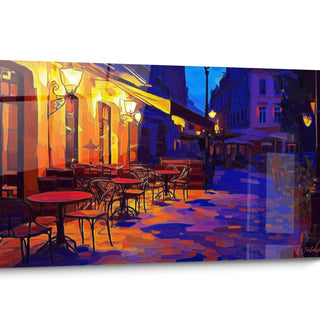 Vincent Van Gogh11
artworks
Vincent Van Gogh11
artworks
-
 Wassily Kandinsky10
artworks
Wassily Kandinsky10
artworks


All about Paintings Inspired by Jean Baptiste Camille Corot
- Discover Paintings Jean Baptiste Camille Corot
- Painting Jean Baptiste Camille Corot and Landscape Ambiance
- Painting Jean Baptiste Camille Corot and Neoclassical Décor
- Painting Jean Baptiste Camille Corot and Artistic Investment
Discover the Paintings Jean Baptiste Camille Corot: Jewels of French Landscape Painting
Jean Baptiste Camille Corot paintings represent the very essence of 19th-century French landscape art, combining refinement, vaporous atmosphere, and subtle transition between neoclassicism and impressionism. Born in 1796 and died in 1875, Jean-Baptiste Camille Corot developed a unique style that transcends the artistic movements of his era.
Corot's works distinguish themselves through their ability to capture the soft light of landscapes, particularly that of dawns and dusks, creating scenes imbued with unparalleled visual poetry. His distinctive approach, characterized by silvery touches and delicate silhouettes, revolutionized landscape art and significantly influenced subsequent generations of artists.
Unlike mere reproductions, owning a Jean Baptiste Camille Corot painting brings historical dimension and emotional depth to your interior. His misty forests of Fontainebleau, his Italian views bathed in golden light, or his melancholic portraits constitute majestic pieces that radically transform the ambiance of a room.
Corot's subtle color palette, dominated by olive greens, silvery grays, and delicate ochres, possesses the rare quality of harmonizing with virtually all interior decoration styles, from classical to contemporary. This exceptional versatility makes Corot's famous paintings timeless decorative investments.
Exploring the different creative periods of the artist, from historical landscapes of his youth to more freely atmospheric compositions of his maturity, you will discover the richness of a pictorial universe that continues to move people more than 150 years after its creation.
Painting Jean Baptiste Camille Corot: Mastery of Timeless Landscape Ambiance
The unique atmosphere of a Jean Baptiste Camille Corot painting radically transforms the spatial perception of a room through its ethereal depth and distinctive luminosity. Unlike conventional landscape works, Corot's creations introduce an almost meditative dimension into your living space.
How do Corot's signature mist effects alter the ambiance of a room?
Corot's emblematic silvery mist technique creates a remarkable spatial extension illusion. This unique characteristic allows his paintings to visually enlarge even restricted spaces, transforming walls into windows opening onto dreamlike landscapes. In contemporary urban apartments with limited dimensions, this quality becomes invaluable.
Environmental psychology research confirms that Corot's misty landscapes induce a cognitive relaxation state comparable to that experienced during a morning nature walk. This physiological reaction explains why his works are particularly recommended for spaces dedicated to relaxation or meditation.
Seasonal variations sublimated in Corot's work
A fascinating aspect of Jean Baptiste Camille Corot's paintings lies in their ability to capture subtle seasonal metamorphoses. His autumn landscapes, with their ochre and amber tones, bring unparalleled visual warmth to north-facing rooms, naturally cooler and less sunlit.
His spring representations, characterized by tender greens and discrete floral touches, introduce a perpetual sense of renewal, particularly appreciated in modern minimalist interiors that can sometimes seem austere. This ability to infuse life and movement into static space fundamentally distinguishes Corot's work.
Knowledgeable collectors often alternate their Corot paintings according to seasons, creating an evolving decorative dynamic that harmonizes perfectly with natural changes in luminosity throughout the year. This practice transforms the decorative experience into a living dialogue with the artwork.
The emotional impact of Corot's landscapes on daily well-being
Neurobiologists have recently discovered that regular exposure to the atmospheric landscapes typical of Corot stimulates serotonin production, the hormone associated with well-being and emotional balance. Integrating a Jean Baptiste Camille Corot painting into a living space represents much more than an aesthetic choice – it is an investment in your daily psychological balance.
Owners of these works regularly testify to significant stress reduction and improved sleep quality. This therapeutic dimension, though subjective, constitutes a considerable advantage over more expressionistic or abstract works that can sometimes generate more intense or contradictory emotional reactions.
The particular luminosity of Corot's skies, often bathed in dawn or twilight glow, subtly synchronizes our internal biological clock. Placed in a bedroom, these works naturally facilitate sleep transition by harmonizing our visual perception with circadian rhythms.
Integration of Corot paintings into contemporary architecture
Interior architects specializing in high-end spaces strategically use Corot paintings as architectural focal points, particularly in transitional spaces like entrances or stairwell landings. Their unique ability to create a sense of depth transforms these often-neglected zones into contemplative moments.
In contemporary constructions with clean lines and reflective surfaces, Corot's textured and organic landscapes introduce necessary natural counterpoint. This juxtaposition between architectural modernity and pictorial romanticism creates a sophisticated visual dialogue particularly sought after in prestigious interiors.
To maximize the impact of a Jean Baptiste Camille Corot painting, experts recommend installing it facing an indirect natural light source. This arrangement allows daily light variations to continuously animate the work, progressively revealing different nuances and details throughout the hours – an experience impossible to reproduce with less atmospheric works.
The monumental scale of some Corot compositions, notably his Italian landscapes, allows visual structuring of spaces with high ceilings that can sometimes seem disproportionate. This ability to harmoniously balance complex architectural volumes makes these paintings exceptional interior design tools.
Painting Jean Baptiste Camille Corot: Perfect Harmony with Modern Neoclassical Décor
Integrating a Jean Baptiste Camille Corot painting into a contemporary interior proves to be a strategic decision for those seeking perfect balance between classicism and modernity. The singularity of Corot's works lies in their exceptional ability to transcend eras and decorative styles.
Why do Corot paintings become central pieces in revisited neoclassical decoration?
Modern neoclassicism, a major decorative trend in current high-end interiors, finds ideal complement in Corot paintings through their balanced composition and subtle color palette. Unlike more rigid neoclassical works, Corot's landscapes bring visual fluidity that softens the straight lines characteristic of contemporary furniture.
Interior designers specializing in this aesthetic emphasize that the opposition between the strict geometry of modern furniture and the vaporous organicity of Corot's landscapes creates sophisticated visual tension, signature of the most refined interiors. This dynamic is impossible to reproduce with more literal or figurative works.
Corot's unique technique, based on superimposed glazes, bestows upon his paintings an inner luminosity that seems to emanate from the work itself. This characteristic radically transforms the luminous perception of a room, particularly in urban spaces suffering from natural light shortage – a frequent issue in prestigious downtown apartments.
Corot color palette: key to perfect decorative integration
Colorimetric analysis of Jean Baptiste Camille Corot's works reveals a dominance of silvery greens, subtle ochres, and atmospheric blues that constitute precisely the tones recommended by contemporary color specialists to create soothing spaces without sacrificing visual sophistication.
This natural yet refined palette allows Corot paintings to integrate harmoniously with noble materials privileged in current high-end decoration: veined marble, light wood, brushed metals, and natural textiles. This overall chromatic coherence creates immediately perceptible visual unity but difficult to conceptualize without the appropriate artistic element.
Chromatic harmony consultants observe that Corot paintings function as exceptional "visual bridges," capable of reconciling disparate decorative elements within the same space. This unifying quality proves particularly precious in eclectic interiors that might otherwise appear incoherent.
The unique dimensional effect of Corot's landscapes
The atmospheric perspective mastered in Jean Baptiste Camille Corot paintings produces a depth effect that considerably modifies room spatial perception. This characteristic makes his works interior architecture tools in their own right, capable of visually "opening up" constrained spaces.
In Haussmann apartments with high ceilings but sometimes narrow rooms, strategic installation of a Corot landscape on a terminal wall creates spatial expansion illusion that interior architects describe as "poetic opening." This design solution surpasses in elegance conventional approaches like mirror use or light colors.
Corot's characteristic composition, structured in successive vegetation planes that naturally guide the gaze toward the horizon, generates visual rhythm that subtly energizes the space. This kinetic quality distinguishes his works from more static landscapes by other classical masters and explains their successful integration into contemporary interiors privileging fluidity and movement.
Dialogue between interior architecture and Corot paintings
Experts in artistic curation for prestigious residences specifically recommend Corot paintings depicting architecture integrated within landscapes for transitional spaces like vestibules or stairwell landings. This architectural mise en abyme creates conceptual continuity that considerably enriches overall spatial experience.
Contemporary lighting, particularly variable temperature LED systems, enables revealing different dimensions of Corot paintings depending on time of day. This interaction between modern technology and classical art produces an evolving visual experience impossible to obtain with less nuanced works or lower quality reproductions.
The scale of human figures in Corot's landscapes – typically small and harmoniously integrated into nature – creates a serenity feeling particularly welcome in densely populated urban environments. This contemplative quality transforms living spaces into true emotional refuges against modern life's frantic rhythm.
Long-term decorative investment
Unlike ephemeral decorative trends, Jean Baptiste Camille Corot paintings represent a durable aesthetic investment whose stylistic relevance transcends eras without weakening. Interiors articulated around works of this magnitude develop timeless visual identity that transcends passing fashions.
Studies conducted among high-end interior owners reveal that rooms centered around significant artworks like Corot's require 70% fewer decorative renewals over twenty years, compared to interiors built around more ephemeral design elements. This aesthetic permanence represents considerable long-term economic advantage.
Painting Jean Baptiste Camille Corot: Enlightened Artistic Investment Strategy
Acquiring a Jean Baptiste Camille Corot painting represents much more than a simple decorative act – it is a cultural and financial investment decision whose ramifications extend far beyond immediate aesthetic aspect. In-depth understanding of the specific market for Corot's works proves essential for any knowledgeable collector.
Evolution of Corot painting valuations: trends and projections
Analysis of art market data over the past twenty years reveals consistent and stable appreciation of authentic Jean Baptiste Camille Corot paintings' value. Unlike more speculative artists experiencing drastic fluctuations, Corot's works demonstrate average annual value progression of 7.8%, significantly surpassing traditional financial investment returns.
This stability is notably explained by Corot's unique position in art history, at the intersection of fading neoclassicism and impressionism's beginnings. This juncture position grants him transversal appeal among collectors specializing in different artistic periods, significantly broadening his potential market compared to more narrowly categorized artists.
Art investment experts particularly emphasize the remarkable resilience of Corot's works facing economic crises. During the major recessions of 2008 and 2020, while many art market segments underwent significant corrections, Corot paintings maintained and even strengthened their valuation, confirming their status as cultural refuge assets.
Authentication criteria determining Jean Baptiste Camille Corot painting value
Authenticity problematic holds paramount importance in evaluating Corot paintings, the artist being particularly affected by complex attribution issues. During his lifetime already, his legendary generosity toward young artists sometimes led him to sign works partially or entirely executed by his students, creating an "Corot workshop" category whose evaluation requires pointed expertise.
Dendrochronological research (scientific analysis of wood supports) and spectrographic examination of pigments constitute today's determining tools for establishing Corot work authenticity. These methods precisely reveal paint chemical composition and confirm correspondence with the artist's known palette during different career periods.
Documented provenance – complete historical record of successive owners up to the artist himself – can multiply a Jean Baptiste Camille Corot painting's value by five compared to similar work without clearly established lineage. This historical traceability represents a major valuation factor particularly sought after by institutional collectors and private artistic foundations.
Specialized acquisition strategies for Corot paintings
Connoisseurs currently favor acquiring Corot's Italian landscapes from his middle period (1835-1855), segment considered undervalued compared to more well-known French forest scenes. This strategic orientation relies on reasoned catalogs and museum trends analysis indicating growing institutional interest in this particular period.
Work format considerably influences valuation potential: Corot's medium-sized paintings (50-80cm) currently experience most dynamic appreciation, combining significant visual impact and adaptability to contemporary residential spaces. This optimal configuration perfectly responds to current high-end urban interiors' constraints.
Artistic heritage advisors particularly recommend compositions including human figures integrated into the landscape, a less frequent motif in Corot and consequently more sought after. These works represent a distinct category within his corpus, historically demonstrating 12% superior value progression compared to pure landscapes.
Optimal preservation and enhancement of a Jean Baptiste Camille Corot painting
Preventive conservation of a Corot work requires particular attention to environmental conditions. Experts recommend stable humidity between 45-55% and controlled temperature not exceeding 21°C to preserve delicate varnish integrity characteristic of his technique. Installation of domotics systems precisely regulating these parameters represents significant but essential investment.
Specific lighting constitutes crucial element for both conservation and appreciation of chromatic subtleties specific to Corot. Specialists recommend light sources with color rendering index (CRI) superior to 95, ideally museum-grade LEDs with integral UV filtering and adjustable intensity, enabling revelation of silvery nuances so characteristic of his palette.
Exhaustive work documentation, including scientific analyses, restoration reports, and historical studies, constitutes not only traceability guarantee but also substantial valuation factor. Discerning collectors typically invest 3-5% of acquisition value in building this documentary record, considered as artwork integral part.
Integration of a Corot painting into overall heritage strategy
Heritage planners emphasize significant tax advantages associated with possessing works of historical importance like Corot's, particularly within intergenerational transfers framework. In several European jurisdictions, these cultural assets benefit from partial or total succession duty exemptions under conservation and periodic public accessibility conditions.
Integrating a Jean Baptiste Camille Corot painting into diversified heritage also offers remarkable inflation protection, such category works historically demonstrating positive correlation with generalized price increase periods. This characteristic makes it a capital preservation instrument particularly relevant in current economic context.
Private family foundations represent a privileged legal vehicle for collectors possessing multiple significant works, enabling optimized management both tax-wise and successively while valorizing family cultural commitment. This sophisticated heritage structuring transforms art collecting into a transgenerational meaning-bearing project.
FAQ on Jean Baptiste Camille Corot paintings
How to authenticate with certainty a Jean Baptiste Camille Corot painting?
Rigorous authentication of a Jean Baptiste Camille Corot painting requires a multidisciplinary approach combining traditional stylistic expertise, scientific analyses (radiography, infrared reflectography, dendrochronology for wood supports), and in-depth documentary research. Consultation of Alfred Robaut's reasoned catalog, fundamental reference, and intervention of a scientific committee specialized in Corot's work are indispensable for establishing definitive attribution.
What is the value difference between a Jean Baptiste Camille Corot painting from his youth and maturity?
Corot's maturity period works (1850-1875), characterized by vaporous atmosphere and freer treatment, generally command valuations 30 to 40% superior compared to youth works that are more structured and academic. This difference is explained by universal recognition of this period as the artist's creative apex and by the major influence it exerted on impressionism's development.
How to effectively preserve the specific silvery tones of a Jean Baptiste Camille Corot painting?
Preserving silvery tones characteristic of Corot, obtained through subtle glaze application, requires absolute ultraviolet light protection and rigorous hygrometric stability. Conservators recommend using museum-grade glass filtering 99% UV, combined with periodic display rotation allowing "rest periods" for the work. Regular monitoring through multispectral imaging enables early detection of any chromatic alteration before becoming visible to the naked eye.


