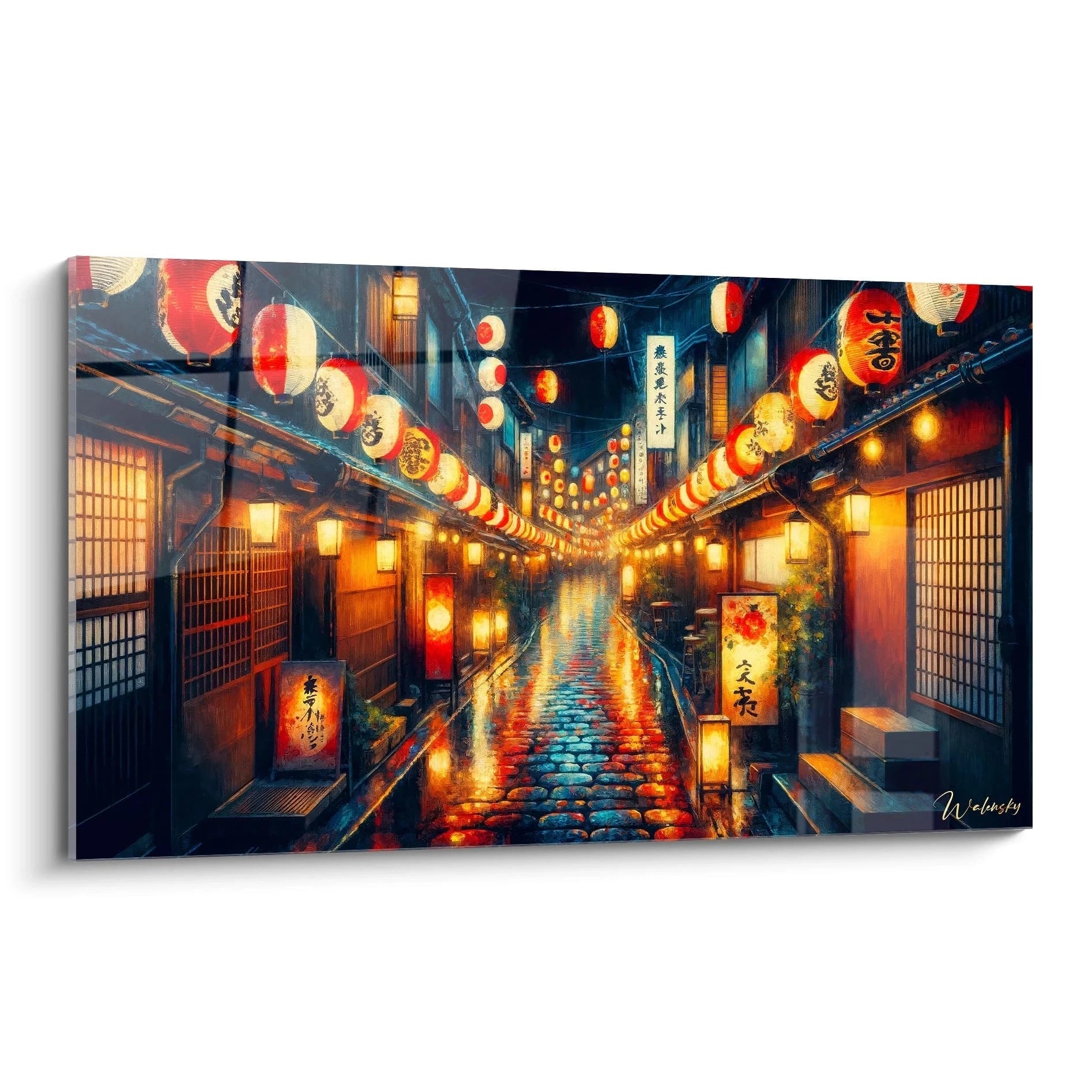
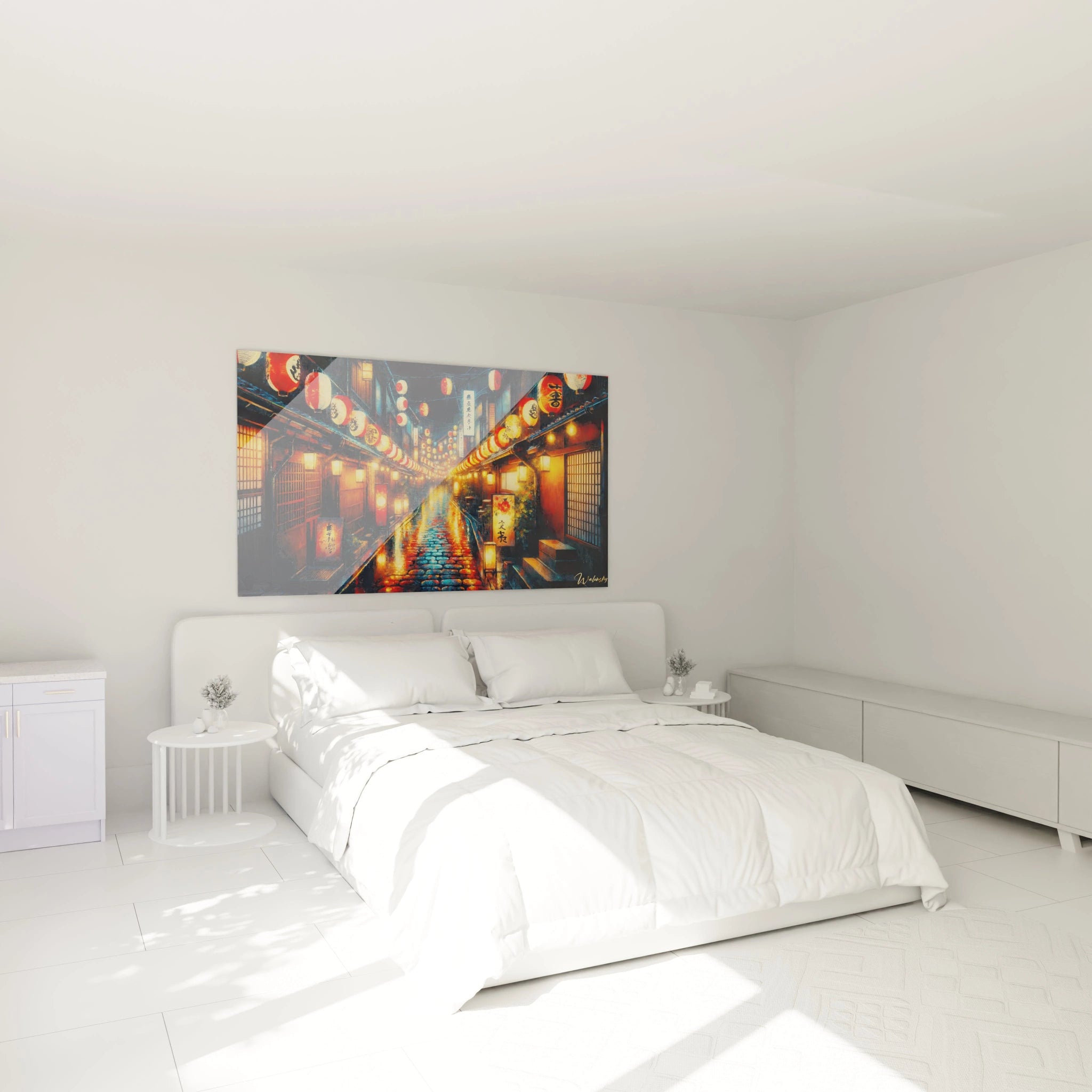
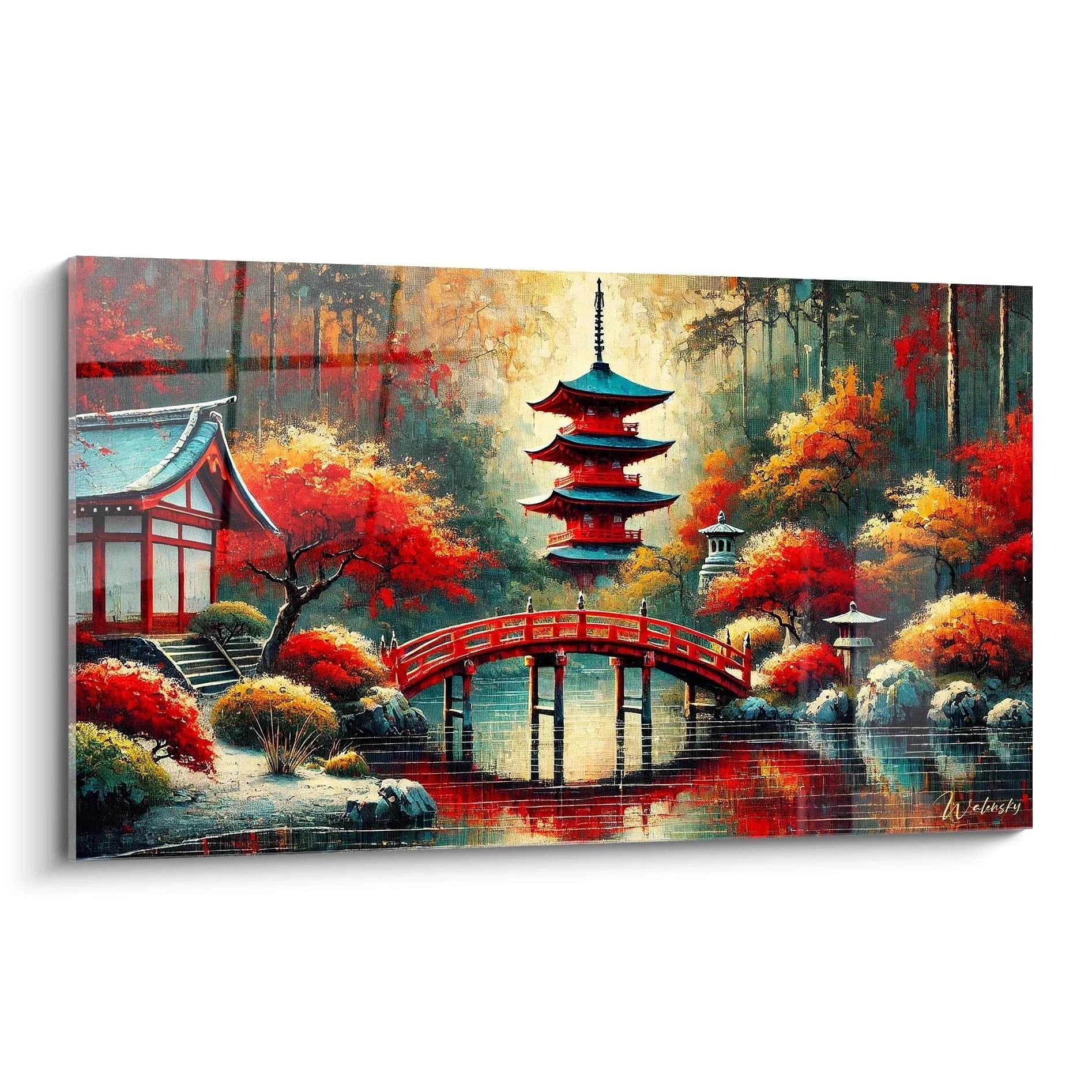
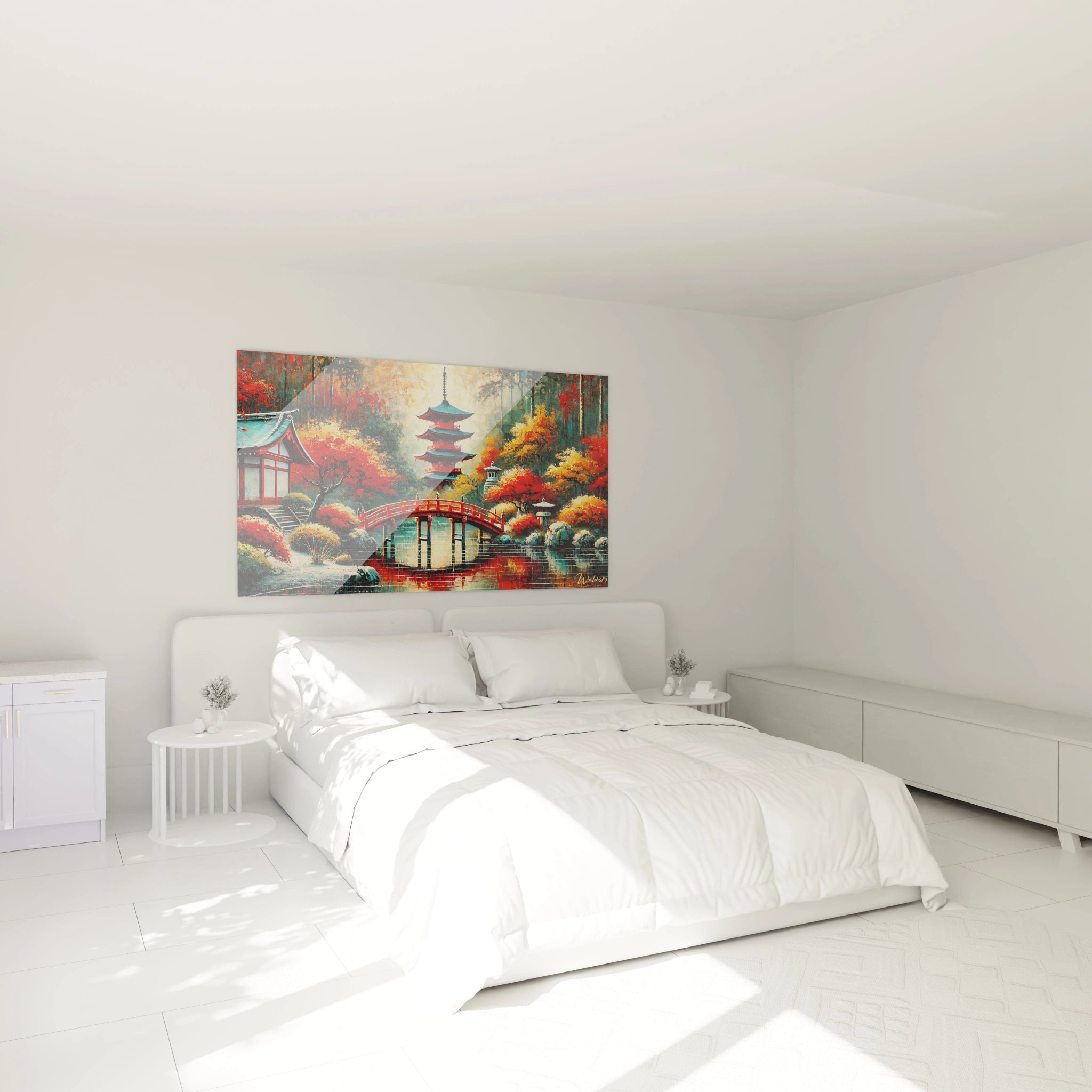
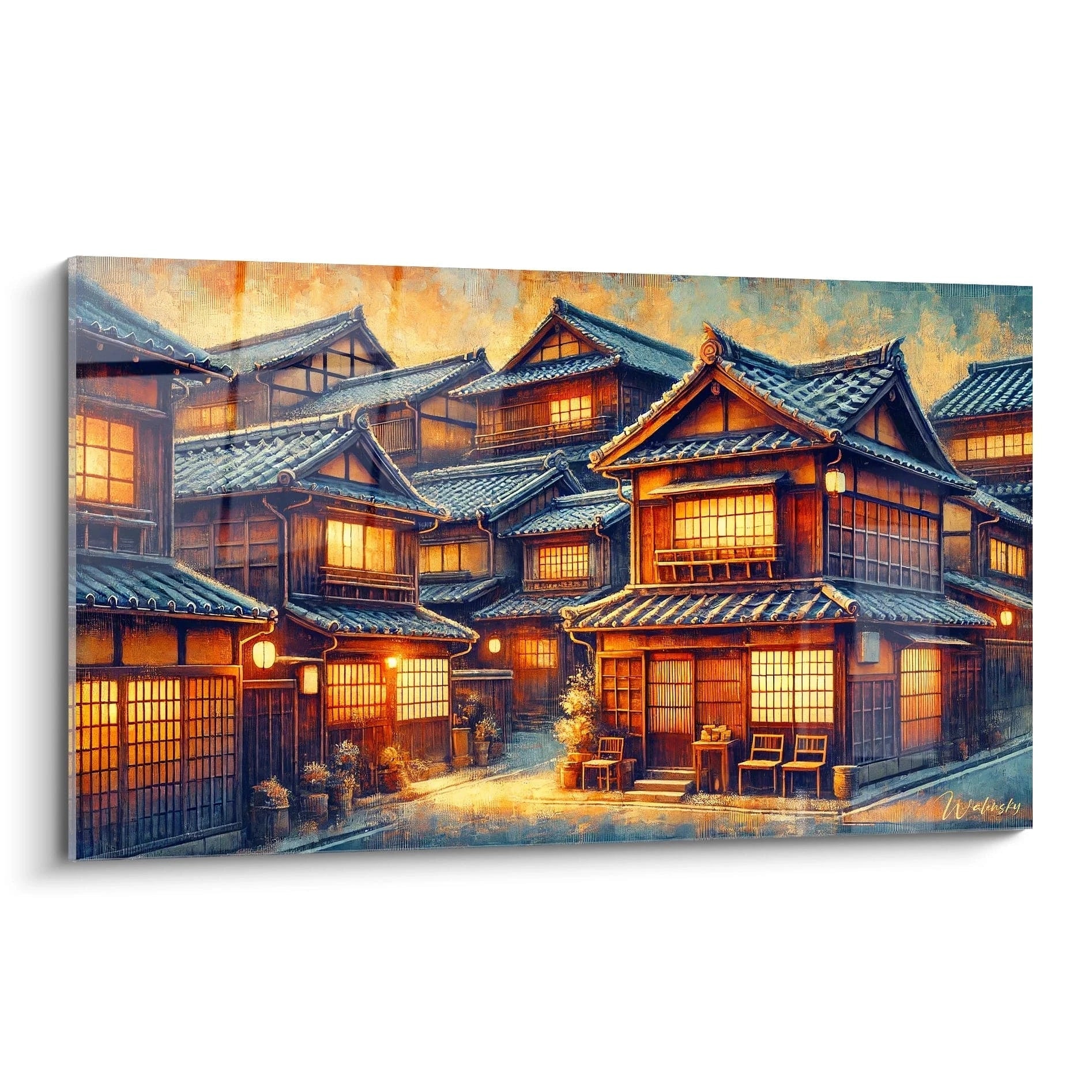
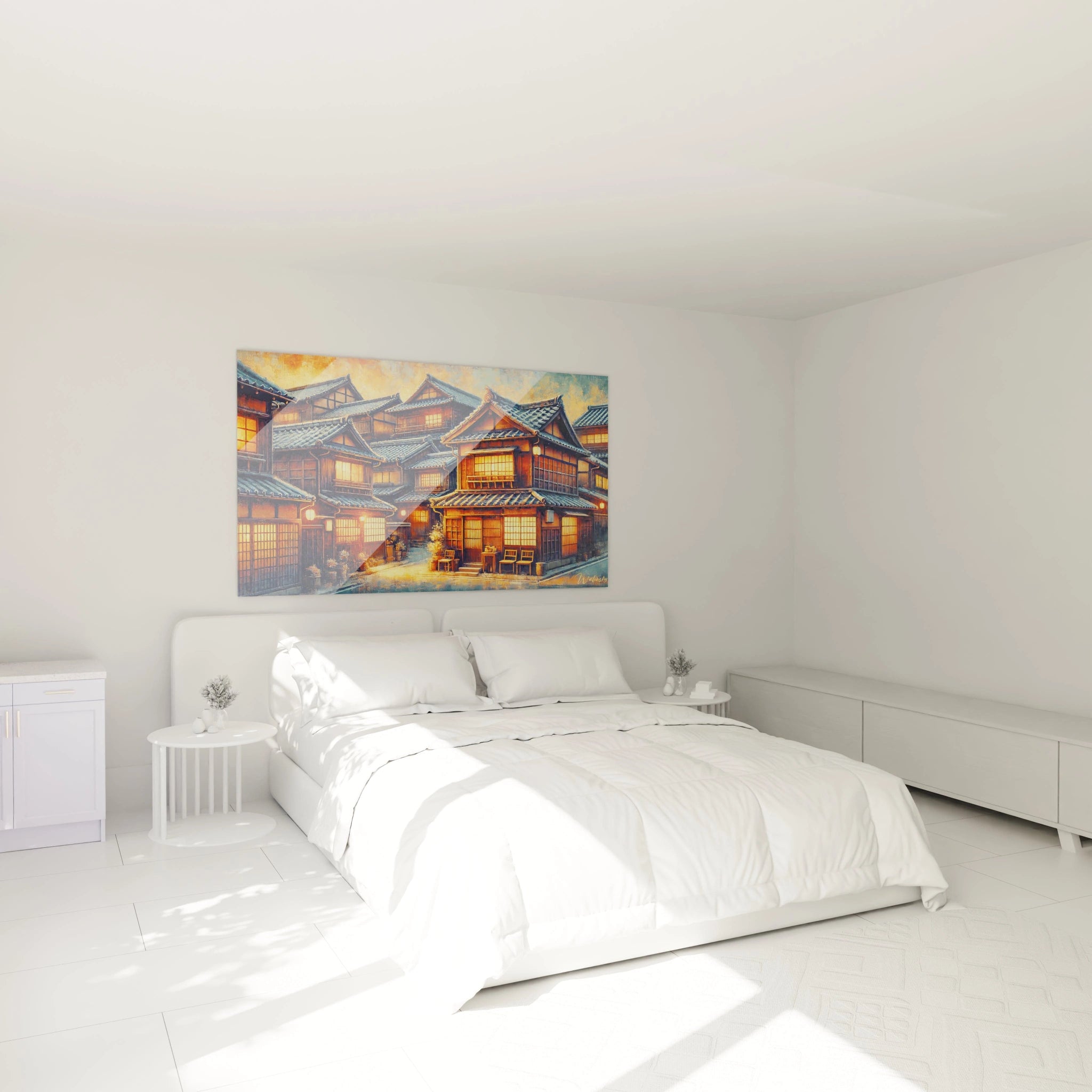
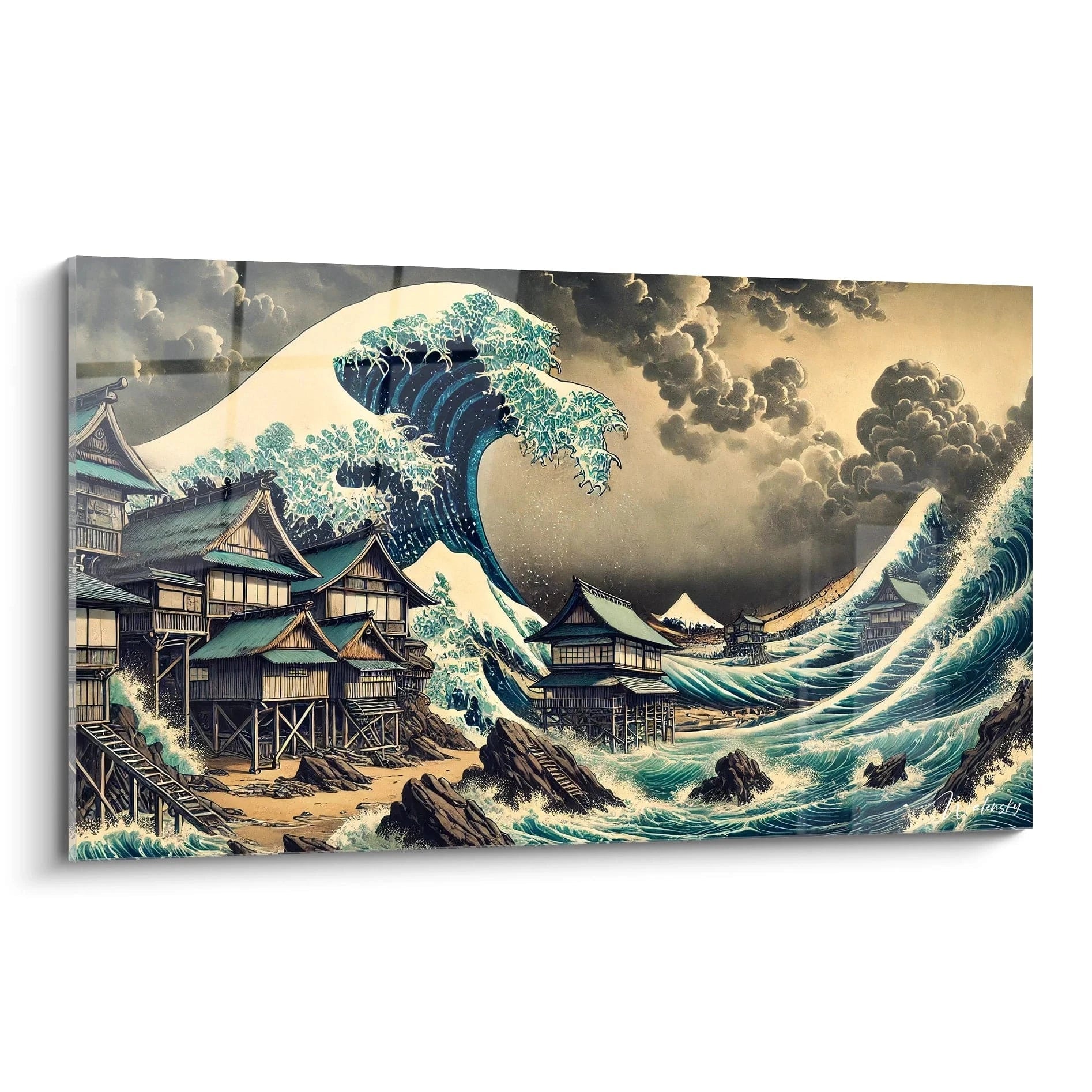
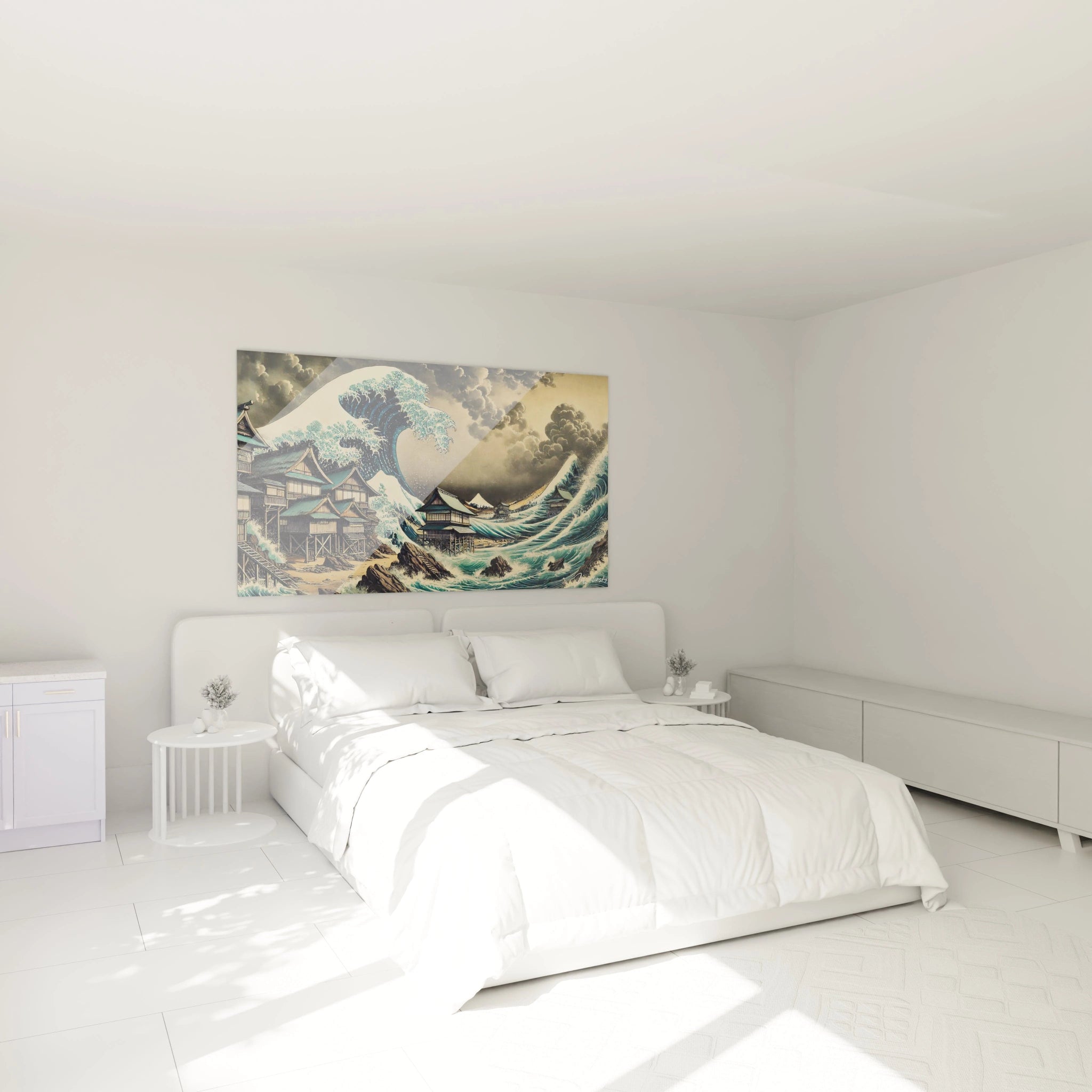
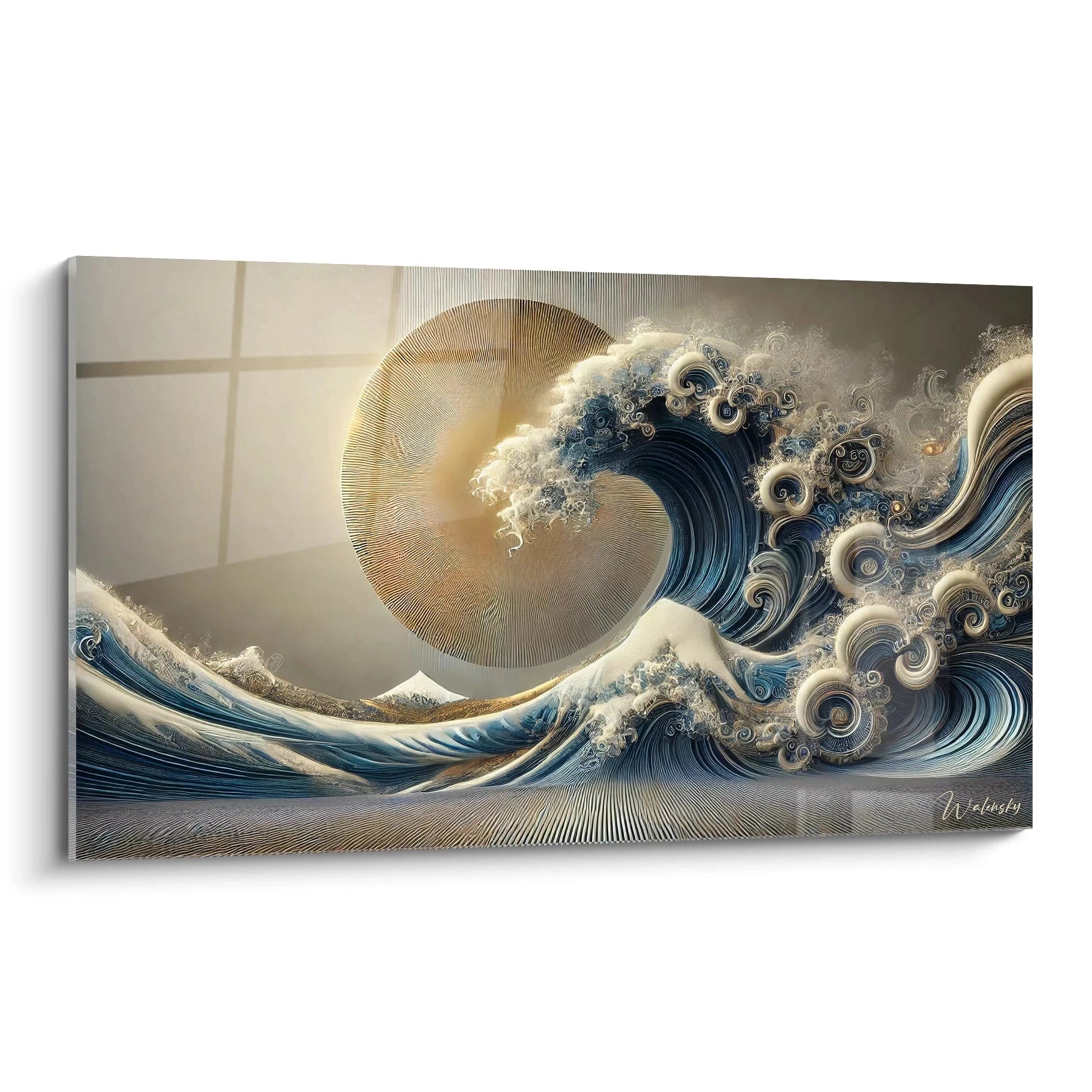
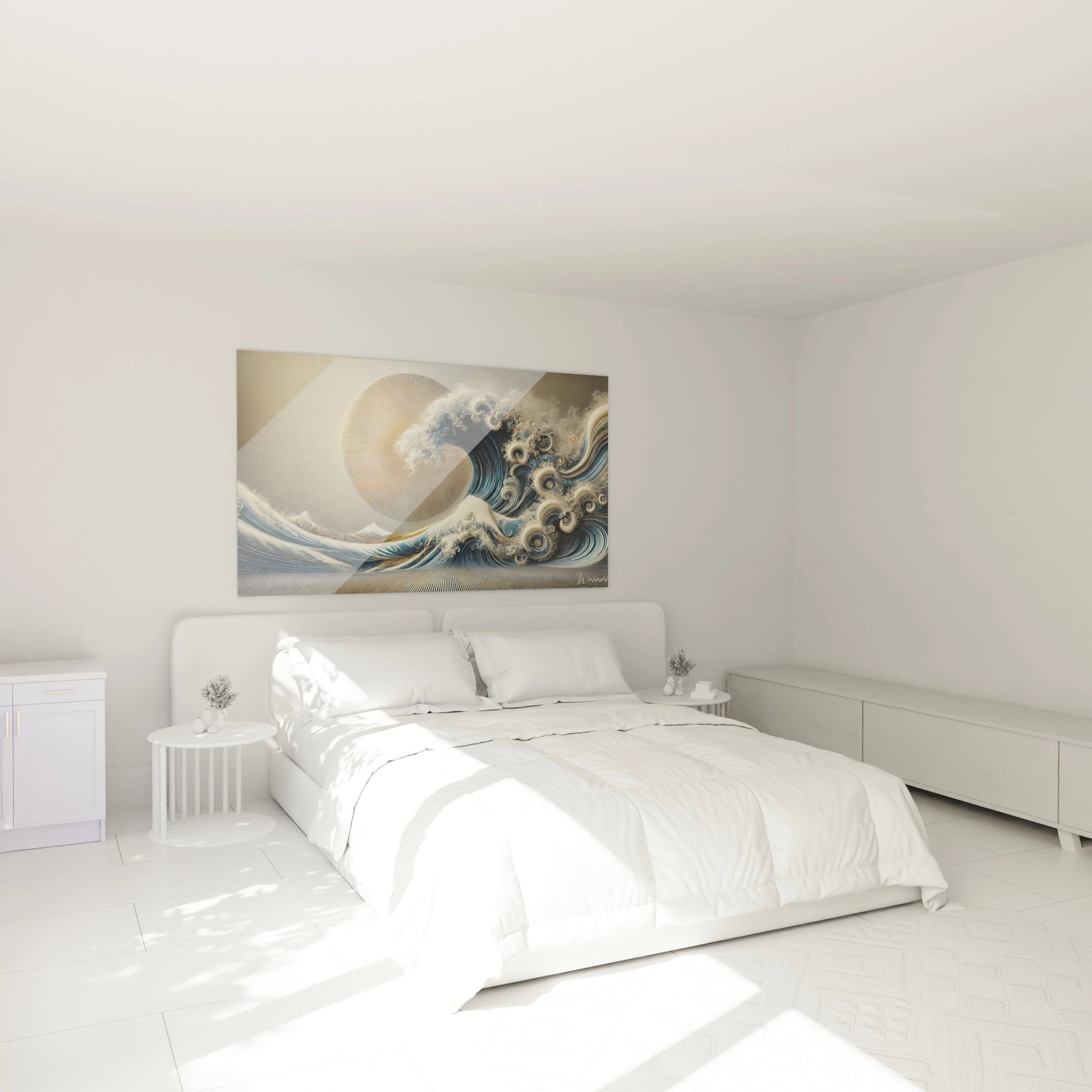
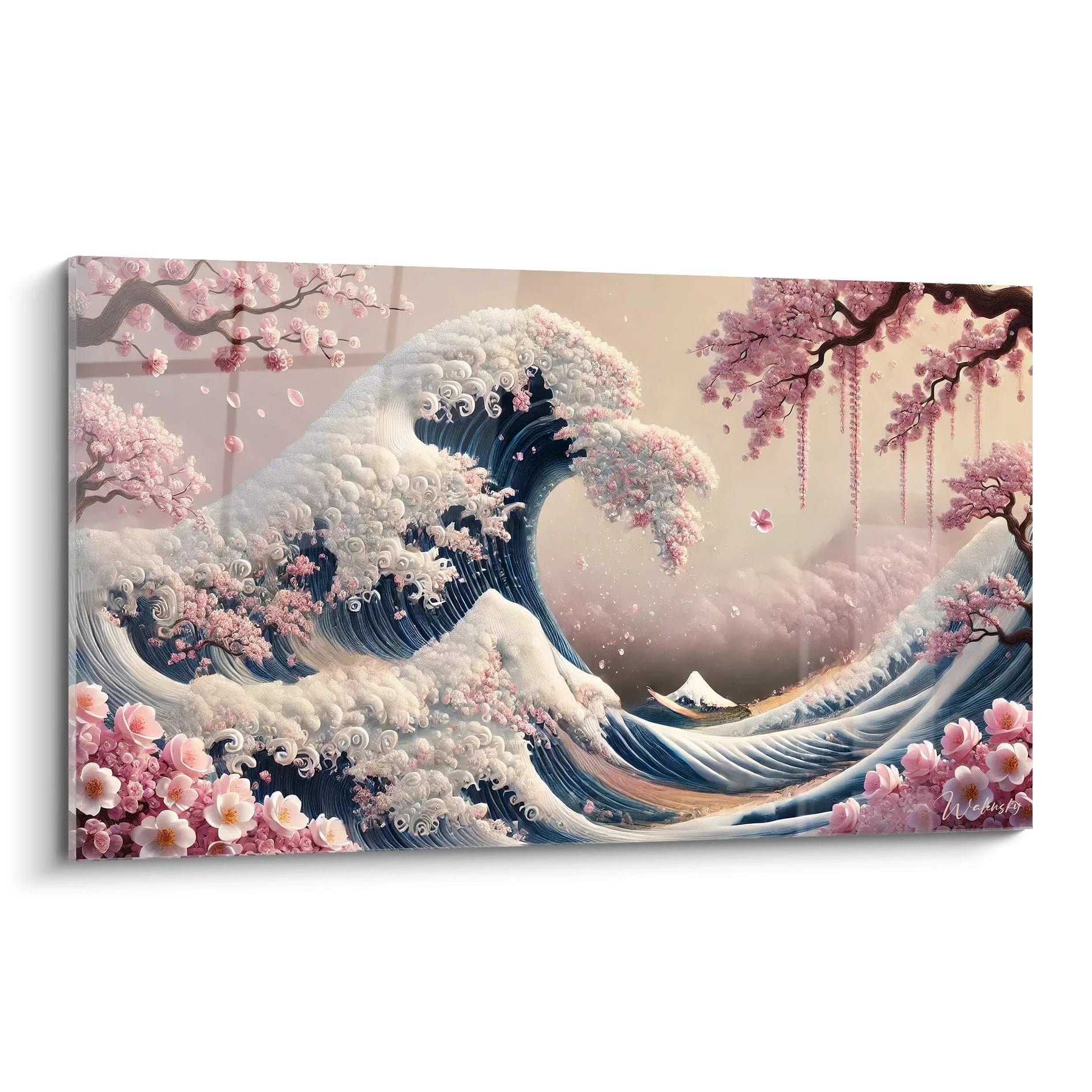
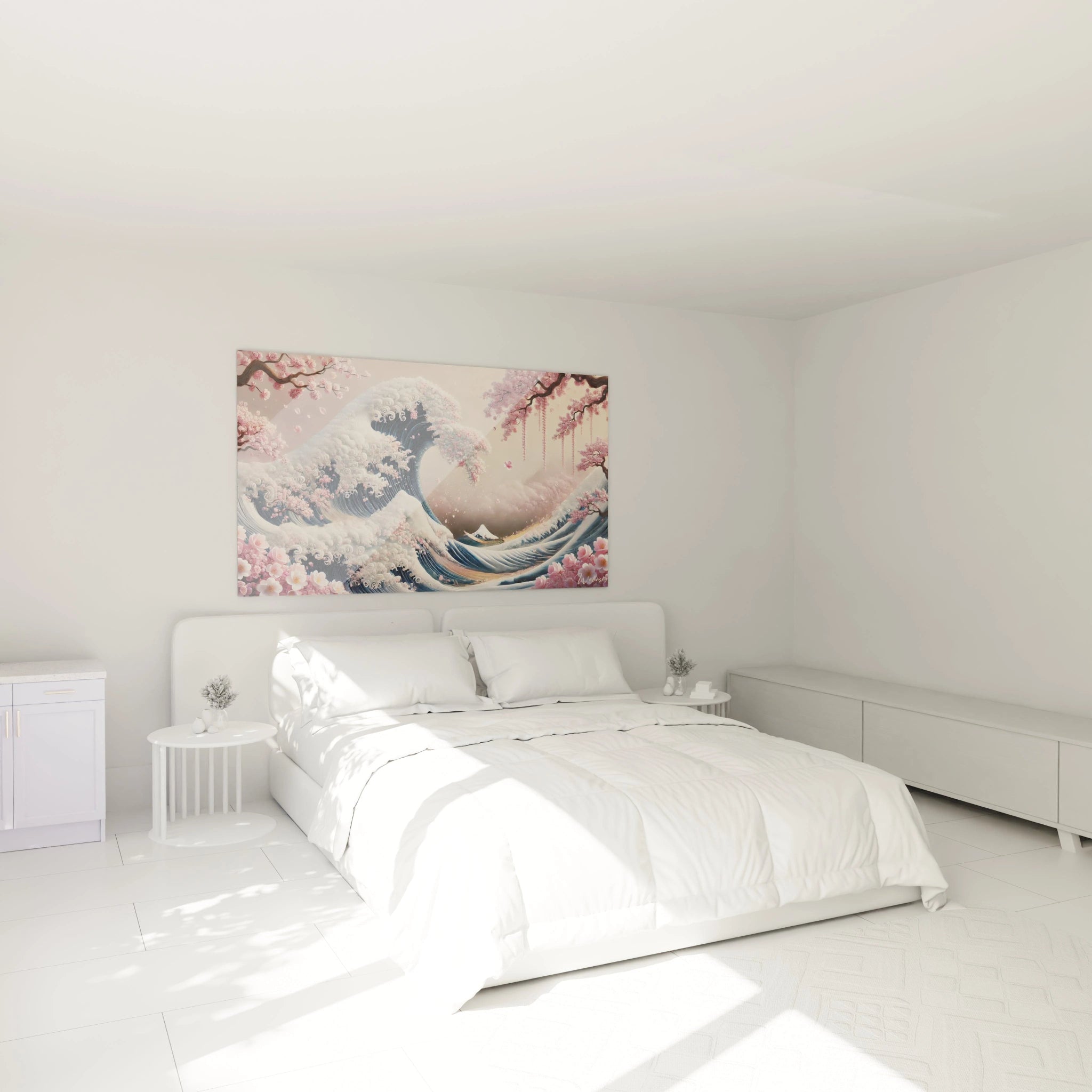
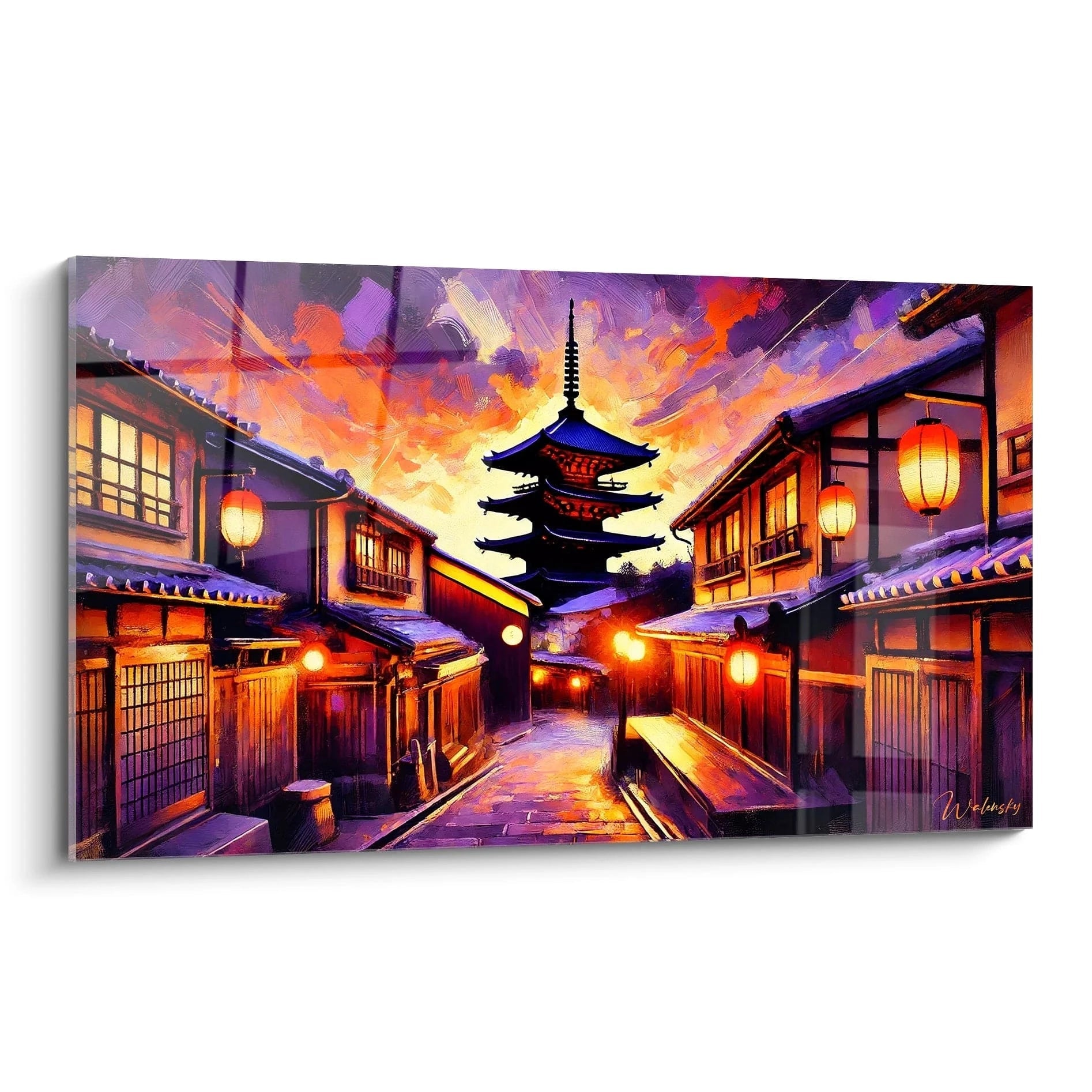
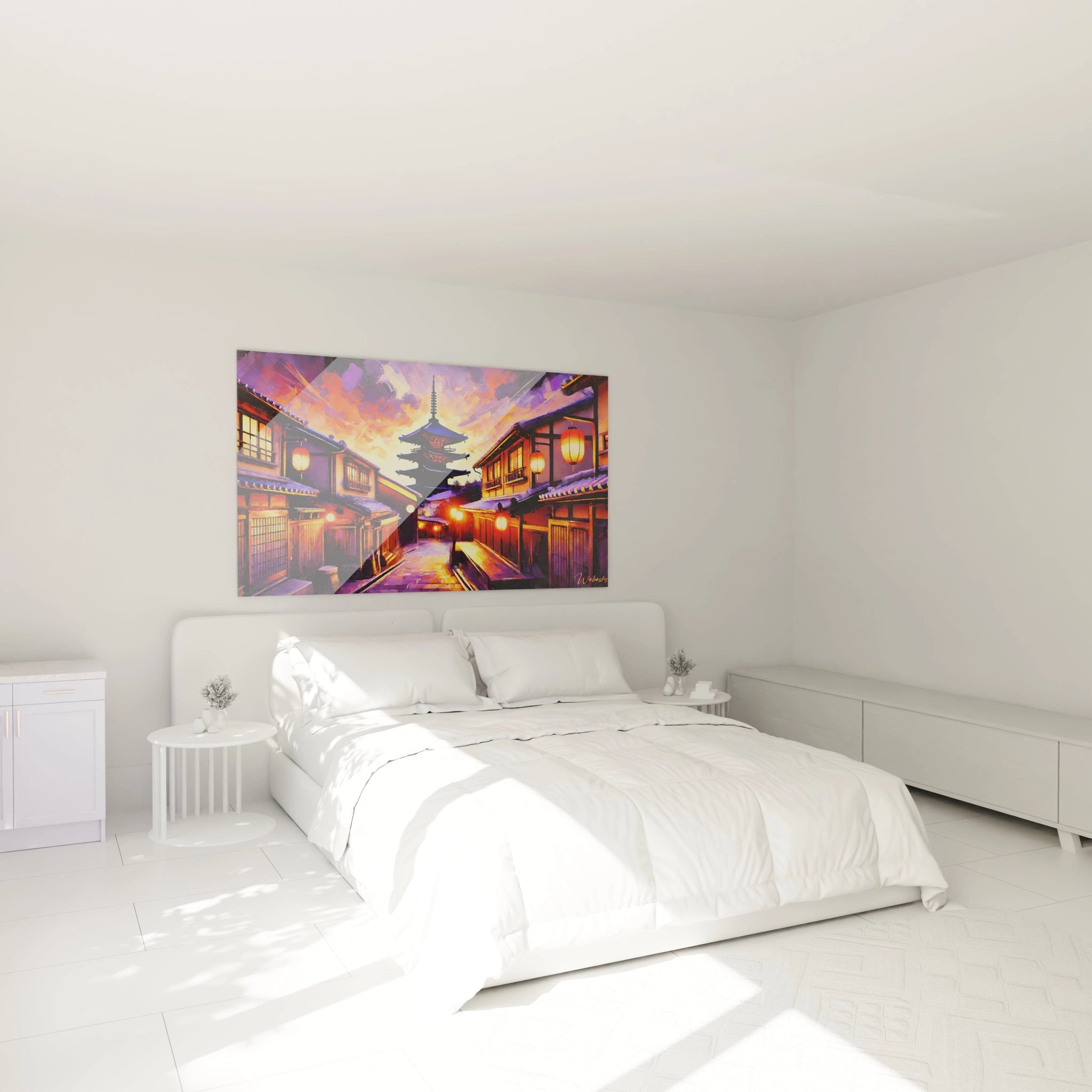
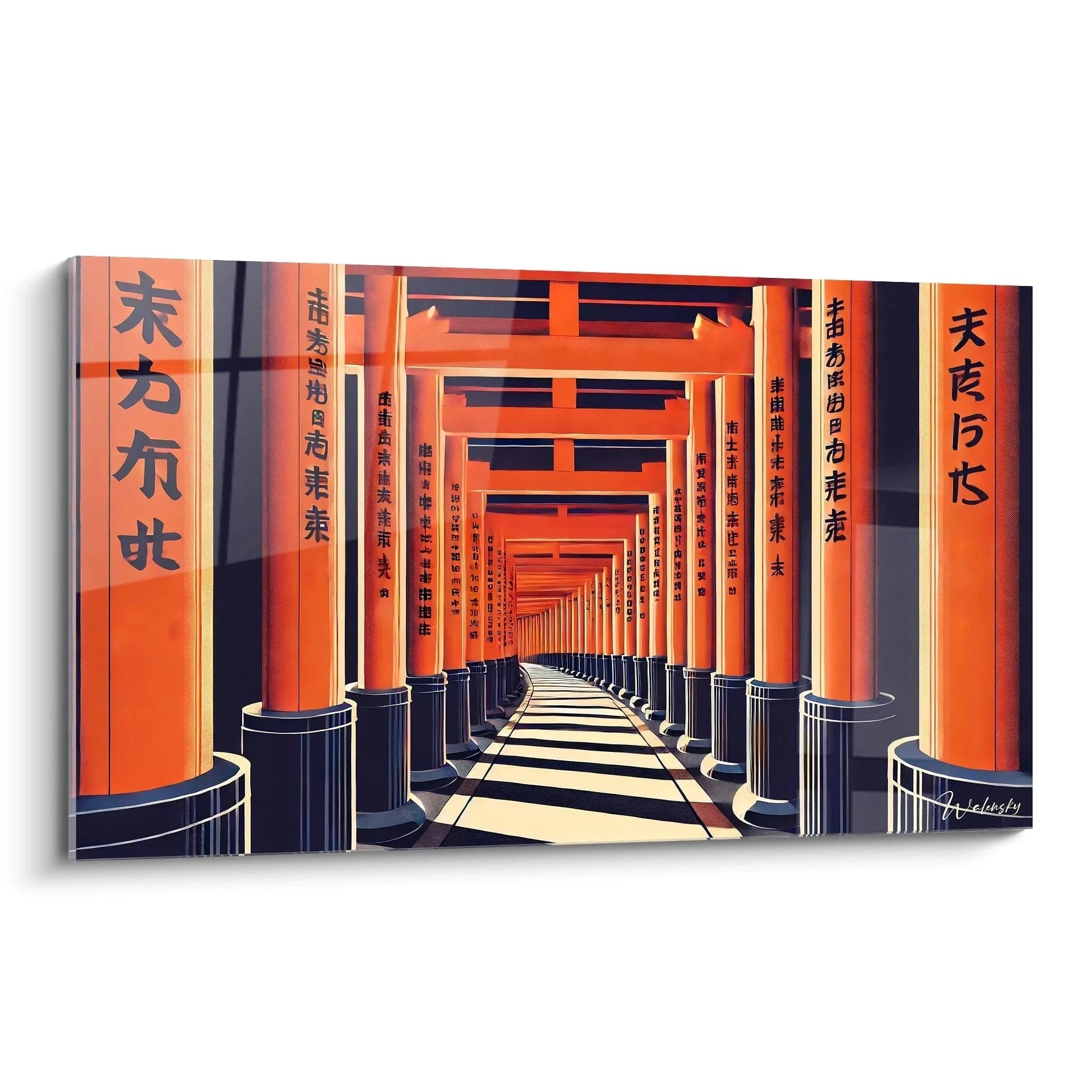
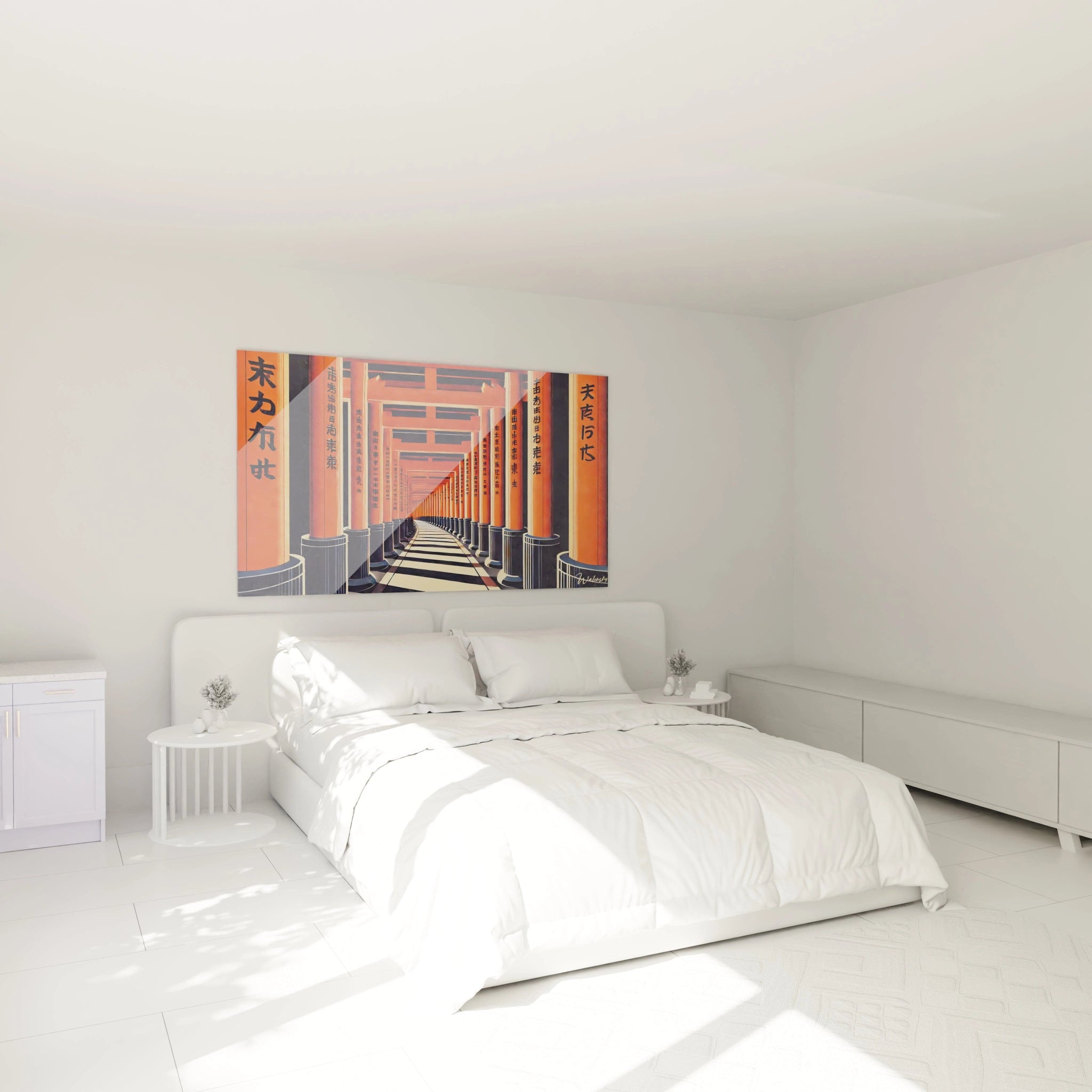
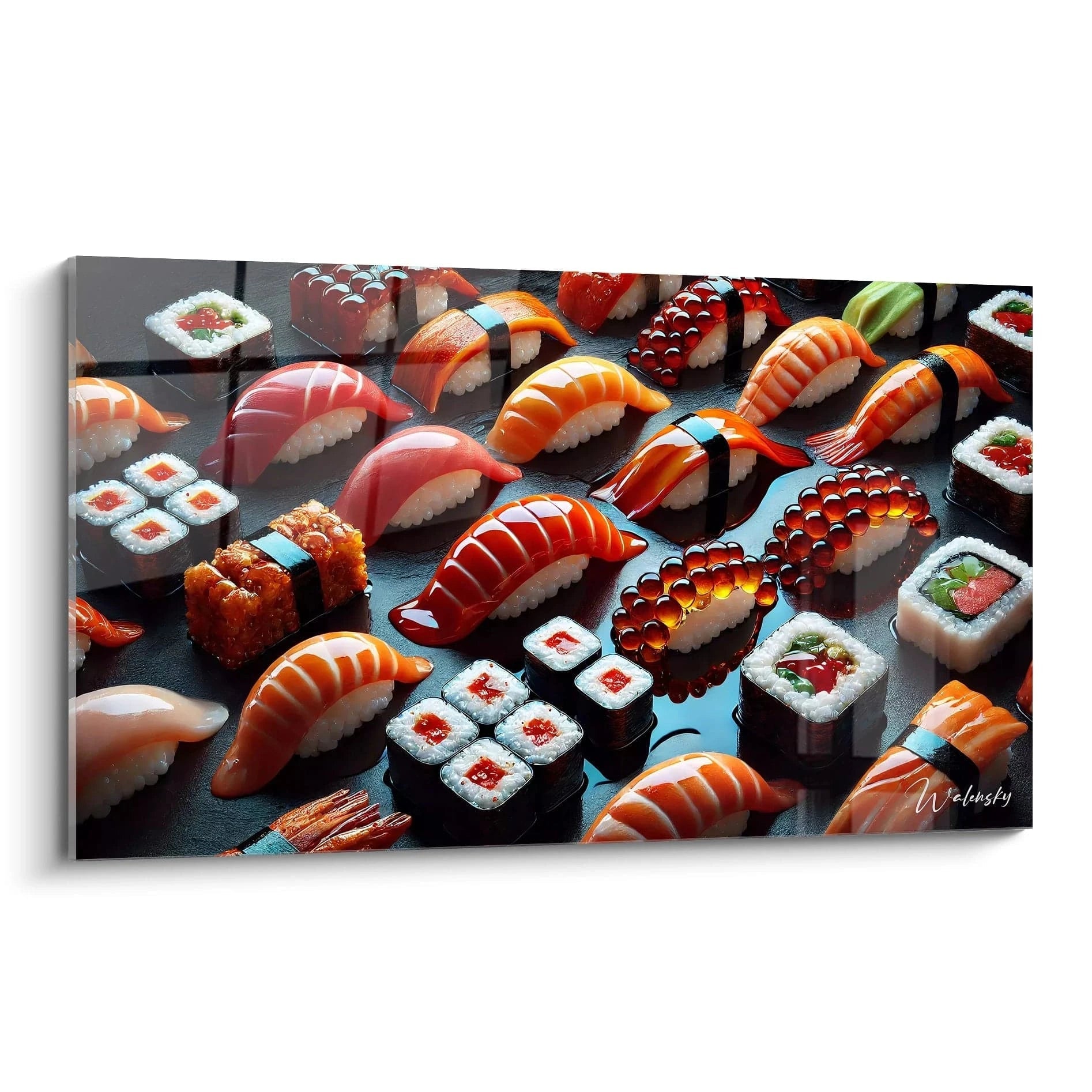
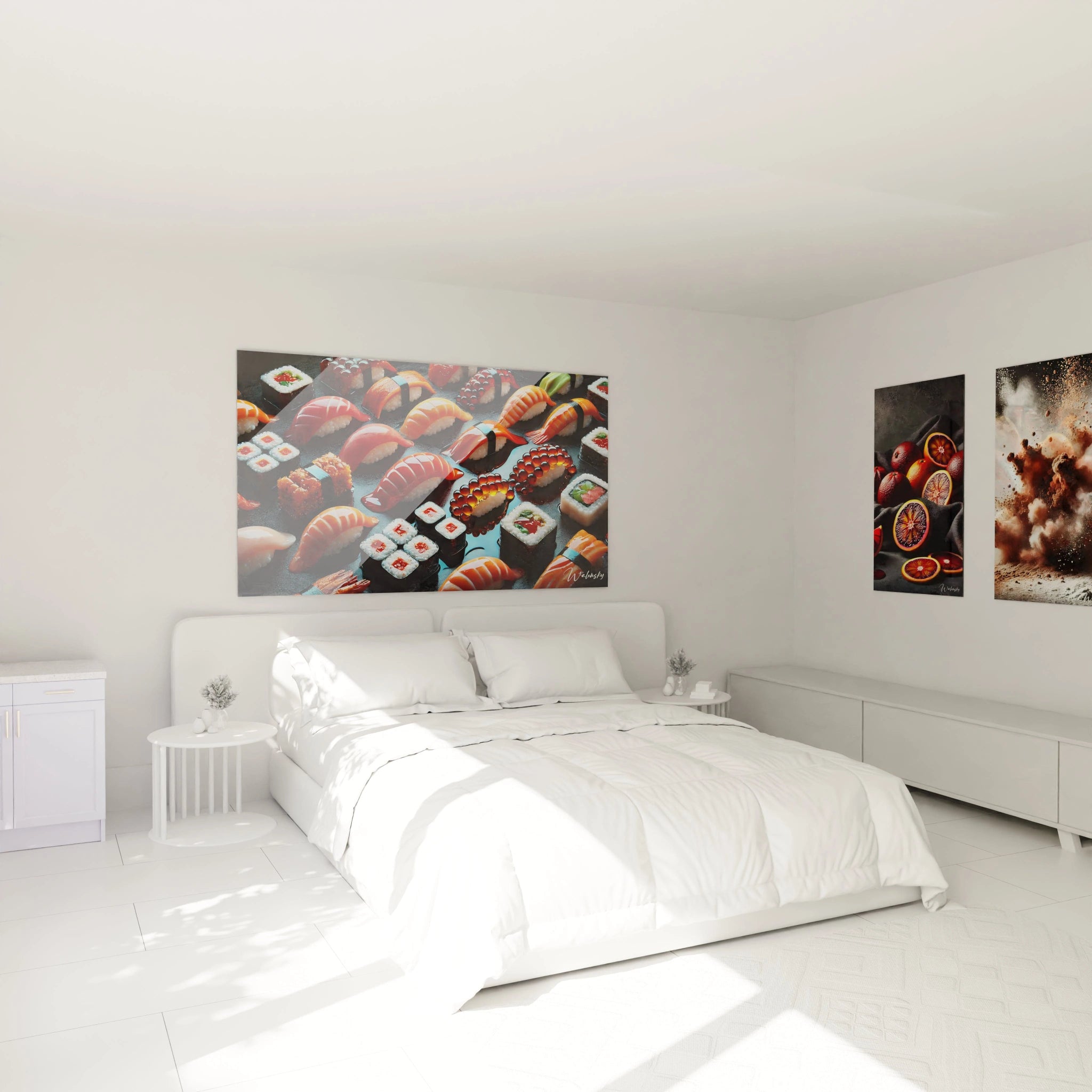
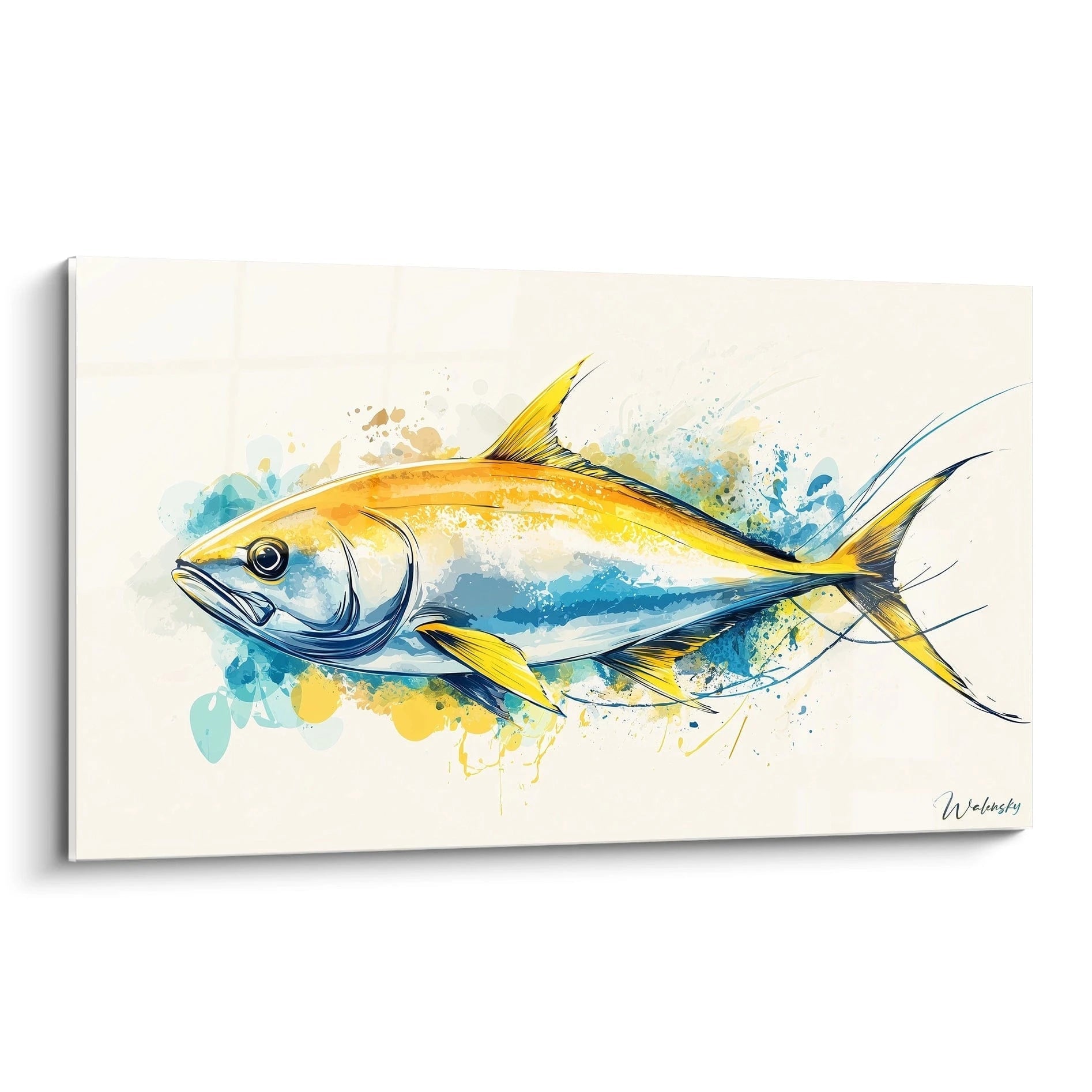
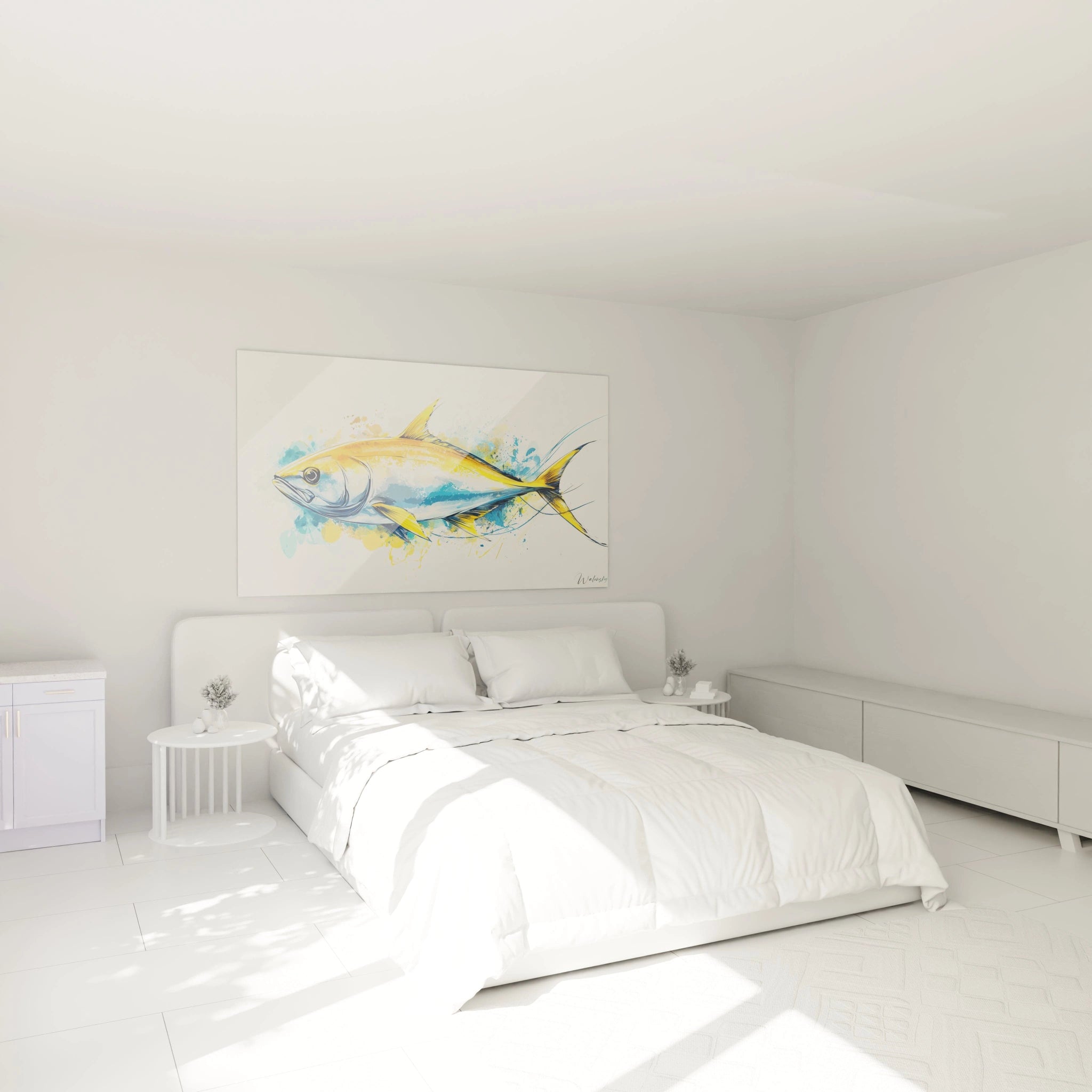
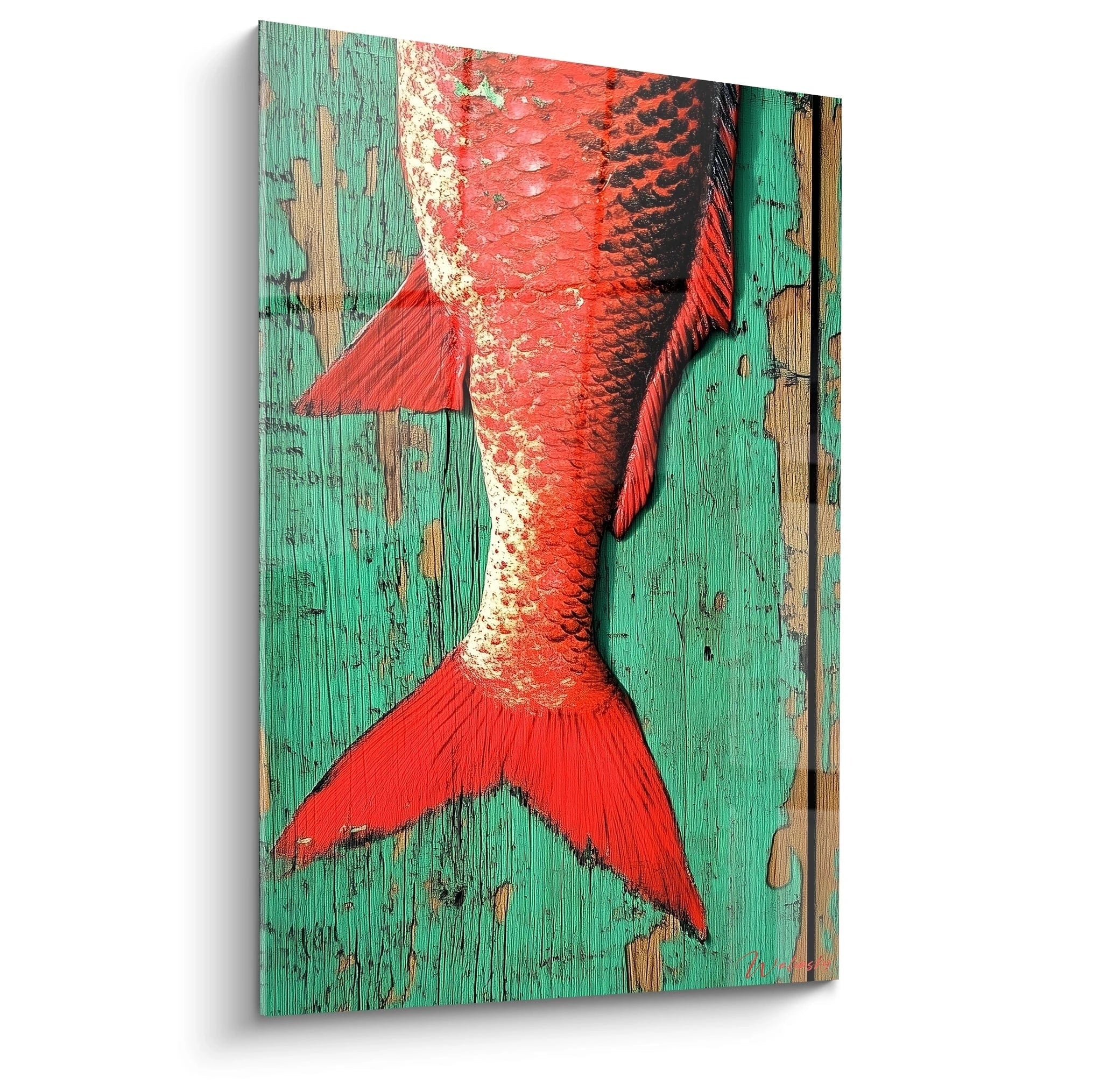
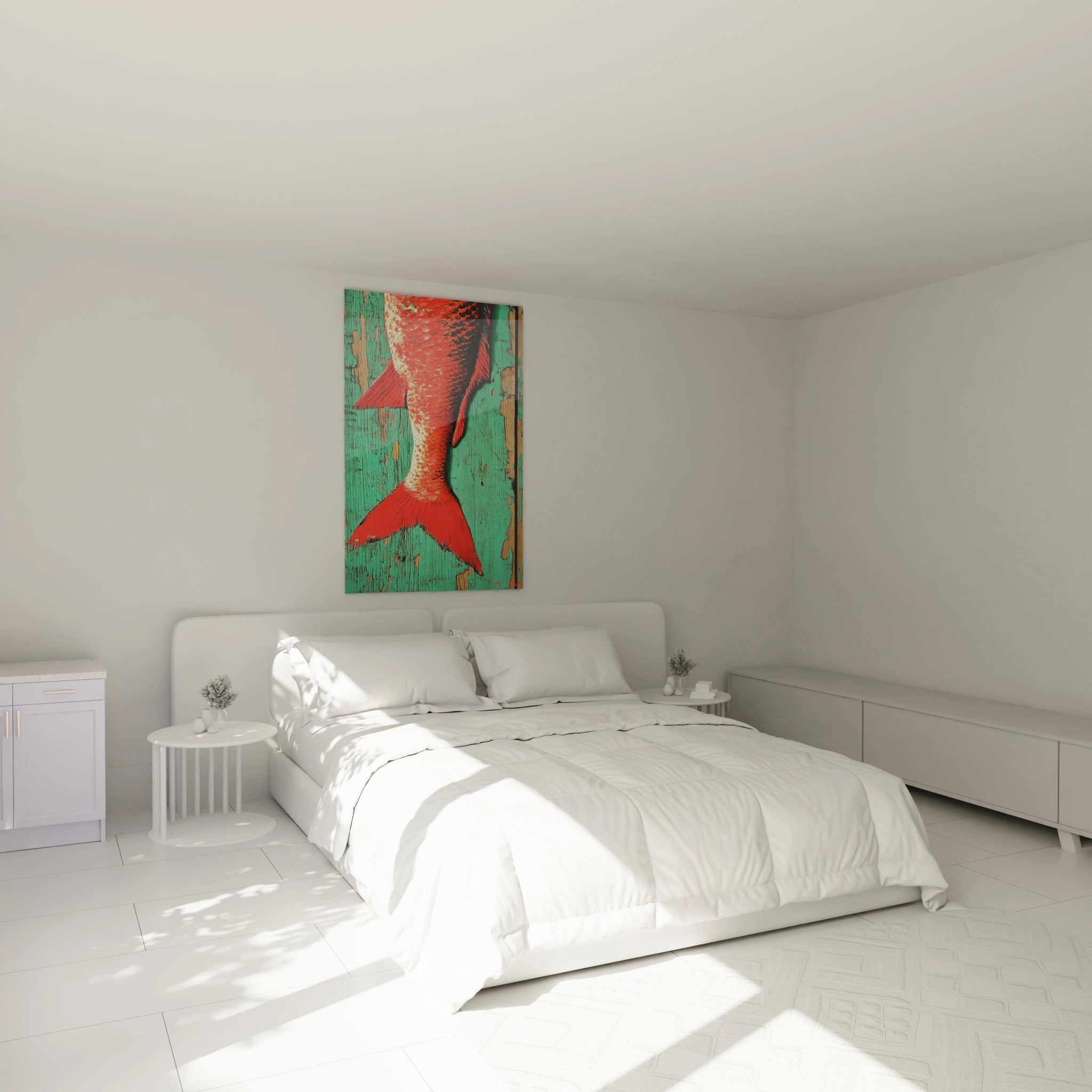
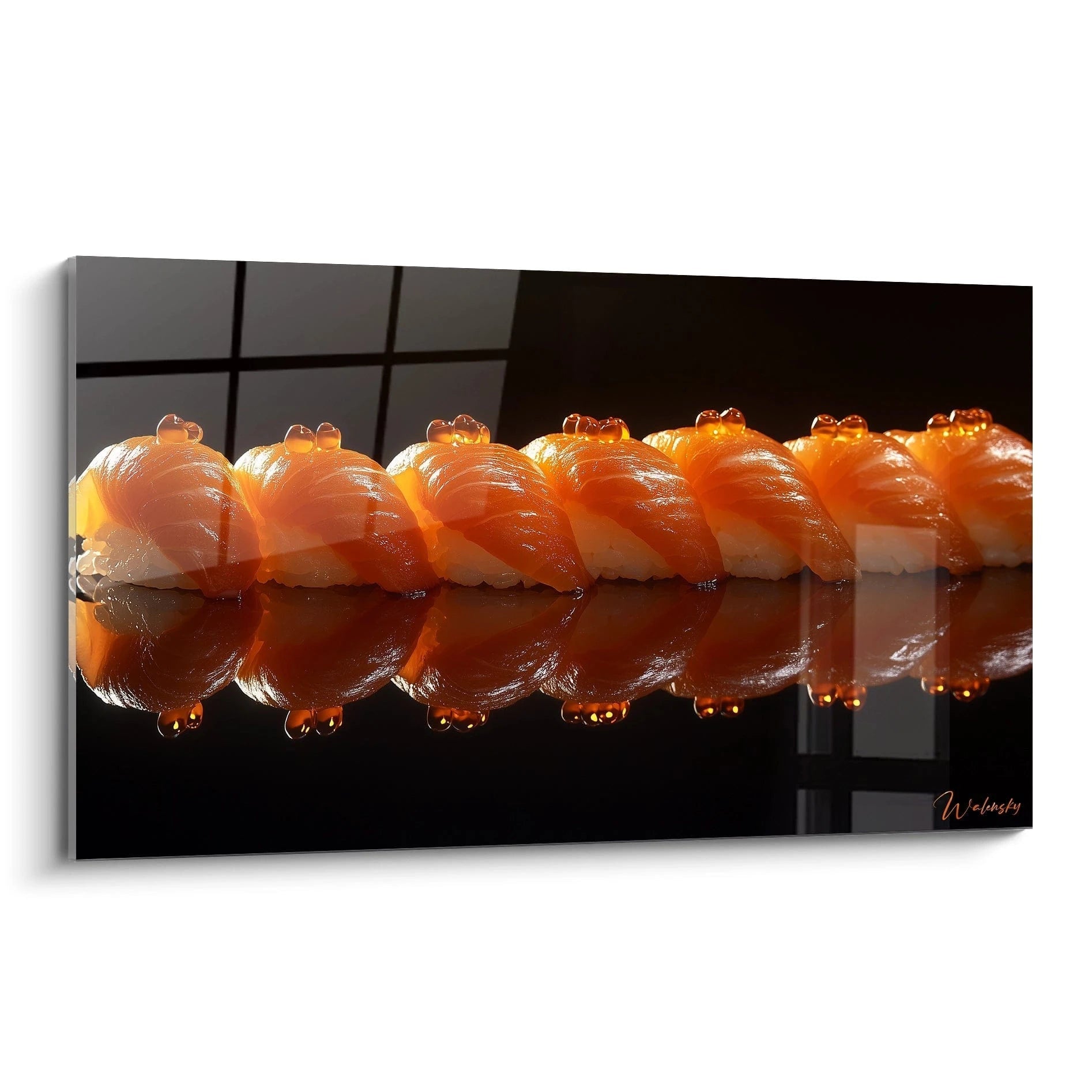
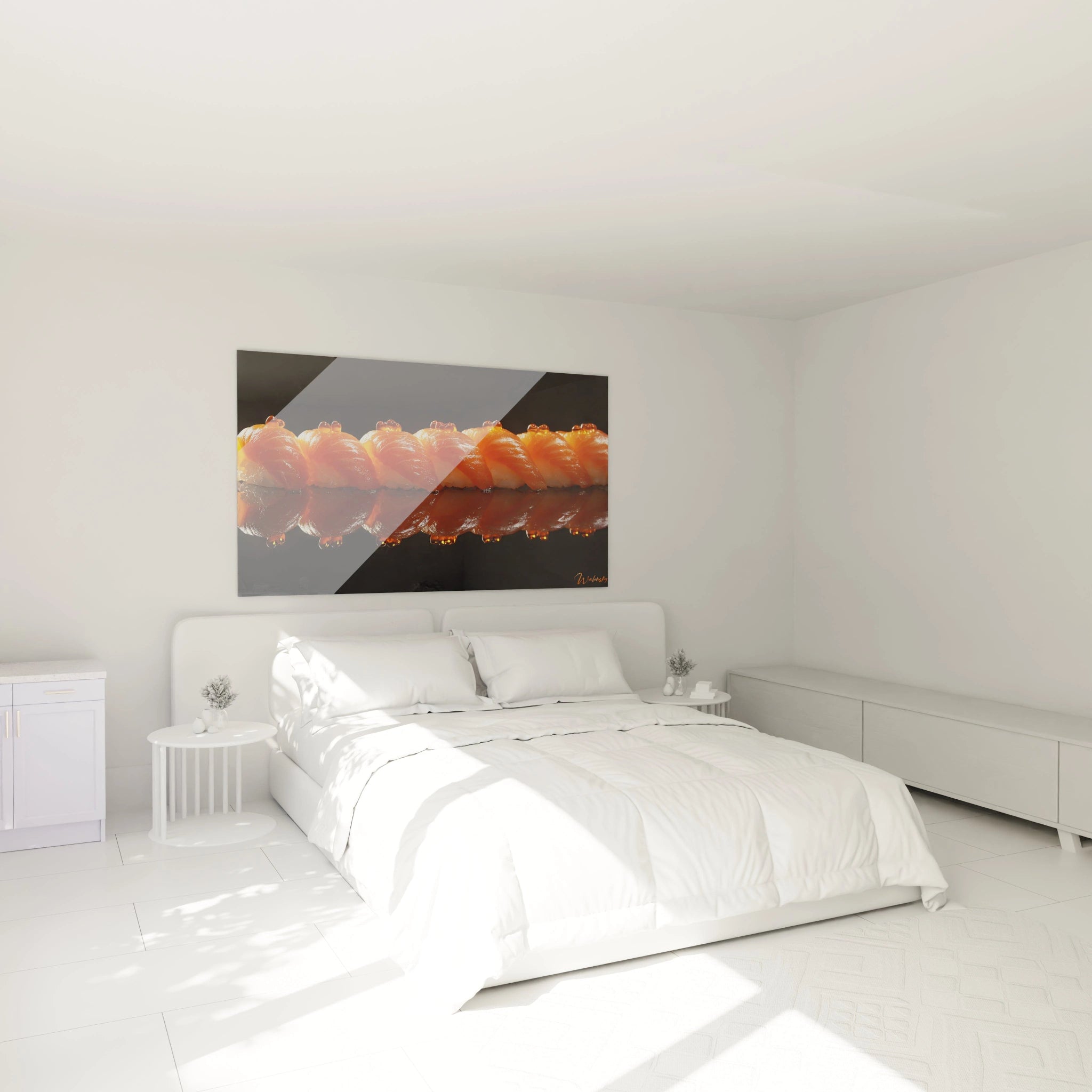
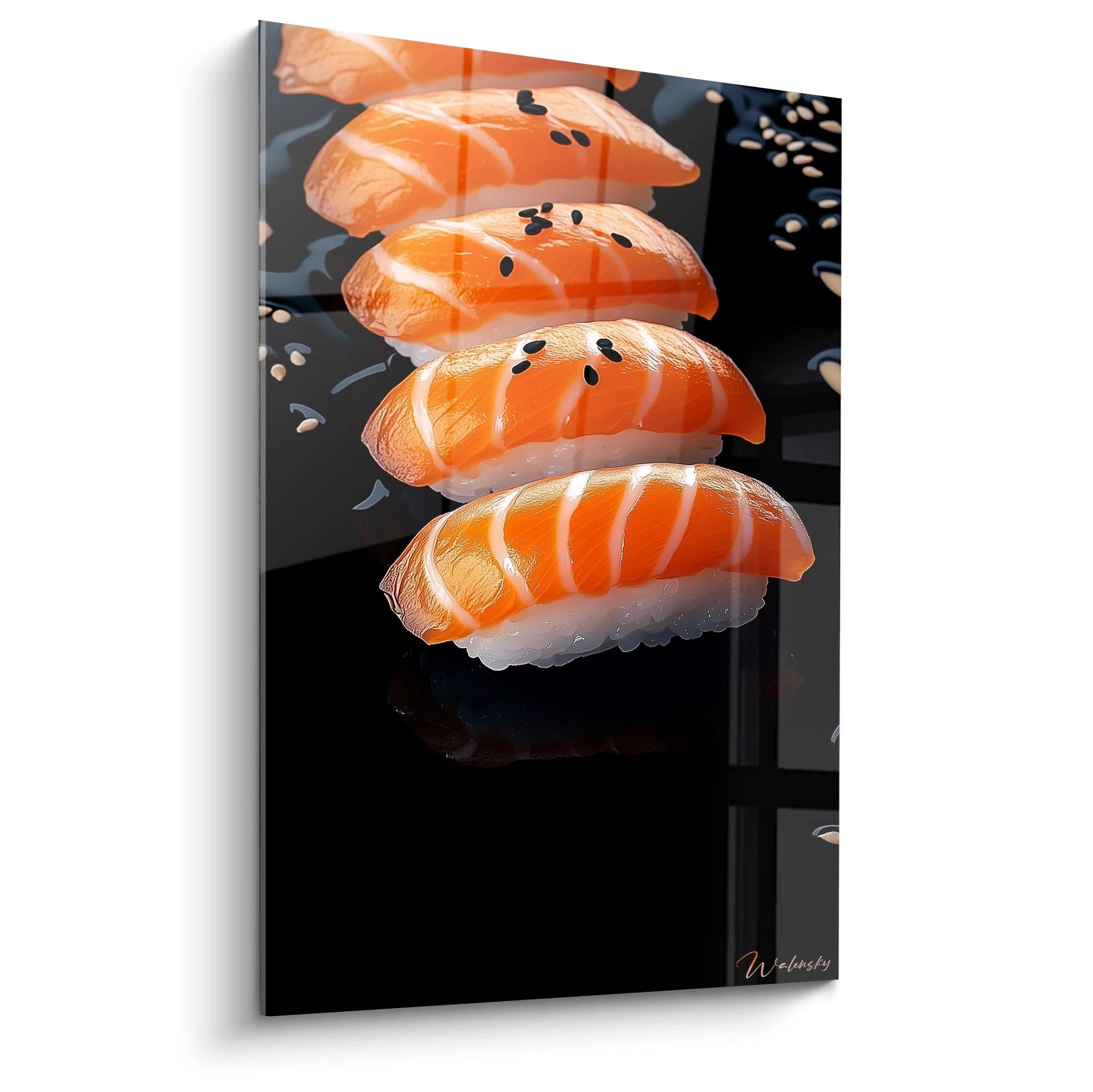
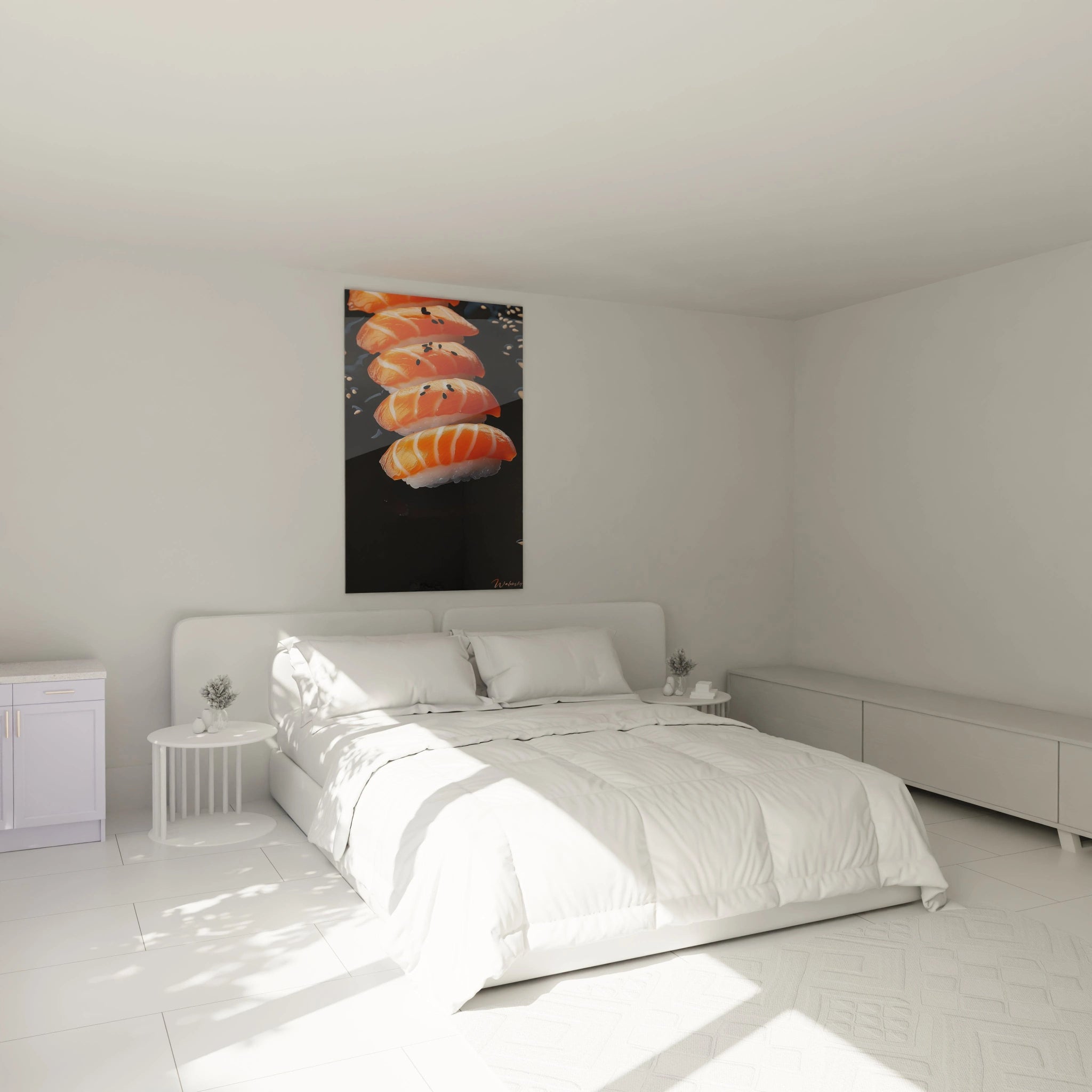
- Wall art for sushi restaurant presentation
- Visual impact of sushi wall art
- Sushi restaurant wall art by zone
- Sushi wall art and culinary identity
Wall art for sushi restaurants represents far more than simple wall decoration - it is the visual expression of Japanese authenticity and refined culinary art that these establishments offer. These large-format visual works transform the atmosphere of a sushi restaurant by creating complete cultural immersion for clients, thus strengthening the gastronomic experience.
A carefully selected wall art for sushi restaurant instantly establishes the establishment's identity, communicates its culinary values, and creates an ambiance conducive to savoring Japanese cuisine. Whether traditional representations of fish, ocean scenes, calligraphic characters, or modern interpretations of Japanese art, these artworks create perfect synergy between the visual environment and the gustatory experience.
For Japanese restaurant owners and decorators seeking visual excellence, high-quality wall art for professionals can radically transform your establishment's aesthetics. Large-format artworks in particular become focal points that capture clients' attention upon entry, instantly establishing your restaurant's unique visual identity.
In the following sections, we explore in depth how to choose and strategically position wall art for sushi restaurants to maximize their impact on ambiance, client perception, and ultimately the commercial success of your establishment.
Visual impact of decorative wall art in the culinary experience of sushi restaurants
How does wall art influence the sensory experience of clients in a sushi restaurant?
In the highly competitive world of Japanese dining, the visual impact of wall art for sushi restaurants goes far beyond simple decoration. These large-format artistic elements create unique synergy between visual perception and gustatory experience, a phenomenon particularly important in Japanese gastronomy where aesthetics holds a central place.
Neuroscience has demonstrated that the visual environment directly influences our perception of flavors. A mural depicting vibrant ocean scenes or traditional Japanese patterns stimulates brain areas linked to flavor appreciation, intensifying the experience of umami, flavors characteristic of Japanese cuisine. Establishments that invest in wall art specifically designed for sushi restaurants report significant increases in client satisfaction and time spent at table.
Wall art for sushi restaurants distinguishes itself from other wall decorations through its ability to create instant cultural immersion. Unlike generic artworks, they transport clients to the heart of Japan, establishing authenticity that other decorative elements cannot match. This visual immersion transforms a simple meal into a genuine sensory journey.
Zones of psychological impact of wall art in a Japanese restaurant
The strategic placement of wall art for sushi restaurants considerably influences client behavior. Research in environmental psychology identifies several zones of specific impact to Japanese establishments:
- Entrance zone: An imposing artwork depicting waves or koi fish creates immediate psychological transition, signaling to the client that they are entering a culturally distinct space.
- Sushi bar zone: Wall art placed behind the sushi counter establishes a visual connection with the chef's art, reinforcing the perception of expertise and authenticity.
- Intimate zones: In private spaces, artworks evoking Japanese serenity facilitate prolonged conversations and increase spending.
Savvy restaurateurs use these artworks as genuine three-dimensional marketing tools. By selecting works representing specifically their signature ingredients, they create visual conditioning that subtly orients client culinary choices. A striking artwork of red tuna or eel unconsciously influences orders toward these specialties.
The impressive size of wall art for sushi restaurants also plays an essential role in the establishment's acoustics. These large-format works absorb sound frequencies, creating a hushed atmosphere conducive to intimate conversation - a characteristic particularly valued in Japanese gastronomic culture where the sound environment is an integral part of the experience.
Which wall art to choose to maximize emotional impact in a sushi restaurant?
Choosing wall art for a sushi restaurant must align with the establishment's precise positioning in the Japanese culinary ecosystem:
For traditional sushi restaurants (Edomae), prioritize artworks evoking Japanese maritime heritage - ukiyo-e prints adapted to large format or representations of ancestral fishing techniques create authentic connection with culinary traditions.
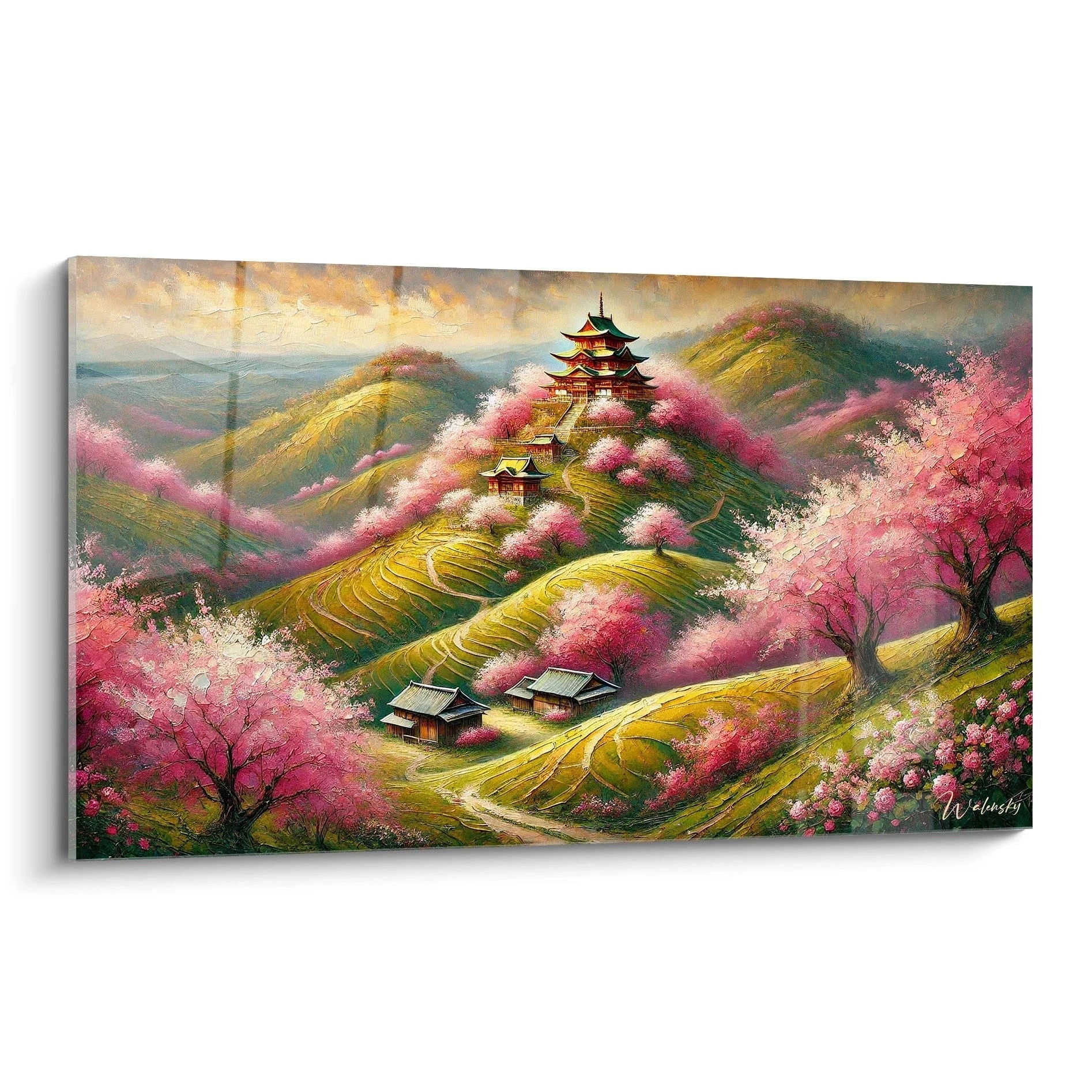
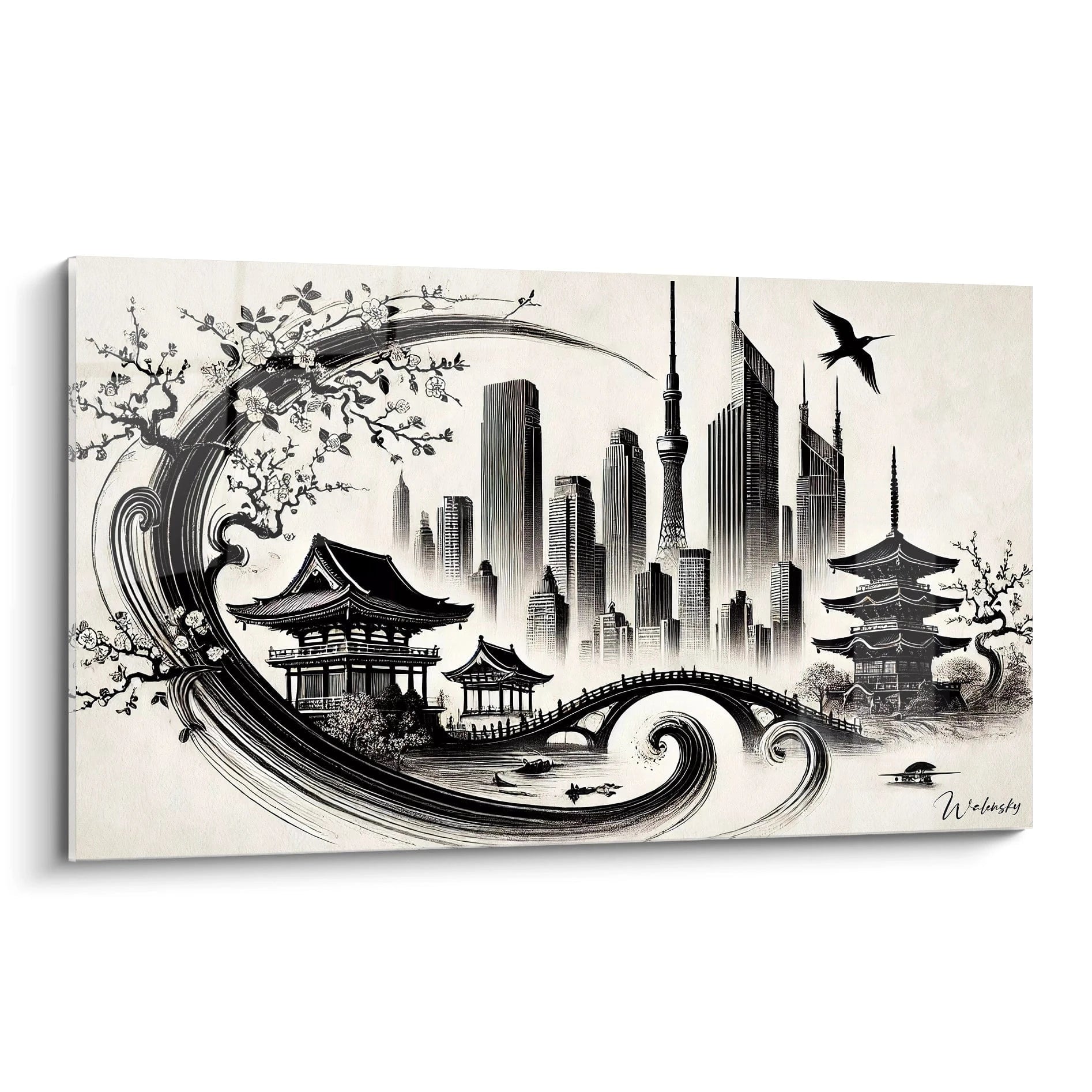
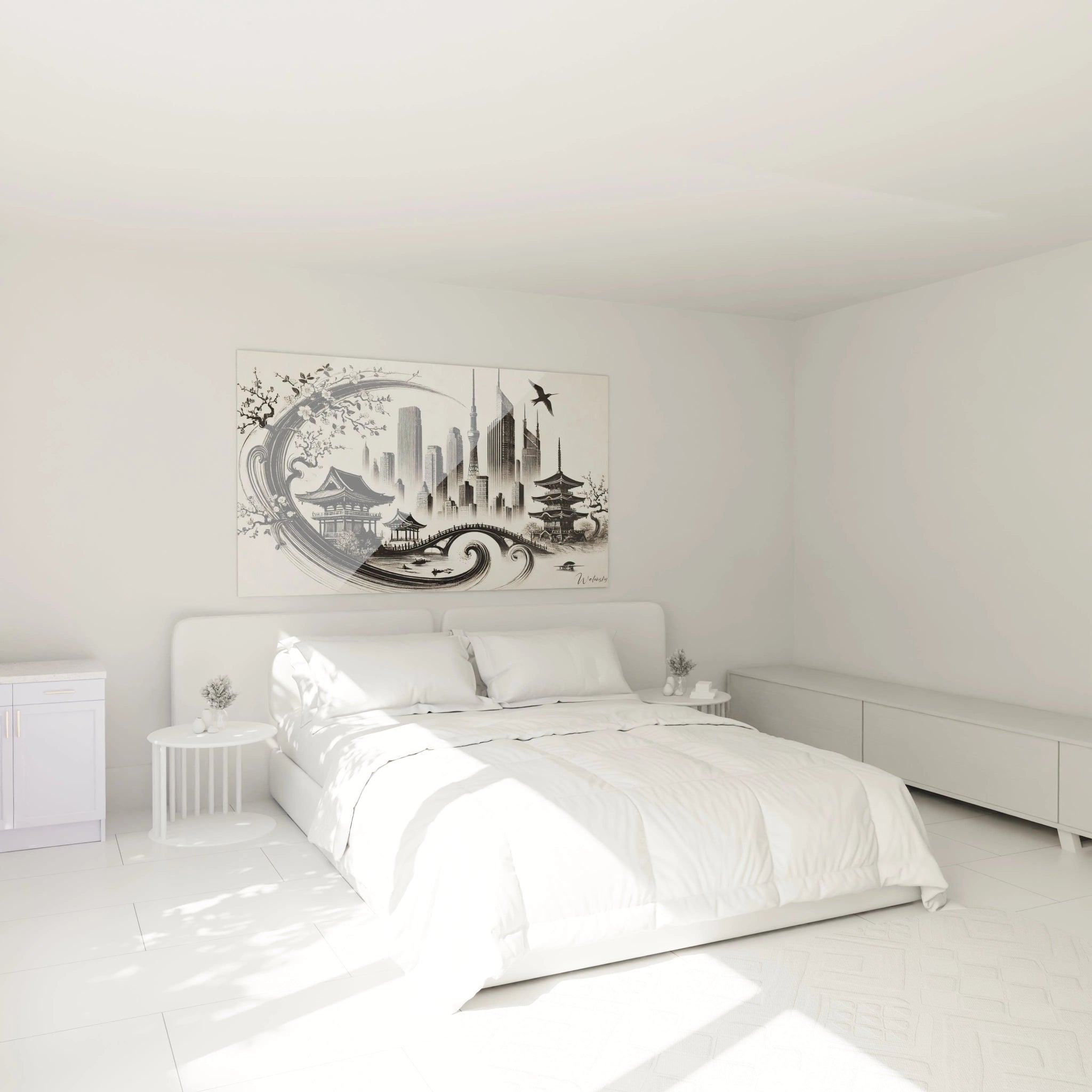
Fusion or contemporary establishments benefit from abstract artworks incorporating symbolic Japanese elements (cherry blossoms, waves) reinterpreted in modern visual language. These works establish a visual bridge between tradition and innovation, perfectly reflecting the culinary philosophy of these restaurants.
Casual sushi izakayas benefit from dynamic artworks depicting contemporary Japanese urban life, creating an energetic atmosphere conducive to animated social interactions.
The specific lighting of wall art for sushi restaurants deserves particular attention. Unlike generic lighting, a directional illumination system using color temperatures specifically adapted to the artwork's dominant tints (generally between 3000K and 4000K) highlights artistic details while creating a luminous halo that magnifies the surrounding space.
Restaurateurs report that installing a carefully selected wall art for sushi restaurant directly influences client photographic behavior. These artworks naturally become preferred backdrops for culinary photos shared on social media, transforming each client into a visual ambassador of the establishment - an invaluable marketing advantage in the era of "food-sharing" digital culture.
Seasonality represents an often-neglected aspect in selecting wall art. The finest sushi restaurants adopt seasonal rotation of their artworks, aligning visual themes with seasonal ingredients offered on their menu. This visual-gustatory synchronization reinforces the perception of an establishment deeply rooted in the Japanese philosophy of respecting natural cycles.
Wall art for sushi restaurant by strategic location zone
In the specialized world of Japanese dining, each zone of a sushi restaurant presents unique requirements regarding the artworks installed there. Far beyond generic decoration, these visual elements fulfill specific strategic functions depending on their location within the establishment.
Wall art for the reception zone: first immersive impression
The entrance zone of a sushi restaurant constitutes the crucial psychological transition point between the outside and the gastronomic experience to come. Wall art for a sushi restaurant positioned in this space must meet specific criteria that other wall artworks do not share:
Panoramic horizontal formats (minimum 2:1 ratio) are particularly effective in this zone, creating progressive visual transition that naturally guides client gaze and movement inward. This configuration unique to Japanese establishments draws inspiration from architectural techniques of traditional ryokans.
Ideal themes for this zone include representations of ocean currents (particularly the Kuroshio) or schools of fish in motion that symbolize the imminent journey into the Japanese gustatory universe. These dynamic motifs create a "visual corridor" specific to high-end sushi restaurants.
Unlike generic artworks, those designed for sushi restaurant entrances often incorporate specific Japanese calligraphic elements tied to culinary vocabulary - characters evoking "omakase" (chef's selection menu) or "kaiten" (conveyor belt sushi) immediately establish cognitive connection with the experience to come.
How to select wall art for the sushi bar counter zone?
The sushi counter represents the beating heart of the establishment, where the chef's art unfolds before clients' eyes. Mural artworks in this zone fulfill a particular function of amplifying the culinary experience:
Tall vertical formats (approximately 1:2.5 ratio) are preferred behind sushi counters, creating an elevation effect that visually magnifies the chef's work. This verticality characteristic of Japanese restaurants draws inspiration from traditional kakemono scrolls and differs radically from formats used in other types of establishments.
Experienced restaurateurs select for this zone artworks depicting ancestral sushi preparation techniques (notably "shari" - vinegared rice) or specific cutting methods ("hiki-giri", "sogigiri"). These representations establish visual dialogue with the chef's work, reinforcing his credibility in the eyes of knowledgeable clients.
A technical aspect often overlooked concerns specific materials of artworks installed near counters. In this environment of variable humidity exposed to cooking vapors, wall art for sushi restaurants must present particular resistance characteristics. Supports treated specifically against odor impregnation and humidity ensure artwork longevity despite these conditions unique to sushi establishments.
Wall art for alcoves and intimate spaces: deep cultural immersion
Private dining zones, inspired by traditional "horigotatsu" (low tables with leg space) or "zashiki" (tatami mat rooms), require a different approach regarding wall decoration:
Square or slightly rectangular formats (approximately 1:1.2 ratio) are particularly suited to these confined spaces, creating a "window" effect toward the Japanese cultural universe. This spatial configuration specific to private rooms in sushi restaurants optimizes space perception while maximizing visual impact.
For these intimate zones, ideal themes include evocative Japanese landscapes (notably views of the Kanagawa sea for restaurants specializing in wild fish), historical scenes linked to sushi origins (Edo period), or symbolic representations of the establishment's signature ingredients.
An interesting phenomenon observed by restaurant decoration consultants for Japanese establishments concerns the influence of artworks on time spent at table in these spaces. Establishments that install complex, detail-rich artworks with narrative depth in their alcoves report an average 23% increase in occupancy time, with direct impact on client average spend.
Wall art for corridors and transition spaces: fluid visual narrative
Often neglected in decorative strategy, corridors and transition zones of a sushi restaurant nonetheless offer unique opportunities for enriching the client experience:
Sequences of modular artworks of reduced but uniform format create in these spaces a "visual narrative" that accompanies client movement. This arrangement technique, specific to high-end Japanese restaurants, draws inspiration from the principle of successive "tokonoma" (decorative alcoves) in traditional dwellings.
Ideal themes for these zones include sequential representations of the fish's journey from catch to plate, or the historical evolution of sushi techniques through the ages. These narrative sequences transform simple movement into enriched cultural experience.
A recent innovation in contemporary sushi restaurants consists of integrating artworks depicting provenance maps of ingredients used by the establishment in these zones. These artistic cartographic representations reinforce transparency and client emotional connection with the products they are about to taste.
To maximize wall art impact in a sushi restaurant, a holistic approach considering the establishment's multiple functional zones proves indispensable. Each space requires works specifically adapted to its function in the client's overall experience, transforming the entire restaurant into a true immersive journey where visual art and culinary art respond to and reinforce each other mutually.Sushi wall art and culinary identity: expressing Japanese authenticity
The visual identity of a sushi restaurant is constructed largely through the mural artworks that adorn its spaces. More than simple decorative elements, these large-format works constitute powerful cultural markers that instantly communicate the establishment's gastronomic and philosophical positioning.
How does wall art reveal a sushi restaurant's culinary positioning?
Choosing wall art for a sushi restaurant visually translates the establishment's gastronomic promise. Each Japanese culinary approach possesses specific visual codes that artworks must respect to create complete coherence:
Omakase restaurants (chef's selection tasting menus) privilege minimalist, pared-down artworks, often monochromatic with accents of vermillion red evoking the traditional Japanese seal. These works visually reflect the principles of simplicity and perfection that characterize this culinary approach of excellence.
Conversely, establishments specializing in Kaiseki style (elaborate multi-course service) orient themselves toward more narrative artworks depicting Japanese seasons and Japanese biodiversity. These complex, detail-rich works echo the diversity of techniques and ingredients that characterize this form of refined culinary expression.
Fusion restaurants generally adopt artworks incorporating traditional Japanese elements reinterpreted through contemporary artistic techniques - thus creating a visual parallel with their culinary approach that reinvents Japanese classics.
A particularly effective emerging trend consists of commissioning wall art for sushi restaurants specifically depicting the fishing zones from which the establishment's signature products originate. These artistic geographical representations create profound territorial connection and reinforce authentic narrative around offered products.
Adapting wall art to Japanese regional specialties
The Japanese archipelago presents exceptional regional culinary diversity that specialized restaurants can showcase through their artwork choices:
Establishments specializing in Hokkaido cuisine prioritize artworks with dominant cool tints (deep blues, silver grays) depicting the tumultuous northern seas and their treasures (king crab, sea urchin, wild salmon). These works with imposing formats evoke visually the generosity and power of flavors characteristic of this region.
Restaurants celebrating Osaka cuisine opt for artworks with more dynamic compositions and warm colors, reflecting the more direct and convivial approach to sushi in this region. Representations of animated market scenes (notably the famous Kuromon Ichiba) create visual connection with the commercial spirit that historically characterizes this region.
For establishments specializing in Kyushu culinary traditions, artworks depicting specific maritime scenes of the Ariake Sea or Tsushima Strait reinforce their authentic positioning. These works often created in techniques evoking the characteristic mists of the region create an immediately identifiable visual signature.
Wall art for a specialized sushi restaurant must thus become the visual extension of its regional culinary identity, creating perfect coherence between gustatory experience and aesthetic environment.
Mural artworks and Japanese seasonality: the concept of "shun"
The fundamental concept of "shun" (perfect moment to savor an ingredient) deeply structures Japanese gastronomy. Excellence-focused establishments integrate this temporal dimension into their decorative strategy:
High-end establishments adopt a seasonal rotation system for their artworks, thus aligning their visual environment with their evolving menu. This practice draws directly from traditions of luxury ryokans that modify their tokonoma (decorative alcoves) according to seasons.
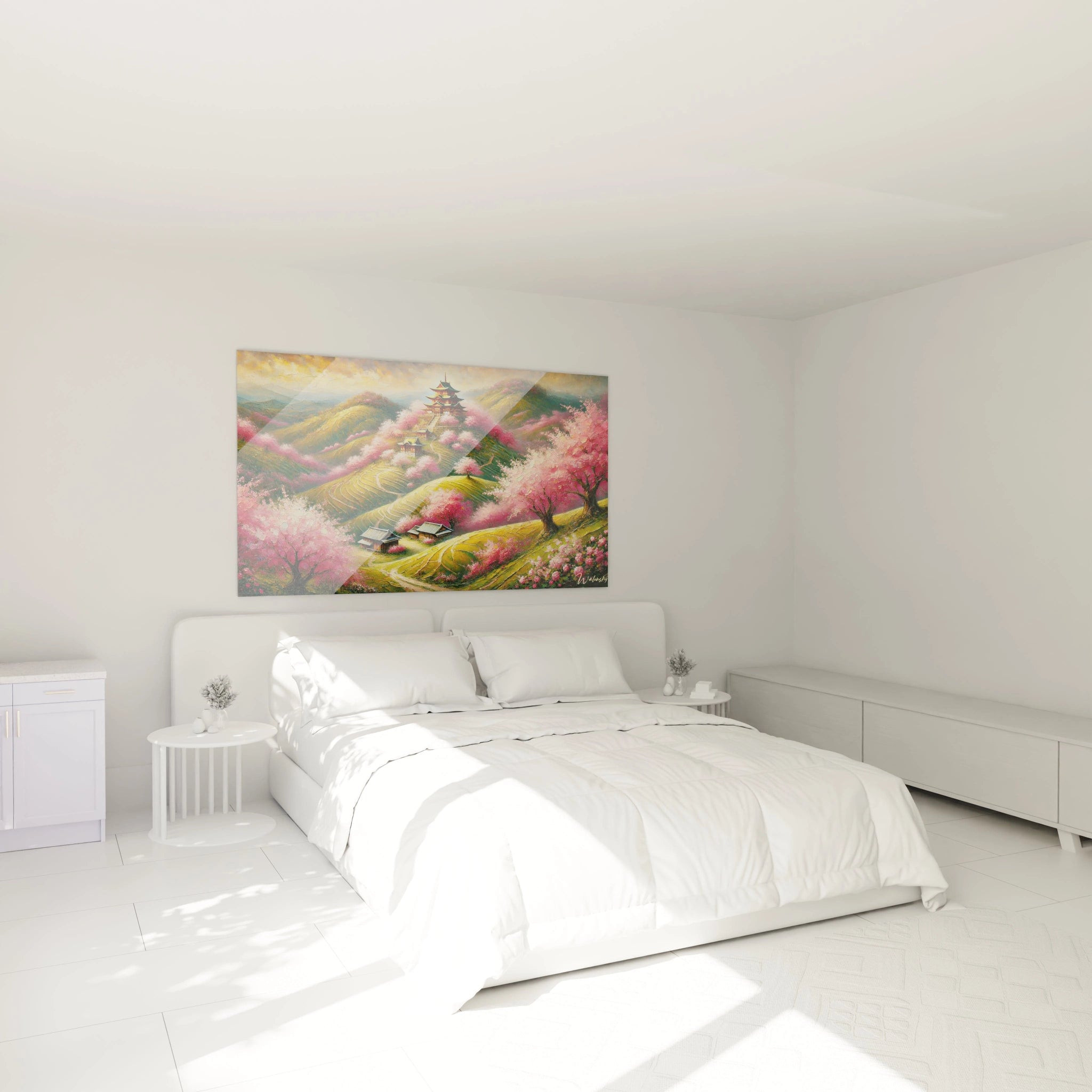
For spring, artworks evoking cherry blossom flowering and first-season fish (notably ayu) create perfect harmony with ingredients offered during this period. Compositions then privilege the tender pink and green tones characteristic of this awakening season.
In summer, artworks adopt more vibrant tints dominated by deep blues and intense greens, often associated with representations of refreshing waterways and summer fish like mackerel (saba) at its gustatory peak.
Autumnal artworks incorporate the rich chromatic wealth characteristic of this season in Japan with dominant reds, oranges and golds, perfectly accompanying menus centered on fatty fish at their peak like sanma (saury).
In winter, artworks with more austere compositions and silvery tints evoking snow and the cold northern waters create a perfect setting for exceptional dishes of this season like fugu or snow crabs.
This seasonal approach to wall art for sushi restaurants transcends simple decoration to become a genuine extension of Japanese culinary philosophy, where harmony with natural cycles constitutes a fundamental value.
FAQ about wall art for sushi restaurants
What is the ideal size for wall art in a traditional sushi restaurant?
For a traditional sushi restaurant, prioritize large-format artworks, ideally between 120 and 180 cm in width. This imposing dimension creates immediate visual impact while respecting proportions typically observed in authentic Japanese establishments where artwork occupies a predominant place.
How to properly maintain wall art for sushi restaurants exposed to kitchen vapors?
Wall art installed in a sushi restaurant requires specific maintenance due to exposure to vapors and humidity variations. Opt for artworks with anti-humidity treatment and clean them regularly with a microfiber cloth slightly moistened with a solution of distilled water and white vinegar diluted to 10%, thus avoiding accumulation of fatty residue that could dull colors.
Must wall art for sushi restaurants necessarily depict fish or maritime scenes?
Contrary to common assumptions, wall art for sushi restaurants can move away from literal representations of fish or oceans. The most sophisticated establishments often prioritize works evoking Japanese philosophical concepts (wabi-sabi, ma, yūgen) or emblematic Japanese landscapes that create complete cultural immersion, transcending simple reference to ingredients.