


Lotus Flower Wall Art
Elevate your space with our Lotus Flower wall art collection, a symbol of purity and rebirth. Each Lotus Flower wall art is a masterpiece of elegance, illustrating the timeless beauty of this sacred flower. Perfect for infusing your interior with peace and grace, each piece is designed to capture attention and inspire meditation.
 Art Deco Woman Wall Art - Oriental Elegance with Blue Lotus - Art Deco Edition213,90 €
 Woman with Blue Lotus Wall Art - Art Deco Elegance - Art Deco Edition233,90 €
 Egyptian Woman Painting - Goddess with Blue Lotus - Art Deco Edition233,90 €
 Lotus Flowers Painting - Aquatic Elegance - Art Deco Edition213,90 €
 Lotus Flowers Painting - Golden Elegance - Art Deco Edition233,90 €
 Lotus Flowers Wall Art - Aquatic Serenity - Art Deco Edition213,90 €
 Lotus Flower Floating Soul Painting - Lotus Flower Edition213,90 €
 Lotus Art Deco Tableau - Golden Floral Elegance - Art Deco Edition213,90 €
 Lotus Wall Art Art Deco - Ornamental Floral Motifs - Art Deco Edition233,90 €
 Lotus Art Deco Wall Art - Oriental Serenity - Art Deco Edition233,90 €
 Golden Lotus Painting - Floral Elegance - Art Deco Edition233,90 €
 Golden Lotus Wall Art - Art Deco Floral Elegance - Art Deco Edition213,90 €
 Lotus Painting Awakening of the Waters - Lotus Flower Edition233,90 €
 Lotus Flower Eternal Grace Painting - Lotus Flower Edition233,90 €
 Lotus Painting Pure Grace - lotus flower edition213,90 €
 Lotus Inner Peace Wall Art - lotus flower edition213,90 €
 Sacred Lotus Wall Art - Zen Edition233,90 €
 Floral Motifs Wall Art Art Deco - Golden Lotus and Arabesques - Art Deco Edition233,90 €
 Copper Passion Lotus Canvas - abstract flowers edition232,90 €
 Sacred Purity Wall Art - Zen Lotus Flower Edition233,90 €
Explore further
In Lotus Flower Wall Art
-
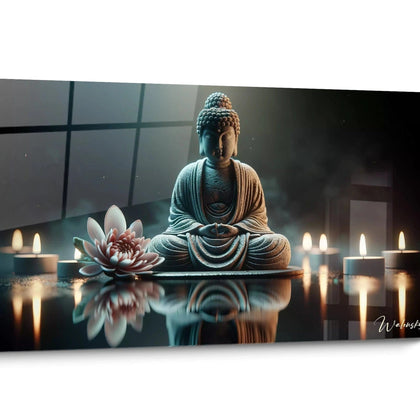 Zen Lotus Wall Art13
artworks
Zen Lotus Wall Art13
artworks
-
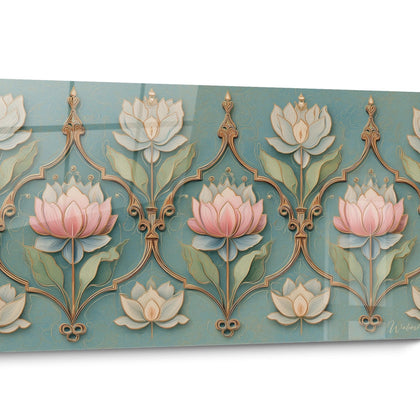 Lotus Flower Art Deco Wall Art12
artworks
Lotus Flower Art Deco Wall Art12
artworks
-
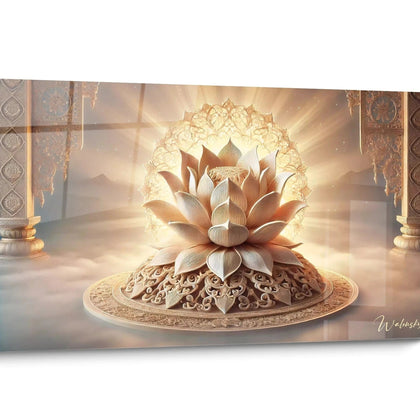 Golden Lotus Flower Wall Art12
artworks
Golden Lotus Flower Wall Art12
artworks
-
 Zen Lotus Flower Wall Art10
artworks
Zen Lotus Flower Wall Art10
artworks
-
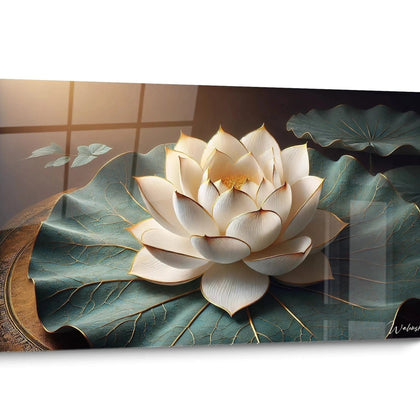 White Lotus Flower Wall Art8
artworks
White Lotus Flower Wall Art8
artworks
-
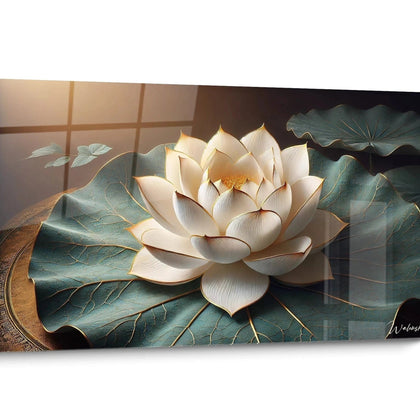 White Zen Lotus Wall Art6
artworks
White Zen Lotus Wall Art6
artworks
-
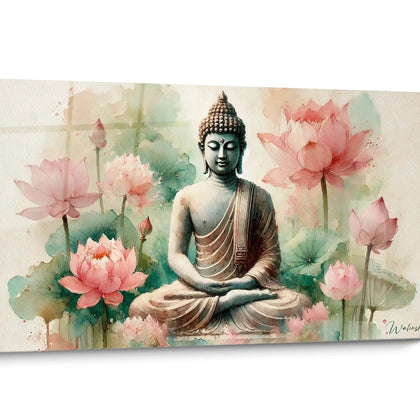 Zen Watercolor Lotus Wall Art4
artworks
Zen Watercolor Lotus Wall Art4
artworks
-
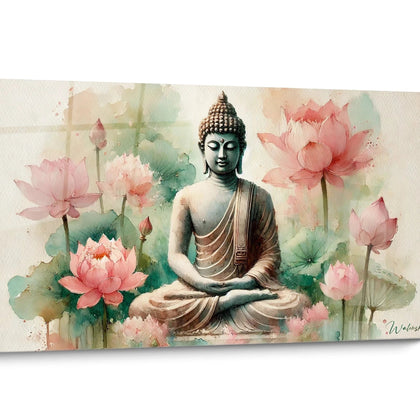 Zen Lotus Watercolor Wall Art4
artworks
Zen Lotus Watercolor Wall Art4
artworks
-
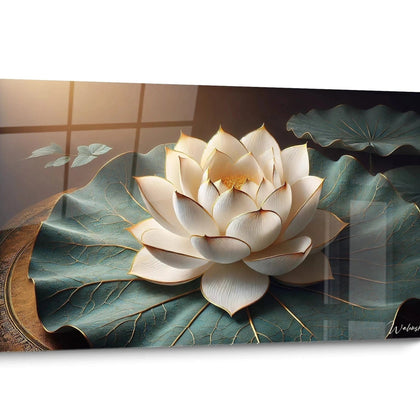 Minimalist Lotus Flower Wall Art3
artworks
Minimalist Lotus Flower Wall Art3
artworks
-
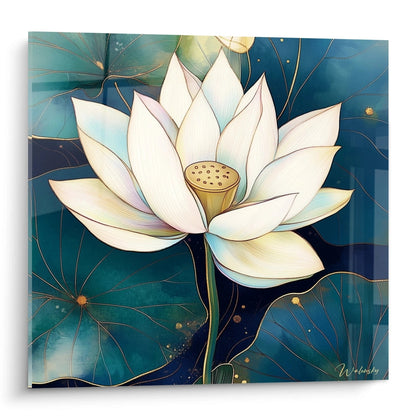 Watercolor Lotus Flower Wall Art3
artworks
Watercolor Lotus Flower Wall Art3
artworks
-
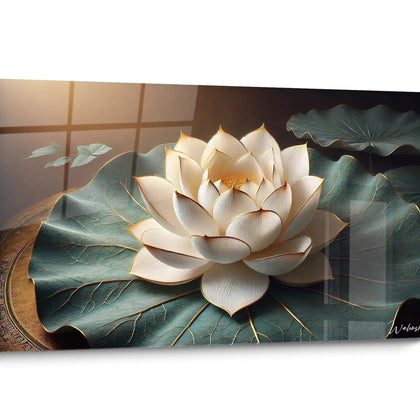 Minimalist Zen Lotus Wall Art3
artworks
Minimalist Zen Lotus Wall Art3
artworks
In the same family
Also explore the theme Zen
-
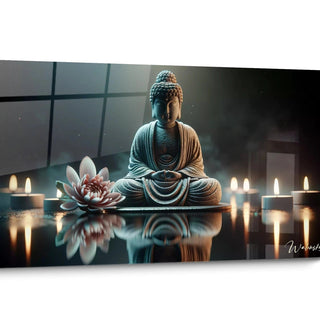 View all2041
artworks
View all2041
artworks
-
 Bonsai25
artworks
Bonsai25
artworks
-
 Buddha311
artworks
Buddha311
artworks
-
 Candle2
artworks
Candle2
artworks
-
 Koi Fish130
artworks
Koi Fish130
artworks
-
 Chakras11
artworks
Chakras11
artworks
-
 Zen Miscellaneous11
artworks
Zen Miscellaneous11
artworks
-
 Incense7
artworks
Incense7
artworks
-
 Enso13
artworks
Enso13
artworks
-
 Feng Shui903
artworks
Feng Shui903
artworks
-
 Grasses100
artworks
Grasses100
artworks
-
 Ikebana93
artworks
Ikebana93
artworks
-
 Kintsugi5
artworks
Kintsugi5
artworks
-
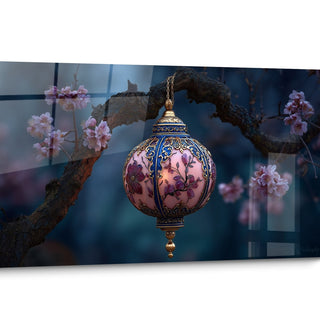 Lantern51
artworks
Lantern51
artworks
-
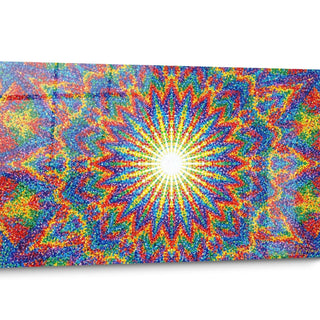 Mandala18
artworks
Mandala18
artworks
-
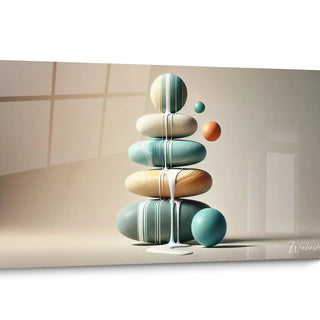 Meditation18
artworks
Meditation18
artworks
-
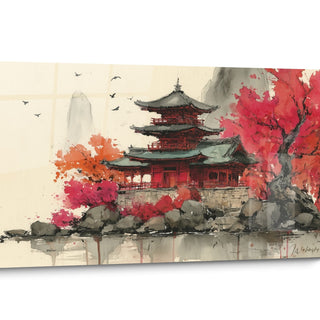 Pagoda79
artworks
Pagoda79
artworks
-
 Feather60
artworks
Feather60
artworks
-
 Sand60
artworks
Sand60
artworks
-
 Buddhist Temple17
artworks
Buddhist Temple17
artworks
-
 Terracotta10
artworks
Terracotta10
artworks
-
 Japanese Teapot40
artworks
Japanese Teapot40
artworks
-
 Torii77
artworks
Torii77
artworks
-
 Yin Yang10
artworks
Yin Yang10
artworks

All about Lotus Flower Wall Art
- Presentation Flower Paintings of Lotus
- Flower Paintings of Lotus Spiritual Meaning
- Lotus Flower Paintings Feng Shui Decor
- Lotus Flower Paintings Inner Meditation
Lotus flower paintings represent the quintessence of Asian meditative and spiritual art. A universal symbol of purity, rebirth, and spiritual awakening, the lotus flower emerges beautifully from muddy waters to bloom into an immaculate flower. Our large-format wall art captures this profound symbolism, transforming any space into a sanctuary of peace and harmony.
These wall art pieces are not mere decorative elements, but true portals to serenity. Each painting is designed to create an atmosphere conducive to meditation, reflection, and inner peace. The soft hues and balanced compositions characteristic of lotus representations promote the energetic harmony of your space.
Our collection offers lotus flower paintings in generous sizes, perfect for becoming the focal point of a meditation space, yoga studio, or wellness bedroom. Each artwork is carefully designed to amplify the energetic benefits associated with this millennia-old symbol.
Discover our complete range of zen paintings for meditation and transform your interior into an inspiring haven of peace.
The Spiritual Meaning of Lotus Flower Paintings: A Journey Within
Lotus flower paintings transcend simple wall decoration to become true catalysts for spiritual awakening. These artistic representations capture the very essence of the spiritual journey symbolized by this sacred flower in many Eastern traditions.
Why is the lotus flower considered sacred in wall art?
The lotus flower possesses a unique symbolism that distinguishes it from any other floral representation in wall art. Born in mud and rising through turbid waters to bloom at the surface into an immaculate flower, it perfectly embodies transcendence and spiritual elevation. A large-format lotus flower painting in your personal space becomes a daily reminder that beauty and purity can emerge from the most difficult situations.
In Buddhism, each lotus color represented on a wall painting holds its own spiritual significance. The white lotus symbolizes spiritual purity and accomplished spiritual awakening. The pink lotus represents the divinity of Buddha and the story of his creation. The blue lotus embodies wisdom, knowledge, and the victory of spirit over sensory temptations. These subtle nuances make each painting a gateway to profound spiritual teachings.
Chakras and the symbolism of lotus flower paintings
Lotus representations on wall paintings are intrinsically linked to the chakra system, these energy centers of the human body according to yogic traditions. The thousand-petaled lotus, often represented in our large-format paintings, symbolizes the Sahasrara, the crown chakra located at the top of the head, associated with spiritual illumination and connection with universal consciousness.
A lotus flower painting strategically placed in your meditation space can serve as a focal point to harmonize your chakras. During meditative practices facing this artistic representation, visualize each lotus petal opening in synchronization with the opening of your energy centers, thus creating a profound alignment between the wall art and your inner landscape.
• Pink lotus representations promote the opening of the heart chakra • White lotuses stimulate the energy of the crown chakra • Blue lotus paintings strengthen the throat chakra
The vibrational impact of lotus flower paintings on a room's atmosphere
Lotus flower paintings are not only visually captivating, they literally alter the vibrational frequency of a space. According to the principles of Vastu Shastra, the Indian equivalent of Feng Shui, lotus images purify the surrounding atmosphere and dissolve stagnant negative energies.
A large-format lotus flower painting constitutes a natural energy purifier for your living or working space. Its harmonious presence neutralizes disruptive electromagnetic fields generated by modern electronic devices. In therapeutic spaces such as energy healing practices or yoga studios, these wall artworks amplify the effectiveness of healing practices by maintaining an elevated vibrational frequency.
To maximize this purifying effect, position your lotus flower painting on the east wall of your meditation space, thus aligning its energy with the sunrise, symbolizing daily spiritual awakening.
Altered states of consciousness facilitated by contemplating lotus flower paintings
Meditative contemplation of a lotus flower painting can serve as a gateway to altered states of consciousness conducive to inner exploration. In Buddhist and Hindu traditions, lotus visualization is used as a meditation technique to transcend ordinary mind and access higher states of consciousness.
A large-format lotus flower painting offers an ideal visual support for this ancestral practice. By fixing your gaze on the center of the represented lotus, then progressively expanding your awareness towards the outer petals, you symbolically reproduce the movement of consciousness expansion from the individual to the universal.
This contemplation technique activates certain brain areas associated with spiritual receptivity and intuition, as demonstrated by neuroscience research on long-term meditation practitioners. Your painting thus becomes a neurobiological tool for the evolution of consciousness.
Lotus Flower Paintings and Feng Shui Harmonization of Spaces
In the subtle art of Feng Shui, lotus flower paintings occupy a privileged place for their unique ability to transform the energy of a space. These wall artworks are not mere decorations, but true instruments of energy harmonization.
How do lotus flower paintings activate prosperity zones according to Feng Shui?
The strategic placement of a lotus flower painting according to Bagua principles, the energy map of Feng Shui, can dynamically stimulate certain aspects of your life. Placed in the southeast sector of your space, a large-format painting representing a pink or violet lotus stimulates the zone of abundance and prosperity, attracting material wealth and favorable opportunities.
Feng Shui masters particularly recommend lotus flower paintings showing emergence – those illustrating the flowering process of the flower from mud to water surface – to symbolize the gradual growth of fortune. These representations are ideal for entrepreneurs' offices or professional spaces of creatives seeking to manifest prosperity from nascent projects.
• A white lotus painting in the northwest sector strengthens support and protection energies • A red lotus representation in the south sector stimulates professional recognition • A golden lotus in the central space balances all the home's energies
The balance of Yin and Yang elements through lotus flower paintings
Large-format lotus flower paintings offer remarkable harmonization of the Yin and Yang polarities, fundamental in Feng Shui. The lotus stem, rising from the aquatic depths (Yin energy) towards the light where the flower blooms (Yang energy), visually represents the perfect balance between these complementary forces.
In excessively active spaces like meeting rooms or high-energy offices, a lotus flower painting in bluish or violet tones tempers the excess of Yang by introducing a soothing Yin quality. Conversely, in overly passive spaces like bedrooms lacking vitality, a painting representing a lotus in warm tones such as orange or pink dynamizes the atmosphere by injecting revitalizing Yang energy.
Multilayered lotus flower paintings, illustrating several blooming stages simultaneously, are particularly effective for harmonizing spaces with fluctuating energies such as multipurpose rooms or artistic creation studios.
The sacred geometry of lotus flower paintings and its impact on energy fields
Beyond their aesthetic beauty, lotus flower paintings contain sacred geometry patterns that subtly influence the bioenergy fields of a space. The naturally spiraled structure of lotus petals follows the proportions of the golden ratio and the Fibonacci sequence, creating harmonic resonance with human energy patterns.
A large-format painting showing a lotus viewed from above, fully revealing its perfect geometric structure, acts as a natural mandala. Placed in a healing or meditation space, it generates a morphic field that facilitates energy alignment of people present in the room.
Geobiology consultants confirm that lotus flower paintings correctly positioned can neutralize electromagnetic disturbances and geopathic nodes, particularly present in modern constructions. This property makes these paintings valuable tools for urban living spaces subject to numerous energy pollutants.
The chromatic combinations of lotus flower paintings for balancing the five elements
In traditional Feng Shui, harmonization of the five elements (Wood, Fire, Earth, Metal, and Water) is essential to create a balanced space. Lotus flower paintings offer a unique opportunity to integrate these elements through specific chromatic combinations.
Paintings depicting lotus buds on dark water background symbolize the transition from the Water element (depth, potential) to the Wood element (growth, expansion). These artworks are particularly suited for spaces dedicated to planning and strategy, such as architects' offices or design workshops.
To strengthen the Earth element in a space lacking stability, favor a large-format painting illustrating a fully bloomed pink or yellow lotus on a background in ochre or terracotta tones. This combination anchors the energy and promotes a sense of security, ideal for family or therapeutic spaces.
Representations of white lotus on light blue background balance the Metal element (clarity, precision) and the Water element (wisdom, depth), creating an environment conducive to clear communication and sharp intuition, perfect for consultation or teaching spaces.
Lotus Flower Paintings as Supports for Deep Meditation
Lotus flower paintings transcend their decorative function to become true instruments of inner transformation. These wall artworks, when used as meditation supports, open doors to amplified states of consciousness and facilitate exploration of inner landscapes.
How to create an optimal meditative space around a lotus flower painting?
Integrating a large-format lotus flower painting into a space dedicated to meditation requires a thoughtful approach that goes far beyond simple aesthetic considerations. The optimal distance between the practitioner and the painting should be calculated according to the golden ratio rule, approximately 1.618 times the width of the painting. This precise distance allows the eye to capture the entire composition while distinguishing the subtle details of the petals.
Indirect lighting is crucial to reveal the chromatic nuances of a lotus flower painting without creating disturbing reflections. A natural light source from a north-facing window or artificial lighting with a color temperature of 4000K (neutral white) positioned at 45 degrees to the painting surface creates optimal conditions for meditative contemplation.
• Position the center of the painting at eye level when seated • Maintain a minimum distance of 1.5 meters in front of the painting to allow different viewing distances • Avoid visual distractions within a 3-meter radius around the painting
Specific visual meditation techniques for lotus flower paintings
Trataka meditation, an ancestral technique of gazing, finds in lotus flower paintings an ideal support. This practice consists of fixing the center of the represented lotus without blinking until tears form, then closing your eyes and visualizing the lotus image in inner space. This alternation between external perception and internalization strengthens concentration capacity and facilitates access to deep meditative states.
The "progressive petals" technique uses the naturally concentric structure of the lotus as a meditation navigation map. Starting by paying attention to the outermost petal of the lotus represented on the painting, then slowly spiraling inward, the meditator simulates the process of progressive internalization leading to the center of consciousness. This practice is particularly effective with large-format paintings offering detailed petal representation.
For advanced practitioners, the "emerging lotus" technique consists of visualizing the lotus flower painting as a projection of their own spiritual progression. Meditating facing the artwork, they mentally identify the areas of their life corresponding to different growth phases of the lotus – from the seed immersed in mud (unresolved aspects) to the bloomed flower (realized potential).
Neurobiological influence of lotus flower paintings on brain waves
Research in meditative neuroscience has revealed that structured contemplation of a lotus flower painting induces measurable changes in brain wave activity. The naturally fractal geometry of the lotus stimulates the production of alpha waves (8-12 Hz), associated with the alert relaxation state, thus creating an ideal neurological bridge between ordinary waking state and deeper meditative states.
Lotus flower paintings with symmetric compositions simultaneously activate both left and right brain hemispheres, promoting a state of hemispheric coherence. This brain synchronization, measurable by electroencephalogram, correlates with experiences of increased mental clarity and amplified intuition, characteristics of higher states of consciousness sought in meditation.
Regular contemplation of a large-format lotus flower painting can also stimulate neuroplasticity – the brain's ability to form new neural connections. Studies of experienced meditators using lotus visual supports show thickening of brain regions associated with sustained attention and emotional regulation after just eight weeks of regular practice.
Lotus flower paintings as amplifiers of meditative intentions
In conscious manifestation practices, lotus flower paintings serve as energy amplifiers for intentions formulated during meditation. The radiating structure of the lotus, with its petals opening from the center outward, visually represents the process of expansion and radiation of intentions from the inner world to material reality.
To use a lotus flower painting as an intention amplifier, symbolically place your intention at the center of the represented lotus, then visualize this intention diffusing through each petal towards the universe during your meditation. This technique is particularly powerful with paintings representing lotus flowers in colors corresponding to the nature of your intention – violet for spiritual transformation, green for healing, white for clarity, pink for unconditional love.
Guided meditation practitioners report that integrating a lotus flower painting into their practice significantly increases the persistence of modified states of consciousness after the formal session. The painting acts as a visual anchor, allowing instant reactivation of the meditative state previously achieved by a simple conscious glance at the artwork.
FAQ on Lotus Flower Paintings
What is the ideal size for a lotus flower painting in a meditation room?
For a meditation room, prioritize a large-format lotus flower painting of at least 100x70 cm. This size allows complete visual immersion while maintaining balance with the surrounding space. For larger rooms exceeding 20m², more impressive formats of 150x100 cm or more will create a powerful meditative focal point without being visually overwhelming.
How can lotus flower paintings influence sleep quality?
Lotus flower paintings in the bedroom, particularly those in bluish or violet tones, have shown a positive influence on sleep quality. Their symbolism of emergence and transcendence promotes the letting go necessary for deep sleep. Moreover, their naturally soothing geometry reduces sympathetic nervous system activity, facilitating the transition to REM sleep, an essential phase for integrating daily experiences.
Are lotus flower paintings suitable for professional spaces?
Absolutely. Large-format lotus flower paintings are perfectly suited to professional environments requiring concentration and creativity. In meeting rooms, they promote harmonious communication and the emergence of innovative ideas. In coworking spaces, they create visual zones of calm facilitating focus in potentially chaotic environments. Their presence in therapeutic or medical practices also establishes an atmosphere of trust and healing that benefits both practitioners and patients.
Further reading


