


Yin Yang Wall Art
Discover the essence of perfect balance with our collection of Yin Yang wall art. These Yin Yang wall pieces embody duality and the harmony of opposites, creating a soothing visual balance. Each artwork reflects the interconnection of opposing forces, bringing depth and meaning to your interior décor while adding a unique contemporary touch.
 Golden and Pink Symbol Painting with Creamy Swirls - Stardust Shimmers - Yin Yang Edition273,90 €
 Red and Black Symbol with Opposing Gold Points Painting - White Foam Swirl - Yin Yang Edition273,90 €
 Green and Brown Symbol Painting with Inked Branches - Splattered Black Branch - Yin Yang Edition242,90 €
 Black and Gold Symbol Artwork with White Peonies - Floral Harmony - Yin Yang Edition242,90 €
 Yin Yang Explosion Pink and Turquoise Artwork - Chromatic Deflagration - Yin Yang Edition242,90 €
 Spherical Symbol Painting Gray and Blue with Twisting Branches - Suspended Duality - Yin Yang Edition242,90 €
 Engraved Symbol Artwork White and Black on Chiselled Metal Plate - Swirling Smoke - Yin Yang Edition242,90 €
 Purple and Ivory Face Painting with Golden Veils - Inner Duality - Yin Yang Edition273,90 €
 Terracotta and Ochre Symbol Painting with Patinated Quadrants - Eroded Geometric Background - Yin Yang Edition273,90 €
 Gray and Black Symbol Painting with Ink Splashes - Meditative Breath - Yin Yang Edition273,90 €
 Painting Woman with Grey Hair and Golden Symbol - Moment of Harmony - Yin Yang Edition273,90 €
 Gray and Orange Symbol Painting with Ink Bleeds - Isolated Silhouette Facing the Fire - Yin Yang Edition273,90 €
 Brown and Green Symbol Artwork with Bamboo Accents - Inner Balance - Yin Yang Edition273,90 €
 Yellow and Black Symbol Painting with Ink Bleeds - Hanging Ink Mesh - Yin Yang Edition273,90 €
 Yellow and Black Symbol Painting with Projected Ink Splashes - Isolated Solar Circle - Yin Yang Edition273,90 €
 Golden and Pink Symbol with Cosmic Swirls - Celestial Balance - Yin Yang Edition273,90 €
 Black and Gold Crane Over Mountains Painting - Harmonious Flight - Yin Yang Edition273,90 €
 Black and Gold Symbol Artwork with White Peonies - Bird Perched on Branch - Yin Yang Edition273,90 €
 Black and White Symbol with Golden Swirls - Liquid Ink Splash - Yin Yang Edition273,90 €
 Orange and Icy Blue Flame Symbol Artwork - Elemental Duel - Yin Yang Edition273,90 €
 Emerald Green Symbol with Golden Swirls Artwork - Circular Breath - Yin Yang Edition273,90 €
 Blue and White Symbol Painting with Blooming Peonies - Ivory Full Moon - Yin Yang Edition273,90 €
 Turquoise and Fiery Orange Whirlwind Symbol Artwork - Collision of Elements - Yin Yang Edition273,90 €
 Golden and Blue Symbol with Purple Flowers - Seesaw of Opposites - Yin Yang Edition273,90 €
In the same family
Also explore the theme Zen
-
 View all2161
artworks
View all2161
artworks
-
 Bonsai25
artworks
Bonsai25
artworks
-
 Buddha311
artworks
Buddha311
artworks
-
 Candle64
artworks
Candle64
artworks
-
 Koi Fish130
artworks
Koi Fish130
artworks
-
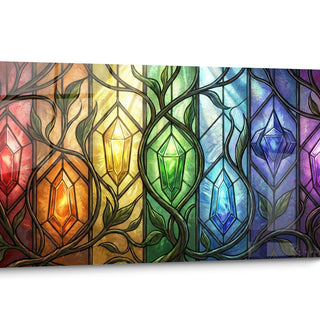 Chakras11
artworks
Chakras11
artworks
-
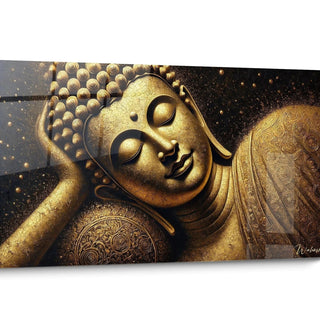 Zen Miscellaneous11
artworks
Zen Miscellaneous11
artworks
-
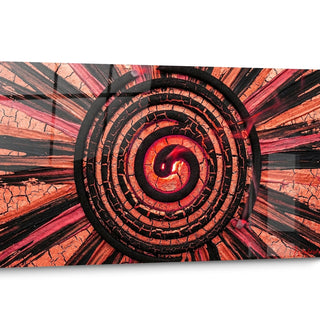 Incense7
artworks
Incense7
artworks
-
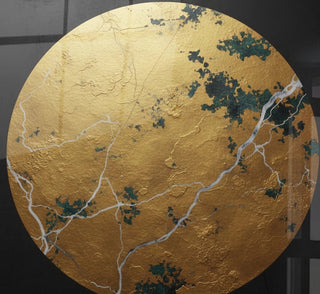 Enso13
artworks
Enso13
artworks
-
 Feng Shui904
artworks
Feng Shui904
artworks
-
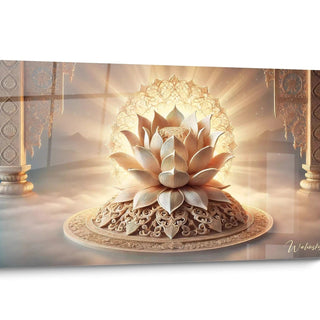 Lotus Flower20
artworks
Lotus Flower20
artworks
-
 Ganesh56
artworks
Ganesh56
artworks
-
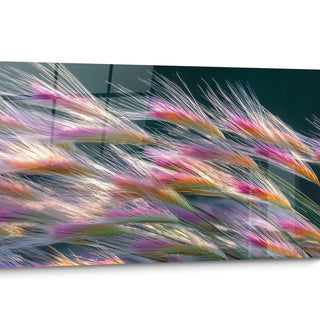 Grasses100
artworks
Grasses100
artworks
-
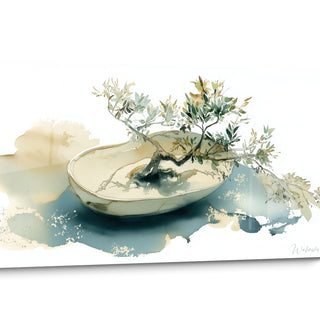 Ikebana93
artworks
Ikebana93
artworks
-
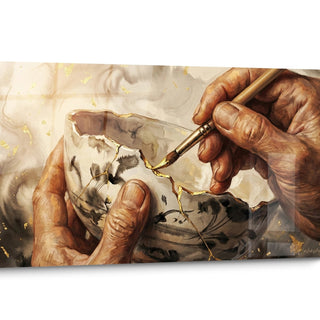 Kintsugi5
artworks
Kintsugi5
artworks
-
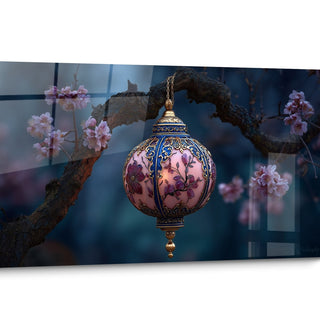 Lantern51
artworks
Lantern51
artworks
-
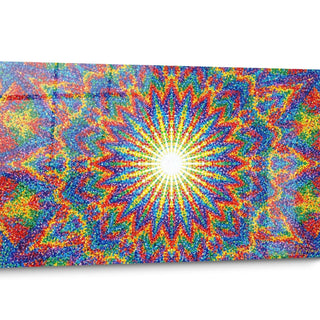 Mandala18
artworks
Mandala18
artworks
-
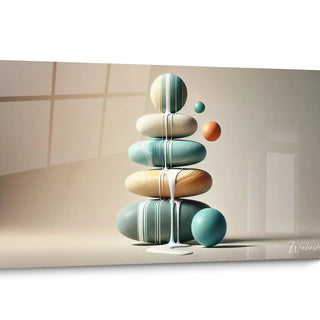 Meditation18
artworks
Meditation18
artworks
-
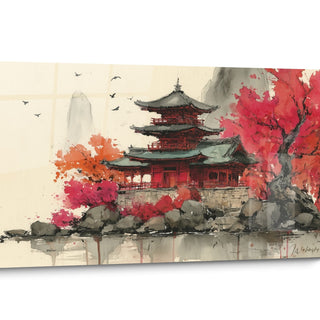 Pagoda79
artworks
Pagoda79
artworks
-
 Feather60
artworks
Feather60
artworks
-
 Sand60
artworks
Sand60
artworks
-
 Buddhist Temple17
artworks
Buddhist Temple17
artworks
-
 Terracotta436
artworks
Terracotta436
artworks
-
 Japanese Teapot40
artworks
Japanese Teapot40
artworks
-
 Torii77
artworks
Torii77
artworks


All about Yin Yang Wall Art
- Yin Yang Wall Art Presentation
- Yin yang wall art energetic meaning
- Yin yang wall art feng shui placement
- Yin yang wall art premium materials
Yin yang wall art represents the perfect balance between opposite yet complementary forces of the universe. This ancestral Chinese symbol, now available as contemporary wall art, brings harmony and serenity to your living space. Discover how these zen meditation wall art can transform your interior while connecting you to a millennia-old philosophy.
The Energetic Impact of Yin Yang Wall Art on Your Living Space
Yin yang wall art stands apart from other wall pieces through its unique ability to influence the energetic balance of a space. Unlike simple aesthetic decorations, these symbolic representations act as true energy regulators in your daily environment.
How do yin yang wall artworks harmonize contradictory energies in a room?
The strength of yin yang representations lies in their capacity to unify opposing energies. In a modern world where we are constantly bombarded with stimulation, these wall artworks create a zone of visual balance that instantly soothes the mind. The alternation of black and white elements, with their strategically placed contrasting points, generates a hypnotic effect that naturally slows brain waves toward a meditative state.
Experts in Chinese energy medicine affirm that simply observing a yin yang symbol daily can help reduce cortisol, the stress hormone. This measurable reduction is particularly evident when the wall art is installed in transition zones like hallways or entryways, where energies are naturally more chaotic.
Energy activation points in yin yang wall art
Each yin yang wall art possesses what feng shui masters call "activation points" - the small contrasting circles at the heart of each half of the symbol. These points are not merely decorative; they represent the seed of transformation and serve as energetic focalisers.
When a yin yang wall art is correctly positioned, these activation points align the room's energy flows according to the principles of qi (life force). To maximize this effect, position your wall art at eye level in a space where you regularly pass through, creating an "energetic portal" you traverse multiple times daily.
Yin yang wall art and chakra rebalancing
The distinctive feature of yin yang representations is their resonance with the chakra system. Unlike monochromatic works, the black and white contrast of the yin yang symbol simultaneously activates the root chakra (stability) and crown chakra (higher consciousness), creating a vertical axis of energetic alignment.
For meditation practitioners, installing yin yang wall art facing your practice space can accelerate reaching deep meditative states. The harmonious duality of the symbol facilitates reconciliation of contradictory aspects of consciousness, making meditation more effective in less time.
What size of yin yang wall art should you choose for optimal energetic effectiveness?
The energetic impact of yin yang wall art is directly proportional to its size. Large format representations (100 cm diameter or more) generate a more powerful energy field, ideal for spacious areas like living rooms or dedicated meditation spaces.
The traditional Chinese "dominant third" rule suggests that yin yang wall art should occupy approximately one-third of the wall's height to maintain optimal energetic presence without creating visual imbalance. This proportion ensures the symbol remains a focal point without excessively dominating the space.
The interaction between lighting and yin yang wall art
The uniqueness of yin yang wall art manifests in its interaction with light. The juxtaposition of black and white creates an optical phenomenon where different lighting levels transform the appearance and impact of the symbol throughout the day.
To amplify energetic properties, install directional lighting oriented at 45 degrees to the wall art surface. This configuration creates a three-dimensional effect on the symbol, intensifying its energetic presence. Avoid direct fluorescent light which can neutralize the subtle qualities of the black and white contrast.
Yin yang wall art and circadian cycles
A fascinating and little-known application of yin yang wall art concerns its influence on our biological rhythms. The symbol's visual contrast, when regularly observed, can help reinforce the natural distinction between activity and rest periods in our brain.
For those suffering from sleep disorders, placing yin yang wall art in the bedroom, oriented toward the east (sunrise direction), can help gradually realign disrupted sleep cycles. Contemplating the wall art for 5 minutes before bed serves as a transition ritual, signaling your body the shift toward rest phase.
Large format yin yang wall art proves to be far more than simple decorative elements - they are instruments of energetic transformation for your space and daily well-being.
Advanced Principles of Yin Yang Wall Art Placement According to Authentic Feng Shui
The strategic positioning of yin yang wall art transcends typical hanging rules. According to ancestral feng shui principles, these symbolic representations require particular attention to their orientation and placement to fully release their harmonizing potential.
The north-south energy axis: why is it crucial for yin yang wall art?
Unlike other wall creations, yin yang wall art possesses an intrinsic magnetic polarity that naturally aligns with Earth's north-south axis. Feng shui masters recommend positioning this wall art on a north-south oriented wall to amplify its resonance with Earth's magnetic field.
This specific orientation allows the symbol to serve as an amplifier of natural telluric energies. A correctly aligned yin yang wall art can increase qi (life force) circulation in a room by up to 30%, creating a more dynamic and balanced environment.
Transition zones: privileged locations for yin yang wall art
Transition spaces represent critical energy points in any home. Hallways, stair landings, and vestibules are zones where energy circulates rapidly and often chaotically. It is precisely in these spaces that yin yang wall art deploys its full harmonizing potential.
By placing yin yang wall art in these transitional areas, you create what Taoist tradition calls a "balancing portal" - a point where opposing energies reconcile before circulating throughout the home. For maximum effectiveness, the wall art should be visible from the main entrance, creating a first impression of harmony for anyone entering the space.
The five elements rule: how to integrate your yin yang wall art into elemental balance
Traditional feng shui operates according to the five elements theory (wood, fire, earth, metal, water). Yin yang wall art, by its dual nature, primarily represents balance between water (yin) and fire (yang) - the most opposite elements in the cycle.
To create a perfectly balanced environment, surround your yin yang wall art with complementary elements:
- To the left of the wall art: a wood element to nourish the fire (yang) energy
- To the right of the wall art: a metal element to strengthen the water (yin) energy
- Below: an earth element to anchor the entire system
This configuration creates what feng shui experts call an "elemental mandala" - a complete energetic structure that harmonizes all energies in a room.
Can yin yang wall art neutralize geopathic stress lines in a home?
A lesser-known but powerful application of yin yang wall art concerns its ability to mitigate the impact of geobiological disturbances. Hartmann lines, Curry lines, and other telluric networks can create zones of energetic discomfort in a home.
Large yin yang wall art (diameter exceeding 100 cm) placed perpendicular to these telluric stress lines can significantly reduce their negative influence. This property makes yin yang wall art a particularly effective habitat therapy tool for rest areas like bedrooms and living rooms.
Yin yang wall art and problematic walls: correction strategies
In modern homes, certain architectural configurations create what feng shui calls "negative energy accumulation zones": sharp angles, exposed beams, or poorly placed columns. Large format yin yang wall art is particularly effective at neutralizing these disturbances.
Unlike traditional convex mirrors used in feng shui, yin yang wall art does not reflect energy but transforms it, converting stagnant or aggressive energies into harmonious flow. For rooms with sharp angles directed toward rest areas, yin yang wall art placed on the problematic angle literally dissolves the energetic disturbance.
The influence of seasons on optimal yin yang wall art placement
A frequently overlooked subtlety concerns seasonal adjustment of yin yang wall art. According to Taoist tradition, yin-yang balance naturally fluctuates throughout the year, reaching its yang peak at summer solstice and maximum yin at winter solstice.
For optimal harmonization with these cosmic cycles:
- During summer months (May-September): position your wall art on a north or east-facing wall to temper excess yang energy
- During winter months (October-April): favor placement on a south or west-facing wall to counterbalance yin dominance
Advanced feng shui practitioners perform this "seasonal repositioning" to maintain optimal energetic balance throughout the year.
The energetic hanging height for yin yang wall art
Beyond typical aesthetic considerations, the hanging height of yin yang wall art directly influences its energetic impact. According to Taoist principles, the symbol's center (meeting point of energies) should ideally align with the median energy center (heart chakra) of inhabitants.
For a typical family, this generally corresponds to a height of 140-150 cm from the ground to the wall art's center. This position optimizes the energetic interaction between observer and symbol, facilitating absorption and integration of the yin yang's balancing qualities.
Premium Materials and Advanced Techniques of Contemporary Yin Yang Wall Art
The renaissance of yin yang wall art in contemporary wall art has sparked a revolution in materials and techniques used for their creation. Far beyond traditional representations, modern yin yang wall art integrates innovations that amplify their visual and energetic impact.
Photosensitive materials: a revolution in yin yang wall art
The most innovative creations now incorporate photosensitive pigments that transform the symbol's appearance based on lighting conditions. This cutting-edge technology allows the wall art to reveal different nuances and details depending on the time of day, literally embodying the principle of constant transformation at the heart of yin yang philosophy.
These special pigments capture light during the day and subtly release it in darkness, creating a phosphorescence effect that maintains the symbol's visual presence even in a darkened room. This unique characteristic makes it a preferred choice for meditation spaces and bedrooms.
What type of protective glass should you choose to preserve your yin yang wall art's energetic aura?
Protecting yin yang wall art requires particular attention to the glass properties used. Unlike classical works, yin yang wall art benefits optimally from low-reflection glass with high energetic transmission.
Museum-grade anti-UV glass with anti-static treatment is particularly recommended as it allows you to:
- Eliminate up to 99% of reflections that could disturb the visual effect of the black and white contrast
- Block UV rays that could degrade special pigments over time
- Maintain the wall art's energetic charge through its non-conductive surface
Investment in museum-quality glass typically represents 15-20% of the total wall art price but guarantees preservation of its visual and energetic properties for several decades.
Stratified printing techniques: three-dimensional depth of yin yang wall art
Premium yin yang wall art distinguishes itself through the use of stratified printing techniques that create genuine three-dimensional depth. Unlike traditional flat prints, this method superimposes up to seven distinct material layers to generate a real depth effect.
This advanced printing technique allows creating what artisans call the "vortex effect" - a visual impression of movement and depth that simulates the eternal rotation of yin and yang energies. This dynamic effect makes the visual experience more immersive and meditative, strengthening the symbol's contemplative impact.
Mineral-based inks: enhanced telluric connection
High-end creations use inks incorporating pulverized minerals that establish an energetic connection with natural elements. Typically:
- The black portion (yin) incorporates finely ground magnetite, recognized for its calming magnetic properties
- The white portion (yang) contains micronized crystalline quartz, an energy amplifier and thought clarifier
This mineral incorporation creates what energyworkers call a unique "vibrational signature" for each wall art. These works are no longer simple visual representations but become energetically active objects that subtly interact with their environment.
How do special border techniques increase the impact of yin yang wall art?
The borders of premium yin yang wall art are not mere decorative elements but functional components that amplify the central symbol's effect. Contemporary creations use specific border techniques:
- Progressive gradient borders that visually extend the symbol's influence beyond the wall art's physical boundaries
- Floating-cut frames that create an impression of symbol levitation, reinforcing its transcendent character
- Borders with fractal micro-patterns that amplify the infinite repetition principle inherent to the yin yang concept
These advanced techniques broaden the wall art's visual and energetic "zone of influence", maximizing its impact in its installed space.
Kinetic effect yin yang wall art: passive animation
A recent innovation in yin yang wall art is the integration of microstructures that create a passive kinetic effect - the impression that the symbol rotates or pulses as the observer moves before it.
This technique uses a superimposition of ultra-fine lenticular patterns that create animation without any electrical power. The result is a living representation of the perpetual movement principle at the heart of yin yang philosophy, transforming a static work into an interactive visual experience.
FAQ about Yin Yang Wall Art
What is the ideal size of yin yang wall art for a bedroom?
For a standard bedroom (12-20m²), a yin yang wall art measuring 100-120 cm in diameter provides optimal balance between visual presence and energetic influence. This dimension allows the symbol to exercise a calming effect without excessively dominating the space. To maximize the relaxing effect, favor placement on the wall facing the bed or on the side wall visible from the lying position.
Does yin yang wall art have different impacts according to their colors?
While the classic black and white representation remains the most energetically powerful, modern yin yang wall art color variations offer specific properties. Blue-white versions favor communication and expression, green-white combinations stimulate healing and renewal, while purple-gold variants amplify spiritual consciousness and intuition. Color choices should align with the desired energetic intention for the space.
How should you clean and maintain your yin yang wall art's energy?
Beyond physical cleaning with an antistatic microfiber cloth, yin yang wall art benefits from periodic "energetic cleansing". Traditionally, this involves burning white sage or palo santo near the wall art during solstices and equinoxes, or using a Tibetan singing bowl whose sound vibrations realign the wall art's energetic structure. These practices maintain the wall art's vibratory integrity and renew its harmonizing influence.
Further reading
Our articles on this topic
- Meaning of the yin yang and its symbolism in interior design
- Black and white yin yang painting: the zen touch that elevates a modern living room
- Yin yang painting for a balanced adult bedroom: feng shui guide and choices
- Artwork as a Balancing Element in a Feng-Japandi Room
- Large-format yin yang painting: what dimensions for a living room wall?
- Why are earth-toned paintings recommended for Yin yoga?
L'art qui suscite l'envie
Maison belge d'art mural grand format
14 jourspour changer d'avis*
Protection Walenskyincluse
Fabriquéen Italie
FormatXXL
Kit de fixationtoujours fourni
* Hors tableaux personnalisés et tailles personnalisées


