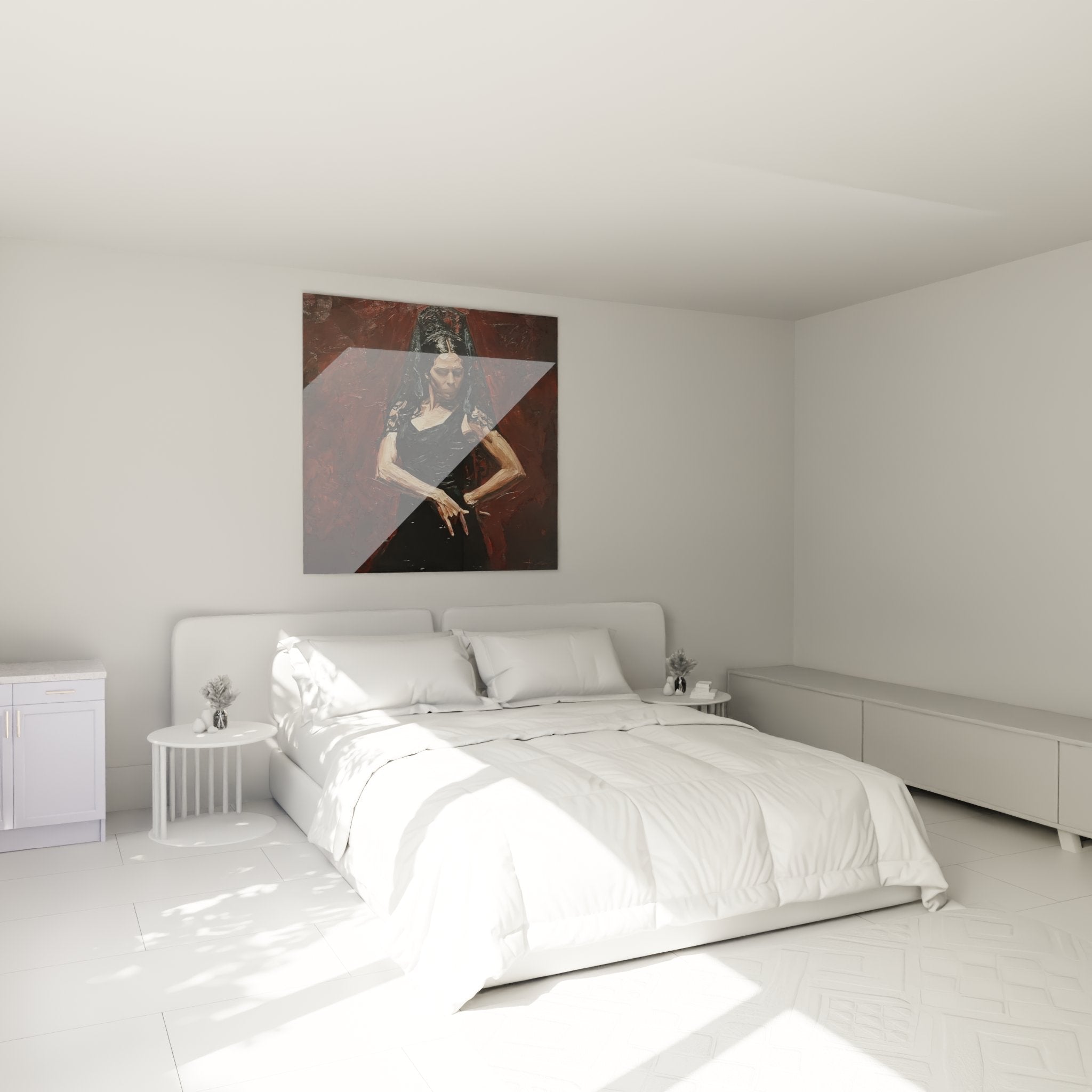
- Dance Painting Presentation
- Dance Painting: The Emotion of Movement
- Dance Painting: Styles and Atmospheres
- Dance Painting: Spaces and Inspirations
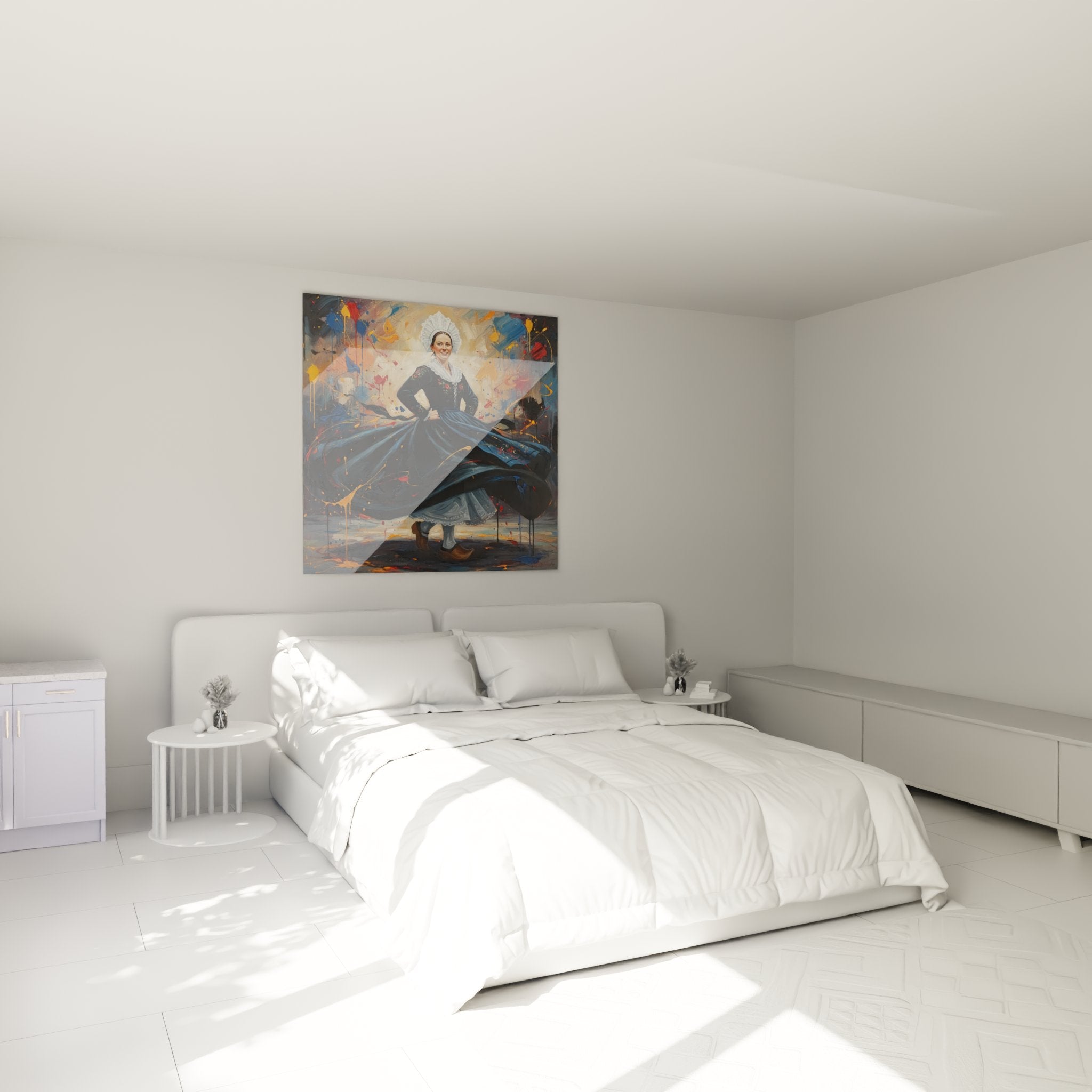
The dance painting transforms the ephemeral into the permanent, freezing forever the grace of a body in motion. These large-format wall artworks capture the very essence of bodily expression, whether it's the lightness of an arabesque or the intensity of a paso doble. Discover how these artistic representations can metamorphose your interior into a true homage to the art of choreography.
Dance Painting: Capturing the Suspended Instant of Movement
A dance painting possesses the unique power to freeze the elusive. Where live performance fades with the final bow, wall art preserves that fraction of a second when the body defies gravity. This tension between the ephemeral and the permanent constitutes the very heart of the appeal these large-format decorative artworks exert on enthusiasts of choreographic art.
Kinetic energy immortalized on your walls
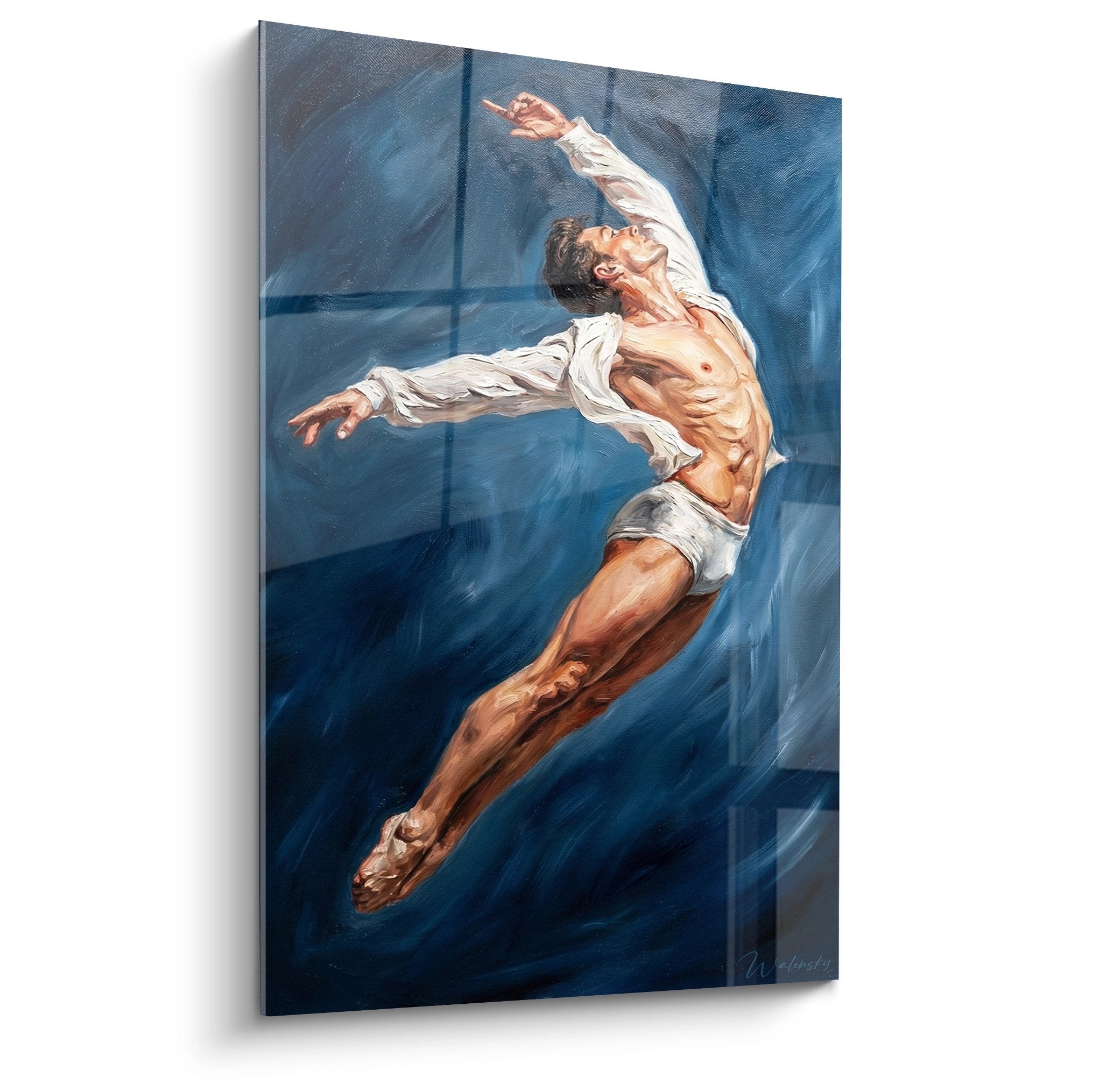
Representing danced movement requires particular artistic mastery. The artist must capture not only the body's position but also suggest what precedes and follows the represented instant. A successful dancer wall painting transmits this invisible dynamics, this potential energy that seems ready to burst forth at any moment.
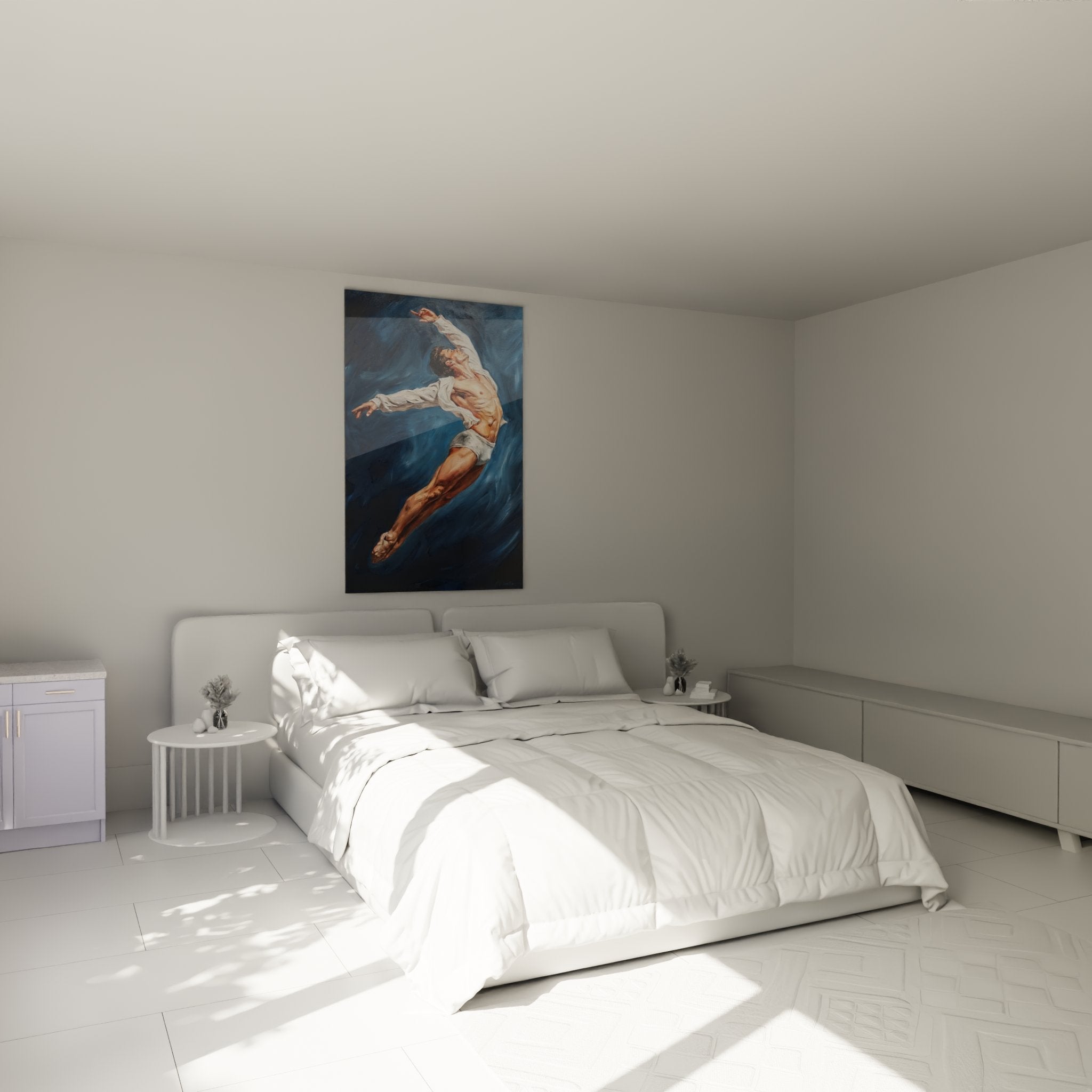
Large formats, particularly XXL dimensions exceeding 120 centimeters, considerably amplify this effect. The viewer's eye can traverse each line of muscular tension, each curve suggesting momentum. This visual immersion recalls the experience of observing a dancer from the front rows of a performance hall.
Why does the dance painting create such a powerful emotional connection?
Dance speaks a universal language that our brain decodes instinctively. Facing a representation of bodies in motion, our mirror neurons activate, creating a physical resonance with the observed image. This neurological particularity explains why a painting depicting a dancer generates more intense emotions than a still life or static landscape.
Collectors and decorators seek precisely this ability to transform a room's atmosphere. A large-format dance wall artwork doesn't merely occupy empty space: it infuses a vitality, an almost palpable presence that dialogues with the room's inhabitants.
Dramatic contrast: light and shadow in wall choreographic art
The most striking compositions exploit chiaroscuro to accentuate the drama of the danced gesture. This interplay of cast shadows and luminous zones visually sculpts the dancer's body, revealing engaged musculature and the force lines of movement.
For optimal rendering of these nuances, premium supports like acrylic glass or aluminum offer unparalleled contrast depth. These contemporary materials particularly sublimate ballet or contemporary dance scenes where stage lighting plays an essential narrative role.
How to choose a dance painting that transcends mere decoration?
Acquiring a wall artwork representing dance deserves careful consideration. Beyond harmony with your interior, reflect on the emotion you wish to experience daily:
- The contemplative serenity of a dancer in preparation, focused before taking the stage
- The explosion of energy of a jump captured at its peak
- The intimate connection of a romantic pas de deux
- The expressive rebellion of contemporary choreography
Each choice will differently orient your living space's ambiance, transforming a simple wall into an open window onto the choreographic universe that inspires you.
Dancer anatomy: when the body becomes sculpture
Paintings showcasing dancers' unique morphology fascinate through their celebration of athletic and graceful bodies. A ballerina's arched feet, a contemporary dancer's powerful shoulders, an interpreter's expressive arms: each discipline sculpts recognizable silhouettes that become veritable visual signatures on your walls.
Dance Painting by Style: From Classical Ballet to Argentine Tango
Each choreographic discipline conveys distinct aesthetics and energy. A classical dance painting will never evoke the same atmosphere as a flamenco or street dance representation. Understanding these differences allows selecting the wall artwork perfectly matched to your interior's desired ambiance.
Classical ballet: timeless elegance in large format
Representations of classical dance dominate the choreographic wall art market, and for good reason. The ballerina silhouette embodies a universally recognized ideal of grace. Vaporous tutus, delicate pointe shoes, and airy port de bras create compositions of remarkable visual lightness.
These artworks integrate naturally into elegant interiors, feminine rooms, or spaces dedicated to classical dance instruction. Generally soft tonalities, dominated by whites, pale pinks, and beiges, bring a touch of refinement without imposing an overly assertive presence.
What's the difference between contemporary and classical dance paintings?
Contemporary dance breaks from established codes, and its wall representations reflect this freedom. Bodies often appear in unusual positions, on the ground, off-axis, in raw interaction with space. The aesthetic privileges broken lines over the perfect curves of ballet.
These paintings work particularly well in modern interiors, lofts, and spaces where one wishes to affirm bold artistic sensibility. Their more confrontational visual impact makes them focal pieces capable of sparking conversation.
Flamenco and tango: Latin passion on your walls
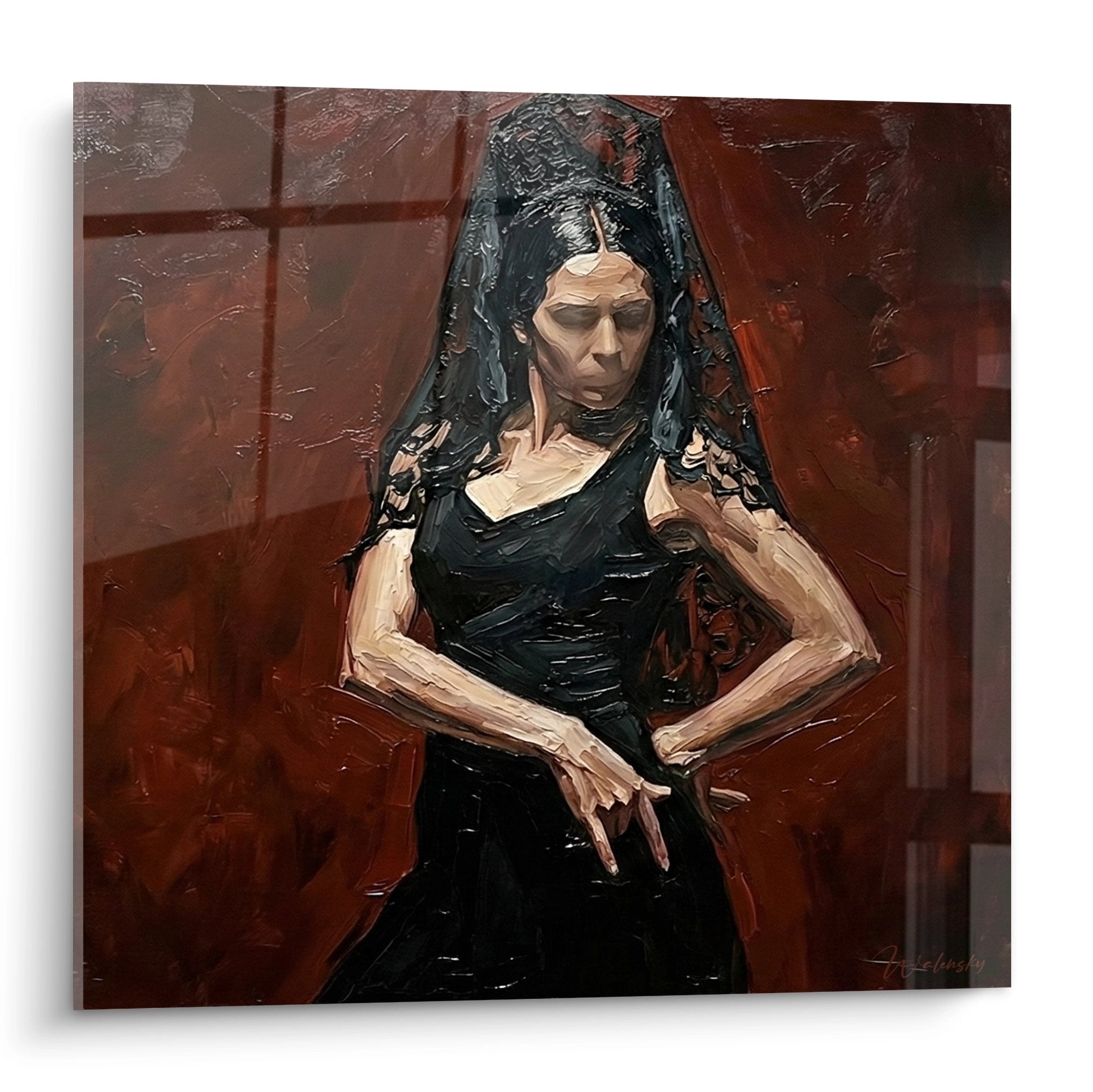
Dances of Hispanic and Argentine origin transport unparalleled emotional intensity. Flamenco paintings typically explode with deep reds, dramatic blacks, and movements suggesting the fierceness of zapateado. The flamenco dancer, with her ruffled dress and proud expression, becomes a veritable icon of character.
Argentine tango, meanwhile, sublimes the connection between two dancers. These representations of entwined couples bring a romantic and sensual dimension ideal for intimate spaces: master bedrooms, cozy lounges, or even restaurants and nighttime establishments.
Street dance and hip-hop: urban energy in wall decoration
For lovers of contemporary and dynamic atmospheres, paintings representing breakdance or hip-hop offer a refreshing alternative to academic styles. These artworks capture the raw energy of urban culture: acrobatic figures, expressions of defiance, streetwear aesthetics.
Perfectly suited to teenagers' rooms, urban dance studios, or creative coworking spaces, these large-format paintings affirm a resolutely modern identity. Graphic contrasts and dynamic compositions infuse contagious vitality into any environment.
How to combine multiple dance paintings of different styles?
Creating a wall gallery mixing different choreographic disciplines requires reflection on commonalities rather than differences. Prioritize coherence through:
- Color treatment: unified black and white or harmonious palette
- Identical format for each piece
- Similar level of abstraction between works
- Quality of support and printing
This approach allows celebrating the diversity of choreographic art while maintaining visual unity in your decoration.
Oriental dance and world expressions
Beyond Western styles, dance traditions from around the world inspire fascinating wall creations. Belly dance, Indian classical dances like Bharatanatyam, or African ritual movements offer original alternatives for personalizing your interior. These artistic representations of sport and leisure considerably expand decorative possibilities for movement art enthusiasts.
Dance Painting: Decorating Spaces Dedicated to Choreographic Art
The environment in which a dance painting is displayed considerably influences its impact. A dance school, a rehearsal studio, or a passionate collector's lounge do not present the same constraints or decorative opportunities. Let's explore the specificities of each space to optimize these wall artworks' integration.
Decorating a dance school: inspiring students and visitors
Dance schools and academies constitute privileged terrain for choreographic wall art expression. These establishments daily welcome students of all levels, waiting parents, and curious visitors. Every wall becomes an opportunity to communicate the place's artistic identity.
In the reception hall, a large-format painting representing technical excellence inspires newcomers and reminds of the objective toward which classes tend. Hallways leading to studios can host a visual progression, from first steps to accomplished performances. This wall narrative subtly accompanies students' physical and pedagogical journey.
Where to place a dance painting in a rehearsal studio?
The dance studio presents a major constraint: the predominance of mirrors on walls. Available spaces generally limit to entry zones, walls perpendicular to mirrors, and spaces above bars. This scarcity demands rigorous selection of displayed artworks.
Privilege a single impactful painting rather than accumulating small formats. An XXL artwork positioned facing the entrance welcomes dancers and immediately establishes the artistic work atmosphere. Generous dimensions, from 150 centimeters, naturally impose themselves in these often spacious volumes.
Creating an inspiring dance corner in your living room
Many enthusiasts arrange a dedicated practice space within their home. Whether equipped with a bar or simply an open area for training, adding a dance painting transforms this functional space into a veritable artistic sanctuary.
The artwork choice can reflect the practiced discipline or conversely open toward other choreographic horizons. A contemporary dance practitioner might thus find daily inspiration in a classical ballet representation, creating dialogue between tradition and modernity in their own journey.
Wall dance art for wellness and yoga spaces
The boundary between dance and bodily disciplines like yoga or Pilates sometimes proves porous. Wellness studios favorably welcome representations of danced movements, particularly images evoking fluidity and bodily awareness.
Contemporary dance or dance-therapy paintings, with their expressive postures and bodies freed from academic constraints, naturally resonate with these spaces' personal development philosophy. The absence of tutus and pointe shoes avoids overly technical connotation to privilege pure movement expression.
How to integrate a dance painting into a young dancer's bedroom?
For young enthusiasts, the bedroom often represents the first personal space where affirming their dancer identity. An adapted wall artwork nourishes this budding passion while beautifully decorating the room. Several considerations guide this choice:
- The child's age and level of engagement in the practice
- The discipline currently capturing their passion
- Choice's evolution potential facing childhood's changing tastes
- Coordination with the room's remaining decoration
Elegant dancer silhouettes or stylized artistic representations generally better withstand years than overly childish or realistic visuals.
Galleries and cultural spaces: when dance painting meets its audience
Cultural venues, theater halls, conservatories, and performing arts centers constitute the natural setting for choreographic wall art. In these contexts, the painting dialogues with scheduled performances and enriches visitors' overall cultural experience. Monumental formats find their full justification here, imposing themselves in generous architectural volumes.
What size to choose for a large-format dance painting?
XXL dimensions, from 120×80 cm up to 240×140 cm, allow fully appreciating the anatomical and expressive details of represented dancers. These generous formats create genuine visual impact and transform the painting into a decoration's central element.
Does a dance painting suit all interior styles?
The diversity of choreographic representations allows finding artwork adapted to each ambiance. Classical interiors will naturally welcome ballet scenes, while contemporary decorations will harmonize with more abstract or urban representations of danced movement.
How to maintain a dance painting on premium support?
High-end supports like acrylic glass or aluminum require minimal maintenance. Regular dusting with a microfiber cloth generally suffices. Avoid abrasive products and prolonged direct sunlight exposure to preserve colors' brilliance over time.
Can you gift a dance painting to a choreography enthusiast?
A wall painting representing dance constitutes a particularly appreciated gift for enthusiasts. To personalize this present, orient your choice toward the recipient's practiced discipline or toward a representation evoking a shared choreographic memory, such as a remarkable performance or a first stage appearance.