


Meditation Wall Art
Discover our Meditation Wall Art collection, designed to bring a sense of peace and depth to your space. Each Meditation Wall Art invites you to a moment of reflection and relaxation, perfect for those seeking mental and spiritual balance. With compositions inspired by meditative practice, these artworks embody soft tones and soothing patterns. Our meditation art pieces are the ideal choice to create a relaxing and sophisticated atmosphere, transforming your interior into a sanctuary of calm.
 Calm Abstract Painting - Zen Edition273,90 €
 Calm Turquoise Wall Art - Zen Edition273,90 €
 Floral Softness Artwork - Zen Edition273,90 €
 Balance Wall Art - Zen Edition273,90 €
 Forest Balance Canvas - Zen Edition273,90 €
 Balance Pastel Wall Art - Zen Edition273,90 €
 Inner Awakening Wall Art - Zen Edition273,90 €
 Flower of Light Canvas - Zen Edition273,90 €
 Moon Flower Painting - Zen Edition273,90 €
 Flowers and Lanterns Canvas - Zen Edition273,90 €
 Minimalist Harmony Wall Art - Zen Edition273,90 €
 Sacred Lotus Wall Art - Zen Edition273,90 €
 Peaceful Meditation Painting - Zen Edition273,90 €
 Starry Night Wall Art - Zen Edition273,90 €
 Blue Poetry Wall Art - Zen Edition273,90 €
 Vertiginous Quietude Wall Art - Zen Edition273,90 €
 Sacred Sanctuary Wall Art - Zen Edition273,90 €
 Serenity in the Forest Wall Art - Zen Edition273,90 €
In the same family
Also explore the theme Zen
-
 View all2161
artworks
View all2161
artworks
-
 Bonsai25
artworks
Bonsai25
artworks
-
 Buddha311
artworks
Buddha311
artworks
-
 Candle64
artworks
Candle64
artworks
-
 Koi Fish130
artworks
Koi Fish130
artworks
-
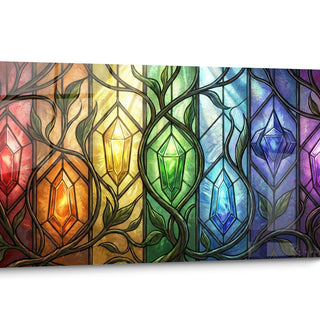 Chakras11
artworks
Chakras11
artworks
-
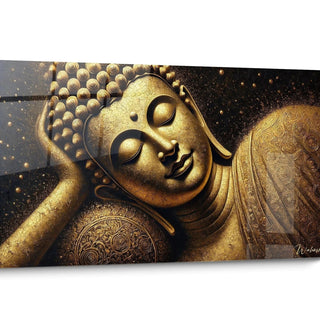 Zen Miscellaneous11
artworks
Zen Miscellaneous11
artworks
-
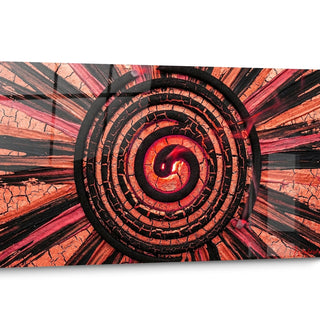 Incense7
artworks
Incense7
artworks
-
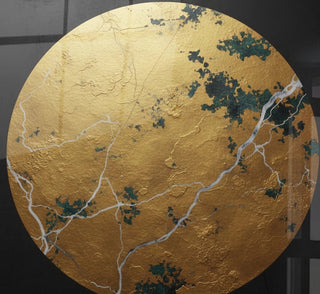 Enso13
artworks
Enso13
artworks
-
 Feng Shui904
artworks
Feng Shui904
artworks
-
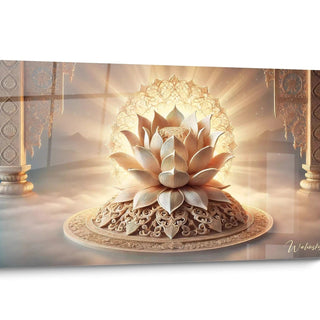 Lotus Flower20
artworks
Lotus Flower20
artworks
-
 Ganesh56
artworks
Ganesh56
artworks
-
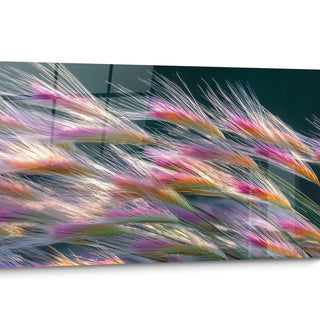 Grasses100
artworks
Grasses100
artworks
-
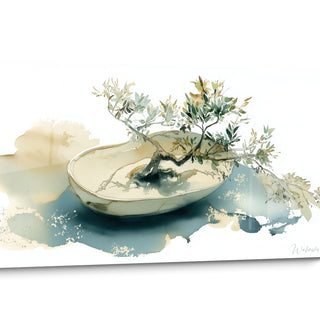 Ikebana93
artworks
Ikebana93
artworks
-
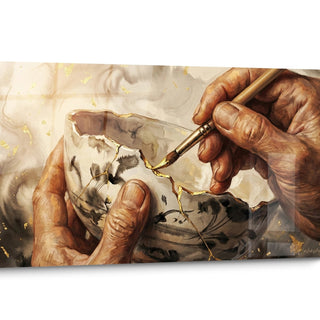 Kintsugi5
artworks
Kintsugi5
artworks
-
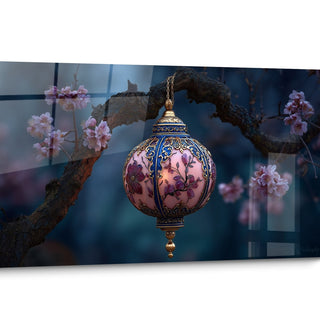 Lantern51
artworks
Lantern51
artworks
-
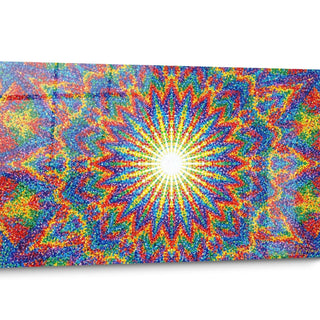 Mandala18
artworks
Mandala18
artworks
-
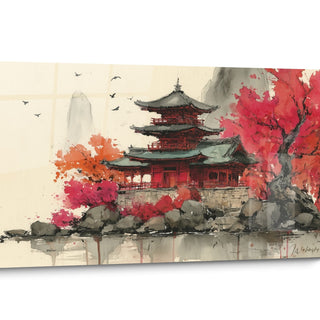 Pagoda79
artworks
Pagoda79
artworks
-
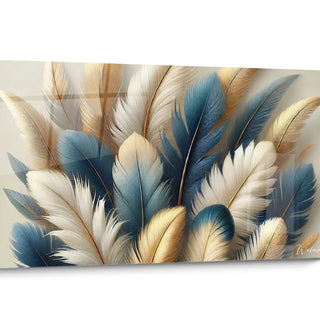 Feather60
artworks
Feather60
artworks
-
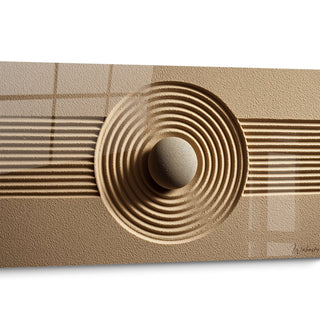 Sand60
artworks
Sand60
artworks
-
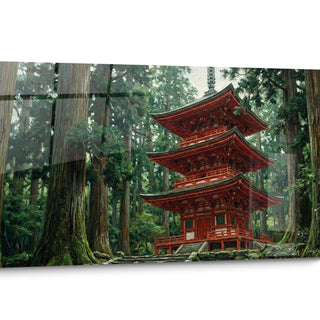 Buddhist Temple17
artworks
Buddhist Temple17
artworks
-
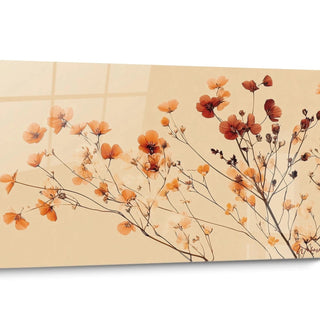 Terracotta436
artworks
Terracotta436
artworks
-
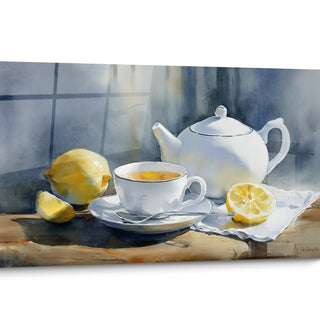 Japanese Teapot40
artworks
Japanese Teapot40
artworks
-
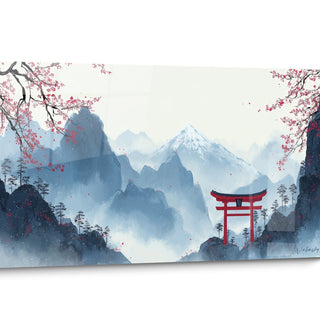 Torii77
artworks
Torii77
artworks
-
 Yin Yang99
artworks
Yin Yang99
artworks


All about Meditation Wall Art
- Overview Zen Wall Art Meditation
- Zen Wall Art meditation for meditative spaces
- Zen Wall Art meditation and energy balancing
- Zen Wall Art meditation as a spiritual anchor
Zen meditation wall art is much more than just a wall decoration. These unique works of art are designed to transform your space into a sanctuary of tranquility and contemplation. Combining minimalist aesthetics and profound symbolism, these zen meditation wall art create an atmosphere conducive to meditative practice and inner renewal. Each zen meditation wall art is designed to facilitate the attainment of a meditative state through purified compositions, motifs inspired by Eastern spiritual traditions, and colors carefully selected for their impact on psychological balance. Whether it's complex mandalas, stylized zen gardens, or representations of meditative postures, these works of art serve as a focal point to calm the restless mind. As you browse our different sections, you will discover how to integrate these wall art into your meditative spaces, their influence on the energy balance of your environment, and their role as a support for spiritual anchoring in your daily practice. Our selection of zen meditation wall art is designed to meet the needs of experienced practitioners as well as beginners seeking inner harmony.
Zen Meditation Wall Art: Creating the Perfect Meditative Space
Zen meditation wall art is a central element in creating a meditative sanctuary within your home. These visual works are not just decorations, but powerful tools designed to facilitate meditative immersion and amplify the benefits of your daily spiritual practice.
How do zen meditation wall art transform the acoustics of a meditative space?
One often overlooked but fundamental aspect of large-scale zen meditation wall art is their ability to improve the acoustics of your meditative space. These works, when strategically positioned, act as natural sound diffusers that attenuate excessive reverberations and create an acoustically conducive environment for deep meditation. The textured surface of some zen wall art absorbs disruptive frequencies while preserving the richness of meditative sounds such as Tibetan bowls or chimes.
To optimize this acoustic effect, prioritize installing your zen meditation wall art on a wall adjacent to your practice space rather than directly facing you. This arrangement creates a balanced sound environment where your mantra resonates harmoniously without creating distracting echoes.
Energy zones and placement of zen meditation wall art
According to the principles of Feng Shui and Eastern meditative traditions, each space has distinct energy zones where the placement of a zen meditation wall art can amplify or harmonize energy flows. The East, associated with renewal and spiritual awakening, is an ideal location for a zen meditation wall art depicting a rising sun or motifs of spiritual awakening.
The North sector of your meditative space, linked to introspection and spiritual career, particularly benefits from zen meditation wall art representing stylized water elements or contemplative mountains. These representations reinforce your grounding during meditations focused on clarity of intention and defining your spiritual path.
Conversely, the South zone, governed by the element of fire and social recognition, perfectly welcomes zen meditation wall art with warm tones evoking compassion and spiritual radiance. This arrangement promotes meditations focused on developing benevolence and spiritual sharing.
What are the ideal lighting variations to enhance a zen meditation wall art?
The interaction between natural light and your meditation zen artwork creates a dynamic visual experience that accompanies your practice throughout the day. Unlike constant artificial lighting, changing natural light gradually reveals different nuances and depths in the artwork, offering a meditative support that evolves naturally. To maximize this phenomenon, evaluate the orientation of your windows and the daily trajectory of the sun in your meditative space. A meditation zen artwork placed in a space receiving morning light will ideally complement your awakening meditations, the soft tones of dawn revealing the more subtle details of the artwork and promoting a gradual transition to a meditative state. If your practice mainly takes place in the evening, consider installing your meditation zen artwork on a wall receiving the light of the sunset. The warm and deep tones accentuated by this specific luminosity encourage letting go and contemplative end-of-day meditation.
Integrating meditation zen artworks into professional meditation centers
Meditation centers and yoga studios professionally use large-format meditation zen artworks to create a visual identity consistent with their teaching philosophy. These establishments often select works whose symbolism specifically resonates with the meditative techniques taught. In rooms intended for Vipassana meditation, minimalist artworks, often monochromatic, are favored, which reduce visual stimuli and promote neutral observation of bodily sensations. Conversely, spaces dedicated to creative visualization practices are adorned with artworks featuring complex mandalas or rich symbolic representations that serve as a support for guided mental explorations. For areas of transition between the external hustle and the sacred practice space, artworks depicting passages, bridges, or winding paths facilitate mental decompression and subtly prepare the practitioner for their meditative immersion.Synergy between aromatherapy and meditation zen artworks
Multi-sensory stimulation is a fundamental aspect of a complete meditative experience. Meditation zen artworks can be strategically associated with aromatherapy practices to create a sensorially amplifying synergy of specific meditative states. Works with blue and green hues, evoking water and soothing natural elements, harmonize beautifully with cypress, cedar, or vetiver essential oils. This association reinforces meditations focused on grounding and emotional stability. For artworks illustrating spiritual blooms or the awakening of consciousness, floral essences such as Damask rose, neroli, or lavender create a perfect concordance that deepens the heart-opening experience during practice. Some advanced practitioners even coordinate the evolution of their aromatic sessions with the different areas of their meditation zen artworks, using the artwork as a visual map guiding their olfactory and meditative journey.Meditation Zen Artworks: Catalysts for Energetic Balance
Meditation zen artworks are not just decorative elements; they function as true instruments for rebalancing energy in the environment where they are installed. These works, designed according to ancestral principles, create subtle vibrational fields that interact with our own energy system.
Sacred geometry in meditation zen artworks
At the heart of many meditation zen artworks lies the deliberate use of sacred geometry, a universal visual language that structures the surrounding energy. Precise mathematical proportions such as the golden number, Fibonacci spirals, or geometric yantras are not chosen arbitrarily but for their ability to organize energy flows in space. These precise geometric configurations act as energy amplifiers, creating nodal points where energy circulates optimally. When meditating in front of a zen artwork incorporating these patterns, the practitioner naturally aligns with these harmonized energy currents, facilitating access to deep meditative states. Mandalas, particularly present in Tibetan tradition meditation zen artworks, represent the perfect example of this conscious use of sacred geometry. Their concentric structure subtly guides the meditator's energy and attention towards the center, a symbol of the ultimate essence.
Can you feel the vibrational frequencies of a meditation zen artwork?
Authentic Zen meditation paintings are created in altered states of consciousness by practicing artists, imbuing the artwork with specific vibrational frequencies. This subtle reality explains why some people spontaneously resonate with certain paintings, regardless of their initial aesthetic appeal. To amplify this perception of vibrational frequencies, adopt a meditative posture approximately 120 centimeters from the Zen meditation painting, partially close your eyes to create a soft peripheral vision, and breathe deeply for 3 minutes before observing the subtle physical sensations that emerge. Many practitioners report sensations of localized warmth, slight pulsations, or a change in spatial perception. Zen meditation paintings depicting stylized aquatic elements generally emit soothing frequencies that slow brainwaves towards alpha and theta states, particularly beneficial for stress-reducing meditation and emotional regulation.
Integrated Chromotherapy and Zen Meditation Paintings
The color selection in a Zen meditation painting transcends purely aesthetic considerations to enter the therapeutic realm of chromotherapy. Each hue used subtly influences different aspects of our energy and physiological systems. Deep blues present in some Zen meditation paintings activate the throat chakra, facilitating authentic expression and clear spiritual communication. These works are particularly valuable for meditators working on expression blockages or seeking to deepen their guided vocal meditation experiences. Zen meditation paintings incorporating jade green gradients stimulate the heart chakra, creating an energetic field conducive to compassion meditation (Metta) practices and emotional opening techniques. Their presence in a meditative space spontaneously facilitates access to states of unconditional love and universal connection. For advanced practitioners working with higher subtle energies, Zen meditation paintings with dominant purples and indigo hues create a vibrational environment favorable to transcendental experiences and explorations of non-dual spiritual dimensions.
Balancing Energetic Polarities with Zen Meditation Paintings
The Zen tradition recognizes the fundamental importance of balance between complementary yin and yang forces, a principle directly integrated into the design of energetically balanced Zen meditation paintings. These works subtly harmonize the masculine and feminine polarities of universal energy. Zen meditation paintings combining dynamic vertical elements (yang) with soothing horizontal components (yin) create a visual balance that directly translates into an energetic rebalancing in the observer. This subtle harmonization of polarities allows for easier access to the central meditative state where opposites dissolve. For individuals presenting a marked energetic imbalance towards excessive activity and mental dispersion, yin-dominant Zen meditation paintings, characterized by purified compositions, significant negative space, and darker tones, offer a necessary soothing counterpoint. Conversely, for temperaments tending towards excessive passivity or inertia, Zen meditation paintings integrating subtle yang elements such as ascending lines or luminous focal points gently stimulate vital energy without disrupting the meditative atmosphere.
Seasonal Cycles and Adaptation of Zen Meditation Paintings
Surrounding energy naturally fluctuates with seasonal cycles, a reality that advanced practitioners integrate into their use of Zen meditation paintings. Adapting your meditative environment to these natural energy variations significantly optimizes the benefits of your practice. During the winter months, characterized by natural energetic contraction and introspection, ascending elements and slightly energizing colors in Zen meditation paintings harmoniously counterbalance this tendency without creating dissonance with the natural cycle. At the heart of summer, when ambient energy reaches its maximum expansion, prioritize Zen meditation paintings evoking depth, water, and coolness to create a balancing meditative haven. These visual representations subtly temper the surrounding excess yang energy without blocking its essential vitality. Transitional periods such as spring and autumn equinoxes are ideal for meditating in front of Zen meditation paintings representing perfect balances, such as the iconic Taijitu (yin-yang) symbol or perfectly symmetrical compositions that honor the ongoing energetic shift.
Zen Meditation Paintings: Spiritual Anchors and Contemplative Guides
Zen meditation paintings transcend their artistic dimension to become true spiritual portals and meditative anchors in daily practice. These works, far from being mere decorations, function as instruments of consciousness transformation and deepening of the spiritual journey.
How does a zen meditation painting become a personalized yantra?
In the tantric tradition, a yantra represents an energy diagram serving as a support for meditation and expansion of consciousness. An authentic zen meditation painting functions similarly, gradually becoming a personalized yantra that intuitively resonates with the specific spiritual needs of the practitioner.
This tuning phenomenon occurs naturally through the regular interaction between the meditator and the zen meditation painting. Over time, specific neural connections form, associating certain visual elements of the work with particular meditative states. The painting thus becomes a conditioned trigger for these altered states of consciousness.
To amplify this process, some advanced practitioners use guided visualization techniques, intentionally "charging" different areas of their zen meditation painting with intentions, mantras, or specific energies. They create a personalized spiritual map that greatly enriches their practice.
The temporal dimension of zen meditation paintings in spiritual practice
Unlike ephemeral meditative supports, zen meditation paintings introduce an essential temporal dimension into the spiritual path. Their constant presence in the practitioner's living space creates an energy continuity that transcends formal meditation sessions.
This permanence gradually transforms the zen meditation painting into a silent witness of the meditator's spiritual evolution. Over the months and years, the subjective perception of the work subtly changes, revealing new depths and meanings that precisely reflect the practitioner's inner transformations.
Many experienced meditators report that certain details of their zen meditation painting, initially unnoticed, spontaneously reveal themselves to their consciousness at the very moment they access the corresponding spiritual understanding, illustrating the profound synchronicity that can be established between the work and the inner journey.
What interactive meditative techniques should be used with a zen meditation painting?
Beyond simple passive contemplation, zen meditation paintings can become the support of sophisticated interactive meditative techniques that significantly deepen the spiritual experience.
The "meditative scanning" technique involves visually traversing the zen meditation painting according to precise trajectories, generally from left to right and top to bottom, synchronizing this movement with the breathing rhythm. This practice develops focused concentration (samatha) while cultivating attentional fluidity.
For more advanced practices, the "contemplative dialogue" method establishes a non-verbal communication with the symbols or figurative representations on the zen meditation painting. The practitioner inwardly formulates an essential question at the beginning of meditation, then observes with open attention which elements of the painting spontaneously attract their gaze and what intuitive resonances emerge.
Zen meditation paintings featuring representations of spiritual masters or bodhisattvas are particularly well suited to the practice of "visual guru yoga", where the meditator visualizes an energy channel connecting their heart center to the figure depicted, thus facilitating the direct transmission of archetypal spiritual qualities.
Symbolic evolution and levels of reading of a zen meditation painting
Authentic zen meditation paintings are designed with multiple levels of symbolic reading that gradually unfold according to the practitioner's level of spiritual advancement, creating a true visual initiation journey.
At the most accessible level, universal symbols such as the lotus, the mountain, or the zen circle (ensō) communicate fundamental spiritual truths immediately perceptible even for beginners. These motifs create a first level of accessible and inspiring meditative engagement.
For intermediate practitioners, more subtle compositions reveal teachings on impermanence, emptiness, or interdependence, often expressed through perspective games, color transitions, or dynamic balances that require a more refined perception.
Advanced meditators generally discover a third level of reading in their zen meditation painting, where intentional visual paradoxes and esoteric encodings become perceptible, directly reflecting the non-dual realities accessible only in deep meditative states.
The fusion of observer-painting in advanced zen meditation
The ultimate goal of using a Zen meditation wall art in advanced practice is the dissolution of duality between the observer and the observed object, thus directly realizing the very essence of the Zen experience. This contemplative fusion generally develops after hundreds of hours of practice with the same Zen meditation wall art. The practitioner then experiences moments when perceptual boundaries blur, creating a non-dual experience where consciousness, the wall art, and the act of observation become a unified reality. In this state, the Zen meditation wall art is no longer perceived as an external object but as a direct manifestation of the meditator's mind nature. This experiential realization, rather than conceptual, represents the true culmination of the spiritual use of these artworks.
FAQ on Zen meditation wall art
What size of Zen meditation wall art should I choose to optimize the meditative experience?
For an optimal meditative experience, prioritize a Zen meditation wall art whose dimensions approximately correspond to your field of vision at meditation distance. Specifically, at a distance of 2 meters, a wall art of about 80-100 cm wide will create a balanced visual immersion without overloading perception. Larger formats are particularly effective in spaces dedicated exclusively to meditation, while more modest formats blend harmoniously into multifunctional spaces.
How do Zen meditation wall art influence brain waves during practice?
Zen meditation wall art are scientifically designed to facilitate the transition of brain waves to alpha states (alert relaxation) and theta (deep meditation). Repetitive patterns such as mandalas or balanced compositions induce hemispheric synchronization that naturally favors these brain states conducive to meditation. Neurofeedback studies show that regular contemplation of a Zen meditation wall art for at least 12 minutes can increase alpha wave activity by 30%, considerably facilitating entry into a meditative state.
Can Zen meditation wall art replace a traditional altar in spiritual practice?
Zen meditation wall art can indeed constitute a contemporary alternative to traditional altars, particularly suitable for modern or minimalist spaces. Unlike altars which require regular maintenance (offerings, cleaning), a Zen meditation wall art offers a permanent spiritual focal point that naturally integrates into any environment. To reinforce this altar function, some practitioners discreetly install a small shelf under their wall art to occasionally place ritual objects such as a singing bowl or an incense burner during formal sessions.
Further reading
Our articles on this topic
- Which painting styles support morning or bedtime meditation?
- Calming meditation painting for healthcare practices: creating a space conducive to mindfulness
- What type of artwork for a room dedicated exclusively to guided meditation?
- How to Select Artwork That Promotes Deep Relaxation?
- Which types of paintings create a sense of elevation for spiritual practices?
- Which painting should you choose if your room also hosts sound meditation workshops?
L'art qui suscite l'envie
Maison belge d'art mural grand format
14 jourspour changer d'avis*
Protection Walenskyincluse
Fabriquéen Italie
FormatXXL
Kit de fixationtoujours fourni
* Hors tableaux personnalisés et tailles personnalisées


