


Butterfly Wall Art
Discover our collection of Butterfly Wall Art, a series of captivating wall paintings where the grace and lightness of the butterfly are immortalized in sublime artistic works. Each piece illustrates the metamorphosis and beauty of this timeless theme, bringing an elegant and refined touch to your interior. With vibrant colors and fine details, this collection transforms your space into a sanctuary of visual poetry. Ideal for art lovers and those who wish to bring a touch of nature to their décor.
 Silk Wings - Butterfly Animals Edition Wall Art273,90 €
 Winged Ballet Butterfly Painting - Rainbow Edition Animals273,90 €
 Fragile Beauty Eternal Canvas - Black and White Animal Edition273,90 €
 Fleeting Beauty Midnight Wall Art - butterfly edition242,90 €
 Delicate Brilliance Wall Art - Butterfly Animals Edition273,90 €
 Painting The Tree of Serenity - Butterfly Animals Edition273,90 €
 The Flight of Thoughts Canvas - Butterfly Animals Edition273,90 €
 Painting The Poetry of Wings - Butterfly Animals Edition273,90 €
 Floral Melody Canvas - Butterfly Animals Edition273,90 €
 Chromatic Metamorphosis Flight Wall Art - Animals Edition273,90 €
 Butterfly Dream Cobalt Canvas - butterfly edition273,90 €
 Butterfly Indigo Flight Wall Art - Butterfly Edition273,90 €
 Butterflies of Oblivion Painting - Butterfly Animals Edition273,90 €
 Queen of Wings Painting - Butterfly Animals Edition273,90 €
In the same family
Also explore the theme Animals
-
 View all10974
artworks
View all10974
artworks
-
 Bee54
artworks
Bee54
artworks
-
 Eagle18
artworks
Eagle18
artworks
-
 Alpaca111
artworks
Alpaca111
artworks
-
 Donkey15
artworks
Donkey15
artworks
-
 Savannah Wildlife94
artworks
Savannah Wildlife94
artworks
-
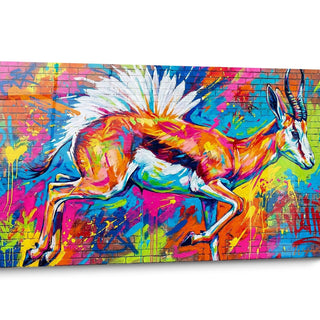 Antelope5
artworks
Antelope5
artworks
-
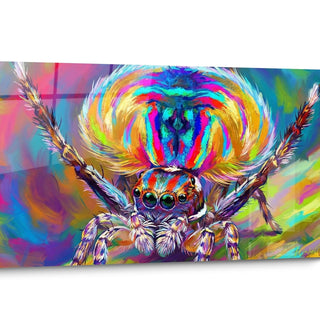 Spider8
artworks
Spider8
artworks
-
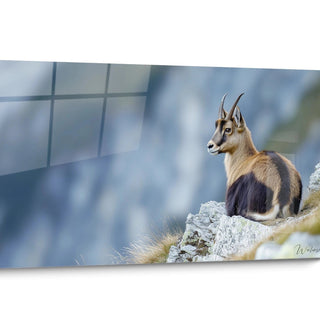 Other Animals24
artworks
Other Animals24
artworks
-
 Ostrich75
artworks
Ostrich75
artworks
-
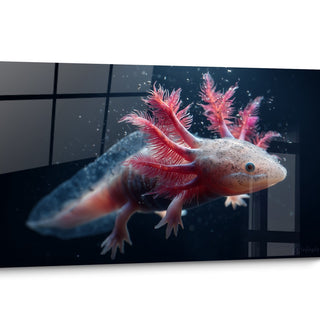 Axolotl47
artworks
Axolotl47
artworks
-
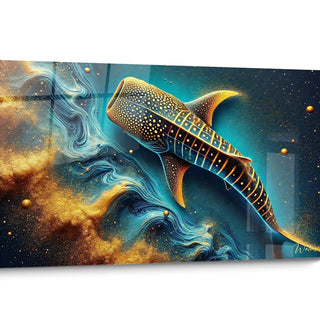 Whale89
artworks
Whale89
artworks
-
 Barracuda61
artworks
Barracuda61
artworks
-
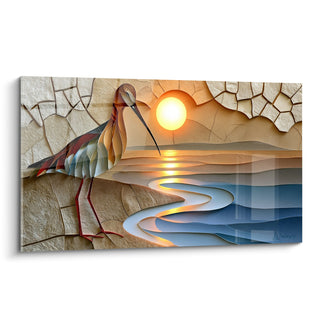 Snipe32
artworks
Snipe32
artworks
-
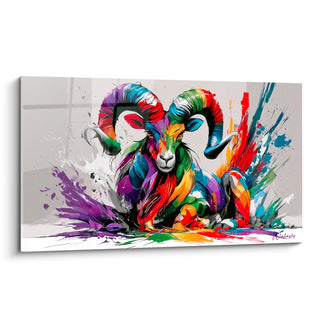 Ram315
artworks
Ram315
artworks
-
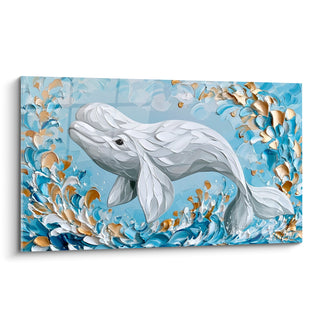 Beluga169
artworks
Beluga169
artworks
-
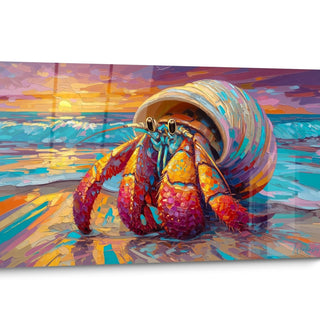 Hermit-Crab12
artworks
Hermit-Crab12
artworks
-
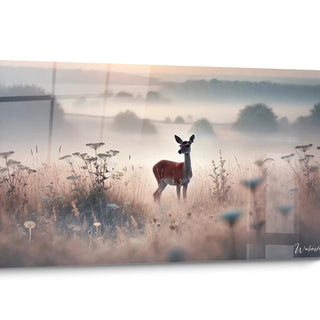 Doe10
artworks
Doe10
artworks
-
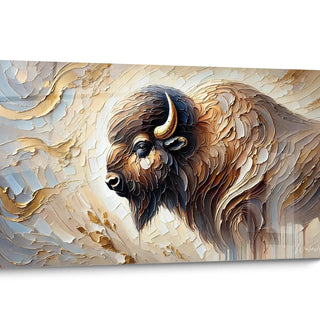 Bison8
artworks
Bison8
artworks
-
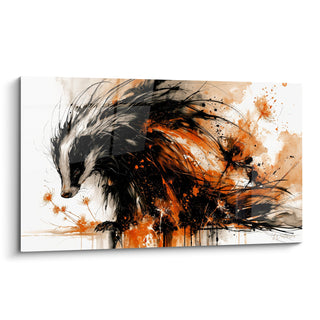 Badger59
artworks
Badger59
artworks
-
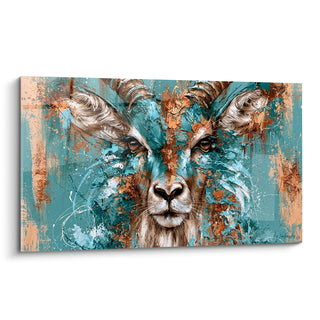 Chamois32
artworks
Chamois32
artworks
-
 Buffalo91
artworks
Buffalo91
artworks
-
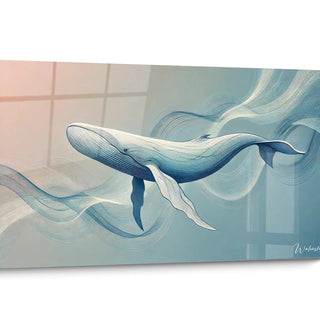 Sperm Whale8
artworks
Sperm Whale8
artworks
-
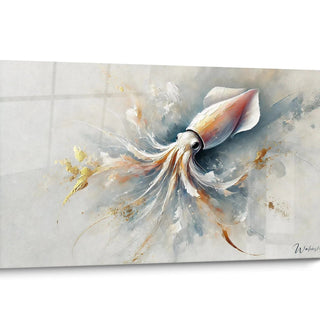 Giant Squid6
artworks
Giant Squid6
artworks
-
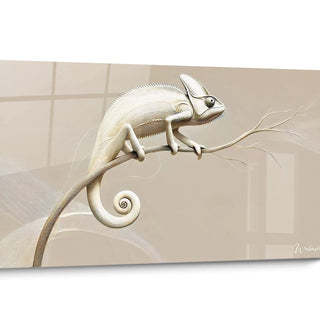 Chameleon20
artworks
Chameleon20
artworks
-
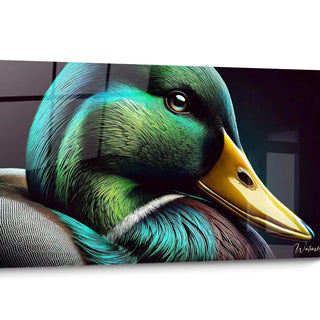 Duck352
artworks
Duck352
artworks
-
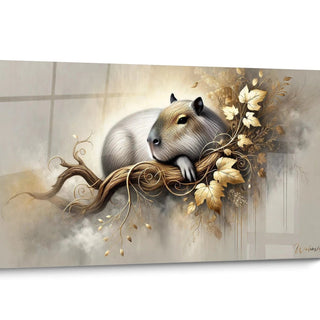 Capybara3
artworks
Capybara3
artworks
-
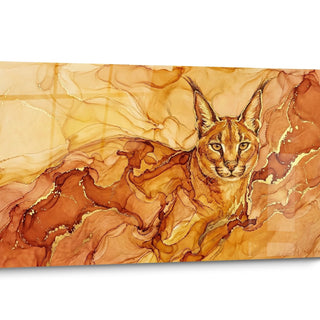 Caracal15
artworks
Caracal15
artworks
-
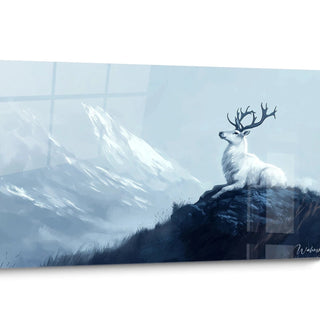 Caribou4
artworks
Caribou4
artworks
-
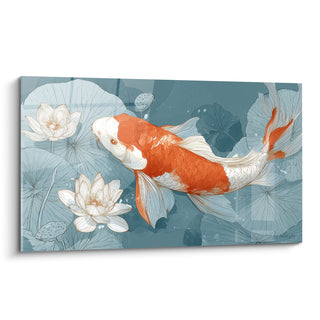 Koi Carp130
artworks
Koi Carp130
artworks
-
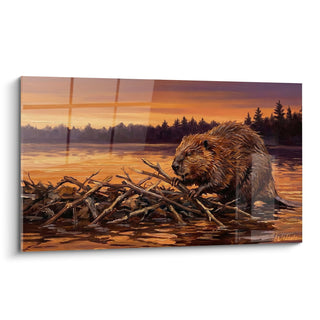 Beaver9
artworks
Beaver9
artworks
-
 Deer26
artworks
Deer26
artworks
-
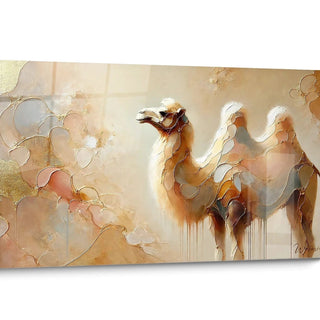 Camel3
artworks
Camel3
artworks
-
 Cat1218
artworks
Cat1218
artworks
-
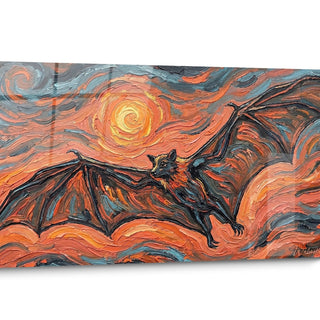 Bat10
artworks
Bat10
artworks
-
 Horse73
artworks
Horse73
artworks
-
 Mountain Goat3
artworks
Mountain Goat3
artworks
-
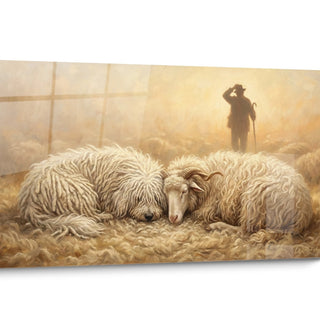 Dog3055
artworks
Dog3055
artworks
-
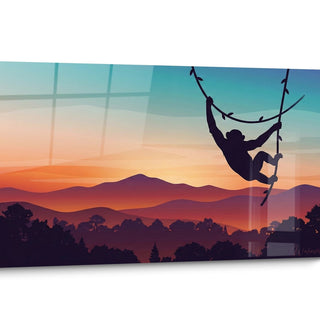 Chimpanzee12
artworks
Chimpanzee12
artworks
-
 Owl19
artworks
Owl19
artworks
-
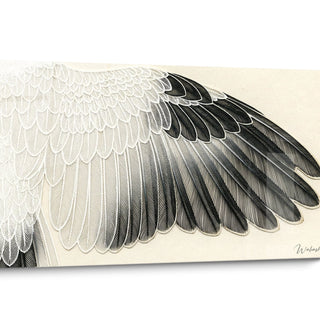 Stork16
artworks
Stork16
artworks
-
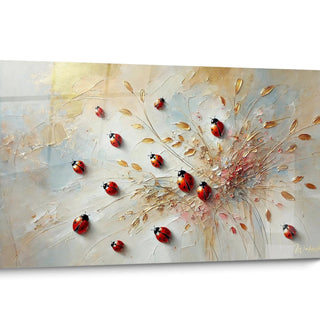 Ladybug7
artworks
Ladybug7
artworks
-
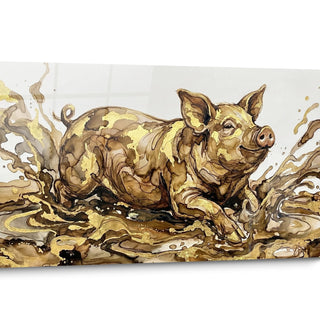 Pig8
artworks
Pig8
artworks
-
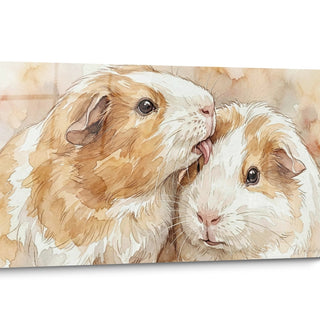 Guinea Pig13
artworks
Guinea Pig13
artworks
-
 Hummingbird23
artworks
Hummingbird23
artworks
-
 Dove90
artworks
Dove90
artworks
-
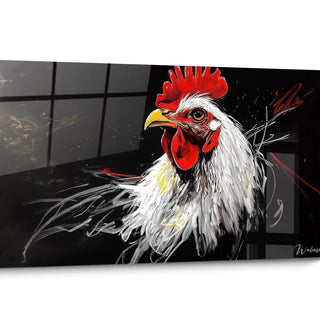 Rooster9
artworks
Rooster9
artworks
-
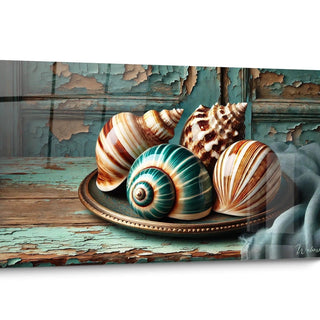 Seashell6
artworks
Seashell6
artworks
-
 Raven9
artworks
Raven9
artworks
-
 Crab5
artworks
Crab5
artworks
-
 Toad8
artworks
Toad8
artworks
-
 Shrimp5
artworks
Shrimp5
artworks
-
 Crocodile4
artworks
Crocodile4
artworks
-
 Swan189
artworks
Swan189
artworks
-
 Dolphin11
artworks
Dolphin11
artworks
-
 Dromedary4
artworks
Dromedary4
artworks
-
 Squirrel15
artworks
Squirrel15
artworks
-
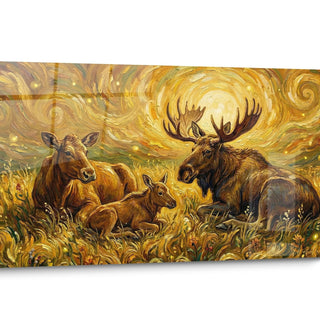 Elan13
artworks
Elan13
artworks
-
 Elephant80
artworks
Elephant80
artworks
-
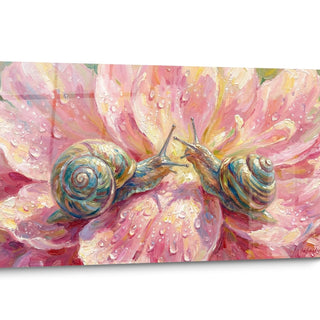 Snail11
artworks
Snail11
artworks
-
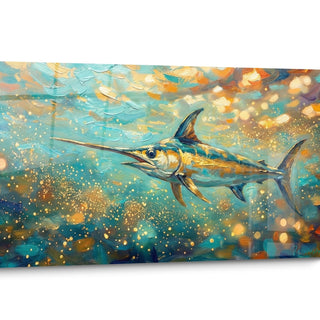 Swordfish4
artworks
Swordfish4
artworks
-
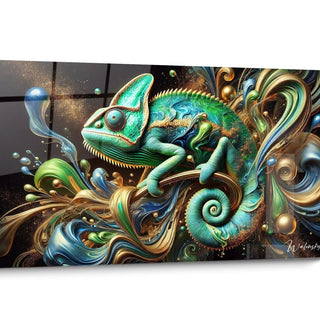 Wild Essence25
artworks
Wild Essence25
artworks
-
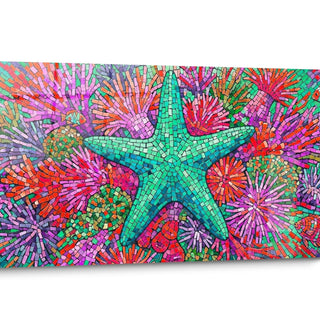 Starfish19
artworks
Starfish19
artworks
-
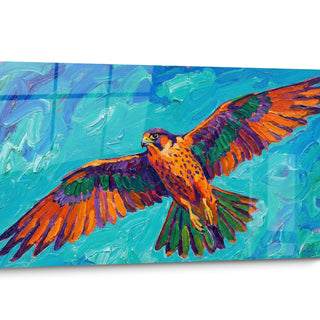 Falcon16
artworks
Falcon16
artworks
-
 Fennec256
artworks
Fennec256
artworks
-
 Pink Flamingo30
artworks
Pink Flamingo30
artworks
-
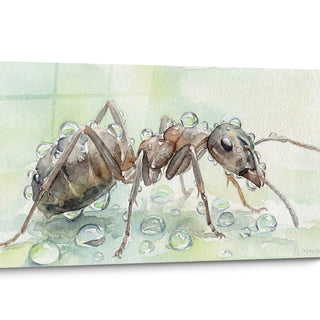 Ant19
artworks
Ant19
artworks
-
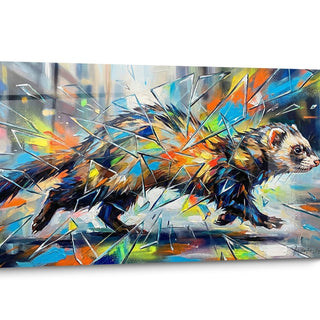 Ferret17
artworks
Ferret17
artworks
-
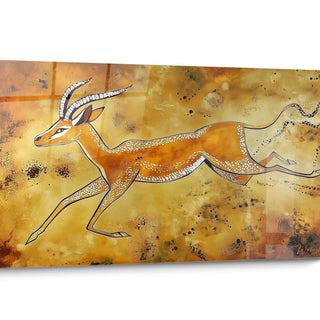 Gazelle4
artworks
Gazelle4
artworks
-
 Giraffe183
artworks
Giraffe183
artworks
-
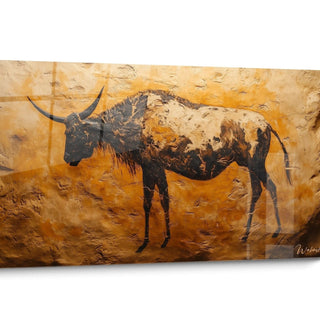 Wildebeest3
artworks
Wildebeest3
artworks
-
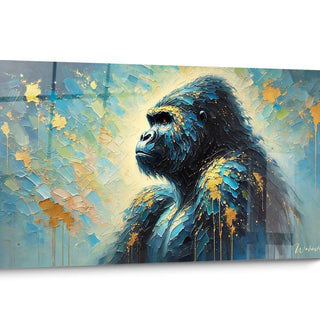 Gorilla15
artworks
Gorilla15
artworks
-
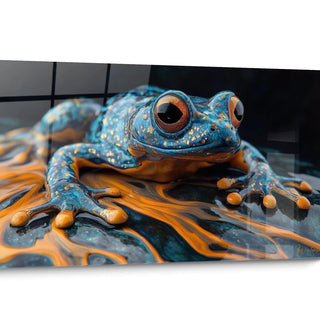 Frog65
artworks
Frog65
artworks
-
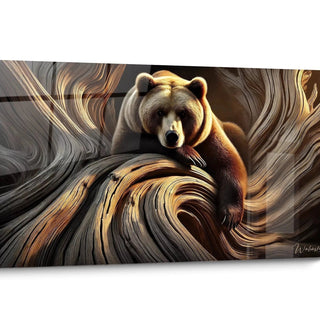 Grizzly3
artworks
Grizzly3
artworks
-
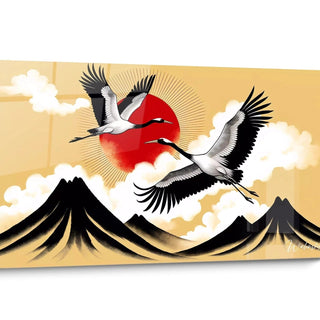 Crane10
artworks
Crane10
artworks
-
 Cheetah147
artworks
Cheetah147
artworks
-
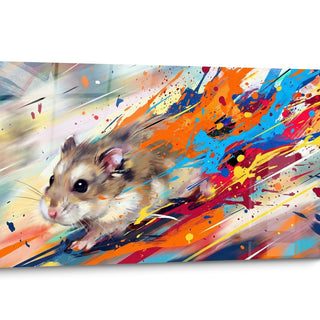 Hamster17
artworks
Hamster17
artworks
-
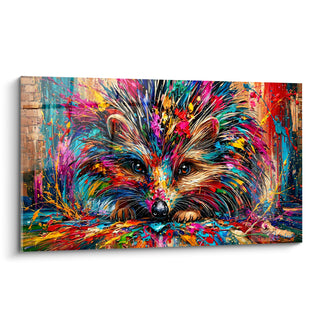 Hedgehog64
artworks
Hedgehog64
artworks
-
 Heron37
artworks
Heron37
artworks
-
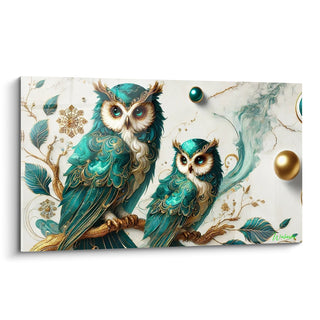 Owl42
artworks
Owl42
artworks
-
 Seahorse34
artworks
Seahorse34
artworks
-
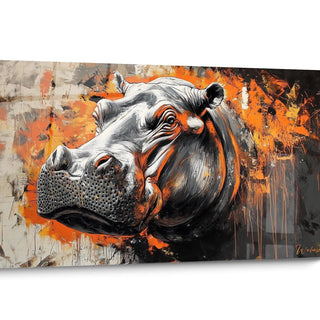 Hippopotamus4
artworks
Hippopotamus4
artworks
-
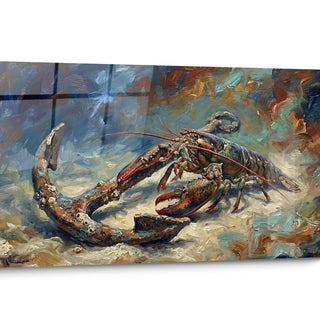 Lobster8
artworks
Lobster8
artworks
-
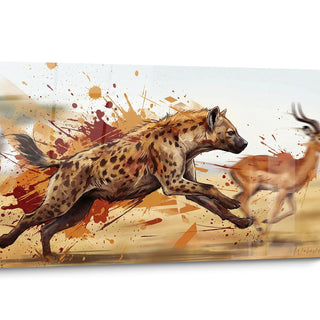 Hyena14
artworks
Hyena14
artworks
-
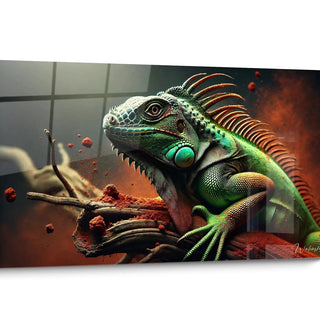 Iguana6
artworks
Iguana6
artworks
-
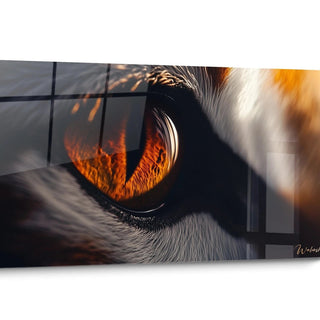 Animal Eye6
artworks
Animal Eye6
artworks
-
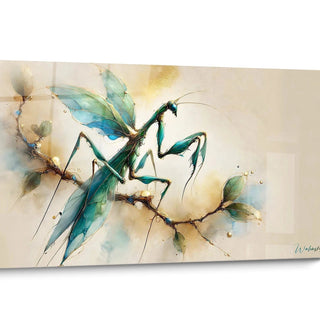 Insect5
artworks
Insect5
artworks
-
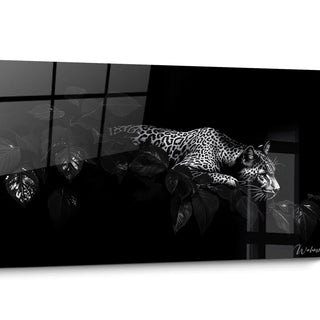 Jaguar6
artworks
Jaguar6
artworks
-
 Kangaroo100
artworks
Kangaroo100
artworks
-
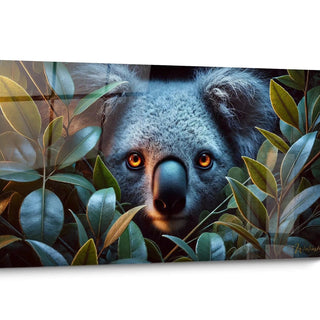 Koala18
artworks
Koala18
artworks
-
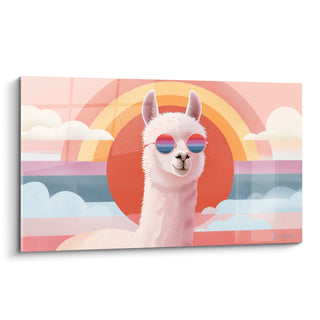 Llama107
artworks
Llama107
artworks
-
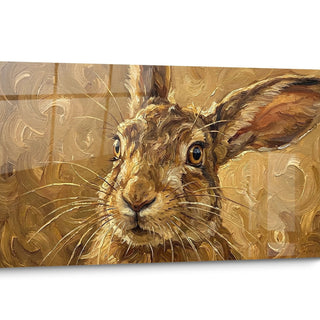 Rabbit15
artworks
Rabbit15
artworks
-
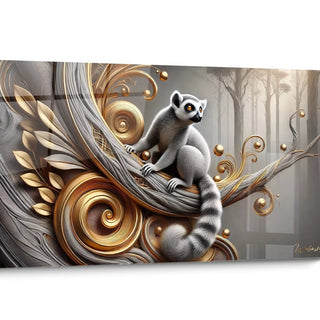 Lemur3
artworks
Lemur3
artworks
-
 Dragonfly4
artworks
Dragonfly4
artworks
-
 Unicorn62
artworks
Unicorn62
artworks
-
 Lion193
artworks
Lion193
artworks
-
 Lion Cub4
artworks
Lion Cub4
artworks
-
 Lioness6
artworks
Lioness6
artworks
-
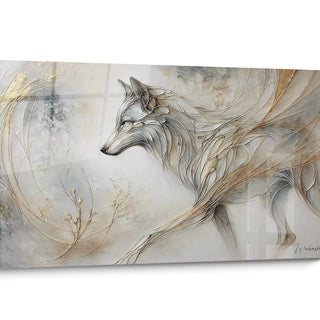 Wolf13
artworks
Wolf13
artworks
-
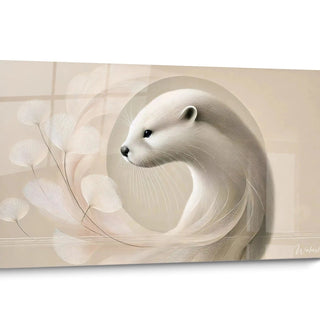 Otter6
artworks
Otter6
artworks
-
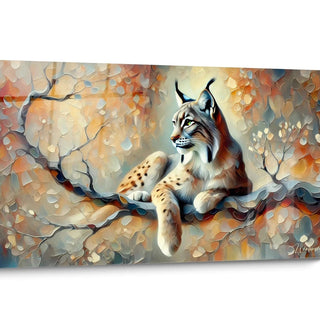 Lynx7
artworks
Lynx7
artworks
-
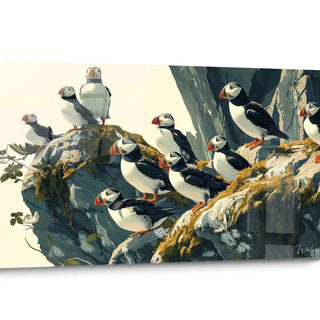 Puffin2
artworks
Puffin2
artworks
-
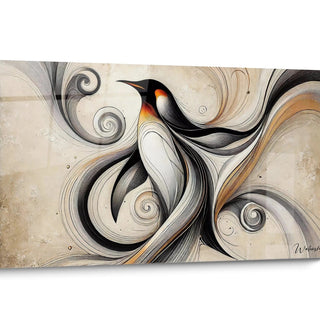 Penguin10
artworks
Penguin10
artworks
-
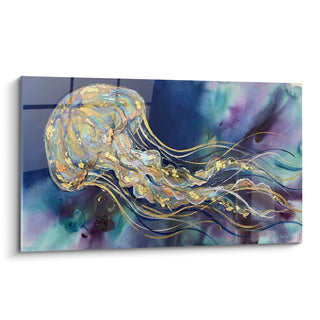 Jellyfish17
artworks
Jellyfish17
artworks
-
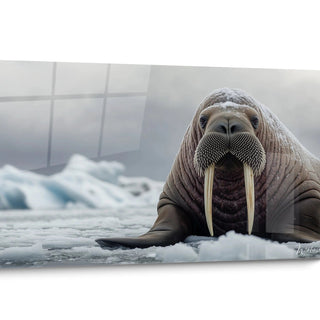 Morse3
artworks
Morse3
artworks
-
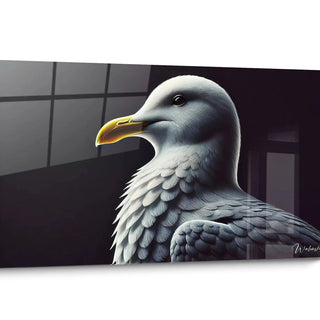 Seagull4
artworks
Seagull4
artworks
-
 Mold14
artworks
Mold14
artworks
-
 Sheep6
artworks
Sheep6
artworks
-
 Narwhal66
artworks
Narwhal66
artworks
-
 Ocelot3
artworks
Ocelot3
artworks
-
 Birds15
artworks
Birds15
artworks
-
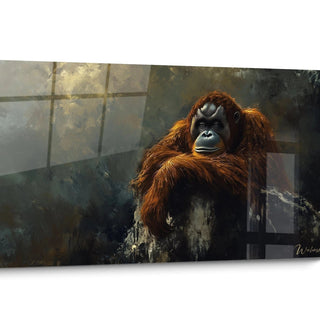 Orangutan10
artworks
Orangutan10
artworks
-
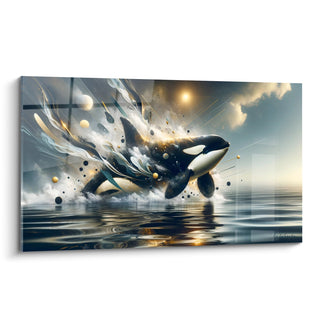 Orca28
artworks
Orca28
artworks
-
 Brown Bear334
artworks
Brown Bear334
artworks
-
 Polar Bear289
artworks
Polar Bear289
artworks
-
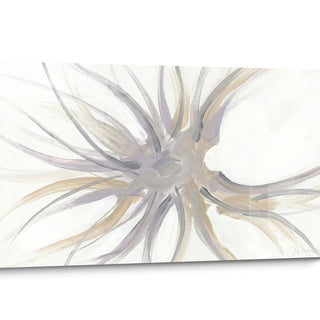 Sea Urchin9
artworks
Sea Urchin9
artworks
-
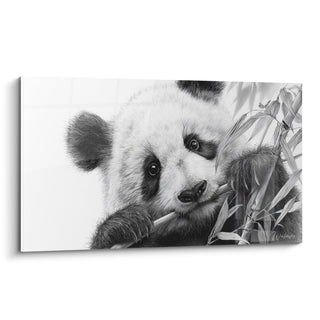 Giant Panda69
artworks
Giant Panda69
artworks
-
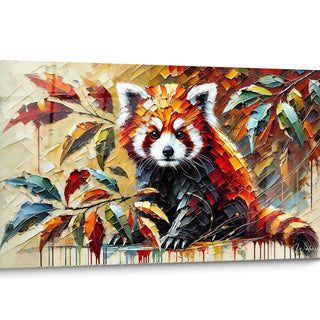 Red Panda11
artworks
Red Panda11
artworks
-
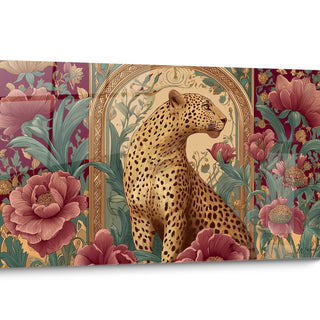 Panther19
artworks
Panther19
artworks
-
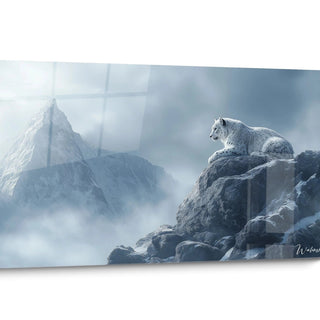 Snow Leopard8
artworks
Snow Leopard8
artworks
-
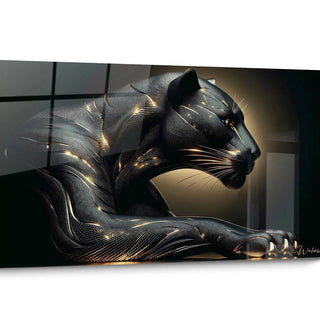 Black Panther10
artworks
Black Panther10
artworks
-
 Peacock128
artworks
Peacock128
artworks
-
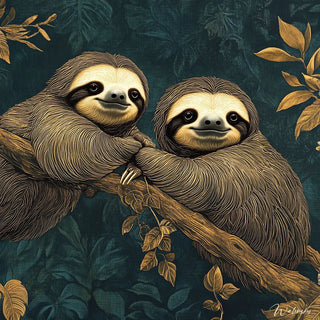 Lazy Sloth3
artworks
Lazy Sloth3
artworks
-
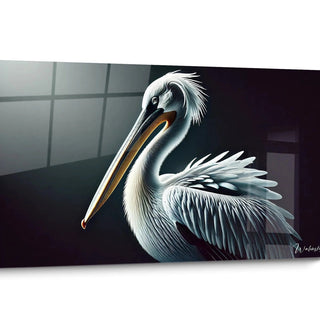 Pelican3
artworks
Pelican3
artworks
-
 Parrot211
artworks
Parrot211
artworks
-
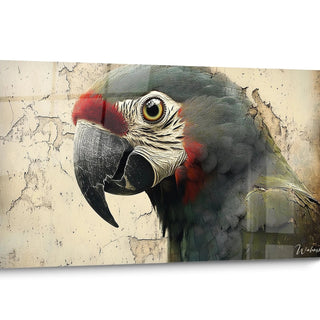 Parakeet5
artworks
Parakeet5
artworks
-
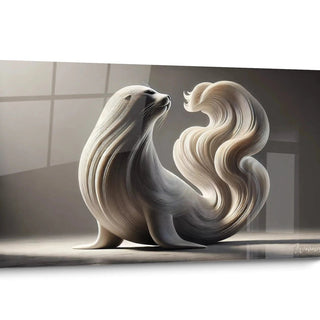 Seal5
artworks
Seal5
artworks
-
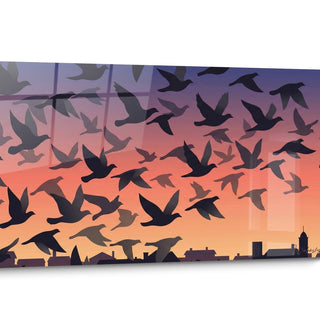 Pigeon10
artworks
Pigeon10
artworks
-
 Penguin274
artworks
Penguin274
artworks
-
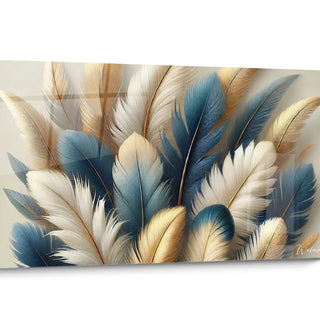 Feather60
artworks
Feather60
artworks
-
 Fish18
artworks
Fish18
artworks
-
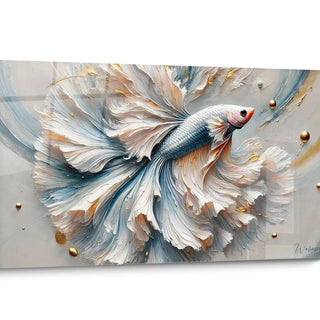 Betta Fish12
artworks
Betta Fish12
artworks
-
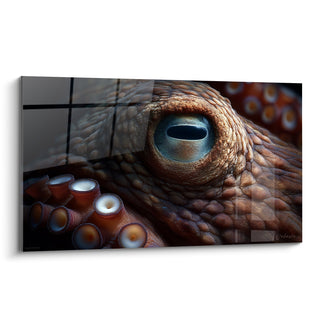 Octopus59
artworks
Octopus59
artworks
-
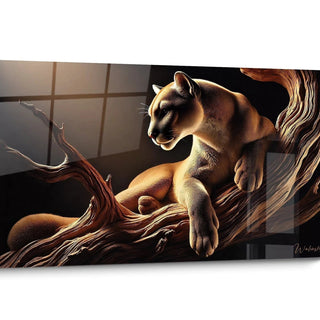 Puma3
artworks
Puma3
artworks
-
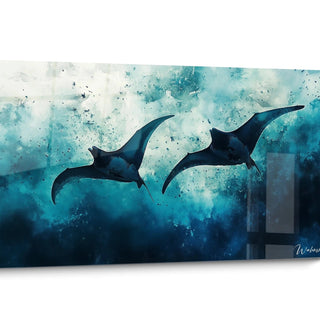 Manta Ray67
artworks
Manta Ray67
artworks
-
 Raccoon2
artworks
Raccoon2
artworks
-
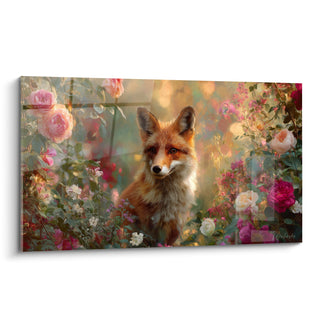 Fox141
artworks
Fox141
artworks
-
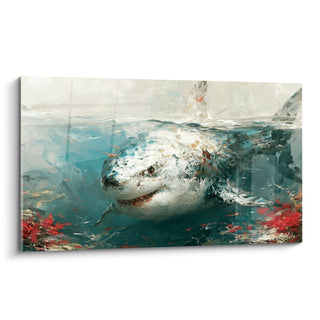 Shark126
artworks
Shark126
artworks
-
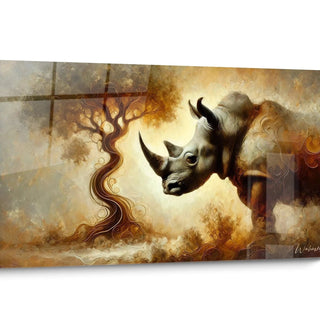 Rhinoceros21
artworks
Rhinoceros21
artworks
-
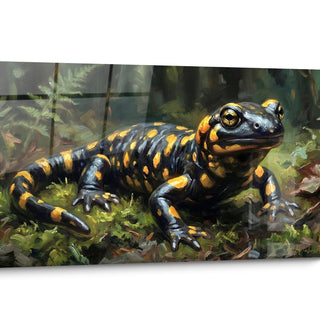 Salamander14
artworks
Salamander14
artworks
-
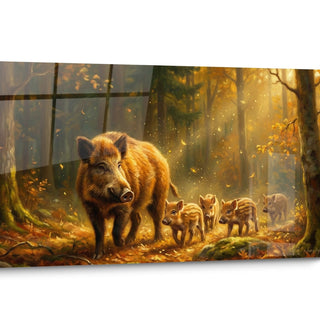 Wild Boar15
artworks
Wild Boar15
artworks
-
 Scarab73
artworks
Scarab73
artworks
-
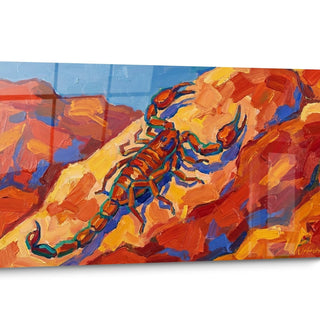 Scorpion9
artworks
Scorpion9
artworks
-
 Serpent102
artworks
Serpent102
artworks
-
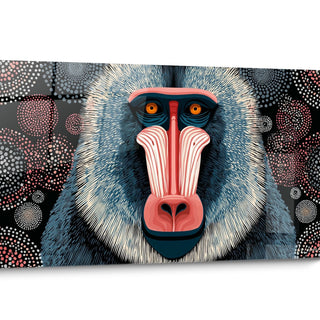 Monkey14
artworks
Monkey14
artworks
-
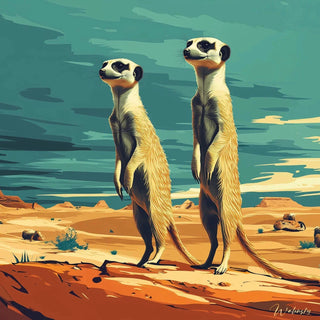 Meerkat1
artwork
Meerkat1
artwork
-
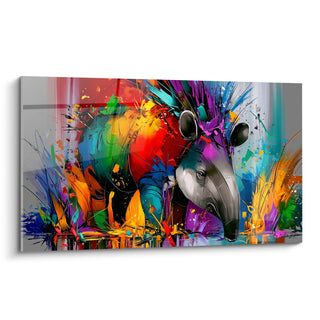 Tapir52
artworks
Tapir52
artworks
-
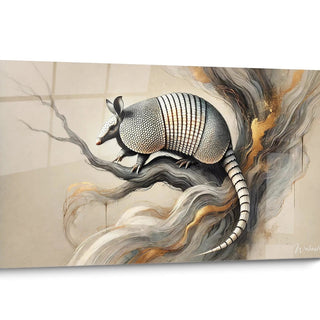 Armadillo3
artworks
Armadillo3
artworks
-
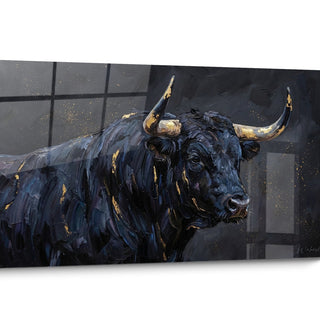 Bull281
artworks
Bull281
artworks
-
 Tiger316
artworks
Tiger316
artworks
-
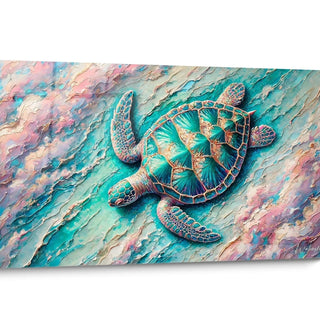 Sea Turtle18
artworks
Sea Turtle18
artworks
-
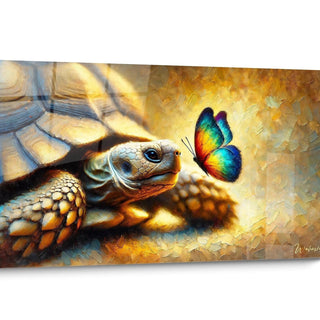 Terrestrial Turtle14
artworks
Terrestrial Turtle14
artworks
-
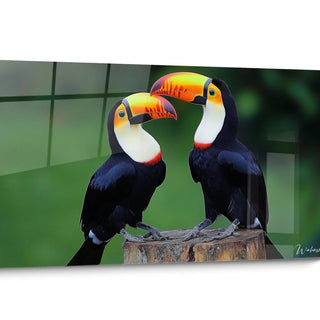 Toucan7
artworks
Toucan7
artworks
-
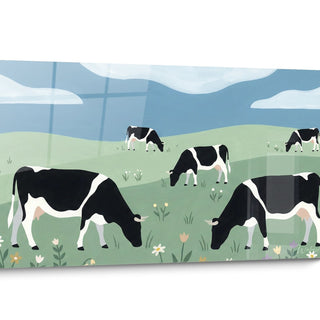 Cow9
artworks
Cow9
artworks
-
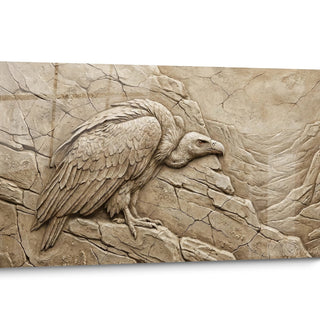 Vulture5
artworks
Vulture5
artworks
-
 Zebra49
artworks
Zebra49
artworks


All about Butterfly Wall Art
- Butterfly Wall Art Presentation
- Butterfly Wall Art Symbolism
- Butterfly Wall Art Decoration
- Butterfly Wall Art Aesthetics
Butterfly wall art transforms your interior space with delicate beauty and profound meanings. Exceptional decorative elements, they capture the very essence of metamorphosis and bring a touch of lightness and elegance to your wall decoration.
These artworks highlight the rich symbolism of butterflies through compositions that are sometimes minimalist, sometimes luxuriant. Each painting tells a unique story of transformation and ephemeral beauty.
Whether you're looking for a statement piece for your living room or a thematic collection for a hallway, the animal wall art representing these winged creatures offers incomparable visual depth.
Butterfly wall art stands out through vibrant colors and meticulous details that reveal the full complexity of these fascinating insects. From the elaborate pattern of wings to delicate antennae, each element is rendered with precision to create an impression of movement and life.
Explore our selection to discover how these artworks can transform your interior into a space of contemplation and inspiration, where natural beauty takes flight directly on your walls.
The Deep Symbolism of Butterfly Wall Art
Butterfly wall art transcends mere decorative appeal to become true vectors of symbolism in your interior. These captivating artworks represent far more than a simple colorful insect - they embody universal concepts that resonate deeply with our human experience.
What is the metamorphic significance of butterfly wall art?
At the heart of butterfly wall art symbolism lies the notion of transformation. These winged creatures, which progress from caterpillar to cocoon to magnificent butterfly, perfectly illustrate the cycles of renewal in our lives. Hanging a butterfly wall representation in a transitional space like a hallway or entryway amplifies this symbolism of passage and personal evolution.
The butterfly's metamorphosis process, captured mid-flight in these artistic works, becomes a visual metaphor for resilience and perseverance. Each painting silently tells the story of complete transformation, reminding observers that change, however difficult, can lead to extraordinary beauty.
Varied cultural symbolisms in butterfly art
In different cultures, butterflies carry distinct meanings, all subtly captured in these wall representations. In Japanese tradition, butterflies symbolize souls and marital joy, while in Greek mythology, they represent Psyche and the immortal soul.
Monarch butterfly paintings, with their characteristic orange and black patterns, particularly evoke notions of migration and return to origins. Their presence on a wall can subtly remind us of the importance of roots and inner journeys.
Artistic creations featuring blue morpho butterflies bring a mystical dimension to your space. Their iridescent blue, faithfully reproduced in quality paintings, symbolizes spiritual communication and deep intuition according to several shamanic traditions.
Ephemeralness and fragility expressed in each work
The brevity of an adult butterfly's life, typically just a few weeks, makes these paintings poignant reminders of the ephemeral nature of beauty and existence. This notion of artistic "memento mori" brings subtle philosophical depth to your wall decoration.
Representations of butterflies with delicate wings invite us to contemplate life's fragility and the beauty residing in impermanence. A large-format painting presenting these creatures in hover becomes a visual meditation on the present moment.
In spaces for reflection or meditation, these artworks encourage contemplation of natural cycles and our own life journey. The apparent lightness of the butterfly contrasts with the profound symbolism it carries, creating a fascinating visual tension on your wall.
How tones and postures influence symbolism
The color palettes employed in butterfly wall art amplify their symbolic reach. Pastel tones evoke spring renewal and hope, while vibrant colors represent joy and vitality. Monochrome creations, in turn, emphasize pure form and spiritual message.
Compositions showing butterflies in full flight symbolize liberation and overcoming constraints, while those presenting butterflies resting on flowers evoke contemplation and harmony with the environment. These subtle nuances allow you to choose an artwork whose symbolism aligns perfectly with the energetic intention of your space.
The wing orientation, meticulously represented in these wall artworks, also carries its own significance. Spread wings evoke openness and acceptance, while partially closed wings suggest introspection and inner protection.
Butterfly wall art thus transcends its decorative function to become true visual talismans, constantly reminding the viewer of the possibilities of transformation and beauty inherent in every existence.
Harmonious Integration of Butterfly Wall Art into Your Decoration
Butterfly wall art stands out through its unique ability to instantly transform a room's atmosphere. Their presence brings a natural and airy dimension that beautifully contrasts with the structural elements of modern living spaces. Let's discover how to integrate these singular artworks to maximize their visual and emotional impact.
How to create a focal point with a large butterfly wall painting?
A monumental butterfly wall painting immediately becomes the center of attention in a room. Place a large-format representation (80cm x 120cm minimum) on a clear wall to create a striking effect as soon as you enter the room. The visual impact is particularly powerful when the artwork presents butterflies in dynamic flight, creating a sense of movement frozen in time.
For contemporary spaces with clean lines, favor butterfly wall paintings with minimalist compositions and a neutral background that will highlight the delicate winged forms. The contrast between rectilinear architecture and organic butterfly curves creates sophisticated visual tension.
In more traditional interiors, paintings representing naturalistic scenes where butterflies interact with their environment bring narrative depth. Their placement above a console or fireplace transforms these zones into true conversational focal points.
The art of thematic wall compositions with butterflies
Butterfly wall art lends itself beautifully to thematic wall compositions. Create a gallery wall by combining multiple formats representing different butterfly species, thus creating a fascinating visual collection that captivates the eye and invites detailed exploration.
A coordinated chromatic approach consists of selecting artworks presenting butterflies with complementary tones or belonging to the same color family. This coherence creates visual harmony while allowing diversity of forms and compositions.
For hallways or staircases, consider a sequential progression of butterfly paintings illustrating different stages of metamorphosis. This visual narrative transforms a simple transition space into a contemplative journey evoking transformation cycles.
Unique textural associations with butterfly representations
Butterfly wall art resonates particularly with certain surrounding materials. Pair them with natural fiber elements like linen, seagrass, or rattan to amplify their connection with the natural world and create subtle textural dialogue.
In contemporary spaces, the contrast between vibrant butterfly wall paintings and lacquered or metallic surfaces creates modern and elegant visual tension. This juxtaposition between the organic and industrial brings a conceptual dimension to your decoration.
For wellness spaces like a meditation room or reading corner, combine butterfly wall art in soothing tones with soft textiles and glass or crystal elements. This association amplifies the sense of ethereality and lightness inherent to these winged creatures.
Which lighting environments should you prioritize for these delicate artworks?
Lighting butterfly wall art requires special attention to fully reveal its nuances and details. Soft directional lighting, such as that provided by adjustable LED spotlights, allows you to highlight relief and textures without creating bothersome reflections.
Artworks presenting iridescent butterflies, like the blue morpho, particularly benefit from dynamic lighting that varies subtly throughout the day. This luminous variation reveals different facets of the artwork according to the moment, creating an evolving visual experience.
Avoid direct exposure to sunlight which could alter the delicate colors of your butterfly wall art over time. Prefer areas benefiting from indirect natural light that highlights chromatic subtleties without risk of degradation.
Ideal dimensions according to spatial configurations
For open spaces like lofts or large living areas, favor oversized butterfly wall paintings (120cm x 180cm or larger) that can exist visually in these generous volumes without getting lost. These imposing formats transform the representation into a true visual immersion.
In circulation spaces like hallways or landings, opt for series of medium-format butterfly paintings (50cm x 70cm) that rhythm the journey and create fluid visual narrative. This sequential approach transforms movement into a contemplative experience.
For small spaces like a home office or reading nook, choose a butterfly wall painting with contained dimensions but detailed treatment that invites close observation. These concentrated artworks become windows of visual escape in restricted environments.
Butterfly wall art thus transcends its simple decorative function to become true atmosphere transformers, capable of instilling lightness, movement and symbolic depth to any interior space.
The Unique Visual Aesthetic of Butterfly Wall Art
Butterfly wall art distinguishes itself through a singular aesthetic that captures both eye and imagination. Its beauty resides in a precise balance between scientific detail and artistic interpretation, creating artworks that fascinate both through precision and their dreamlike dimension. Let's explore the visual characteristics that make these wall representations truly exceptional.
The chromatic magic of butterfly wings in wall art
Butterfly wall art exploits an incomparable color palette in the animal world. The iridescent tones of blue morphos, the flaming oranges of monarchs or the subtle gradations of apollos create chromatic focal points of rare intensity. These natural nuances, faithfully reproduced, bring unique color vibration that instantly energizes your wall space.
The light interference phenomenon, responsible for the blue reflections of the morpho, presents a particular artistic challenge that quality paintings meet brilliantly. These complex optical effects, once captured in the artwork, offer a changing visual experience depending on viewing angle and ambient lighting quality.
Artistic compositions playing on chromatic contrasts between different butterfly species create particularly striking visual symphonies. These deliberate juxtapositions of complementary tones transform the painting into a true instrument of chromatic harmonization for your interior.
Why do wing patterns fascinate the eye so much?
The natural geometric patterns present on butterfly wings constitute a fascinating visual repertoire that artists exploit skillfully. These complex arrangements of shapes and colors - ocelli imitating eyes, warning stripes, subtle dots - create compositions with sophisticated visual structures that invite prolonged contemplation.
The bilateral symmetry characteristic of butterflies offers an immediately perceptible visual balance that satisfies our innate desire for order and harmony. Paintings highlighting this natural symmetry bring a subconscious sense of equilibrium to the space where they're displayed.
Paradoxically, the slight asymmetries and imperfections present in naturalistic butterfly representations add an organic and authentic dimension that escapes purely decorative reproductions. These subtle irregularities give butterfly wall paintings a visual depth that resists viewer fatigue.
The art of composition in butterfly scenes
Hovering compositions, where multiple butterflies seem suspended in the painting's space, create a unique airy sensation that visually lightens the surrounding architecture. These seemingly random arrangements actually follow sophisticated compositional principles that guide the viewer's eye through the artwork.
Paintings presenting a single butterfly specimen in close-up reveal the fascinating micro-architecture of these creatures - tiny scales, wing veins, delicate antennae. This quasi-macrophotographic approach transforms the natural subject into geometric abstraction of great visual power.
Narrative compositions, where butterflies interact with their floral or landscape environment, create true contemplative microcosms. These complex scenes invite prolonged visual exploration, gradually revealing their details and spatial relationships.
Between hyperrealism and artistic stylization
The stylistic spectrum of butterfly wall art ranges from scientific hyperrealism to highly stylized interpretation. Naturalistic artworks, in the tradition of entomological plates, seduce through their documentary precision while offering sophisticated aesthetic experience.
Conversely, abstract interpretations where butterflies are suggested by their essential forms and characteristic colors create artworks of great conceptual power. These stripped-back representations work particularly well in contemporary minimalist interiors.
Between these two approaches, semi-stylized paintings offer fascinating balance between subject fidelity and artistic interpretation. These artworks preserve the recognizable essence of the butterfly while elevating it to transcendent visual motif status.
The temporal dimension in butterfly representations
Some butterfly paintings explore the temporal dimension by simultaneously representing different lifecycle phases - egg, caterpillar, chrysalis and imago. These sequential compositions transform the artwork into complete visual narrative and bring conceptual depth to the aesthetic experience.
Compositions capturing the precise instant of butterfly emergence from its chrysalis create images of particular symbolic power. These "pivot" paintings literally depict the moment of transformation and possess unique dramatic tension.
Conversely, representations of butterflies nearing life's end, with slightly damaged wings, introduce subtle reflection on ephemeral beauty. These works with delicate melancholy bring contemplative and philosophical dimension to your space.
FAQ on butterfly wall art
What is the best height for hanging butterfly wall art?
The ideal height for butterfly wall art depends on its size and location. For optimal visual experience, the center of the artwork should be at eye level, generally between 150 and 160 cm from the floor. For large formats, this rule can be slightly adjusted to allow full appreciation of the composition without excessive backward movement.
Is butterfly wall art suitable for children's bedrooms?
Absolutely! Butterfly wall art is perfectly suited for children's bedrooms, offering both visual stimulation and connection with nature. Opt for representations with vibrant colors and dynamic compositions that will captivate young imaginations while subtly introducing notions of natural cycles and transformation.
How to maintain butterfly wall art to preserve its colors?
To preserve the vibrancy of your butterfly wall art colors, avoid direct sun exposure which could cause progressive color fading. Regular dusting with a soft feather duster or dry microfiber cloth generally suffices for maintenance. Avoid using cleaning products that could damage the artwork's surface.
L'art qui suscite l'envie
Maison belge d'art mural grand format
14 jourspour changer d'avis*
Protection Walenskyincluse
Fabriquéen Italie
FormatXXL
Kit de fixationtoujours fourni
* Hors tableaux personnalisés et tailles personnalisées


