









Other Landscape Paintings
Immerse yourself in an artistic universe where each landscape painting evokes a unique atmosphere. Vast horizons, enchanting panoramas and evocative scenes transport you beyond reality. Perfect for inspiring interior decoration, these artworks captivate through their originality and visual richness. Add a touch of dream and escape to your space with compositions that elevate nature and imagination.
 Cosmic Tree Painting - Starry Night with Golden Branches - Other Landscapes Edition273,90 €
 Olive Path Wall Art - Landscape Edition273,90 €
 Thousand-Year-Old Olive Tree - Landscape Edition273,90 €
 Swamp Cypress Painting - Mystery of the Deep Waters - Other Landscapes Edition273,90 €
 Mysterious Forest Painting - Golden Grove Woodland - Other Landscapes Edition273,90 €
 Cypress Under Starry Sky Painting - Turbulent Night - other landscapes edition273,90 €
 Calm River Painting - Bucolic Serenity - other landscapes edition273,90 €
 Cypress Flame Canvas - Modern Starry Night - Other Landscapes Edition273,90 €
 Boreal Bog Canvas - Moss Oasis - Other Landscapes Edition273,90 €
 Misty Mountains Canvas - Mystical Valleys - Other Landscapes Edition242,90 €
 Water Reflections Canvas - Crystalline Ripples - Other Landscapes Edition242,90 €
 Impressionist River Painting - Morning Reflections - Other Landscapes Edition242,90 €
 Two Autumn Trees Painting - Harmonious Colors - Other Landscapes Edition228,90 €
 Composite Autumn Landscape Painting - Golden and Blue Harmony - Other Landscapes Edition228,90 €
 Mysterious Forest Painting - Golden Light Between Trees - Other Landscapes Edition228,90 €
 Nocturnal Landscape Painting - Swirling Starry Night - Other Landscapes Edition228,90 €
 Village Waterside Painting - Provence Reflections - Other Landscapes Edition228,90 €
 Spring Marsh Painting - Azure Reflections - Other Landscapes Edition228,90 €
 Stylized Mediterranean Landscape - Golden Hills with Umbrella Pines - Other Landscapes Edition228,90 €
 Tree at Sunset Painting - Golden Serenity - Other Landscapes Edition228,90 €
 Starry Night Swirling Painting - Van Gogh Inspiration - Other Landscapes Edition228,90 €
 Mountain Valley Painting - Morning Mists - Other Landscapes Edition228,90 €
 Tropical Lagoon Painting - Turquoise Paradise - Other Landscapes Edition273,90 €
 Crystal Water Artwork - Impressionist Aquatic Reflections - Other Landscapes Edition273,90 €
In the same family
Also explore the theme Landscapes
-
 View all1531
artworks
View all1531
artworks
-
 Rainbow74
artworks
Rainbow74
artworks
-
 Architecture30
artworks
Architecture30
artworks
-
 Northern Lights32
artworks
Northern Lights32
artworks
-
 Campaign51
artworks
Campaign51
artworks
-
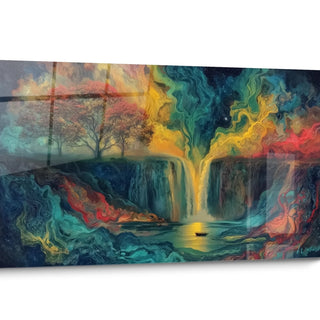 Cascade104
artworks
Cascade104
artworks
-
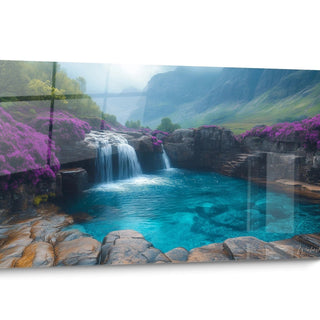 Waterfalls12
artworks
Waterfalls12
artworks
-
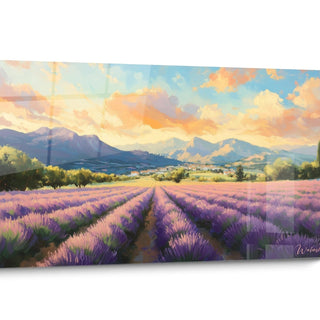 Lavender Fields7
artworks
Lavender Fields7
artworks
-
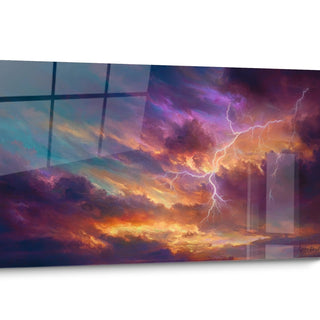 Sky14
artworks
Sky14
artworks
-
 Starry Sky8
artworks
Starry Sky8
artworks
-
 Sunset37
artworks
Sunset37
artworks
-
 Desert82
artworks
Desert82
artworks
-
 Underwater Depths38
artworks
Underwater Depths38
artworks
-
 Forest148
artworks
Forest148
artworks
-
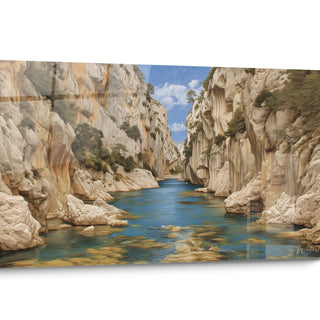 Gorges and Canyons41
artworks
Gorges and Canyons41
artworks
-
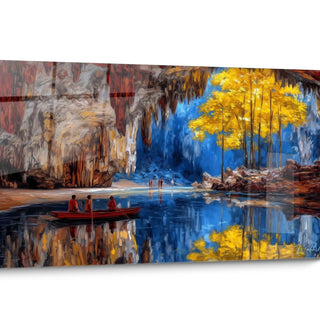 Natural Caves565
artworks
Natural Caves565
artworks
-
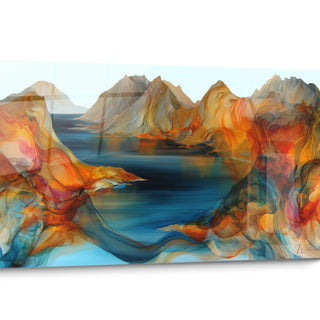 Islands and Archipelagos55
artworks
Islands and Archipelagos55
artworks
-
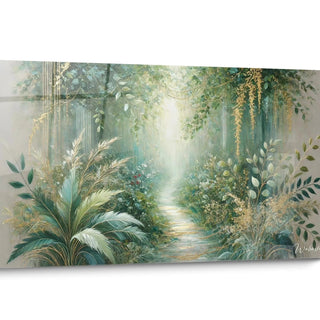 Jungle9
artworks
Jungle9
artworks
-
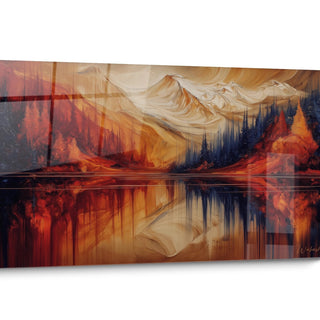 Lakes77
artworks
Lakes77
artworks
-
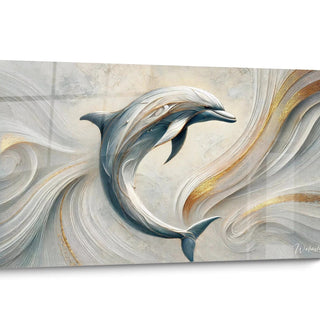 The World of the Sea189
artworks
The World of the Sea189
artworks
-
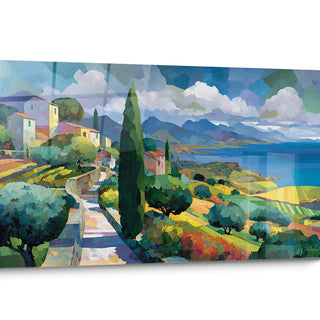 Marine71
artworks
Marine71
artworks
-
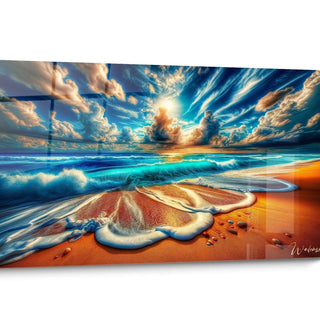 Sea77
artworks
Sea77
artworks
-
 Mountain304
artworks
Mountain304
artworks
-
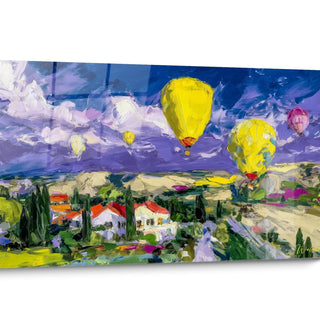 Hot Air Balloon5
artworks
Hot Air Balloon5
artworks
-
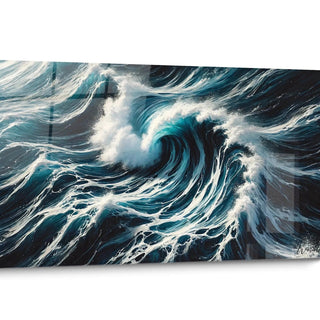 Ocean16
artworks
Ocean16
artworks
-
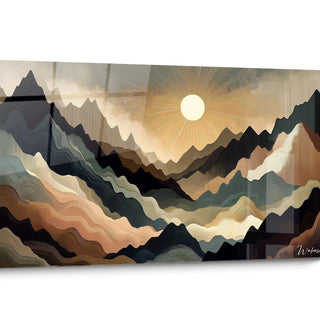 Abstract Landscape25
artworks
Abstract Landscape25
artworks
-
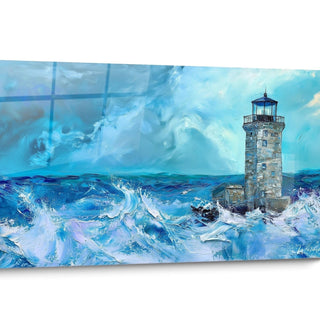 Lighthouses34
artworks
Lighthouses34
artworks
-
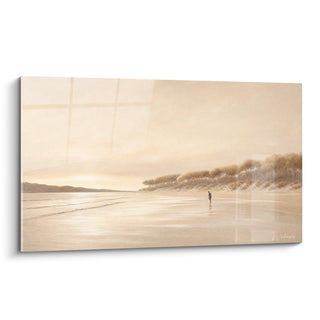 Beach113
artworks
Beach113
artworks
-
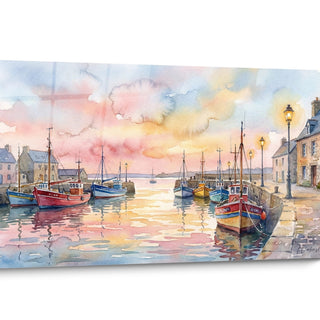 Ports19
artworks
Ports19
artworks
-
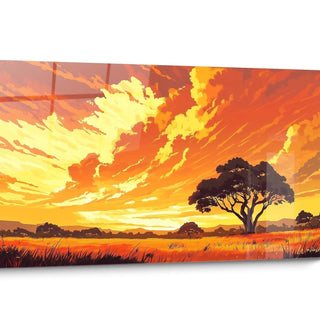 Savanna5
artworks
Savanna5
artworks
-
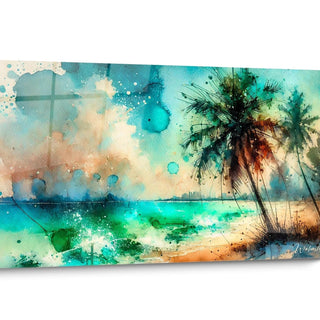 Tropics9
artworks
Tropics9
artworks
-
 Volcanoes57
artworks
Volcanoes57
artworks
-
 Aerial View17
artworks
Aerial View17
artworks


All about Other Landscape Paintings
- Presentation Other Landscapes Artwork
- Other Landscapes Artwork for Atypical Spaces
- Other Landscapes Artwork and Exotic Ambiances
- Other Landscapes Artwork and Artistic Perspectives
Discover our collection of other landscapes artwork, designed to transform your spaces with captivating representations of unconventional horizons. These large-format works explore singular panoramas, dreamlike universes, and unprecedented artistic visions that stand apart from traditional landscapes.
Our other landscapes artwork stands out for its ability to instantly transport your visitors to imaginary lands and unusual panoramas. Each work is meticulously crafted to create a powerful visual impression and become the focal point of your interior decoration.
For art and distinctive decoration enthusiasts, these landscape artworks and other artistic motifs offer a refreshing alternative to classical natural scenes. Explore our selection to discover unique compositions that will spark curiosity and conversation in your living or professional spaces.
Other Landscapes Artwork - Artistic Solutions for Atypical Spaces
Other landscapes artwork represents a distinct category in the world of wall decoration, offering visual perspectives that transcend conventional representations of nature. These large-format works stand out for their ability to radically transform non-standard architectural spaces where classical representations fail to create the desired visual impact.
How do other landscapes artworks transform high-ceilinged spaces?
In environments characterized by significant ceiling height, other landscapes artwork becomes a true instrument of spatial balance. Unlike classical representations, these works deliberately play with vertical perspectives, creating visual continuity that reduces the impression of excessive elevation. Abstract or surrealist panoramic compositions generate a focal point that anchors the space while preserving its architectural fluidity.
Cathedral-like spaces and industrial lofts particularly benefit from the integration of these large-format artworks that establish a visual connection between floor and ceiling. The resulting effect is a dimensional harmonization that preserves the space's amplitude while making it more welcoming and balanced for its occupants.
Other Landscapes Artwork for Dead Spaces and Architectural Corners
Transitional zones and dead spaces often represent a major decorative challenge. Other landscapes artwork, through its unconventional visual construction, excels at transforming these neglected spaces into artistic points of interest. Asymmetrical or fragmented compositions are particularly effective in enlivening narrow hallways, staircase landings, or architectural corners.
These works use offset perspectives and multiple horizons that, unlike traditional landscapes, do not require significant distance to be appreciated. This unique characteristic enables their integration in transitional spaces where observation occurs while moving rather than remaining static.
• Creating visual depth in restricted spaces
• Animating often-neglected transitional zones
• Artistic use of architectural constraints
• Visual fragmentation that adapts to unexpected angles
What is the influence of other landscapes artwork on the acoustics of large spaces?
A little-known yet significant aspect of other landscapes artwork concerns its contribution to the acoustic properties of open environments. Large-format works, through their surface and texture, participate in sound wave diffusion and attenuate excessive reverberation often problematic in contemporary spaces with hard, reflective surfaces.
Abstract compositions with multiple layers of pictorial matter offer a surface complexity that promotes partial absorption of mid-range sound frequencies, precisely those that contribute to auditory fatigue in large volumes. This characteristic makes other landscapes artwork decorative elements that simultaneously improve both the visual and auditory experience of a space.
Other Landscapes Artwork and Seasonal Transition Spaces
Sunrooms, winter gardens, and transitional spaces between interior and exterior represent areas particularly suited to other landscapes artwork. These environments, subject to variations in natural lighting, benefit from works whose perception evolves throughout the hours and seasons.
Artworks depicting imaginary horizons or dreamlike landscapes establish a dialogue with the changing environment, creating conceptual continuity between constructed space and the natural world. This dynamic interaction fundamentally distinguishes these works from literal landscape representations that, by direct comparison with visible surroundings, may seem redundant or in visual competition.
Psychological Impact of Other Landscapes Artwork in Creative Work Spaces
Professional environments dedicated to innovation and creativity constitute a privileged context for applying other landscapes artwork. Studies on environmental psychology demonstrate that exposure to non-literal representations of natural spaces stimulates divergent thinking and fosters unexpected idea associations.
Unlike figurative landscapes that induce passive contemplation, other landscapes artwork encourages active interpretation by the observer, activating cognitive processes associated with creative problem-solving. This interactive dimension makes them particularly relevant intellectual stimulation tools in spaces dedicated to brainstorming, idea labs, and creative studios.
Other landscapes artwork thus transcends its decorative function to become a cognitive catalyst that subtly influences the intellectual atmosphere of a space dedicated to innovation.
Other Landscapes Artwork - Immersion in Lesser-Known Exotic Ambiances
Other landscapes artwork constitutes a distinct artistic category that deliberately departs from conventional representations to explore unprecedented visual territories and exotic atmospheres rarely highlighted in contemporary wall art. These large-format works invite a redefinition of visual exoticism beyond tropical or orientalist clichés.
Other Landscapes Artwork: Rarely Represented Twilight Ecosystems
A fascinating exploration domain for other landscapes artwork concerns natural environments specifically visible during transitional phases between day and night. These works capture extraordinary chromatic metamorphoses that occur during these ephemeral periods when human visual perception is naturally altered.
Artworks depicting the blue hour in cold desert environments, twilight luminous phenomena in dense forest settings, or light transitions in polar zones offer a radically different visual experience from classical daytime landscapes. The emotional impact of these representations lies in their ability to evoke these precise moments when our perception of natural space becomes momentarily ambiguous.
• Representations of arctic dawn with characteristic violet gradients
• Twilight in primary forests where filtered light creates evanescent patterns
• Rare luminous phenomena such as zodiacal light or green flash
• Nocturnal landscapes illuminated by natural bioluminescent phenomena
What Micro-Ecosystems Are Revealed by Other Landscapes Artwork?
Another distinctive dimension of other landscapes artwork lies in its exploration of micro-environments generally invisible to the naked eye or rarely considered as major artistic subjects. These large-format works magnify miniature ecosystems to monumental scale, transforming the infinitesimal into immersive experience.
Artworks depicting the complex structure of a forest moss fragment, the crystalline architecture of frost formations, or the fractal patterns of a lichen colony offer a radically new perspective on omnipresent natural realities usually unnoticed. This approach profoundly transforms the viewer's relationship to the decorated space by introducing a contemplative dimension and an invitation to reconsider the scale of our perception of the natural world.
Other Landscapes Artwork: Geological Frontiers Between Terrestrial and Aquatic Worlds
Transitional zones between terrestrial and aquatic environments constitute a privileged exploration territory for other landscapes artwork creators. These works capture the visual fascination of natural interfaces rarely accessible to direct observation such as semi-submerged cave ecosystems, cenote geological formations, or ephemeral landscapes of intertidal zones.
The appeal of these representations lies in their ability to simultaneously evoke two distinct worlds and their complex interactions. The characteristic light play of these environments—aquatic refractions, reflections on wet surfaces, light filtering through different densities—creates incomparable visual richness that radically transforms the atmosphere of the decorated space.
The Influence of Rare Atmospheric Phenomena on Other Landscapes Artwork
Exceptional meteorological events constitute a major source of inspiration for other landscapes artwork. These works immortalize atmospheric manifestations whose rarity or brevity makes them particularly precious in a permanent decorative context.
Artistic representations of stratified sand storms in unreal colors, advective fog creating sculptural vaporous formations, or mammatus cloud configurations with unusual textures offer powerful visual presence that transcends simple decoration to become an immersive experience.
These large-format artworks introduce into interior spaces the dramatic majesty of naturally inaccessible phenomena, creating striking contrast with quotidian domestic or professional environments. Their presence evokes a connection with the primordial forces of nature, bringing a contemplative dimension to contemporary spaces often disconnected from natural realities.
Other Landscapes Artwork and Non-Western Visual Traditions
A significant characteristic of contemporary other landscapes artwork is its integration of spatial conceptions from non-Western artistic traditions. These works draw inspiration from landscape representations that defy European perspective conventions, such as vertical composition techniques from East Asian landscape painting, Aboriginal topological representations, or Andean cosmological cartographies.
The adoption of these alternative approaches generates works that fundamentally restructure our perception of represented space. Multi-perspective compositions, relational rather than literal scales, and the integration of temporal elements in spatial representation create a visual experience that transcends conventional expectations associated with decorative landscape artworks.
Other Landscapes Artwork - Revolutionary Artistic Perspectives
Other landscapes artwork represents much more than a simple decorative category; it constitutes a conceptual revolution in the artistic approach to environmental representation. These large-format works distinguish themselves through their ability to transcend the limitations of conventional landscapes to explore unprecedented visual dimensions and innovative artistic perspectives.
How Do Other Landscapes Artworks Reinterpret Natural Optical Phenomena?
One of the distinctive characteristics of other landscapes artwork lies in its exploration of optical phenomena that alter our visual perception of the environment. Unlike traditional landscape representations that privilege optimal visibility conditions, these works celebrate natural perceptual distortions as primary artistic matter.
Artworks depicting thermal mirages in deserts, light diffractions through different atmospheric densities, or natural chromatic aberrations transform these visual "imperfections" into central aesthetic elements. This revolutionary approach invites the observer to reconsider their relationship with their own perception, transforming contemplative experience into active exploration of human vision's limits.
• Artistic representations of atmospheric refraction phenomena
• Visual explorations of superior and inferior mirages
• Interpretations of optical distortions in extreme environments
• Aesthetic celebration of natural visual aberrations
Other Landscapes Artwork: Integration of Invisible Dimensions
A major innovation brought by other landscapes artwork concerns its ability to make visible dimensions generally imperceptible that fundamentally structure our environment. These large-format works translate into sensory representations phenomena generally accessible only through scientific instruments or theoretical modeling.
Artworks visualizing natural electromagnetic fields, atmospheric thermal currents, underground geological structures, or invisible migration flows transform the invisible into tangible aesthetic experience. This revelatory dimension confers on these works a conceptual depth that far exceeds their initial decorative function to become interfaces between the observer and environmental realities usually inaccessible to direct experience.
What is the Influence of New Visualization Technologies on Other Landscapes Artwork?
Technological advances in scientific imaging have profoundly transformed our ability to perceive the environment beyond human vision limitations, opening new exploration territories for other landscapes artwork. These works integrate visual perspectives made possible by technologies such as thermal imaging, ultraviolet photography, remote sensing, or algorithmic visualizations of environmental data.
Large-format artworks depicting a forest landscape in thermographic vision, a marine ecosystem captured by side-scan sonar, or topography visualized through lidar data offer a radically new visual experience. This fusion between art and scientific visualization technology generates works that function simultaneously as aesthetic objects and as windows opening onto usually inaccessible environmental realities.
Other Landscapes Artwork and Representation of Disturbed Ecosystems
A particularly significant dimension of contemporary other landscapes artwork concerns its engagement with anthropogenic environmental transformations. These large-format works visually explore emerging landscapes resulting from complex interactions between natural systems and human interventions, creating a new aesthetic category distinct from both traditional bucolic representations and purely factual environmental documentations.
Artworks depicting the paradoxical beauty of transitional zones between mining operations and spontaneous regeneration, geometric patterns of agricultural lands viewed from altitude, or astonishing formations created by accelerated erosion offer visual meditation on the complexity of our environmental footprint. This nuanced perspective transforms these works into supports for reflection on our collective relationship to territory, exceeding simple decorative function.
Multiple Temporalities in Other Landscapes Artwork
Perhaps the most radical conceptual innovation brought by other landscapes artwork lies in its ability to simultaneously represent different temporalities within a single composition. Unlike traditional landscapes that freeze a precise moment, these works integrate temporal dimension as a structuring element of visual representation.
Artworks presenting the same environment through multiple superimposed seasons, compositions integrating different phases of a geological phenomenon in a visual continuum, or representations of complete biological cycles transcend the limitations of photographic instantaneity. This approach fundamentally transforms contemplative experience into an invitation to perceive landscape as dynamic entity rather than static scene.
FAQ on Other Landscapes Artwork
What is the difference between a traditional landscape artwork and other landscapes artwork?
Other landscapes artwork distinguishes itself from traditional representations through its exploration of unprecedented perspectives, rare visual phenomena, or little-known ecosystems. It often privileges conceptual and perceptual dimensions rather than faithful reproduction of an identifiable location, thus creating a visual experience that transcends simple representation to become genuine artistic exploration of our environmental perception's limits.
Can other landscapes artworks integrate into all interior types?
Other landscapes artwork, through its conceptual nature and powerful visual impact, adapts particularly well to architecturally significant contemporary spaces. It functions admirably in minimalist environments where it can constitute a dominant focal point, as well as in transitional spaces like monumental entrances or staircase landings. Its ability to radically transform a room's atmosphere makes it a privileged choice for ambitious interior architecture projects.
How to maintain large-format other landscapes artwork?
Maintenance of large-format other landscapes artwork requires particular attention to preserving its distinctive visual qualities. Regular dusting with a soft brush is recommended, avoiding any contact with liquid products. For artworks displayed in spaces with high natural light exposure, semi-annual rotation is advised to ensure uniform exposure. When transporting, these works require specific conditioning protecting their exceptional dimensions and preserving the integrity of their textured surfaces.
Further reading


