


Volcano Wall Art
Immerse yourself in the world of erupting volcanoes with creations that celebrate geological power and magmatic landscapes. Each artwork captures the intensity of lava flows, the majesty of craters, and the telluric energy of the Earth. Perfect for lovers of natural phenomena and geology, these wall artworks bring strength and character to your interior. Transform your walls into testimonies of primitive power and the fascinating beauty of Earth's inner fire.
 Volcanic Eruption Painting - Telluric Blaze - Volcano Edition228,90 €
 Volcano in Eruption Wall Art with Tropical Lake - Majestic Eruption - Volcano Edition273,90 €
 Volcano in Eruption Wall Art - Twilight Blaze - Volcano Edition228,90 €
 Volcanic Eruption Wall Art - Fire Brilliance - Volcano Edition273,90 €
 Nocturnal Volcanic Eruption Wall Art - Vesuvius in Fusion - Volcano Edition228,90 €
 Volcanic Eruption Wall Art - Window on the Apocalypse - Volcano Edition273,90 €
 Apocalyptic Volcanic Eruption Wall Art - Flames of Hell - Volcano Edition242,90 €
 Volcano in Eruption Painting - Colorful Explosion - Volcano Edition273,90 €
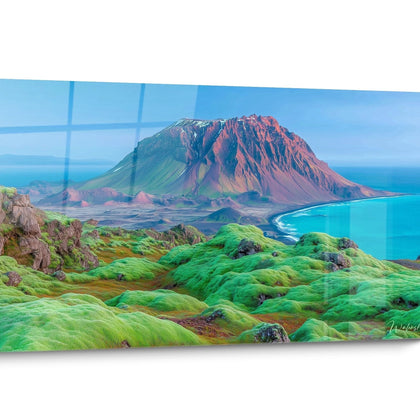
 Icelandic Volcanic Landscape Painting - Valley of the Giants - Volcano Edition273,90 €
 Stylized Colorful Volcano Painting - Abstract Eruption - Volcano Edition273,90 €
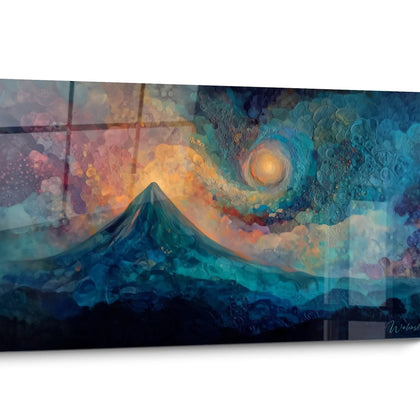
 Mystical Volcanic Eruption Painting - Starry Volcano - Volcano Edition273,90 €
 Marine Volcanic Eruption Painting - Fusion of Elements - Volcano Edition273,90 €
 Tropical Volcanic Eruption Painting - Explosion of Colors - Volcano Edition273,90 €
 Tropical Sunset Painting - Golden Eruption - Volcano Edition273,90 €
 Mountain River Painting - Golden Currents - Volcano Edition273,90 €
 Majestic Mountain Under Dramatic Sky - Celestial Eruption - Volcano Edition273,90 €
 Abstract Tropical Landscape Painting - Cubist Escape - Volcano Edition273,90 €
 Volcano Eruption Painting with Celestial Vortex - Storm of Light - Volcano Edition273,90 €
 Volcanic Landscape Painting with Tropical Island - Cosmic Eruption - Volcano Edition273,90 €
 Volcanic Eruption Painting at Sunset - Fury Island - Volcano Edition273,90 €
 Geometric Volcanic Path Painting - Journey to the Eruption - Volcano Edition273,90 €
 Volcanic Mountain Painting - Eternal Majesty - Volcano Edition273,90 €
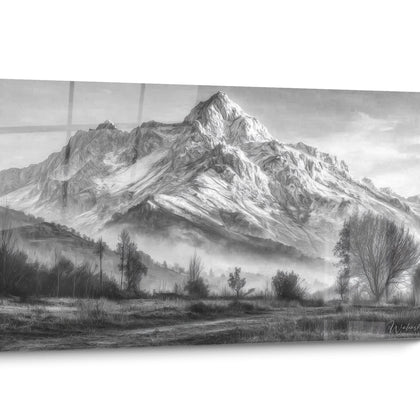
 Snow-Capped Autumn Mountain Painting - Majestic Eruption - Volcano Edition273,90 €
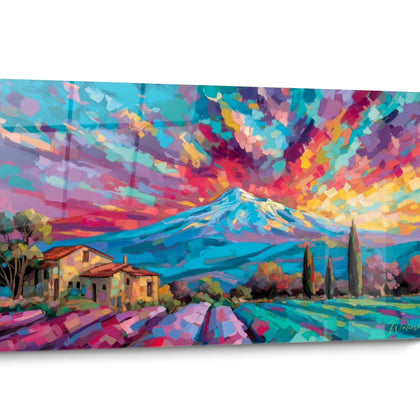
 Colorful Village at the Foot of the Volcano - Explosion of Colors - Volcano Edition273,90 €
Explore further
In Volcano Wall Art



In the same family
Also explore the theme Landscapes
-
 View all1531
artworks
View all1531
artworks
-
 Rainbow74
artworks
Rainbow74
artworks
-
 Architecture30
artworks
Architecture30
artworks
-
 Northern Lights32
artworks
Northern Lights32
artworks
-
 Other Landscapes117
artworks
Other Landscapes117
artworks
-
 Campaign51
artworks
Campaign51
artworks
-
 Cascade104
artworks
Cascade104
artworks
-
 Waterfalls12
artworks
Waterfalls12
artworks
-
 Lavender Fields7
artworks
Lavender Fields7
artworks
-
 Sky14
artworks
Sky14
artworks
-
 Starry Sky8
artworks
Starry Sky8
artworks
-
 Sunset37
artworks
Sunset37
artworks
-
 Desert82
artworks
Desert82
artworks
-
 Underwater Depths38
artworks
Underwater Depths38
artworks
-
 Forest148
artworks
Forest148
artworks
-
 Gorges and Canyons41
artworks
Gorges and Canyons41
artworks
-
 Natural Caves565
artworks
Natural Caves565
artworks
-
 Islands and Archipelagos55
artworks
Islands and Archipelagos55
artworks
-
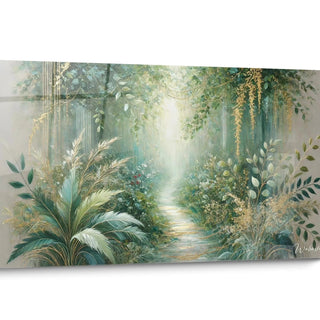 Jungle9
artworks
Jungle9
artworks
-
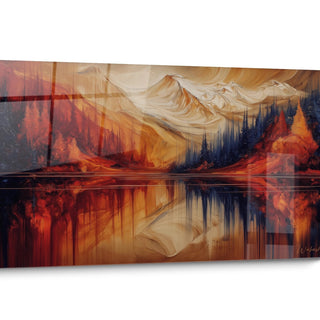 Lakes77
artworks
Lakes77
artworks
-
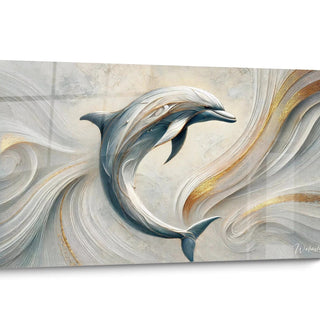 The World of the Sea189
artworks
The World of the Sea189
artworks
-
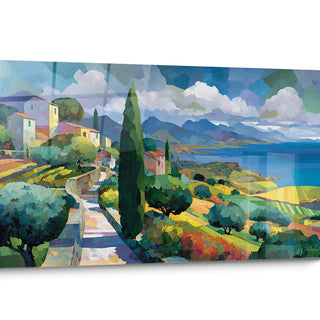 Marine71
artworks
Marine71
artworks
-
 Sea77
artworks
Sea77
artworks
-
 Mountain304
artworks
Mountain304
artworks
-
 Hot Air Balloon5
artworks
Hot Air Balloon5
artworks
-
 Ocean16
artworks
Ocean16
artworks
-
 Abstract Landscape25
artworks
Abstract Landscape25
artworks
-
 Lighthouses34
artworks
Lighthouses34
artworks
-
 Beach113
artworks
Beach113
artworks
-
 Ports19
artworks
Ports19
artworks
-
 Savanna5
artworks
Savanna5
artworks
-
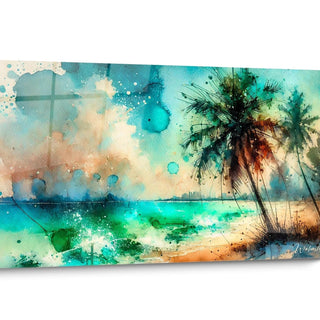 Tropics9
artworks
Tropics9
artworks
-
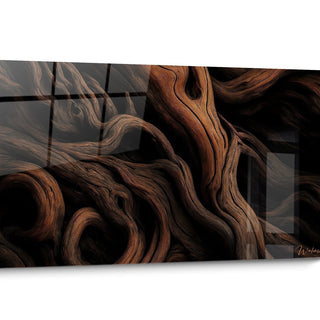 Aerial View17
artworks
Aerial View17
artworks


All about Volcano Wall Art
- Overview Volcano Wall Art
- Volcano wall art: Power and visual energy
- Volcano wall art: Contemporary decorative integration
- Volcano wall art: Dynamism of eruptive phenomena
Representations of erupting volcanoes embody the raw force of nature in all its incandescent splendor. These large-scale wall artworks capture the intensity of telluric phenomena to transform your interior spaces into veritable sanctuaries of natural energy. Discover how these spectacular creations are revolutionizing modern decoration.
The emotional impact of volcano wall art in living spaces
A volcano wall art does not simply represent a geological landscape: it captures the very essence of terrestrial transformation and creation. These expansive mural representations emanate an imposing presence that instantly transforms the perception of a space. The visual intensity of incandescent lava flows, pyroclastic projections and fiery clouds creates an atmosphere charged with primordial energy that is difficult to match with other decorative themes.
Why do volcanic representations generate such powerful presence?
The answer lies in the ancestral symbolism of fire and earth combined. Volcano wall artworks exploit extreme thermal contrasts: the incandescent red of molten lava against the dark tones of basaltic rock, the brilliant oranges of magmatic explosions facing the ash grays of eruptive plumes. This natural chromatic opposition stimulates profound emotional reactions, evoking simultaneously creation and destruction, vital heat and uncontrollable force.
The generous dimensions of these works amplify this impact. A format of 120x80 cm or larger allows you to truly immerse your gaze in the fascinating details of pyroclastic flows, lava fountains and smoking craters. This imposing scale transforms the simple act of looking into a contemplative experience that engages the observer in silent dialogue with the represented geological forces.
The psychological influence of volcanic colors on interior atmosphere
The chromatic palettes of volcano wall artworks exert direct influence on a room's atmosphere. The glowing reddish and amber tones characteristic of eruptive representations diffuse visual warmth that compensates for north-facing spaces or minimalist interiors sometimes perceived as cold. This optical warmth is not mere illusion: studies in environmental psychology demonstrate that warm hues increase the perception of thermal comfort by 2 to 3 degrees.
Beyond warmth, these works establish a particular energetic dynamic. The movement suggested by lava flows, smoke plumes and incandescent projections instills constant vitality into the space. This permanent visual animation creates a magnetic focal point that naturally captivates attention without ever tiring, unlike static compositions. For a home office or creative space, this visual stimulation promotes active concentration and inspiration.
The meditative dimension of large-scale volcanic landscapes
Paradoxically, despite their apparent violence, volcano wall artworks also facilitate moments of meditative contemplation. Extended observation of geological strata, petrified rock formations and lavic textures offers calming visual anchorage. This duality between energy and serenity constitutes one of the most sought-after particularities of this decorative theme.
Representations of dormant volcanoes or post-eruptive landscapes, with their solidified lava fields forming abstract natural sculptures, invite reflection on geological time and permanence. Facing contemporary challenges of stress and acceleration, these works offer a temporal perspective that relativizes daily preoccupations. A volcano wall artwork thus becomes a tool for mental restoration, reminding us that natural cycles operate on scales that transcend our human urgencies.
Which spaces benefit most from volcanic decoration?
Spacious living rooms constitute the privileged environment for hosting these monumental works. The presence of an artwork representing a major eruption above a central sofa or on a main wall instantly transforms the living room into the masterpiece of the home. Visitors immediately perceive the strong decorative intention and the assertive character of the occupants.
Contemporary professional spaces also successfully adopt this aesthetic. In meeting rooms of innovative companies or reception halls of technology firms, a volcano wall artwork communicates values of transformation, disruptive innovation and creative energy. This symbolism particularly appeals to startups and companies operating in dynamic sectors such as renewable energy, where natural power resonates with their mission.
The visual authenticity of volcanological details
Quality volcanic representations distinguish themselves through their fidelity to actual geological phenomena. Artists specializing in this theme study different types of eruptions: strombolian with their regular lava fountains, plinian with their gigantic eruptive columns, hawaiian with their spectacular fluid flows. This knowledge shines through in the rendering of textures, the luminosity of incandescent materials and the structure of volcanic plumes.
This technical authenticity elevates these works beyond mere decoration to become fascinating visual testimonies of extraordinary natural processes. Geology enthusiasts, natural science lovers or simply those fascinated by spectacular phenomena appreciate these details that transform daily observation into continuous exploration of new subtleties.
The nocturnal radiance of volcanic compositions
An often underestimated aspect concerns the interaction of these artworks with variable lighting conditions. The luminous zones representing incandescent lava literally seem to come alive in the evening under dimmed lighting. Certain artistic techniques use reflective pigments that capture and restitute ambient light, creating the illusion that the volcano "breathes" to the rhythm of the room's light variations.
This property transforms the work into an evolving decorative element that offers different visual experiences depending on the time of day. In the morning, warm colors fully reveal themselves under natural light. In the evening, contrasts intensify, and incandescent zones appear to almost emit their own light. This visual versatility justifies the investment in generous formats that maximize this chameleon effect.
Integrating a volcanic artwork into different decorative styles
Contrary to common assumptions, volcano wall artworks are not limited to rustic interiors or raw industrial ambiances. Their stylistic versatility surprises and offers possibilities for integration into highly varied decorative universes. The key lies in understanding the elements to harmonize and the contrasts to cultivate to create balanced and bold compositions.
Volcanic artworks in contemporary minimalist interiors
Scandinavian or Japanese minimalism, with its clean lines and neutral palettes, finds an unexpected ally in volcanic representations. The apparent contradiction between the surrounding sobriety and the visual power of the eruption creates a fascinating aesthetic tension. In a living room with pristine white walls, furnished with simple geometric pieces, a large volcano artwork becomes the sole expressive element of the composition.
This "one focal point, maximum impact" approach perfectly aligns with minimalist philosophy. The warm magma tones contrast beautifully with the light grays, off-whites and natural beiges typical of these interiors. The movement suggested by lava flows, smoke plumes and incandescent projections infuses constant vitality into the space without visual clutter, thus respecting the principle of visual breathing dear to minimalism. The imposing dimensions are here an asset: they assert presence without requiring additional decorative elements.
How do eruptive representations enrich industrial décor?
Lofts and apartments with industrial style find in the volcanic theme a natural resonance. The raw materials characteristic of this style - exposed steel, polished concrete, exposed brick - harmoniously dialogue with the roughness of volcanic landscapes. The anthracite tones of basaltic rocks, the mineral textures of solidified lava fields and the irregular surfaces of geological formations reflect industrial aesthetics while adding an organic dimension.
This material synergy is paired with symbolic coherence. Industrial style celebrates the transformation of raw materials through heat and force - precisely what a volcanic eruption represents. A 150x100 cm volcano artwork suspended in a space with exposed metal beams and visible conduits creates a fascinating mise-en-abyme: nature's industry facing human industry. The reflections of metallic surfaces in the decoration accentuate the incandescent glows represented, amplifying the dramatic effect.
The surprising alliance with urban plant-filled ambiances
Interiors featuring "urban jungle" style, rich in large indoor plants, successfully welcome volcanic compositions. This association may seem counter-intuitive - fire against vegetation - but it reflects the ecological reality of volcanic zones where life quickly colonizes soils enriched by mineral ash. An artwork representing a volcano in a verdant setting or a post-eruptive landscape colonized by first shoots finds its place among Monstera deliciosa, tree ferns and Philodendrons.
This combination creates a visual microcosm that tells the story of natural cycles: destruction and rebirth, opposing forces in perpetual balance. The lush green tones of living plants make the reds, oranges and blacks of the artwork stand out, generating striking chromatic contrast. To reinforce this harmony, favor frames in dark wood or matte black metal that bridge the organic and the telluric.
What furniture ideally accompanies volcanic decoration?
Furniture choice significantly influences the success of the integration. Pieces with angular lines and robust materials - low natural stone tables, raw steel bookshelves, thick leather sofas - reinforce the assertive character of the work. Avoid overly delicate or ornate furniture that would stylistically conflict with the raw power of volcanic representation.
Natural stone pieces deserve particular attention. A black marble table with veining, a polished granite bar or slate shelving creates material continuity with the geological elements of the artwork. This mineral coherence unifies the space and emphasizes the decorative strategy. The generous dimensions of current volcano wall artworks allow creating compositions where furniture and artwork dialogue as equals, neither overwhelming the other.
Volcanic artworks in transition spaces
Spacious corridors, entrance halls and stairwells constitute strategically important yet often neglected placements. A volcano artwork in panoramic format (for example 180x60 cm) transforms these passage zones into captivating private galleries. The horizontal movement of lava flows naturally follows the circulation axis, visually guiding movement while offering renewed spectacle with each passage.
In these spaces, the work fulfills a narrative function: it announces the character of rooms to come or synthesizes the visual identity of the home. A visitor discovering a majestic volcanic representation upon entry immediately understands they are entering a place where aesthetic choices are bold and intentional. This powerful first impression positively influences the perception of the entire residence.
Managing proportions between the artwork and wall space
The substantial dimensions of current volcanic representations require reflection on spatial balance. Contrary to popular belief, a large artwork does not necessarily require a gigantic wall. On a 3-meter-wide wall, a 150 cm artwork can occupy half the available space, allowing the composition to breathe while maintaining dominant presence.
Positioning height follows specific rules for works with high visual impact. The optical center of the artwork - typically located at the crater or most intense eruption zone - should be at eye level (approximately 160-165 cm from the floor) to maximize emotional impact. This position allows the gaze to naturally plunge into the details of the eruptive phenomenon without upward or downward reading effort.
The artistic representation of spectacular eruptive phenomena
Beyond their decorative function, volcano wall artworks capture extraordinary geological moments whose visual complexity fascinates. Contemporary artists specializing in this theme master the subtle lighting, movement dynamics and natural architectures that characterize different eruption phases. This technical expertise transforms each work into visual testimony of natural power rarely observable in its entirety.
Different eruptive phases and their visual rendering
A volcanic eruption traverses several stages, each offering distinct visual characteristics. The initial phase, with its first fumeroles and tremors perceptible in widened fissures, possesses dramatic tension that certain artists capture through compositions where precarious calm precedes explosion. These "pre-eruptive" representations appeal to visual suspense enthusiasts and charged atmospheres.
The eruptive paroxysm, the most spectacular moment, is characterized by lava fountains projected hundreds of meters high, pyroclastic flows hurtling down flanks at great speed and monumental ash plumes darkening the sky. Artworks capturing this phase favor extreme contrasts: incandescent reds reaching temperatures of 1200°C against the deep blacks of volcanic ash, flaming oranges of suspended volcanic bombs against the leaden grays of fiery clouds.
How do artists render the luminosity of incandescent materials?
The credible representation of molten lava constitutes a major technical challenge. Materials at such temperatures emit their own light, creating radiation and irradiation effects on surrounding elements. Experienced artists use superimposed glaze techniques and transparency effects to suggest this intrinsic luminosity without resorting to garish effects.
Chromatic transitions also reveal technical mastery: from the yellow-white of the lava flow core (hottest zone) toward vibrant orange at the edges, then dark red of cooling portions, to the crusted black of the solidified surface. These complex gradations, when faithfully reproduced on large formats, create striking thermal depth illusion. The observer almost perceives the radiant heat emanating from the composition.
Which eruption types offer the most impressive visuals?
Strombolian eruptions, characterized by regular lava fountains and sheaf projections, provide hypnotic rhythmic compositions. Artists capture the luminous trails of projections falling in perfect parabolas, creating quasi-abstract graphic patterns. These representations seduce lovers of natural geometry and organic patterns.
Plinian eruptions, named after the one on Vesuvius described by Pliny the Elder, generate colossal eruptive columns reaching the stratosphere. Their artistic representation highlights monumental verticality, canopy expansion in umbrella pine form and pyroclastic fallout violence. A 120x180 cm artwork in vertical orientation spectacularly accentuates this ascensional dimension, creating the impression the eruption bursts literally outside the frame.
Post-eruptive landscapes: a unique mineral aesthetic
Works depicting eruption aftermath offer radically different yet equally captivating atmosphere. Solidified lava fields with their tormented formations frozen mid-movement, lava caves with natural vaults and cordoned flows with organic textures, constitute fascinating extraterrestrial landscapes. These post-cataclysmic volcanic compositions appeal to interiors seeking contemplative rather than energetic dimension.
The colors of these petrified landscapes vary from deep basaltic black to anthracite gray, sometimes enhanced by rust-orange oxidation or greenish lichen colonization. These more sober palettes integrate easily into refined contemporary décor while preserving the assertive character of the volcanic theme. Generous dimensions allow appreciating these complex texture details, veritable natural sculptures at monumental scale.
The representation of emblematic volcanoes and their symbolism
Certain world-renowned volcanoes carry symbolic and cultural weight enriching their artistic representation. Sicilian Etna, Japanese Fuji, Hawaiian Kilauea or Ecuadorian Cotopaxi are not mere ignivomous mountains: they embody millennia-old histories, local mythologies and complex relationships between human civilizations and telluric forces.
An artwork depicting Vesuvius overlooking the Naples bay adds dramatic historical dimension, evoking Pompeii's burial. A composition centered on permanently erupting Kilauea celebrates goddess Pele of Hawaiian pantheon. These cultural references transform the work into a window onto distant geographic and mythological worlds, enriching daily contemplative experience. For travelers or lovers of distant cultures, these artworks become visual memories or dreamed destinations.
Contemporary artistic techniques applied to volcanic subjects
Contemporary volcanic art far exceeds simple photography or traditional realistic painting. Artists explore mixed techniques combining high-resolution printing, manual pictorial interventions and sometimes additions of real mineral materials - volcanic powders, ground basalt fragments - integrated into the artwork's surface. These hybridizations create unique pieces transcending reproduction to reach original artwork status.
Abstract or semi-abstract approaches also enjoy growing success. Rather than faithfully representing an identifiable volcano, these creations capture eruption phenomenon essence through play of drips, pigment projections and evocative textures. This interpretive freedom enables visually bolder compositions, perfectly suited to contemporary interiors seeking balance between natural reference and artistic abstraction.
FAQ: Frequently asked questions about volcano wall art
Is volcano wall art suitable for a bedroom?
Absolutely, provided you choose an appropriate representation. Favor peaceful post-eruptive scenes or dormant volcanoes in darker tones and less dynamic compositions. These versions promote relaxation rather than stimulation, while preserving the distinctive character of the volcanic theme. Medium formats (90x60 cm) suffice for a bedroom without dominating the resting space.
Do volcano wall artworks lose their visual impact over time?
Quite the contrary, these works gain depth with repeated observation. The complex details of geological formations, lavic textures and light interactions continuously reveal new subtleties. This visual richness guarantees sustained interest over years, unlike ephemeral decorative trends. Modern printing quality also ensures excellent UV color resistance.
Can you combine multiple volcano artworks in the same space?
This approach works in very large spaces but requires careful planning. Favor one major large-scale artwork as masterpiece, complemented by one or two smaller works representing different aspects - for example, a main eruption accompanied by a crater view and a lava flow detail. Maintain chromatic coherence and avoid visual overload.
Do volcanic representations coordinate with colorful interiors?
Yes, but the existing palette influences artwork selection. In an interior with warm tones (ochres, terracottas, reds), select a volcanic artwork with cooler dominants (ash grays, black rocks) to create refreshing contrast. Conversely, if your décor favors blues, grays and greens, an artwork with flaming lava flows provides necessary visual warmth. Chromatic balance supersedes uniformity.
Further reading
Our articles on this topic
- The volcano: primordial power and creative destruction in art
- The Art of Painting Lava Landscapes and Volcanic Activity
- How Do Painters Depict Geothermal Phenomena?
- Gift idea: volcano painting for travel and hiking enthusiasts
- Night eruption volcano painting for a professional office: decor that commands respect
- Why do crater lakes become mystical subjects in volcanic art?
L'art qui suscite l'envie
Maison belge d'art mural grand format
14 jourspour changer d'avis*
Protection Walenskyincluse
Fabriquéen Italie
FormatXXL
Kit de fixationtoujours fourni
* Hors tableaux personnalisés et tailles personnalisées


