


Forest Wall Art
Discover our "Forest Wall Art" collection, a series of captivating works celebrating the mysterious and soothing beauty of nature. Each forest wall art captures the majesty of trees, the interplay of light filtering through foliage, and the serene atmosphere of forest depths. Perfect for creating a relaxation and wellness space, this wooded landscape wall art will enhance your walls with striking details and vibrant colors. Immerse yourself in the natural world with these unique works, ideal for bringing a calming touch to your décor.
 Misty Forest Path Painting - Mystical Trail - Forest Edition273,90 €
 Enchanted Path Wall Art - Forest Edition273,90 €
 Eternal Tranquility Wall Art - Tree Nature Edition273,90 €
 Painting Leaning Tree Pink and Orange by the Water - Autumn Blaze - Forest Edition273,90 €
 Painting Tree river pink and orange - Embers of the Shore - Forest Edition273,90 €
 Painting Black, Gold and Purple Trees with White Flowers - Sparkling Vault of the Tops - Forest Edition242,90 €
 Painting Woman in Red Dress and Golden Does - Silent Encounter - Forest Edition273,90 €
 Painting Blue and Turquoise Path Under Trees - Enchanted Trail - Forest Edition273,90 €
 Wall Art Path of Blue and Green Between Trees - Spring Awakening - Forest Edition273,90 €
 Painting Pink and Red Trees in a Frosted Path - Silent Path - Forest Edition273,90 €
 Cherry Blossom and Pink Poppies Painting - Spring Path - Forest Edition273,90 €
 Floral Pond Painting with Pink and Gold Tones - Awakening of the Pond - Forest Edition273,90 €
 Painting of Forest River with Fuchsia and Gold Tones - Dusk Blaze - Forest Edition273,90 €
 Painting of White and Orange Undergrowth with Stream - Filtered Light - Forest Edition273,90 €
 Golden and Purple Tree Painting with Silhouetted Deer - Golden Vigil - Forest Edition273,90 €
 Painting Flowering Tree in Gold and Purple Mountains - Golden Awakening - Forest Edition273,90 €
 Gilded Tree with Midnight Blue Reflections - Autumn Dream - Forest Edition273,90 €
 Golden Path Among Purple Trees Painting - Enchanted Passage - Forest Edition273,90 €
 Painting of Flowering Trees with Green and Gold Reflections - Enchanted Glade - Forest Edition273,90 €
 Pine Trees Ochre and Anthracite Under the Moon - Vigil Under the Moon - Forest Edition273,90 €
 Painting Tree by a River Orange and Blue - Reverie on the Water - Forest Edition228,90 €
 Black and Gold Tree Painting with Twisting Trunk - Golden Dawn - Forest Edition228,90 €
 Green and Yellow Oaks Painting in Pointillism - Sparkling Clearing - Forest Edition242,90 €
 Intertwined Branches Orange and Brown Artwork - Autumn Flame - Forest Edition242,90 €
Explore further
In Forest Wall Art


In the same family
Also explore the theme Landscapes
-
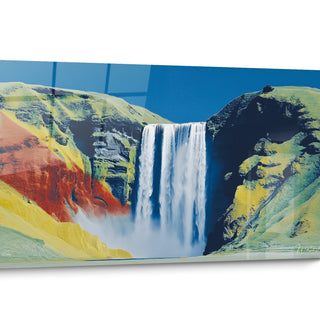 View all1531
artworks
View all1531
artworks
-
 Rainbow74
artworks
Rainbow74
artworks
-
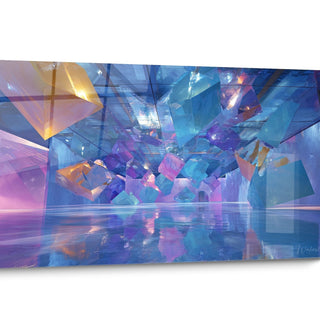 Architecture30
artworks
Architecture30
artworks
-
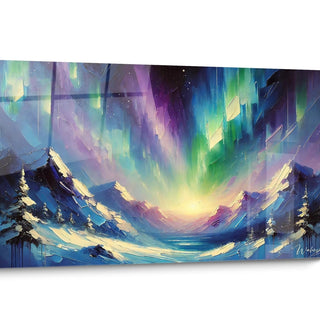 Northern Lights32
artworks
Northern Lights32
artworks
-
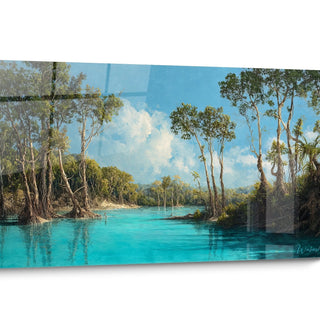 Other Landscapes117
artworks
Other Landscapes117
artworks
-
 Campaign51
artworks
Campaign51
artworks
-
 Cascade104
artworks
Cascade104
artworks
-
 Waterfalls12
artworks
Waterfalls12
artworks
-
 Lavender Fields7
artworks
Lavender Fields7
artworks
-
 Sky14
artworks
Sky14
artworks
-
 Starry Sky8
artworks
Starry Sky8
artworks
-
 Sunset37
artworks
Sunset37
artworks
-
 Desert82
artworks
Desert82
artworks
-
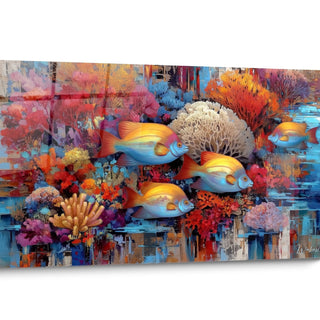 Underwater Depths38
artworks
Underwater Depths38
artworks
-
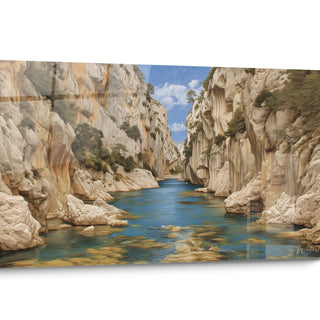 Gorges and Canyons41
artworks
Gorges and Canyons41
artworks
-
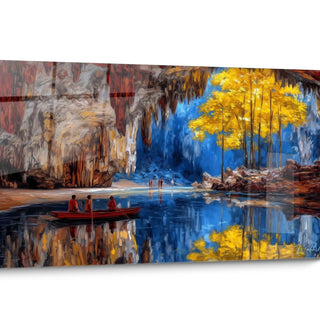 Natural Caves565
artworks
Natural Caves565
artworks
-
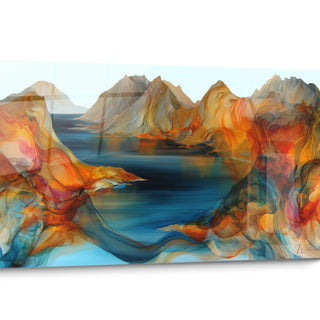 Islands and Archipelagos55
artworks
Islands and Archipelagos55
artworks
-
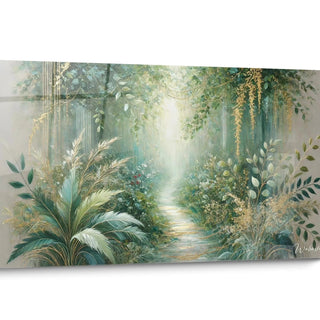 Jungle9
artworks
Jungle9
artworks
-
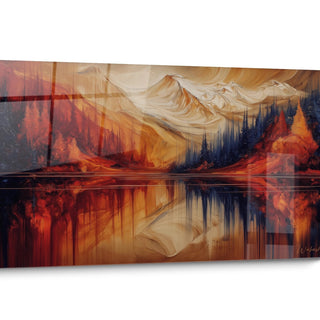 Lakes77
artworks
Lakes77
artworks
-
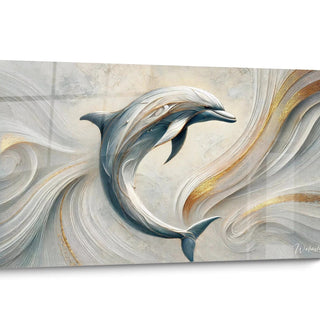 The World of the Sea189
artworks
The World of the Sea189
artworks
-
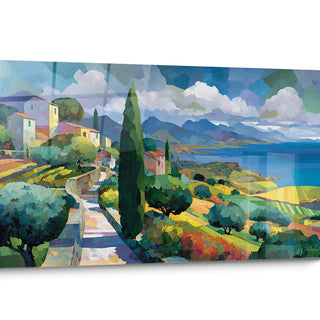 Marine71
artworks
Marine71
artworks
-
 Sea77
artworks
Sea77
artworks
-
 Mountain304
artworks
Mountain304
artworks
-
 Hot Air Balloon5
artworks
Hot Air Balloon5
artworks
-
 Ocean16
artworks
Ocean16
artworks
-
 Abstract Landscape25
artworks
Abstract Landscape25
artworks
-
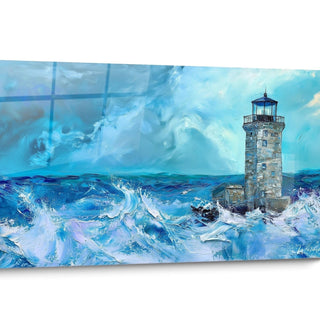 Lighthouses34
artworks
Lighthouses34
artworks
-
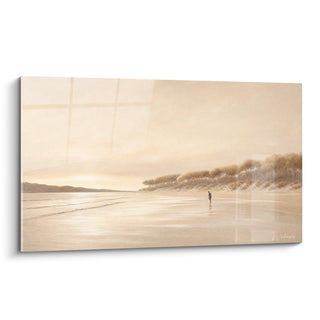 Beach113
artworks
Beach113
artworks
-
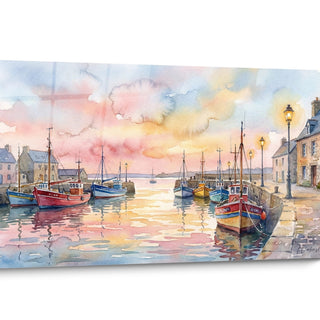 Ports19
artworks
Ports19
artworks
-
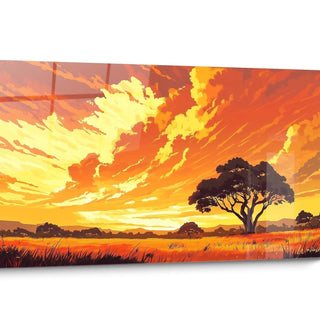 Savanna5
artworks
Savanna5
artworks
-
 Tropics9
artworks
Tropics9
artworks
-
 Volcanoes57
artworks
Volcanoes57
artworks
-
 Aerial View17
artworks
Aerial View17
artworks


All about Forest Wall Art
- Presentation Forest wall art
- Forest wall art atmosphere and immersion
- Forest wall art seasonal lighting
- Forest wall art decorative perspectives
Discover our exceptional collection of forest wall art, designed to transform your interior space into a natural haven of peace. Our large-format creations capture the very essence of forest environments, with their striking interplay of shadows, captivating perspectives, and unique atmospheres that shift with the seasons depicted. Browse through our different sections to explore the multiple facets of our landscape wall art featuring forests and discover how they can elevate your interior decoration while connecting you to the soothing power of nature.
Total Immersion with a Forest Wall Art for an Incomparable Natural Atmosphere
Forest wall art stands out through its unique ability to create incomparable atmospheric depth in your living space. Unlike other artistic representations, these works captivate through their immersive dimension that instantly transports you into the natural sanctuaries they represent.
How does forest wall art transform the perceived acoustic ambiance of a room?
One of the fascinating characteristics of quality forest wall art is its ability to influence the acoustic perception of a space. Representations of dense undergrowth create a psychological effect of sound absorption, giving the impression that the room is calmer and more muffled. This phenomenon, called "visual-auditory resonance", is particularly sought after in noisy urban spaces where the need for tranquility is felt. Studies in biophilic design demonstrate that the mere visual presence of forest elements can reduce the perception of ambient noise by 23% on average.
The vegetation density represented in forest wall art directly influences this sensation. A forest of conifers with persistent foliage will evoke a soothing constancy, while a deciduous forest will suggest seasonal variations in the imagined acoustics of the space.
The natural misting effect of forest representations
Forest wall art incorporating elements of mist or morning dew acts as visual regulators of perceived humidity. In interiors subjected to drying central heating, these representations create an illusion of more humid and more breathable air. Scenes of forests after rain are particularly effective in counterbalancing the dryness of air-conditioned environments.
This unique characteristic explains why forest representations are often recommended by interior architects for relaxation spaces such as:
- Meditation and yoga studios
- Reading and relaxation areas
- Master bedrooms and guest rooms
- Professional waiting areas
The multidimensional depth exclusive to forest scenes
Unlike marine or urban paintings that generally operate on two or three planes of depth, authentic forest wall art creates complex stratification that can reach seven distinct levels of depth. This natural architectural characteristic allows you to visually enlarge any interior space.
The succession of trunks, the interplay of foliage at different heights, and the gradation of light filtering through the branches create an infinite perspective that virtually pushes back the walls. A recent interior design study reveals that rooms decorated with forest wall art are perceived as being 15 to 18% more spacious than they actually are.
What unique chromatic effects do forest wall art pieces bring to contemporary interiors?
The chromatic palette of forest wall art distinguishes itself through its richness in tertiary tones impossible to find in other artistic themes. You'll discover greyed-greens, violet-browns, and golden ochres that escape traditional color swatch classifications.
This chromatic complexity allows forest wall art to harmonize simultaneously with multiple decorative elements in your interior, creating visual bridges between different furniture pieces. A single forest painting can thus unify a space composed of disparate elements, thanks to its ability to reflect and complement a multitude of shades.
Paintings depicting autumn forests are particularly sought after for their extended chromatic spectrum, ranging from amber yellows to carmine reds, passing through an infinity of browns with highlights that shift depending on ambient lighting.
The biological clock regulated by forest imagery
Forest representations subtly influence the circadian rhythm of inhabitants in a space. Forest wall art presenting morning light will foster vitality and awakening in a dining room or workspace, while a scene of undergrowth at twilight will contribute to progressive relaxation in a bedroom or living area dedicated to evening rest.
This characteristic makes forest wall art recognized therapeutic tools in chronobiomodulation approaches, where art is used to regulate biological rhythms disrupted by our contemporary lifestyles. Some specialized therapists even prescribe regular exposures to specific forest representations to treat mild to moderate sleep disorders.
Paintings depicting forests through the seasons also allow you to maintain a connection to natural cycles, particularly precious for people living in dense urban environments with few opportunities for direct contact with nature.
Carefully selected forest wall art thus becomes far more than a simple decorative element - it transforms into a true sensory portal, an atmosphere regulator, and a biophilic anchor at the very heart of your living or working space.
Captured Forest Light: Forest Wall Art and Its Unique Seasonal Lighting
Forest wall art fundamentally stands out from other wall art through its exceptional ability to capture and restore luminous phenomena impossible to observe in other environments. This singularity makes it particularly sought-after artwork to radically transform the light ambiance of interior spaces.
The forest chiaroscuro phenomenon impossible to reproduce elsewhere
What makes forest wall art truly unique is its ability to represent "dappled light" - that diffused and speckled light that filters through the canopy and creates luminous patterns impossible to observe in any other environment. Unlike marine or urban paintings where light behaves more uniformly, forest representations capture this characteristic light fragmentation.
This phenomenon is particularly visible in paintings depicting:
- Birch forests where light bounces off white trunks
- Beech undergrowth with filtering foliage
- Mixed forests where vegetation density varies
- Forest clearings with striking contrasts
This unique light quality explains why forest wall art is so effective at creating zones of visual transition in large open spaces, naturally guiding the eye and structuring the space without resorting to physical separations.
How do seasons transform the specific luminosity of forest wall art?
The representation of seasons in forest wall art goes far beyond a simple palette change. Each forest season possesses a distinctive light signature that directly influences the atmosphere of the room where the work is displayed.
Paintings of spring forests are characterized by verdant luminosity with tender highlights that brings renewing energy to living spaces. The light captured in these works possesses a diffuse and soft quality, perfect for north-facing rooms that naturally lack luminosity.
In contrast, paintings depicting autumn forests deploy a golden light so specific that it bears a name in photography: "cathedral light". This light quality, impossible to find in seascapes or mountain landscapes, transforms any wall into a source of visual warmth, particularly appreciated in contemporary interiors with clean lines.
Winter forests, for their part, offer a fascinating optical phenomenon: the bluish reverberation of light on snow through bare branches. This particular luminosity creates a space-enlarging effect unequaled by other artistic themes.
Secondary illumination: why forest wall art reacts differently to ambient lighting
An underappreciated but precious characteristic of forest wall art lies in its unique sensitivity to ambient lighting. Due to the complexity of depicted surfaces (bark, foliage, undergrowth), these works "respond" dynamically to variations in domestic lighting.
This phenomenon, called "secondary light reactivity", means that well-chosen forest wall art can seem to subtly transform throughout the day or depending on the artificial lighting used. Paintings depicting dense forests with multiple textures are particularly reactive to this light dynamic, progressively revealing new details depending on the angle and intensity of lighting.
To maximize this effect, specialists recommend:
- Adjustable directional lighting oriented at 30° to the painting surface
- Use of light bulbs with a color rendering index (CRI) above 95
- Strategic placement allowing natural light to reach the work at different times of day
- Avoidance of highly reflective surfaces that could diminish perception of forest subtleties
The luminous microcosms unique to forest representations
A forest represents a stratified luminous ecosystem that artists capture through various techniques. This stratification creates "luminous microcosms" in the final work, each telling a different story.
Crepuscular rays, those beams of light dramatically traversing the canopy, constitute an optical phenomenon almost exclusively observable in forest environments. Paintings capturing this effect create natural focal points that irresistibly attract the eye.
Morning forest mist, with its characteristic light diffusion, offers a visual softness impossible to find in other landscapes. Paintings incorporating this phenomenon bring an appeasing quality particularly sought after in spaces dedicated to relaxation and renewal.
The interplay of shadows cast by trunks and branches creates unique light geometry for forest scenes. This natural architecture of light and shadow constitutes a visual signature that immediately distinguishes quality forest wall art.
Seasonal anticipation through forest light
Discerning collectors often change their forest wall art according to seasons, not only to renew their decor but also to create positive psychological anticipation. A painting depicting bright summer forest placed in winter brings a comforting visual promise, while an autumn scene displayed in late summer gently prepares the mind for seasonal transition.
This practice, rooted in Scandinavian decorative traditions, testifies to the particular relationship that exists between our perception of natural light and our psychological well-being. Forest wall art, through its unique ability to capture and restore the specific light qualities of forest environments, becomes a true tool for emotional and seasonal regulation in our interior spaces.
Exclusive Decorative Perspectives: Forest Wall Art as a Structural Element of Space
Forest wall art transcends its purely decorative function to become a true architectural element in interior design. Its unique ability to visually restructure space fundamentally distinguishes it from other artistic themes and makes it a valuable tool in designing harmonious and balanced interiors.
The natural corridor effect: spatial restructuring through forest perspective
Unlike abstract paintings or still lifes, large-format forest wall art creates what interior architects call the "natural corridor effect" - an illusion of opening and space extension that entirely reconfigures the dimensional perception of a room.
Representations of forest paths disappearing into vegetation are particularly effective in creating this sensation of spatial extension. They generate a visual vanishing point that naturally attracts the eye and suggests extension beyond the physical constraints of the room.
This characteristic makes forest wall art strategic tools for:
- Visually lengthening a hallway or narrow space
- Creating a sense of escape in a small living room or dining area
- Adding an extra dimension to windowless spaces
- Establishing fluid visual transition between two distinct functional zones
Interior design specialists recommend forest wall art with central perspective for confined spaces, while asymmetrical compositions work better in large volumes where they create balanced zones of visual interest.
Why do forest wall art pieces create better visual acoustics?
The concept of "visual acoustics" refers to how certain decorative elements influence our sonic perception of a space. Forest wall art possesses a unique ability to create what designers call the "perceptual cocoon effect" - a subjective sensation of calm and acoustic isolation.
This characteristic is explained by the visual density and structural complexity of forest scenes, which unconsciously evoke naturally quiet environments. Our brain establishes an association between the perceived image and the complete sensory experience of a forest, including its relative acoustic tranquility.
Paintings depicting coniferous forests, with their needle-carpeted ground naturally absorbing sound, are particularly effective in creating this sensation of quietness. They thus constitute a preferred choice for:
- Workspaces requiring concentration and calm
- Bedrooms and rest areas
- Urban living rooms exposed to outside noise
- Professional environments such as medical or legal offices
Vertical stratification: an exclusivity of forest compositions
Forest wall art offers a unique structural characteristic: natural vertical stratification. Unlike seascapes or urban scenes that organize primarily horizontally, forest representations simultaneously deploy multiple levels of vertical organization - from the forest floor to the canopy.
This vertical organization creates visual balance particularly suited to contemporary spaces characterized by high ceilings and open walls. Large-format forest wall art can thus:
- Visually balance a space with pronounced vertical proportions
- Create harmonious transition between floor and ceiling
- Introduce a succession of intermediate planes that structure the gaze
- Reduce the impression of emptiness in spaces with significant volume
Interior architects frequently recommend forest wall art for duplexes and double-height rooms, where their natural vertical structure allows visually unifying different residential levels.
Progressive chromatic expansion: the forest visual signature
A decorative phenomenon exclusive to forest wall art resides in what colorists call "progressive chromatic expansion". Unlike monochromatic works or limited-palette paintings, forest representations naturally integrate a multitude of shades that subtly unfold in the surrounding space.
This characteristic allows well-chosen forest wall art to serve as a "chromatic bridge" between different decorative elements in a room. The deep greens, warm browns, and touches of ochre or amber typical of forest scenes can unify disparate furniture elements by creating overall visual coherence.
Interior designers frequently use this chromatic expansion capacity to:
- Harmonize a space with heterogeneous decorative elements
- Introduce a rich palette without overcrowding the space
- Create seasonal transitions in decoration without changing furniture
- Establish strong visual identity while maintaining natural balance
Structural biophilia: the unique psychological impact of forest representations
Biophilic design - the integration of natural elements into built environments - finds its most accomplished expression in forest wall art. Unlike simple vegetative elements such as houseplants, large-format forest wall art offers complete "structural biophilia", representing an entire ecosystem with all its positive psychological implications.
Studies in environmental psychology demonstrate that regular exposure to complete forest representations (including ground, trunks, foliage, and sky) activates the same well-being zones in our brain as actual forest immersion, albeit at a lesser intensity.
This characteristic makes forest wall art true therapeutic tools, particularly precious in:
- Dense urban environments where access to nature is limited
- Stressful professional spaces requiring compensatory elements
- Homes without external views of green spaces
- Minimalist interiors needing strong natural anchoring
FAQ: Forest Wall Art
What is the best orientation for installing forest wall art in a living room?
To maximize the visual impact of forest wall art, prioritize a wall visible upon entering the room, ideally facing an indirect natural light source. Avoid direct sun exposure that could alter the subtle nuances of the work. In an elongated living room, forest wall art with deep perspective placed on the far wall will create a particularly effective space-enlarging sensation.
How do I choose forest wall art suited to the size of my room?
For optimal impact, follow the forest proportions rule: the painting width should represent at least 40% of the display wall width for dense forest scenes, and 50-60% for clearing or edge representations. In compact spaces, prioritize vertical compositions that accentuate the height sensation. For large volumes, horizontal panoramic formats will reinforce the immersion impression.
Can forest wall art effectively replace living plants in an interior?
While forest wall art doesn't produce oxygen like living plants, biophilic design studies confirm that it nonetheless activates similar psychophysiological responses: stress reduction, improved concentration, and mood regulation. For optimal effect, combine large-format forest wall art with a few strategically placed real plants, creating a visual dialogue between the artistic representation and the living natural elements of your interior.
L'art qui suscite l'envie
Maison belge d'art mural grand format
14 jourspour changer d'avis*
Protection Walenskyincluse
Fabriquéen Italie
FormatXXL
Kit de fixationtoujours fourni
* Hors tableaux personnalisés et tailles personnalisées


