


Terracotta Wall Art
The Terracotta Wall Art embodies the harmony of warm and natural tones. Its ochre, brown and orange hues evoke terracotta and desert landscapes. Perfect for bohemian or minimalist décor, it brings a warm and sophisticated touch. Its timeless style integrates perfectly into modern or ethnic interiors, enhancing your space with elegance and authenticity.
 Terracotta Wall Art No.4 - Nature Edition273,90 €
 Terracotta and Olive Green Circle Artwork - Embossed Ribs - Superimposed Textured Panels - Terracotta Edition273,90 €
 Wavy Waves Ivory and Terracotta Brown Canvas - Frozen Flow - Terracotta Edition273,90 €
 Terracotta Painting No. 5 - Nature Edition273,90 €
 Ficus in Pot Ochre and Projected Shadow - Evening Light - Terracotta Edition273,90 €
 Woman with Yellow Flower Pot Painting - Floral Embrace - Terracotta Edition273,90 €
 Black Elephant in Front of an Ocher Sun - Twilight Walk - Terracotta Edition273,90 €
 Textured Arch Painting with Golden Ears of Wheat - Clay Light - Terracotta Edition273,90 €
 Textured White and Rust Diagonal Crack Painting - Break Line - Terracotta Edition273,90 €
 Cream and Brick Matter Wave Painting - Frozen Tide - Terracotta Edition273,90 €
 Artwork Oval Shapes White and Brick Crinkled - Textured Creased Paper - Terracotta Edition273,90 €
 Organic Shapes Ochre and Rust Brown Painting - Nature Sketch - Terracotta Edition273,90 €
 Woman in Dress Seated - Terracotta Arch Cream - Contemplative Pause - Terracotta Edition273,90 €
 White Bird Painting on Brick Red Background - Solitary Flight - Terracotta Edition273,90 €
 White Pigeon Painting on Red Terracotta Background - Flight Towards Light - Terracotta Edition273,90 €
 Filigree Arch Painting White on Brick Background - Curved Parallel Lines - Terracotta Edition273,90 €
 Brown and Beige Hands Holding a Rust Disc - Orange Painted Nails - Terracotta Edition273,90 €
 Sculpted Ring Cream and Brick Intertwined Circles Artwork - Enigmatic Silhouette - Terracotta Edition273,90 €
 Sculpted Brick and Copper Geometric Arch Artwork - Millennial Vestige - Terracotta Edition273,90 €
 Sculpted Spiral Brick and Copper Relief Artwork - Deep Carved Volute - Terracotta Edition273,90 €
 Fluid Waves Ochre and Gold Painting - Golden Breath - Terracotta Edition273,90 €
 Sculpted Waves Orange and White with Gold Net - Luminous Golden Ripples - Terracotta Edition273,90 €
 Wavy Waves Ochre and Gold Painting - Golden Dunes at Dusk - Terracotta Edition273,90 €
 Painting Seated feminine silhouette terracotta and beige - Inner rest - Terracotta Edition273,90 €
Explore further
In Terracotta Wall Art


In the same family
Also explore the theme Zen
-
 View all2161
artworks
View all2161
artworks
-
 Bonsai25
artworks
Bonsai25
artworks
-
 Buddha311
artworks
Buddha311
artworks
-
 Candle64
artworks
Candle64
artworks
-
 Koi Fish130
artworks
Koi Fish130
artworks
-
 Chakras11
artworks
Chakras11
artworks
-
 Zen Miscellaneous11
artworks
Zen Miscellaneous11
artworks
-
 Incense7
artworks
Incense7
artworks
-
 Enso13
artworks
Enso13
artworks
-
 Feng Shui904
artworks
Feng Shui904
artworks
-
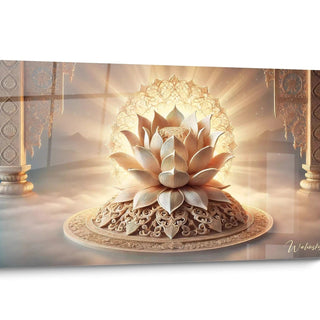 Lotus Flower20
artworks
Lotus Flower20
artworks
-
 Ganesh56
artworks
Ganesh56
artworks
-
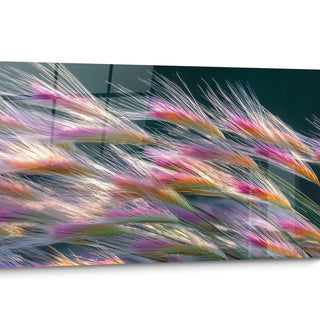 Grasses100
artworks
Grasses100
artworks
-
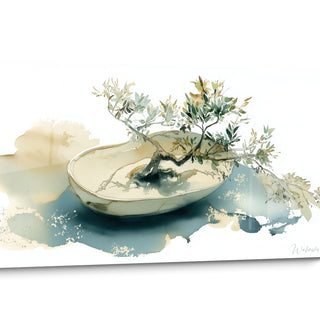 Ikebana93
artworks
Ikebana93
artworks
-
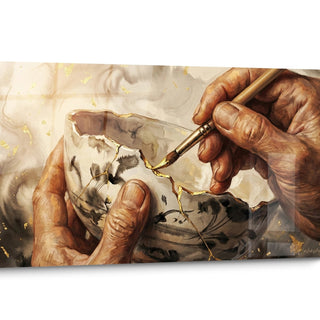 Kintsugi5
artworks
Kintsugi5
artworks
-
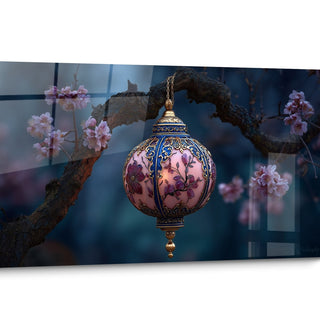 Lantern51
artworks
Lantern51
artworks
-
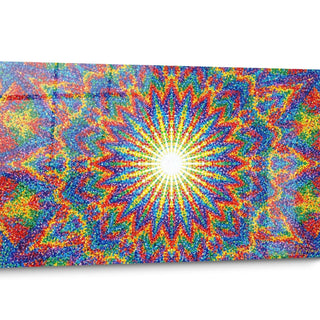 Mandala18
artworks
Mandala18
artworks
-
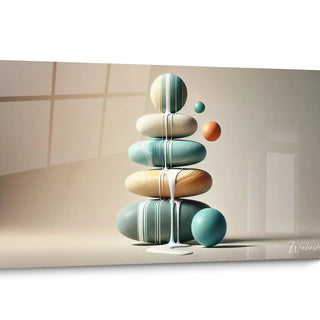 Meditation18
artworks
Meditation18
artworks
-
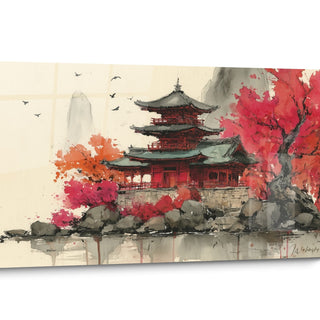 Pagoda79
artworks
Pagoda79
artworks
-
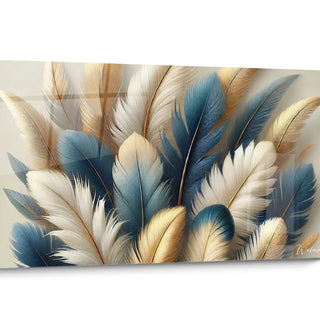 Feather60
artworks
Feather60
artworks
-
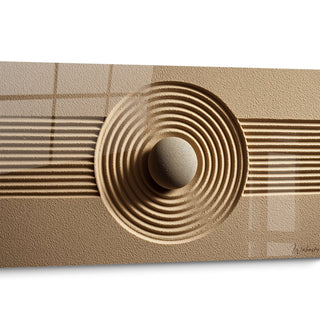 Sand60
artworks
Sand60
artworks
-
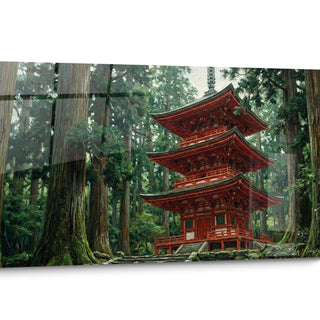 Buddhist Temple17
artworks
Buddhist Temple17
artworks
-
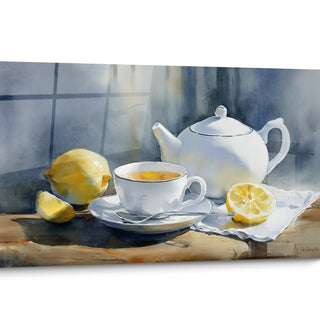 Japanese Teapot40
artworks
Japanese Teapot40
artworks
-
 Torii77
artworks
Torii77
artworks
-
 Yin Yang99
artworks
Yin Yang99
artworks


All about Terracotta Wall Art
- Terracotta Wall Art Presentation
- Terracotta Wall Art Mediterranean Atmosphere
- Terracotta Wall Art Masterpiece Panels
- Terracotta Wall Art Mineral Textures
Terracotta wall art represents a distinct category of mural art, characterized by warm tones evoking natural terracotta. These works distinguish themselves through their exceptional ability to radically transform the ambiance of an interior space, bringing unparalleled warmth and a connection to nature that few other color palettes can offer.
Particularly prized for their versatility, terracotta wall panels integrate harmoniously into various interior aesthetics, from Mediterranean décor to minimalist contemporary spaces. Their unique chromatic spectrum, oscillating between burnt oranges, earthy reds, and warm browns, creates a welcoming and comforting atmosphere, ideal for large spaces requiring a touch of conviviality.
Explore our selection of nature wall art to discover how these terracotta works can transform your interior with their imposing presence and warm hues inspired by Mediterranean earthenware. Each panel is designed to become a focal point that visually anchors your space while introducing a rich and earthy color palette that remains timeless through the seasons.
Terracotta wall art also offers exceptional resistance to light variations, maintaining its brilliance and intensity even in spaces exposed to strong natural light, unlike other mural works that may appear faded or dull over time. This characteristic makes it a durable investment for your interior décor.
Terracotta Wall Art: Immersion in Mediterranean Atmosphere
Terracotta wall panels instantly transform any space into a Mediterranean oasis through their evocative color palette reminiscent of the arid lands of Provence, Tuscany, or Greek coastlines. These decorative artworks distinguish themselves through their unique ability to visually warm large spaces, particularly in interiors with contemporary architecture often perceived as cold or impersonal.
The terracotta hue, with its nuances oscillating between burnt orange and earth red, possesses an exceptional visual thermal characteristic. Unlike panels in cool tones that tend to visually expand space, terracotta wall art creates an enveloping effect that reduces the impression of emptiness in spacious rooms. This property makes them precious decorative allies for lofts, large living rooms, or open spaces.
How do terracotta wall panels influence the thermal perception of a room?
Studies in environmental psychology have demonstrated that exposure to visual elements in terracotta tones can increase the sensation of warmth felt by 2 to 3 degrees in a room, without any actual change in ambient temperature. This phenomenon, called "visual thermoregulation", explains why terracotta wall art is particularly appreciated in regions with cold climates or in spaces that are difficult to heat effectively.
Terracotta wall panels also present a unique luminous characteristic: they possess the rare ability to capture and diffuse sunset light, creating a golden effect in the room that decoration experts call "permanent golden hour". This naturally flattering luminous effect transforms the atmosphere of your living space by recreating the characteristic lighting of Mediterranean evenings.
What are the ideal chromatic associations with terracotta wall art?
To maximize the impact of terracotta wall panels in your interior, certain chromatic associations prove particularly harmonious:
• Cerulean blues reminiscent of Mediterranean waters create dynamic and balanced contrast
• Olive greens bring complementary natural dimension evoking Mediterranean vegetation
• Intense yellow ochres intensify the warming effect while adding luminosity
• Off-whites or creams allow terracotta wall art to stand out while softening its intensity
The psychological impact of terracotta wall panels extends beyond simple aesthetics. Their presence in a living space encourages positive mental associations linked to vacation memories in Mediterranean regions, activating what neuropsychologists call "positive environmental memory". This constant stimulation helps reduce stress and improve the mood of occupants, transforming your interior into a genuine emotional sanctuary.
Large-format terracotta wall panels also play an unexpected acoustic role. Their textured surface and materiality partially absorb sound waves, slightly reducing reverberation in spaces with hard surfaces such as tiled floors or large bay windows, thus improving the overall acoustic comfort of your Mediterranean space.
Terracotta Wall Art: Masterpiece Elements of Your Interior Architecture
Terracotta wall panels distinguish themselves from other mural works through their exceptional ability to serve as visual architectural elements in interior design. Unlike conventional artworks that merely dress a wall, these terracotta-hued creations can literally redefine the spatial perception of an entire room, functioning as genuine visual structural elements.
The unique chromatic power of terracotta wall art grants them incomparable anchoring power in vast spaces. When strategically positioned, they create what interior architects call "visual gravity points", naturally drawing the eye and organizing circulation and orientation in the space. This characteristic makes them ideal solutions for open plans where traditional boundaries are absent.
Why do terracotta wall panels serve as more effective visual landmarks?
Spatial neuropsychology explains that terracotta tones lie within a chromatic range particularly captivating to the human brain. These colors simultaneously stimulate neural circuits associated with warmth and earth, creating an instinctive reaction of orientation and security. In a minimalist space with neutral tones, a terracotta wall panel instantly becomes the anchoring point around which the entire spatial perception unconsciously organizes itself.
Large-dimension terracotta wall panels also possess an extraordinary ability to absorb and restitute light that varies throughout the day. This phenomenon, called "circadian chromatic dynamism", makes the work seem to subtly evolve from morning to evening, transitioning from deep and intense terracotta in the morning to softer and amber nuances in the evening. This natural variation confers a living presence to your space, unlike static works in other chromatic palettes.
As architectural elements, terracotta wall panels excel particularly in creating what designers call "visual climate transitions". Placed in passage zones between different functional spaces (for example between a contemporary kitchen and living room), they facilitate the visual and emotional transition from one ambiance to another, harmonizing the overall habitat experience.
• They transform anonymous hallways into expressive art galleries
• They convert blank walls into assumed architectural statements
• They metamorphose dead angles into captivating points of interest
• They redefine the perceived proportions of rooms that are too high or too narrow
How to integrate a terracotta wall panel as a focal architectural element?
The optimal integration of a terracotta wall panel as a masterpiece requires a strategic approach. Ideally, these works should be positioned at what interior architects call the "point of maximum prominence" - generally the first place where the eye naturally rests upon entering a room. In large spaces, this often corresponds to a wall located 60-70% of the depth of the room from the entrance.
Terracotta wall panels also exert tangible influence on the perception of surrounding materials. They possess the unique ability to visually soften the coldness of modern surfaces such as glass, steel, or concrete, creating a warm counterpoint that humanizes contemporary spaces without compromising their refined aesthetics. This complementarity makes them ideal companions for industrial or minimalist design interiors seeking to integrate an organic dimension.
Terracotta Wall Art: The Art of Mineral Textures in Your Interior
Terracotta wall panels distinguish themselves fundamentally from other mural works through their extraordinary tactile and textural dimension. These artistic creations do not merely bring warm color to your interior - they introduce a genuine multidimensional sensory experience through their unique mineral textures that radically transform the perception of your space.
The textural richness of terracotta wall art stems from their particular pigmentary composition. Terracotta pigments, unlike other hues, naturally possess variable granulometry that creates what art experts call a "stratified depth effect". This characteristic ensures that even under changing lighting conditions, these panels retain complex visual dimension that continues to reveal new nuances over time.
How do the textures of terracotta wall panels interact with natural light?
The unique relationship between terracotta wall art and natural light constitutes one of their most remarkable assets. Unlike works with smooth and uniform surfaces, textured terracotta panels interact with light according to a phenomenon that color physicists call "amplified chromatic diffraction". In simple terms, each micro-relief present in the work acts as an individual reflector, multiplying light interactions.
This exceptional property means your terracotta wall panel evolves visually throughout the day and seasons. In the morning, raking light accentuates the reliefs, creating dramatic shadows that emphasize texture. At noon, the terracotta hue reaches maximum intensity, diffusing visual warmth throughout the space. In the evening, the last sunrays are captured and amplified by the earthy pigments, producing a characteristic amber luminous effect.
Terracotta wall panels also present a unique textural characteristic called "visual haptic resonance". Although physically immobile, their textured surfaces create a subconscious impression of movement and life, stimulating the same brain areas as direct touch of a natural surface. This sensory stimulation considerably enriches the daily experience of your living space, creating a dynamic environment even within a static interior.
• Micro-reliefs diffuse light rather than simply reflect it
• Subtle variations in tones create a natural moiré effect that evolves with movement
• The textured surface breaks the monotony of contemporary flat walls
• The granular effect recalls authentic traditional Mediterranean finishes
What is the durability of mineral textures in terracotta wall panels?
One of the most significant advantages of textured terracotta wall art lies in their exceptional resistance to visual degradation caused by prolonged light exposure. Unlike works using synthetic colors that tend to fade uniformly over time, terracotta mineral pigments age in a non-linear manner, developing what art conservators call a "valorizing evolving patina" - a process that enriches rather than degrades the work.
The mineral textures of terracotta wall panels also contribute significantly to the acoustics of your living space. Their irregular surface diffuses sound waves rather than reflecting them directly, thus reducing echo and excessive reverberation phenomena common in contemporary interiors with hard and flat surfaces. This subtle but perceptible acoustic property improves overall sound comfort, particularly appreciated in open spaces.
FAQ: Terracotta Wall Art
Are terracotta wall panels suitable for humid environments such as bathrooms?
High-quality terracotta wall art generally benefits from water-resistant treatment that makes them perfectly suited to environments with variable humidity. Their natural mineral pigments resist remarkably well to hygrometric variations, maintaining their intensity even under these conditions, unlike other works that may deteriorate rapidly.
How to clean and maintain a terracotta wall panel without altering its texture?
Maintenance of terracotta wall panels is remarkably simple. Light and occasional dusting with a soft brush or duster is generally sufficient. Avoid any liquid or chemical products that could penetrate the texture. This ease of maintenance contributes to making terracotta wall art particularly durable decorative investments.
Can terracotta wall panels influence thermal perception in a cold room?
Absolutely. Studies in environmental psychology have demonstrated that introducing visual elements in terracotta tones can increase the sensation of warmth felt by up to 3-4 degrees, without modification of actual temperature. This phenomenon, called "cognitive thermoregulation", makes terracotta wall panels valuable allies for improving comfort in spaces difficult to heat.


