


Tiger Wall Art
Dive into our Tiger Wall Art collection, a series of powerful and captivating murals that capture the majesty and strength of this magnificent feline. Each artwork highlights the wild beauty and raw power of the tiger, offering a striking presence in your interior. Whether you're passionate about nature or searching for a bold piece to elevate your space, this collection of wall art will seduce you with its depth and elegance.
 Tiger Ember Gaze Wall Painting - Tiger Edition228,90 €
 Wild Reflection Painting - Tiger Animals Edition273,90 €
 Bordeaux and Blue Tiger Painting Japanese Waves - Legend of the Orient - Tiger Edition273,90 €
 Orange and Anthracite Tiger Painting with Geometric Shapes - Urban Gaze - Tiger Edition273,90 €
 Pink and Orange Tiger Painting with Vibrant Impasto - Captivating Feline Gaze - Tiger Edition273,90 €
 Ochre and Mauve Tiger Painting with Flowing Patterns - Hypnotic Dream - Tiger Edition273,90 €
 Tiger Painting Pink and Yellow Face in Swirls of Paint - Textured Brown Snout - Tiger Edition273,90 €
 Golden and Blue Tiger Painting with Fluid Swirls - Mineral Gaze - Tiger Edition273,90 €
 Purple and Gold Tiger Painting Advancing in Water - Gilded Aquatic Reflection - Tiger Edition273,90 €
 Purple and Turquoise Dripping Tiger Face Painting - Wild Chromatic Fusion - Tiger Edition273,90 €
 Purple and Blue Tiger Painting with Multicolored Runs - Chromatic Awakening - Tiger Edition273,90 €
 Tiger Painting Blue and Red Flames Face - Burning Dual Nature - Tiger Edition273,90 €
 Golden Tiger Painting with Disintegrated Splashes - Golden Appearance - Tiger Edition273,90 €
 Golden Tiger Painting with Pale Blue Shimmers - Golden Awakening - Tiger Edition273,90 €
 Golden Tiger Painting with Blue Shards - Celestial Fracture - Tiger Edition273,90 €
 Tiger Tabby and Gray Advancing on Blurred Shadow - Front View Walk - Tiger Edition273,90 €
 Tiger Painting Ochre and Anthracite Profile Fragmented - Moment of Vigilance - Tiger Edition273,90 €
 Turquoise and White Tiger Walking Painting - Glacial Advance - Tiger Edition273,90 €
 Turquoise and White Tiger Painting with Flowers - Frozen Gaze - Tiger Edition273,90 €
 Turquoise and Gold Tiger Painting with Amber Eye - Forest Gaze - Tiger Edition273,90 €
 Tiger Painting Sculpted Profile Turquoise and Gold - Breath of the Wildcat - Tiger Edition273,90 €
 Golden Tiger and Petrol Blue Painting with Floral Ornament - Flowing Golden Drippings - Tiger Edition273,90 €
 Blue and Gold Tiger Painting with Sparkling Branches - Forest Awakening - Tiger Edition273,90 €
 Tiger Painting Blue Gold Profile Luminous Filaments - Inner Awakening - Tiger Edition273,90 €
Explore further
In Tiger Wall Art


In the same family
Also explore the theme Animals
-
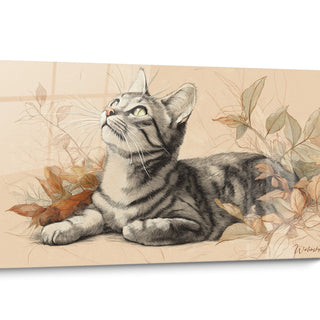 View all10974
artworks
View all10974
artworks
-
 Bee54
artworks
Bee54
artworks
-
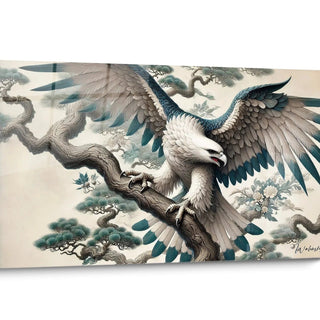 Eagle18
artworks
Eagle18
artworks
-
 Alpaca111
artworks
Alpaca111
artworks
-
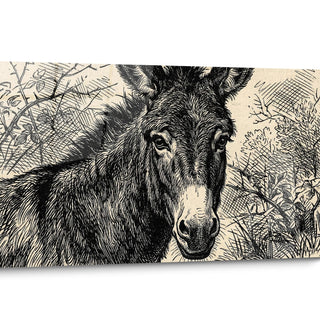 Donkey15
artworks
Donkey15
artworks
-
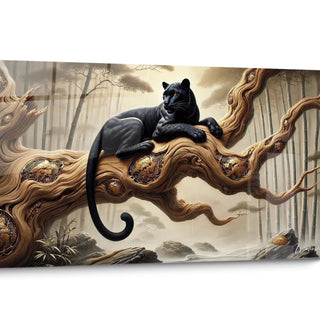 Savannah Wildlife94
artworks
Savannah Wildlife94
artworks
-
 Antelope5
artworks
Antelope5
artworks
-
 Spider8
artworks
Spider8
artworks
-
 Other Animals24
artworks
Other Animals24
artworks
-
 Ostrich75
artworks
Ostrich75
artworks
-
 Axolotl47
artworks
Axolotl47
artworks
-
 Whale89
artworks
Whale89
artworks
-
 Barracuda61
artworks
Barracuda61
artworks
-
 Snipe32
artworks
Snipe32
artworks
-
 Ram315
artworks
Ram315
artworks
-
 Beluga169
artworks
Beluga169
artworks
-
 Hermit-Crab12
artworks
Hermit-Crab12
artworks
-
 Doe10
artworks
Doe10
artworks
-
 Bison8
artworks
Bison8
artworks
-
 Badger59
artworks
Badger59
artworks
-
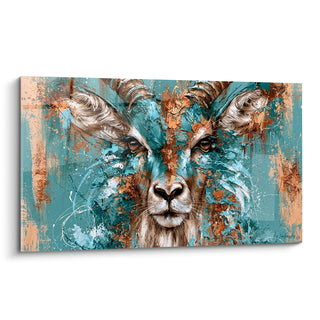 Chamois32
artworks
Chamois32
artworks
-
 Buffalo91
artworks
Buffalo91
artworks
-
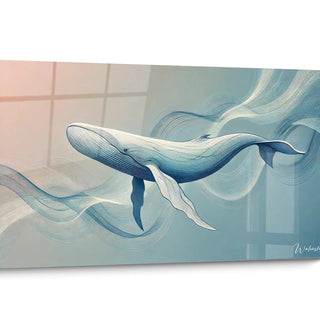 Sperm Whale8
artworks
Sperm Whale8
artworks
-
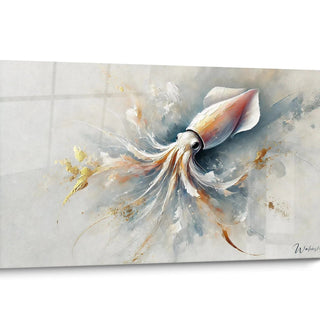 Giant Squid6
artworks
Giant Squid6
artworks
-
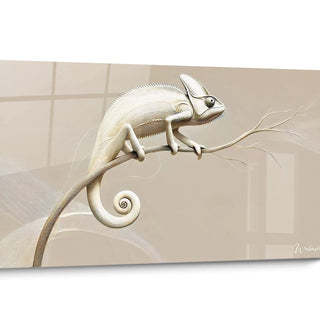 Chameleon20
artworks
Chameleon20
artworks
-
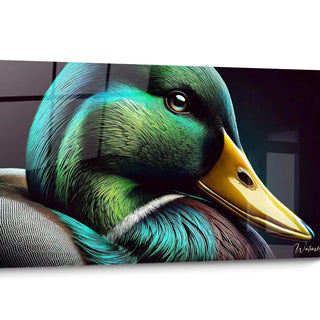 Duck352
artworks
Duck352
artworks
-
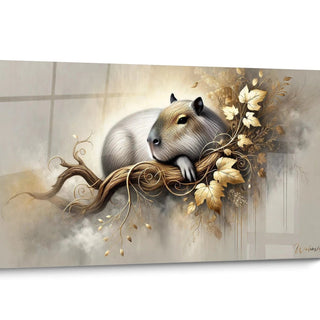 Capybara3
artworks
Capybara3
artworks
-
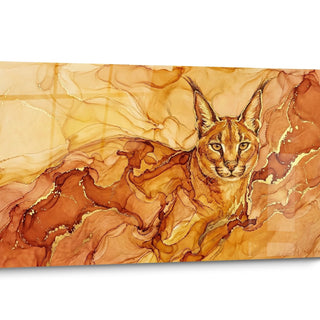 Caracal15
artworks
Caracal15
artworks
-
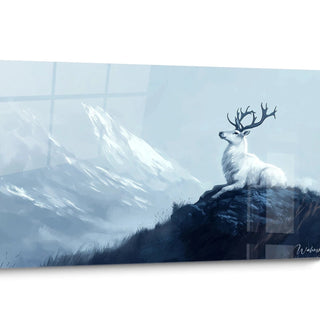 Caribou4
artworks
Caribou4
artworks
-
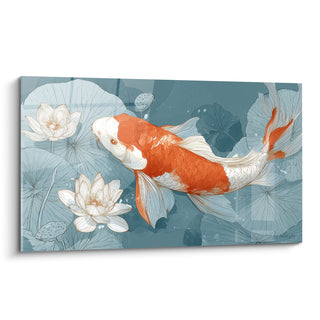 Koi Carp130
artworks
Koi Carp130
artworks
-
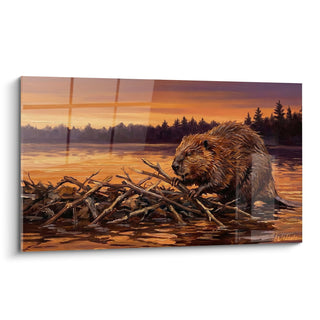 Beaver9
artworks
Beaver9
artworks
-
 Deer26
artworks
Deer26
artworks
-
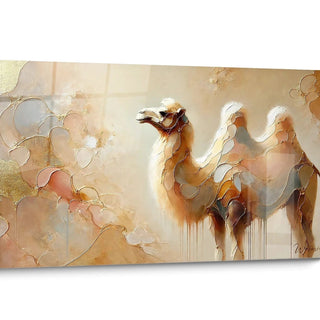 Camel3
artworks
Camel3
artworks
-
 Cat1218
artworks
Cat1218
artworks
-
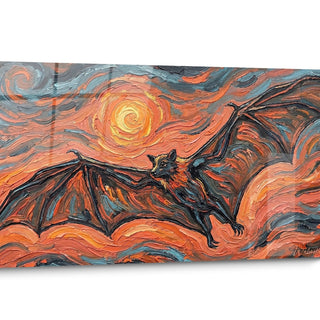 Bat10
artworks
Bat10
artworks
-
 Horse73
artworks
Horse73
artworks
-
 Mountain Goat3
artworks
Mountain Goat3
artworks
-
 Dog3055
artworks
Dog3055
artworks
-
 Chimpanzee12
artworks
Chimpanzee12
artworks
-
 Owl19
artworks
Owl19
artworks
-
 Stork16
artworks
Stork16
artworks
-
 Ladybug7
artworks
Ladybug7
artworks
-
 Pig8
artworks
Pig8
artworks
-
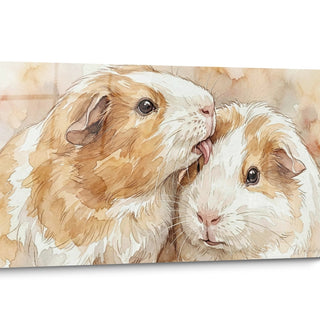 Guinea Pig13
artworks
Guinea Pig13
artworks
-
 Hummingbird23
artworks
Hummingbird23
artworks
-
 Dove90
artworks
Dove90
artworks
-
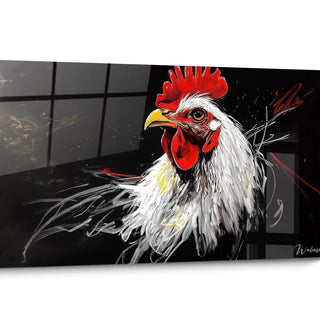 Rooster9
artworks
Rooster9
artworks
-
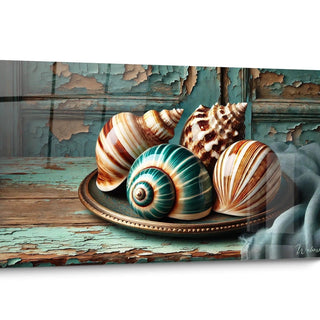 Seashell6
artworks
Seashell6
artworks
-
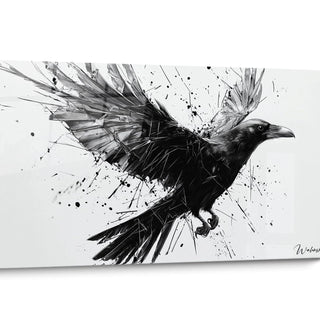 Raven9
artworks
Raven9
artworks
-
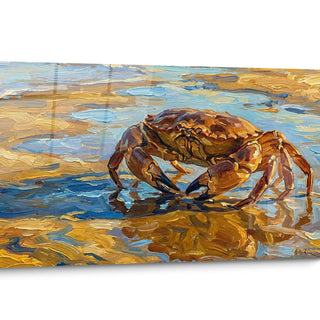 Crab5
artworks
Crab5
artworks
-
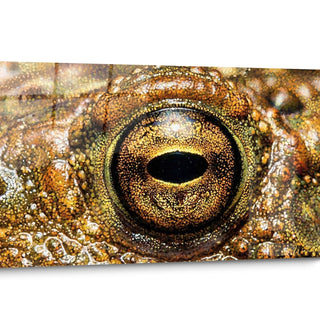 Toad8
artworks
Toad8
artworks
-
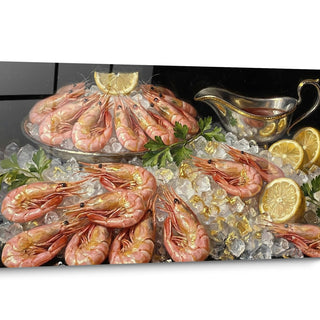 Shrimp5
artworks
Shrimp5
artworks
-
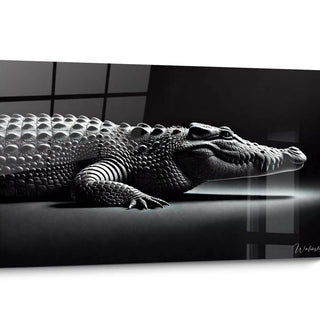 Crocodile4
artworks
Crocodile4
artworks
-
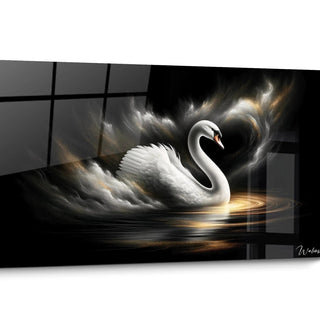 Swan189
artworks
Swan189
artworks
-
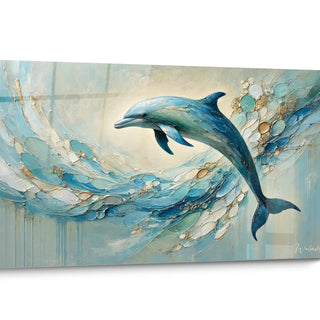 Dolphin11
artworks
Dolphin11
artworks
-
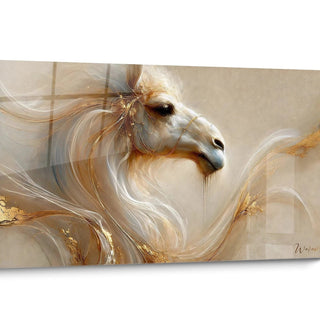 Dromedary4
artworks
Dromedary4
artworks
-
 Squirrel15
artworks
Squirrel15
artworks
-
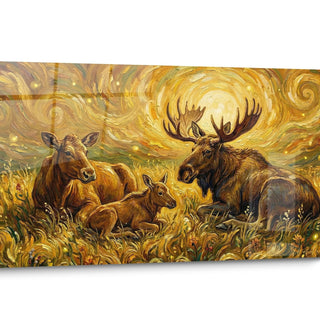 Elan13
artworks
Elan13
artworks
-
 Elephant80
artworks
Elephant80
artworks
-
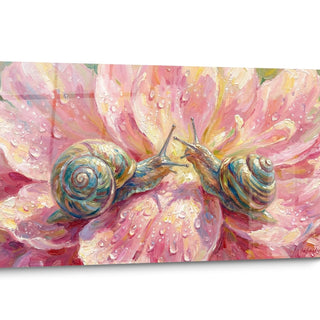 Snail11
artworks
Snail11
artworks
-
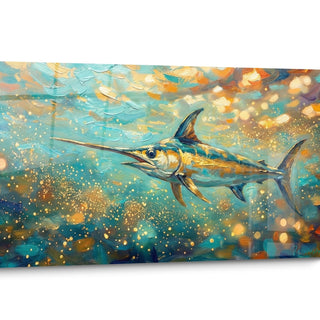 Swordfish4
artworks
Swordfish4
artworks
-
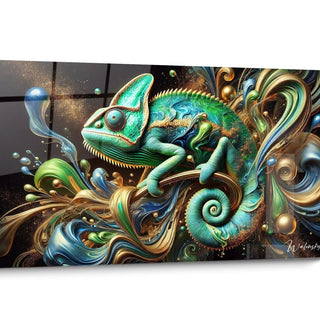 Wild Essence25
artworks
Wild Essence25
artworks
-
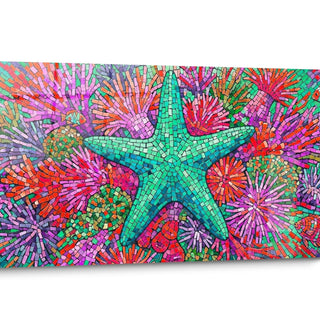 Starfish19
artworks
Starfish19
artworks
-
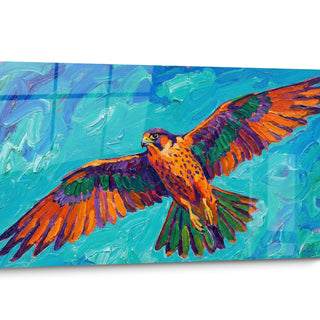 Falcon16
artworks
Falcon16
artworks
-
 Fennec256
artworks
Fennec256
artworks
-
 Pink Flamingo30
artworks
Pink Flamingo30
artworks
-
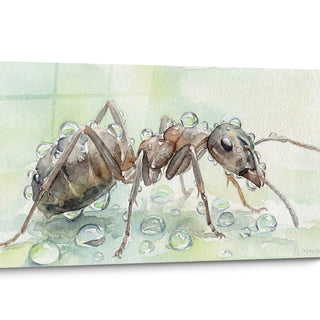 Ant19
artworks
Ant19
artworks
-
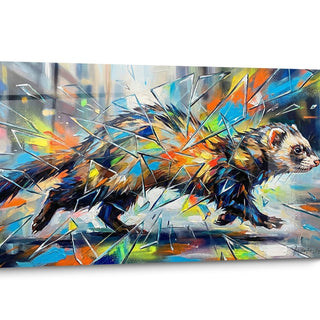 Ferret17
artworks
Ferret17
artworks
-
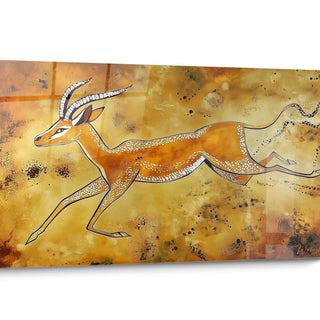 Gazelle4
artworks
Gazelle4
artworks
-
 Giraffe183
artworks
Giraffe183
artworks
-
 Wildebeest3
artworks
Wildebeest3
artworks
-
 Gorilla15
artworks
Gorilla15
artworks
-
 Frog65
artworks
Frog65
artworks
-
 Grizzly3
artworks
Grizzly3
artworks
-
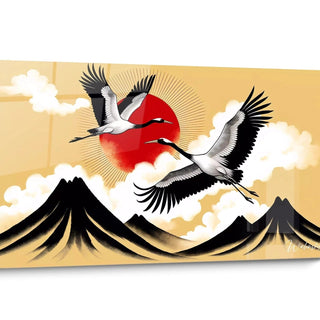 Crane10
artworks
Crane10
artworks
-
 Cheetah147
artworks
Cheetah147
artworks
-
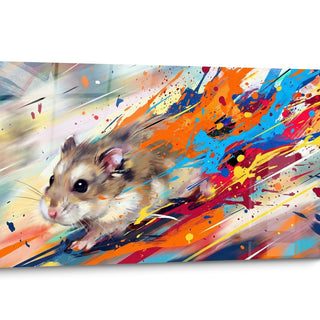 Hamster17
artworks
Hamster17
artworks
-
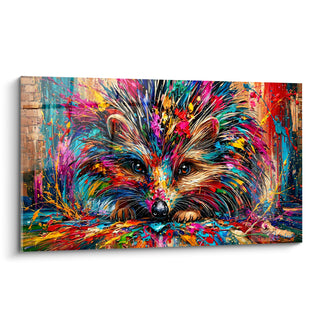 Hedgehog64
artworks
Hedgehog64
artworks
-
 Heron37
artworks
Heron37
artworks
-
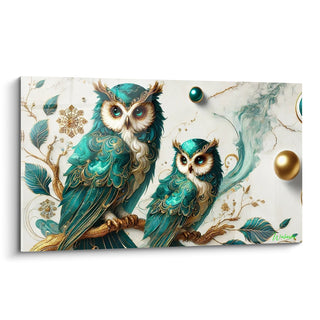 Owl42
artworks
Owl42
artworks
-
 Seahorse34
artworks
Seahorse34
artworks
-
 Hippopotamus4
artworks
Hippopotamus4
artworks
-
 Lobster8
artworks
Lobster8
artworks
-
 Hyena14
artworks
Hyena14
artworks
-
 Iguana6
artworks
Iguana6
artworks
-
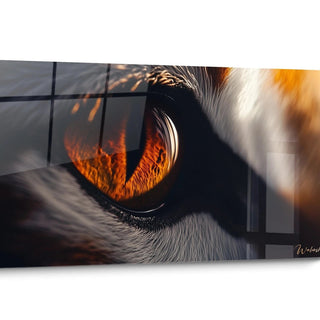 Animal Eye6
artworks
Animal Eye6
artworks
-
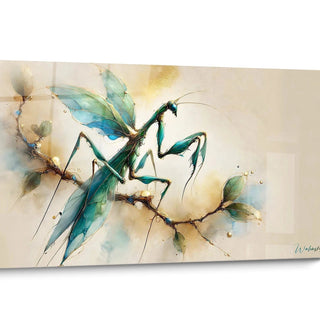 Insect5
artworks
Insect5
artworks
-
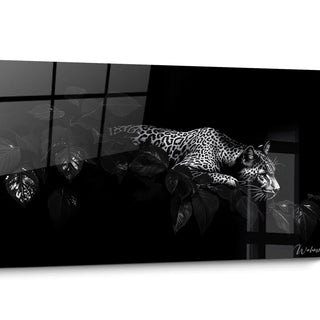 Jaguar6
artworks
Jaguar6
artworks
-
 Kangaroo100
artworks
Kangaroo100
artworks
-
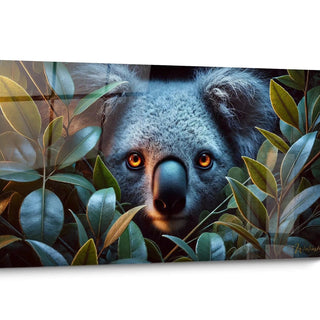 Koala18
artworks
Koala18
artworks
-
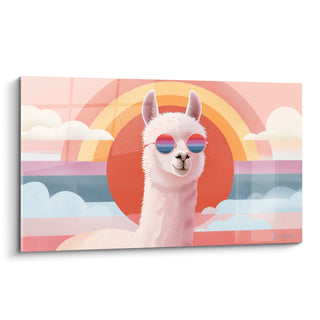 Llama107
artworks
Llama107
artworks
-
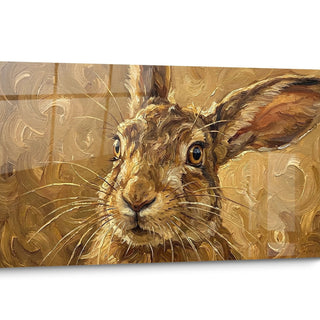 Rabbit15
artworks
Rabbit15
artworks
-
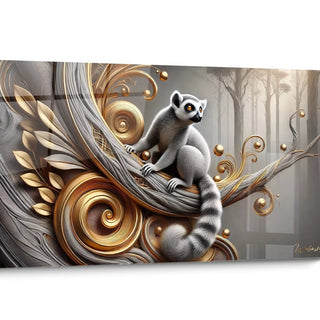 Lemur3
artworks
Lemur3
artworks
-
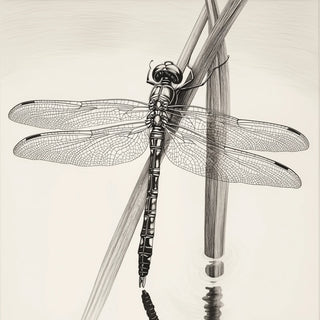 Dragonfly4
artworks
Dragonfly4
artworks
-
 Unicorn62
artworks
Unicorn62
artworks
-
 Lion193
artworks
Lion193
artworks
-
 Lion Cub4
artworks
Lion Cub4
artworks
-
 Lioness6
artworks
Lioness6
artworks
-
 Wolf13
artworks
Wolf13
artworks
-
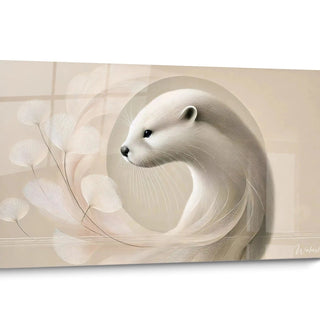 Otter6
artworks
Otter6
artworks
-
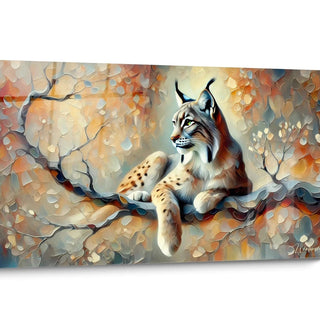 Lynx7
artworks
Lynx7
artworks
-
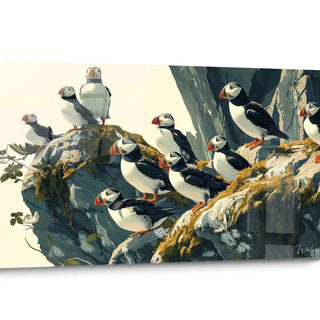 Puffin2
artworks
Puffin2
artworks
-
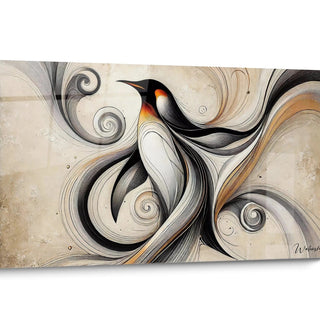 Penguin10
artworks
Penguin10
artworks
-
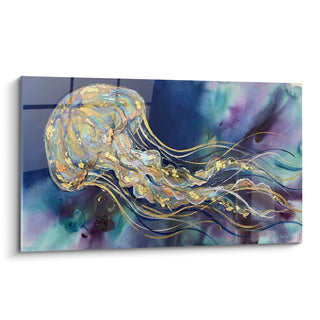 Jellyfish17
artworks
Jellyfish17
artworks
-
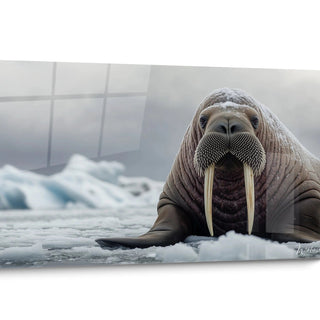 Morse3
artworks
Morse3
artworks
-
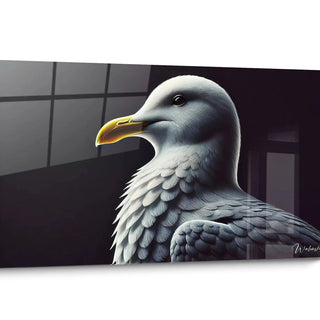 Seagull4
artworks
Seagull4
artworks
-
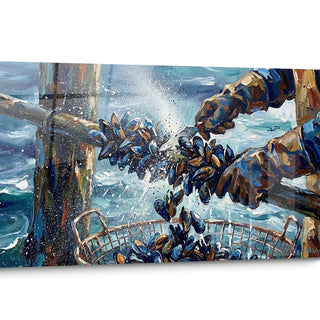 Mold14
artworks
Mold14
artworks
-
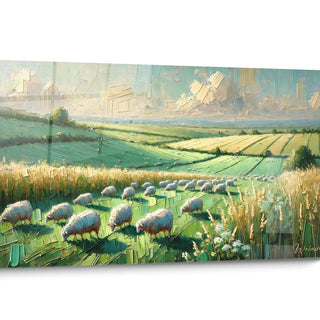 Sheep6
artworks
Sheep6
artworks
-
 Narwhal66
artworks
Narwhal66
artworks
-
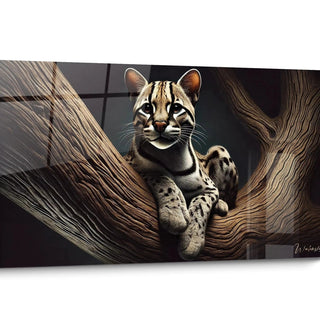 Ocelot3
artworks
Ocelot3
artworks
-
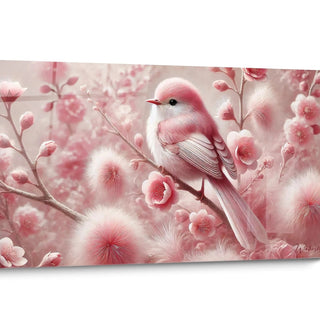 Birds15
artworks
Birds15
artworks
-
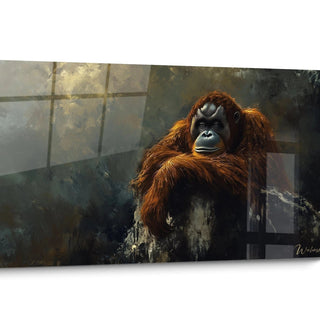 Orangutan10
artworks
Orangutan10
artworks
-
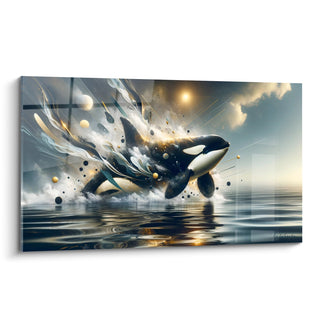 Orca28
artworks
Orca28
artworks
-
 Brown Bear334
artworks
Brown Bear334
artworks
-
 Polar Bear289
artworks
Polar Bear289
artworks
-
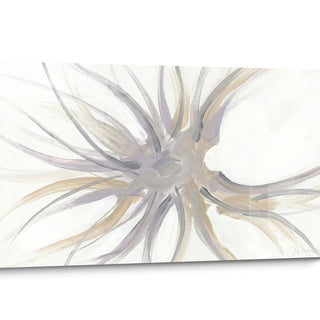 Sea Urchin9
artworks
Sea Urchin9
artworks
-
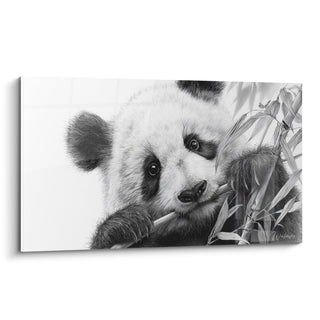 Giant Panda69
artworks
Giant Panda69
artworks
-
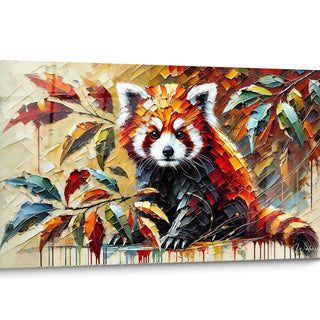 Red Panda11
artworks
Red Panda11
artworks
-
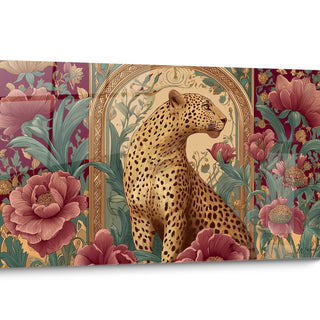 Panther19
artworks
Panther19
artworks
-
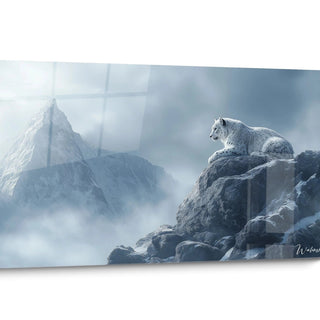 Snow Leopard8
artworks
Snow Leopard8
artworks
-
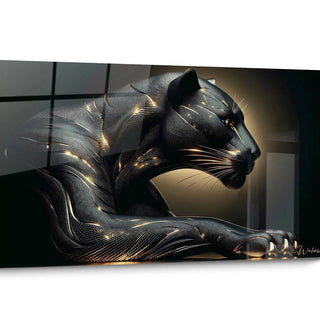 Black Panther10
artworks
Black Panther10
artworks
-
 Peacock128
artworks
Peacock128
artworks
-
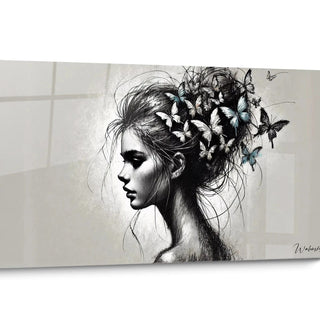 Butterfly14
artworks
Butterfly14
artworks
-
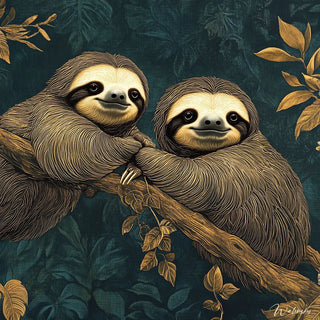 Lazy Sloth3
artworks
Lazy Sloth3
artworks
-
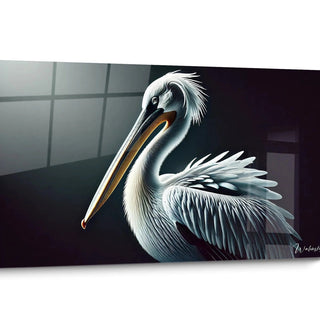 Pelican3
artworks
Pelican3
artworks
-
 Parrot211
artworks
Parrot211
artworks
-
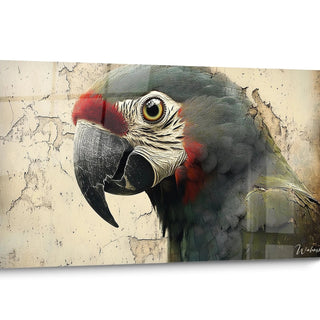 Parakeet5
artworks
Parakeet5
artworks
-
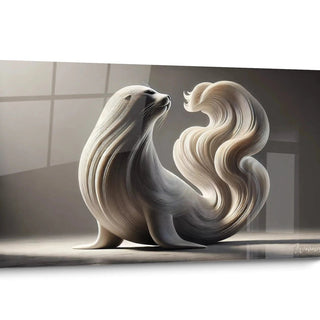 Seal5
artworks
Seal5
artworks
-
 Pigeon10
artworks
Pigeon10
artworks
-
 Penguin274
artworks
Penguin274
artworks
-
 Feather60
artworks
Feather60
artworks
-
 Fish18
artworks
Fish18
artworks
-
 Betta Fish12
artworks
Betta Fish12
artworks
-
 Octopus59
artworks
Octopus59
artworks
-
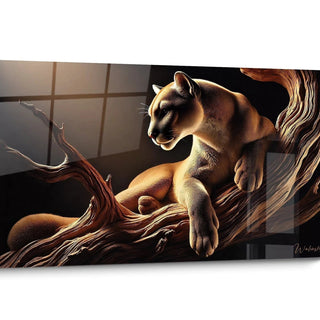 Puma3
artworks
Puma3
artworks
-
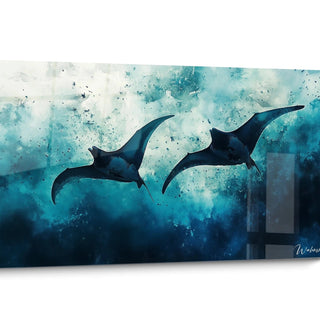 Manta Ray67
artworks
Manta Ray67
artworks
-
 Raccoon2
artworks
Raccoon2
artworks
-
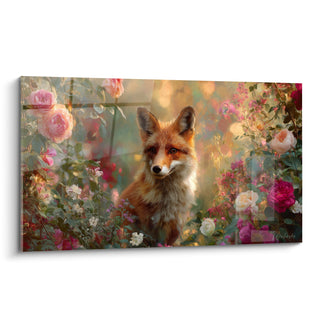 Fox141
artworks
Fox141
artworks
-
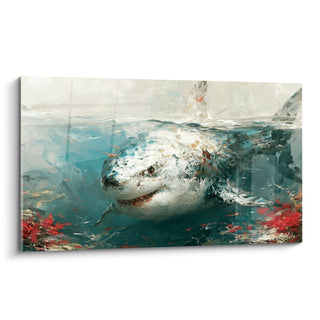 Shark126
artworks
Shark126
artworks
-
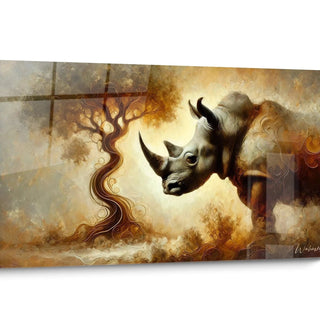 Rhinoceros21
artworks
Rhinoceros21
artworks
-
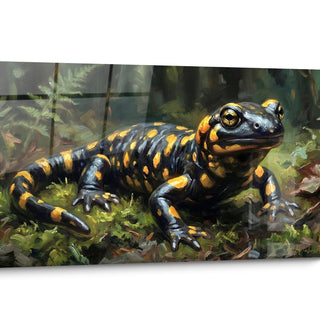 Salamander14
artworks
Salamander14
artworks
-
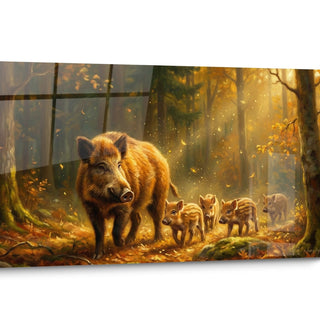 Wild Boar15
artworks
Wild Boar15
artworks
-
 Scarab73
artworks
Scarab73
artworks
-
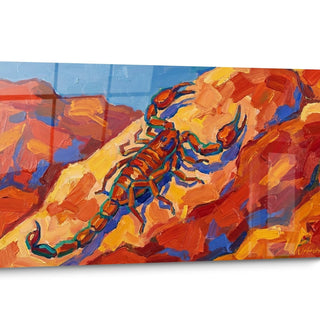 Scorpion9
artworks
Scorpion9
artworks
-
 Serpent102
artworks
Serpent102
artworks
-
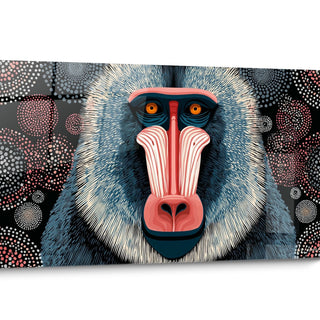 Monkey14
artworks
Monkey14
artworks
-
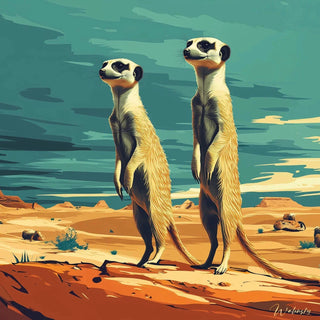 Meerkat1
artwork
Meerkat1
artwork
-
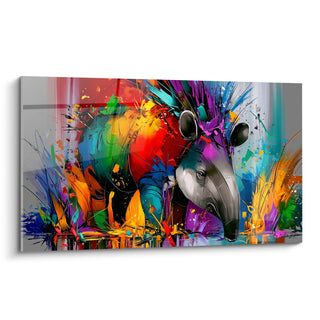 Tapir52
artworks
Tapir52
artworks
-
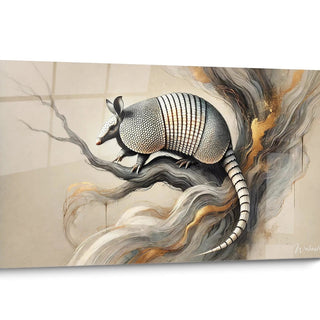 Armadillo3
artworks
Armadillo3
artworks
-
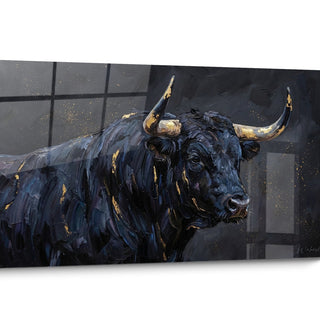 Bull281
artworks
Bull281
artworks
-
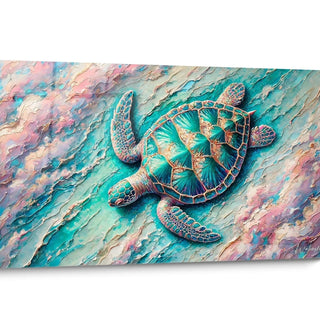 Sea Turtle18
artworks
Sea Turtle18
artworks
-
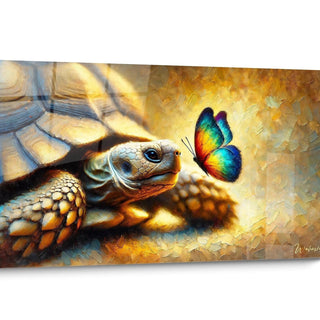 Terrestrial Turtle14
artworks
Terrestrial Turtle14
artworks
-
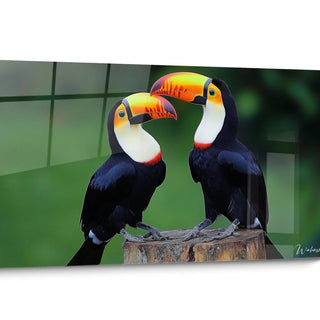 Toucan7
artworks
Toucan7
artworks
-
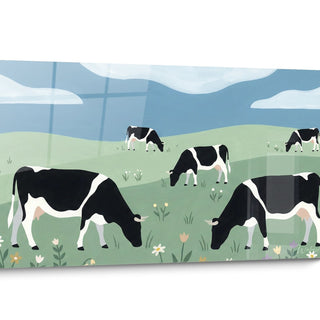 Cow9
artworks
Cow9
artworks
-
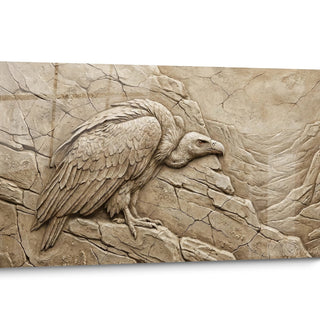 Vulture5
artworks
Vulture5
artworks
-
 Zebra49
artworks
Zebra49
artworks


All about Tiger Wall Art
- Tiger Wall Art Presentation
- Tiger Wall Art Powerful Symbolism
- Tiger Wall Art Luxurious Décor
- Tiger Wall Art Visual Impact
Tiger wall art represents the perfect alliance between wild beauty and artistic elegance for your interior. These captivating works showcase the majestic feline in all its splendor, instantly transforming any space into a sanctuary of character and refinement.
Symbols of power and nobility, animal wall art featuring tigers brings an imposing presence while maintaining timeless elegance. The intensity of the predator's piercing gaze, combined with the striking contrasts of its striped coat, creates a dramatic focal point in any room.
Tiger wall art stands out for its unique ability to evoke both strength and mystery. Unlike representations of other felines, the tiger evokes an aura of quiet power and royal dignity that fascinates and captivates the observer. Its iconic stripes naturally create a striking graphic pattern that visually structures the artwork.
Whether you are drawn to the ancestral symbolism of the tiger in Asian cultures or simply to the natural magnificence of this creature, our wall art will transform your interior with its majestic presence. Discover how these works can become the crowning achievement of your décor in the following sections.
Tiger Wall Art: Symbolism and Power in Your Interior
The tiger, this majestic feline with distinctive stripes, has embodied rich and profound symbolism for millennia, which tiger wall art brings directly into your living space. These artistic representations go far beyond simple wall decoration – they infuse your environment with powerful and transformative symbolic energy.
Why do tiger wall art pieces exercise such symbolic fascination?
In contemporary art and interior design, tiger wall art stands out for its unique ability to evoke several universally admired qualities simultaneously. The tiger's piercing gaze, captured with precision in these works, establishes an immediate visual connection with the observer, creating an impression of living presence on your wall. This direct visual interaction distinguishes tiger wall art from other animal representations that rarely offer this intensity of gaze.
In Asia, the tiger represents courage, strength, and protection against negative energies. A tiger wall art piece strategically placed in a workspace or home office activates protective energy and stimulates professional motivation. Feng Shui experts specifically recommend tiger representations in the north zones of your home to strengthen career and personal authority – a unique aspect of tiger wall art that other animal works cannot replicate.
The psychological impact of tiger wall art in different spaces
Interior design psychologists have observed that tiger wall art generates a particular emotional response. In meditation or reflection spaces, it inspires concentration and determination, qualities intrinsic to the tiger. This psychological influence manifests subtly in the room's atmosphere, positively affecting the mindset of residents and visitors.
For reception spaces like living rooms or dining areas, a large tiger wall art piece creates what designers call an "emotional anchoring point" – an element that instantly defines the character of the space. The tiger's contrasting stripes naturally establish visual guidelines that structure the spatial perception of the room, an effect particularly beneficial in large open spaces.
Interior design professionals also note that tiger wall art functions exceptionally well in modern minimalist environments, where its dynamic presence brings life and movement without overwhelming the refined aesthetics. The harmony between the orange, black and white tones characteristic of the tiger's coat offers a naturally balanced palette that integrates into almost any existing color scheme.
How do tiger wall art pieces transmit strength and resilience?
Large format tiger wall art exercises a profound psychological effect by embodying resilience in the face of adversity. During periods of personal or professional transformation, these works act as daily visual reminders of our innate capacity to overcome obstacles. This inspirational dimension distinguishes tiger wall art from mere decorative elements.
Animal symbolism experts note that the tiger represents the perfect balance between power and grace – a duality rarely present in other animals. This characteristic makes tiger wall art particularly appropriate choices for spaces requiring both an impression of authority and refined elegance, such as executive offices or professional practices.
In contemporary interiors, tiger wall art creates what specialists call a "totemic presence" – a representation that transcends mere aesthetic value to become a personal symbol of protection and strength. This subtle spiritual dimension explains why these works retain their emotional power over time, unlike more ephemeral decorative trends.
The tiger's emblematic stripes, when reproduced faithfully in a quality artwork, create a natural pattern that fascinates the human brain. Neurologists have demonstrated that these patterns stimulate certain brain areas related to attention and concentration, explaining why these works invariably captivate the eye and maintain visual interest for years to come.
Tiger Wall Art: Luxury Elements for Sophisticated Décor
Tiger wall art represents far more than a simple decorative trend – these are genuine luxury elements that instantly transform the atmosphere of your interior. In the world of high-end wall décor, these works stand out for their unique ability to project an aura of sophistication and exclusivity rarely equaled.
How do tiger wall art pieces elevate the standing of a residential space?
In luxurious contemporary interiors, tiger wall art occupies a privileged place due to its historical association with royalty and aristocracy. Through the centuries, the tiger has symbolized sovereign power in many cultures, notably in India and China, where only elites had the right to possess representations of this majestic feline. This historical connotation of elevated status persists in our modern perception, conferring on tiger wall art an immediate aura of exclusivity.
High-end interior design experts observe that large format tiger wall art creates what they call a "dominant focal point" – an element that instantly captures attention and establishes the luxurious tone of the space. Unlike other animal representations that can sometimes appear conventional, tiger wall art projects an imposing presence that redefines the entire room.
In exceptional properties, such as urban penthouses or contemporary villas, tiger wall art is often selected for its unique ability to establish a harmonious transition between modern architecture and natural elements. The fluid and organic lines of the feline contrast beautifully with the straight angles and refined surfaces characteristic of contemporary architecture, creating a sophisticated visual tension that elite decorators seek.
The chromatic exclusivity of tiger wall art in high-end décor
The natural palette of tiger wall art – dominated by rich orange tones, deep blacks and luminous whites – constitutes what professional colorists call a "perfect chromatic triad". This balanced yet dynamic combination possesses the rare quality of harmonizing as well with warm as with cool color schemes, making tiger wall art exceptionally versatile decorative elements in luxurious interiors.
Decorators specializing in prestigious residences particularly appreciate the ability of tiger wall art to serve as a "chromatic bridge" between different elements of a sophisticated interior. In a luxurious living room, for example, the orange hues of a tiger wall art piece can establish a subtle visual connection between precious wood furniture and metallic accents in gold or copper, creating visual cohesion that testifies to masterful decorative design.
In monochromatic contemporary spaces – a strong trend in current luxury design – tiger wall art introduces what specialists call a "controlled chromatic disruption". This intentional contrast with environmental uniformity creates a sophisticated point of interest that demonstrates a refined curatorial approach to interior decoration, characteristic of truly high-end spaces.
What is the investment value of quality tiger wall art?
In the contemporary decorative art market, high-quality tiger wall art represents what experts call a "durable emotional investment". Unlike ephemeral decorative trends, these works retain their visual impact and stylistic relevance over the years, justifying their positioning in the high-end market segment.
Galleries specializing in animal art report that tiger wall art ranks among the most sought acquisitions by beginning collectors looking to invest in high-impact pieces. This sustained demand helps maintain the value of these works, particularly those created by recognized artists in the contemporary animal art field.
For prestigious secondary residences – alpine chalets, Mediterranean villas or tropical properties – tiger wall art offers what international decorators call a "transcultural aesthetic continuity". Its universally recognized symbolism and immediate visual impact create a decorative thread that unifies different properties in an international real estate portfolio, an important consideration for a demanding cosmopolitan clientele.
Tiger Wall Art: Creators of Transformative Visual Impact
Tiger wall art possesses this rare ability to radically transform the perception of a space through its mere presence. Beyond their aesthetic beauty, these works exercise a profound visual influence that restructures the spatial and emotional experience of a room in a way that few other decorative elements can equal.
How do tiger wall art pieces create a magnetic focal point in space?
Interior architects specializing in spatial optimization recognize in tiger wall art a rare quality they call "balanced visual dominance". In large spaces like open-concept living areas or spacious entrance halls, these works instantly create what professionals call a "center of visual gravity" – an anchoring point that naturally organizes circulation and attention in the room.
The dynamic composition inherent in tiger wall art, characterized by the directional lines of stripes and the often-moving posture of the feline, generates what design theorists call "constructive visual tension". This quality keeps the eye moving through the image, creating an engaging visual experience that distinguishes these artworks from more static representations of other subjects.
In high-end professional reception spaces – executive offices, private practices or exclusive conference rooms – large format tiger wall art instantly establishes an atmosphere of prestige and authority. Studies in environmental psychology confirm that these representations subtly influence visitors' perception, immediately establishing a framework for interaction marked by respect and recognition of elevated status.
What role do tiger wall art pieces play in the light transformation of a space?
Architectural lighting specialists note that tiger wall art interacts with light in a particularly advantageous way. The natural contrasts of the coat – alternation of light and dark bands – create what experts call a "natural light modulator" that amplifies and diffuses ambient light subtly but perceptibly, contributing to a richer and more nuanced atmosphere.
In contemporary interiors characterized by large glass surfaces, tiger wall art plays an essential role as a "light stabilizer". Variations in external luminosity throughout the day are reflected in the different tones of the depicted coat, creating an evolving visual experience that maintains interest and perceptual freshness of the space, unlike monochromatic works that can appear flat under certain lighting conditions.
Designers specializing in art lighting specifically recommend tiger wall art for spaces with dramatic lighting. When highlighted by well-thought-out directional lighting, these artworks reveal what professionals call "secondary perceptual dimensions" – subtle details, textures and nuances that progressively emerge, offering a visual experience that renews and deepens with time.
How to integrate tiger wall art in different spatial configurations?
Interior architects recognize in tiger wall art a remarkable spatial versatility despite its strong visual character. In restricted spaces like hallways or entrance halls, tiger wall art using perspective – the feline appearing to advance toward the observer – creates what experts call a "projected depth effect", giving the illusion of a vaster and more dynamic space.
For transition spaces like landings or mezzanines, tiger wall art functions as "aesthetic territorial markers", signaling a transition between different functional zones while maintaining decorative coherence. This ability to subtly define spatial boundaries without resorting to physical separations is particularly valued in contemporary architectural designs favoring fluidity and openness.
In spaces with high ceilings, such as lofts or cathedral-like living areas, large format tiger wall art fully exploits available verticality, creating what specialists call an "ascensional presence" that values this distinctive architectural feature. Unlike horizontal landscapes that can appear disproportionate in these configurations, the tiger's naturally vertical posture harmonizes perfectly with these soaring spaces.
FAQ about tiger wall art
At what height should tiger wall art be installed to maximize its visual impact?
To optimize the impact of tiger wall art, experts recommend positioning the center of the work at approximately 160 cm from the ground, corresponding to average eye level. In spaces with particularly high ceilings, you can slightly elevate this position to create an additional impression of grandeur without compromising visual comfort.
Is tiger wall art suitable for all interior decoration styles?
Thanks to its balanced natural palette and universal symbolism, tiger wall art integrates remarkably well into virtually all decorative styles, from contemporary minimalism to more classic interiors. It provides particularly complementary presence in Asian, industrial, maximalist and transitional décors, where its assertive character enriches the whole without creating stylistic dissonance.
How to maintain large format tiger wall art to preserve its visual quality?
To maintain the brilliance and visual depth of quality tiger wall art, it is recommended to protect it from prolonged direct sun exposure that could alter the subtle coat tones. Regular dusting with a soft duster or microfiber cloth is sufficient to preserve its optimal appearance, without requiring specific maintenance products that could damage the finishes.
Further reading
Our articles on this topic
- Sabertooth Tiger Black and White Painting: the graphic style that elevates your walls
- Gift idea: tiger painting for a big cat lover
- How to choose a tiger painting for a modern living room without making mistakes
- Toyger Cat or Decorative Tiger Painting: Which Wall Reveals Your Personality?
- Sabertooth tiger painting for a modern living room: the smilodon guide to wall decor
- How to choose a saber-toothed tiger painting based on your room size
L'art qui suscite l'envie
Maison belge d'art mural grand format
14 jourspour changer d'avis*
Protection Walenskyincluse
Fabriquéen Italie
FormatXXL
Kit de fixationtoujours fourni
* Hors tableaux personnalisés et tailles personnalisées


