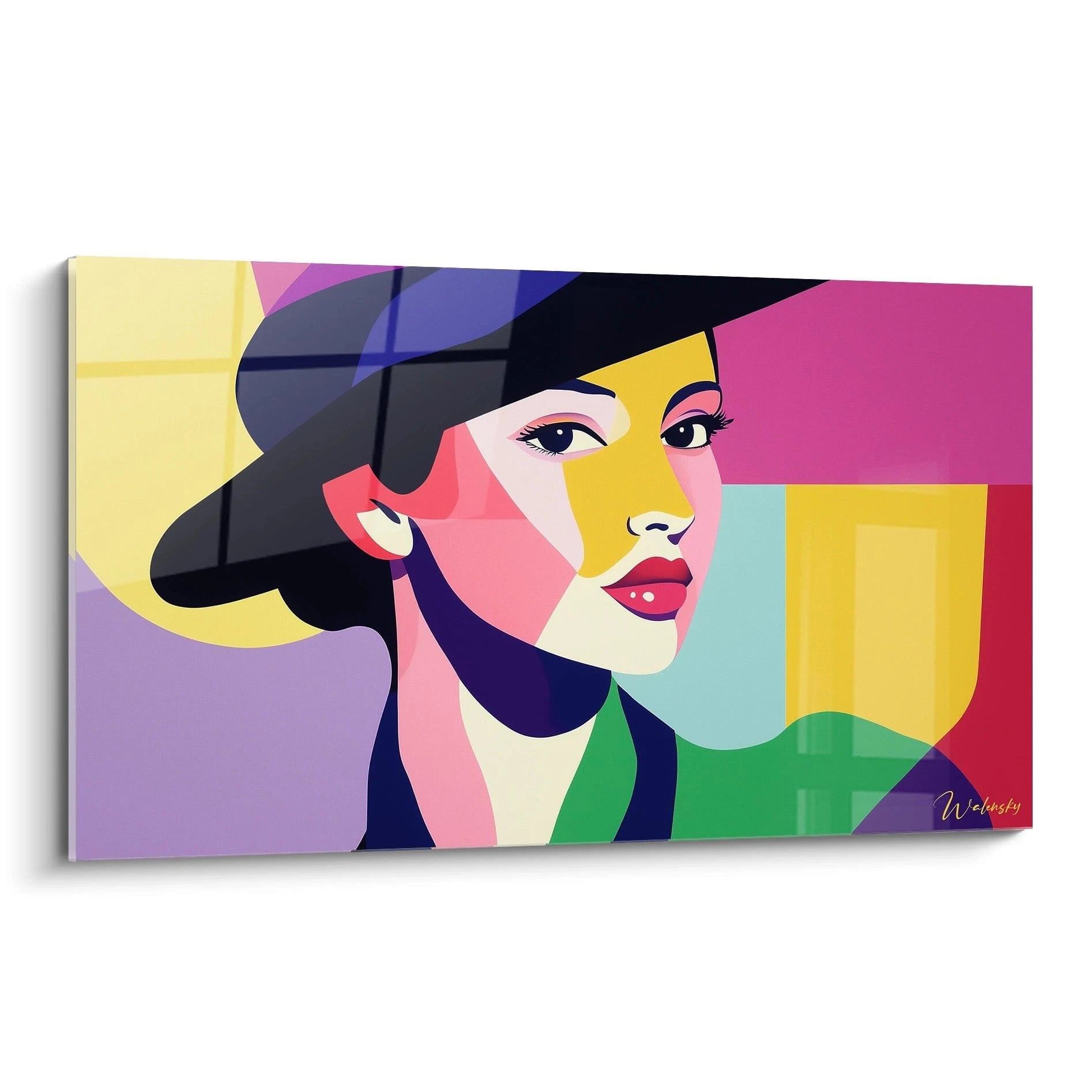
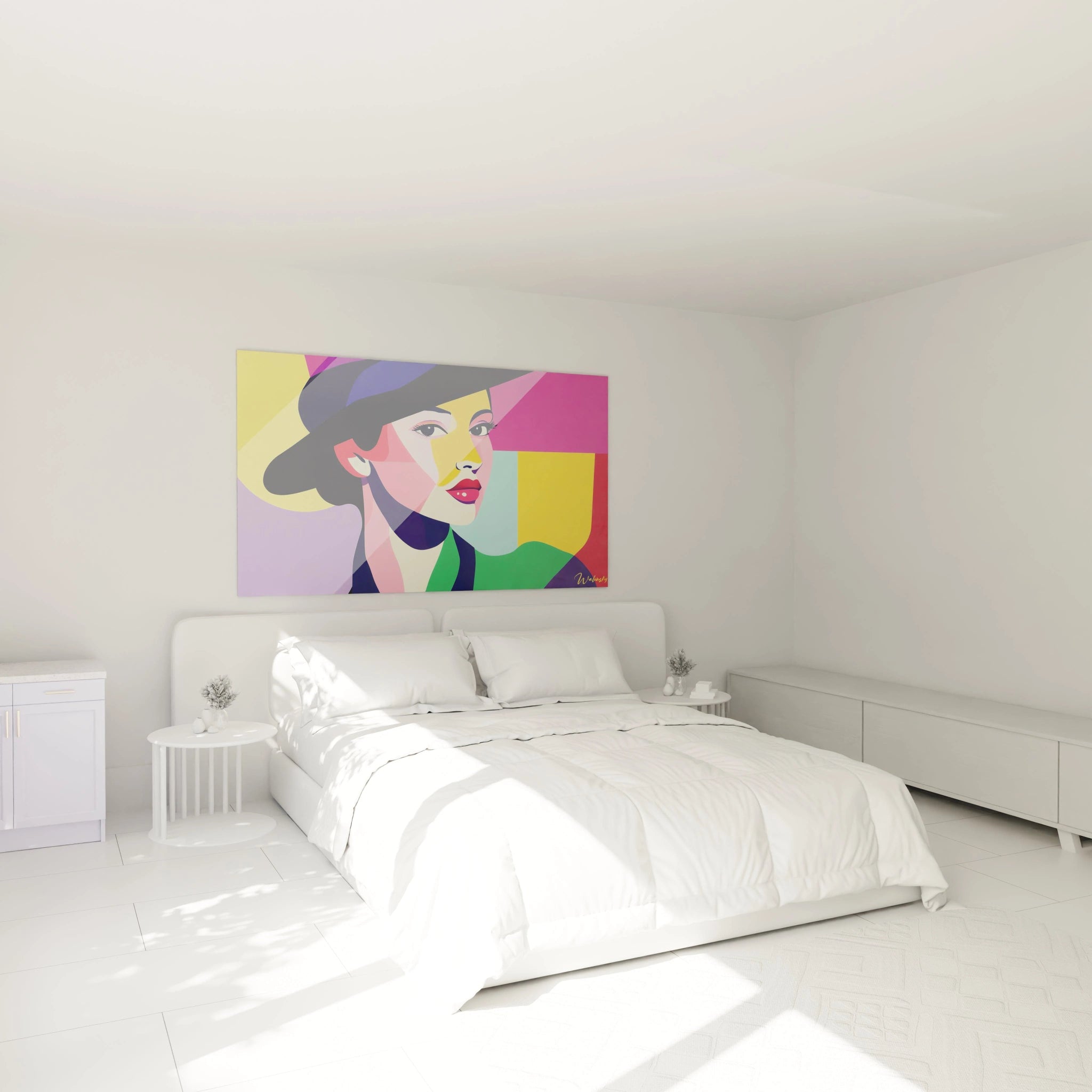
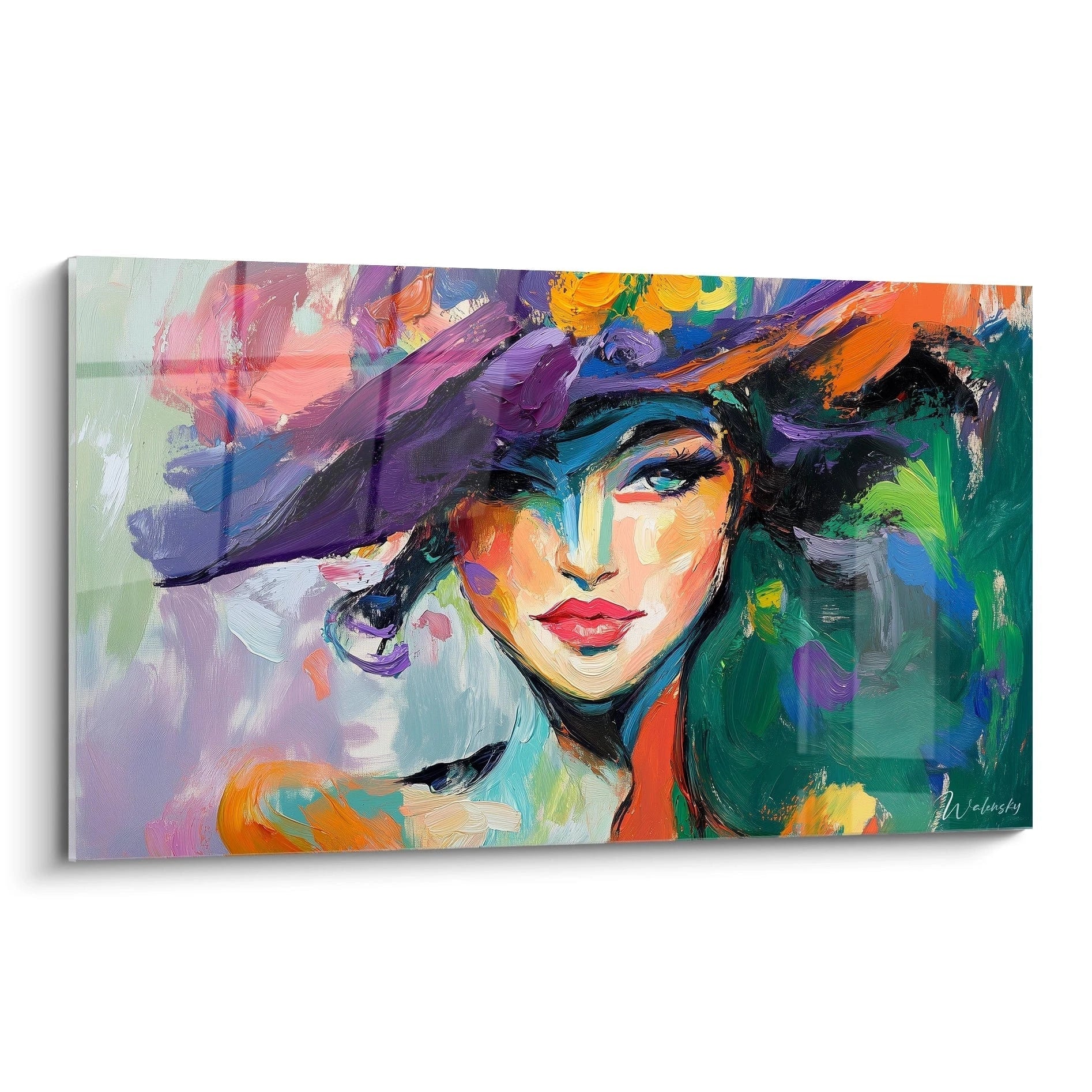
- Henri Matisse Décor Presentation
- Henri Matisse Décor Cultural Influence
- Henri Matisse Décor Cut-Out Paper Technique
- Henri Matisse Décor Chromatic Harmony
Henri Matisse wall décor transforms your interior into a genuine art gallery, infusing the spirit of the Fauvist master into your personal space. Recognized for his bold compositions and revolutionary chromatic harmonies, Henri Matisse (1869-1954) redefined 20th-century decorative art with his emblematic works where pure color and simplified forms reign supreme.
Compositions inspired by Matisse bring incomparable artistic dimension to your living spaces, transforming neutral walls into explosions of visual creativity. Through his famous wall artworks with vibrant colors and characteristic organic forms, Matisse décor immediately creates a sophisticated atmosphere while remaining accessible and warm.
Whether you are drawn to his early Fauvist works with vibrant hues or his legendary late cut-out papers, creations inspired by Henri Matisse constitute a timeless decorative investment that transcends eras and trends with persistent elegance.
Discover in our different tabs how to integrate the Matisse universe into your interior décor, explore spatial arrangement techniques characteristic of his works, and master the art of harmonizing these artistic pieces with your existing furniture for a result worthy of the greatest modern art museums.
The Cultural Influence of Henri Matisse Décor in Contemporary Architecture
Decorative creations inspired by Henri Matisse transcend mere ornamentation to become genuine architectural statements. In contemporary spaces with clean lines, introducing Matisse decorative elements creates a fascinating dialogue between structural minimalism and chromatic expressionism. Interior architects now draw inspiration from the French master's compositions to redefine the relationship between volumes and colored surfaces.
How do Matisse's organic forms influence spacious environments?
In lofts and open spaces with high ceilings, large-format reproductions of Matisse compositions act as transformative focal points. Unlike classical works that may appear overwhelmed by spatial scale, Matisse creations with generous forms and bold colors naturally expand in these spacious environments, creating remarkable visual balance between architectural emptiness and artistic fullness.
- Characteristic biomorphic curves balance the rigidity of contemporary structures
- Matisse's asymmetrical compositions create visual dynamics in large volumes
- The absence of traditional perspective in his works perfectly complements minimalist spaces
Interior architects specializing in large museum spaces have documented the "expansive" effect of Matisse works, capable of visually filling impressive areas without creating a sense of clutter. This unique property makes decorations inspired by Matisse a privileged choice for atriums, prestigious entrance halls, and reception spaces.
The psychological impact of Matisse compositions in work environments
Contemporary professional environments now incorporate Matisse-inspired decorative elements for their documented cognitive effects. Environmental psychology studies have demonstrated that exposure to Matisse-inspired colored compositions stimulates creativity while reducing professional stress. Organic forms and bold chromatic associations activate brain areas associated with innovation and complex problem-solving.
In co-working spaces and creative incubators, large Matisse reproductions function as idea catalysts, encouraging unexpected conceptual associations. The "cut-out paper" technique so emblematic of Matisse's late period particularly inspires decorators specialized in collaborative environments, creating dynamic zones that stimulate interdisciplinary exchanges.
Digital reinterpretation of Matisse patterns in contemporary décor
The digital era has enabled a fascinating reinvention of Matisse's decorative compositions. Contemporary creators now use projection mapping technologies to subtly animate Matisse patterns, transforming static works into evolving immersive experiences. These hybrid installations, combining traditional reproduction and digital augmentation, represent the new frontier of Matisse-inspired décor.
- Interactive projections responding to occupant movements in space
- Programmed chromatic variations following circadian cycles to optimize well-being
- Subtle transformations of organic patterns creating living décor
This fusion between Matisse's artistic heritage and technological innovations perfectly represents the evolution of major cultural heritage in our contemporary daily life. Discerning collectors now seek these hybrid installations that respect Matisse's essence while firmly inscribing it in our digital age.
What is the influence of Matisse compositions on space acoustics?
A little-known but fascinating aspect of Matisse-inspired décor concerns its acoustic properties. Large textured reproductions, particularly those inspired by late collages, subtly modify sound reverberation in spaces. Decorators specializing in acoustically sensitive environments, such as concert halls or recording studios, now strategically incorporate Matisse elements for their diffusing qualities.
The irregular organic forms characteristic of Matisse compositions, reproduced in relief, create non-uniform surfaces that disperse sound waves more effectively than traditional décor with regular patterns. This unique acoustic property adds an unsuspected functional dimension to these decorative elements usually chosen for their purely aesthetic qualities.
Contemporary interiors thus benefit from a dual advantage: a striking visual experience combined with subtle environmental sound improvement. This acoustic dimension represents a decisive argument for discerning collectors seeking multifunctional décor.
Matisse-inspired décor thus far transcends its initial ornamental function to become a transformative architectural element, simultaneously influencing our visual, psychological, and acoustic perception of spaces. This exceptional versatility explains its growing presence in the most innovative architectural realizations of our era.
Matisse's Cut-Out Paper Technique: Contemporary Decorative Revolution
The cut-out paper technique developed by Henri Matisse during his late period constitutes today a major source of inspiration for interior decorators specializing in high-end interior design. This revolutionary approach, which Matisse described as "drawing with scissors", radically transforms the relationship between the decorative work and its architectural environment, creating a unique spatial symbiosis impossible to obtain with traditional compositions.
Adapting Matisse's cut-out papers to monumental spaces
In contemporary architectural environments characterized by their imposing dimensions, large-format reproductions inspired by Matisse's cut-out papers offer an incomparable decorative solution. Unlike conventional pictorial works that may seem crushed by monumental scale, compositions with simplified organic forms naturally adapt to voluminous spaces, establishing a harmonious dialogue between the work and its spatial frame.
- Oversized organic forms create a visual rhythm that structures architectural space
- Sharp-edged cut-outs generate sophisticated shadow play on surrounding surfaces
- The absence of superfluous details allows clear reading even at considerable distance
Decorators specializing in the design of prestigious corporate halls and cultural institution atriums now privilege these Matisse compositions precisely for their unique ability to fully inhabit monumental spaces without creating visual overwhelming effects.
How to reinterpret the cut-out paper technique in contemporary interiors?
The transposition of Matisse's cut-out paper aesthetic principles into contemporary décor is now accomplished through innovative materials that extend the master's vision while adapting it to current technical requirements. Avant-garde decorators now use laser-cut anodized metals, treated plexiglass, or technical composites to create wall installations that capture the essence of Matisse compositions while offering timeless durability and resistance.
These contemporary reinterpretations preserve the formal purity and chromatic boldness characteristic while introducing new dimensions: controlled translucency, subtle metallic reflections, or innovative tactile textures. The use of advanced technologies such as UV printing on multilayer materials also allows recreating the visual depth of Matisse's original superpositions with unequaled precision.
- Ultra-precise laser cuts reproducing the gestural fluidity of Matisse's scissors
- Innovative surface treatments creating chromatic transitions impossible with traditional techniques
- Invisible mounting systems creating the characteristic spatial floating impression
Matisse influence on space light modulation
A particularly innovative aspect of décor inspired by Matisse's cut-out papers concerns its interaction with natural and artificial light. Contemporary wall installations based on this principle function as sophisticated light modulators, radically transforming spatial perception according to lighting and time of day.
The sharp cuts characteristic of Matisse compositions generate complex shadow projections that animate surrounding surfaces, creating a secondary ephemeral work in constant evolution. This involuntary kinetic dimension adds significant conceptual depth to the decorative experience, transforming architectural space into a living extension of the work itself.
Specialized decorators deliberately exploit this property by strategically positioning Matisse-inspired elements relative to light sources, creating sophisticated scenographic effects that transform spatial experience throughout the day.
The Matisse response to contemporary space acoustic challenges
Beyond their obvious visual qualities, decorative installations inspired by Matisse's cut-out papers offer significant acoustic advantages rarely mentioned. Textured three-dimensional surfaces inspired by these compositions, particularly when created with technical composite materials, effectively contribute to acoustic regulation in contemporary open spaces.
The irregular organic forms and asymmetrical cuts characteristic of Matisse compositions optimally disperse sound waves, reducing problematic reverberation without resorting to conventional acoustic solutions often aesthetically challenged. This acoustic functionality represents a decisive argument for integrating Matisse decorative elements in sensitive environments such as high-end restaurants, conference spaces, or executive meeting rooms.
The technical heritage of Matisse's cut-out papers thus far transcends its original artistic context to become a multidimensional inspiration source in contemporary décor, simultaneously offering aesthetic, spatial, luminous, and acoustic solutions. This exceptional versatility explains the growing presence of these elements in the most innovative architectural realizations of our era.
Matisse Chromatic Harmony: Decorative Guide for Demanding Spaces
The exceptional chromatic mastery of Henri Matisse represents today an invaluable resource for contemporary decorative arrangements confronted with particular lighting challenges. The French master's compositions, elaborated during his Nice period under demanding Mediterranean light, offer sophisticated chromatic solutions for residential or professional spaces exposed to variable or complex lighting conditions.
Adapting Matisse harmonies to north-facing spaces
Interiors facing north, traditionally considered problematic due to their cold and indirect luminosity, particularly benefit from chromatic compositions inspired by Matisse's Fauvist period. Reproductions of his works characterized by bold use of saturated oranges, solar yellows, and vibrant reds function as genuine light correctors, naturally counterbalancing the blue dominance inherent to this exposure.
- Matisse oranges instantly warm the visual atmosphere of north-facing spaces
- Yellow-dominant compositions compensate for apparent light deficit
- Characteristic contrasts between colored areas stimulate light perception
Decorators specializing in interior design specifically recommend reproductions from Matisse's Moroccan period for these environments, their chromatic harmonies having been elaborated to capture and amplify every available light particle, an ideal property for northern exposures.
How do Matisse compositions balance over-lit spaces?
In the opposite configuration, south-facing spaces confronted with potential light overload find in Matisse's late compositions a particularly effective decorative solution. Works from his "cut-out papers" period, characterized by masterful use of deep blues counterbalanced by precisely calibrated chromatic accents, create a moderating effect on light perception in sun-drenched spaces.
These compositions with sophisticated blue harmonies, inspired by the master's Mediterranean experience, function as natural visual regulators, absorbing excess light while maintaining vibrant chromatic vitality. This property explains their growing presence in contemporary arrangements of extensively glazed south-facing spaces.
- Deep Matisse blues absorb excess light without visually darkening the space
- Strategically placed chromatic accents maintain visual dynamics despite the soothing dominance
- Compositions with controlled contrasts reduce eye fatigue in over-lit environments
The Matisse response to artificial-light-dominant space challenges
Contemporary professional environments, often characterized by excessive dependence on artificial lighting, constitute a particular decorative challenge effectively addressed by Matisse's chromatic compositions. Works from his intermediate period, elaborated during his experiments with intimate interiors, offer chromatic solutions particularly adapted to spaces lacking significant natural light.
These compositions with subtly modulated harmonies between warm earth tones and cool accents create an impression of luminous naturalness in otherwise clinical environments. Decorators specializing in arranging windowless professional spaces - interior conference rooms, secured creative spaces, or controlled technological environments - now privilege these works precisely for their ability to "naturalize" artificial light visually.
The presence of decorative elements inspired by these Matisse compositions in artificial-lighting-dominant environments has demonstrated measurable effects on occupant visual comfort, significantly reducing eye fatigue and improving overall spatial perception.
Matisse chromatic orchestration in multi-zone spaces
Contemporary open-plan environments, characterized by their organization into distinct but visually connected functional zones, particularly benefit from the sequential chromatic approach developed by Matisse. The French master's ability to create coherent yet differentiated chromatic progressions offers an ideal model for visual articulation of complex open spaces.
Drawing inspiration from Matisse's chromatic composition principles, contemporary decorators develop subtle yet effective zonal identification systems, using tonal variations inspired by the painter's thematic series to visually differentiate spaces without resorting to physical separations. This approach maintains spatial fluidity while creating distinct visual identities for each functional zone.
FAQ on Henri Matisse Décor
What is the best way to integrate Henri Matisse décor into a minimalist interior?
In a minimalist environment, privilege a single large-scale Matisse work as the main focal point of the space. Compositions with refined forms from his "cut-out papers" period harmonize particularly well with minimalist aesthetics, creating perfect dialogue between architectural simplicity and artistic expressivity.
Are decorations inspired by Matisse suitable for corporate professional spaces?
Absolutely. Matisse compositions, particularly those from his late period with abstract forms, bring creative and sophisticated dimension to professional environments without compromising their seriousness. They are particularly effective in reception areas, executive meeting rooms, and creative zones where they stimulate innovative thinking.
How to properly maintain a decorative reproduction inspired by Matisse?
Quality reproductions require minimal but regular maintenance. Avoid direct UV exposure which could alter the colored pigments so characteristic of Matisse's work. Gentle dusting with a soft-bristled feather duster is recommended, absolutely avoiding cleaning products that could damage finishes.
What is the investment value of an authentic Henri Matisse décor?
Certified reproductions of Matisse works, particularly those produced in limited numbered editions, represent a stable decorative investment that tends to appreciate over time. Unlike ephemeral decorative trends, Matisse aesthetics have demonstrated their cultural permanence over multiple generations, guaranteeing lasting value both aesthetically and financially.