


Bedroom Wall Art
Elevate your rest space with our exclusive collection of decorative wall art specially designed for bedrooms. These artworks create a personalized atmosphere and a distinctive style that reflect your personality and aesthetic taste. Available in a variety of sizes, styles and themes, our wall art adapts to any interior, from classic to contemporary. Each piece is selected for its ability to transform a simple bedroom into a true artistic sanctuary where you can truly unwind. Wall art becomes the key element that defines the atmosphere of your personal space.
 Terracotta Wall Art No.4 - Nature Edition273,90 €
 Green Eden Waterfall Canvas - Landscape Edition273,90 €
 Dawn Over the Lighthouse - Sea Landscape Edition273,90 €
 In the Shadow of Giants Painting - Mountain Landscape Edition273,90 €
 Landscape Artwork Painting No.1 - Landscape Edition273,90 €
 When the Day Falls Asleep Wall Art - Beach Landscape Edition273,90 €
 Botanical Rhapsody Canvas - Tropical Landscape Edition273,90 €
 The Art of Water Painting - Marine Landscape Edition273,90 €
 Awaiting the Waves Painting - Marine Landscape Edition273,90 €
 Marbled Peace Wall Art - Zen Edition273,90 €
 Ancient Tree Wall Art - Life Tree Zen Edition273,90 €
 Night Tree Wall Art - Zen Life Tree Edition273,90 €
 Tree of Life Zen Dance of Seasons Wall Art273,90 €
 Breath of Earth Wall Art - Tree of Life Zen Edition273,90 €
 Spiral of Life Wall Art - Nature Edition273,90 €
 Foliage Nuances Wall Art - Nature Edition273,90 €
 Joy Tree Wall Art - Nature Tree Edition273,90 €
 Eternal Tranquility Wall Art - Tree Nature Edition273,90 €
 Jewels of the Sands Wall Art - Seashell Nature Edition273,90 €
 Terracotta Painting No. 5 - Nature Edition273,90 €
 Sunflower Wall Art No. 1 - Nature Edition273,90 €
 Mountain Lake Splendor Canvas - Landscape Edition273,90 €
 Distant Islands Serenity Canvas - Landscape Edition273,90 €
 Serenity of Crystal Waters Landscape - Edition Art273,90 €
Explore further
In Bedroom Wall Art
-
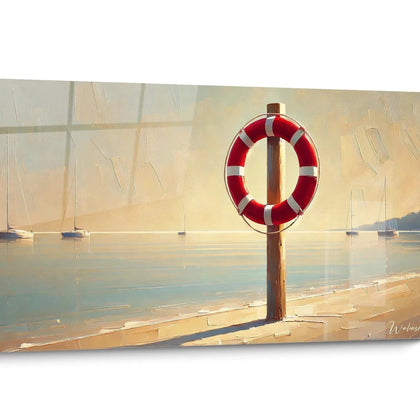 Zen Bedroom Wall Art24
artworks
Zen Bedroom Wall Art24
artworks
-
 Golden Bedroom Wall Art24
artworks
Golden Bedroom Wall Art24
artworks
-
 Tropical Bedroom Wall Art23
artworks
Tropical Bedroom Wall Art23
artworks
-
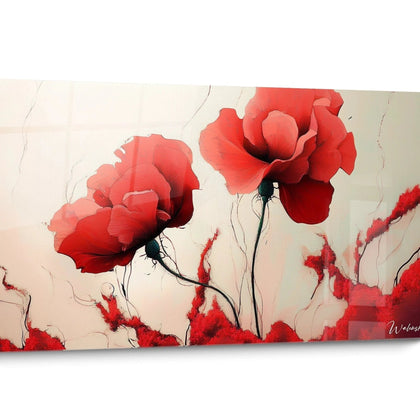 Floral Bedroom Wall Art24
artworks
Floral Bedroom Wall Art24
artworks
-
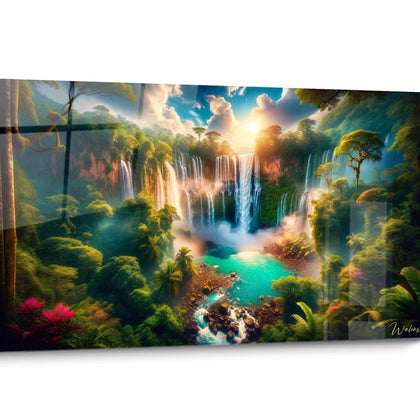 Landscape Wall Art for Bedroom24
artworks
Landscape Wall Art for Bedroom24
artworks
-
 Modern Bedroom Wall Art24
artworks
Modern Bedroom Wall Art24
artworks
-
 Minimalist Bedroom Wall Art24
artworks
Minimalist Bedroom Wall Art24
artworks
-
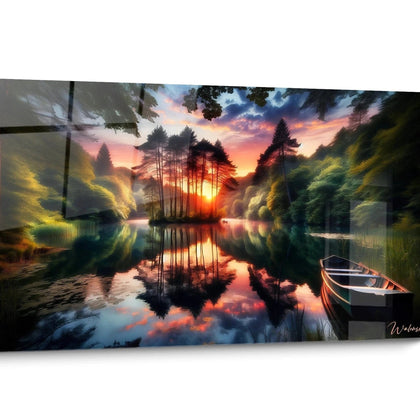 Romantic Bedroom Wall Art13
artworks
Romantic Bedroom Wall Art13
artworks
-
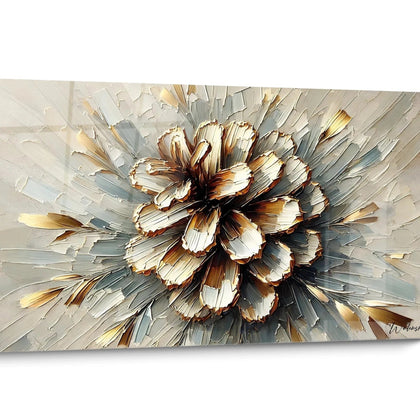 Abstract Bedroom Wall Art12
artworks
Abstract Bedroom Wall Art12
artworks
-
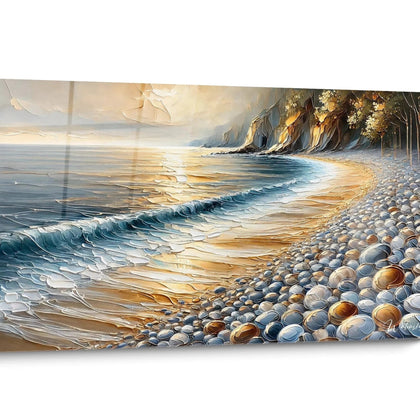 Ocean Bedroom Wall Art10
artworks
Ocean Bedroom Wall Art10
artworks
-
 Sunset Bedroom Wall Art9
artworks
Sunset Bedroom Wall Art9
artworks
-
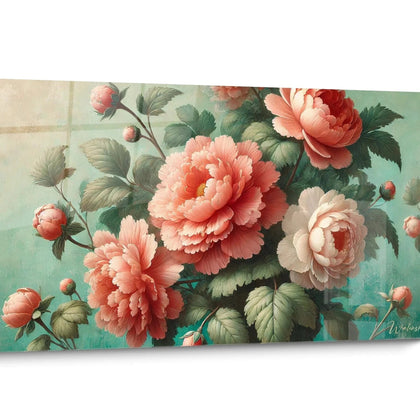 Vintage Bedroom Wall Art7
artworks
Vintage Bedroom Wall Art7
artworks
-
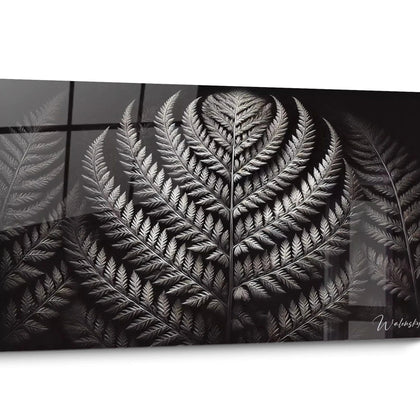 Monochrome Bedroom Wall Art9
artworks
Monochrome Bedroom Wall Art9
artworks
-
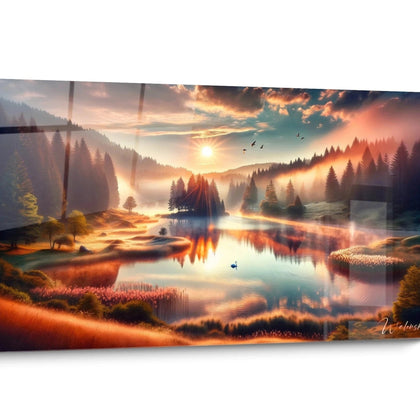 Mountain Bedroom Wall Art5
artworks
Mountain Bedroom Wall Art5
artworks
In the same family
Also explore the theme Places
-
 Kitchen150
artworks
Kitchen150
artworks
-
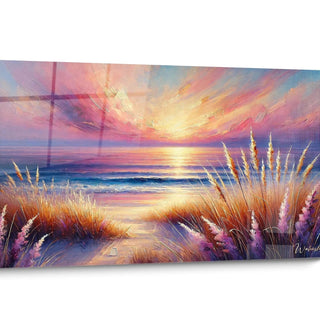 Coworking737
artworks
Coworking737
artworks
-
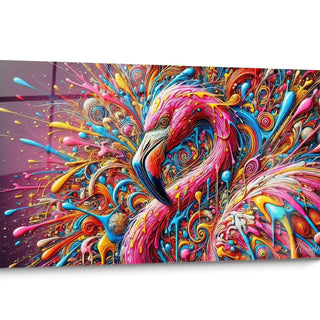 Professional Space737
artworks
Professional Space737
artworks
-
 For Airbnb5368
artworks
For Airbnb5368
artworks
-
 For Apartments899
artworks
For Apartments899
artworks
-
 For Library820
artworks
For Library820
artworks
-
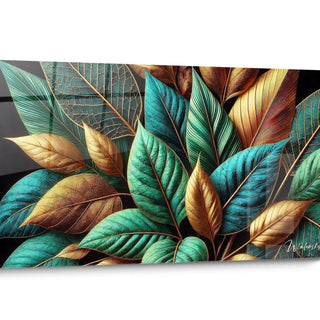 For Office737
artworks
For Office737
artworks
-
 For Hallways899
artworks
For Hallways899
artworks
-
 For Schools874
artworks
For Schools874
artworks
-
 For Senior Residences899
artworks
For Senior Residences899
artworks
-
 For Waiting Rooms372
artworks
For Waiting Rooms372
artworks
-
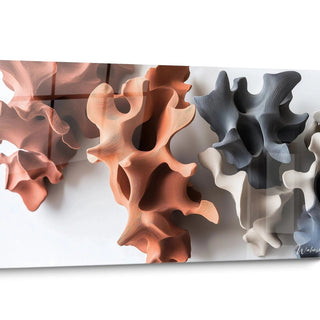 For Bathroom85
artworks
For Bathroom85
artworks
-
 For Yoga Room213
artworks
For Yoga Room213
artworks
-
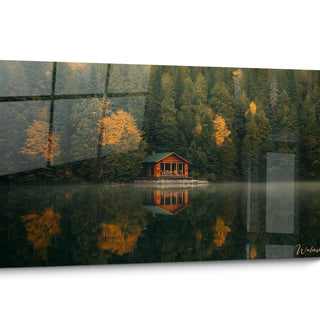 For Living Rooms634
artworks
For Living Rooms634
artworks
-
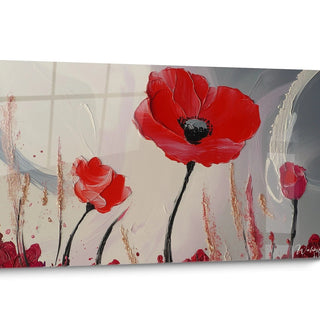 For spas449
artworks
For spas449
artworks
-
 Meeting Room737
artworks
Meeting Room737
artworks


All about Bedroom Wall Art
- Wall art presentation for bedroom
- Choosing wall art for a bedroom ambiance
- Wall art decoration for bedroom
- Wall art positioning for bedroom
The wall art for bedroom is an essential decorative element to transform the ambiance of your relaxation space. More than just an accessory, it represents a true work of art that reflects your personality and brings character to your interior. Wall art for Scandinavian bedrooms are particularly sought after for their clean aesthetic and their ability to create a serene atmosphere. Whether you are looking for a statement piece for your bedroom or a subtle decorative element for a child's room, the choice of the ideal wall art deserves special attention. In the following sections, we will explore the impact of wall art on the ambiance of a bedroom, how to combine them with different decorative styles, and positioning strategies for harmonious integration into your personal space.
Impact of Large Wall Art on a Bedroom's Ambiance
Transforming a bedroom with a wall art for bedroom of large dimension represents a strategic decorative decision. These imposing artistic elements do not merely dress a wall; they completely redefine the very essence of your personal space. A large-scale wall art immediately captures attention and sets the emotional tone of the room.
How does a wall art influence the atmosphere of a bedroom?
The psychological impact of visual elements in our daily environment is considerable. A wall art for bedroom with bright and dynamic colors stimulates energy and creativity, while a work with soft and pastel hues promotes relaxation and restful sleep. Abstract compositions can encourage reflection, while soothing landscapes transport the mind to distant horizons, perfect for escaping before falling asleep.
The size of the wall art also plays a crucial role in this emotional interaction. A large-format wall art creates a complete visual immersion, literally transforming the spatial experience of the bedroom. It becomes the anchor around which all the decoration is structured.
- Wall art with blue and green tones bring serenity and promote sleep
- Works with warm hues create a welcoming and intimate atmosphere
- Minimalist compositions harmonize with a clean and contemporary style
- Textured wall art add a tactile dimension to the visual experience
What emotions can a decorative wall art evoke in a bedroom?
The choice of a wall art for bedroom represents a deeply personal decision that reflects not only your aesthetic tastes, but also the desired state of mind in this intimate space. An abstract work of art can stimulate the imagination and encourage creativity before bed, while a natural landscape promotes disconnection and serenity.
Modern geometric patterns, particularly popular in contemporary bedrooms, create a sense of order and mental balance, ideal for an environment conducive to rest. Conversely, an expressive work with dynamic brushstrokes can infuse energy and passion into a master bedroom.
Adapting the wall art to the dimensions of your bedroom
The visual balance between the wall art for bedroom and the proportions of the room is a fundamental element of a successful decoration. In a small space, an oversized wall art can create a feeling of confinement, while a work that is too small can seem insignificant in a large bedroom.
For a standard bedroom, prioritize a painting whose width represents approximately two-thirds of the wall or the furniture it overlooks. In a spacious bedroom, dare to use panoramic formats that accentuate horizontality and create a sense of extended space. For dormer bedrooms, vertical paintings effectively utilize the available height while counteracting architectural constraints.
- For a double bed, choose a painting whose width is at least 120 cm
- In a small bedroom, a painting with light colors expands the space visually
- For a teenager's bedroom, prioritize dynamic and expressive artworks
Wall paintings adapted to different bedroom styles
The painting for bedroom should naturally integrate into the existing decorative style. In a bedroom with an industrial style, urban black and white photographs or architectural representations will reinforce the raw and authentic aesthetic. For a Scandinavian-inspired bedroom, opt for minimalist works with clean lines and neutral colors.
Bohemian-style bedrooms perfectly welcome paintings with ethnic motifs, vibrant colors, and compositions full of symbolism. If your bedroom follows a classic aesthetic, reproductions of traditional works or still lifes will bring a touch of timeless elegance.
The influence of colors in choosing the ideal painting
Color therapy, or color therapy, directly influences our psychological and physiological well-being. The choice of dominant hues in your painting for bedroom can therefore be decisive for the quality of your sleep and your emotional state upon waking.
Blue tones promote relaxation and tranquility, facilitating falling asleep. Greens, evoking nature, reduce stress and provide a feeling of freshness. Purples stimulate intuition and meditation, perfect for a bedroom also dedicated to relaxation. On the other hand, intense reds, although passionate, can disrupt sleep if they dominate the visual space of the bedroom.
Monochrome art offers an elegant solution for people sensitive to bright colors or those who prefer a minimalist atmosphere. A painting in a grayscale or sepia palette brings depth and sophistication without visually overloading the resting space.
Selection Guide: Matching Paintings to Bedroom Decorative Styles
Choosing the painting for bedroom ideal requires a thorough understanding of the interaction between wall art and the overall decorative concept of your personal space. A painting does not simply occupy an empty space, it dialogues with each present element and contributes to the overall harmony. This section guides you through the essential considerations for creating perfect visual coherence.
How to harmonize a painting with existing furniture
The relationship between your painting for bedroom and the surrounding furniture is one of the foundations of a balanced decoration. A painting with flowing, organic lines will soften the impact of furniture with sharp angles, creating a welcome visual counterpoint. Conversely, a structured geometric work will reinforce the presence of contemporary furniture with clean shapes.
Also consider the height of your main furniture. Above a low bed , a stretched horizontal painting will accentuate the width of the space, while a vertical format will visually elongate the room. For a chest of drawers or a vanity, prioritize a set of coordinated small paintings rather than a single large work that would risk upsetting the whole.
- Match the finishes of your frames to the metallic elements of your furniture
- Choose artworks whose secondary colors subtly echo your textiles
- Maintain stylistic consistency between the painting and the overall decorative scheme
Create a chromatic harmony in the bedroom space
The harmony of colors between your painting for bedroom and your existing decorative palette largely determines the success of your layout. A painting does not necessarily have to reproduce the exact same shades as your bedding or curtains, but should establish subtle chromatic echoes that will unify the whole.
The approach of the color wheel offers proven solutions: choose a painting whose dominant colors are complementary (opposite on the color wheel) or analogous (adjacent) to your existing palette. For a bedroom with neutral tones, a painting with vibrant colors will bring a dynamic focal point without disrupting the overall balance.
Monochrome paintings are particularly suitable for spaces that are already rich in patterns and textures, offering a welcome visual respite. Conversely, in a minimalist bedroom with smooth and uniform surfaces, a textured painting with varied colors will introduce complexity and depth.
Which paintings to choose according to the size and layout of the bedroom
The specific architecture of your bedroom directly influences the choice of the painting for bedroom that is optimal. In a space with high ceilings, a large vertical painting will advantageously exploit this characteristic while creating a sense of intimacy. For bedrooms with low ceilings, prioritize horizontal formats that will visually widen the space.
Square bedrooms particularly benefit from asymmetrical compositions or paintings with marked perspectives that introduce dynamism and movement. For elongated rectangular spaces, a panoramic painting will harmoniously accentuate the natural proportions of the room.
Do not neglect the influence of natural light. A painting with subtle colors requires generous lighting to reveal all its nuances, while a work with marked contrasts will retain its impact even in a less bright bedroom. Position your painting to avoid annoying reflections that would mask its visual qualities.
- For a small bedroom, opt for a painting with deep perspectives that creates an illusion of space
- In a corner bedroom, align the painting with the orientation of the bed for structural consistency
- Avoid paintings with dark colors in bedrooms lacking natural light
Decorative paintings suitable for contemporary atmospheres
Contemporary aesthetics favors clean lines, marked contrasts, and innovative artistic concepts. A painting for bedroom that fits this trend will often feature abstract compositions, artistically treated minimalist photographs, or graphic interpretations of traditional motifs.
Black and white works are a particularly wise choice for contemporary bedrooms, bringing sophistication and timelessness. They integrate perfectly into spaces with restricted color palettes and highlight the surrounding textures and materials.
Digital prints on modern supports such as brushed aluminum, acrylic glass, or composite panels offer contemporary finishes that enhance the aesthetics of a design bedroom. These materials subtly reflect light, adding an extra dimension to the visual experience.
Integration of paintings into different areas of the bedroom
Beyond the traditional placement above the bed, many areas in a bedroom can accommodate a painting for bedroom and benefit from its presence. The space next to a vanity or built-in desk gains personality with an inspiring artwork that stimulates creativity during preparation or work moments.
Transition zones, such as the entrance to the bedroom or the space leading to an en-suite bathroom, represent often-overlooked opportunities for installing paintings. A work of art strategically placed in these locations creates a harmonious visual progression and naturally guides the eye.
In bedrooms with a reading or relaxation corner, a painting with soothing or intellectually stimulating subjects will perfectly complement the function of this dedicated space. Also consider alcoves and architectural niches as privileged locations, where a perfectly sized painting will seem to have been specifically designed for that space.
Strategic Positioning of Paintings for a Harmonious Bedroom
The placement of a painting for bedroom significantly influences its visual and emotional impact on the space. Beyond aesthetic conventions, the strategic positioning of your artworks determines the eye movement, spatial balance, and overall ambiance of your personal space. This section explores the fundamental principles and innovative techniques to maximize the effect of your wall paintings.
What is the ideal placement for a painting above the bed?
The position above the bed represents the classic location for a painting for bedroom, creating a natural focal point that anchors the entire decor. For optimal positioning, the center of the painting should be approximately 150-160 cm from the floor, creating an imaginary horizontal line at eye level of a standing person. This rule can be adapted depending on the height of your headboard.
The width of the painting should ideally represent between 2/3 and 3/4 of the width of your bed to maintain a harmonious visual balance. A painting that is too narrow will appear disproportionate, while a work exceeding the width of the bed may create a feeling of being overwhelmed.
For beds without a headboard, the painting assumes an additional architectural role, visually defining the space dedicated to sleep. In this case, an imposing work with soft colors will create a reassuring presence without excessively dominating the environment.
- Leave a space of 15-20 cm between the top of the headboard and the bottom of the painting
- For a dramatic effect, opt for a painting slightly wider than the bed
- In bedrooms with low ceilings, prioritize a horizontal format to accentuate the width
Wall compositions with multiple paintings
A composition of multiple paintings, also called a gallery wall, offers a dynamic alternative to a single work. This approach allows you to create a personalized visual impact while precisely adapting the entire ensemble to the dimensions of your space. For a coherent multiple painting for bedroom , maintain a unified visual theme – whether through colors, subjects, or artistic style.
The symmetrical arrangement of identical or similar paintings brings structure and order, particularly appreciated in bedrooms with classic or minimalist contemporary styles. Conversely, an asymmetrical arrangement of varied but complementary paintings introduces dynamism and character, ideal for more creative or bohemian spaces.
The spacing between wall art plays a crucial role in the overall visual impact. A standard gap of 5-8 cm creates a visible separation while maintaining visual cohesion. Closer spaces visually merge the artworks, while larger intervals accentuate the individuality of each painting.
How to integrate a painting into a bedroom with unusual spaces?
Bedrooms with unconventional architectures – dormer, with niches or alcoves – present particular challenges but also unique opportunities for the installation of a bedroom painting. Sloping walls can accommodate vertical format paintings that naturally follow the diagonal of the ceiling, creating harmony with the existing structure.
For constrained spaces, such as walls between two windows or doors, prioritize narrow, vertical paintings that exploit the available height without visually cluttering the space. Alcoves represent privileged locations where a perfectly sized painting will seem to have been designed specifically for this distinctive architectural space.
Do not neglect transitional spaces, such as short sections of wall between a door and a corner. These often unused areas can accommodate small format paintings that bring visual continuity and decorative interest to the entire room.
- In a dormer bedroom, follow the slope of the roof with a stepped composition
- For a niche, choose a painting whose dimensions leave a 5-10 cm margin on each side
- Exploit recessed corners with diptychs forming a 90-degree angle
Technical considerations for hanging paintings
Beyond aesthetic considerations, the secure installation of a bedroom painting requires particular attention to technical aspects. For lightweight artworks (less than 5 kg), inclined nail hooks offer a reliable solution without requiring significant drilling. Heavier paintings require more robust fixings, such as expansion anchors with screws or specific hooks for drywall.
Using two hanging points rather than one stabilizes the painting and prevents progressive misalignment. For complex compositions, first sketch the layout on paper, then transfer the precise measurements to the wall using a spirit level and measuring tape.
Also consider the interaction between your painting and the ambient lighting. Dedicated directional lighting, such as an adjustable spotlight or light strip, highlights the textures and colors of the artwork, particularly in the evening when natural light diminishes.
Adjust positioning according to bedroom lighting
The relationship between your bedroom painting and light sources considerably influences its visual perception. Avoid placing a painting directly facing a window, a position that would generate annoying reflections on the surface, particularly for works under glass. Instead, prefer an adjacent wall where natural light will illuminate the artwork without creating glare.
Paintings with subtle tones or meticulous details particularly benefit from generous lighting. Conversely, artworks with strong contrasts or saturated colors retain their impact even in less bright areas of the bedroom.
The orientation of your bedroom also influences the choice of optimal location. In a north-facing room, where the light is colder and more constant, artworks with warm tones will bring balance and warmth. For a south or west-facing bedroom, receiving direct and intense light at certain times, prioritize locations protected from direct rays that could gradually discolor your painting.
FAQ: Paintings for Bedroom
At what exact height should a painting for the bedroom be hung?
For optimal positioning, the center of your bedroom painting should be approximately 150-160 cm from the floor. This height generally corresponds to the eye level of an average-height person standing, ensuring a comfortable appreciation of the artwork. For a painting above the bed, adjust this rule according to the height of your headboard, maintaining a 15-20 cm gap between it and the bottom of the painting.
How to effectively maintain a painting for the bedroom?
The maintenance of a bedroom painting varies depending on its composition. For printed or unglazed paintings, use a soft duster or a brush with soft bristles to remove surface dust. Avoid any liquid products that could damage the surface. For paintings protected by glass, a cloth slightly dampened with a glass cleaner, applied directly to the cloth and never to the glass, will remove fingerprints and dust without risking moisture infiltration.
What type of lighting is best to highlight a painting for the bedroom?
The ideal lighting for a bedroom painting combines subtlety and precision. LED spotlights with a medium color temperature (3000-4000K) offer directional lighting that highlights textures and colors without producing excessive heat that could damage the artwork. Discreet light strips fixed to the ceiling or above the painting create uniform illumination across the entire surface. For a more intimate atmosphere, opt for indirect lighting that bathes the entire wall in a soft light, highlighting the painting without creating an overly aggressive light point.
How to harmoniously integrate a large painting for the bedroom into a small space?
Contrary to intuition, a large painting for the bedroom can work wonderfully in a restricted space if it is properly integrated. Prioritize a work with bright colors and deep perspectives that creates an illusion of space. Reduce the other wall decorative elements to avoid visual overload. Position the painting on the wall facing the entrance to the bedroom to create an immediate focal point that diverts attention from the limited dimensions of the room. Opt for a thin and discreet frame that does not add additional visual mass. Finally, ensure that the surrounding furniture is proportionally smaller and more discreet to maintain spatial balance.
Further reading
Our articles on this topic
- Best wall art styles for a relaxing master bedroom
- Modern chic bedroom decor: the painting as the centerpiece
- Women's bedroom painting: how to choose the artwork that transforms your space
- What paintings to choose for a soothing atmosphere in a bedroom?
- Zen Wall Art for the Bedroom: How to Choose Décor That Truly Calms
- Chic and charming bedroom decor: the power of the well-chosen wall painting
L'art qui suscite l'envie
Maison belge d'art mural grand format
14 jourspour changer d'avis*
Protection Walenskyincluse
Fabriquéen Italie
FormatXXL
Kit de fixationtoujours fourni
* Hors tableaux personnalisés et tailles personnalisées


