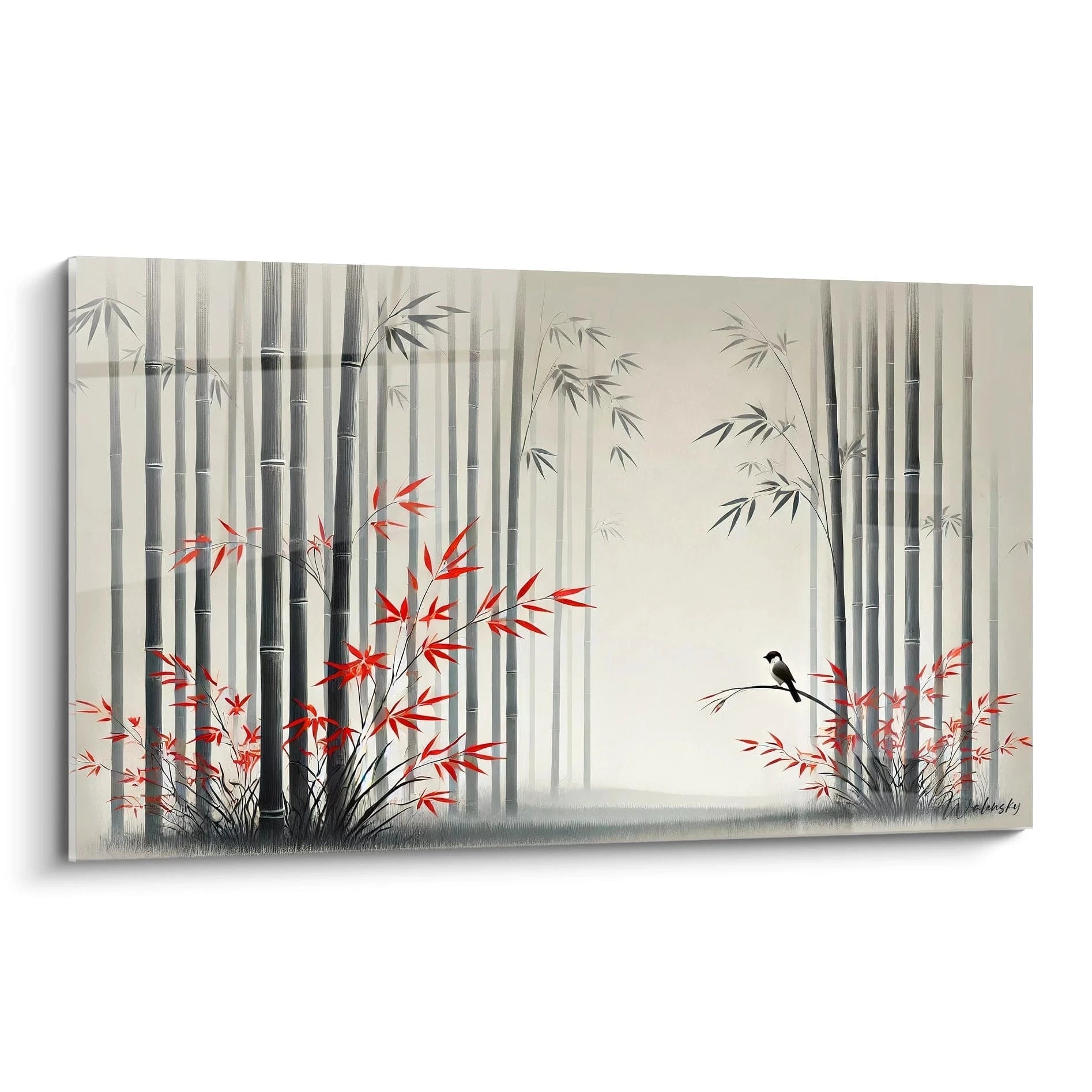
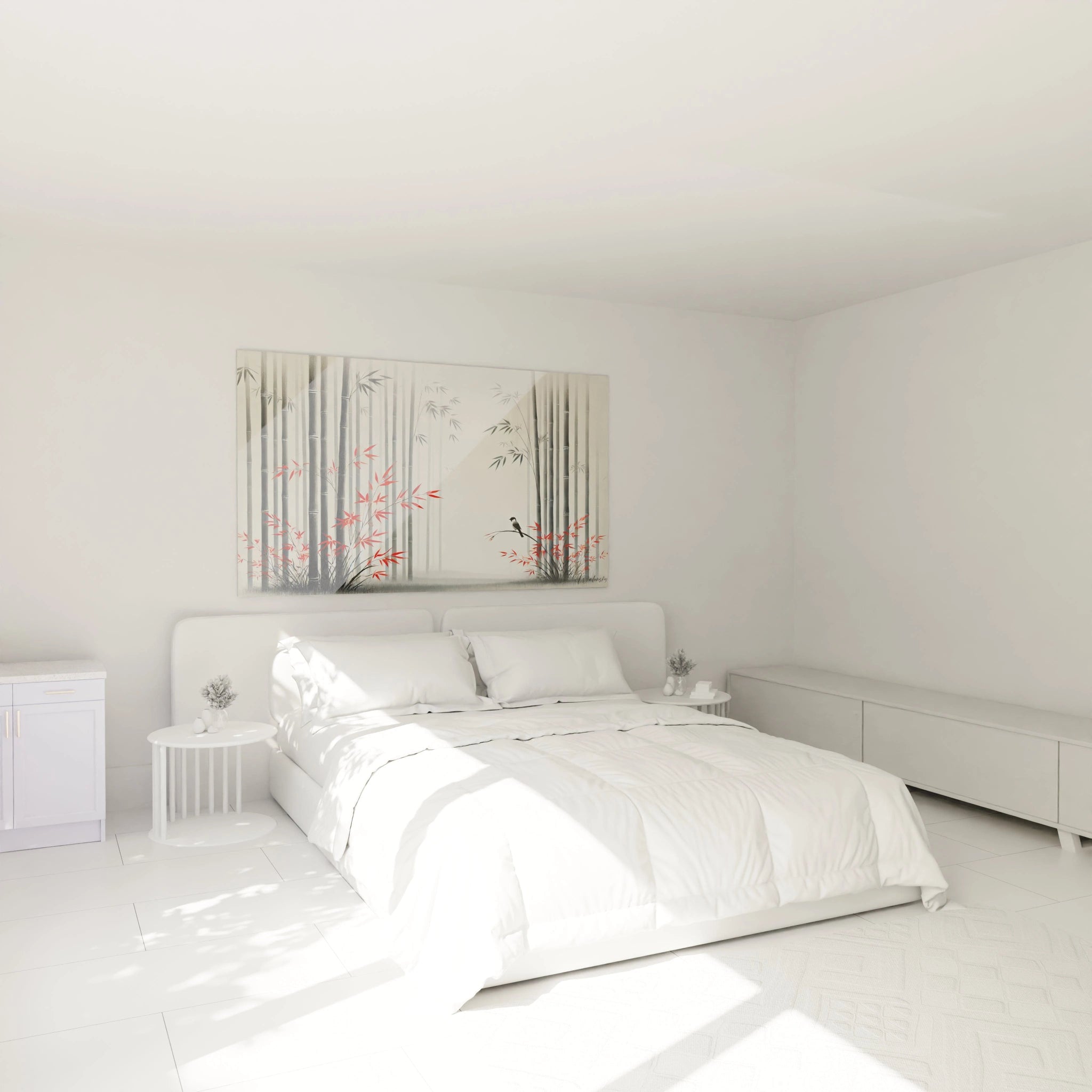
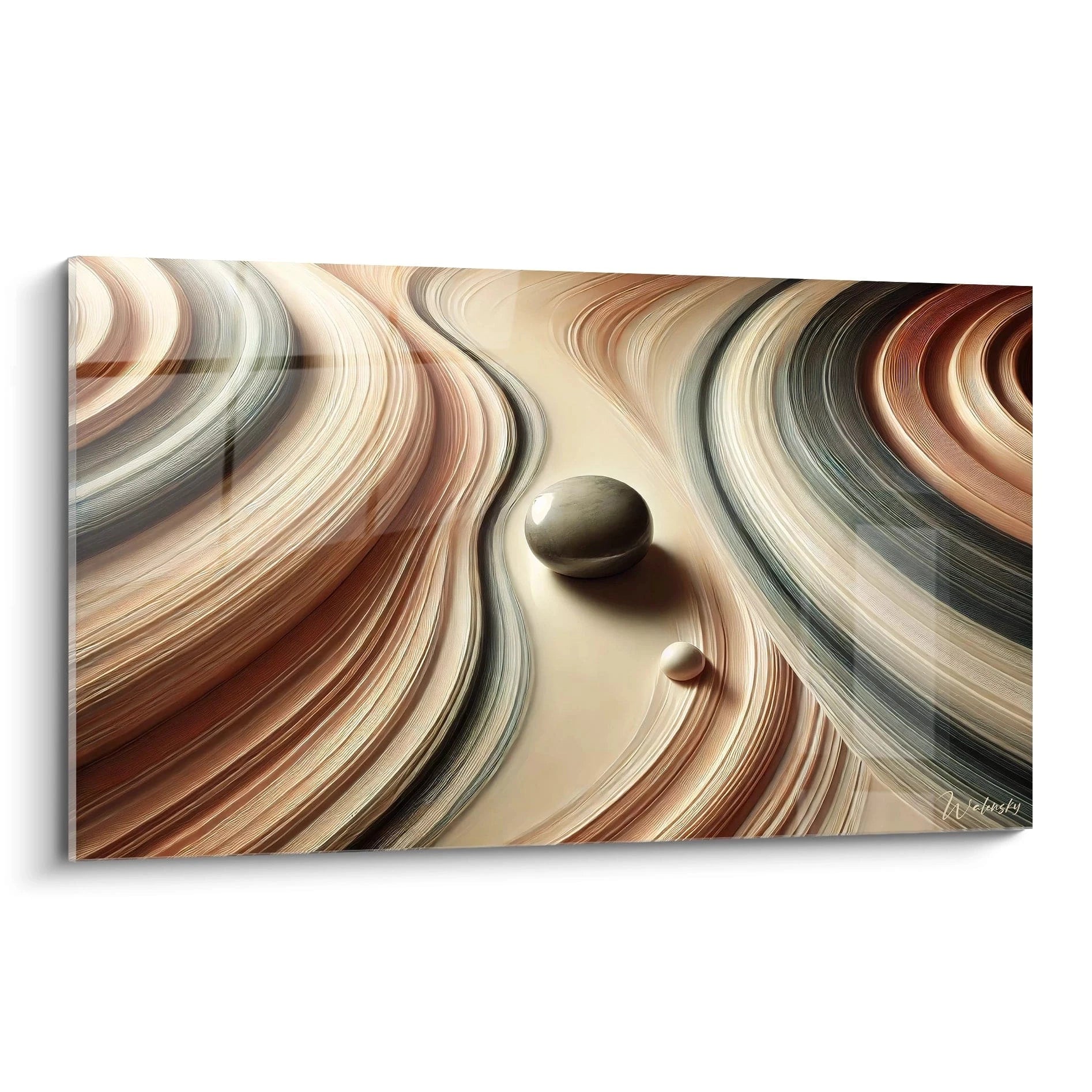
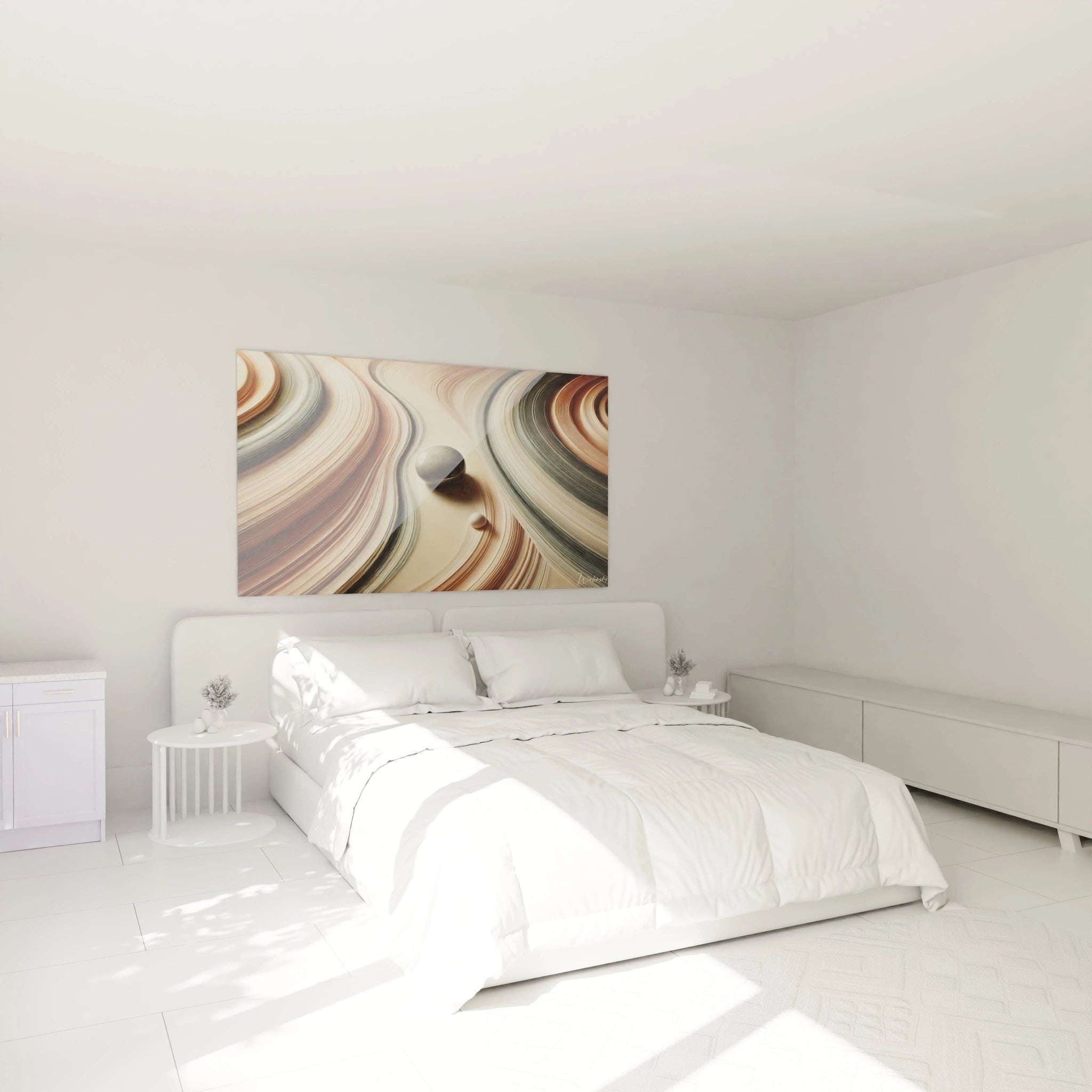
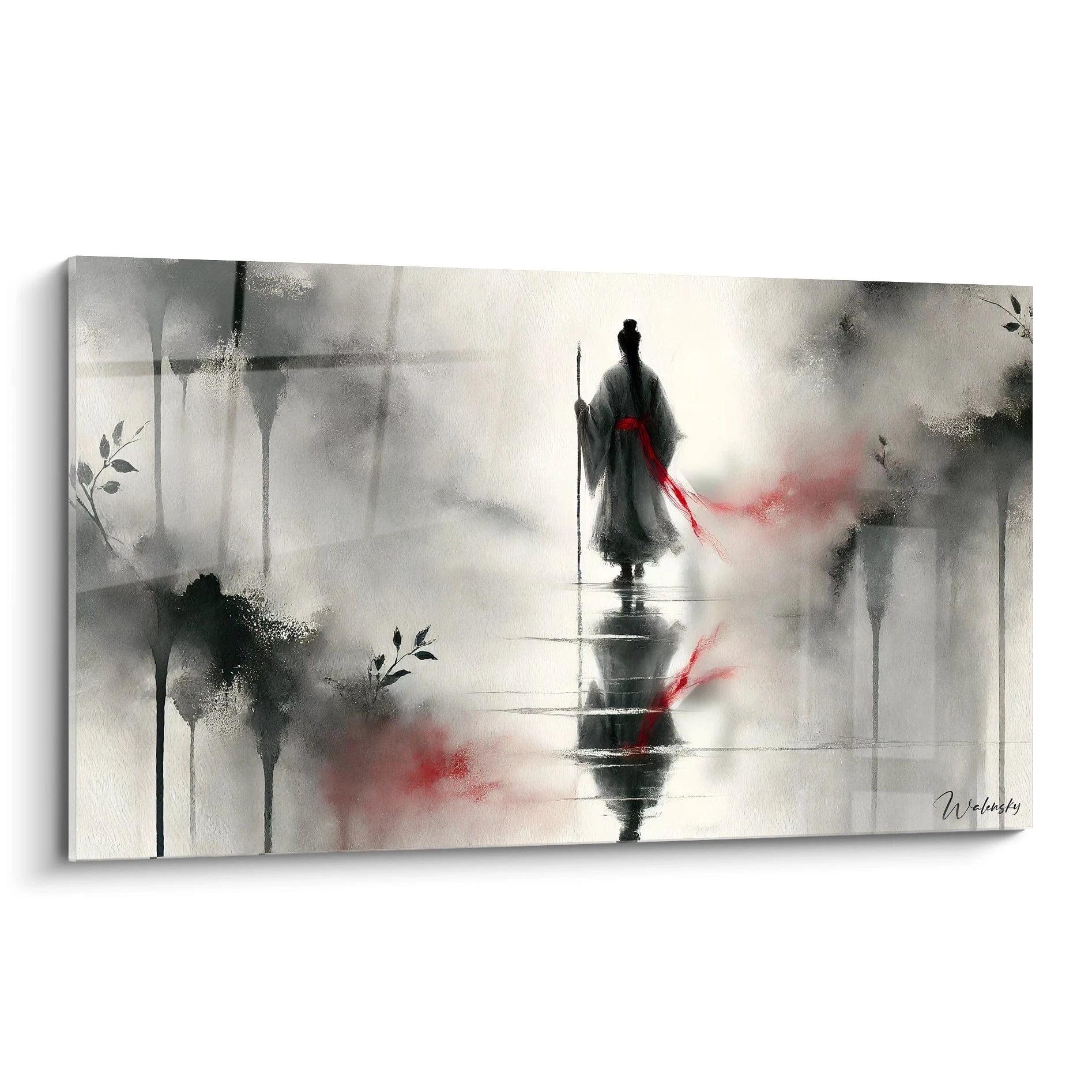
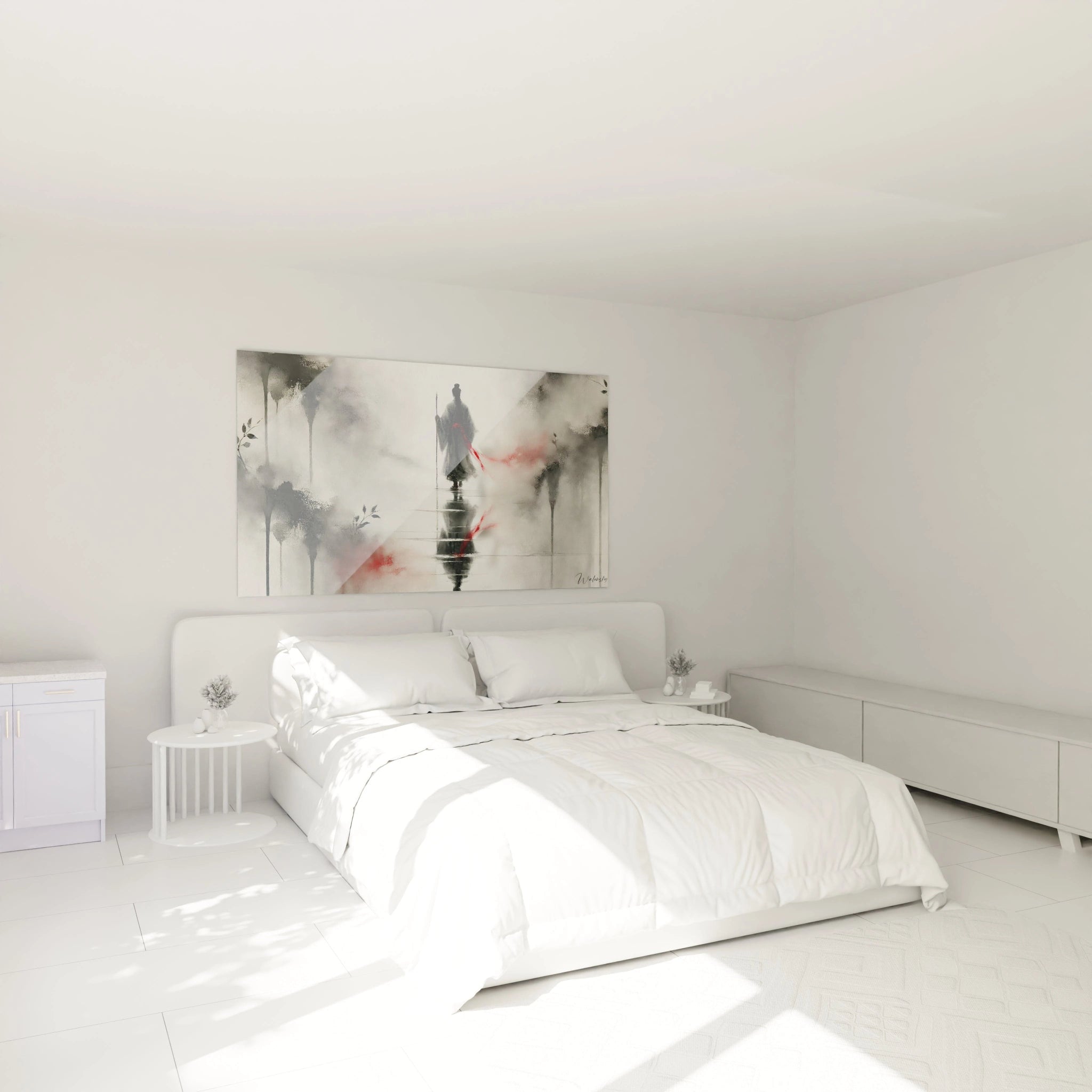
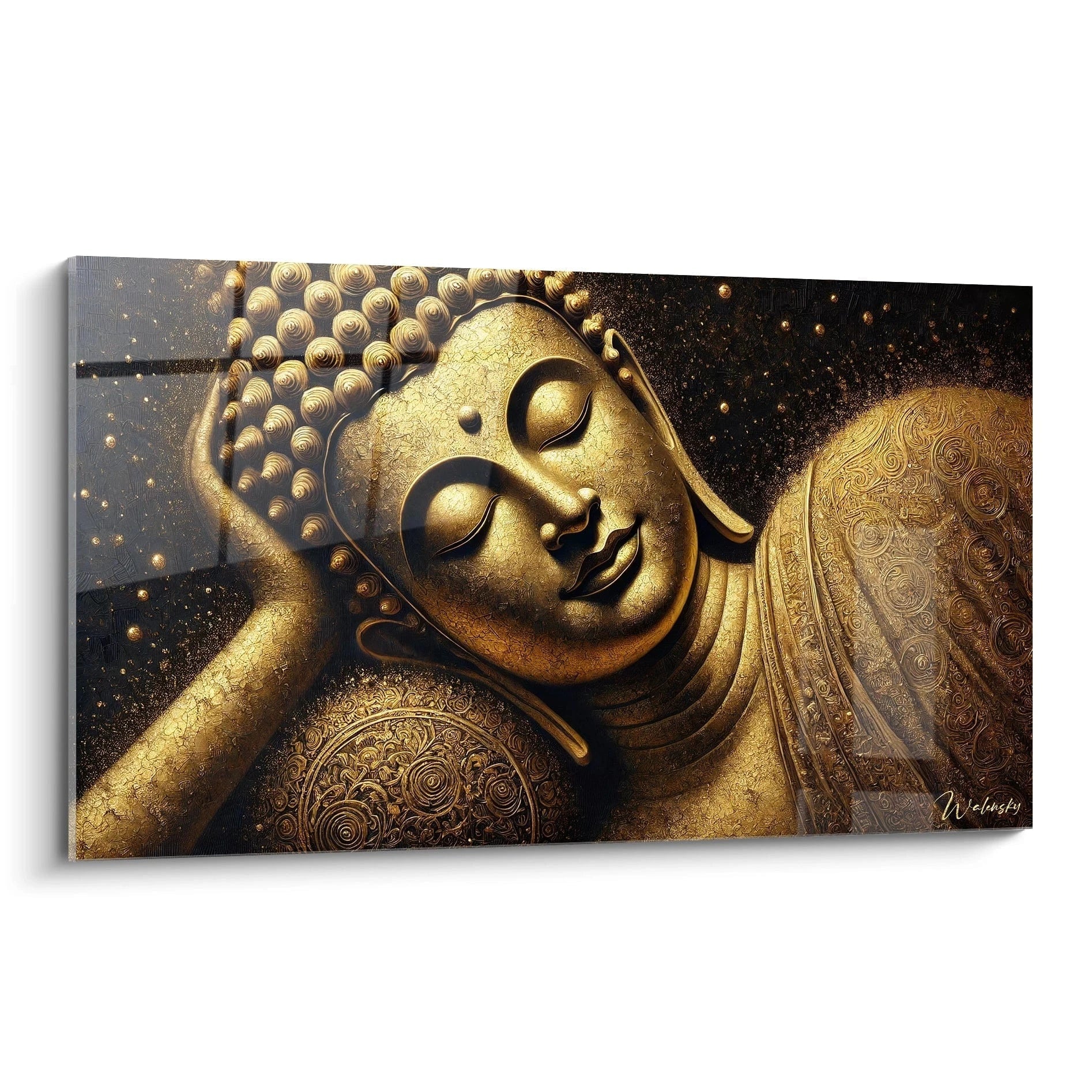
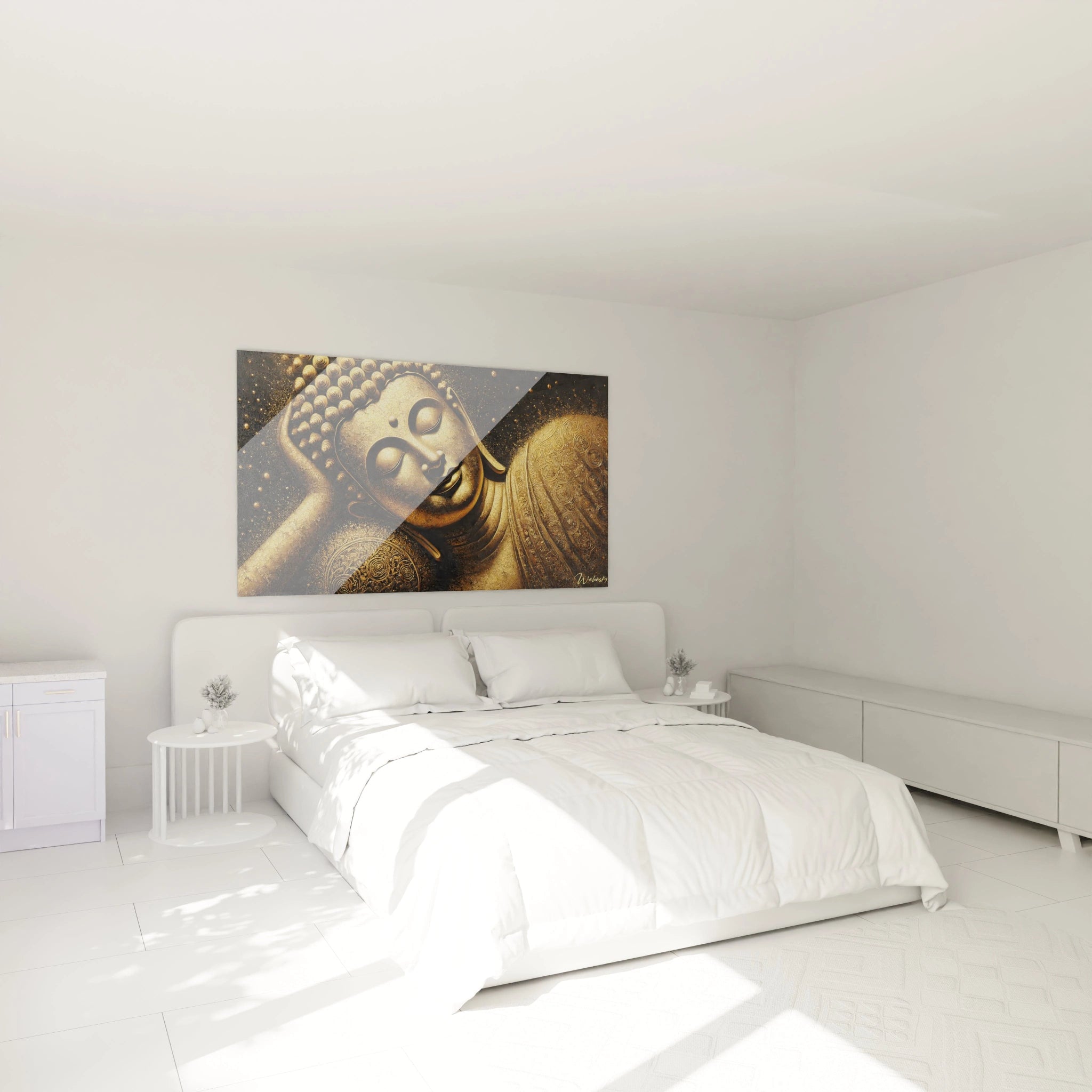
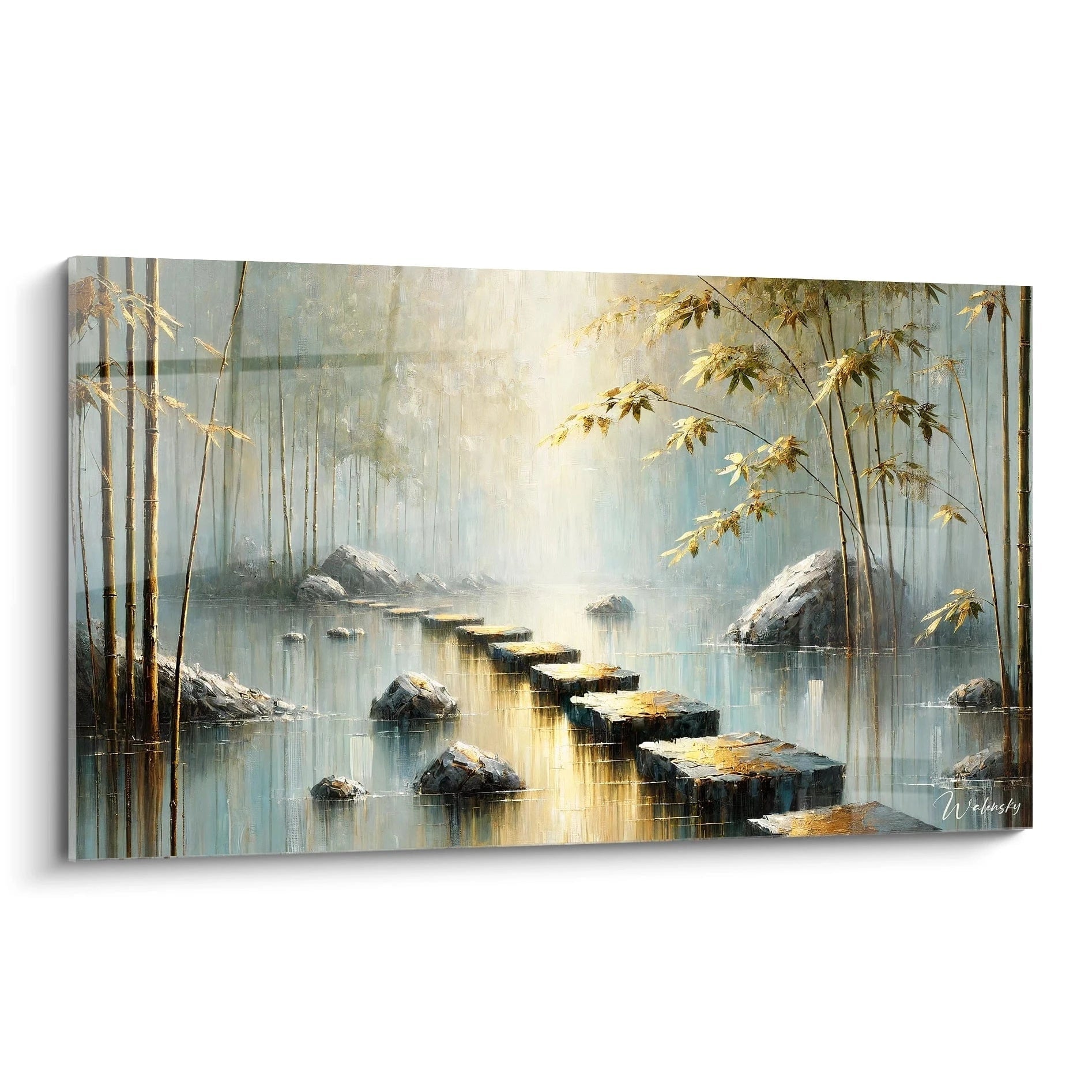
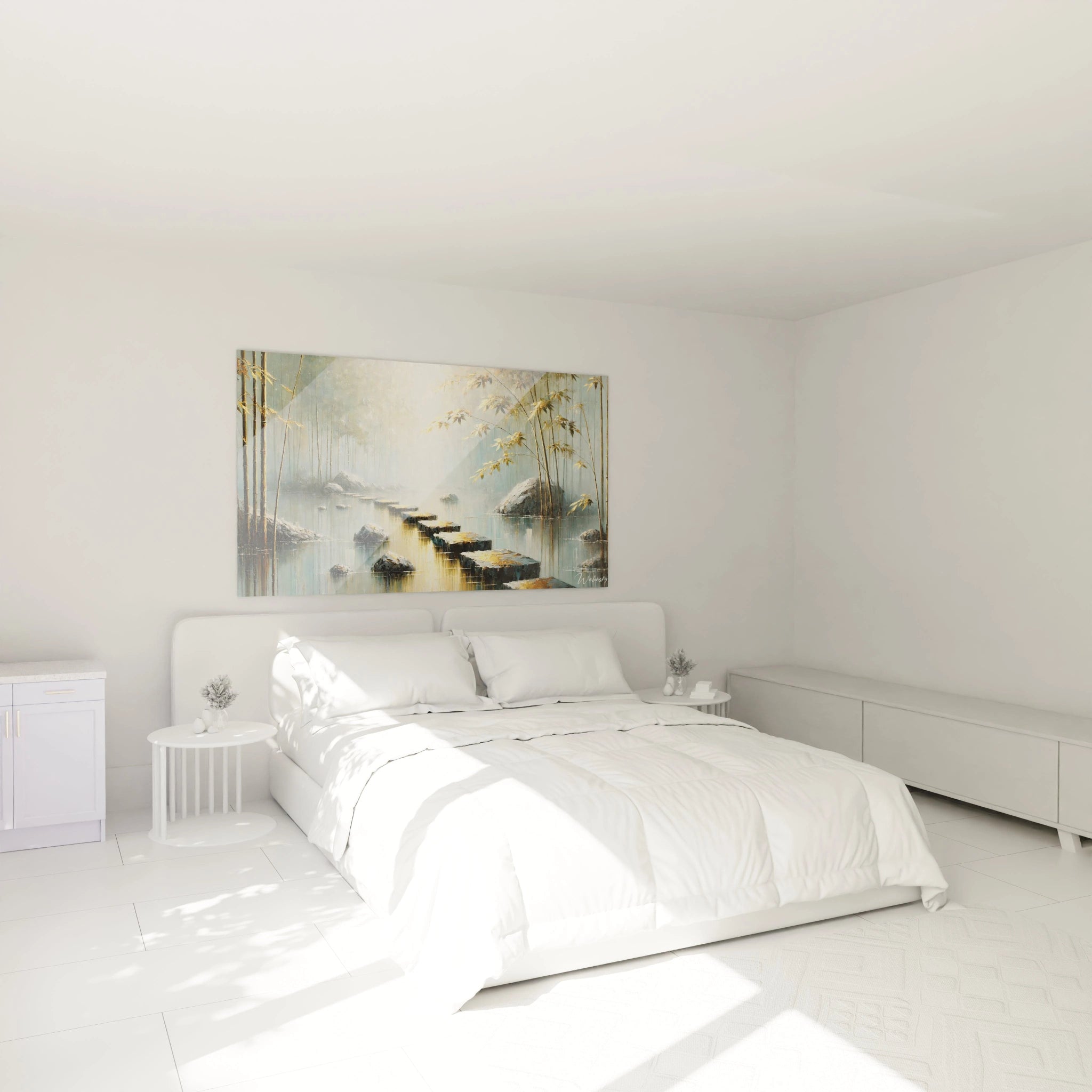
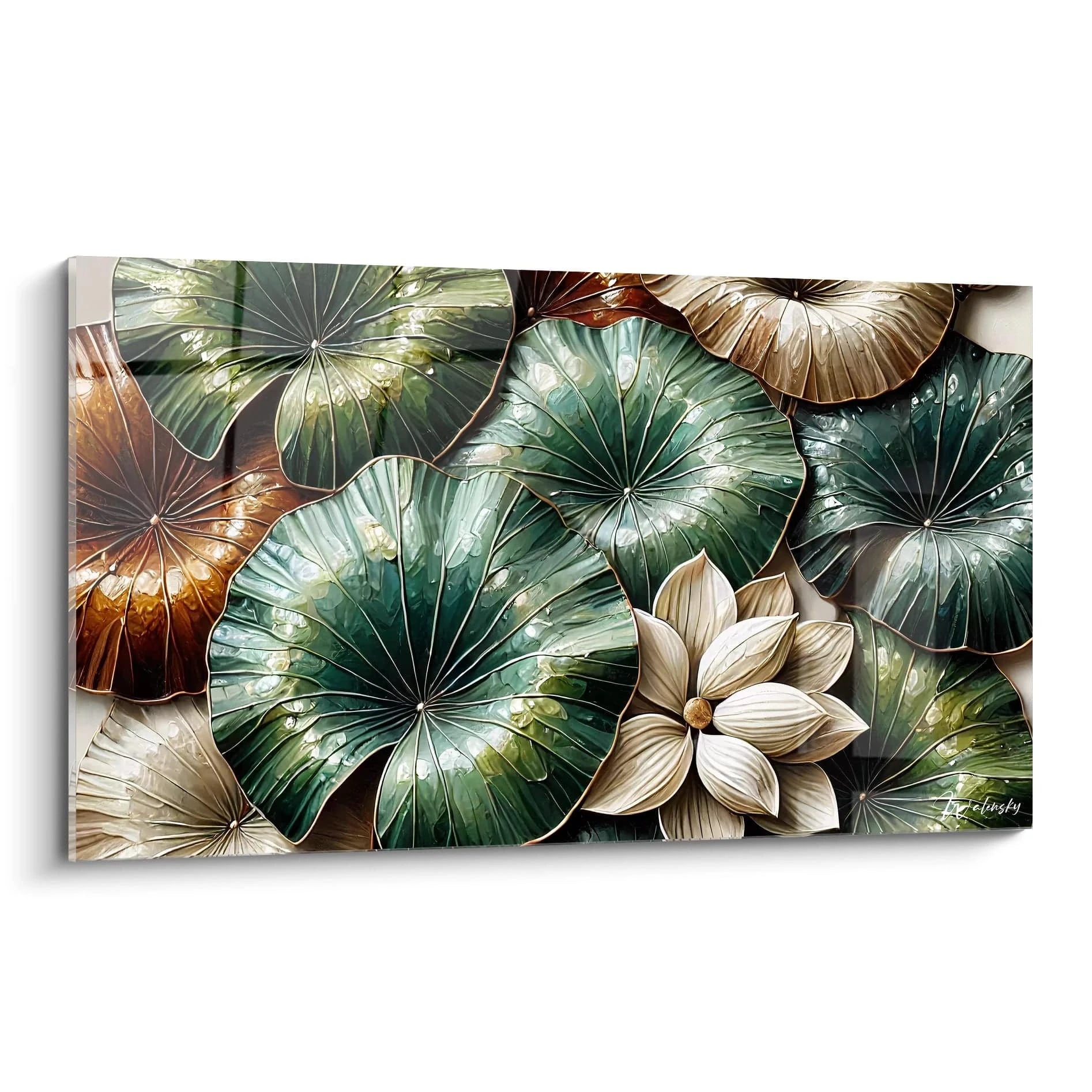
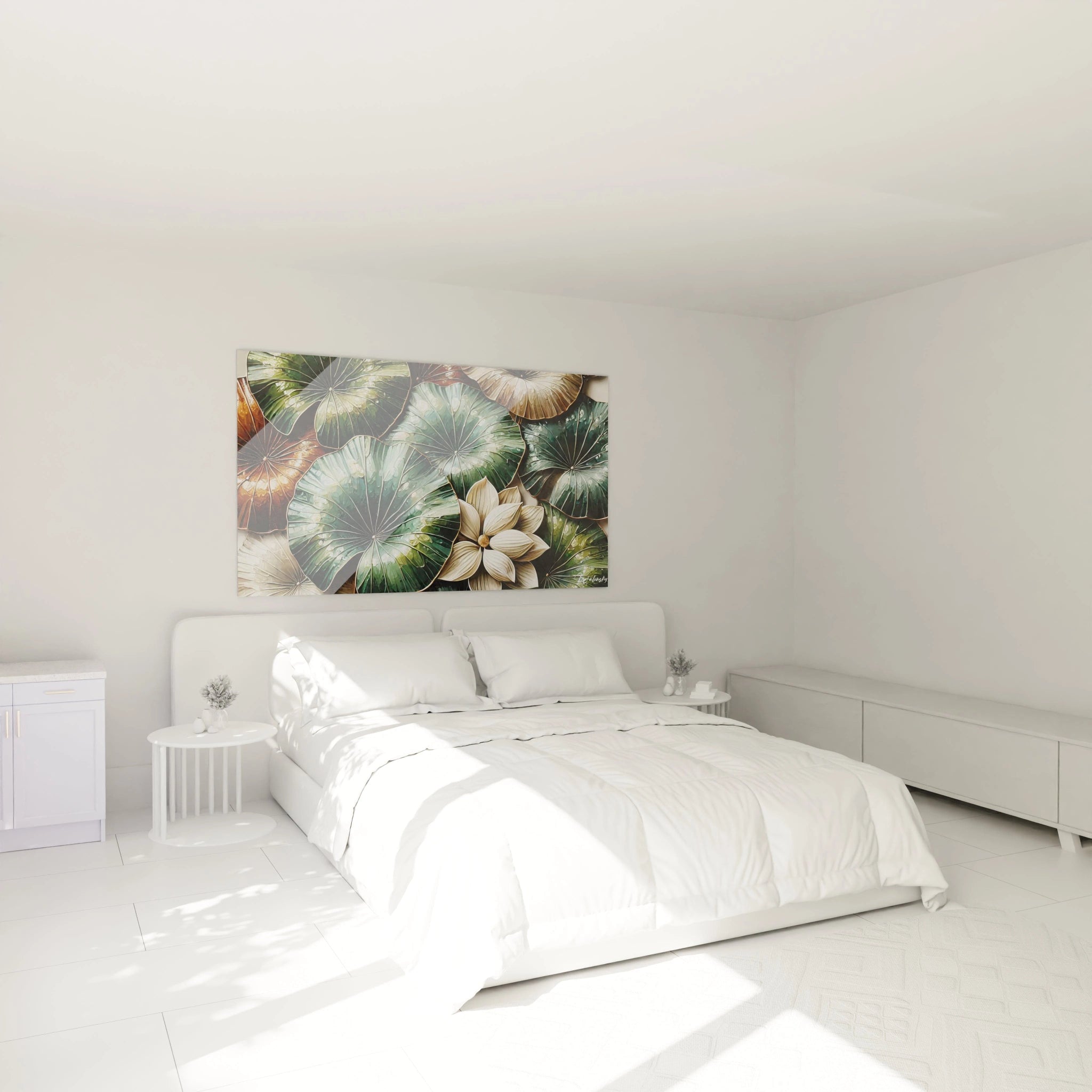
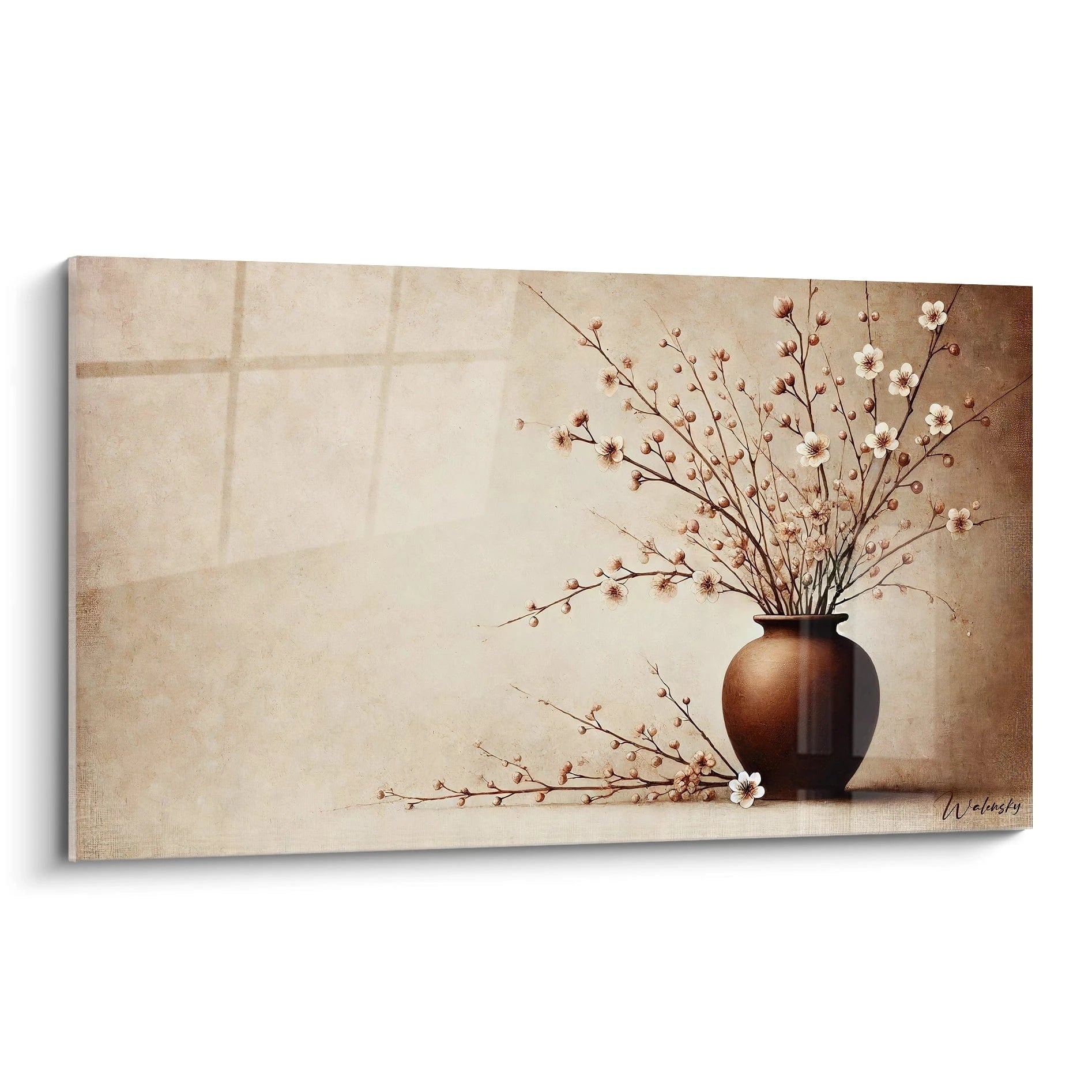
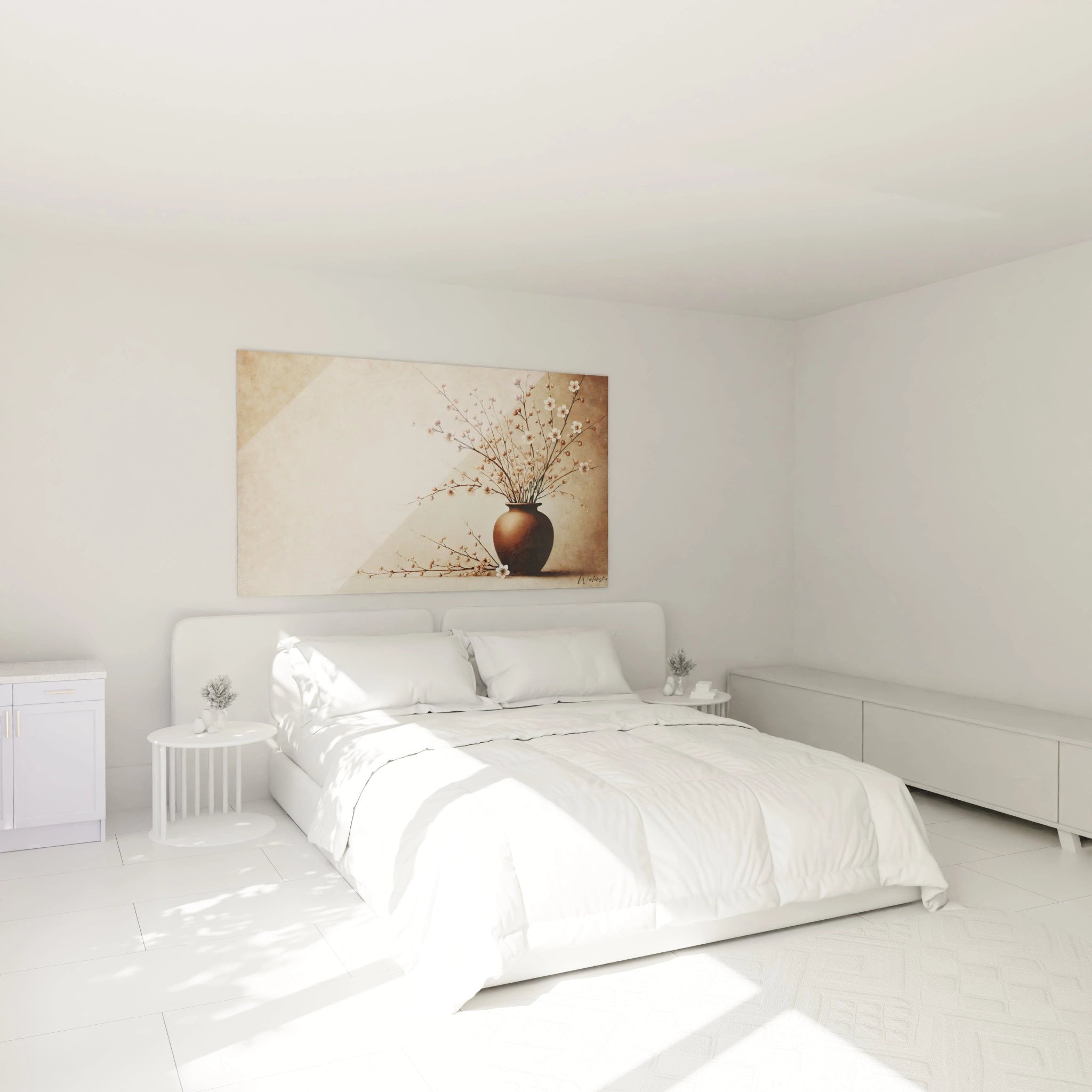
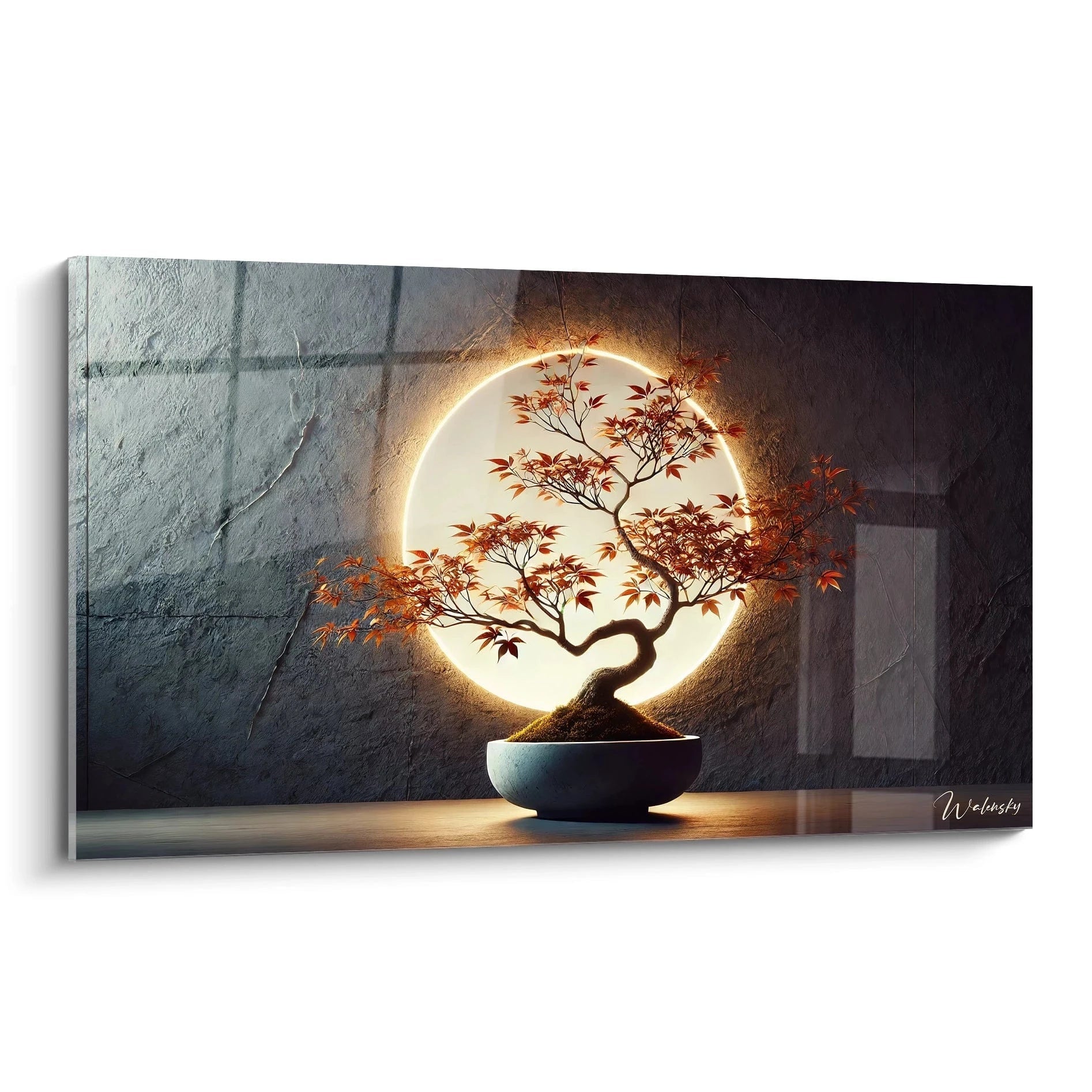
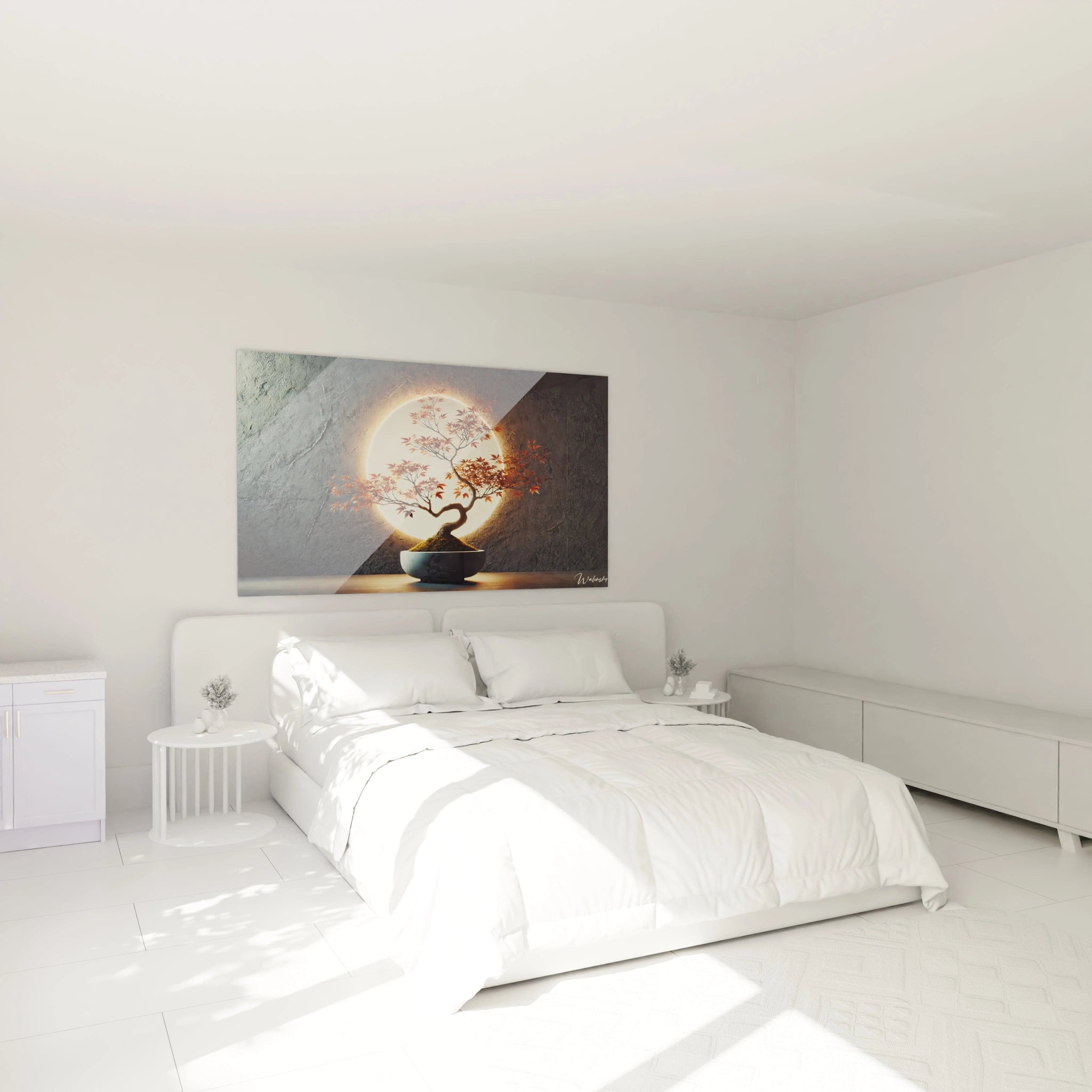
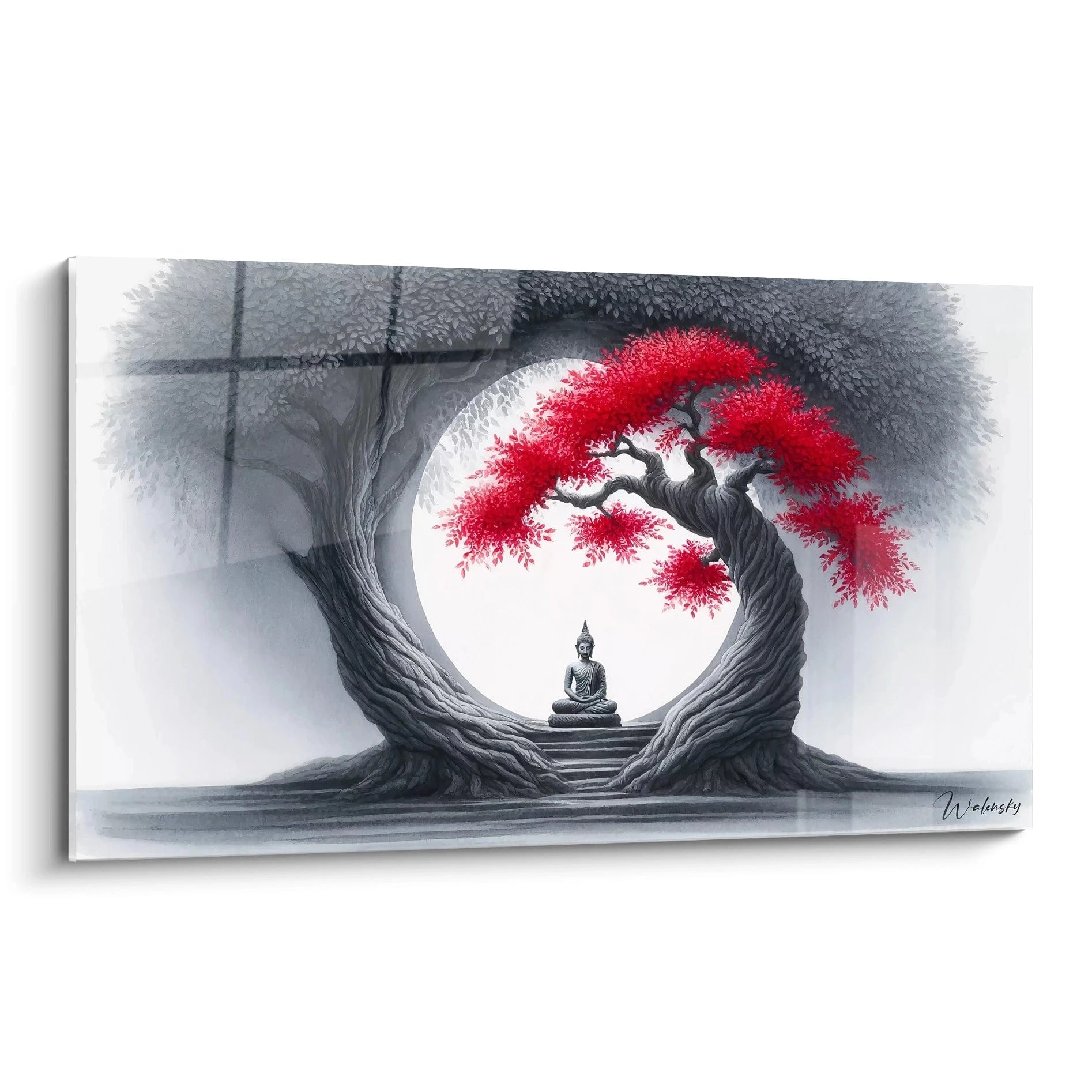
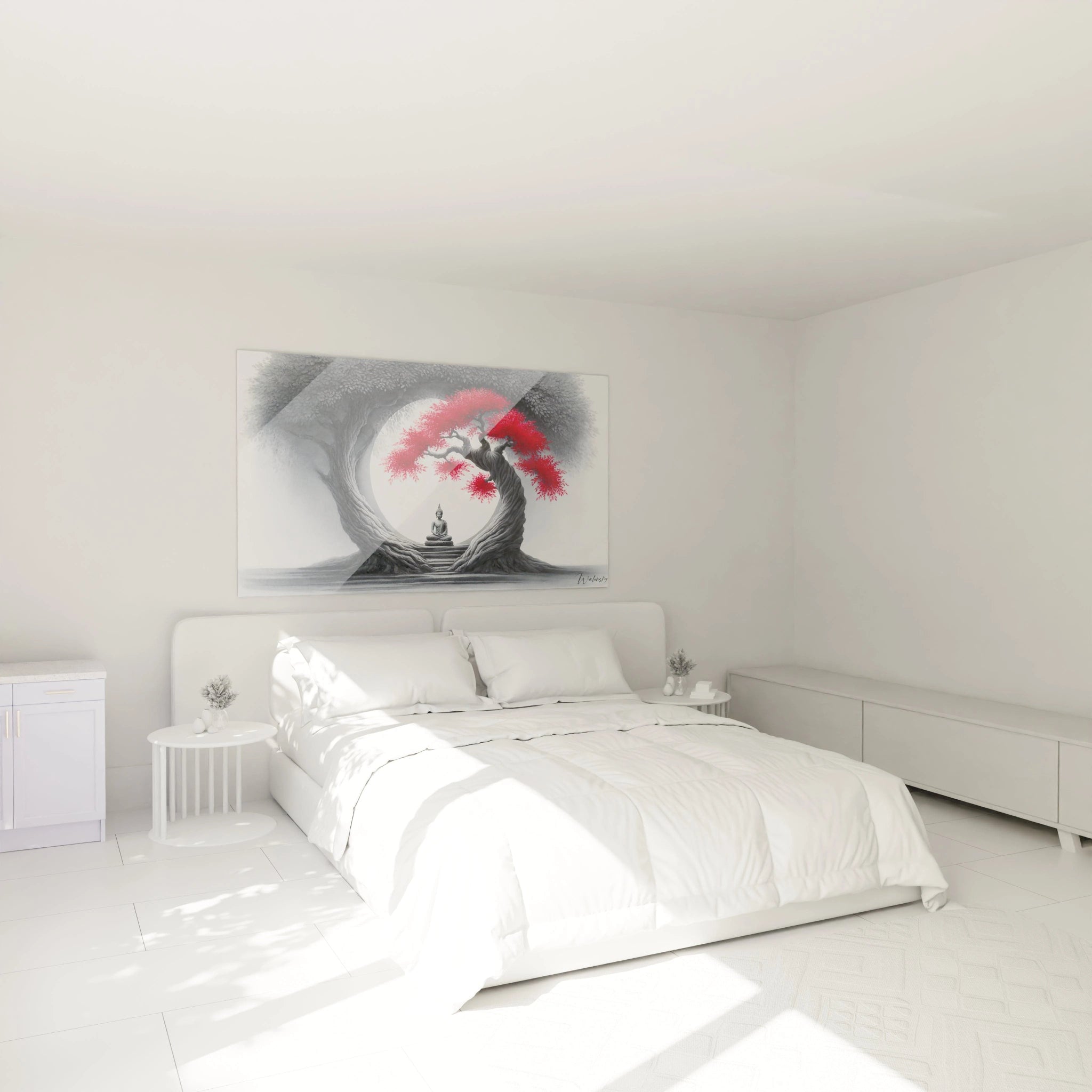
- Various Zen Wall Art Presentation
- Various Zen wall art for deep meditation
- Various Zen wall art and energetic benefits
- Various Zen wall art in feng shui decoration
Various Zen wall artworks represent a category of mural art that stands out for its ability to create an atmosphere of serenity and contemplation in your living space. Unlike traditional wall decorations, these works draw directly from zen philosophical principles, offering a visual experience that transcends simple aesthetics to become a genuine tool for inner transformation.
Whether you're seeking to create a space dedicated to meditation, harmonize your home's energy according to feng shui principles, or simply create a visual haven of peace in a hectic world, zen meditation wall art offers a unique solution through its diversity and symbolic depth.
Our selection explores the different facets of these artistic creations, emphasizing their transformative role in your space and their impact on your daily well-being. Discover how these artworks can become far more than simple decoration – a genuine companion on your journey toward balance and serenity.
Various Zen Wall Art: Visual Guides for Deep Meditation
Various Zen wall artworks fundamentally distinguish themselves from other wall decorations through their intrinsic meditative function. Unlike purely decorative works, these artworks are designed as genuine meditation supports, inviting an inner journey guided by patterns carefully selected for their resonance with contemplative practices.
Why do various Zen wall artworks transform the meditative experience?
The uniqueness of various Zen wall artworks lies in their ability to create a meditative focal point that transcends simple aesthetic appreciation. The refined compositions, often inspired by traditional zen gardens, mandalas, or stylized natural elements, are specifically designed to facilitate entry into a deep meditative state. The gaze that rests on these artworks is naturally guided toward progressive calming, following lines and forms that encourage mental deceleration.
The negative spaces present in these artworks – these intentionally empty zones – play a crucial role not found in other artistic styles. They represent the zen concept of "mu" (fertile emptiness) and invite practitioners to explore the fullness of non-being, an essential dimension of zen philosophy.
The five symbolic elements exclusive to various Zen wall art
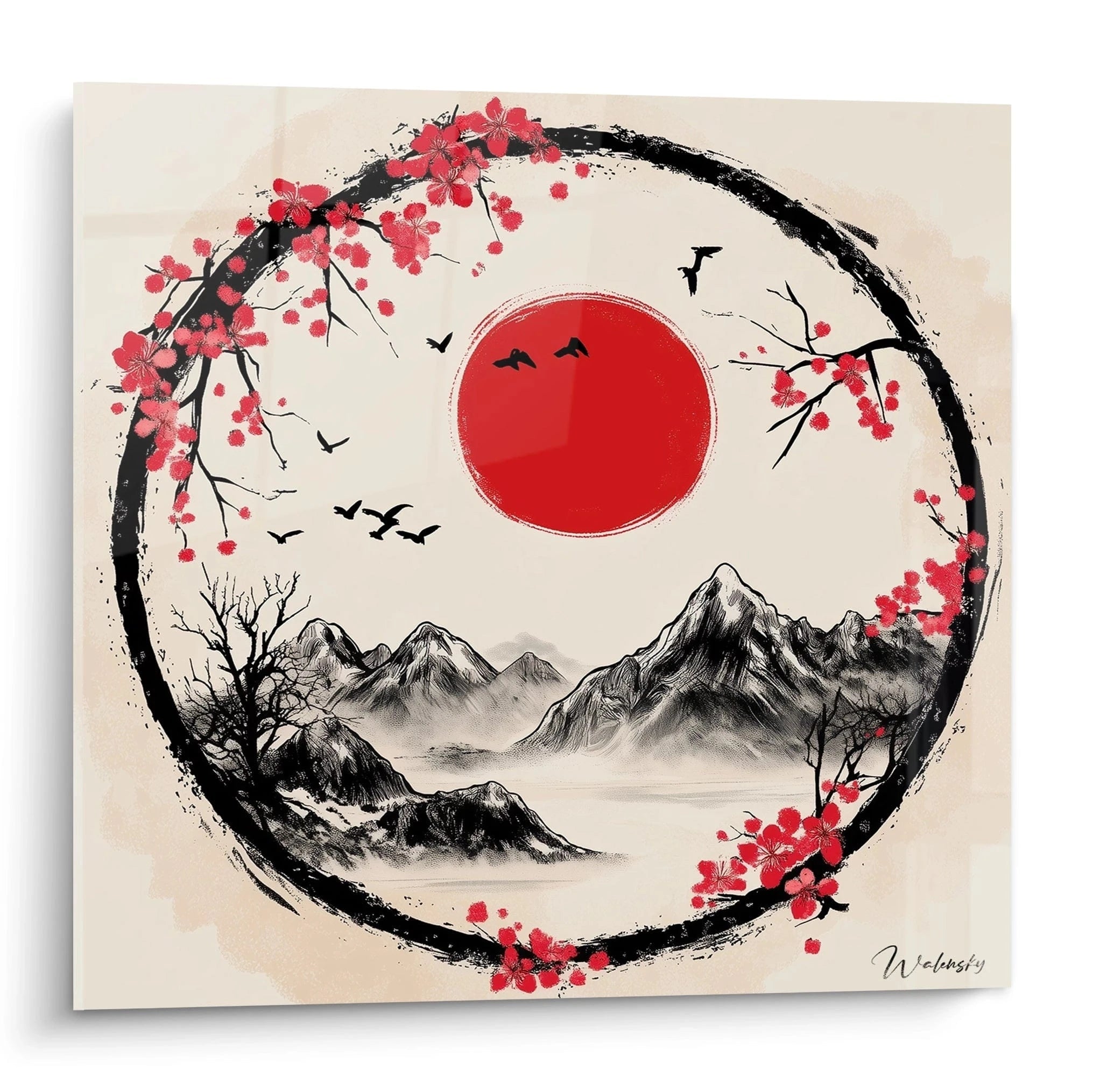
• Enso circles – Symbols of illumination and fullness, these imperfect circles traced in a single movement represent the acceptance of imperfection, a fundamental zen concept.
• Representations of balancing stones – These compositions apparently defying gravity embody the search for harmony in life's instability.
• Calligraphic strokes – Inspired by shodō (Japanese calligraphy art), these artworks often integrate ideograms that are less decorations than invitations to meditate on a specific philosophical concept.
• Minimalist hazy landscapes – The mist depicted in these works is not merely an aesthetic effect but a visual metaphor for the meditative state where the contours of ordinary reality dissolve.
• Meditative progression sequences – Some various Zen wall artworks present a series of evolving images, visually guiding the meditator through different stages of deepening their practice.
How to position your Zen wall art to optimize the meditative experience?
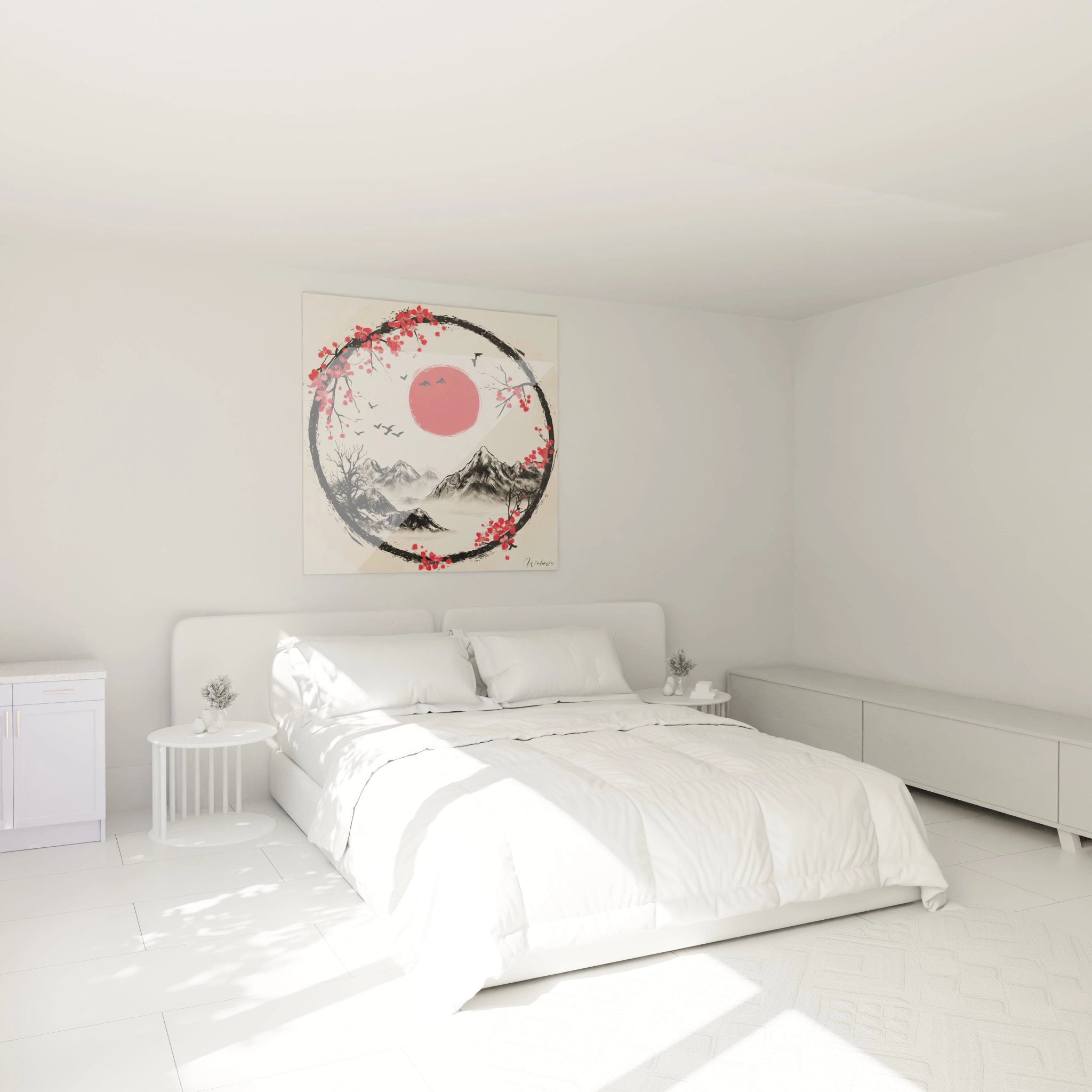
The placement of a Zen artwork in a meditative space follows considerations distinct from purely decorative works. The ideal height corresponds to eye level in seated meditation position (generally lower than standard height), allowing contemplation without neck tension during long sessions.
The optimal distance between the practitioner and the artwork varies depending on the meditation technique used but typically falls between 1.5 and 2.5 meters, allowing you to embrace the entire composition without visual effort while distinguishing subtle details that will serve as an attention anchor.
It is recommended to place these artworks in a zone of transition between daily space and meditative space, thus creating a psychological threshold that prepares the mind to enter a contemplative state. This transitional function is unique to Zen wall art and fundamentally transforms its relationship to the surrounding space.
What specific visual compositions distinguish Zen wall art for deepening meditation?
Various Zen wall artworks distinguish themselves through rhythmic compositions that naturally guide the gaze in a circular or undulating movement, mimicking meditative breathing flow. This structural characteristic promotes the harmonization of breathing rhythm with visual exploration, reinforcing the meditative state.
Subtle chromatic gradients, particularly in deep blue, jade green, or soft ochre tones, are selected for their calming influence on brain waves. Neuroscientific studies have demonstrated that certain chromatic combinations found in zen art facilitate reaching alpha and theta states, associated with deep meditation.
The presence of natural fractal patterns (stylized tree branches, water undulations) in these artworks promotes what neuroscientists call "effortless attention," the ideal cognitive state for mindfulness meditation.
Seasonal evolution of your practice with various Zen wall art
A distinctive characteristic of various Zen wall artworks is their ability to serve as a seasonal marker for meditative practice. Unlike conventional wall decorations, these works can be selected and alternated based on seasons, reflecting nature's changes and their correspondences with meditative states.
Artworks with aquatic motifs or cool tones are particularly appropriate for summer meditations, facilitating visualization of inner refreshment. In winter, works evoking gentle warmth or persistence (such as the Japanese pine in snow) support meditative perseverance during cold months.
This cyclical approach to using various Zen wall artworks aligns with the Japanese tradition of "shiki-e" (paintings of the four seasons) and transforms these works into genuine meditative calendars, marking time not by dates but by the energetic qualities of each period.Various Zen Wall Art and Its Unique Energetic Benefits
Various Zen wall artworks fundamentally distinguish themselves from other wall decorations through their ability to transform the energetic fields of a space. Unlike purely aesthetic works, these artworks are designed according to principles that directly influence chi (vital energy) circulation in the environment where they are placed.
How do various Zen wall artworks modify the energetic balance of a room?
The particularity of various Zen wall artworks lies in their design according to "kukan" principles (space as an active element). Artists who create these works consciously work with energetic fields, integrating sacred geometric patterns that, according to Oriental traditions, harmonize surrounding energy flows.
The spiraled forms present in many zen artworks, inspired by universal patterns found in nature, are deliberately used for their ability to create beneficial energetic vortexes. These visual structures act as "energetic transformers," converting stagnant energies into harmonious dynamic flows.
A unique phenomenon of various Zen wall artworks is their capacity for contextual energetic adaptation. Repeated observations show that the same work can produce different energetic effects depending on where it is placed, acting as a regulator that responds to the specific needs of the environment.
What energetically active materials are used in various Zen wall art?
Various Zen wall artworks distinguish themselves through the use of mineral matrices integrated into pigments. Some artisans incorporate stone powders such as malachite (regeneration), amethyst (mental clarity), or turquoise (energetic protection), thus creating surfaces that emit specific vibrational frequencies.
The traditional inks used in various Zen artworks are often formulated according to ancestral Japanese recipes, incorporating plant extracts that maintain their bioenergetic properties even after drying. Pine ink (matsu-zumi), for example, preserves the purifying and revitalizing properties associated with this venerated tree.
A little-known aspect of authentic zen artworks concerns their textured surfaces that create micro-variations in surrounding electromagnetic fields. These textures, often created by applying several layers of natural materials, generate what practitioners of energetic arts call interactive "vibratory landscapes."
• Artworks incorporating water motifs (cascades, winding rivers) optimize stagnant energy circulation and promote emotional fluidity
• Representations of stylized mountains ground dispersed energies and reinforce psychic stability
• Bamboo motifs channel ascending energy and facilitate creative expression
• Mountain mist scenes harmonize conflicting thoughts and promote expanded perspective
Can you measure the energetic impact of various Zen wall art on the environment?
Studies using Kirlian photography (electrical field imaging) have documented measurable modifications in the energetic aura of spaces before and after installing various Zen wall artworks. Results consistently show harmonization and expansion of surrounding energetic fields.
Measurements of heart rate variability (HRV) in subjects exposed to different decorative environments demonstrate that spaces adorned with various Zen wall artworks induce superior cardiac coherence – a physiological indicator of energetic balance – compared to spaces decorated with other artistic styles.
Radiesthesia practitioners can detect what they call the unique "vibratory fingerprint" of various Zen wall artworks, which persists even when the work is temporarily removed. This phenomenon of energetic impregnation is particularly pronounced with zen artworks displayed in the same environment for more than 49 days (traditional energetic cycle in Oriental philosophy).
What is the science behind the harmonic frequencies of various Zen wall art?
The resonance of various Zen wall artworks with the environment can be explained by the principle of "spectral coherence" – the ability of certain visual compositions to generate harmonics that synchronize observers' electrical brain activity with certain beneficial frequencies.
The precise geometric compositions found in these artworks, often based on the golden ratio (1.618...) or the Fibonacci sequence, create what neuroscience researchers call "harmonic visual attractors" that naturally train brain waves toward coherent states.
A fascinating characteristic of various Zen wall artworks is their ability to serve as subtle accumulators and transformers of solar energy. When positioned to receive filtered natural light, their pigments absorb certain light frequencies and progressively release them, creating a "passive phototherapy" effect that regulates inhabitants' circadian rhythms.
How to optimize the energetic placement of your various Zen wall art?
To maximize energetic benefits, various Zen wall artworks benefit from being placed according to the energetic cardinal points of the home (different from geographic cardinal points). These positions, determinable through geobiological techniques, correspond to nodes where natural energy lines converge in the space.
The optimal distance between several Zen artworks in the same space must respect the "harmonic resonance" principle – generally calculated as 1.5 times the diagonal of the largest artwork. This arrangement allows the creation of a coherent energetic network without destructive interference between artworks.
Contrary to popular belief, various Zen wall artworks should not systematically be placed in rest areas. Some more dynamic compositions, characterized by ascending lines or expanding spirals, are ideal for transition spaces or creative zones, where they stimulate energetic renewal.Various Zen Wall Art in Authentic Feng Shui Decoration
Various Zen wall artworks occupy a unique place in authentic feng shui art, fundamentally distinguishing themselves from other decorative elements through their function of targeted energetic harmonization. Unlike simple beautification objects, these works act as genuine spatial calibration instruments, allowing precise balancing of a location's energies according to millenary principles of this environmental science.
How to integrate various Zen wall art into the energetic bagua of your space?
The particularity of various Zen wall artworks in feng shui lies in their ability to specifically activate certain bagua zones (energetic map of the home). Unlike generic decorative objects, these artworks are selected and positioned according to precise cartography of the eight energetic sectors of your space.
For the North sector (career and life path), Zen wall artworks depicting water as stylized cascades or minimalist waves amplify the energy of professional movement and advancement. The ideal orientation maintains the visual flow of water directed inward toward the space rather than toward an exit, symbolizing the attraction of opportunities.
In the East zone (family and health), Zen artworks featuring bamboos or stylized trees – specifically with solid trunks and flexible branches – reinforce family bonds while promoting collective adaptability. For optimal effectiveness, these artworks should present groupings of plants (symbolizing community) rather than isolated specimens.
The South-East sector (prosperity and abundance) particularly benefits from Zen artworks illustrating incomplete enso circles that open toward the right, representing the welcome of new resources. This specific orientation, rarely mentioned in general decorating guides, significantly amplifies the attraction of opportunities according to feng shui masters.
Why do the proportions of various Zen wall art influence energetic balance?
A little-known but fundamental characteristic of various Zen wall artworks concerns their ideal proportions according to the "sacred rectangles" theory of traditional feng shui. The optimal ratio, calculated using the golden ratio formula (1:1.618), creates what experts call a "harmonic resonance field" that amplifies surrounding positive energies.
The size of various Zen wall artworks must be proportional to the energy they are meant to activate or regulate. Contrary to popular beliefs suggesting adapting size to wall dimensions, authentic feng shui tradition recommends calculating size using the formula: (room surface in m² ÷ 8) × desired activation factor (from 0.7 for subtle influence to 1.3 for profound energetic transformation).
Feng shui masters specifically recommend that Zen artworks intended for meditation or rest spaces respect the "vertical golden ratio" where height is slightly greater than width, facilitating energetic elevation. Conversely, social spaces benefit more from horizontal formats that promote energetic expansion and sharing.
What are the exclusive elemental combinations of Zen wall art in feng shui?
The theory of five elements (Wu Xing) takes on a unique dimension with various Zen wall artworks. These works allow simultaneous representation of multiple elements in their abstract forms, creating what feng shui practitioners call "elemental harmonization nodes" impossible to achieve with other decorative objects.
• Artworks combining hazy mountains (Metal and Water) particularly balance spaces dominated by the Fire element, such as kitchens or south-facing rooms
• Compositions with balancing stones near calm water (Earth and Water) neutralize excess Wood energy, ideal for overactive offices or creative spaces
• Representations of lotus emerging from water (Fire and Water) create a paradoxical balance particularly effective in transition zones like hallways or entrances
• Scenes of cherry blossom branches (Wood and Metal) harmonize bedrooms or rest spaces by combining vitality and clarity
The arrangement of multiple Zen wall artworks in the same space must follow the "generation circuit" of the five elements: Water nourishes Wood, Wood fuels Fire, Fire produces Earth, Earth generates Metal, Metal enriches Water. This progression, when respected in the spatial arrangement of artworks, creates a particularly beneficial circular energetic flow.
How do various Zen wall artworks correct spatial imbalances in feng shui?
An advanced application of various Zen wall artworks concerns the correction of "poison arrows" (sha qi) – protruding angles, exposed beams, or unfavorable architectural configurations. Unlike traditional octagonal mirrors typically used, these artworks offer more harmonious and aesthetically integrated neutralization of negative energies.
For spaces presenting irregular geometry (L-shaped rooms, missing bagua angles), Zen artworks featuring completeness motifs such as the intentional yet imperfect enso circle allow you to "energetically complete" missing areas. This technique called "virtual extension" is unique to advanced feng shui applications.
Various Zen wall artworks also allow balancing the yin-yang principle in rooms presenting excessive dominance of one polarity. Overly yang spaces (bright, active, south-facing) are harmonized by artworks with aquatic motifs in deep tones, while overly yin environments (dark, static, north-facing) benefit from works with ascending lines and light tones.
What rituals accompany the installation of various Zen wall art according to traditional feng shui?
The energetic effectiveness of various Zen wall artworks is significantly amplified by the ritual of conscious installation. Unlike simple decorations, these works benefit from being installed on auspicious days of the Chinese lunar calendar, particularly during waxing moon phases that symbolize the expansion of positive intentions.
Tradition recommends purifying the wall space intended for the artwork using white sage or sandalwood incense before hanging. This preparation ritual creates what feng shui masters call a "receptive void" that will allow the artwork to more effectively infuse the environment with its harmonizing qualities.
A often-neglected aspect concerns conscious intention during installation. In authentic feng shui, it is recommended to hold the artwork in your hands for a few minutes before hanging, clearly visualizing the desired energetic effect, thus creating a vibratory link between the inhabitant, the work, and the space.
FAQ on Various Zen Wall Art
What is the difference between Zen wall art and various Zen wall art?
Various Zen wall artworks distinguish themselves from classical Zen artworks through their integration of multiple styles and influences within a single work, while preserving meditative essence. They generally combine several symbolic elements such as water, mountains, stylized vegetation, or enso circles, thus offering a more complex and multidimensional contemplative experience adapted to contemporary spiritual needs.
How to properly maintain various Zen wall art to preserve its energetic qualities?
Optimal maintenance of various Zen wall artworks requires regular dusting with a natural feather duster rather than synthetic cloth, so as not to disturb the vibratory field of the work. Avoid direct exposure to sunlight which could alter not only the pigments but also the energetic properties of materials. Quarterly energetic purification using sage sticks or harmonic sounds (Tibetan singing bowl) is recommended to maintain the vibratory integrity of the artwork.
Are various Zen wall artworks suitable for all interior types?
Various Zen wall artworks integrate harmoniously into a wide variety of interiors thanks to their refined and timeless aesthetics. However, their energetic effectiveness is maximized in spaces presenting certain sobriety and moderate visual noise levels. For heavily visual or baroque-style interiors, it is advisable to create a "visual breathing zone" around the artwork, clearing the surrounding wall of other decorative elements within a radius of at least 30 centimeters.