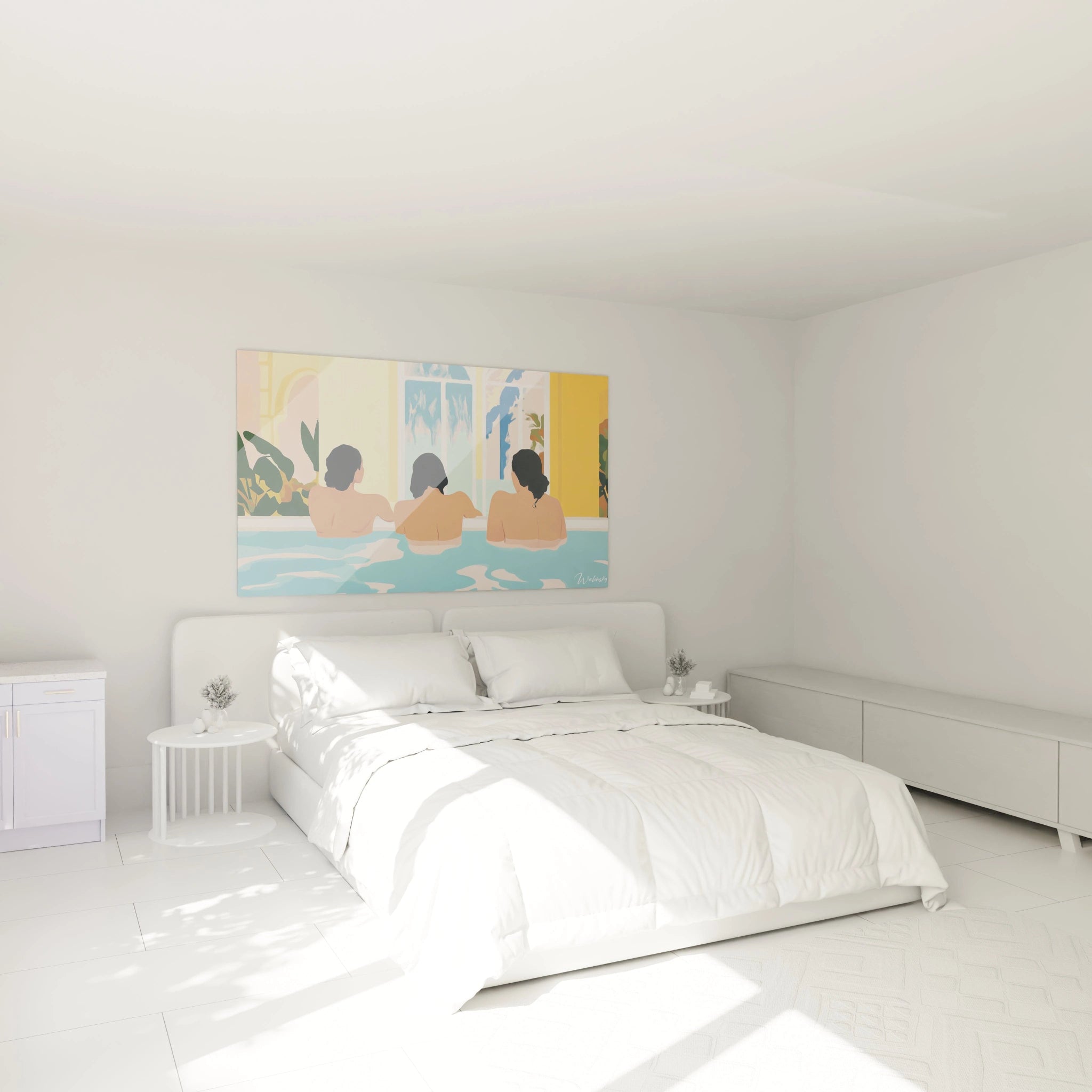
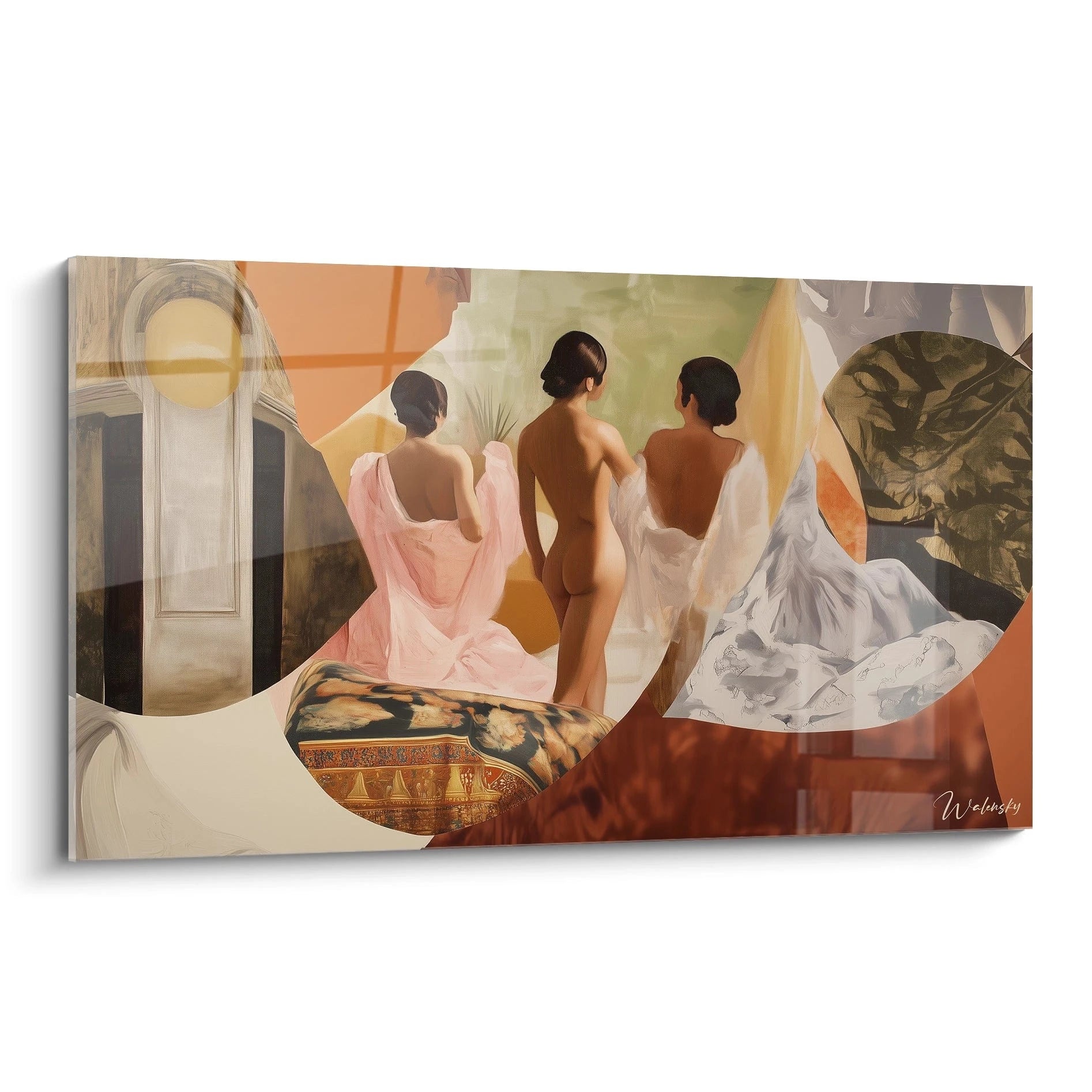
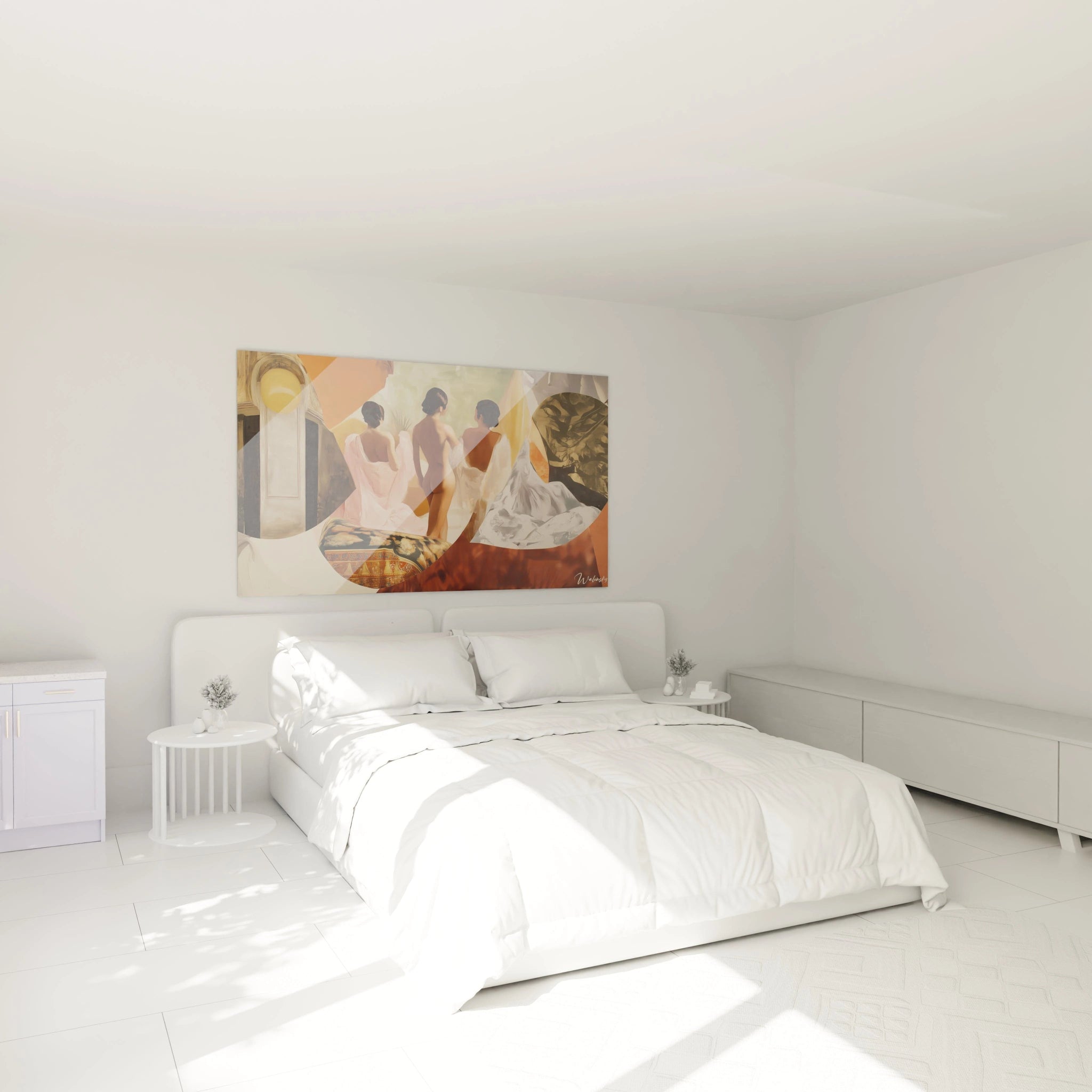
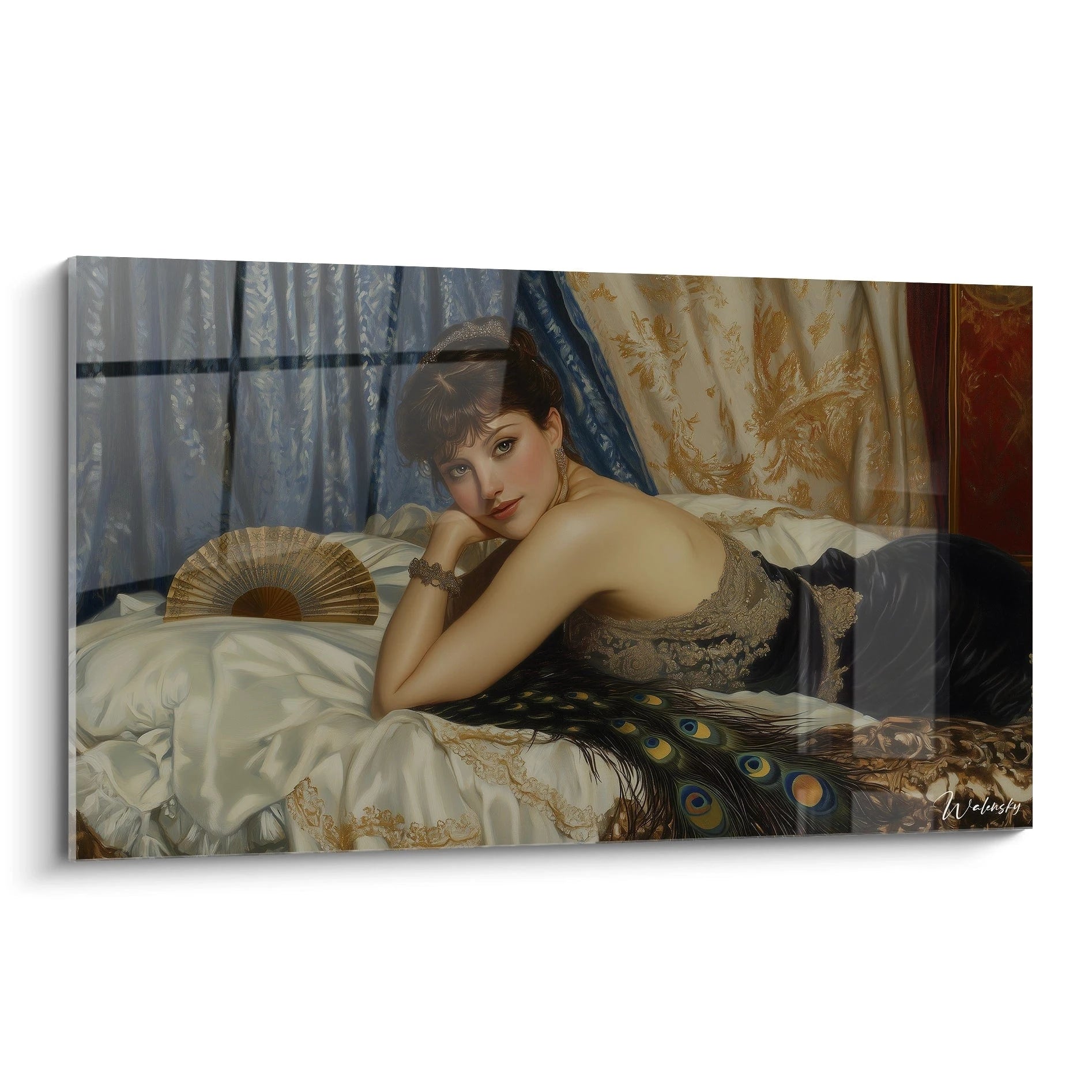
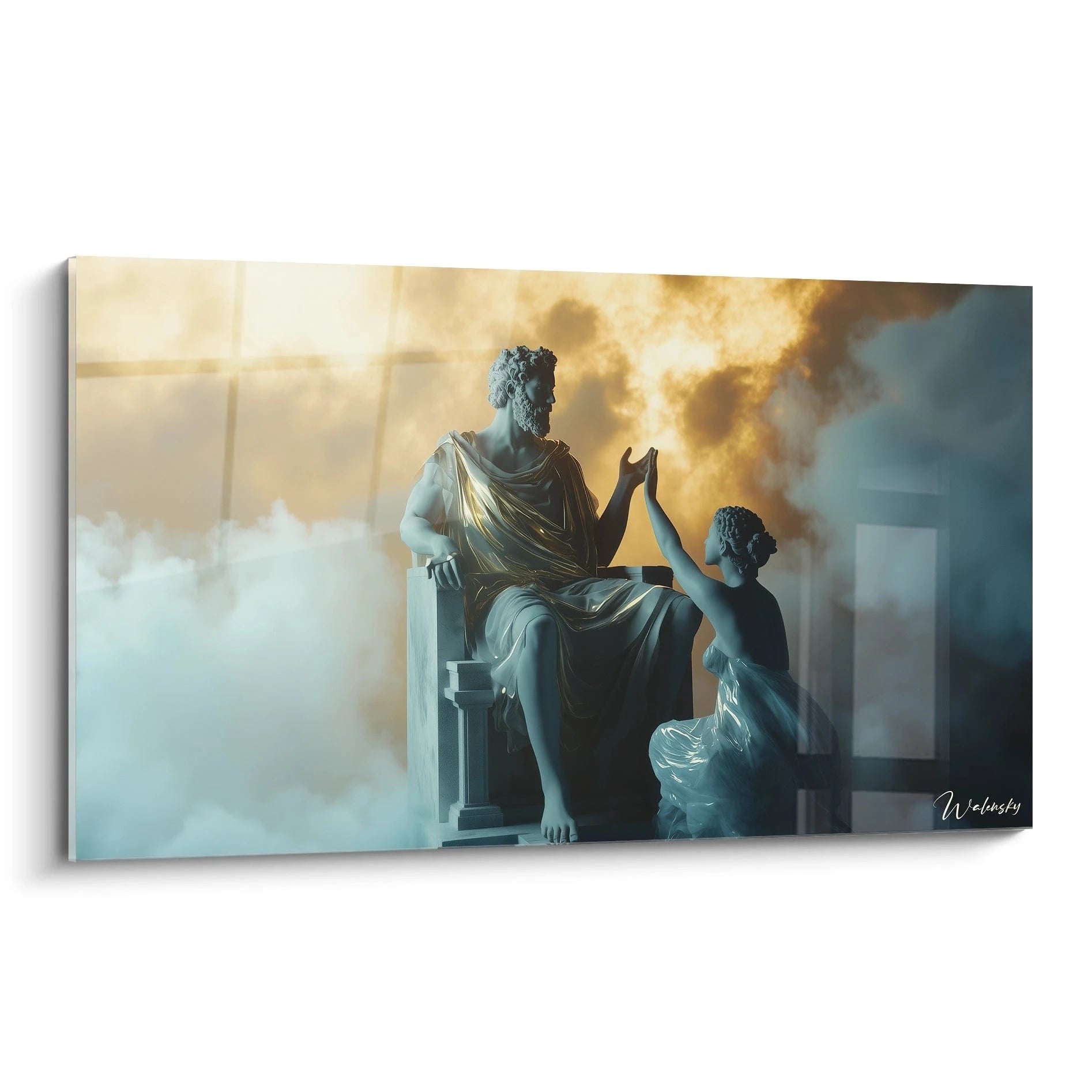
- Jean Auguste Dominique Wall Art Overview
- Artistic Analysis of Jean Auguste Dominique
- Neoclassical Style of Jean Auguste Dominique
- Heritage Value of Jean Auguste Dominique Works
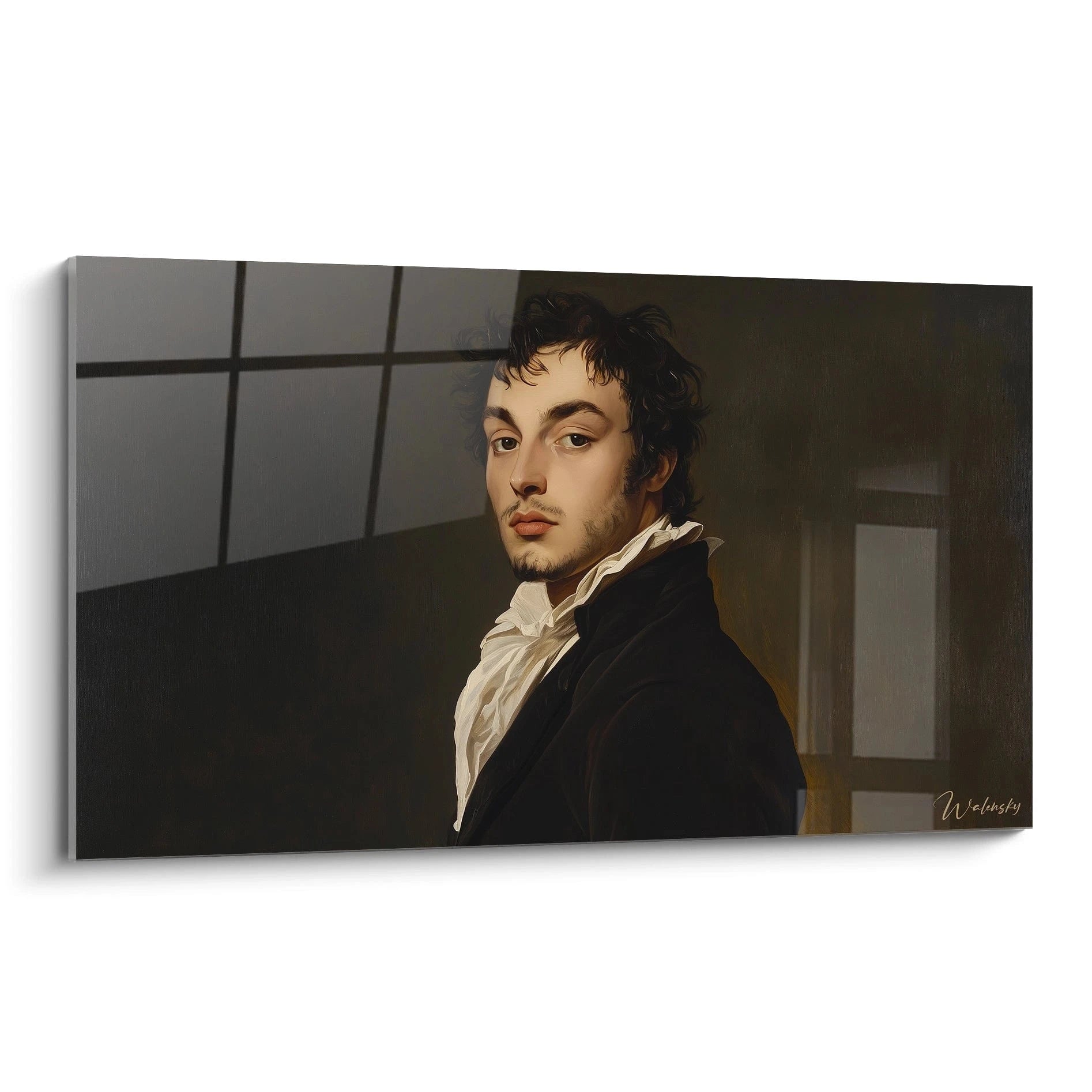
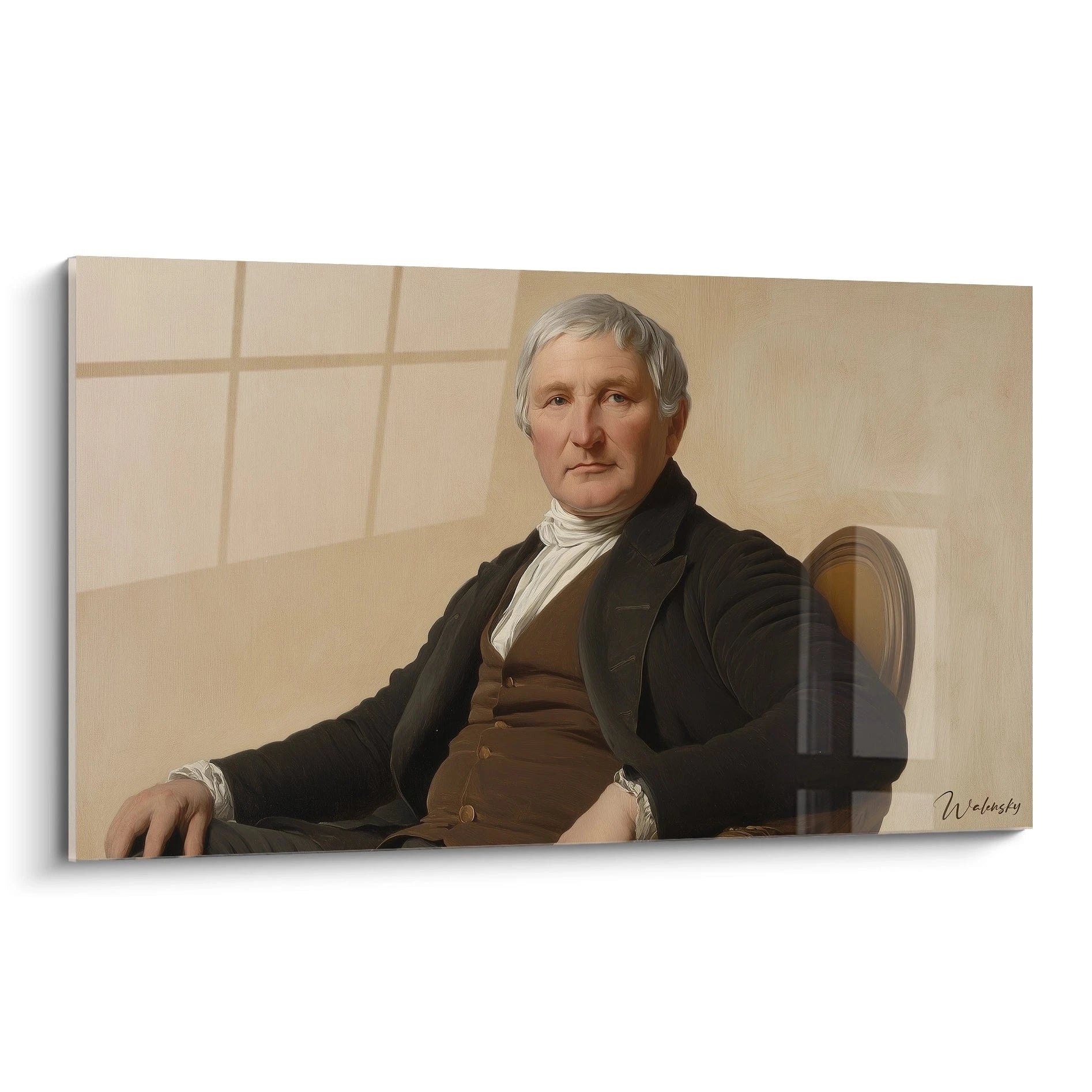
The paintings of Jean Auguste Dominique Ingres represent masterpieces of 19th-century French neoclassicism. Considered one of the greatest masters of portraiture and historical painting, Ingres created remarkable works distinguished by technical precision and formal elegance. His celebrated paintings stand out through pure lines, harmonious compositions, and extraordinary attention to detail. Ingres' collection of works includes official portraits, mythological scenes, and orientalist odalisques that profoundly influenced art history. Choosing a Jean Auguste Dominique painting for your interior means opting for a decorative element laden with history and artistic refinement that will instantly transform your space's atmosphere.
In-Depth Artistic Analysis of Jean Auguste Dominique Ingres
The pictorial works of Jean Auguste Dominique Ingres constitute a major artistic legacy of French neoclassicism. Born in 1780 in Montauban and died in 1867 in Paris, this exceptional artist developed an immediately recognizable style that transcends the artistic conventions of his era.
What characteristics distinguish the lines in Jean Auguste Dominique's paintings?
The Ingres line represents one of the most distinctive visual signatures of Jean Auguste Dominique's paintings. Unlike his Romantic contemporaries who favored color and emotional expressivity, Ingres developed an approach founded on the purity of drawing and precision of line. His sharp, sinuous contours create silhouettes of striking elegance, particularly visible in his female representations.
Ingres' line possesses an almost calligraphic quality that grants his compositions a unique visual musicality. This graphic precision never sacrifices sensuality—quite the opposite, it accentuates it by suggesting skin and fabric textures with incomparable subtlety. Acquiring a Jean Auguste Dominique painting allows you to introduce into your space this exceptional technical mastery that creates dialogue between formal rigor and aesthetic sensitivity.
The specific chromatic harmony of Ingres' creations
The chromatic palette displayed in Jean Auguste Dominique Ingres paintings reveals a singular and sophisticated colorist approach. Ingres favored cool tones, often dominated by deep blues, pearlescent grays, and delicate pinks that contrast with warmer accents. This deliberate chromatic economy creates a timeless, serene atmosphere, perfectly suited to contemporary interiors seeking classical elegance.
In his portraits and interior scenes, the artist often used neutral backgrounds to highlight his subjects, a technique that strengthens visual impact and presence. This restraint in color use generates an impression of monumentality even in more modest formats, making reproductions of Jean Auguste Dominique paintings perfect pieces to structure an reception space visually.
Architectural composition and spatiality in Ingres' works
The spatial organization of Jean Auguste Dominique Ingres paintings reveals meticulous construction reminiscent of architecture. Each element finds its place in calculated balance that subtly guides the viewer's gaze. Ingres mastered the art of creating compositions that seem both natural and perfectly orchestrated—an artistic paradox that continues to fascinate art lovers.
This architectural approach manifests particularly in his grand historical and mythological compositions where numerous figures organize themselves according to underlying geometric schemes. By hanging a Jean Auguste Dominique painting in a living space, you import this compositional rigor that structures the room visually while creating a culturally significant focal point.
The unique treatment of textures and materials
The representation of textiles and textures constitutes one of the most admired technical achievements in Jean Auguste Dominique Ingres paintings. The artist excelled in reproducing silks, velvet, satin, and lace with almost supernatural tactile precision. This virtuosity in rendering materials transforms his paintings into complete sensory experiences where the eye believes it can touch represented surfaces.
This unique ability to capture the tactile qualities of objects also appears in his treatment of human skin, often described as "porcelain-like"—smooth, luminous, and idealized. This contrast between perfect complexions and meticulous rendering of textiles creates a fascinating visual tension that characterizes Ingres' aesthetic and makes his reproductions particularly refined decorative elements for upscale residential spaces.
The influence of classical antiquity reinterpreted
References to Greco-Roman antiquity deeply permeate Jean Auguste Dominique Ingres paintings, but always reinterpreted according to modern and personal sensibility. More than simple imitation of antique canons, Ingres proposed a contemporary reading of classical ideals, thus creating a temporal bridge between different artistic eras.
This synthesis between classical tradition and personal vision manifests in his mythological compositions where ancient deities and heroes acquire almost photographic presence despite their formal idealization. Incorporating a reproduction of a Jean Auguste Dominique painting into contemporary décor allows establishing a fascinating dialogue between past and present, tradition and modernity, making these works particularly relevant decorative choices for culturally informed spaces.Revolutionary Neoclassical Style of Jean Auguste Dominique
The neoclassical style adopted by Jean Auguste Dominique Ingres represents a significant evolution in European art history. Far from being a mere adherent to academic conventions, Ingres transformed neoclassical codes by creating an immediately identifiable personal aesthetic that continues influencing contemporary visual arts.
How did Jean Auguste Dominique paintings redefine formal portraiture?
The official portraits executed by Ingres revolutionized the genre by combining technical perfection with psychological depth. Unlike conventional formal portraits that privileged only symbols of power, Jean Auguste Dominique paintings explore the psychological complexity of represented personalities while respecting formal conventions.
His famous "Portrait of Napoleon on the Imperial Throne" perfectly illustrates this innovative approach. Beyond meticulously rendered imperial attributes, Ingres captures an almost hieratic presence that transcends simple protocol representation. This ability to fuse ceremonial grandeur and psychological truth makes reproductions of Jean Auguste Dominique portraits particularly striking pieces in reception spaces where they add unequaled historical dimension and visual authority.
Innovation in representing the female figure
The representation of the female body in Jean Auguste Dominique Ingres paintings constitutes one of the most innovative and controversial aspects of his work. His female nudes, notably the famous "Grande Odalisque" and "The Turkish Bath," propose deliberately stylized anatomy that departs from academic proportions in favor of linear elegance taken to extremes.
The characteristic elongation of the back and limbs in his female figures initially provoked virulent criticism before being recognized as audacious stylistic signature. This deliberate distortion of anatomical proportions in service of visual harmony prefigures certain modern approaches and makes reproductions of Jean Auguste Dominique paintings particularly suitable decorative elements for contemporary interiors seeking dialogue between classicism and modernity.
Spatial revolution in historical compositions
Ingres' grand historical compositions introduce a revolutionary conception of pictorial space. Contrary to traditional atmospheric perspective, Jean Auguste Dominique paintings often present deliberate flatness that compresses space and accentuates the decorative dimension of representation.
This innovative spatial approach is particularly visible in "The Apotheosis of Homer" where figures seem arranged on different planes without true atmospheric depth. This quasi-two-dimensional conception of space announces certain modern art investigations while maintaining classical anchorage characterizing his work. Large reproductions of these historical compositions create spectacular focal points in contemporary architectural spaces, particularly in monumental entrances or reception halls.
Orientalism reinvented as an aesthetic language
The Orientalism developed in Jean Auguste Dominique Ingres paintings transcends simple exoticism to become genuine aesthetic language. Unlike many Orientalist painters of his era, Ingres never traveled to the Orient, thus creating an imaginary aesthetic world founded on literary and iconographic sources rather than direct observation.
This distance from the subject allowed him to develop a stylized, idealized vision of the Orient functioning more as autonomous aesthetic territory than attempted faithful representation. His odalisques and harem scenes exist in a parallel pictorial universe governed by its own formal laws. Reproductions of these Orientalist paintings bring a dreamlike, sensual dimension to contemporary spaces, creating sophisticated ambiances particularly suited to master bedrooms and boudoirs.
Reinterpreting classical myths for the modern era
The modernization of classical myths constitutes one of the major innovations of Jean Auguste Dominique Ingres paintings. By reinterpreting traditional Greco-Roman narratives, the artist infuses them with contemporary sensibility making them accessible and relevant for his 19th-century viewers as for us today.
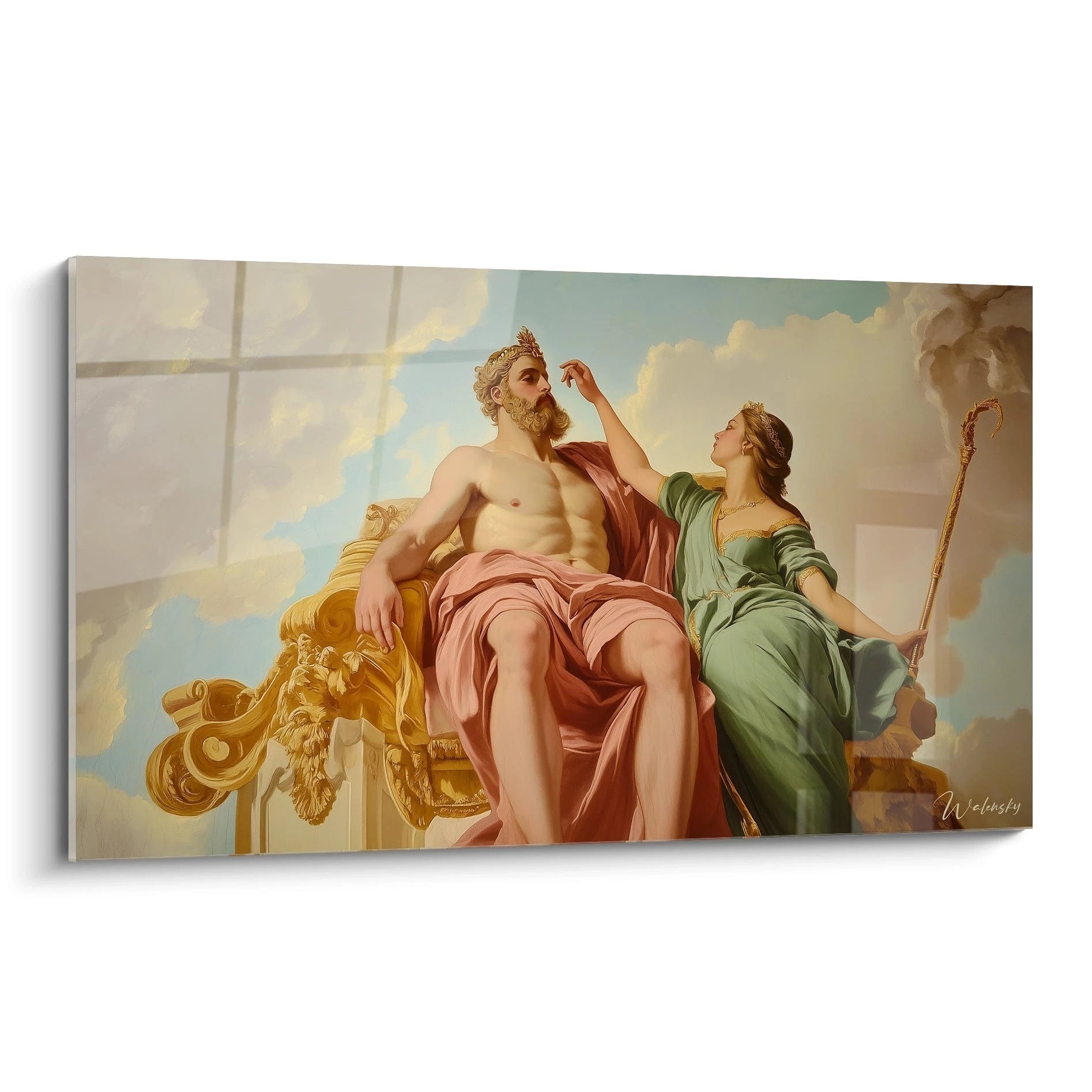
His "Jupiter and Thetis" or "Oedipus and the Sphinx" illustrate this actualization of mythological narratives through visual approach combining archaeological rigor with modern sensibility. This unique synthesis between classical heritage and personal vision makes Ingres' mythological reproductions particularly suitable elements for libraries and study spaces where they establish timeless atmosphere conducive to intellectual reflection.Exceptional Heritage Value of Jean Auguste Dominique Paintings
Jean Auguste Dominique paintings represent an artistic patrimony of inestimable value whose historical and cultural importance continues increasing. Beyond their obvious aesthetic qualities, these works constitute precious testimony of a pivotal period in Western art history, between academic tradition and first stirrings of modernity.
Why are Jean Auguste Dominique paintings considered historical milestones?
Ingres' works mark a crucial moment in European painting evolution. Situated at the intersection between waning neoclassicism and prelude to modern sensibility, they perfectly embody artistic tensions of their era. This pivotal position in art history grants Jean Auguste Dominique paintings historical and cultural importance transcending their immediate aesthetic value.
The considerable influence exercised by Ingres on subsequent generations of artists—from Degas to Picasso through Matisse—testifies to the revolutionary dimension underlying his apparent academic conformity. By integrating a quality reproduction of a Jean Auguste Dominique painting in contemporary space, you introduce not only refined decorative element but also major cultural reference enriching intellectually the environment.
Exceptional institutional recognition
The massive presence of Jean Auguste Dominique Ingres paintings in the world's most prestigious museum institutions attests their unquestionable heritage importance. From the Louvre to New York through Saint Petersburg, Ingres' works systematically occupy privileged placements in major international museums' permanent collections.
This institutional omnipresence grants reproductions of Jean Auguste Dominique paintings immediate cultural legitimacy when integrated into residential or professional spaces. They function as markers of intellectual refinement and artistic knowledge, instantly signaling the cultural sophistication of their owner while creating memorable visual anchors in interior design.
Long-term heritage investment
The market value of original Jean Auguste Dominique Ingres paintings has experienced constant appreciation over several decades, illustrating their status as exceptional heritage assets. The rare works appearing on the market systematically generate spectacular auction prices, confirming their privileged position in the hierarchy of artistic investments.
Even high-quality reproductions of these works constitute durable decorative investments whose aesthetic relevance never becomes outdated, unlike many ephemeral decorative trends. A Jean Auguste Dominique painting brings to your interior a timeless dimension transcending fleeting fashions and integrating harmoniously into practically all decorative styles, from most classical to most contemporary.
The pedagogical and cultural dimension
Jean Auguste Dominique paintings possess remarkable educational and cultural value considerably enriching spaces where they're displayed. These works stimulate intellectual curiosity and enriching conversations, transforming your interior into a place of cultural exchange and aesthetic learning.
This pedagogical dimension proves particularly valuable in households with children or adolescents, where quality artistic reproductions' presence contributes developing aesthetic sensitivity and visual culture of young generations. By choosing a Jean Auguste Dominique painting for your living space, you invest in intellectually stimulating environment favoring artistic appreciation and daily cultural enrichment.
How to integrate Ingres' heritage into contemporary decoration?
Jean Auguste Dominique paintings lend themselves remarkably well to varied decorative integrations, even in most contemporary environments. Their formal balance and technical refinement create elegant counterpoints to modern designs, establishing fascinating visual dialogues between eras and styles.
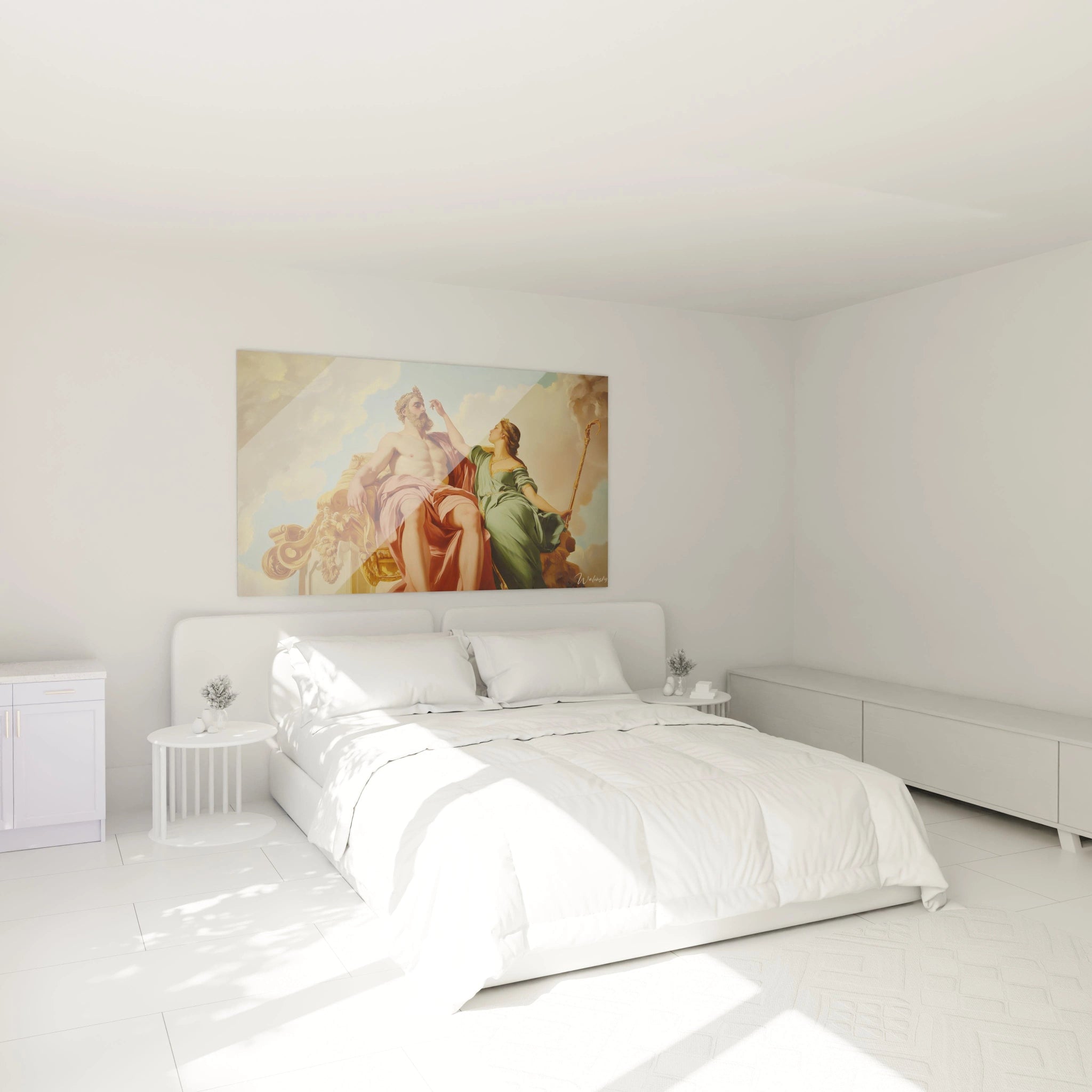
Large-format reproductions of historical or mythological compositions function ideally as focal pieces in reception spaces, while more intimate portraits find their perfect place in personal spaces like offices or bedrooms. This contextual versatility makes Jean Auguste Dominique paintings particularly polyvalent decorative elements adapting to practically all architectural environments.
FAQ on Jean Auguste Dominique Paintings
What is the main pictorial technique used in Jean Auguste Dominique paintings?
Jean Auguste Dominique Ingres worked primarily in oil on canvas, with an extremely meticulous technique characterized by very fine, smooth pictorial layers. This approach allowed him to achieve that porcelain-like finish and detail precision immediately distinguishing his works. Unlike his Romantic contemporaries, he deliberately minimized impasto and brushstrokes to create perfectly uniform surfaces.
Do Jean Auguste Dominique paintings suit contemporary minimalist interiors?
Paradoxically, Jean Auguste Dominique Ingres paintings integrate remarkably well into contemporary minimalist décor. Their formal rigor and often restricted palette create interesting dialogue with modern interiors' pared-down aesthetic. Large-format reproductions, particularly in black and white or monochrome, function as sophisticated focal points adding historical depth to minimalist interiors without disrupting their visual coherence.
What are rare subjects in Jean Auguste Dominique paintings deserving more attention?
Beyond his celebrated portraits and odalisques, Ingres produced Italian landscapes of great sensitivity remaining relatively unknown to the general public. These architectural views, notably those of Rome and surroundings, reveal a lesser-known facet of his talent. Created primarily during his Villa Medici stay, these more spontaneous paintings offer interesting counterpoint to his more elaborate compositions' formal rigor and constitute original decorative choices for connoisseurs.