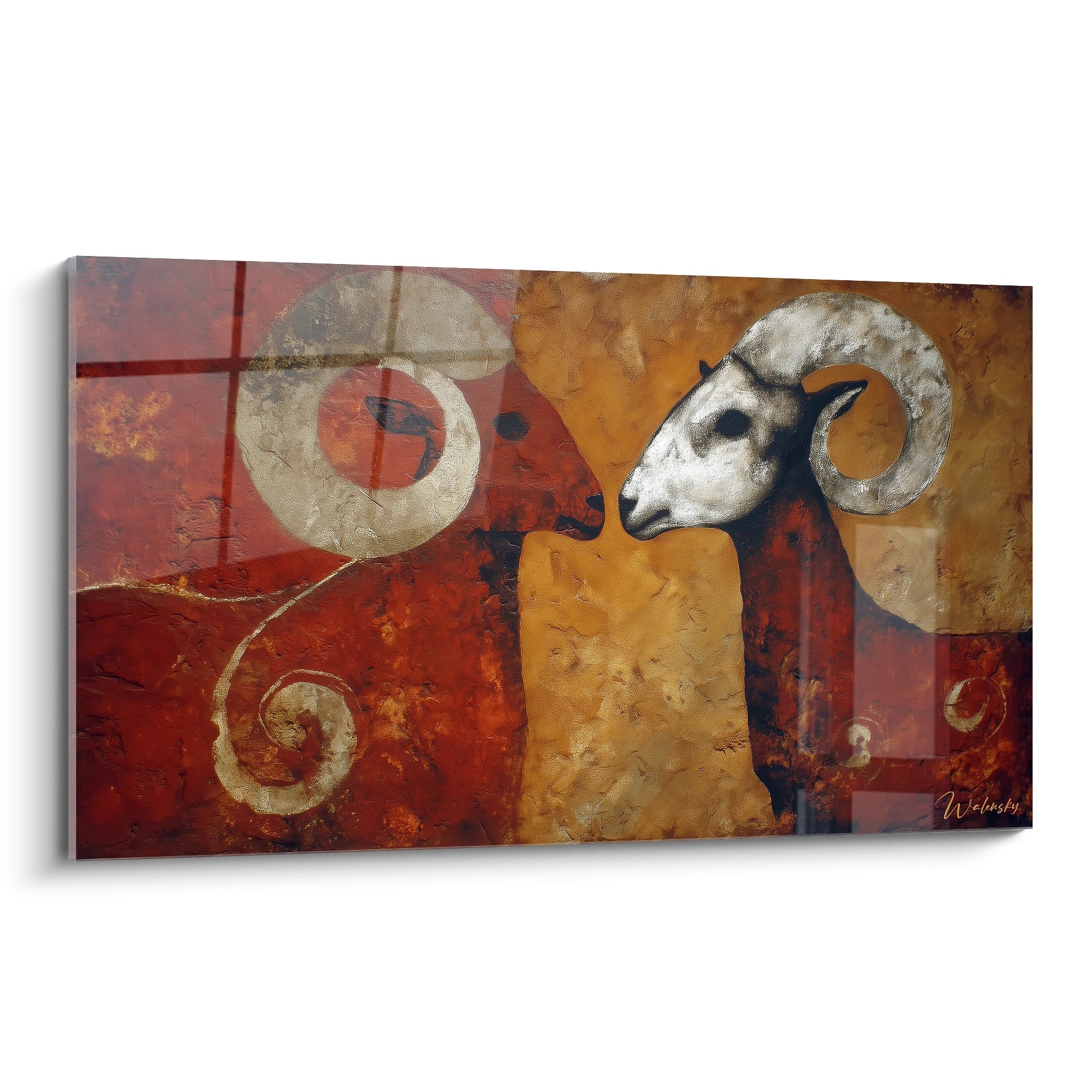
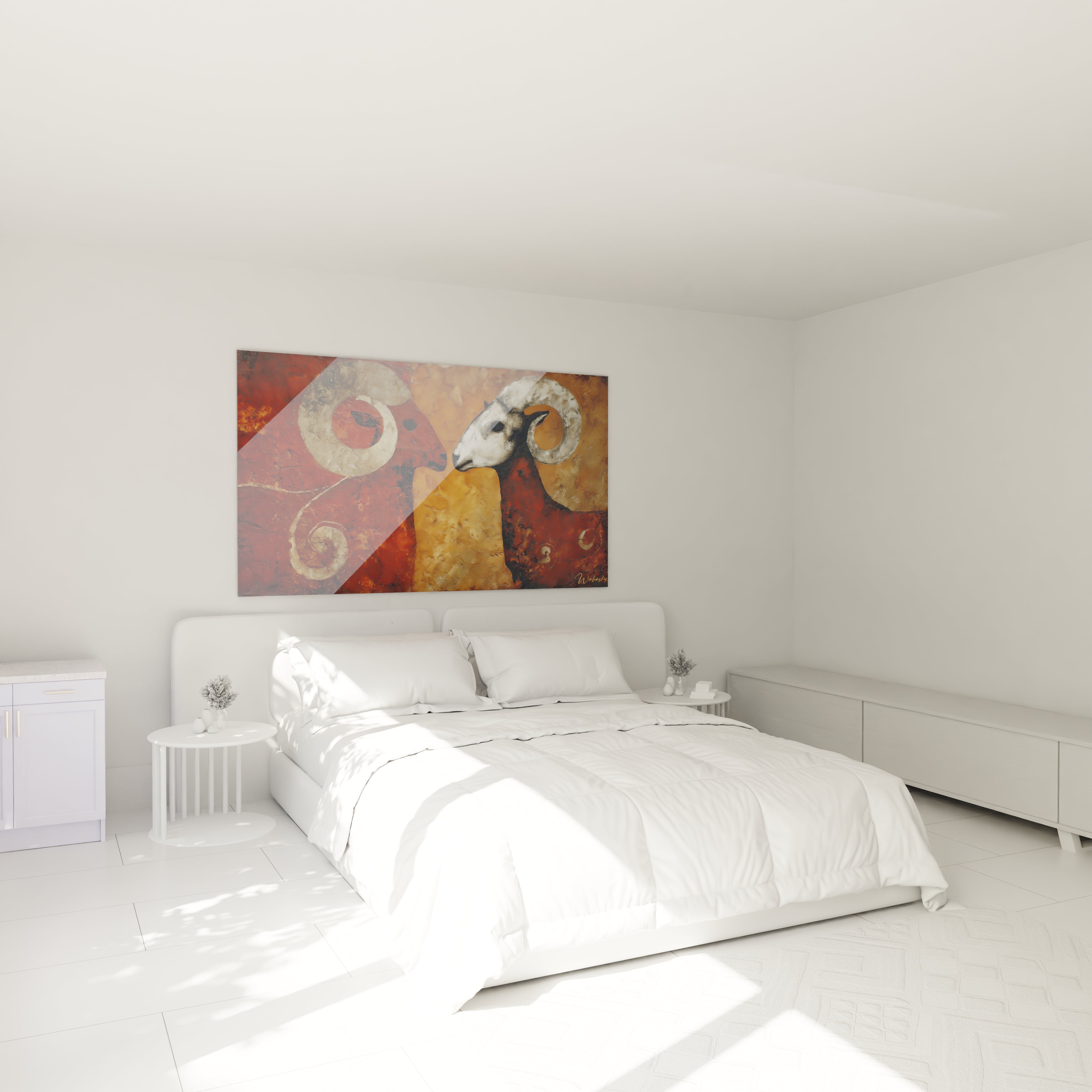
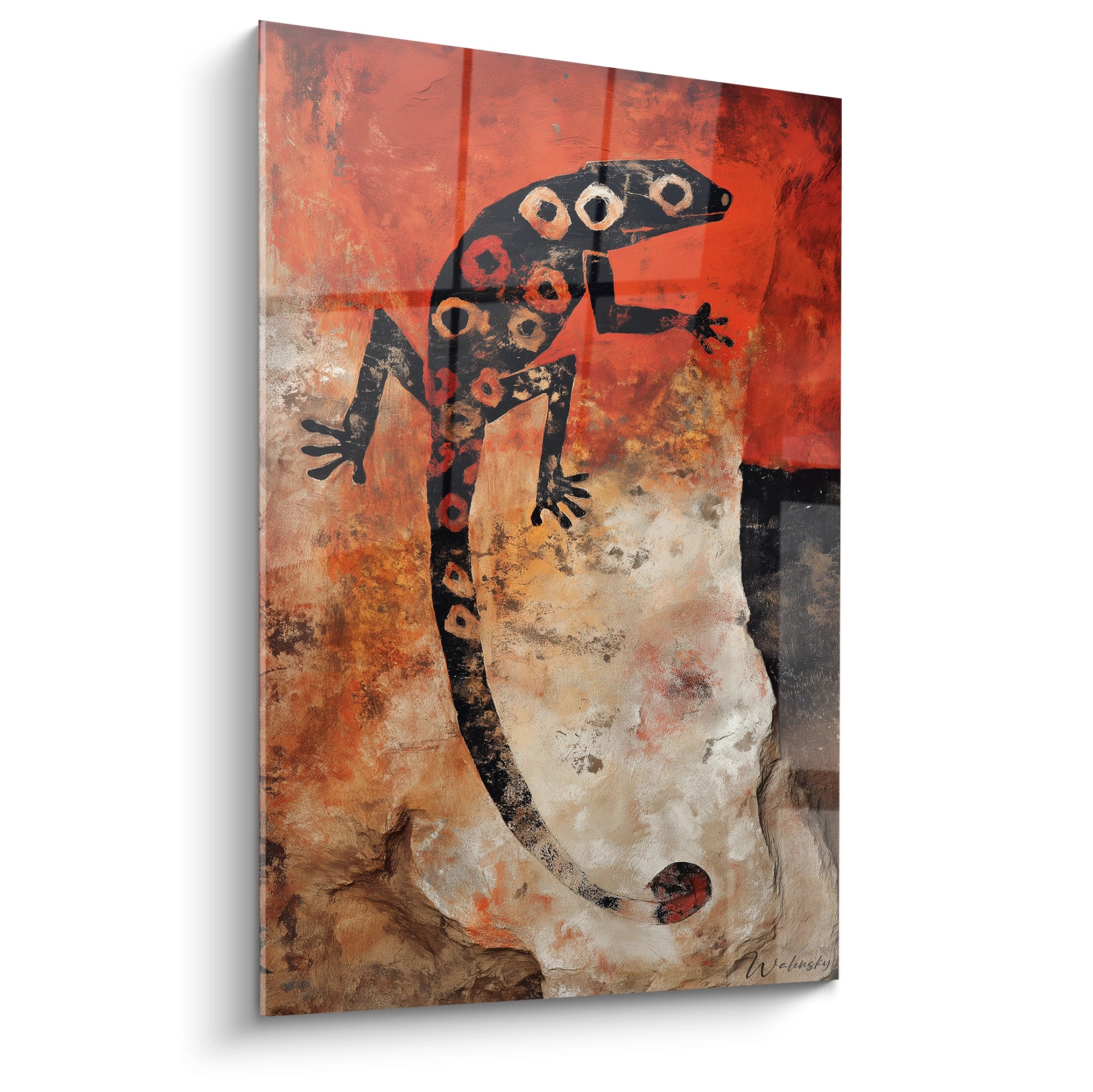
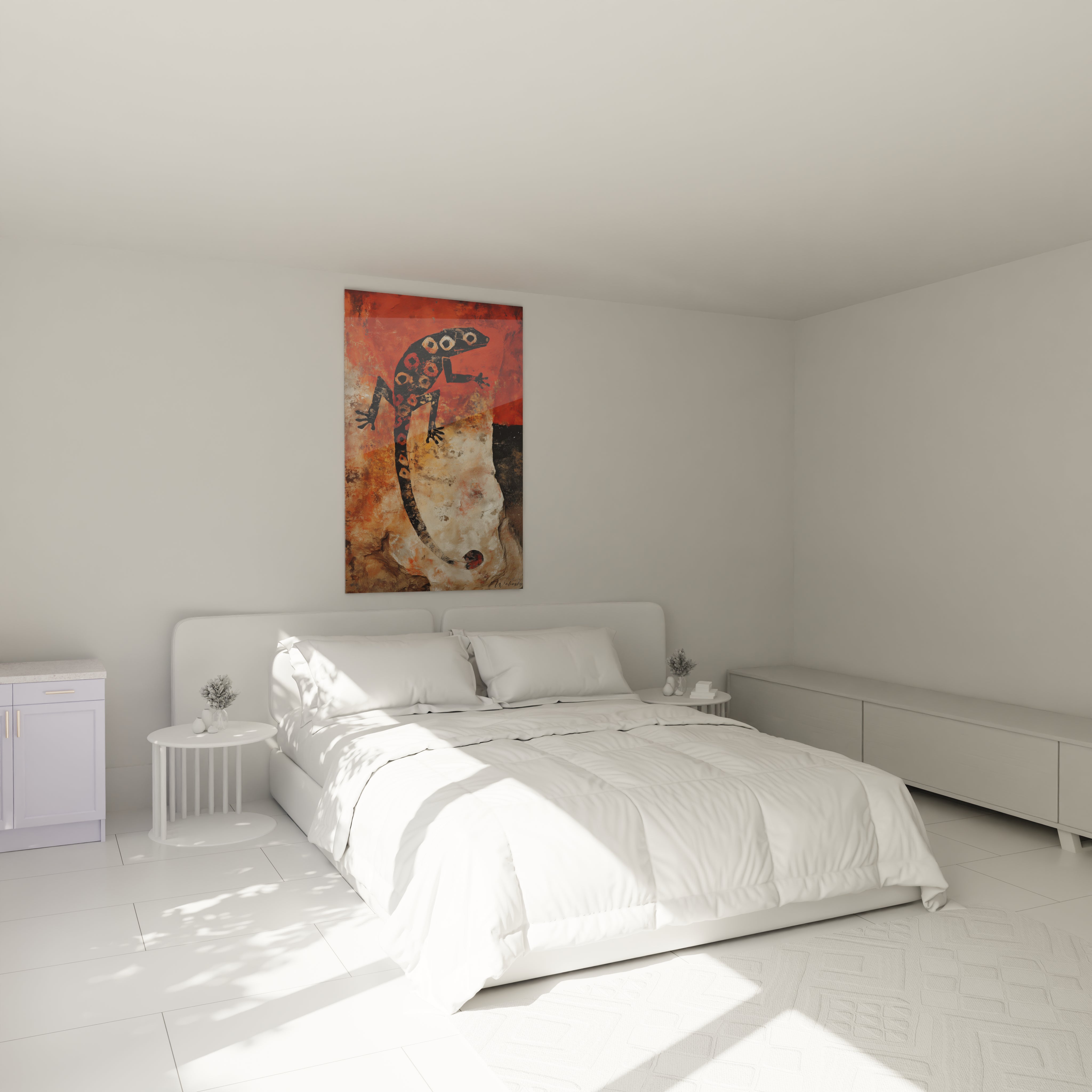
- Prehistoric Fresco Wall Art Presentation
- Monumental Parietal Art Reproductions
- Paleolithic Animal Symbolism
- Private Museum Dimension
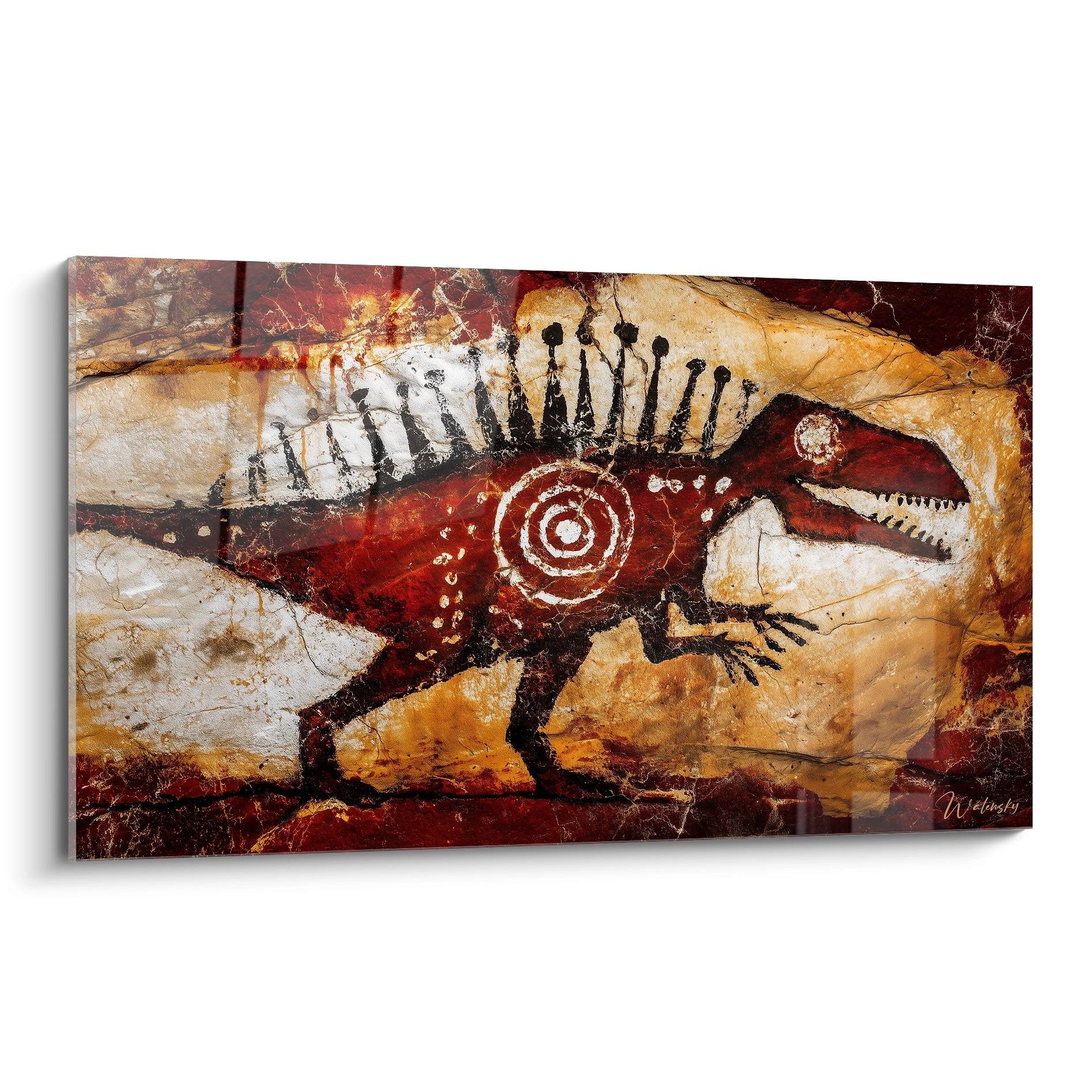
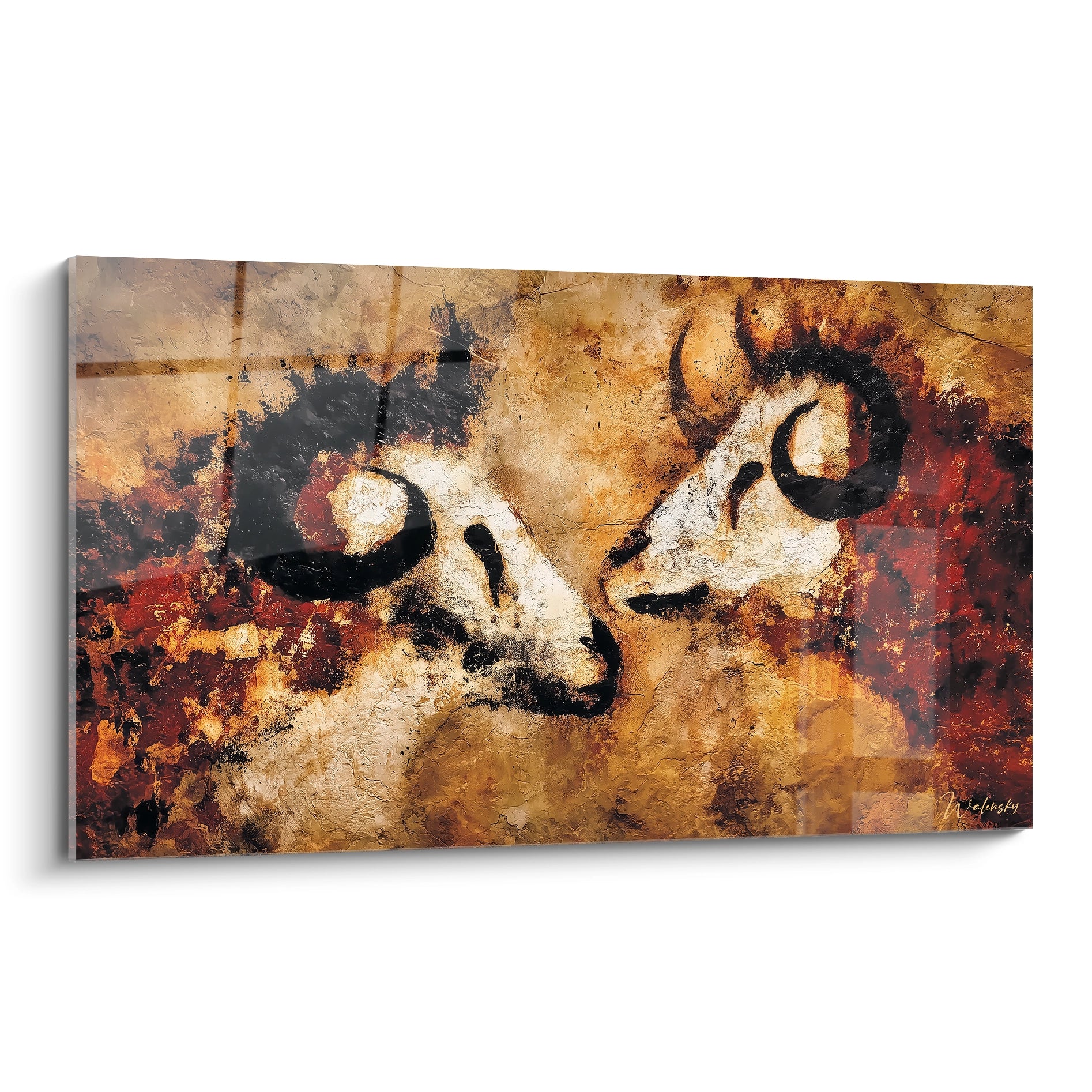
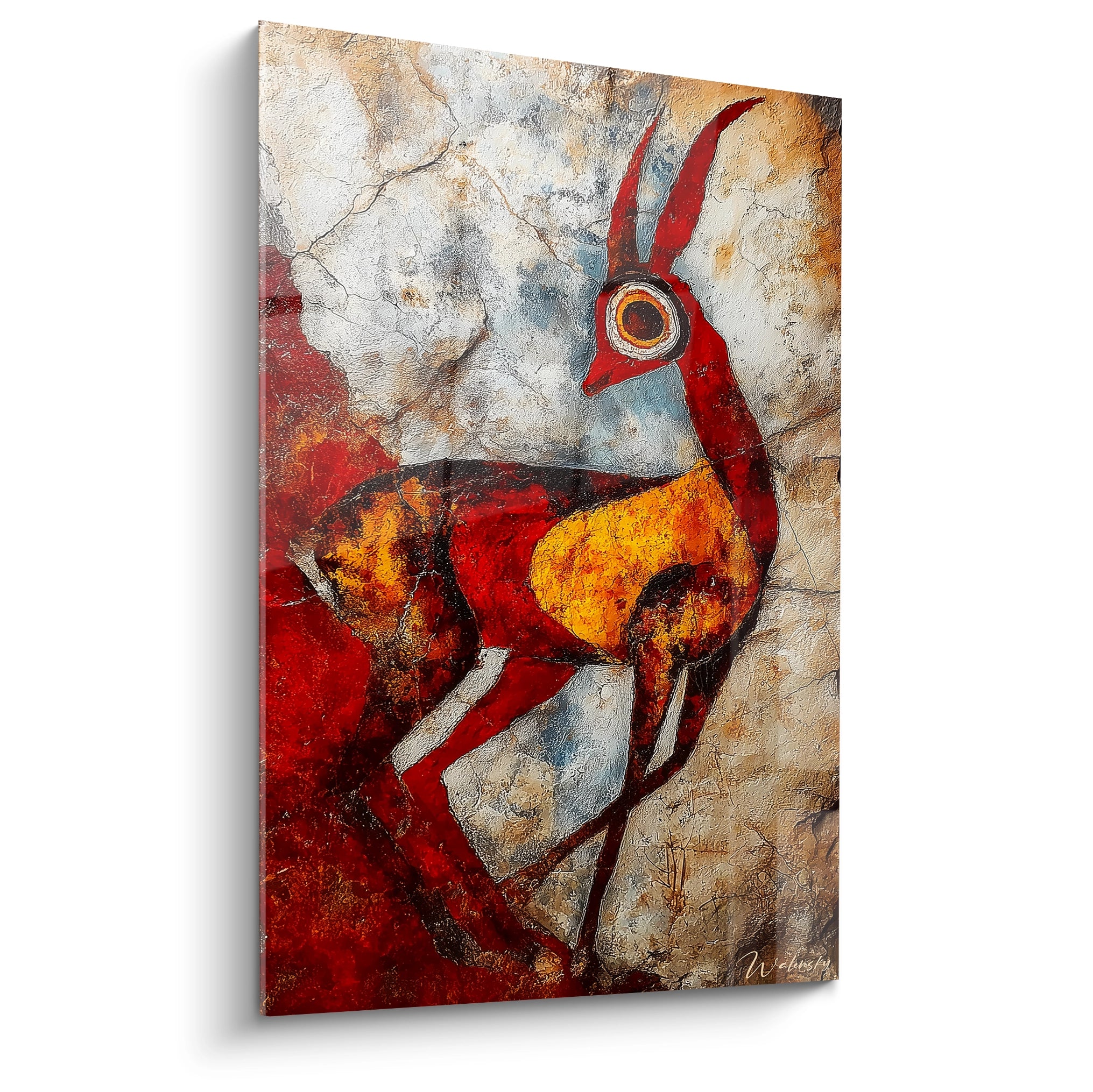
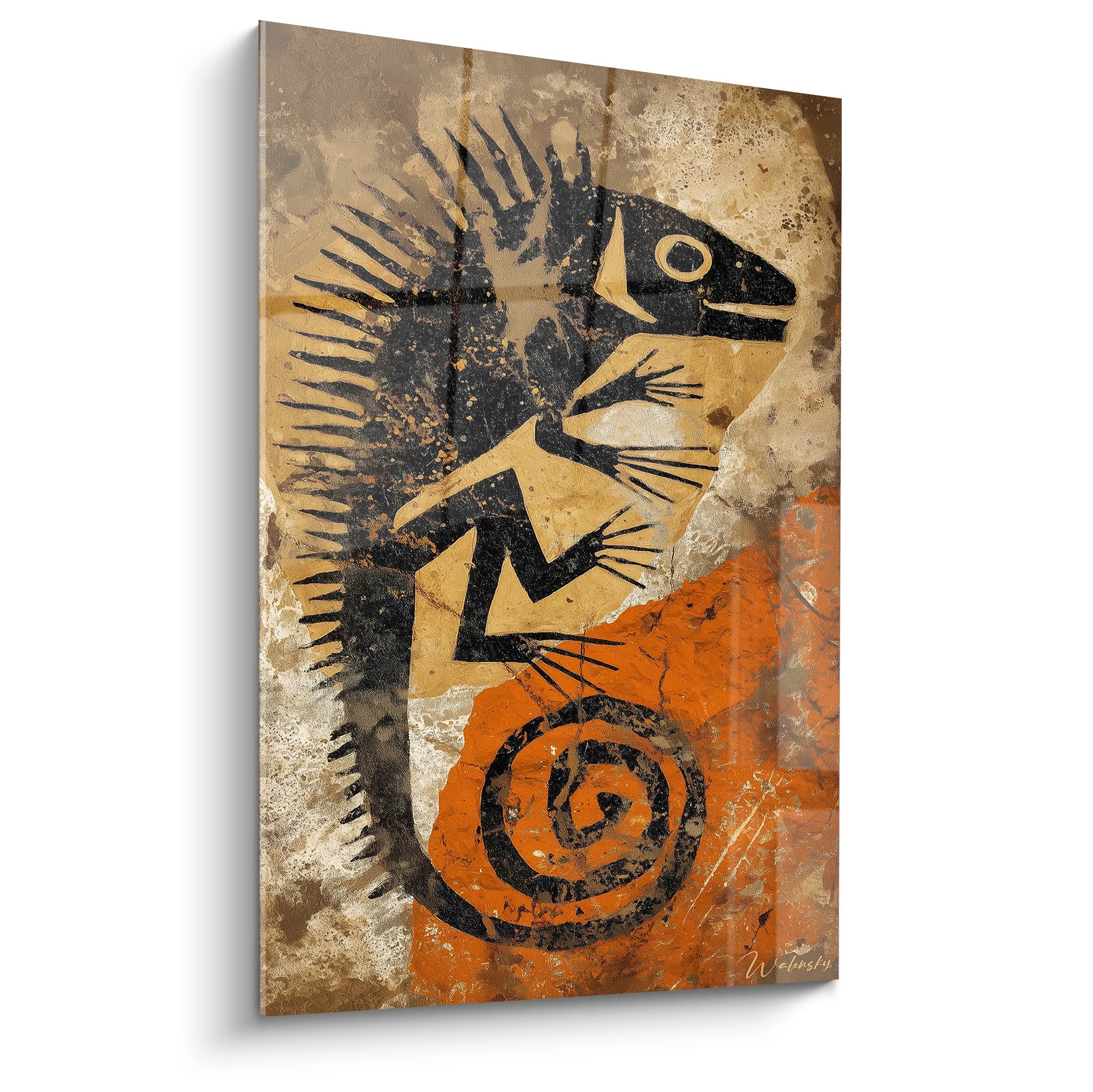
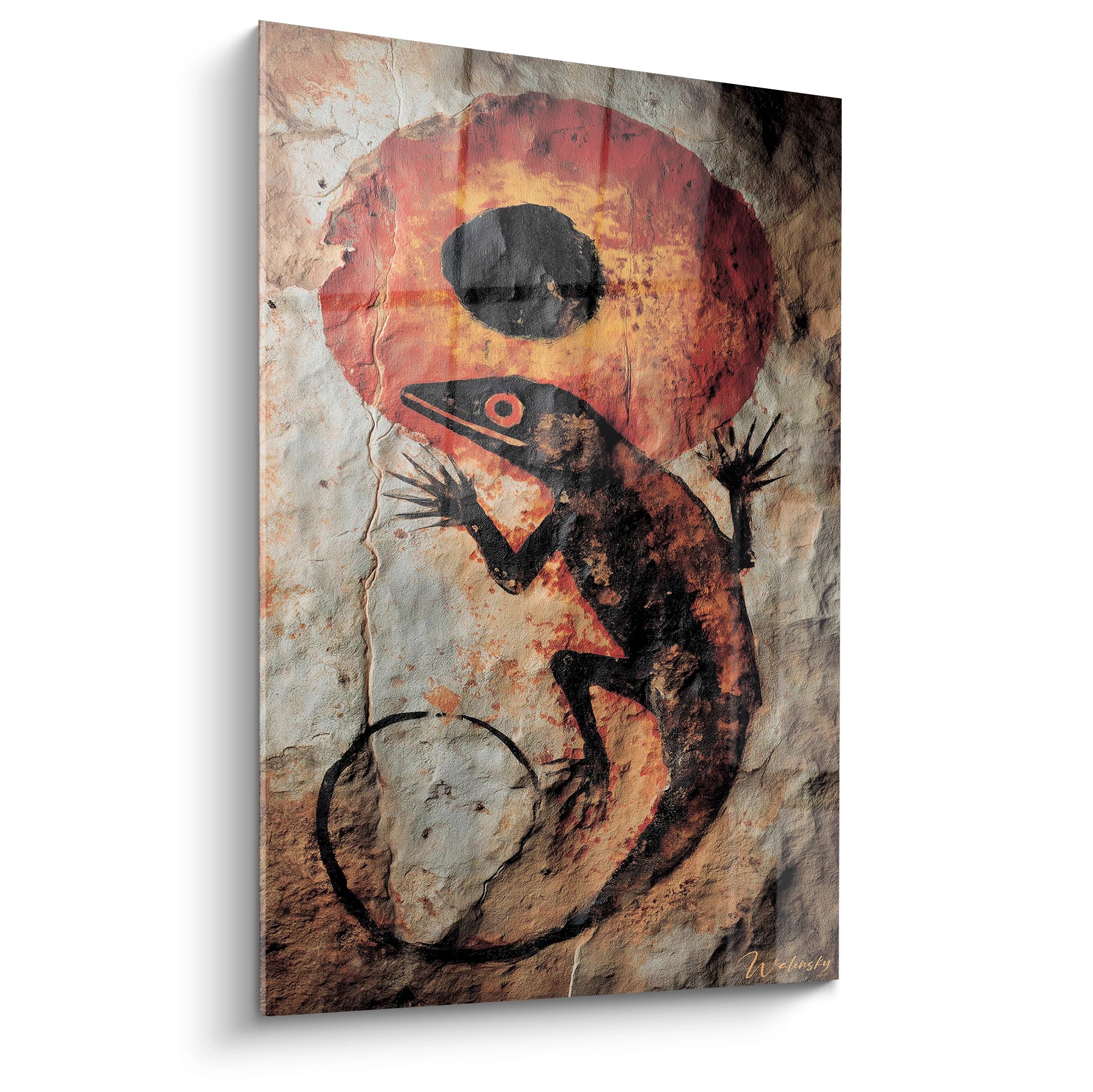
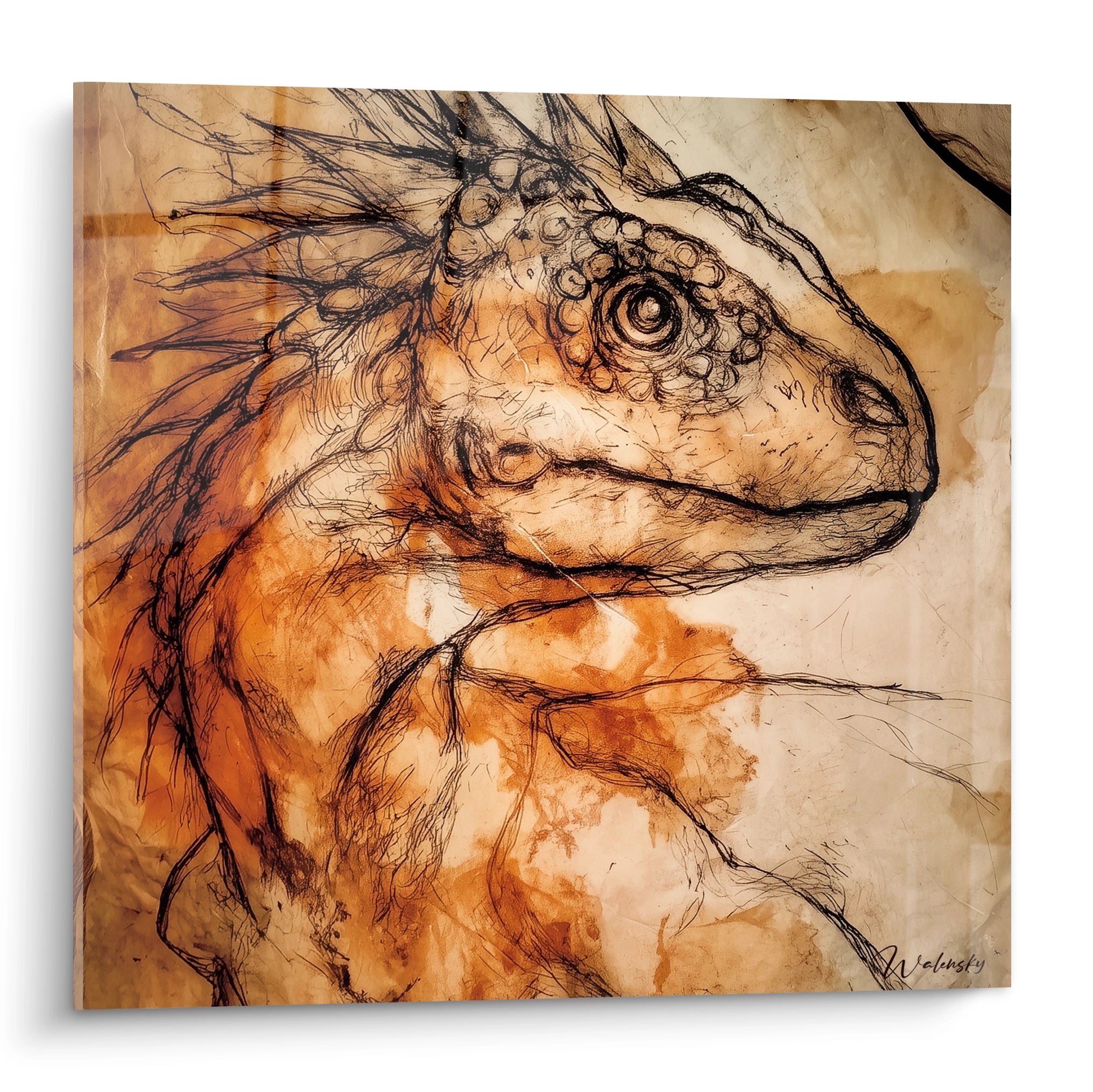
A prehistoric fresco wall art transforms your interior into an archaeological sanctuary, celebrating the emergence of human artistic consciousness more than 40,000 years ago. These monumental representations capture the essence of Paleolithic decorated caves, where our Magdalenian and Aurignacian ancestors carved their vision of the world onto rock walls. Far more than simple wall decoration, these rock art reproductions embody humanity's first visual language, testifying to the primitive relationship between man and his wild environment. Each hunting scene, each silhouette of aurochs or bison, each negative hand tells a millennial story that still resonates in our collective imagination.
Monumental Reproductions of Major Rock Art Sites
The large-format prehistoric fresco wall art recreates the immersive experience of the world's most celebrated decorated caves. Unlike standard photographic reproductions, these monumental representations capture the rough texture of limestone walls, the calcite flows that preserved pigments for millennia, and that unique atmospheric quality emanating from the deep caverns where parietal art developed between 40,000 and 10,000 years ago.
Lascaux and the Hall of Bulls: a majestic Paleolithic composition
The famous Lascaux frieze, with its giant aurochs reaching up to 5 meters in the original cave, finds new life in monumental formats adapted to contemporary spaces. These reproductions respect the striking proportions of Magdalenian animals, painted 17,000 years ago with natural pigments of red ochre, manganese oxide and charcoal. The visual effect produced by these generous dimensions recreates that sensation of smallness that Paleolithic artists felt facing the Pleistocene megafauna.
The chromatic nuances obtained by Upper Paleolithic hunter-gatherers reveal astonishing technical mastery. Gradations of ochres, from pale yellow to blood red, highlight the muscular volumes of large herbivores. This ancestral polychromy, when reproduced at monumental scale, generates surprising depth that transforms any wall into a temporal portal to the ice age.
Chauvet Cave: animal realism at the origins
Discovered in 1994, Chauvet Cave houses the oldest known sophisticated animal representations, dating back 36,000 years. Its monumental panels present cave lions, woolly rhinoceroses and mammoths in dynamic compositions that defy our understanding of artistic evolution. A wall art piece reproducing these Aurignacian scenes brings incomparable emotional charge, as it materializes the first manifestations of human creative genius.
The technique of twisted perspective, where bodies are seen in profile while horns appear frontally, characterizes these primitive prehistoric frescoes. This artistic convention, repeated for 25,000 years in Franco-Cantabrian parietal art, confers a familiar strangeness to representations that fascinates the modern eye. Imposing formats allow full appreciation of these graphic subtleties that Paleolithic artists perfected generation after generation.
What spatial impact does a monumental rock art reproduction have?
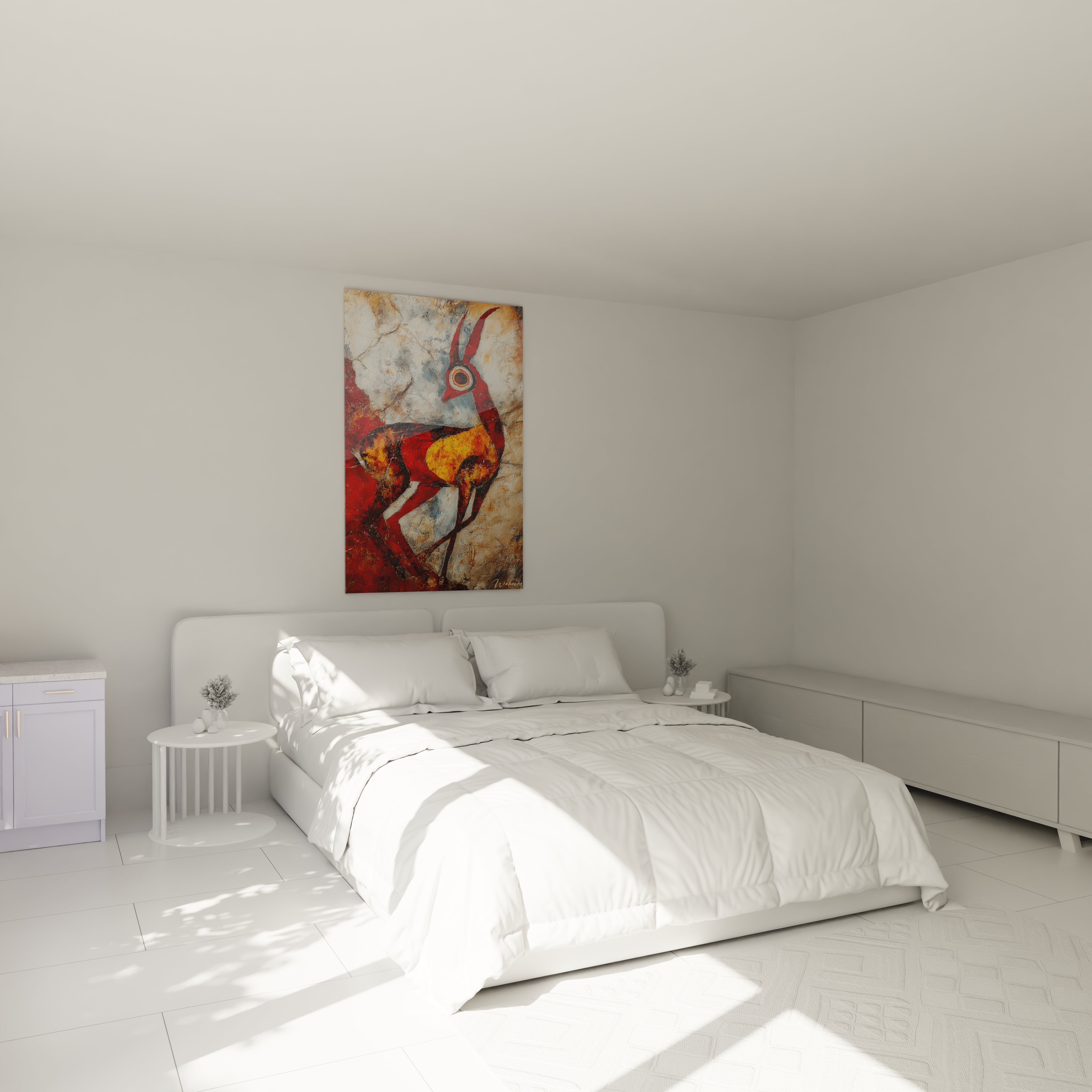
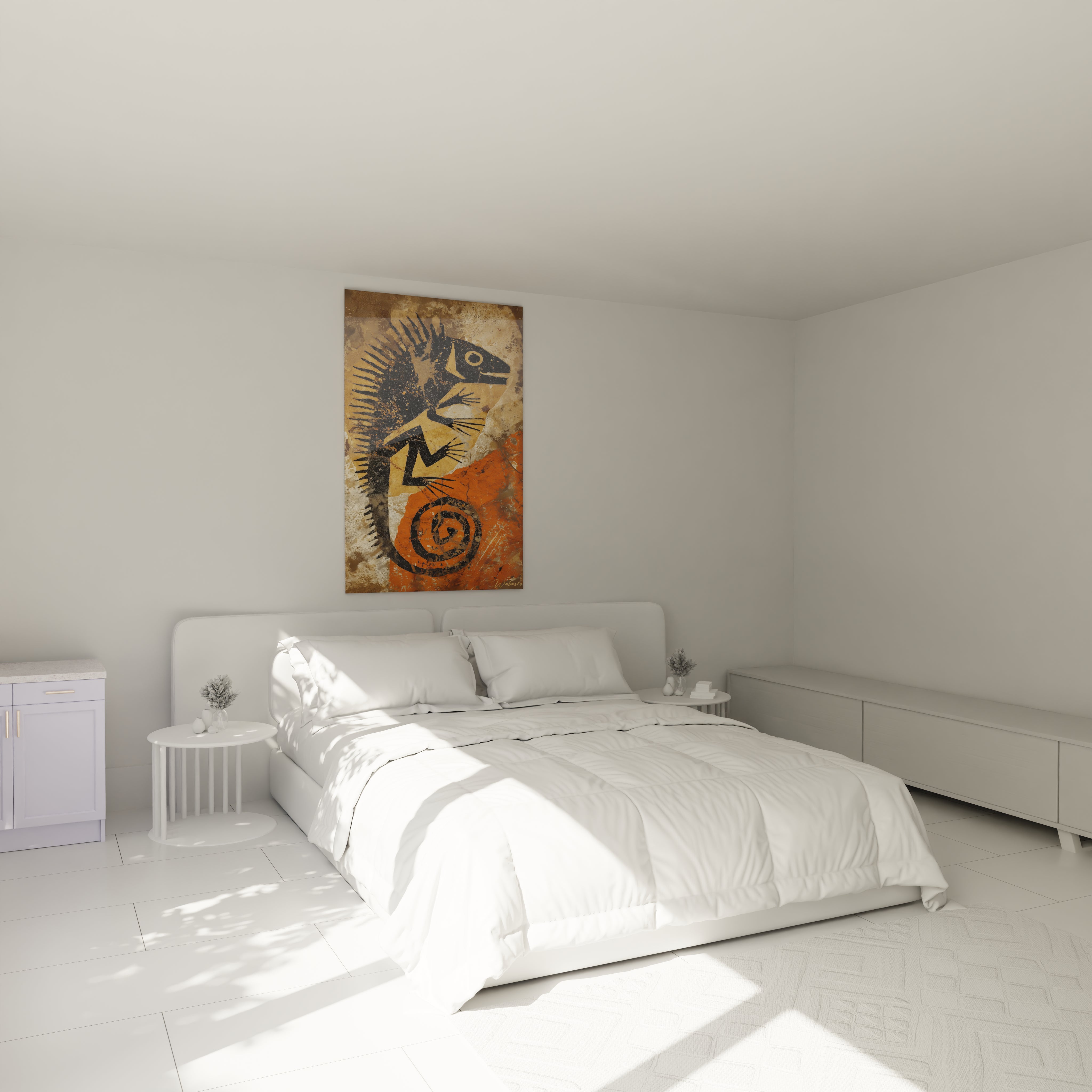
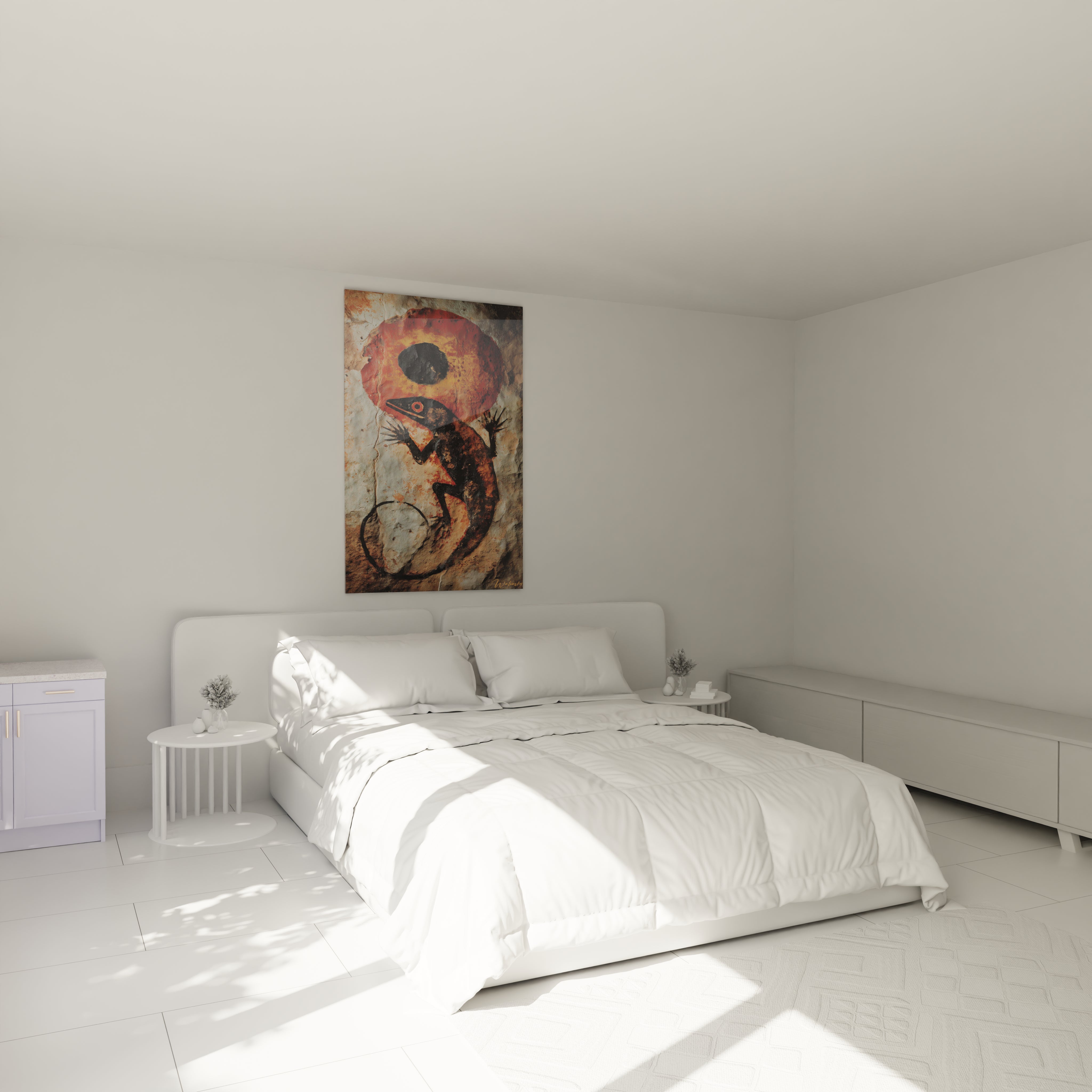
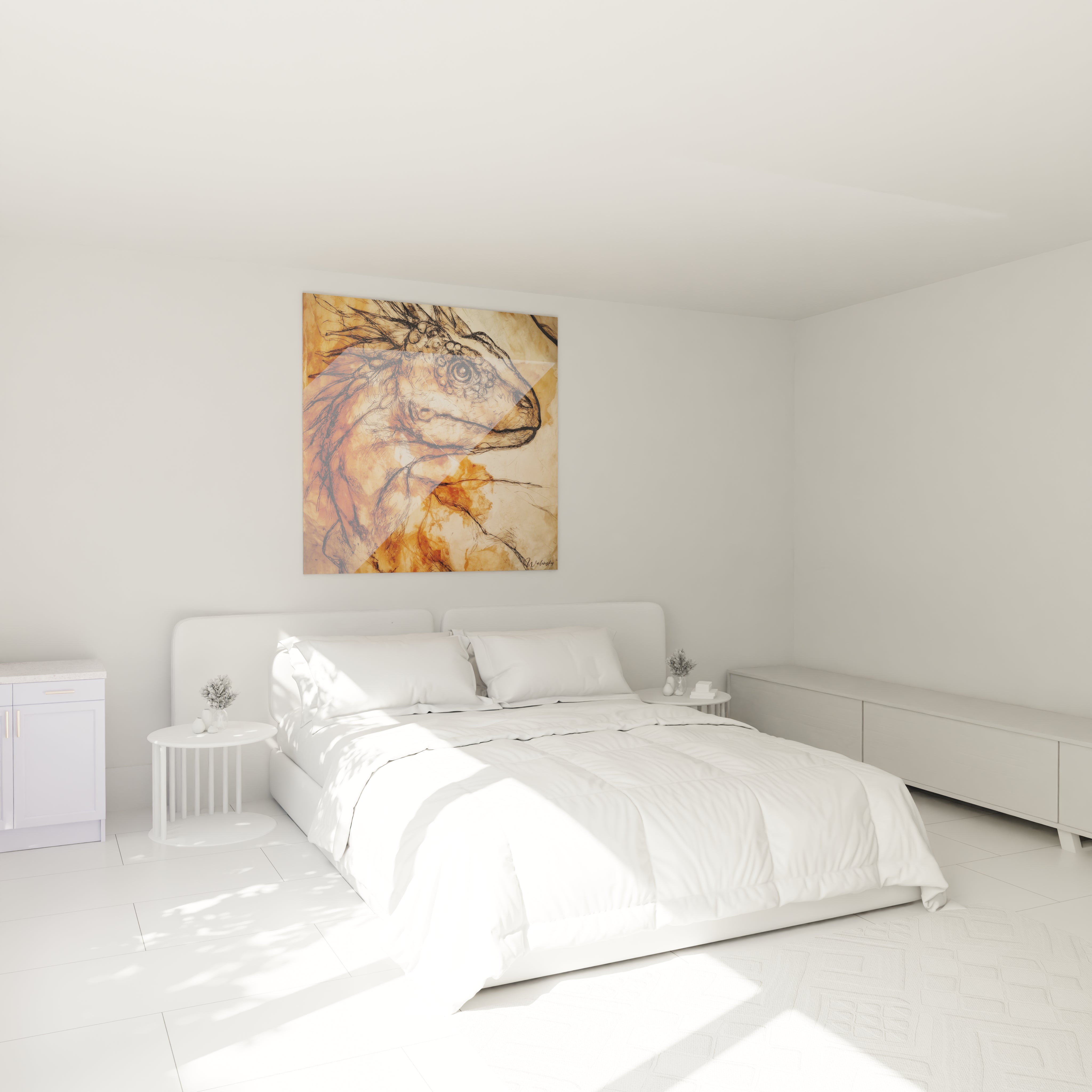
Installing a large prehistoric fresco wall art radically transforms the perception of surrounding space. Unlike contemporary works that often seek to harmonize with furniture, these Paleolithic representations impose their archaic presence and create a magnetic focal point. The gaze is immediately drawn to these ancestral animal silhouettes, triggering deep emotional resonance anchored in our collective evolutionary memory.
Generous dimensions also recreate that sense of scale characterizing the in-situ experience of decorated caves. Facing a two-meter bison or life-sized Magdalenian horse, the spectator rediscovers that relationship of respect mixed with awe that our ancestors maintained with Pleistocene wild fauna. This psychological immersion fundamentally distinguishes monumental reproductions from simple archaeological illustrations.
- Faithful reproduction of original proportions from Lascaux, Chauvet or Altamira frescoes
- Restitution of parietal textures and natural mineral pigment nuances
- Imposing dimensions recreating the actual scale of represented prehistoric animals
- Immersive effect transforming domestic space into a Paleolithic sanctuary
Magdalenian hunting scenes: dynamism and primitive narration
Certain prehistoric frescoes illustrate complex narrative sequences, such as collective reindeer or bison hunting scenes. These compositions tell the cynegetic strategies of Paleolithic groups: driving toward cliffs, use of spear-throwers, coordination between hunters. Reproduced in large format, these scenes acquire a cinematic dimension that reveals the social and cognitive sophistication of our Magdalenian ancestors 15,000 years ago.
The movement suggested by silhouette superposition, a proto-cinematic technique invented in the Upper Paleolithic, reaches full visual power in monumental formats. The multiple legs of a galloping horse, the intertwined bodies of a moving herd, these brilliant graphic discoveries demonstrate that parietal art aimed not just at static representation but already sought to capture movement and life.
Symbolism of Paleolithic Animals in Contemporary Space
Beyond their aesthetic value, prehistoric fresco wall art conveys millennia-old animal symbolism that resonates deeply with contemporary concerns. Each species represented in parietal art carried spiritual, social or shamanic significance for Paleolithic communities. Integrating these ancestral iconographies into modern interiors reactivates these symbolic connections buried in our collective psyche.
Bison and aurochs: telluric power and primitive fertility
The steppe bison and aurochs dominate parietal iconography, representing over 60% of identified animals in Franco-Cantabrian decorated caves. These massive bovines, reaching up to 1,000 kg for males, embodied raw nature's power for Magdalenian hunter-gatherers. Their recurrent representation suggests a totemic or shamanic function, perhaps linked to propitiatory rituals before major collective summer hunts.
In contemporary space, a prehistoric fresco wall art centered on these monumental herbivores brings stable, grounded telluric energy. Unlike predators evoking aggression, Paleolithic great bovines symbolize abundance, quiet strength and connection to nurturing earth. Their mural presence creates an atmosphere of primitive stability particularly sought in living or reflection spaces.
Pleistocene wild horses: movement and ancestral freedom
Prehistoric horses, represented in 30% of parietal compositions, distinguish themselves through graphic dynamism. Magdalenian artists developed specific conventions to suggest galloping: windswept manes, multiple legs evoking movement, slightly arched bodies. These Pleistocene wild horses, smaller and stockier than current domestic breeds, embodied absolute freedom of glacial steppes.
Their contemporary symbolism remains powerful: kinetic energy, independent spirit, refusal of domestication. A reproduction featuring the famous Lascaux horses or those from Niaux cave insufflates this nomadic vitality into domestic space. Monumental format amplifies this sensation of perpetual movement, creating an energetic counterpoint particularly effective in static or contemplative environments.
How do Paleolithic predators transform spatial atmosphere?
Representations of cave felids, cave bears or Pleistocene hyenas remain rare in parietal art, representing less than 5% of animal figures. This rarity gives them mysterious and powerful aura. Aurignacian artists of Chauvet achieved the most spectacular representations of cave lions, creatures now extinct that reigned over European megafauna 35,000 years ago.
Integrating these prehistoric predators into contemporary interior through large-format prehistoric fresco wall art creates fascinating psychological tension. These dangerous animals, which our ancestors encountered daily, awaken archaic emotional responses: heightened vigilance, respect for wild force, awareness of our vulnerability. This symbolic presence particularly suits spaces dedicated to concentration, performance or identity affirmation.
- Bisons and aurochs symbolizing stability, abundance and telluric grounding
- Paleolithic horses embodying movement, freedom and nomadic energy
- Cave predators evoking power, controlled danger and ancestral vigilance
- Cervids and reindeer representing seasonal adaptation and natural cycles
Negative hands: imprints of primordial humanity
Among non-animal motifs, negative hands rank among the most moving remains of parietal art. Created by blowing pigments around a hand pressed against the wall, these ghostly silhouettes sometimes date back 40,000 years. They materialize the direct physical presence of our ancestors, creating a tactile and emotional bridge across millennia.
A prehistoric fresco wall art incorporating these Paleolithic imprints generates troubling intimacy. Unlike animal representations maintaining narrative distance, negative hands establish immediate human contact. One can almost imagine the Magdalenian or Aurignacian individual who pressed their palm against cold stone, breathing ochre-laden breath to leave that eternal trace. This profoundly personal dimension distinguishes these motifs from all other prehistoric iconography.
What atmosphere do Paleolithic geometric signs create?
Decorated caves also contain enigmatic abstract signs: dots, lines, grids, zigzag forms or tectiform structures. These geometric symbols, whose meaning remains debated by prehistorians, might represent hunting traps, dwellings, calendar notations or territorial markers between Paleolithic groups. Their radical abstraction strikingly resembles contemporary minimalist art.
Integrating these Paleolithic geometric motifs alongside animal representations brings additional conceptual dimension. These mysterious signs stimulate imagination and invite intellectual speculation. For passionate archaeology enthusiasts or writing history specialists, these Paleolithic proto-symbols perhaps represent first steps toward complex notional systems emerging 30,000 years later in Mesopotamia.
Creating a Private Museum Space with Monumental Rock Art
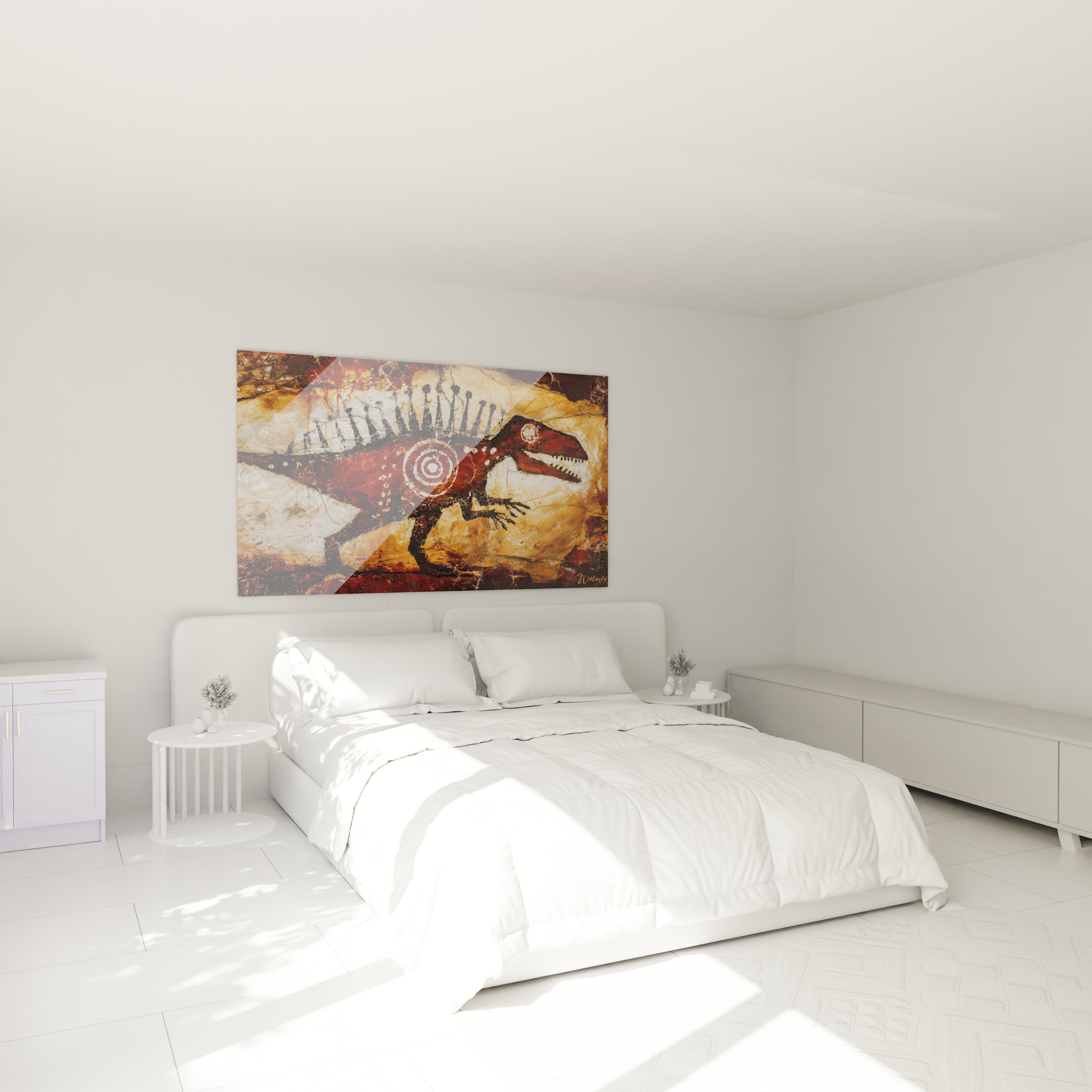
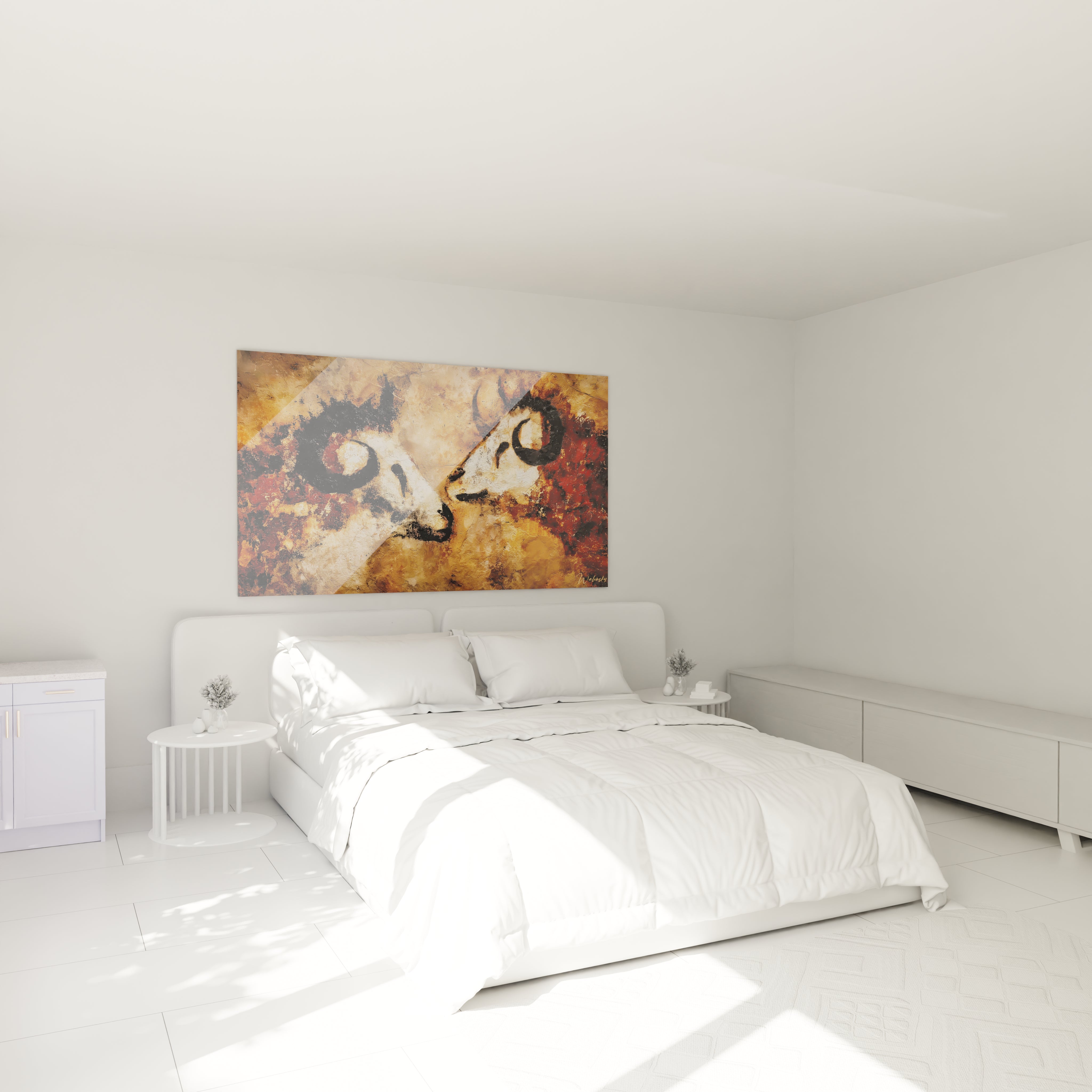
Large-format prehistoric fresco wall art enables transformation of domestic or professional space into genuine private archaeological gallery. This approach transcends simple decoration to create an educational, cultural and contemplative environment centered on the origins of human artistic expression. Unlike classical museum reproductions, monumental formats offer immersive experience comparable to visiting authentic rock art sites.
Designing a Paleolithic chronological journey
Spatial organization can follow parietal art's chronology, beginning with Chauvet's Aurignacian representations (-36,000 years), progressing through Gravettian and Solutrean, culminating with Magdalenian masterpieces from Lascaux (-17,000 years) and Altamira (-14,000 years). This temporal progression materializes stylistic and technical evolution across 25 millennia, revealing how Paleolithic artists perfected their graphic conventions generation after generation.
Each prehistoric fresco wall art becomes a temporal window opening onto a specific Upper Paleolithic period. Differences between Aurignacian, Gravettian and Magdalenian styles emerge clearly: progressive simplification of primitive Aurignacian forms, development of Magdalenian polychromy, increasing use of twisted perspective and superposition to suggest depth and movement.
What lighting recreates decorated cave atmosphere?
Original parietal art experience unfolded in absolute cave darkness, illuminated only by animal fat lamps or torches. This flickering, warm and mobile light created animation effects on prehistoric frescoes, making shadows dance and bringing painted animals to life. Reproducing this specific luminous ambiance considerably amplifies emotional impact of monumental reproductions.
Warm light sources, laterally or bottom-oriented, recreate this Paleolithic lighting quality. Intensity variations, controllable through modern systems, allow modulating atmosphere according to moments: meditative contemplation in dim light, detailed study in intense lighting. This scenographic dimension transforms ornamented wall into genuine dynamic museographic installation, where prehistoric frescoes progressively reveal their graphic subtleties.
Pedagogical integration for archaeology enthusiasts
Beyond aesthetics, these monumental reproductions serve as exceptional educational tools for understanding European prehistory. Accompanied by discreet labels mentioning site origin, dating, pigmentary techniques used and current interpretive hypotheses, they constitute genuine permanent exhibition on symbolic thought emergence at Upper Paleolithic.
For families with children, a prehistoric fresco wall art becomes captivating pedagogical support, far more effective than school manual. Daily observation of these ancestral representations naturally sparks questions about our origins, glacial hunter-gatherer life, cognitive evolution enabling artistic emergence 40,000 years ago. This constant visual presence deeply anchors archaeological knowledge and nourishes intellectual curiosity.
- Chronological journey illustrating 25,000 years of Paleolithic artistic evolution
- Scenographic lighting recreating mysterious atmosphere of deep caves
- Permanent educational dimension on origins of human symbolic expression
- Thematic collection centered on major site (Lascaux, Chauvet, Altamira, Niaux)
Building a coherent thematic collection
Certain enthusiasts choose to concentrate on specific major archaeological site, virtually reconstructing its principal parietal compositions. A Lascaux-dedicated collection might include the Hall of Bulls, the Axial Diverticulum with red cows, the Well with its enigmatic scene of bird-headed man facing disemboweled bison. This monographic approach allows total immersion into specific Magdalenian community's artistic universe.
Others prefer comparative approach, juxtaposing prehistoric frescoes from different sites and periods to highlight regional and chronological variations. Visually comparing Chauvet's Aurignacian style with Altamira's Magdalenian style reveals fascinating differences in volume treatment, pigment use and representation conventions. This analytical approach particularly suits researchers, teachers or prehistoric specialists in cultural mediation.
Why does parietal art resonate so profoundly with contemporary audiences?
Current enthusiasm for monumental rock art reproductions explains through several psychological and cultural factors. In an era dominated by digital and abstraction, these Paleolithic representations reconnect us viscerally to our first humanity, that period when our species developed first symbolic expressions. They materialize a time when man lived in direct and permanent interaction with wild nature.
These prehistoric fresco wall art offer also form of vertiginous temporal transcendence. Contemplating bison silhouette painted 17,000 years ago creates emotional bridge across 700 human generations. This temporal depth crushes daily concerns and repositions individual lives within vast trajectory of human adventure. This philosophical, quasi-meditative perspective explains why these Paleolithic works fascinate contemporaries seeking meaning and anchorage so much.
Which spaces benefit most from this archaeological decoration?
Personal libraries, curiosity cabinets and reflection spaces constitute ideal environments for monumental reproductions. Contemplative and studious atmosphere of these places perfectly harmonizes with ancestral gravity of parietal art. Presence of these Paleolithic testimonies encourages deep reflection, concentrated reading and meditation on great existential questions.
Professional educational and cultural spaces also benefit considerably from these installations. Local museums, specialized history schools, media libraries or archaeological interpretation centers can create immersive prehistoric zones through monumental prehistoric frescoes. These high-quality reproductions rival official facsimiles while remaining financially accessible.
FAQ: Frequently Asked Questions about Prehistoric Fresco Wall Art
What is the difference between prehistoric fresco wall art and simple photographic reproduction?
Quality prehistoric fresco wall art restores parietal textures, subtle natural pigment nuances and original monumental dimensions, creating immersive experience impossible with standard photography. Generous formats allow full appreciation of graphic details and Paleolithic stylistic conventions exactly as Magdalenian artists conceived them.
Do prehistoric fresco reproductions suit professional spaces?
Absolutely, these representations bring particularly valorizing cultural and timeless dimension to medical practices, architect offices, consulting spaces or waiting areas. They naturally spark conversation and project image of intellectual depth and heritage sensitivity. Their thematic neutrality crosses all cultures and generations.
How to maintain wall art representing prehistoric frescoes?
These monumental reproductions require minimal maintenance: occasional light dusting with dry microfiber cloth, avoid direct sun exposure to preserve ochre and mineral pigment nuances. Their decorative robust nature makes them particularly adapted to high-traffic spaces, unlike fragile contemporary works.
Can multiple prehistoric frescoes from different sites be combined?
Certainly, this comparative approach considerably enriches understanding of Paleolithic artistic evolution. Juxtaposing scenes from Chauvet, Lascaux and Altamira allows concrete visualization of 22,000 years of graphic innovation separating these major sites. This heterogeneous collection creates genuine European rock art panorama in your private space.