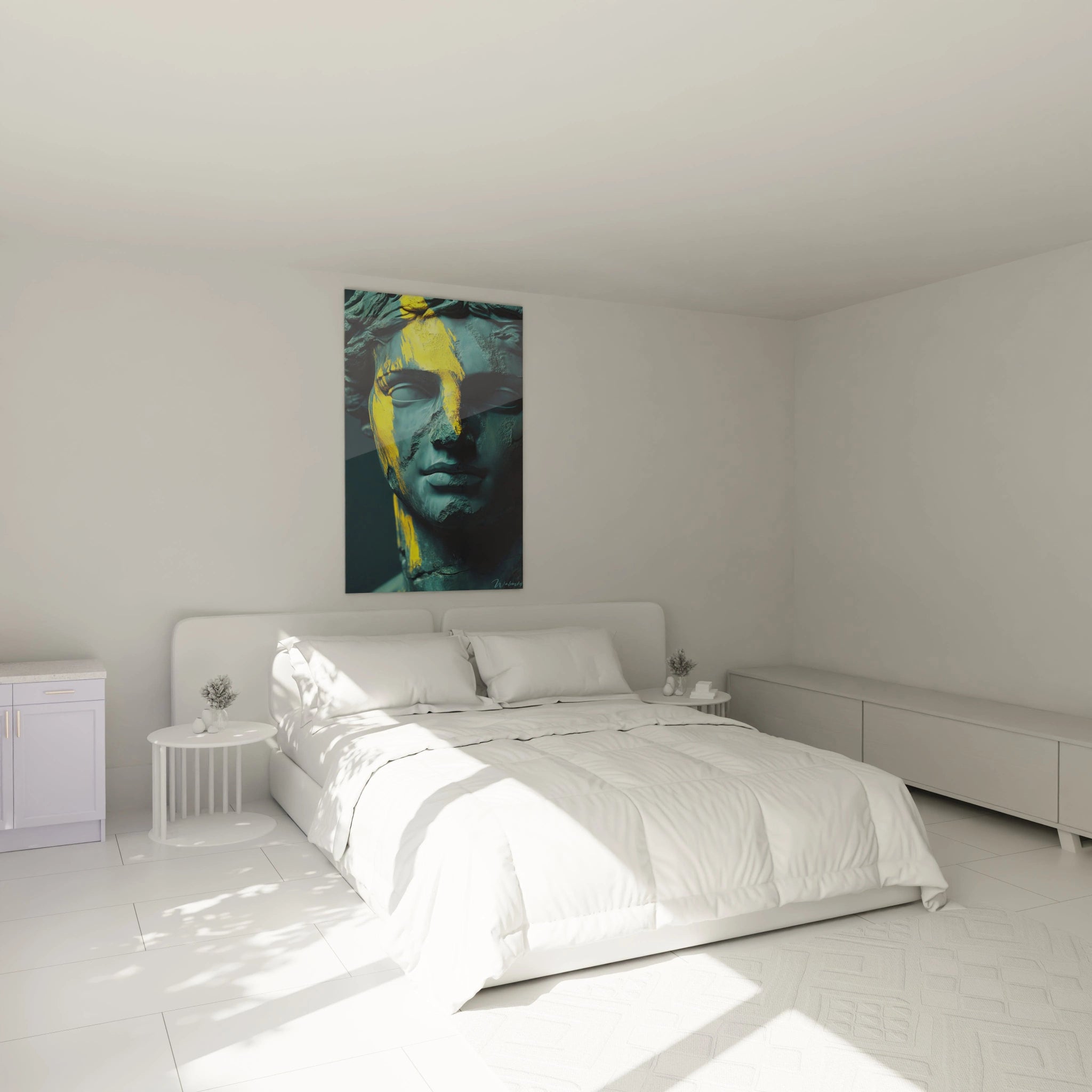
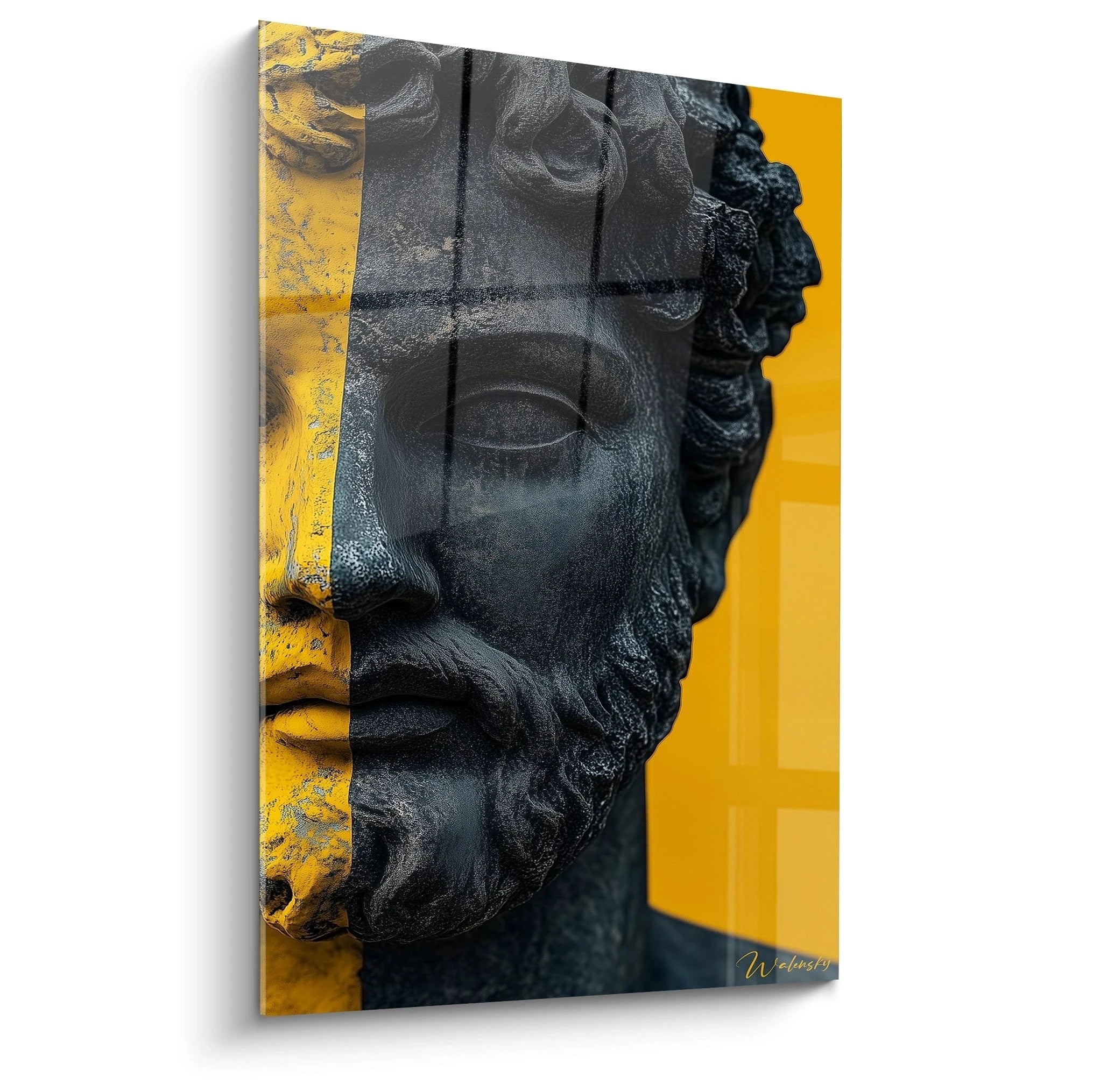
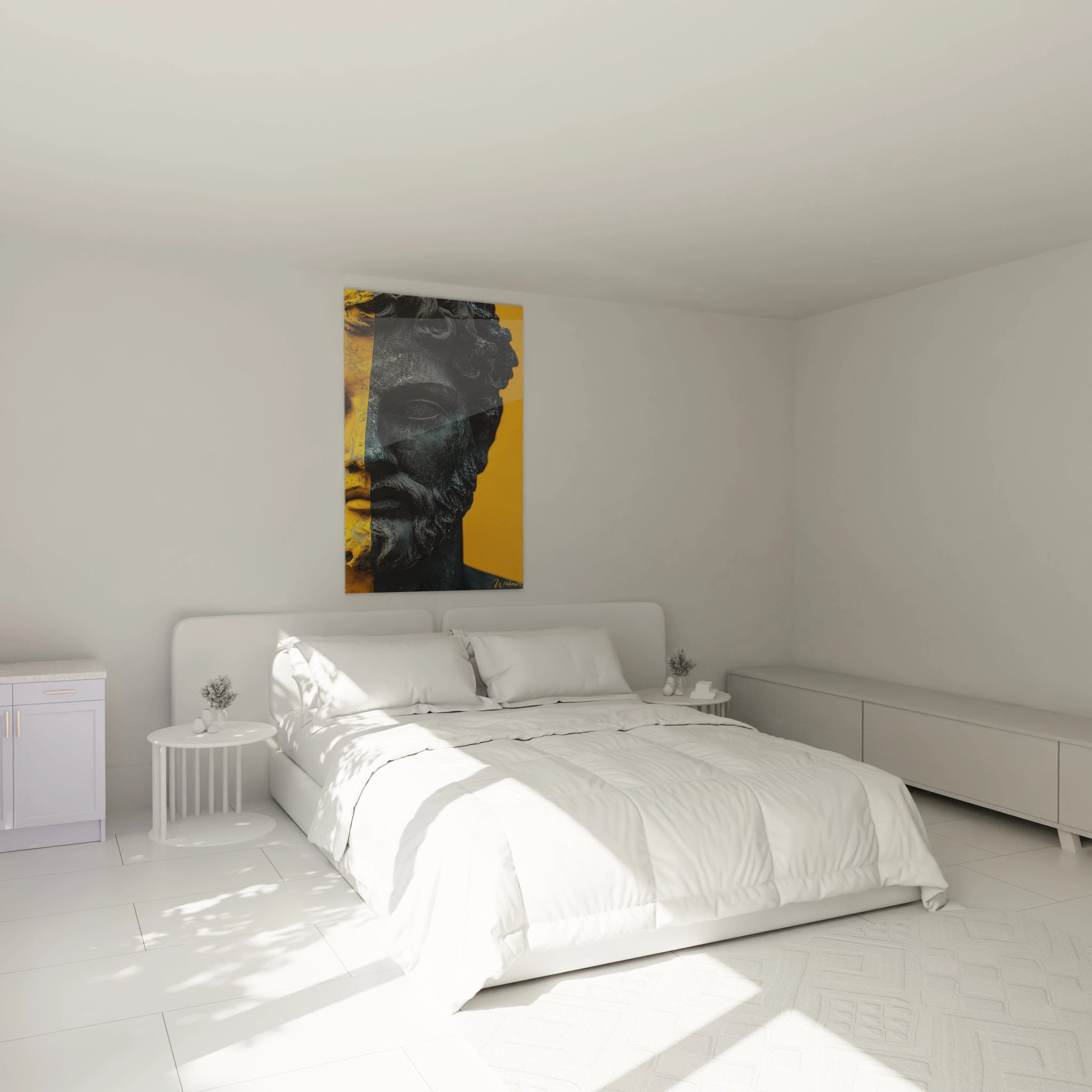
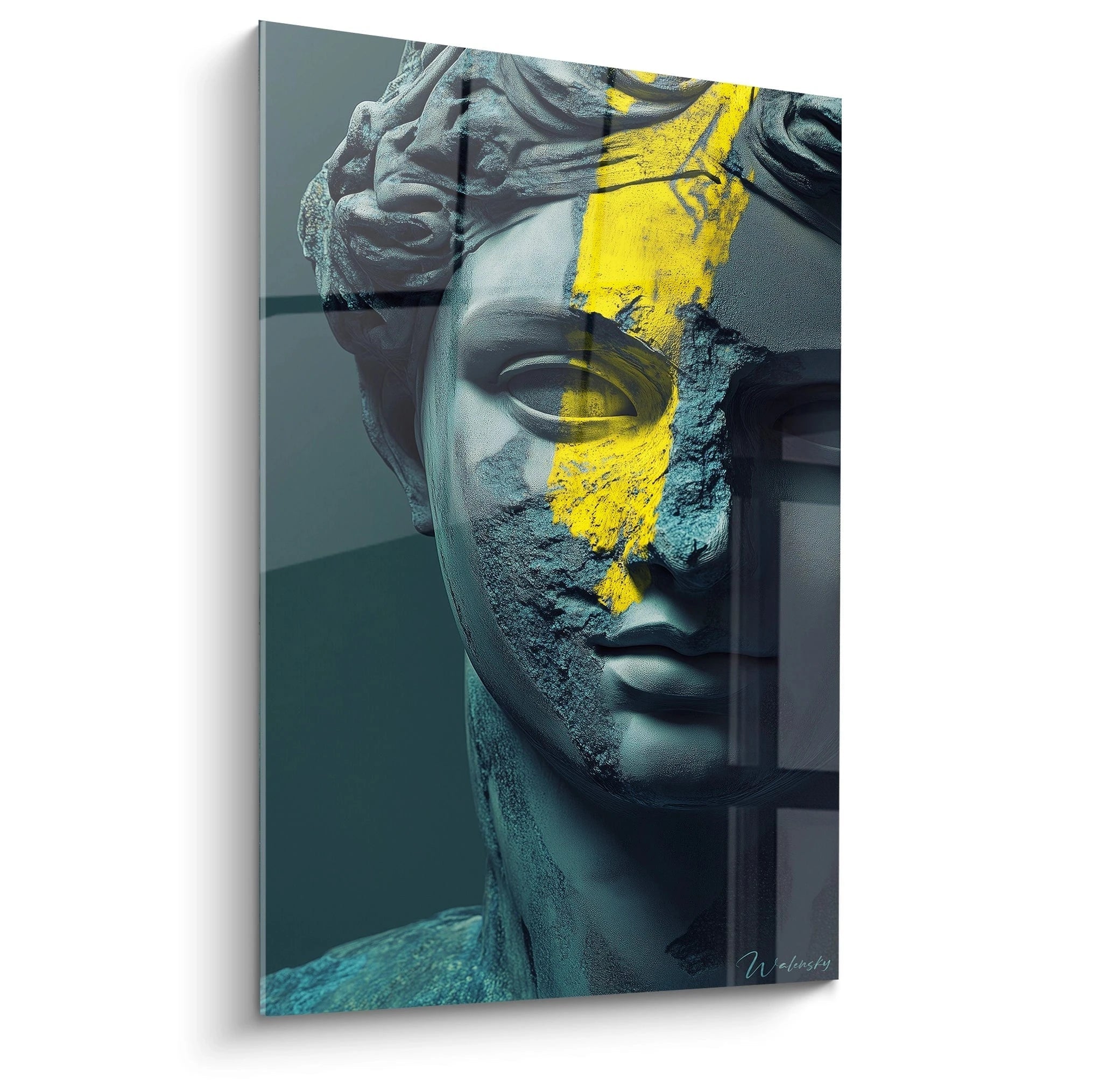
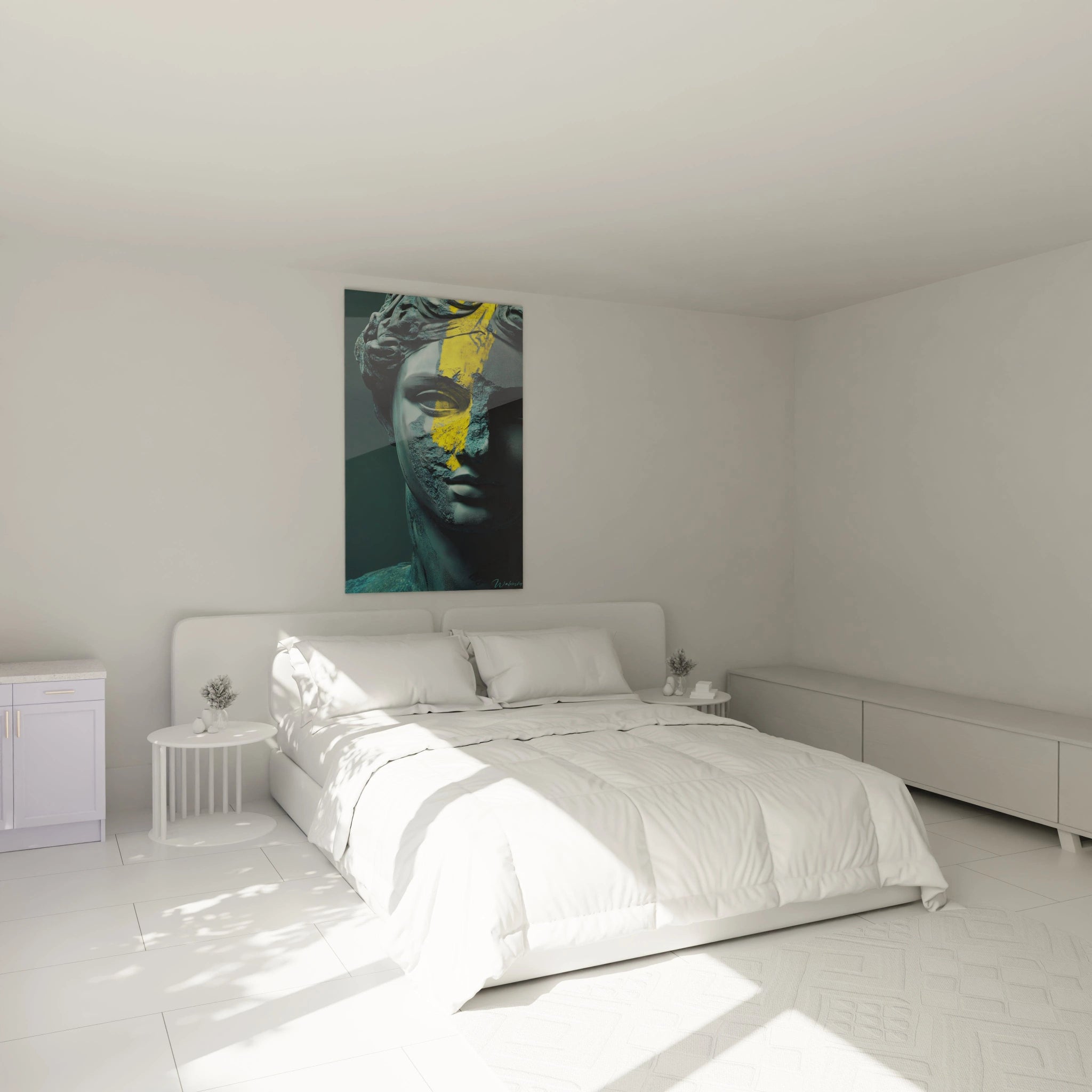
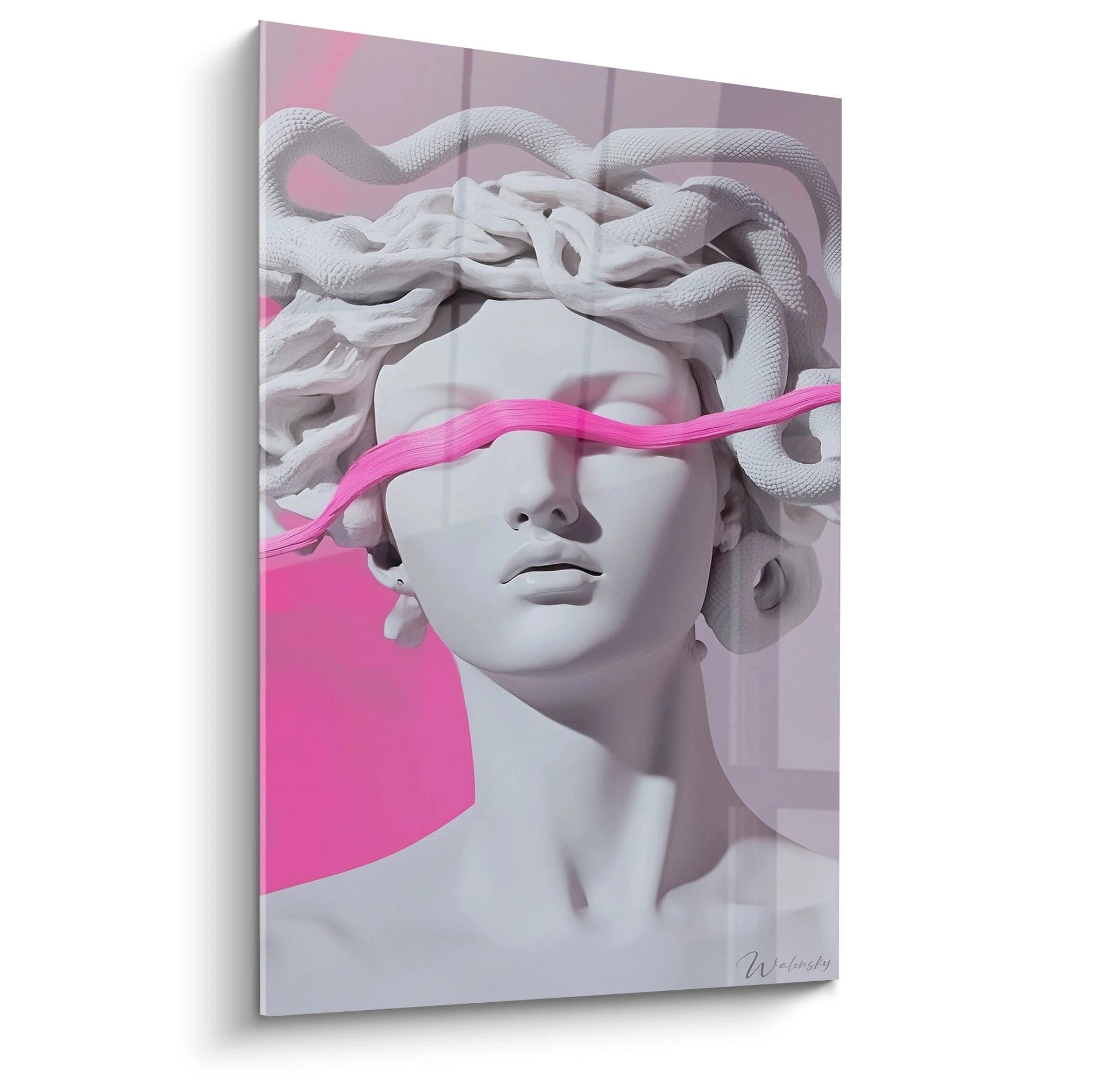
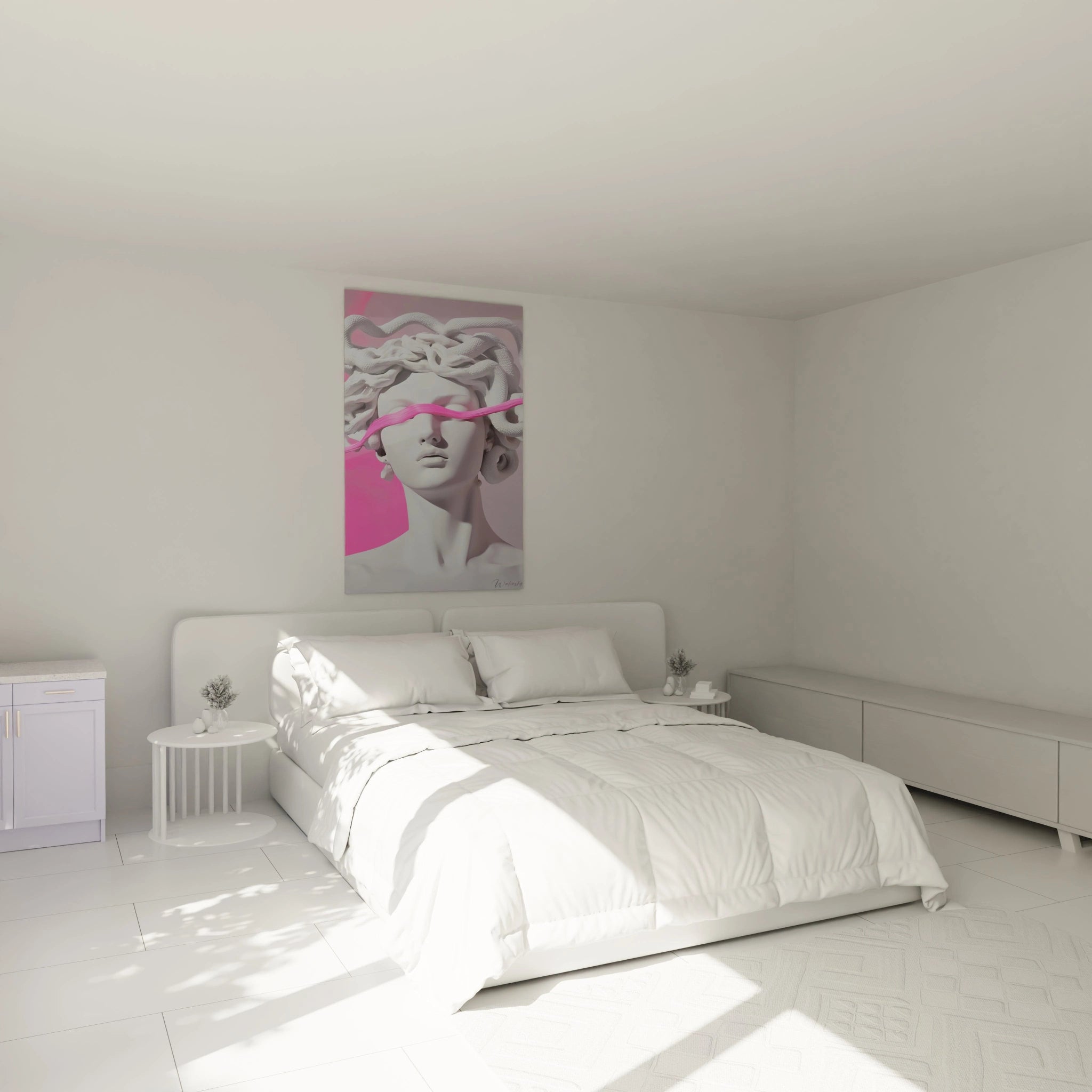
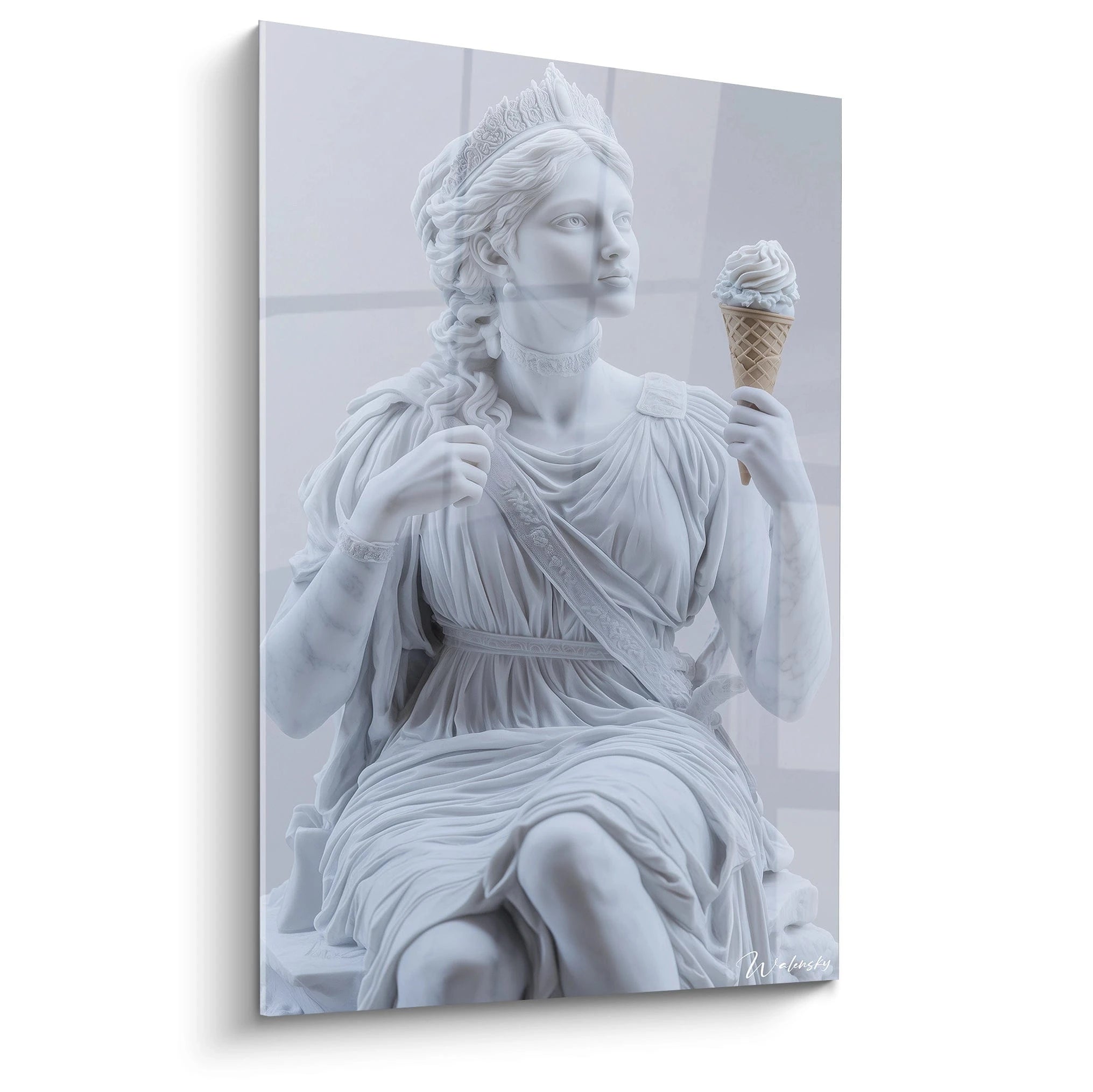
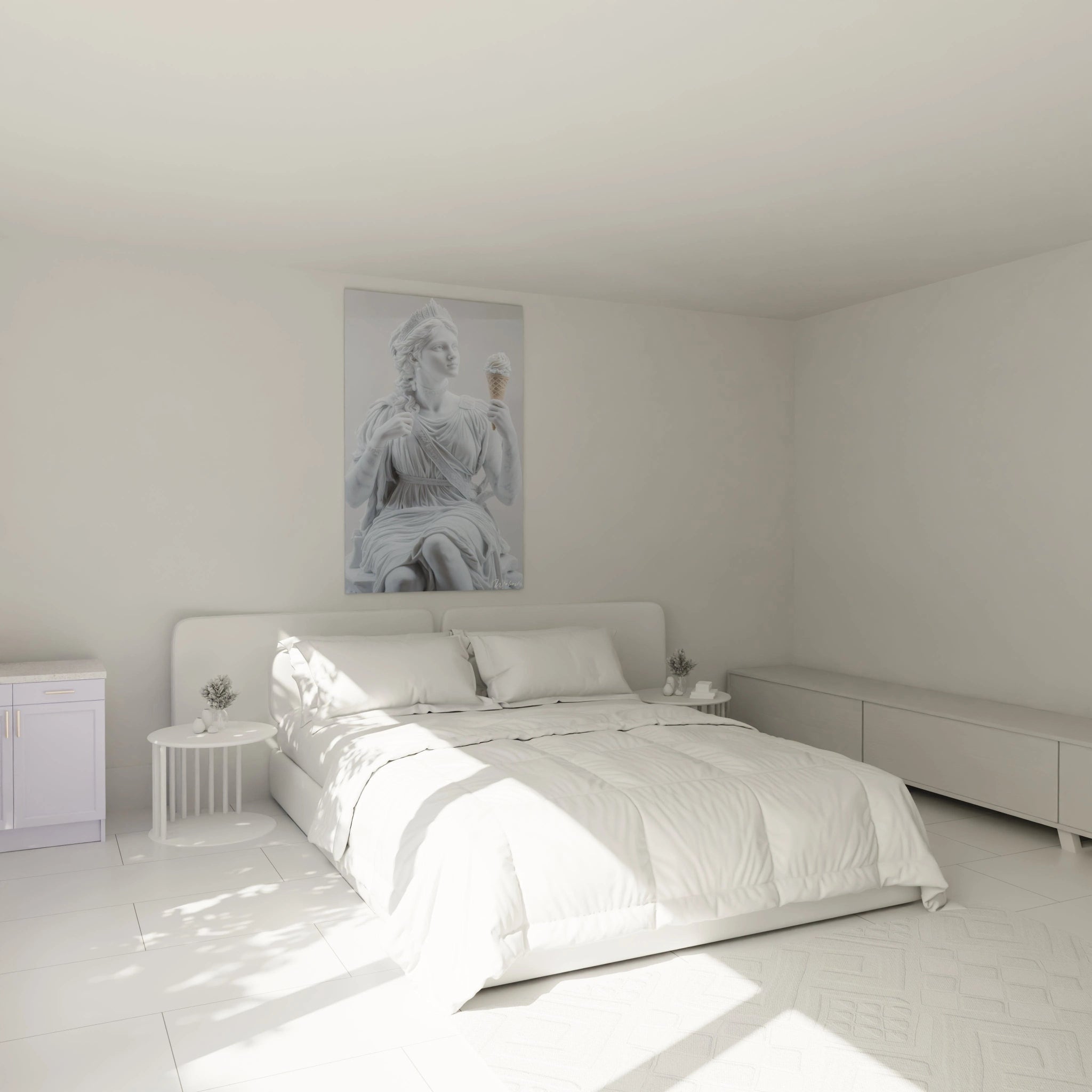
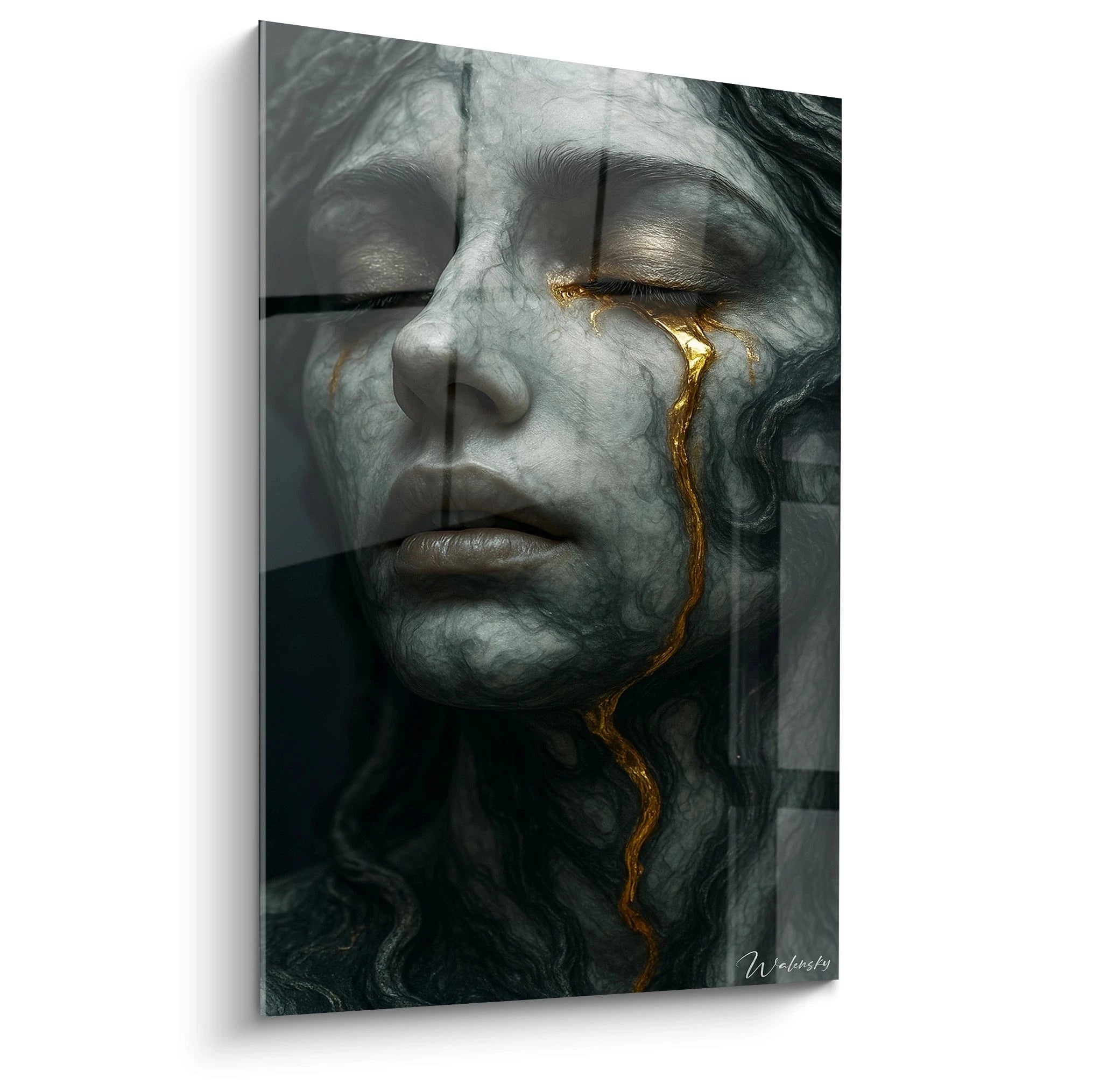
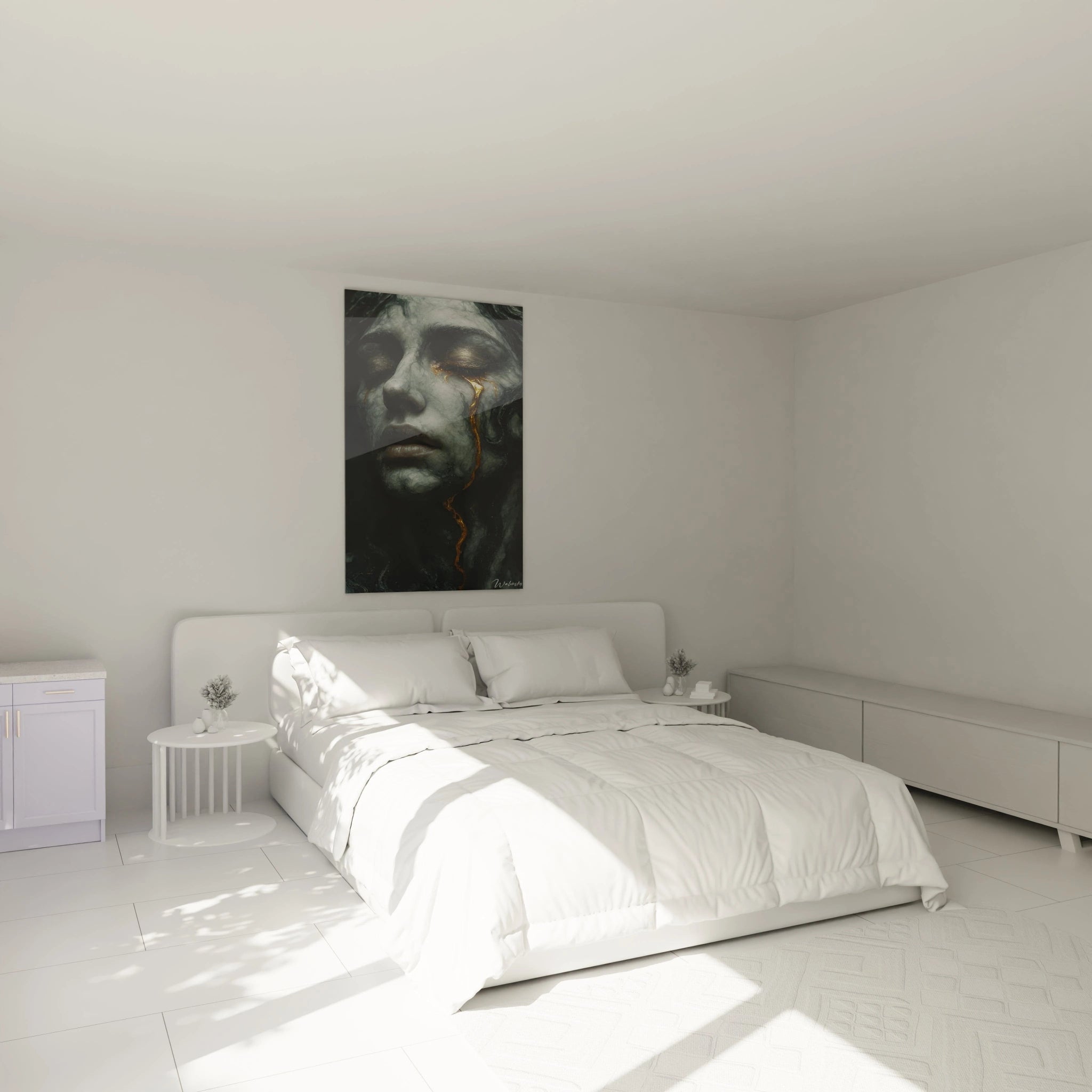
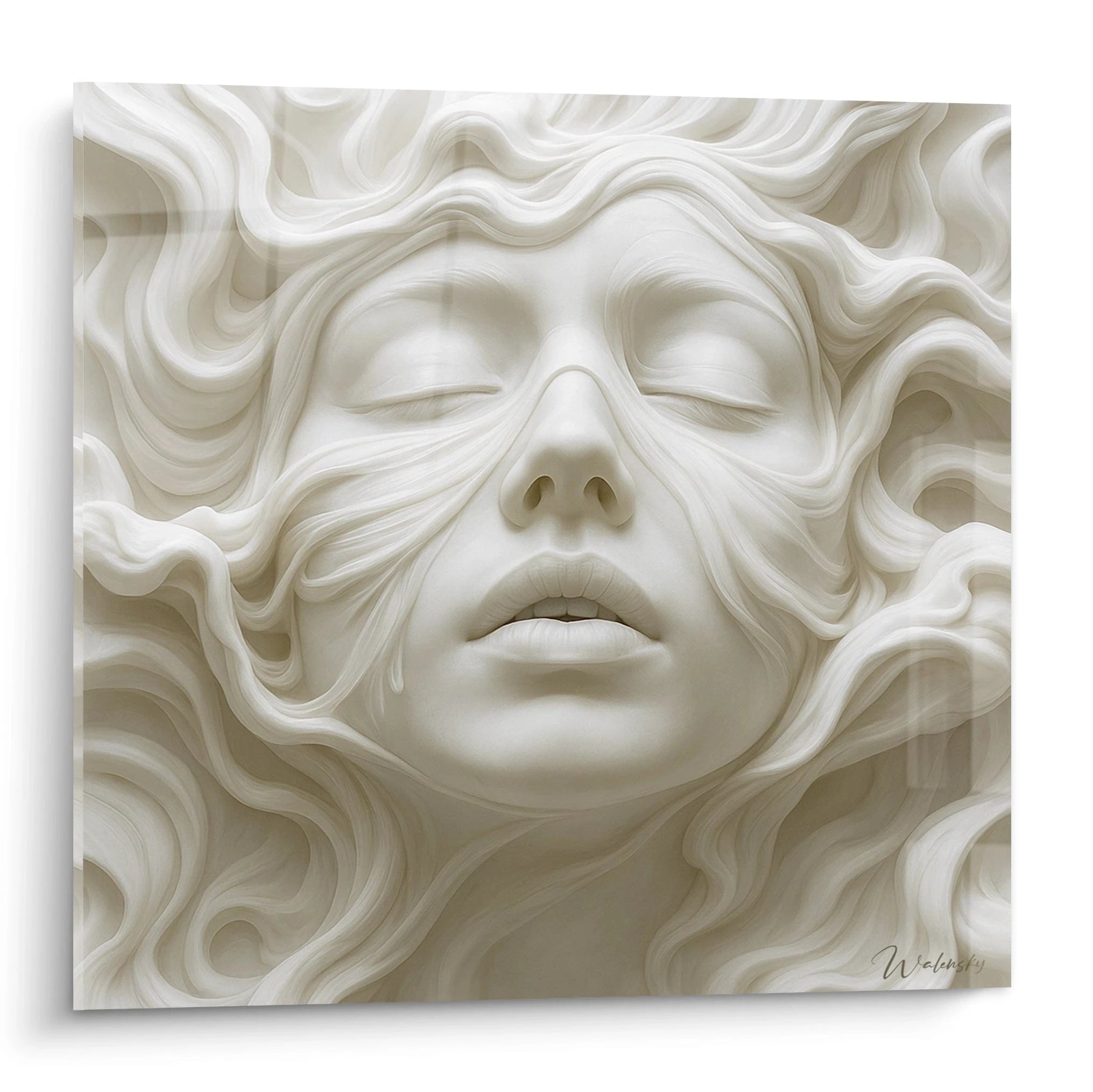
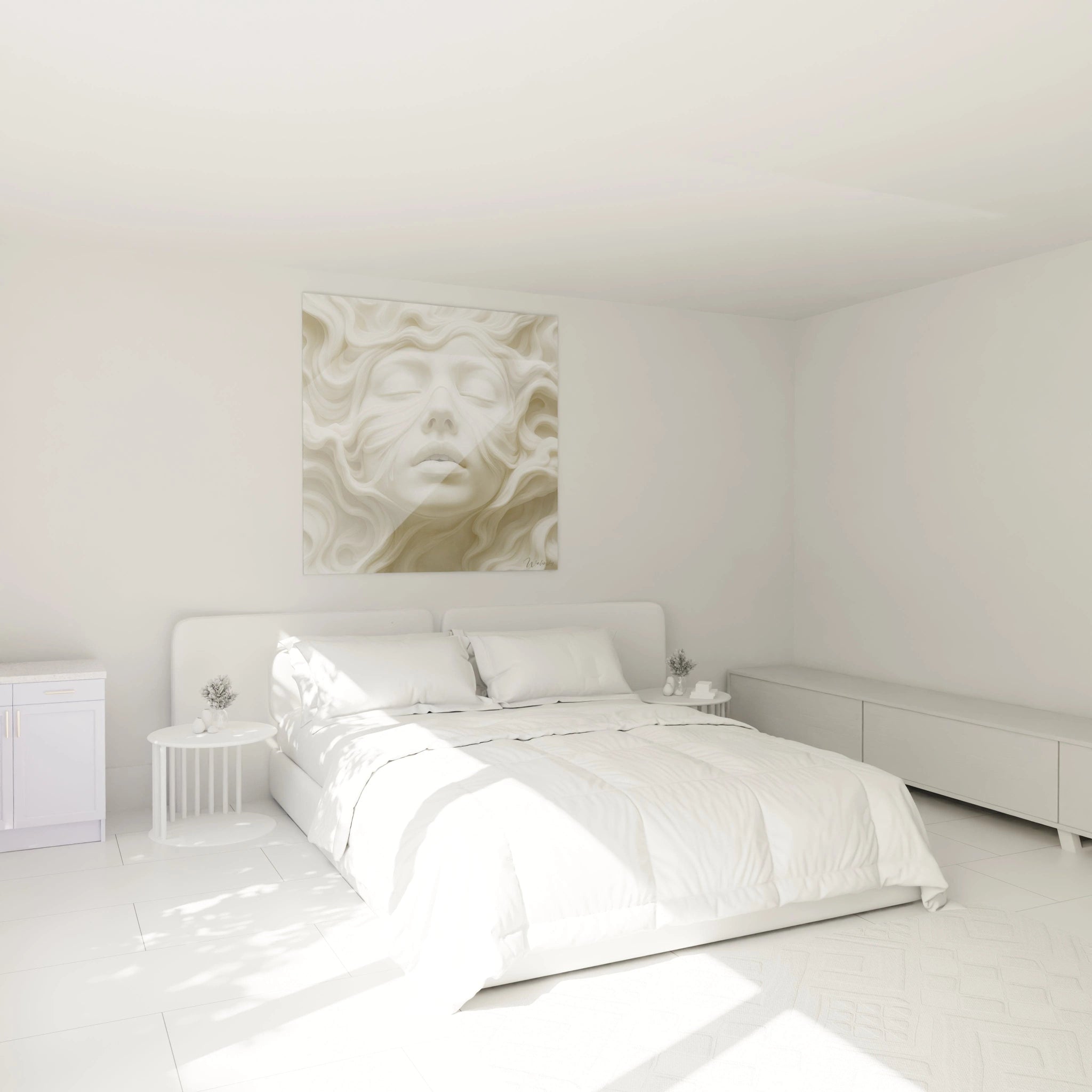
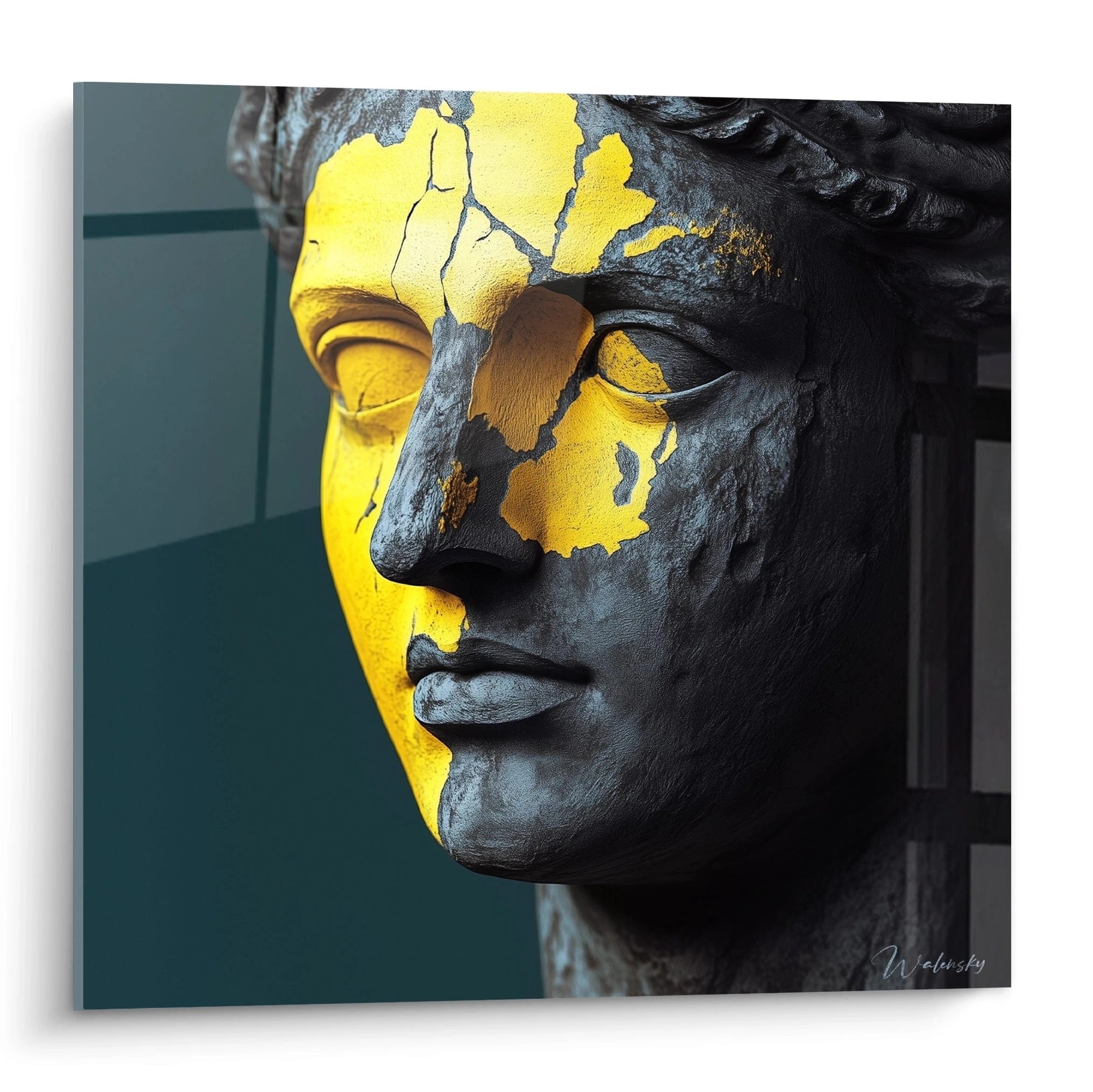
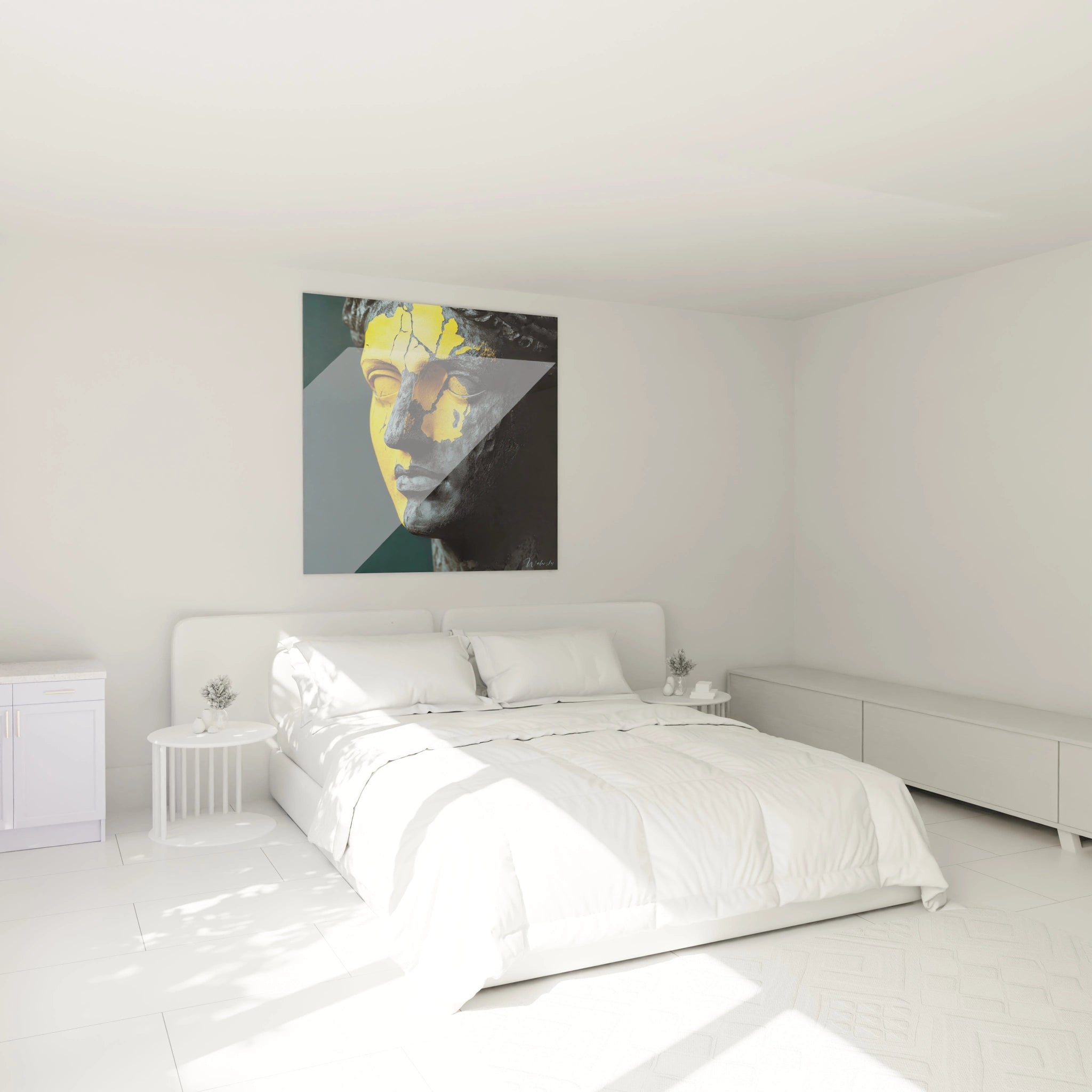
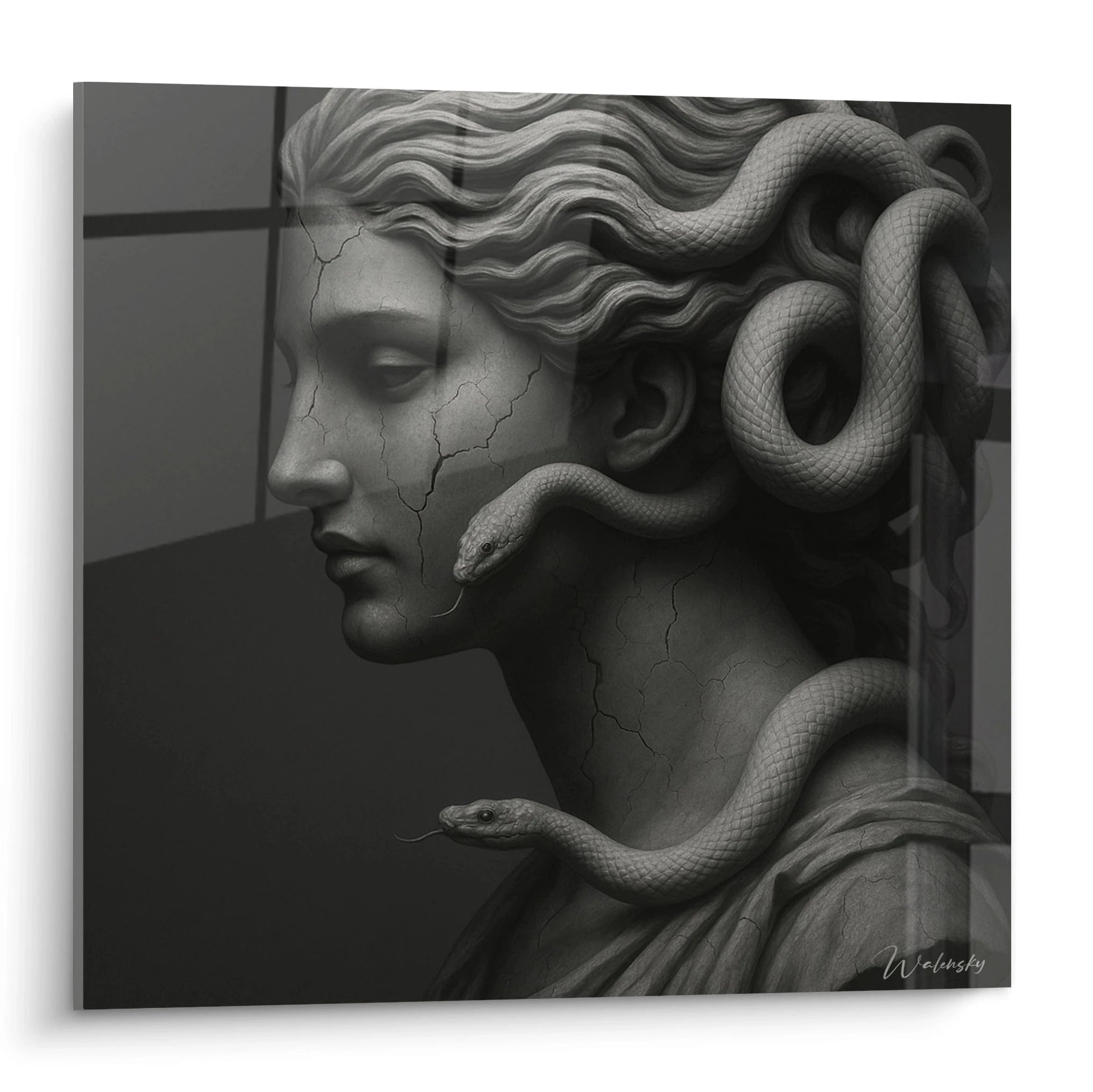
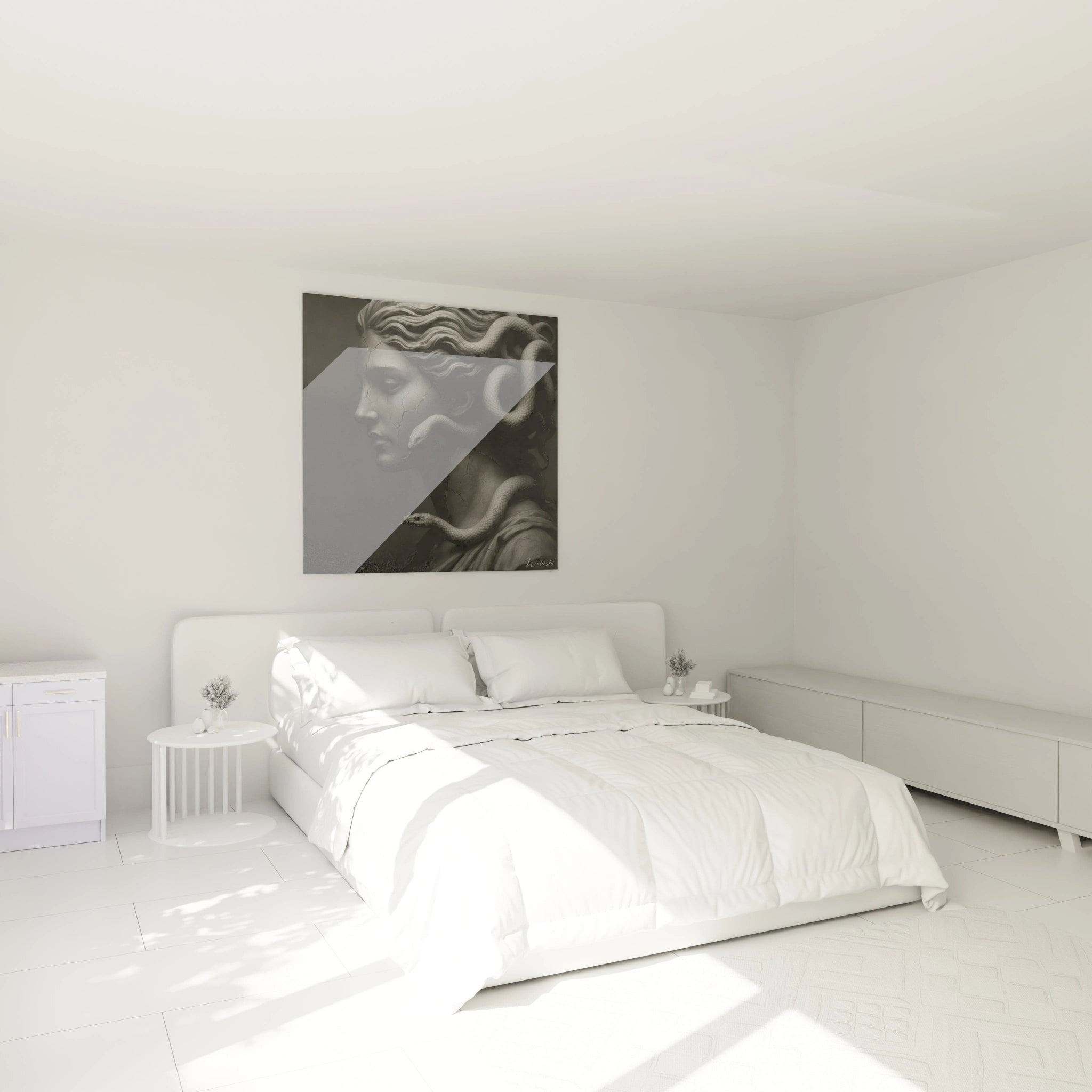
- Statue Painting Presentation
- Statue Painting Integration
- Statue Painting Visual Impact
- Statue Painting Symbolism
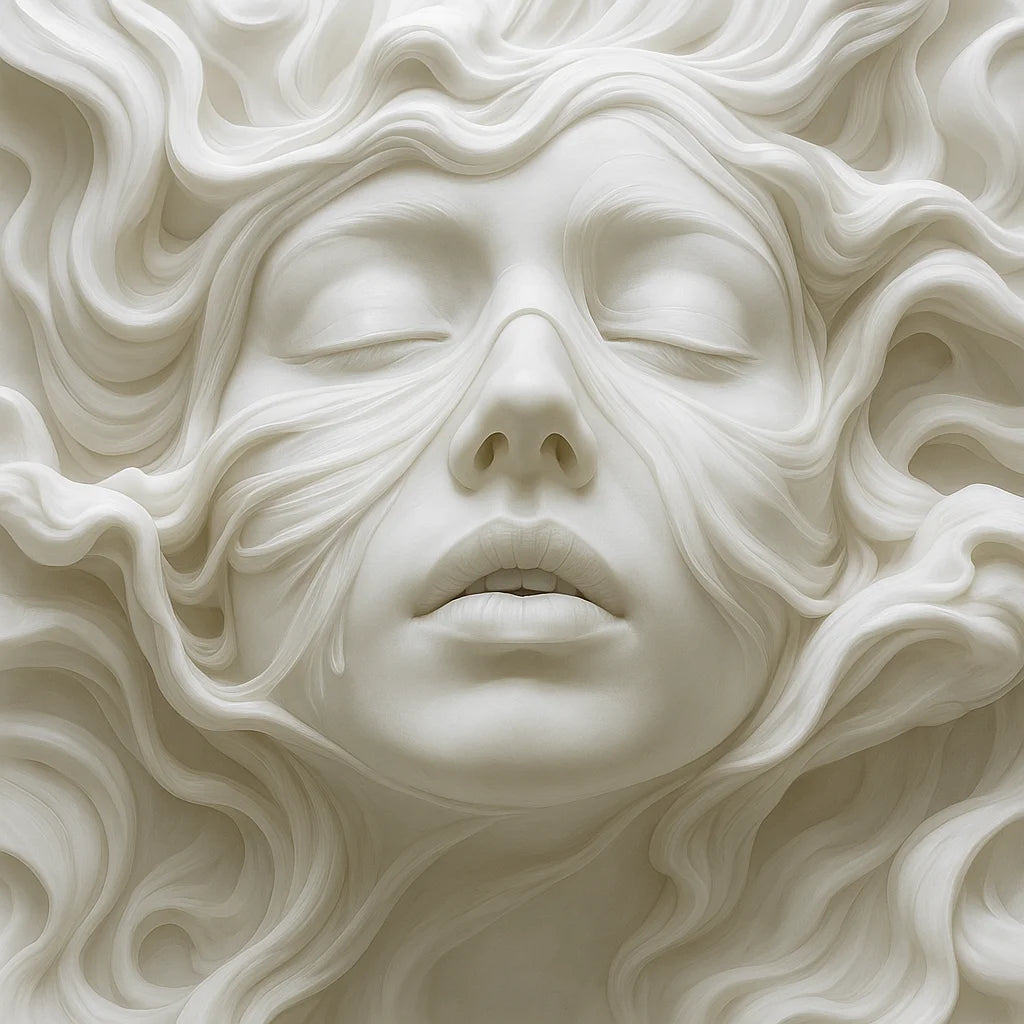
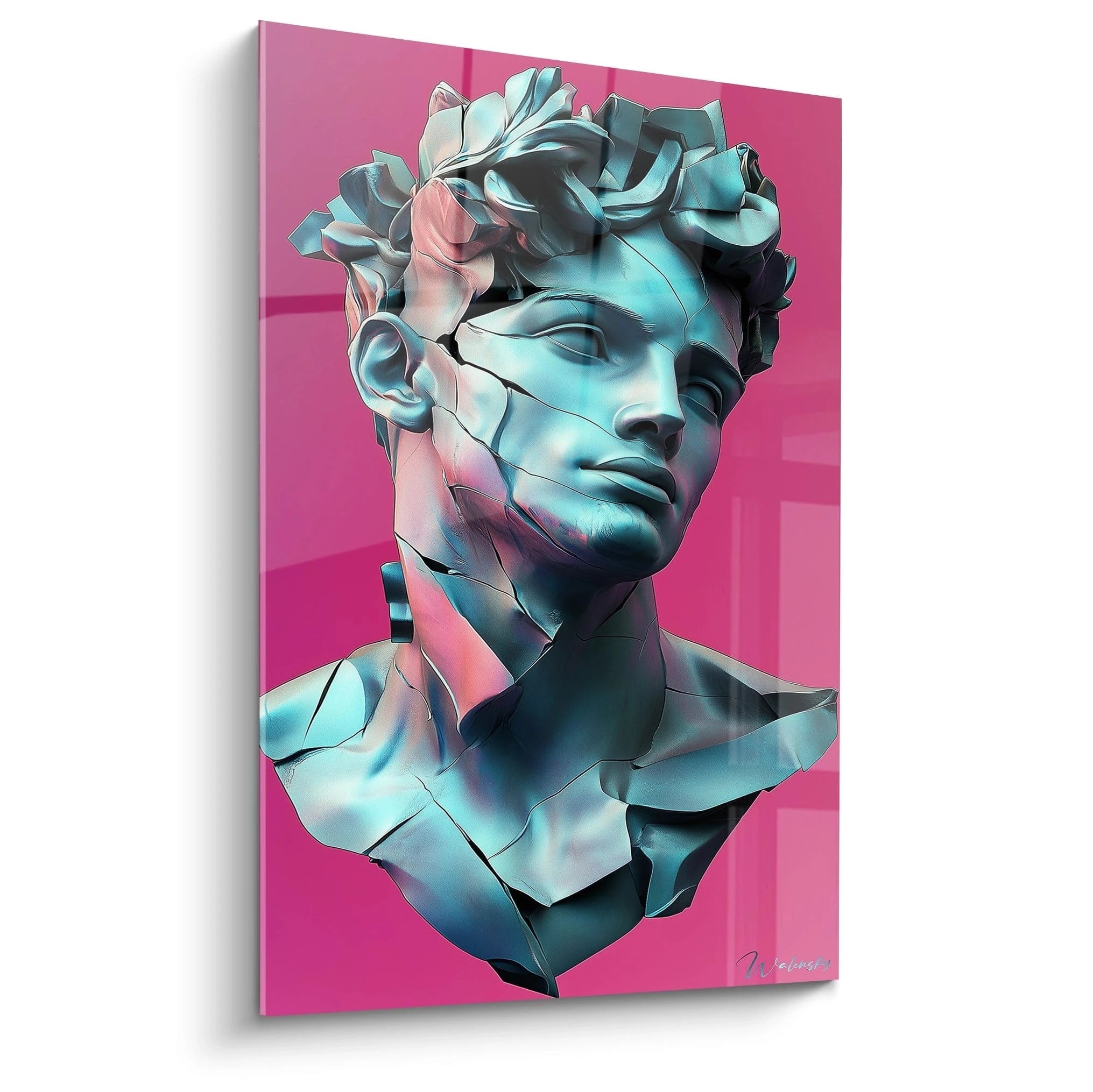
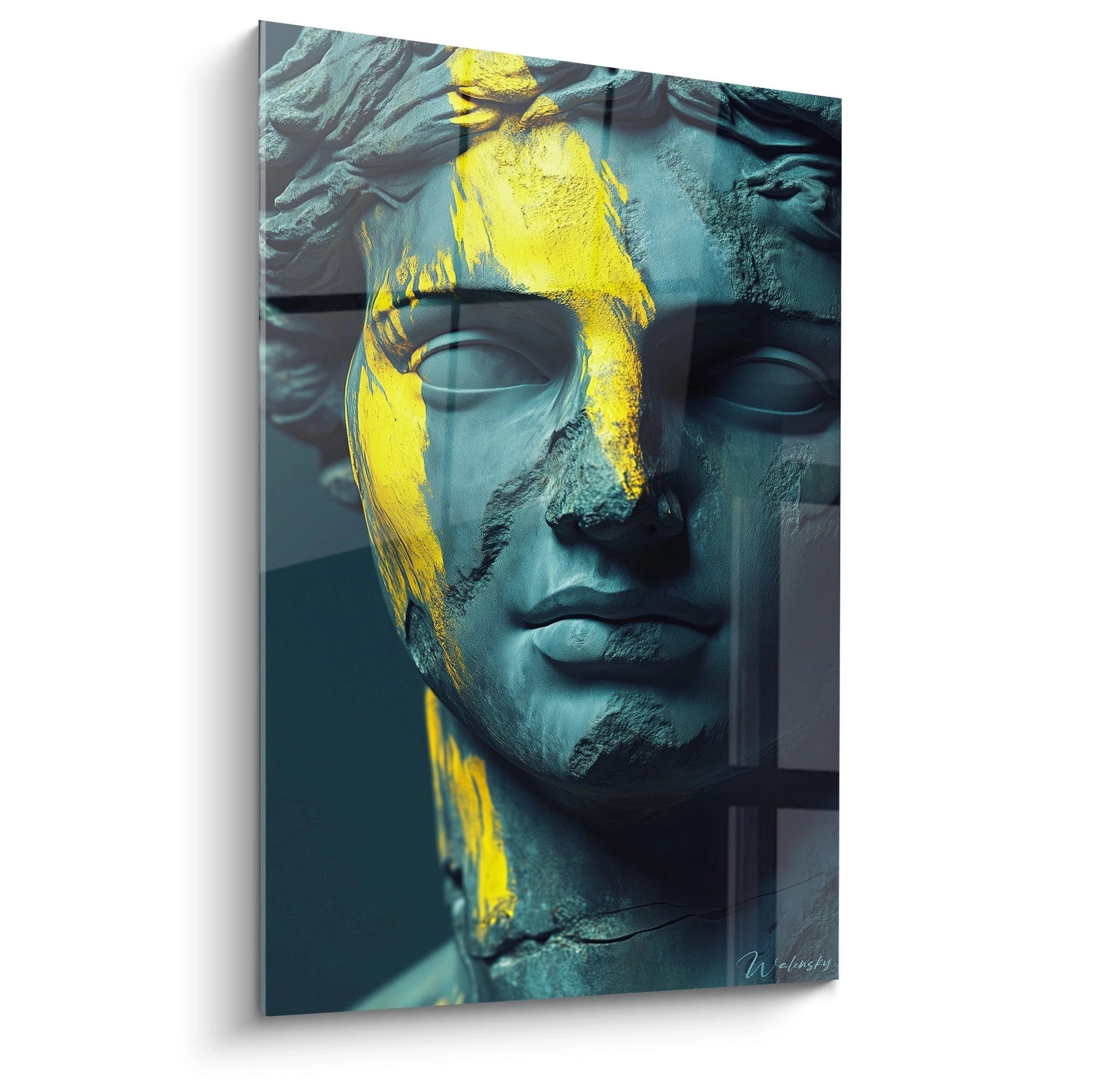
The statue painting represents a unique artistic fusion between two-dimensional painting and three-dimensional sculpture, creating an immersive visual experience that transcends the boundaries of conventional artworks. Unlike classical pictorial representations or traditional sculptural works, the statue painting incorporates relief elements that literally emerge from the flat surface.
This hybrid art form distinguishes itself through its ability to play with perspectives and dimensions, offering viewers an enriched sensory experience where shadow and light interact distinctively with relief elements. Statue paintings are particularly sought after for their ability to become the focal point of a space, capturing attention and inspiring profound contemplation.
Statue painting creators work with a variety of durable materials such as plaster, resin, metal, or even modern composites to shape the relief elements that characterize these works. This technique allows exploration of diverse themes ranging from historical representations to contemporary abstract interpretations.
For collectors and art enthusiasts seeking imposing pieces that create dramatic effect in large spaces, statue paintings represent a judicious investment choice, combining the visual impact of sculpture with the practical wall integration of a classical painting.
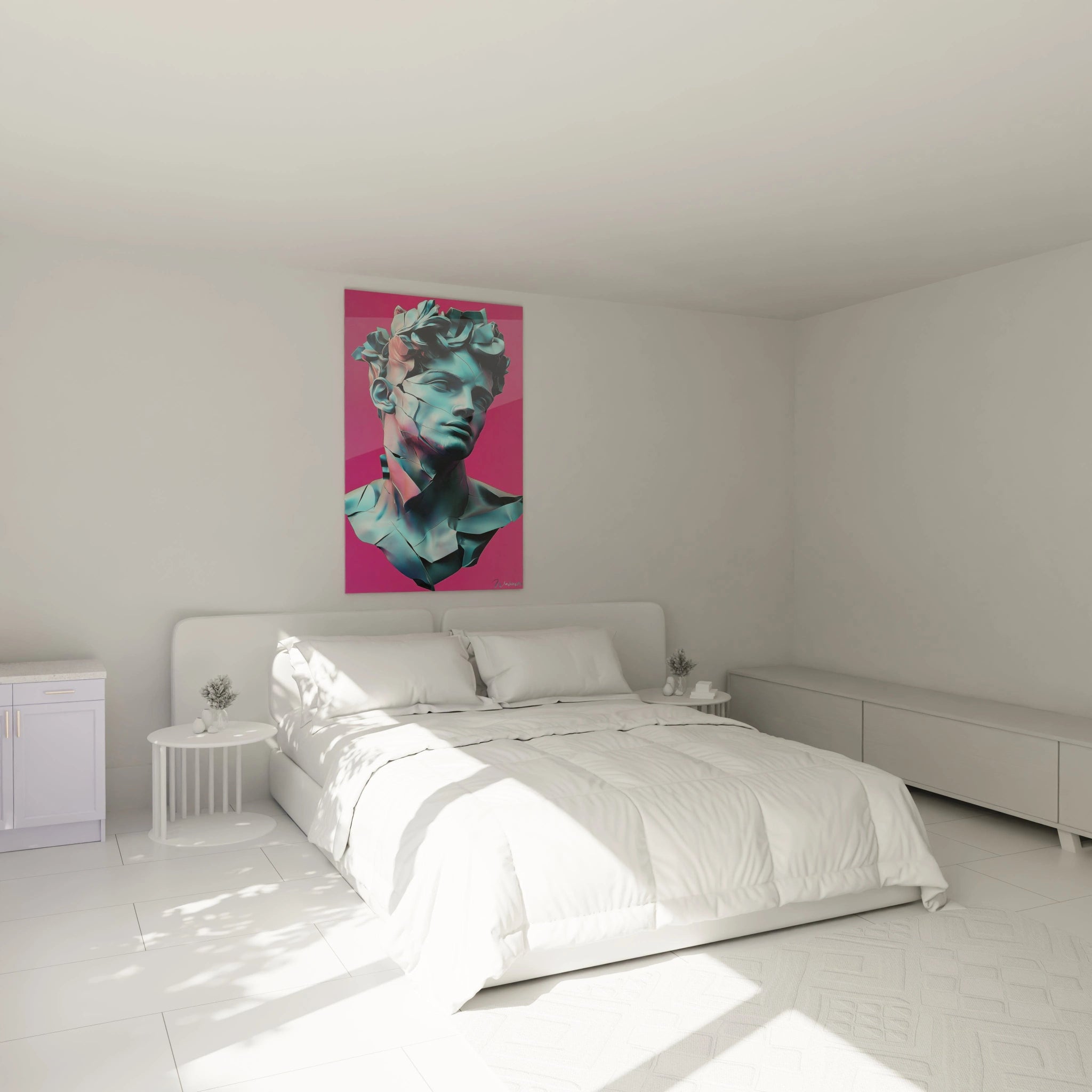
Whether you are seeking a masterpiece for a spacious entrance hall, an accent wall in a high-ceilinged living room, or a distinctive element for a prestigious professional space, the statue painting offers a distinctive artistic solution that radically transforms the atmosphere of a place.
Mastering Statue Painting Integration in Monumental Spaces
The integration of a statue painting in an architectural space represents a unique artistic challenge that transcends the usual considerations related to traditional wall artworks. Due to their hybrid nature combining the two-dimensionality of painting and the volume of sculpture, these imposing creations require a specific approach to maximize their visual impact and spatial resonance.
What are the specific architectural considerations for installing a statue painting?
Installing a statue painting requires a thorough evaluation of the surrounding architecture. Unlike flat works, these creations project elements into space, creating a three-dimensional dialogue with their environment. Reinforced load-bearing walls often constitute the ideal location, particularly in spaces with cathedral ceilings where the height allows full appreciation of the shadow and light plays generated by the reliefs.
For statue paintings exceeding 1.5 meters in height, professional anchoring becomes essential, sometimes requiring the intervention of a structural engineer to guarantee installation safety. Specialized tempered steel fasteners, designed specifically for volumetric works, ensure optimal support even in spaces subject to climate variations or environmental vibrations.
- Dual-point anchoring systems for uniform load distribution
- Anti-vibration fastening hardware for dynamic environments
- Invisible support platforms for particularly massive works
- Adjustable fasteners allowing adaptation to optimal viewing angle
Managing spatial depth around the statue painting
Arranging space around a statue painting requires particular attention to the contemplation zone. Unlike flat works that can be appreciated frontally, these hybrid creations require minimum distance calculated according to a precise ratio: for every 10 cm of relief, provide at least 1.5 meters of clearance. This formula guarantees that the viewer can fully experience the visual transfiguration that occurs when moving around the work.
In monumental reception spaces or corporate halls, the statue painting acts as an architectural convergence point, around which the entire layout can be articulated. A visual breathing space of at least 80 cm on each side of the work is recommended to enable its complete spatial radiation, avoiding visual compression that would diminish its impact.
Specific light interaction with statue paintings
Lighting a statue painting transcends conventional artistic illumination principles. Due to the relief elements that characterize these works, lighting design must integrate multidirectional sources capable of revealing volumetric subtleties without creating unwanted shadows.
Variable-temperature directional lighting systems allow modulating the atmosphere around the work according to times of day. For statue paintings with metallized or reflective finishes, adjustable beam projectors placed at 45° to the surface maximize the brilliance of reliefs while minimizing parasitic reflections.
- Adjustable LED lighting with variable intensity to adapt ambiance
- Sculpting beam projectors to accentuate specific reliefs
- Backlighting systems for semi-translucent statue paintings
- Lighting programming synchronized with ambient illumination
Acoustic considerations related to monumental statue paintings
An often-neglected aspect of statue painting integration concerns their acoustic properties. Relief elements have a significant impact on sound propagation in large spaces, either attenuating unwanted reverberation or creating particular resonance points.
In acoustically sensitive environments such as reception halls or performance spaces, the strategic positioning of a large-scale statue painting can contribute to overall acoustic balance. Works incorporating irregular reliefs act as natural sound diffusers, while those presenting smooth surfaces can reflect sound waves more directionally.
For collectors sensitive to sound ambiances, certain creators now offer statue paintings integrating materials with optimized acoustic properties, allowing subtle influence on a space's auditory experience while preserving the desired visual impact.
Seasonality and chromatic evolution of the statue painting
Unlike traditional flat paintings, statue paintings evolve visually throughout the seasons due to their complex interaction with natural light. The changing angle of solar incidence throughout the year significantly modifies the perception of reliefs and textures, creating a work in perpetual metamorphosis.
This unique characteristic must be integrated during the location selection phase. Spaces benefiting from north-south exposure allow exploration of the complete range of seasonal light effects, while east-west orientations create privileged contemplation moments at specific times of day.
To immortalize this visual evolution, certain collectors establish a photographic protocol documenting the statue painting's appearance at solstices and equinoxes, thus creating a visual archive of the work's temporal breathing within its architectural environment.
Statue Painting Visual Impact and Spatial Perception
The visual impact of a statue painting transcends conventional artistic experiences by creating a unique perceptual tension between pictorial two-dimensionality and sculptural volumetric expansion. This fundamental duality generates a spatial transfiguration phenomenon that redefines traditional contemplative experience, particularly in architecturally generous spaces.
Dynamic parallax: phenomenon exclusive to statue paintings
The statue painting introduces a dynamic parallax effect into visual experience impossible to find in traditional flat works. This optical phenomenon manifests when the viewer moves laterally before the work, creating a sequence of visual appearances and disappearances generated by the different relief planes. This perceptual choreography transforms the act of contemplation into a kinesthetic experience where body movement becomes inseparable from artistic revelation.
For large-scale statue paintings, particularly those exceeding two meters in width, this parallax intensifies, requiring a complete ambulatory tour to grasp the totality of spatial relationships. Interior architects specializing in this field actually recommend designing a specific contemplation path around these works, with observation points strategically positioned to reveal the transitional compositions intentionally created by the artist.
- Sequential revelation during lateral displacement
- Privileged contemplation points marking perceptual transitions
- Visual metamorphosis zones where composition reconfigures
- Observation axes revealing hidden structural alignments
How does monumental scale transform the statue painting experience?
Monumental scale constitutes an impact amplifier for the statue painting, creating an immersion effect that transcends simple aesthetic appreciation. When dimensions exceed human scale – typically beyond 2.5 meters in height – the work triggers an instinctive physiological response linked to monumentality perception, a phenomenon studied in neuroesthetics under the term "dimensional sublime effect".
This neurological reaction translates into activation of brain areas associated with spatial perception and emotional experience, creating amplified affective resonance. Monumental statue paintings thus require calculated positioning to maximize this impact without creating a sense of overwhelming domination: the optimal main observation distance generally sits at 1.5 times the work's diagonal, creating balance between immersion and visual domination.
In contemporary architectural spaces with refined volumes, the monumental statue painting functions as a psycho-spatial anchor, offering a dimensional reference point that unconsciously structures the global spatial experience of the place. This quality makes it an architectural element in its own right rather than mere decorative element.
Perceptual stratification and psychological depth
The physical stratification of planes in a statue painting engenders parallel stratification in the viewer's psychological experience. Each relief level functions as a layer of significance that activates sequentially in consciousness, creating a visual archaeology where prominent elements establish natural perceptual hierarchy.
This architecture of directed attention constitutes a powerful psychological tool in high-end professional environments such as corporate headquarters or representative spaces, where the statue painting can subtly embody fundamental values or the historical stratification of an organization. Physical depth thus becomes tangible metaphor for conceptual depth.
Cognitive neurosciences confirm moreover that works integrating relief elements simultaneously stimulate neural circuits linked to vision and those associated with tactile experience, even without direct physical contact. This multisensory activation explains the superior cognitive engagement observed before statue paintings compared to flat works.
The exclusive temporal dimension of statue paintings
Unlike traditional paintings that reveal themselves instantaneously in their entirety, the statue painting imposes a temporal dimension on the contemplative experience. The complex interplay of shadow, particularly in works integrating reliefs exceeding 15 centimeters, creates light animation evolving throughout the day, transforming the work into an artistic sundial.
This intrinsic temporality generates a phenomenon of unique progressive attachment, with owners continuously discovering new visual configurations throughout hours and seasons. Statue paintings designed with conscious awareness of this temporal dimension sometimes integrate elements calibrated to capture specific light effects at particular dates or hours, creating privileged contemplation moments.
- Visual emergence effects linked to natural lighting variations
- Seasonal chromatic transformations of reliefs and textures
- Progressive illumination sequences revealing hidden details
- Light culmination points marking specific solar cycle moments
Spatial resonance and perceptual expansion
The spatial resonance phenomenon constitutes an exclusive perceptual signature of monumental statue paintings. This concept designates how relief elements create a zone of visual influence extending beyond the work's physical boundaries, generating an expansive perceptual field that subtly modifies the experience of surrounding space.
This quality of perceptual expansion proves particularly valuable in minimalist architectural contexts where the statue painting can introduce controlled visual complexity without compromising the structural purity of space. Interior designers exploit this characteristic to create dramatic points of interest in refined-line environments, where the contrast between architectural simplicity and sculptural richness creates sought-after aesthetic tension.
In prestigious professional spaces such as boardrooms or executive reception areas, this capacity of the statue painting to project amplified spatial presence symbolically translates institutional influence and radiation, subtly reinforcing the psychological positioning of occupants and visitors.
Statue Painting Symbolism and Dimensional Narration
The statue painting transcends simple aesthetic fusion between painting and sculpture to become a multidimensional narrative vector, where physical depth amplifies symbolic depth. This correlation between material relief and conceptual relief creates a unique artistic language, particularly powerful in contexts where implicit communication of values and meanings holds fundamental importance.
Symbolic hierarchy through dimensional strata
In a statue painting, each relief level naturally establishes a visual hierarchy that can be deliberately exploited to create corresponding symbolic hierarchy. The most prominent elements, advancing up to 25 centimeters from the flat surface, automatically acquire conceptual dominance positioning them as semantic anchor points of the work. This physical stratification thus becomes tangible reflection of stratified meanings.
This characteristic makes the statue painting a medium particularly adapted to representing complex concepts integrating different interpretation levels. In high-end corporate environments, this capacity allows simultaneous embodiment of historical heritage (often represented in deep layers) and prospective vision (generally expressed in most prominent reliefs), creating temporal dialogue impossible to articulate as effectively in two-dimensional format.
Statue painting designers exploit this unique quality through techniques like "stratigraphic narration", where each relief layer corresponds to a specific temporal or conceptual stratum, allowing viewers to literally navigate through different narrative dimensions according to their observation angle.
- Primary relief (15-25 cm): dominant narrative elements or fundamental concepts
- Secondary relief (8-14 cm): supporting themes or explanatory contexts
- Tertiary relief (3-7 cm): conceptual nuances or subtle references
- Flat surface: contextual backdrop or symbolic resonance space
How does the statue painting transform expression of abstract values?
The statue painting offers unique opportunity to materialize abstract concepts through their dimensional incarnation. Intangible values such as innovation, integrity or excellence – particularly pertinent in institutional environments – can be translated into emerging sculptural expressions that transcend simple visual representation to become quasi-tangible presences in space.
This capacity to concretize the abstract explains growing popularity of monumental statue paintings in corporate headquarters and prestigious institutions, where they function as physical manifestations of an organization's conceptual DNA. Unlike textual mission statements or conventional graphic representations, the statue painting allows direct sensory apprehension of foundational values.
Creators specializing in this medium develop specific methodologies of "dimensional transcription", process by which abstract concepts are analyzed to identify their structural characteristics (hierarchy, relationships, tensions) before being transposed into three-dimensional compositions where relief nature itself embodies these characteristics.
The narrative tension unique to monumental statue paintings
The statue painting introduces a specific form of narrative tension born from paradoxical coexistence between pictorial immediacy and sculptural sequentiality. While the painted surface reveals itself instantaneously, relief elements impose progressive discovery that contradicts this simultaneity, creating perceptual dialectic generating aesthetic tension.
This characteristic makes the statue painting a particularly sophisticated narrative medium, capable of deploying visual narratives at multiple reading levels that unfold according to different temporalities. In representative spaces or monumental halls, this quality allows creation of stratified visitor experiences where certain symbolic elements offer themselves immediately while others reveal themselves only through prolonged contemplation.
The tension between surface and depth thus becomes tangible metaphor for relationships between appearance and essence, between immediate perception and deepened understanding – conceptual dualities particularly resonant in contexts where intellectual depth and strategic complexity constitute central values.
Spatial incarnation of conceptual relationships
In a statue painting, spatial relationships between relief elements become physical incarnation of conceptual relationships between represented ideas or values. The precise distance between two elements, their relative orientation or their respective emergence degree translate visually notions of connection, opposition or complementarity that would otherwise remain abstract.
This quality makes the statue painting a particularly powerful non-verbal communication tool in environments where understanding of complex interrelationships constitutes central stakes. In advanced educational contexts or strategic reflection spaces, these works can function as "inhabitable conceptual diagrams" where abstract relationships become literally navigable in physical space.
Contemporary creators actively explore this dimension through approaches like "three-dimensional conceptual mapping", where the topography itself becomes tactile representation of an intellectual landscape, enabling intuitive apprehension of complex conceptual territories impossible to map efficiently in two dimensions.
- Spatial proximities translating conceptual affinities
- Relative orientations expressing relational dynamics
- Depth differentials illustrating influence hierarchies
- Topographic transitions symbolizing paradigmatic evolutions
The empathic incarnation phenomenon facing the statue painting
Cognitive neurosciences have identified a specific empathic engagement phenomenon facing statue paintings, distinct from reactions observed before flat works or isolated sculptures. Partial projection of elements into viewer's space activates mirror neurons linked to bodily perception, generating a form of somatic resonance where the body reacts unconsciously to invasion of its perceptual space.
This neurophysiological reaction explains the particularly intense emotional impact of monumental statue paintings, which can trigger visceral responses before any intellectual interpretation of their content. In prestigious spaces designed to create memorable impressions or communicate high-impact messages, this capacity to bypass cognitive filters to directly reach embodied perception represents considerable communicational asset.
This emotional dimension, combined with the symbolic complexity previously evoked, makes the statue painting a particularly complete medium, capable of simultaneously engaging intellectual, emotional and somatic dimensions of human experience – perceptual triad rarely activated in its totality by conventional artistic forms.
FAQ: Statue Painting
What is the fundamental difference between a statue painting and a traditional sculptural relief?
The statue painting distinguishes itself from traditional sculptural relief through its hybrid approach integrating pictorial qualities (color, two-dimensional composition) to sculptural elements. While classical relief emerges from neutral uniform background, the statue painting uses an elaborate pictorial surface as starting point, creating constant dialogue between flat representation and volumetric projection. This medium duality generates perceptual tension absent in purely sculptural reliefs.
How do I determine the weight capacity of my wall for installing a monumental statue painting?
To determine wall load-bearing capacity intended to receive a monumental statue painting, professional structural assessment is recommended. As a general rule, load-bearing walls can support up to 35-50 kg/m² depending on construction, while standard drywall partitions are limited to 15-25 kg/m². For works exceeding 60 kg, installation of a through-fastening system connected directly to studs or use of a load-distribution structure becomes necessary.
What are the specific evaluation criteria to consider when acquiring a statue painting?
Evaluating a statue painting relies on criteria distinct from two-dimensional works, notably: structural coherence between pictorial and sculptural elements, relief anchorings solidity, dimensional transitions management, quality of composite materials used, and finishing precision of transitional zones. Long-term structural durability constitutes critical factor, requiring particular attention to assembly techniques and material resistance to environmental variations.