


Feng Shui Wall Art
Dive into harmony and wellness with our collection of Feng Shui wall art, designed to optimize positive energy in your space. These Feng Shui wall pieces embody symbols and patterns conducive to inner peace and harmony in your environment. Ideal for balancing and revitalizing your interior, each artwork is an invitation to live in harmony with nature.
 Red and White Abstract Painting with Palette Knife - Energy Shift - Feng Shui South Fire Edition273,90 €
 Abstract Waves Painting Red Terracotta and Beige - Mineral Fluidity - Feng Shui Earth Center Edition242,90 €
 Abstract Whirlwind Artwork Beige and White with Fluid Movements - Earthly Harmony - Feng shui Earth Center Edition273,90 €
 Golden Ginkgo Leaf on Textured Slate Blue Background - Botanical Harmony - Feng shui Centre Earth Edition273,90 €
 Tree Trunk Cross-Section with Colored Concentric Rings - Natural Harmony - Feng Shui East Wood Edition228,90 €
 Majestic Waterfall Painting with Turquoise Reflections and White Splashes - Aquatic Serenity - North Water Feng shui Edition242,90 €
 Ocean Waves Turquoise and Golden Beach with White Foam Wall Art - Azure Shore - Feng shui North Water Edition273,90 €
 Industrial Urban Landscape Painting Gray and White with Water Reflections - Metallic Harmony - Feng Shui West Metal Edition273,90 €
 Abstract Painting Warm Tones Burgundy Ochre and Beige - Chromatic Harmony - Feng Shui South Fire Edition273,90 €
 Abstract burgundy red and beige painting with black touches - Harmony of Contrasts - South Fire Feng shui Edition273,90 €
 Abstract landscape wall art pink gold and teal with golden clouds - Heavenly Harmony - Feng shui South-East Wood Edition242,90 €
 Abstract Painting with Pink and Gold Nuances with Burgundy Touches - Rosy Harmony - Feng Shui Southwest Earth Edition273,90 €
 Abstract pink and gold wall art with luminous points - Fuchsia Glow - Feng shui Southwest Earth Edition273,90 €
 Abstract Golden and Copper Waves Wall Art - Earthly Harmony - Feng shui Earth Center Edition242,90 €
 Abstract canvas with ochre and cream flame gradient and vertical textures - Earthly Harmony - Feng Shui Centre Earth Edition242,90 €
 White and Orange Textured Oceanic Wave Painting - Maritime Energy - Feng shui Centre Terre Edition242,90 €
 White Wave on Copper Orange Background Wall Art - Oceanic Movement - Feng Shui Earth Center Edition242,90 €
 Fluid Forms Abstract Beige and White Wall Art - Mineral Harmony - Feng Shui Earth Center Edition242,90 €
 Fluid organic shapes wall art beige and cream - Sculpted harmony - Feng shui Earth Centre Edition242,90 €
 Wall art geometric orange and brown shapes on cream background - Autumn Harmony - Feng shui Earth Center Edition242,90 €
 Abstract orange and ochre artwork with rocky formations - Land of fire - Feng shui Centre Terre Edition242,90 €
 Abstract landscape artwork with golden and burnt earth tones with mineral flows - Golden Horizon - Feng shui Centre Earth Edition242,90 €
 Golden and white spiral panoramic painting - Harmony of elements - Feng shui Centre Terre Edition242,90 €
 Abstract ochre and brown painting with thick texture - Earthly Harmony - Feng shui Centre Terre Edition242,90 €
Explore further
In Feng Shui Wall Art
-
 Feng Shui Southwest Earth Wall Art109
artworks
Feng Shui Southwest Earth Wall Art109
artworks
-
 Feng Shui Centre Earth Wall Art162
artworks
Feng Shui Centre Earth Wall Art162
artworks
-
 Feng Shui Wood East Wall Art53
artworks
Feng Shui Wood East Wall Art53
artworks
-
 Feng Shui North Water Wall Art86
artworks
Feng Shui North Water Wall Art86
artworks
-
 Feng Shui Wall Art Northeast Earth112
artworks
Feng Shui Wall Art Northeast Earth112
artworks
-
 Feng Shui Northwest Metal Wall Art84
artworks
Feng Shui Northwest Metal Wall Art84
artworks
-
 Feng Shui West Metal Wall Art84
artworks
Feng Shui West Metal Wall Art84
artworks
-
 Feng Shui South Fire Wall Art120
artworks
Feng Shui South Fire Wall Art120
artworks
-
 Feng Shui Southeast Wood Wall Art90
artworks
Feng Shui Southeast Wood Wall Art90
artworks

In the same family
Also explore the theme Zen
-
 View all2161
artworks
View all2161
artworks
-
 Bonsai25
artworks
Bonsai25
artworks
-
 Buddha311
artworks
Buddha311
artworks
-
 Candle64
artworks
Candle64
artworks
-
 Koi Fish130
artworks
Koi Fish130
artworks
-
 Chakras11
artworks
Chakras11
artworks
-
 Zen Miscellaneous11
artworks
Zen Miscellaneous11
artworks
-
 Incense7
artworks
Incense7
artworks
-
 Enso13
artworks
Enso13
artworks
-
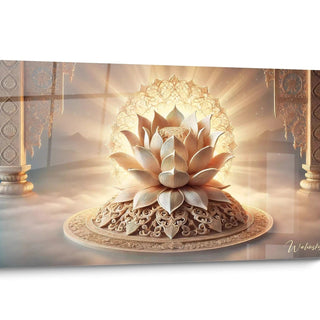 Lotus Flower20
artworks
Lotus Flower20
artworks
-
 Ganesh56
artworks
Ganesh56
artworks
-
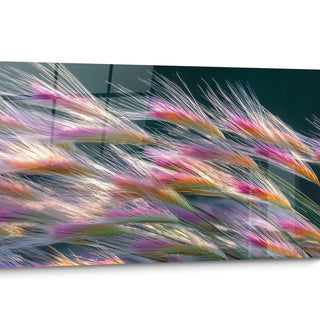 Grasses100
artworks
Grasses100
artworks
-
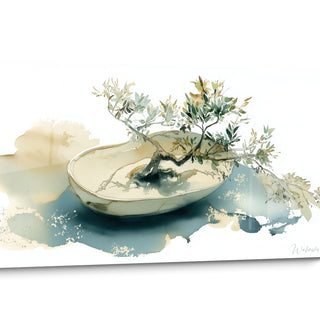 Ikebana93
artworks
Ikebana93
artworks
-
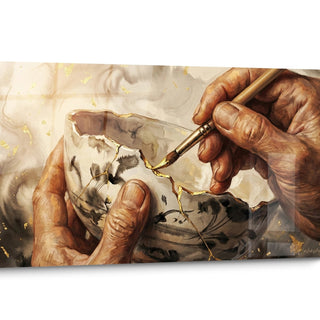 Kintsugi5
artworks
Kintsugi5
artworks
-
 Lantern51
artworks
Lantern51
artworks
-
 Mandala18
artworks
Mandala18
artworks
-
 Meditation18
artworks
Meditation18
artworks
-
 Pagoda79
artworks
Pagoda79
artworks
-
 Feather60
artworks
Feather60
artworks
-
 Sand60
artworks
Sand60
artworks
-
 Buddhist Temple17
artworks
Buddhist Temple17
artworks
-
 Terracotta436
artworks
Terracotta436
artworks
-
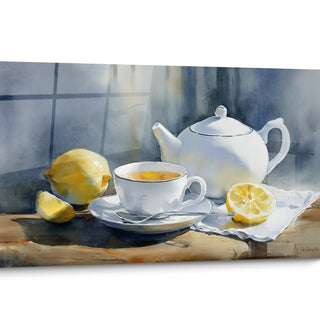 Japanese Teapot40
artworks
Japanese Teapot40
artworks
-
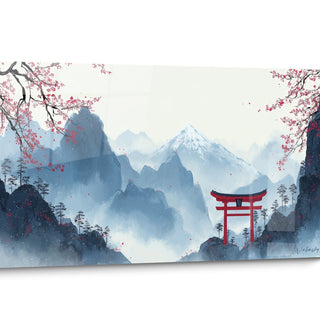 Torii77
artworks
Torii77
artworks
-
 Yin Yang99
artworks
Yin Yang99
artworks


All about Feng Shui Wall Art
- Zen Wall Art Presentation feng shui
- Zen Feng Shui Wall Art and Energy Harmonization
- Zen Feng Shui Wall Art and Visual Meditation
- Zen Feng Shui Wall Art and Minimalist Decor
Zen feng shui wall art represents far more than simple wall decoration – it is a genuine energy harmonization tool for your living space. Combining millennia-old feng shui principles with soothing visual representations of zen art, these large-format works radically transform a room's atmosphere while promoting energy balance. At the intersection of meditative art and Chinese energetic science, these pieces are specifically designed to create spaces conducive to serenity, concentration and inner harmony. Discover how these visual creations can become powerful catalysts for transformation in your daily environment.
The Art of Harmonizing Energies with Zen Feng Shui Wall Art
Zen feng shui wall pieces fundamentally distinguish themselves from other wall decorations through their energy balancing function. Unlike purely decorative works, these pieces are designed according to ancestral feng shui principles to activate or calm specific energies in your environment. This millennia-old Chinese science considers that the arrangement of our space directly influences our well-being, health and success. A zen meditation wall piece thoughtfully chosen becomes a genuine tool for energy transformation.
How to position zen feng shui wall art to maximize its energetic influence?
Positioning zen feng shui wall art follows precise rules that differ radically from conventional hanging principles. According to the Bagua energy mapping, each zone of your space corresponds to a specific life domain. A piece depicting water placed in the north sector will stimulate your career, while a work in red or violet tones in the southwest zone will strengthen romantic relationships. This targeted approach transforms your wall art into an energy activator rather than a simple decorative element.
For optimal energy activation, zen feng shui wall art must be positioned at eye level, creating a focal point that captures and redistributes Chi energy. Never place it in areas of intense passage or facing an entrance door, which would disperse its harmonizing influence. Cardinal orientation also plays a crucial role – a piece with blue tones will gain power when oriented north, while an artwork evoking mountains will be more effective facing west.
Key symbolic elements to seek in authentic zen feng shui wall art
True zen feng shui wall art is recognized by the deliberate presence of powerful energetic symbols. These elements are never chosen purely for aesthetic value, but for their ability to subtly influence ambient energy. Here are the main symbols to identify:
- Bamboo representations – symbol of flexibility and steady growth, ideal for spaces dedicated to personal development
- Water and wave patterns – activators of fluidity and financial abundance when oriented toward the room's entrance
- Stylized mountains – energy anchoring and stability, particularly beneficial in professional spaces
- Lotus flowers – spiritual awakening and energy purification, perfect for meditation areas
These symbols interact directly with your subconscious, creating an energetic resonance that progressively transforms your perception of space. Authentic zen feng shui wall art goes far beyond immediate visual impact – it establishes a dynamic relationship with your environment that deepens over time.
Balance of the five elements in your zen feng shui wall art
The transformational power of zen feng shui wall art lies in its ability to balance the five fundamental elements: Water, Wood, Fire, Earth and Metal. Each element corresponds to specific life aspects it can strengthen or calm according to your needs. A piece presenting harmonious balance of these forces becomes an energy regulator for the entire space.
For professional spaces requiring concentration and dynamism, favor a piece where the Fire element is subtly represented through red touches or triangular forms. In a rest space, wall art dominated by the Water element, recognizable by its fluid curves and deep blue tones, will promote relaxation and introspection. This constant interaction between the piece's elements and the room's energy creates a unique self-regulating system within zen feng shui arts.
Which colors to prioritize in zen feng shui wall art according to your intention?
Energy chromotherapy is one of the most powerful aspects of zen feng shui wall art. Unlike purely decorative color approaches, feng shui uses tones as vibrational frequencies capable of directly influencing your psycho-emotional state and energy circulation in your space.
To stimulate creativity and personal expression, seek a piece incorporating turquoise blue and jade green nuances, colors associated with the Bagua's East sector. If your goal is attracting prosperity and abundance, wall art incorporating deep violet and gold touches will powerfully activate the Southeast sector. This precise chromatic science transforms your zen feng shui piece into a genuine personalized energy prescription.
Your space's natural light intensity should also guide your choice. In dimly lit rooms, a piece with light tones and luminous elements like the moon or shimmering water will act as a Yang energy amplifier, naturally energizing the atmosphere without requiring intensive artificial lighting.
Zen Feng Shui Wall Art: Transformative Visual Meditation Guide
Beyond their decorative dimension, zen feng shui wall pieces are designed as genuine visual meditation portals. This unique function radically distinguishes them from other wall art types. While conventional artwork simply invites passive contemplation, zen feng shui wall art is structured according to precise principles to actively guide your gaze through a transformative meditative journey. Artists deliberately create visual anchors corresponding to the body's energy centers, facilitating meditation entry even for beginners.
Meditative visual pathways integrated in zen feng shui wall art
The composition of authentic zen feng shui wall art incorporates what masters call "consciousness pathways" – deliberately designed visual routes guiding the eye through a specific sequence. This visual journey follows meditative mudra principles, creating guided meditation without verbal instructions. Look carefully – you'll often notice an energetic spiral starting from a central focal point and extending to the work's edges, mimicking consciousness expansion movement during meditation.
These visual pathways are often reinforced by subtle brightness variations that naturally attract the gaze in a specific progression. This technique, inherited from zen temple meditative manuscripts, transforms simple observation into complete meditative practice. To maximize this effect, position your zen feng shui wall art in a space where you can comfortably sit approximately twice its width away, allowing your visual field to be entirely encompassed by the work.
How to use your zen feng shui wall art for daily guided meditations?
Your zen feng shui wall art can become the center of structured daily meditative practice. Unlike traditional meditation techniques often requiring closed eyes, visual meditation guided by zen feng shui wall art is practiced with eyes open, making it particularly accessible for beginners who find maintaining concentration difficult with closed eyes.
Begin with a 5-minute daily session: sit facing your wall art at optimal distance and let your gaze settle naturally on the work's main focal point. Notice how certain elements seem to attract your attention more than others – your mind is intuitively recognizing energetic elements resonating with your current needs. Breathe deeply while maintaining this visual connection, allowing symbols to communicate directly with your subconscious.
For more advanced practice, use the "boundary dissolution" technique – after several minutes of concentration on a specific element, progressively expand your perception to encompass the entire work, then surrounding space, symbolically dissolving separation between observer and observed. This practice, facilitated by specific zen feng shui composition, generates deep meditative state within minutes.
Perceptual evolution: how your zen feng shui wall art transforms with your practice
A fascinating phenomenon occurs with authentic zen feng shui wall art: your perception of the work evolves organically with meditative practice. What zen masters call "the living work" manifests when certain elements seem to subtly transform over time, revealing new details and layers of previously unnoticed meaning.
This perceptual evolution is not illusion, but the result of genuine energy interaction between your expanding consciousness and vibrational frequencies encoded in the work. Zen feng shui artists deliberately incorporate multi-level reading patterns that only reveal themselves with deepening meditative practice. Keep a journal of new elements discovered in your wall art over weeks – you'll be surprised how the work seems literally to "awaken" parallel to your inner evolution.
Respiratory synchronization with rhythmic elements in your zen feng shui wall art
Authentic zen feng shui wall pieces incorporate subtle rhythmic elements – repetitive patterns, undulations, geometric sequences – specifically designed to synchronize your breathing. This unique characteristic transforms the work into a genuine heart coherence tool, a scientifically validated technique for stress reduction and nervous system harmonization.
Observe how your breathing naturally tends to align with suggested movements in the piece – fluid river lines, bamboo branch undulations, or progressive lotus petal deployment. This instinctive respiratory synchronization indicates superior quality zen feng shui wall art, created according to authentic principles of this meditative art.
To amplify this effect, advanced collectors often position their zen feng shui wall art facing their tai-chi or qi gong practice space, creating harmonic resonance between body movements, breath, and the work's visual rhythms. This triple synchronization generates particularly profound meditative presence, accessible even to novice practitioners.
Minimalist Decorative Integration of Zen Feng Shui Wall Art
Integrating zen feng shui wall art in contemporary minimalist environments follows specific principles transcending simple aesthetic considerations. Unlike conventional decorative works merely complementing a space, zen feng shui wall art becomes the energy anchoring point around which the entire room organizes. This unique spatial integration approach transforms your interior decoration into a genuine three-dimensional mandala where every element resonates with central energy radiating from the piece.
The breathing space necessary around zen feng shui wall art
A fundamental principle distinguishes zen feng shui wall art integration from other wall pieces: the concept of energetic breathing space. According to feng shui masters, authentic pieces require a minimum 60-centimeter clearance on all sides to allow their energy influence to fully deploy. This zone, which practitioners call "expansive aura," must remain free of competing visual elements.
This spatial requirement radically transforms classical decorative approach tending to fill walls with dense compositions. With large-format zen feng shui wall art, embrace the "less is more" philosophy by giving it a dominant isolated position. The work becomes a genuine visual sanctuary anchoring the entire space rather than a simple element in a larger composition.
How to create energy coherence between your zen feng shui wall art and furniture?
Zen feng shui wall art's transformational power fully manifests when harmonic resonance exists between the work and surrounding furniture elements. This coherence goes far beyond simple color coordination or style matching. It establishes what feng shui experts call "energy force lines" between the piece and strategically positioned furniture.
To create these energetic connections, identify two or three dominant elements of the work – for example, a mountain, water element, or vegetation pattern – and subtly echo these forms in your space. Wall art evoking fluid forms will naturally harmonize with a curved-line sofa, while pieces with vertical structures resonate with slender lighting elements.
Absolutely avoid cluttering with decorative objects that would disperse the concentrated energy influence of the piece. Instead adopt the "one large, three small" approach – your zen feng shui wall art as the main element, accompanied by only three secondary decorative items subtly amplifying its dominant energy themes.
Complementary textures amplifying your zen feng shui wall art's influence
An often-neglected aspect of zen feng shui wall art integration concerns interaction between the work's visual surface and surrounding textures. Experienced feng shui practitioners know certain texture combinations create resonance fields amplifying the piece's energetic effect, while others can neutralize its influence.
For wall art dominated by water or fluidity images, incorporate slightly luminous textile reflets like natural silk or polished linen, creating textural echo with movement suggested in the work. If your piece evokes earth stability with mountains or stones, matte dense textures like raw wood or genuine stone establish energy continuity with these elements.
Particularly avoid highly reflective surfaces directly facing the piece, as they create what feng shui masters call a "closed energy loop" limiting the piece's harmonious influence diffusion through space. This meticulous attention to textural interactions transforms your environment into genuine three-dimensional extension of the work.
The relationship between your zen feng shui wall art and natural light
Zen feng shui wall art's transformational power is intrinsically linked to its natural light interaction. Unlike conventional works simply benefiting from good lighting, zen feng shui pieces are designed to dynamically interact with natural light variations throughout the day, creating what zen masters call "the work of a thousand faces."
Strategically position your zen feng shui wall art to receive lateral natural light rather than direct frontal illumination. This exposure allows the work's subtle textures and micro-details to progressively reveal according to light angle and intensity. Experienced collectors often choose placement receiving the golden morning light and afternoon's cooler tones, maximizing the piece's expressive spectrum.
Absolutely avoid direct artificial spotlight lighting, which freezes the work in a single expression. If supplementary lighting is needed, favor indirect sources like uplighting floor lamps or diffuse lighting wall fixtures, creating general luminous bath rather than concentrated beam.
What are the best rooms for installing zen feng shui wall art?
The living room represents the ideal space for large-format zen feng shui wall art, particularly on the wall facing the room's main entrance. This strategic position allows the piece to immediately welcome and transform incoming energy, setting the energetic tone for the entire home.
How to choose zen feng shui wall art suited for my professional space?
For professional environments, prioritize zen feng shui wall art representing balance between mountain (stability) and water (adaptability). This specific combination fosters an atmosphere conducive to balanced decision-making and fluid communication, particularly beneficial in meeting spaces or executive offices.
Can zen feng shui wall art really improve sleep quality?
Indeed, appropriate zen feng shui wall art in a bedroom can significantly improve sleep quality. Specifically choose a work dominated by deep blue and violet tones with calm water patterns. Position it on the side wall rather than facing the bed to benefit from its soothing influence without direct visual stimulation during sleep onset phases.
Further reading
Our articles on this topic
- Wall art and feng shui philosophy: harmonizing your spaces
- Feng Shui Wall Art: How to Integrate Artwork According to Energetic Principles?
- Feng shui bedroom decor: where to place your paintings to balance each zone
- Zen and Feng Shui Landscape Paintings: How to Choose the Best Orientation?
- Feng Shui Artwork Placement: Where to Hang for Maximum Positive Energy?
- Feng Shui and wall art: harmonizing your space with fluidity
L'art qui suscite l'envie
Maison belge d'art mural grand format
14 jourspour changer d'avis*
Protection Walenskyincluse
Fabriquéen Italie
FormatXXL
Kit de fixationtoujours fourni
* Hors tableaux personnalisés et tailles personnalisées


