


Iguana Wall Art
Discover our Iguana Wall Art collection, a series of captivating mural artworks showcasing the elegance and strength of this fascinating animal. Each piece in this collection celebrates the wild beauty and free spirit of the iguana through vibrant and realistic compositions. Perfect for bringing an exotic and unique touch to your interior, these creations awaken imagination and enhance your spaces. Let yourself be seduced by the richness of details and authenticity of this Iguana collection that will make a statement in your décor.
 Camouflage Art Wall Art - Iguana Animals Edition273,90 €
 Earth Colors Wall Art - Iguana Animals Edition273,90 €
 Tropical Brilliance Wall Art - Iguana Animals Edition273,90 €
 Jungle Guardian Wall Art - Iguana Animals Edition273,90 €
 Mastery of Silence Wall Art - Iguana Animals Edition273,90 €
 Desert Shadows Wall Art - Iguana Animals Edition273,90 €
In the same family
Also explore the theme Animals
-
 View all10974
artworks
View all10974
artworks
-
 Bee54
artworks
Bee54
artworks
-
 Eagle18
artworks
Eagle18
artworks
-
 Alpaca111
artworks
Alpaca111
artworks
-
 Donkey15
artworks
Donkey15
artworks
-
 Savannah Wildlife94
artworks
Savannah Wildlife94
artworks
-
 Antelope5
artworks
Antelope5
artworks
-
 Spider8
artworks
Spider8
artworks
-
 Other Animals24
artworks
Other Animals24
artworks
-
 Ostrich75
artworks
Ostrich75
artworks
-
 Axolotl47
artworks
Axolotl47
artworks
-
 Whale89
artworks
Whale89
artworks
-
 Barracuda61
artworks
Barracuda61
artworks
-
 Snipe32
artworks
Snipe32
artworks
-
 Ram315
artworks
Ram315
artworks
-
 Beluga169
artworks
Beluga169
artworks
-
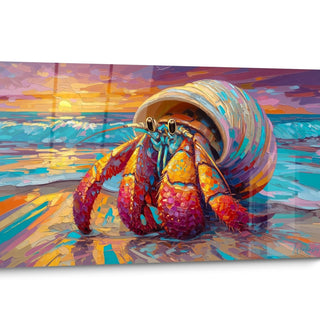 Hermit-Crab12
artworks
Hermit-Crab12
artworks
-
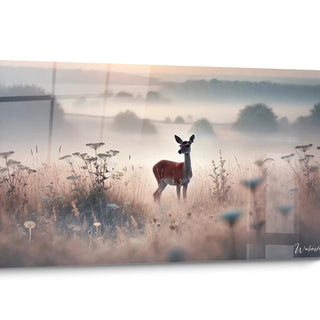 Doe10
artworks
Doe10
artworks
-
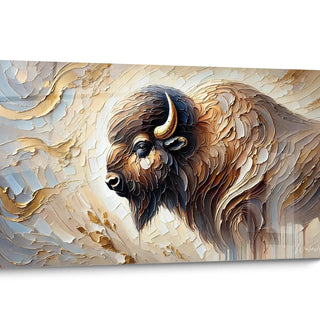 Bison8
artworks
Bison8
artworks
-
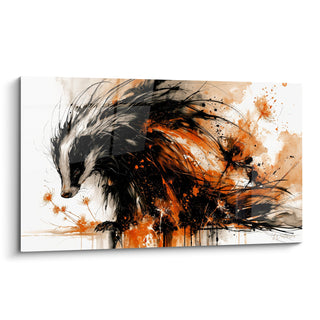 Badger59
artworks
Badger59
artworks
-
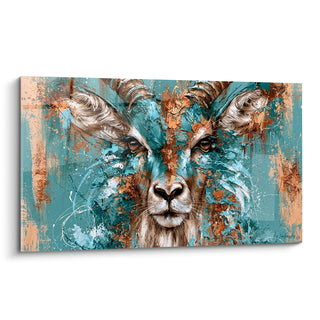 Chamois32
artworks
Chamois32
artworks
-
 Buffalo91
artworks
Buffalo91
artworks
-
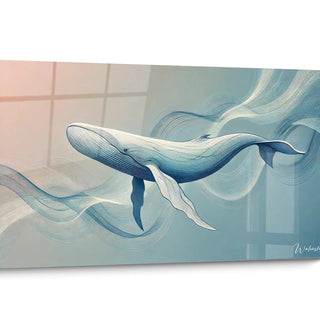 Sperm Whale8
artworks
Sperm Whale8
artworks
-
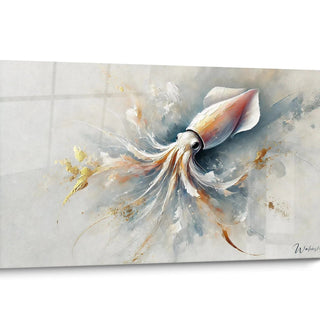 Giant Squid6
artworks
Giant Squid6
artworks
-
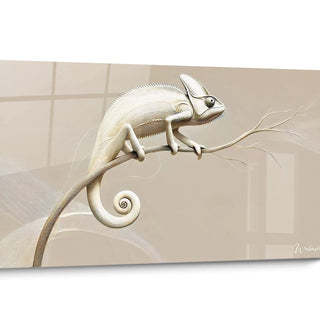 Chameleon20
artworks
Chameleon20
artworks
-
 Duck352
artworks
Duck352
artworks
-
 Capybara3
artworks
Capybara3
artworks
-
 Caracal15
artworks
Caracal15
artworks
-
 Caribou4
artworks
Caribou4
artworks
-
 Koi Carp130
artworks
Koi Carp130
artworks
-
 Beaver9
artworks
Beaver9
artworks
-
 Deer26
artworks
Deer26
artworks
-
 Camel3
artworks
Camel3
artworks
-
 Cat1218
artworks
Cat1218
artworks
-
 Bat10
artworks
Bat10
artworks
-
 Horse73
artworks
Horse73
artworks
-
 Mountain Goat3
artworks
Mountain Goat3
artworks
-
 Dog3055
artworks
Dog3055
artworks
-
 Chimpanzee12
artworks
Chimpanzee12
artworks
-
 Owl19
artworks
Owl19
artworks
-
 Stork16
artworks
Stork16
artworks
-
 Ladybug7
artworks
Ladybug7
artworks
-
 Pig8
artworks
Pig8
artworks
-
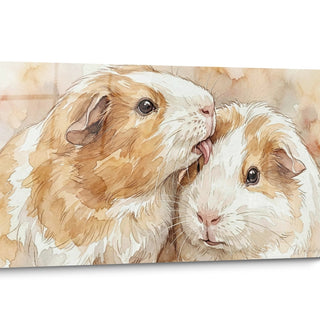 Guinea Pig13
artworks
Guinea Pig13
artworks
-
 Hummingbird23
artworks
Hummingbird23
artworks
-
 Dove90
artworks
Dove90
artworks
-
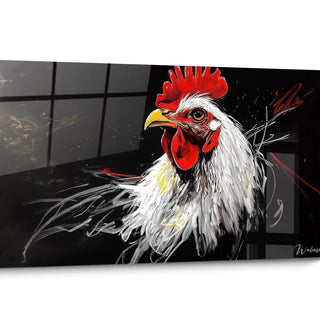 Rooster9
artworks
Rooster9
artworks
-
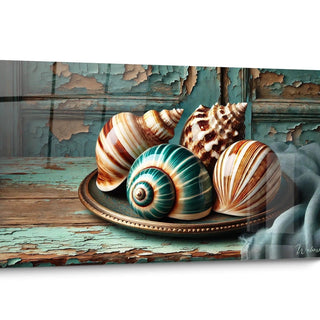 Seashell6
artworks
Seashell6
artworks
-
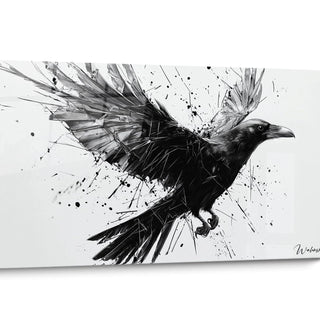 Raven9
artworks
Raven9
artworks
-
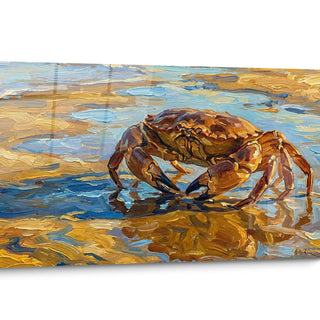 Crab5
artworks
Crab5
artworks
-
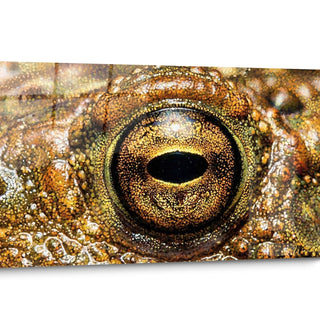 Toad8
artworks
Toad8
artworks
-
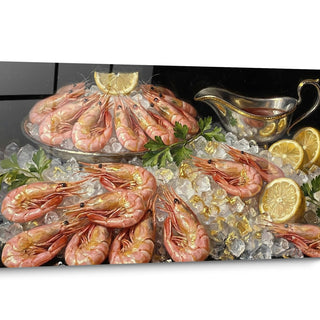 Shrimp5
artworks
Shrimp5
artworks
-
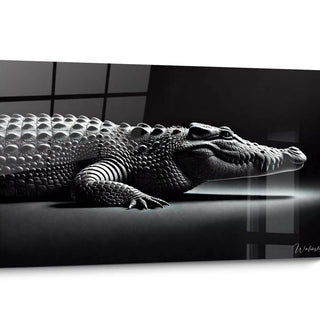 Crocodile4
artworks
Crocodile4
artworks
-
 Swan189
artworks
Swan189
artworks
-
 Dolphin11
artworks
Dolphin11
artworks
-
 Dromedary4
artworks
Dromedary4
artworks
-
 Squirrel15
artworks
Squirrel15
artworks
-
 Elan13
artworks
Elan13
artworks
-
 Elephant80
artworks
Elephant80
artworks
-
 Snail11
artworks
Snail11
artworks
-
 Swordfish4
artworks
Swordfish4
artworks
-
 Wild Essence25
artworks
Wild Essence25
artworks
-
 Starfish19
artworks
Starfish19
artworks
-
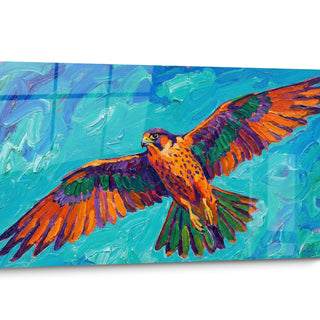 Falcon16
artworks
Falcon16
artworks
-
 Fennec256
artworks
Fennec256
artworks
-
 Pink Flamingo30
artworks
Pink Flamingo30
artworks
-
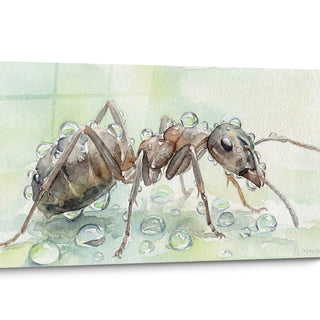 Ant19
artworks
Ant19
artworks
-
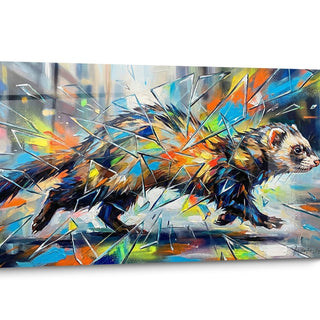 Ferret17
artworks
Ferret17
artworks
-
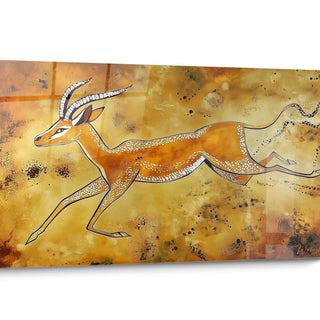 Gazelle4
artworks
Gazelle4
artworks
-
 Giraffe183
artworks
Giraffe183
artworks
-
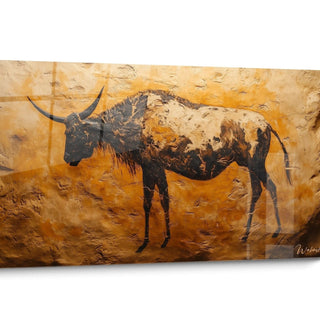 Wildebeest3
artworks
Wildebeest3
artworks
-
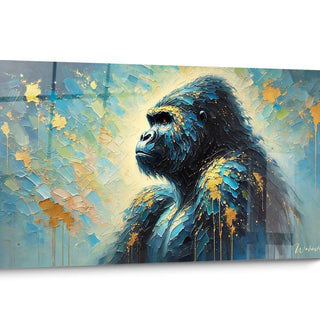 Gorilla15
artworks
Gorilla15
artworks
-
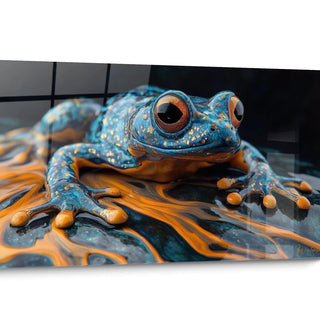 Frog65
artworks
Frog65
artworks
-
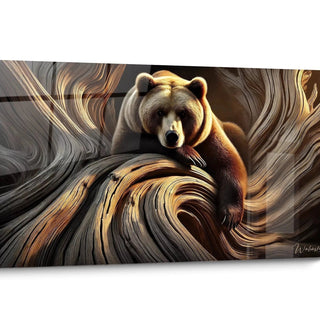 Grizzly3
artworks
Grizzly3
artworks
-
 Crane10
artworks
Crane10
artworks
-
 Cheetah147
artworks
Cheetah147
artworks
-
 Hamster17
artworks
Hamster17
artworks
-
 Hedgehog64
artworks
Hedgehog64
artworks
-
 Heron37
artworks
Heron37
artworks
-
 Owl42
artworks
Owl42
artworks
-
 Seahorse34
artworks
Seahorse34
artworks
-
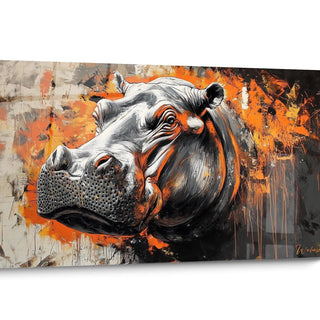 Hippopotamus4
artworks
Hippopotamus4
artworks
-
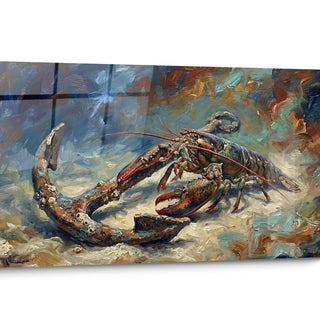 Lobster8
artworks
Lobster8
artworks
-
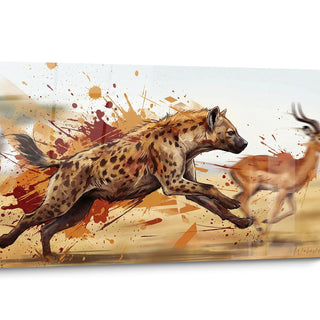 Hyena14
artworks
Hyena14
artworks
-
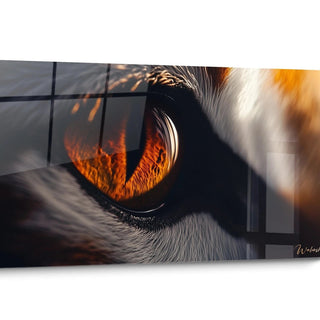 Animal Eye6
artworks
Animal Eye6
artworks
-
 Insect5
artworks
Insect5
artworks
-
 Jaguar6
artworks
Jaguar6
artworks
-
 Kangaroo100
artworks
Kangaroo100
artworks
-
 Koala18
artworks
Koala18
artworks
-
 Llama107
artworks
Llama107
artworks
-
 Rabbit15
artworks
Rabbit15
artworks
-
 Lemur3
artworks
Lemur3
artworks
-
 Dragonfly4
artworks
Dragonfly4
artworks
-
 Unicorn62
artworks
Unicorn62
artworks
-
 Lion193
artworks
Lion193
artworks
-
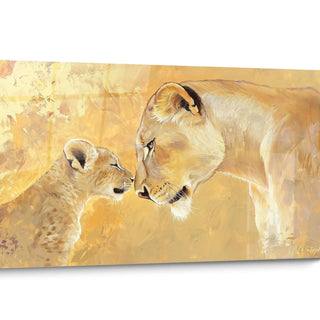 Lion Cub4
artworks
Lion Cub4
artworks
-
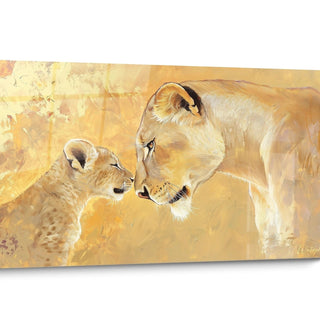 Lioness6
artworks
Lioness6
artworks
-
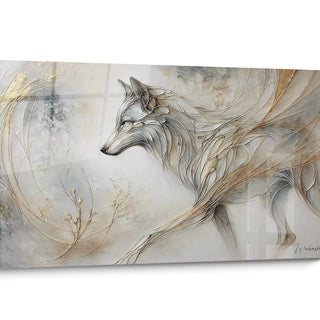 Wolf13
artworks
Wolf13
artworks
-
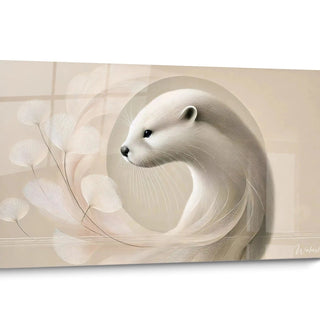 Otter6
artworks
Otter6
artworks
-
 Lynx7
artworks
Lynx7
artworks
-
 Puffin2
artworks
Puffin2
artworks
-
 Penguin10
artworks
Penguin10
artworks
-
 Jellyfish17
artworks
Jellyfish17
artworks
-
 Morse3
artworks
Morse3
artworks
-
 Seagull4
artworks
Seagull4
artworks
-
 Mold14
artworks
Mold14
artworks
-
 Sheep6
artworks
Sheep6
artworks
-
 Narwhal66
artworks
Narwhal66
artworks
-
 Ocelot3
artworks
Ocelot3
artworks
-
 Birds15
artworks
Birds15
artworks
-
 Orangutan10
artworks
Orangutan10
artworks
-
 Orca28
artworks
Orca28
artworks
-
 Brown Bear334
artworks
Brown Bear334
artworks
-
 Polar Bear289
artworks
Polar Bear289
artworks
-
 Sea Urchin9
artworks
Sea Urchin9
artworks
-
 Giant Panda69
artworks
Giant Panda69
artworks
-
 Red Panda11
artworks
Red Panda11
artworks
-
 Panther19
artworks
Panther19
artworks
-
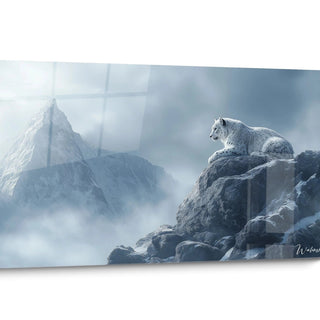 Snow Leopard8
artworks
Snow Leopard8
artworks
-
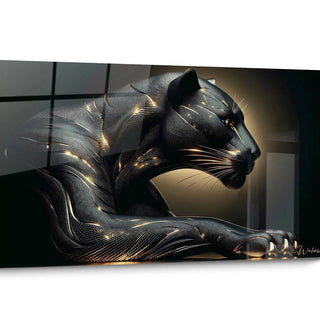 Black Panther10
artworks
Black Panther10
artworks
-
 Peacock128
artworks
Peacock128
artworks
-
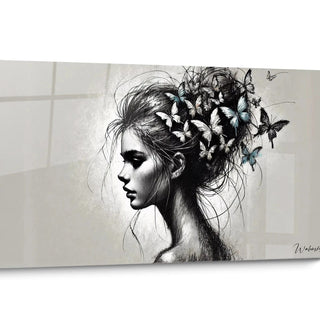 Butterfly14
artworks
Butterfly14
artworks
-
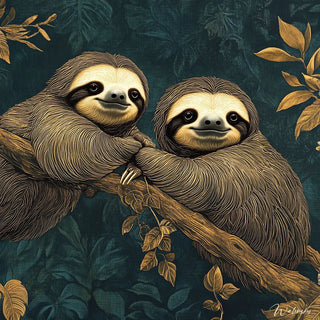 Lazy Sloth3
artworks
Lazy Sloth3
artworks
-
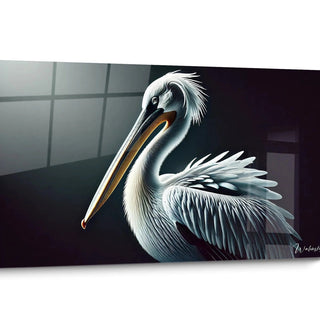 Pelican3
artworks
Pelican3
artworks
-
 Parrot211
artworks
Parrot211
artworks
-
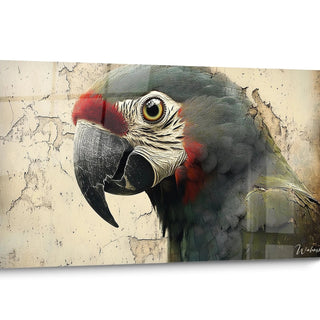 Parakeet5
artworks
Parakeet5
artworks
-
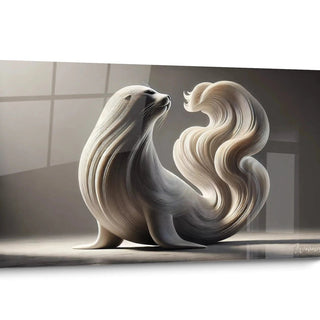 Seal5
artworks
Seal5
artworks
-
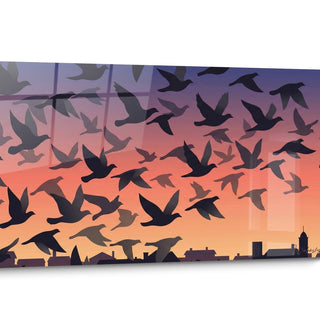 Pigeon10
artworks
Pigeon10
artworks
-
 Penguin274
artworks
Penguin274
artworks
-
 Feather60
artworks
Feather60
artworks
-
 Fish18
artworks
Fish18
artworks
-
 Betta Fish12
artworks
Betta Fish12
artworks
-
 Octopus59
artworks
Octopus59
artworks
-
 Puma3
artworks
Puma3
artworks
-
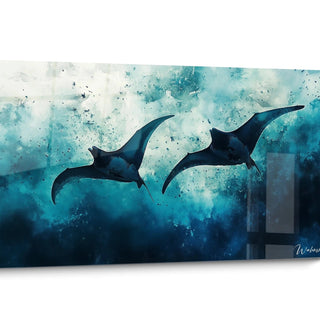 Manta Ray67
artworks
Manta Ray67
artworks
-
 Raccoon2
artworks
Raccoon2
artworks
-
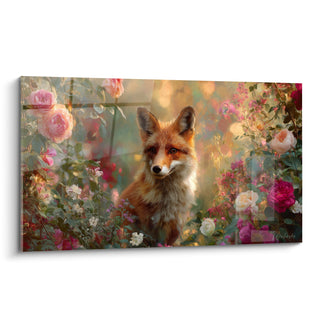 Fox141
artworks
Fox141
artworks
-
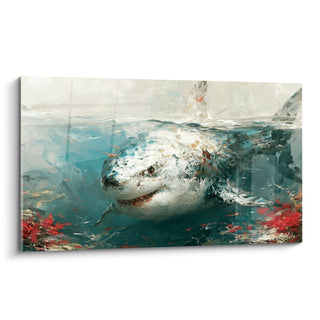 Shark126
artworks
Shark126
artworks
-
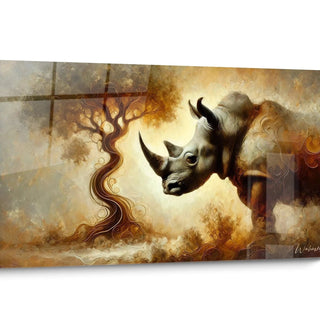 Rhinoceros21
artworks
Rhinoceros21
artworks
-
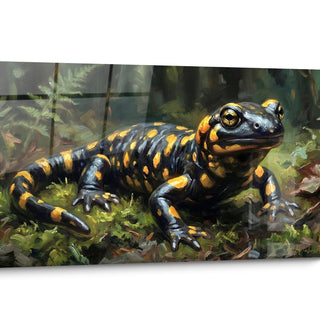 Salamander14
artworks
Salamander14
artworks
-
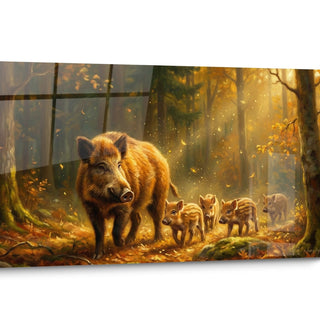 Wild Boar15
artworks
Wild Boar15
artworks
-
 Scarab73
artworks
Scarab73
artworks
-
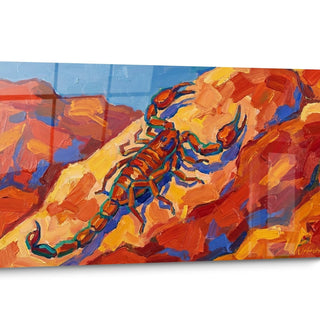 Scorpion9
artworks
Scorpion9
artworks
-
 Serpent102
artworks
Serpent102
artworks
-
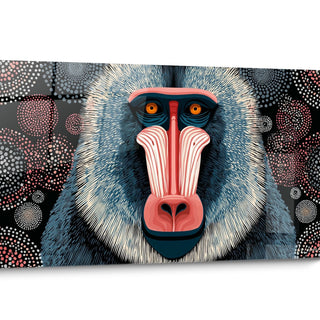 Monkey14
artworks
Monkey14
artworks
-
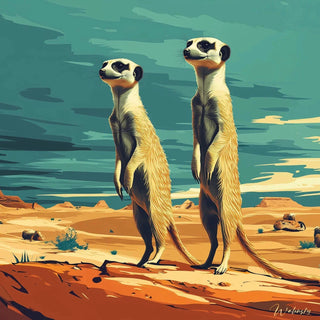 Meerkat1
artwork
Meerkat1
artwork
-
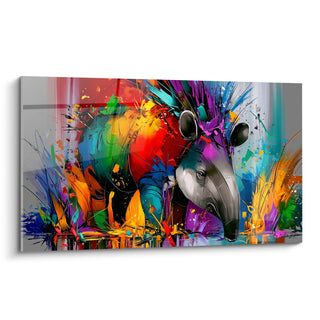 Tapir52
artworks
Tapir52
artworks
-
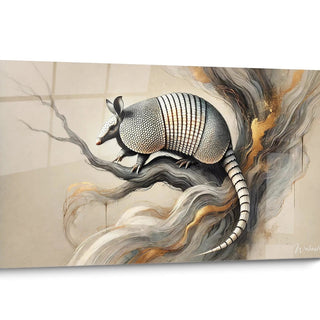 Armadillo3
artworks
Armadillo3
artworks
-
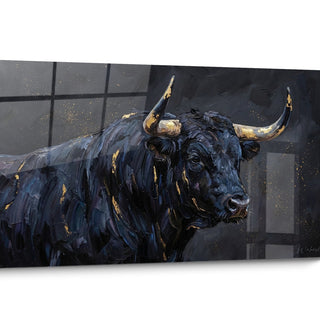 Bull281
artworks
Bull281
artworks
-
 Tiger316
artworks
Tiger316
artworks
-
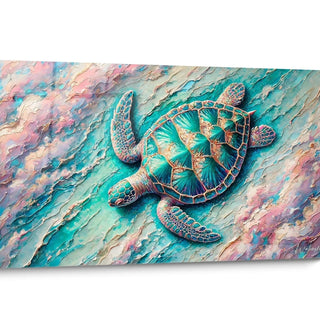 Sea Turtle18
artworks
Sea Turtle18
artworks
-
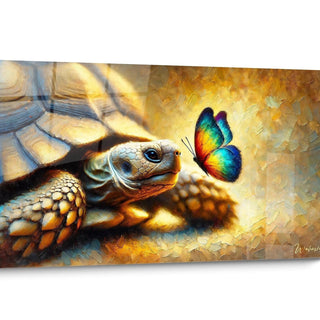 Terrestrial Turtle14
artworks
Terrestrial Turtle14
artworks
-
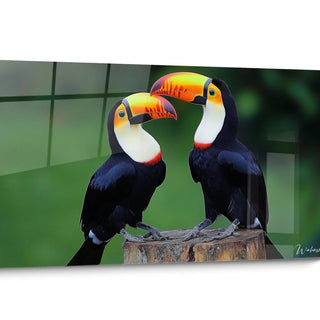 Toucan7
artworks
Toucan7
artworks
-
 Cow9
artworks
Cow9
artworks
-
 Vulture5
artworks
Vulture5
artworks
-
 Zebra49
artworks
Zebra49
artworks


All about Iguana Wall Art
- Iguana Wall Art Presentation
- Iguana Wall Art Ecosystem Decor
- Iguana Wall Art Exotic Symbolism
- Iguana Wall Art Visual Impact
Iguana wall art represents a unique fusion between mural art and fascination with the emblematic reptiles of Central and South America. These artworks distinguish themselves through their ability to capture the essence of these ancestral creatures, blending naturalistic precision with artistic interpretation. Discover how these animal wall art pieces can radically transform the ambiance of your interior while affirming your passion for herpetology and tropical ecosystems.
Iguana Wall Art: Immersion in Contemporary Reptilian Art
Iguana wall art offers a fascinating artistic perspective on these emblematic reptiles, creating a visual bridge between tropical environments and our modern interior spaces. Unlike classical representations of domestic animals, these artworks capture the unique scaly texture and extraordinary color nuances specific to iguanas, impossible to reproduce with other animal subjects.
Why do iguana wall art pieces radically transform the atmosphere of a room?
The presence of an iguana wall art piece in a living space instantly creates an exotic focal point that visually transports you into the tropical ecosystems of Central and South America. These large-format representations reveal striking details often imperceptible to the naked eye, such as the golden scales beneath the throat of green iguanas or the subtle geometric patterns on their flanks. The chromatic impact of these artworks, dominated by emerald greens, vibrant oranges and turquoise blues, establishes an immediate connection with equatorial atmospheres.
Herpetology enthusiasts particularly appreciate how these wall art pieces showcase the enigmatic facial expression of iguanas, with their characteristic lateral gaze that seems to follow the observer throughout the room. This unique visual interaction distinguishes these artworks from other animal representations and creates an almost living presence in the space.
Chromatic adaptation of iguana wall art according to the species represented
Iguana wall art presents exceptional chromatic richness that varies considerably depending on the species illustrated:
- Representations of green iguanas (Iguana iguana) favor vibrant green ranges with emerald and jade nuances, creating luminous artworks ideal for energizing neutral spaces
- Wall art featuring the Galápagos marine iguana explores striking contrasts between volcanic blacks and coral reds, perfect for contemporary interiors
- Illustrations of horned iguanas (Cyclura cornuta) highlight desert oranges and ochres that instantly warm minimalist spaces
This natural chromatic variation offers exceptional decorative flexibility unavailable in other animal motifs. Each iguana wall art piece thus becomes a unique work whose visual impact adapts to different desired atmospheres, from lush tropical to refined desert.
Integration of iguana wall art in specific spaces
Iguana wall art distinguishes itself through surprising contextual versatility, finding its place in environments where other animal representations would seem incongruous:
In therapy offices and meditation rooms, these reptilian representations bring a meditative dimension linked to the deliberate slowness and legendary calm of these animals. Wellness professionals report that contemplating these ancestral creatures promotes a state of presence and patience in their clients.
Children's spaces dedicated to herpetology or paleontology enthusiasts particularly benefit from these artworks that establish a visual link with dinosaurs, of which iguanas are considered distant descendants. These wall art pieces become privileged educational tools for exploring reptilian evolution and biology.
In atriums and winter gardens, these representations ideally complement the plant environment by bringing an animal presence that integrates naturally without dominating the space as predators would. The visual texture of scales dialogues harmoniously with surrounding foliage, creating remarkable aesthetic continuity.
How do iguana wall art pieces influence spatial perception?
Iguana wall art exercises a unique influence on the dimensional perception of interior spaces. Their presence subtly modifies spatial experience through several perceptual mechanisms:
The characteristic directive gaze of the iguana, often directed laterally in these artworks, naturally creates a visual force line that expands the peripheral perception of space. Interior designers exploit this particularity to visually amplify narrow rooms.
Representations featuring iguanas in an observation position, perched on branches, introduce a vertical dimension that draws the gaze upward and accentuates the impression of ceiling height. This characteristic is particularly valued in contemporary apartments with standardized ceilings.
The hyper-detailed scaly texture of iguanas, when magnified in these large-format wall art pieces, creates a tactile depth effect that enriches the sensory experience of the space, unlike smooth patterns that visually flatten surfaces.
The integration of iguana wall art in interior decors therefore goes beyond a simple aesthetic choice, but constitutes a true spatial design strategy allowing subtle shaping of the dimensional perception of domestic and professional environments.
Iguana Wall Art: Symbolism and Meaning in Contemporary Mural Art
The enthusiasm for iguana wall art transcends the simple aesthetic appreciation of these fascinating reptiles. These mural artworks convey rich symbolism that resonates deeply with contemporary concerns, particularly environmental and spiritual. The iguana, an ancestral creature that has crossed millennia without major transformation, embodies exceptional resilience in the face of planetary upheavals.
The ancestral symbolism of iguanas transposed into wall art
In Mesoamerican traditions, the iguana occupied a privileged place, associated with wisdom, patience and regeneration. Contemporary iguana wall art reactivates this thousand-year-old symbolic heritage by adapting it to current sensibilities. Collectors frequently testify to an intuitive connection with these representations that seem to embody a form of primordial wisdom.
The figure of the iguana in mural art becomes a powerful mediator between different temporalities: it simultaneously evokes the prehistoric era through its almost unchanged reptilian morphology, pre-Columbian civilizations through its cultural significance, and contemporary ecological concerns through its status as a threatened species in certain regions.
This multilayered symbolic depth fundamentally distinguishes iguana wall art from other more conventional animal representations whose symbolic reach often remains limited to simplified archetypes (strength of the lion, freedom of the eagle, etc.).
What specific symbolics do iguana wall art pieces bring into an interior?
Iguana wall art conveys several distinctive symbolic dimensions that subtly influence the emotional atmosphere of spaces where they are displayed:
- Transformation: the iguana, capable of regenerating its tail and changing color according to its environment, symbolizes adaptability and renewal, creating an atmosphere conducive to creativity and personal evolution
- Contemplative patience: the characteristic posture of the iguana in observation, often captured in these wall art pieces, inspires a perceptual slowing favorable to concentration and reflection
- Thermal balance: the unique relationship of the iguana with solar heat, essential to its vitality, evokes a harmonious connection with natural cycles of energy
These wall art pieces also transmit a benevolent and non-invasive presence, the iguana being generally represented in an attitude of peaceful observation rather than aggressive posture. This quality makes them artworks particularly suited to spaces dedicated to relaxation and recovery.
The emotional impact of different iguana representations
Artists specialized in iguana wall art exploit various aesthetic approaches, each producing a specific emotional effect on the observer:
Hyperrealistic representations showcase the extraordinary texture of scales and subtle chromatic nuances, creating an almost meditative fascination with natural complexity. These wall art pieces are perfectly suited to spaces of contemplation or study.
Stylized interpretations using simplified geometries and pronounced contrasts capture the energetic essence of the animal, producing a dynamizing effect. These artworks naturally find their place in social and creative spaces.
Contextual compositions placing the iguana in its natural habitat evoke a feeling of ecosystem immersion, particularly sought after by ecology enthusiasts who wish to maintain a visual connection with threatened tropical environments.
The biophilic dimension of iguana wall art in contemporary interiors
The growing attraction to iguana wall art is part of the larger biophilic design movement, which aims to strengthen the link between inhabitants and the natural world within constructed environments. These artworks perfectly meet this need for reconnection with biodiversity, particularly for urban dwellers.
Unlike representations of domestic animals or common mammals, iguana wall art introduces a fascinating biological otherness that stimulates curiosity and openness to the diversity of life. This quality makes them exceptional conversational catalysts in reception spaces.
Neuroscientists have documented how observation of complex natural forms like iguana scales stimulates positive brain responses similar to those produced by direct contact with nature. Iguana wall art thus constitutes a form of environmental enrichment for interior spaces, particularly beneficial in dense urban environments.
Specialists in chromotherapy also emphasize how the dominant green tones in many iguana wall art pieces exert a soothing effect on the nervous system, helping to reduce stress and promote concentration – a significant advantage for work and study spaces.
Iguana Wall Art: Integration Strategies and Visual Impact in Interior Design
The introduction of iguana wall art into a space constitutes much more than a simple decorative addition – it is a true design decision that radically transforms the visual dynamics of a room. Unlike conventional animal representations, iguana wall art presents unique characteristics that directly influence spatial perception and chromatic balance of interiors.
How to optimize the visual impact of iguana wall art according to spatial configuration?
The strategic orientation and positioning of iguana wall art significantly determine their visual resonance in different space configurations:
In circulation spaces like hallways and stairwells, horizontal compositions showing the iguana in movement create natural directional dynamics that subtly guide displacement. Interior designers specializing in museography use this property to intuitively orient visitors through exhibition spaces.
For rooms with low ceilings, choose iguana wall art in vertical format capturing the animal in climbing position. This orientation creates an upward visual breakthrough that effectively counterbalances perceived spatial compression. This phenomenon is explained by our instinctive tendency to follow the direction of the gaze of the represented animal.
In large open spaces, diptychs or triptychs of iguanas create visual anchor points that structure the space without fragmenting it visually. This approach is particularly effective for subtly delimiting different functional zones while preserving spatial unity.
Specific chromatic interactions between iguana wall art and interior atmospheres
The distinctive chromatic palette of iguana wall art establishes unique visual dialogues with different interior styles:
- The predominant emerald greens in representations of adult iguanas create vibrant yet harmonious contrast with interiors in terracotta and clay tones, generating visual balance evoking tropical natural environments
- Turquoise nuances present on certain iguana species establish sophisticated resonances with monochromatic gray atmospheres, introducing chromatic depth without visual overload
- Orange tones characteristic of desert iguanas harmonize perfectly with Scandinavian interiors dominated by light wood, bringing warmth and vitality without disrupting minimalist serenity
The textural richness of iguana scales, when magnified in these large-format wall art pieces, also introduces a visual tactile dimension that effectively counterbalances the smooth surfaces predominant in contemporary interiors. This textural complementarity constitutes a key element of successful integration of these artworks.
Specific lighting strategies to showcase iguana wall art
Iguana wall art possesses particular reflective and chromatic properties that require adapted lighting approaches:
Directional lighting with adjustable color temperature reveals the micro-details of scales and the iridescent nuances subtly integrated by artists. Lighting at 4000K brings out vibrant green tones while warmer light (3000K) accentuates the amber nuances present in certain representations.
Museum lighting experts recommend an evolutionary illumination approach for these artworks: more intense morning lighting that gradually declines toward evening, mimicking the natural sunlight conditions to which iguanas are exposed. This dynamic technique reveals different facets of the artwork throughout the day.
The use of adjustable beam spotlights also allows creating structured shadow effects that extend the artwork beyond its frame, amplifying its spatial presence without requiring additional wall interventions.
Seasonal evolution of iguana wall art perception
The visual and emotional reception of iguana wall art evolves remarkably throughout the seasons, a phenomenon exploited by interior decorators:
During winter months, these representations exert a particularly sought-after compensatory effect, bringing an evocative presence of tropical environments when the outdoors is dominated by monochromatic tones. This transportative quality intensifies when natural lighting decreases.
In summer, these same artworks instead establish visual continuity with the green outdoor environment, creating a harmonious dialogue between interior and exterior that amplifies the sensation of space and connection with nature.
Environmental psychology specialists emphasize how this natural perceptual evolution maintains visual interest in these artworks over the long term, unlike other decorative motifs that may become tiresome through their constancy.
FAQ on iguana wall art
What is the ideal size for iguana wall art in a standard living room?
For optimal impact in a standard living room (20-30m²), choose iguana wall art in large format, ideally between 100x70cm and 150x100cm. These dimensions allow appreciation of the fascinating details of scales while creating balanced visual presence. For more restricted spaces, opt for vertical compositions that maximize impact while minimizing wall footprint.
How to maintain iguana wall art displayed in a humid room?
Iguana wall art placed in humid environments like spacious bathrooms require specific protection. Choose artworks with UV-resistant and water-repellent coating that preserves the intensity of characteristic greens. Regular dusting with a microfiber duster is generally sufficient for routine maintenance, avoiding any chemicals that could alter subtle nuances.
Is iguana wall art suitable for professional spaces?
Iguana wall art proves particularly well-suited to professional environments requiring concentration and creativity. Their presence brings a distinctive touch that sets your space apart while conveying values of patience and adaptation. These artworks are particularly appreciated in therapy offices, creative coworking spaces and environmental studies bureaus where they frequently serve as starting points for stimulating professional exchanges.
L'art qui suscite l'envie
Maison belge d'art mural grand format
14 jourspour changer d'avis*
Protection Walenskyincluse
Fabriquéen Italie
FormatXXL
Kit de fixationtoujours fourni
* Hors tableaux personnalisés et tailles personnalisées


