


Bamboo Wall Art
Bring a touch of natural serenity with our Bamboo wall art collection. These Bamboo wall art pieces capture the simple and elegant beauty of nature, symbolizing growth and resilience. With finely crafted details and subtle lighting, each piece brings a sense of freshness and calm, perfect for creating a zen and inspiring space.
 Watercolor Emerald Green and White Knots Stalk Painting - Textured Pristine Background - Bambou Edition273,90 €
 Turquoise Stem Painting with Fine Red Veins - Wavy Minimalist Watercolor - Bamboo Edition273,90 €
 Blue and Red Flowers on Green Stems - Splashed Petals with Gold - Bambou Edition273,90 €
 Bamboo Stalks Green and Black Leaves Rain-Streaked - Shining Silver Knots - Bamboo Edition273,90 €
 Painting Stems Green and Black Sparkling Droplets on Leaves - Fine Humidity Reflections - Bamboo Edition273,90 €
 Black Stem and Green Leaves Under the Rain - Suspended Droplets - Bamboo Edition273,90 €
 Photograph of Green and Black Stem Pearled with Water - Macro Wet Photography - Bamboo Edition273,90 €
 Emerald Green and Black Leaves Painting with Sparkling Droplets - Detailed Photographic Knots - Bambou Edition273,90 €
 Blue and Turquoise Stalk Painting with Gold Splashes and Marbling - Washed Blue Ink - Bambou Edition273,90 €
 Turquoise Bamboo Artwork with Golden Stems - Aquatic Breath - Bamboo Edition273,90 €
 Bamboo Stalks Green and White on Light Background - Soothing Breath - Bamboo Edition273,90 €
 Bamboo Stalks Painting in Green and White on Pristine Background - Delicate Watercolor Isolated - Bambou Edition273,90 €
 Bamboo Stalks in Green and Beige on Cracked Ivory Background - Delicate Watercolor Gradient - Bambou Edition273,90 €
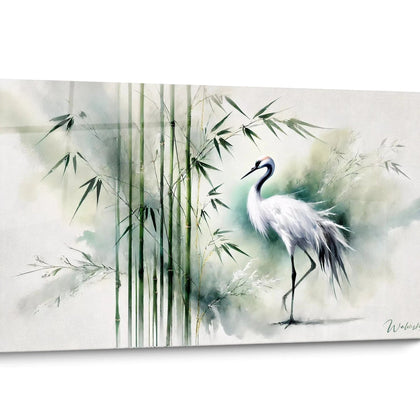
 Painting Blurred Green and White Stalks in Mist - Delicate Watercolor - Bamboo Edition273,90 €
 Black and Beige Stalk Painting, Diluted Ink Effect - Botanical Calligraphy, Monochrome Edition Bambou273,90 €
 Bamboo Painting - Green and Turquoise Stalks with Gilded Leaves - Relief Impasto - Bambou Edition273,90 €
 Black and Gold Bamboo Artwork on Marble Background - Orange Solar Disk - Bambou Edition273,90 €
 Black Bamboo Painting in Front of a Gold Disc on Cracked Ivory Background - Textured Full Moon - Bamboo Edition273,90 €
 Golden Stems and Cracked Turquoise Oxidized Background - Rust Shards - Bambou Edition273,90 €
 Golden Bamboo Painting on Turquoise Mineral Background - Precious Serenity - Bambou Edition273,90 €
 Golden Bamboo Painting with Purple and Magenta Leaves - Textured Golden Splashes - Bambou Edition273,90 €
 Purple Leaves and Golden Stems on Cracked Wall Artwork - Aged Texture Effect - Bambou Edition273,90 €
 Golden Stems and Purple Magenta Background with Thick Knots - Turquoise Splashes in Background - Bambou Edition273,90 €
 Purple Leaves and Gold Textured Background Artwork - Mid-Height Gradient Vertical - Bambou Edition273,90 €
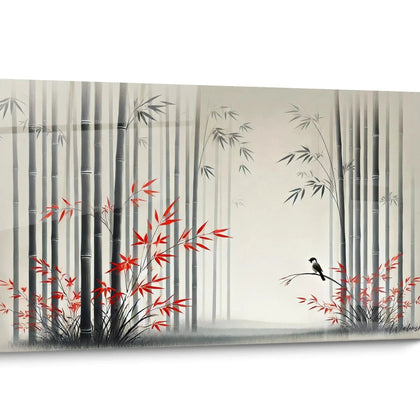
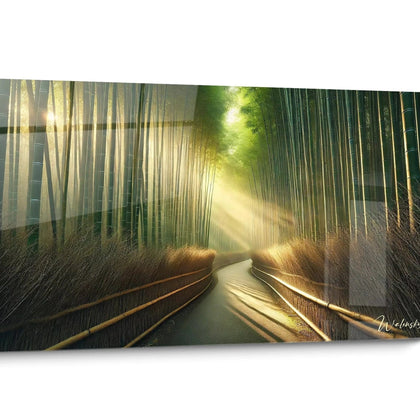
In the same family
Also explore the theme Nature
-
 View all5000
artworks
View all5000
artworks
-
 Aloe vera94
artworks
Aloe vera94
artworks
-
 Tree64
artworks
Tree64
artworks
-
 Tree of Life50
artworks
Tree of Life50
artworks
-
 Azalea106
artworks
Azalea106
artworks
-
 Nature's Beauties372
artworks
Nature's Beauties372
artworks
-
 Cornflower133
artworks
Cornflower133
artworks
-
 Cactus81
artworks
Cactus81
artworks
-
 Camellia197
artworks
Camellia197
artworks
-
 Chrysanthemum225
artworks
Chrysanthemum225
artworks
-
 Poppy341
artworks
Poppy341
artworks
-
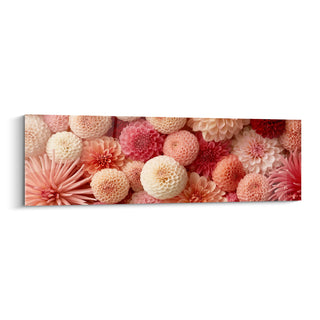 Dahlia161
artworks
Dahlia161
artworks
-
 Eucalyptus119
artworks
Eucalyptus119
artworks
-
 Banana Leaf72
artworks
Banana Leaf72
artworks
-
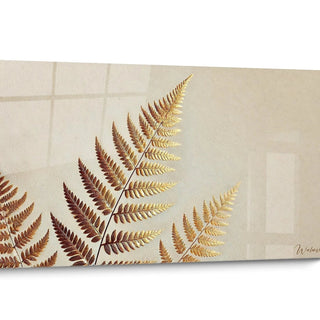 Golden Leaf2
artworks
Golden Leaf2
artworks
-
 Flower276
artworks
Flower276
artworks
-
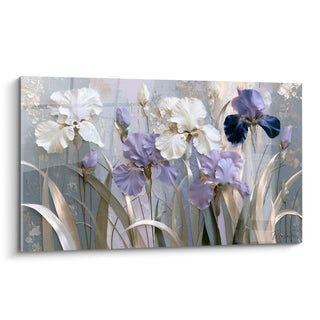 Iris Flower179
artworks
Iris Flower179
artworks
-
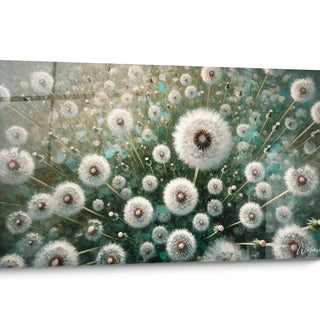 Wildflowers5
artworks
Wildflowers5
artworks
-
 Pebbles9
artworks
Pebbles9
artworks
-
 Ginkgo71
artworks
Ginkgo71
artworks
-
 Glycine217
artworks
Glycine217
artworks
-
 Hydrangea140
artworks
Hydrangea140
artworks
-
 Garden18
artworks
Garden18
artworks
-
 Daffodil163
artworks
Daffodil163
artworks
-
 Lavender135
artworks
Lavender135
artworks
-
 Lily135
artworks
Lily135
artworks
-
 Daisy156
artworks
Daisy156
artworks
-
 Monstera8
artworks
Monstera8
artworks
-
 Other Nature80
artworks
Other Nature80
artworks
-
 Water Lily105
artworks
Water Lily105
artworks
-
 Olivier321
artworks
Olivier321
artworks
-
 Orchid87
artworks
Orchid87
artworks
-
 Palm Tree375
artworks
Palm Tree375
artworks
-
 Peony168
artworks
Peony168
artworks
-
 Roses14
artworks
Roses14
artworks
-
 Terracotta436
artworks
Terracotta436
artworks
-
 Sunflower152
artworks
Sunflower152
artworks
-
 Tulip542
artworks
Tulip542
artworks


All about Bamboo Wall Art
- Presentation Bamboo Painting
- Bamboo painting Asian symbolism
- Bamboo painting interior feng shui
- Bamboo painting zen wall decoration
The bamboo painting is much more than a simple wall decoration. A symbol of elegance and serenity in Asian culture, this work of art brings a unique philosophical and aesthetic dimension to your interior. The bamboo, with its flexible yet resilient stem, embodies resilience and adaptability, qualities sought after in our often tumultuous daily lives.
Whether you want to create a zen space conducive to meditation or simply bring a touch of refined exoticism to your decor, the zen meditation painting bamboo is a judicious choice. Its visual presence immediately evokes the tranquility of Japanese gardens and the harmony of spaces dedicated to contemplation.
In the following sections, we will explore the multiple facets of the bamboo painting: its profound symbolism in Asian culture, its harmonious integration according to the principles of feng shui, and its soothing influence in contemporary interior decoration. Discover how this artistic representation of bamboo can transform your living space into a haven of peace and energy balance.
Bamboo Painting: Asian Symbolism and Wisdom Through Wall Art
The bamboo painting is much more than a simple wall decoration – it embodies centuries of symbolism and wisdom from Asian traditions. This artistic representation captures the essence of bamboo, a plant revered in many Eastern cultures for its exceptional qualities and profound philosophical meaning.
What cultural meanings lie behind a bamboo painting?
In Chinese tradition, bamboo represents one of the "Four Gentlemen" alongside the plum blossom, orchid, and chrysanthemum. This plant symbolizes exceptional resilience in the face of adversity. Unlike other plant representations, a bamboo painting evokes the ability to bend without breaking, even in the face of the most violent storms – a powerful metaphor for the adaptability necessary in our existence.
Japanese culture, for its part, associates bamboo with spiritual purity and moral integrity. The straight stems and regular nodes represented in a bamboo painting recall the importance of uprightness and the steps of spiritual progression. This unique symbolism makes the bamboo painting a particularly relevant choice for spaces dedicated to reflection or meditation.
How does the bamboo painting convey the philosophy of emptiness?
Traditional Asian art, particularly in ink paintings, places great importance on the concept of "emptiness". An authentic bamboo painting respects this principle by deliberately leaving unpainted spaces, allowing energy (qi) to circulate freely. This distinctive technique creates a unique visual effect where the bamboo stems seem to emerge from nothingness, symbolizing the perfect balance between existence and non-existence.
Artists specializing in the creation of bamboo paintings master the subtle art of green and black nuances, often using minimalist techniques to capture the essence rather than exhaustive details. This contemplative approach clearly distinguishes the bamboo painting from other more literal or decorative wall representations.
- Symbolism of longevity and constant prosperity
- Representation of quiet strength and flexibility
- Artistic expression of humility and modesty
The four seasons seen through the bamboo painting
A fascinating characteristic of the bamboo painting lies in its ability to represent permanence through the seasons. Unlike cherry trees or maples often depicted in their fleeting seasonal splendor, bamboo retains its greenery year-round. A high-quality bamboo painting can subtly evoke seasonal changes through atmospheric variations – delicate frost in winter, raindrops in spring, or leaves gently stirred by the summer breeze.
This unique temporal dimension makes the bamboo painting a symbol of eternity and constancy, particularly appreciated in homes seeking to cultivate an atmosphere of emotional stability and lasting serenity. Unlike seasonal artworks that may seem out of place at certain times of the year, the bamboo painting retains its visual and symbolic relevance in all circumstances.
The influence of calligraphy on representations of bamboo
Asian calligraphy masters often practiced drawing bamboo stalks, considering that mastering this motif demonstrated a perfect understanding of the stroke and movement. This deep connection between calligraphy and bamboo painting gives the contemporary bamboo painting an additional artistic dimension.
Refined bamboo paintings frequently feature traditional calligraphic inscriptions or red seals, which enrich the artwork with a poetic and literary dimension. These textual elements, sometimes drawn from classic poems celebrating the virtues of bamboo, transform the painting into a true visual meditation on ancestral wisdom.
The characteristic vertical structure of bamboo, with its clearly defined sections marked by nodes, creates a unique visual rhythm that naturally guides the viewer's gaze. This distinctive composition clearly differentiates the bamboo painting from more common floral representations, offering a contemplative experience deeply rooted in Zen philosophy.
Bamboo Painting and Feng Shui: Energetic Harmonization of Your Space
Integrating a bamboo painting into your interior goes beyond simple decoration. In the ancestral practice of feng shui, bamboo occupies a privileged place among the plant elements capable of positively influencing the energetic flows of a space. A strategically placed bamboo painting can radically transform the atmosphere and energetic dynamics of your home.
In which sector should you place your bamboo painting according to the Bagua?
The Bagua, this fundamental energetic map in feng shui, identifies eight sectors corresponding to a specific aspect of existence. The bamboo painting deploys its beneficial influence particularly powerfully in three distinct zones:
- The East sector (Family): A bamboo painting placed to the east activates family growth and collective vitality
- The Southeast sector (Wealth): The energy of bamboo stimulates prosperity and financial abundance
- The North sector (Career): The qualities of perseverance of bamboo support professional development
Unlike classic floral representations that can overload certain spaces with too much yang (active) energy, the bamboo painting offers a remarkable energetic balance. Its natural verticality favors the upward circulation of chi (vital energy), creating a revitalizing effect without generating imbalance or excessive agitation.
In feng shui philosophy, the bamboo painting is considered an energy activator particularly effective for stagnant areas in your interior. Its presence can literally awaken a lethargic space, while maintaining an atmosphere of tranquility conducive to concentration and mental clarity.
How does the bamboo painting influence the five elements?
The theory of the five elements (Wood, Fire, Earth, Metal, Water) is a fundamental pillar of feng shui. The bamboo painting, representing the element Wood par excellence, introduces specific qualities that interact with the other elements present in your space:
The dominant green of the bamboo naturally strengthens the Wood element, bringing vitality and growth. However, the particularity of the bamboo painting lies in its ability to subtly integrate other elements according to its artistic composition. Traditional ink painting techniques can incorporate the Water element through delicate washes, while gold backgrounds or certain metallic frames add a dimension of the Metal element.
This unique energetic versatility distinguishes the bamboo painting from other botanical artworks, making it particularly valuable in spaces requiring subtle energy rebalancing. A feng shui expert will often recommend a specific bamboo painting based on the overall energy configuration of your interior.
The bamboo painting as a feng shui remedy against modern stress
In our contemporary society marked by constant information overload, the bamboo painting fulfills a remarkable function as a "visual purifier." Its generally clean composition and vertical lines create a soothing focal point that allows the eye – and the mind – to rest.
Contemporary feng shui practitioners frequently prescribe bamboo paintings for workspaces or areas of high mental activity. The effect is comparable to passive visual meditation: each time your gaze meets the serene representation of the bamboo, your nervous system receives a subtle signal of appeasement, effectively counterbalancing the stressful stimuli of the modern environment.
This therapeutic function distinguishes the bamboo painting from other wall decorations that are more stimulating or visually complex. In a bedroom, for example, a bamboo painting with soft tones will help create an atmosphere conducive to restorative sleep, while in an office, it will promote calm and sustained concentration.
The ideal dimensions of a bamboo painting according to feng shui
A consideration often overlooked when choosing a bamboo painting concerns its proportions and dimensions. According to feng shui principles, a painting that is too imposing in relation to the space where it is installed can create an energetic imbalance, while a format that is too small diminishes its beneficial influence.
For a bamboo painting intended for a living room or main living room, elongated vertical formats (an approximate ratio of 1:2 or 1:3) are particularly recommended. This orientation naturally accentuates the upward growth of the bamboo, symbolically amplifying its positive influence on the surrounding energy.
In more intimate spaces like a bedroom or meditation corner, more square or slightly rectangular formats will be preferred for their balancing effect. This specific dimensional adaptation to the spatial context is one of the particularities of the bamboo painting as a feng shui tool, differentiating it from more standardized approaches applicable to other types of wall decorations.
Bamboo Painting: Creating a Zen Atmosphere in Your Interior Decoration
Integrating a bamboo painting into your interior decoration is more than just an aesthetic choice – it is a transformative decision for the overall atmosphere of your space. Its presence brings a unique contemplative dimension, facilitating the creation of a truly zen environment where every element contributes to visual and emotional harmony.
How to combine a bamboo painting with different decorative styles?
The remarkable versatility of the bamboo painting allows it to blend harmoniously into various decorative universes, far beyond the traditional Asian style to which it might initially be associated:
In a contemporary minimalist interior, a large-format bamboo painting with clean lines and subdued colors brings an organic touch that softens the geometric rigor often present in this style. Its naturally rhythmic vertical structure creates a captivating visual counterpoint to the dominant horizontal lines of contemporary furniture.
For an industrial-style space, opt for a framed bamboo painting with raw or aged metal. This unexpected combination of delicate vegetation and industrial roughness generates a fascinating aesthetic tension that considerably enriches the visual experience of the room.
In a bohemian or eclectic environment, a bamboo painting with brighter tones or embellished with golden accents blends perfectly among colorful textiles and various decorative elements. Its presence brings a subtle coherence to the whole, like a zen guiding thread among expressive diversity.
- With Nordic style: prioritize a bamboo painting with light tones and a light wood frame
- In a classic interior: opt for a more elaborate frame and amber tones
- For a Mediterranean space: pair it with terracotta elements for a natural harmony
The unique psychological effects of a bamboo painting on residents
Environmental psychology research has shown that regular exposure to artistic representations of nature produces measurable effects on our mental well-being. The bamboo painting, by its botanical and symbolic specificity, generates particularly notable psychological benefits:
The characteristic verticality of bamboo, when artistically represented, subtly stimulates our perception of elevation and growth. This visual orientation unconsciously encourages a state of mind focused on personal development and positive aspiration – a unique psychological influence compared to paintings featuring horizontal or more static compositions.
Neuroscientists have also observed that contemplating the regular segments and nodes of bamboo activates brain areas associated with order and structure, providing a soothing sensation of predictability in an often chaotic world. This specific neurological reaction explains why a bamboo painting is particularly effective in creating a sense of emotional security in a living space.
What are the ideal color combinations with a bamboo painting?
The color harmony between your bamboo painting and your interior environment plays a crucial role in the effectiveness of its decorative integration. Beyond the obvious associations with green tones, several specific palettes particularly enhance the presence of a bamboo painting:
Earth and clay tones (terracotta, ochre, sand) create a fascinating visual dialogue with the greens of the bamboo, recalling the natural relationship between the nourishing soil and the plant that rises from it. This color combination visually anchors the bamboo painting in the space while accentuating its vitality.
For a more contemporary atmosphere, light grays and blues offer a subtle contrast that highlights the graphic structure of the bamboo. This modern combination preserves the soothing effect while perfectly integrating the painting into a refined urban universe.
Water tones (blue-green, pale turquoise, celadon) beautifully complement a bamboo painting by evoking the ideal natural environment of this plant. This association reinforces the feeling of freshness and vitality that the bamboo brings to your interior.
Specific lighting strategies to enhance a bamboo wall art
The visual and energy impact of a bamboo wall art can be significantly amplified by carefully considered lighting. Unlike more traditional artworks often illuminated uniformly, a bamboo wall art benefits from specific illumination techniques:
Soft, lateral lighting, ideally oriented at a 45-degree angle, reveals the subtle texture of the strokes and the depth of the washes often present in artistic representations of bamboo. This lighting technique literally makes the artwork “breathe” by accentuating the natural play of shadows suggested by the artist.
For an even more immersive experience, consider a programmable lighting system that subtly varies in intensity throughout the day. This evolving light mimicking the natural cycle of the sun transforms your bamboo wall art into a living element of your interior, reinforcing its symbolic connection with natural rhythms.
FAQ: Bamboo Wall Art
Is a bamboo wall art suitable for all types of interiors?
The bamboo wall art presents remarkable versatility that allows it to integrate harmoniously into practically all decorative styles. Its elegant simplicity and clean lines adapt equally well to contemporary, Scandinavian, industrial, and classic interiors. The secret lies in the judicious choice of frame and the style of bamboo representation to create consistency with your existing decor.
How to properly maintain a large-format bamboo wall art?
To preserve the beauty and longevity of your large-format bamboo wall art, avoid exposing it directly to sunlight, which could alter its colors. Regular dusting with a soft duster is generally sufficient for its maintenance. For artworks on textile, a delicate vacuuming at low power will effectively remove accumulated dust. Avoid cleaning with chemical products that could damage the natural pigments often used in these artworks.
What is the difference between a traditional and a contemporary bamboo wall art?
A traditional bamboo wall art generally falls within classic Asian pictorial techniques such as Japanese sumi-e or Chinese ink painting, favoring the spontaneity of the gesture and economy of means on a light background. Contemporary versions explore textures, worked backgrounds, and sometimes abstraction, while preserving the symbolic essence of bamboo. This modern reinterpretation allows the bamboo wall art to perfectly adapt to current interiors while preserving its philosophical depth.
Can a coherent collection be created around several bamboo wall arts?
Absolutely, and it is even a particularly interesting approach to create a strong visual impact. A collection of bamboo wall arts can explore different aspects of this emblematic plant: seasonal variations, diverse perspectives (close-up on details or overview of a forest), varied artistic techniques, or even representations of different species of bamboo. This thematic approach creates a rich and coherent visual narrative while avoiding monotony.
Further reading
Our articles on this topic
L'art qui suscite l'envie
Maison belge d'art mural grand format
14 jourspour changer d'avis*
Protection Walenskyincluse
Fabriquéen Italie
FormatXXL
Kit de fixationtoujours fourni
* Hors tableaux personnalisés et tailles personnalisées


