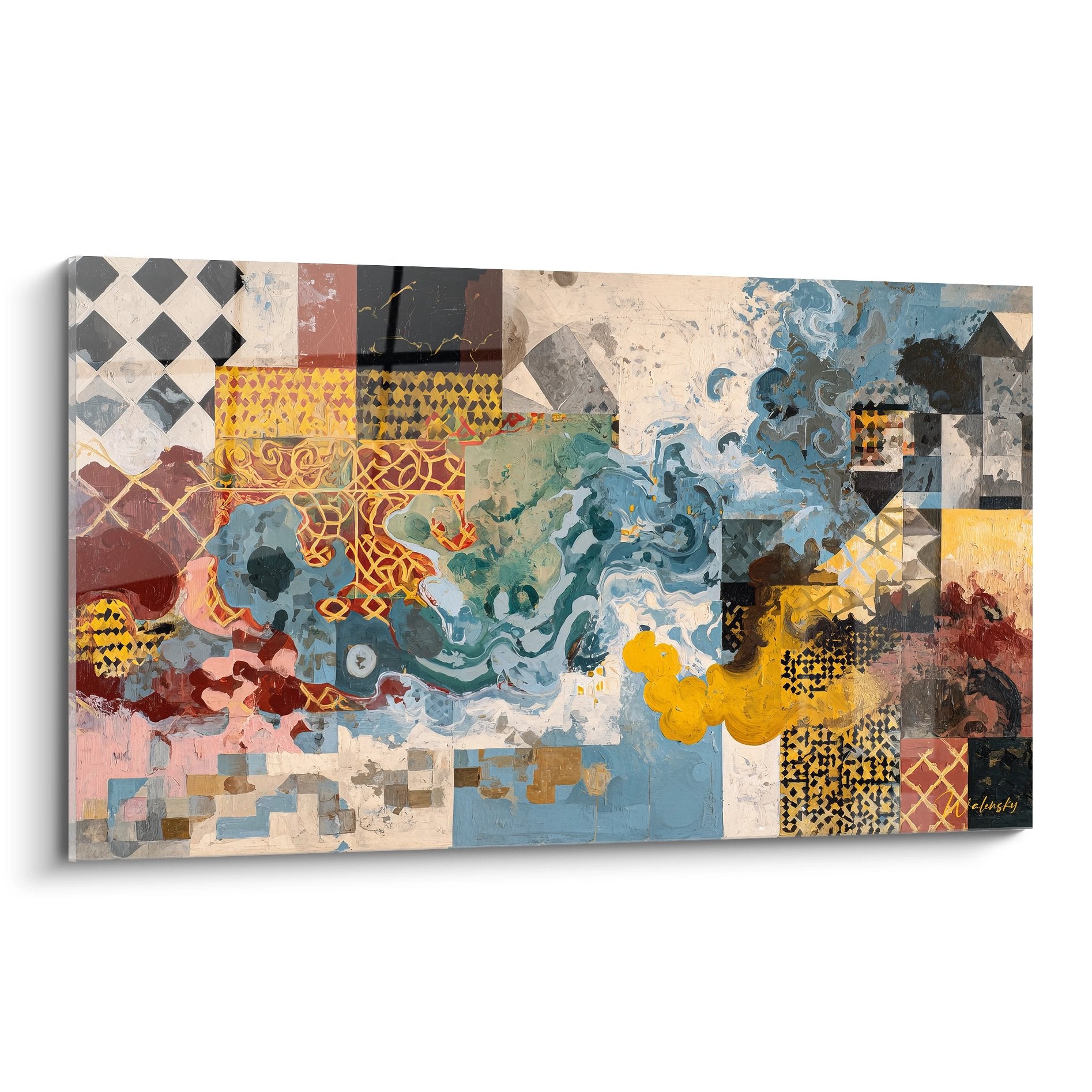
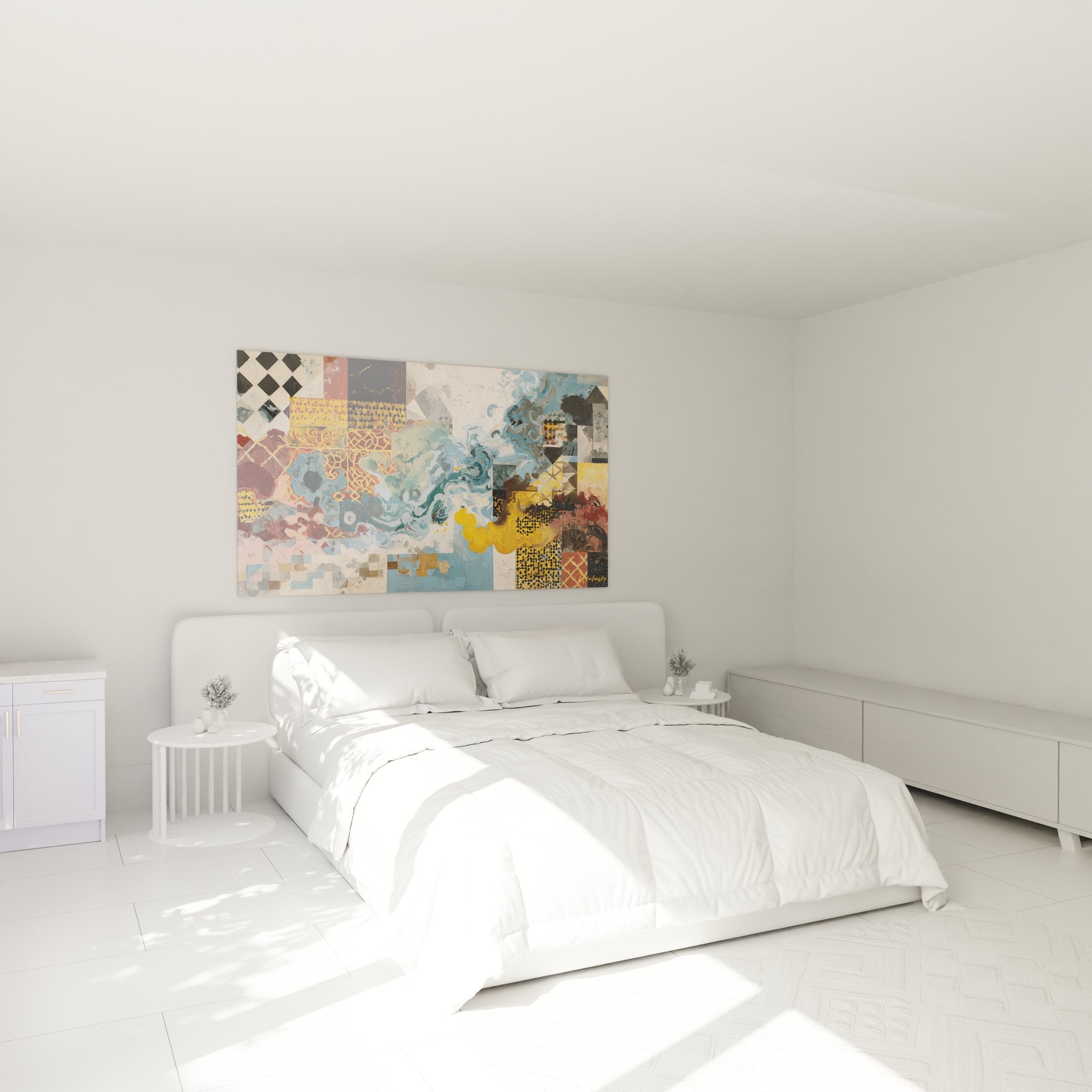
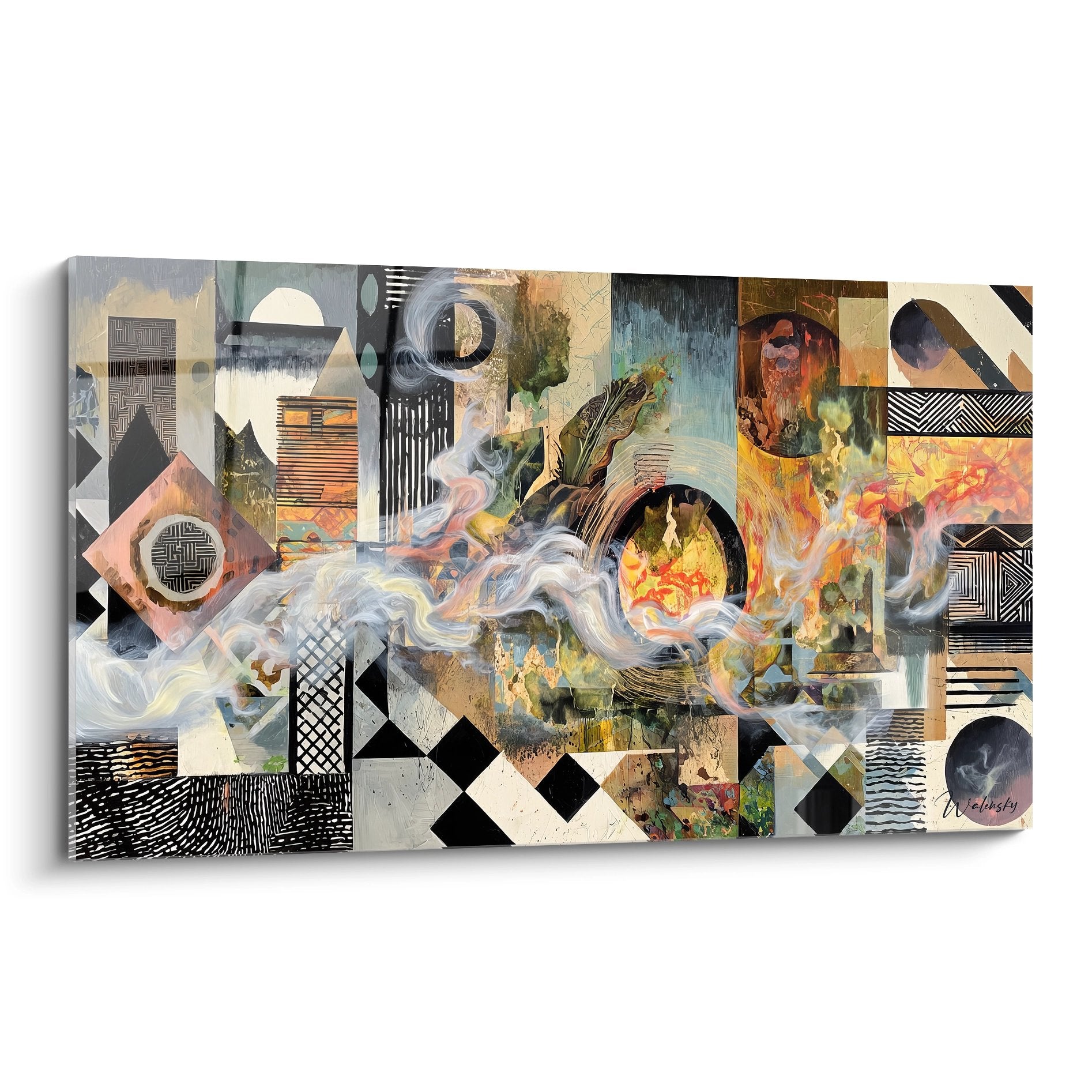
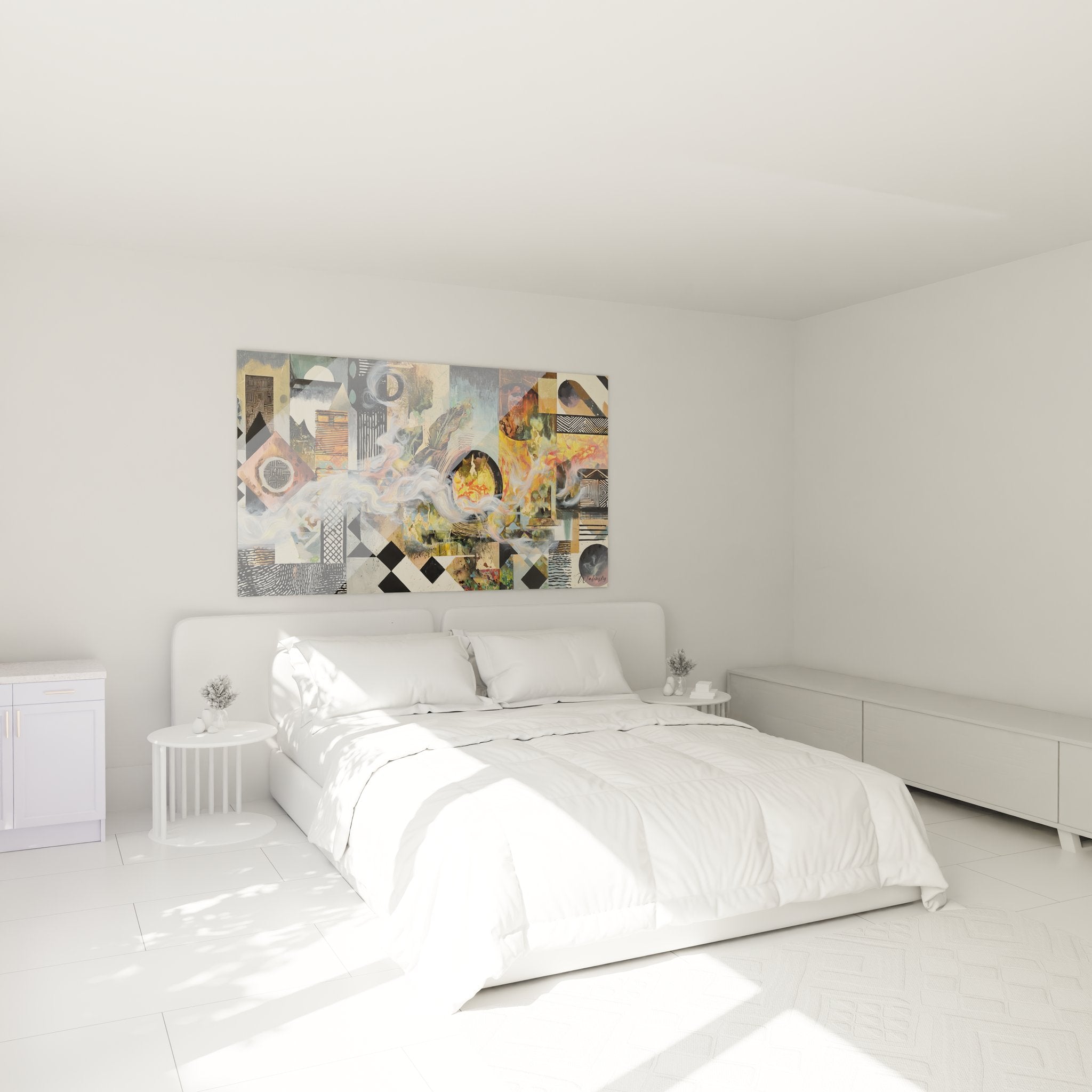
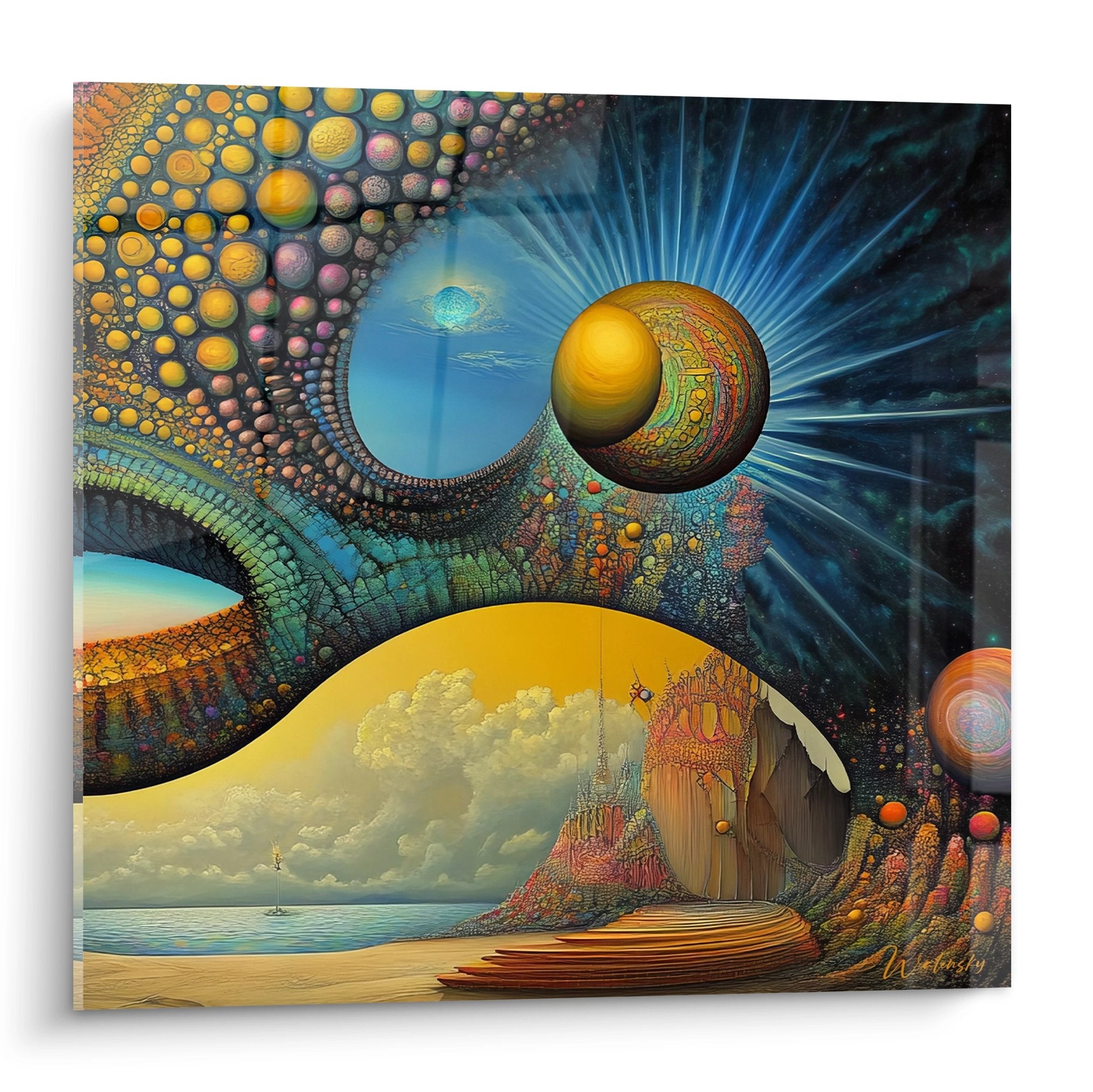
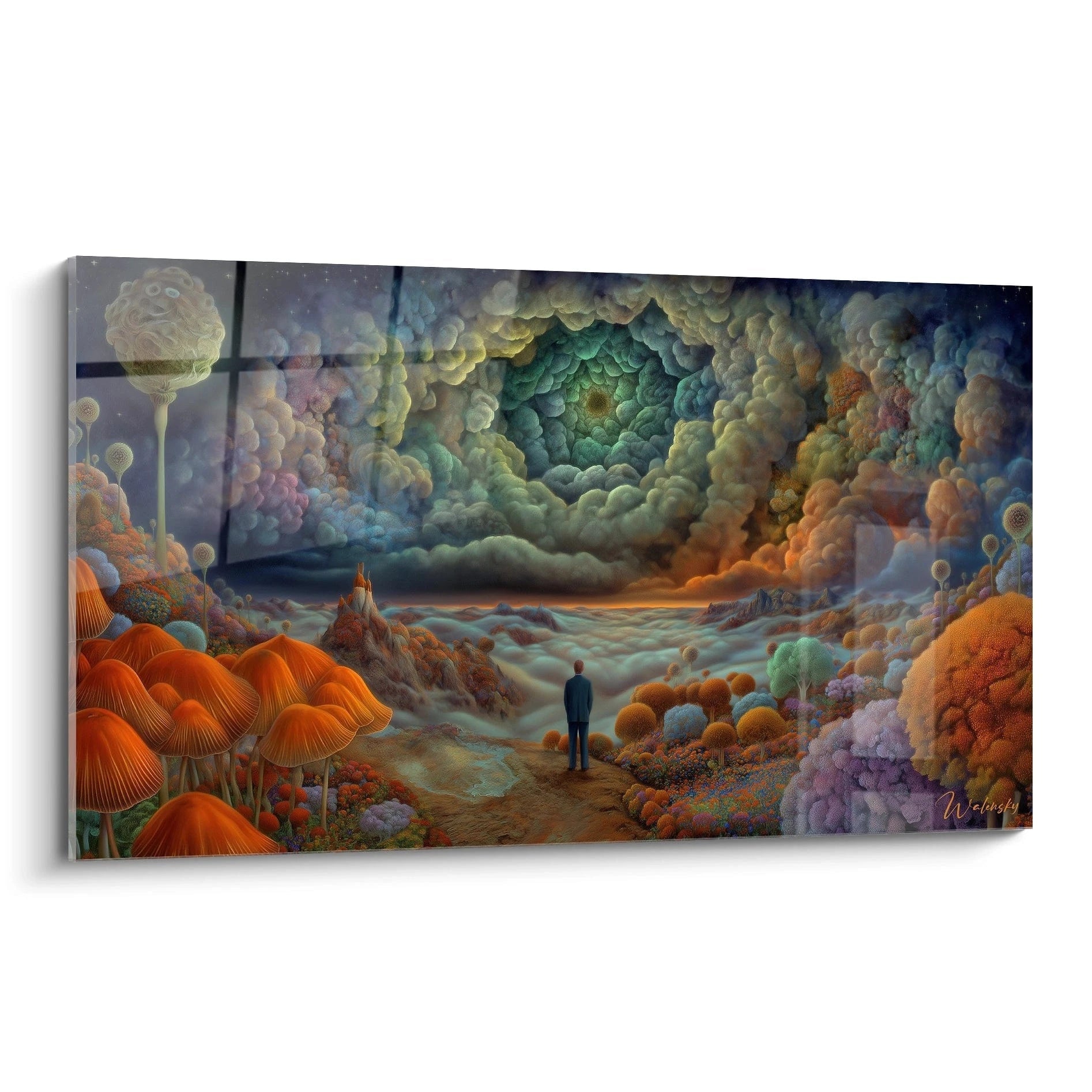
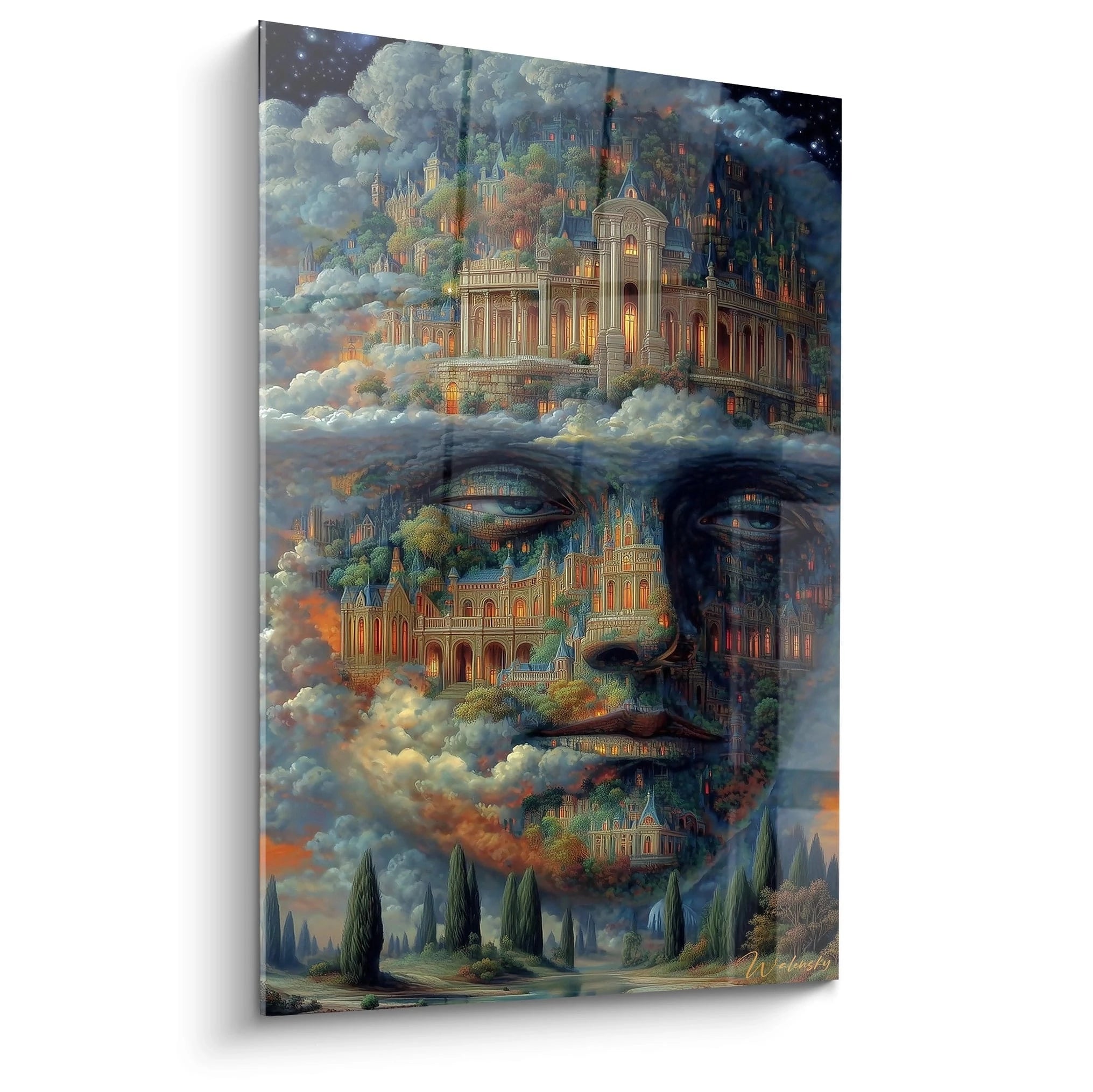
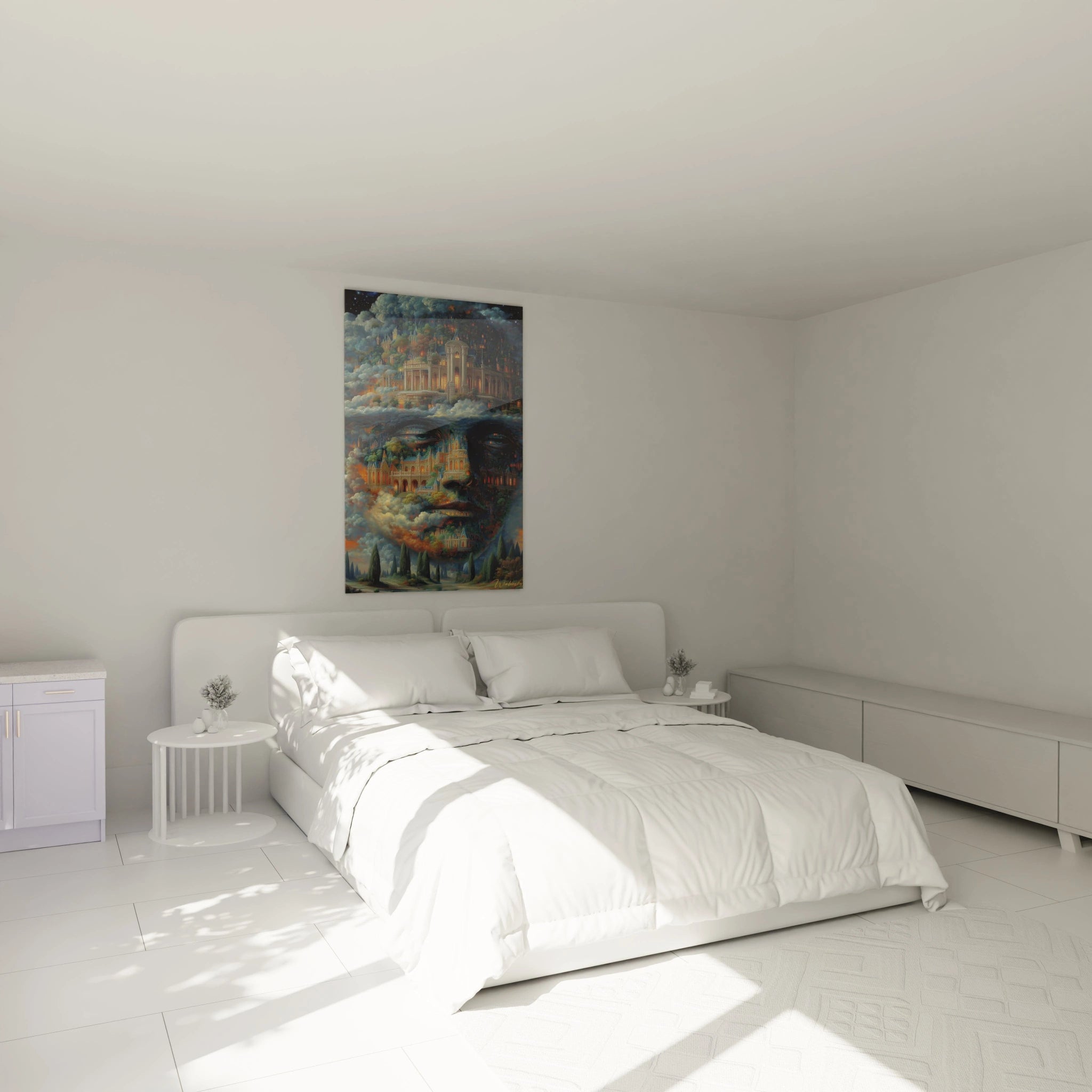
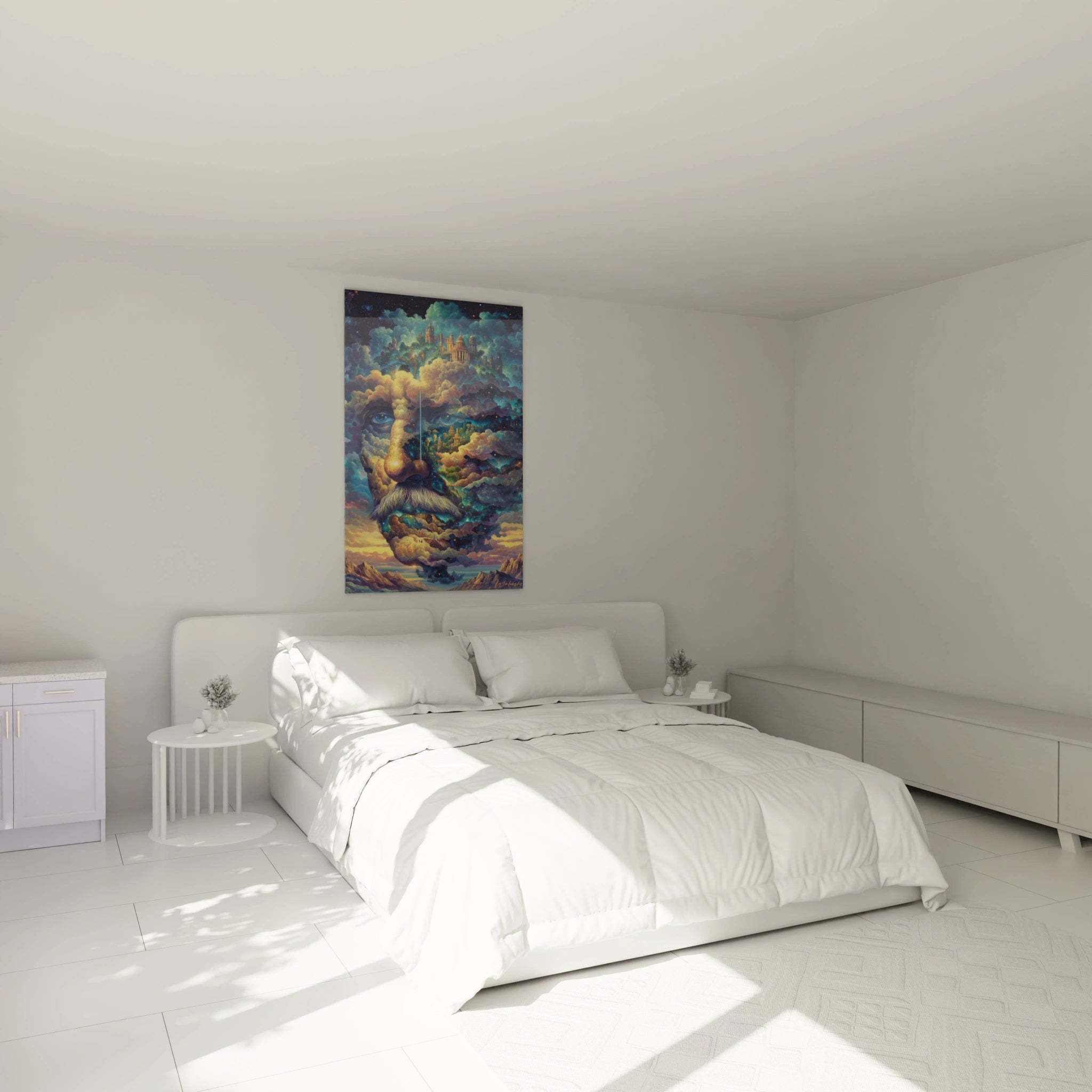
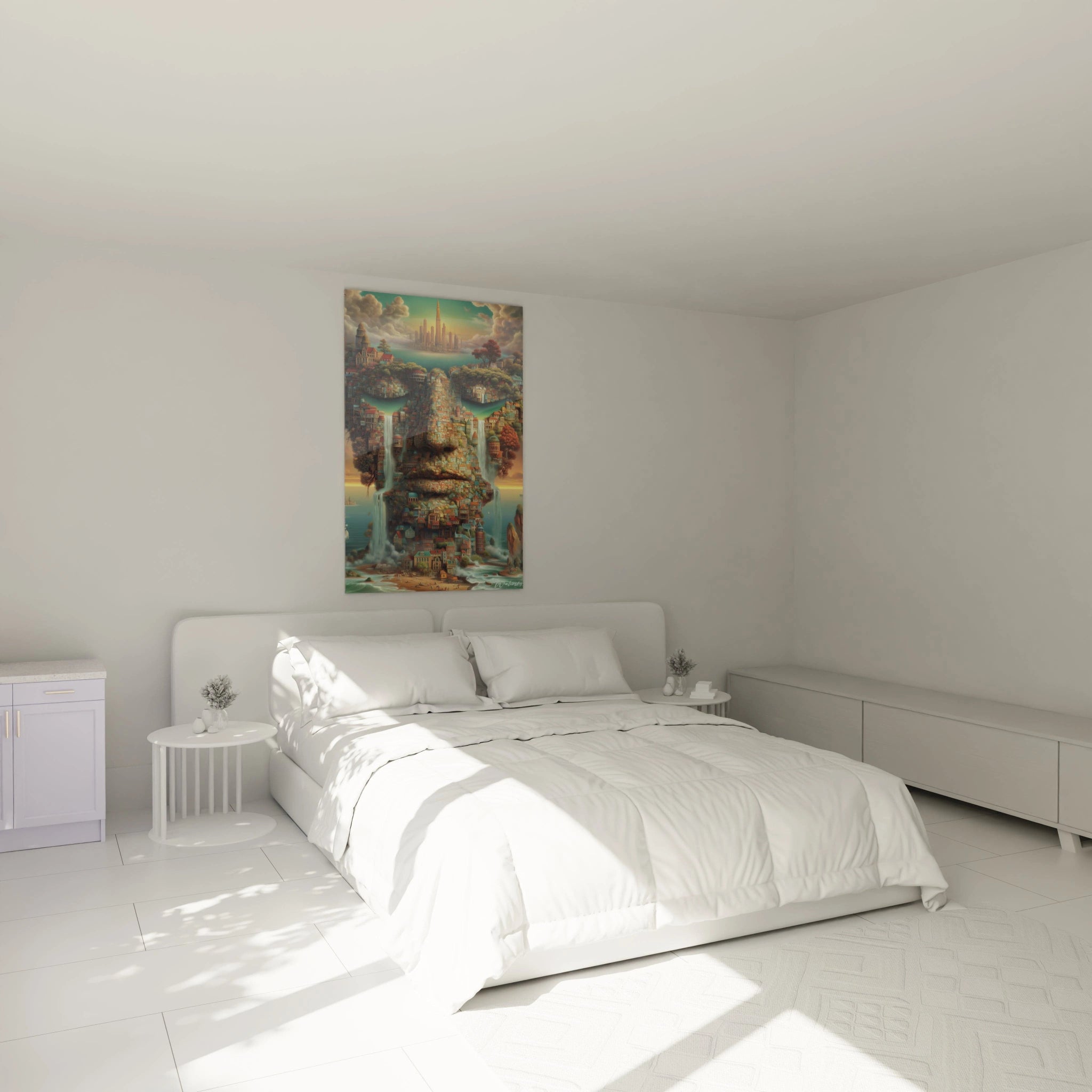
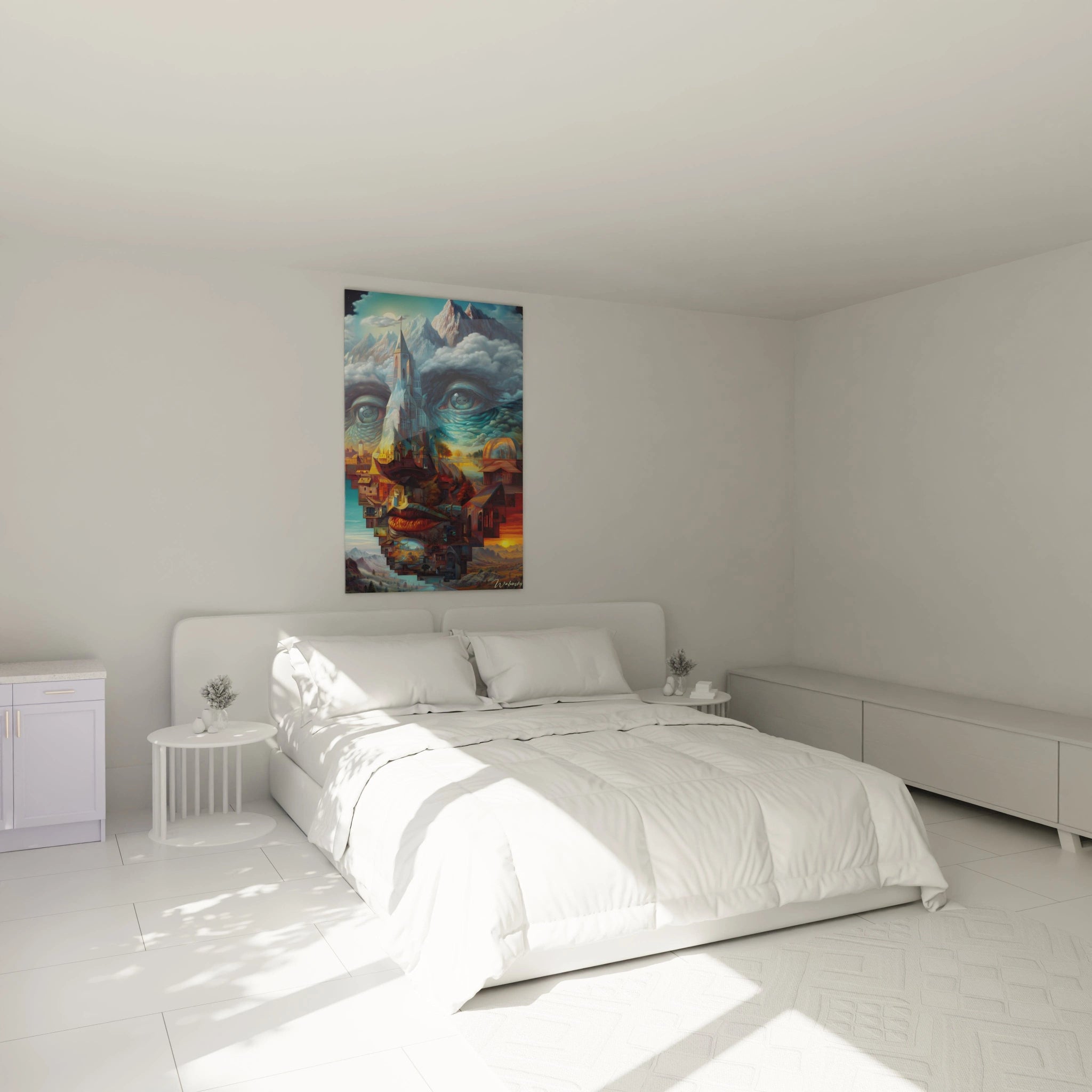
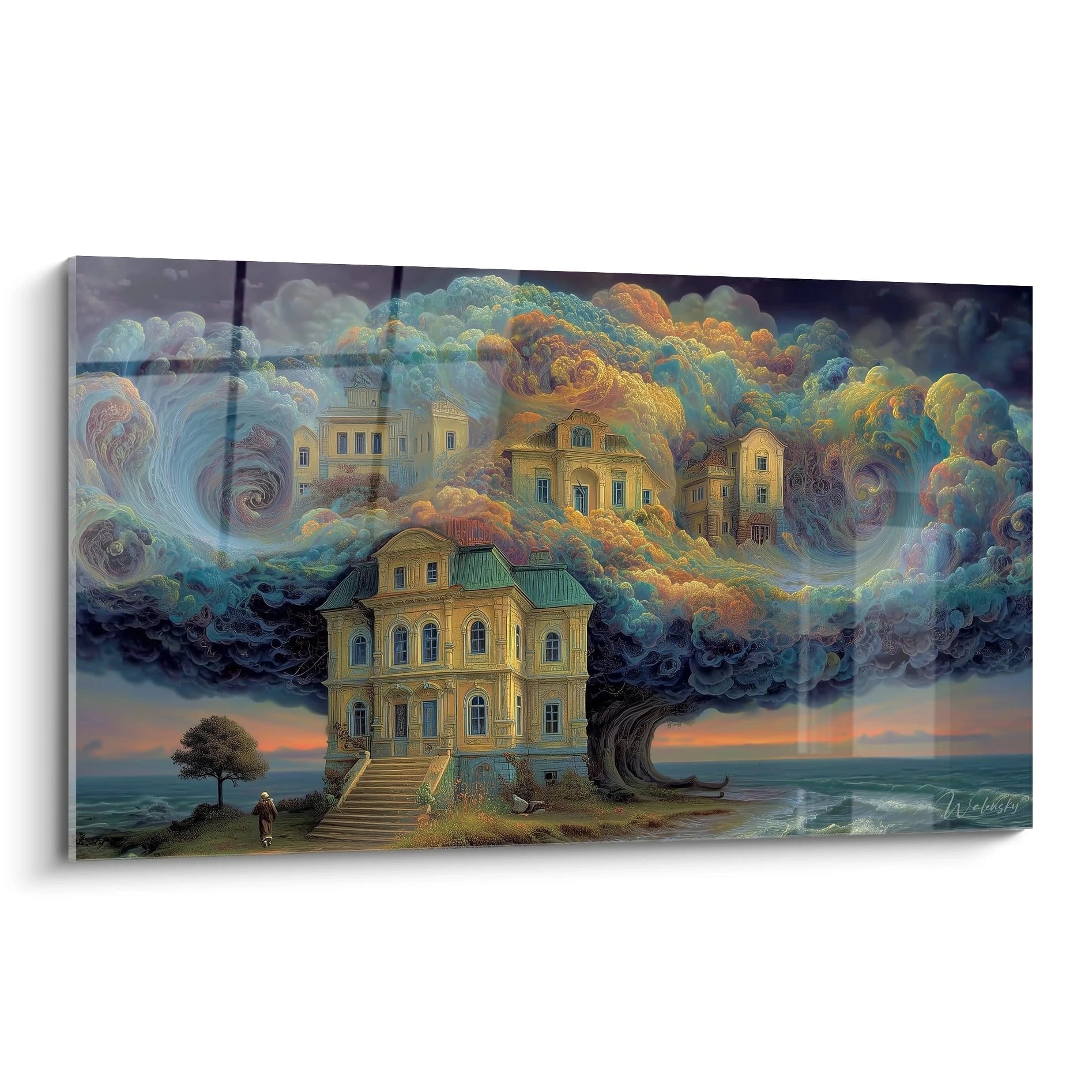
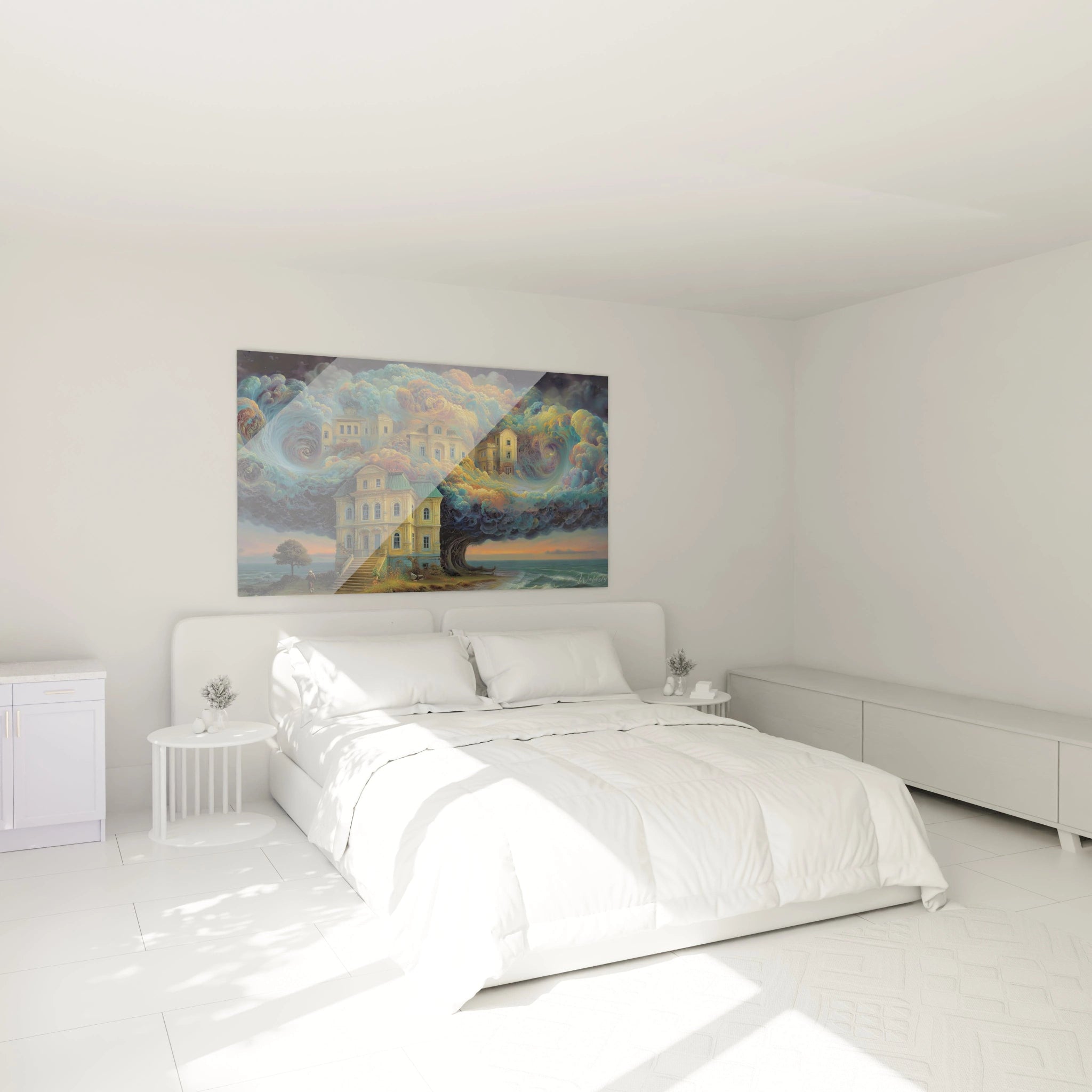
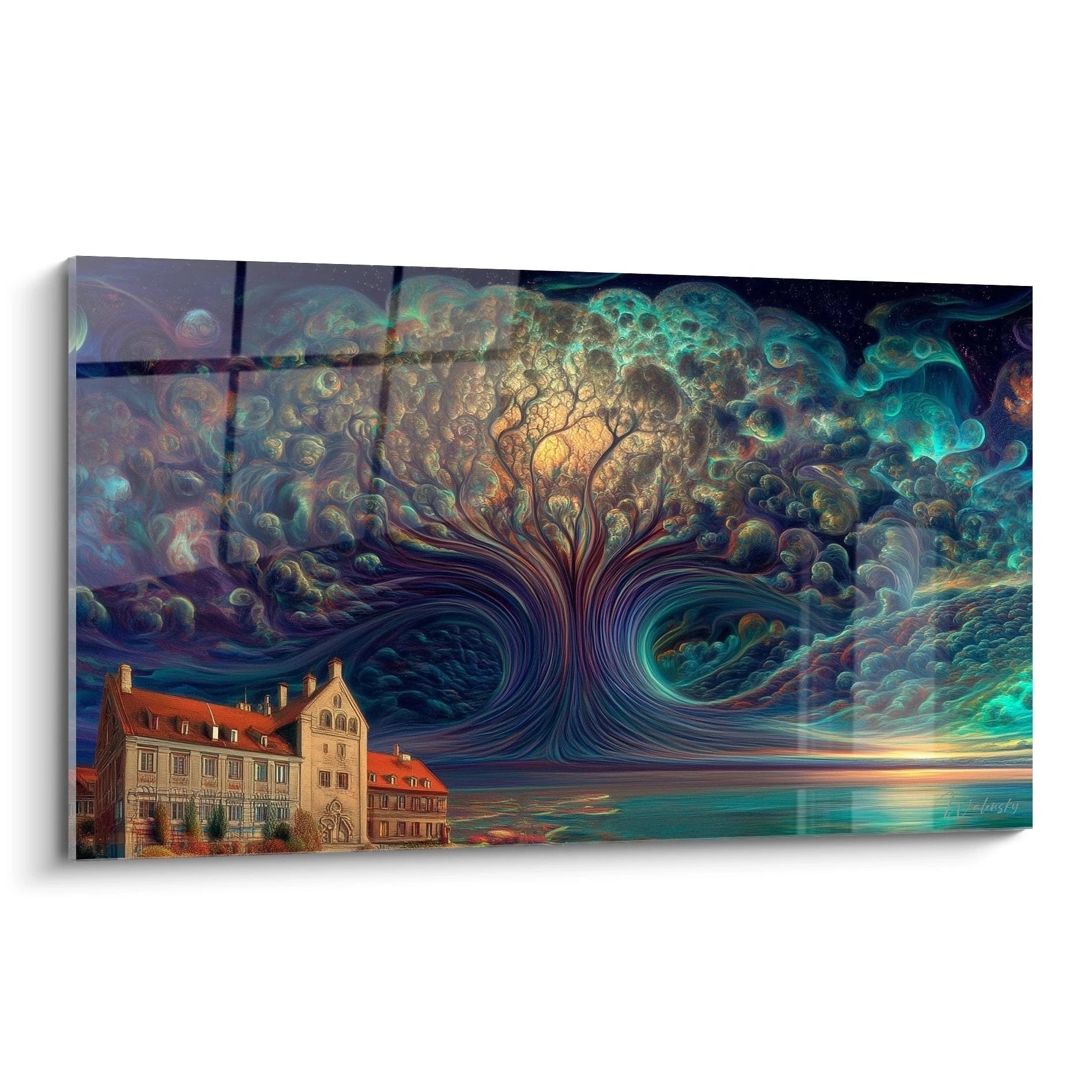
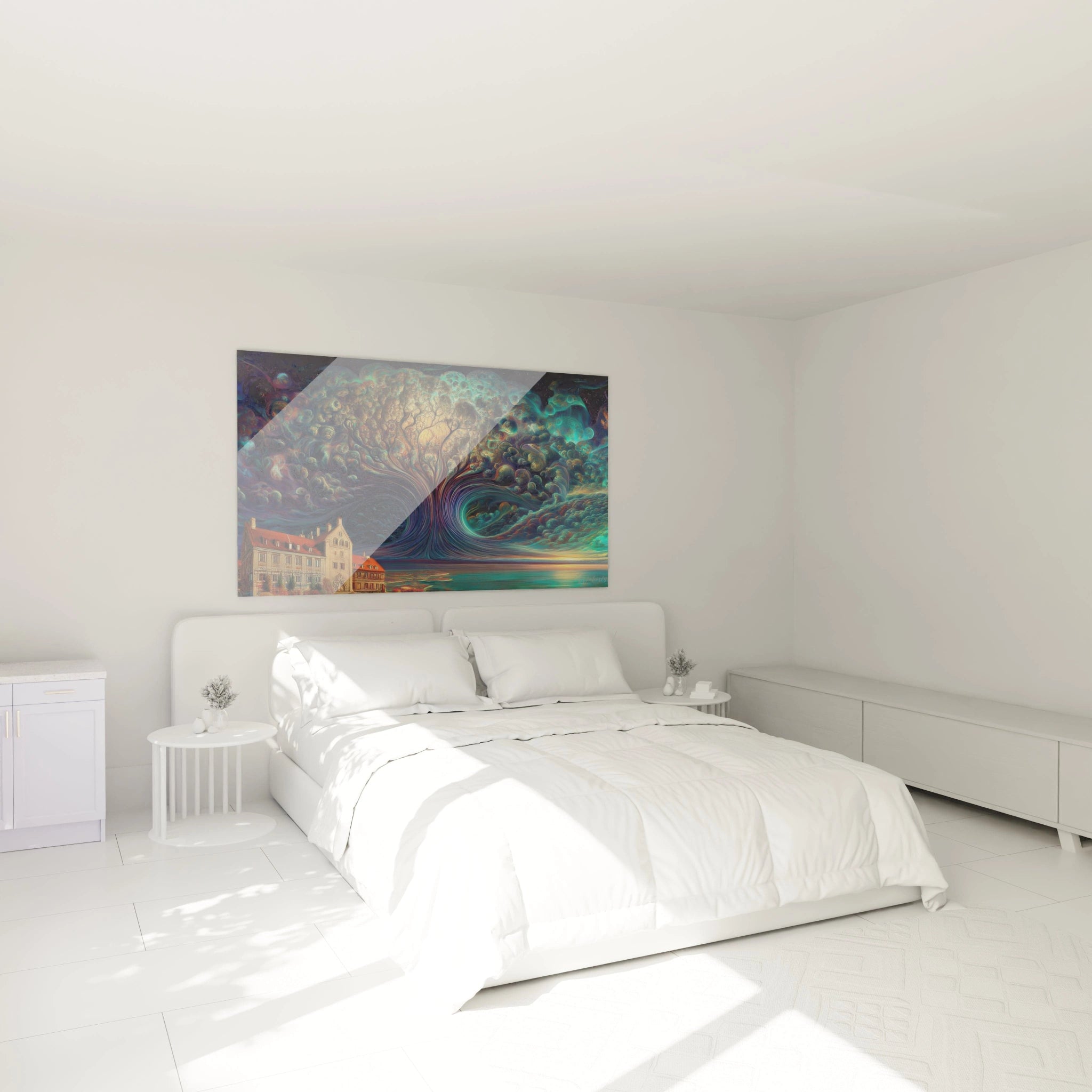
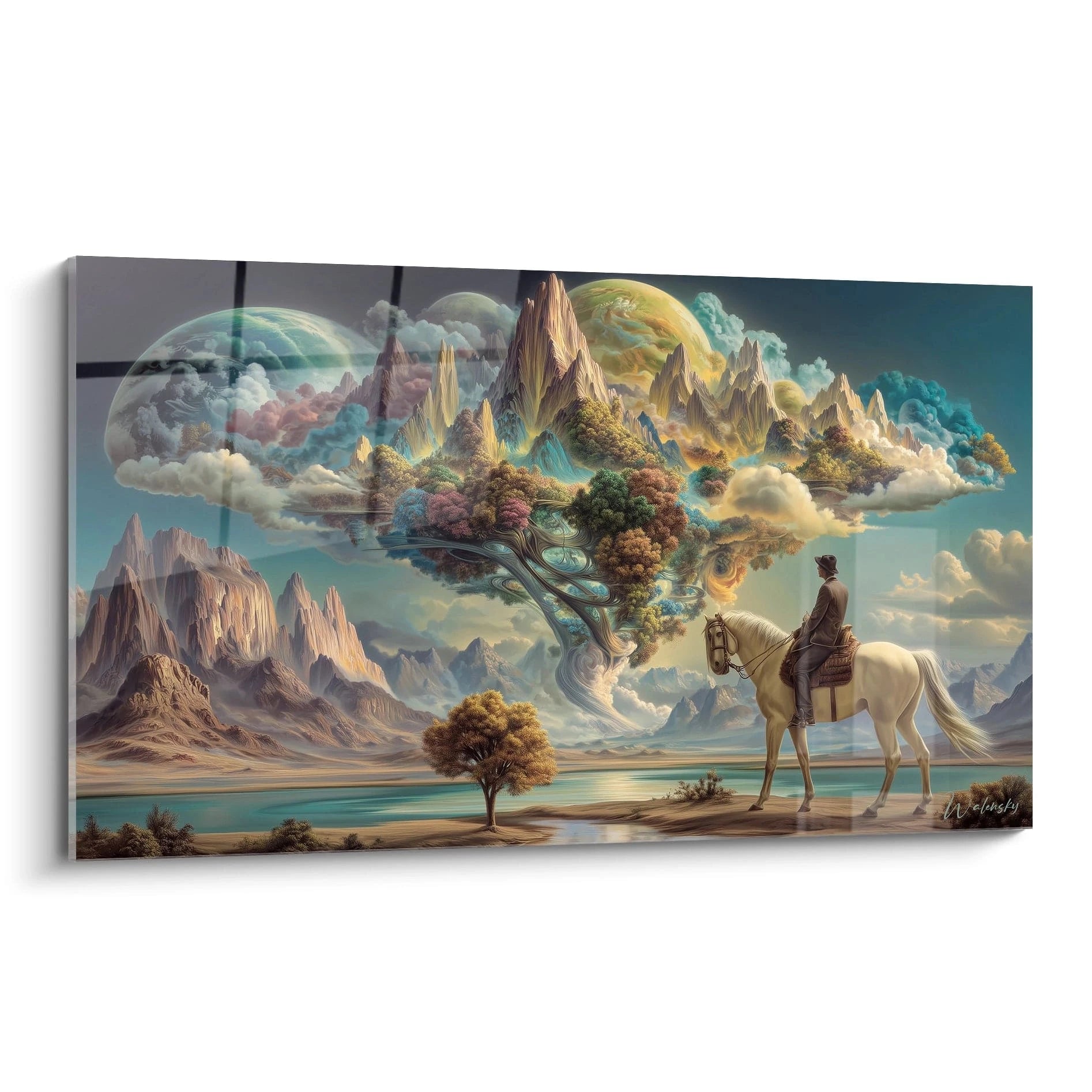
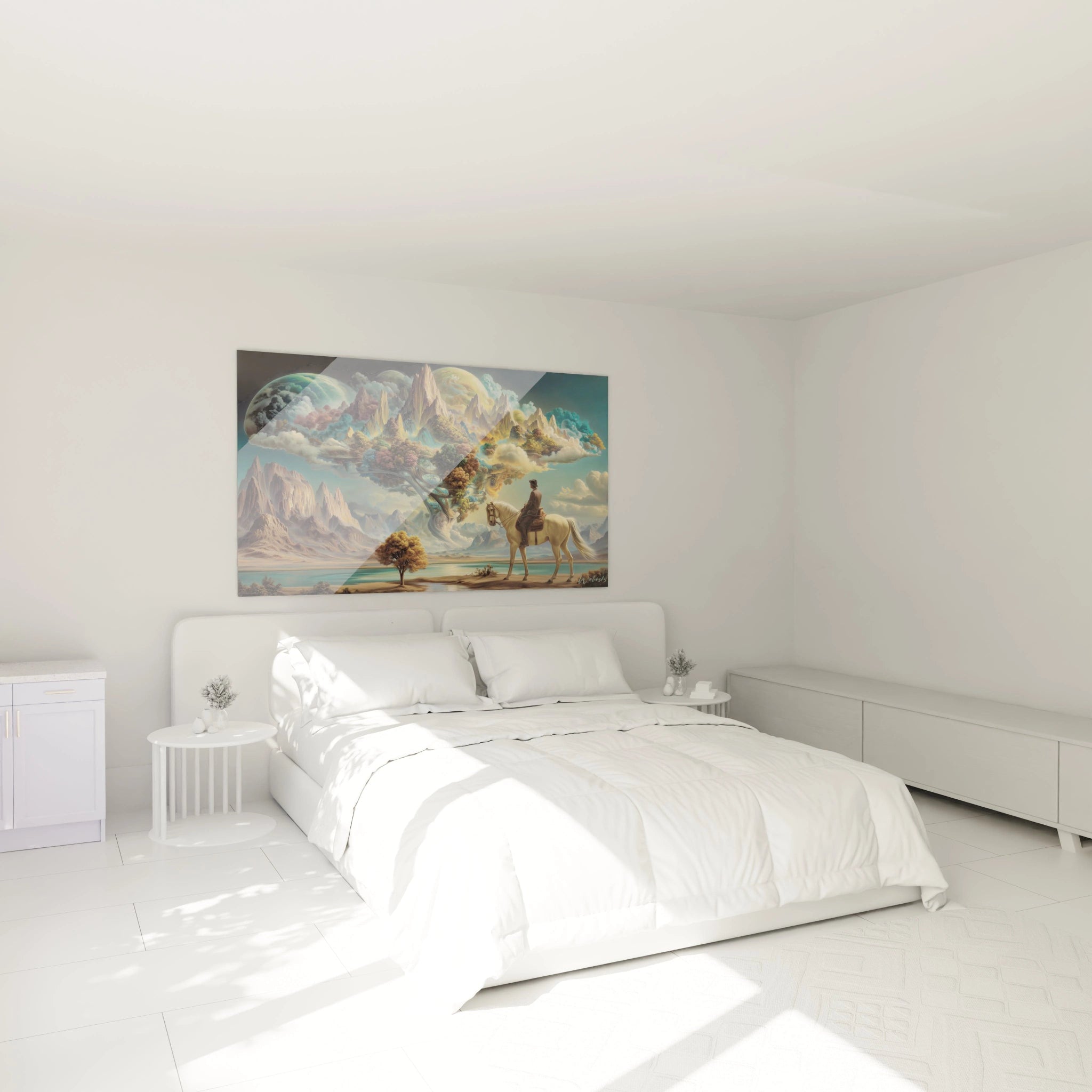
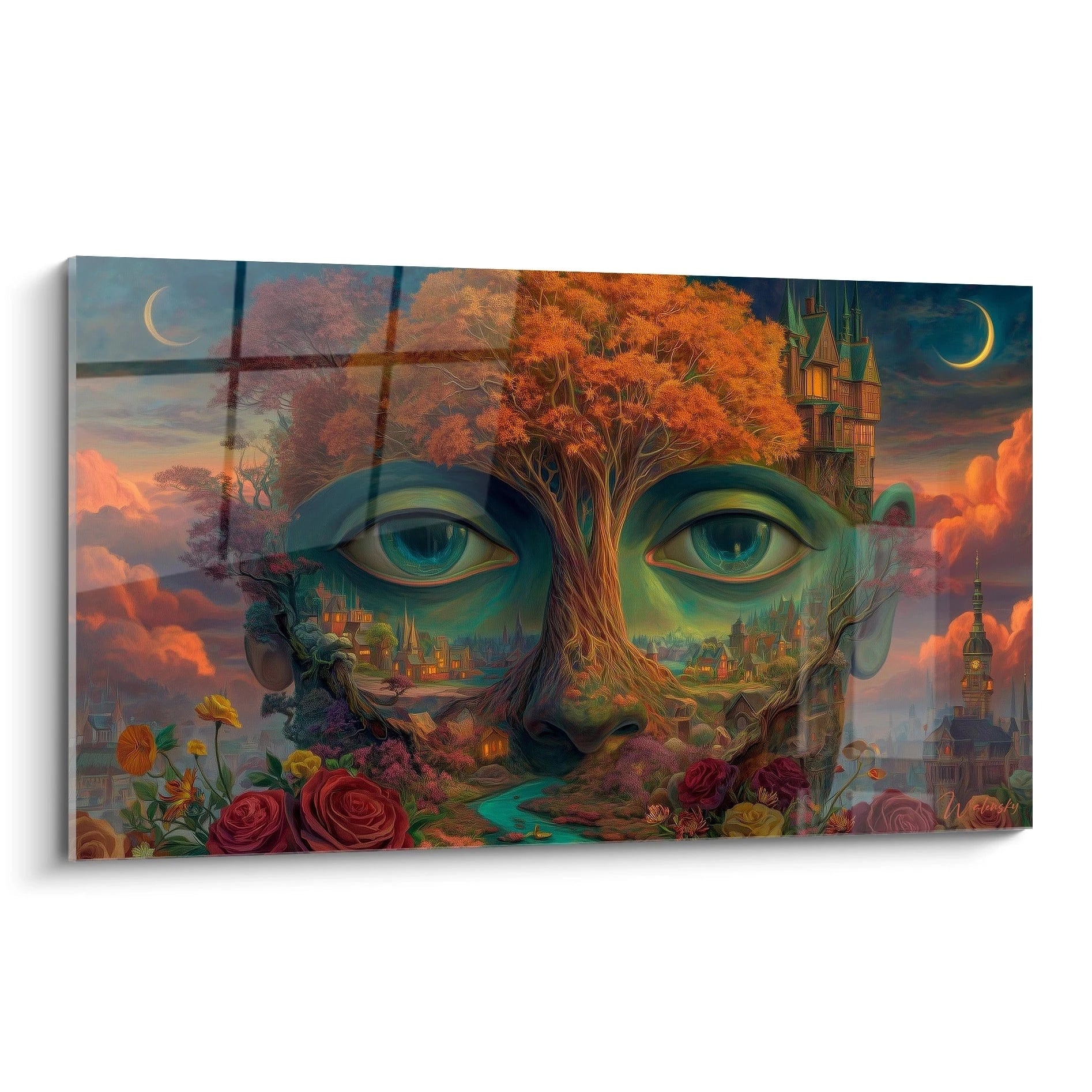
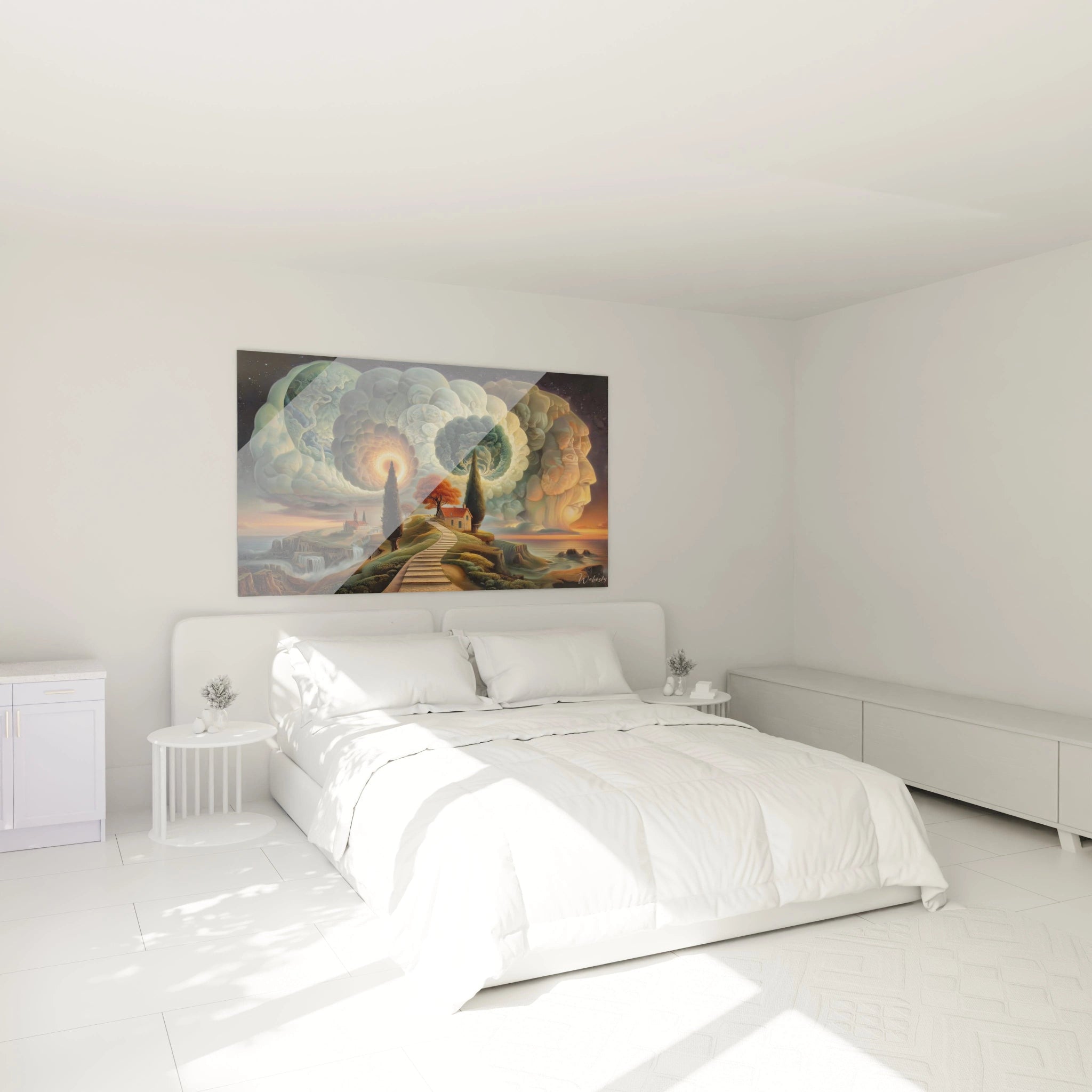
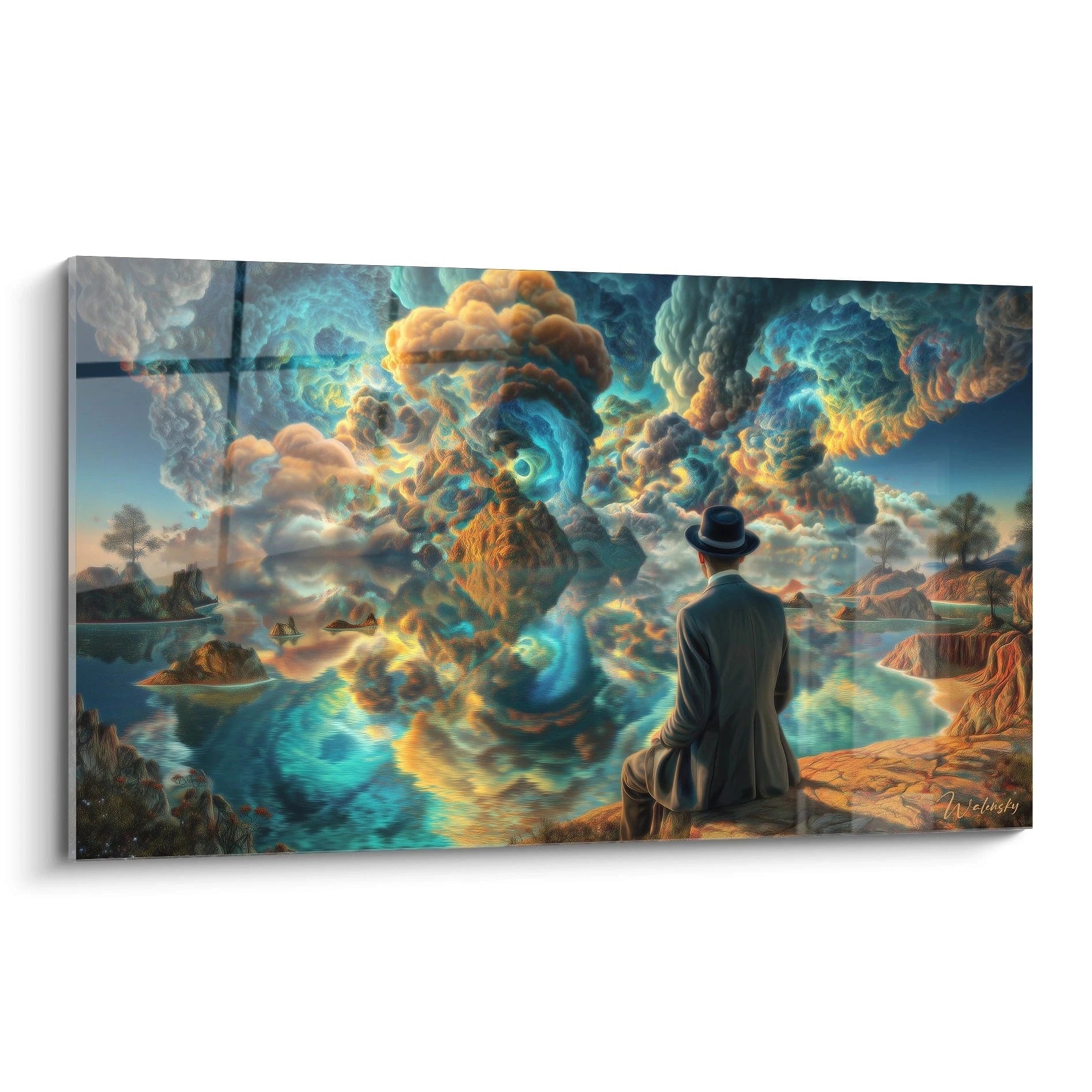
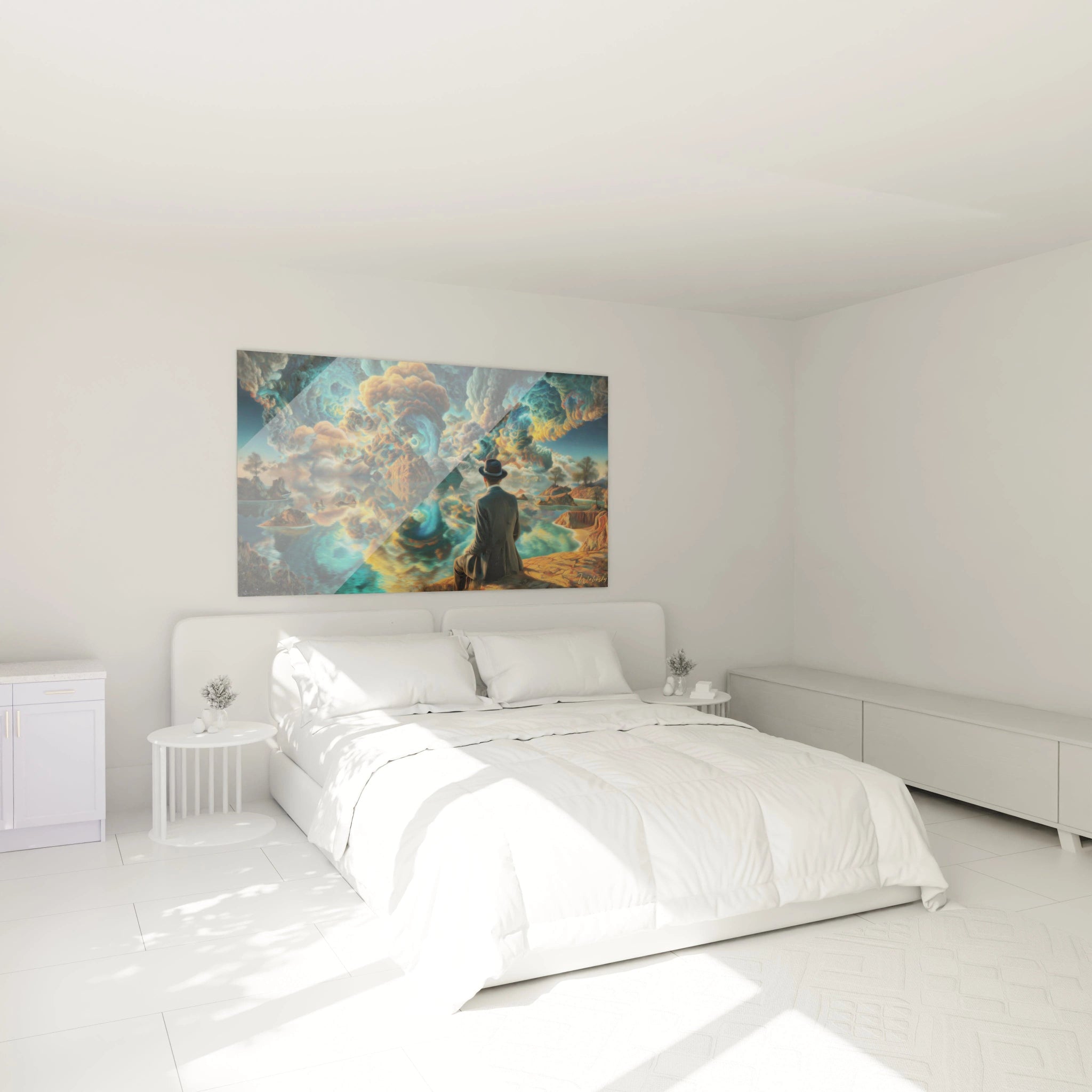
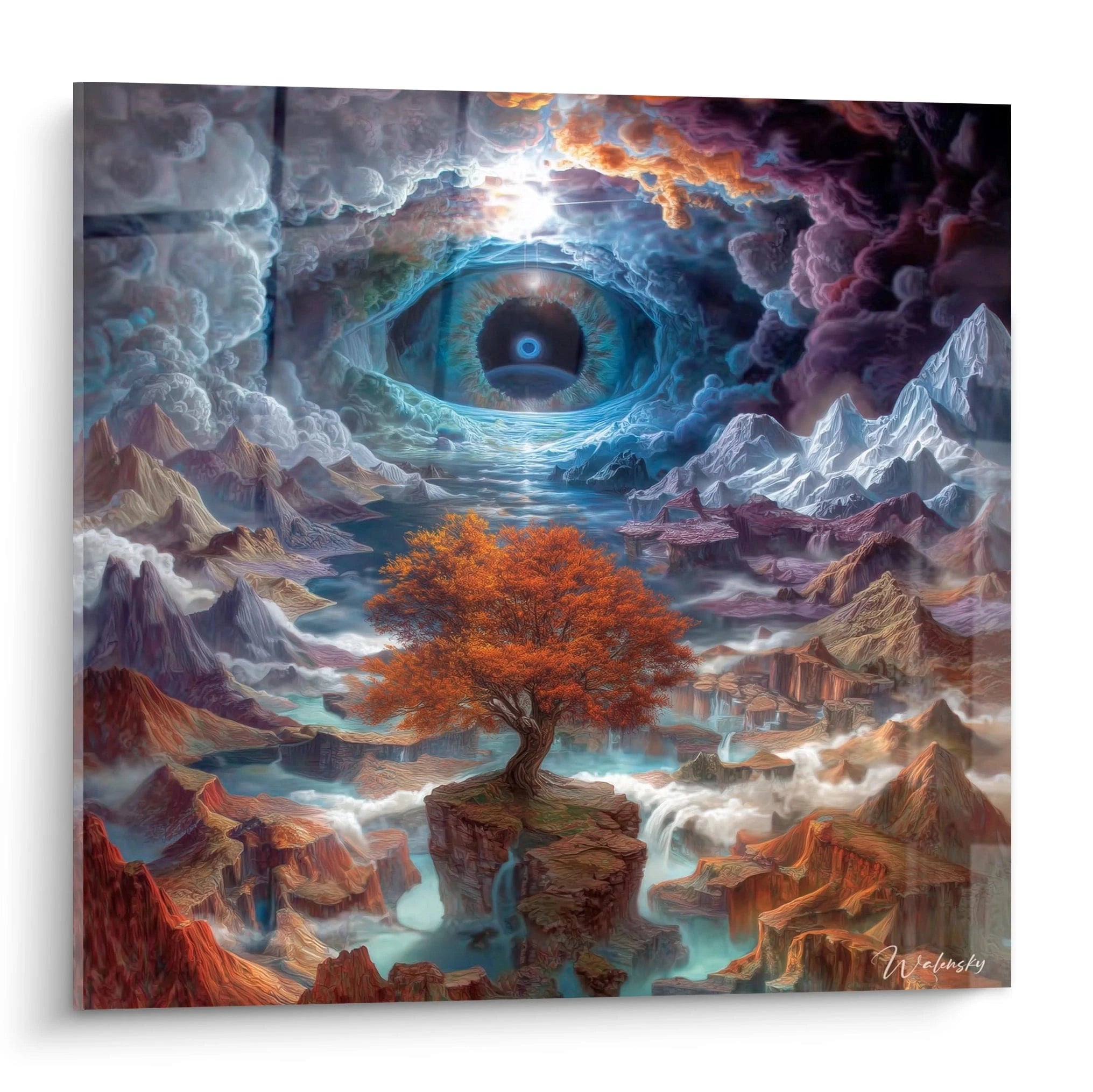
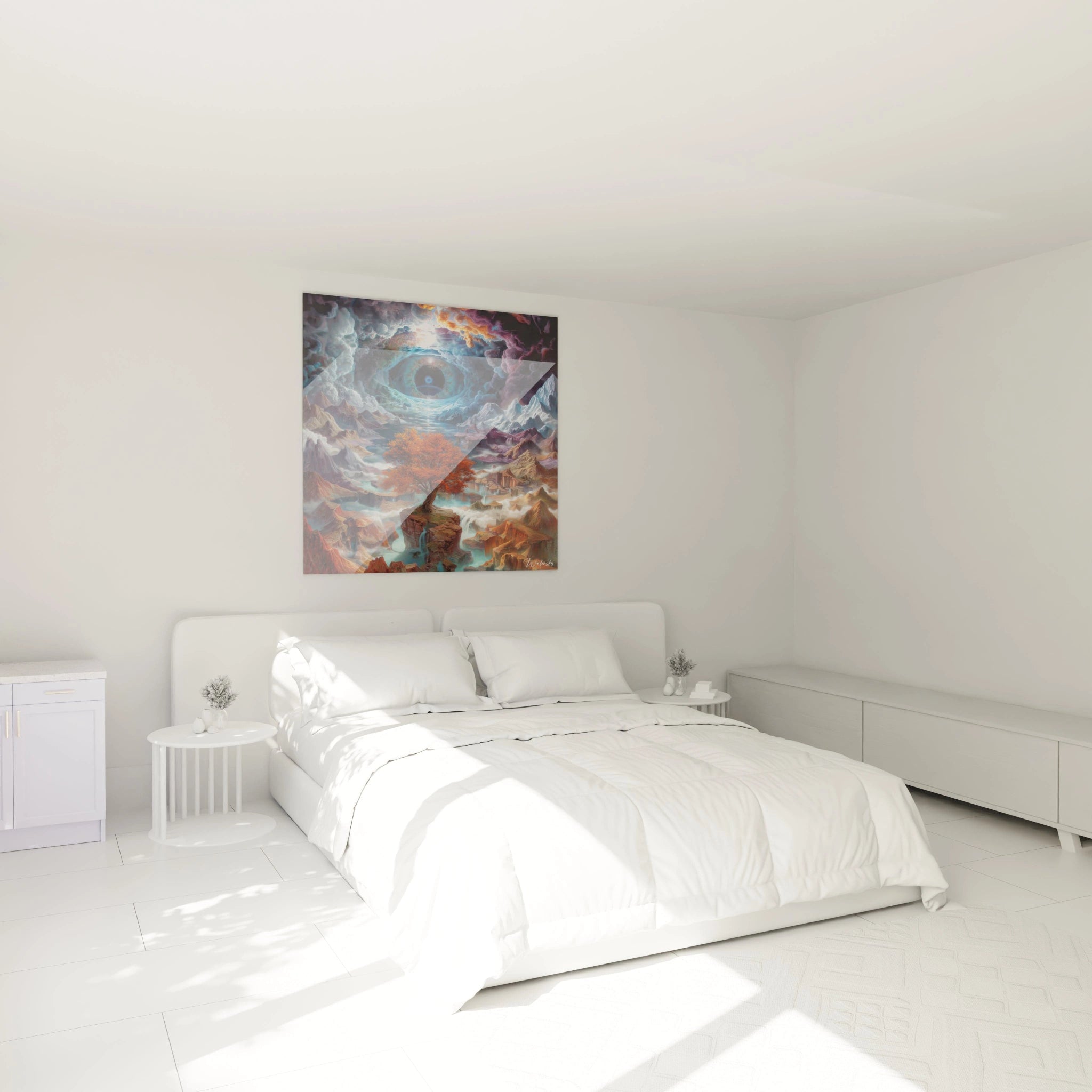
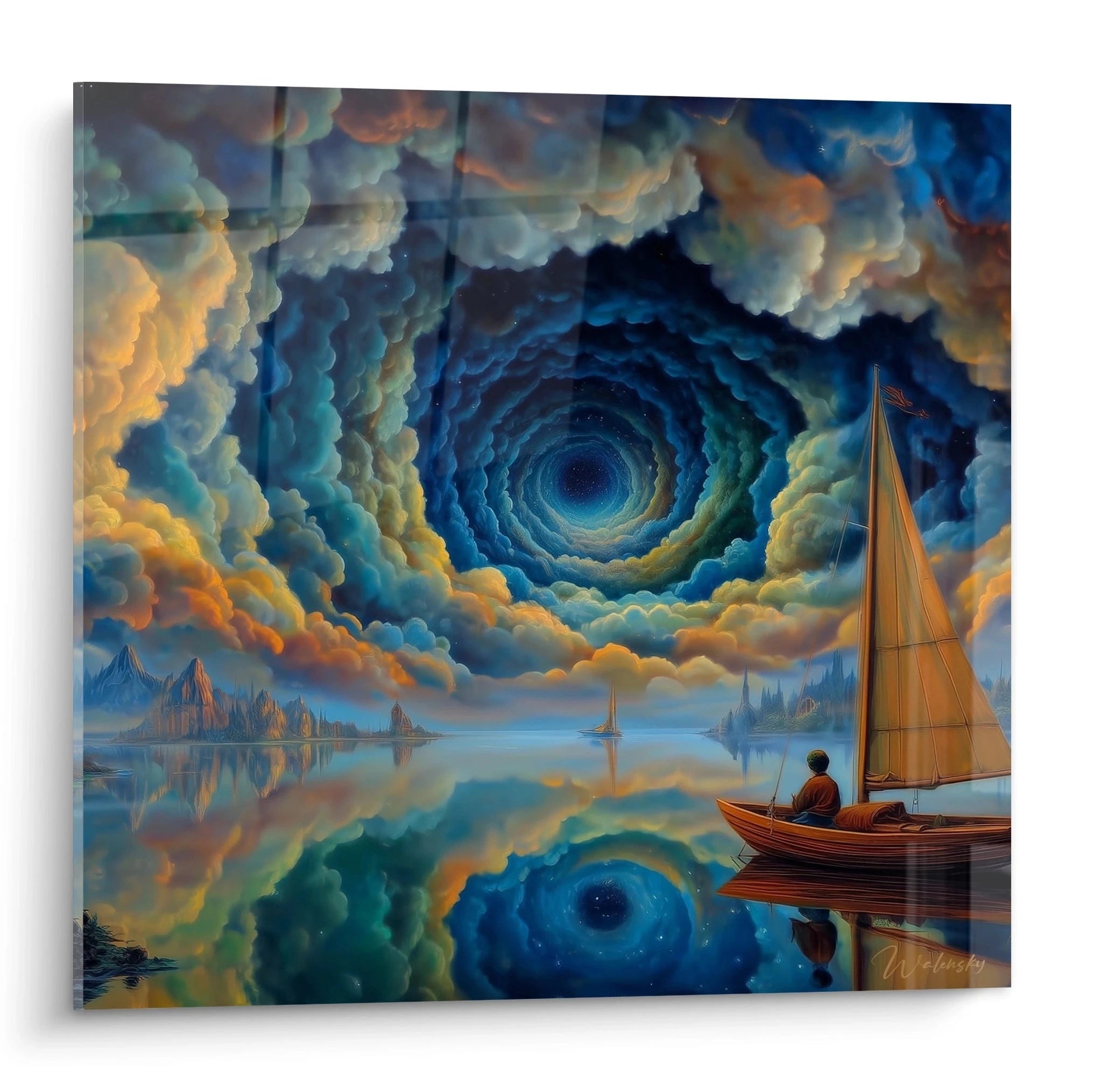
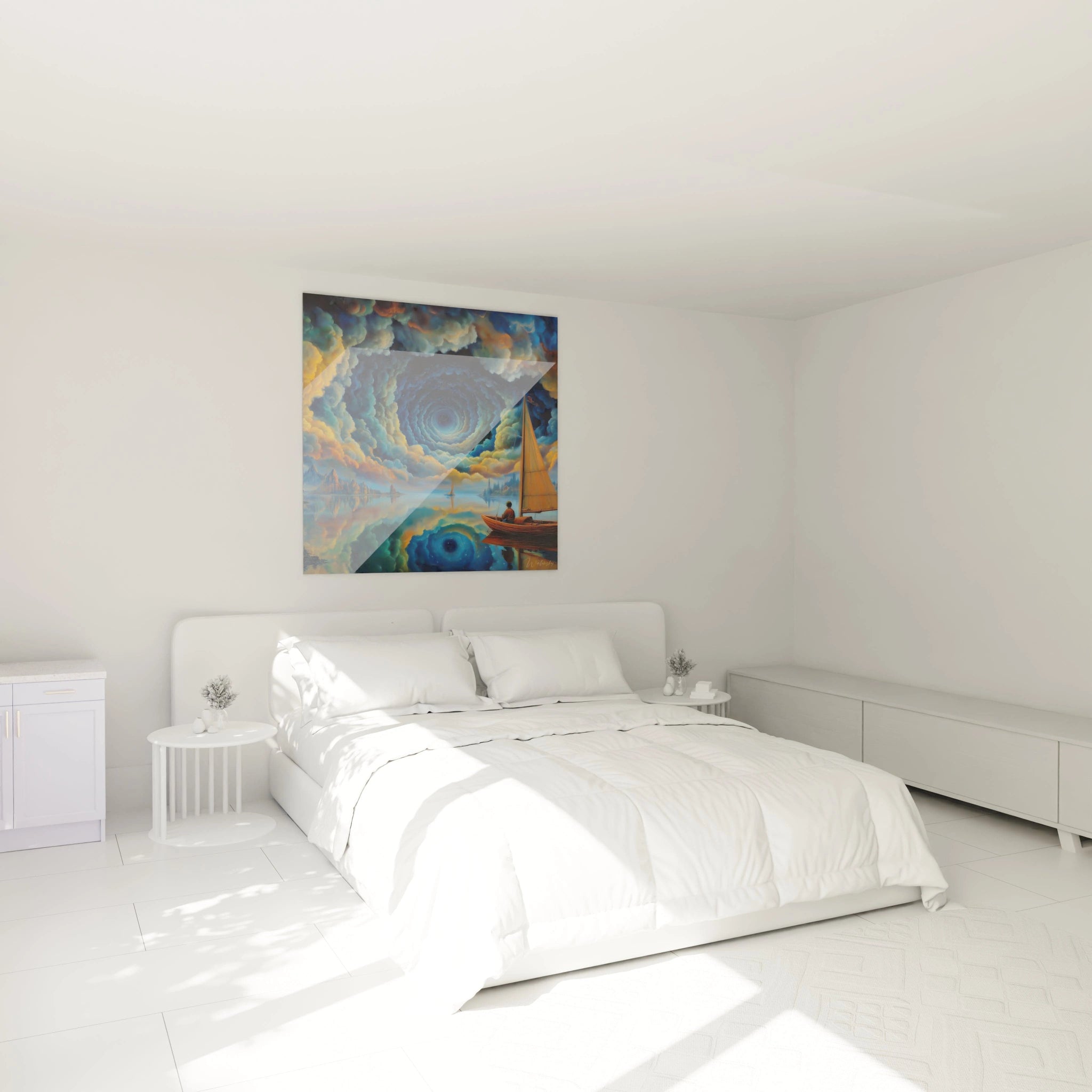
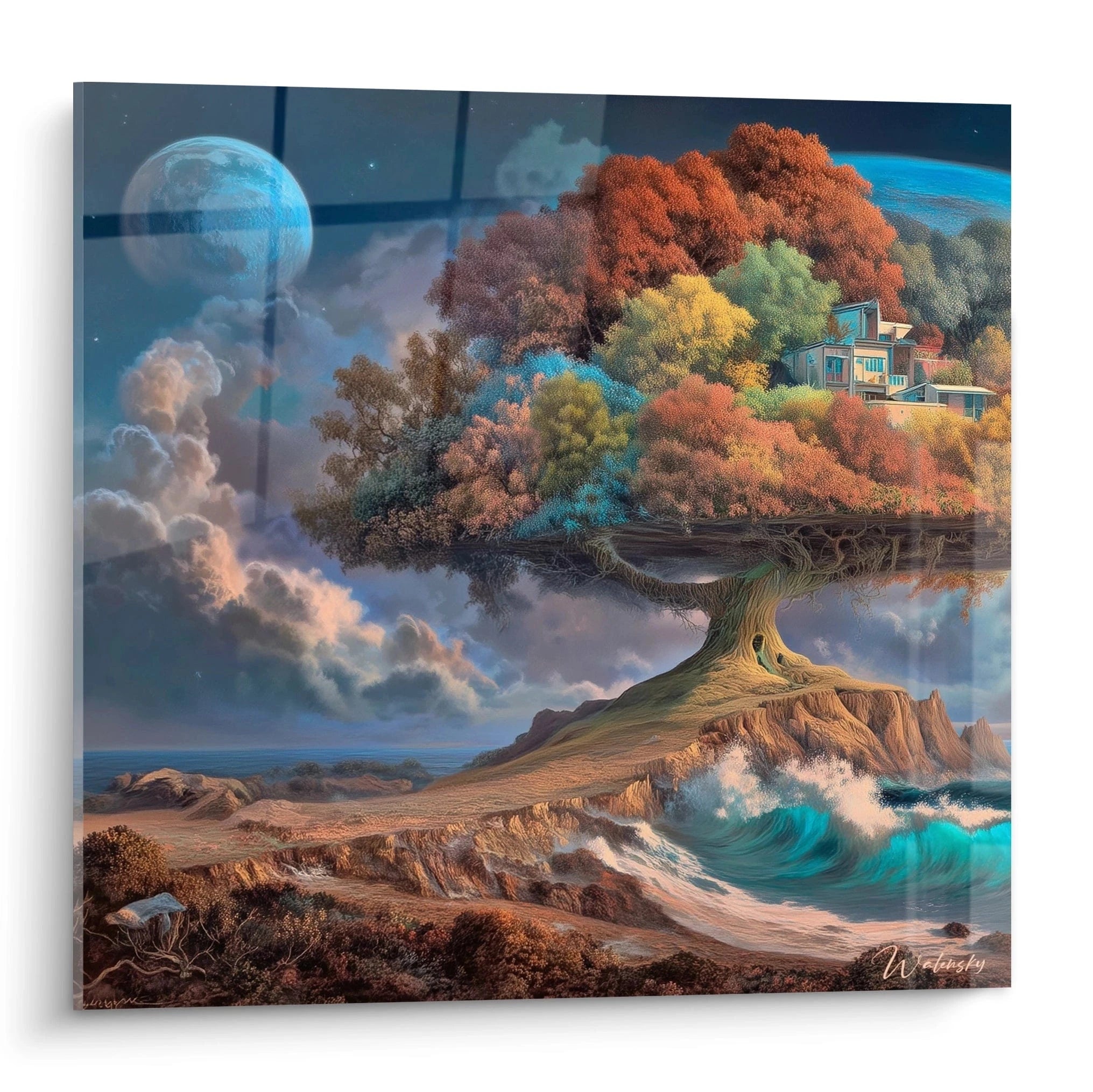
- Abstract Surrealism Paintings Overview
- Abstract Surrealism Paintings and Unconscious Psychology
- Abstract Surrealism Paintings and Contemporary Architecture
- Abstract Surrealism Paintings and Art Collectors
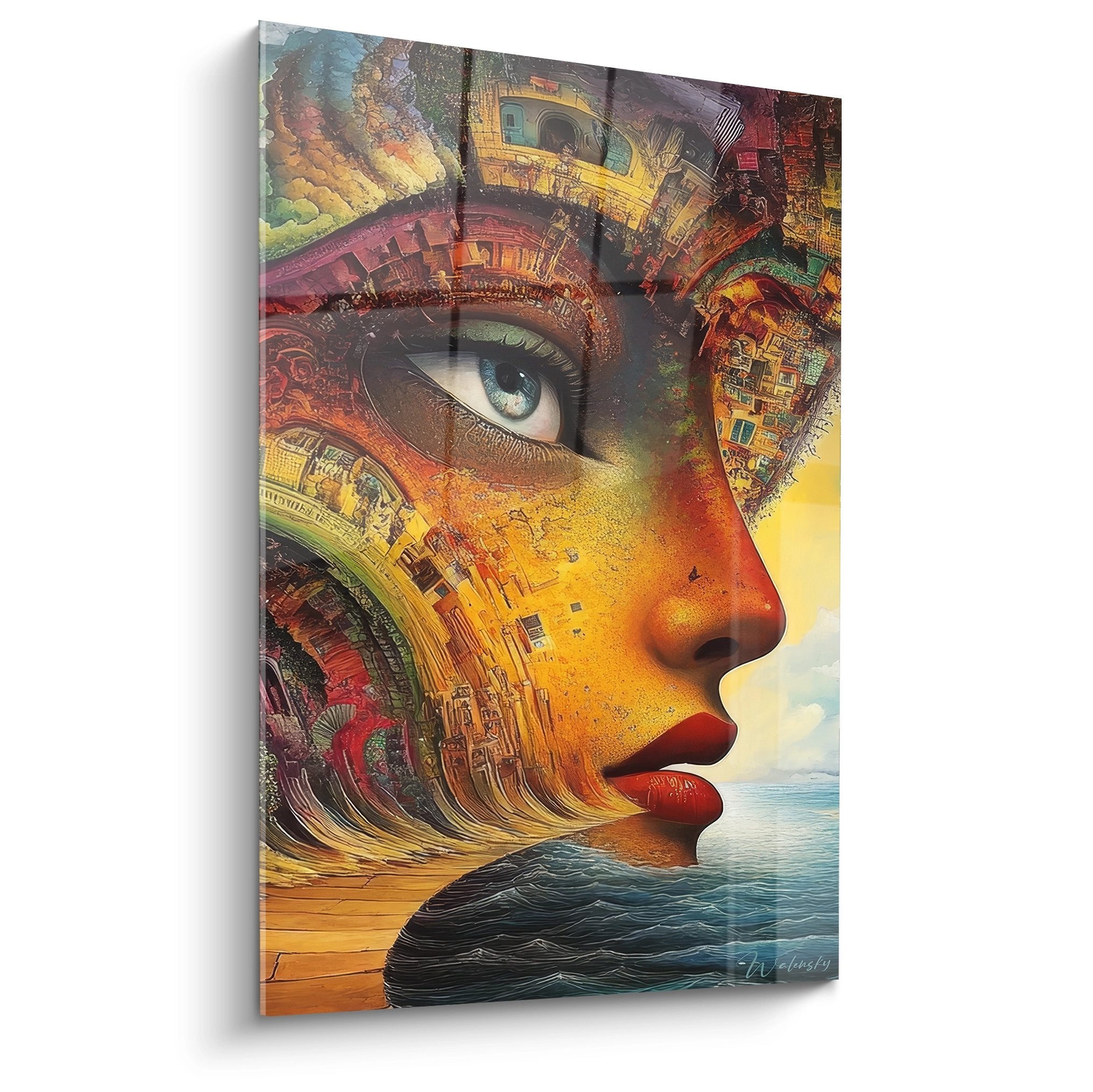
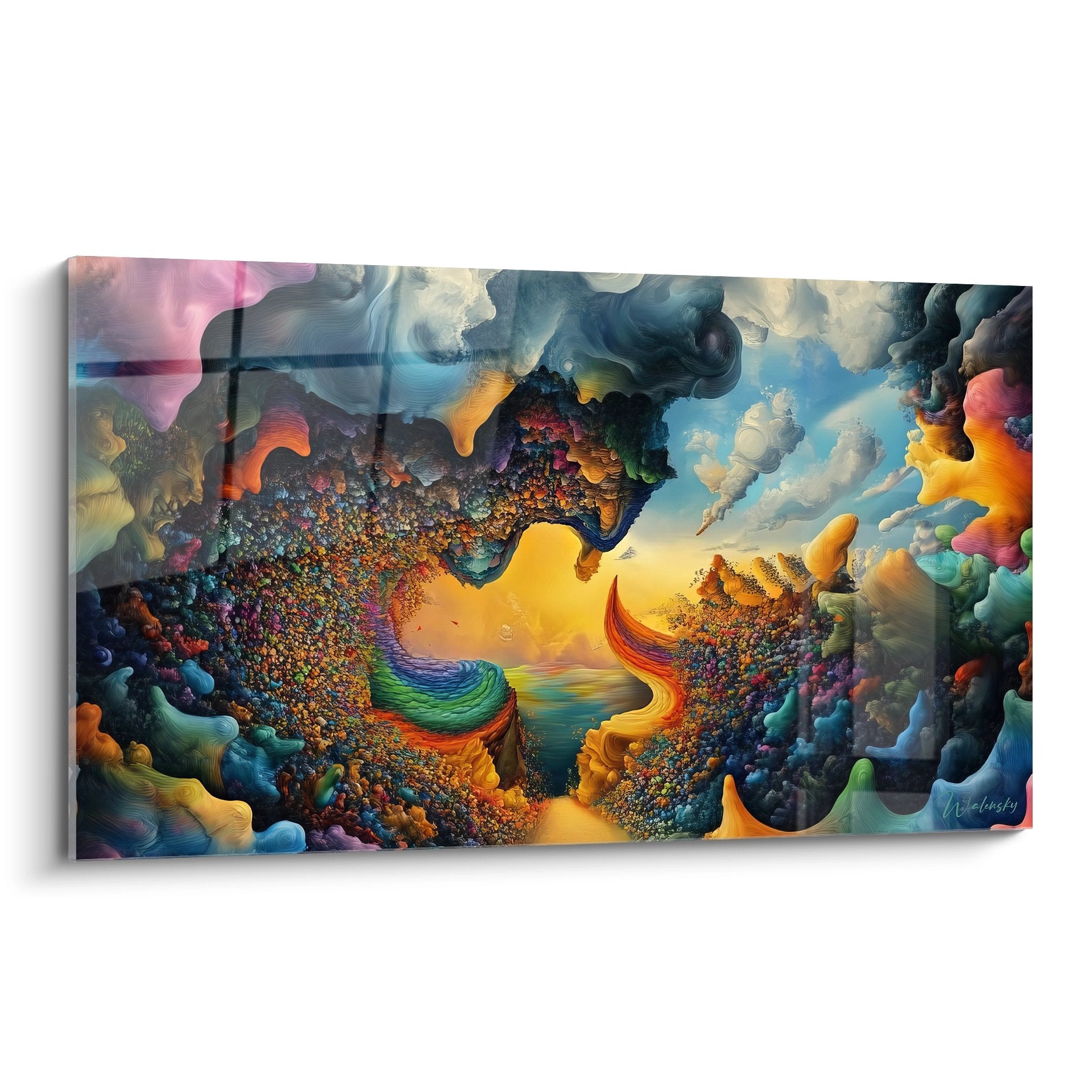
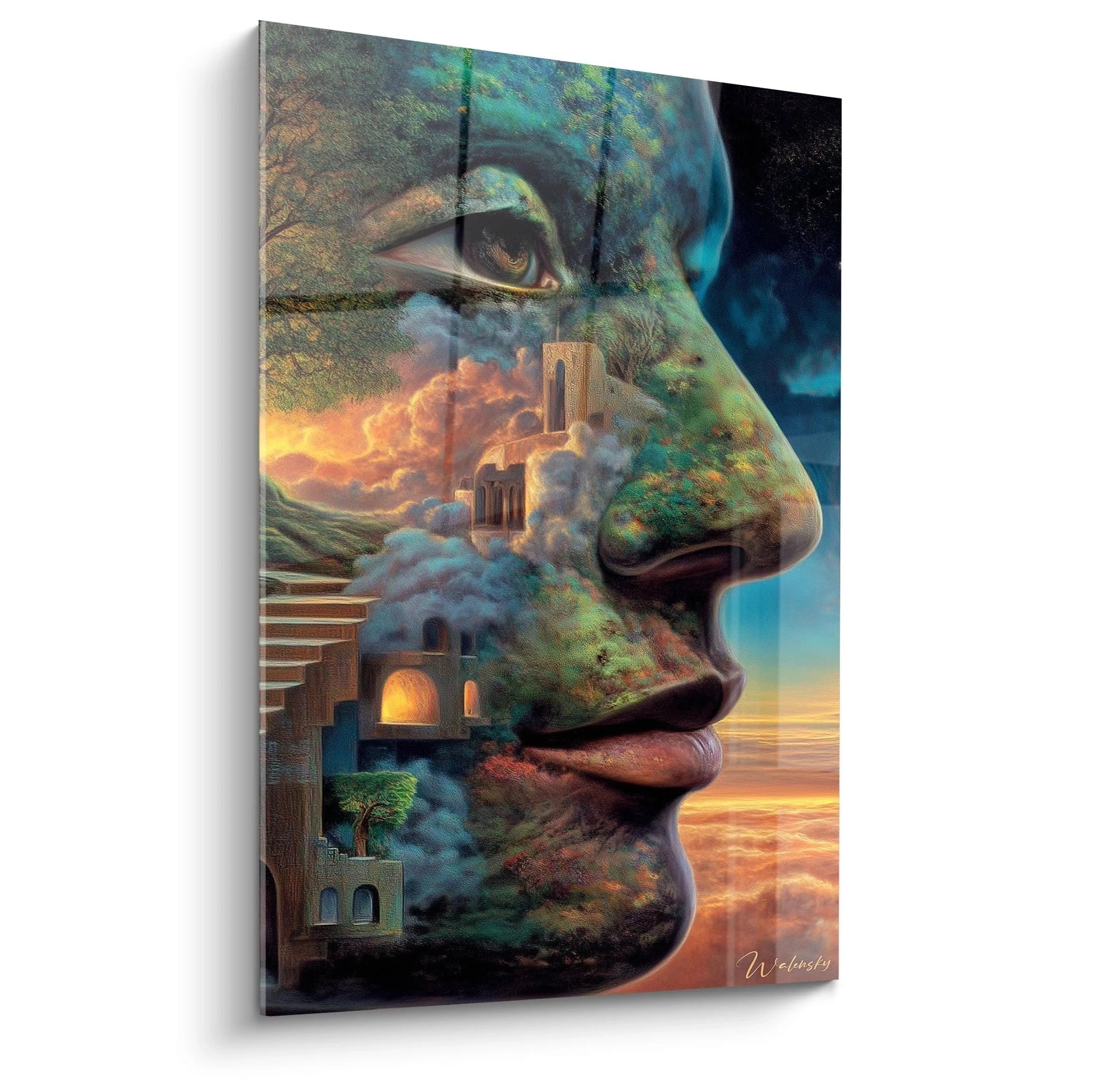
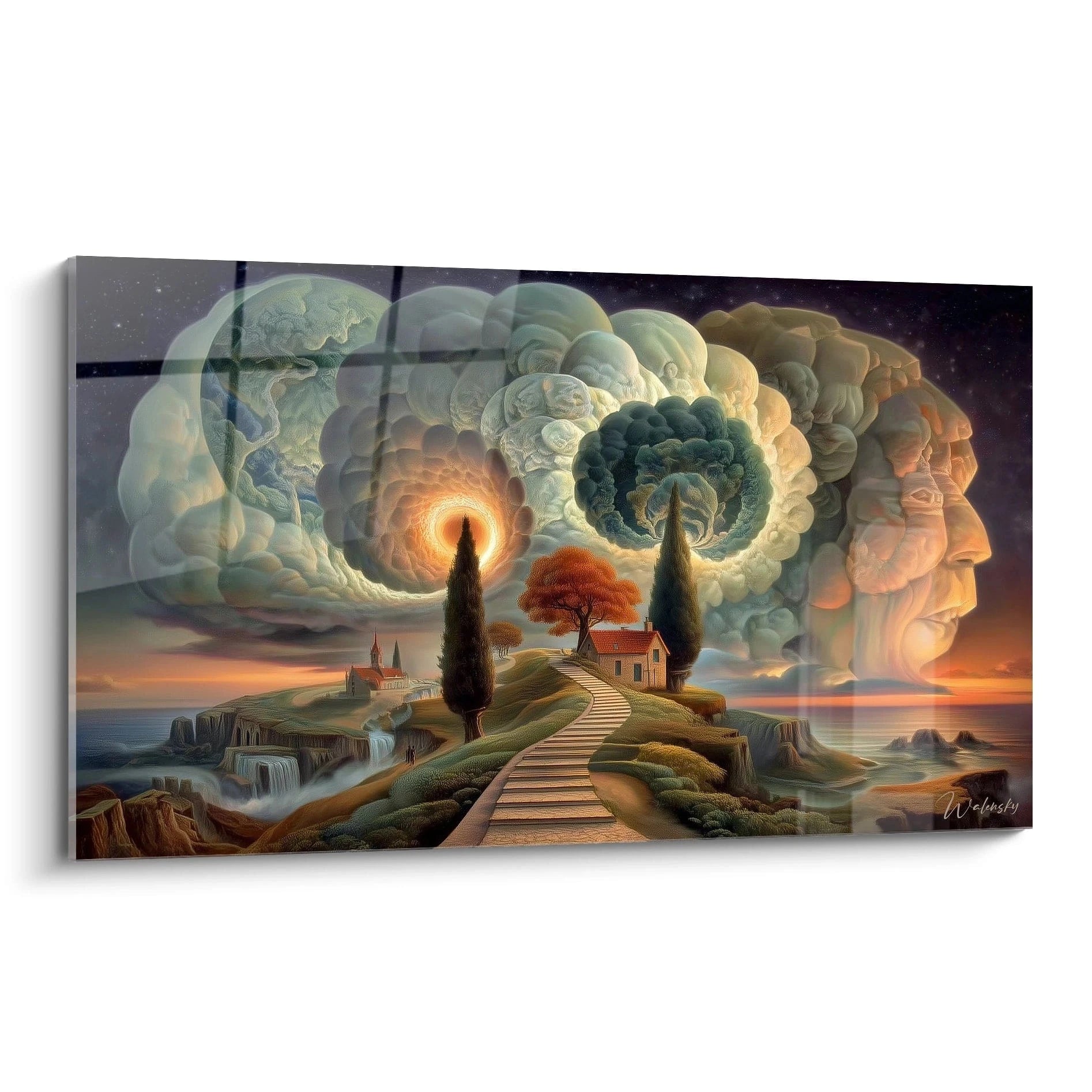
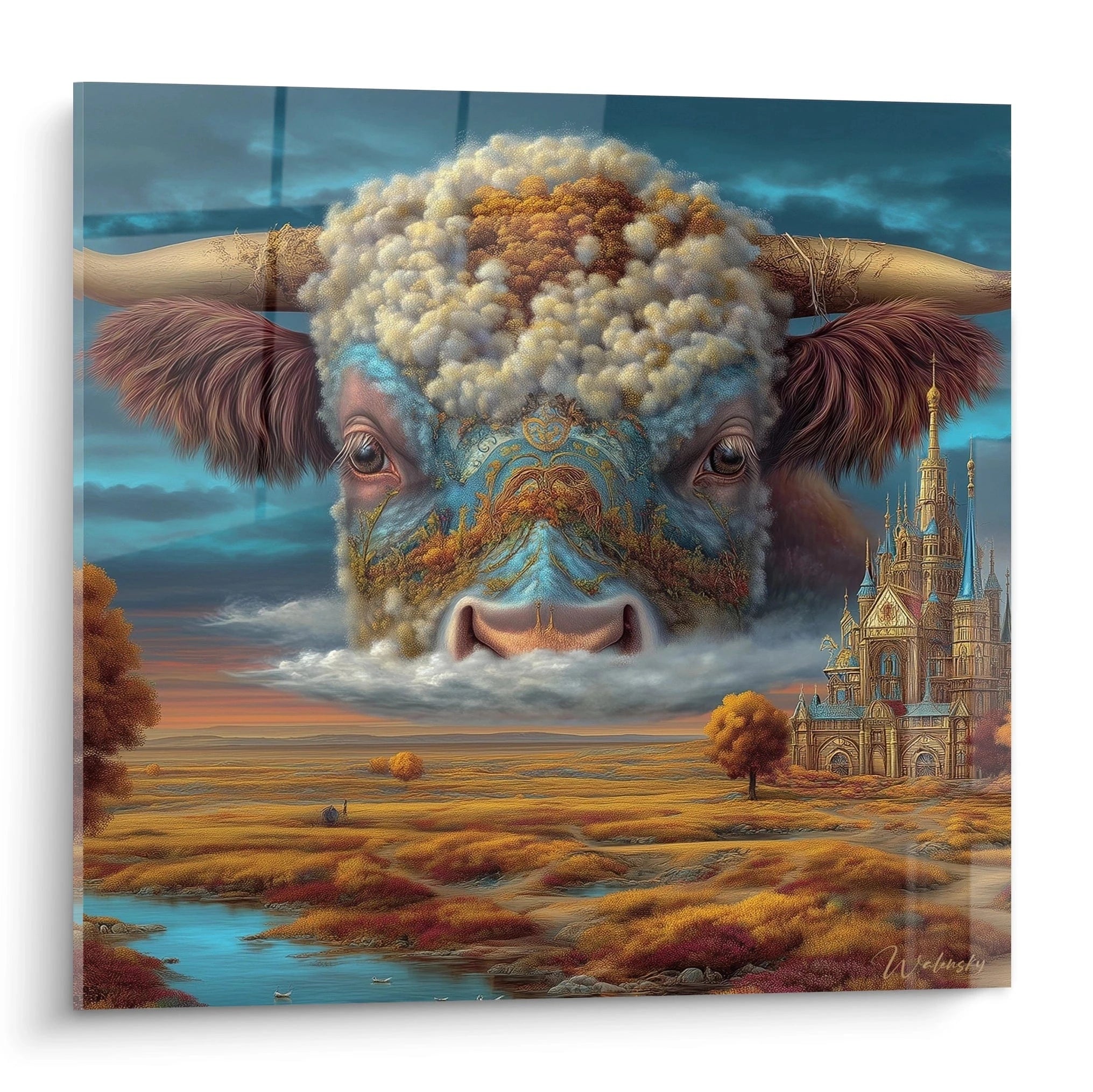
At the intersection of two major artistic universes, abstract surrealism paintings represent a fascinating fusion of dreamlike irrationality and non-figurative forms. These unique artworks transcend conventional approaches to wall art by offering immersion into a world where the unconscious manifests through bold abstract compositions. Unlike simple decorative representations, these pictorial creations invite deep exploration of mental landscapes and parallel dimensions.
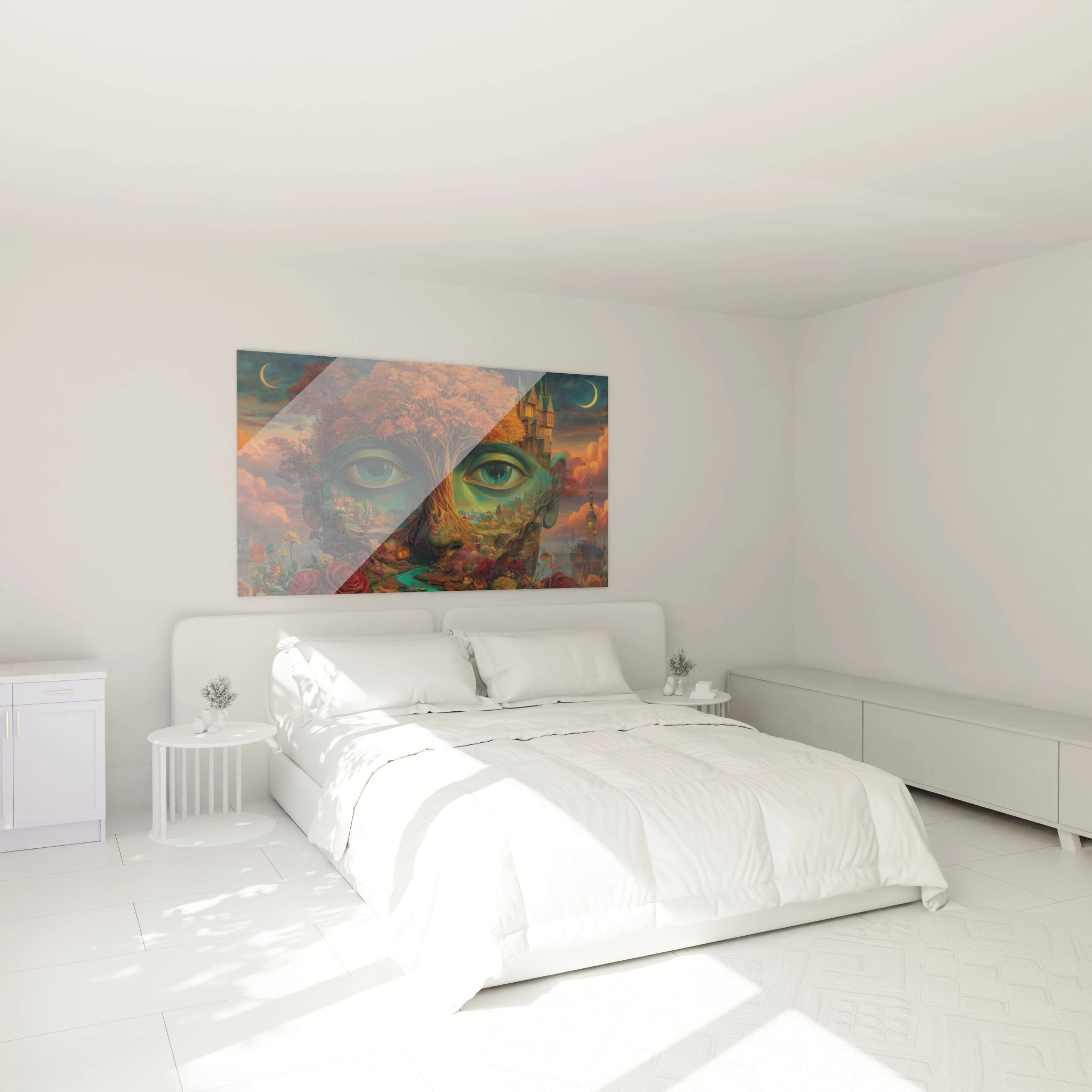
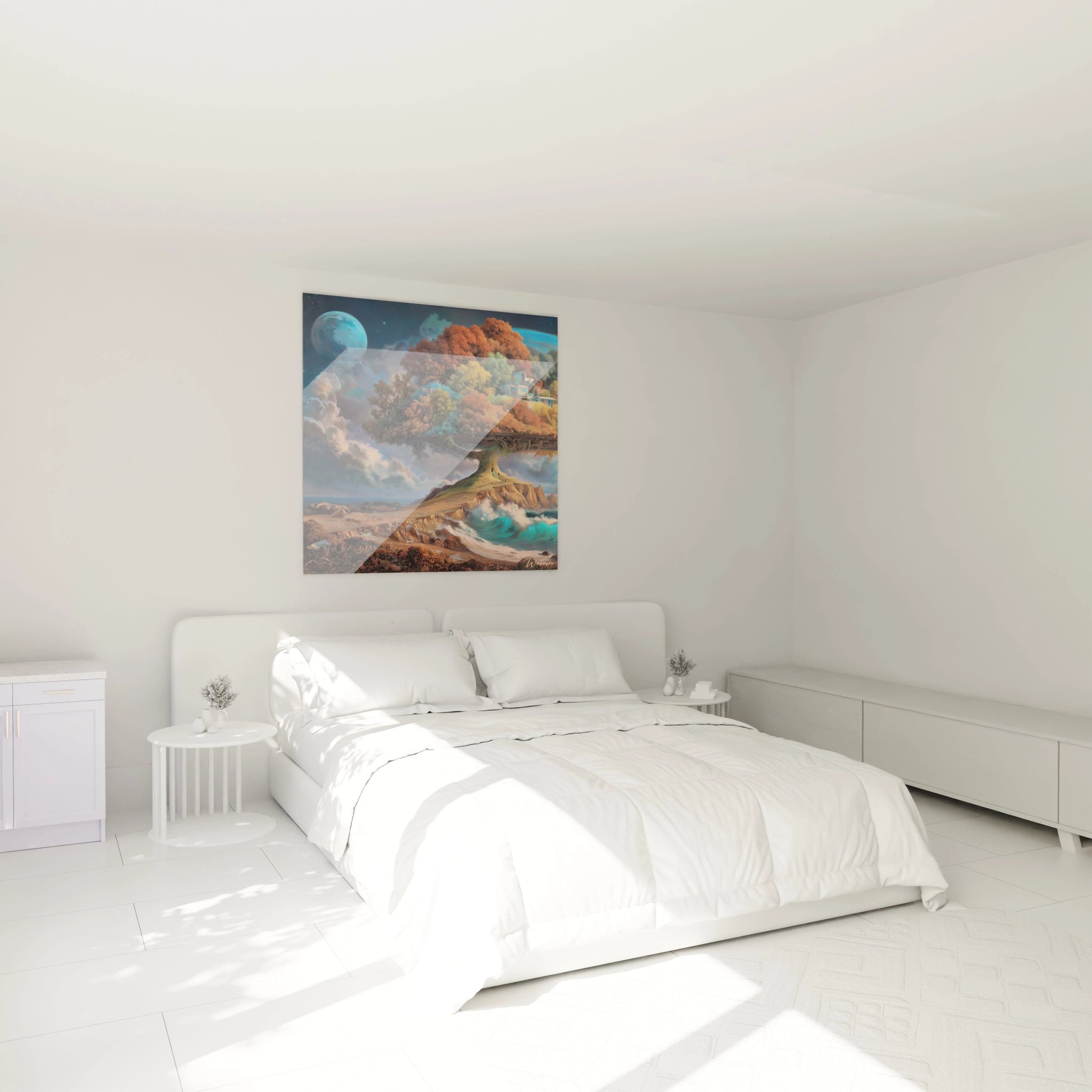
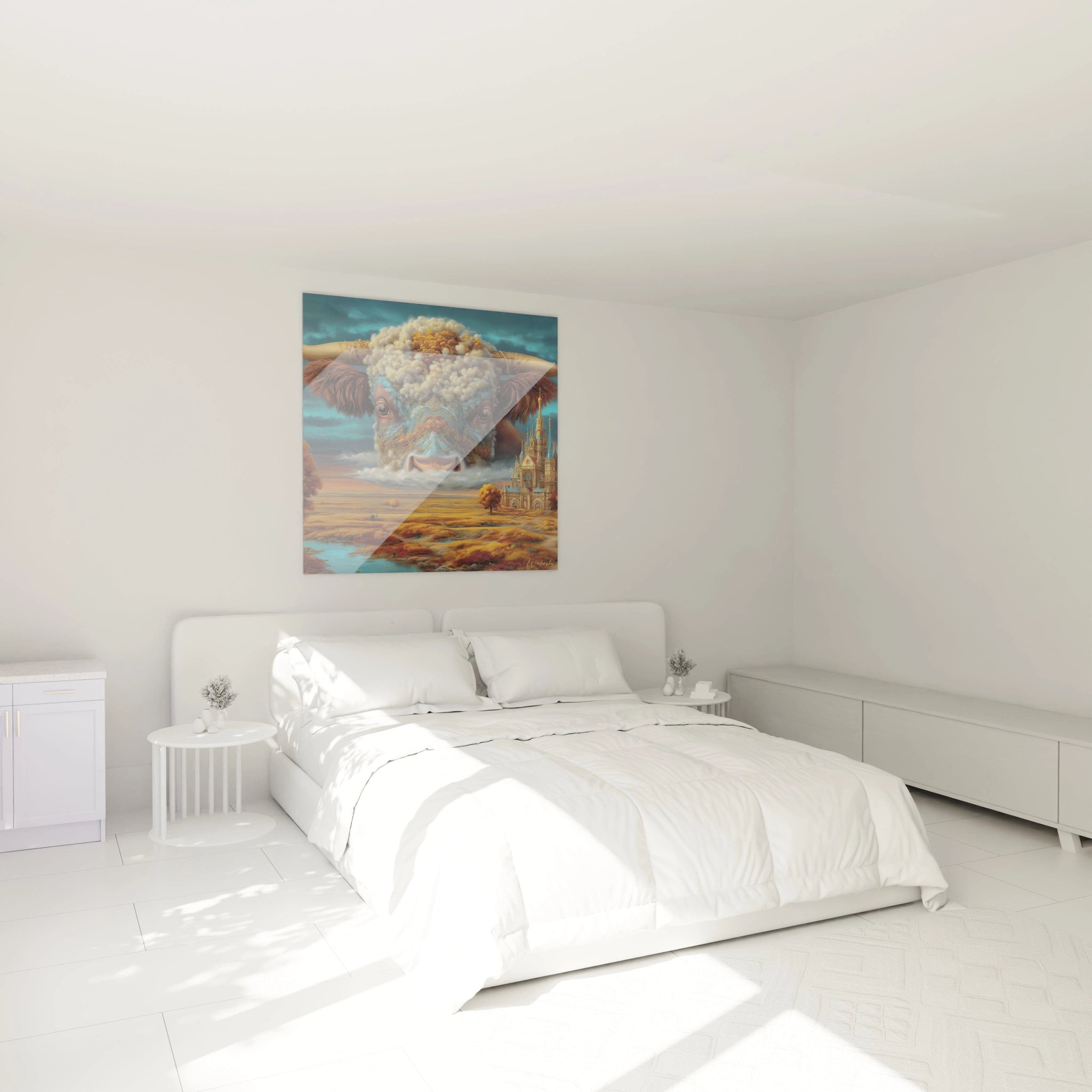
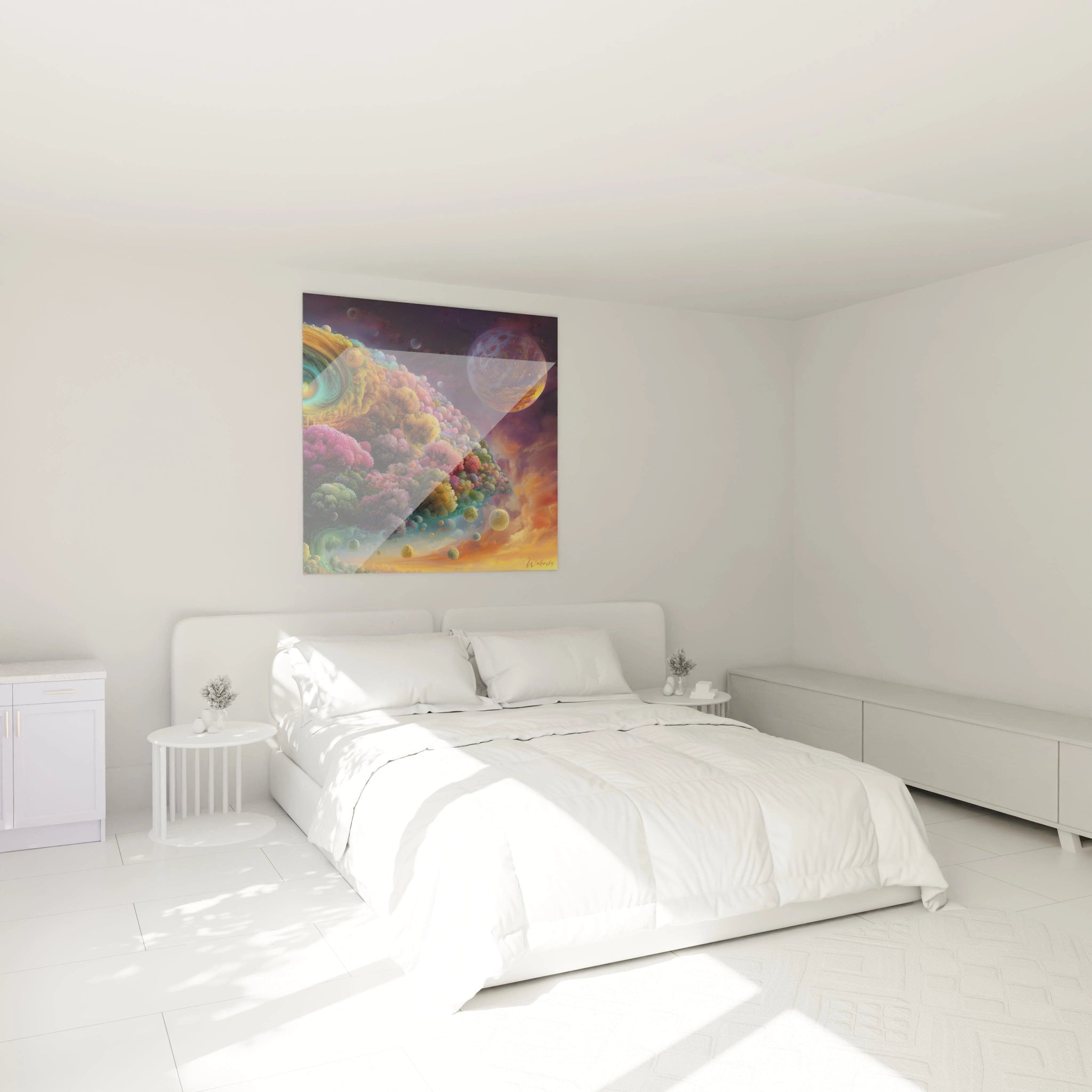
Abstract art paintings with surrealist tendencies distinguish themselves through their ability to radically transform the atmosphere of an interior space. These monumental works act as visual portals, creating striking ruptures in conventional spatial perception. Their incomparable visual impact makes them masterpieces for contemporary interiors seeking powerful artistic expression.
The particular appeal of paintings combining surrealism and abstraction lies in their infinite evocative power. Each observer discovers personal narratives within them, fueled by their own unconscious. This characteristic makes them evolving artworks whose perception transforms over time and mood states, offering perpetually renewed artistic experience for discerning art enthusiasts.
Abstract Surrealism Paintings: Exploring Mental Landscapes and Unconscious Manifestations
Abstract surrealism paintings constitute a singular artistic category that transcends traditional classifications by merging two major movements of modern art. This unique alliance generates artworks that explore unexplored territories of the human mind while freeing themselves from figurative representation constraints. Unlike purely formal abstract works or narrative surrealist paintings, these hybrid creations establish direct dialogue with our deepest psychic mechanisms.
How do abstract surrealism paintings transform our relationship with the unconscious?
The particularity of paintings combining surrealism and abstraction lies in their capacity to visually materialize mental processes that usually escape our consciousness. Unlike figurative works that tell an identifiable story, these pictorial creations act as psychological mirrors reflecting obscure mechanisms of our minds. Fluid forms, unexpected chromatic transitions, and destructured compositions reproduce our unconscious functioning itself, thus creating immediate psychological resonance in the observer.
Collectors and art lovers seek these paintings precisely for their often-overlooked therapeutic dimension. Prolonged observation of abstract surrealism artwork can trigger inner recognition processes similar to those experienced during Jungian psychoanalysis sessions or art therapy. This characteristic makes them particularly relevant acquisitions for spaces dedicated to reflection, meditation, or intense intellectual work.
The unique emotional impact of abstract surrealist juxtapositions
Abstract surrealism artworks distinguish themselves through their exceptional ability to generate complex and sometimes contradictory emotional reactions. Where purely decorative art seeks harmony and peace, these paintings deliberately provoke visual tensions that stimulate our limbic brain – the region linked to deep emotions. This neurological stimulation creates a multidimensional aesthetic experience incomparable to more conventional art forms.
Many neuropsychologists are interested today in the cognitive effects of regular exposure to these hybrid artworks. Preliminary studies suggest that daily contemplation of abstract surrealism paintings could foster neuronal plasticity and stimulate synaptic connections related to creativity. For professionals in creative sectors or those facing complex issues, integrating these artworks into their daily environment could constitute a genuine catalyst for cognitive innovation.
The dialogue between abstract surrealism and contemporary spaces
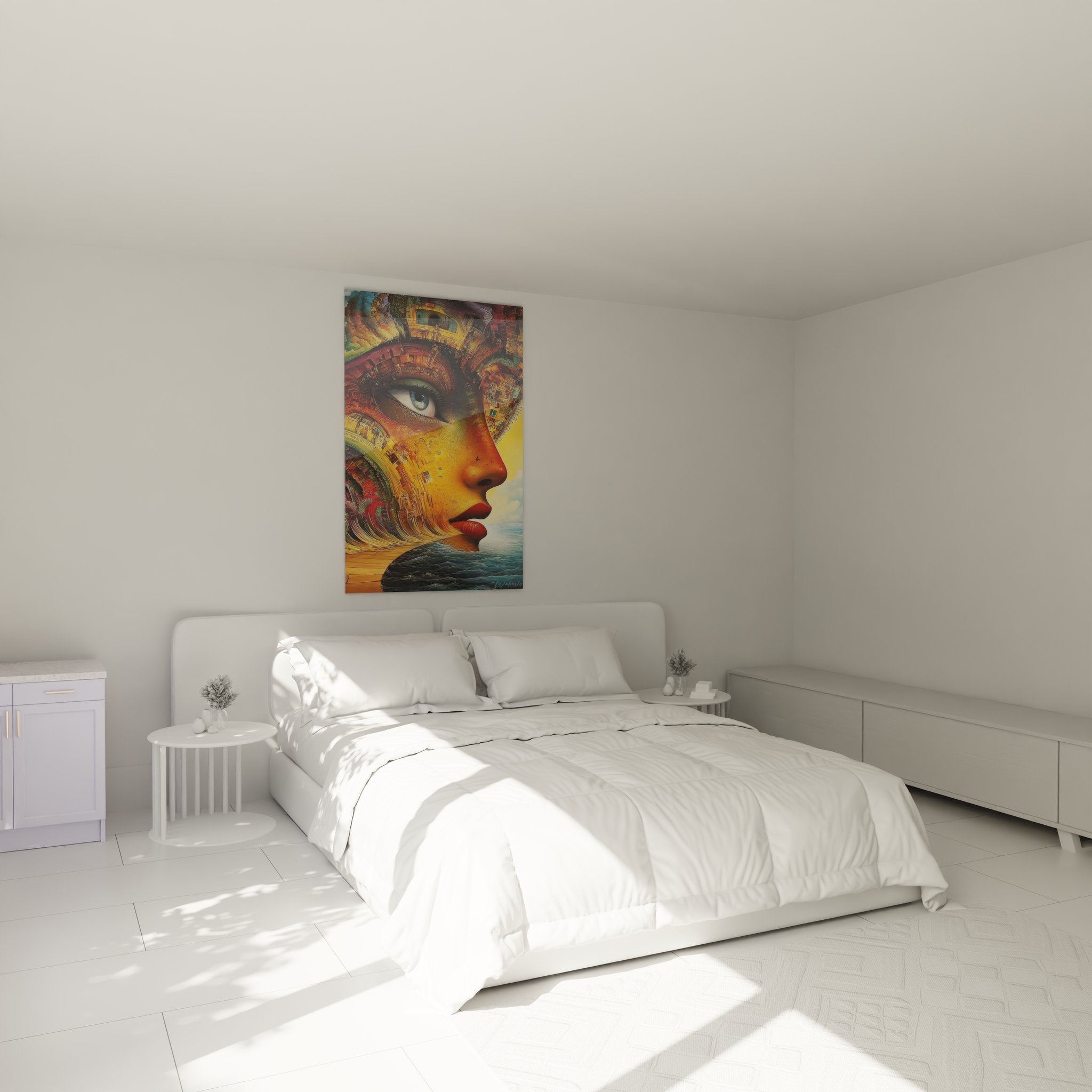
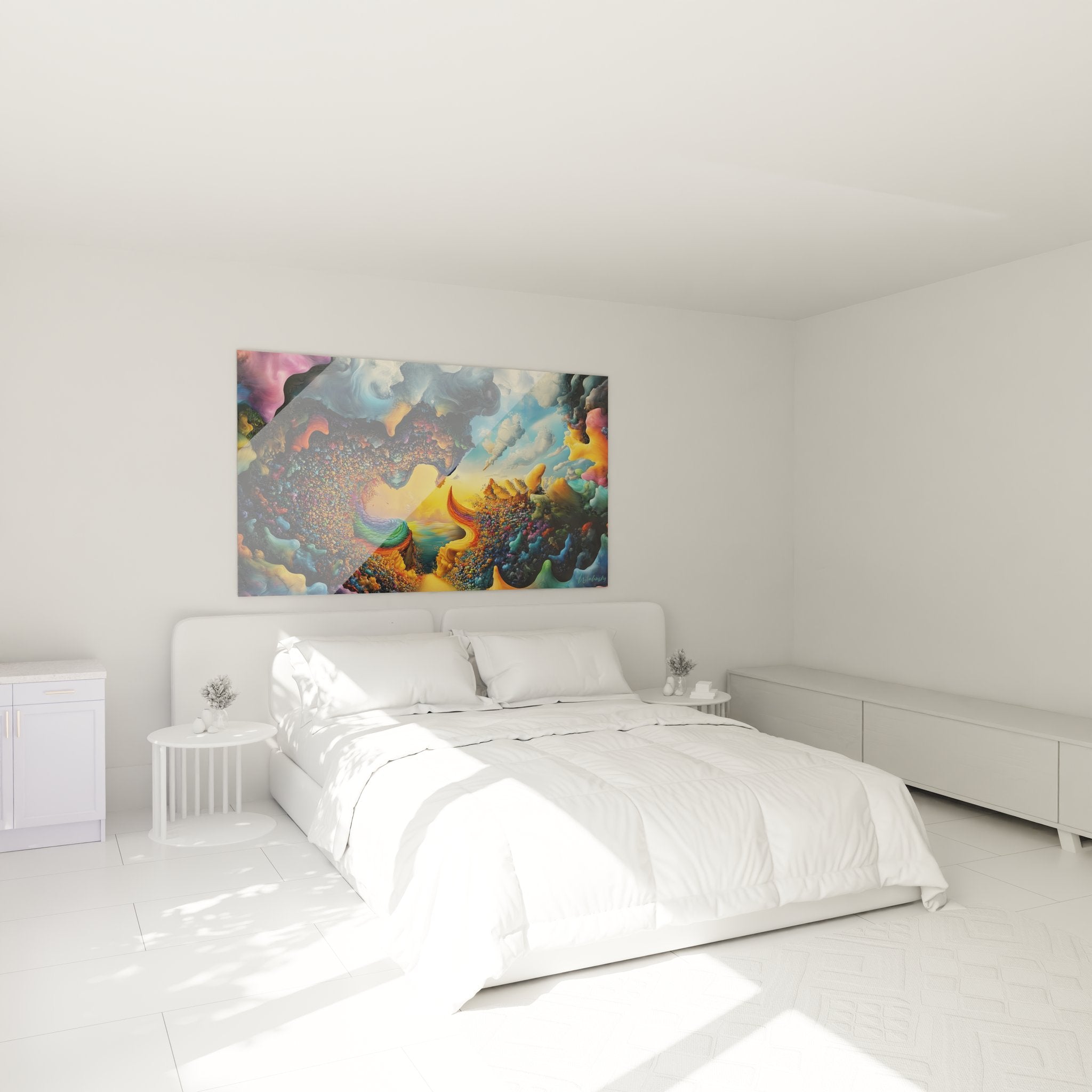
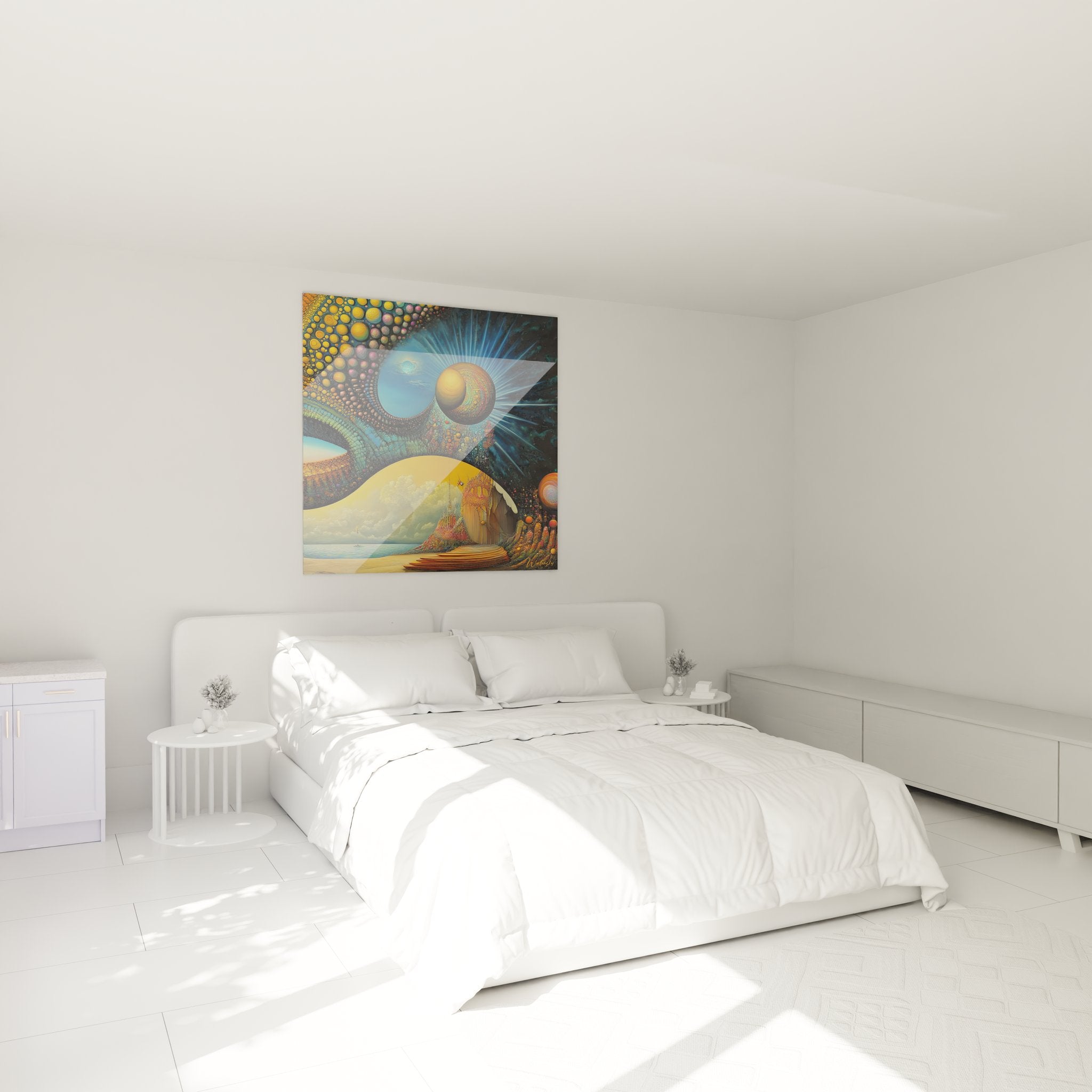
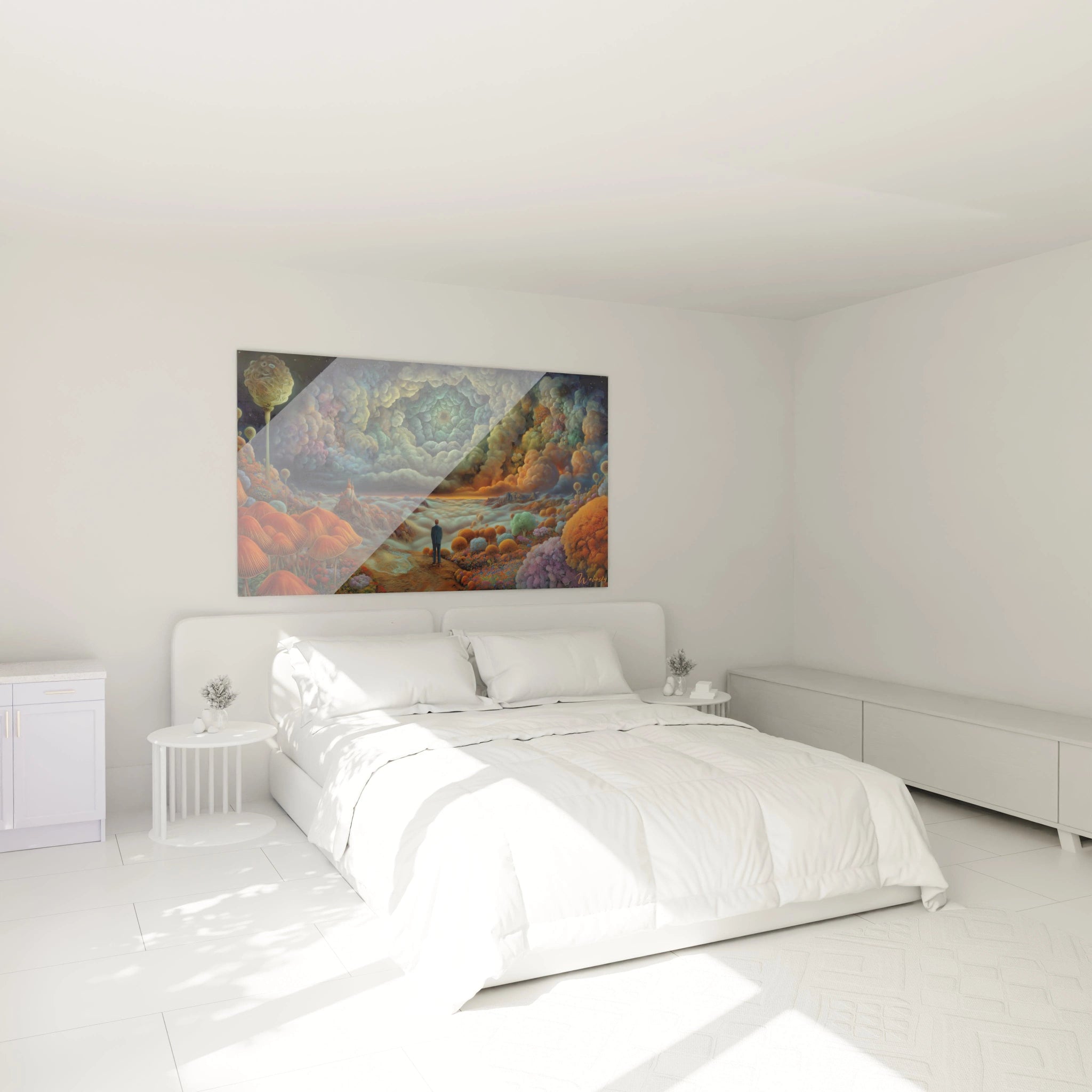
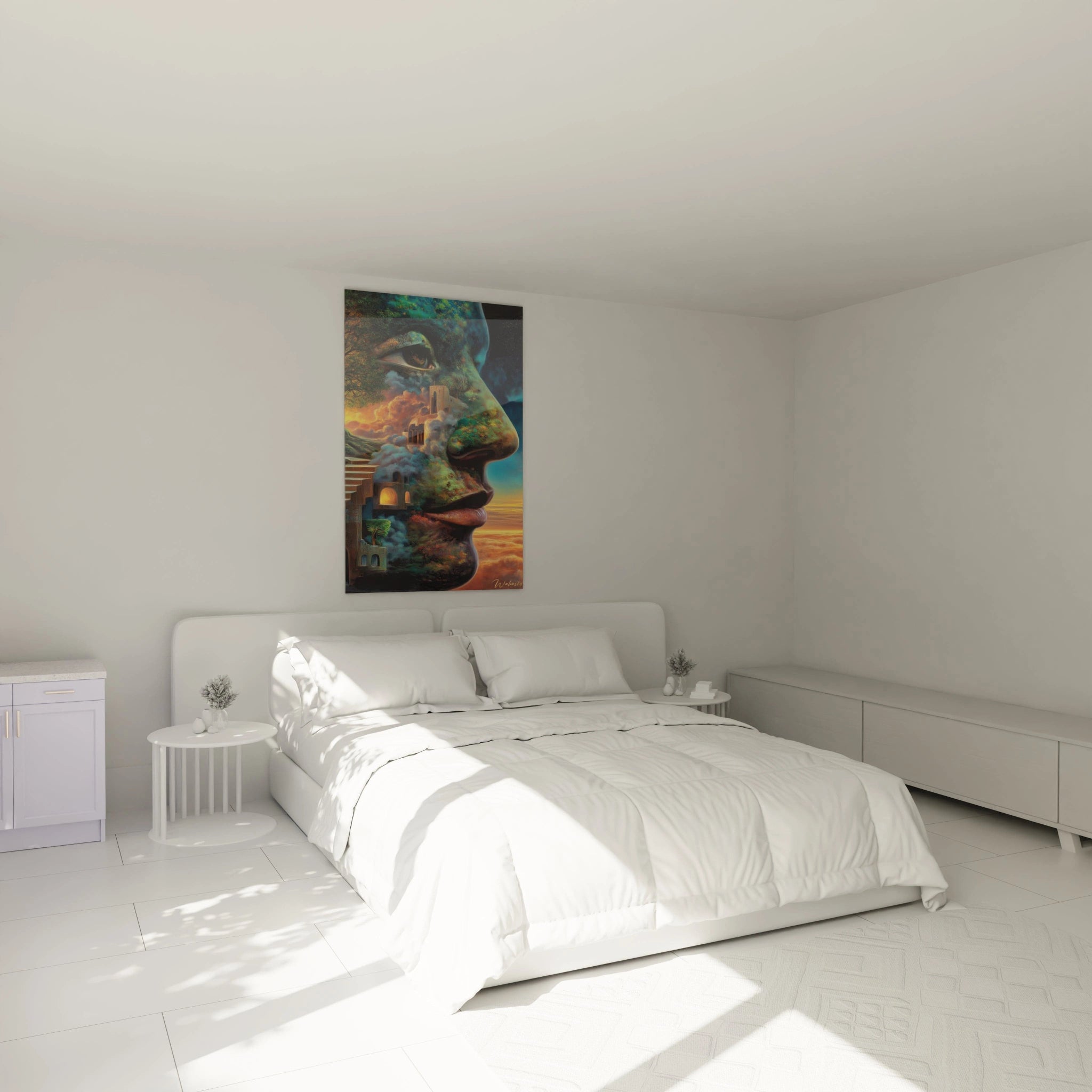
The integration of abstract surrealism paintings into contemporary minimalist interiors creates striking contrast that transcends mere decoration. These artworks become existential focal points, radically transforming the spatial and temporal perception of places they inhabit. Unlike conventional wall pieces that simply ornament a space, these paintings establish a parallel dimension that actively dialogues with surrounding architecture.
Interior designers specializing in upscale spaces often recommend these works for their capacity to create conceptual ruptures in otherwise overly rational environments. Strategically placed abstract surrealism painting in a minimalist space acts as a visual portal toward alternative dimensions, creating aesthetic tension that energizes the entire room. This transformative quality makes them particularly valued artistic investments in ambitious interior architecture projects.
Perceptual evolution: an artistic experience in perpetual renewal
One of the most fascinating characteristics of abstract surrealism paintings lies in their ability to evolve perceptually over time. Unlike figurative works whose interpretation remains relatively stable, these hybrid creations reveal new dimensions with each viewing. This perceptual mutation is explained by fluctuations in our psychic state and the profoundly interactive nature of these artworks that adapt to our momentary mental dispositions.
Experienced collectors frequently testify to this phenomenon of perceptual evolution, describing how the same painting can provoke radically different interpretations depending on periods in their lives. This characteristic grants abstract surrealism paintings exceptional emotional longevity, justifying their growing appreciation on the contemporary art market and their appeal for discerning investors.
The porous boundary between abstraction and surrealism generates artworks with multiple reading levels that enrich over time. This semiotic complexity constitutes one of the principal attractions of these paintings for sophisticated collectors seeking pieces resistant to perceptual wear and offering perpetually renewed aesthetic experience.
Abstract Surrealism Paintings: Spatial Dialogues and Architectural Resonances
Abstract surrealism paintings maintain a particularly fertile relationship with contemporary architecture, creating unique spatial interactions impossible to reproduce with other wall art forms. Beyond their aesthetic dimension, these artworks act as perceptual modifiers of space, generating what architects call "beneficial cognitive distortions" – a phenomenon where our conventional spatial perception is deliberately disrupted to amplify sensory experience of a place.
How do abstract surrealism paintings transform spatial perception?
Strategic integration of abstract surrealism artworks in contemporary architectural projects responds to a precise intention: creating ruptures in the linear reading of spaces. Unlike traditional decorative elements that accompany architecture, these imposing paintings introduce parallel dimensions that transcend physical building constraints. Avant-garde architects exploit this characteristic to design multidimensional spaces where material reality and mental projections coexist.
In the grand minimalist volumes characteristic of contemporary architecture, abstract surrealism paintings function as "spatial expanders" – a concept developed by Japanese architect Tadao Ando describing certain artworks' capacity to visually push physical space limits. The fluid compositions and impossible perspectives typical of these paintings create illusions of openings toward alternative dimensions, considerably amplifying room volumetric perception without structural modification.
Strategic alliance between architectural minimalism and surrealist complexity
The striking contrast between geometric rigor of contemporary spaces and dreamlike fluidity of abstract surrealism paintings generates particularly sought aesthetic tension in upscale architectural projects. This deliberate opposition between container and content creates what architecture theorists call "productive cognitive friction" – a phenomenon where the mind, confronted with contradictory visual signals, enters heightened aesthetic vigilance state.
Architecture firms specializing in institutional spaces and innovative corporate headquarters frequently integrate these paintings into projects for their effects on collective creativity. Studies conducted in experimental work environments demonstrate that large abstract surrealism artworks' presence in shared spaces significantly stimulates unconventional approaches to professional challenges and fosters unexpected idea associations during collaborative sessions.
Abstract surrealism paintings as spatial ambiance regulators
Beyond immediate visual impact, paintings merging surrealism and abstraction exercise subtle but measurable influence on emotional acoustics of spaces they inhabit. This notion developed by environmental psychologists designates how certain visual elements modify our sound stimuli perception and emotional response to an environment. These paintings' non-rational compositions, by stimulating the right brain hemisphere, induce more harmonious perception of complex sound environments.
This characteristic explains increasing presence of these artworks in acoustically demanding spaces such as conference halls, upscale restaurants, or reception areas. Judiciously placed abstract surrealism painting can radically transform sensory experience of a noisy space by reorienting occupants' cognitive attention toward immersive contemplation that naturally filters surrounding sound nuisances.
Adaptive chromatic evolution: symbiosis with architectural lighting
A remarkable and often-overlooked property of abstract surrealism paintings lies in their dynamic interaction with variable lighting conditions. Unlike conventional works requiring optimal and stable lighting conditions, these hybrid creations are designed to evolve visually throughout hours and seasons, revealing different composition dimensions according to light intensity and angle.
This exceptional light adaptability makes them particularly compatible with contemporary architectural concepts privileging natural light play and ambiance variations. In spaces benefiting from large oriented openings or light wells, these paintings act as aesthetic solar calendars, marking time passage through subtle visual metamorphoses enriching daily occupant experience.
Architects specializing in biophilic design – incorporating natural elements into built environment – frequently select these artworks for their capacity to amplify circadian rhythms within interior spaces. Abstract surrealism painting exposed to variable natural light becomes a living architecture element, strengthening our instinctive connection to natural cycles even in the most urban environments.
Abstract Surrealism Paintings: Emotional Value and Investment for Discerning Collectors
Abstract surrealism paintings occupy today a singular position on the contemporary art market, attracting a specific collector category seeking transformative aesthetic experiences rather than simple decorative assets. These hybrid artworks, at the intersection of two major movements, generate growing interest among discerning investors anticipating their significant revaluation in coming decades, driven by rediscovery phenomenon of fusional artistic movements.
Why do sophisticated collectors favor abstract surrealism paintings?
These artworks' particular appeal for demanding collectors is explained by their exceptional conceptual density. Unlike purely decorative paintings whose value rests mainly on immediate aesthetic criteria, creations combining surrealism and abstraction incorporate philosophical, psychoanalytic, and metaphysical dimensions that considerably enrich ownership experience. This conceptual depth guarantees lasting relationship between collector and artwork, transcending simple visual satisfaction to establish evolving intellectual and emotional dialogue.
Art market analyses reveal growing trend among new wealthy collectors to favor these paintings for their capacity to signal cultural sophistication exceeding conventional artistic choices. Owning abstract surrealism artwork testifies to nuanced understanding of twentieth-century artistic movements and aesthetic sensitivity valuing cognitive complexity rather than immediate visual pleasure – positioning particularly valued in contemporary cultural influence circles.
Value evolution of abstract surrealism paintings on the market
Abstract surrealism paintings' trajectory on secondary market demonstrates remarkable resilience against usual art sector fluctuations. Econometric studies conducted by major auction houses reveal these hybrid artworks experience more stable appreciation than purely abstract or figurative counterparts, benefiting from "double critical valorization" phenomenon – their simultaneous reevaluation by specialists of both movements they embody.
This unique characteristic makes them particularly relevant investments in artistic portfolio diversification strategy. Specialized advisors generally recommend these paintings' acquisition as strategic counterpoints to more speculative values, guaranteeing them anchor patrimony function similar to precious metals in traditional financial portfolios.
Integration of abstract surrealism paintings in prestigious residential spaces
Beyond their patrimonial dimension, these artworks exercise transformative influence on upscale residential environments, generating what interior architects call "dual-reading spaces" – places whose perception constantly oscillates between material reality and mental projection. In contemporary residences characterized by refined volumes and minimalist materials, abstract surrealism painting creates conceptual counterpoint preventing emotional austerity often associated with modernist spaces.
Owner testimonies regularly confirm these artworks' distinctive psychological impact on daily living space experience. Unlike conventional paintings that tend to fade into environment over time, these hybrid creations maintain capacity to provoke cognitive rupture moments preserving locations' perceptual freshness, preventing well-documented "invisibility by habit" phenomenon affecting familiar spaces' perception.
Transgenerational dimension of abstract surrealism paintings
Particularly valued by family collectors is transgenerational transmission aspect. Sociological studies on cultural heritage demonstrate abstract surrealism paintings present exceptional transgenerational acceptance rate, their semiotic complexity allowing each heir generation to establish personal artwork relationship independently of contemporary aesthetic evolutions.
This capacity to transcend generational taste cycles explains growing presence in family foundations and heritage trusts. Unlike works whose appreciation strongly depends on historical origin context, these hybrid paintings seem to possess universal psychological relevance resisting cultural evolutions, guaranteeing harmonious transmission through generations.
FAQs on abstract surrealism paintings
What are ideal dimensions for abstract surrealism painting in contemporary living space?
Abstract surrealism paintings deploy transformative potential fully in imposing formats, generally exceeding 120 cm width. This monumentality enables visual immersion necessary for contemplative experience they offer. In contemporary residential spaces with high ceilings, horizontal panoramic formats (16:9 ratio or similar) optimize artwork interaction with surrounding architecture.
How does abstract surrealism painting perception evolve according to lighting?
These artworks possess remarkable adaptation capacity to light variations. Under diffuse natural lighting, they generally reveal their chromatic subtleties and most delicate transitions. Under directional artificial light, they may manifest dramatic contrasts accentuating their dreamlike dimension. Ideal consists in installing modular lighting system enabling different artwork readings depending on daytime moments and observer's psychological dispositions.
What is emotional impact difference between abstract surrealism painting and purely abstract artwork?
Where pure abstraction mainly engages our aesthetic and formal faculties, abstract surrealism painting simultaneously activates brain regions linked to narrative processing and partial recognition. This double stimulation creates characteristic cognitive tension maintaining mind in active interpretation state. Neuroaesthetics studies demonstrate this simultaneous solicitation of different brain regions generates more complex and lasting emotional responses than single-category stylistic works.