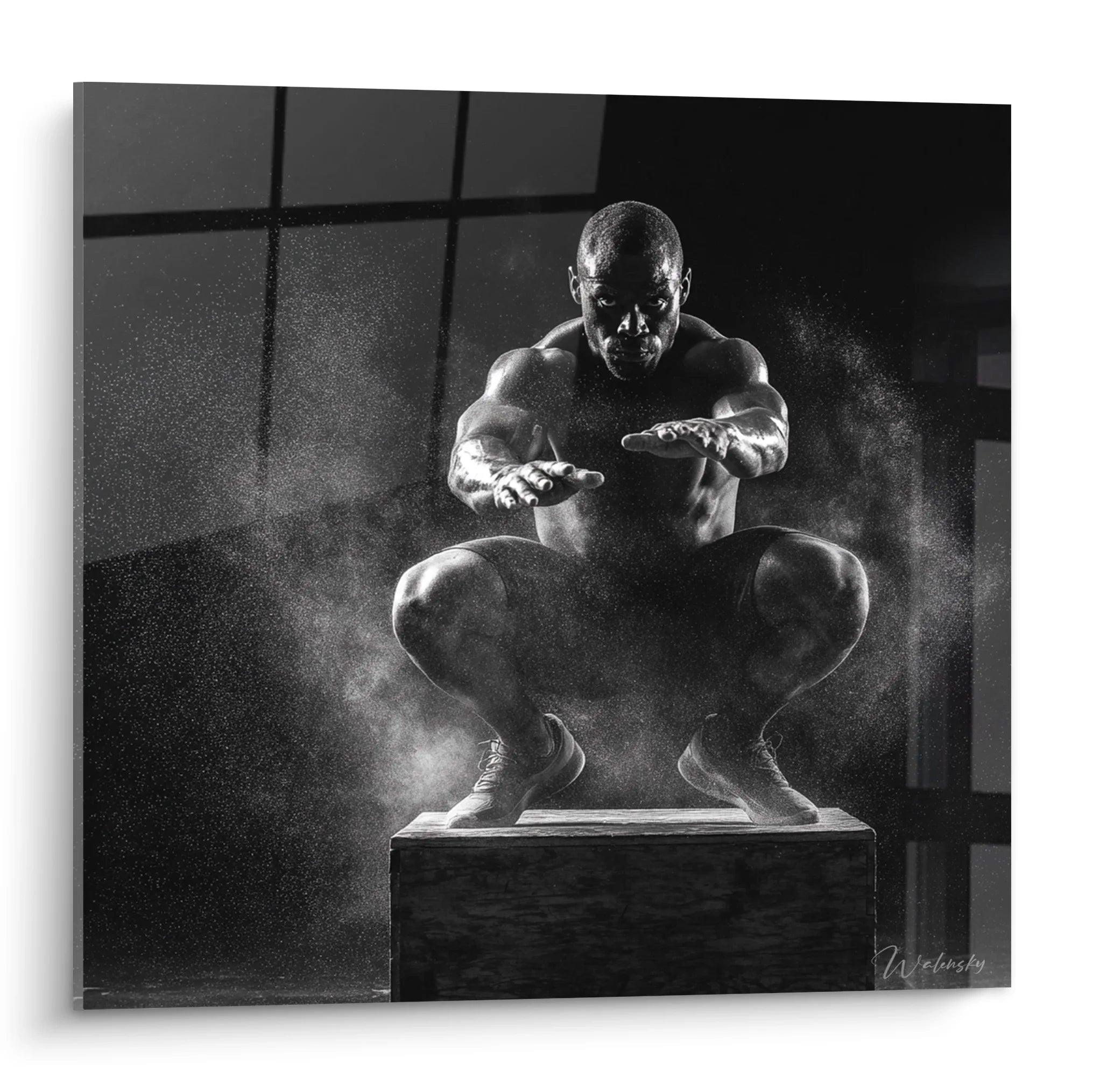
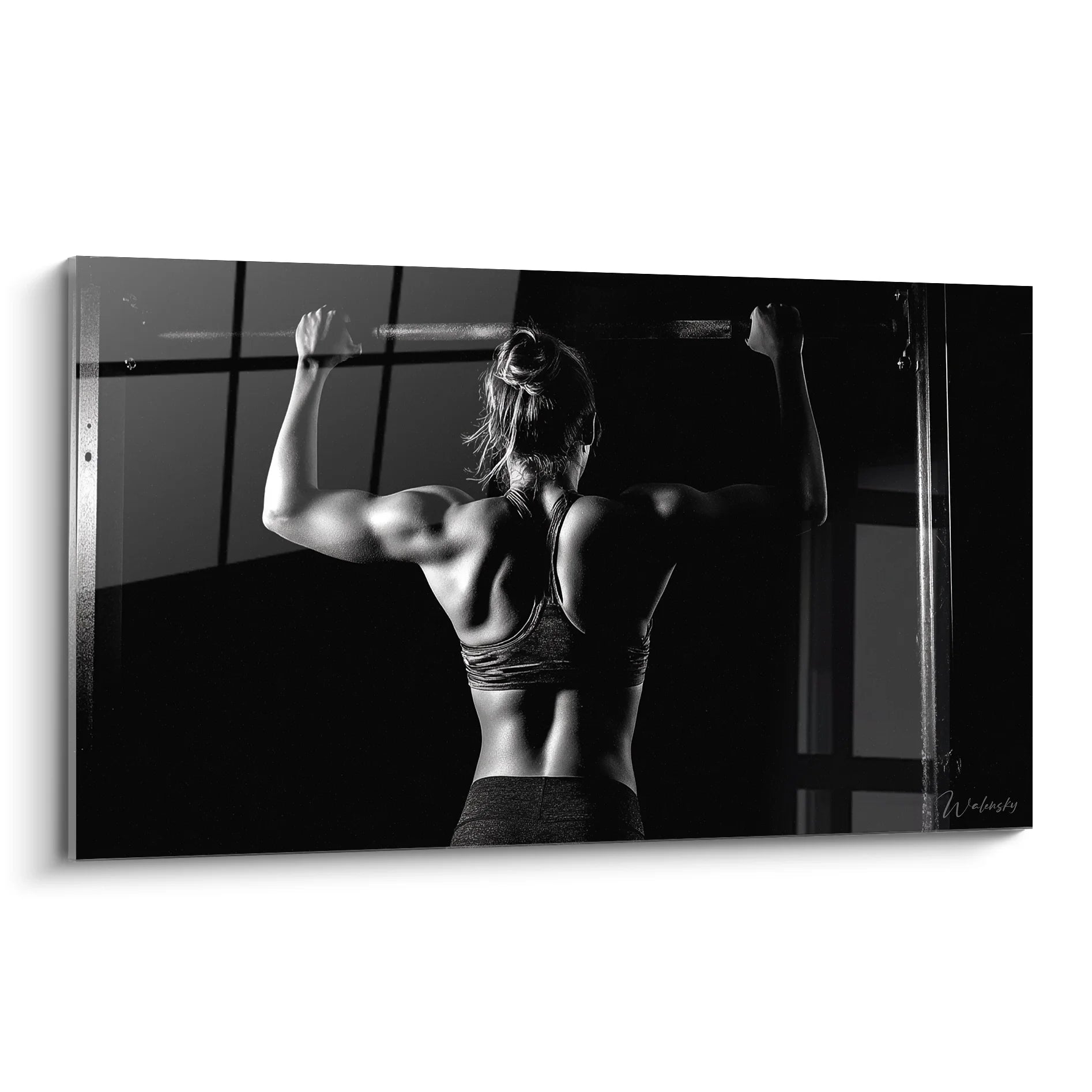
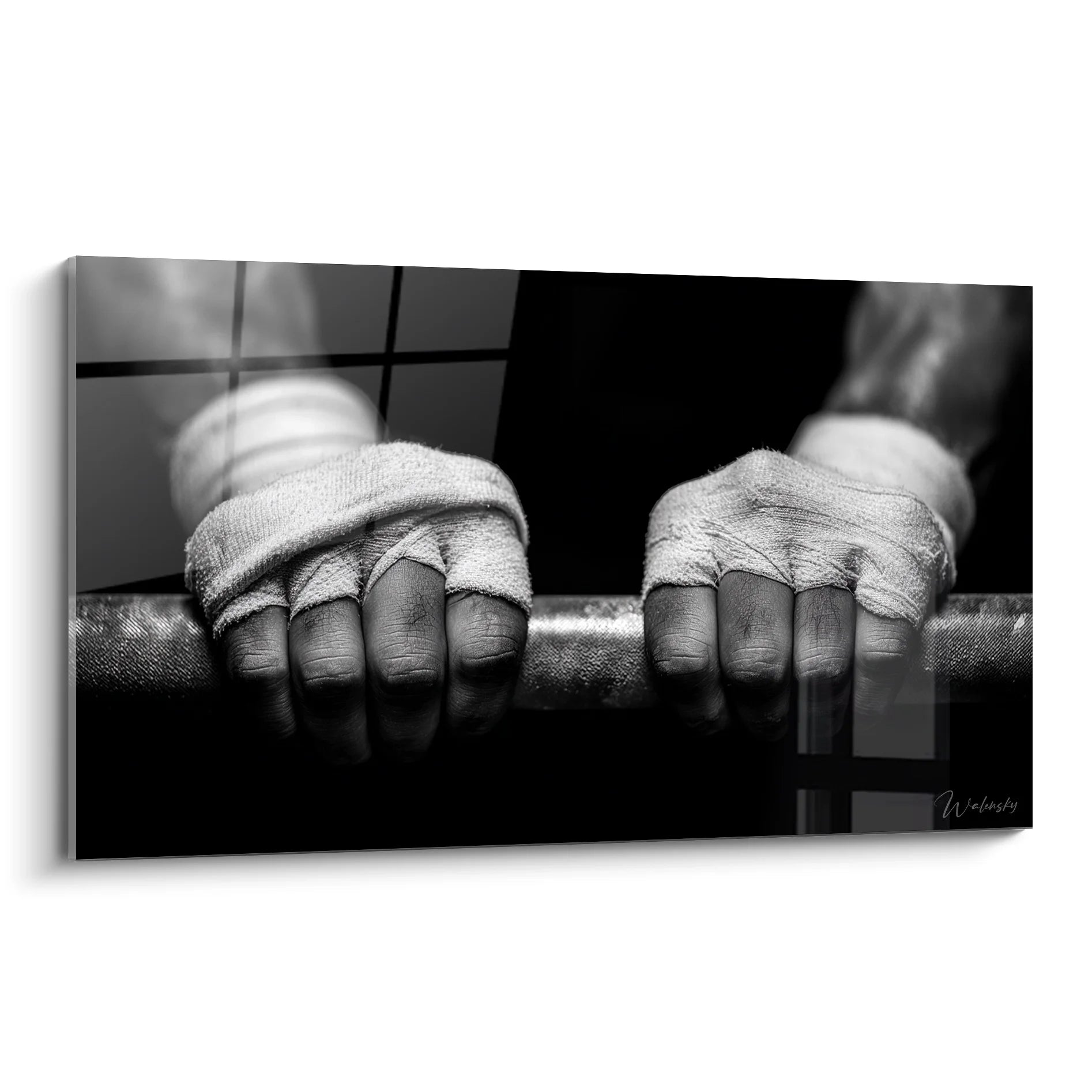
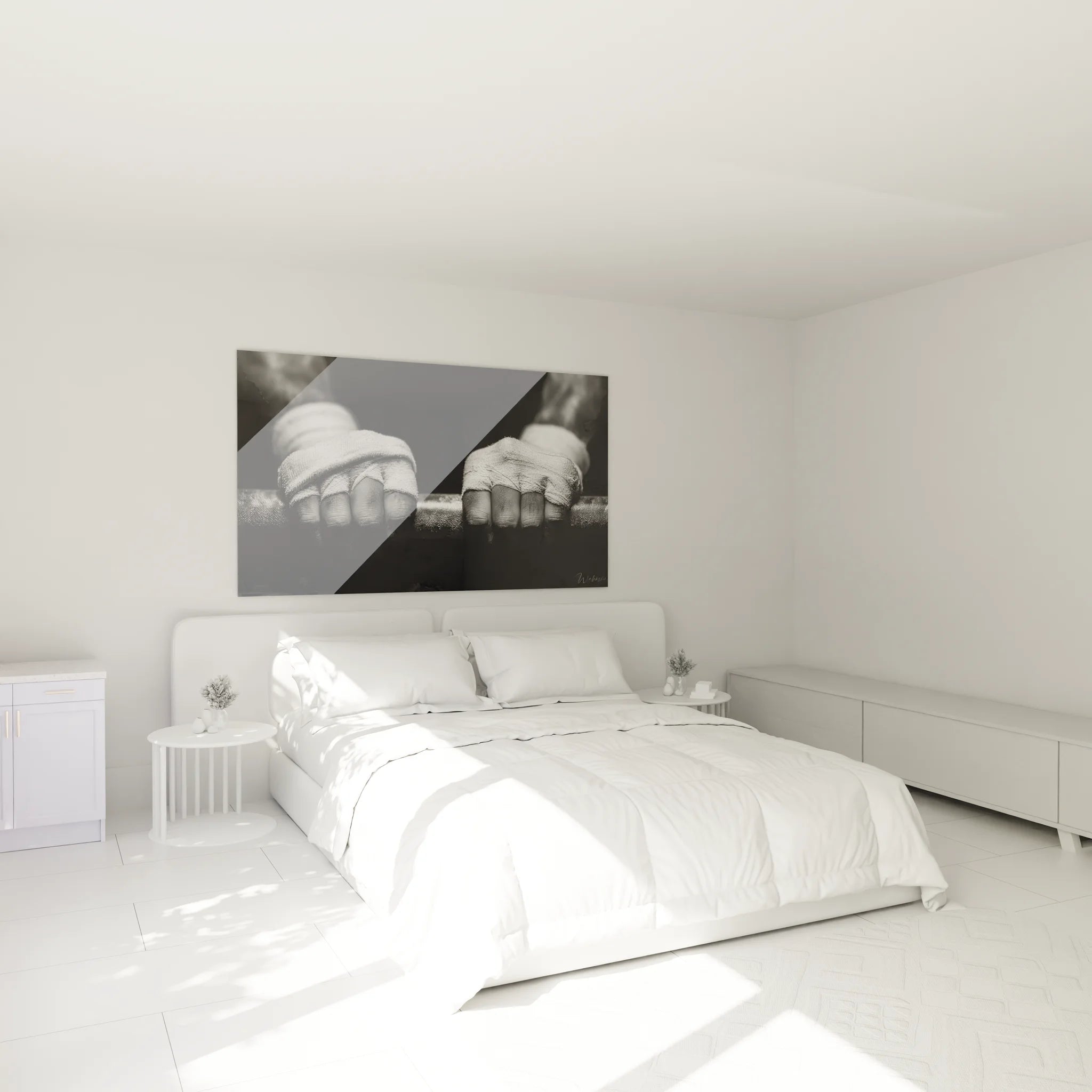
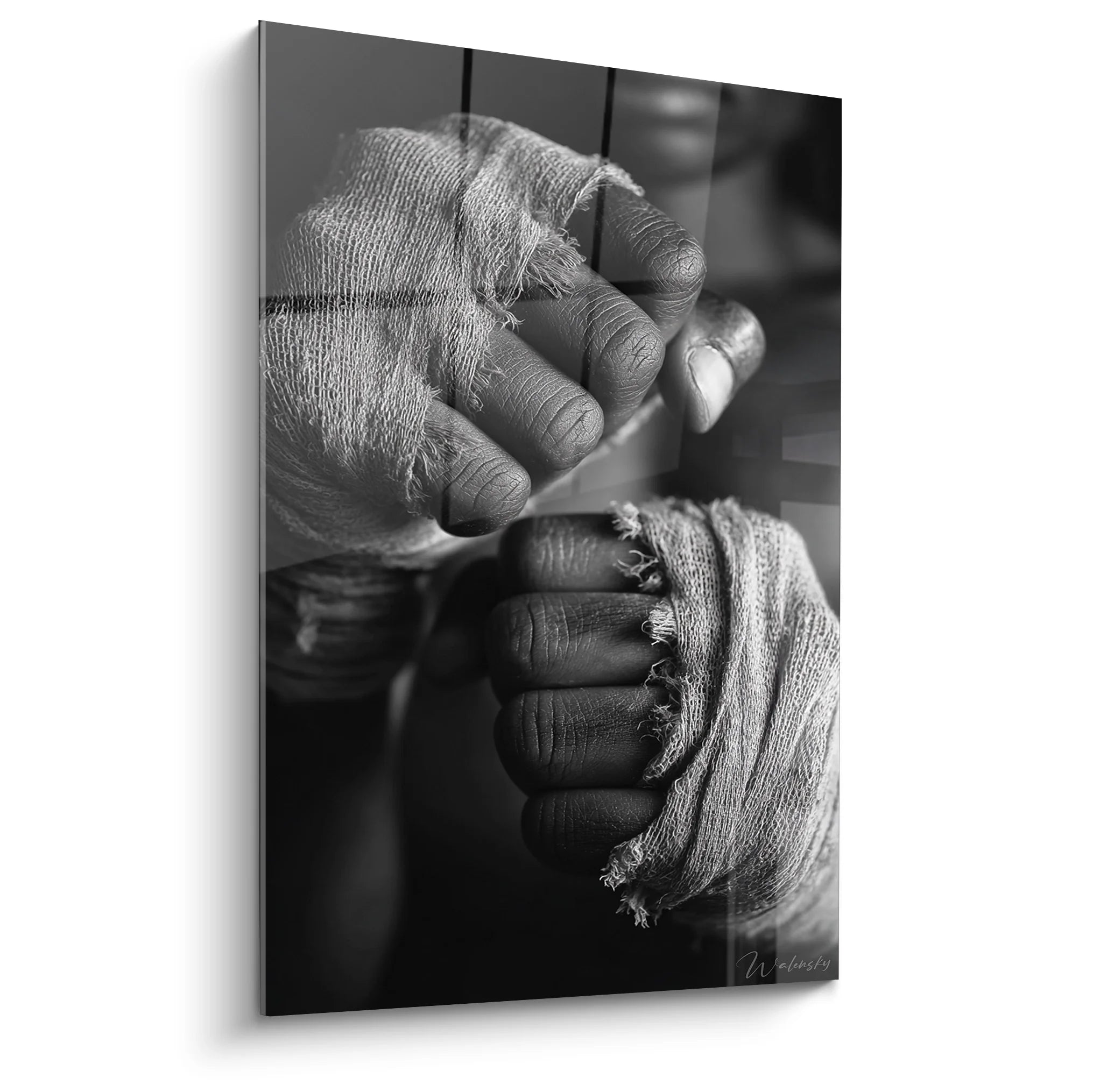
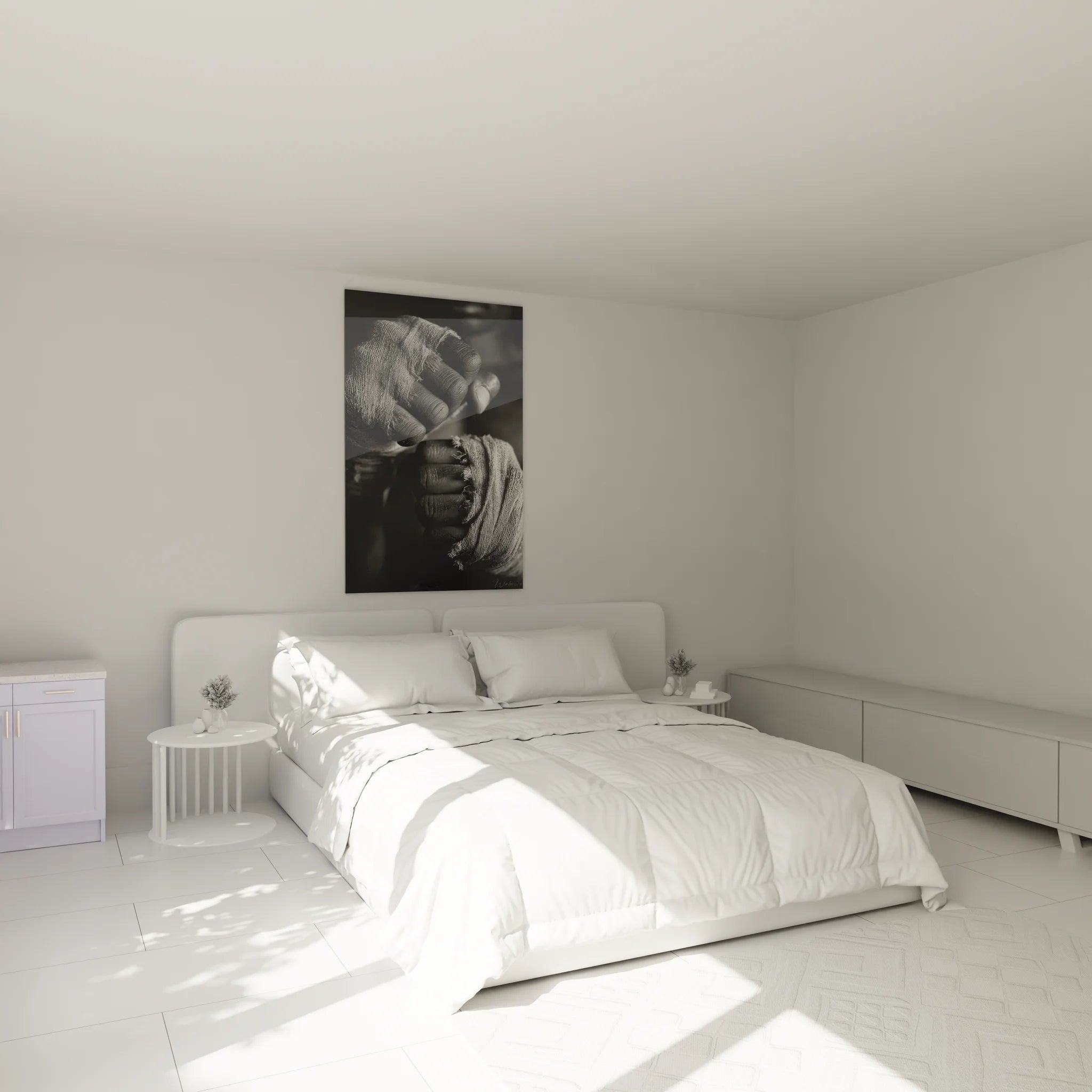
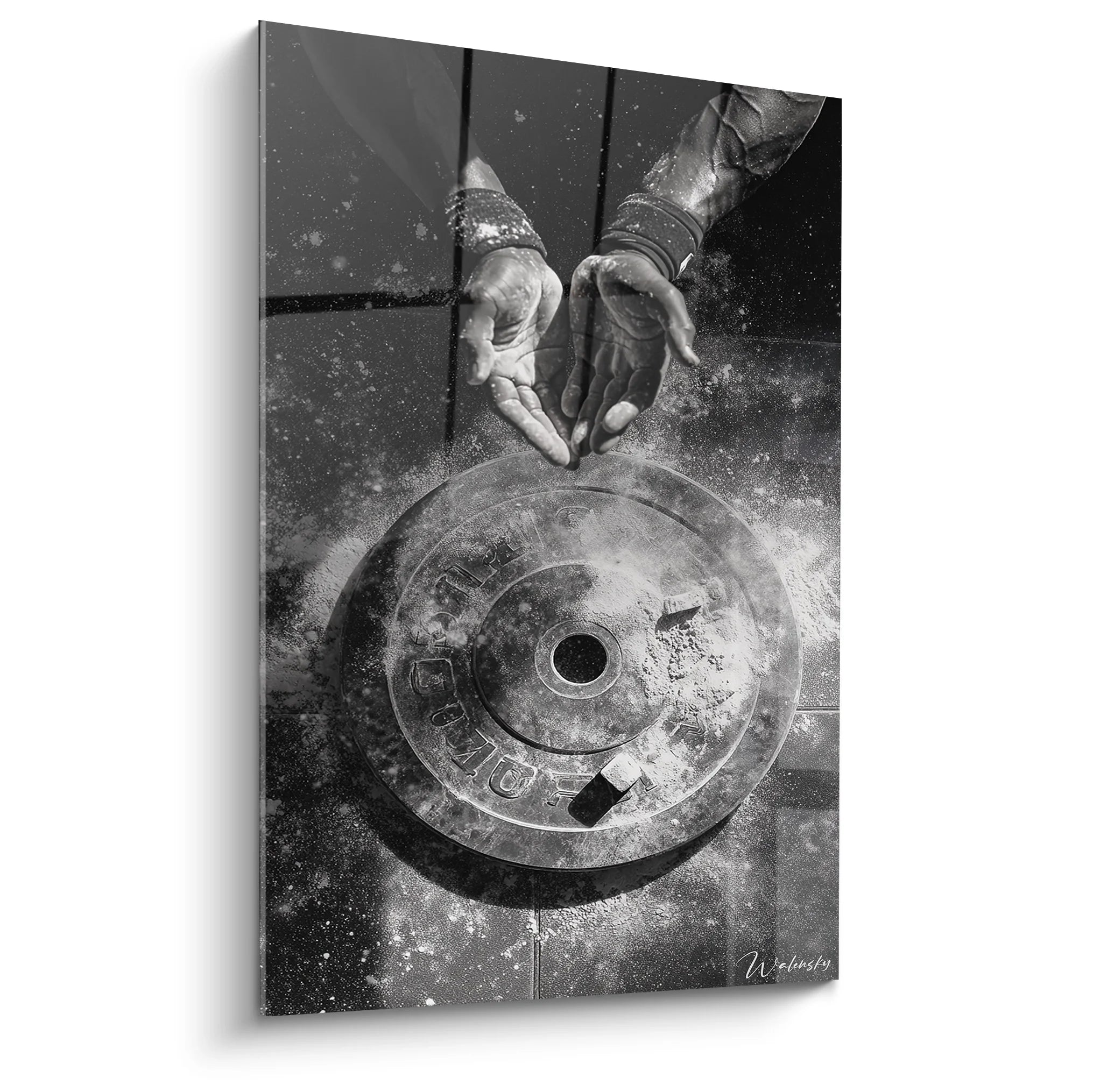
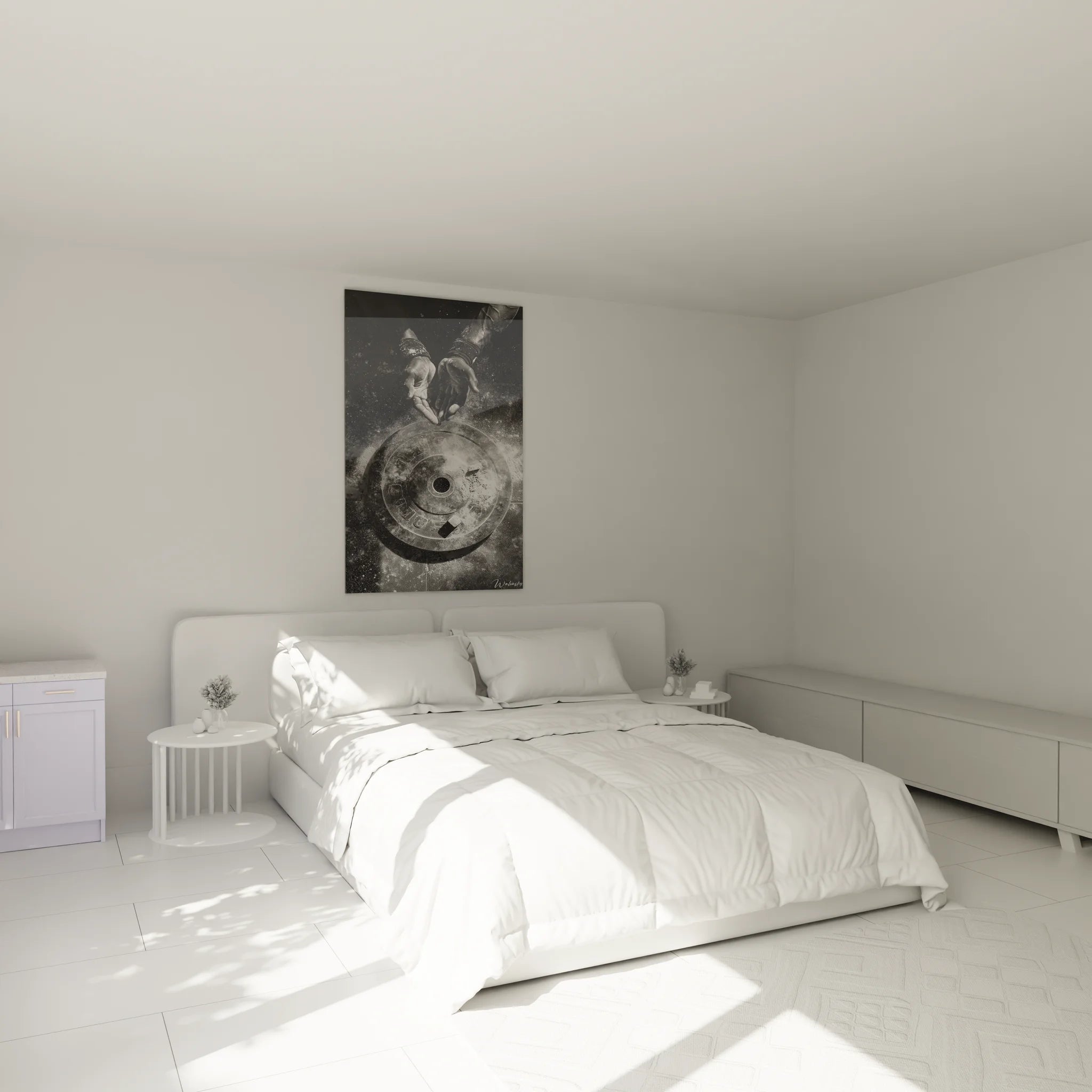
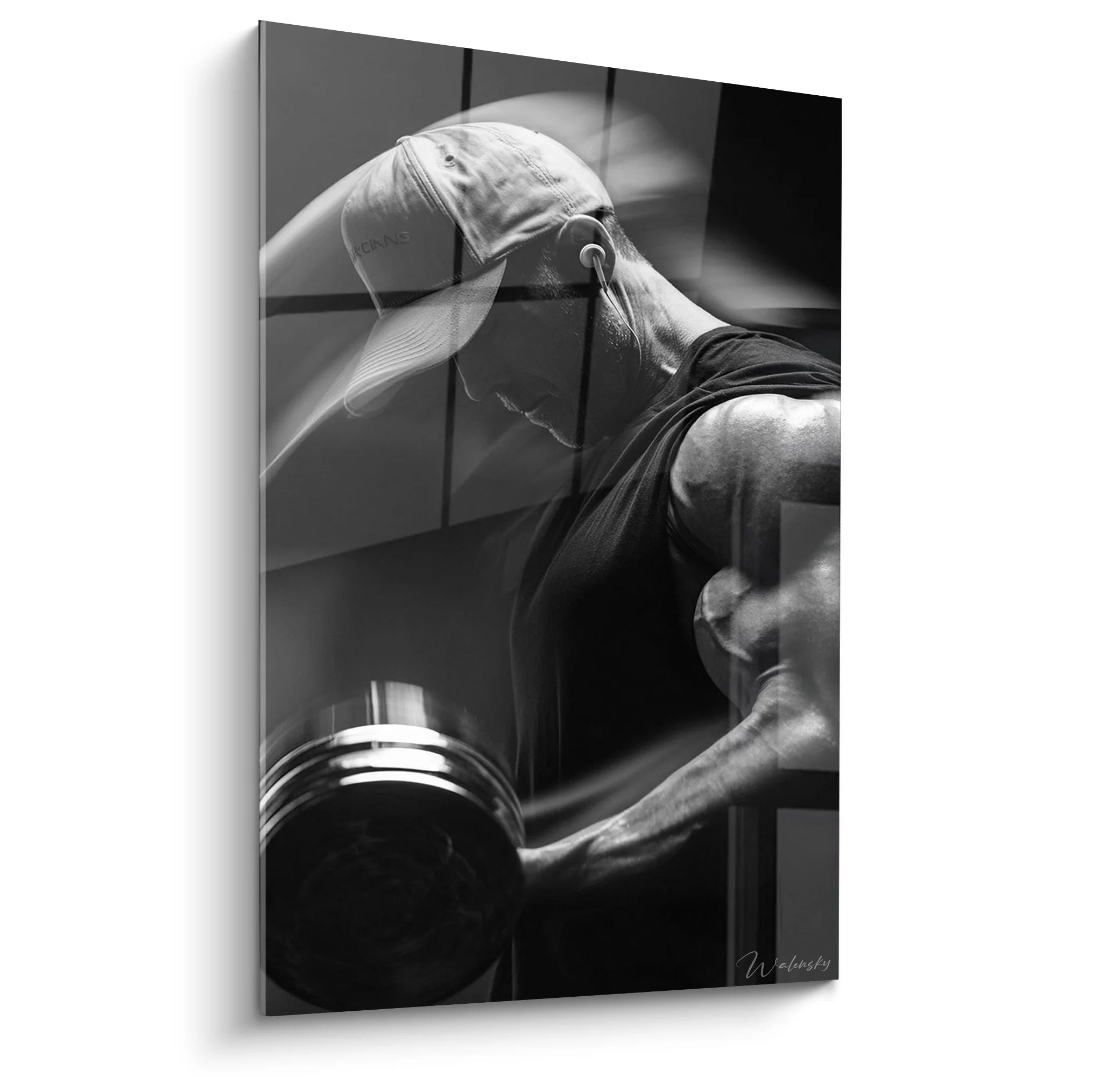
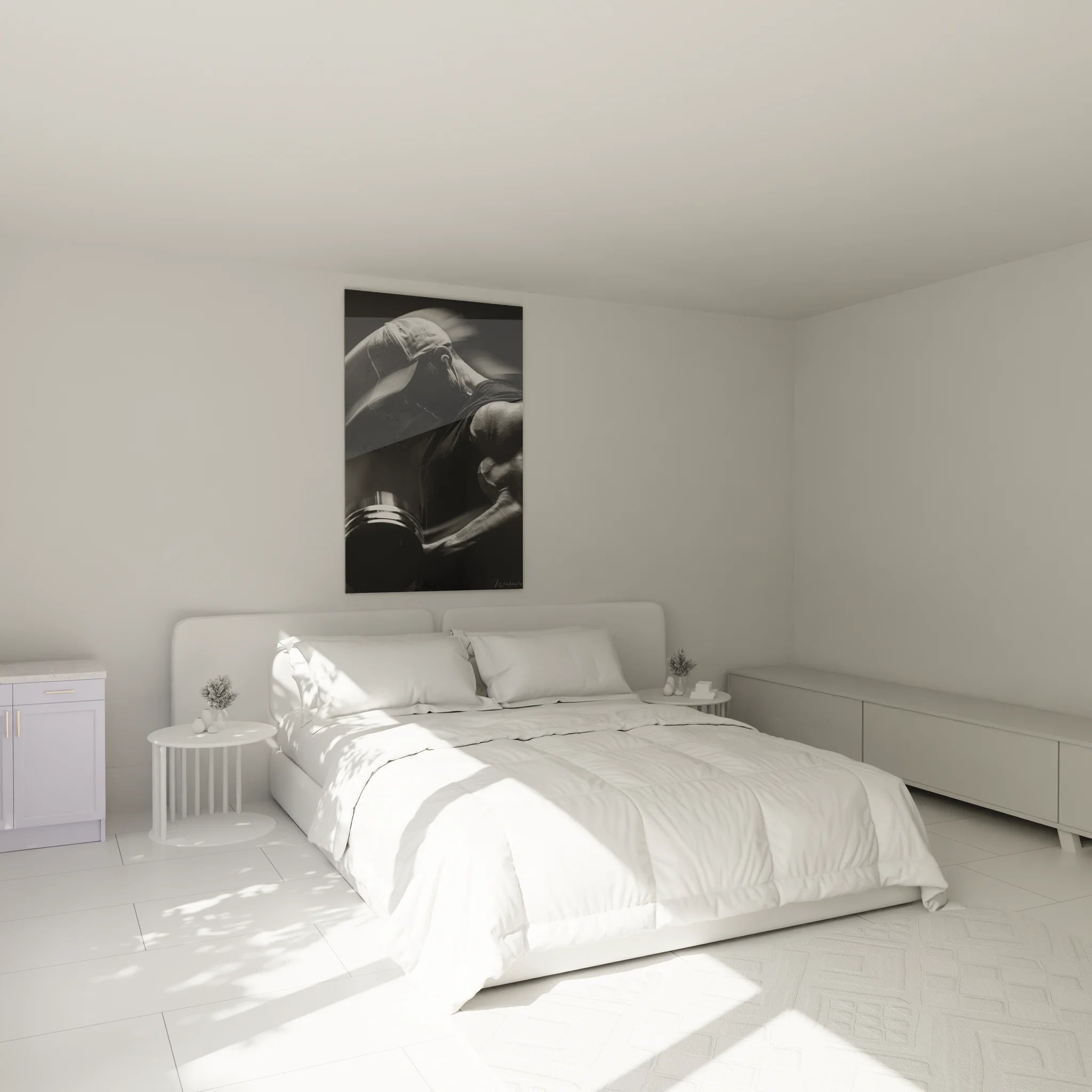
A fitness wall art piece radically transforms the atmosphere of a training space. These large-format wall artworks capture the essence of physical excellence, immortalizing the raw power of the sculpted body. Unlike conventional decorations, these visual representations create a direct connection between the athlete and their body transformation goals. Large-format fitness imagery generates total immersion in the bodybuilding universe, constantly reminding you why every rep counts.
Fitness Wall Art: The Art of Visual Motivation in Your Home Gym
A fitness wall art piece represents far more than simple wall decoration. In the demanding universe of fitness and bodybuilding, these large-format artworks act as genuine performance catalysts. Neuroscience demonstrates that repeated exposure to images of athletic bodies activates the same neural circuits as training itself, a phenomenon called motor visualization.
How does bodybuilding imagery influence your training intensity?
The psychological impact of a XXL fitness wall art on workout quality far exceeds aesthetic appeal. When facing a monumental representation of a sculpted physique during your squat or bench press sets, your brain unconsciously establishes a connection between your current effort and the visual result displayed. This neurovisual association strengthens determination during final reps, precisely when abandonment becomes tempting.
Experienced bodybuilders understand the importance of mental strength in progression. A visual environment saturated with performance imagery creates what coaches call a "permanent motivational anchor". Unlike generic inspirational phrases, fitness wall art communicates directly with your limbic system, generating immediate emotional responses that translate into measurable strength gains.
Which representations maximize the effect on concentration?
Artworks depicting maximum effort moments surpass static poses in terms of motivational impact. A deadlift scene in full execution or an instant captured during a clean and jerk generates particular resonance with the athlete-viewer. The brain mentally reproduces the observed movement, neurologically preparing muscles for action.
- Black and white representations emphasize muscle details and eliminate chromatic distractions
- XXL formats (120x70 cm minimum) create a visual presence impossible to ignore during exertion
- Low-angle perspectives amplify perception of power and physical dominance
- Captures of maximum intensity moments synchronize viewer energy with the image
Fitness wall art's role in athlete identity development
Decorating your personal training space with bodybuilding art constitutes a commitment declaration to discipline. This decorative choice affirms belonging to the fitness community and reinforces your athlete identity daily. Behavioral studies show that environments reflecting our aspirations positively influence our actions toward achieving those goals.
Investment in quality gym wall decoration also signals seriousness in practice. Athletes who meticulously arrange their home gym report superior consistency and steadier progression. The artwork becomes a silent witness to every session, creating a form of visual accountability to yourself.
For personal trainers receiving clients at home, these artworks instantly establish a professional atmosphere. They communicate expertise and passion before the session even begins, facilitating the trust relationship necessary for effective coaching. Discover our complete sports and leisure wall art collection to transform your space.
Fitness Wall Art Large Format: Durability Against Extreme Conditions
A home gym environment imposes unique constraints to which a fitness wall art piece must resist. Vibrations transmitted by machines, ambient humidity generated by intensive sweating, and accidental impact risks create a hostile context for any wall artwork. Understanding these challenges allows you to select appropriate finishes guaranteeing optimal longevity.
Why are premium finishes essential in a fitness space?
Intense training sessions generate particular atmospheric conditions. Rigorous exercise significantly elevates ambient humidity levels, creating a microclimate unfavorable to standard materials. Prints on acrylic glass or Dibond aluminum resist these hygrometric variations without warping or color alteration, unlike traditional supports that degrade quickly.
Vibrations constitute an often-overlooked factor. Every impact of weight on flooring, every treadmill operation transmits waves through walls. A poorly secured XXL fitness artwork or one created on fragile support risks falling or progressive cracking. High-density rigid supports absorb these repeated micro-shocks without compromising the structural integrity of the piece.
Sweat resistance: a decisive technical criterion
In an intensive training zone, sweat projections are inevitable. Acidic droplets progressively attack unprotected surfaces, creating permanent halos and degrading pigments. Acrylic glass finishes offer an impermeable surface easily cleanable, preserving the original brilliance of your gym wall decoration for years.
- Acrylic glass resists disinfectant products regularly used in fitness spaces
- Dibond aluminum withstands temperature variations between winter and summer training sessions
- Industrial fixings guarantee perfect stability despite vibrations from heavy equipment
- Smooth surfaces prevent dust accumulation and facilitate hygienic maintenance
What safety distance to maintain from equipment?
Positioning fitness wall art requires careful thought about potential impact trajectories. Areas near squat racks or bench press stations present risks during sudden load repositioning. A minimum security perimeter of 80 centimeters protects your investment while allowing optimal visibility from work stations.
Spaces above cardio machines constitute privileged locations. Treadmills or stationary bikes involve no external load movement, eliminating equipment projection risk. Additionally, these devices naturally orient your gaze forward, maximizing exposure time to the artwork during warm-up or active recovery phases.
The importance of XXL format in a sports environment
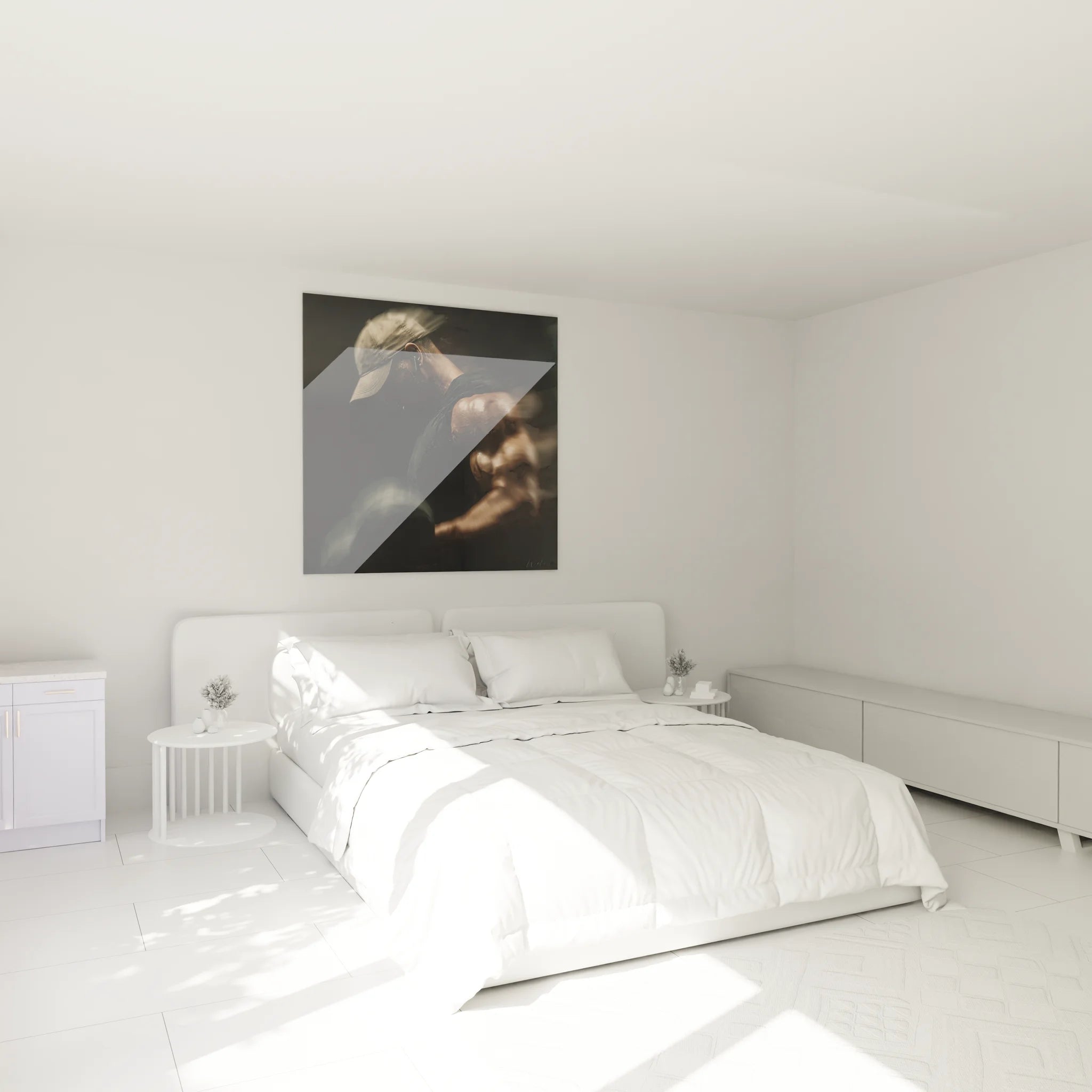
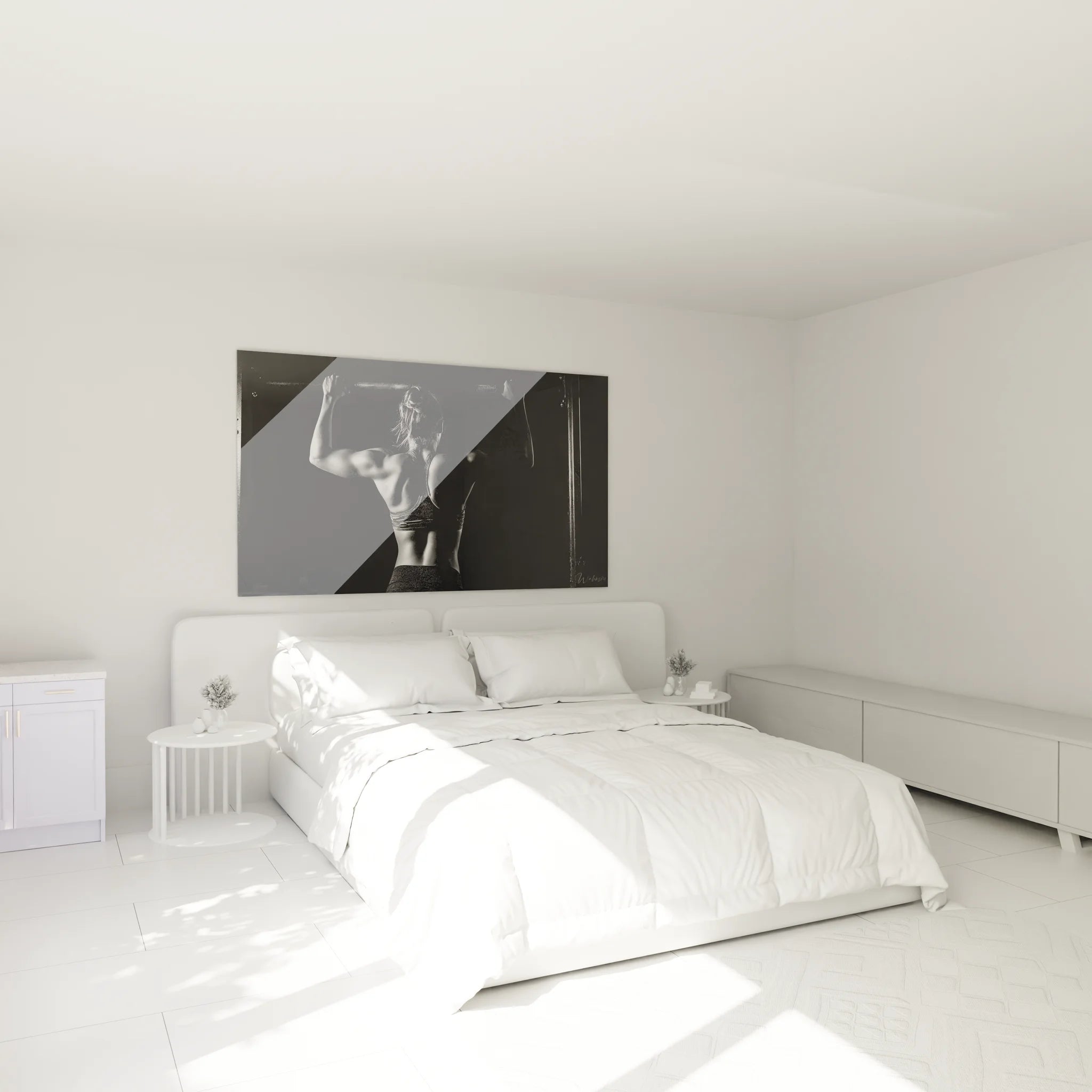
Generous dimensions (120x70 cm up to 240x140 cm) impose themselves in training spaces for practical and aesthetic reasons. Typical viewing distance in a home gym often exceeds three meters, making modest formats insignificant. Large-format gym wall art maintains its visual impact even from the opposite end of the room, during rest phases between sets.
Large format also creates coherence with massive equipment typical of these spaces. A weight rack or squat cage imposes considerable visual presence that a small frame cannot balance. XXL proportions establish harmonious dialogue between sports equipment and decoration, unifying everything within a cohesive aesthetic dedicated to physical performance.
Fitness Wall Art: Strategic Positioning According to Effort Zones
The placement of a fitness wall art piece directly influences its motivational effectiveness. Each zone of a home gym corresponds to specific effort types, with variable gaze orientations and exposure durations. Mastering these parameters allows you to optimize the psychological impact of fitness wall art on every training phase.
Facing the mirror or in opposition: which placement to prioritize?
Traditional fitness room configurations place mirrors facing work stations for technique control. Adding fitness wall art must accommodate this constraint. Two strategies oppose: lateral positioning, visible in the mirror through reflection, or direct opposition placement, facing the athlete during recovery periods.
The lateral solution transforms the mirror into a dynamic frame. During bicep curl or lateral raise execution, the practitioner simultaneously visualizes their own image and the inspiring artwork in the periphery. This superposition creates powerful visual connection between present effort and represented goal, reinforcing quality of each muscle contraction.
How to synchronize artwork with maximum intensity phases?
Compound exercises like squat, deadlift, or military press demand absolute concentration. Placing gym wall decoration directly in vision during these movements risks disrupting technique. The ideal location sits slightly above natural eye level, perceptible during mental preparation preceding each set without interfering with execution.
- Rack/cage zone: artwork at height, visible during bar loading and unloading
- Guided machine zone: frontal placement, where controlled movement allows secondary visual attention
- Stretching zone: artwork at eye level, favoring contemplation during prolonged stretches
- Cardio zone: optimal positioning facing equipment for continuous exposure
The gallery effect: multiplying focal points in large spaces
Spacious home gyms benefit from a multi-artwork approach creating coherent visual journey. Each piece marks a distinct functional zone, intuitively guiding athlete movement through space. This configuration transforms the training room into a true physical culture gallery, where each wall tells a different discipline facet.
Progressive series arrangement works particularly well. A first XXL fitness artwork representing warm-up welcomes at entrance. Following pieces illustrate increasing intensities, symbolically accompanying workout power elevation. This visual narrative unconsciously structures the workout, giving quasi-ritual dimension to every training session.
Adapt represented subject to zone function
Thematic coherence between image and exercise practiced amplifies motivational effect. Artwork representing developed latissimus naturally positions itself facing the pull-down station. A powerlifting competition scene imposes itself near the squat rack. This visual correspondence creates mental associations reinforcing commitment in each specific movement.
Recovery zones merit different approach. More contemplative representations, celebrating the physique at rest or final result rather than effort, favor necessary relaxation between sets. This contrast between intensity zones and recovery spaces optimizes nervous system management throughout the session.
Where to place fitness wall art in a small home gym?
In restricted space, prioritize the wall facing your main equipment. Vertical format saves wall surface while maintaining significant visual impact. The zone above your multipurpose workstation offers constant visibility without clutter.
Is fitness wall art suitable for professional sports facilities?
Commercial fitness gyms frequently use large-format wall art to create distinctive atmosphere. XXL formats resist intensive collective use conditions and reinforce establishment visual identity while motivating clientele.
What fitness wall art theme to choose for a combined cardio-strength space?
Complete athlete representations combining power and endurance suit multipurpose spaces perfectly. CrossFit or functional training scenes illustrate this versatility, inspiring both cardio sessions and strength training phases equally.