


Other Animals
Our Other Animals Wall Art collection invites you to discover the extraordinary richness of the animal kingdom through varied artistic works. These paintings highlight the fascinating diversity, unique behaviors, and singular beauty of lesser-represented yet equally captivating species. From marine mammals to exotic birds, passing through reptiles and insects, each artistic creation captures the essence of a creature in its natural habitat. These works bring originality and celebration of biodiversity to your interior space, while testifying to a sensitivity for the wonder that the animal world inspires in all its splendor.
 Ibex N°1 - Animals Collection273,90 €
 Lizards Masters of the Rock Painting - Lizard Edition242,90 €
 Rabbit Moonlight Glow Painting - Rabbit Edition228,90 €
 Wild Boar Artwork No. 2 - Animals Edition242,90 €
 Ostrich Painting No. 2 - Animals Edition242,90 €
 Albatross Painting No.1 - Animals Edition273,90 €
 Meerkat Painting No. 1 - Animals Edition273,90 €
 Scorpion Painting No. 1 - Animals Edition273,90 €
 Sardine Painting N°1 - Animals Edition273,90 €
 Wild Boar Painting N°1 - Animals Edition273,90 €
 Salamander Wall Art No. 1 - Animals Collection273,90 €
 Chicken Wall Art No. 1 - Animals Edition273,90 €
 Marmot Wall Art No. 2 - Animals Edition273,90 €
 Marmot Painting No. 1 - Animals Edition273,90 €
 Impala Painting No.1 - Animals Edition273,90 €
 Lobster Wall Art N°1 - Animals Collection273,90 €
 Hippopotamus Artwork No. 2 - Animal Edition273,90 €
 Hippopotamus Wall Art No. 1 - Animals Collection273,90 €
 Crab Painting No.1 - Animal Edition273,90 €
 Chimpanzee Painting No. 2 - Animals Edition273,90 €
 Chimpanzee Painting N°1 - Animals Edition273,90 €
 Chamois Painting N°1 - Animals Edition273,90 €
 Ostrich Painting N°1 - Animals Edition273,90 €
 Llama Painting N°1 - Animals Edition273,90 €
In the same family
Also explore the theme Animals
-
 View all10974
artworks
View all10974
artworks
-
 Bee54
artworks
Bee54
artworks
-
 Eagle18
artworks
Eagle18
artworks
-
 Alpaga111
artworks
Alpaga111
artworks
-
 Donkey15
artworks
Donkey15
artworks
-
 Savannah Wildlife94
artworks
Savannah Wildlife94
artworks
-
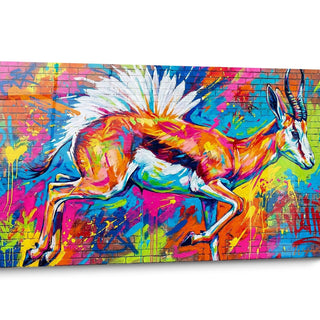 Antelope5
artworks
Antelope5
artworks
-
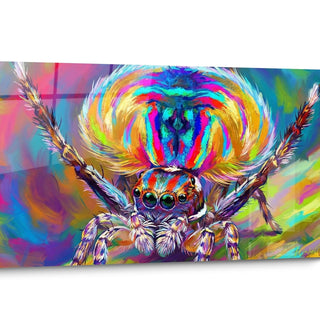 Spider8
artworks
Spider8
artworks
-
 Ostrich75
artworks
Ostrich75
artworks
-
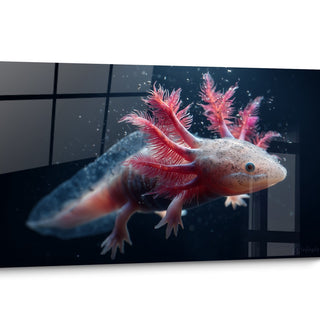 Axolotl47
artworks
Axolotl47
artworks
-
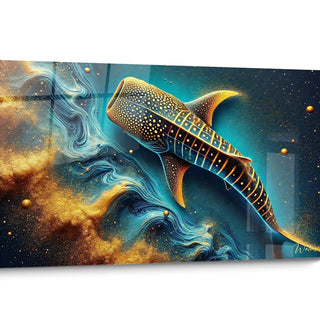 Whale89
artworks
Whale89
artworks
-
 Barracuda61
artworks
Barracuda61
artworks
-
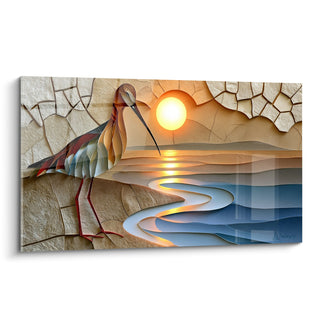 Bécasse32
artworks
Bécasse32
artworks
-
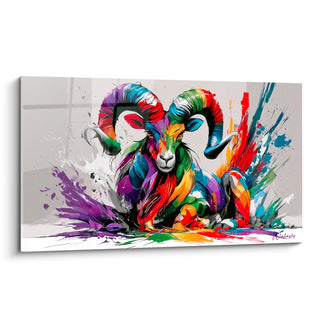 Ram315
artworks
Ram315
artworks
-
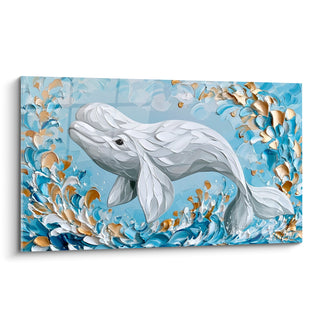 Beluga169
artworks
Beluga169
artworks
-
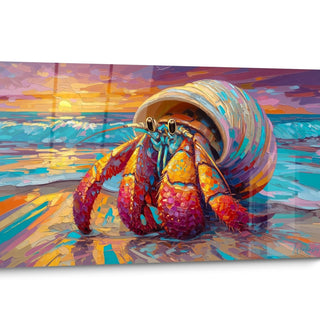 Hermit-Crab12
artworks
Hermit-Crab12
artworks
-
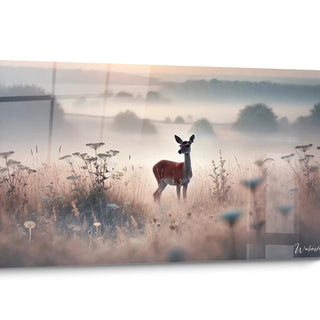 Doe10
artworks
Doe10
artworks
-
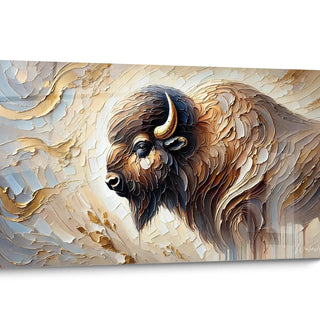 Bison8
artworks
Bison8
artworks
-
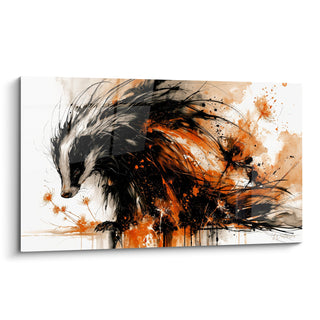 Blaireau59
artworks
Blaireau59
artworks
-
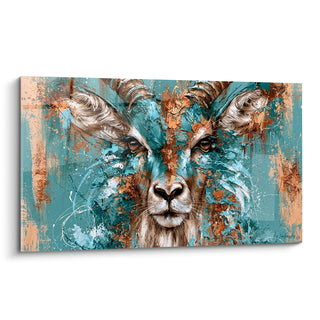 Bouquetin32
artworks
Bouquetin32
artworks
-
 Buffalo91
artworks
Buffalo91
artworks
-
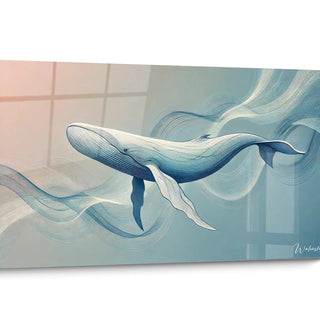 Sperm Whale8
artworks
Sperm Whale8
artworks
-
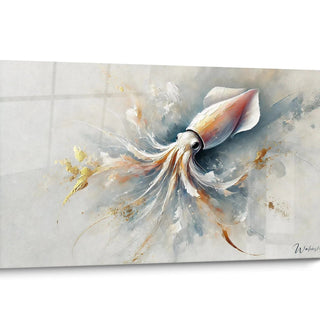 Giant Squid6
artworks
Giant Squid6
artworks
-
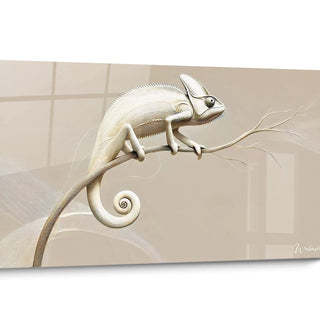 Chameleon20
artworks
Chameleon20
artworks
-
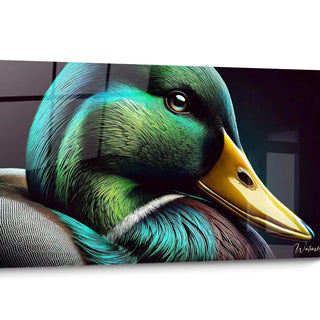 Duck352
artworks
Duck352
artworks
-
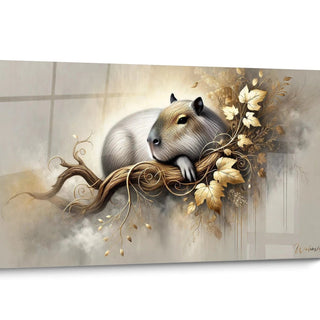 Capybara3
artworks
Capybara3
artworks
-
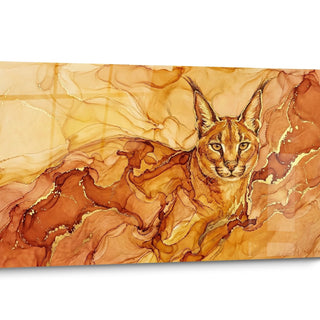 Caracal15
artworks
Caracal15
artworks
-
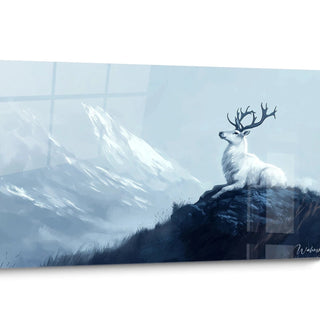 Caribou4
artworks
Caribou4
artworks
-
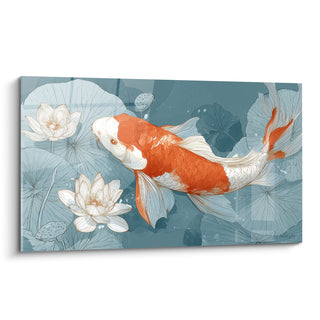 Koi Carp130
artworks
Koi Carp130
artworks
-
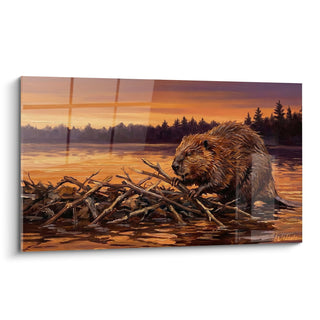 Beaver9
artworks
Beaver9
artworks
-
 Deer26
artworks
Deer26
artworks
-
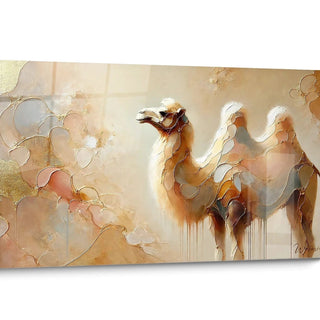 Camel3
artworks
Camel3
artworks
-
 Cat1218
artworks
Cat1218
artworks
-
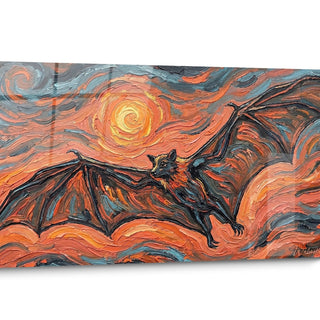 Bat10
artworks
Bat10
artworks
-
 Horse73
artworks
Horse73
artworks
-
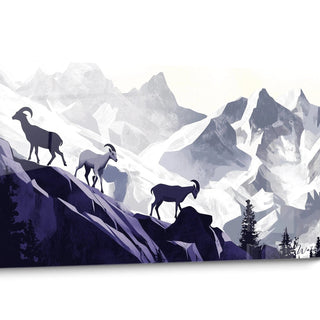 Mountain Goat3
artworks
Mountain Goat3
artworks
-
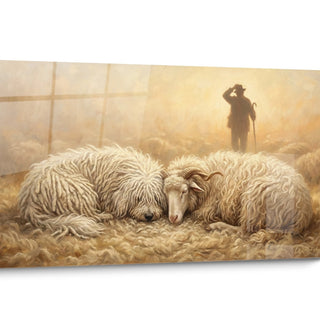 Dog3055
artworks
Dog3055
artworks
-
 Chimpanzee12
artworks
Chimpanzee12
artworks
-
 Owl19
artworks
Owl19
artworks
-
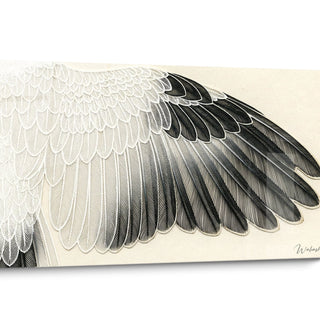 Stork16
artworks
Stork16
artworks
-
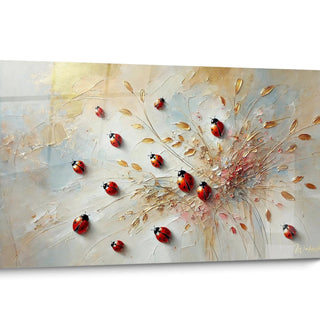 Ladybug7
artworks
Ladybug7
artworks
-
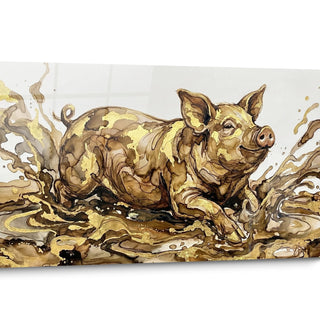 Pig8
artworks
Pig8
artworks
-
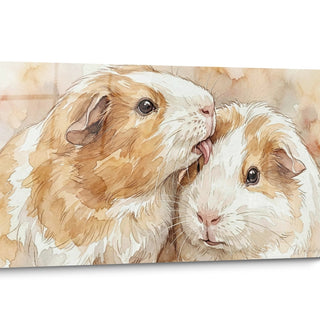 Guinea Pig13
artworks
Guinea Pig13
artworks
-
 Hummingbird23
artworks
Hummingbird23
artworks
-
 Colombe90
artworks
Colombe90
artworks
-
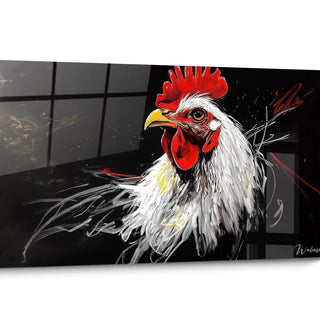 Rooster9
artworks
Rooster9
artworks
-
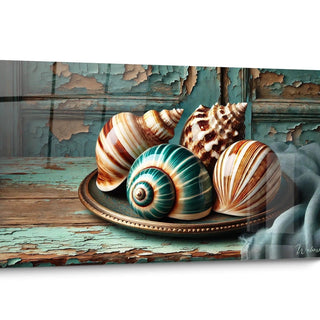 Seashell6
artworks
Seashell6
artworks
-
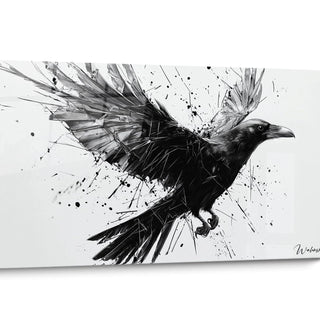 Raven9
artworks
Raven9
artworks
-
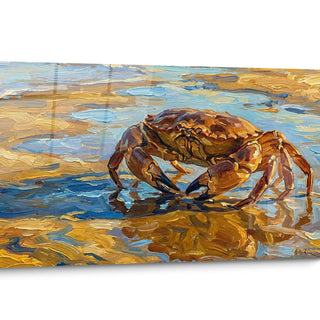 Crab5
artworks
Crab5
artworks
-
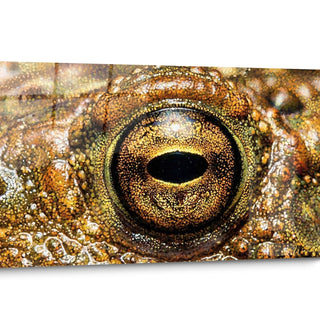 Toad8
artworks
Toad8
artworks
-
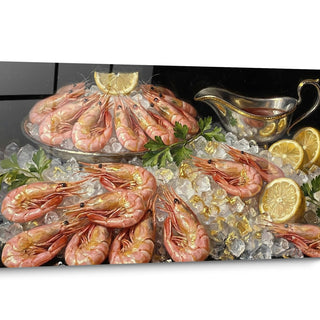 Shrimp5
artworks
Shrimp5
artworks
-
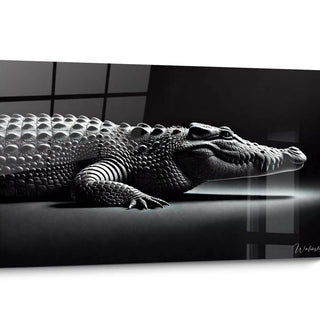 Crocodile4
artworks
Crocodile4
artworks
-
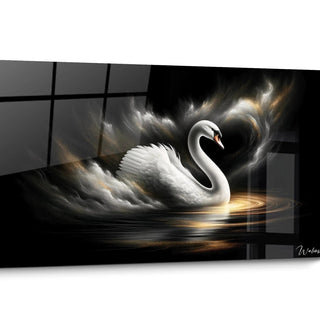 Swan189
artworks
Swan189
artworks
-
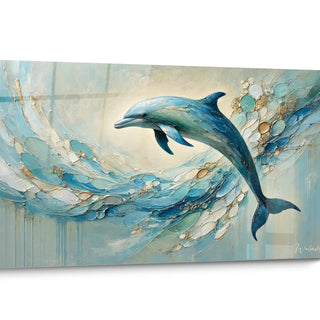 Dolphin11
artworks
Dolphin11
artworks
-
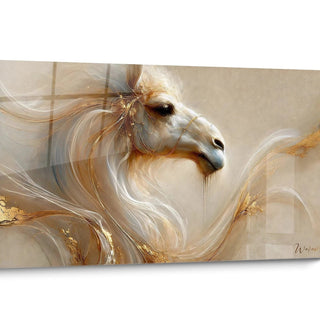 Dromedary4
artworks
Dromedary4
artworks
-
 Squirrel15
artworks
Squirrel15
artworks
-
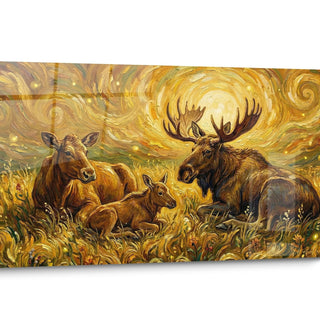 Elan13
artworks
Elan13
artworks
-
 Elephant80
artworks
Elephant80
artworks
-
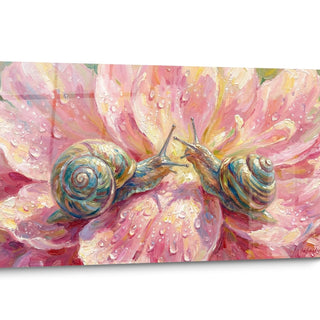 Snail11
artworks
Snail11
artworks
-
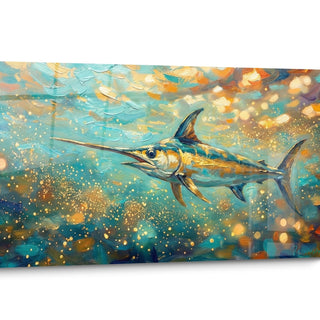 Swordfish4
artworks
Swordfish4
artworks
-
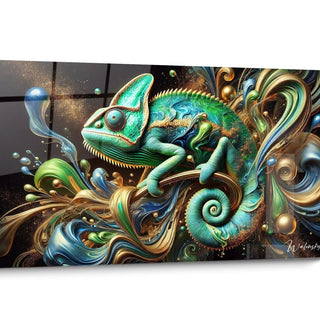 Wild Essence25
artworks
Wild Essence25
artworks
-
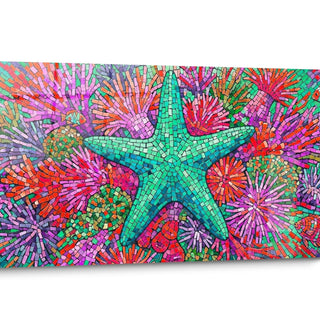 Starfish19
artworks
Starfish19
artworks
-
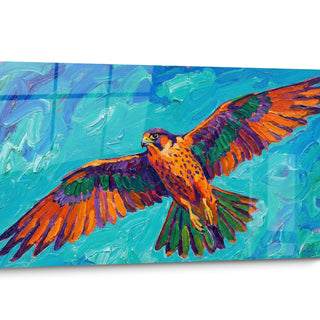 Falcon16
artworks
Falcon16
artworks
-
 Fennec256
artworks
Fennec256
artworks
-
 Pink Flamingo30
artworks
Pink Flamingo30
artworks
-
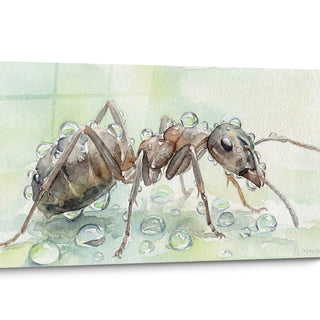 Ant19
artworks
Ant19
artworks
-
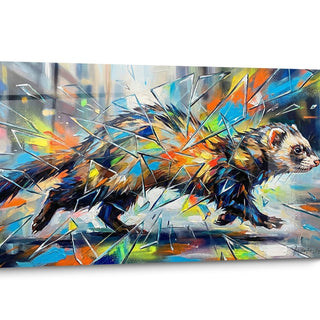 Ferret17
artworks
Ferret17
artworks
-
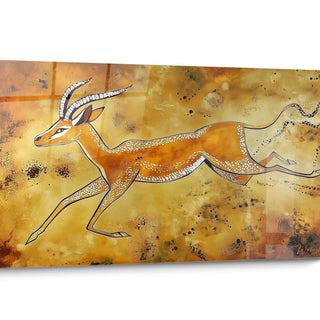 Gazelle4
artworks
Gazelle4
artworks
-
 Giraffe183
artworks
Giraffe183
artworks
-
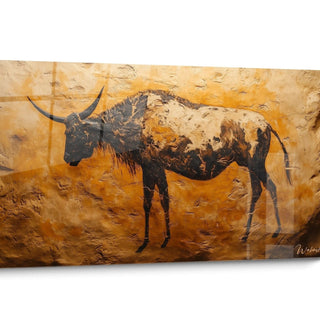 Wildebeest3
artworks
Wildebeest3
artworks
-
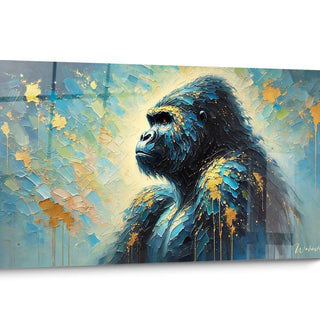 Gorilla15
artworks
Gorilla15
artworks
-
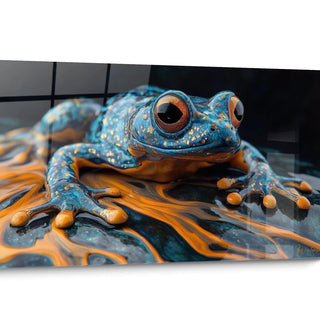 Frog65
artworks
Frog65
artworks
-
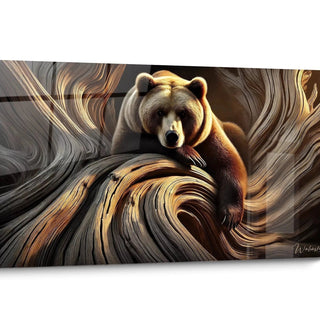 Grizzly3
artworks
Grizzly3
artworks
-
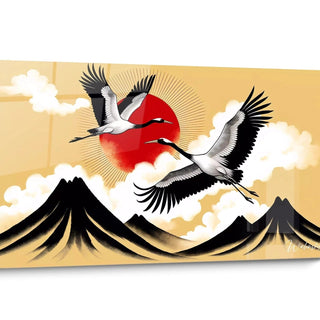 Crane10
artworks
Crane10
artworks
-
 Cheetah147
artworks
Cheetah147
artworks
-
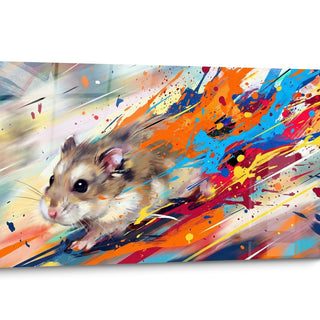 Hamster17
artworks
Hamster17
artworks
-
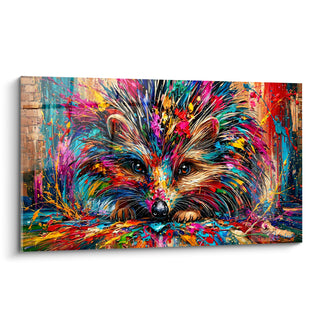 Hedgehog64
artworks
Hedgehog64
artworks
-
 Heron37
artworks
Heron37
artworks
-
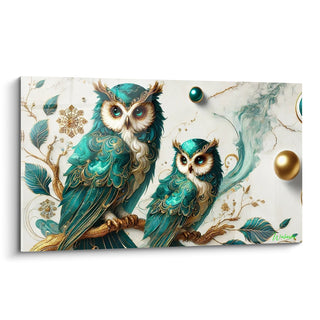 Owl42
artworks
Owl42
artworks
-
 Seahorse34
artworks
Seahorse34
artworks
-
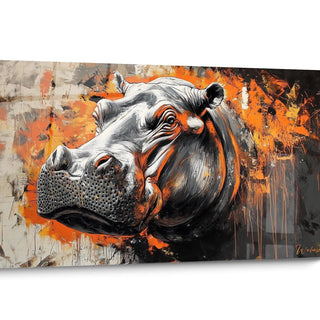 Hippopotamus4
artworks
Hippopotamus4
artworks
-
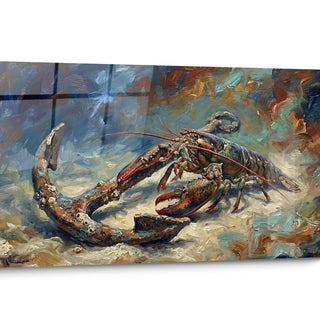 Lobster8
artworks
Lobster8
artworks
-
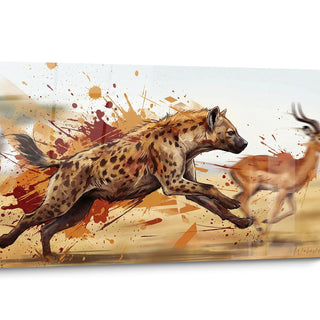 Hyena14
artworks
Hyena14
artworks
-
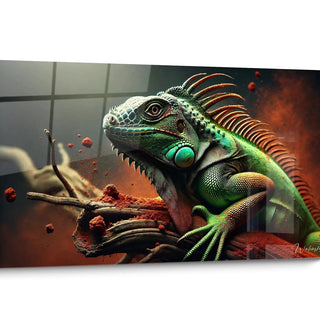 Iguana6
artworks
Iguana6
artworks
-
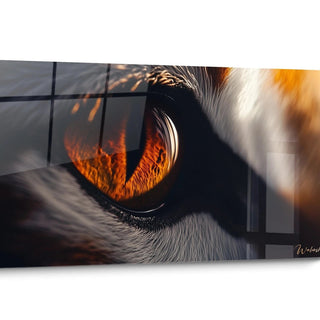 Animal Eye6
artworks
Animal Eye6
artworks
-
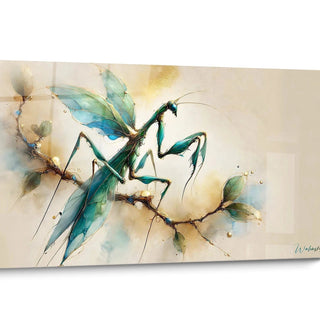 Insect5
artworks
Insect5
artworks
-
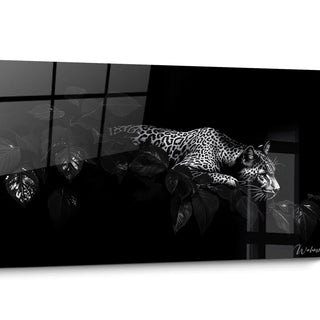 Jaguar6
artworks
Jaguar6
artworks
-
 Kangaroo100
artworks
Kangaroo100
artworks
-
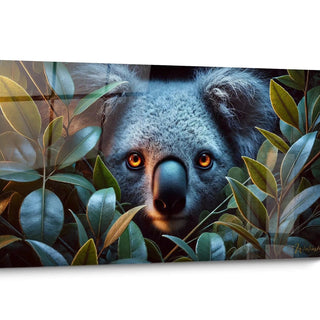 Koala18
artworks
Koala18
artworks
-
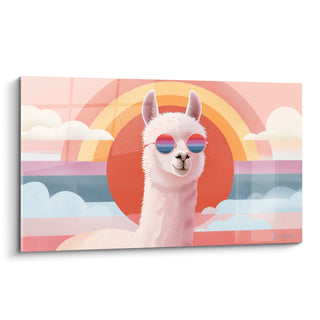 Llama107
artworks
Llama107
artworks
-
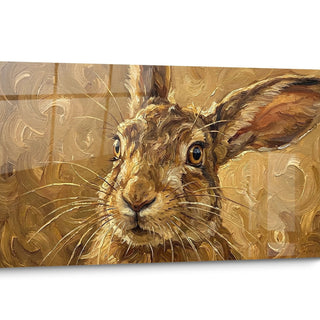 Rabbit15
artworks
Rabbit15
artworks
-
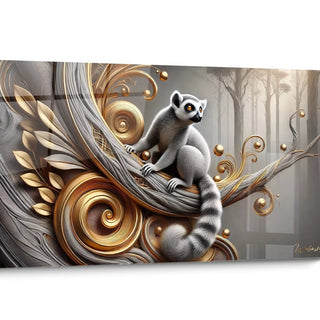 Lemur3
artworks
Lemur3
artworks
-
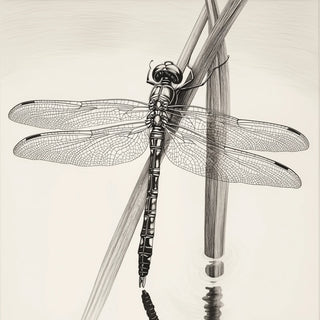 Dragonfly4
artworks
Dragonfly4
artworks
-
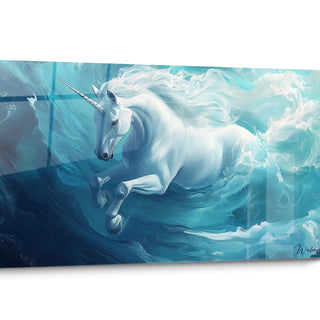 Unicorn62
artworks
Unicorn62
artworks
-
 Lion193
artworks
Lion193
artworks
-
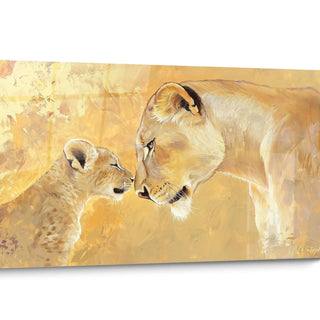 Lion Cub4
artworks
Lion Cub4
artworks
-
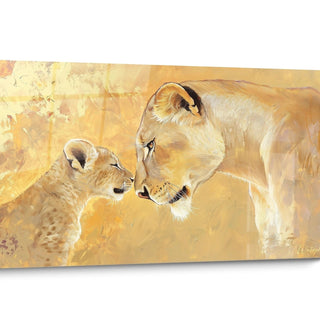 Lioness6
artworks
Lioness6
artworks
-
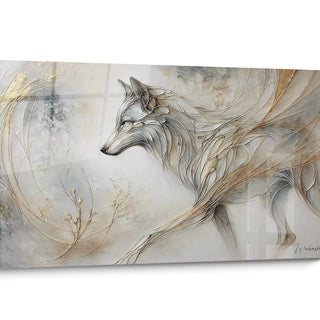 Wolf13
artworks
Wolf13
artworks
-
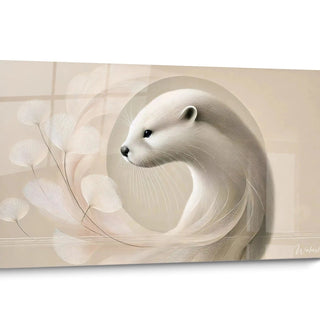 Otter6
artworks
Otter6
artworks
-
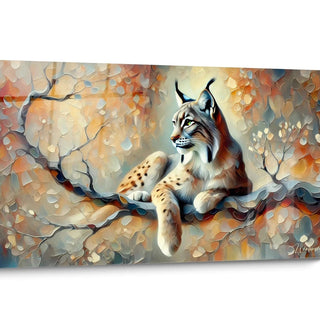 Lynx7
artworks
Lynx7
artworks
-
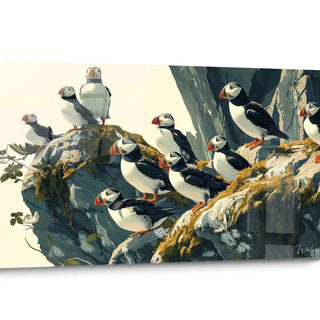 Puffin2
artworks
Puffin2
artworks
-
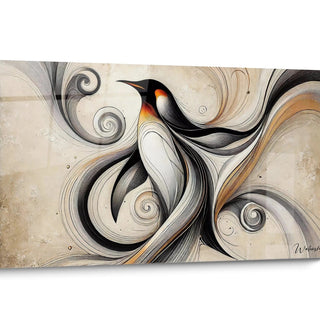 Penguin10
artworks
Penguin10
artworks
-
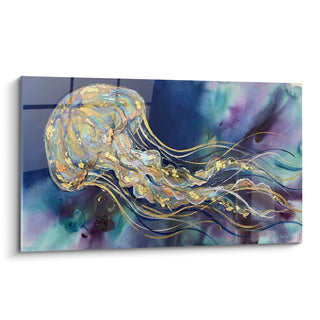 Jellyfish17
artworks
Jellyfish17
artworks
-
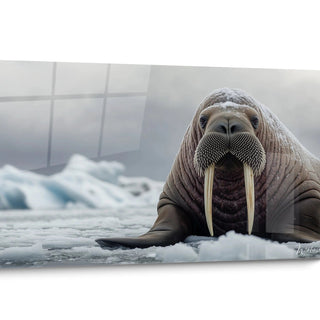 Morse3
artworks
Morse3
artworks
-
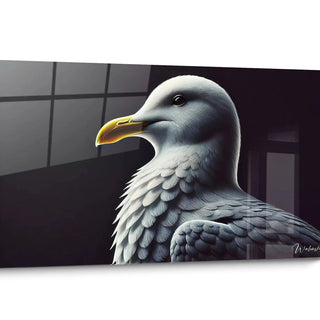 Seagull4
artworks
Seagull4
artworks
-
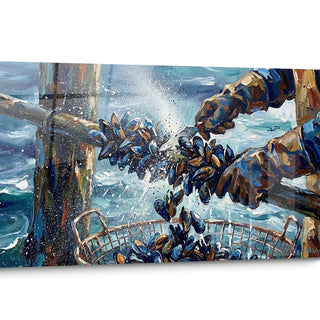 Mold14
artworks
Mold14
artworks
-
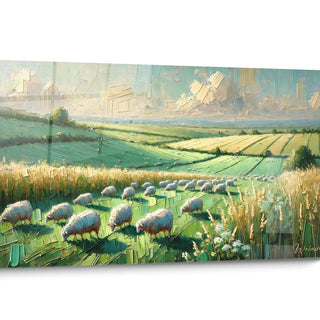 Sheep6
artworks
Sheep6
artworks
-
 Narwhal66
artworks
Narwhal66
artworks
-
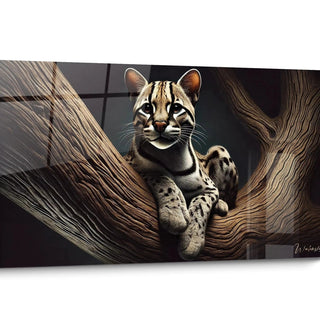 Ocelot3
artworks
Ocelot3
artworks
-
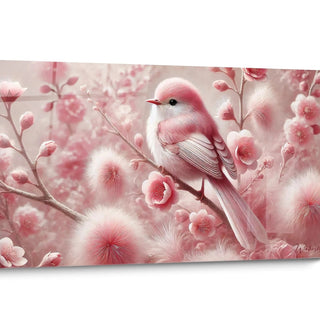 Birds15
artworks
Birds15
artworks
-
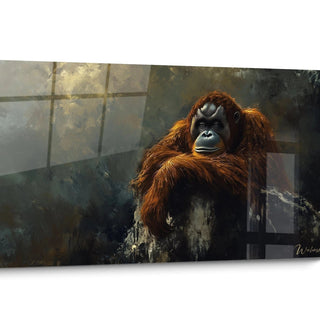 Orangutan10
artworks
Orangutan10
artworks
-
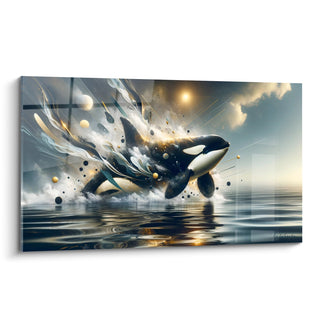 Orca28
artworks
Orca28
artworks
-
 Brown Bear334
artworks
Brown Bear334
artworks
-
 Polar Bear289
artworks
Polar Bear289
artworks
-
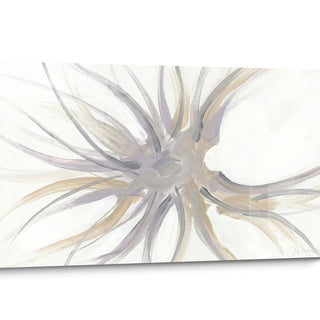 Sea Urchin9
artworks
Sea Urchin9
artworks
-
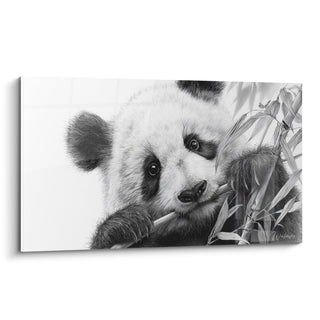 Giant Panda69
artworks
Giant Panda69
artworks
-
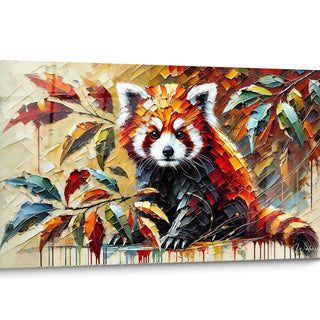 Red Panda11
artworks
Red Panda11
artworks
-
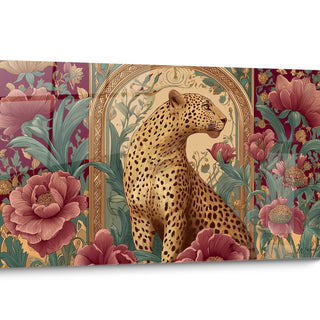 Panther19
artworks
Panther19
artworks
-
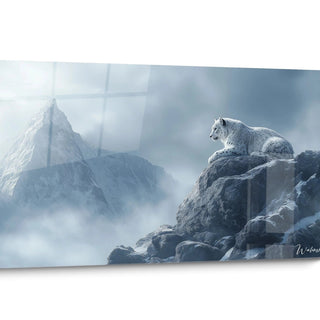 Snow Leopard8
artworks
Snow Leopard8
artworks
-
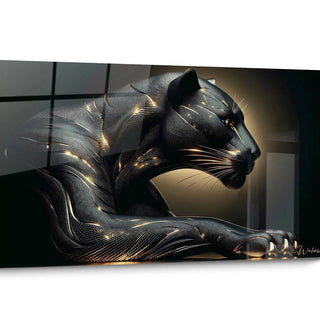 Black Panther10
artworks
Black Panther10
artworks
-
 Peacock128
artworks
Peacock128
artworks
-
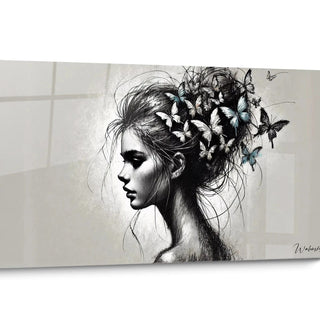 Butterfly14
artworks
Butterfly14
artworks
-
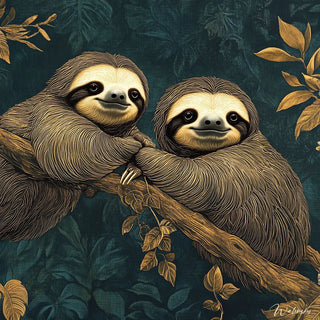 Lazy Sloth3
artworks
Lazy Sloth3
artworks
-
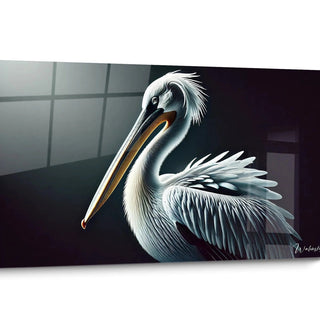 Pelican3
artworks
Pelican3
artworks
-
 Parrot211
artworks
Parrot211
artworks
-
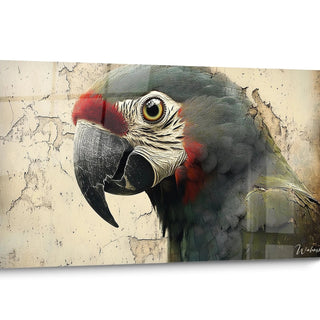 Parakeet5
artworks
Parakeet5
artworks
-
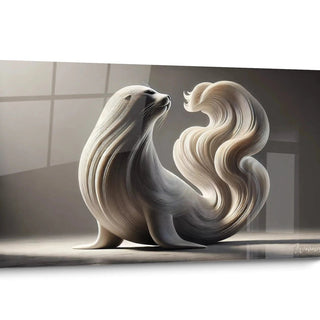 Seal5
artworks
Seal5
artworks
-
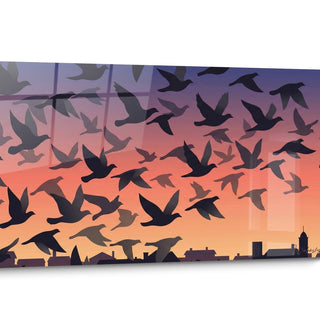 Pigeon10
artworks
Pigeon10
artworks
-
 Penguin274
artworks
Penguin274
artworks
-
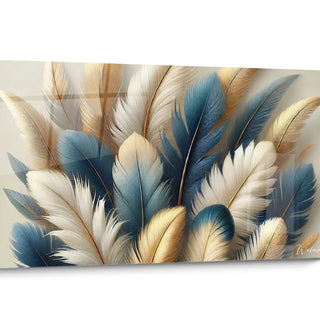 Feather60
artworks
Feather60
artworks
-
 Fish18
artworks
Fish18
artworks
-
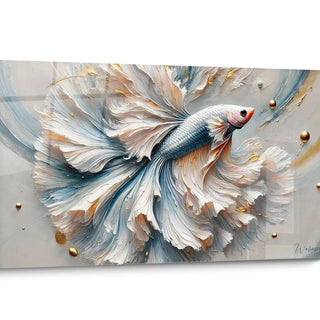 Betta Fish12
artworks
Betta Fish12
artworks
-
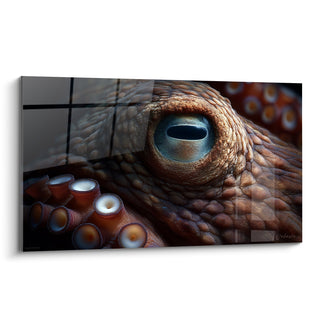 Octopus59
artworks
Octopus59
artworks
-
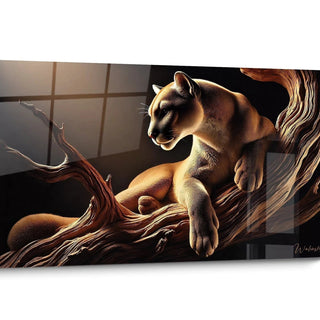 Puma3
artworks
Puma3
artworks
-
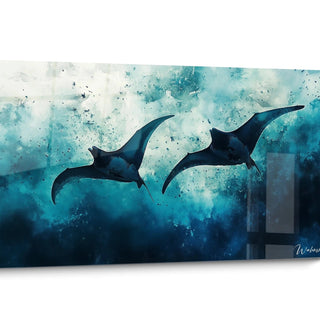 Manta Ray67
artworks
Manta Ray67
artworks
-
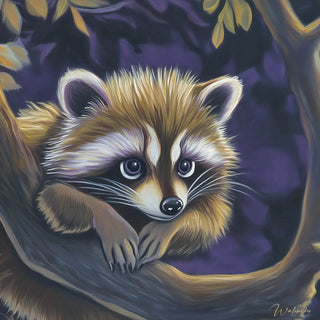 Raccoon2
artworks
Raccoon2
artworks
-
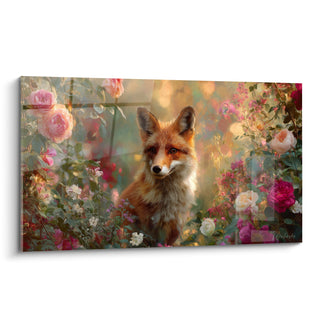 Fox141
artworks
Fox141
artworks
-
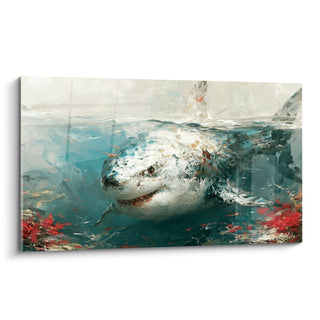 Shark126
artworks
Shark126
artworks
-
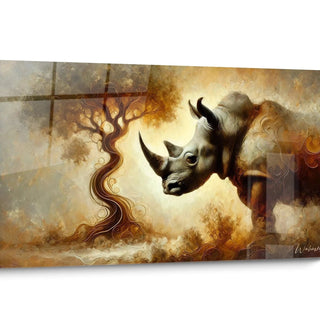 Rhinoceros21
artworks
Rhinoceros21
artworks
-
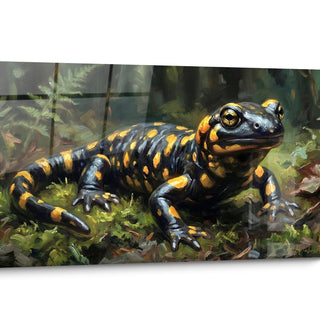 Salamander14
artworks
Salamander14
artworks
-
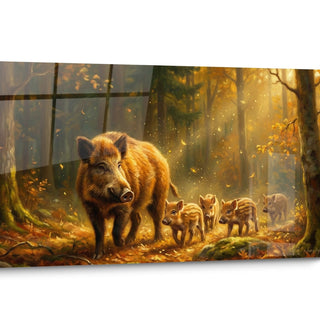 Wild Boar15
artworks
Wild Boar15
artworks
-
 Scarab73
artworks
Scarab73
artworks
-
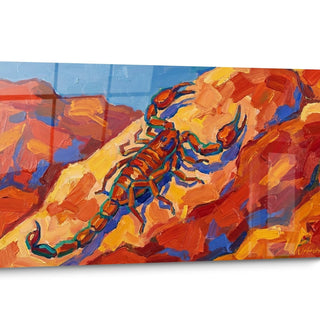 Scorpion9
artworks
Scorpion9
artworks
-
 Serpent102
artworks
Serpent102
artworks
-
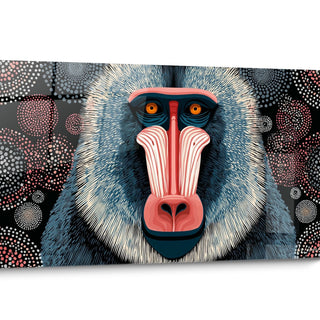 Monkey14
artworks
Monkey14
artworks
-
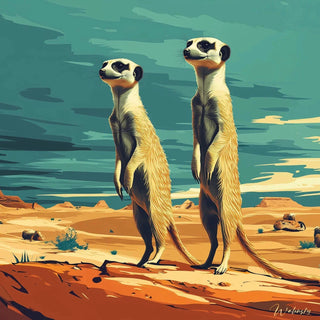 Meerkat1
artwork
Meerkat1
artwork
-
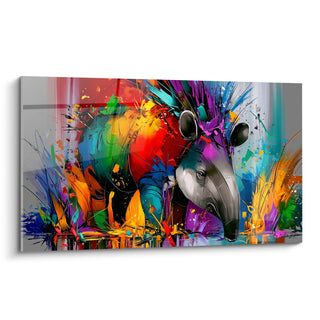 Tapir52
artworks
Tapir52
artworks
-
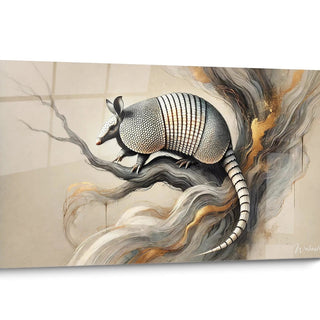 Armadillo3
artworks
Armadillo3
artworks
-
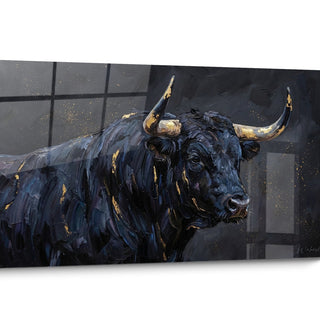 Bull281
artworks
Bull281
artworks
-
 Tiger316
artworks
Tiger316
artworks
-
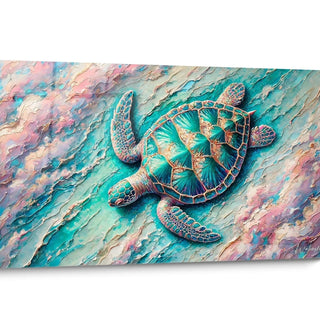 Sea Turtle18
artworks
Sea Turtle18
artworks
-
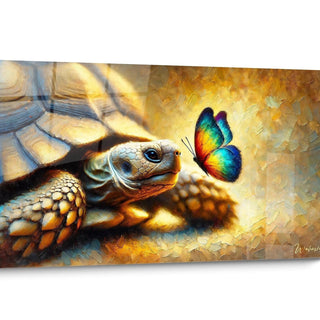 Terrestrial Turtle14
artworks
Terrestrial Turtle14
artworks
-
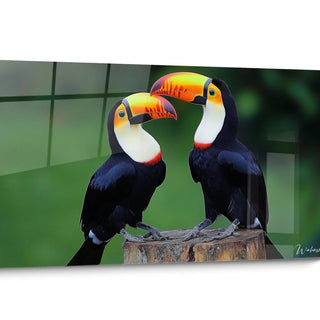 Toucan7
artworks
Toucan7
artworks
-
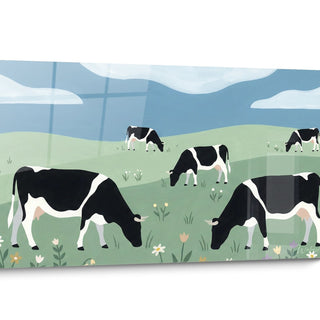 Cow9
artworks
Cow9
artworks
-
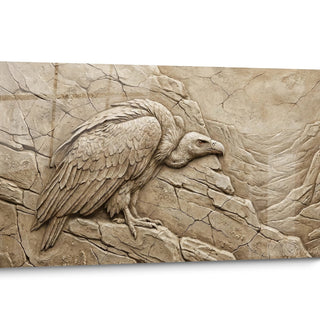 Vulture5
artworks
Vulture5
artworks
-
 Zebra49
artworks
Zebra49
artworks


All about Other Animals
- Other Animals Wall Art Presentation
- Decorative Other Animals Wall Art
- Naturalistic Other Animals Wall Art
- Exotic Other Animals Wall Art
Are you looking for other animals wall art to bring an original touch to your interior? Our collection offers artworks showcasing fascinating animal species often overlooked in decorative art. These artistic representations go beyond the classic felines, canines, or birds to explore the animal kingdom in all its diversity.
Our selection of other animals wall art includes deep sea creatures, insects with striking details, majestic reptiles, and many other fascinating species. These large-format pieces offer impressive visual presence and unique emotional impact that only these particular species can evoke.
Whether you're passionate about biodiversity, a collector of animal art, or simply looking for wall decoration that stands out from the ordinary, our other animals wall art will bring character and conversation to any space. Explore our different collections to discover the perfect piece that will captivate your guests and transform your interior.
Through our large-format visuals, each artwork becomes a window onto little-known animal worlds, allowing you to appreciate the beauty and details of creatures rarely celebrated in contemporary wall art.
Decorative Other Animals Wall Art: Diversify Your Wall Collection
Other animals wall art represents a fascinating category in the world of wall decoration, offering a refreshing alternative to classic fauna representations. These artworks highlight creatures often neglected but whose visual aesthetics are particularly suited to large format murals.
Why choose other animals wall art over classic species?
Unlike representations of conventional animals such as lions, elephants or eagles, other animals wall art brings an element of surprise and originality to your space. These lesser-represented creatures - such as chameleons, axolotls, tardigrades or nautilus - possess extraordinary visual characteristics that create striking focal points in your interior decoration.
Large-format artworks featuring these unusual species allow exploration of unique color palettes, often impossible to find in traditional animal art. Think of the iridescent hues of beetles, the geometric patterns of sea turtles, or the fascinating textures of marine invertebrates - all these elements offer captivating visual experiences when enlarged on wall art.
How to integrate other animals wall art into different decoration styles?
Artworks representing less conventional animals integrate remarkably well into several contemporary decorative styles:
• In a minimalist interior: a large artwork of a jellyfish or seahorse on a monochrome background creates striking contrast with streamlined furniture
• For an industrial style: mechanical insects or crustaceans with complex structures perfectly complement raw materials and geometric lines
• In bohemian décor: colorful reptiles or exotic amphibians bring a touch of eccentricity and mystery
• For a luxurious ambiance: large-format representations of rare butterflies or precious beetles evoke sophisticated curiosity cabinets
These large-format artworks act as true windows onto a little-known animal world, transforming your walls into fascinating visual explorations that immediately capture attention.
What is the particular symbolism of animals rarely represented in wall art?
Animals seldom celebrated in decorative art often carry powerful symbolism that enriches the atmosphere of your space. A large-format artwork featuring a chameleon can represent adaptability and transformation - perfect for a creative workspace. An artistic representation of a nautilus evokes mathematical perfection and balance - ideal for a meditation room.
Amphibians such as salamanders, traditionally associated with regeneration and resilience, create positive energy in healing spaces. Arthropods such as praying mantises, symbols of patience and precision, bring mental focus to offices and study areas.
The psychological impact of these representations is particularly pronounced in large format, where microscopic details take on monumental dimensions, inviting contemplation and progressive discovery of visual nuances.
Specific lighting challenges for artworks of animals with complex textures
Highlighting other animals wall art presents unique lighting considerations, particularly for species with complex textures or reflective surfaces. Reptiles with shiny scales, insects with iridescent shells or translucent marine animals require appropriate lighting to fully reveal their visual richness.
For large-format representations of animals with textured surfaces such as pangolins or reptiles, side lighting accentuates relief and patterns. Aquatic animals artwork benefits from blue-tinted lighting that evokes their natural habitat and strengthens visual immersion.
Programmable dynamic lighting can also reveal different facets of these creatures throughout the day, transforming your artwork's visual experience and creating multiple ambiances from a single piece.
Naturalistic Other Animals Wall Art: Wall Integration Guide
Other animals wall art in a naturalistic style offers an educational and contemplative dimension that transcends mere decoration. These large-format artworks constitute true portals to little-known biodiversity, transforming your walls into supports for scientific exploration and wonder.
How can other animals wall art serve as an interactive educational tool?
A large-format artwork representing lesser-known animal species becomes a true living learning support in your space. Unlike representations of familiar animals, these artworks naturally spark questions and discussions, particularly when featuring species such as tardigrades, nautilus, or nudibranchs.
In a family context, these naturalistic artworks become catalysts for curiosity in children, inviting them to discover the richness of the animal kingdom beyond media-featured species. A detailed wall artwork of arthropods or little-known mollusks can trigger spontaneous research and enriching conversations about adaptation, evolution and biological diversity.
For professional spaces such as medical offices, environmental studies bureaus or educational institutions, these large-format artworks create points of interest that reduce wait-related anxiety while transmitting scientific knowledge.
What are the specific maintenance considerations for naturalistic animal artworks?
Artworks representing animals with precise naturalistic details require particular attention to preserve their visual impact and educational value. Large formats displaying colorful insects or amphibians with vibrant tints are particularly sensitive to fading caused by direct UV exposure.
To preserve the chromatic integrity of these detailed artworks, choose locations sheltered from direct sunlight. In naturally bright rooms, installing UV filters on windows allows you to protect these artworks without compromising ambient brightness.
Regular maintenance of these naturalistic large-format artworks also requires attention to hygrometric variations, particularly for artworks featuring animals from humid environments such as amphibians or certain arthropods, whose tints may be sensitive to overly dry environments.
The unique psychological impact of unconventional animal representations
Other animals wall art exerts a distinct psychological influence compared to representations of common animals. Their presence on a wall creates a cognitive break that stimulates attention and promotes full awareness of the immediate environment.
Large formats representing less familiar creatures such as cephalopods, echinoderms or certain reptiles activate brain areas linked to novelty and discovery. This regular cognitive stimulation helps maintain neural plasticity and intellectual curiosity.
In creative work spaces, these detailed naturalistic artworks featuring unusual species serve as beneficial "cognitive disruptors," facilitating unconventional idea associations and stimulating lateral thinking. Large-format representations of animals with extraordinary adaptations become constant sources of inspiration for innovation.
Placement strategies to maximize the impact of atypical animal artworks
Strategic positioning of a large-format artwork representing unusual animals can radically transform the dynamics of a space. Unlike representations of familiar animals that integrate harmoniously into decoration, these artworks benefit from being staged as masterpieces.
In transition spaces such as corridors or staircase landings, a detailed naturalistic artwork of insects or marine animals creates a moment of contemplative pause and wonder. The surprise effect is particularly marked when the artwork is progressively revealed during movement.
For double-height rooms or staircase walls, vertical representations of unusual tree-dwelling animals such as certain amphibians or arthropods naturally exploit this architectural dimension. These large-format artworks create visual continuity that accompanies upward movement and transforms simple displacement into an immersive experience.
Exotic Other Animals Wall Art: Immersion in Unexplored Visual Worlds
Other exotic animals wall art transports your interior to rarely-explored visual worlds in conventional wall decoration. These large-format artworks dedicated to little-known species create unique immersive experiences, radically transforming the atmosphere of your spaces.
How do unusual animal artworks become conversation pieces?
A large-format artwork representing an exotic animal uncommon in decorative art - such as a leafy sea dragon, pangolin, or giant squid - instantly becomes the focal point of any room. Unlike representations of familiar animals, these artworks systematically trigger reactions and exchanges.
The "conversation starter" effect is particularly pronounced with species having extraordinary adaptations or surprising appearances. A large wall artwork of an axolotl, okapi or handfish naturally attracts attention and sparks questions about their origin, characteristics and habitat.
In professional reception spaces or private lounges, these artworks create positive social dynamics by offering a neutral yet fascinating discussion topic. Large formats allow presentation of these unusual creatures with sufficient detail to fuel enriching exchanges, transforming simple decoration into a catalyst for social interaction.
What are ideal color associations for exotic animal artworks?
Unusual animals often present unique color palettes that can be strategically exploited in your overall decorative scheme. A large-format artwork of a panther chameleon with vibrant tints can serve as a chromatic anchor point for an entire space, its colors subtly echoed in surrounding accessories and textiles.
Abyssal species such as lanternfish or certain deep-sea cephalopods, with their natural bioluminescence, create striking contrast when represented on dark backgrounds. These large-format artworks function remarkably in spaces with dark walls, where they seem to literally emerge from darkness.
For maximum impact, artworks of insects with iridescent shells or reptiles with shimmering scales can be paired with metallic elements in surrounding decoration, creating visual dialogue between wall art and room accessories.
The unique artistic expression enabled by lesser-represented animals
Other animals wall art allows artists to explore specific pictorial techniques and styles, impossible to apply to conventional animal subjects. The complex organic textures of mollusks, the geometric structures of arthropods or the transparencies of jellyfish call for innovative artistic treatments.
In large format, these representations can play with scale in surprising ways - a microscopic tardigrade becoming monumental, or a colossal squid unexpectedly contained within frame limits. These scale plays create disorienting visual experiences that stimulate imagination and transform spatial perception.
Contemporary artistic currents such as bio-art or scientific surrealism find in these atypical animal subjects particularly suitable vectors of expression, making these artworks not merely decorative elements but genuine artistic statements.
How to create a cohesive visual ecosystem around an exotic animal artwork?
A large-format artwork representing an unusual animal can become the heart of a true decorative ecosystem that tells a coherent environmental story. An artwork featuring a dendrobate (colorful poison dart frog) can inspire decorative elements evoking the Amazonian canopy - epiphytic plants, organic textures, and emerald green accents.
For artworks of deep-sea animals, the decorative environment can play with shades of blue and undulating textures, creating thematic continuity between the artwork and the space. Directional lighting can strengthen this immersion by projecting subtle aquatic patterns.
This holistic approach transforms the artwork experience, which is no longer an isolated element but the culmination of a complete environmental narrative that envelops visitors from their entry into the space.
FAQ on other animals wall art
Which animals are most sought after in other animals wall art?
Deep-sea species such as giant squids, abyssal fish and seahorses rank among the most requested subjects in the other animals wall art category. Colorful amphibians such as tree frogs and exotic salamanders also enjoy growing popularity, as do insects with complex structures such as iridescent beetles and rare butterflies.
How to maintain a large-format artwork featuring animals with vibrant colors?
To preserve the brightness of a large-format artwork of exotic animals, avoid direct exposure to UV rays by placing it away from unfiltered windows. Gentle dusting with a microfiber duster is recommended every two weeks. In humid environments, regularly check the back of the artwork to prevent any condensation that could affect pigments representing the vibrant tints of these unusual animals.
Are other animals wall artworks suitable for professional spaces?
Large-format artworks representing less conventional animals integrate perfectly into professional environments where they create memorable points of interest. Particularly suited to specialized veterinary offices, research laboratories, biotechnology companies and environmental studies bureaus, these artworks bring educational and inspiring dimension while affirming the organization's unique identity.
Further reading


