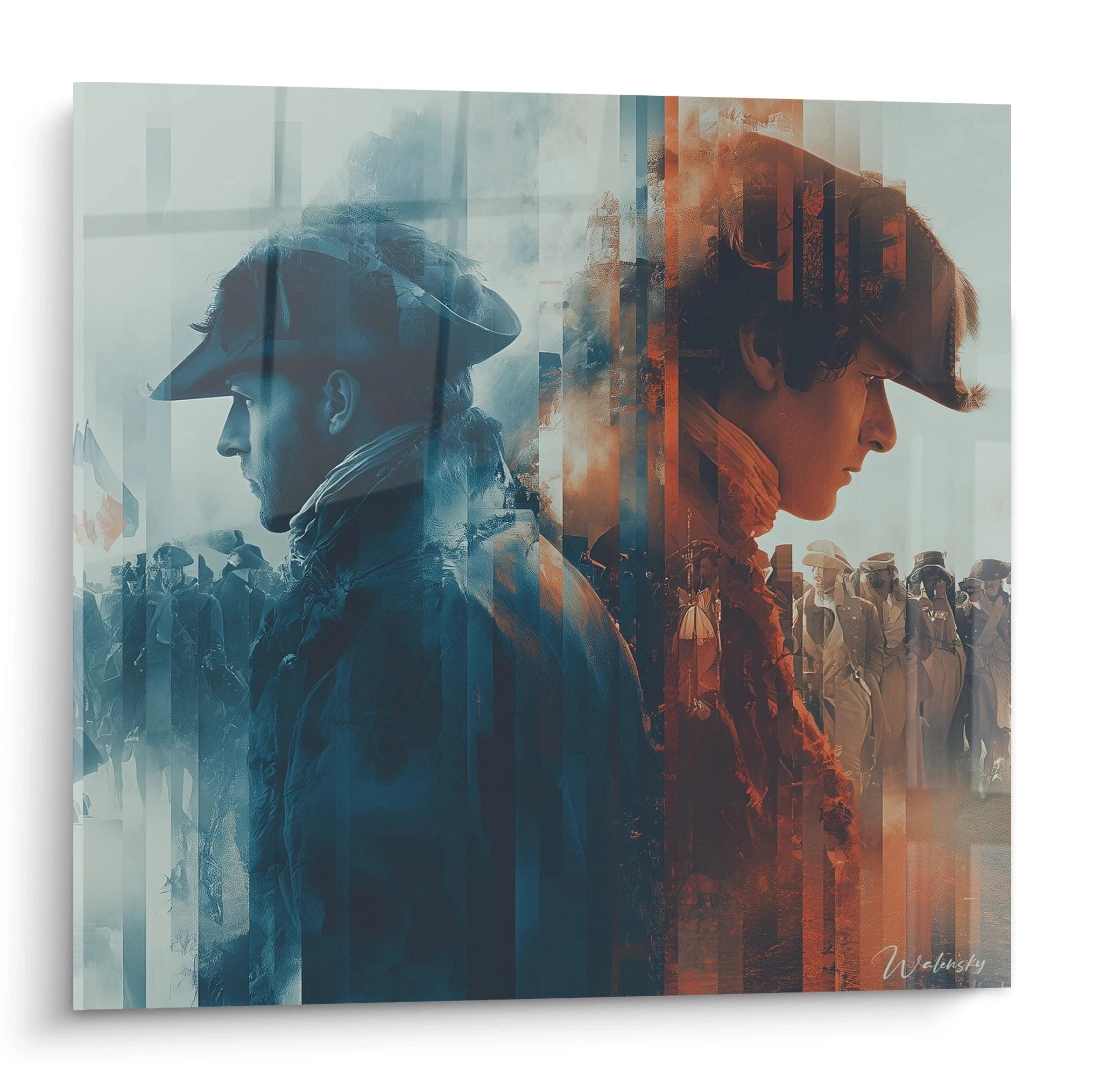
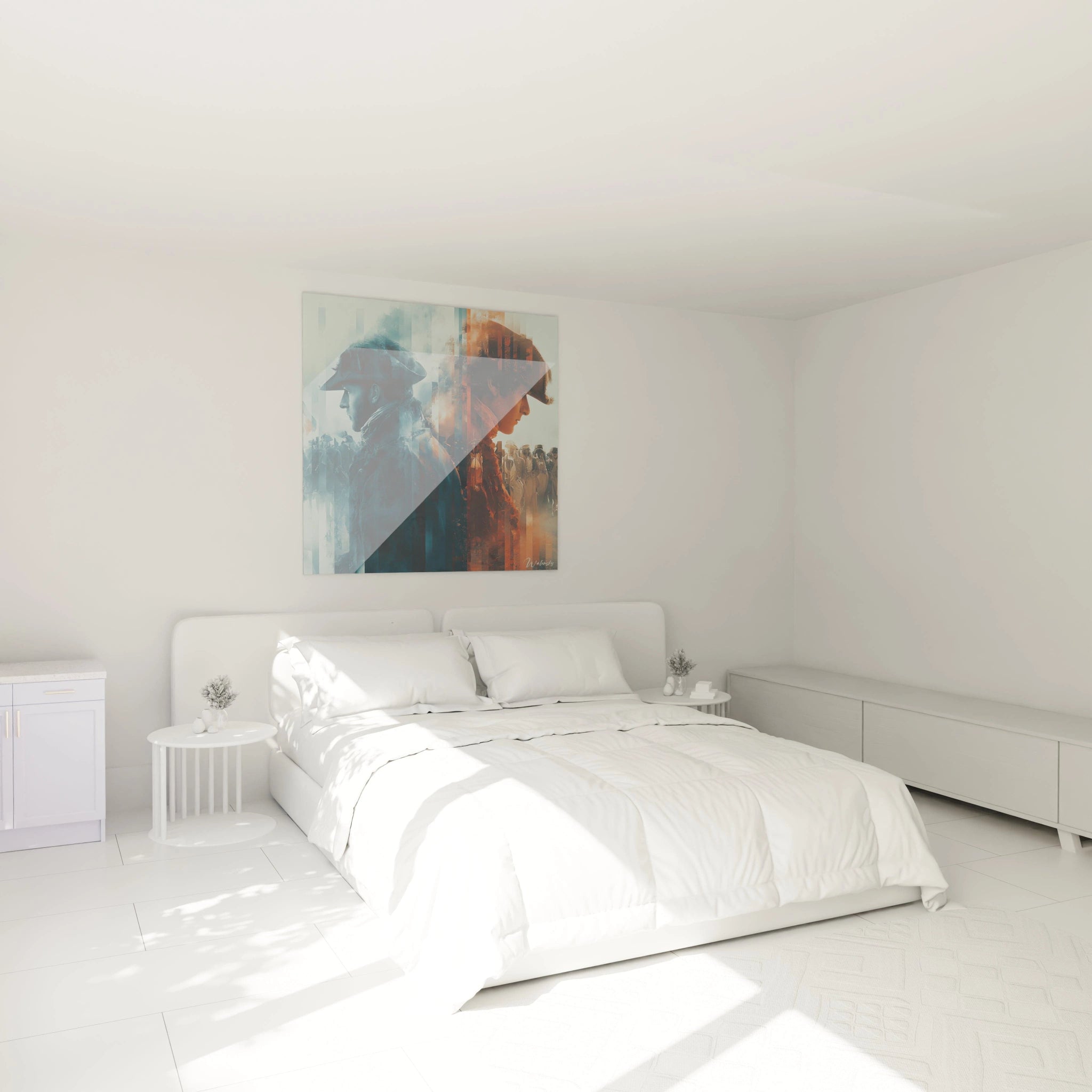
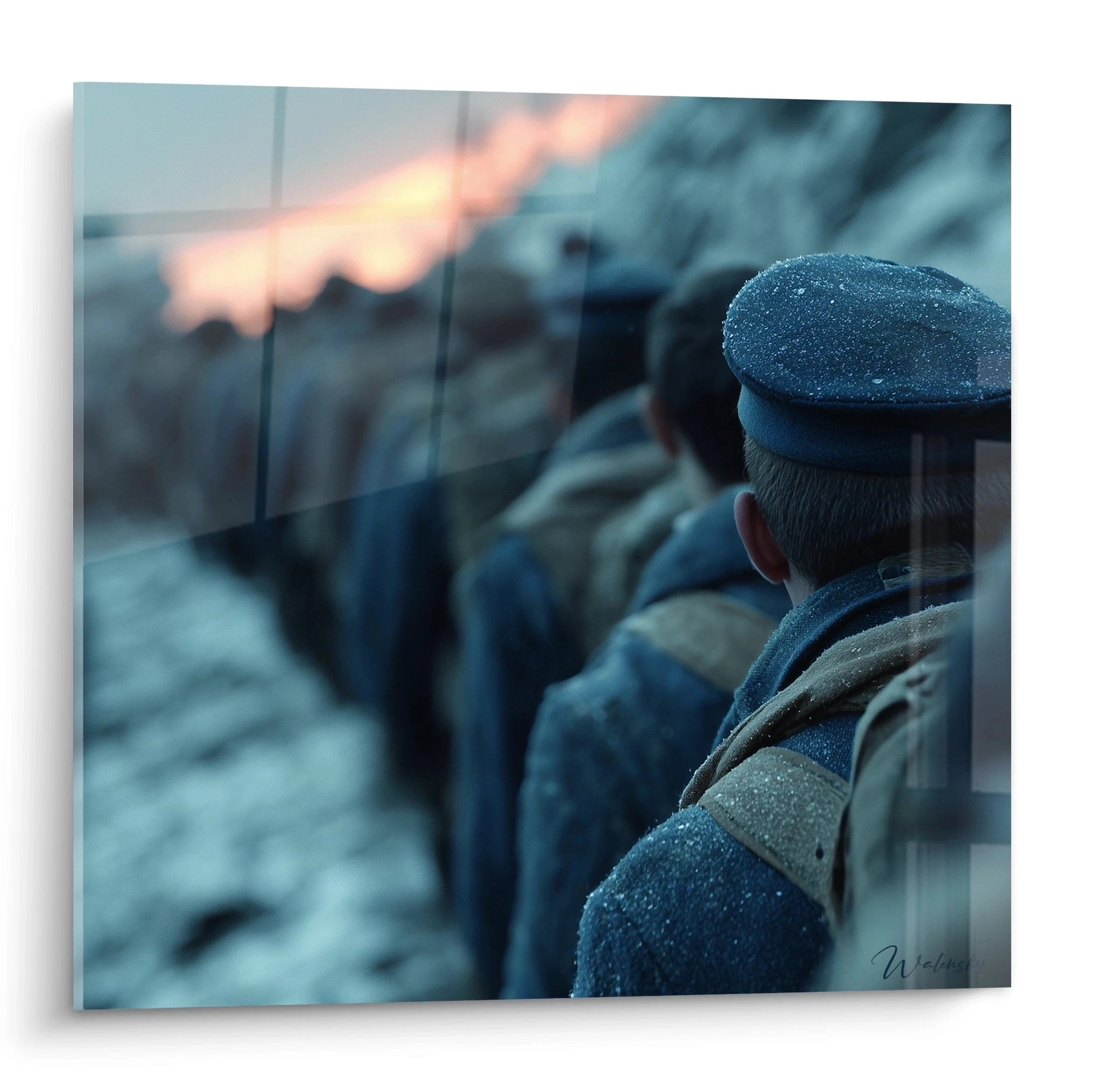
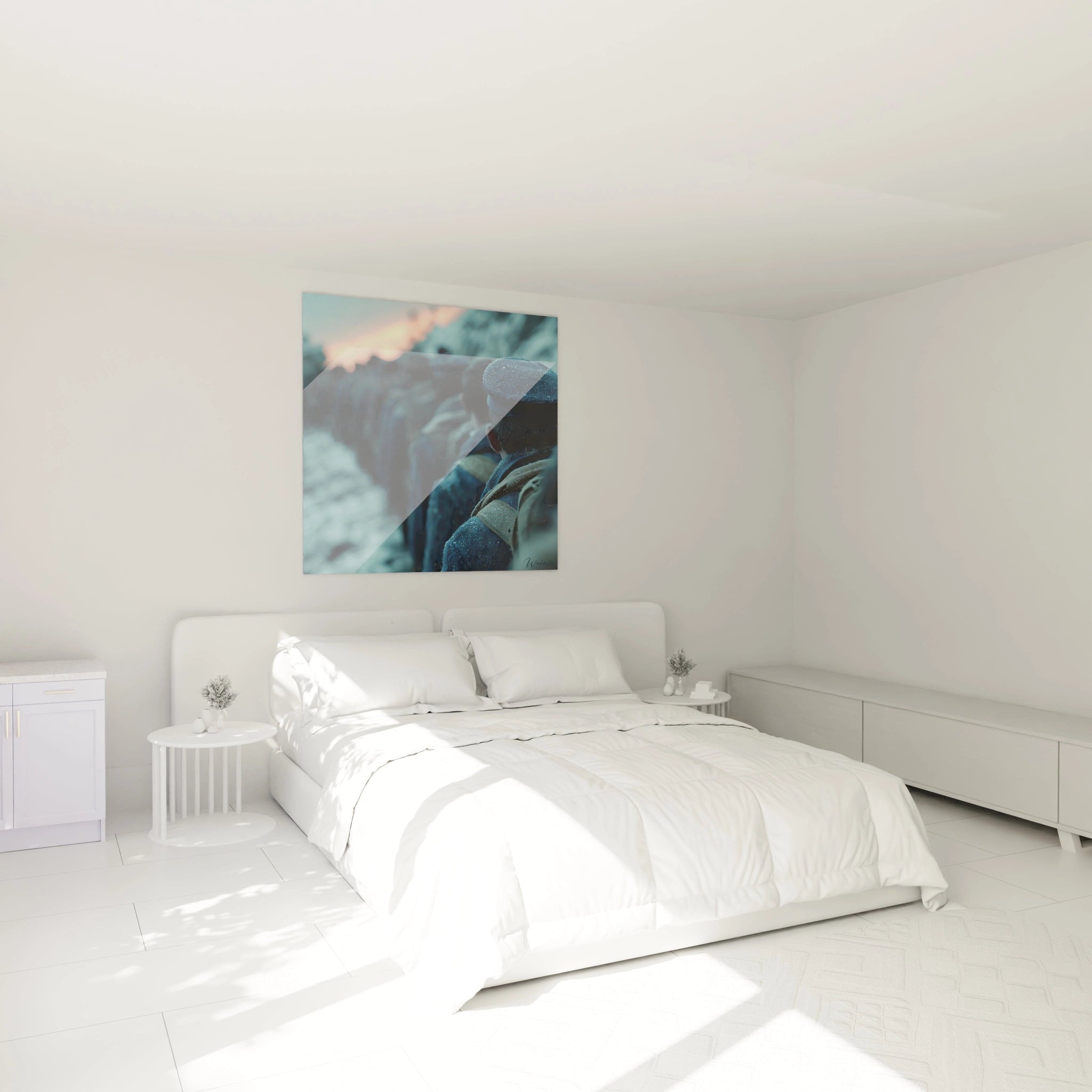
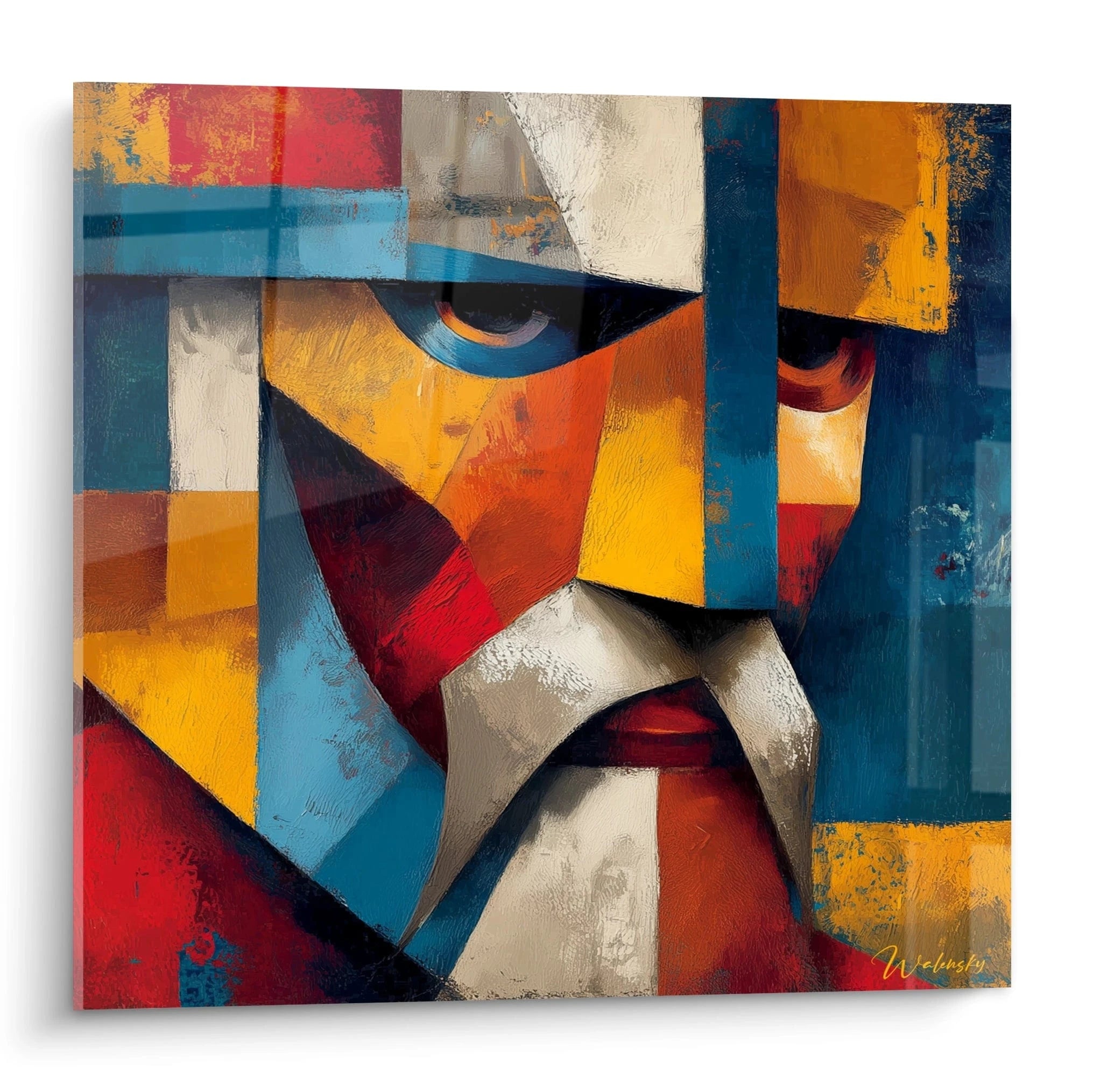
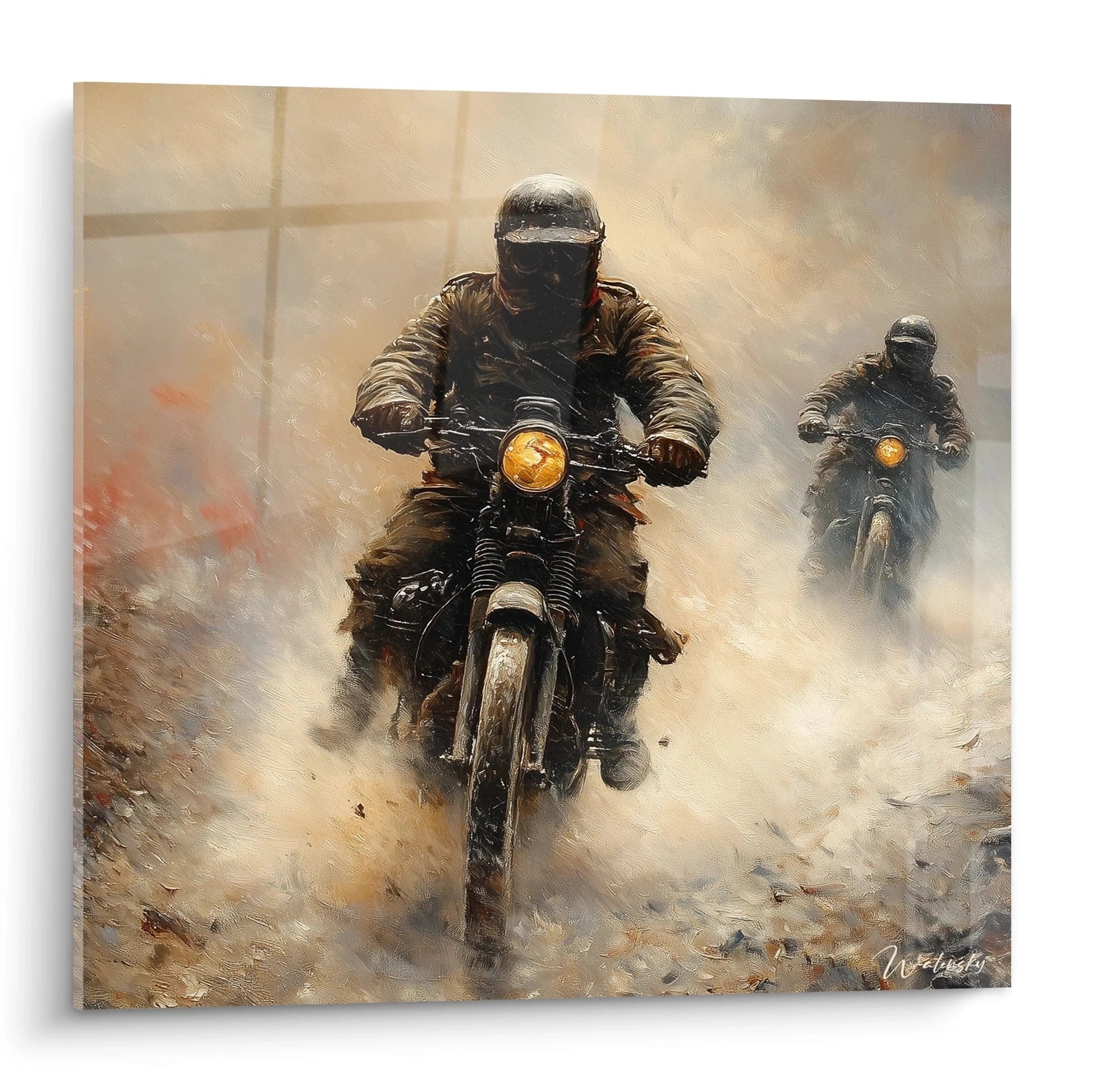
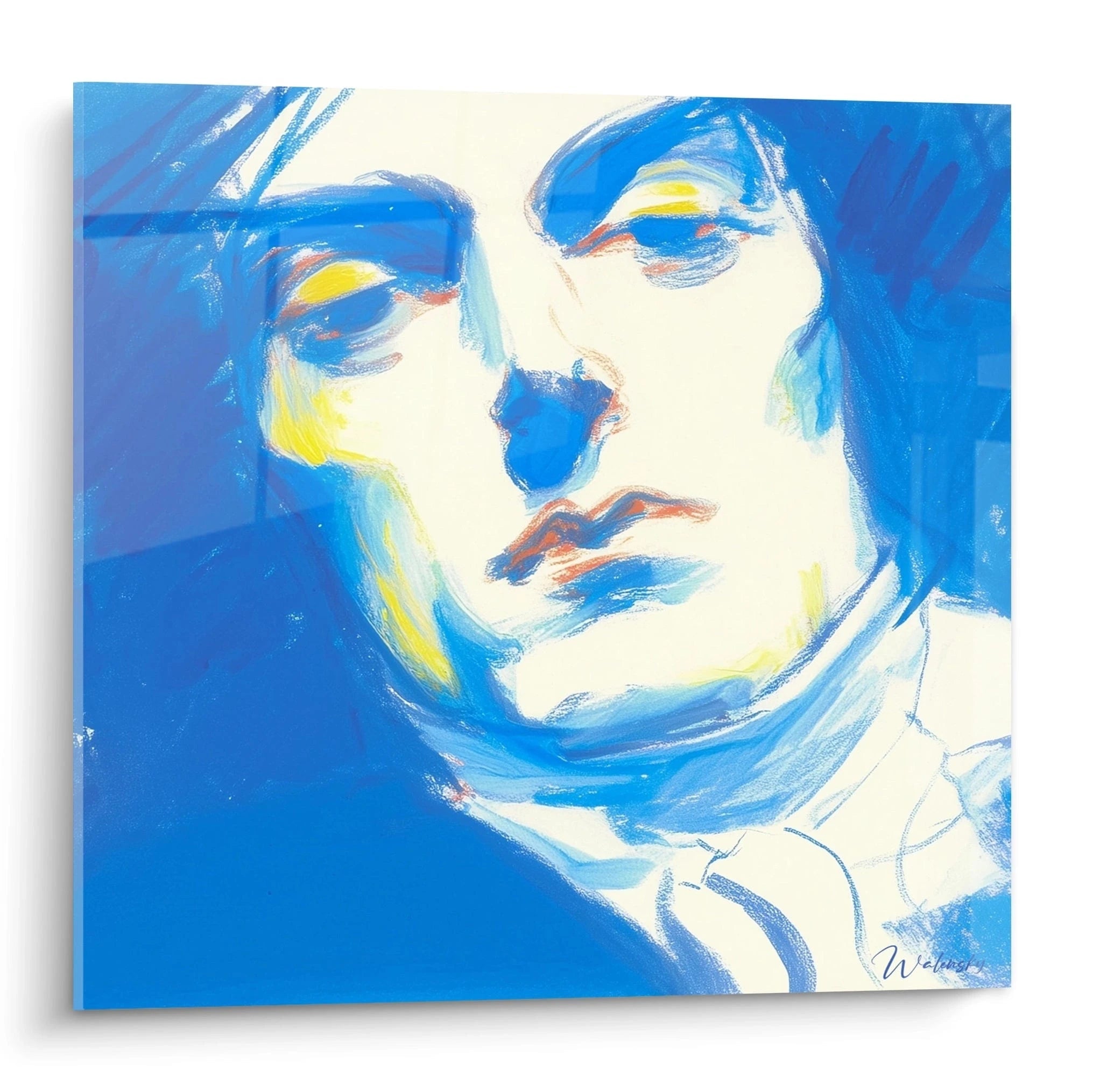
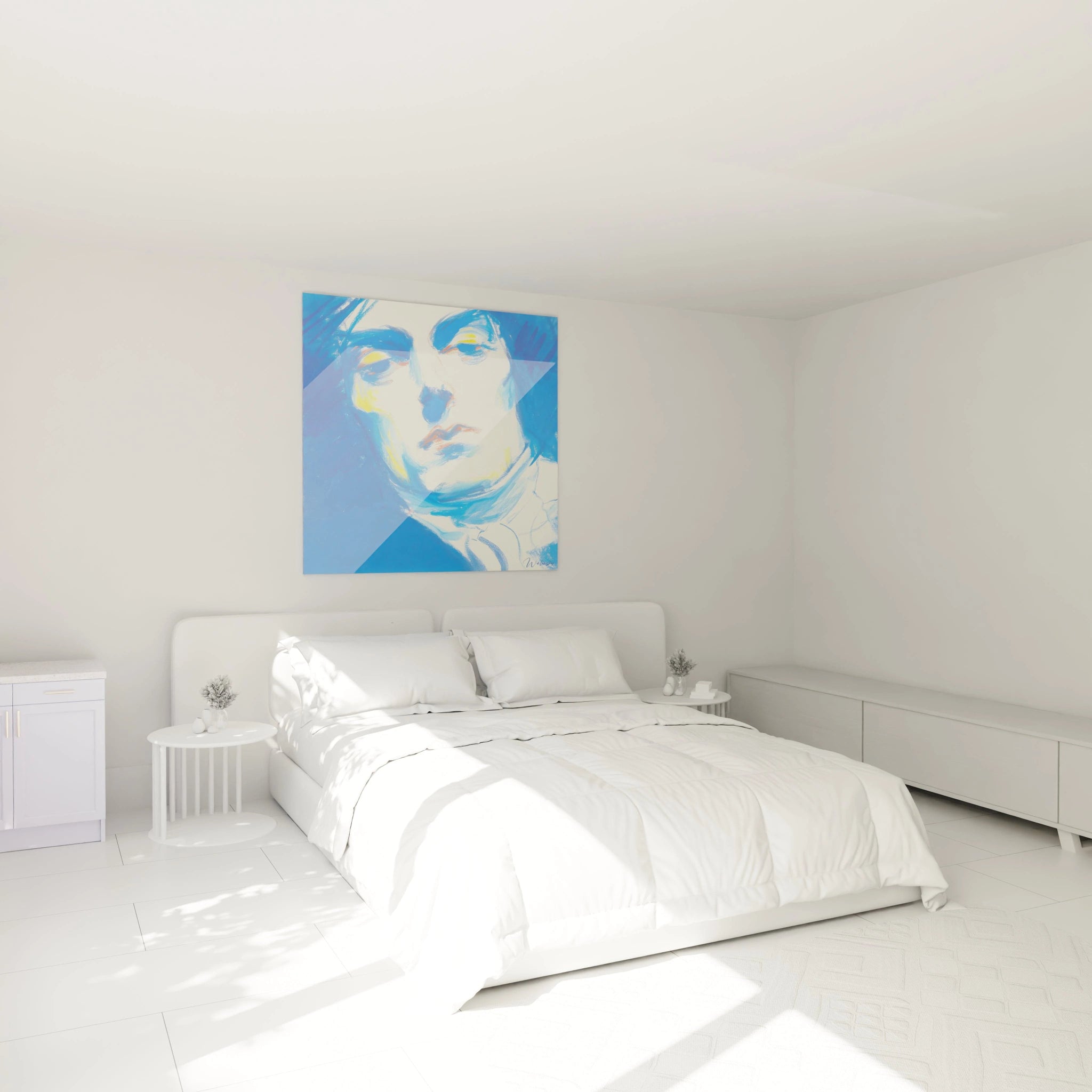
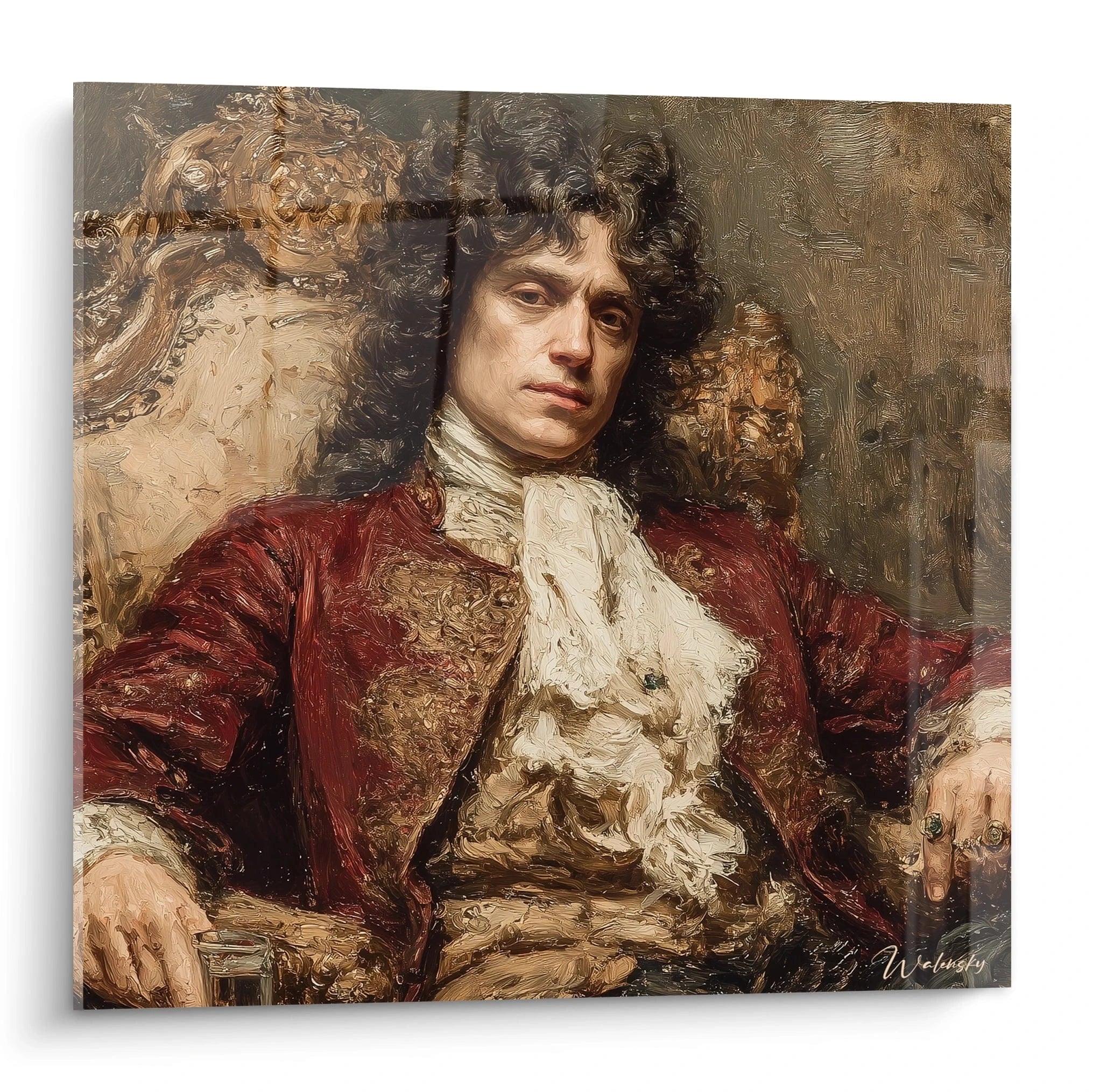
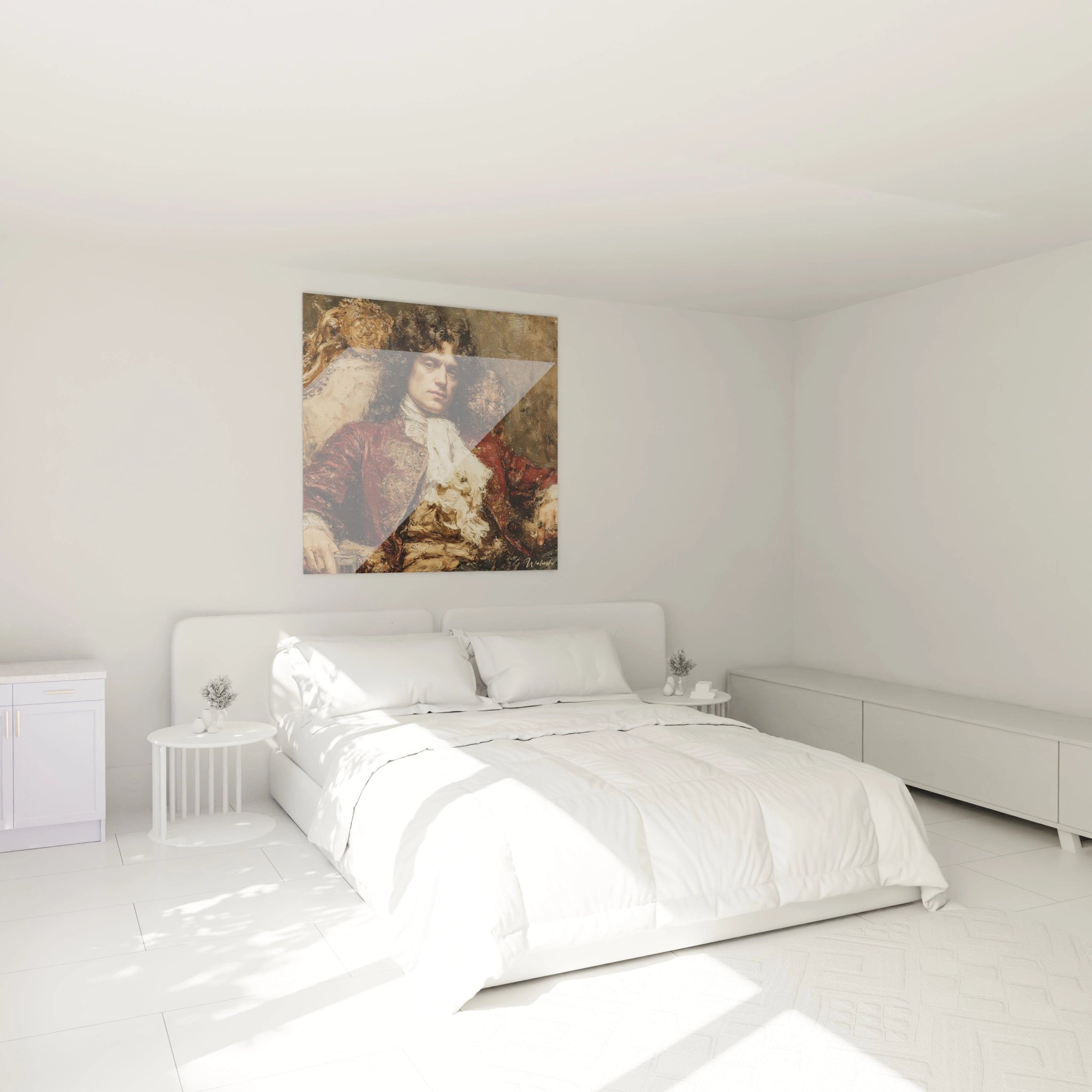
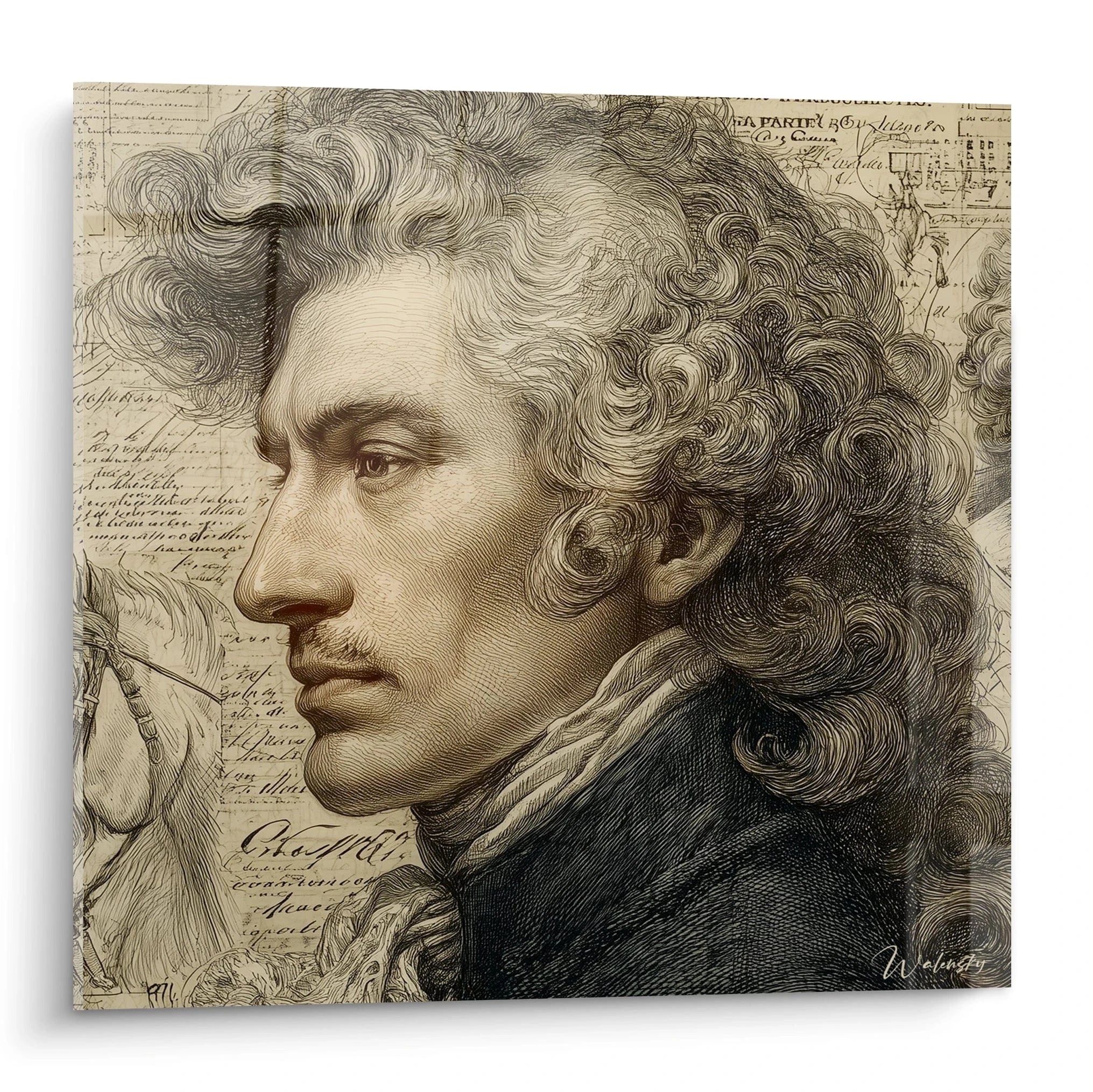
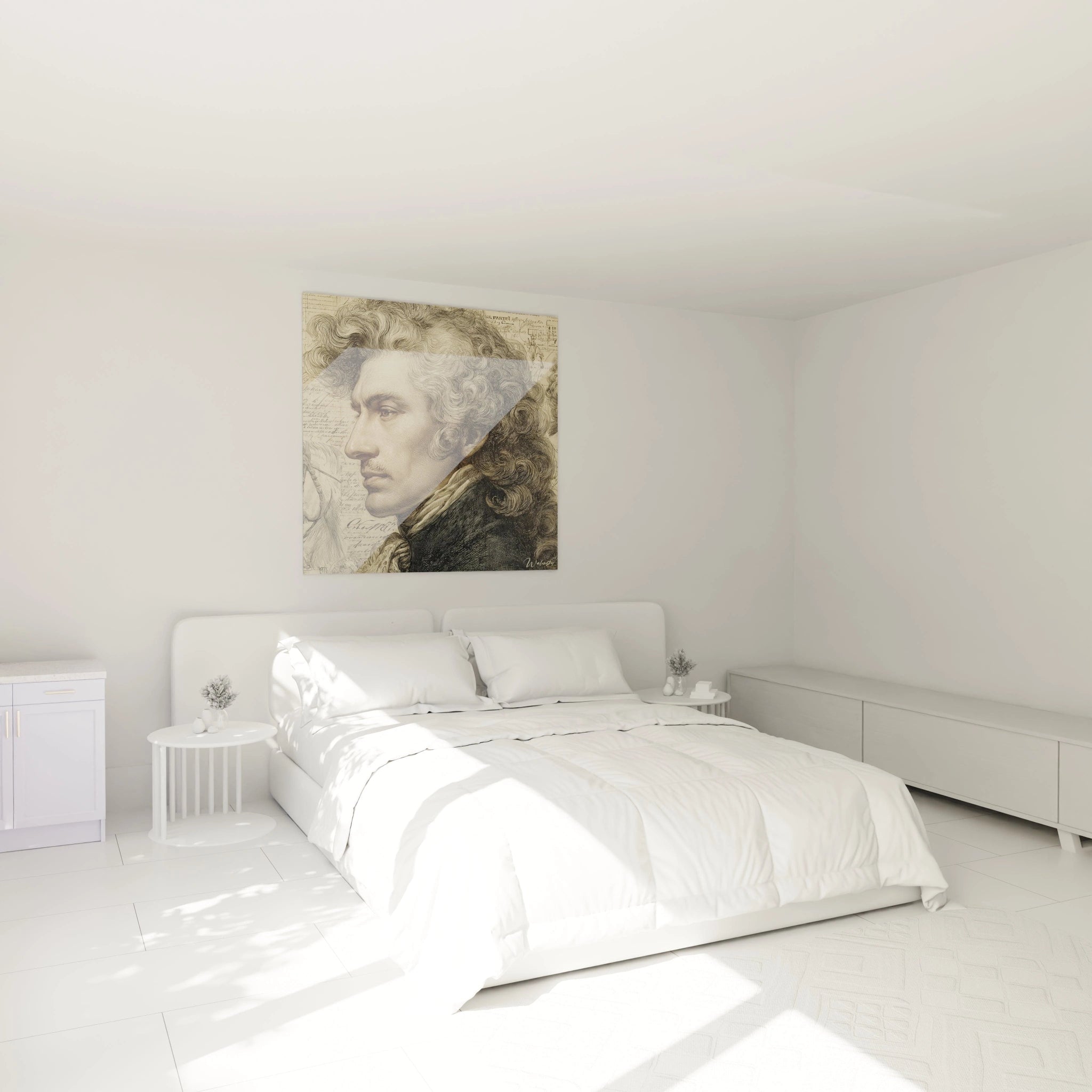
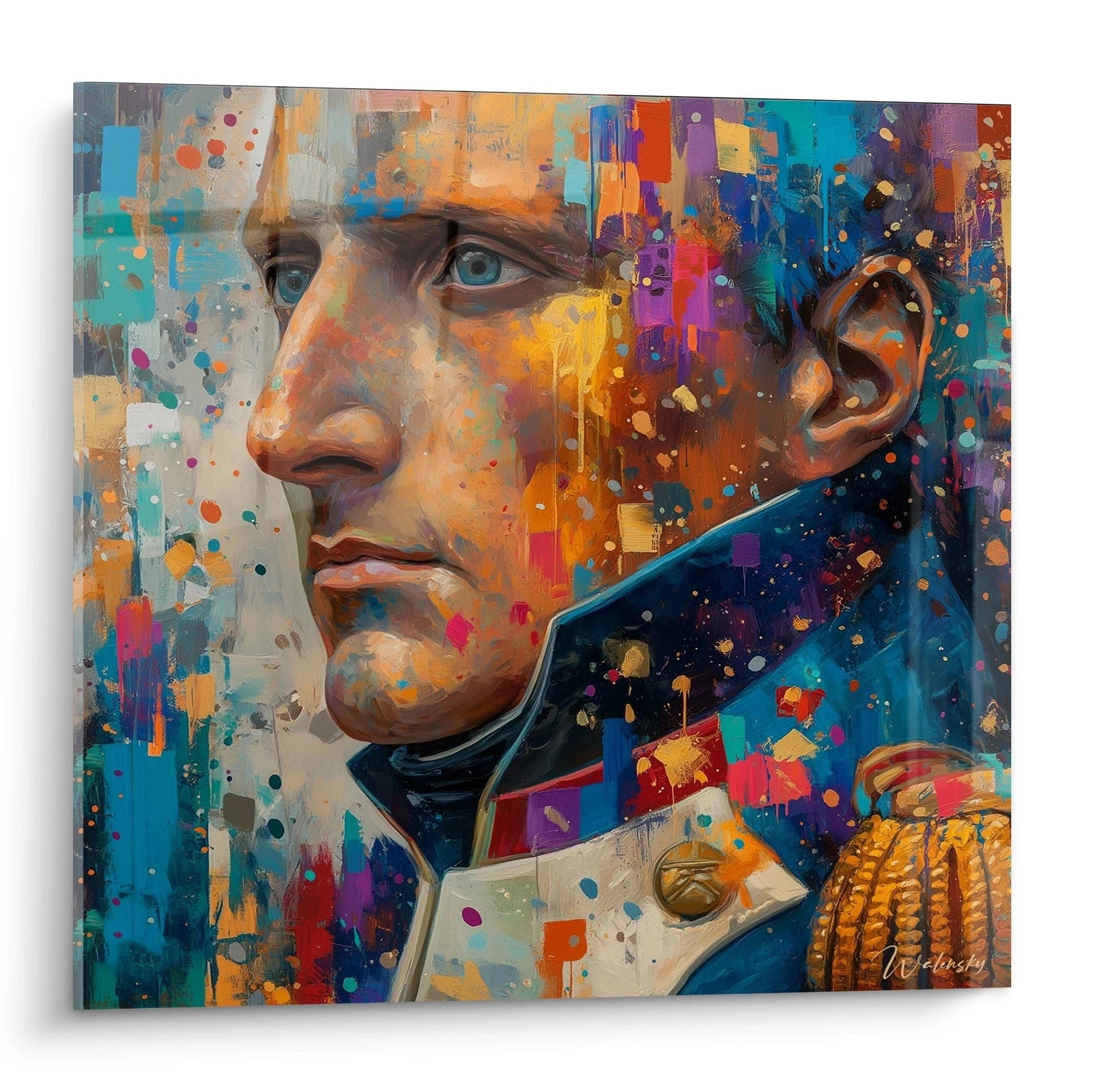
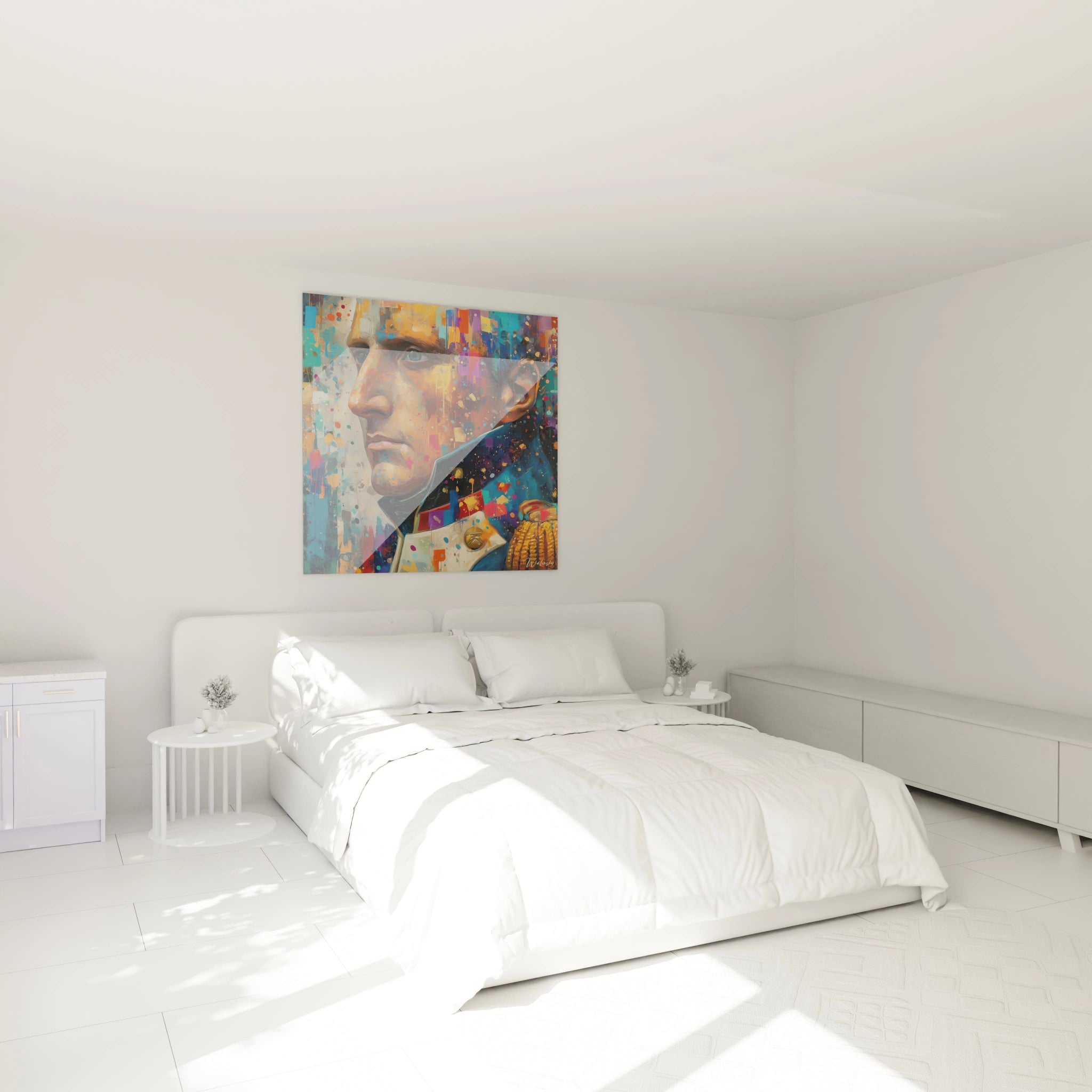
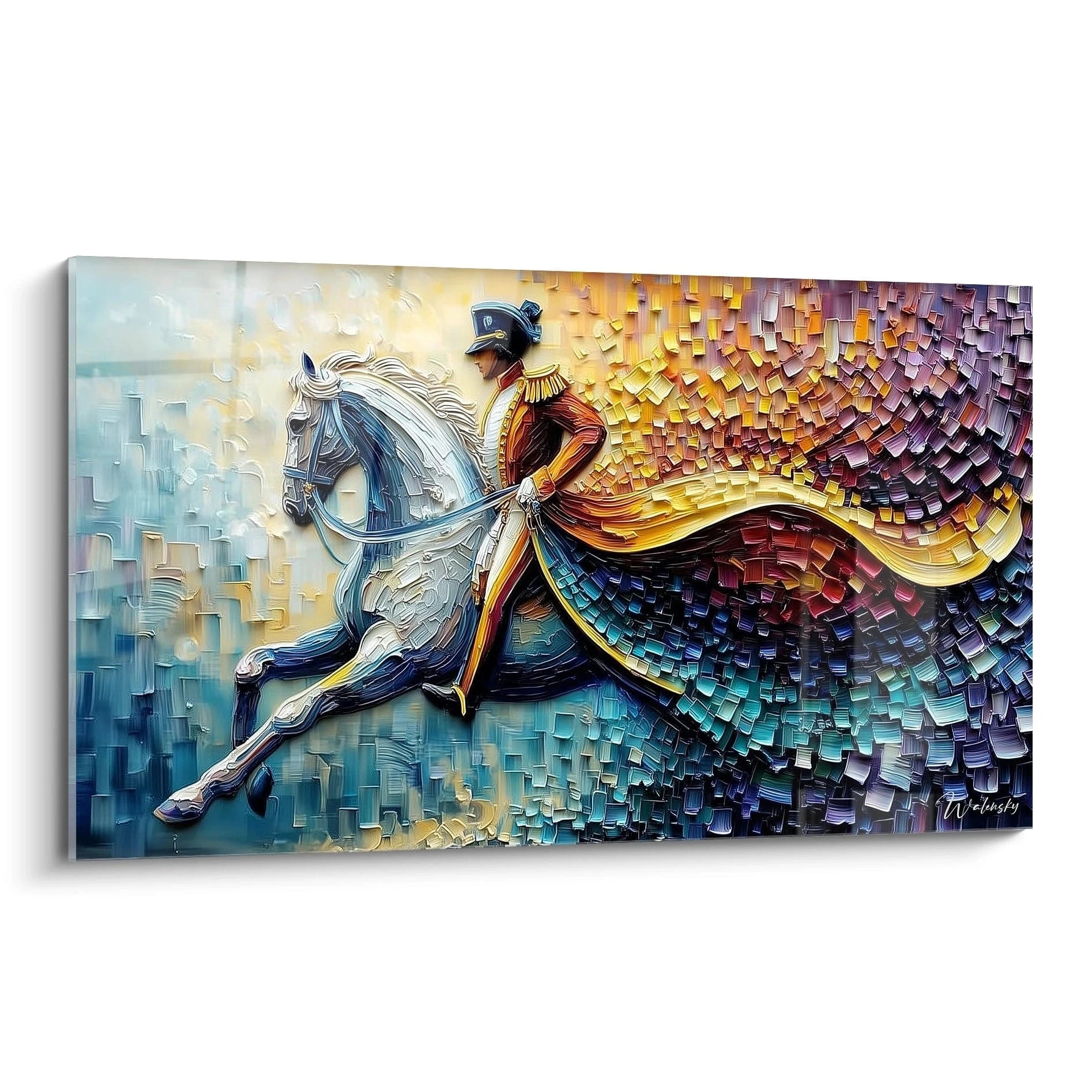
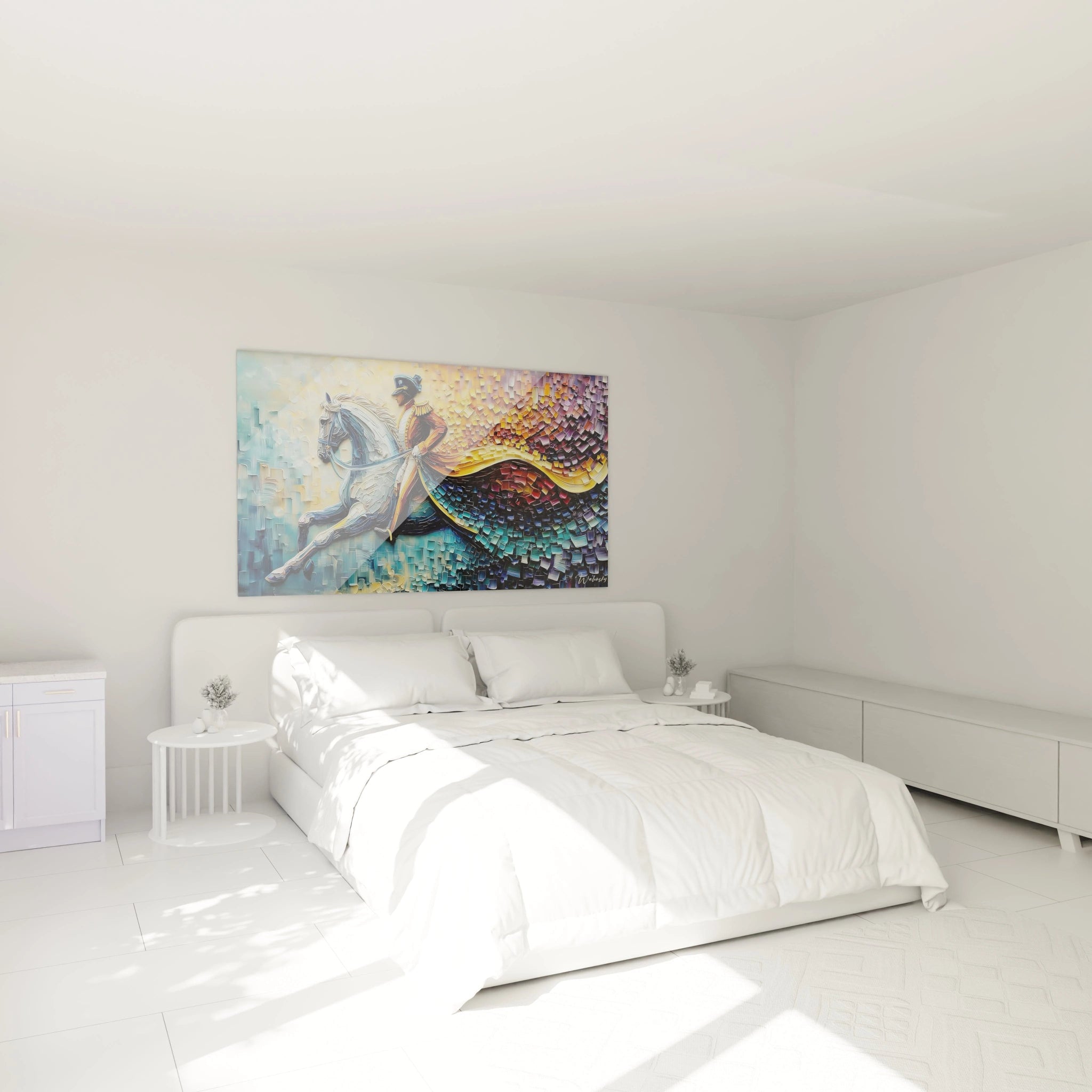
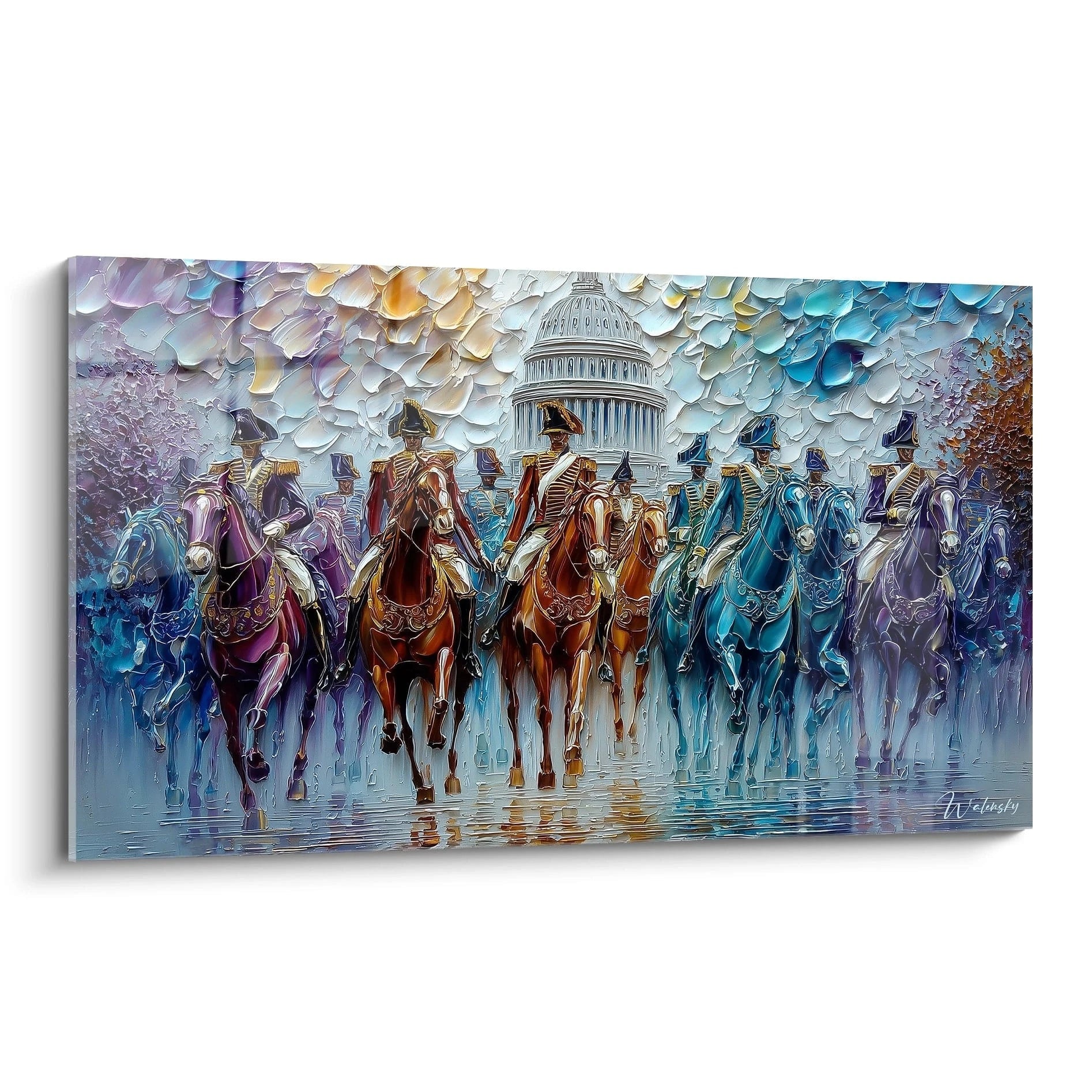
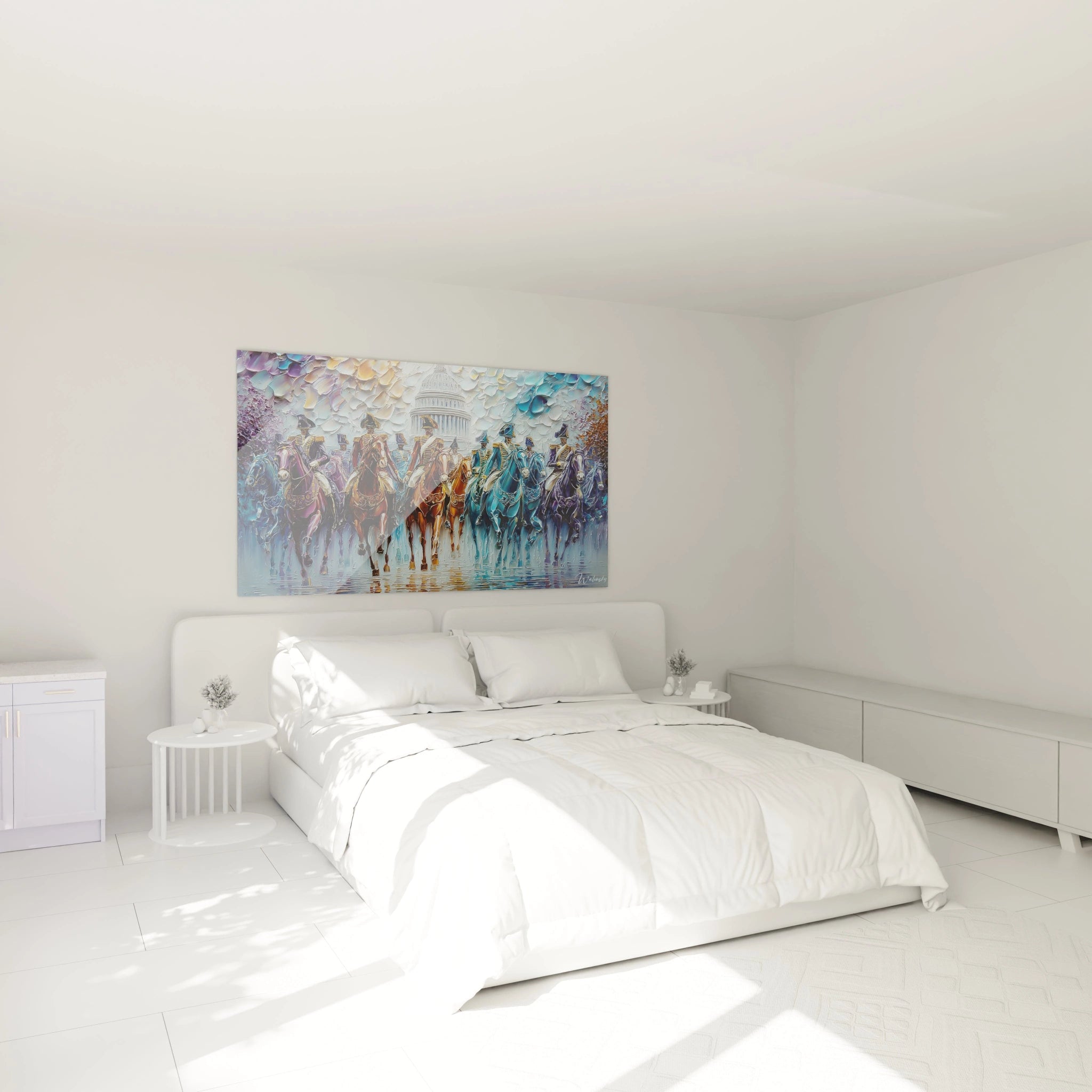
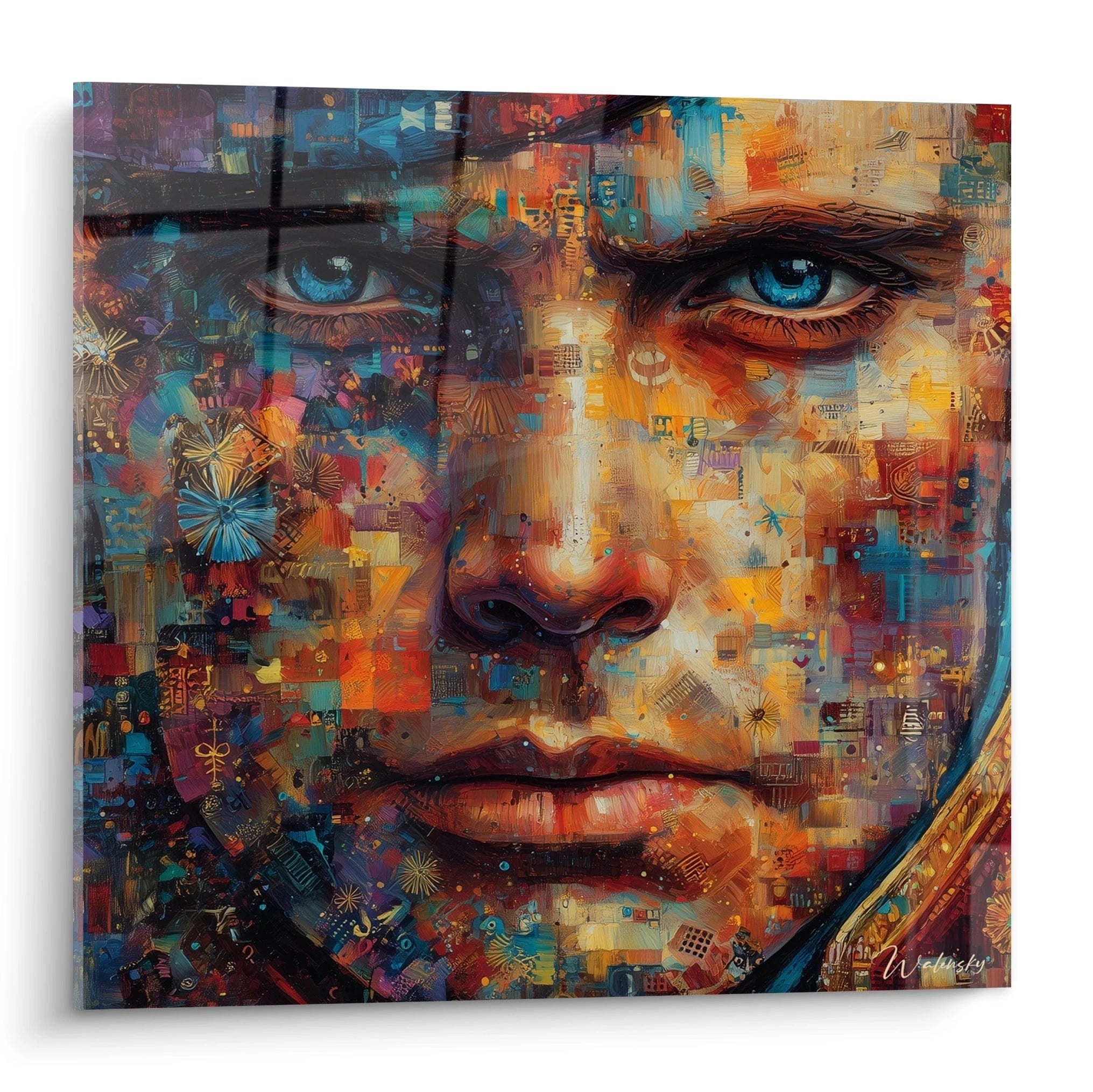
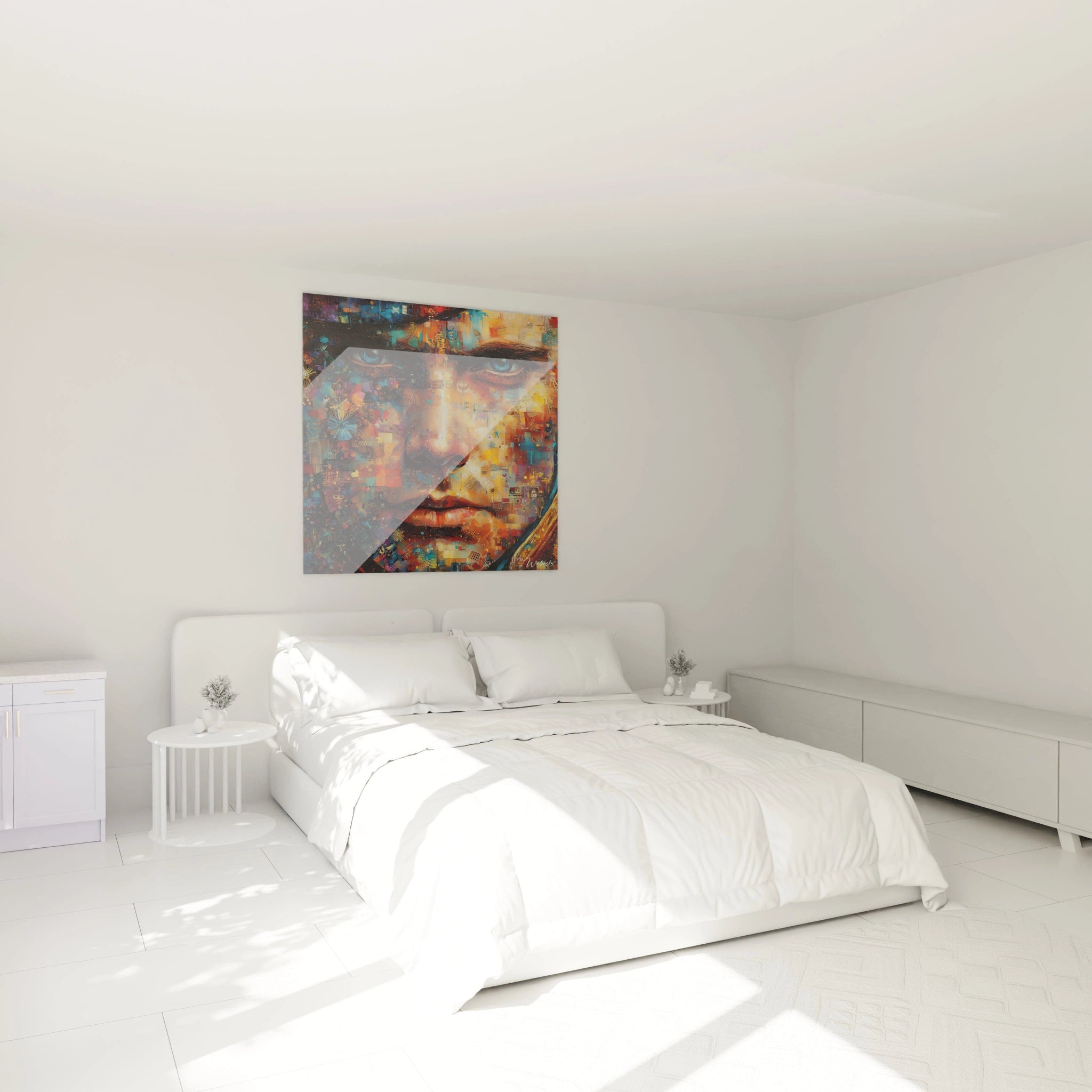
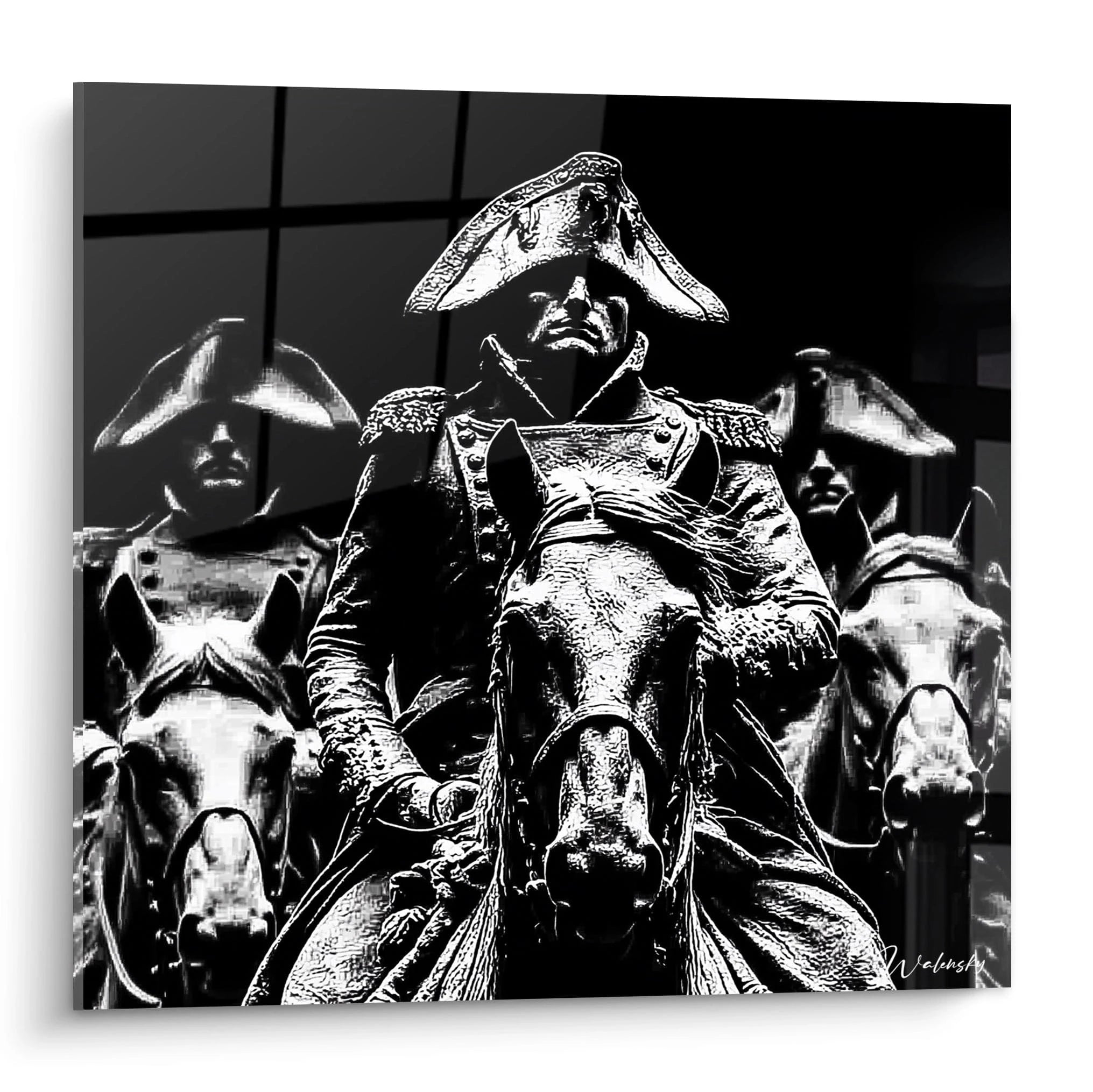
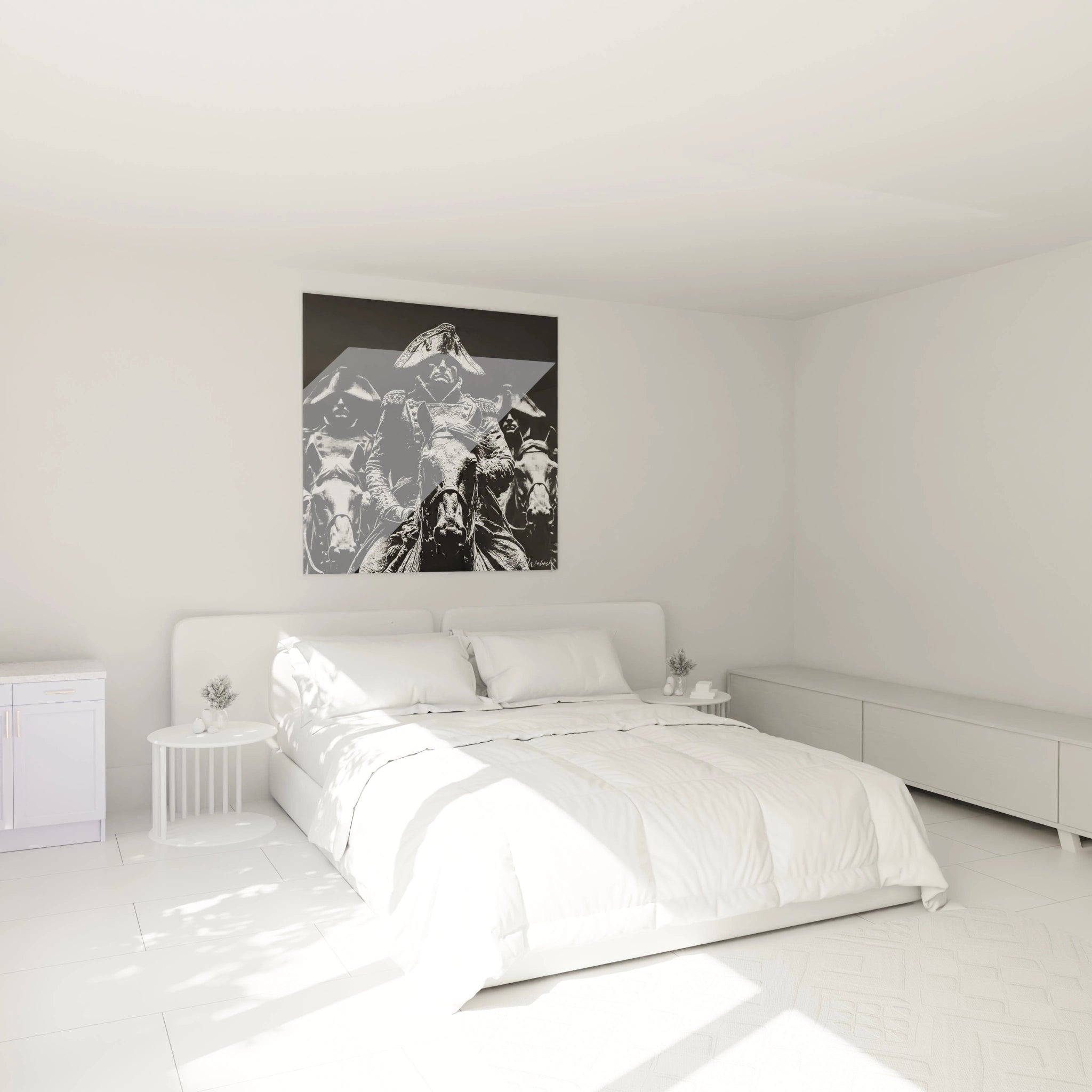
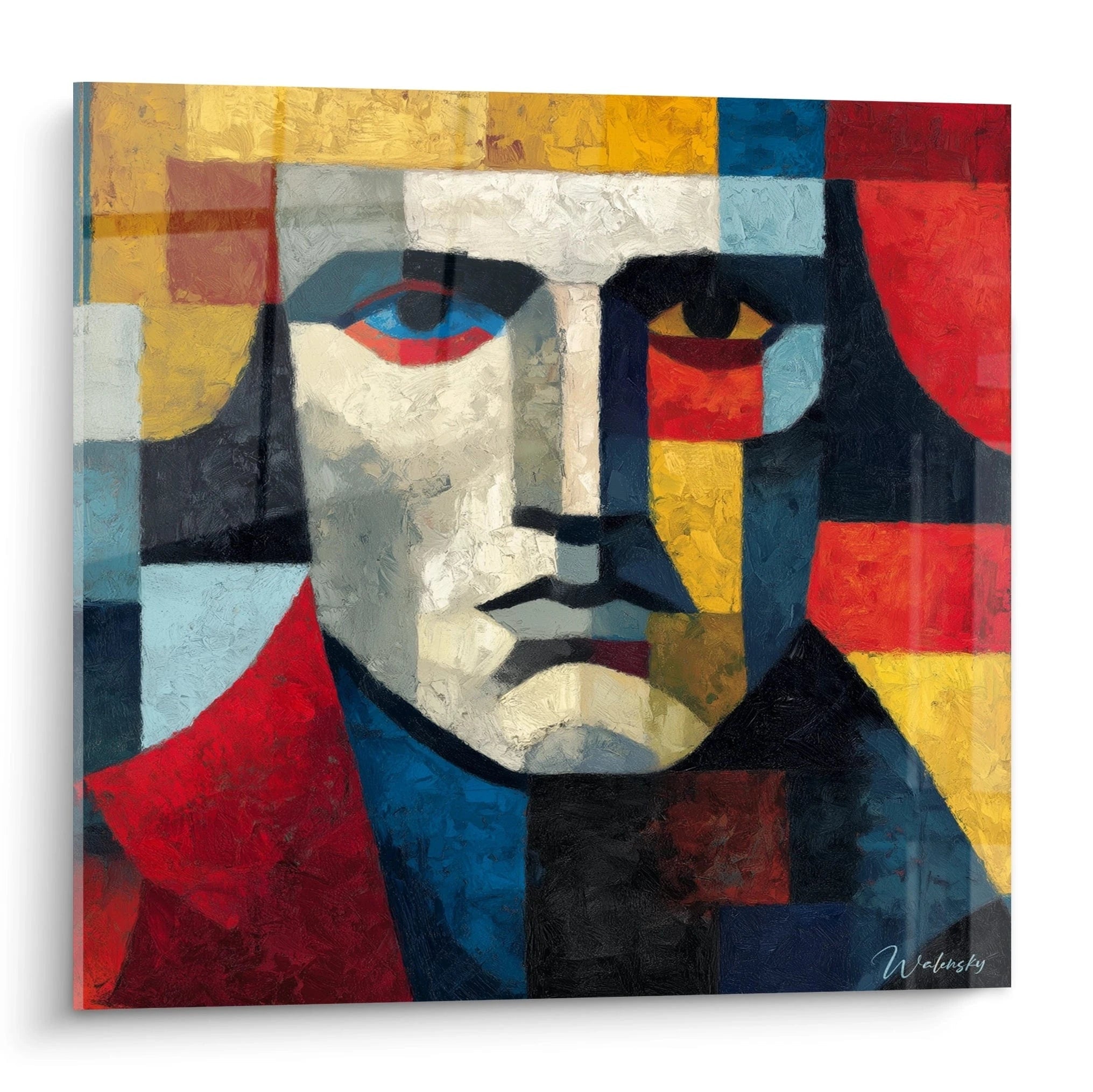
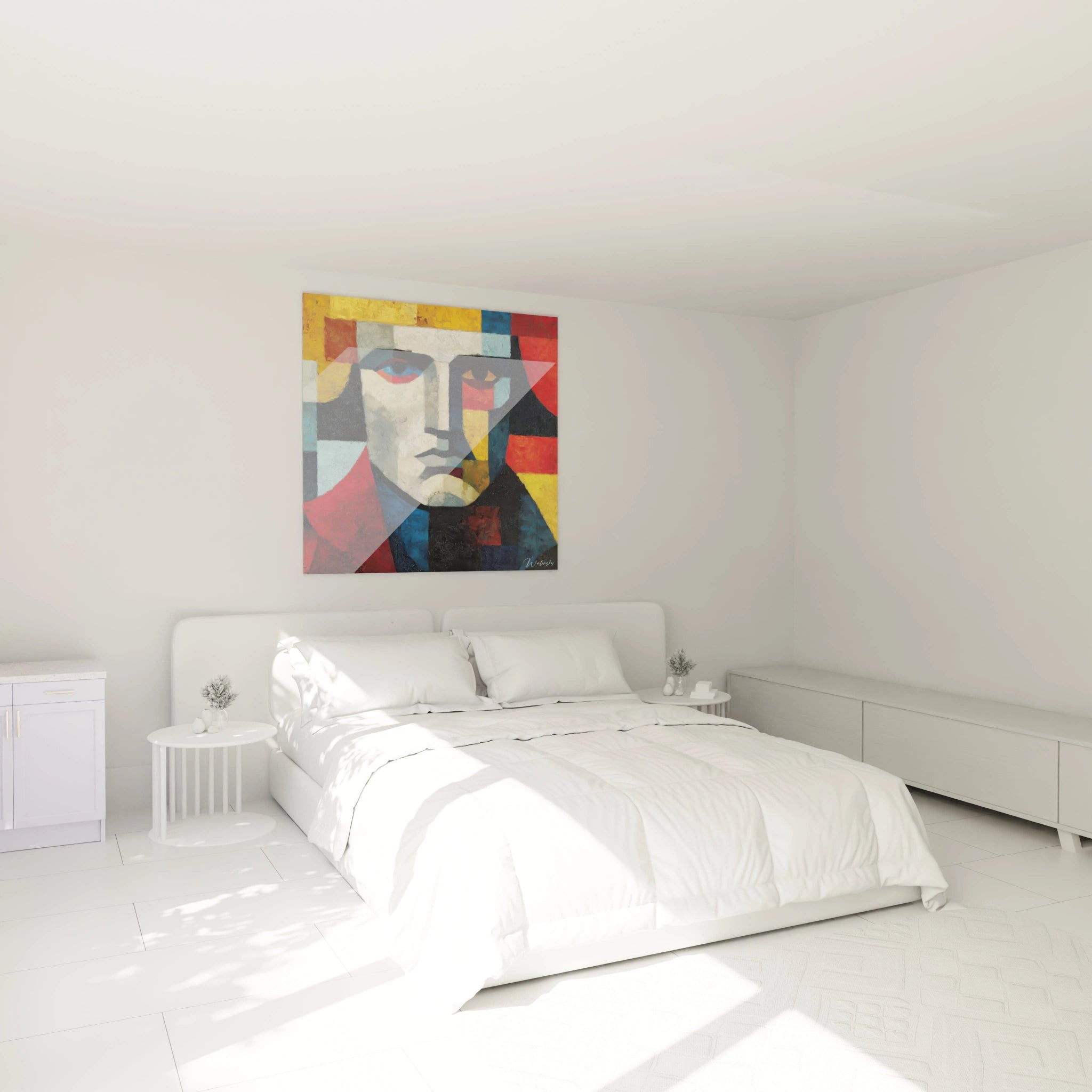
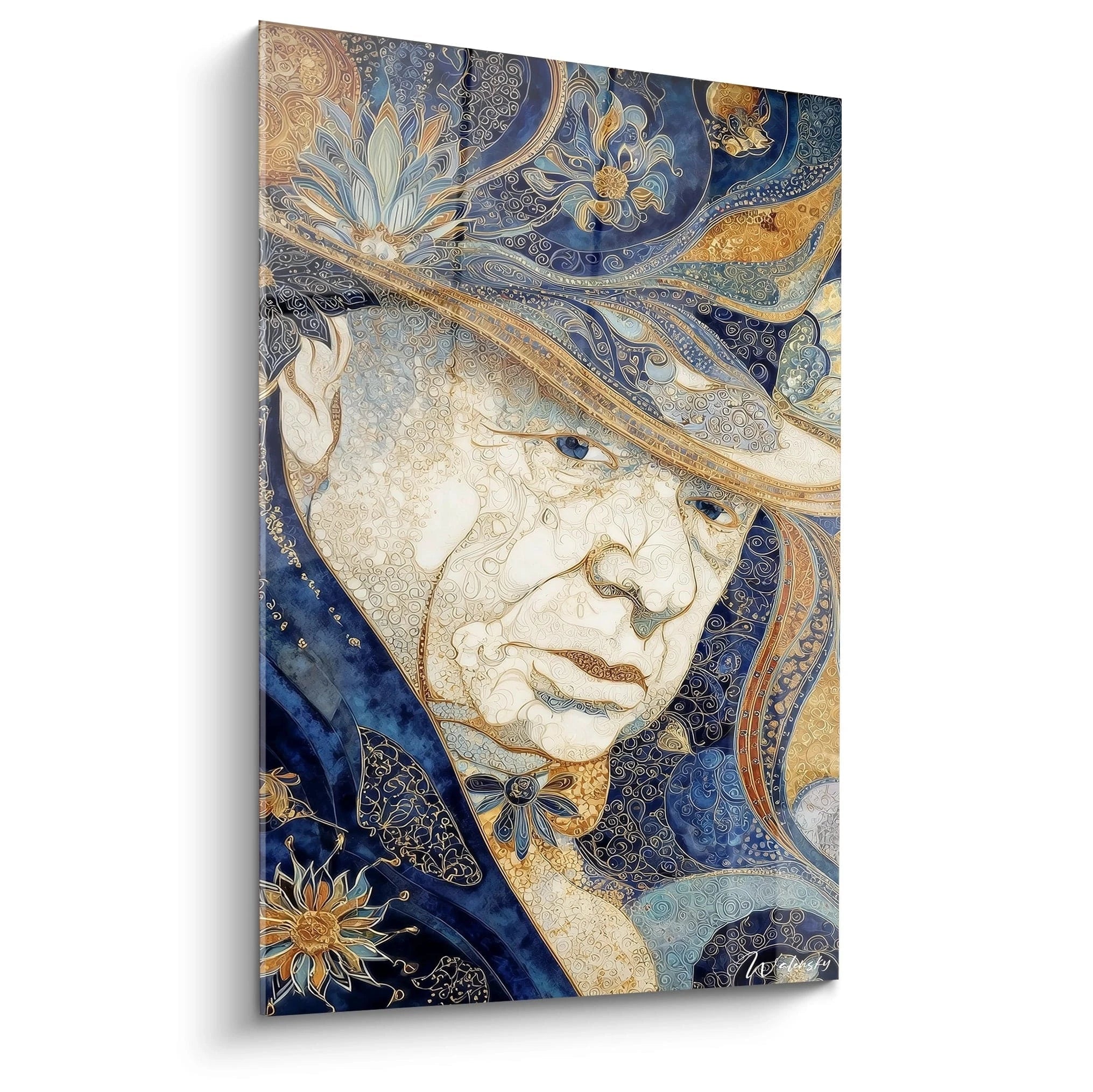
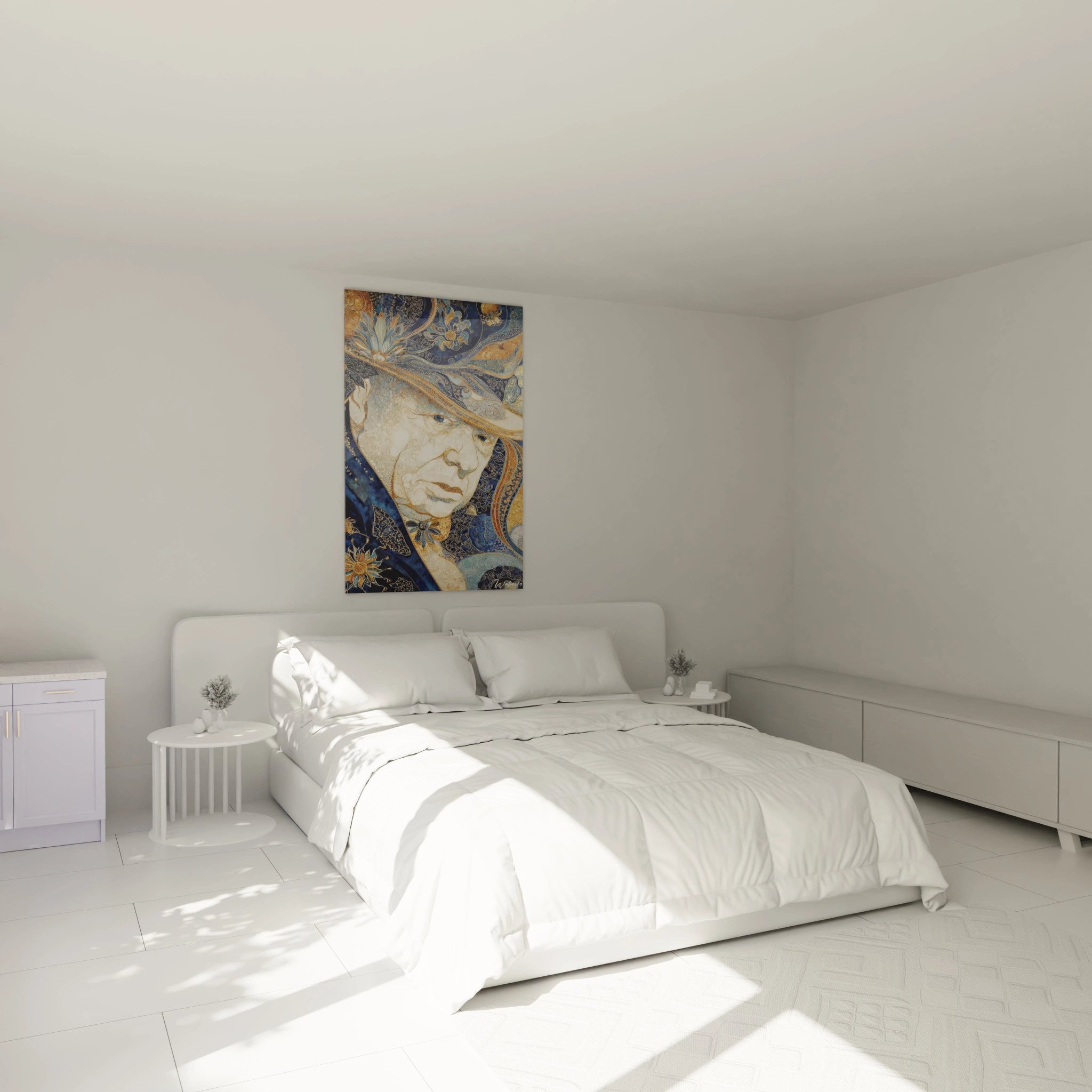
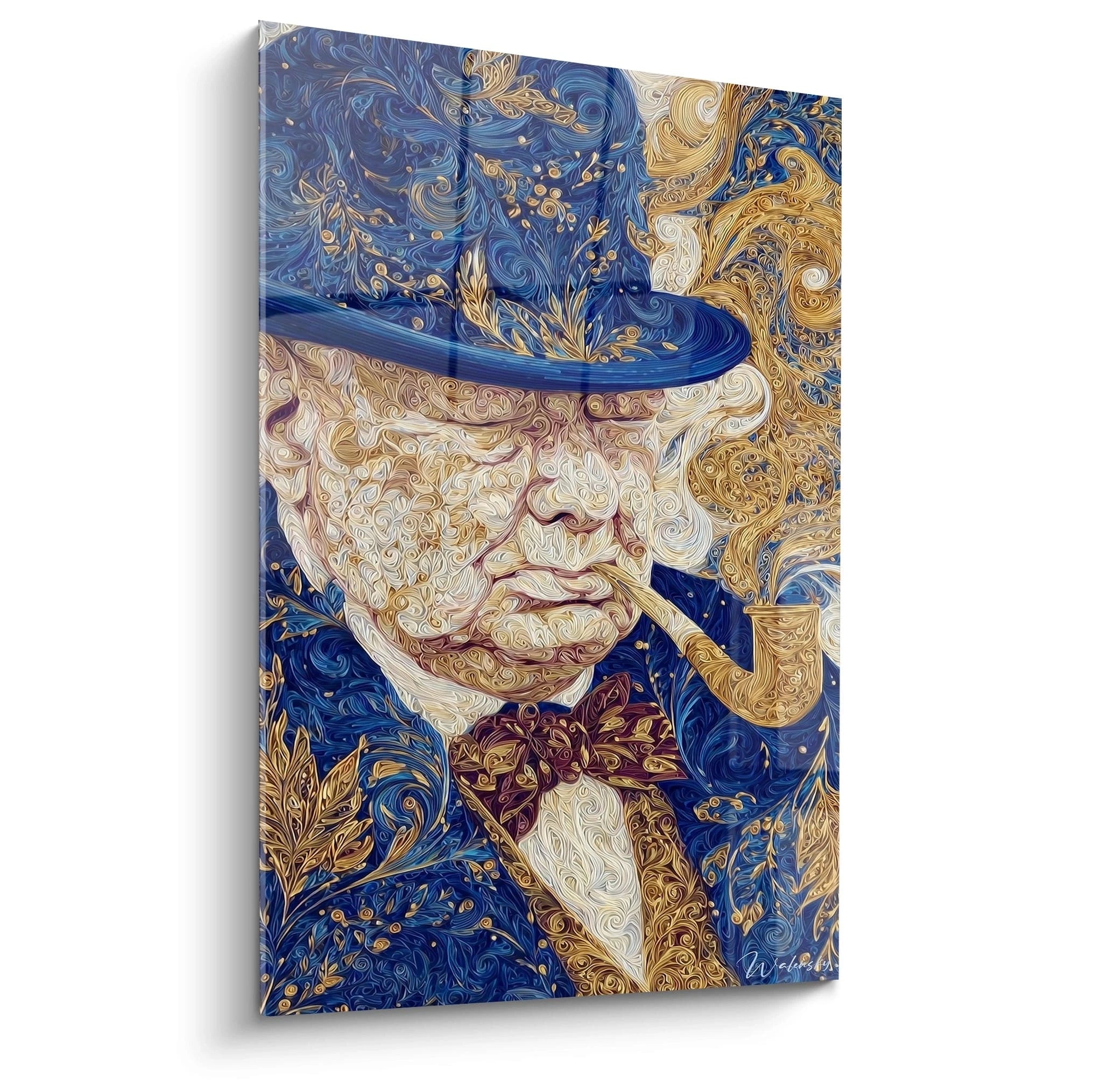
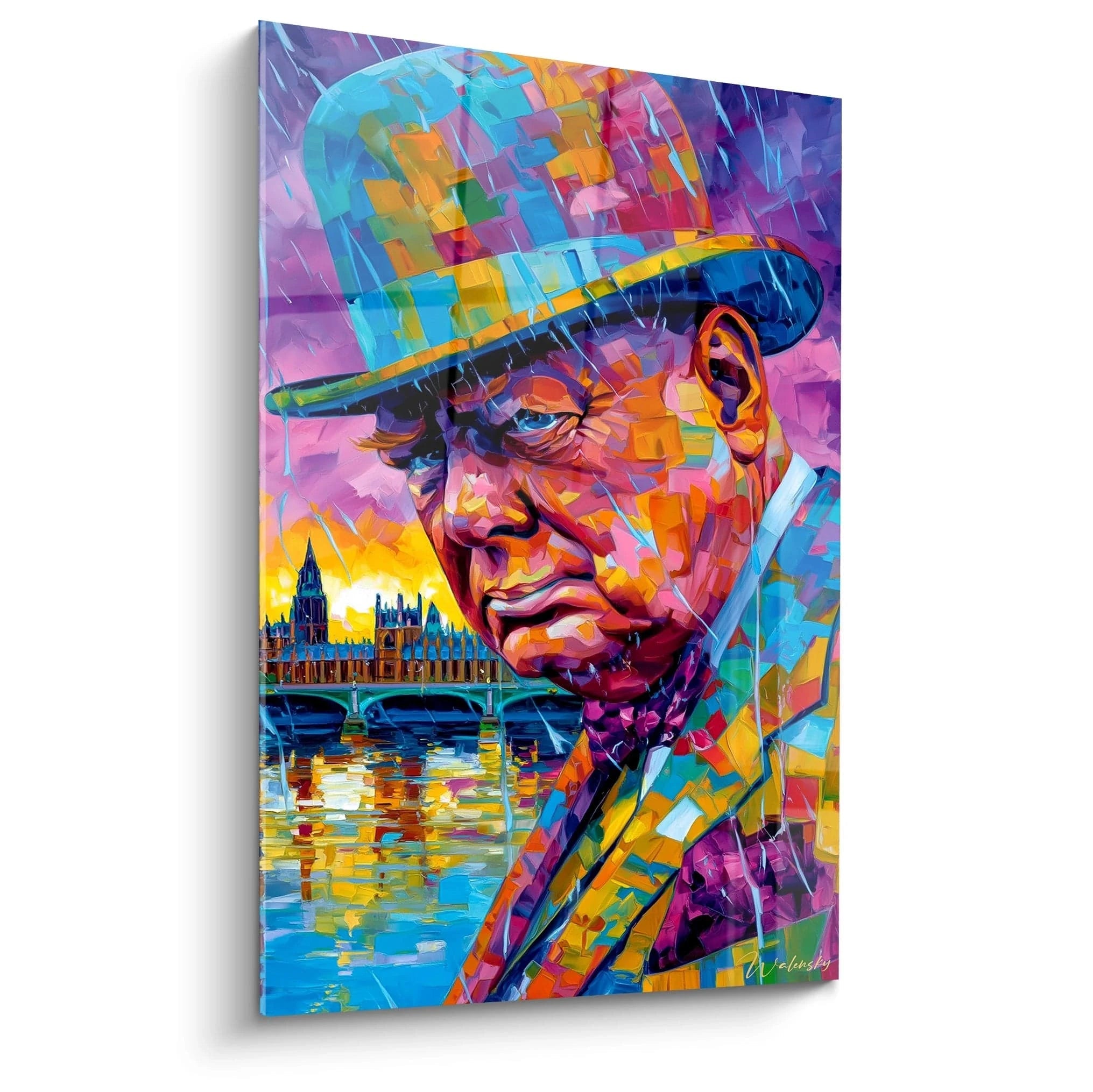
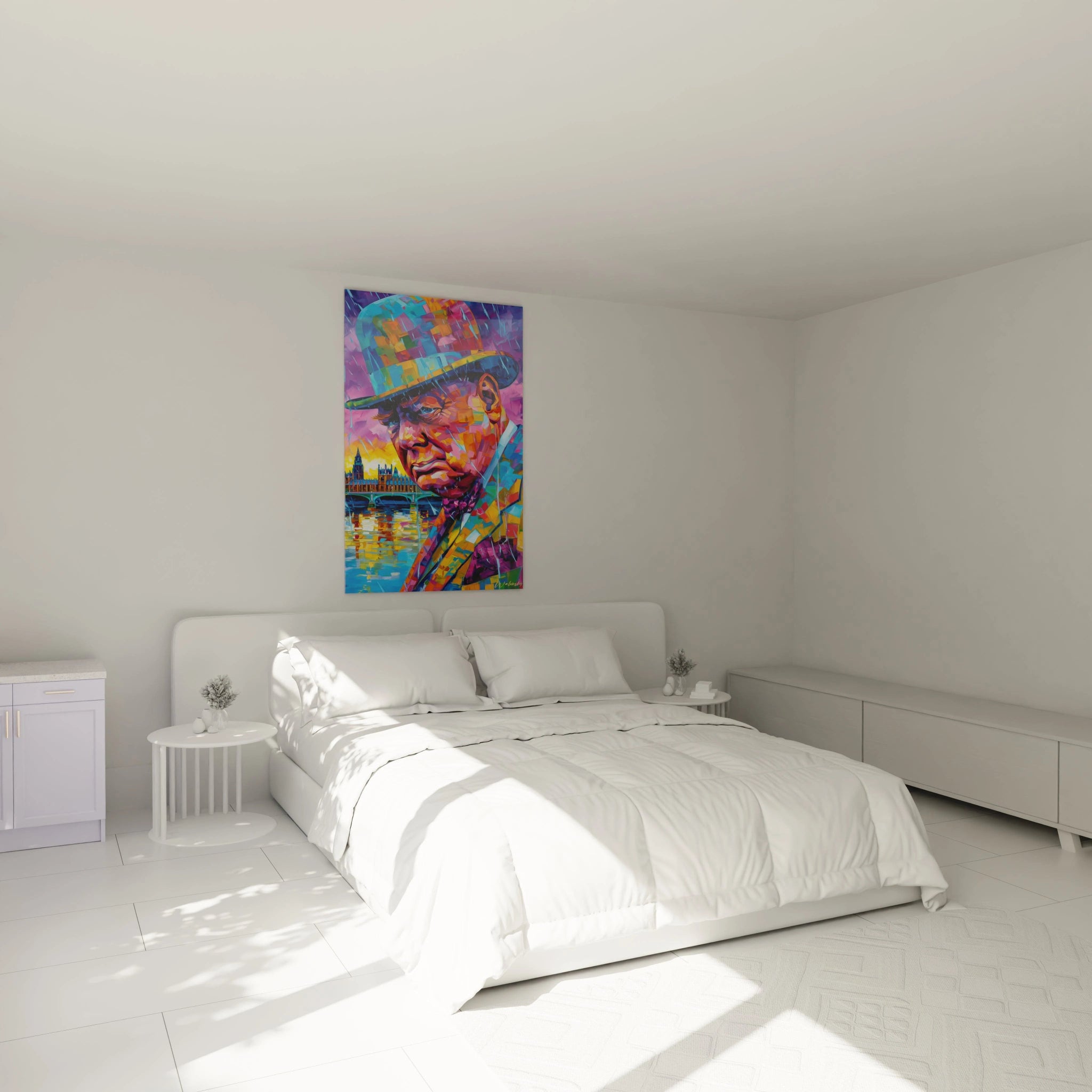
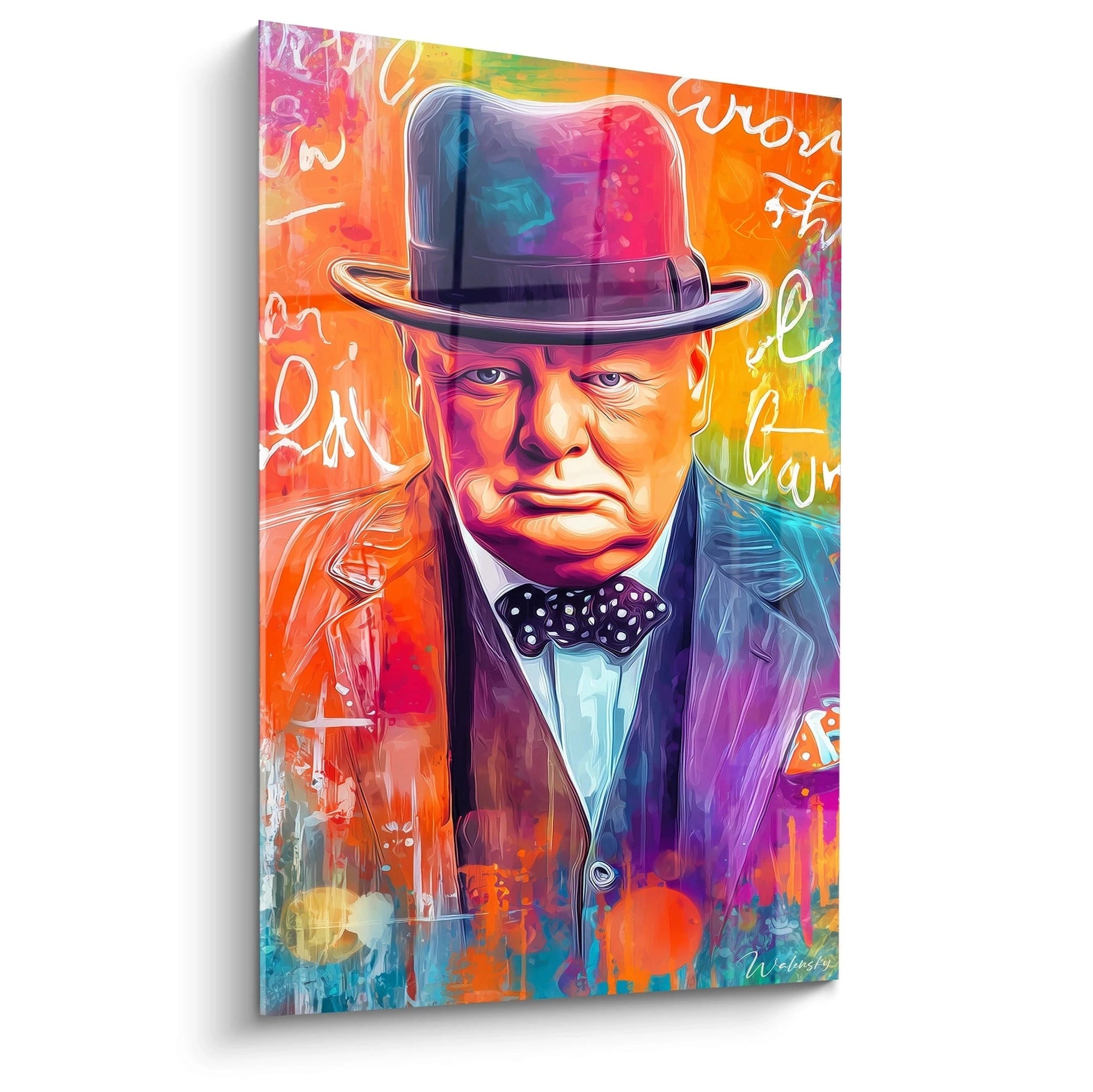
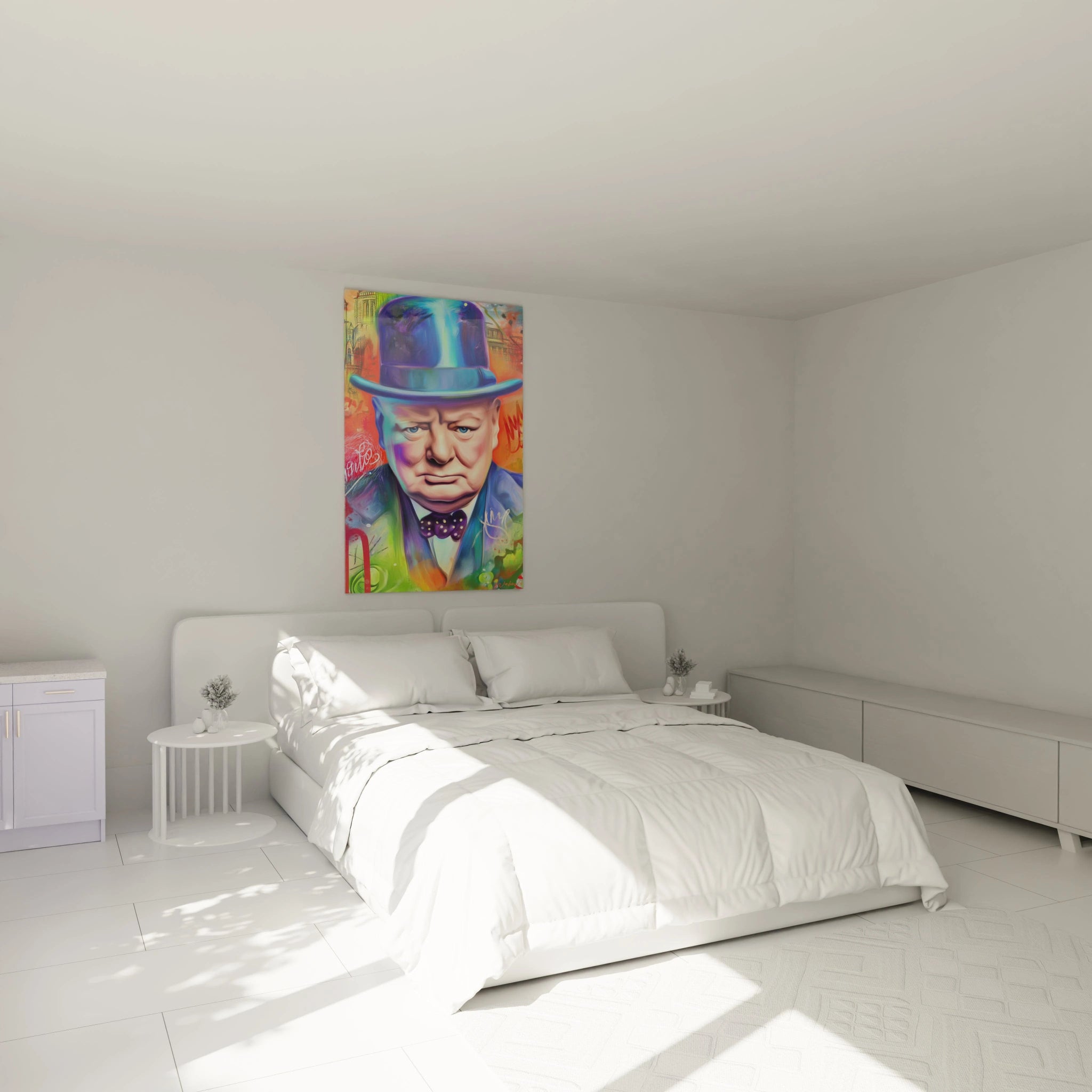
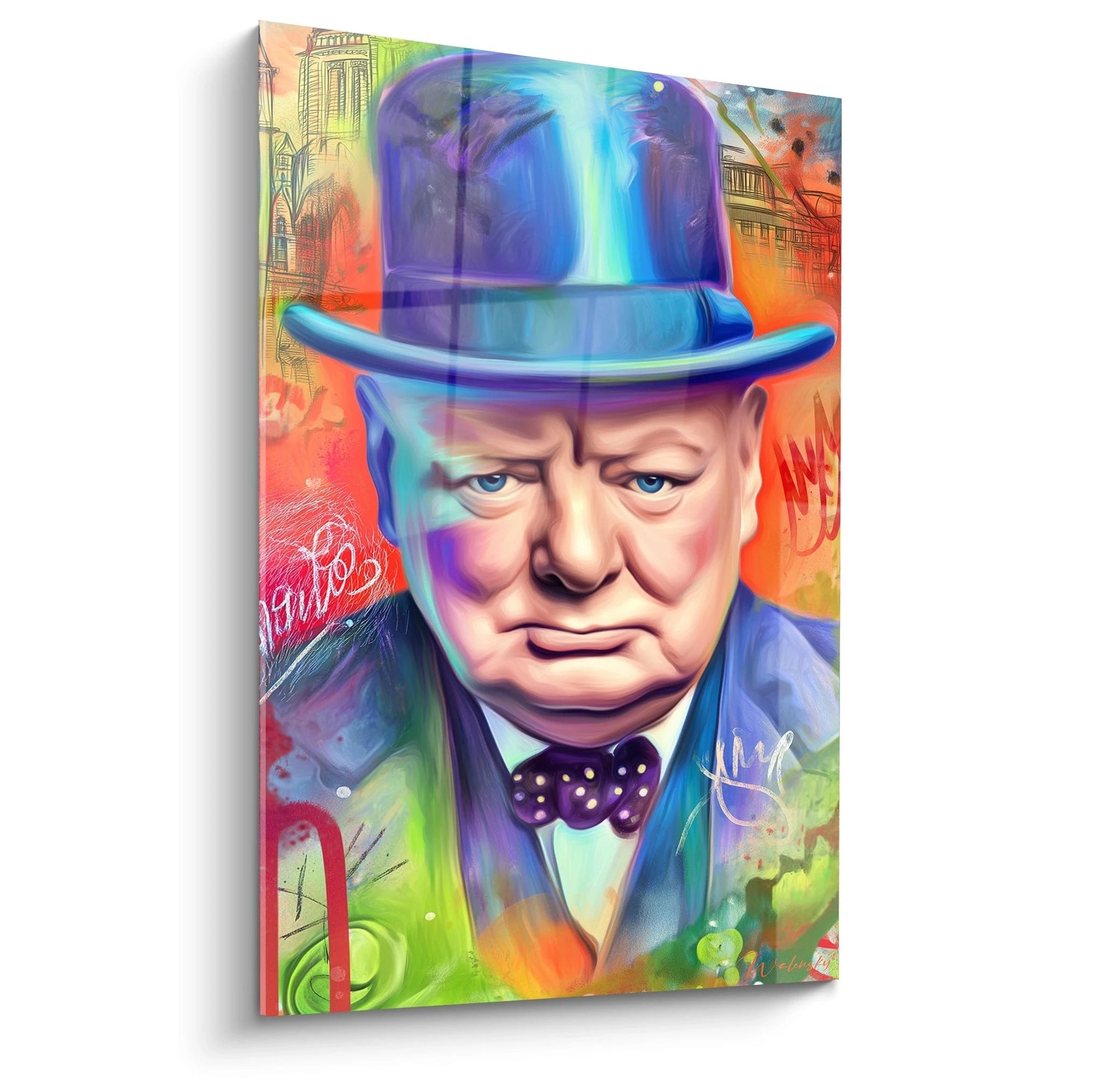
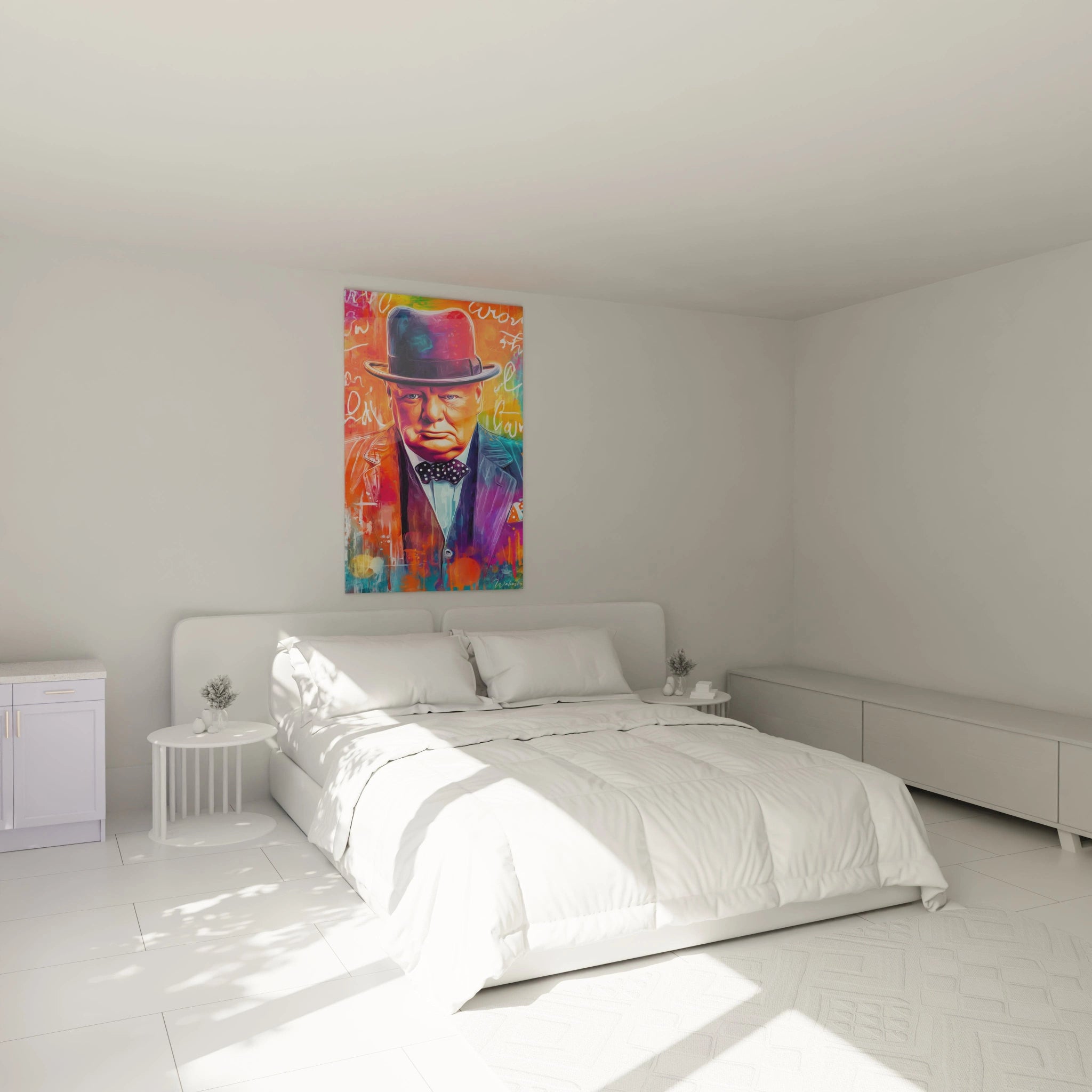
The historical painting represents the very essence of heritage art, transforming your interior into a genuine cultural gallery. These majestic artworks capture the most emblematic moments of our history, offering incomparable artistic and educational dimension to your wall decoration.
Complete Guide to Choosing Your Authentic Historical Painting
Acquiring a historical painting requires a methodical approach to guarantee the quality and authenticity of your artistic investment. High-quality reproductions now offer an accessible alternative to original works, while preserving the visual and cultural impact you seek.
Which historical periods are most sought after?
Art enthusiasts generally favor Renaissance representations, recognized for their refined technique and rich symbolism. French Revolution scenes captivate through their dramatic intensity, while Napoleonic era paintings impress with their epic grandeur. Each historical period brings its own unique aesthetic and cultural message.
Paintings depicting Greco-Roman Antiquity are also experiencing renewed interest, particularly appreciated in contemporary interiors seeking a classical touch. Medieval scenes, with their castles and knights, create a mystical atmosphere particularly suited to characterful spaces.
Selection Criteria for Quality Historical Paintings
Print quality is the primary evaluation criterion. High-definition reproductions on premium supports guarantee faithful color and detail reproduction. A resolution of at least 300 DPI ensures perfect sharpness, even for monumental formats exceeding one meter in width.
The choice of support directly influences the durability and final appearance of your historical painting. Dibond aluminum prints offer exceptional resistance and modern rendering, while traditional rigid supports preserve the authentic appearance of period works.
- Verification of provenance and reproduction rights
- Quality assurance and color fidelity control
- Selection of format suited to destination space
- Choice of mounting system appropriate for weight
Essential Historical Art Styles
Baroque style stands out for its dramatic lighting effects and dynamic compositions, perfect for creating a striking focal point in a living room or library. Neoclassical works prioritize balance and harmony, naturally adapting to refined and minimalist interiors.
Historical Romanticism, with its turbulent landscapes and passionate scenes, brings strong emotional dimension to your decoration. These reproductions are particularly suited to bedrooms or intimate spaces where a contemplative atmosphere is desired.
How to identify valuable reproductions?
Museum quality reproductions are recognized by their perfect fidelity to original works preserved in the world's greatest museums. These prints often benefit from official partnerships with cultural institutions, guaranteeing historical and artistic accuracy.
Certification accompaniment constitutes proof of seriousness: detailed description of the original work, historical context, artistic techniques employed. This information enriches your personal culture while enhancing your acquisition among guests passionate about history and art.
Optimizing the Decorative Impact of Your Large Format Historical Painting
Successful integration of a historical painting in large format radically transforms a room's atmosphere. These majestic artworks, often exceeding 100x70 cm, require a specific approach to maximize visual effect and create perfect harmony with the existing environment.
Which size to choose according to your space?
For a standard-sized living room, 120x80 cm or 150x100 cm formats represent the optimal choice, creating strong presence without overwhelming the space. Large volumes, such as entrance halls or stairwells, can accommodate exceptional dimensions exceeding 200 cm in width, transforming these transitional zones into genuine private galleries.
Ceiling height also determines the choice of proportions. Rooms with high ceilings perfectly accommodate vertical formats depicting battle scenes or full-length portraits of celebrated historical figures.
- Precise measurement of available space before ordering
- Consideration of surrounding decorative elements
- Calculation of optimal viewing distance
- Verification of wall support strength
Lighting and Enhancement
Specific lighting reveals all the chromatic richness of your historical painting. Adjustable LED spotlights, positioned at 30° inclination, eliminate glare while accentuating reliefs and textures. This professional museographic technique enhances the finest historical details.
General ambient lighting should remain subtle to avoid competing with the main artwork. Programmable intensity variations allow you to adapt the atmosphere according to times of day, creating sometimes majestic, sometimes intimate atmosphere conducive to contemplation.
Harmonization with Furniture and Architecture
Classic interiors naturally welcome reproductions of old masters, creating obvious stylistic coherence. For contemporary spaces, the contrast between modern furniture and historical scenes generates particularly seductive and original aesthetic tension.
The painting's color palette guides the choice of surrounding decorative accessories. The golden tones of Renaissance scenes harmonize with warm metals, while the deep blues of historical marines call for noble materials such as patinated brass or copper.
Installation and Secure Mounting
Large format historical paintings require reinforced mounting systems suited to their substantial weight. Suspension rails allow precise height adjustment and facilitate display changes according to your seasonal decorative preferences.
Standard mounting height places the artwork's center between 1.50 m and 1.60 m from the floor, optimizing viewing comfort for everyone. This universal museographic rule guarantees optimal appreciation of historical and artistic details, regardless of viewing angle.
Authenticity and Heritage Value of Historical Paintings
Acquiring a historical painting represents a significant cultural and financial investment. Understanding authenticity and value criteria allows for informed decisions, combining aesthetic pleasure with long-term economic relevance.
Differentiation between original and quality reproduction
Historical originals, preserved in private or institutional collections, achieve exceptional valuations reserved for wealthy collectors. High-fidelity reproductions offer an accessible alternative, faithfully reproducing the emotion and visual impact of historical masterpieces.
Contemporary printing technologies achieve remarkable reproduction quality, restoring even the cracks and paint impasto of original works. These museum quality reproductions often benefit from official authorizations from major international museums, guaranteeing historical and artistic accuracy.
- Authenticity certification of the reproduction
- Partnerships with recognized museum institutions
- Giclée or equivalent print quality
- Historical documentation accompanying the artwork
How to evaluate the value of a historical painting?
The rarity of the reproduced artwork directly influences its value. Lesser-known historical scenes or works by less celebrated artists sometimes offer better value for money than reproductions of universally famous masterpieces. This approach allows you to build an original and personalized collection.
The quality of materials and reproduction techniques determines investment durability and stability. Prints on permanent supports, resistant to UV and humidity, retain their color fidelity for decades without notable alteration.
Market Trends and Price Evolution
The historical reproduction market experiences sustained growth, driven by enthusiasm for cultural decoration and accessibility of high-quality printing technologies. Large formats benefit from particularly strong demand, enhancing residential and professional spaces.
Napoleonic and revolutionary themes maintain stable prices, reflecting permanent interest in these pivotal periods of French history. Ancient scenes are gaining popularity, attracting an international clientele seeking universal cultural references.
Heritage Conservation and Maintenance
Optimal conservation of your historical painting requires stable environmental conditions. Direct sun exposure and significant hygrometric variations are the primary degradation factors to absolutely avoid.
Regular maintenance is limited to gentle dusting with a dry microfiber cloth. This maintenance simplicity is a major advantage of modern reproductions compared to antique works requiring costly specialized care.
Frequently Asked Questions about Historical Paintings
What is the quality difference between a printed historical painting and an original painting?
High-quality reproductions faithfully restore the visual appearance of originals, with definition allowing appreciation of all artistic details. Only heritage value and uniqueness fundamentally differ.
How to authenticate the provenance of a reproduced historical painting?
Legitimate reproductions come with detailed documentation specifying the source work, its current location and reproduction authorizations obtained from rights holders.
Is a large format historical painting suitable for all decorative styles?
Historical art adapts remarkably to contemporary interiors, creating sophisticated contrast. Frame and lighting choices allow harmonizing the artwork with any architectural style.
What criteria should be used to evaluate the print quality of a historical painting?
Minimum 300 DPI resolution, use of pigment-based inks resistant to fading and choice of suitable support constitute the fundamental technical guarantees of museum quality reproduction.