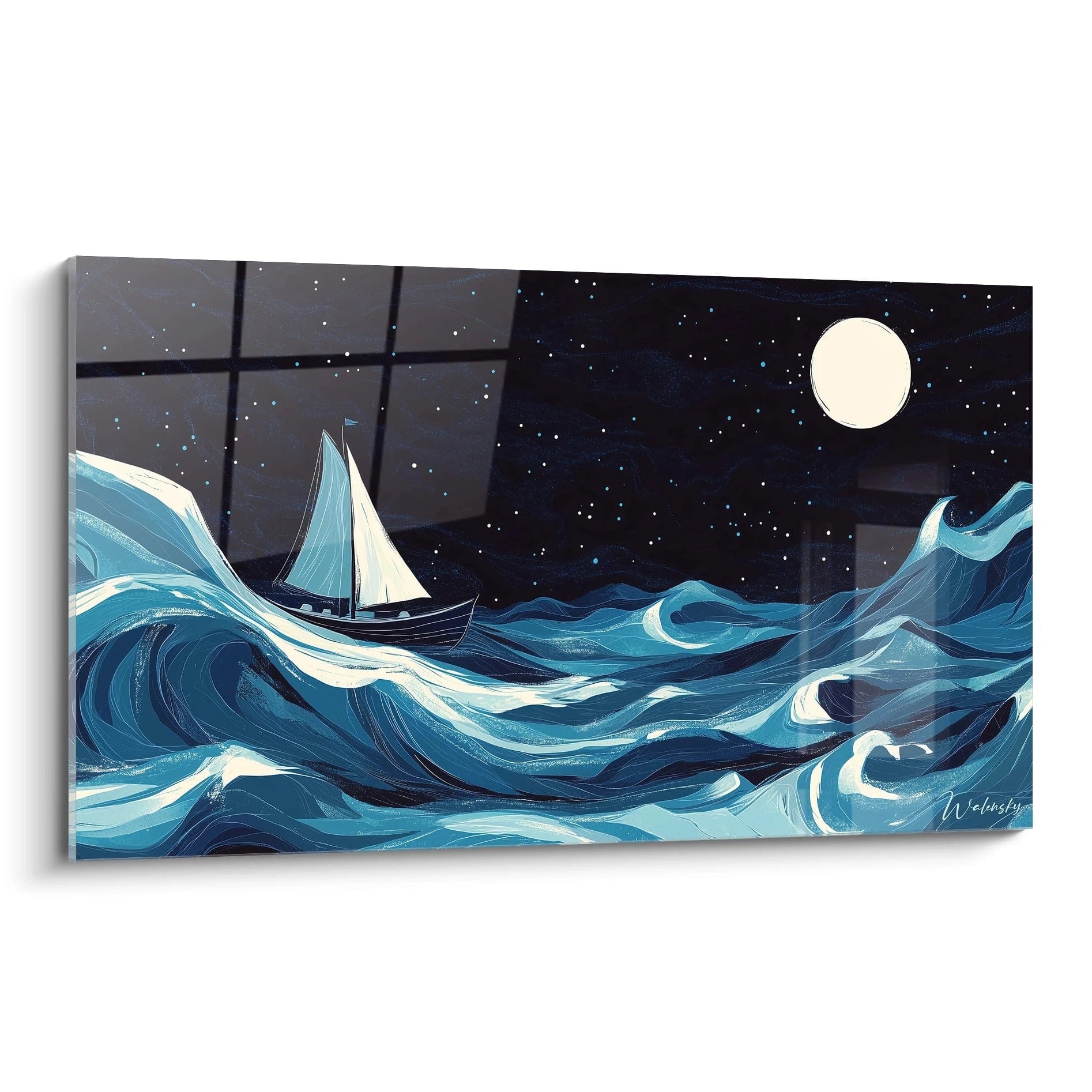
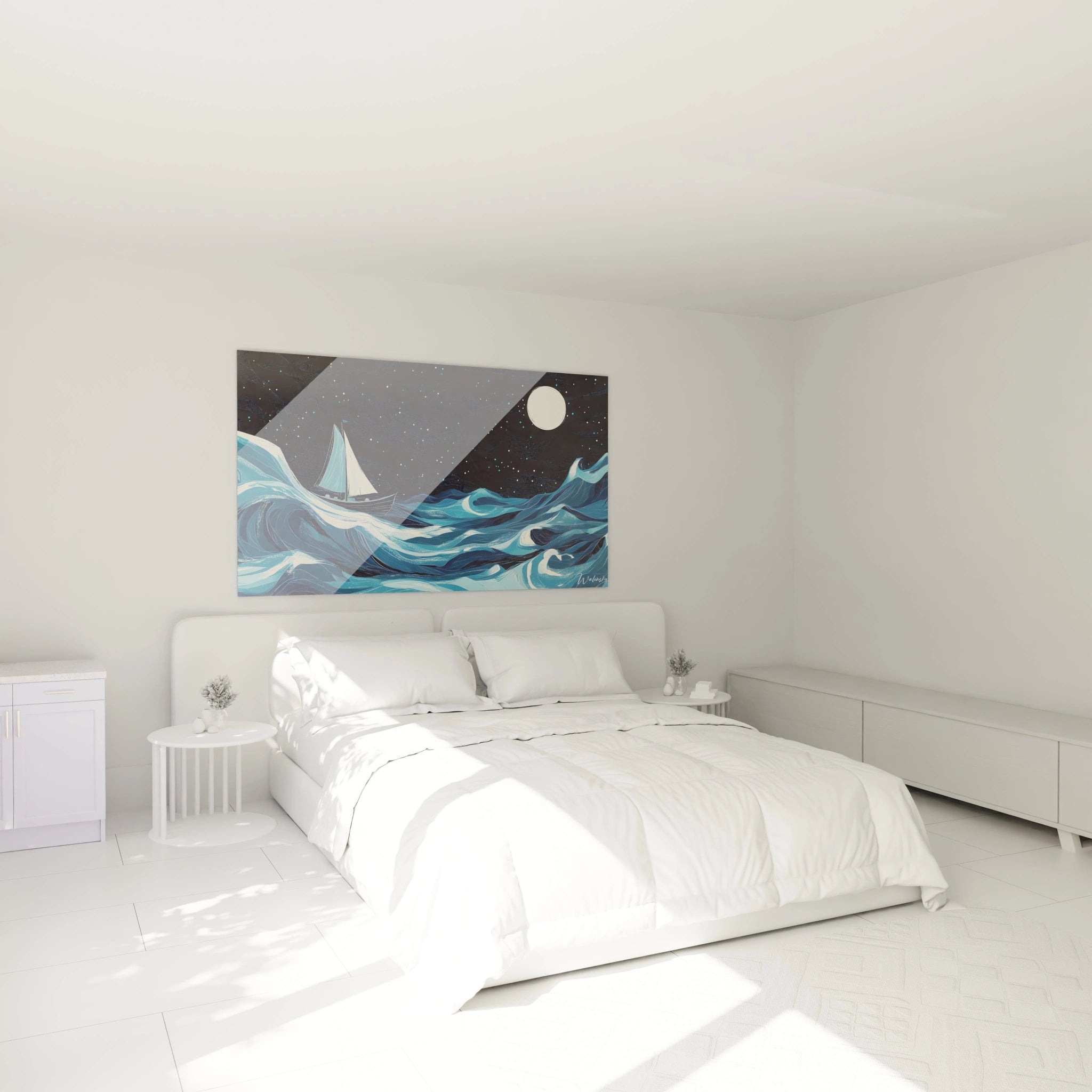
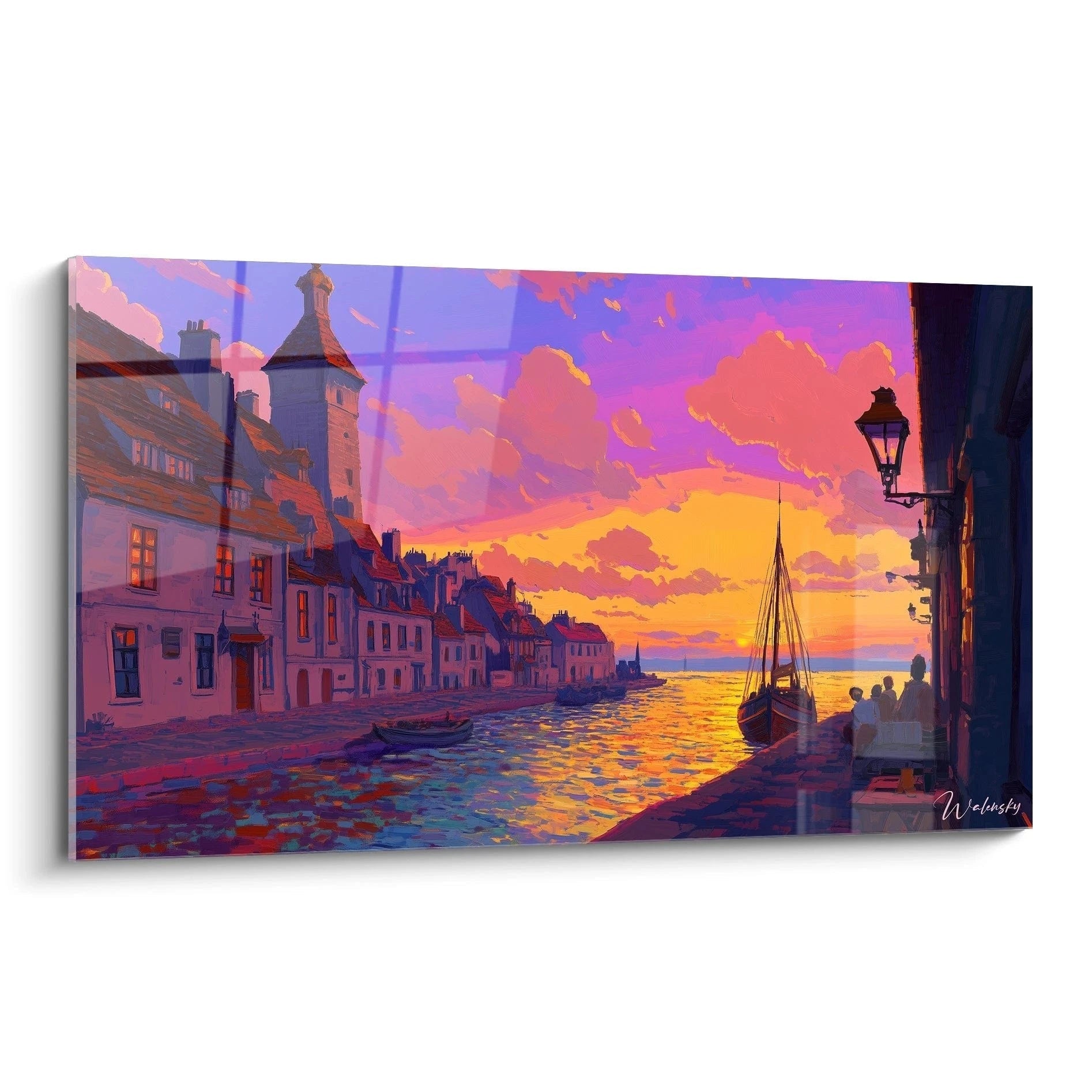
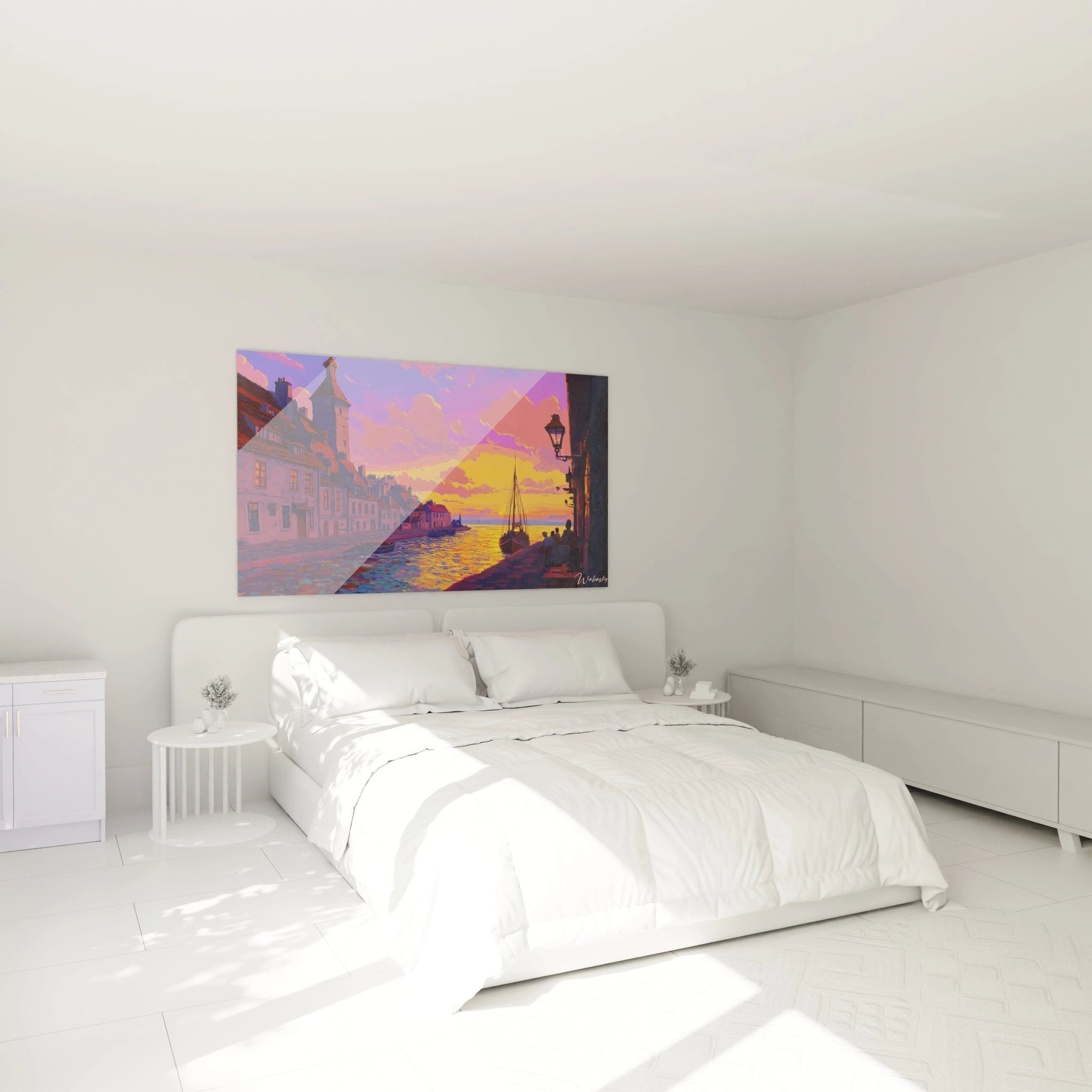
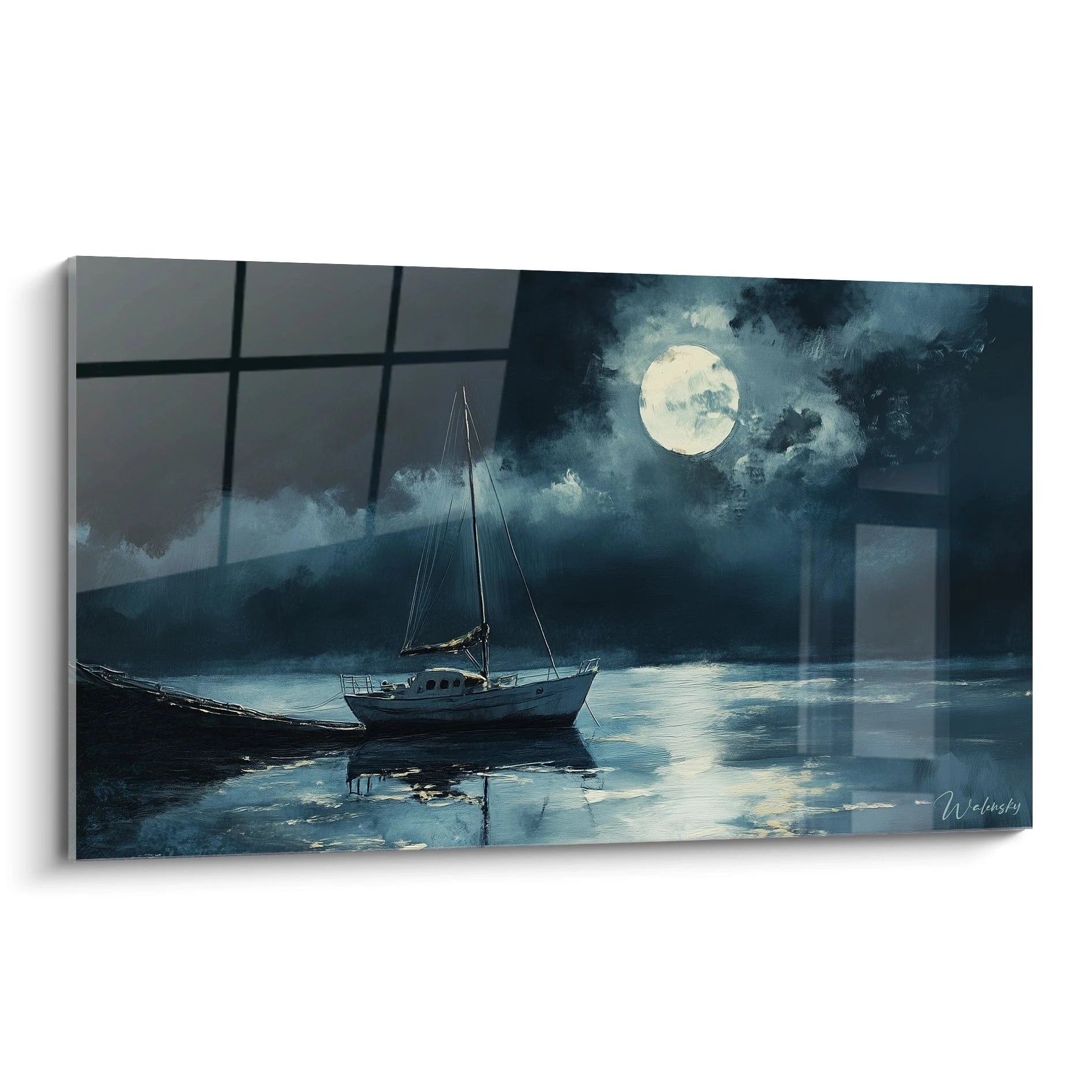
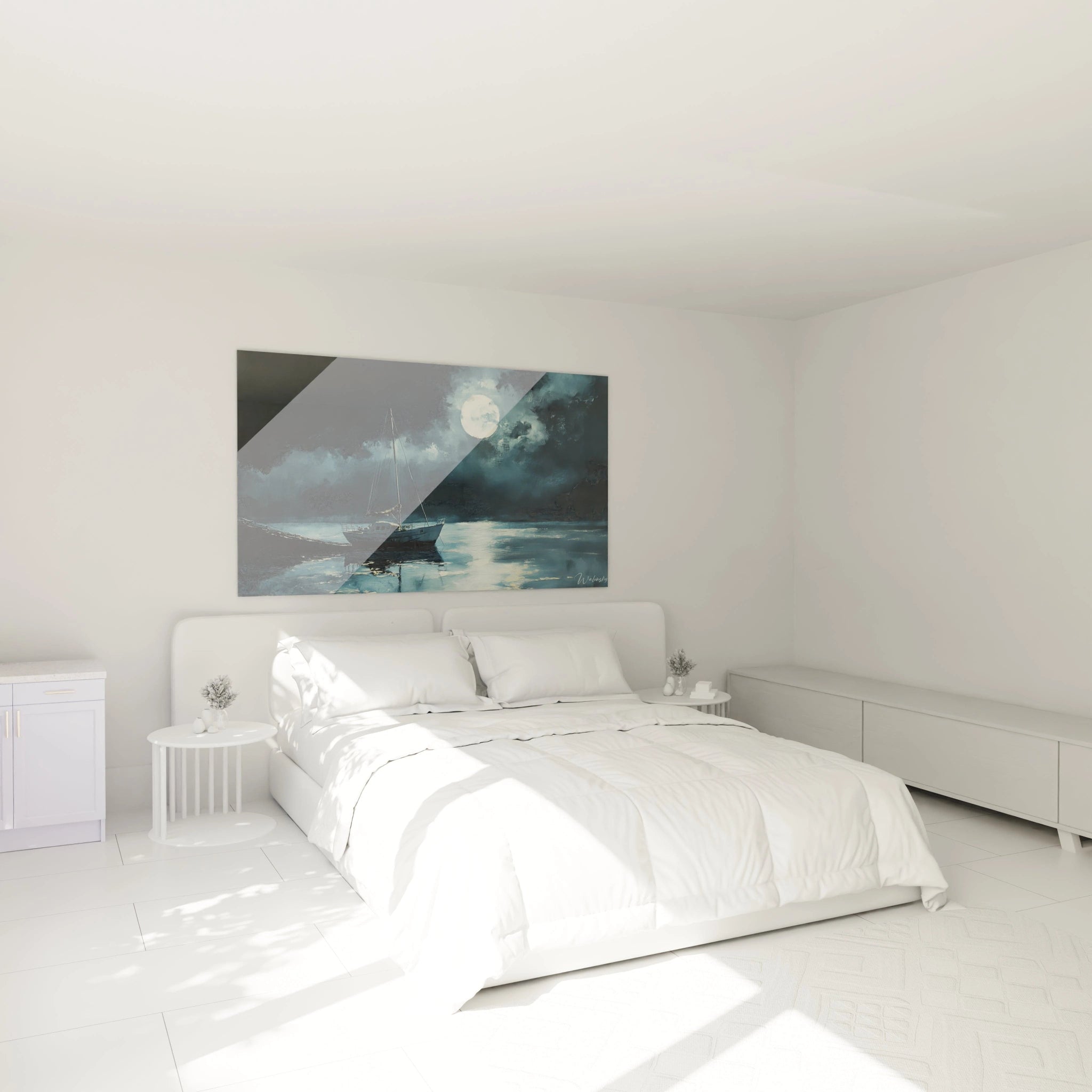
- Claude Joseph Vernet Painting Presentation
- Claude Joseph Vernet Painting - History and Heritage
- Claude Joseph Vernet Painting - Maritime Light
- Claude Joseph Vernet Painting - Atmosphere and Emotion
The paintings of Claude Joseph Vernet represent an invaluable artistic heritage in the history of 18th-century French maritime painting. Master of maritime landscapes, Vernet captured with remarkable precision the power and serenity of the seas, creating works where each wave seems to come alive beneath his expert brush. His representations of ports, storms and coastal scenes testify to meticulous observation and exceptional technical mastery that continue to inspire contemporary art lovers and collectors.
The particularity of famous paintings by Claude Joseph Vernet lies in their ability to combine documentary precision and artistic emotion. Each painting tells a story, capturing a precise moment where nature and humanity meet in a harmonious or tumultuous ballet. Collectors particularly appreciate the characteristic luminosity of these works, where light seems to emanate from within the painting itself.
Whether you are passionate about maritime art, a discerning collector or simply looking for a masterpiece for your interior, reproductions of Claude Joseph Vernet paintings bring historical depth and timeless elegance to any space. Explore the different facets of his work through our thematic tabs to discover why his paintings continue to fascinate and move more than two centuries after their creation.
The Artistic Legacy of Claude Joseph Vernet Paintings
Claude Joseph Vernet, born in 1714 in Avignon and died in 1789 in Paris, established himself as the undisputed master of French seascapes in the 18th century. His paintings represent far more than simple maritime landscapes; they constitute genuine historical documents imbued with remarkable artistic sensibility. The uniqueness of his works lies in their ability to capture the specific atmosphere of French and Mediterranean ports with almost photographic precision, while infusing it with palpable emotion.
Why are Vernet's paintings considered unique historical testimonies?
Vernet's maritime representations are distinguished by their exceptional documentary value. Commissioned by Louis XV to immortalize the ports of France, the artist created his famous series of "Ports of France" between 1754 and 1765, documenting with remarkable precision naval architecture, port activities and maritime life of the era. These paintings are today invaluable references for historians and maritime heritage enthusiasts, offering an authentic glimpse of coastal France in the 18th century.
A painting by Claude Joseph Vernet brings to your interior not only refined aesthetics, but also incomparable historical depth. Each reproduction transports the observer into a bygone era, allowing appreciation of navigation techniques, clothing styles and the social organization of maritime communities in the pre-revolutionary period. This documentary dimension adds significant cultural value that transcends simple decoration.
Diplomatic and royal influence in Vernet's works
A fascinating and often overlooked aspect of Claude Joseph Vernet paintings concerns their role in 18th-century French diplomacy. His seascapes were frequently offered as diplomatic gifts by the French court, symbolizing the kingdom's maritime and commercial power. Owning a reproduction of these works thus evokes not only French artistic excellence, but also its political influence on a European scale.
The characteristic light in Vernet's paintings, particularly his mastery of dawn and dusk effects, creates unique atmospheres that transform the mood of your living space. Unlike simple maritime representations, his works capture moments of atmospheric transition, where natural light subtly reveals the contours of ships and port architectures, generating exceptional visual depth impossible to reproduce with conventional lighting techniques.
How to integrate a Vernet painting into a contemporary interior?
Integrating a Claude Joseph Vernet painting into a modern interior creates a striking contrast between 18th-century maritime classicism and the clean lines of contemporary design. This temporal juxtaposition generates an intellectually stimulating focal point that invites contemplation and conversation. To maximize this effect, choose a location where natural light can interact with the delicate nuances of skies and seas painted by the artist, thus recreating the Mediterranean or Atlantic luminosity that characterizes his work.
The narrative dimension of Vernet's paintings fundamentally distinguishes them from generic maritime representations. Each port or maritime scene tells a specific story, presenting various characters going about their daily activities. This narrative richness transforms the visual experience, inviting the observer to gradually discover the multiple details and anecdotes scattered throughout the composition. A Vernet painting therefore never fully reveals itself at first glance, offering a progressive discovery that continually renews visual interest.
- Exceptional patrimonial value of port scenes documenting maritime France in the 18th century
- Unique treatment of Mediterranean and Atlantic light impossible to reproduce in other artistic styles
- Enriched narrative dimension through detailed representation of historical maritime activities
Discerning collectors particularly appreciate the technical precision with which Vernet represents ships in his paintings. Unlike stylized or romantic seascapes, his works demonstrate profound knowledge of naval architecture and navigation techniques of his era. This technical accuracy, combined with his artistic sensibility, makes each reproduction an object of admiration for both maritime history enthusiasts and refined art lovers.
Mastery of Maritime Light in Claude Joseph Vernet Paintings
The singularity of Claude Joseph Vernet paintings lies primarily in his revolutionary treatment of maritime light. Unlike his contemporaries who often represented the sea as a secondary decorative element, Vernet makes it the principal character of his compositions, capturing with scientific precision the complex interactions between sunlight and water surfaces. This unique technical mastery transforms his seascapes into genuine atmospheric studies, where each reflection and shadow reveal a profound understanding of maritime light phenomena.
How does the luminosity of Vernet's paintings distinguish itself from other maritime painters?
What fundamentally differentiates Claude Joseph Vernet paintings from other maritime representations of his era is his exceptional ability to reproduce the specific light effects of different times of day and various weather conditions in marine environments. His works capture with precision the particular luminosity preceding storms, the crystalline clarity of Mediterranean mornings, or the soft golden glow of harbor sunsets. This technical mastery creates in your interior space a temporal window to authentic maritime atmospheres impossible to reproduce by other decorative means.
Collectors and maritime art enthusiasts immediately recognize Vernet's luminous signature through his inimitable representation of skies. Each painting presents unique celestial drama where clouds, light breaks and chromatic gradations create a specific atmosphere that influences the entire composition. This celestial dimension brings exceptional vertical depth to your interior, visually expanding space and creating a sense of openness even in modest-sized rooms.
The representation of maritime storms: a technical specialty of Vernet
The maritime storm scenes painted by Claude Joseph Vernet represent a category particularly prized by discerning collectors. Unlike the stylized or exaggerated representations of his contemporaries, Vernet relies on meticulous scientific observation of maritime meteorological phenomena. His paintings reproduce with striking precision the specific light effects of atmospheric disturbances in marine environments: lightning momentarily illuminating darkness, metallic reflections on agitated waves, or dramatic contrasts between shadowed areas and light breaks.
A particularly fascinating aspect of Claude Joseph Vernet paintings concerns his technical mastery in representing different water qualities. Whether calm and transparent waters of a Mediterranean port, tumultuous waves of a raging Atlantic, or transition zones between fresh and salt water at river mouths, the artist succeeds in capturing the specific optical properties of each aquatic environment. This hydrographic diversity brings inexhaustible visual richness that continually renews the contemplative experience.
How does light in Vernet's paintings interact with modern lighting?
Integrating a Claude Joseph Vernet painting into a contemporary interior creates fascinating light interactions with modern lighting systems. Current LED technologies, particularly those allowing adjustment of color temperature, can highlight the chromatic subtleties of Vernet's seascapes in unprecedented ways. Intelligent lighting programmed to evolve throughout the day can even amplify the effect of different light qualities represented in the work, creating a dynamic visual experience that continually transforms the painting's perception.
- Unique scientific treatment of interactions between sunlight and maritime surfaces in different weather conditions
- Exceptional representation of different water qualities according to their specific geographic environment
- Celestial drama creating an immediately recognizable atmospheric signature
Claude Joseph Vernet maritime paintings present remarkable sensory quality that transcends simple visual experience. His meticulous representation of specific atmospheric conditions synesthetically evokes the physical sensations associated with them: one can almost feel the sea breeze of port scenes, the humidity preceding storms in his representations of approaching tempests, or the soothing warmth of setting sun on calm waters. This sensory dimension significantly enriches the daily experience of the work, creating emotional connection that far exceeds the conventional decorative framework.
The Emotional Atmosphere of Claude Joseph Vernet Paintings
Claude Joseph Vernet paintings far transcend simple maritime representation to become genuine emotional experiences. What fundamentally distinguishes his works from other seascapes is their unique ability to evoke simultaneously wonder at natural beauty and respectful awe before the power of elements. This emotional duality, brilliantly orchestrated through luminous and compositional contrasts, creates dramatic tension that maintains visual and emotional interest over the long term, making each painting an inexhaustible source of contemplation.
How do Vernet's paintings influence the emotional atmosphere of a space?
Introducing a Claude Joseph Vernet painting into a contemporary interior generates profound atmospheric transformation that far exceeds decorative effect. His maritime compositions create what specialists call an "emotional portal", a window to complete sensory experience that subtly modifies perception of surrounding space. Research in environmental psychology confirms that regular contemplation of well-executed maritime landscapes, such as those by Vernet, can induce measurable reduction in cortisol levels (stress hormone) and promote mental state conducive to contemplative reflection.
A particularly fascinating aspect of Claude Joseph Vernet paintings lies in their ability to create "emotional microclimates" within a single space. His representations of specific weather phenomena - whether the luminous serenity of a Mediterranean harbor at dawn or the dramatic tension of an approaching storm - generate distinct zones of emotional experience that enrich the psychological complexity of your daily environment, offering different emotional tones according to moment-to-moment needs.
Silent narration in Vernet's maritime paintings
Claude Joseph Vernet paintings distinguish themselves through their unique narrative richness that transcends the usual limitations of landscape painting. Each work constitutes a social microcosm where multiple human narratives simultaneously unfold: sailors preparing their nets, merchants overseeing the unloading of exotic merchandise, aristocrats observing port activity, fishing families going about their daily occupations. This anthropological dimension transforms visual experience into immersive social exploration that continually renews interest in the work over time.
A distinctive element of Claude Joseph Vernet paintings, particularly appreciated by contemporary collectors, concerns his balanced representation of the relationship between humanity and natural power. Unlike later Romantic seascapes where humanity often appears insignificant before unleashed elements, Vernet presents complex coexistence where human ingenuity (naval architecture, port facilities, navigation techniques) dialogues with natural forces. This nuanced vision particularly resonates with current environmental concerns, conferring renewed philosophical relevance to his works.
What influence do Vernet's paintings have on temporal perception?
Cognitive neuroscience research reveals a fascinating phenomenon associated with prolonged contemplation of Claude Joseph Vernet paintings: their ability to subtly modify the observer's temporal perception. The richness of details combined with perfect balance between areas of intense activity and spaces of serene contemplation induces what specialists call "suspended temporal immersion state". This unique cognitive experience, similar to that generated by certain meditative practices, explains the restorative mental effect documented by many collectors and museum institutions exhibiting his works in spaces dedicated to contemplation.
- Creation of distinct emotional microclimates subtly modifying the psychological atmosphere of interior space
- Anthropological narrative dimension enriching visual experience through multiple interconnected human stories
- Induction of unique contemplative state modifying observer's temporal perception
International maritime museum curators emphasize a particularly remarkable aspect of Claude Joseph Vernet paintings: their ability to transcend cultural barriers. Unlike other artistic expressions deeply rooted in specific cultural references, his maritime representations touch universal human experience - our ambivalent relationship with vast oceans, simultaneously source of subsistence and danger. This emotional universality explains why his works continue to resonate deeply with observers from very diverse cultural traditions, making each reproduction a cross-cultural bridge in your personal space.
FAQ: Claude Joseph Vernet Paintings
What characteristics distinguish a Claude Joseph Vernet painting?
Claude Joseph Vernet paintings distinguish themselves through their exceptional treatment of maritime light, documentary precision of 18th-century port activities, and unique ability to capture atmospheric phenomena specific to coastal environments. His artistic signature also includes rich visual narration where natural power and human activity coexist harmoniously.
How to optimally preserve a painting representing Claude Joseph Vernet's maritime works?
To preserve the visual quality of a painting representing Claude Joseph Vernet's work, it is recommended to display it in a controlled humidity environment (ideally between 40% and 55%), sheltered from direct sunlight which could alter the subtle nuances of blues and ochres characteristic of his seascapes. LED lighting with low UV emission and a dimmer will allow adapting illumination to different times of day to fully appreciate the light effects.
What is the historical value of Claude Joseph Vernet maritime paintings?
Beyond their undeniable artistic value, Claude Joseph Vernet paintings constitute historical documents of exceptional importance. Officially commissioned by Louis XV to document the ports of France, they offer precise visual testimony of maritime infrastructure, navigation techniques, commercial activities and social life of French coastal communities in the 18th century, making each reproduction a genuine temporal portal to pre-revolutionary maritime France.