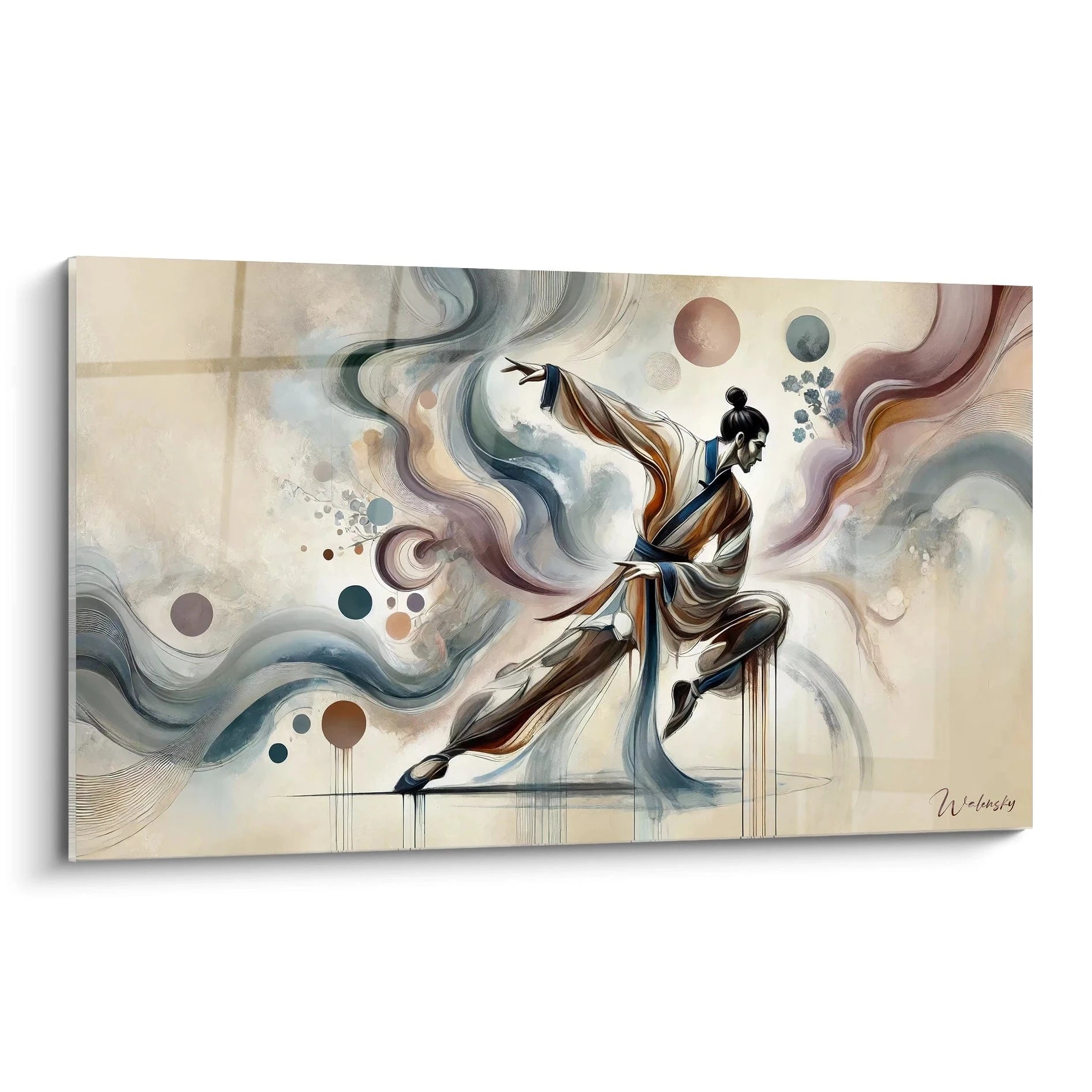
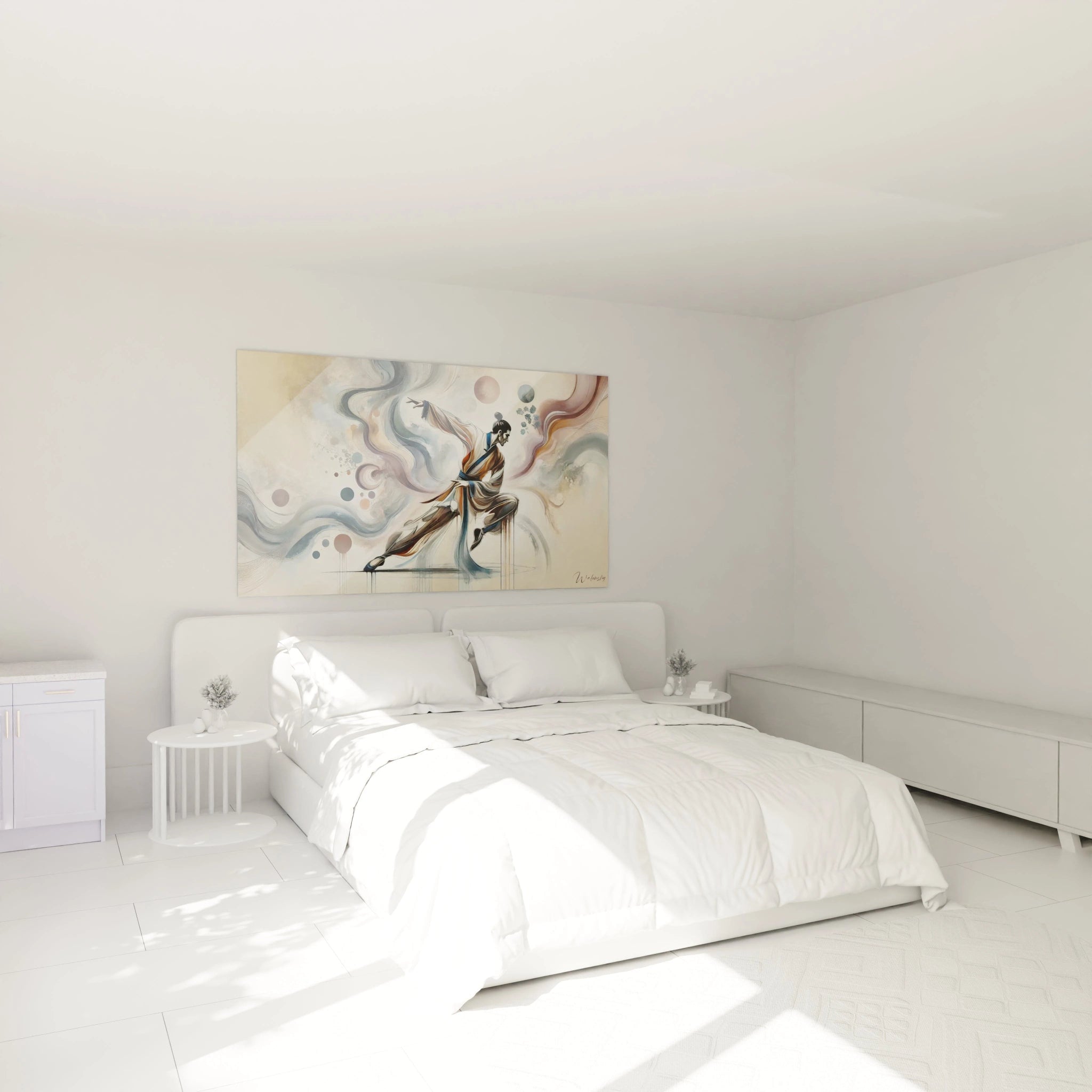
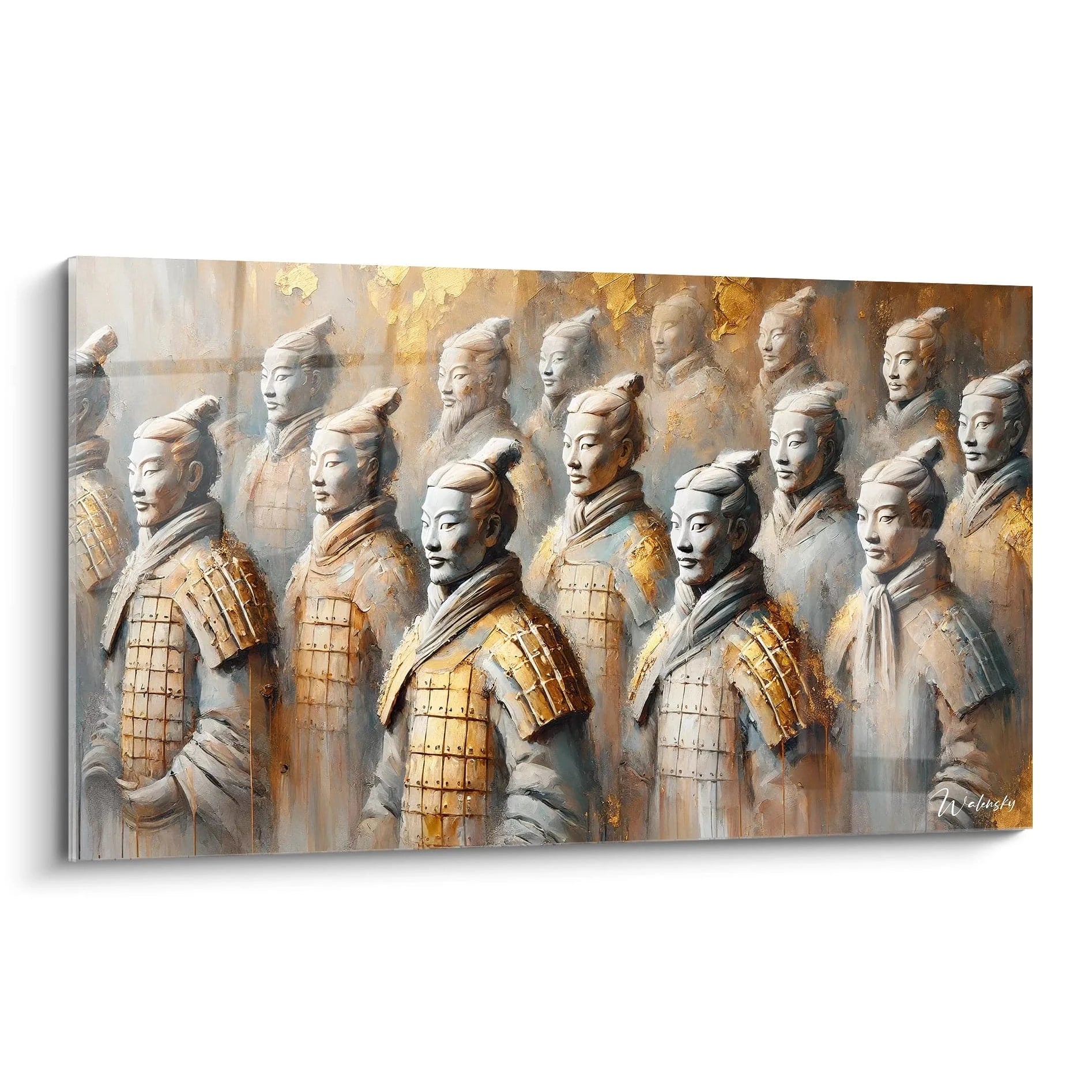
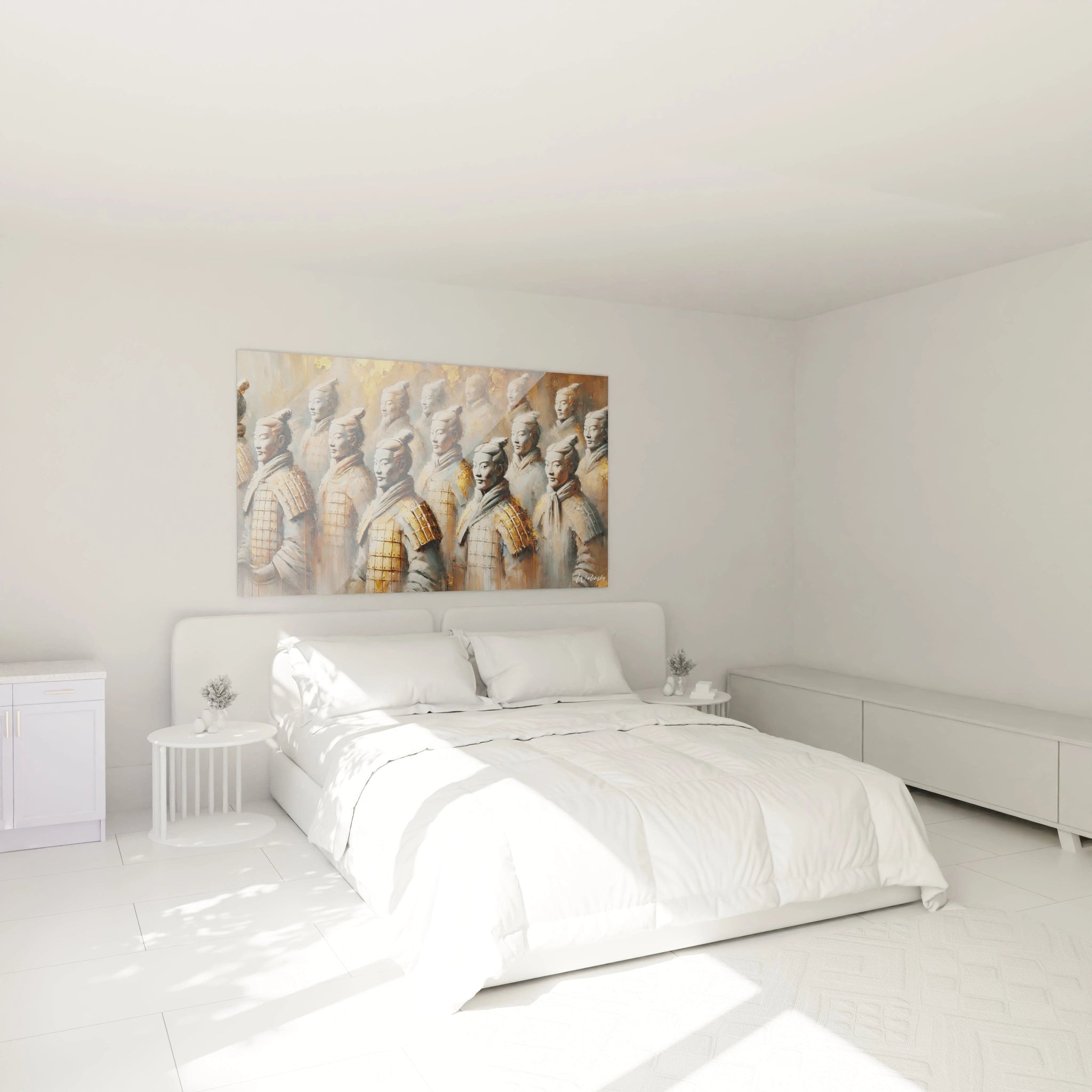
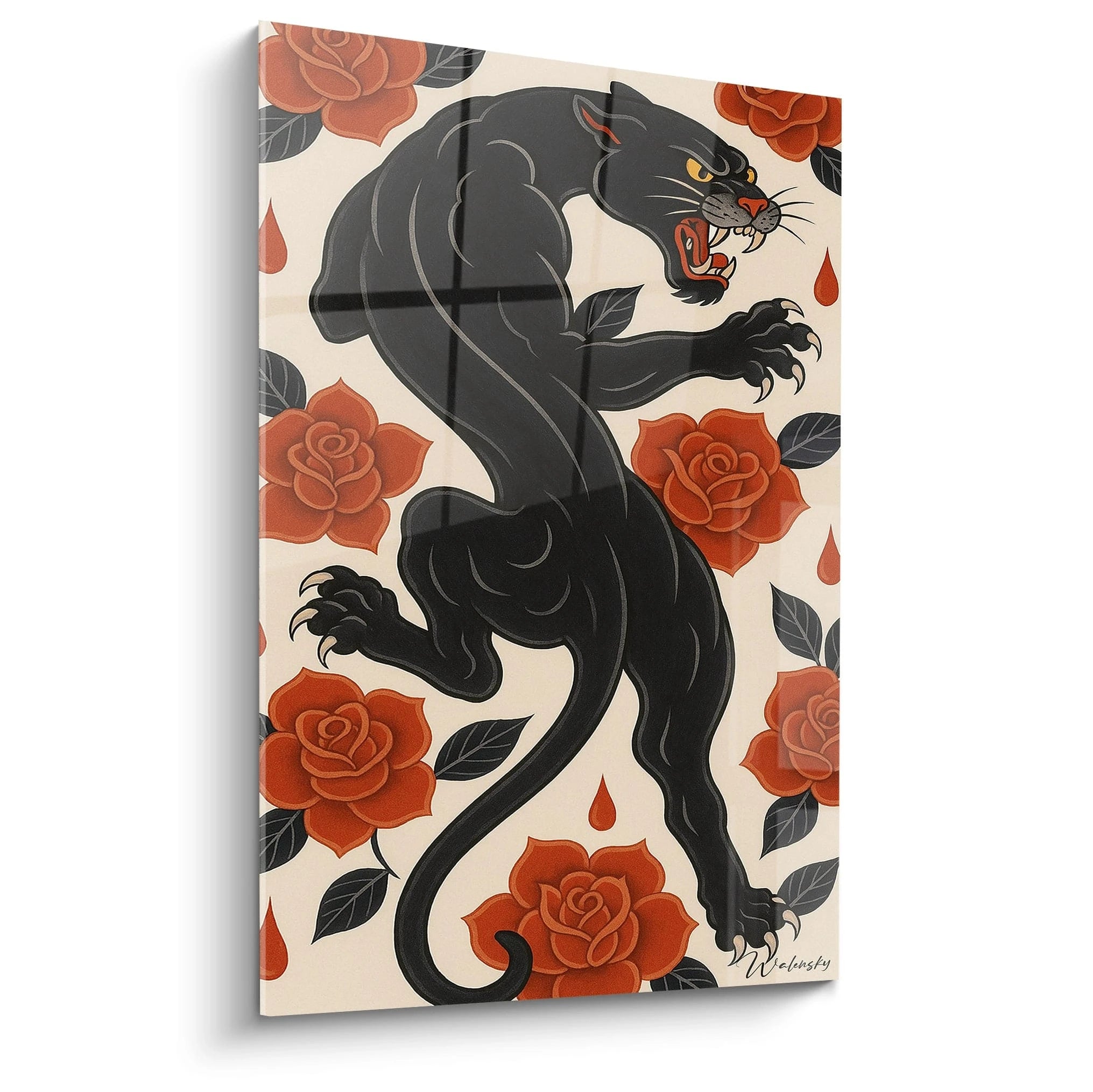
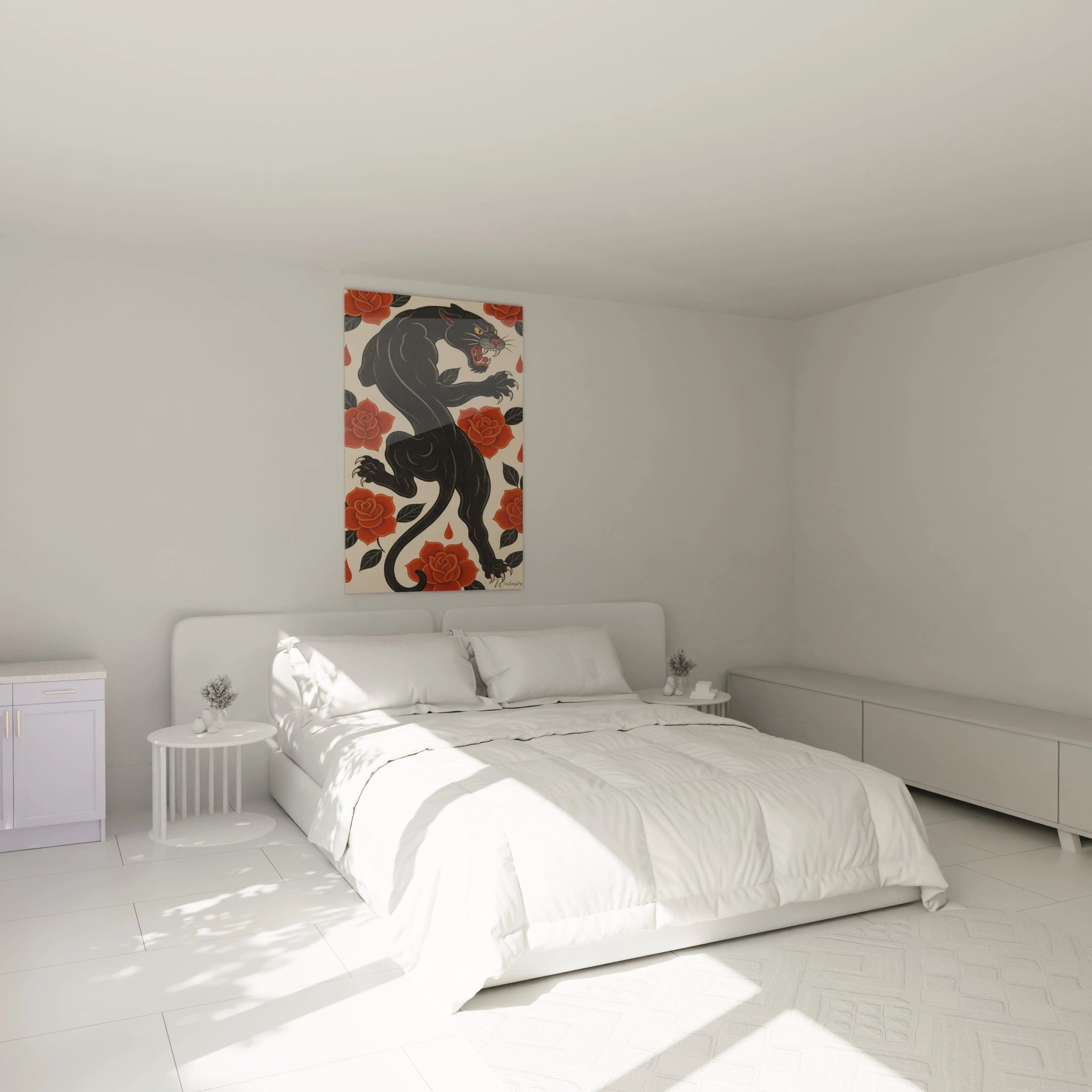
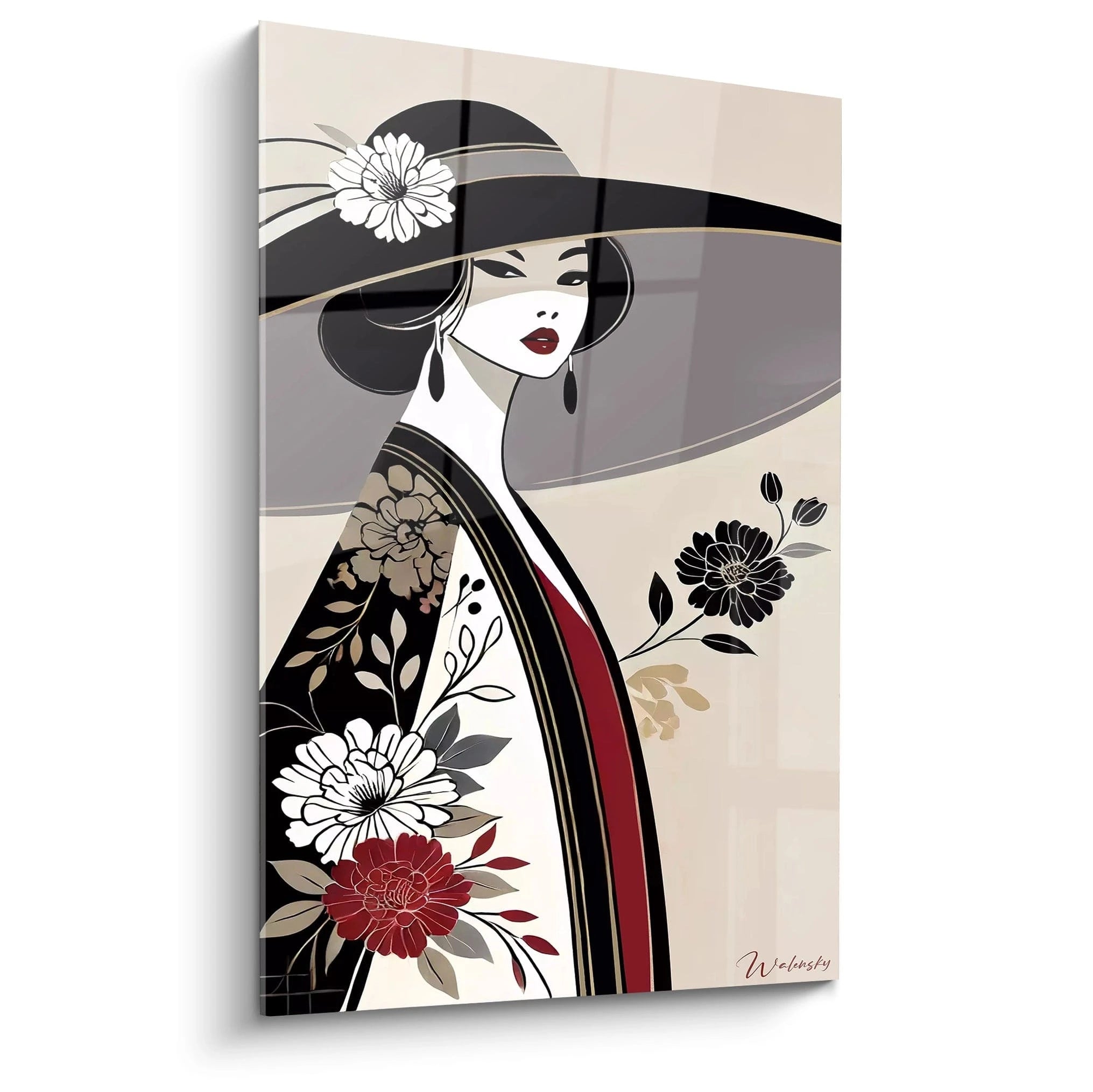
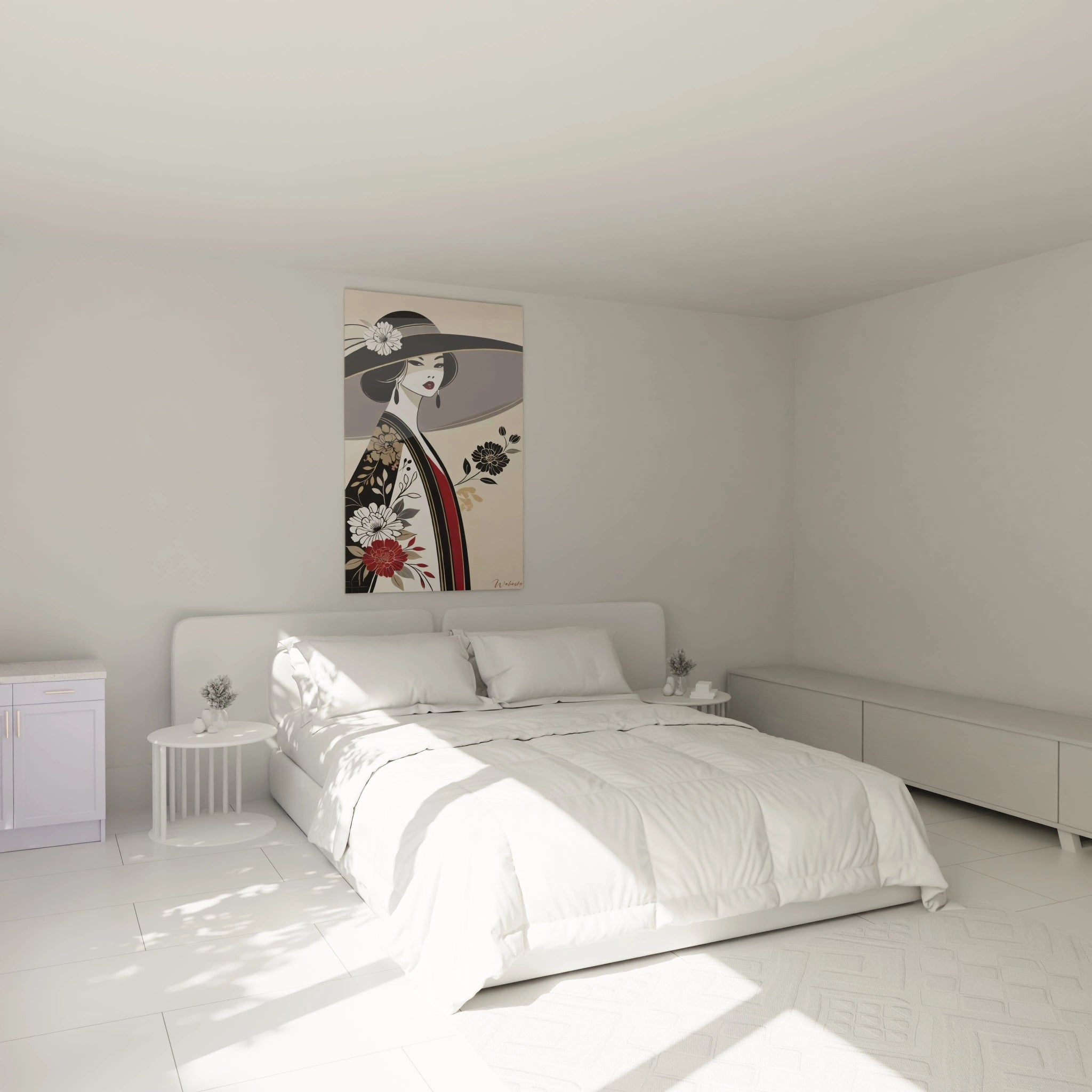
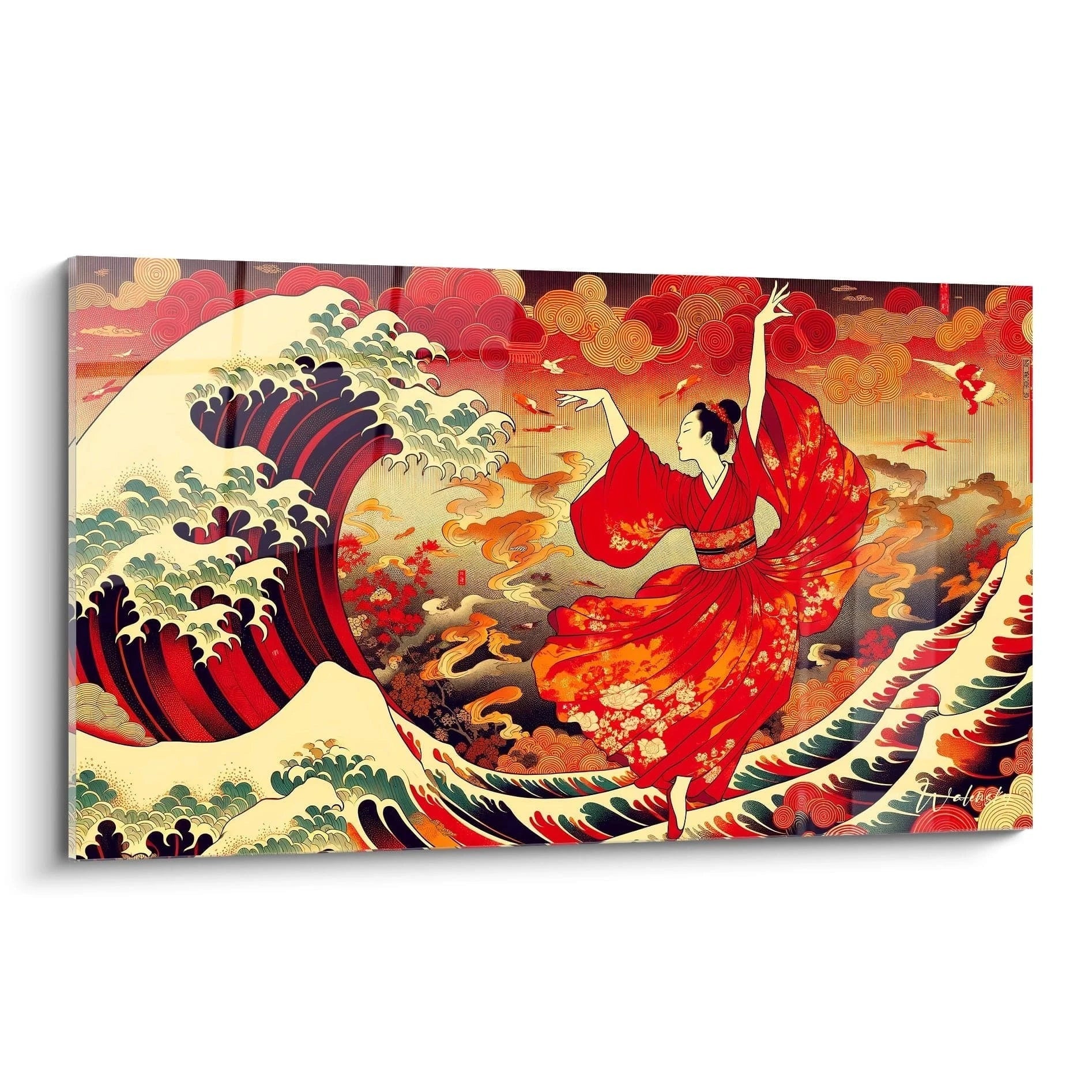
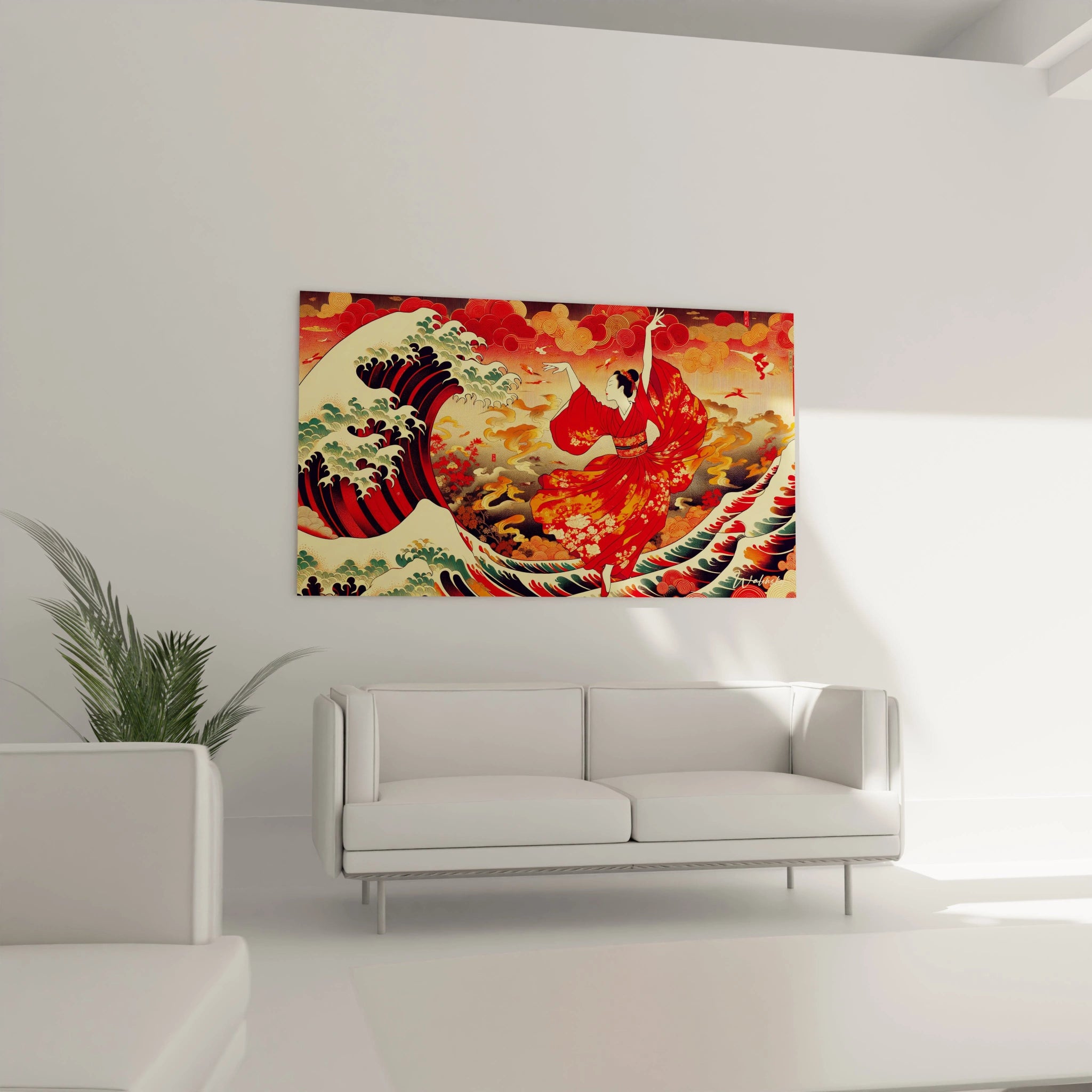
- Chinese Paintings Overview
- Chinese Paintings and Ancestral Symbolism
- Chinese Paintings for Interior Decoration
- Chinese Paintings and Traditional Arts
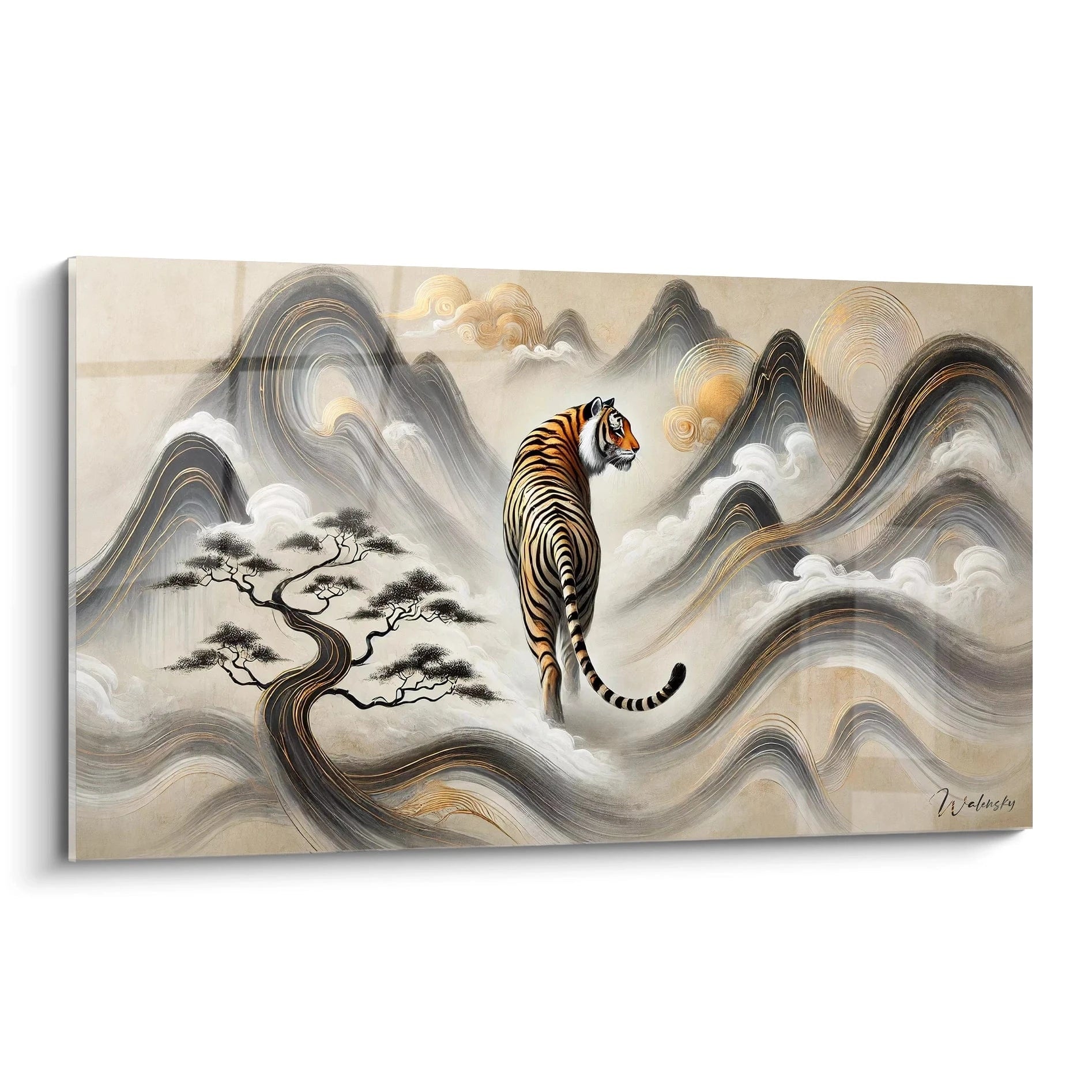
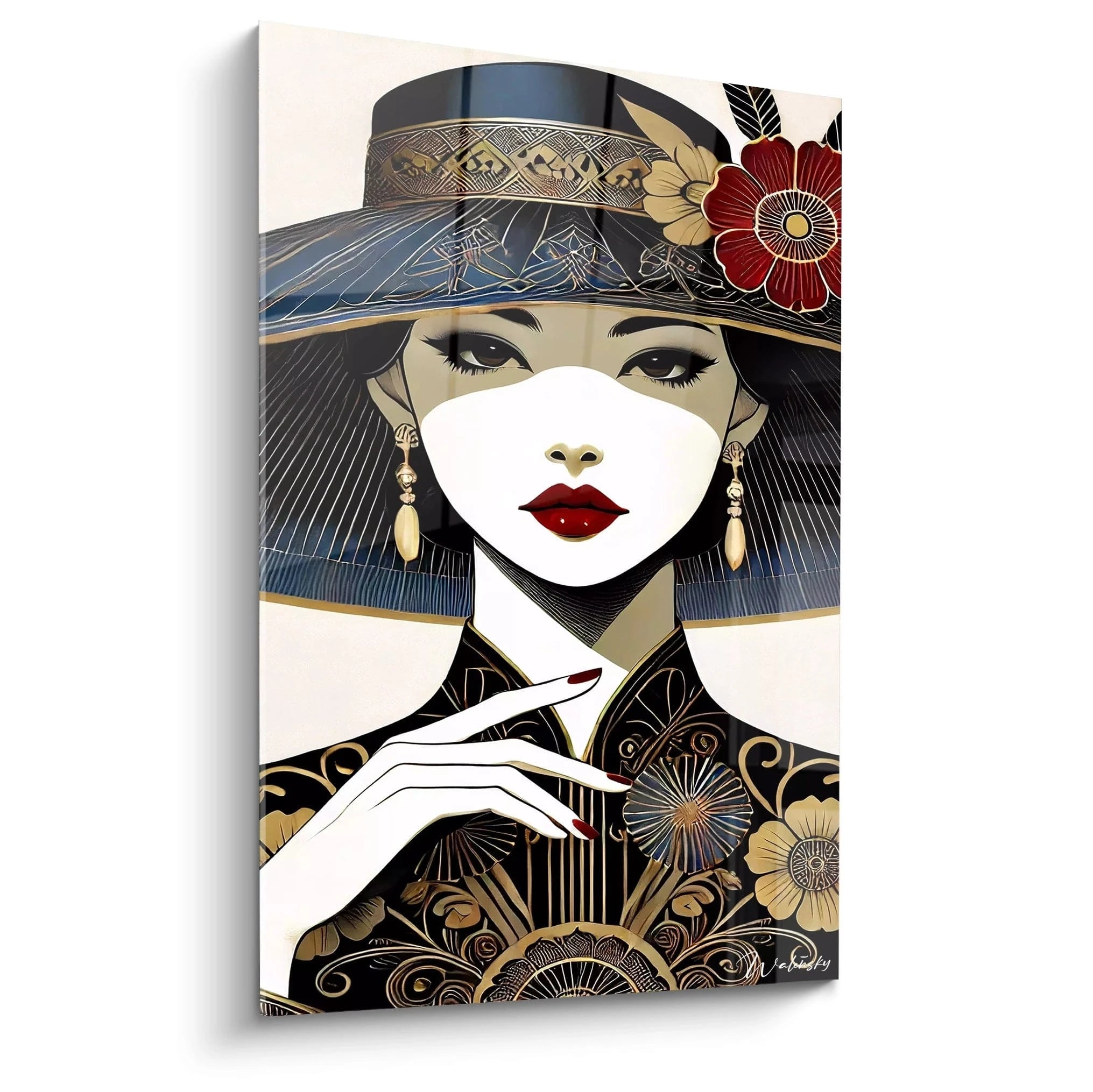
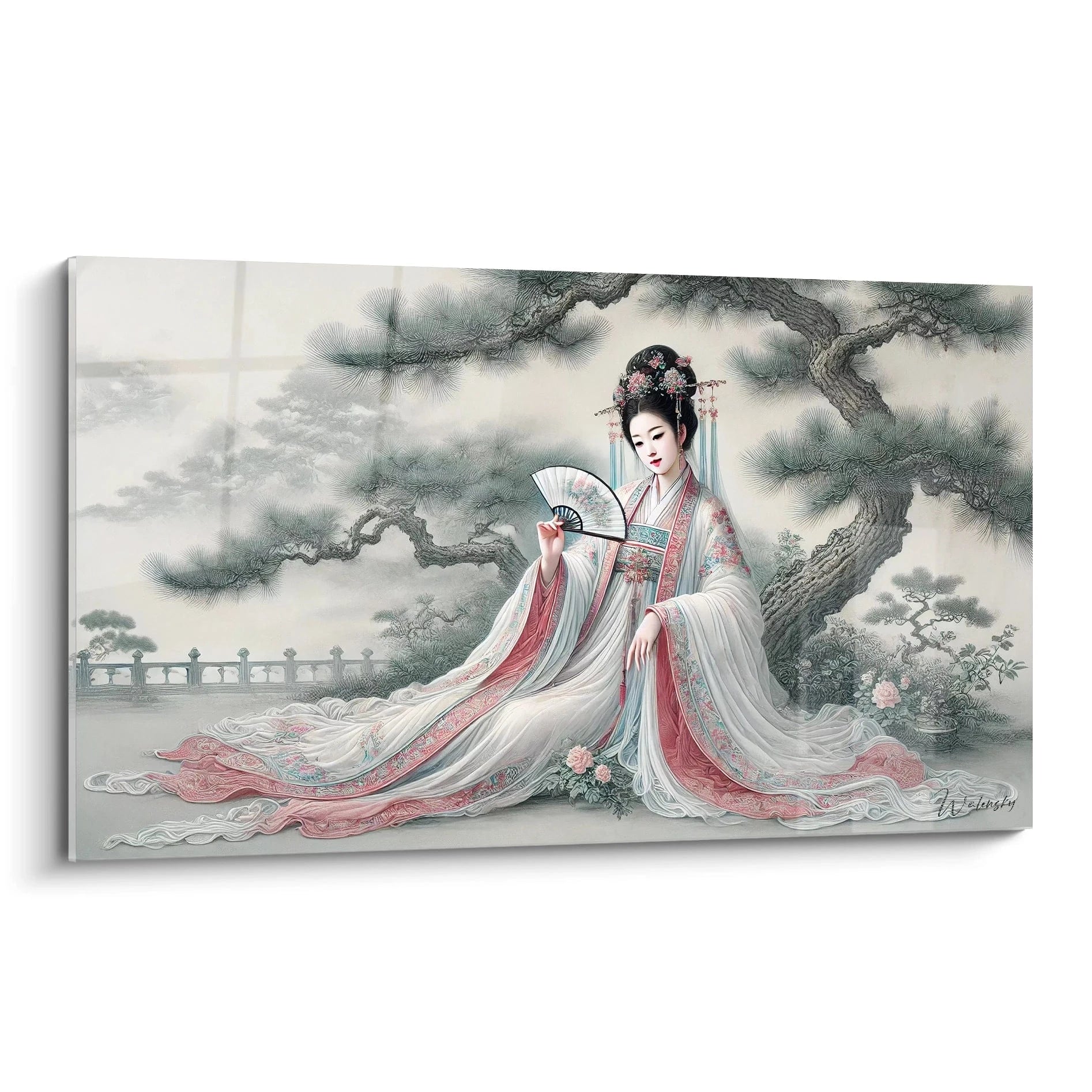
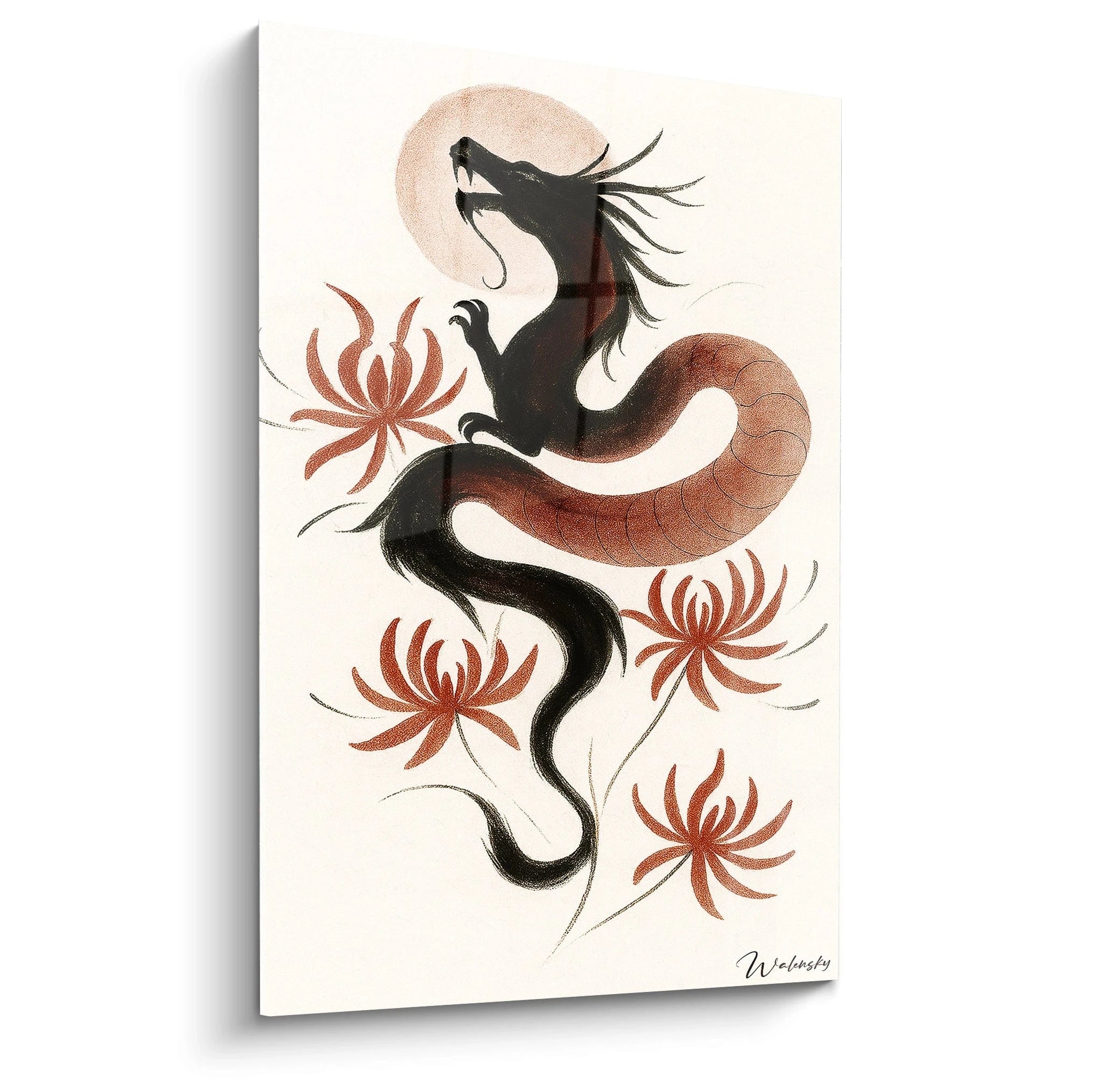
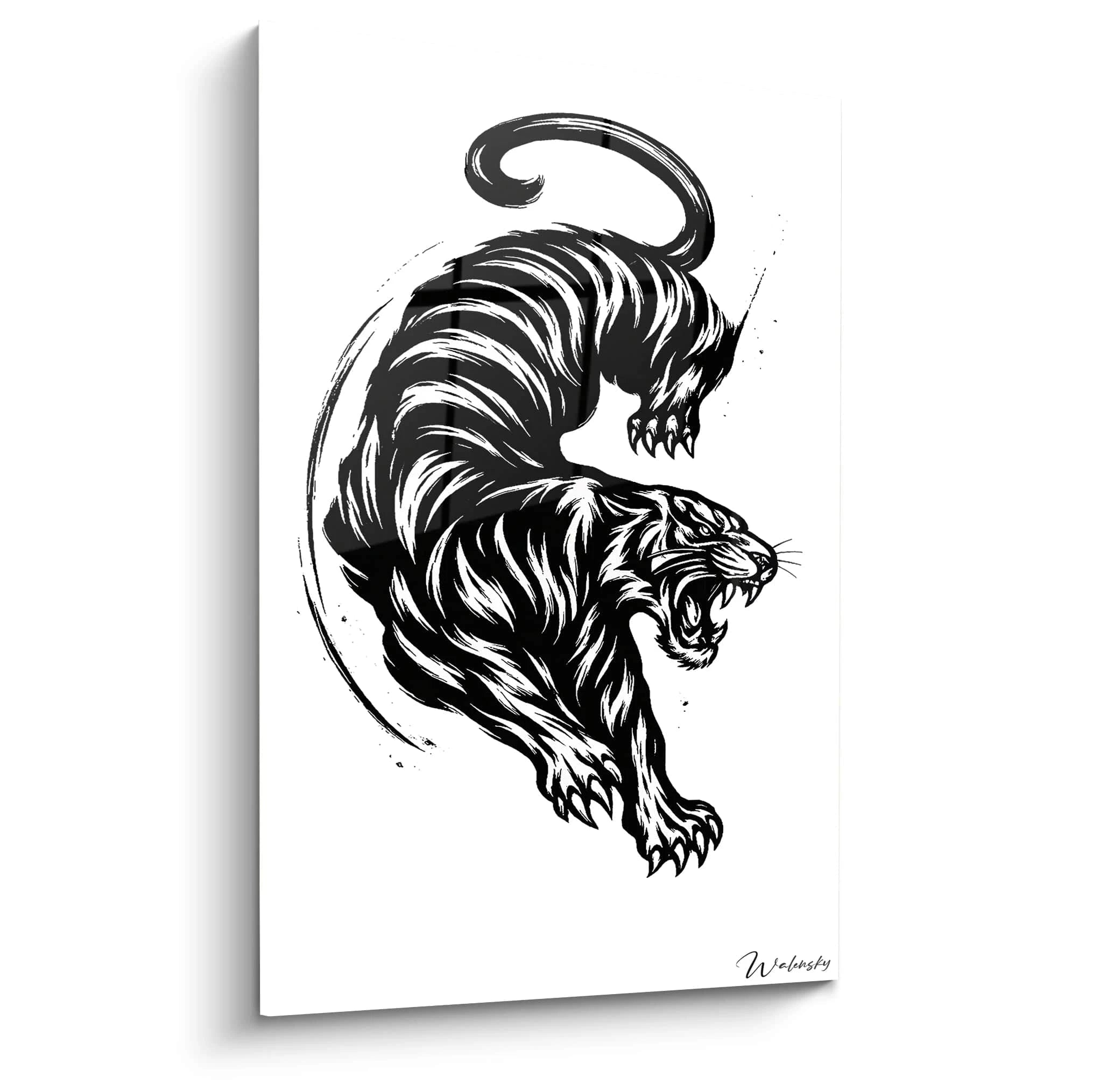
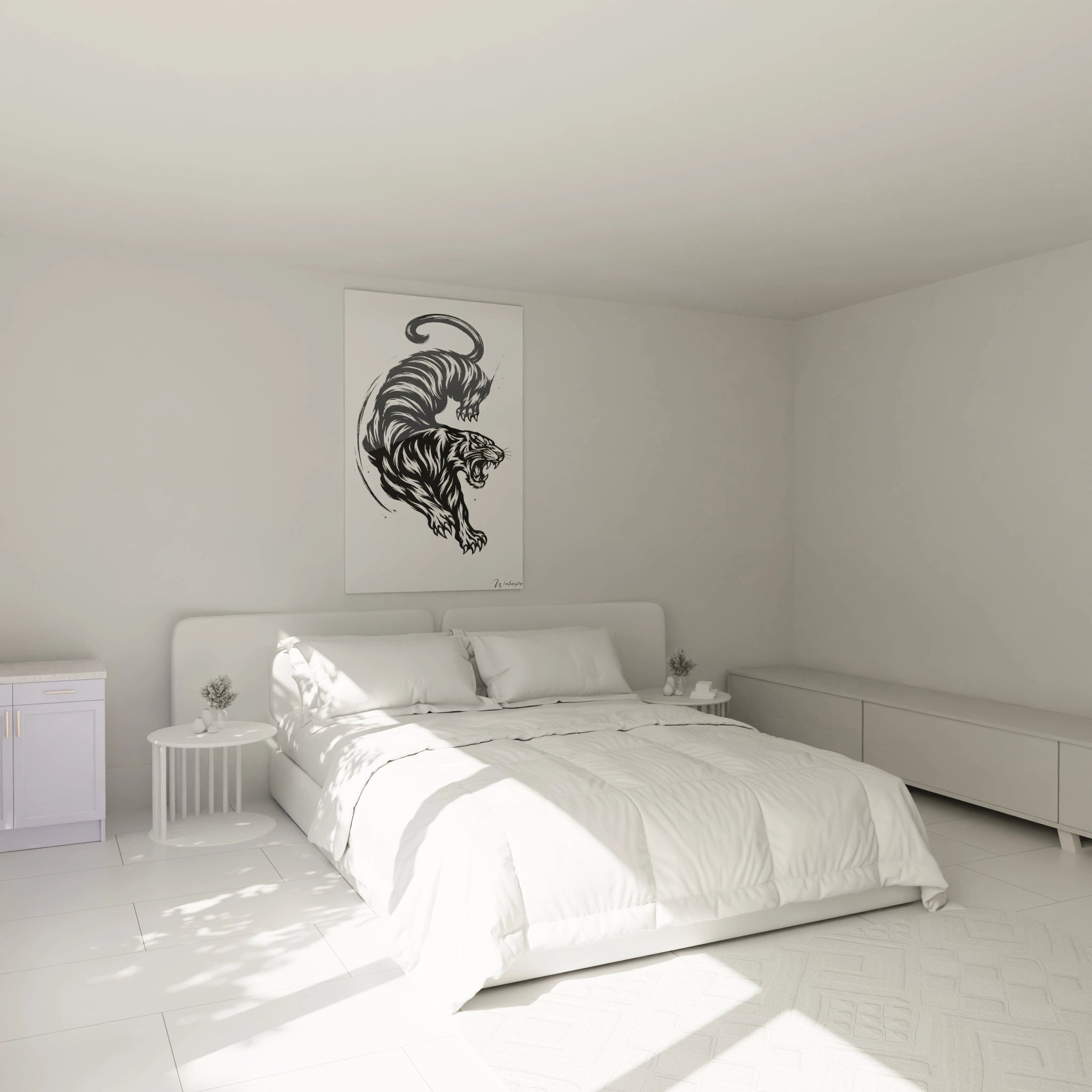
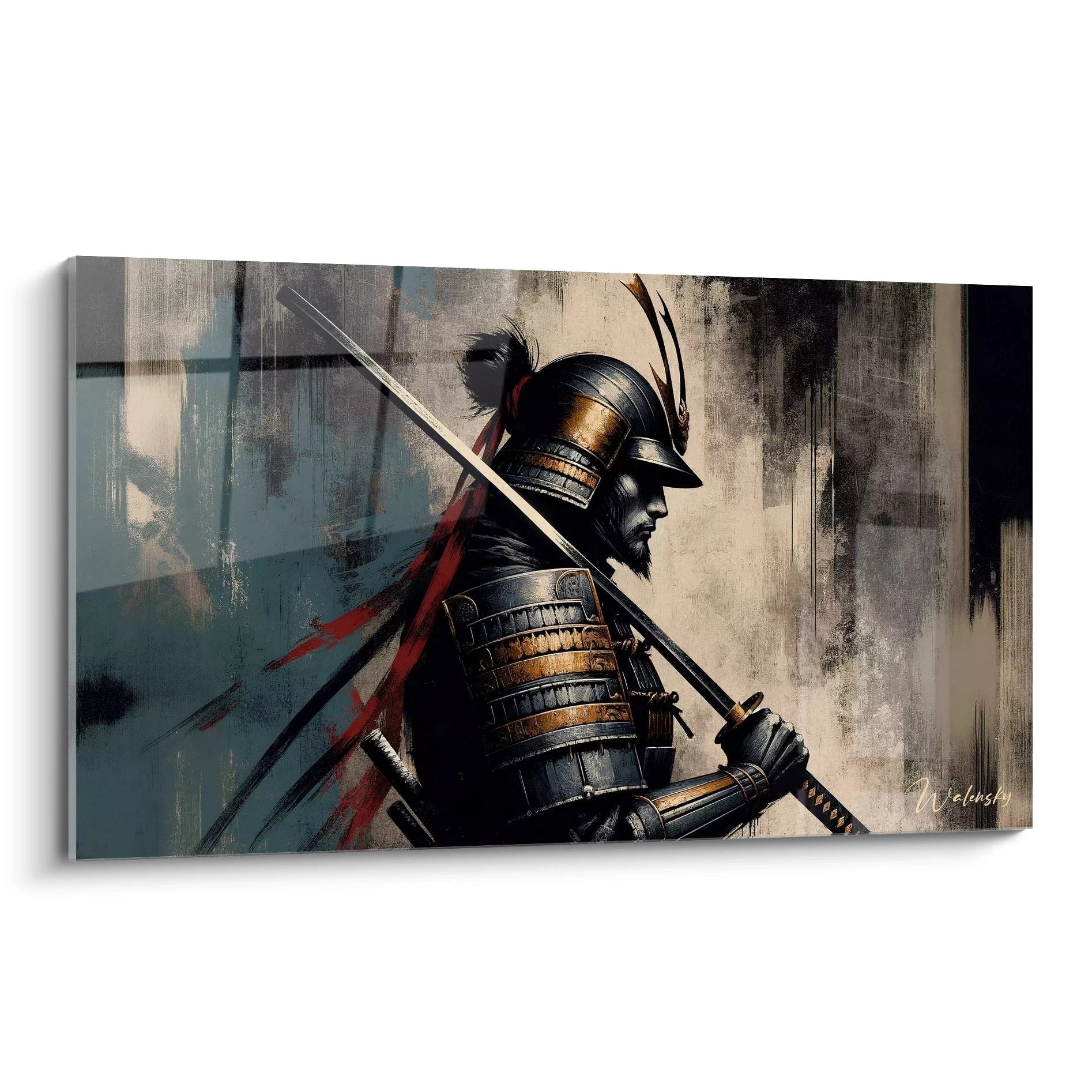
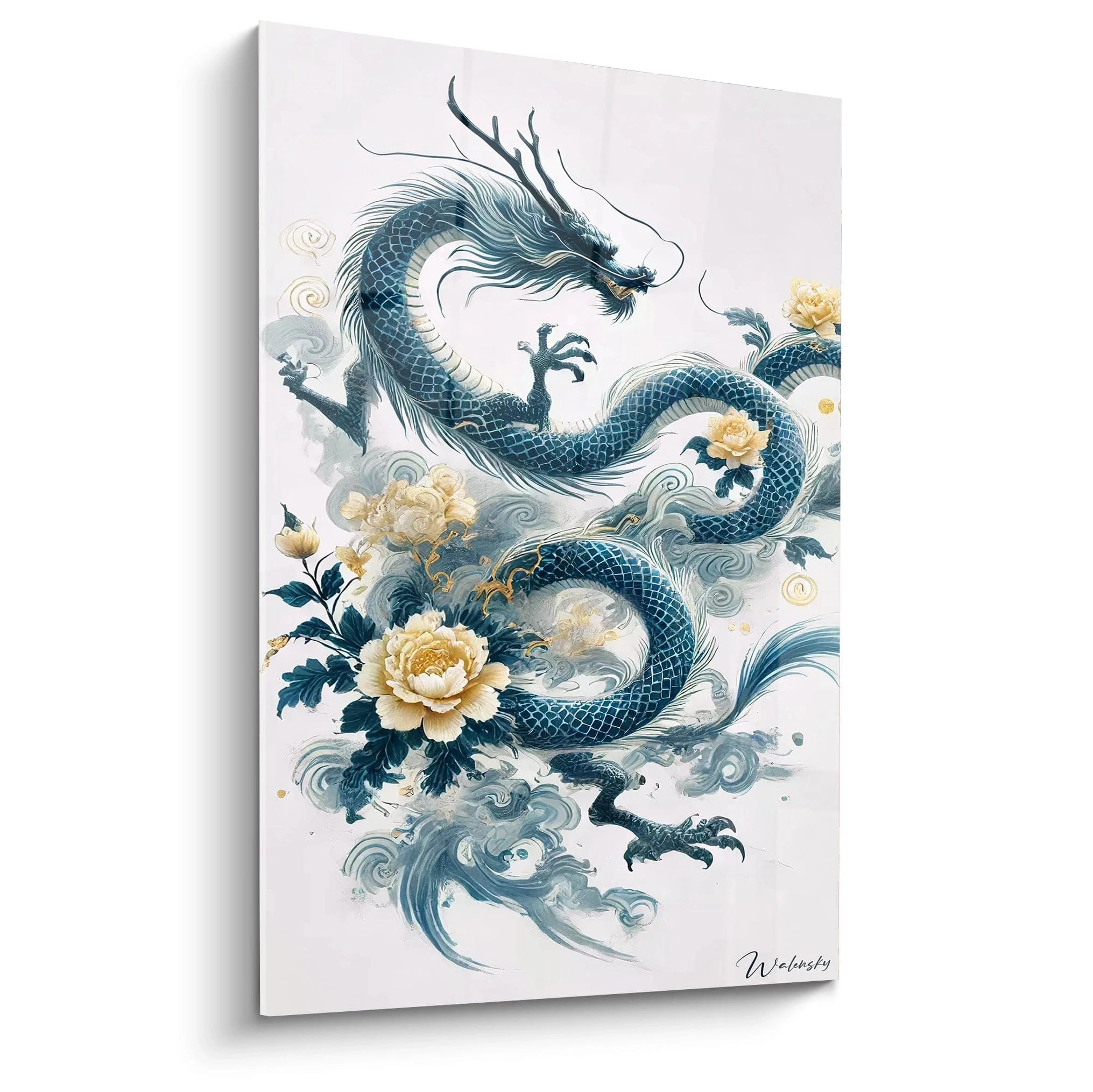
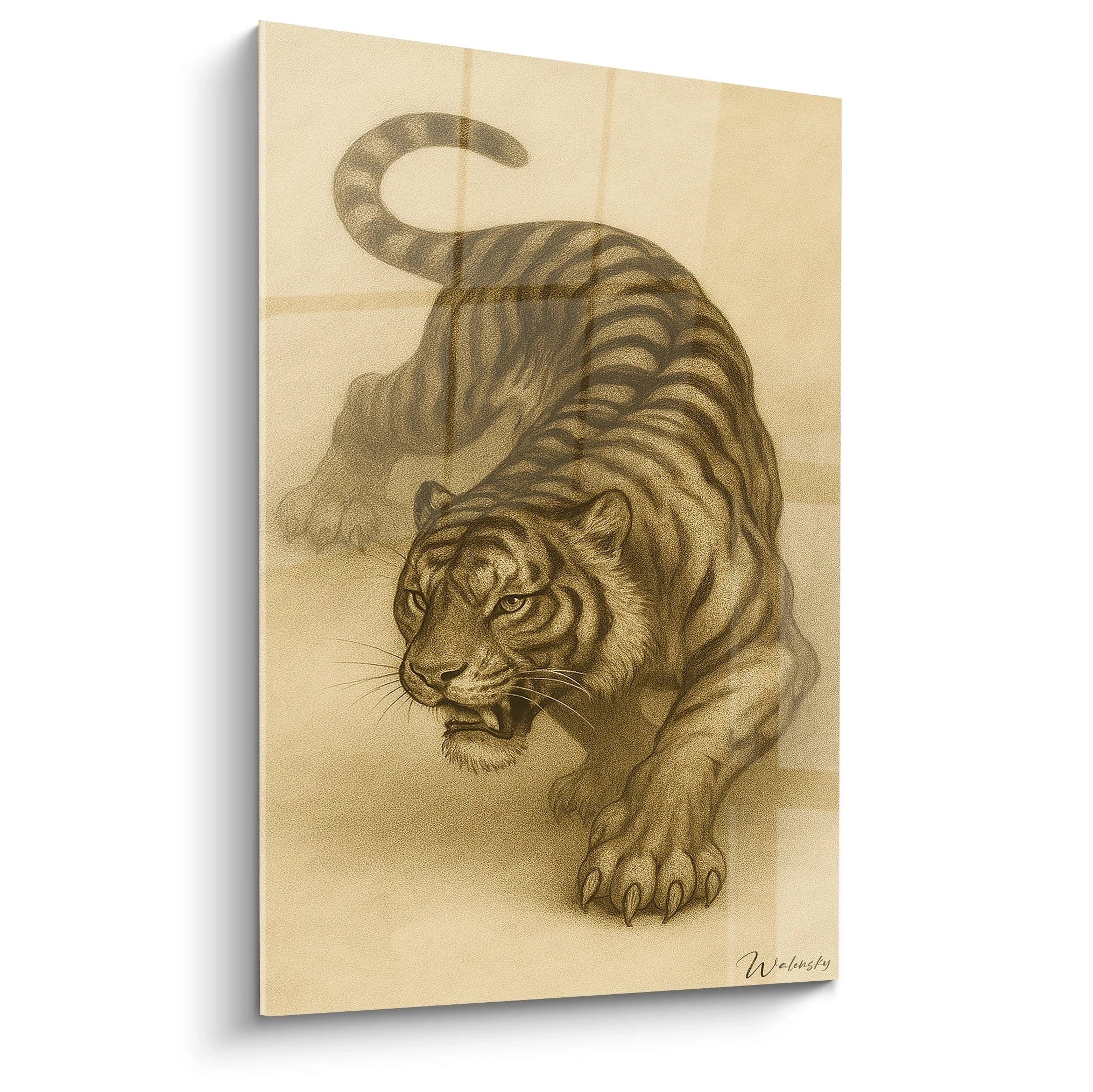
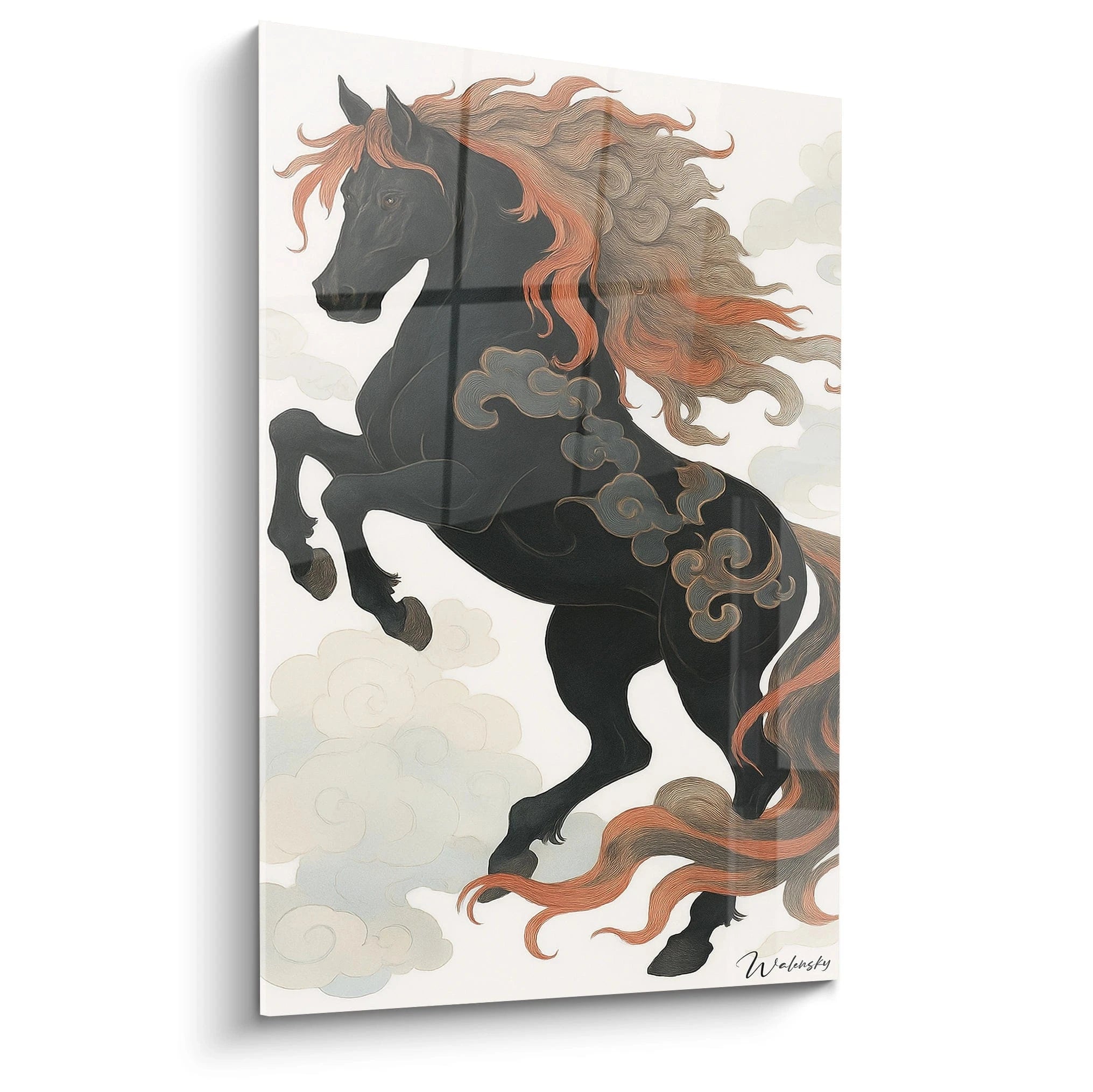
Chinese paintings represent the very essence of millennia-old Oriental art, combining delicate brushwork with philosophical depth. These wall artworks distinguish themselves through their unique ability to radically transform a room's atmosphere by infusing it with serenity and harmony according to Feng Shui principles.
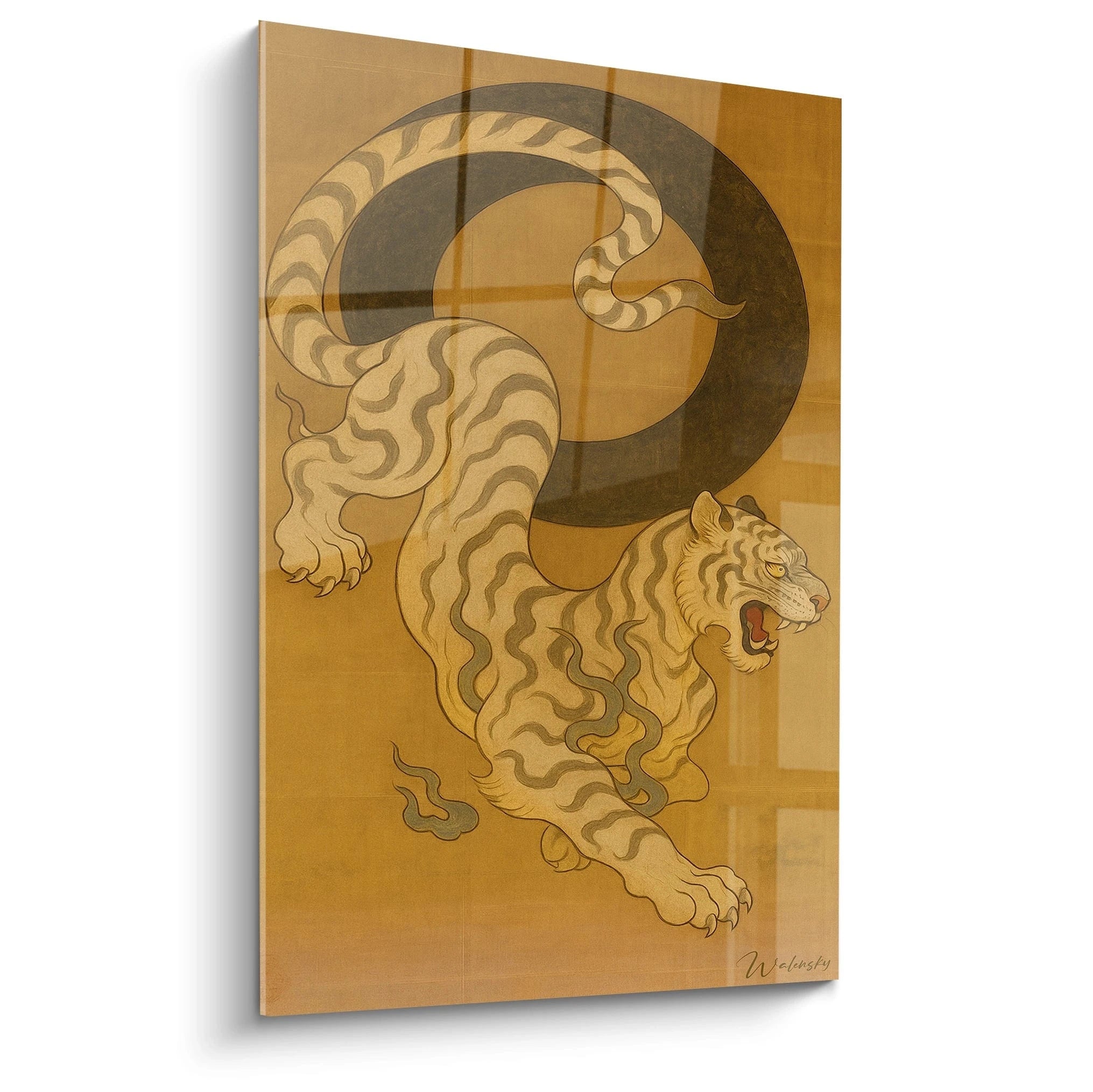
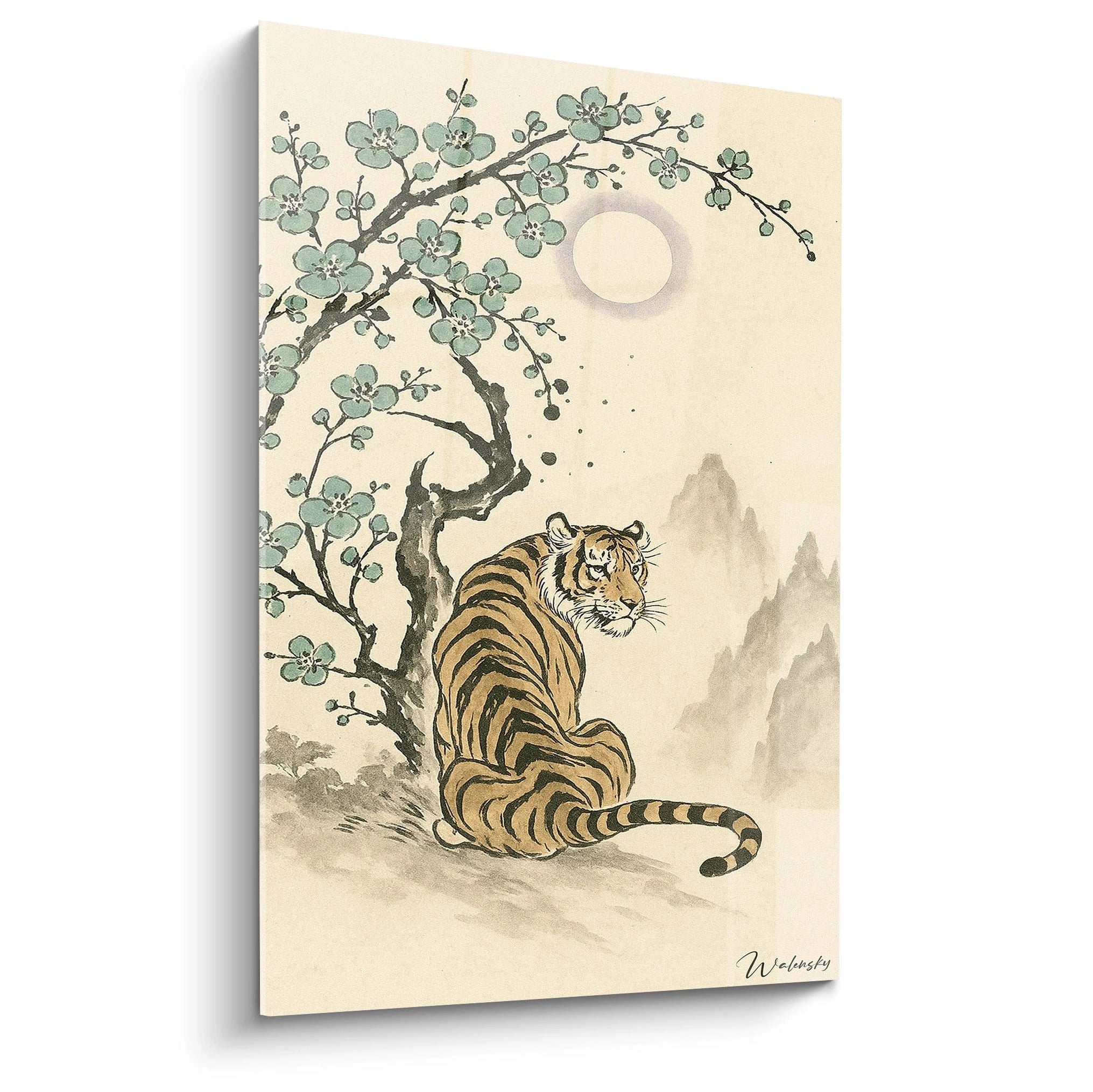
Unlike Western artistic representations, Chinese paintings prioritize balance between empty and filled spaces, creating characteristic visual breathing. Traditional motifs such as mountainous landscapes with majestic animals convey profound messages of longevity, prosperity, and wisdom.
Each Chinese painting tells a story where nature, represented with delicacy, becomes the mirror of the human soul. Techniques of diluted ink and natural pigments give these works a particular luminosity that evolves subtly according to your interior's natural lighting.
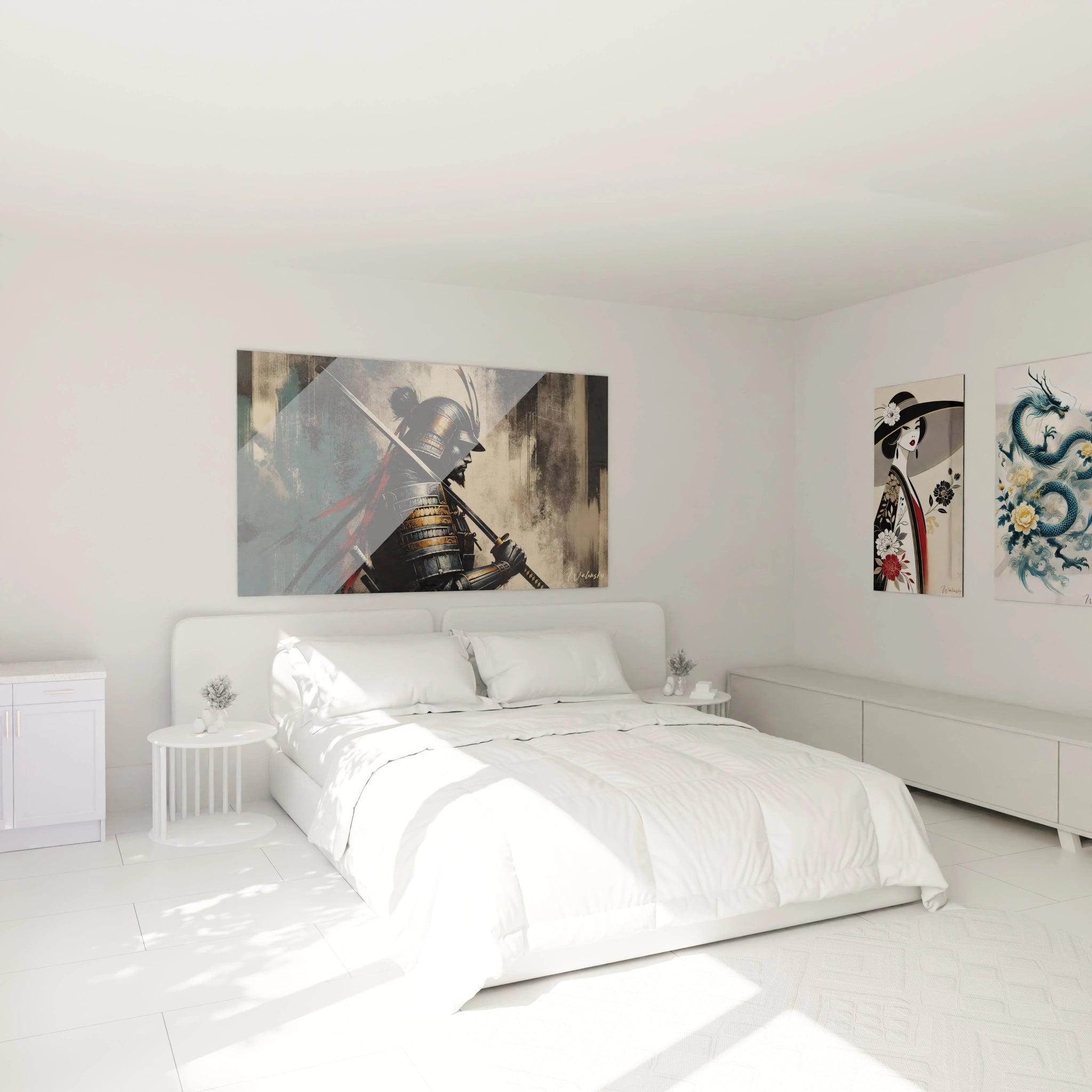
Perfect for contemporary spaces seeking refined exotic touches, large-format Chinese paintings constitute a cultural investment that transcends passing trends, bringing timeless presence to your decoration.
Chinese Paintings: Immersion in the Millennia-Old Symbolism of Oriental Wall Art
Chinese paintings fundamentally distinguish themselves from other wall art styles through their rich symbolic language, developed over millennia of pictorial tradition. Every element represented in these artworks possesses profound significance that transforms simple decoration into genuine philosophical messaging for your interior.
What hidden meanings do traditional Chinese paintings contain?
At the heart of Chinese wall art lies a complex system of symbols that connoisseurs particularly appreciate. Pines and cypresses evoke longevity and resilience, while plum blossoms symbolize renewal and perseverance through adversity. Majestic mountains represent stability and permanence in a constantly changing world – qualities particularly sought for large living spaces like spacious living rooms or entrances.
Representations of cranes, symbols of immortality, or koi carp, embodiments of perseverance and success, transform a simple decorative element into a benevolent talisman for your home. This additional dimension makes Chinese paintings particularly prized pieces for meaningful gifts during relocations or special occasions.
How do seasons influence Chinese painting themes?
A unique characteristic of Chinese paintings lies in their profound connection with seasonal cycles. Unlike Western still lifes, Chinese wall art celebrates the passage of time through codified seasonal representations:
• Spring floral compositions with peonies and magnolias evoke renewal and prosperity
• Summer landscapes with lotus symbolize purity emerging from difficulties
• Autumn scenes with chrysanthemums represent resilience and nobility of spirit
• Winter plum branches against snowy backgrounds illustrate persistent hope amid adversity
This sensitivity to natural rhythm makes Chinese paintings living artworks that resonate differently across seasons, creating wall decoration that evolves subtly in perception throughout the year. For dynamic interior decoration, some collectors alternate their Chinese paintings seasonally, thus creating a visual environment in harmony with the external world.
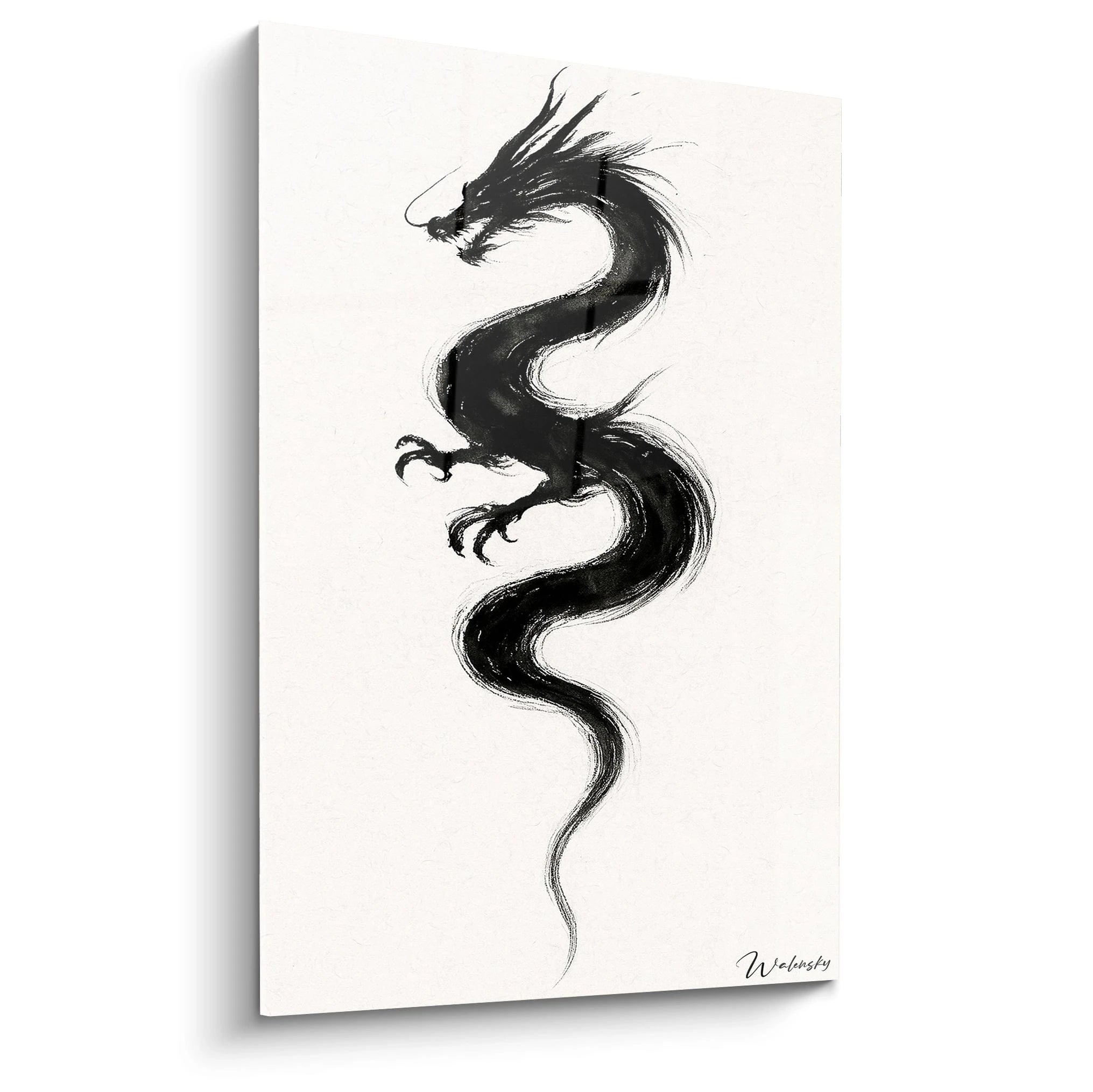
The pictorial techniques employed in Chinese paintings are characterized by their minimalist approach where empty space, called "reserved white," plays as important a role as represented elements. This particular conception of visual balance creates works that, despite their large size, never visually overload a space but paradoxically enlarge it.
The natural pigments used in traditional Chinese painting confer particular luminosity to paintings that interacts with natural light uniquely. Placed near an east-facing window, a Chinese painting with subtle hues will progressively reveal different nuances throughout the day, offering an ever-evolving visual experience.
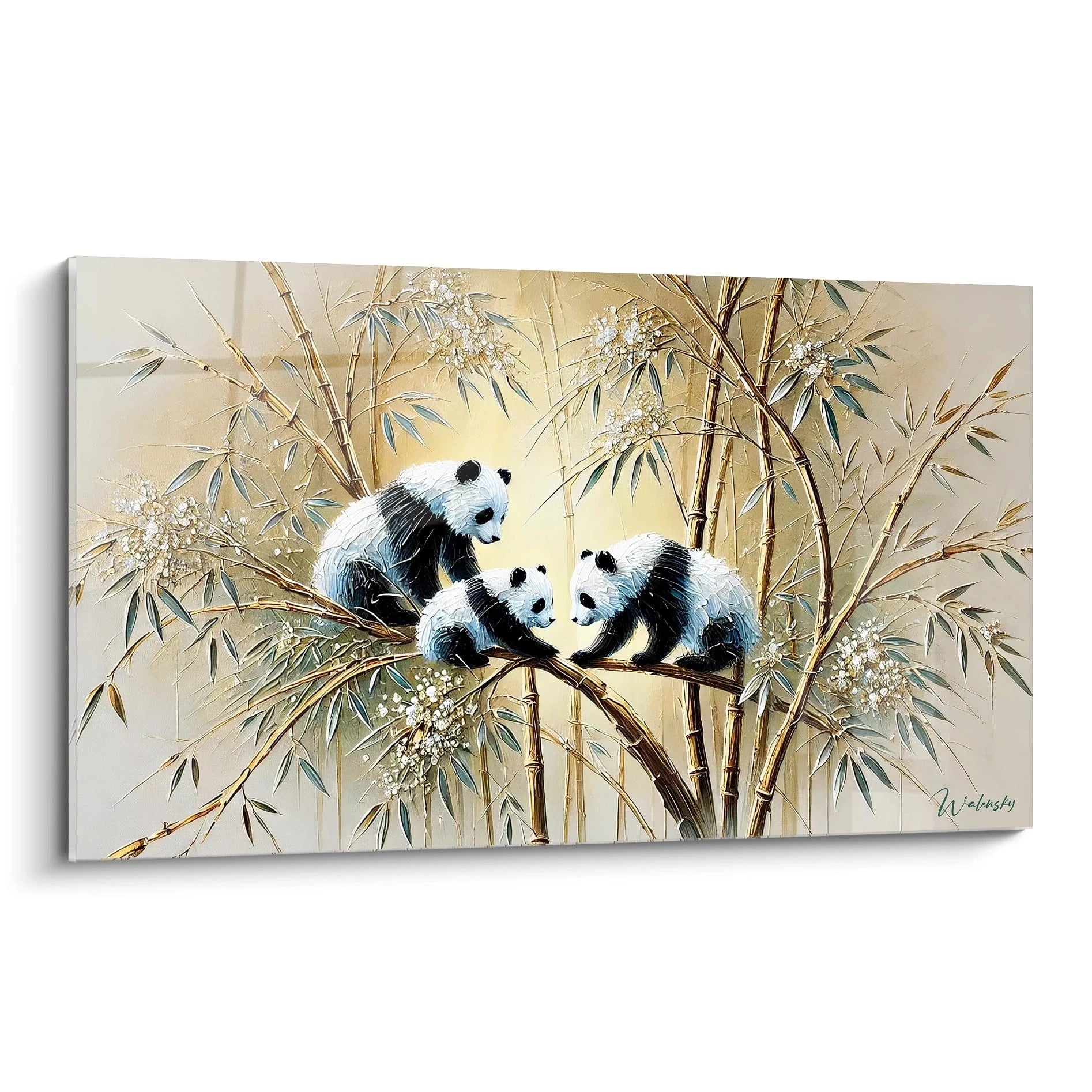
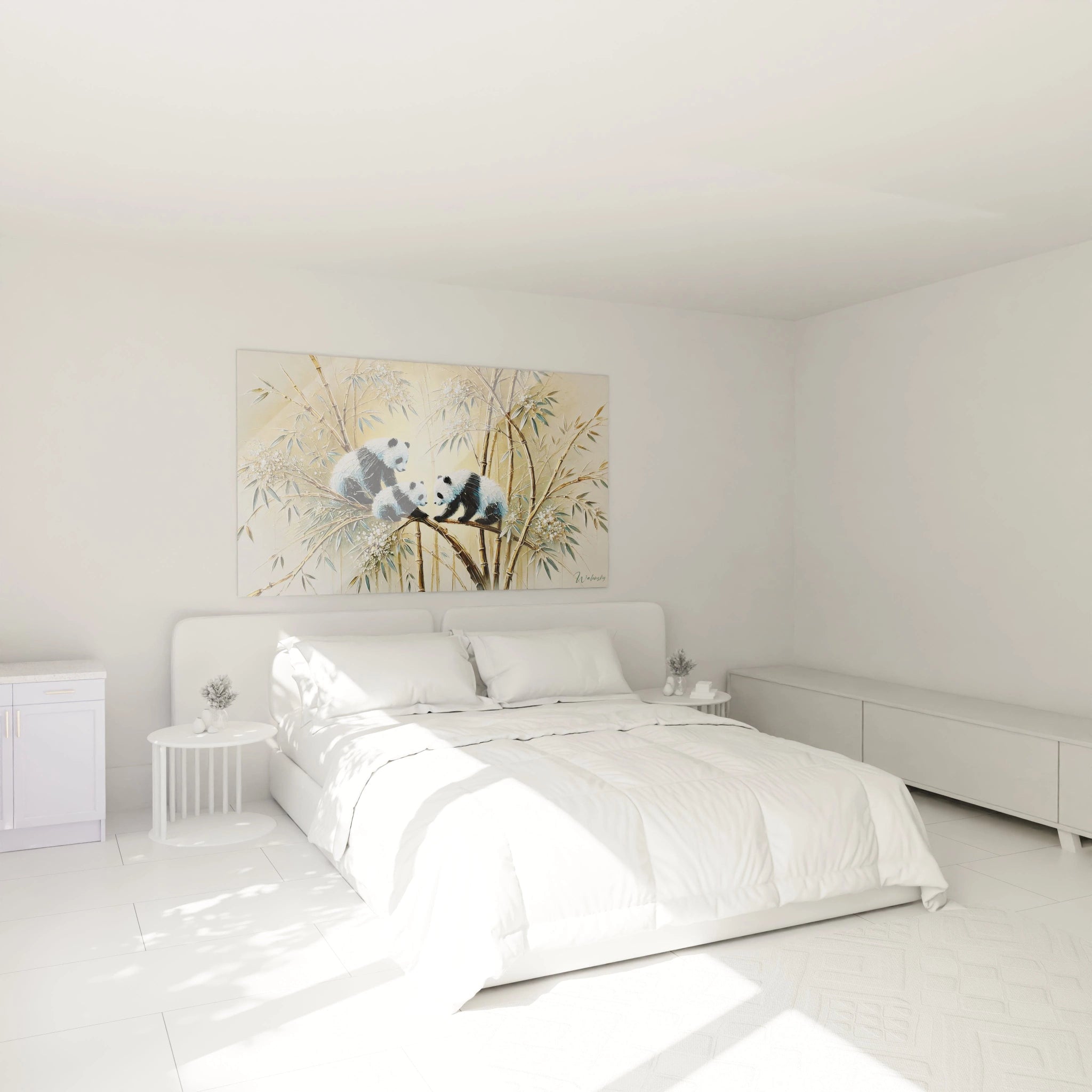
For beginning collectors, Chinese paintings depicting bamboo constitute an excellent introduction. These seemingly simple compositions actually require perfect technical mastery of brushwork and embody values of flexibility and resilience so important in Oriental philosophy. Their elegant sobriety integrates particularly well in contemporary minimalist interiors.
Calligraphic art, inseparable from quality Chinese paintings, adds unique textual dimension found in no other wall pictorial style. Poems or philosophical maxims integrated into compositions transform these works into genuine supports for daily meditation for their owners, far beyond simple aesthetic appreciation.
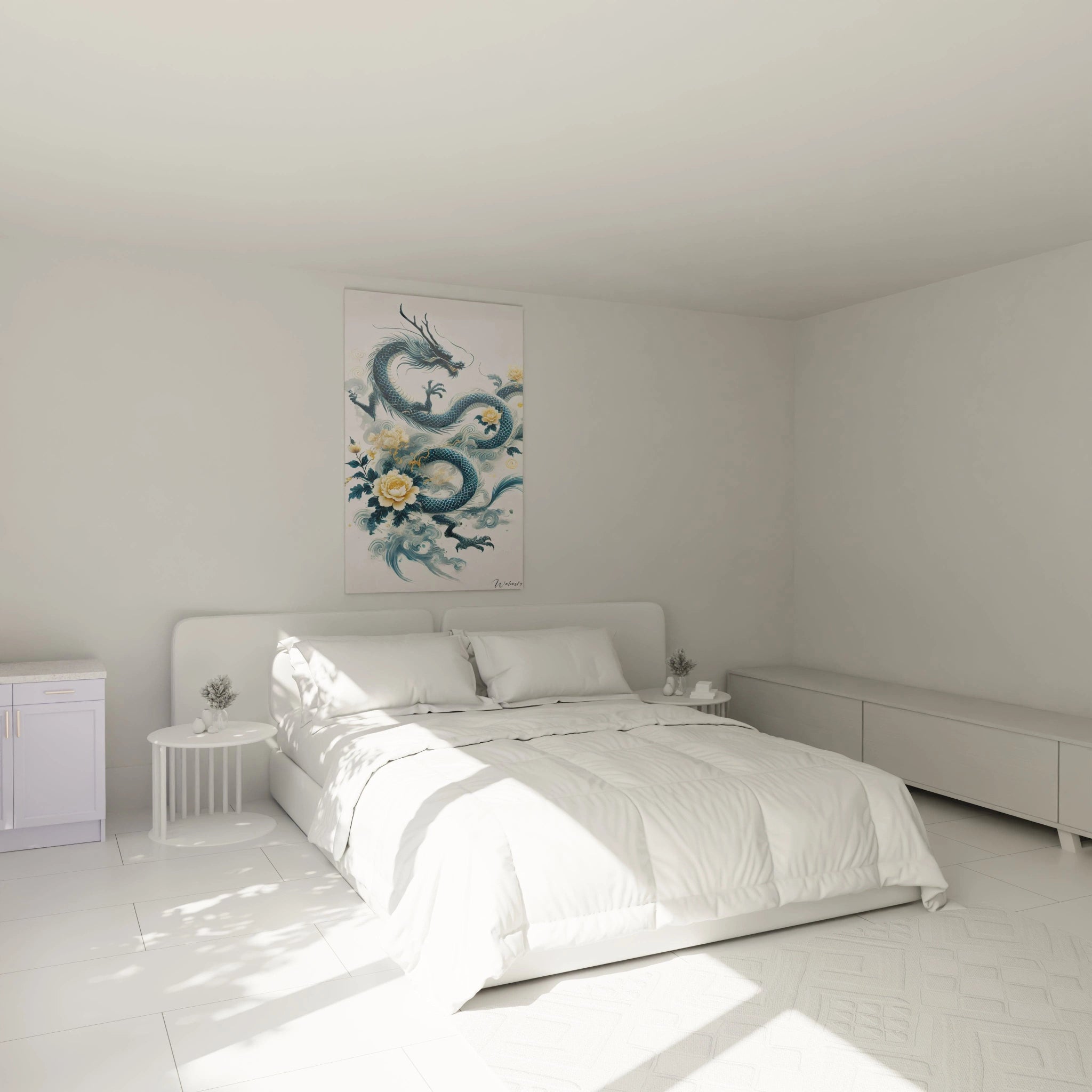
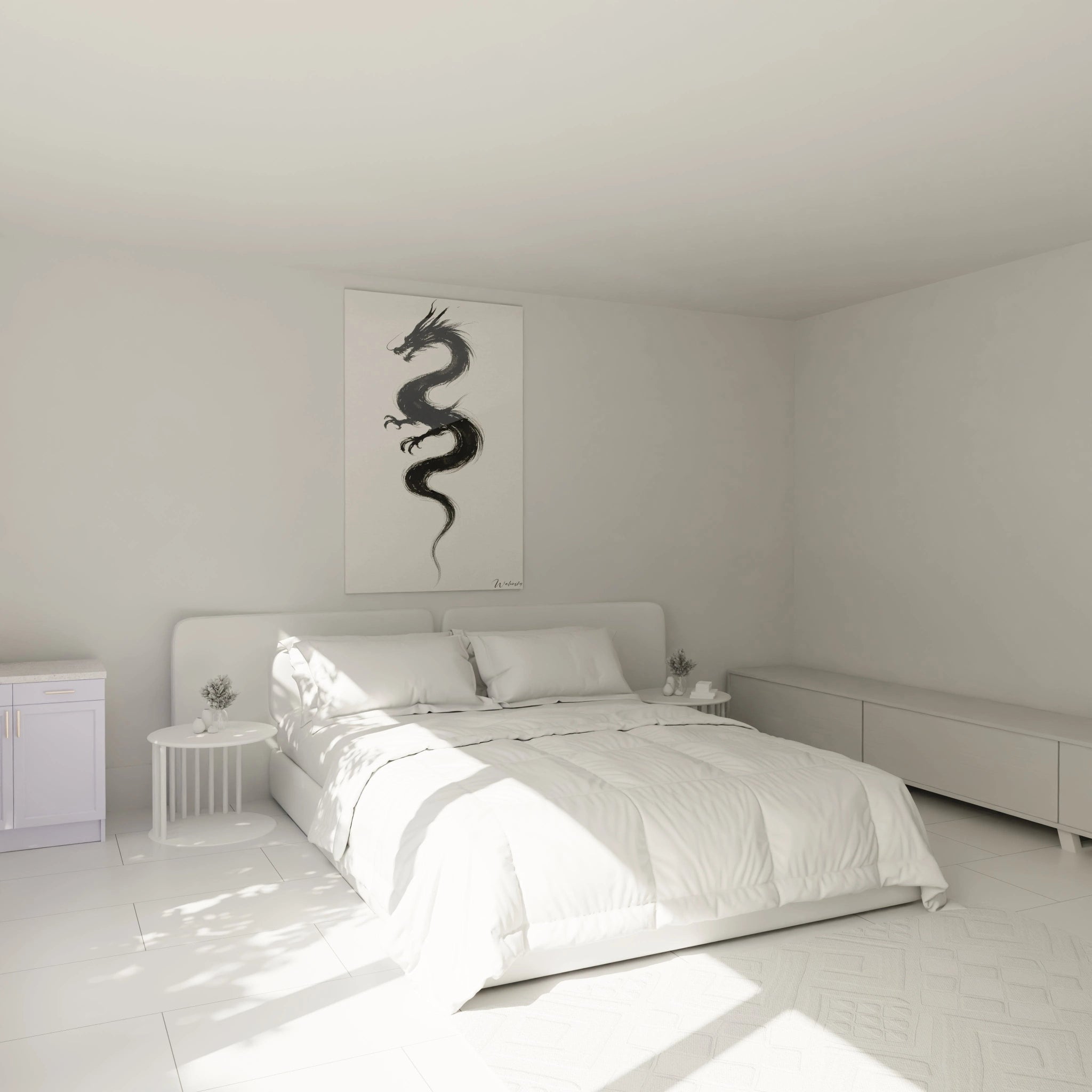
In contemporary interiors, large monochromatic Chinese paintings create striking focal points that anchor space while conferring meditative depth. Their powerful but never aggressive graphic presence perfectly balances streamlined modern furniture lines, creating aesthetic dialogue between Oriental traditions and Western design.Chinese Paintings: Transform Your Interior Ambiance According to Feng Shui Principles
Chinese paintings stand out considerably from other wall decoration styles through their unique ability to energetically restructure a space according to millennia-old Feng Shui principles. Far more than simple decorative elements, these wall artworks function as genuine energy regulators for your habitat.
How to strategically position your Chinese paintings according to energy zones?
A Chinese painting's positioning responds to precise energetic considerations that far exceed simple Western aesthetic rules. According to Bagua principles (habitat's energy map), each zone of your home corresponds to a specific life aspect that certain motifs can harmonize or strengthen:
• Southeast Zone (wealth): Favor Chinese paintings depicting koi carp or ancient coins to stimulate prosperity
• East Zone (family): Bamboo paintings or verdant landscapes strengthen family bonds and personal growth
• North Zone (career): Water paintings (cascades, winding rivers) invigorate professional progression
• West Zone (creativity/children): White lotus representations or cranes in flight stimulate inspiration
For large contemporary open spaces, panoramic-format Chinese paintings allow subtle delimitation of different functional zones while maintaining overall visual coherence – a solution particularly suited to lofts and multifunctional living spaces.
Your interior's variable light intensity directly influences Chinese paintings' perception. Unlike Western reproductions often requiring direct lighting, traditional Chinese artworks are designed to be appreciated under soft, changing natural light. For dimly lit spaces, favor compositions with golden or silver highlights that capture and amplify even minimal light sources.
Why do Chinese paintings create uniquely soothing atmosphere?
Neurologists recently confirmed what Oriental decoration enthusiasts intuitively know: Chinese paintings' visual compositions directly influence our psychological state. The fluid lines and intentionally empty spaces characteristic of this art slow heart rate and promote alpha brain wave production, associated with deep relaxation.
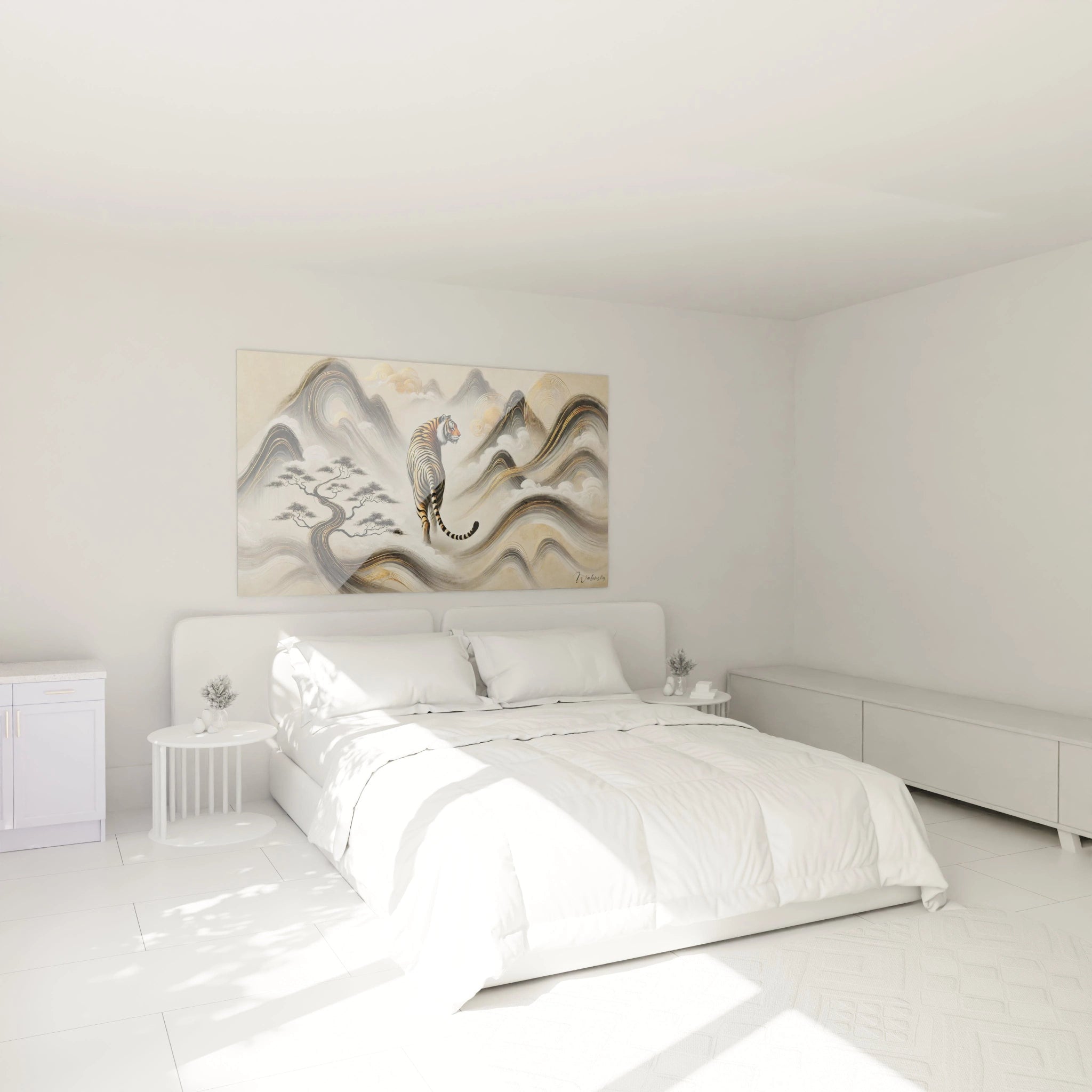
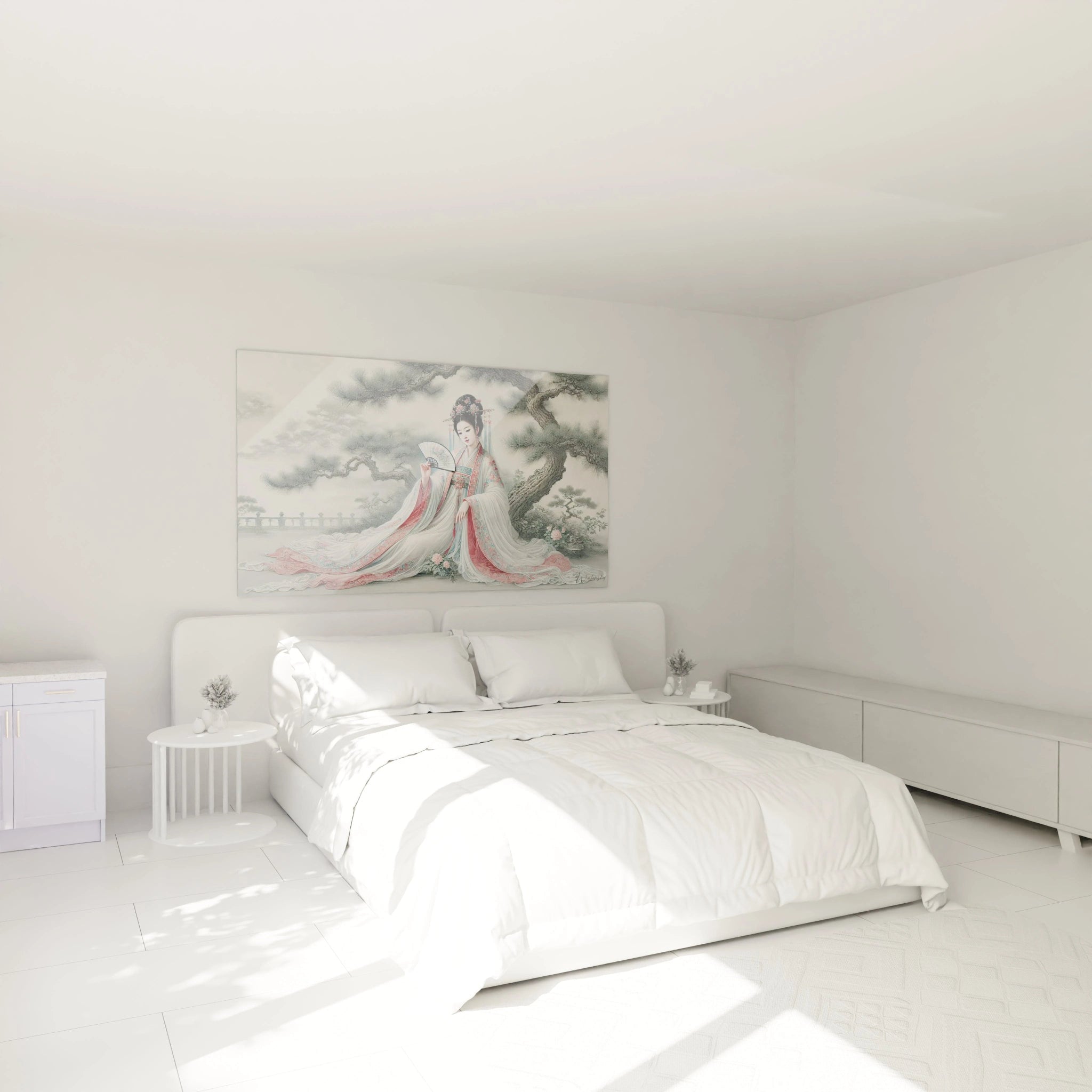
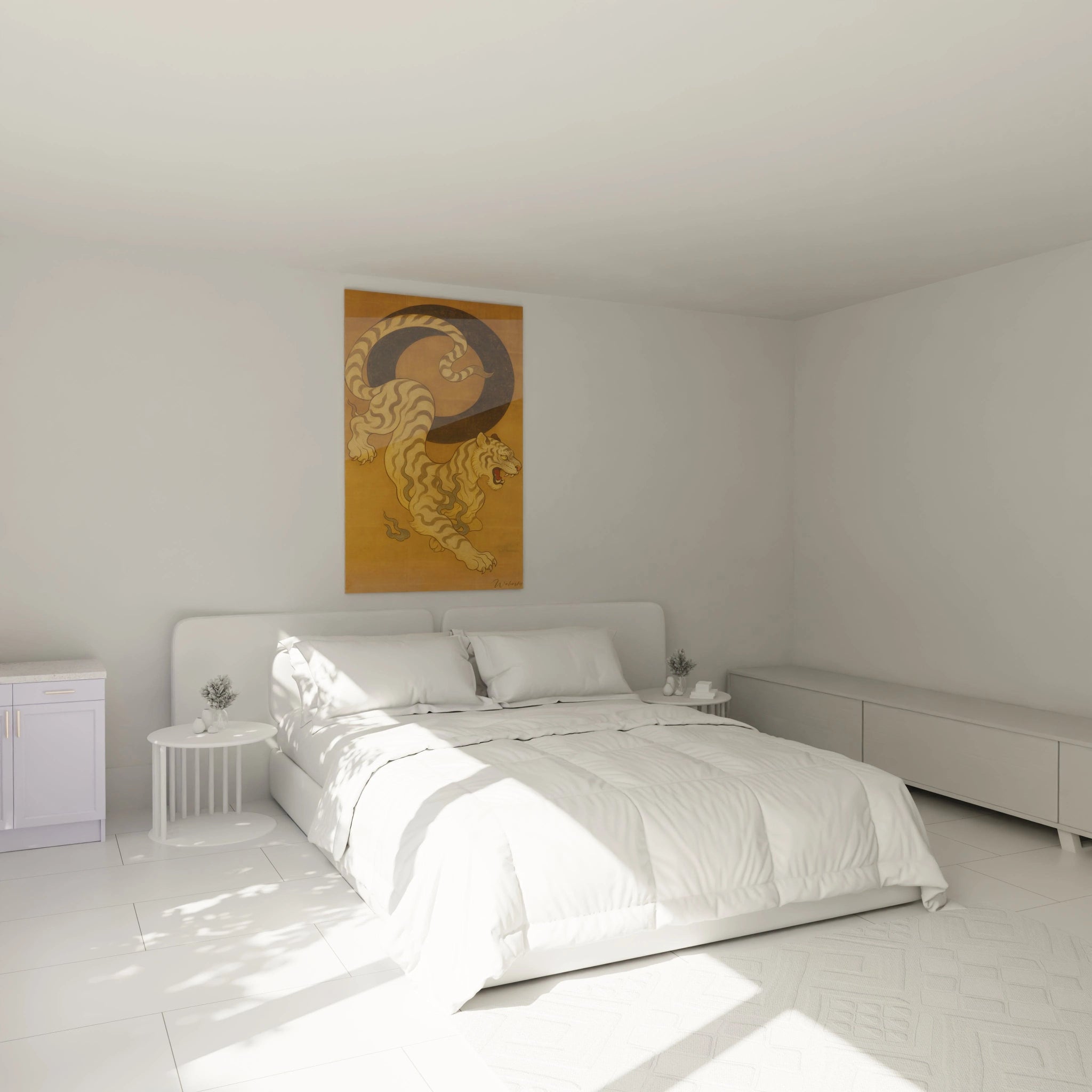
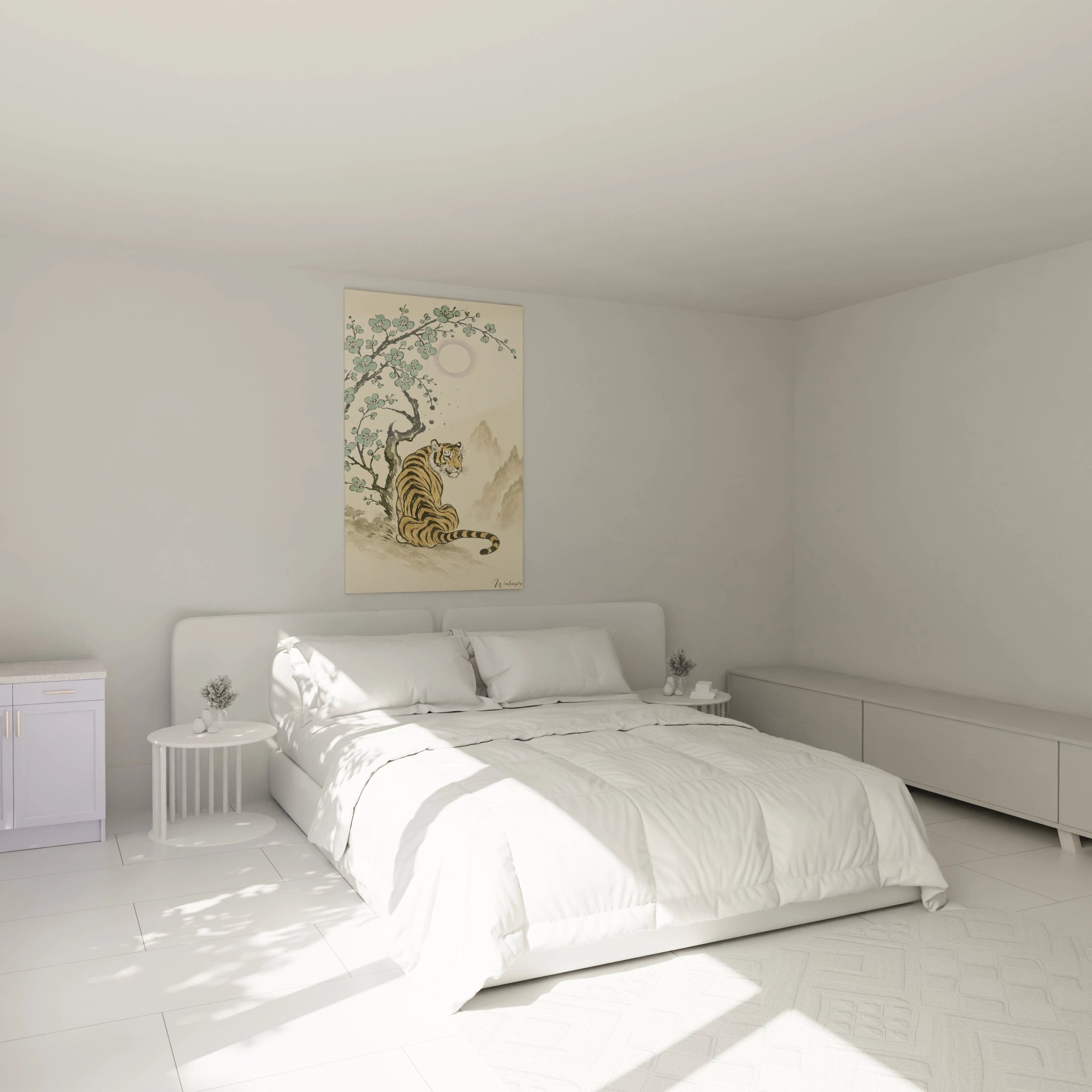
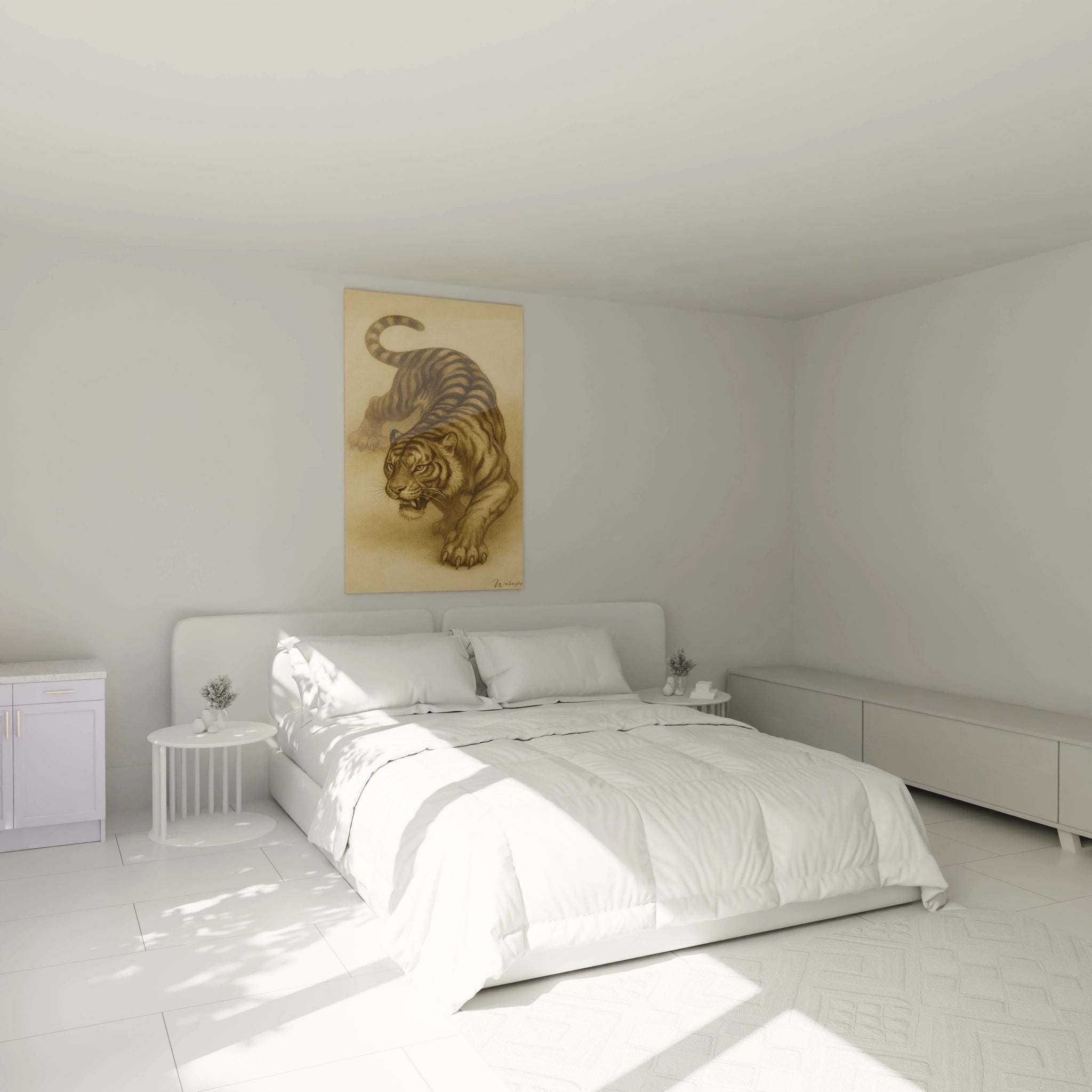
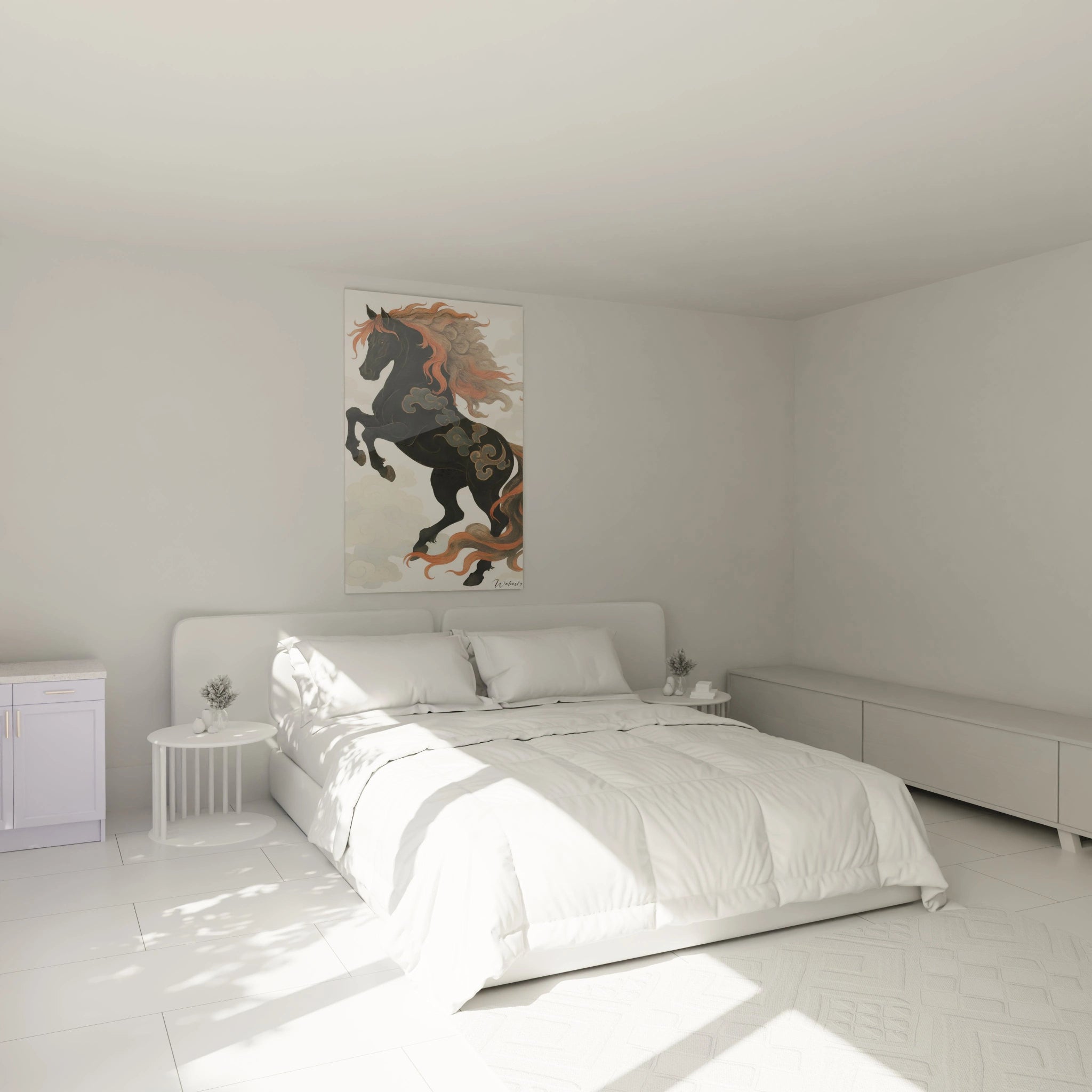
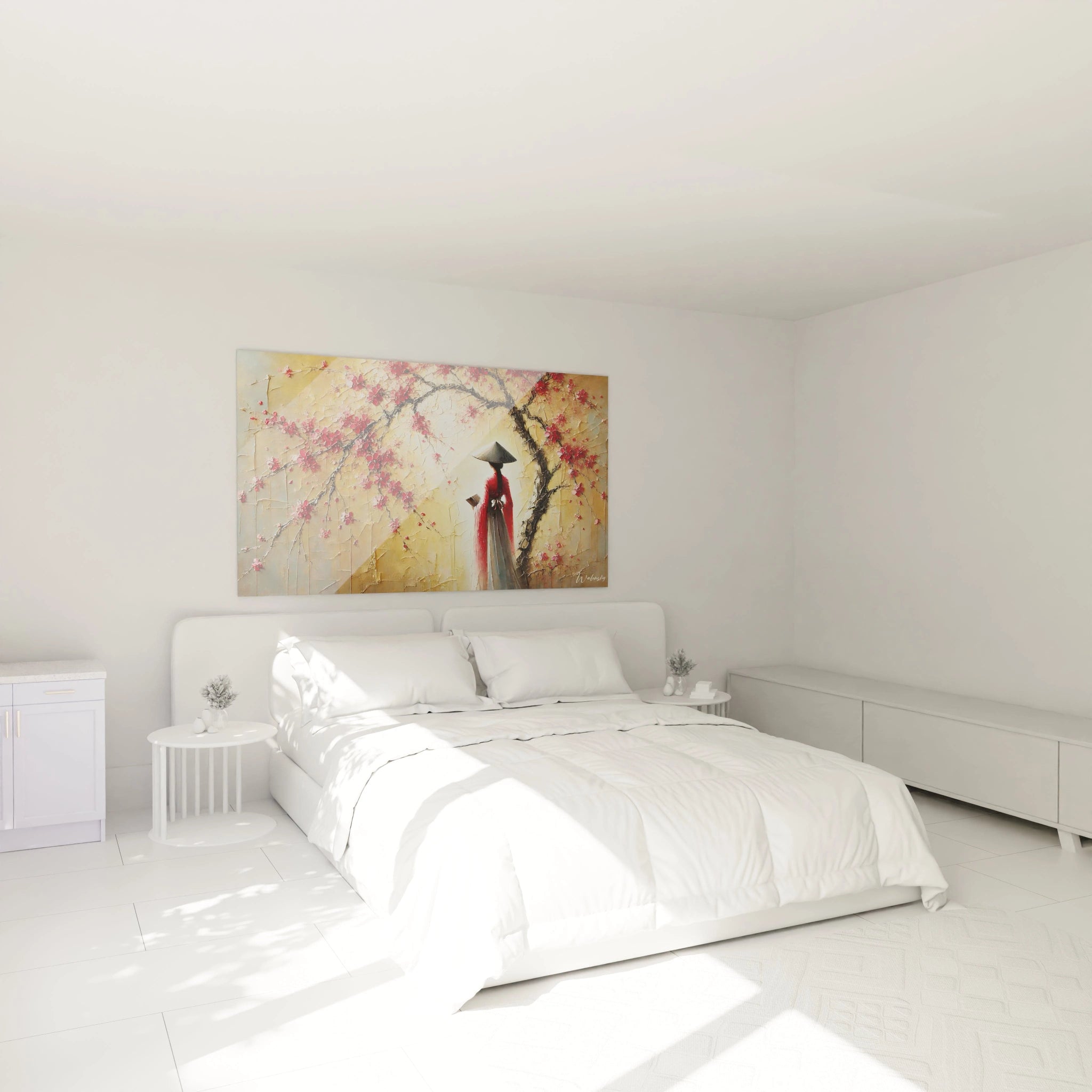
This particularity makes Chinese paintings preferred choices for relaxation-dedicated spaces like bedrooms or meditation corners. Their balanced visual presence brings immediate calm sensation without imposing excessive visual stimulation.
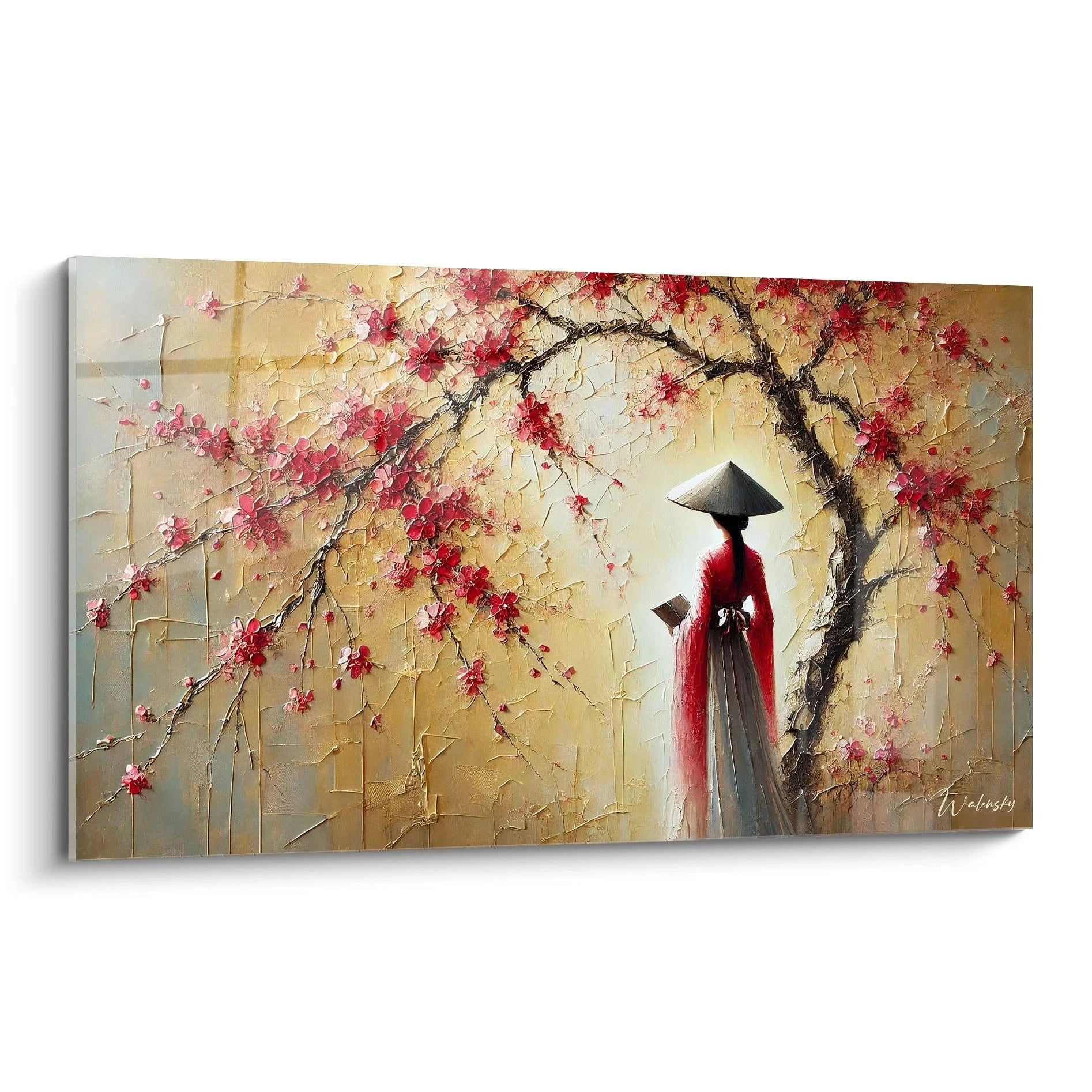
Seasonal interaction with Chinese paintings constitutes sophisticated interior decoration approach. A misty mountain composition gains particularly evocative dimension during autumn months, while cherry blossom painting resonates profoundly in spring. This natural synchronicity creates subtle connection between your living space and external world.
For professional spaces like home offices, Chinese paintings with controlled aquatic motifs (such as calm river harmoniously contoured around rocks) favor complex problem resolution and balanced decision-making, according to several studies on visual environments' influence on cognition.
In already-defined style interiors, Chinese paintings integrate with surprising versatility: their traditionally restrained color palette (ochres, earth tones, nuanced blacks) naturally harmonizes with contemporary designs, while their balanced compositions perfectly complement classical spaces without creating visual discord.
Chinese paintings' perceptual evolution over time constitutes a unique phenomenon. Unlike Western artworks quickly "known," Oriental compositions progressively reveal themselves, unveiling new details and nuances over years. This characteristic makes them lasting aesthetic investments that continue enriching your visual experience long after acquisition.Chinese Paintings: Fusion Between Traditional Art and Contemporary Decoration
Chinese paintings occupy a unique position in interior decoration through their exceptional ability to transcend epochs. Heirs to millennia-old artistic traditions yet perfectly adapted to contemporary spaces, they create visual anchoring points that radically transform a room's identity.
How do Chinese paintings revolutionize spatial perception of a room?
Traditional Chinese paintings' unique spatial conception rests on perspective principles radically different from Western conventions. While European wall art uses linear perspective to create depth illusion, Chinese compositions employ "mobile perspective" where vision travels through different planes without unique vanishing point.
This revolutionary approach to visual space allows large-format Chinese paintings to create impression of immensity even in modest-sized rooms. Placed on a standard living room's main wall, traditional Chinese mountain landscape can visually "enlarge" space by 20-30% according to spatial perception studies.
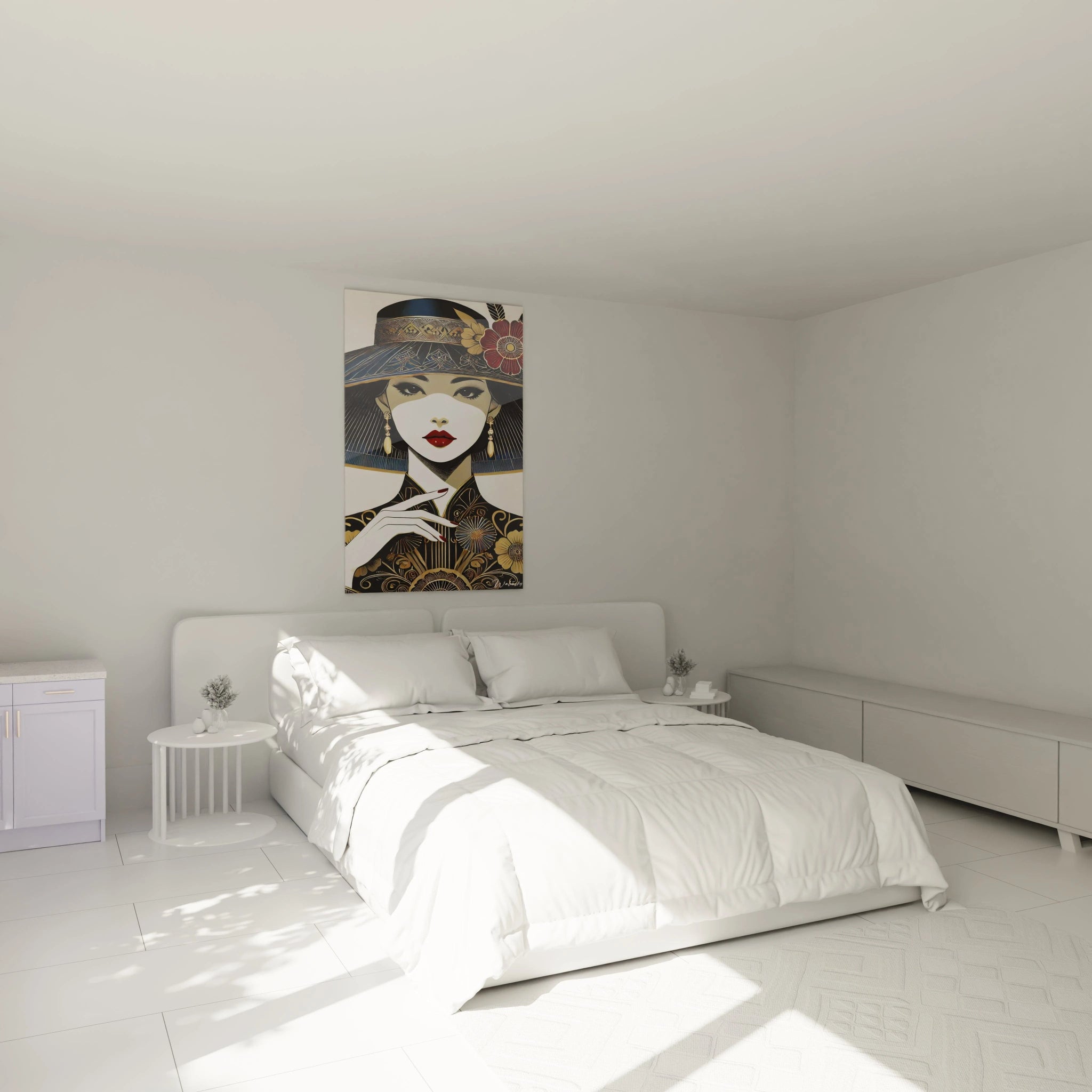
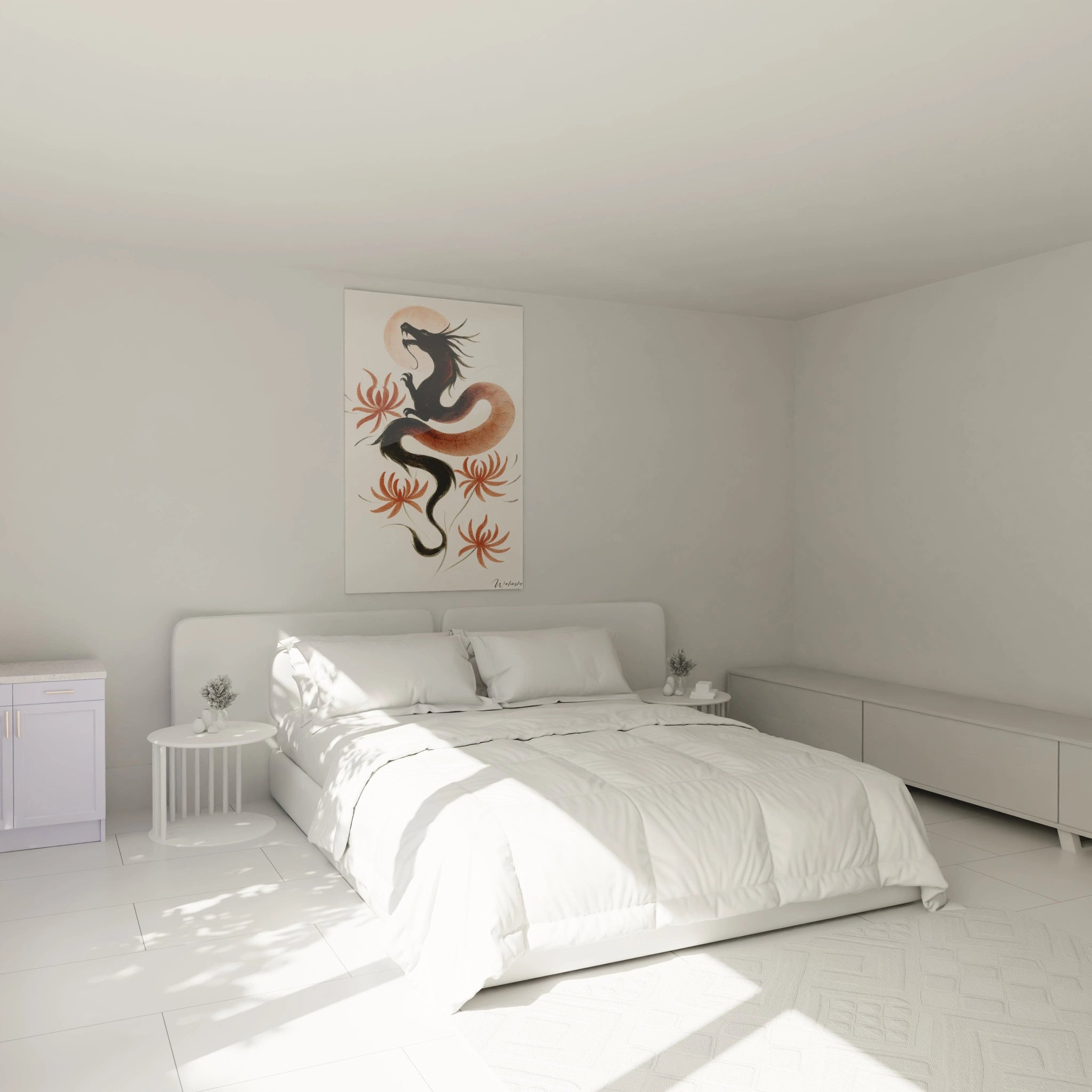
In urban apartments with low ceilings, vertical Chinese paintings depicting mountain formations create elevation illusion effectively counterbalancing spatial compression. This unique characteristic makes Chinese paintings ideal solutions for constrained metropolitan habitat spaces.
Interaction between Chinese paintings and modern architectural lighting offers exceptional creative possibilities. Traditional inks used in these works react differently according to light spectrum: adjustable color temperature LED lighting allows highlighting either subtle wash nuances or ink line precision alternately.
Which Chinese painting elements resonate with contemporary interior design trends?
The minimalist aesthetic characterizing many Chinese paintings, particularly those influenced by the Southern school with their streamlined compositions and vast empty spaces, aligns perfectly with current interior design trends privileging visual simplicity and clutter absence.
Traditional Chinese paintings' natural color palettes – dominated by ochres, earthy browns, and nuanced blacks – harmonize remarkably with raw materials privileged in contemporary architecture like concrete, untreated wood, or brushed metal, creating sophisticated textural dialogues.
For already-defined style interiors, Chinese paintings offer exceptional integration flexibility:
• In industrial spaces: their organicity harmoniously counterbalances metal structures' and raw surfaces' rigor
• In Scandinavian interiors: their airy compositions amplify characteristic natural luminosity of this style
• In bohemian décors: their natural motifs ideally complement vegetable elements without creating visual overload
• In minimalist environments: their strong graphic presence brings essential character touch without breaking balance
Contemporary Chinese paintings integrating mixed techniques – fusion of traditional calligraphy and modern materials like metallic pigments or textured supports – create particularly successful aesthetic bridges between cultural heritage and current artistic expression.
The pharmacopoeia dimension of Chinese paintings depicting certain traditional medicinal plants adds significant value layer to their decorative worth. Beyond aesthetic pleasure, these works convey ancestral knowledge on nature's curative properties, transforming your decoration into inspiration source for holistic wellness.
For demanding collectors, Chinese paintings executed according to authentic "Gongbi" painting techniques (meticulous style) with their extraordinary precision details offer visual experience progressively unveiling itself, revealing new subtleties with each contemplation – a characteristic particularly valued in our era of rapid, superficial visual consumption.
FAQ on Chinese Paintings
What is the fundamental difference between an authentic Chinese painting and a Western reproduction?
An authentic Chinese painting distinguishes itself through realization technique using traditional inks on rice paper or silk creating unique visual depth. Unlike Western reproductions often privileging immediate decorative effect, authentic work harmoniously integrates calligraphy, balanced composition, and traditional symbolism, offering multiple reading levels and subtle natural light interaction.
How to properly maintain a large Chinese painting?
Large Chinese painting maintenance requires specific precautions: avoid direct sun exposure potentially altering natural pigments, maintain stable room humidity (ideally 40-60%), and gently dust surface with soft-bristled brush. For glass-framed pieces, semi-annual cleaning with slightly moistened microfiber cloth will suffice preserving their luster.
Can Chinese paintings integrate into all interior styles?
Chinese paintings possess remarkable aesthetic versatility allowing harmonious integration into nearly all interior styles. In contemporary spaces, they bring tradition touch and cultural depth; in classical décors, they introduce refined exotic note; and in eclectic interiors, their strong graphic presence creates elegant focal point. Their generally subtle palette and balanced compositions allow dialogue with highly varied furniture styles without creating aesthetic discord.