


Art Deco Wall Art
Immerse yourself in the captivating world of our Art Deco Wall Art collection, where elegance, geometry and refinement come together to create exceptional works. Inspired by the artistic movement of the 1920s, these creations capture the essence of an era where luxury and modernity were expressed through clean lines and sophisticated patterns. Each piece reveals a perfect harmony between symmetrical forms and bold colours, bringing a timeless touch of glamour to your décor. Give your interior this unique visual signature that embodies prestige and avant-garde.
 Woman Portrait Sunglasses Wall Art - Modern Vision - Art Deco Edition273,90 €
 Art Deco Cocktail Painting - Golden Elegance - Art Deco Edition228,90 €
 Art Deco Peacock Painting - Feathers Displayed - Art Deco Edition273,90 €
 Lotus Flowers Painting - Golden Elegance - Art Deco Edition273,90 €
 Leopard Wall Art - Golden Elegance in the Jungle - Art Deco Edition273,90 €
 Tropical Foliage Wall Art - Golden Elegance - Art Deco Edition273,90 €
 Mountain Landscape Wall Art - Golden Lines by Moonlight - Art Deco Edition273,90 €
 Art Deco Pattern Wall Art - Golden Fans on Emerald Background - Art Deco Edition273,90 €
 Art Deco Architecture Painting - Golden Skyline - Art deco Edition273,90 €
 Stylized Dogs Painting - Golden Canine Elegance - Art deco Edition273,90 €
 Coffee Cup Wall Art - Morning Elegance - Art Deco Edition273,90 €
 New York Skyline Wall Art - Golden Rays Art Deco - Art Deco Edition273,90 €
 Floral Motifs Wall Art Art Deco - Golden Lotus and Arabesques - Art Deco Edition273,90 €
 Oriental Arches Wall Art - Golden Splendour - Art Deco Edition273,90 €
 Woman with Cat Wall Art - Golden Reverie - Art Deco Edition273,90 €
 Oriental Patterns Wall Art - Persian Elegance - Art Deco Edition273,90 €
 Woman with Wavy Hair Wall Art - Golden Elegance - Art Deco Edition273,90 €
 Art Deco Patterns Wall Art - Burgundy and Gold Elegance - Art Deco Edition273,90 €
 Woman Wall Art Art Deco - Golden Geometric Portrait - Art Deco Edition273,90 €
 Geometric Patterns Wall Art - Golden Arches Art Deco - Art Deco Edition273,90 €
 Egyptian Woman Painting - Goddess with Blue Lotus - Art Deco Edition273,90 €
 Tropical Cocktail Painting - Golden Elegance - Art Deco Edition273,90 €
 Woman Art Deco Cocktail Wall Art - Modern Elegance - Art Deco Edition273,90 €
 Woman with Blue Ginkgo Wall Art - Art Deco Elegance - Art Deco Edition273,90 €
In the same family
Also explore the theme Artistic Movements
-
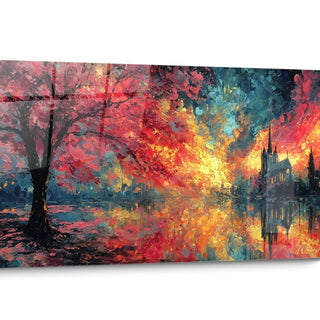 View all793
artworks
View all793
artworks
-
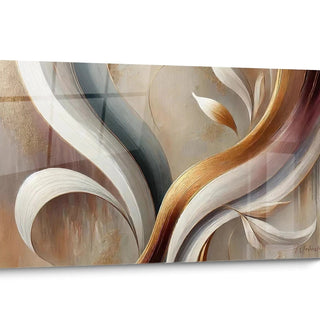 Acrylic (style)10
artworks
Acrylic (style)10
artworks
-
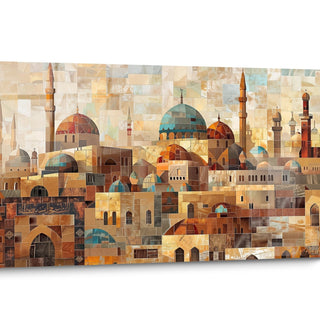 Islamic Art9
artworks
Islamic Art9
artworks
-
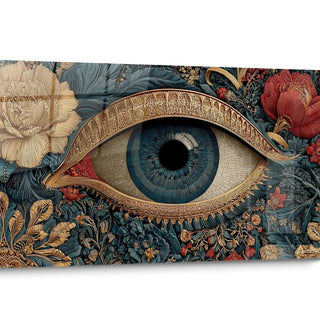 Art Nouveau39
artworks
Art Nouveau39
artworks
-
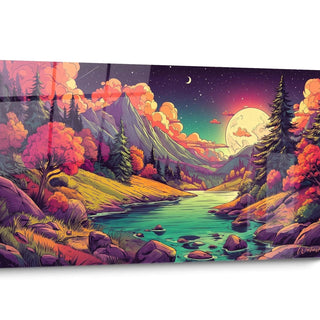 Comic Strip16
artworks
Comic Strip16
artworks
-
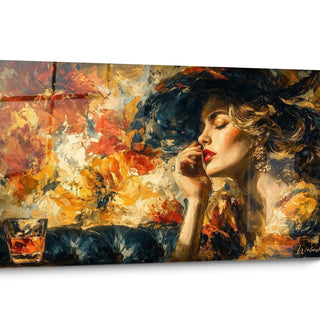 Baroque22
artworks
Baroque22
artworks
-
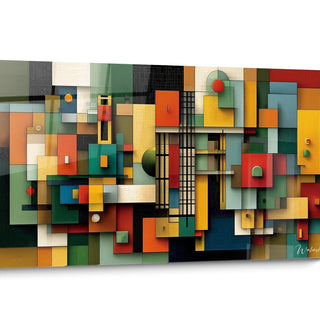 Bauhaus31
artworks
Bauhaus31
artworks
-
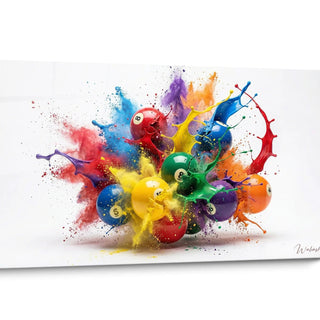 Billiards19
artworks
Billiards19
artworks
-
 Classicism16
artworks
Classicism16
artworks
-
 Collage14
artworks
Collage14
artworks
-
 Constructivism31
artworks
Constructivism31
artworks
-
 Cubism91
artworks
Cubism91
artworks
-
 Dadaism33
artworks
Dadaism33
artworks
-
 Drawing20
artworks
Drawing20
artworks
-
 Expressionist95
artworks
Expressionist95
artworks
-
 Abstract Fauvism10
artworks
Abstract Fauvism10
artworks
-
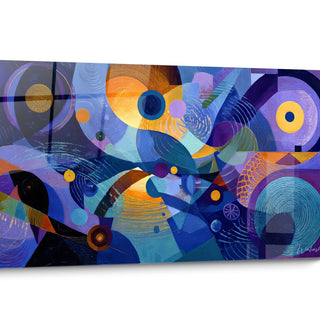 Abstract Futurism25
artworks
Abstract Futurism25
artworks
-
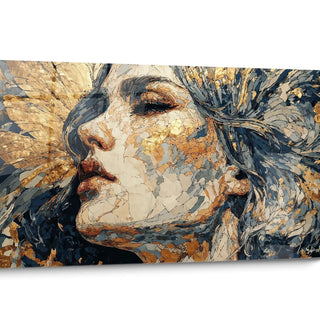 Gothic29
artworks
Gothic29
artworks
-
 Hyperrealism28
artworks
Hyperrealism28
artworks
-
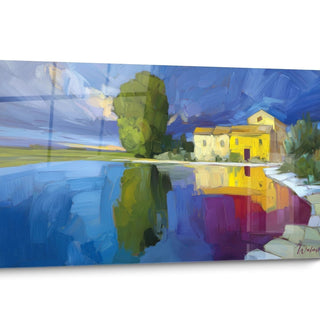 Impressionism23
artworks
Impressionism23
artworks
-
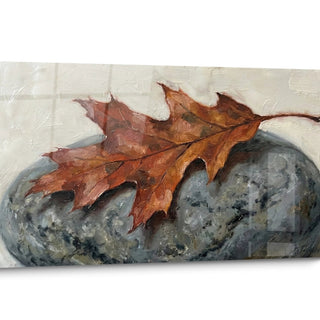 Japandi13
artworks
Japandi13
artworks
-
 Light painting3
artworks
Light painting3
artworks
-
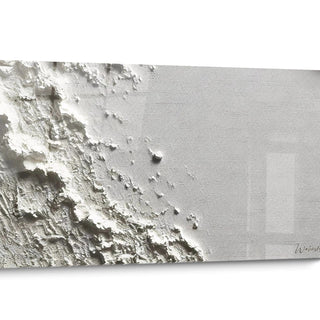 Minimalist35
artworks
Minimalist35
artworks
-
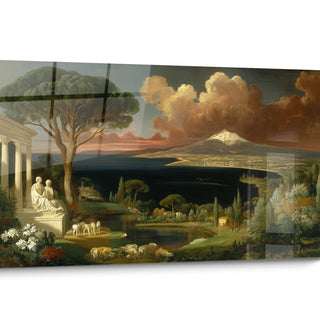 Neo-classical15
artworks
Neo-classical15
artworks
-
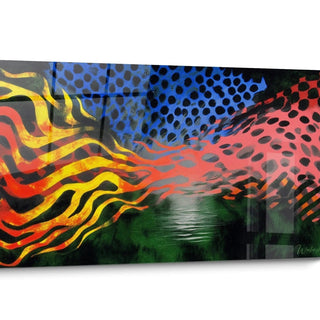 Op Art20
artworks
Op Art20
artworks
-
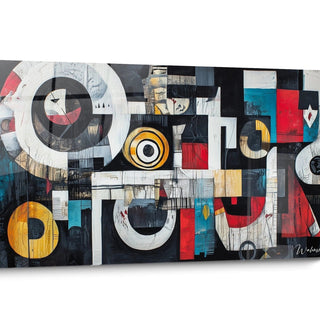 Abstract Contemporary Painting48
artworks
Abstract Contemporary Painting48
artworks
-
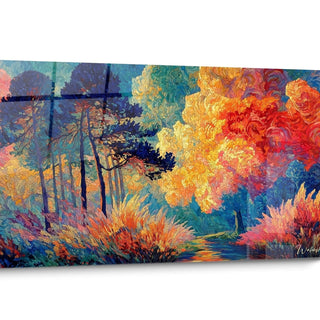 Pointillism59
artworks
Pointillism59
artworks
-
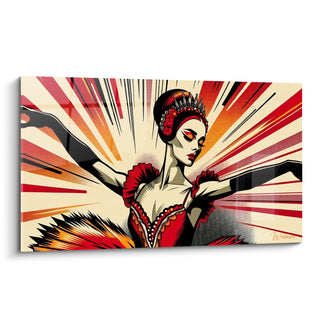 Abstract Pop Art18
artworks
Abstract Pop Art18
artworks
-
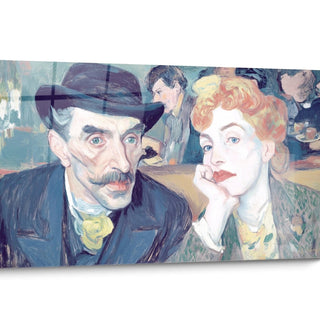 Post-Impressionism15
artworks
Post-Impressionism15
artworks
-
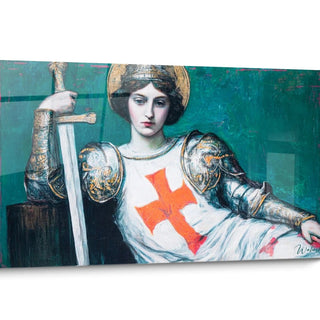 Pre-Raphaelitism11
artworks
Pre-Raphaelitism11
artworks
-
 Realism10
artworks
Realism10
artworks
-
 Renaissance13
artworks
Renaissance13
artworks
-
 Italian Renaissance12
artworks
Italian Renaissance12
artworks
-
 Rococo5
artworks
Rococo5
artworks
-
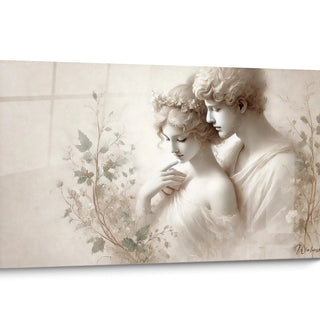 Romantic12
artworks
Romantic12
artworks
-
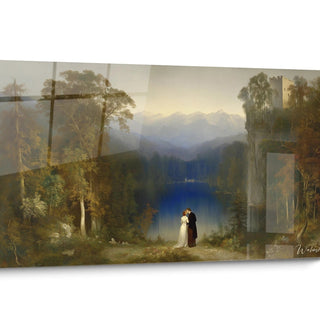 Romanticism17
artworks
Romanticism17
artworks
-
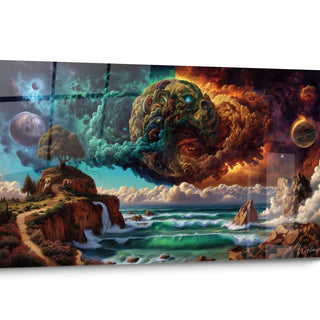 Abstract Surrealism34
artworks
Abstract Surrealism34
artworks
-
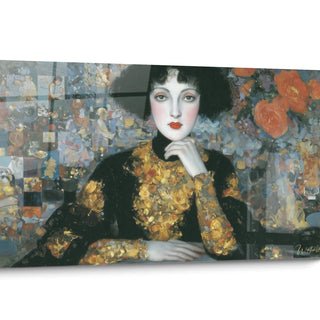 Symbolist26
artworks
Symbolist26
artworks
-
 Vanity21
artworks
Vanity21
artworks
All about Art Deco Wall Art
- Painting Presentation Art Deco
- Painting Art Deco : Visual Codes and Iconography
- Painting Art Deco : Integration into Modern Interiors
- Art Deco Painting: History and Current Trend
The Art Deco painting embodies the geometric elegance and refinement of the Roaring Twenties. This decorative style, born in the 1920s, is characterized by its clean lines, symmetrical motifs, and association with luxury. Today, large-format Art Deco decors enhance contemporary interiors by bringing a touch of timeless glamour. Discover how to choose and integrate these characteristic wall artworks into your living space.
Art Deco Painting: Deciphering the Visual Codes of an Iconic Style
The Art Deco painting is instantly recognizable thanks to a unique visual vocabulary forged in the effervescence of the 1920s-1930s. This aesthetic, born from the encounter between industrial modernity and the quest for luxury, has developed graphic codes that have become signatures of the movement. Understanding these distinctive elements allows you to select a work authentically representative of this golden age.
The emblematic geometric motifs of the Art Deco style
Geometry is the very foundation of Art Deco expression. Repetitive chevrons, dynamic zigzags, and fan-shaped forms create a hypnotic visual rhythm. The sunburst motif, representing a symmetrical sun's rays, symbolizes the optimism of the interwar period and remains one of the most sought-after elements in a decor of this era.
Overlapping arches, interlocking lozenges, and concentric circles also compose the typical graphic repertoire. These shapes are organized according to a rigorous symmetry that gives compositions a balanced harmony. A large-format painting exploiting these motifs naturally becomes a focal architectural point in a room.
What color palette defines the Art Deco aesthetic?
The historical colors of the movement oscillate between sophistication and boldness. Deep black associated with gold evokes the glamour of Parisian salons. Emerald green, sapphire blue, and burgundy are the noble shades preferred by artists of the time. These precious nuances recall the stones and metals that adorned the luxurious furniture of the Roaring Twenties.
Marked contrasts also characterize this aesthetic. Ivory enhanced with metallic touches, coral on a black background, or turquoise associated with chrome create striking visual vibrations. For a contemporary interior, these color combinations bring an incomparable visual depth when applied to a large wall surface.
Female iconography: silhouettes and influences of Tamara de Lempicka
The representation of the modern woman is a major theme of Art Deco iconography. Slender silhouettes, theatrical poses, and enigmatic gazes embody the female emancipation of this period. The influence of Tamara de Lempicka, an emblematic figure of the Art Deco portrait , is found in many contemporary creations inspired by her cubist and sensual style.
These female representations are characterized by their stylized features: ridged hair, flowing dresses, geometric jewelry. Faces with simplified features exude a characteristic cold elegance. A wall decor featuring this iconography brings a narrative and sophisticated dimension to a reception area or a master suite.
Stylized fauna and exotic influences in Art Deco
A fascination for exoticism profoundly marked the movement. Leaping panthers, graceful gazelles, and tropical birds populate the Art Deco visual universe. These animals, represented in a geometricized manner, symbolize speed, elegance, and mystery. The discovery of Tutankhamun's tomb in 1922 also infused Egyptian influences: scarabs, stylized lotus flowers, and pharaonic motifs.
Vegetal elements undergo the same graphic treatment. Schematized palm trees, banana leaves with pronounced veins, and flowers with angular petals compose a nature tamed by geometry. These natural themes soften the rigor of the compositions while preserving the recognizable aesthetic of the style.
- Sunburst motifs and symmetrical solar rays for maximum visual impact
- Chevrons and zigzags creating dynamism and movement
- Black and gold palette embodying the luxury of the Roaring Twenties
- Stylized feminine silhouettes inspired by Lempicka
- Geometricized exotic fauna: panthers, gazelles, birds
How to recognize an authentic Art Deco style on a wall decor?
Several clues make it possible to identify a work truly representative. Axial symmetry constitutes the first criterion: compositions are organized around a visible or suggested central axis. The absence of soft curves in favor of sharp angles and taut lines confirms the stylistic affiliation. Gradients are rare, replaced by blocks of frank colors delimited by precise contours.
The impression of mastered luxury also transpires in authentic Art Deco creations. No baroque exuberance or ornamental overload: each element responds to a rigorous decorative logic. This economy of means in service of elegance fundamentally distinguishes this movement from earlier, more elaborate styles.
Integrating a painting Art Deco into a contemporary interior
The painting large format Art Deco finds its place in modern habitats seeking character. This aesthetic of the Roaring Twenties dialogues remarkably with the current codes of interior design. The successful association rests on a few key principles allowing to create a sophisticated atmosphere without falling into historical reconstruction.
Create a Roaring Twenties atmosphere without pastiche
Evoking the spirit of Gatsby does not require transforming one's living room into a film set from the era. A single imposing wall decor with characteristic geometric motifs is enough to set the mood. The clean lines of contemporary furniture, notably seating with metal structures and tables with glass tops, perfectly respond to the angular compositions of this artistic period.
Current minimalism and Art Deco share a common taste for visual order and discreet refinement. An accent wall receiving a large-format work becomes the anchor point around which the entire room is organized. Other decorative elements remain subdued to allow this masterpiece to shine.
What contemporary materials sublimate the Art Deco aesthetic?
Current printing supports magnify creations inspired by this movement. Acrylic glass gives depth and brilliance that recall the precious lacquers of the era. The subtle reflections of this noble material amplify the characteristic chromatic contrasts of the style. Dibond aluminum, with its perfectly flat surface and discreet metallic appearance, evokes the chrome and steel that adorned the furniture of the 1920s.
These premium materials justify the choice of generous formats. A reproduction on a low-end support would betray the very essence of a movement founded on artisanal excellence and assumed luxury. The quality of the print and the nobility of the support fully contribute to the desired visual experience.
Combining neo-Art Deco furniture and period wall decor
The resurgence of style in furniture design facilitates coherent pairings. Club chairs with generous curves, consoles with flared legs, and mirrors with geometric frames are natural companions for a wall décor inspired by this aesthetic. Velvet corduroy, the fabric of the moment, is making a comeback on contemporary seating.
Lighting also plays a crucial role in decorative coherence. Wall sconces with fan shapes, pendant lights with open metal structures, and lamps with geometric shades harmoniously complete the ensemble. These light sources create shadow play that brings wall compositions to life at dusk.
In which rooms should you install a large-format Art Deco wall artwork?
The entrance and hallway are privileged locations. These transitional spaces deserve an immediate visual impact that sets the tone for the home. A décor with sunburst motifs welcomes visitors with elegance and immediately asserts a confident decorative personality. The generous dimensions of the available formats allow you to dress walls that are often neglected.
The living room remains the classic location for a master artwork. Positioned above a sofa or facing the main seating area, it naturally captures the eye. The dining room represents an interesting alternative: dinners are held in an atmosphere reminiscent of the great Parisian restaurants of the interwar period. The master suite ideally welcomes compositions with sophisticated feminine silhouettes.
- Entrance and hallway for a memorable first impression
- Living room above the main sofa as a focal point
- Dining room for a chic Parisian bistro atmosphere
- Master suite for elegant female portraits
- Office or library for a refined professional style
Mistakes to avoid when integrating décor
Accumulation is the main pitfall. Multiplying stylistic references dilutes the impact and creates visual confusion. A single imposing Art Deco wall artwork produces more effect than a disparate collection of small formats. The sobriety of the surrounding elements allows the artwork to breathe and fully exert its decorative power.
Mixing with contradictory styles also generates dissonances. Art Deco does not go well with rustic country or bohemian deconstructed styles. On the other hand, clean Scandinavian design, mid-century modern, and contemporary minimalist form successful combinations. Chromatic consistency between the artwork and its immediate environment reinforces the overall harmony.
Art Deco painting: understanding a movement to better choose it
Selecting a painting Art Deco relevant requires understanding the origins and evolution of this major artistic movement. Born in a specific historical context, this style is currently experiencing a remarkable renaissance in interior decoration. This knowledge helps to avoid frequent misunderstandings and make informed choices for your home.
Genesis of the movement: from the 1925 Exhibition to New York skyscrapers
The name itself comes from the International Exhibition of Decorative Arts and Modern Industries held in Paris in 1925. This event consecrated an aesthetic in gestation since the beginning of the century, definitively breaking with the arabesques of Art Nouveau. Creators then celebrated the machine, speed, and progress through streamlined and dynamic forms.
The style quickly conquered America, where it was expressed in monumental architecture. The Chrysler Building and the Empire State Building embody this architectural transposition of decorative vocabulary. Geometric motifs, metallic ornaments, and characteristic volume play are found from the entrance hall to the culminating spires. These architectural references nourish many contemporary wall creations today.
What is the difference between Art Deco and Art Nouveau?
Confusion between these two movements remains frequent despite their fundamental differences. Art Nouveau, which came earlier, favors organic curves inspired by nature: intertwined vines, blooming flowers, sinuous plant forms. Art Deco follows as a radical opposition, preferring straight lines, sharp angles, and rigorous geometry.
The themes also diverge. Art Nouveau draws from the natural world with an almost mystical sensitivity. Art Deco, on the other hand, celebrates urban modernity, triumphant industry, and manufactured luxury. A wall painting inspired by artistic movements allows you to explore these different sensibilities and affirm a clear aesthetic preference.
The contemporary renaissance of the style in interior design
Since the 2010s, Art Deco has experienced a spectacular resurgence in interior decoration. Period television series, the centenary of the Roaring Twenties, and a certain nostalgia for past glamour fuel this enthusiasm. Interior designers now commonly integrate references to this movement into their residential and commercial projects.
This trend is particularly expressed in luxury hotels and restaurants. Establishments seeking to create a sophisticated atmosphere frequently adopt this recognizable aesthetic. For individuals, a large-format wall decor represents the most accessible way to introduce this historical elegance without major renovations.
Why does the Art Deco style remain timeless?
The longevity of this movement is explained by several factors. Its reassuring geometry provides a sense of universal order and visual balance. The association with luxury and refinement confers on interiors a distinction immediately perceptible. Finally, the fundamental optimism of this style, born in the euphoria of the post-war period, radiates a positive energy.
Art Deco compositions also lend themselves remarkably well to enlargement in monumental formats. The sharp lines and blocks of color retain their legibility regardless of the dimension. This technical characteristic explains their success on large-format wall decorations intended for the generous volumes of contemporary homes.
- Balanced geometry providing order and visual serenity
- Permanent association with luxury and elegance
- Optimism inherited from the Roaring Twenties
- Excellent adaptation to large wall formats
- Compatibility with minimalist contemporary interiors
Selection criteria for a successful purchase
The quality of the printing support determines the durability of the artwork and its visual rendering. Premium materials such as acrylic glass or aluminum Dibond guarantee optimal durability and vibrant colors over time. Careful finishes testify to a mastered manufacturing process.
The choice of format should correspond to the proportions of the destination wall. A work that is too modest on a large wall loses its impact, while an excessive format crushes the space. Generous dimensions, from 120 centimeters and beyond, allow the characteristic motifs to fully express themselves and truly transform the atmosphere of a room.
Where to buy a quality Art Deco painting?
Specialized retailers in high-end wall decor offer curated selections that respect stylistic authenticity. European manufacturing generally guarantees high quality standards. Prioritize retailers detailing the technical characteristics of their products: nature of the support, printing process, origin of manufacture.
What budget should you allocate for a large-format Art Deco painting?
The investment varies depending on the dimensions and chosen support. Premium formats on noble materials represent a significant budget but constitute a durable purchase. This acquisition is akin to a lasting decorative investment rather than an impulsive purchase. Quality prevails over quantity to create a memorable visual impact.
How to maintain an Art Deco wall decor on a premium support?
Acrylic glass and aluminum Dibond require minimal maintenance. Regular dusting with a microfiber cloth is generally sufficient. For more stubborn marks, a glass cleaner without ammonia is perfectly suitable. These materials are resistant to moderate humidity, allowing installation in various rooms.
Is an Art Deco painting suitable for all interior styles?
This style particularly harmonizes with clean contemporary decorations, mid-century design, and assumed luxurious atmospheres. It does not blend as naturally with rustic, countryside, or very cluttered bohemian interiors. The essential thing remains to create a visual coherence between the artwork and its immediate environment.
Further reading
Our articles on this topic
- Do Art Deco geometric paintings convey professional elegance?
- Which Expressionist Paintings Will Enhance Your Modern Art Deco Style Entrance?
- Which Art Deco painting to choose for each room of an office or private mansion
- Which Artwork to Choose for a Glamorous 1920s Art Deco Airbnb?
- Art Deco painting for a Haussmann apartment entrance: a guide to stylistic harmony
- How to Choose an Art Deco Painting for a Bedroom: 5 Essential Functional Criteria
L'art qui suscite l'envie
Maison belge d'art mural grand format
14 jourspour changer d'avis*
Protection Walenskyincluse
Fabriquéen Italie
FormatXXL
Kit de fixationtoujours fourni
* Hors tableaux personnalisés et tailles personnalisées


